
Toronto & GTA Electrical Contractor
New Power Circuits for Industrial Equipment in Toronto, Mississauga, Hamilton, Brampton & GTA
Industrial electrical work — installations, upgrades, troubleshooting, maintenance, and code-compliant solutions.
Licensed & Insured
Fast Response
Code-Compliant Work

INDUSTRIAL NEW POWER CIRCUIT INSTALLATION
What We Do
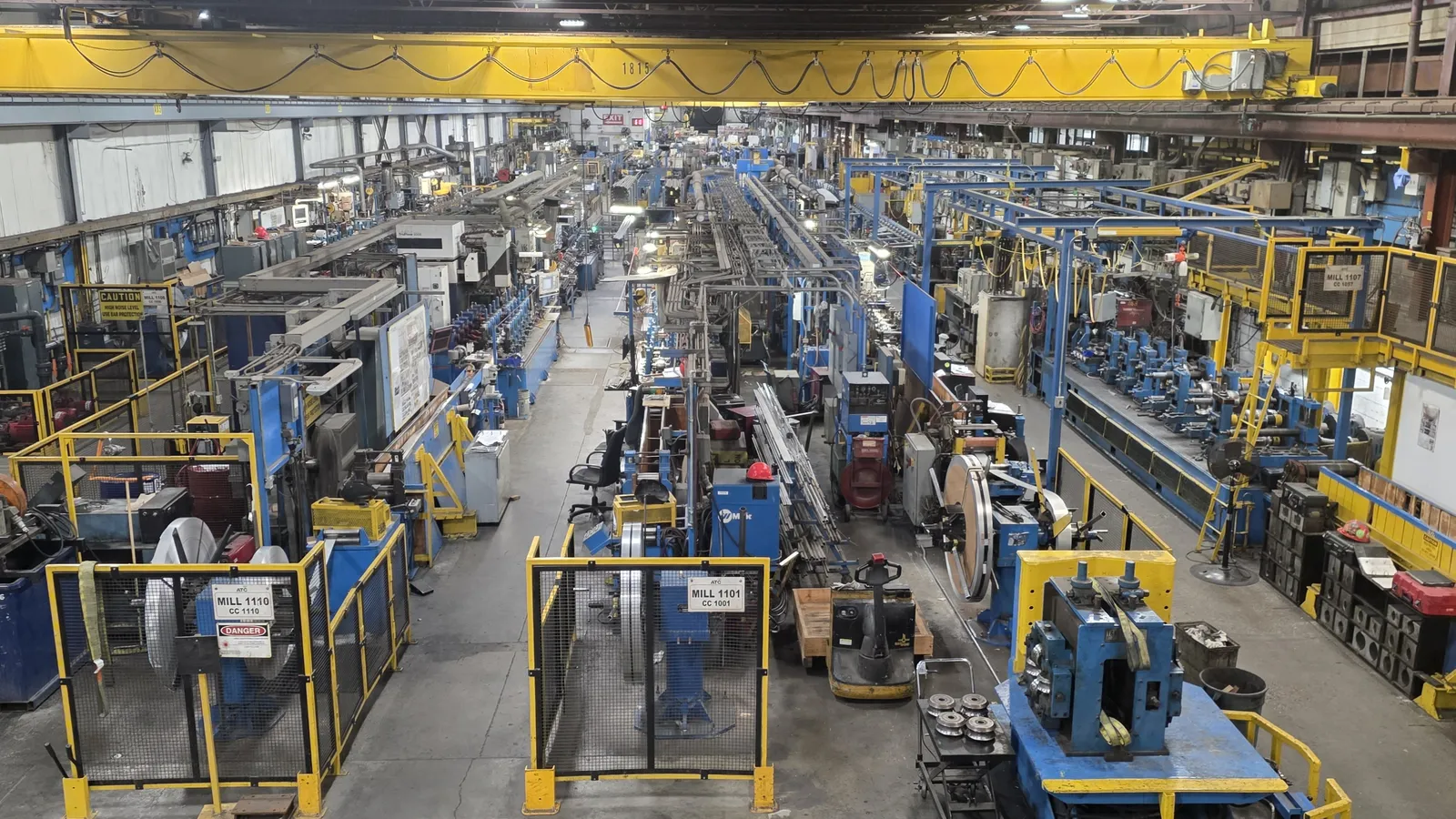
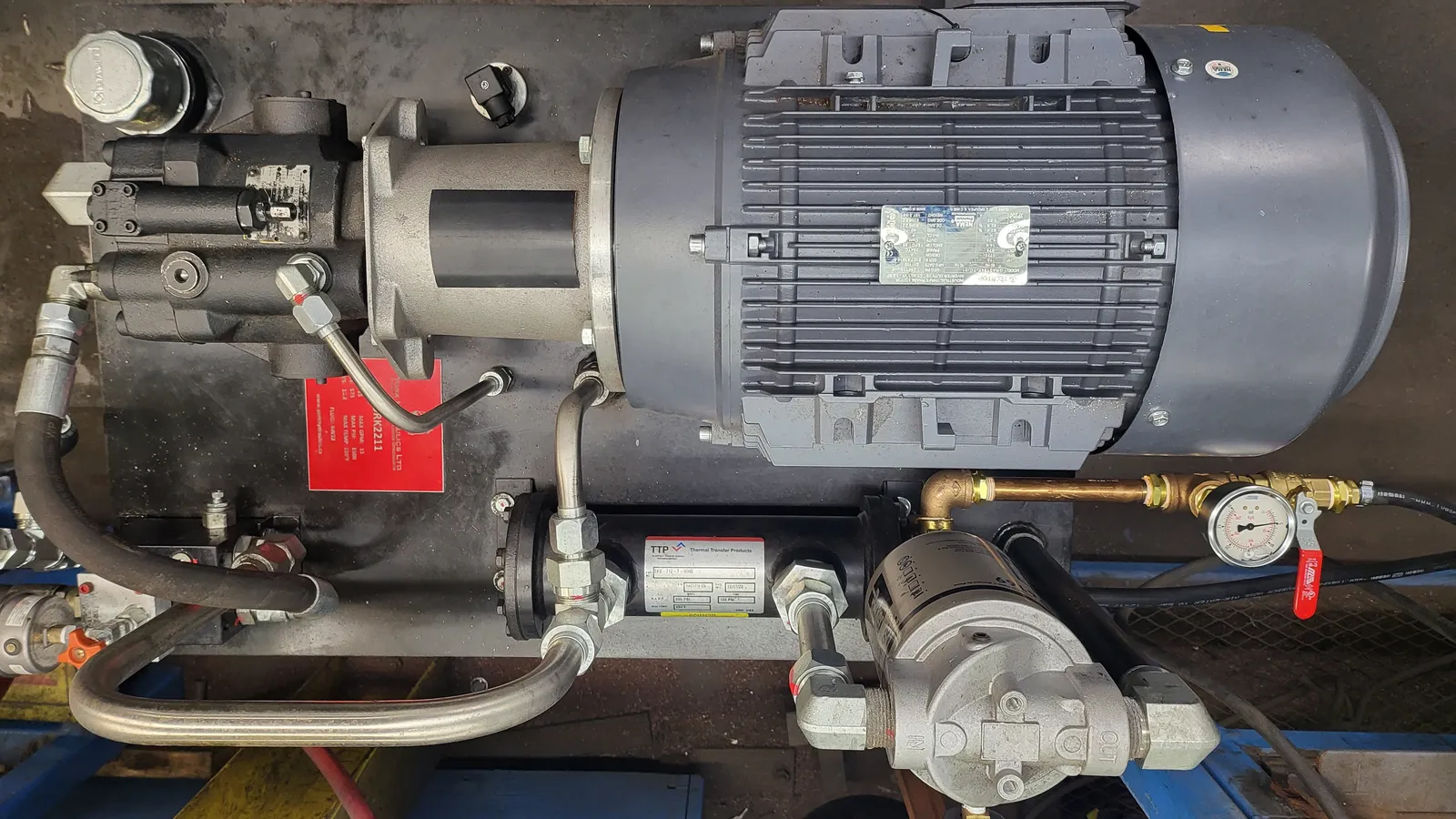
We provide new power circuits installation for industrial facilities, production equipment, process machinery, conveyors, pumps, fans, compressors, welders, HVAC loads, and other heavy-duty electrical loads across Toronto and the GTA.
This service is focused on adding new dedicated electrical circuits where existing power is not suitable, not available, or not safe for the equipment being installed. In industrial environments, new equipment often cannot simply be tied into whatever circuit is closest. The load may require a dedicated branch circuit, a new three-phase circuit, a separate disconnect, revised conductor sizing, or a cleaner supply path from the distribution source. Our job is to install the new power circuit properly so the equipment has the capacity, protection, and reliability it needs from day one. A properly installed new power circuit also makes future maintenance safer and helps reduce nuisance trips, overloaded conductors, and unreliable equipment startup.
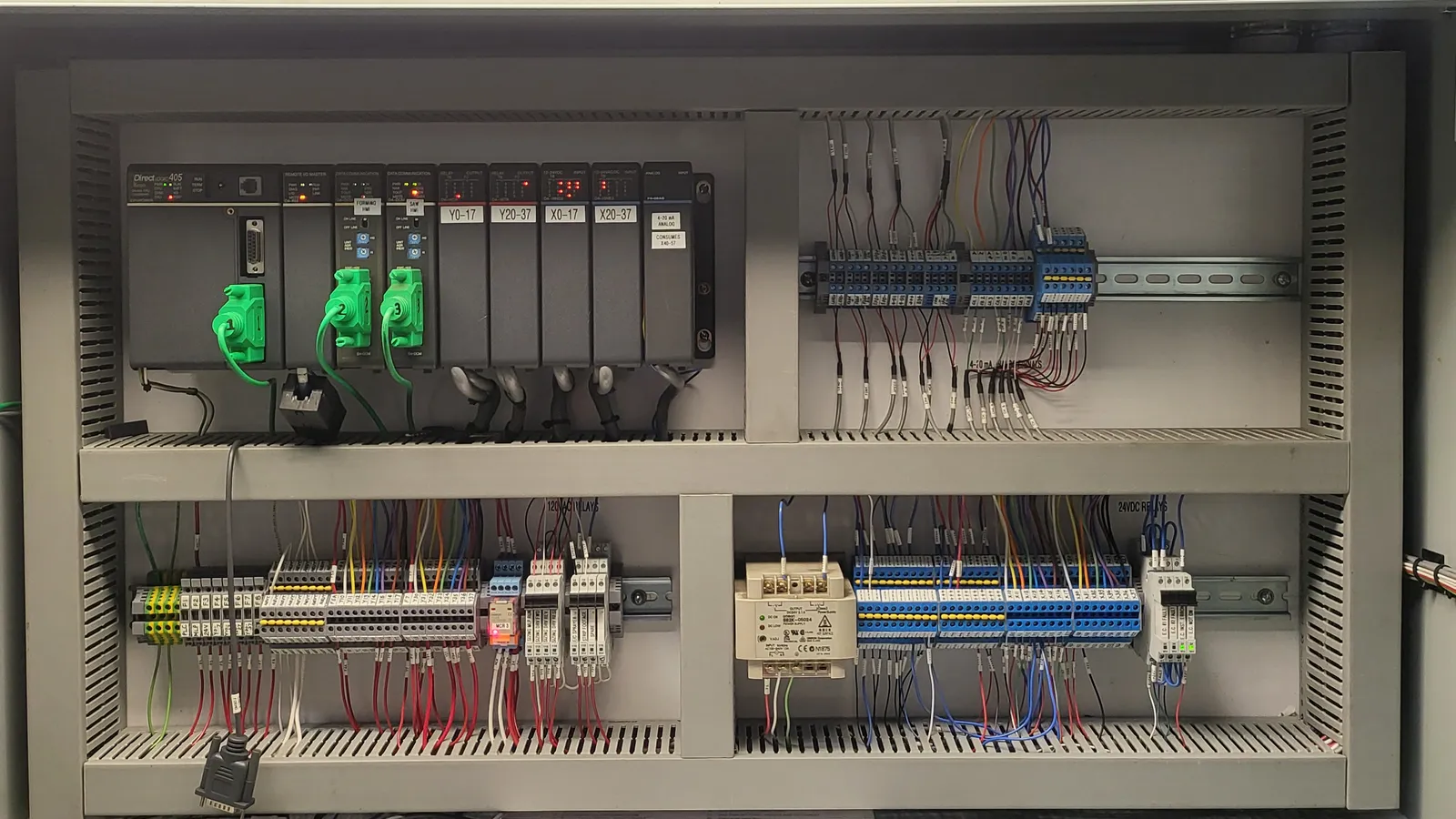
A new power circuits project can include circuit planning on the installation side, conduit runs, cable routing, disconnect switches, breaker coordination, final terminations, grounding, bonding, and connection to the correct distribution point. This is why new power circuit installation is more than just pulling wire from one panel to one machine. The circuit has to match the actual load, the equipment duty, the starting characteristics, the available distribution capacity, and the way the facility operates in real conditions. For general manufacturer reference on panelboards and low-voltage distribution equipment, see Siemens low-voltage power distribution and Schneider Electric low-voltage products and systems. A clean new power circuit installation supports safer operation, better load handling, and a more dependable electrical path for industrial equipment.
Our service includes new power circuits installation in Mississauga, industrial branch circuit installation in Vaughan, new three phase circuits in Markham, dedicated power circuits in Brampton, and new machinery supply circuits across the GTA. We install new power circuits for production machines, motor-driven equipment, packaging equipment, line expansions, process additions, and electrical upgrades where the existing supply path is too small, too crowded, or simply wrong for the connected load. We also verify where the circuit should originate, how it should be protected, and whether the existing distribution equipment can support the added demand properly. For additional reference on industrial power equipment and branch distribution, see Eaton low-voltage power distribution and control systems. Where appropriate, this work can also support related services such as power distribution, subpanel installation, or power connection.
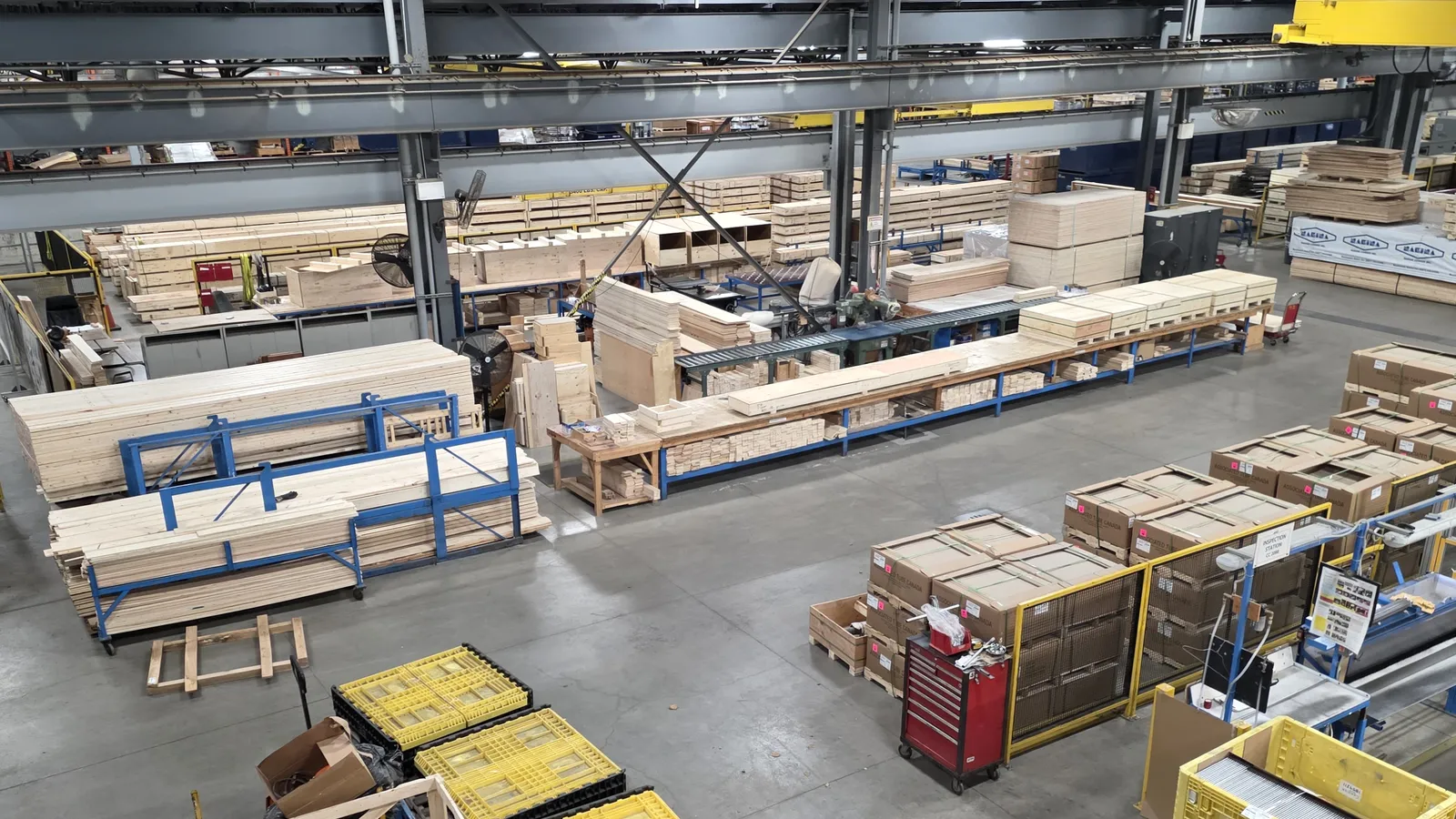
This service is built for industrial expansion, equipment additions, and practical electrical growth. Some projects involve one dedicated circuit for one machine. Others involve several new circuits for a process change, production upgrade, or facility reconfiguration. In every case, we focus on giving the equipment a proper source, suitable conductor ampacity, correct protection, and a clean installation that is safer to maintain later. We do not treat a new power circuit like a temporary add-on because in industrial settings that usually creates future problems with capacity, protection, servicing, and reliability. The result is a new power circuit that supports real industrial operation instead of another temporary workaround.

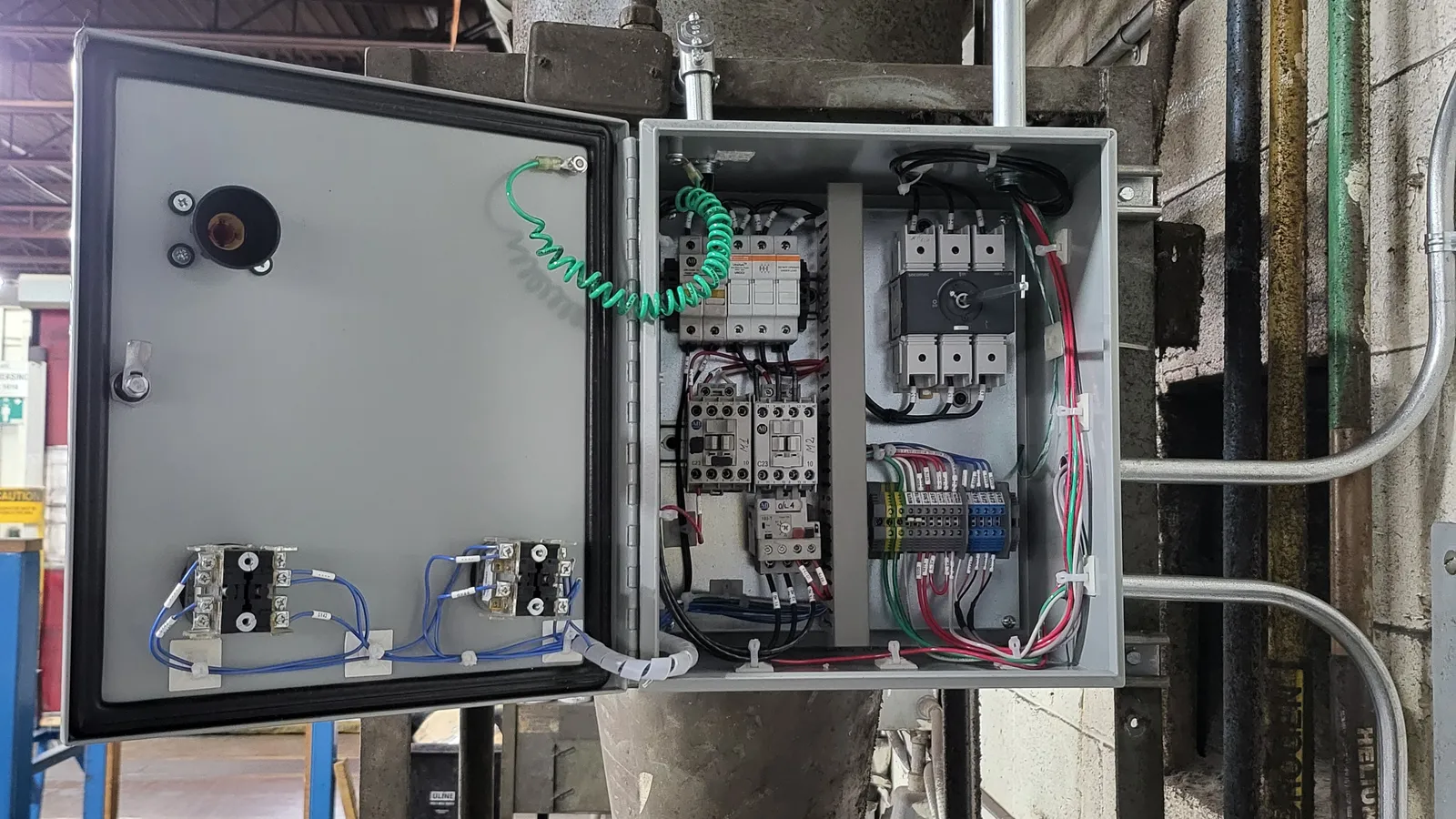
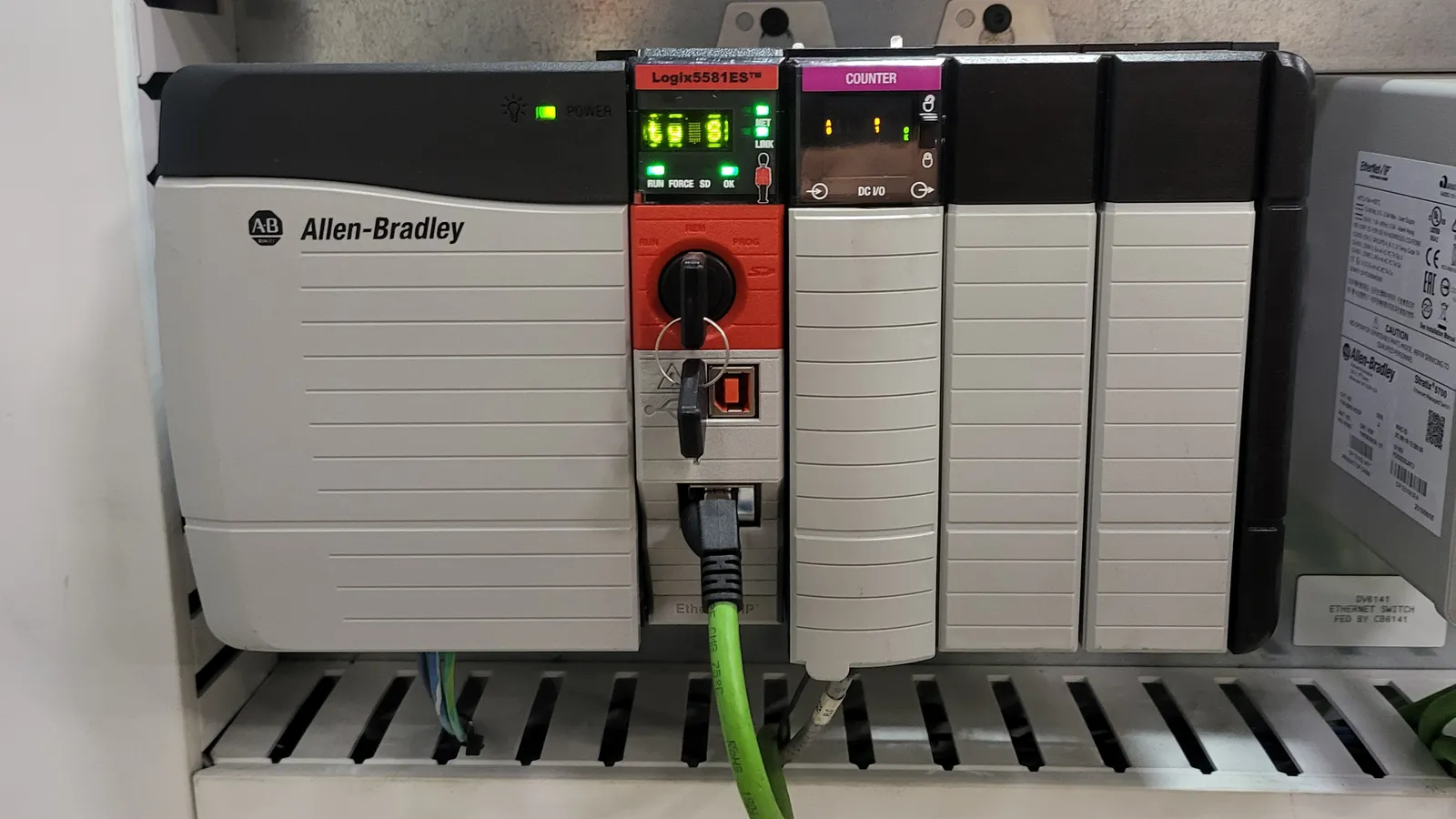
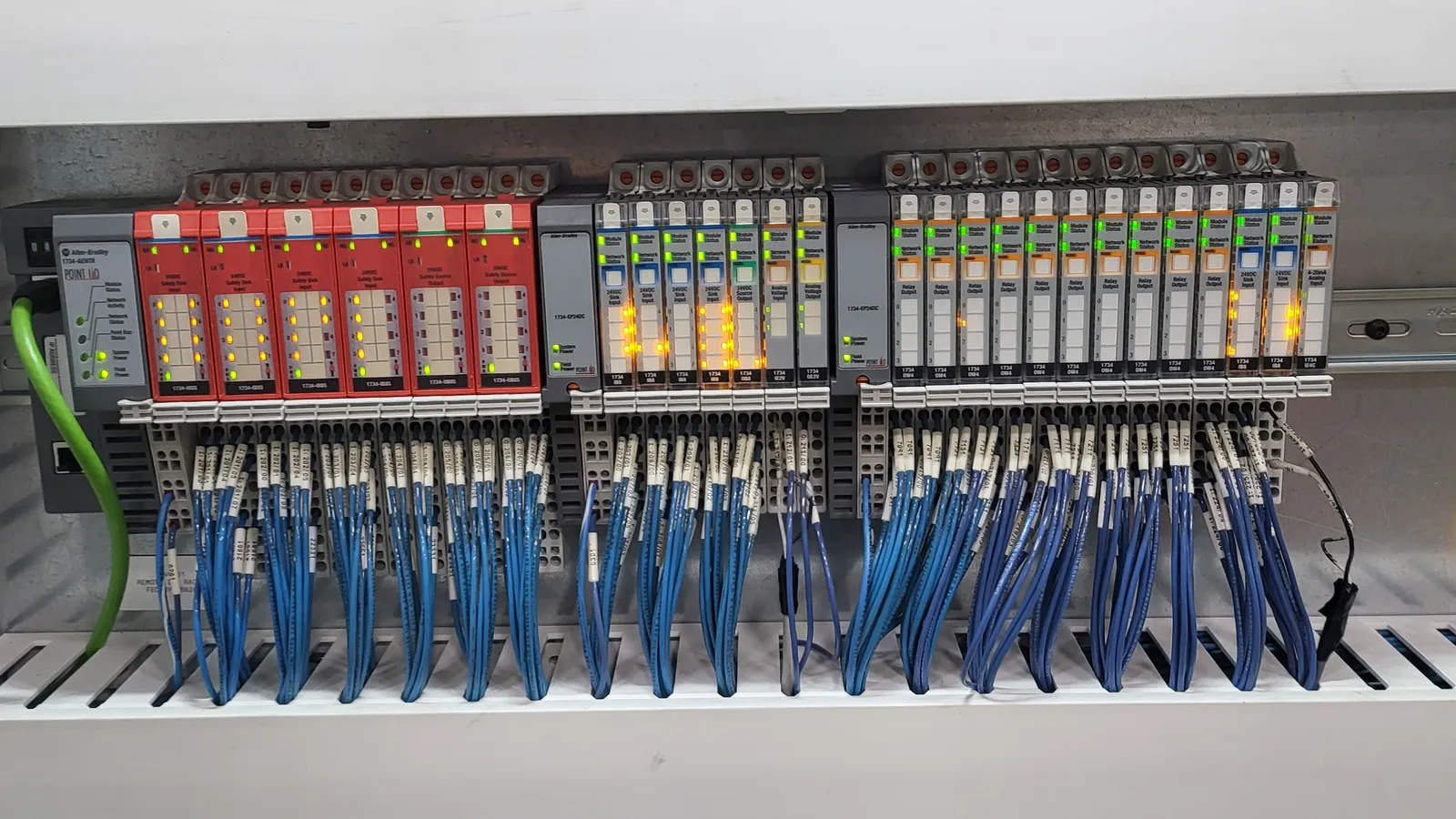
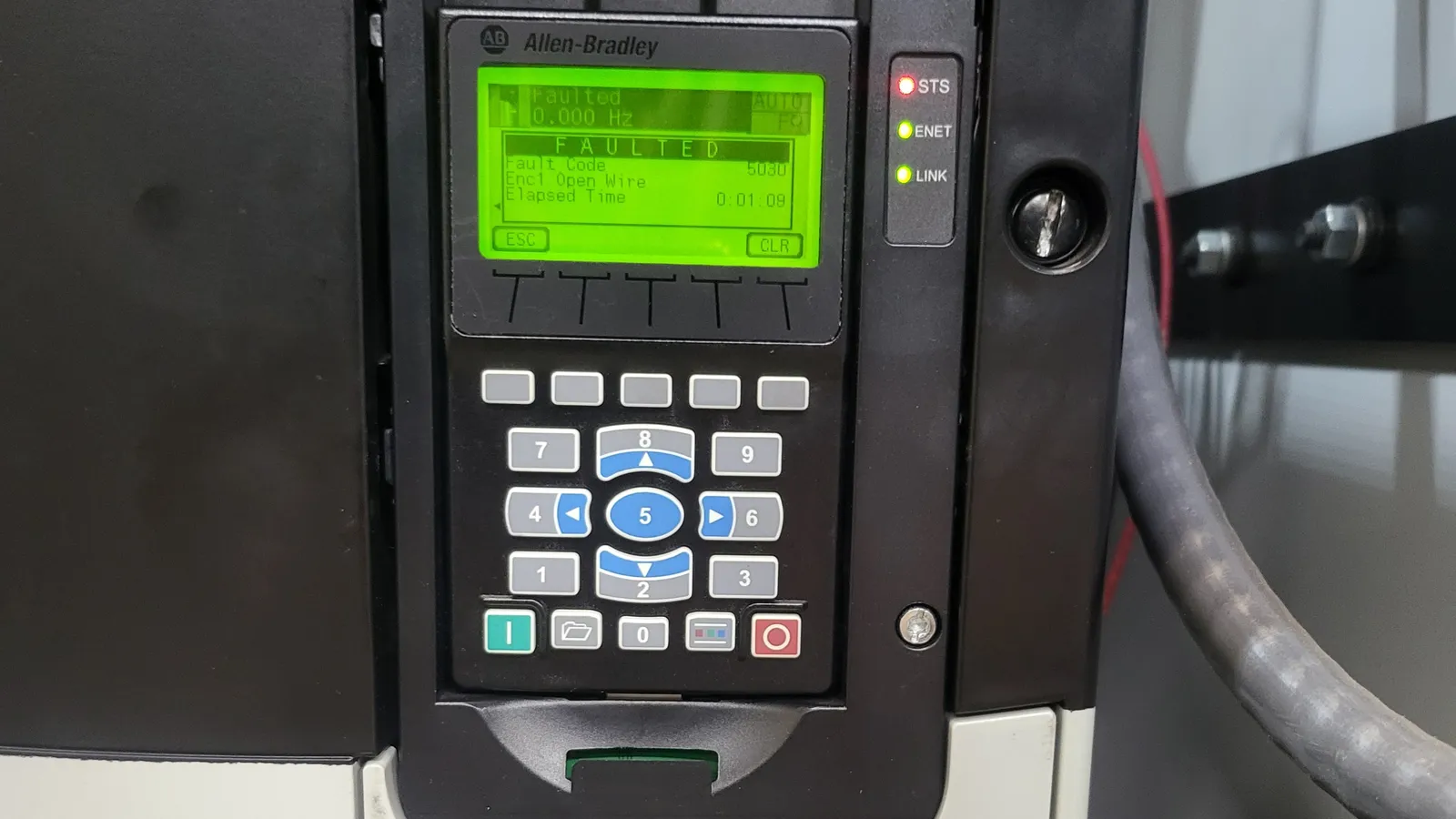
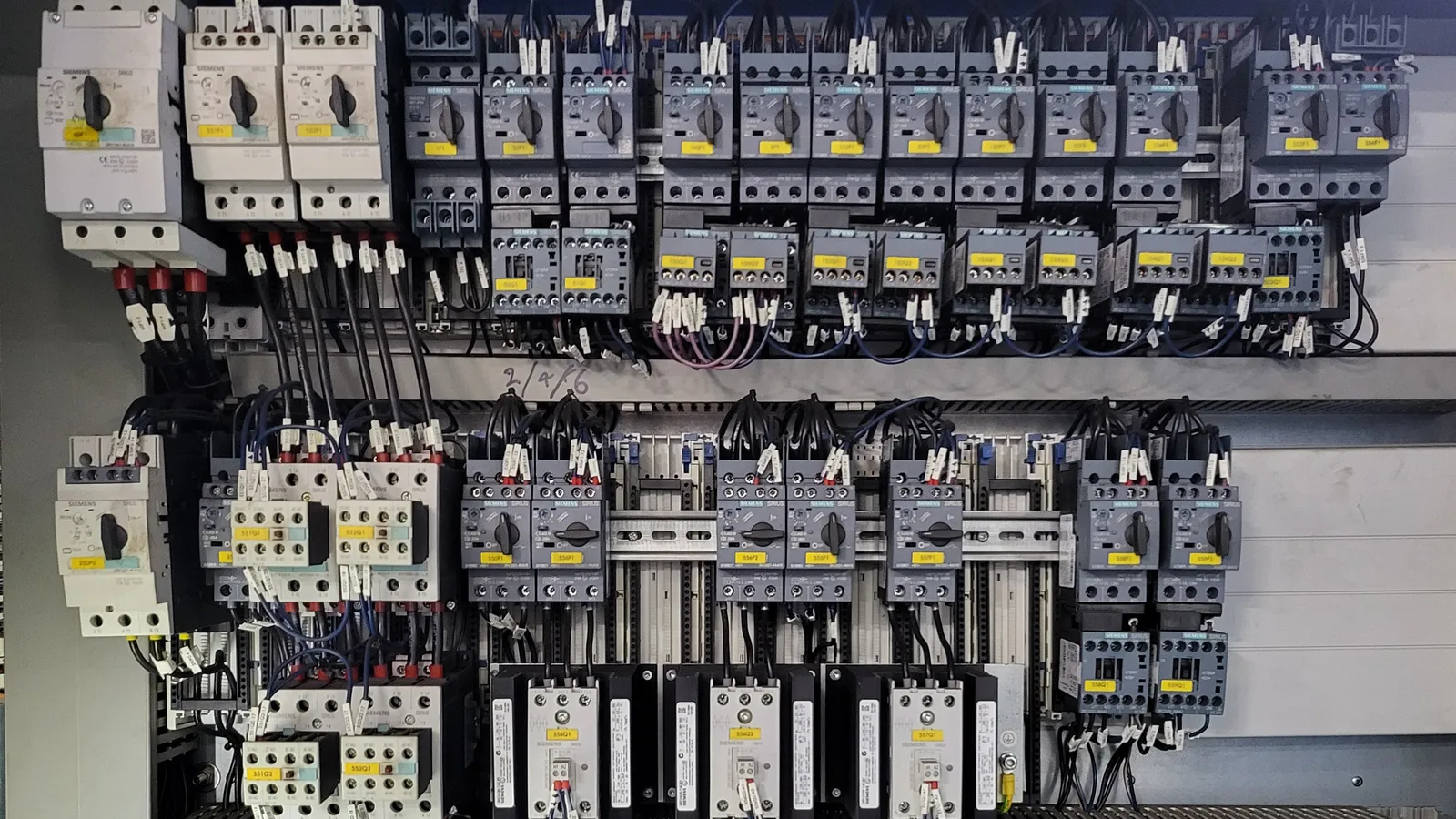
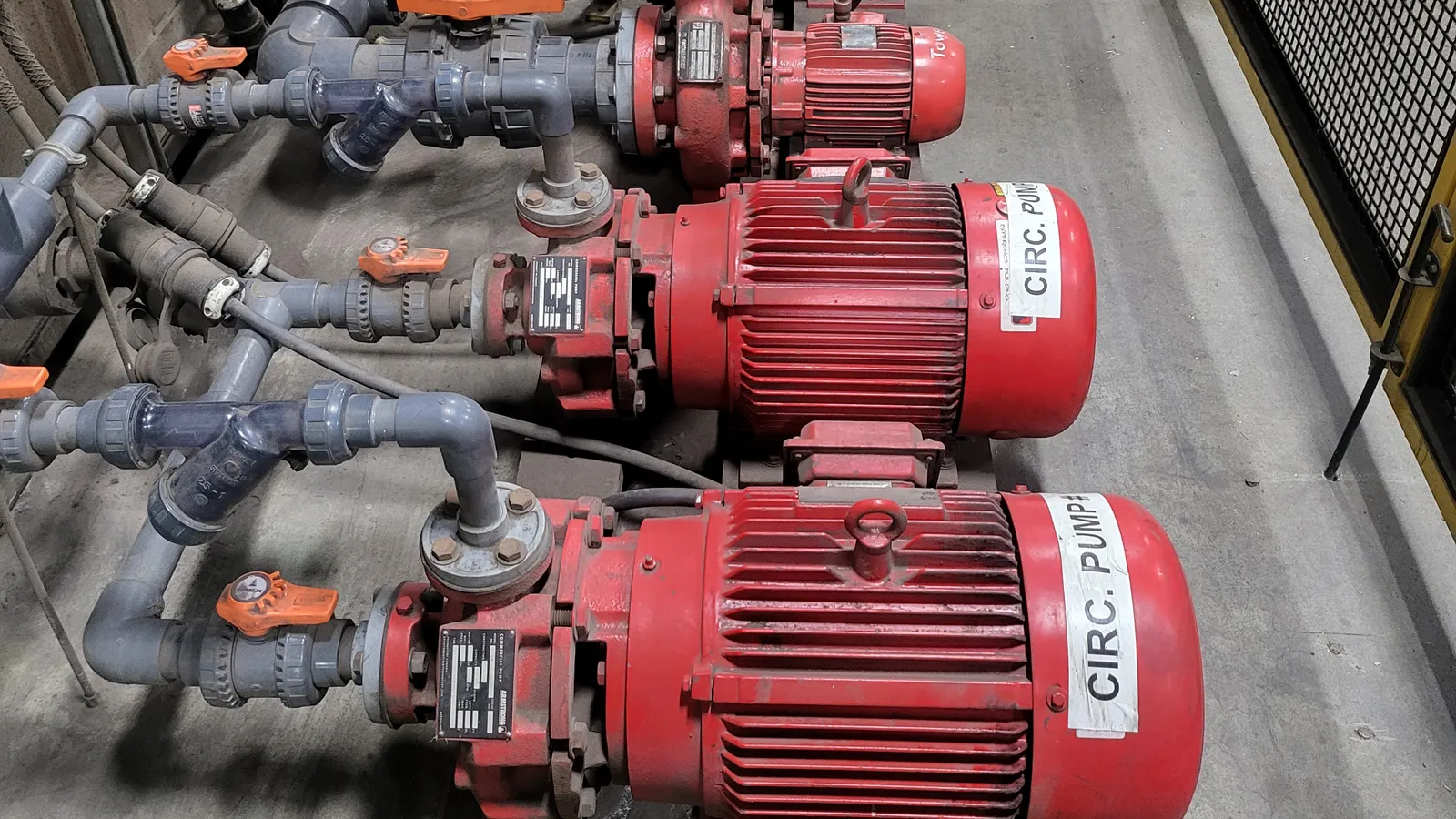
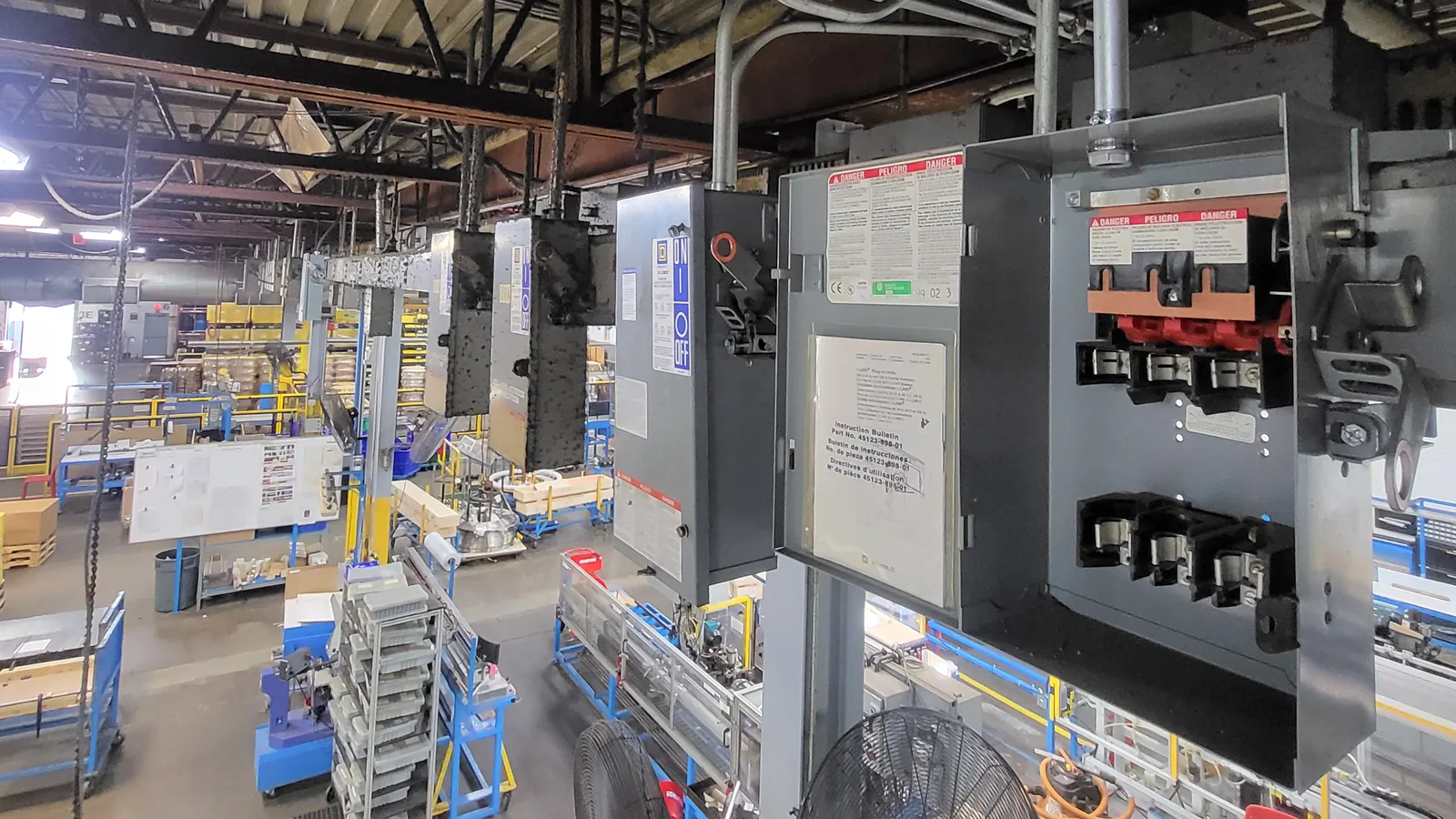
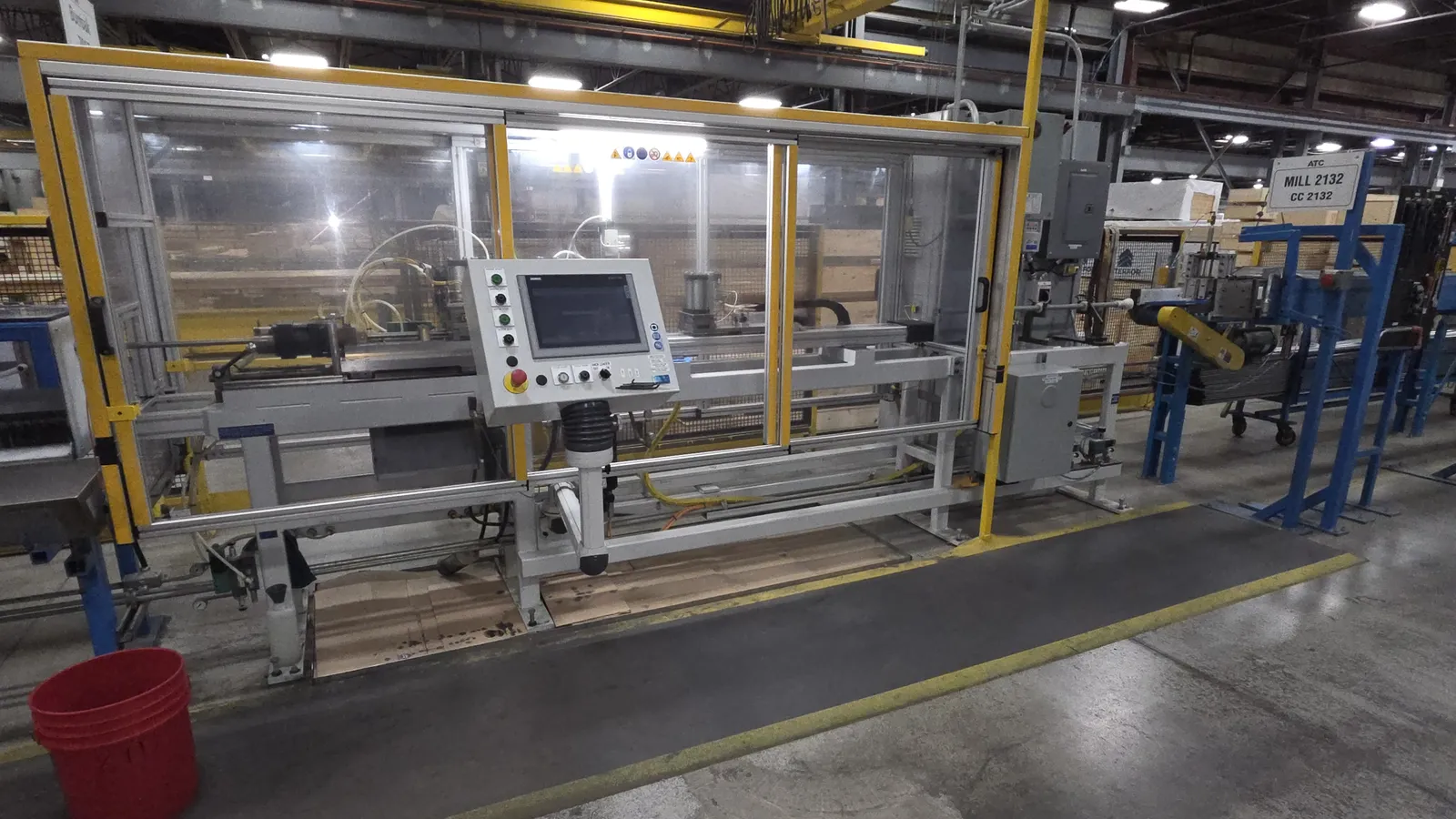
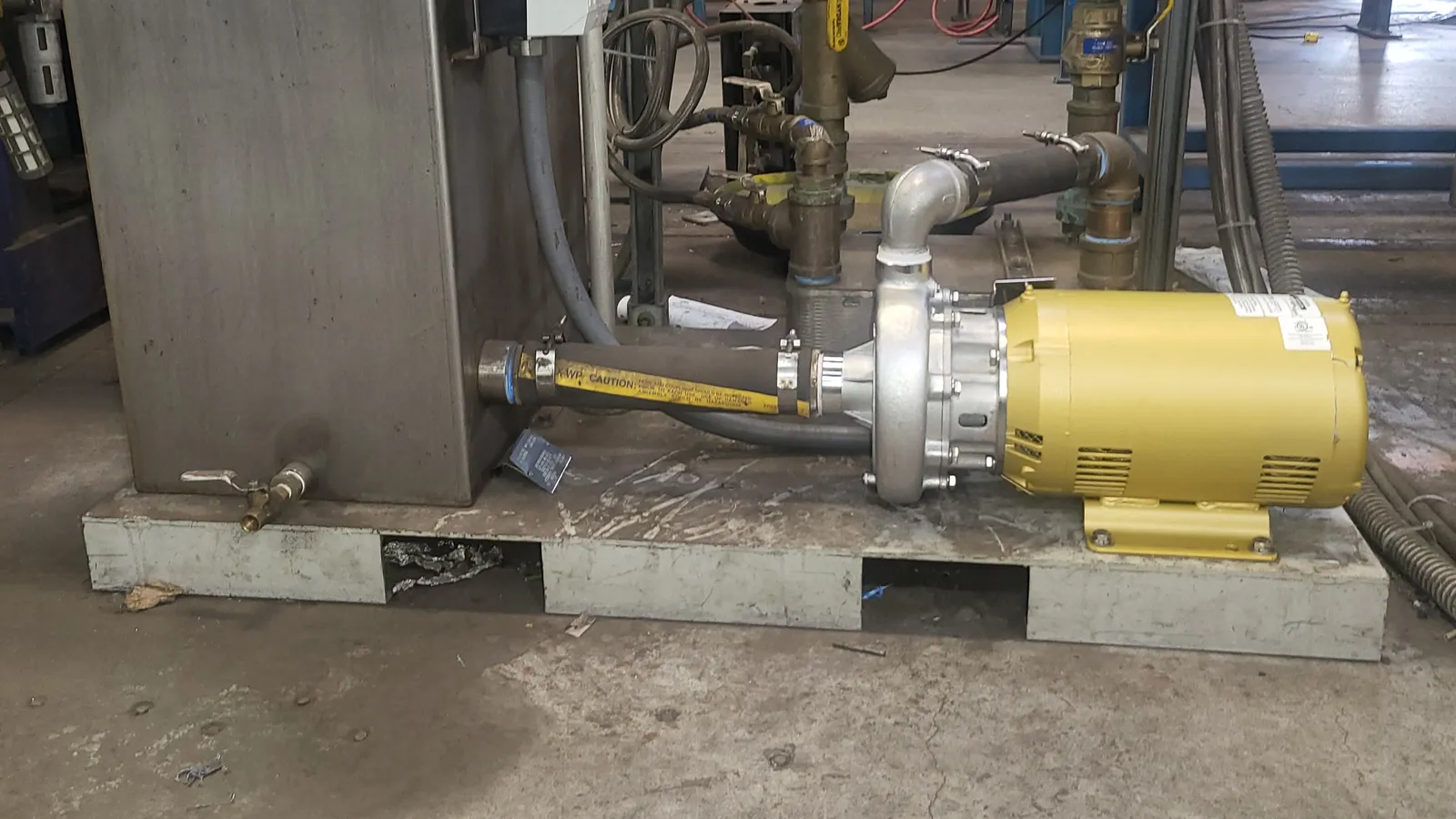

When New Equipment Needs Power but the Existing Circuit Is Not the Right Answer
Recognize when a dedicated new power circuit is the safest and smartest way to support industrial loads
One of the most common mistakes in industrial electrical work is trying to place new equipment on an existing circuit that was never intended to carry that load.
At first it may seem easier or cheaper to reuse whatever power is nearby, but that often leads to nuisance trips, overloaded conductors, weak voltage under load, difficult disconnect arrangements, and future reliability problems that cost more than installing the correct circuit from the beginning.
In facilities across Toronto and the GTA, new power circuits are often needed when a machine is added, a production area expands, a motor-driven load is installed, or a process change requires a stronger and cleaner source of supply. This is especially common for three-phase equipment, dedicated machinery loads, and industrial devices that should not share circuits with unrelated equipment.
You may need a new power circuit if the existing panel is full, the current branch circuit is undersized, the load has changed, or the equipment requires a dedicated disconnect and protection arrangement. Eaton describes branch breakers and distribution equipment as part of the system used to safely protect and distribute power to connected loads, which is why new circuits should be treated as a proper installation task, not an afterthought.
Common warning signs include repeated breaker trips after adding equipment, voltage drop when a machine starts, extension-style temporary wiring, shared circuits serving loads that should be isolated, and old branch circuits with no practical room left for growth. These are all signs that the equipment needs its own proper supply path.
A professionally installed new power circuit also makes future servicing easier. The equipment has a clearer source, a better disconnecting method, cleaner conductor routing, and more predictable protection. That matters when maintenance has to work on the system later or when additional modifications are made in the future.
This service is especially valuable during equipment additions and production changes because it prevents small electrical shortcuts from becoming long-term operating problems. One clean new circuit often solves years of awkward electrical compromises.
Industrial new power circuit installation in Toronto, Mississauga, Vaughan, Markham, and across the GTA helps make sure new loads are supplied safely, protected properly, and supported by a circuit that actually fits the job.
New Machine Needs Dedicated Power
The equipment should have its own proper circuit instead of sharing power with unrelated loads.
Existing Circuit Is Too Small
An undersized branch circuit can lead to overheating, nuisance trips, and weak performance under load.
Three-Phase Supply Is Required
Many industrial machines need a properly installed three-phase circuit with the right protection and disconnecting means.
Panel Space or Capacity Is Limited
Adding a new load often requires a properly planned circuit instead of forcing it into an already crowded setup.
Temporary Wiring Is Being Used
Workarounds and temporary supply methods are strong signs that a permanent new circuit is overdue.
Breaker Trips Started After Equipment Was Added
That often means the load no longer belongs on the existing circuit arrangement.
Disconnecting Means Are Missing or Awkward
A new circuit often provides the cleanest way to install proper local isolation for the connected equipment.
Production Expansion Is Underway
New circuits are often the foundation for safe growth when more machines or process loads are being added.
WHY CHOOSE US
Why Industrial Clients Choose Us
We focus on practical industrial electrical solutions rather than temporary fixes, ensuring your power systems, equipment, and production infrastructure operate safely and reliably under real operating conditions. Every project is completed with careful planning, proper equipment selection, and close attention to long-term performance, system stability, and operational continuity.
Our approach eliminates unnecessary work and is based on accurate diagnostics, field-tested methods, and a clear understanding of how industrial facilities actually run, so you only invest in the work your system truly requires. We prioritize safety, efficiency, code compliance, and clean execution on every job, whether it involves troubleshooting, upgrades, installations, or power distribution improvements.
As a result, you receive a dependable, code-compliant industrial electrical system that supports your facility today, reduces the risk of costly downtime, and is properly prepared for future production demands, equipment expansion, and higher power requirements.
Licensed & Insured
All work is performed by qualified, fully insured electricians, ensuring safety, accountability, and compliance with all regulations.
ESA certified work
Every project includes permits and ESA inspection, guaranteeing that the installation meets Ontario Electrical Safety Code requirements.
Professional installations
We install panels with precise wiring, proper layout, and clear labeling, making the system safe, accessible, and easy to maintain.
Transparent pricing
You receive clear pricing based on the actual scope of work, with no hidden costs or unexpected changes during the entire project.
Fast scheduling
We schedule work efficiently and arrive on time, minimizing downtime and ensuring your electrical system is restored as quickly as possible.
Accurate calculations
We calculate electrical demand based on real usage, ensuring your panel is properly sized for both current and future electrical needs.
Code-compliant work
All installations strictly follow current electrical code requirements, ensuring safety, inspection approval, and long-term system reliability.
Reliable workmanship
Our experience allows us to deliver consistent, high-quality results that perform reliably under real operating conditions over time.
CODE & SAFETY REQUIREMENTS
Ontario Electrical Safety Code Compliance
The Ontario Electrical Safety Code (OESC) sets the minimum legal safety requirements for electrical installations and electrical work in Ontario.
ESA states that the 2024 Ontario Electrical Safety Code is the current edition and that it took effect on May 1, 2025. For new industrial power circuits, compliance matters when installing branch circuits, disconnecting means, conductors, grounding, bonding, overcurrent protection, and connections to equipment or distribution sources.
Following the Code helps reduce the risk of electric shock, arc events, fire, conductor overheating, overloaded circuits, unsafe isolation, and repeated failures caused by incorrect circuit sizing or poor installation practices.
Every new power circuit installation should be planned and completed with approved electrical equipment, correct wiring methods, suitable protection, and Code-compliant installation practices. Where notification and inspection are required, the work should comply with the current Ontario Electrical Safety Code and ESA requirements.
Rules commonly applicable to new industrial power circuits
-
Rule 2-004 — Notification of work / ESA inspection process
Electrical work that requires notification must be properly reported to ESA, and the installation must go through the required inspection or authorization process before being put into service. -
Rule 2-022 — Approved electrical equipment
Electrical equipment used in Ontario must be approved in accordance with Code requirements. -
Rule 2-024 — Approval requirements for electrical equipment
Equipment and components installed as part of the new circuit must be approved to recognized standards and accepted for use in Ontario. -
Rule 2-304 — Disconnecting means shall be provided
Suitable disconnecting means must be available so connected equipment can be isolated safely for servicing, maintenance, and emergency shutdown. -
Rule 2-314 — Working space around electrical equipment
Working space around panels, disconnects, and related electrical equipment must be kept clear for safe access and maintenance. -
Rule 4-004 — Ampacity of conductors
Conductors must have sufficient ampacity for the connected load and installation conditions. -
Rule 8-102 — Calculation of service and feeder loads
Service and feeder loads must be calculated properly to ensure that added circuits do not overload the electrical system. -
Rule 8-104 — Maximum circuit loading
Branch circuits, feeders, and services must be loaded within allowable limits so the installation does not exceed safe operating capacity. -
Rule 10-002 — Grounding and bonding requirements
Equipment grounding and bonding must be continuous and effective to ensure safety and proper fault clearing. -
Rule 12-000 — Wiring methods
Conductors, cables, and raceways such as conduit must be installed using approved methods suitable for the environment and application. -
Rule 14-100 — Protection of conductors by overcurrent devices
Conductors must be protected by correctly selected breakers or fuses suitable for the new circuit and associated equipment. -
Rule 14-104 — Rating / coordination of overcurrent protection
Overcurrent protection must be coordinated with conductor ampacity and the operating characteristics of the installation.
Note: Rule selection may vary depending on the connected load, voltage, conductor type, environmental conditions, disconnect requirements, feeder capacity, and whether the new circuit is single-phase, three-phase, motor-related, or tied to industrial process equipment. Exact official wording should be taken from the current purchased edition of the Ontario Electrical Safety Code.
COMMON QUESTIONS
FAQ — New Power Circuits
1. What is a new power circuit in an industrial facility?
It is a newly installed electrical branch circuit or dedicated supply path created to feed a machine, equipment group, or industrial load safely and correctly.
2. Why can’t new equipment just use the nearest existing circuit?
Because the nearest circuit may not have the right capacity, protection, disconnect arrangement, or electrical layout for the new load.
3. When is a dedicated circuit needed?
A dedicated circuit is often needed when the equipment has significant load, requires three-phase power, should not share with other loads, or needs its own protection and local isolation.
4. Do you install new three-phase circuits?
Yes. Many industrial projects involve new three-phase circuits for machinery, motors, process equipment, and production loads.
5. What can be included in a new power circuit project?
The project can include conduit, cable routing, disconnects, breaker or fuse protection, final terminations, grounding, bonding, and connection to the correct distribution source.
6. Can a new circuit be required even if the panel still has breaker space?
Yes. Breaker space alone does not mean the existing arrangement is suitable. Capacity, load calculations, conductor sizing, and equipment needs still have to be considered.
7. Is this service useful during plant expansion?
Yes. New power circuits are one of the most common requirements when new machines, line expansions, or process changes are added to a facility.
8. Can a poor existing circuit cause machine problems?
Yes. Weak or undersized circuits can create voltage drop, nuisance trips, overheating, startup issues, and reduced equipment reliability.
9. Do new circuits improve future maintenance too?
Yes. A clean, dedicated circuit with proper disconnecting means and clear routing is usually much easier and safer to service later.
10. Is this only for one machine at a time?
No. Some projects involve one dedicated circuit, while others include several new circuits as part of a larger production or electrical expansion.
11. Do new industrial power circuits require ESA notification?
In many cases, yes. Electrical installation work in Ontario often requires proper notification and inspection through ESA, depending on the scope of the project.
12. Do new power circuits need to comply with Ontario code requirements?
Yes. New industrial power circuits must use approved equipment and be completed in accordance with applicable Ontario Electrical Safety Code and ESA requirements.
SERVICE AREAS
Serving Toronto & the Greater Toronto Area
We provide residential, commercial, and industrial electrical services across Toronto and the GTA, supporting homes, businesses, and facilities with reliable and code-compliant electrical solutions.
Our service coverage includes major cities and surrounding areas, allowing us to respond quickly and deliver consistent service across the region.
Toronto
North York
Thornhill
Richmond Hill
Vaughan
Markham
Scarborough
Etobicoke
Mississauga
Brampton
ADDITIONAL SERVICE AREAS
Hamilton
Oakville
Burlington
Milton
Georgetown
Pickering
Ajax
Whitby
Oshawa
Clarington
Aurora
Newmarket
Bradford
King City
Barrie