
Toronto & GTA Electrical Contractor
New Home Electrical Installation in Toronto, Markham, Richmond Hill, Mississauga, North York & GTA
Residential, commercial, and industrial electrical work — installations, upgrades, troubleshooting, maintenance, and code-compliant solutions.
Licensed & Insured
Fast Response
Code-Compliant Work

COMPLETE ELECTRICAL SYSTEMS FOR NEW RESIDENTIAL BUILDS
What We Do
We provide complete new home electrical services for residential construction projects across Toronto and the GTA. Our goal is to design and install safe, reliable, and code-compliant electrical systems for new houses from the early planning stage through final completion. New home electrical work involves far more than pulling wire through a new structure. A proper installation includes service planning, load calculations, panel layout, circuit design, electrical rough-in, device installation, lighting, dedicated equipment connections, and final testing. Whether you need new home electrical Toronto, electrical installation for new homes Toronto, or full new build electrical support, we install systems that are built for modern living and long-term performance.
A new build gives homeowners the opportunity to do the electrical system properly from the beginning instead of making compromises later. We assess the home layout, lifestyle needs, appliance loads, HVAC requirements, future expansion plans, and the intended use of each area before the wiring is installed. This helps ensure the home has practical receptacle placement, enough dedicated circuits, a properly sized panel, and room for upgrades down the road. Many projects also include preparation for services such as home surge protection, EV charger installation, and hardwired smoke alarm installation as part of a more complete new residential electrical system.
Our residential new construction electrician Toronto service typically includes electrical rough-in, panel installation, branch circuit wiring, device and fixture installation, switch and receptacle layout, lighting connections, bathroom and kitchen wiring, basement preparation, garage electrical setup, and finishing work throughout the house. We focus on clean planning and practical execution so the final system works well not just on inspection day, but in everyday real use. New home wiring Mississauga, Vaughan, Markham, Richmond Hill, and other GTA projects often benefit from this level of planning because the electrical system has to support both current needs and future additions without overcrowding the panel or forcing expensive changes later.
All work is completed with permit notification and inspection requirements in mind so the installation is safe, legal, and ready for occupancy. In Ontario, electrical installations must meet the Ontario Electrical Safety Code, and many new residential wiring projects also require notification and inspection through the Electrical Safety Authority (ESA). We use approved electrical equipment, proper wiring methods, and organized layouts that support future serviceability and troubleshooting. A professionally installed new home electrical system improves safety, convenience, resale appeal, and the overall quality of the finished home. It also gives the homeowner confidence that the electrical system was designed for modern demands from the very beginning.


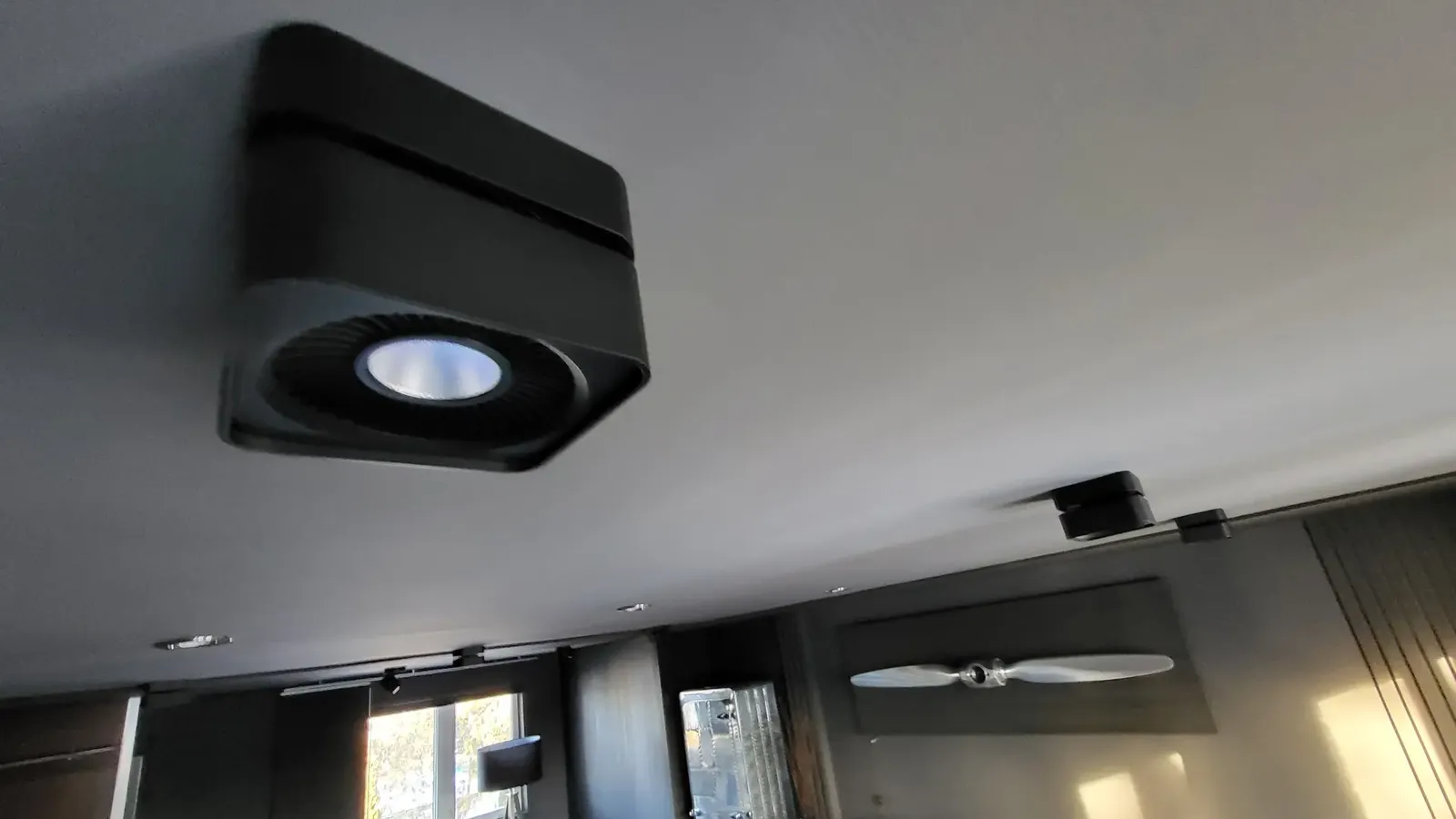

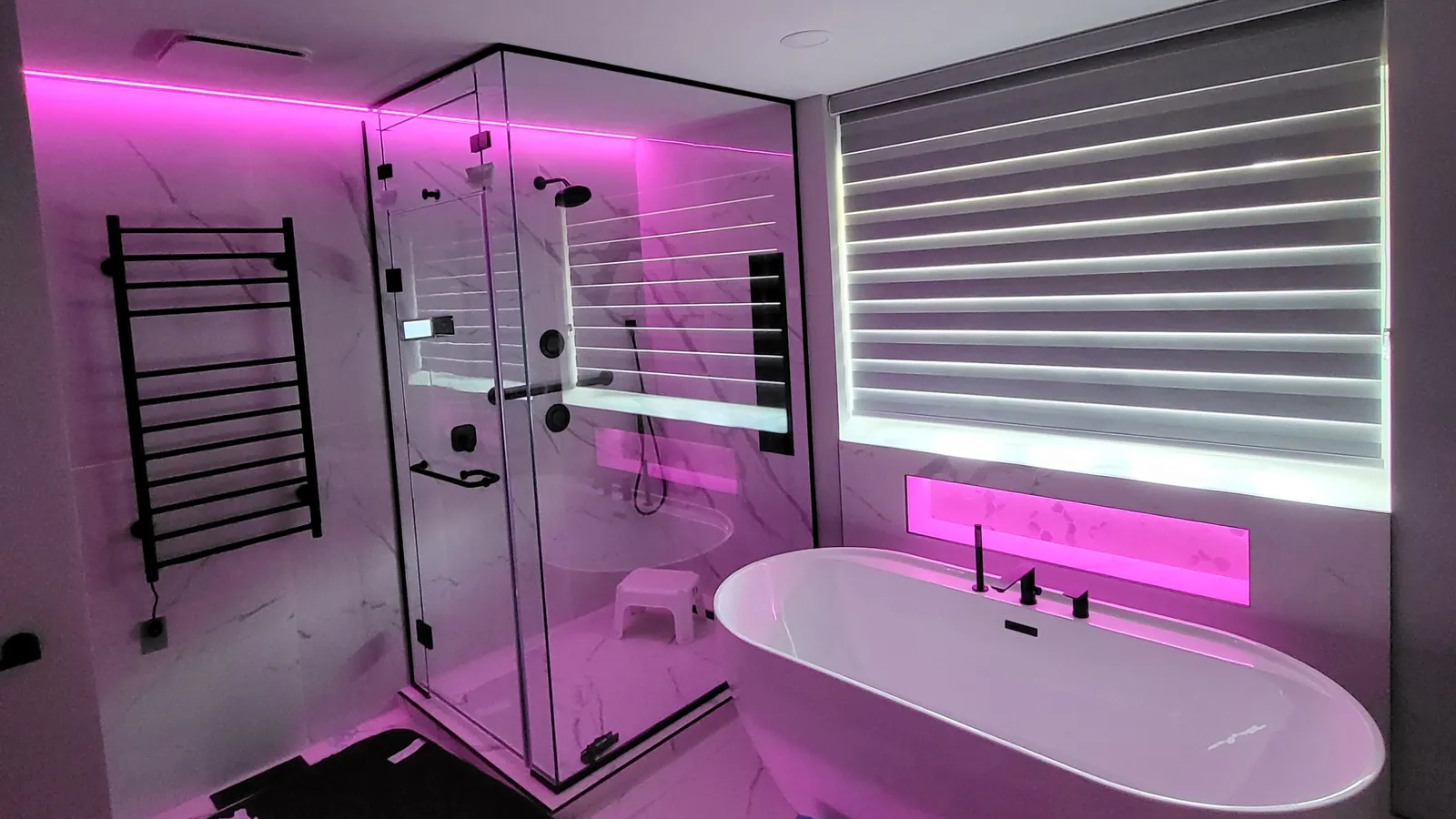
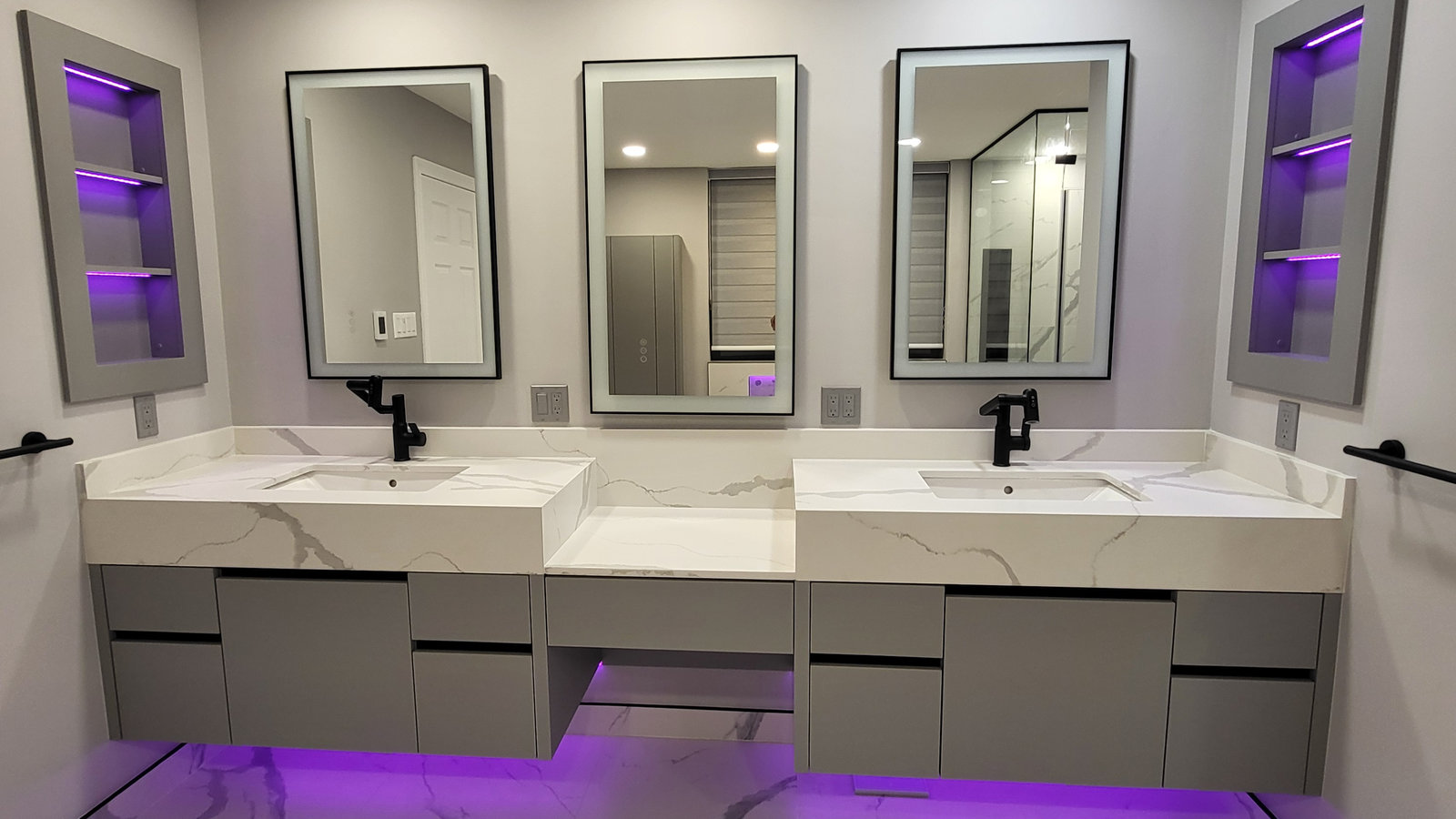
Before Framing Closes and Electrical Mistakes Become Expensive
Plan the electrical system correctly during new construction so the home is practical, safe, and ready for modern living from day one
New construction is the best time to build the electrical system properly because every part of the home is still accessible and changes are much easier to make.
If electrical planning is rushed during the framing stage, the home may end up with poorly placed receptacles, limited lighting control, insufficient dedicated circuits, and a panel that feels crowded far too early.
A proper new home electrical installation should reflect how the house will actually be used, not just the minimum layout needed to finish construction.
One common issue is when the electrical design is treated like a basic rough-in only, without considering future loads such as EV charging, finished basement use, home office needs, garage equipment, or outdoor power.
Another problem appears when lighting and switching plans are left vague until too late in the build, which often leads to awkward control locations and rooms that are harder to use comfortably.
New home electrical Toronto projects also need careful planning for kitchen circuits, bathroom devices, garage receptacles, exterior power, smoke alarms, and whole-house electrical balance.
If the panel is undersized or circuit planning is weak, future additions can quickly become more complicated and more expensive than they should be.
This is why many new house wiring Toronto projects benefit from planning for future services such as electrical panel capacity, EV load management, or dedicated specialty circuits before the walls are closed.
Homeowners also benefit when safety-related items are included properly from the start, including hardwired alarms, exterior receptacles, surge protection, and practical garage and basement wiring.
Residential electrical rough in Toronto work should never be viewed as just a checklist item.
It sets the foundation for how safe, flexible, and functional the home will feel after construction is complete.
Another warning sign is when there is no clear device plan for areas such as the kitchen island, laundry, front entry, rear access, garage, or unfinished basement spaces.
New build electrical Toronto projects should also leave room for upgrades and changing family needs over time.
That may include future basement development, added exterior features, additional appliances, or new technology that is not being installed on day one.
A licensed new home electrician Ontario homeowners trust will review layout, service size, branch circuits, safety devices, rough-in requirements, and finishing details before installation begins.
That planning helps avoid rework, poor layout decisions, overloaded circuits, and future frustration once the home is occupied.
A well-planned new residential electrical system gives the home better functionality, safer operation, and a cleaner long-term electrical foundation.
No Future Loads Were Considered
If the design ignores future EV charging, basement use, garage equipment, or outdoor power, the home may outgrow its electrical system too quickly.
Panel Size Feels Too Tight from the Start
A crowded panel in a brand-new home often signals weak planning and limited room for future expansion.
Lighting and Switching Layout Is Still Unclear
Unclear switching plans often lead to awkward room use and expensive corrections after drywall or finishing work.
Kitchen, Garage, and Basement Needs Are Underspecified
These areas often require more thoughtful circuit planning than a basic construction layout provides.
No Dedicated Circuits for Key Equipment
Important loads should be planned properly rather than left to be added later as afterthoughts.
Safety Devices Are Not Clearly Included
Items such as hardwired alarms and surge protection should be reviewed early, not added randomly at the end.
There Is No Clear Rough-In and Finish Plan
Good new home electrical work requires both strong infrastructure and a practical final device layout.
No One Mentioned ESA Notification or Inspection
If the permit and inspection path was never discussed, the project may not be aligned with Ontario requirements.
WHY CHOOSE US
Why Homeowners Trust Us
We focus on practical solutions rather than temporary fixes, ensuring your electrical system performs safely under real conditions. Every electrical panel upgrade is completed with proper planning, correct equipment selection, and attention to long-term performance.
Our approach eliminates unnecessary work and is based on accurate diagnostics, not assumptions, so you only pay for what your system actually needs. We prioritize safety, efficiency, and clean execution on every project.
As a result, you receive a reliable, code-compliant electrical system that supports your home today and is fully prepared for future electrical demands.
Licensed & Insured
All work is performed by qualified, fully insured electricians, ensuring safety, accountability, and compliance with all regulations.
ESA certified work
Every project includes permits and ESA inspection, guaranteeing that the installation meets Ontario Electrical Safety Code requirements.
Professional installations
We install panels with precise wiring, proper layout, and clear labeling, making the system safe, accessible, and easy to maintain.
Transparent pricing
Our customers receive clear pricing based on actual scope of work, with no hidden costs or unexpected changes during the project.
Fast scheduling
We schedule work efficiently and arrive on time, minimizing downtime and ensuring your electrical system is restored as quickly as possible.
Accurate calculations
We calculate electrical demand based on real usage, ensuring your panel is properly sized for both current and future electrical needs.
Code-compliant work
All installations strictly follow current electrical code requirements, ensuring safety, inspection approval, and long-term system reliability.
Reliable workmanship
Our experience allows us to deliver consistent, high-quality results that perform reliably under real operating conditions over time.
CODE & SAFETY REQUIREMENTS
Ontario Electrical Safety Code Compliance
The Ontario Electrical Safety Code (OESC) sets the minimum legal safety requirements for electrical installations in Ontario. For new home electrical installations, compliance with the Code is essential to ensure the electrical system is safe, properly sized, properly protected, and eligible for ESA inspection and authorization for use.
Following the Code helps reduce the risk of fire, electric shock, overloaded circuits, failed inspections, equipment damage, and insurance-related issues. It also helps ensure that service equipment, branch circuits, approved electrical products, overcurrent protection, receptacles, lighting, and safety devices meet current Ontario requirements.
Every new home electrical installation should be planned and completed in accordance with the current Ontario Electrical Safety Code and ESA inspection requirements.
Rules commonly applicable to new home electrical installations
-
Rule 2-004 — Notification of work / ESA inspection process
Electrical work must be properly notified to ESA before the installation proceeds, and the work must go through the required inspection process. -
Rule 2-022 — Approved electrical equipment
Electrical equipment used in Ontario must be approved for the intended application and installation environment. -
Rule 2-024 — Approval requirements for electrical equipment
Equipment must be approved to recognized standards and accepted for use in Ontario. -
Rule 2-300 — General requirements for maintenance and operation
Electrical equipment must be installed and maintained in safe working condition. -
Rule 2-314 — Working space around electrical equipment
Required working space around electrical equipment must be maintained and kept clear of obstruction. -
Rule 6-206 — Consumer’s service entrance equipment
Service entrance equipment must be installed so it is readily accessible and meets the applicable requirements for residential service equipment. -
Rule 8-104 — Maximum circuit loading
Service and circuit loading must be calculated so the installation does not exceed allowable loading limits. -
Rule 14-100 — Protection of conductors by overcurrent devices
Breakers and other overcurrent devices must protect conductors and connected equipment in accordance with Code requirements. -
Rule 14-104 — Rating / coordination of overcurrent protection
Overcurrent protection must be coordinated with conductor ampacity and the electrical characteristics of the installation. -
Rule 26-724 — Receptacles in single dwellings
Residential receptacle layout and branch-circuit arrangement in single dwellings must comply with the applicable Code requirements for safe and practical installation.
Note: Rule selection may vary depending on home size, service rating, appliance loads, basement scope, garage wiring, EV readiness, surge protection, and other project-specific design details. Exact official wording should be taken from the current purchased edition of the Ontario Electrical Safety Code.
COMMON QUESTIONS
FAQ — New Home Electrical
1. What is included in new home electrical installation?
New home electrical installation usually includes service and panel planning, electrical rough-in, branch circuit wiring, receptacles, switches, lighting, dedicated circuits, hardwired safety devices, finishing work, and final testing.
2. Do I need a permit for new home electrical work in Ontario?
Yes. ESA says almost all electrical work in Ontario must be reported by filing a notification of work before the job starts, which then triggers the inspection process.
3. How early should electrical planning happen in a new build?
Electrical planning should begin early in the project before rough-in starts. That helps ensure proper panel sizing, device placement, lighting layout, and circuit planning throughout the home.
4. Can a new home be prepared for future upgrades?
Yes. A well-planned new home electrical system can include room for future EV charging, basement development, added exterior power, specialty appliances, and other expansions.
5. Is it worth installing surge protection in a new home?
Yes, many homeowners choose to include surge protection during new construction because it helps protect electronics, appliances, and modern electrical equipment from damaging surge events.
6. Do new homes need hardwired smoke alarms?
New homes commonly include hardwired smoke and life-safety alarm systems as part of the overall electrical installation and code compliance process.
7. How is panel size chosen for a new home?
Panel size should be selected based on load calculations, service requirements, appliance demand, HVAC equipment, future plans, and the overall electrical design of the home.
8. Can you install EV charger readiness during new construction?
Yes, new construction is one of the best times to prepare for EV charging because wiring paths, panel planning, and load considerations can be addressed before finishes are complete.
9. What is the difference between rough-in and finish electrical?
Rough-in includes the core wiring and electrical infrastructure before walls are closed, while finish electrical includes devices, fixtures, plates, final connections, and completion details after finishes are in place.
10. How long does new home electrical work take?
The timeline depends on home size, project complexity, coordination with other trades, inspection stages, and the amount of custom electrical work included in the design.
11. Can you coordinate with builders and other trades?
Yes, new home electrical work typically requires close coordination with builders, framers, HVAC installers, plumbers, kitchen trades, and inspection schedules.
12. Is ESA inspection included in the process?
Yes, new home electrical work should be completed with proper ESA notification and inspection requirements in mind so the installation is safe, legal, and ready for occupancy.
SERVICE AREAS
Serving Toronto & the Greater Toronto Area
We provide residential, commercial, and industrial electrical services across Toronto and the GTA, supporting homes, businesses, and facilities with reliable and code-compliant electrical solutions.
Our service coverage includes major cities and surrounding areas, allowing us to respond quickly and deliver consistent service across the region.
Toronto
North York
Thornhill
Richmond Hill
Vaughan
Markham
Scarborough
Etobicoke
Mississauga
Brampton
ADDITIONAL SERVICE AREAS
Hamilton
Oakville
Burlington
Milton
Georgetown
Pickering
Ajax
Whitby
Oshawa
Clarington
Aurora
Newmarket
Bradford
King City
Barrie