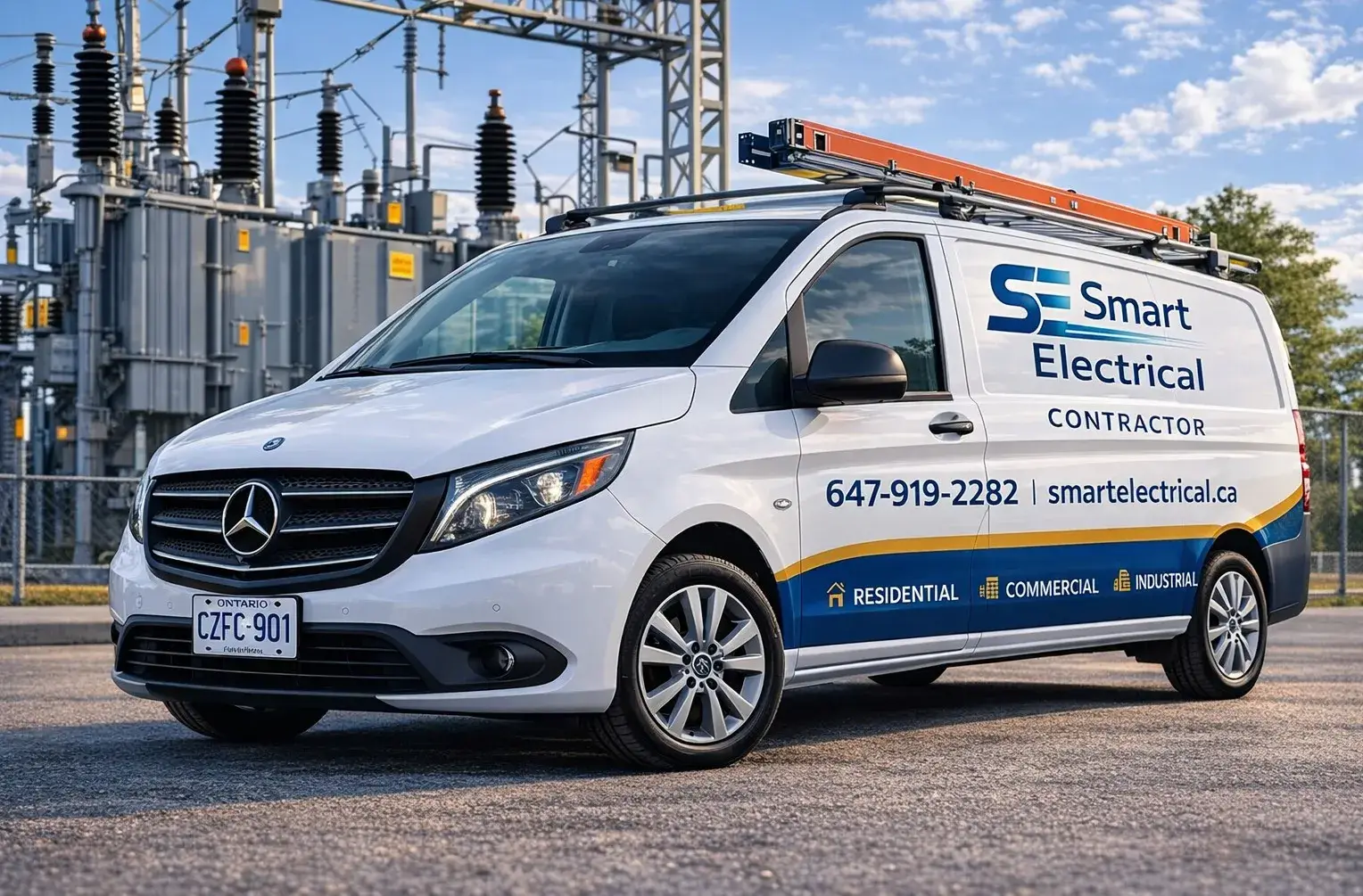
Toronto & GTA Electrical Contractor

Infrared Thermal Inspections
with Fluke Ti480 PRO

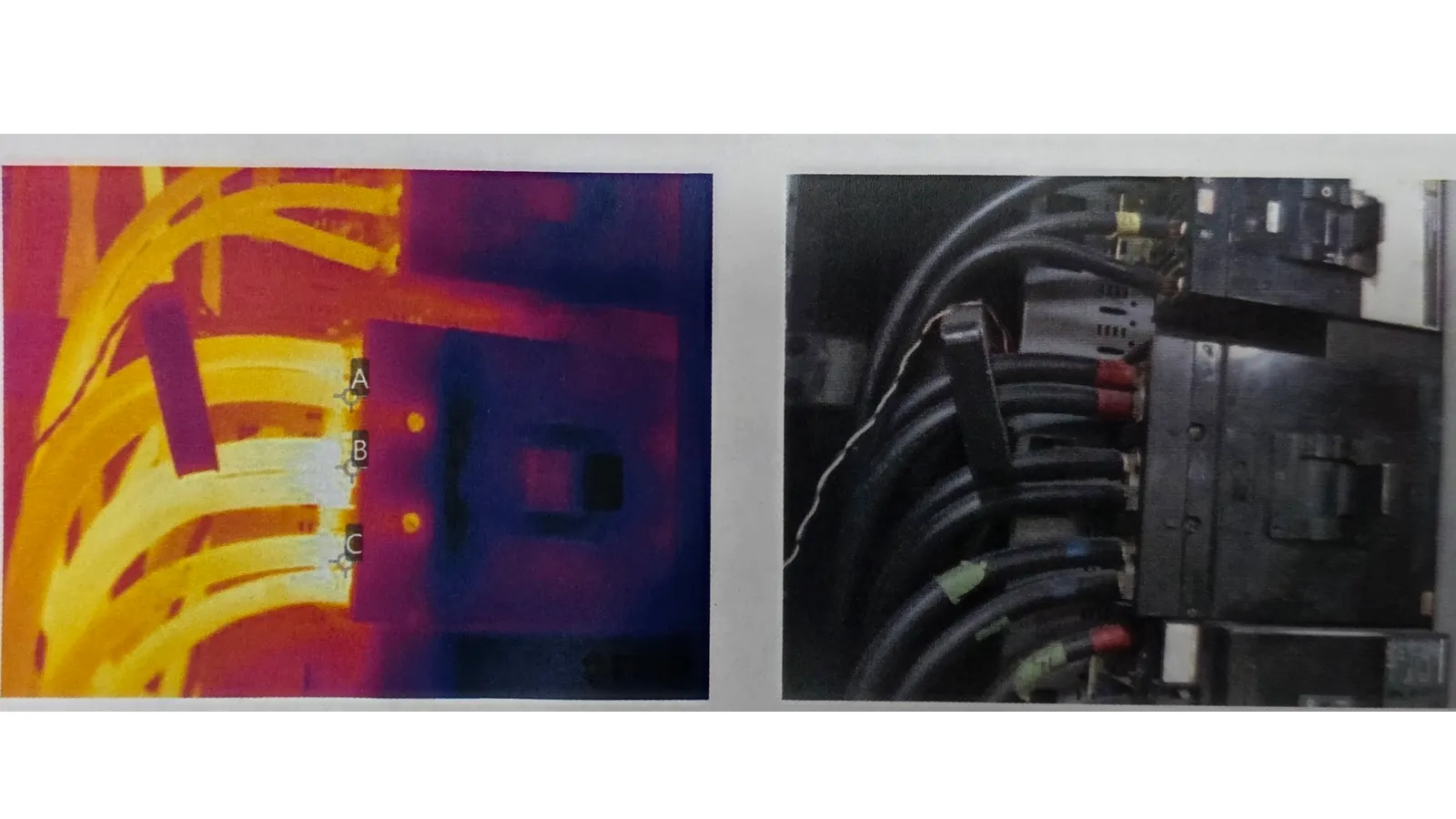
Electrical overheating is often hidden until it becomes a serious failure. Loose connections, overloaded breakers, weak terminations, damaged conductors, unbalanced loads, and failing components can create dangerous heat inside panels long before the problem is visible. Using advanced infrared imaging with the Fluke Ti480 PRO, we detect abnormal heat patterns before they lead to outages, equipment damage, fire risk, or costly downtime.

Licensed & Insured Fast Response Code-Compliant Work
Smart Electrical Services

What We Do

Smart Electrical provides professional Infrared Thermal Inspections for residential, commercial, and industrial electrical systems across Toronto and surrounding cities. This service is designed to find overheating problems that are not visible during a normal visual inspection. Many electrical failures begin as heat: a loose lug, weak breaker, overloaded circuit, damaged conductor, failing contactor, unbalanced load, or poor termination can quietly run hotter than normal until the problem becomes serious.Infrared Thermal Inspections help identify these issues early. Instead of waiting for a breaker to fail, a panel to burn, a connection to melt, or equipment to shut down, we use advanced thermal imaging to detect abnormal temperature patterns while the electrical system is operating under real load. This allows us to see where heat is building and which components may need attention before they become an emergency.This service is especially valuable for electrical panels, distribution equipment, disconnects, breakers, transformers, motor control centres, contactors, starters, bus connections, production equipment, HVAC electrical sections, commercial panels, industrial panels, and high-load electrical systems. Customers usually notice the result of the problem first: burning smell near a panel, breakers tripping, lights dimming, equipment shutting down, warm panel covers, damaged insulation, or repeated failures in the same area. Infrared Thermal Inspections help locate these hidden heat patterns before the problem becomes more serious.

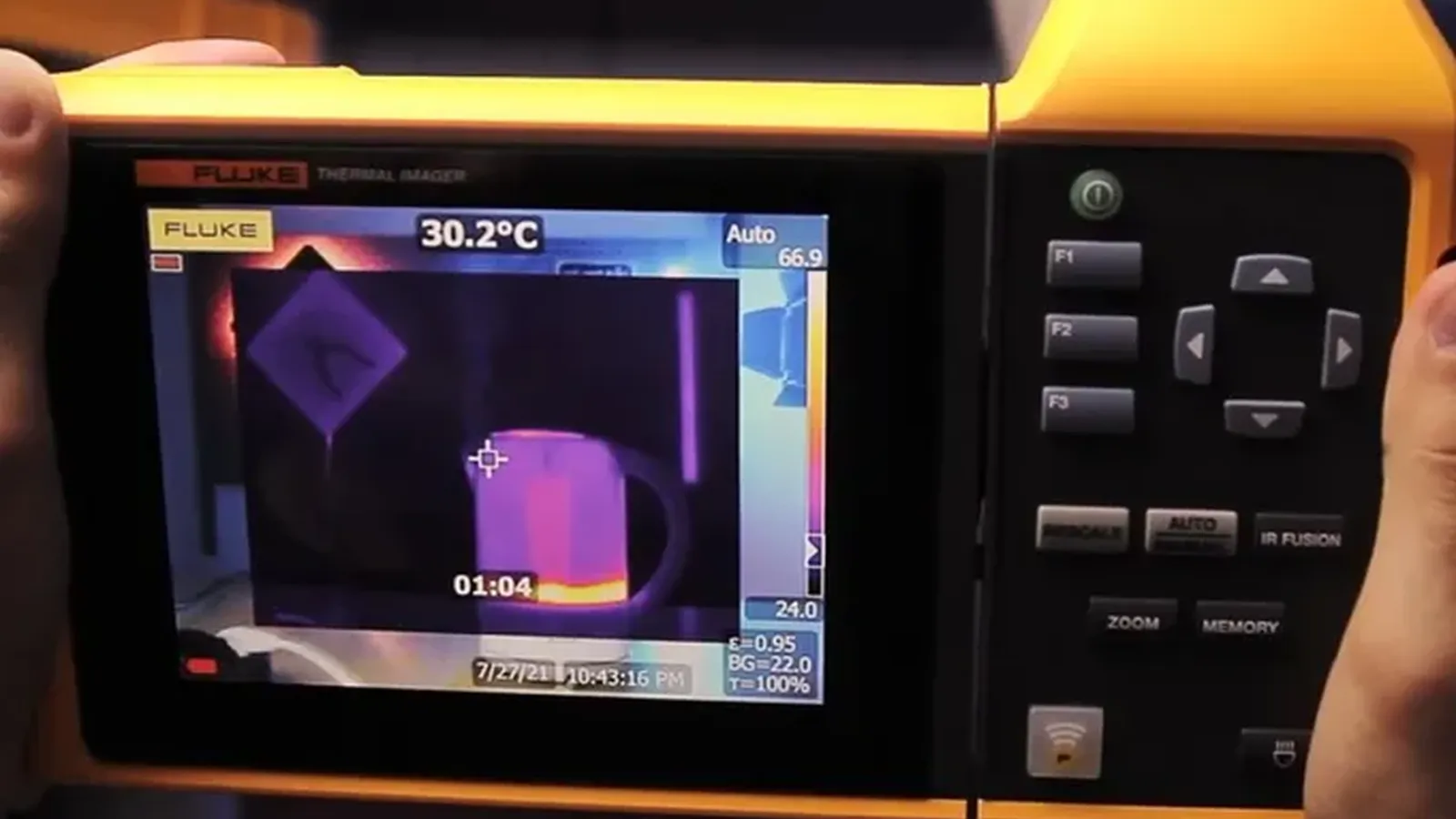
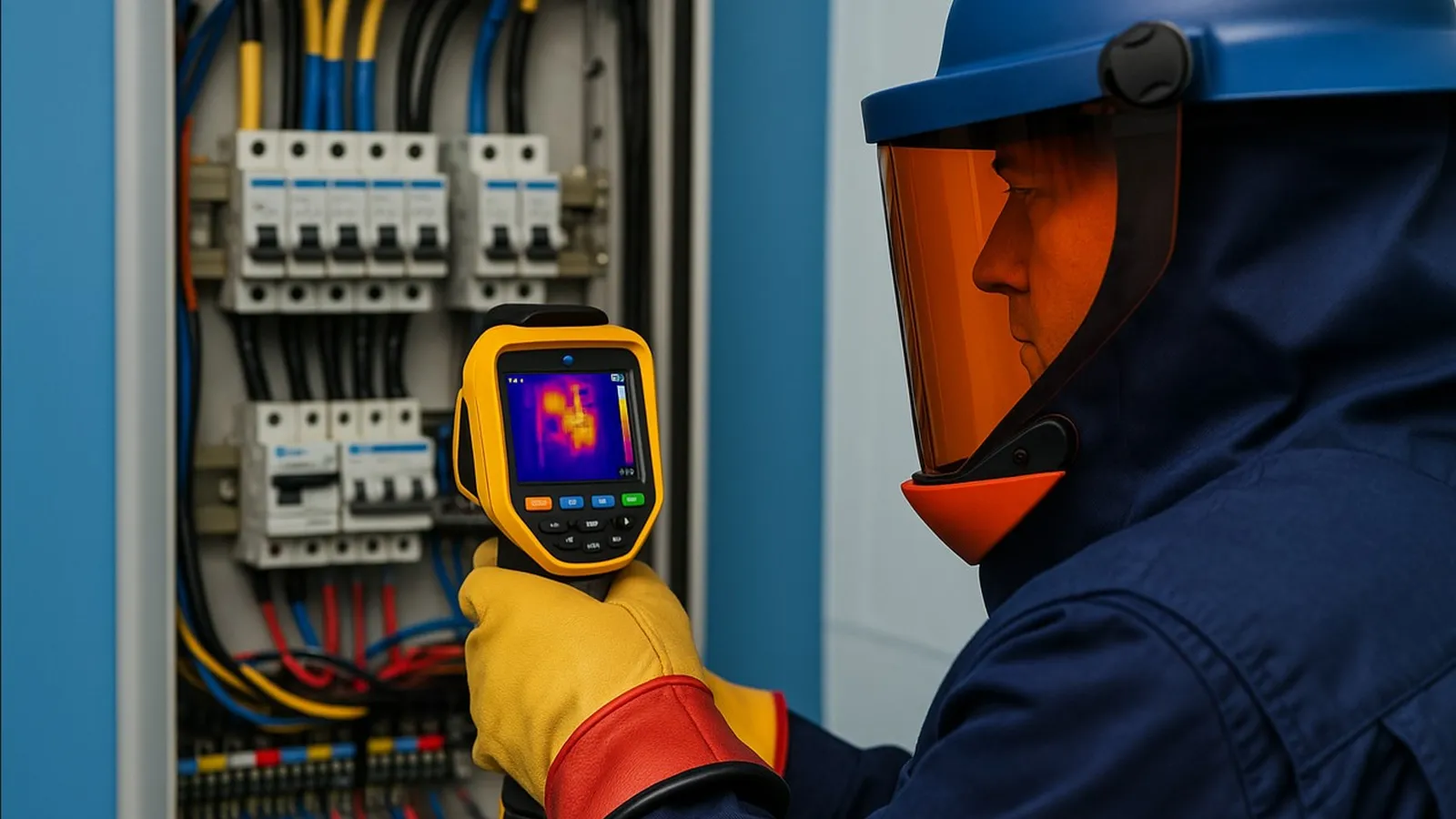
We use the Fluke Ti480 PRO thermal camera because it provides high-resolution thermal imaging for professional electrical inspections. The camera offers 640 × 480 infrared resolution and SuperResolution imaging up to 1280 × 960, which helps reveal more detail in electrical equipment. It also includes MultiSharp Focus, LaserSharp Auto Focus, IR-Fusion visual and infrared blending, interchangeable smart lens compatibility, and Fluke Connect reporting features. You can review the manufacturer information on the official Fluke Ti480 PRO infrared camera.

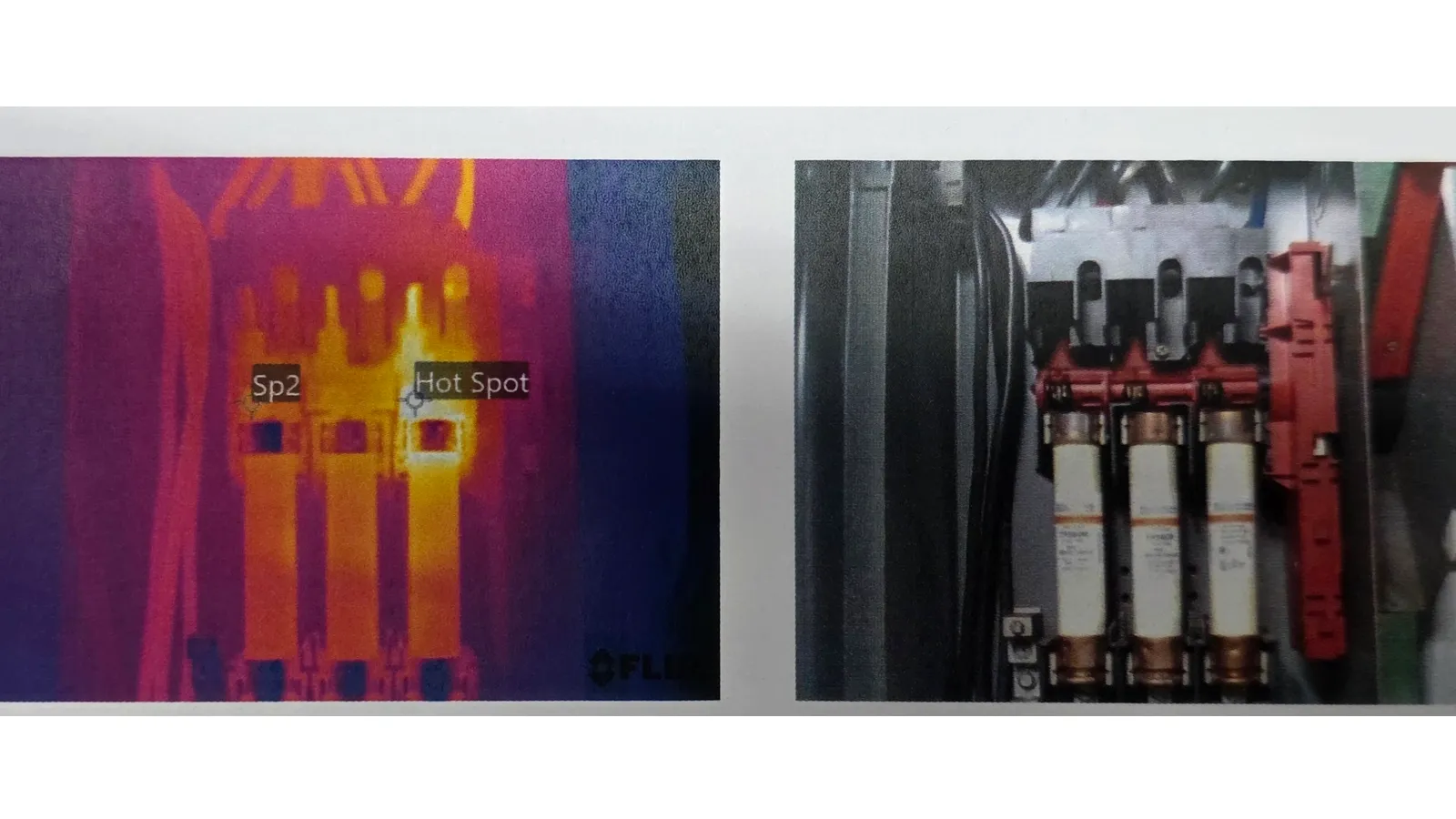
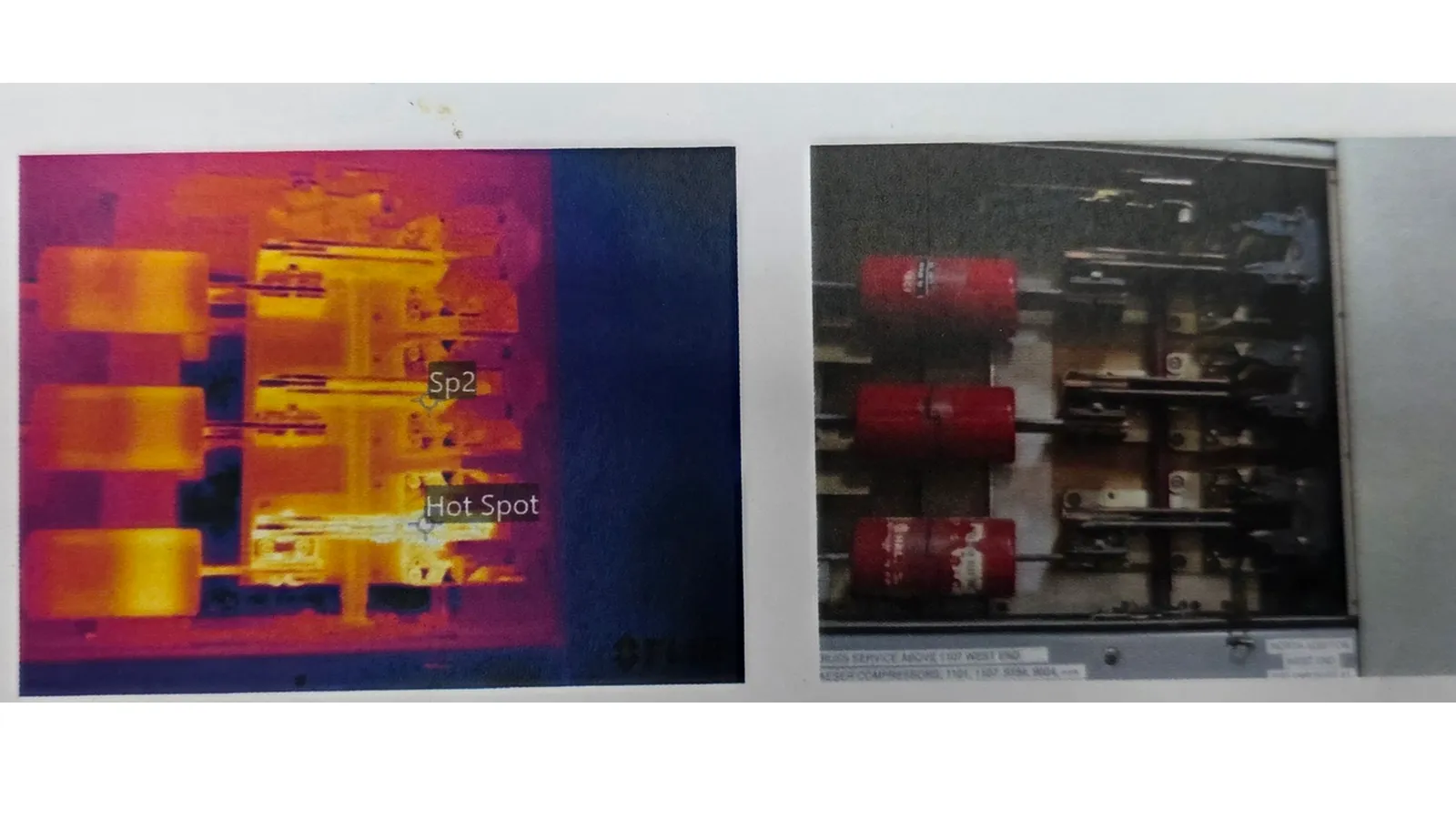
A major advantage of professional Infrared Thermal Inspections is that they allow us to compare similar electrical components under load. For example, if one breaker, fuse holder, lug, phase conductor, or contactor is significantly hotter than similar equipment carrying comparable load, that temperature difference may indicate a developing problem. This is very useful because electrical heat problems are often relative: the issue is not only the temperature number, but also how that component compares to the rest of the system.

Infrared Thermal Inspections can help detect loose electrical connections, overloaded circuits, phase imbalance, failing breakers, poor terminations, overloaded neutral conductors, damaged bus connections, overheating transformers, faulty disconnects, weak contactors, motor control issues, and equipment running under abnormal electrical stress. These issues may not produce immediate failure, but they often become worse over time.

For commercial buildings, Infrared Thermal Inspections are useful for maintenance planning, tenant safety, insurance documentation, electrical reliability, and reducing the chance of unexpected downtime. For industrial facilities, this service is especially important because electrical failures can stop production, damage machinery, affect refrigeration, interrupt compressors, shut down control systems, or create expensive emergency repairs.

Infrared Thermal Inspections should be performed when the system is energized and carrying meaningful load. This is important because a loose connection or overloaded component may not show abnormal heat when the circuit is lightly loaded. During inspection, we look for unusual temperature rise, uneven heating between phases, hot spots at terminations, heat concentration around breakers, overheated cables, abnormal transformer heating, and components that do not match the expected pattern.

Depending on what is found, the next step may include tightening or replacing terminations, correcting overloaded circuits, replacing damaged breakers, improving load balance, repairing conductors, replacing contactors, checking transformer loading, improving ventilation, reviewing panel condition, or performing deeper electrical diagnostics. In some cases, Infrared Thermal Inspections may also lead to related services such as electrical preventive maintenance, infrared thermal electrical inspections, power quality analysis, and industrial electrical diagnostics.

Infrared Thermal Inspections do not replace proper electrical repair, code compliance, or hands-on testing. They help identify where the electrical system deserves closer attention. The value is that they provide visible evidence of heat, help prioritize risk, and allow the customer to act before a hidden problem becomes a shutdown, equipment failure, or safety concern.

If your facility has warm panels, repeated breaker trips, burning smell, equipment failures, production interruptions, overloaded circuits, aging electrical gear, or unknown hot spots, contact Smart Electrical to schedule professional Infrared Thermal Inspections in Toronto, Mississauga, Brampton, Vaughan, Markham, Richmond Hill, North York, Scarborough, Etobicoke, Oakville, Burlington, Pickering, Ajax, and Whitby.
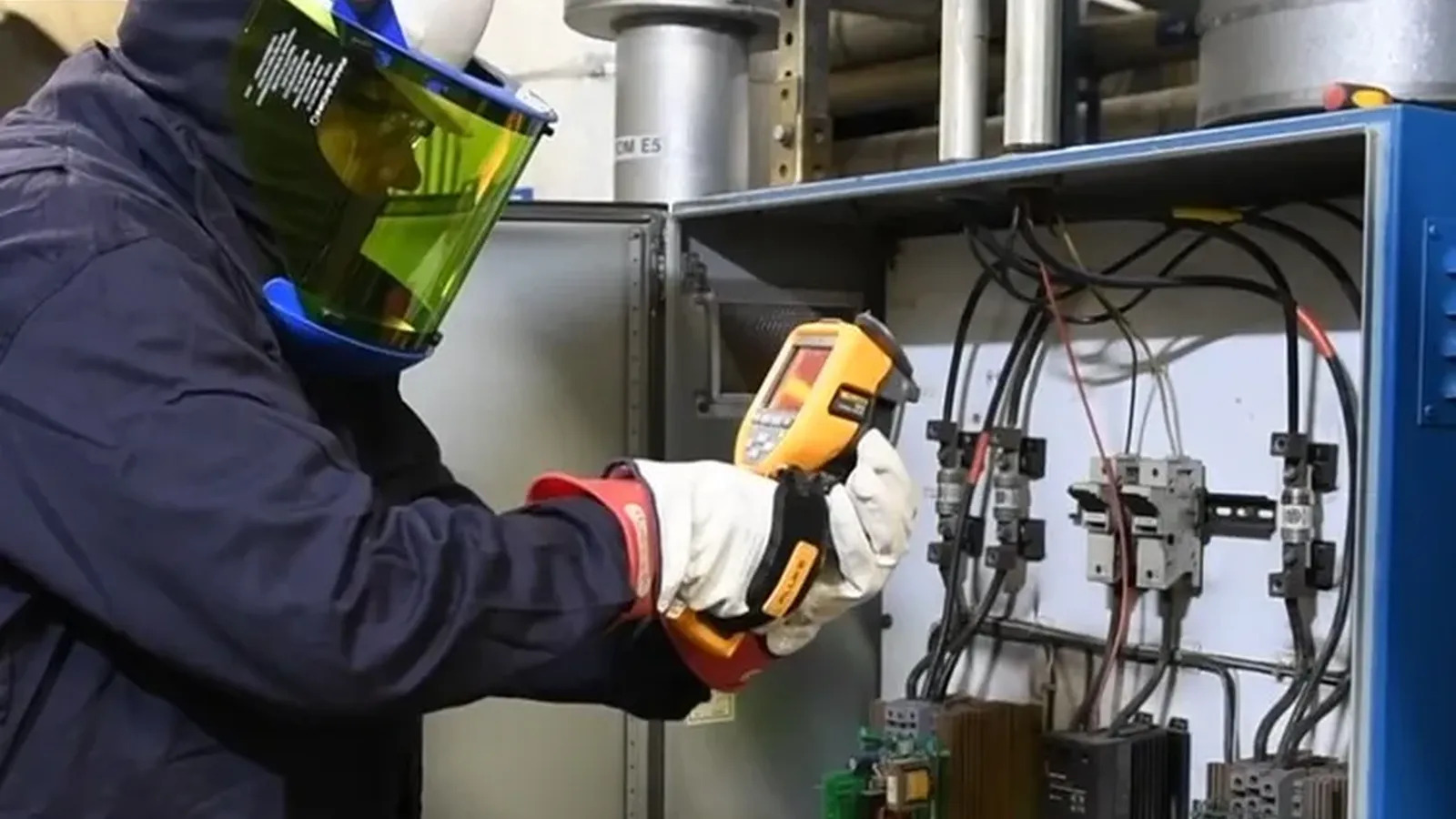
Electrical heat problems we can locate, document, and explain with Fluke Ti480 PRO imaging

Electrical heat problems are often difficult to understand because the customer may not see the failing connection or overloaded component directly. What they notice is the result: burning smell, breaker trips, flickering lights, warm panel covers, equipment shutdowns, damaged components, or repeated failures in the same electrical area.

Using professional infrared thermal imaging, we look beyond the visible symptom and inspect how electrical components behave under real load. The Fluke Ti480 PRO helps us identify abnormal temperature patterns in panels, breakers, disconnects, conductors, transformers, control equipment, and industrial electrical systems.

This diagnostic approach helps identify whether the issue may be related to loose connections, overloaded circuits, poor terminations, phase imbalance, failing breakers, overloaded neutral conductors, transformer stress, weak contactors, damaged wiring, or equipment operating outside normal electrical conditions.

Overheating Breakers

Breakers run hotter than nearby circuits, showing possible overload, weak contact, internal wear, or poor panel conditions.

Loose Connections

Terminations heat up under load because the connection is weak, loose, damaged, oxidized, or improperly tightened.

Hot Panel Areas

Panel sections show unusual heat patterns that may point to overloaded circuits, weak bus connections, or hidden defects.

Burning Smell

A burning odor near panels or equipment may indicate overheating insulation, failing components, or dangerous electrical stress.

Overloaded Circuits

Conductors, breakers, or feeders operate hotter than expected when the circuit carries too much continuous electrical load.

Phase Imbalance

One phase runs hotter than others because the load is uneven, creating extra stress on equipment and conductors.

Transformer Heating

Transformers show abnormal temperature rise from overload, imbalance, harmonics, ventilation issues, or aging electrical components.

Failing Contactors

Contactors, starters, or control components show heat from worn contacts, poor pressure, arcing, or electrical resistance.

Damaged Conductors

Cables or conductors heat unevenly because of insulation damage, poor termination, overload, or internal conductor problems.

Neutral Overheating

Neutral conductors run hot because of imbalance, harmonic current, shared neutrals, loose terminations, or overloaded systems.

Fuse Holder Heating

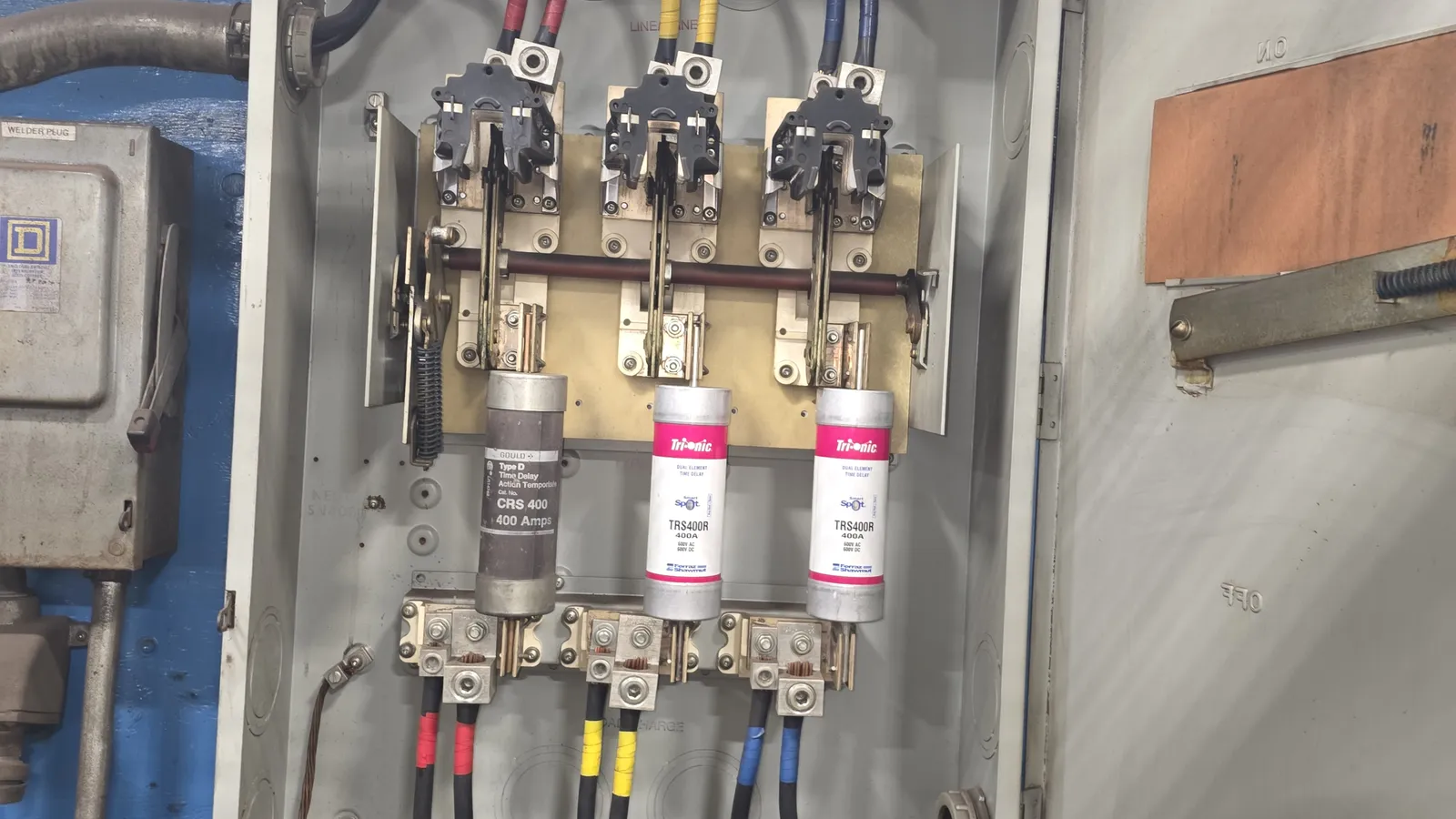
Fuse clips or holders show abnormal heat from weak contact pressure, corrosion, overload, or poor electrical connection.

Disconnect Hot Spots

Disconnect switches show heat at lugs, blades, fuses, or internal contacts during normal equipment operation.

Motor Control Heat

Motor starters, overloads, drives, and control panels show heat patterns that may explain trips or failures.

Warm Panel Covers

Panel covers feel warm because heat is building inside from overloaded circuits, weak connections, or failing parts.

Repeated Failures

The same electrical area keeps failing because a hidden heat source was never identified or corrected properly.

Production Downtime Risk

Critical electrical equipment shows heat that may lead to shutdowns, emergency repairs, or interrupted facility operation.

Our Infrared Thermal Inspection Process

Infrared thermal inspection is not just about taking colorful images. The purpose is to inspect electrical equipment under real operating load, identify abnormal heat patterns, compare similar components, document the findings, and recommend practical corrective action based on visible thermal evidence.

Our process is designed for residential, commercial, and industrial electrical systems where overheating may be hidden inside panels, disconnects, breakers, transformers, control cabinets, production equipment, or other critical electrical areas.

01

Site Review

We review the symptoms, affected equipment, panel locations, load conditions, maintenance history, and any signs of smell, heat, trips, or failures.

02

Load Condition Check

We confirm the equipment is operating under meaningful load, because heat problems often appear only when the circuit is actually working.

03

Thermal Imaging Scan

The Fluke Ti480 PRO is used to scan panels, breakers, lugs, disconnects, transformers, conductors, contactors, and equipment connections.

04

Hot Spot Comparison

We compare similar components and phases to identify abnormal heat patterns, temperature differences, and unusual electrical stress.

05

Root Cause Review

We determine whether the heat may be related to overload, loose connections, imbalance, failing components, poor ventilation, or equipment condition.

06

Report & Action Plan

You receive documented thermal findings, image evidence, risk notes, priority levels, and recommended corrective actions for repair planning.

Possible Corrective Solutions After Thermal Inspection

Infrared thermal inspection is the diagnostic stage. Once abnormal heat is found and documented, the next step is to determine what correction is needed before the issue turns into equipment failure, shutdown, or a safety concern.

The final recommendation depends on what the Fluke Ti480 PRO images show: temperature differences, hot spot location, load condition, component type, electrical arrangement, and whether the heat pattern points to overload, poor connection, imbalance, damaged equipment, or aging infrastructure.

In some cases, the correction may be simple, such as tightening a termination or replacing a breaker. In other cases, the system may need load balancing, conductor repair, panel correction, transformer review, contactor replacement, preventive maintenance, or deeper electrical diagnostics.

01

Connection Tightening

Correcting loose lugs, weak terminations, and poor contact points that create resistance, heat, and long-term failure risk.

02

Breaker Replacement

Replacing breakers that show abnormal heating, weak internal contacts, repeated tripping, or signs of thermal damage.

03

Load Balancing

Redistributing electrical load across phases to reduce uneven heating, improve performance, and lower equipment stress.

04

Panel Corrections

Repairing panel issues such as damaged conductors, poor terminations, overloaded circuits, weak bus connections, or unsafe conditions.

05

Conductor Repair

Repairing or replacing damaged, overheated, undersized, or poorly terminated conductors found during thermal inspection.

06

Transformer Review

Checking transformer loading, ventilation, phase balance, harmonic stress, and heating patterns before failure occurs.

07

Contactor Replacement

Replacing worn contactors, starters, or control components that show excessive heat, weak contact, or internal wear.

08

Disconnect Repair

Correcting overheated disconnect lugs, fuse holders, blades, switch contacts, or equipment isolation components.

09

Preventive Electrical Maintenance

Creating a maintenance plan with thermal inspections, torque checks, cleaning, load review, component checks, and priority-based repairs.

10

Equipment-Specific Testing

Further diagnostics for motors, compressors, HVAC equipment, production lines, refrigeration systems, VFDs, and control panels.

11

Electrical Upgrade Planning

Planning panel upgrades, feeder corrections, transformer changes, or capacity improvements when thermal evidence shows system limits.

Serving Toronto & the Greater Toronto Area

We provide residential, commercial, and industrial electrical services across Toronto and the GTA, supporting homes, businesses, and facilities with reliable and code-compliant electrical solutions.

Our service coverage includes major cities and surrounding areas, allowing us to respond quickly and deliver consistent service across the region.

Toronto
North York
Thornhill
Richmond Hill
Vaughan
Markham
Scarborough
Etobicoke
Mississauga
Brampton
Hamilton
Oakville
Burlington
Milton
Georgetown
Pickering
Ajax
Whitby
Oshawa
Clarington
Aurora
Newmarket
Bradford
King City
Barrie