
Toronto & GTA Electrical Contractor
Emergency Power Systems Installation in Toronto, Markham, Richmond Hill, Etobicoke, Hamilton & GTA
Residential, commercial, and industrial electrical work — installations, upgrades, troubleshooting, maintenance, and code-compliant solutions.
Licensed & Insured
Fast Response
Code-Compliant Work

BUSINESS CONTINUITY POWER SOLUTIONS
What We Do
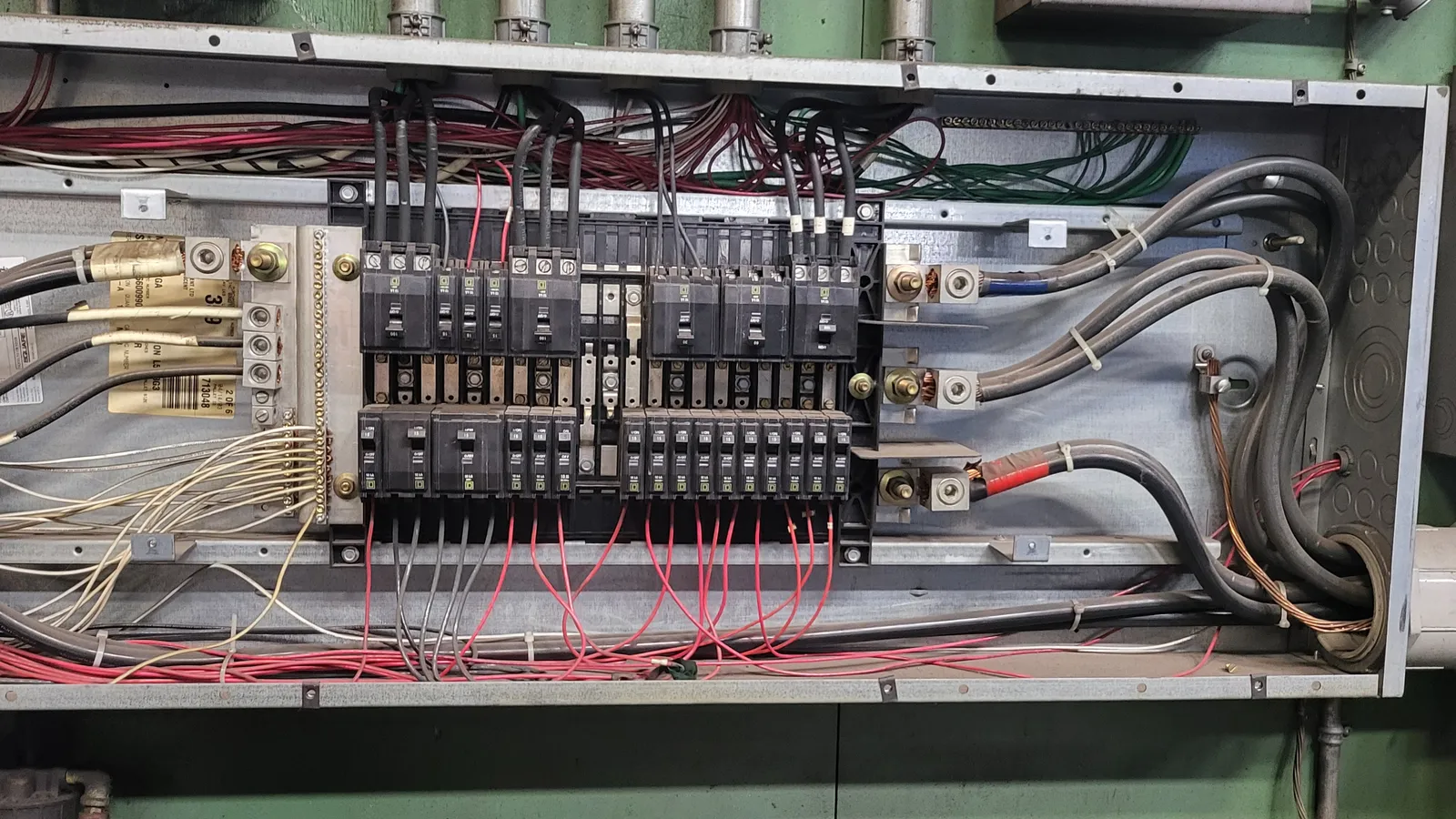
We provide commercial emergency power systems for offices, warehouses, retail units, restaurants, mixed-use properties, and other business facilities across Toronto and the GTA. Our goal is to keep critical operations running safely when the normal electrical supply fails or becomes unstable. A properly designed emergency power system helps protect life safety functions, essential equipment, building operations, and business continuity during outages. Many commercial properties cannot afford downtime because even a short power interruption can affect lighting, refrigeration, IT systems, access control, alarms, communications, tenant operations, and revenue.
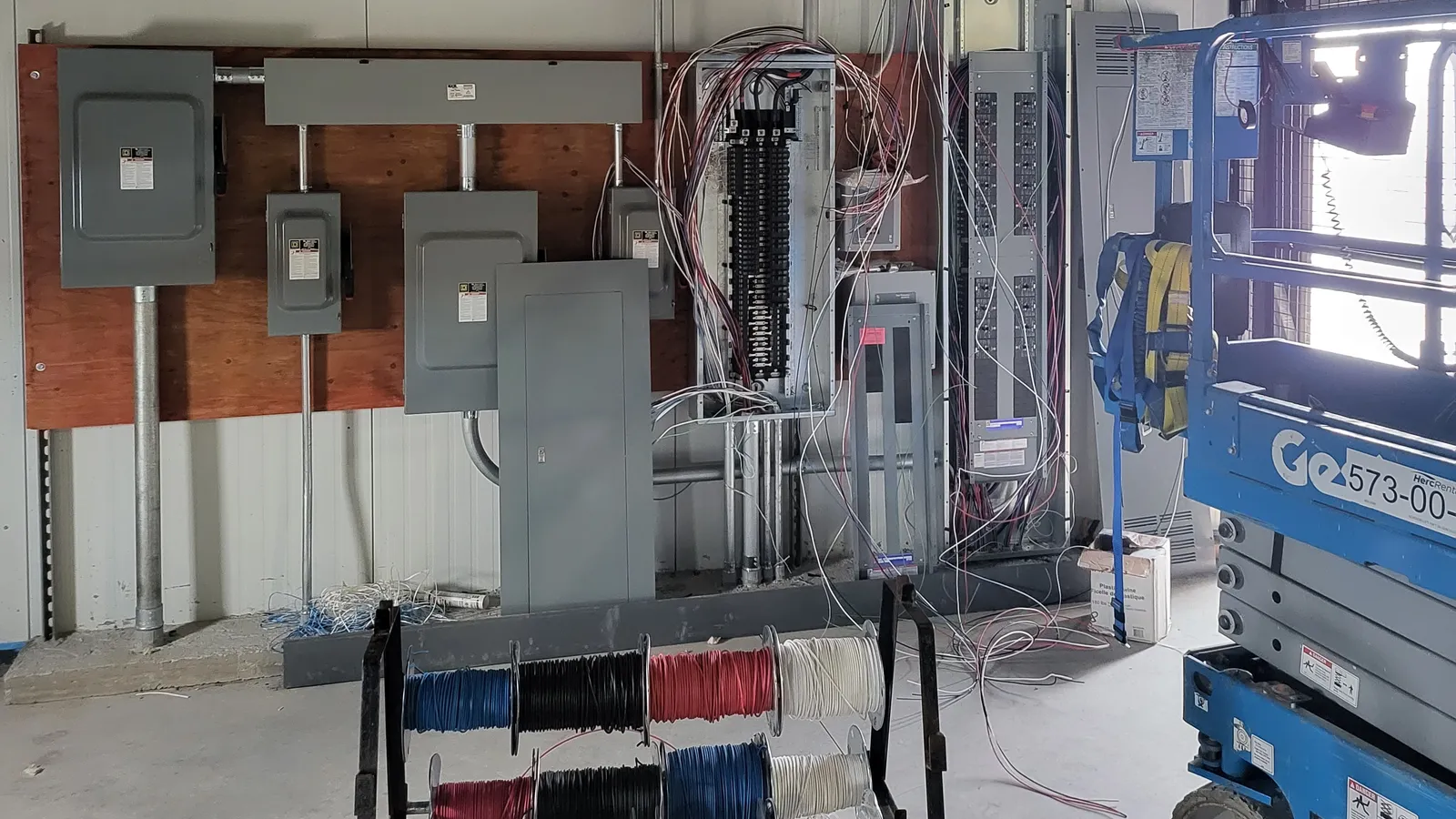
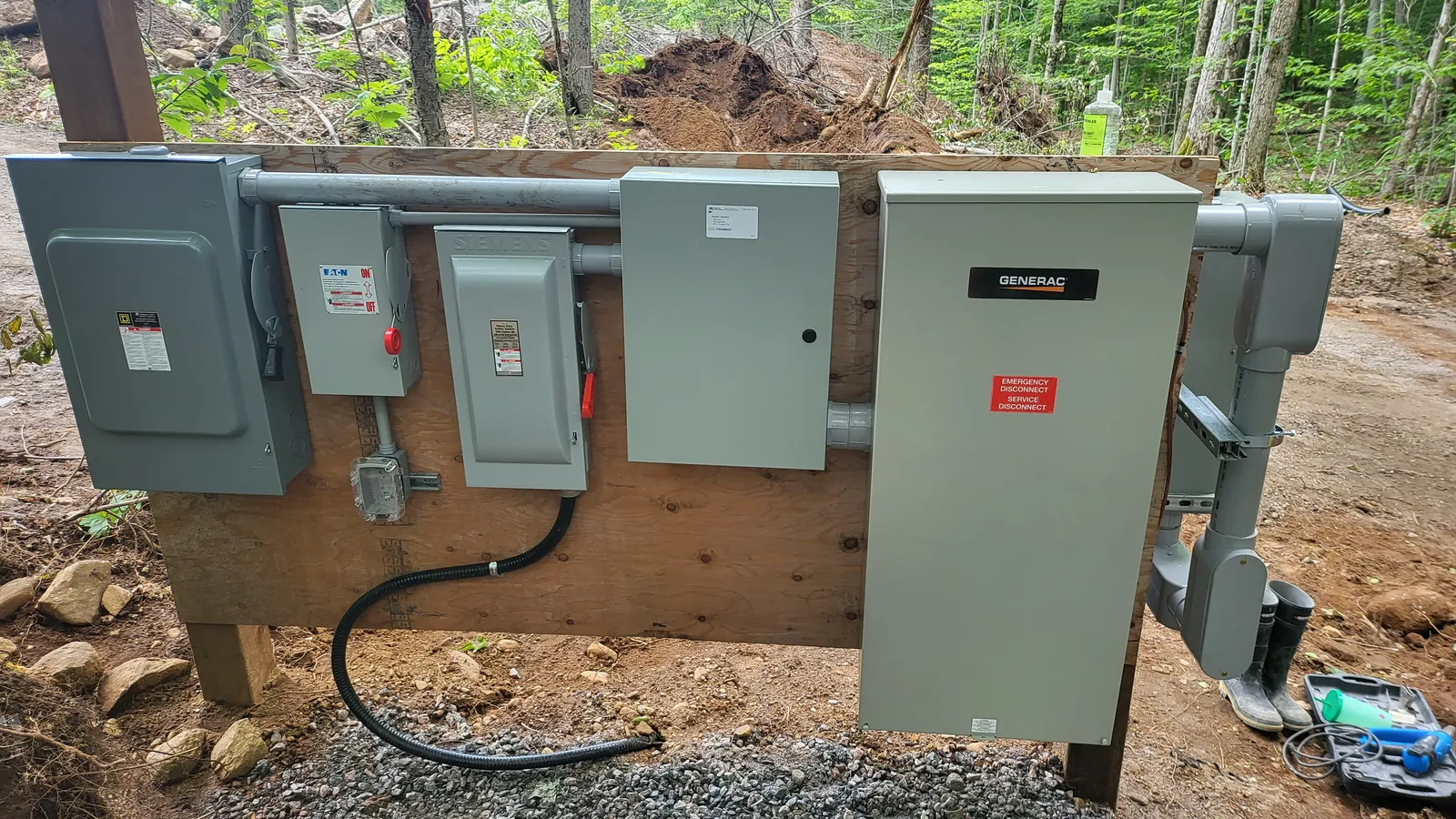
A professional emergency power system is planned around actual building priorities, not just around adding backup equipment. We assess the facility load profile, operational risk, occupancy type, and the electrical infrastructure already in place before recommending the right solution. Depending on the building, the work may involve dedicated emergency distribution, transfer equipment, generator integration, selective backup for critical loads, or coordination with an existing UPS system. In many projects, emergency power design also connects closely with commercial power quality analysis because unstable voltage, poor power conditions, or hidden electrical issues can affect backup system performance.
We also review how the emergency power system interacts with the existing service, distribution equipment, controls, and protected loads. Where expansion or reconfiguration is needed, this may also involve power distribution systems improvements to support a safe and practical installation. Our work focuses on building backup power systems that are cleanly integrated, properly sized, and realistic for the way the property actually operates. This is especially important in commercial buildings where not every circuit needs to be backed up, but the right circuits absolutely do.
A strong emergency power system is not only about keeping the lights on. It is about maintaining safe egress, supporting essential operations, reducing business interruption, and protecting sensitive equipment from shutdown events. In some facilities, that may mean life safety loads and code-required systems. In others, it may mean protecting server rooms, security infrastructure, refrigeration, communications, production processes, or tenant-critical electrical loads. All work is approached with close attention to Ontario safety requirements, ESA procedures, and recognized equipment standards. For general regulatory guidance, refer to the Electrical Safety Authority (ESA).
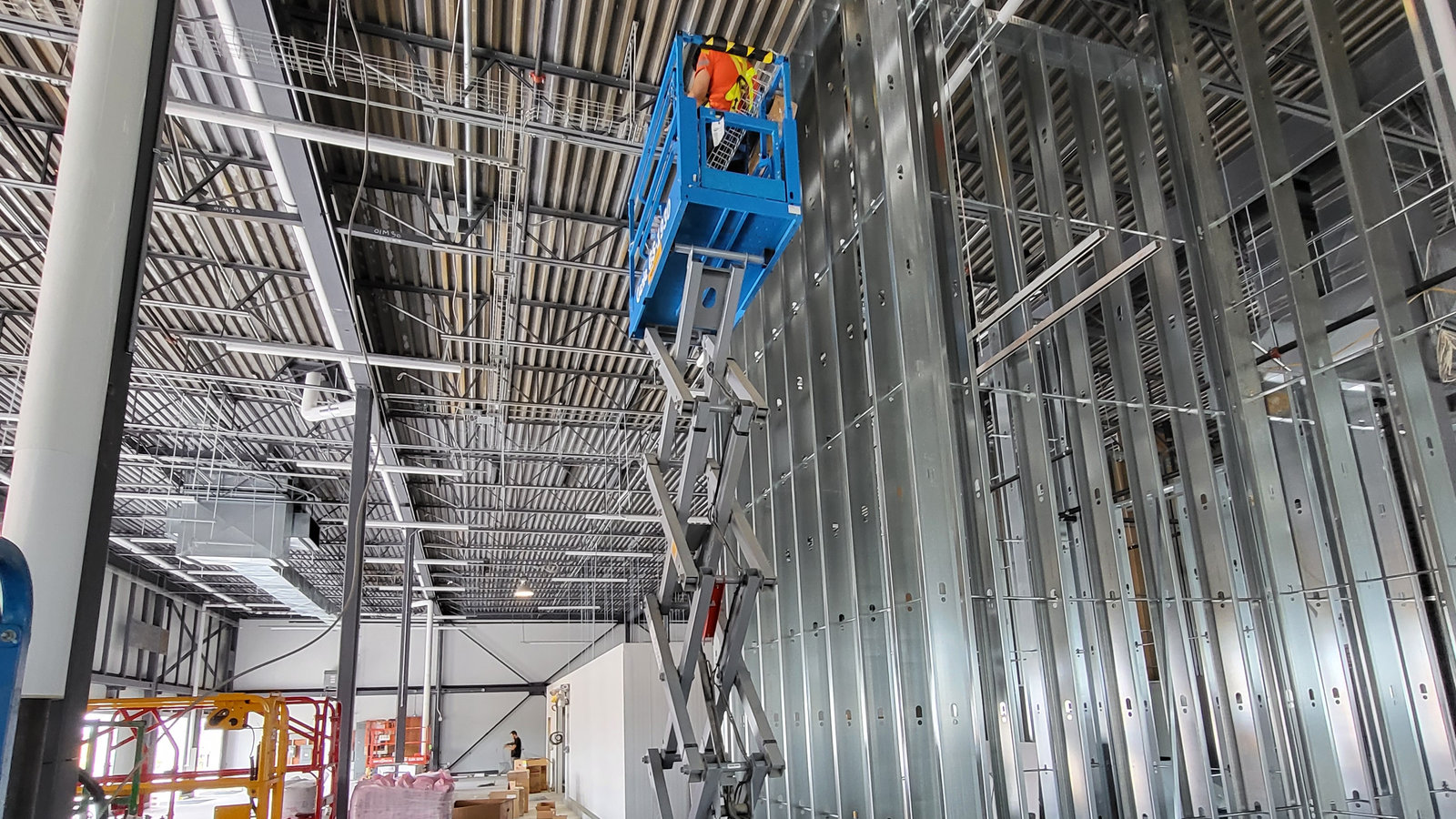
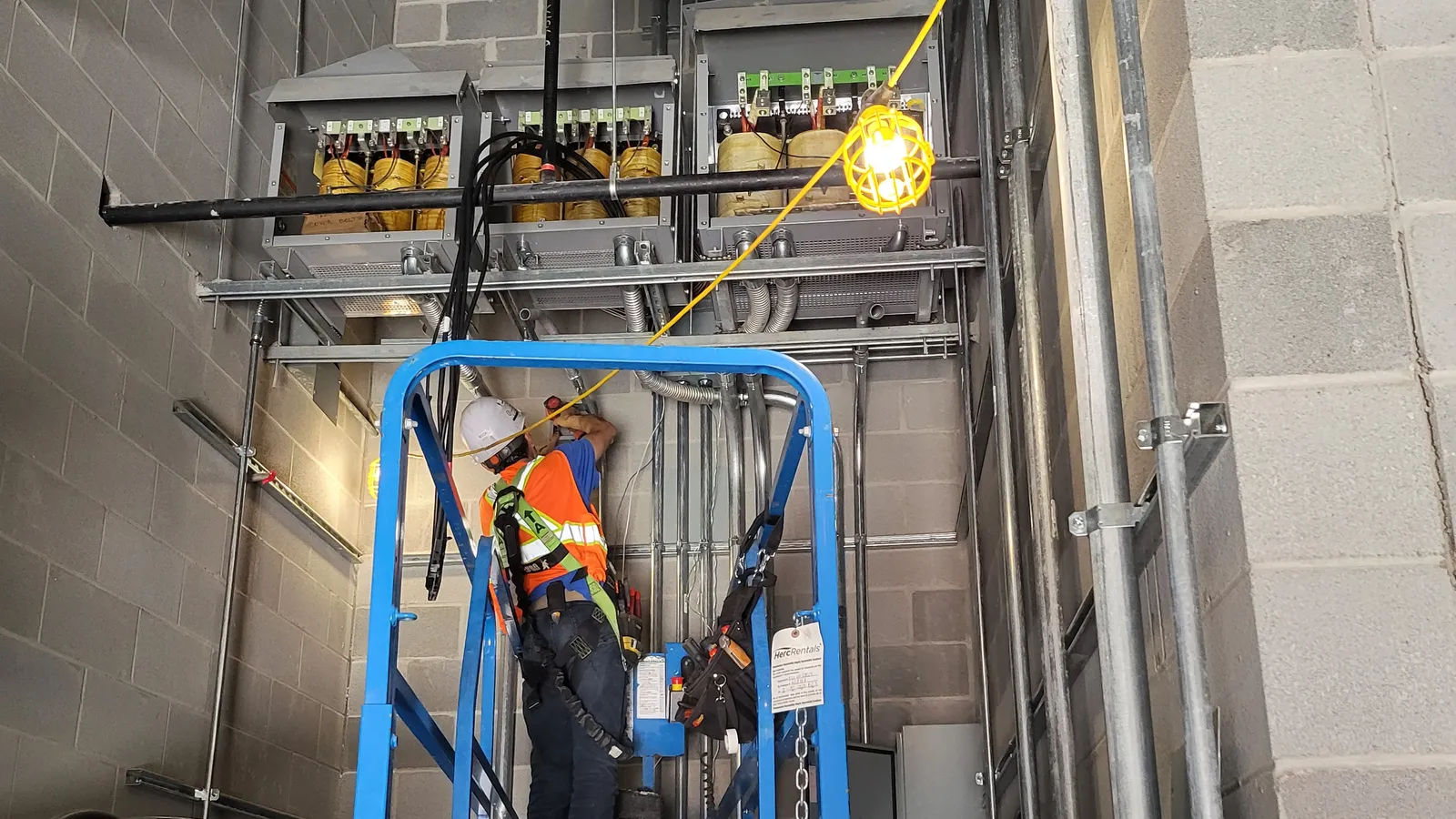
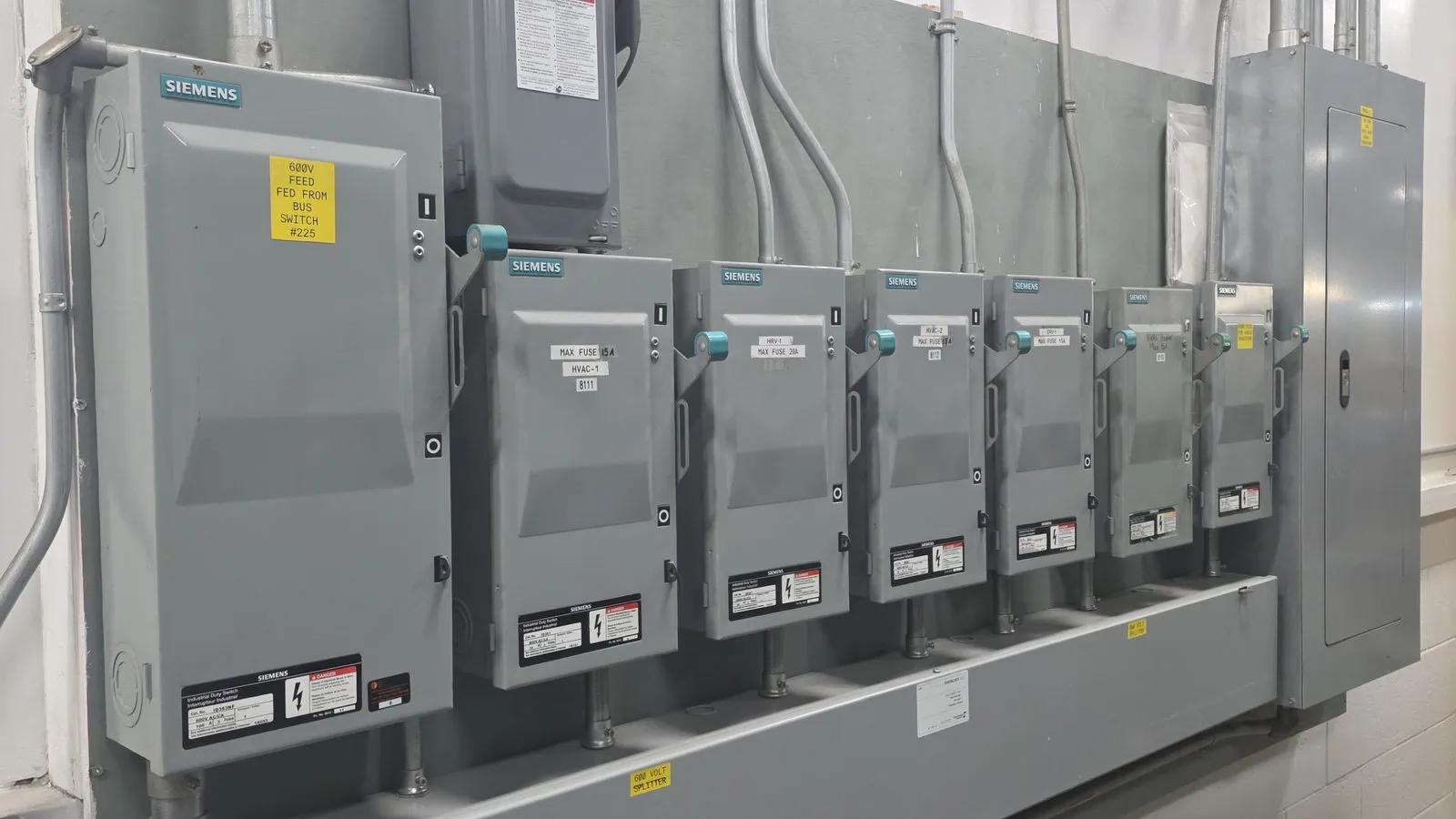
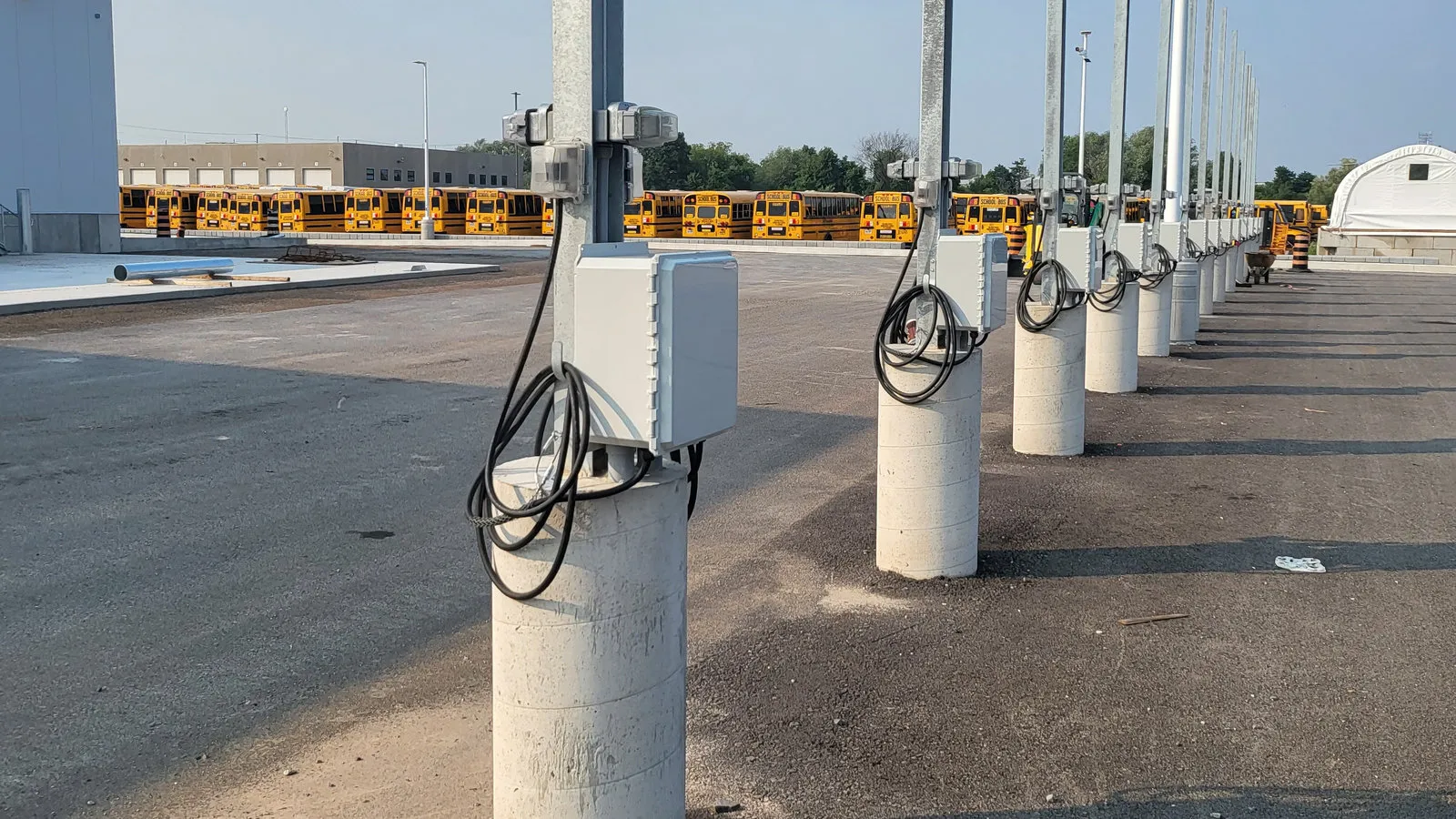
Power failures expose weak points fast<
Know when your building needs a stronger emergency power strategy
Commercial emergency power systems become essential when a building cannot safely or economically tolerate electrical outages.
Many businesses in Toronto and the GTA operate with loads that are more outage-sensitive than owners initially realize. Emergency lighting, exit paths, alarm-related equipment, security systems, IT hardware, refrigerated products, access systems, communications, and selected tenant operations may all depend on a reliable emergency power system. When outages cause unsafe conditions, lost productivity, spoiled inventory, or repeated operational disruption, it is a clear sign the property needs a better backup power plan.
A professional assessment helps determine which loads are critical, which loads are optional, and how the emergency power system should respond when utility power is lost. In some buildings, the issue is not only the absence of backup power but also poor system coordination, inadequate distribution, or lack of a clear transfer sequence. Where power conditions are unstable, we often recommend reviewing commercial power quality analysis alongside emergency power planning so the root problem is fully understood.
In facilities with changing tenancy, renovations, or added equipment, the original emergency power arrangement may no longer reflect actual building demand. This is especially common in properties that have expanded electrical use without corresponding updates to commercial load monitoring or backup load calculations. Emergency power systems should support real operational priorities, not assumptions made years earlier.
Investing in a properly planned emergency power system improves safety, reduces downtime exposure, and helps keep commercial properties functional under pressure. It also supports clearer maintenance planning, better equipment protection, and more predictable building performance during utility interruptions. For broader safety guidance in Ontario, see the ESA.
Critical Loads Go Offline
Important systems shut down during outages because they are not connected to a proper emergency power source.
Unsafe Loss of Lighting
Exit routes, work areas, or tenant spaces become difficult to navigate when normal power fails.
Transfer Does Not Perform Properly
Backup equipment does not switch over cleanly or leaves key systems without power.
Building Operations Stop Completely
Even a short outage disrupts business activity, security, communications, or refrigeration.
Renovations Changed Electrical Priorities
Existing backup arrangements no longer reflect the current use of the building or tenant loads.
No Clear Critical Load Plan
Owners or staff are unsure which circuits are protected and which areas will remain operational.
Frequent Emergency Callouts
Repeated issues suggest the backup system is undersized, outdated, or poorly integrated.
Code or Safety Concerns
Inspections, occupancy needs, or risk reviews indicate the property needs a compliant emergency power solution.
WHY CHOOSE US
Why Businesses Choose Us
We focus on practical solutions rather than temporary fixes, ensuring your electrical system performs safely under real conditions. Every electrical work is completed with proper planning, correct equipment selection, and attention to long-term performance.
Our approach eliminates unnecessary work and is based on accurate diagnostics, not assumptions, so you only pay for what your system actually needs. We prioritize safety, efficiency, and clean execution on every project.
As a result, you receive a reliable, code-compliant electrical system that supports your home today and is fully prepared for future electrical demands.
Licensed & Insured
All work is performed by qualified, fully insured electricians, ensuring safety, accountability, and compliance with all regulations.
ESA certified work
Every project includes permits and ESA inspection, guaranteeing that the installation meets Ontario Electrical Safety Code requirements.
Professional installations
We install panels with precise wiring, proper layout, and clear labeling, making the system safe, accessible, and easy to maintain.
Transparent pricing
You receive clear pricing based on the actual scope of work, with no hidden costs or unexpected changes during the entire project.
Fast scheduling
We schedule work efficiently and arrive on time, minimizing downtime and ensuring your electrical system is restored as quickly as possible.
Accurate calculations
We calculate electrical demand based on real usage, ensuring your panel is properly sized for both current and future electrical needs.
Code-compliant work
All installations strictly follow current electrical code requirements, ensuring safety, inspection approval, and long-term system reliability.
Reliable workmanship
Our experience allows us to deliver consistent, high-quality results that perform reliably under real operating conditions over time.
CODE & SAFETY REQUIREMENTS
Ontario Electrical Safety Code Compliance
The Ontario Electrical Safety Code (OESC) sets the minimum legal safety requirements for electrical installations in Ontario. For commercial emergency power systems, compliance with the Code is essential to ensure the installation is safe, properly arranged, properly protected, and suitable for ESA notification and inspection where required.
Following the Code helps reduce the risk of fire, electric shock, failed inspections, unsafe transfer arrangements, inadequate conductor protection, insufficient capacity, and loss of emergency operation during a power failure. It also helps ensure that emergency power equipment, conductors, transfer equipment, overcurrent devices, working clearances, and approved products meet current Ontario requirements.
Every commercial emergency power system should be planned and installed in accordance with the current Ontario Electrical Safety Code, applicable ESA procedures, and the requirements that apply to the specific building, occupancy, and emergency loads being served.
Rules commonly applicable to commercial emergency power systems
-
Rule 2-004 — Notification of work / ESA process
Electrical work must be properly notified to ESA before commencement where required, and the installation must follow the applicable inspection and authorization process. -
Rule 2-022 — Approved electrical equipment
Electrical equipment used in Ontario must be approved in accordance with Code requirements. -
Rule 2-024 — Approval requirements for electrical equipment
Equipment must be approved to recognized standards and accepted for use in Ontario. -
Rule 2-300 — Maintenance and operation
Electrical equipment must be maintained and operated in a safe condition in accordance with Code requirements. -
Rule 2-308 and Rule 2-310 — Working space around electrical equipment
Required working space and safe access around electrical equipment must be maintained based on the equipment arrangement and rating. -
Rule 8-104 — Maximum circuit loading
Connected load and demand must be evaluated so conductors and equipment are not loaded beyond allowable limits. -
Rule 14-100 — Protection of conductors by overcurrent devices
Conductors must be protected by properly rated overcurrent devices in accordance with Code requirements. -
Rule 14-104 — Rating and coordination of overcurrent protection
Overcurrent protection must be coordinated with conductor ampacity and installation characteristics. -
Rule 46-100 — Adequate capacity of emergency power supply
The emergency power supply must have adequate capacity for the connected emergency equipment. -
Rule 46-102 — Operating instructions and testing information
Instructions for operation, care, and monthly testing must be posted on the premises as required. -
Rule 46-108 — Wiring methods and separation
Conductors and cables for emergency power and life safety systems must use permitted wiring methods and be kept separate as required by the Code. -
Rule 46-202 — Emergency power supply source requirements
Central standby emergency power supplies must meet the Code requirements for storage batteries or automatically starting and transferring generators with adequate capacity. -
Rule 46-204 — Fire protection of conductors and cables
Required power, control, and communication conductors installed outside the generator room must be protected against fire exposure to maintain continued operation where required. -
Rule 46-206 — Automatic transfer switch requirements
An automatic transfer switch accessible only to authorized persons must control the emergency power supply upon failure of the normal power source, where applicable. -
Rule 46-208 — Coordination of overcurrent protection
Overcurrent devices for emergency power feeders and circuits must be coordinated to provide selective operation in the event of a fault, subject to applicable exceptions. -
Rule 46-210 — Audible and visual trouble signals
Emergency power supplies must include the required trouble indication and warning functions for system status and source failure.
Note: Rule selection may vary depending on building classification, life safety scope, equipment type, transfer arrangement, generator room design, fire-resistance requirements, and whether the installation serves code-required emergency loads or other critical commercial loads. Exact official wording should be taken from the current purchased edition of the Ontario Electrical Safety Code.
COMMON QUESTIONS
FAQ — Emergency Power Systems
1. What is a commercial emergency power system?
A commercial emergency power system is a backup electrical arrangement designed to keep critical loads operating when normal utility power fails. Depending on the building, this may support life safety systems, emergency lighting, security, IT equipment, refrigeration, communications, or other essential operations.
2. Do all commercial buildings need emergency power?
Not every commercial property has the same requirement, but many buildings need some level of emergency or backup power depending on occupancy, safety systems, and operational risk. The required scope depends on the building use and the loads that must remain operational during an outage.
3. What is the difference between emergency power and standby power?
Emergency power typically refers to power required to support life safety functions and other essential systems during normal source failure. Standby power may also support business continuity and selected operational loads, but the exact requirements depend on the application and applicable codes.
4. How do I know which loads should be backed up?
This is determined through site review, load study, and risk assessment. The right answer depends on the building layout, tenant operations, code-related systems, and which electrical loads are truly critical to safety or business continuity.
5. Can you add emergency power to an existing commercial building?
Yes, many commercial emergency power systems are installed as retrofits in existing buildings. The design depends on available space, existing distribution equipment, transfer requirements, and the specific loads that need protection.
6. Do emergency power systems always require a generator?
Not always. Some systems may use batteries, UPS support, generator-based backup, or a combination depending on the application, duration requirements, and the loads being served.
7. What is an automatic transfer switch?
An automatic transfer switch is equipment that transfers selected loads from the normal source to the emergency power source when utility power fails. It is a key part of many emergency power systems because it allows the system to respond quickly and automatically.
8. How often should an emergency power system be inspected or maintained?
Emergency power systems should be inspected and maintained on a regular basis to verify readiness, safe condition, and reliable operation. The exact schedule depends on the equipment type, system design, building use, and applicable standards or maintenance requirements.
9. Can emergency power protect my servers, security, or refrigeration equipment?
Yes, emergency power can be designed to protect selected critical loads such as server rooms, access control, communications, refrigerated inventory, and other systems that cannot tolerate sudden loss of power. Proper load selection and system sizing are essential.
10. Is a permit or ESA notification required for this kind of work?
Yes, electrical work in Ontario generally requires proper ESA notification and must follow the applicable inspection process. The exact requirements depend on the scope of work and the type of installation being performed.
11. How long can a commercial emergency power system run during an outage?
That depends on the system type, connected load, energy source, and fuel or battery capacity. Some systems are intended for short-duration protection, while others are designed to support critical building functions for much longer periods.
12. What is the first step before installing an emergency power system?
The first step is usually a professional load review and power risk assessment. This helps identify the critical loads, determine the required capacity, and design a practical emergency power strategy for the property.
SERVICE AREAS
Serving Toronto & the Greater Toronto Area
We provide residential, commercial, and industrial electrical services across Toronto and the GTA, supporting homes, businesses, and facilities with reliable and code-compliant electrical solutions.
Our service coverage includes major cities and surrounding areas, allowing us to respond quickly and deliver consistent service across the region.
Toronto
North York
Thornhill
Richmond Hill
Vaughan
Markham
Scarborough
Etobicoke
Mississauga
Brampton
ADDITIONAL SERVICE AREAS
Hamilton
Oakville
Burlington
Milton
Georgetown
Pickering
Ajax
Whitby
Oshawa
Clarington
Aurora
Newmarket
Bradford
King City
Barrie