
Toronto & GTA Electrical Contractor
Generator Maintenance in Toronto, Richmond Hill, Hamilton & GTA
Residential, commercial, and industrial electrical work — installations, upgrades, troubleshooting, maintenance, and code-compliant solutions.
Licensed & Insured
Fast Response
Code-Compliant Work
BACKUP POWER READINESS & PREVENTIVE SERVICE
What We Do
We provide commercial generator maintenance services for offices, warehouses, retail units, restaurants, mixed-use buildings, and other business properties across Toronto and the GTA. Our goal is to keep standby and emergency generator systems reliable, safe, and ready to perform when normal utility power fails. A backup generator is only valuable if it starts properly, transfers correctly, carries the intended load, and continues operating when the building depends on it most. Many commercial generator failures happen not because the equipment is old, but because maintenance, testing, and performance verification were incomplete or inconsistent.
Professional generator maintenance is more than a quick visual check. We assess the condition and operation of the generator system, including controls, electrical connections, transfer sequence, battery condition, output performance, alarms, and how the generator interacts with the building’s emergency power arrangement. Depending on the site, generator maintenance may involve inspection, exercise testing, operational checks, connection review, fault review, and confirmation that the system responds properly under realistic conditions. In many buildings, generator maintenance also connects with commercial load monitoring or commercial power quality analysis where actual load behavior or electrical performance needs to be verified more clearly.
Our work focuses on generator reliability, not just routine paperwork. We look at whether the backup system is still aligned with the way the building is currently used, whether the intended critical loads remain correct, and whether the generator is exposed to overload, unstable conditions, or hidden electrical weaknesses. Commercial generator systems may include equipment and components from recognized manufacturers such as Generac, Cummins, Kohler, Caterpillar, MTU, Eaton, Schneider Electric, and ABB depending on the building and installation. For diagnostics and electrical verification, service work may also involve professional tools such as Fluke 1777 power quality analyzers, Fluke 1664 FC testers, and Fluke 289 logging multimeters where appropriate.
Generator maintenance often reveals issues before they become expensive failures. In some properties, maintenance shows that the generator itself is sound but the real problem sits in transfer equipment, wiring, control logic, or the connected backup distribution. In others, maintenance identifies deteriorating components, weak startup reliability, or operating issues that would only become visible during an outage. Preventive service may also work alongside preventive electrical maintenance or automatic transfer switch review where the broader emergency power system needs attention. For Ontario electrical safety and oversight guidance, refer to the Electrical Safety Authority (ESA). The result is a generator maintenance program that improves readiness, reduces downtime risk, and gives business owners greater confidence in their backup power system.
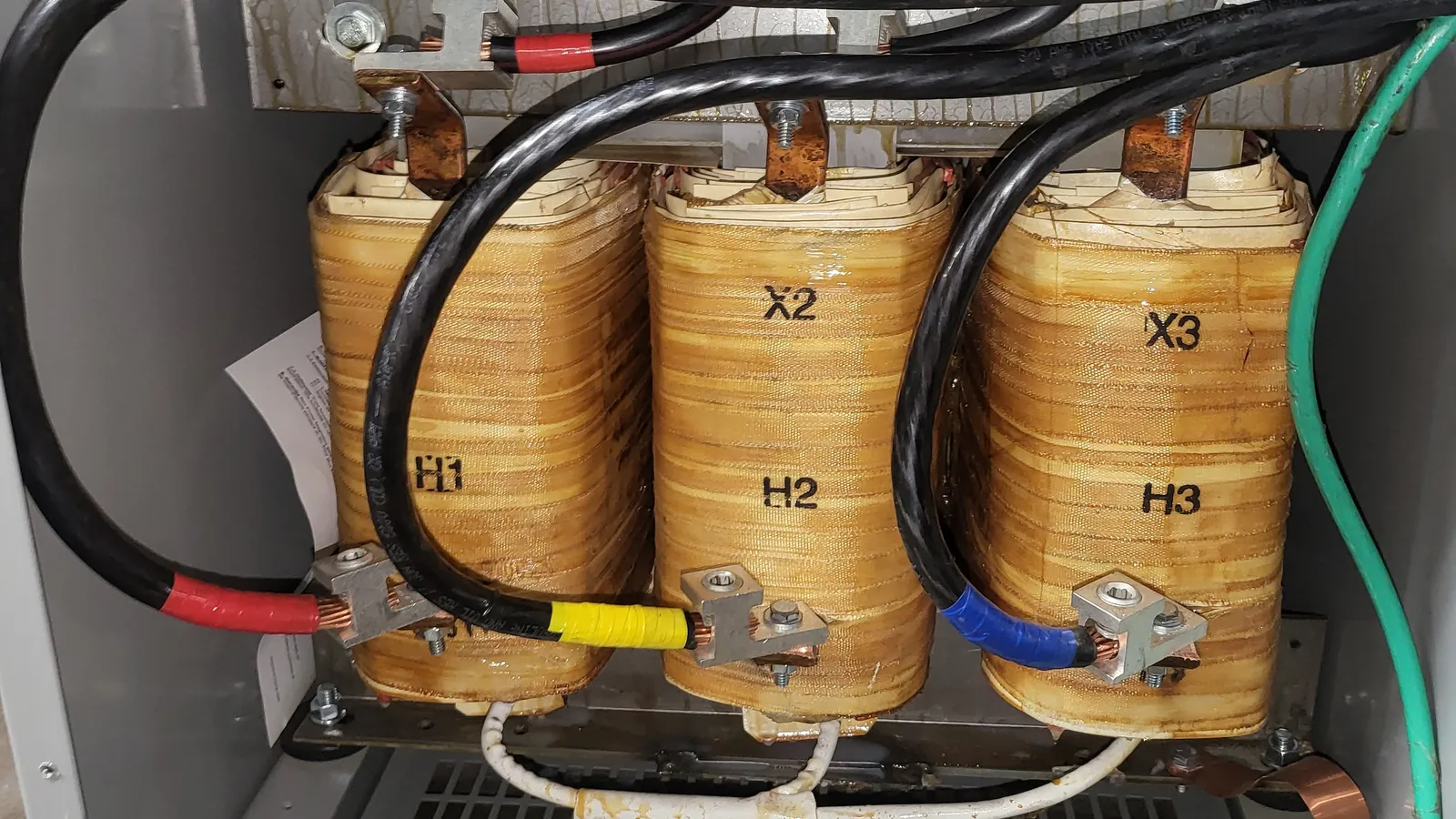
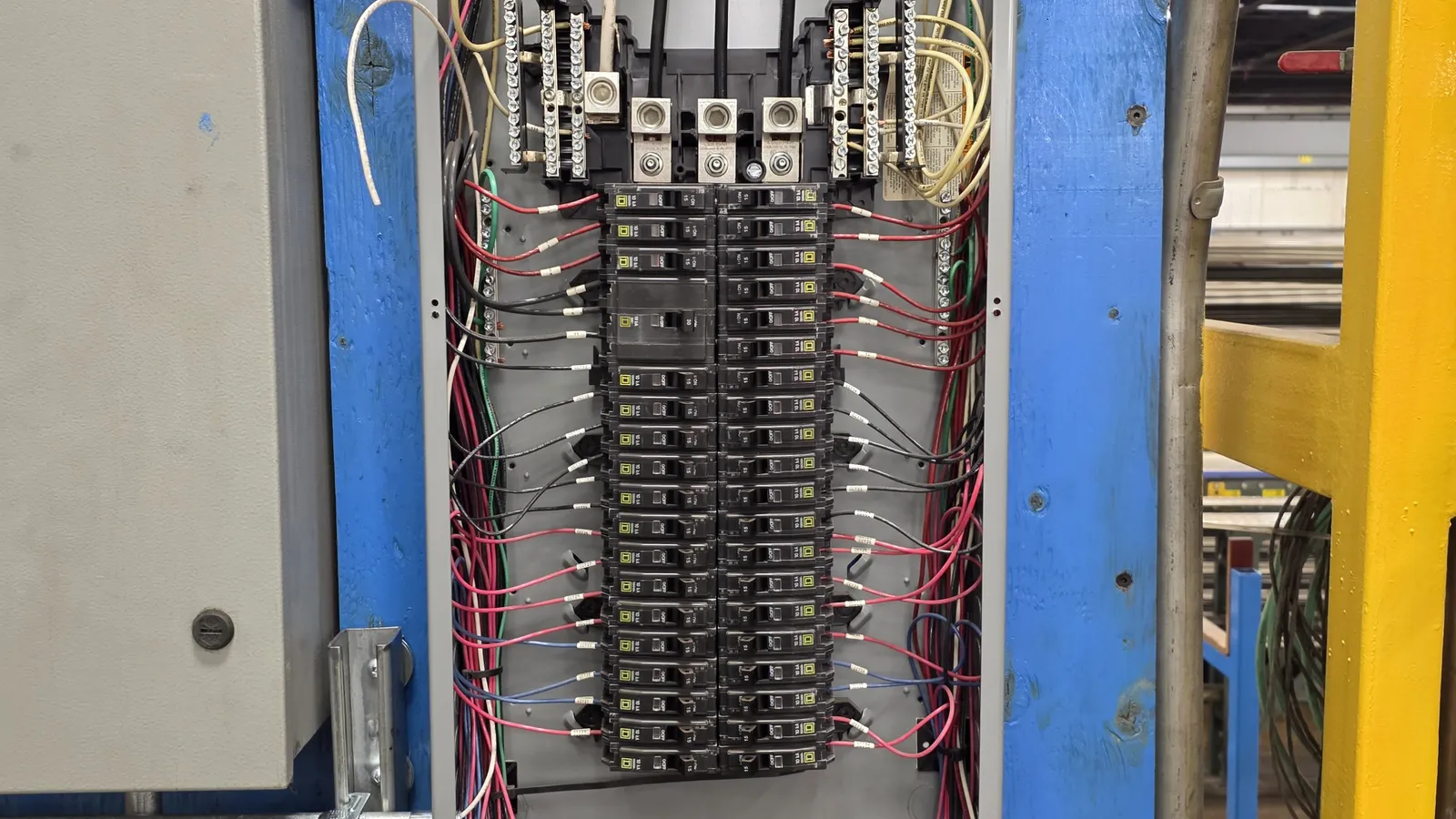
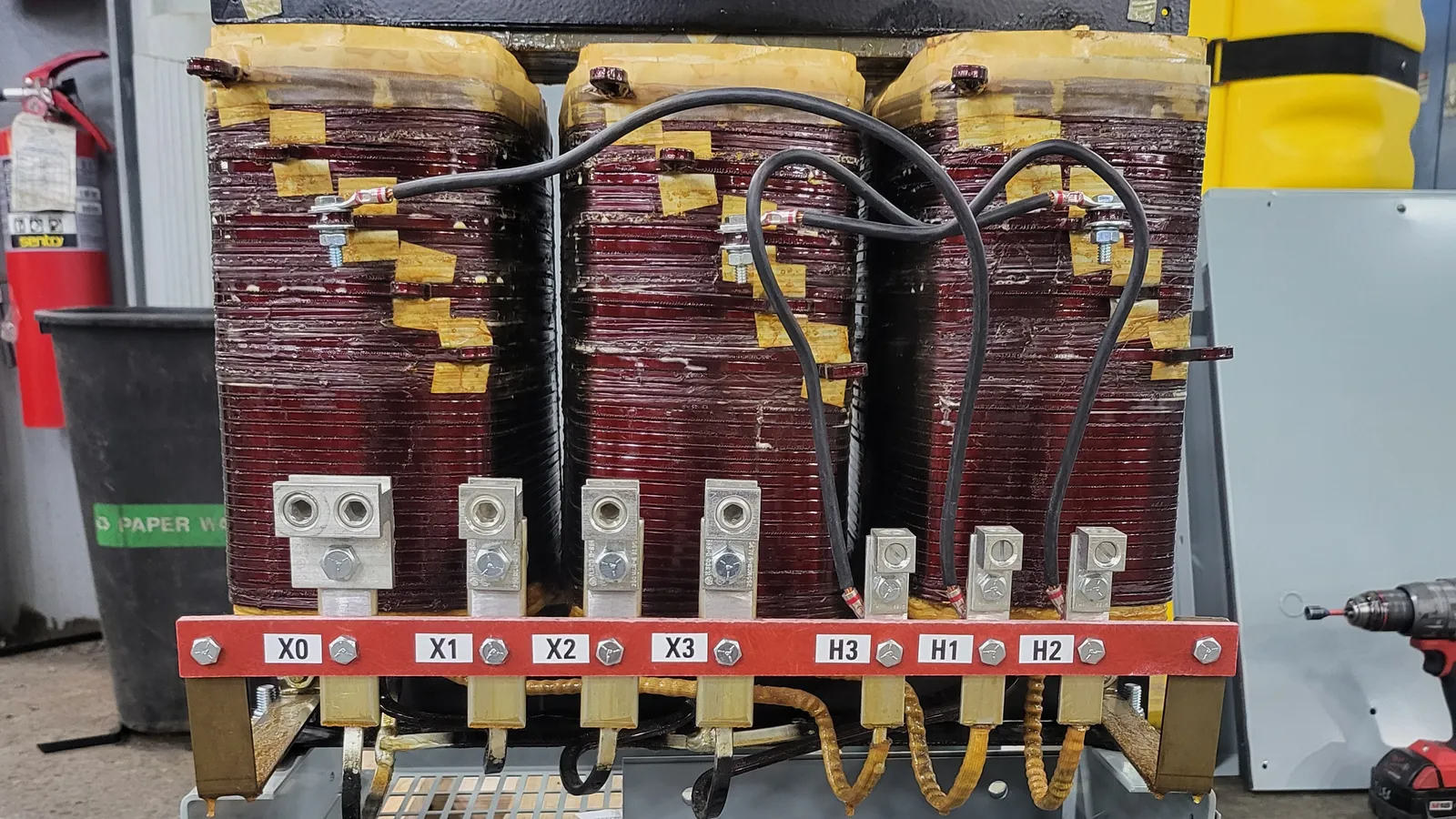
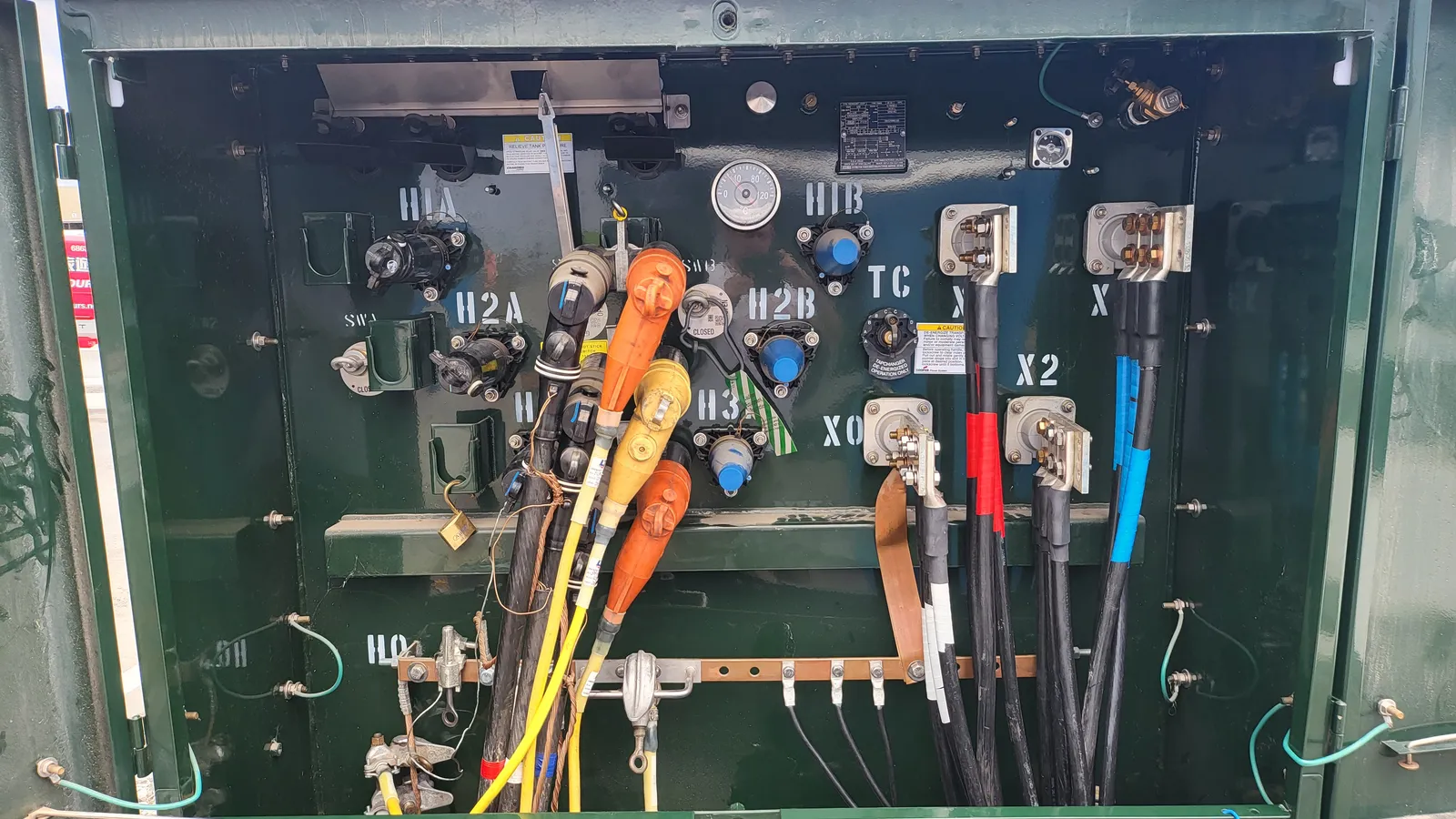
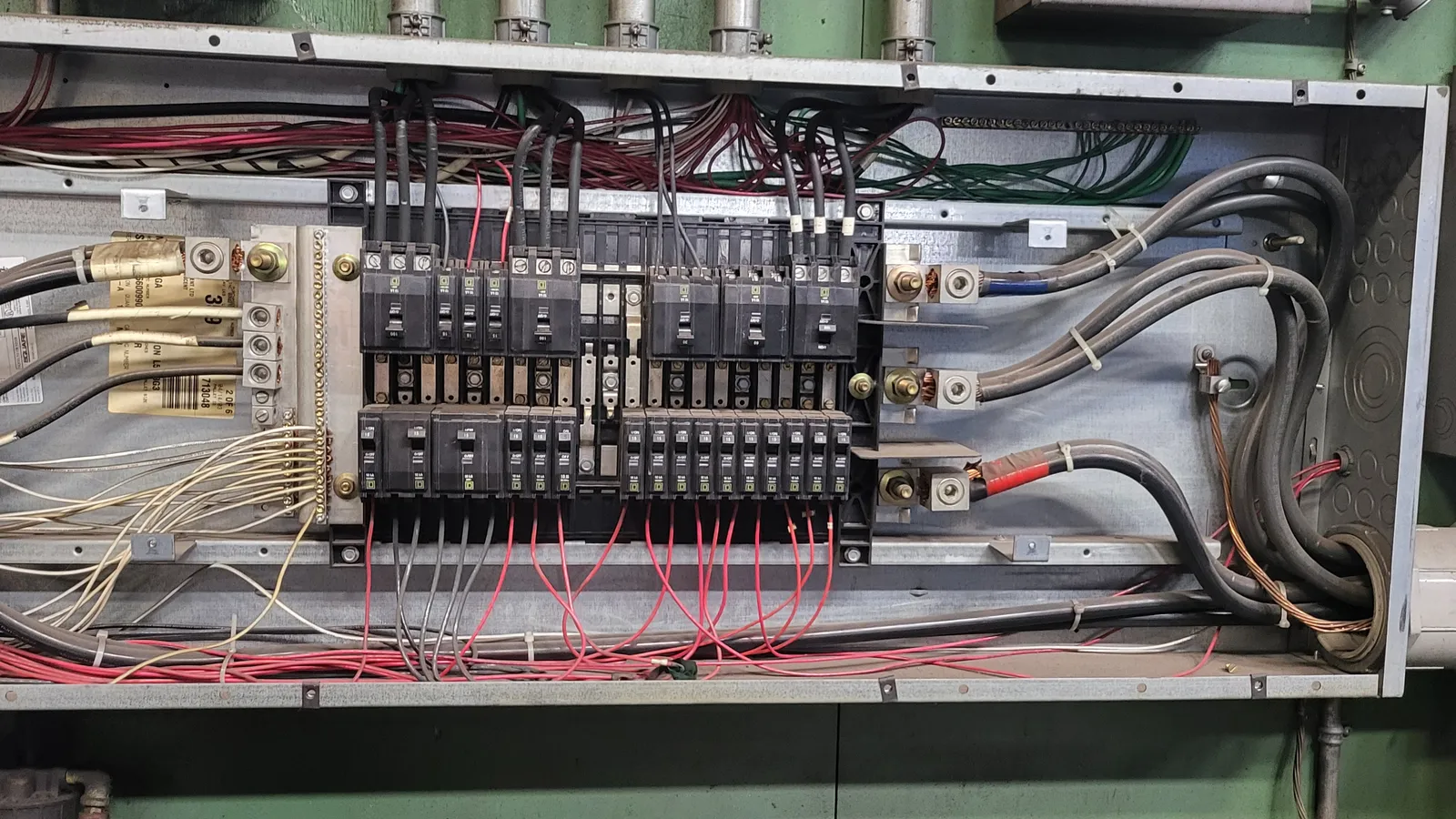
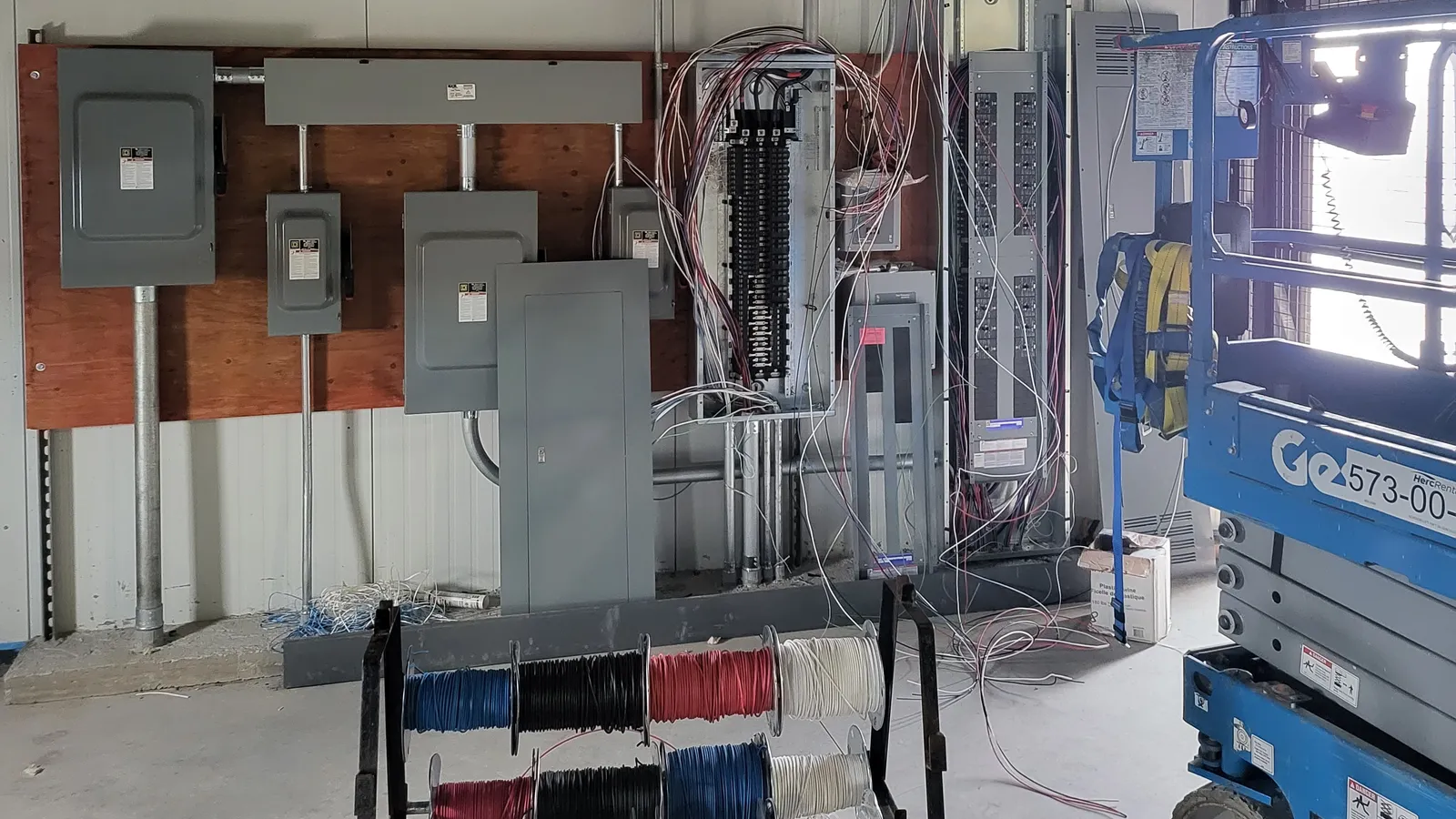
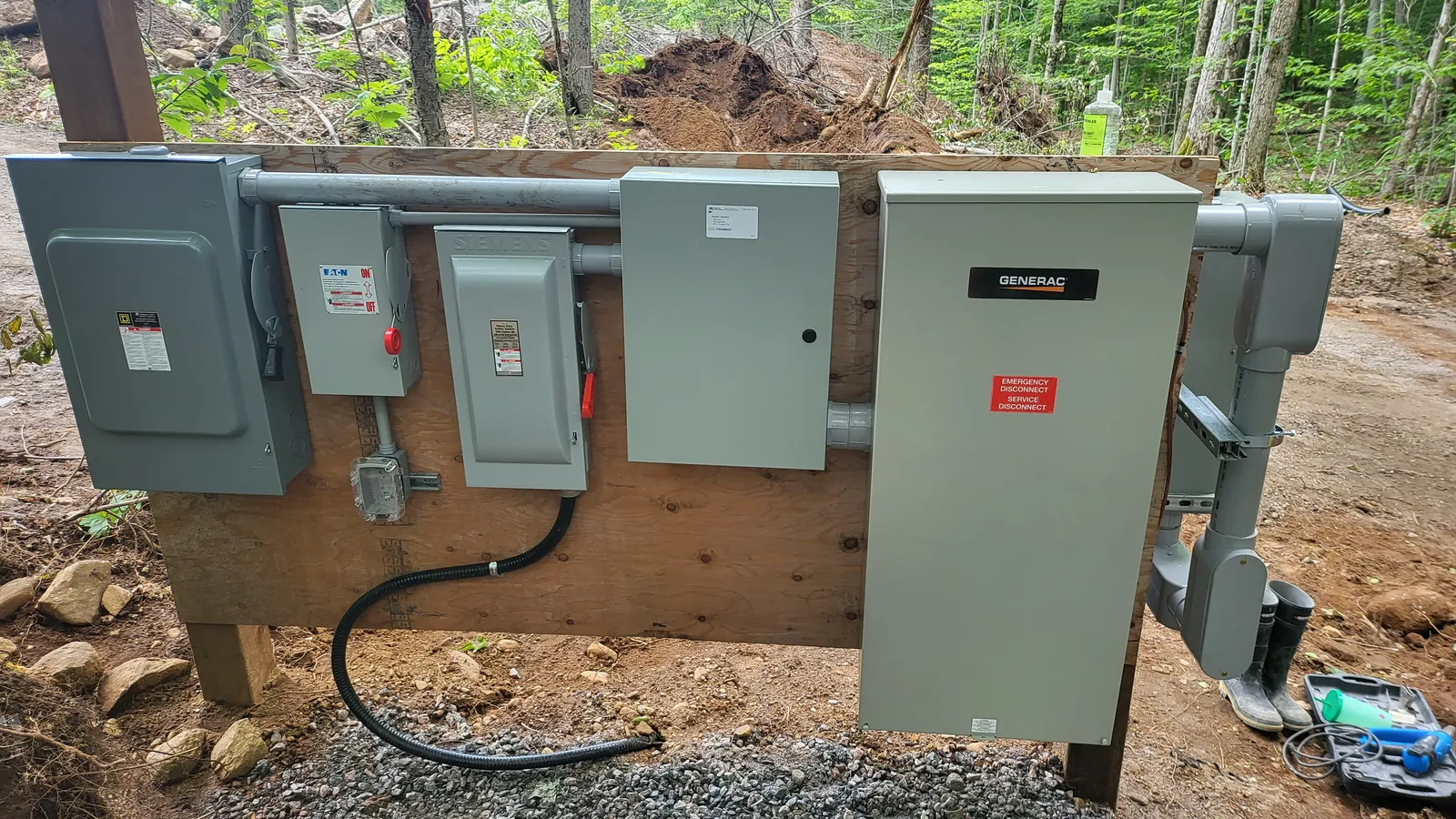
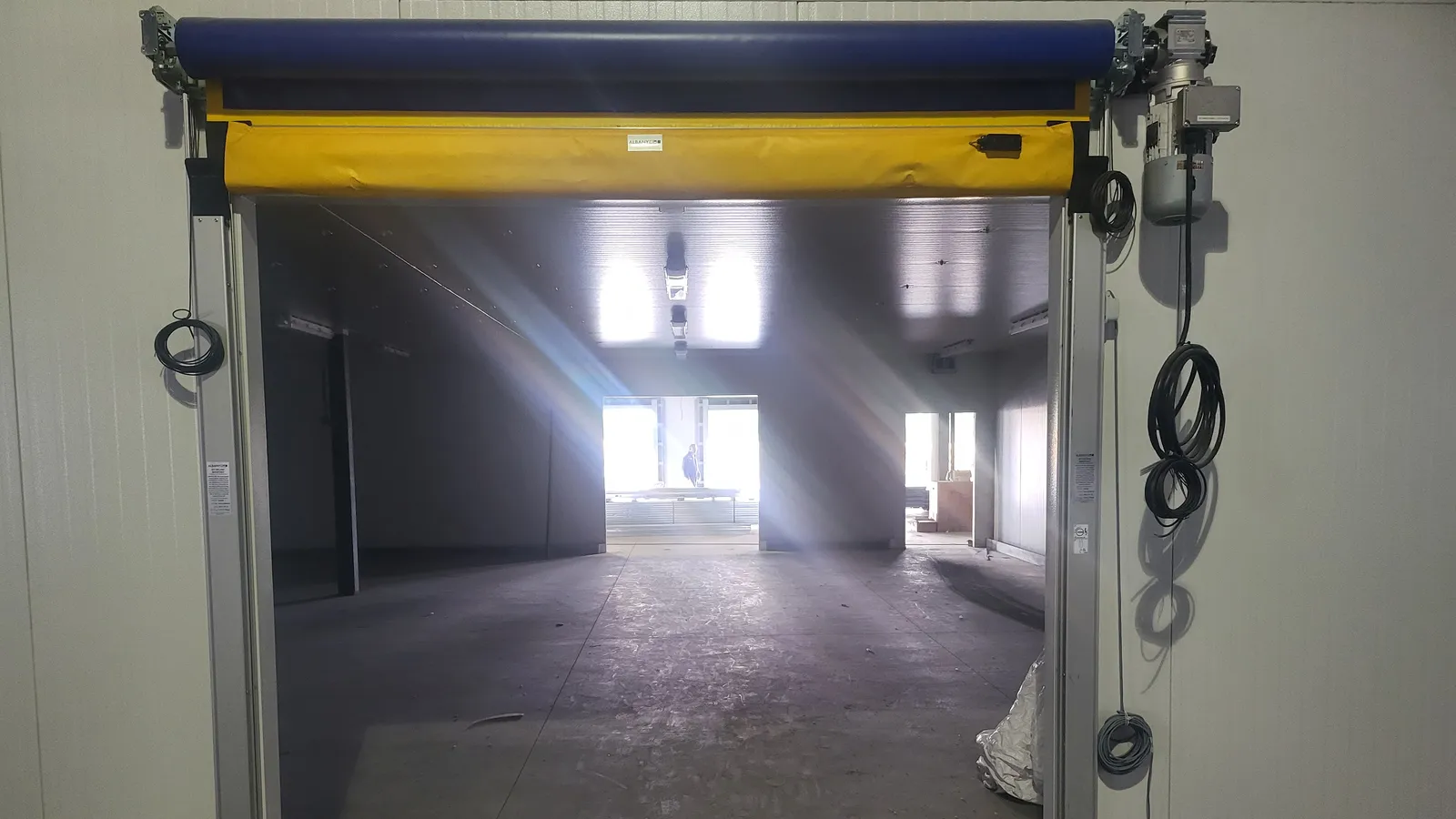
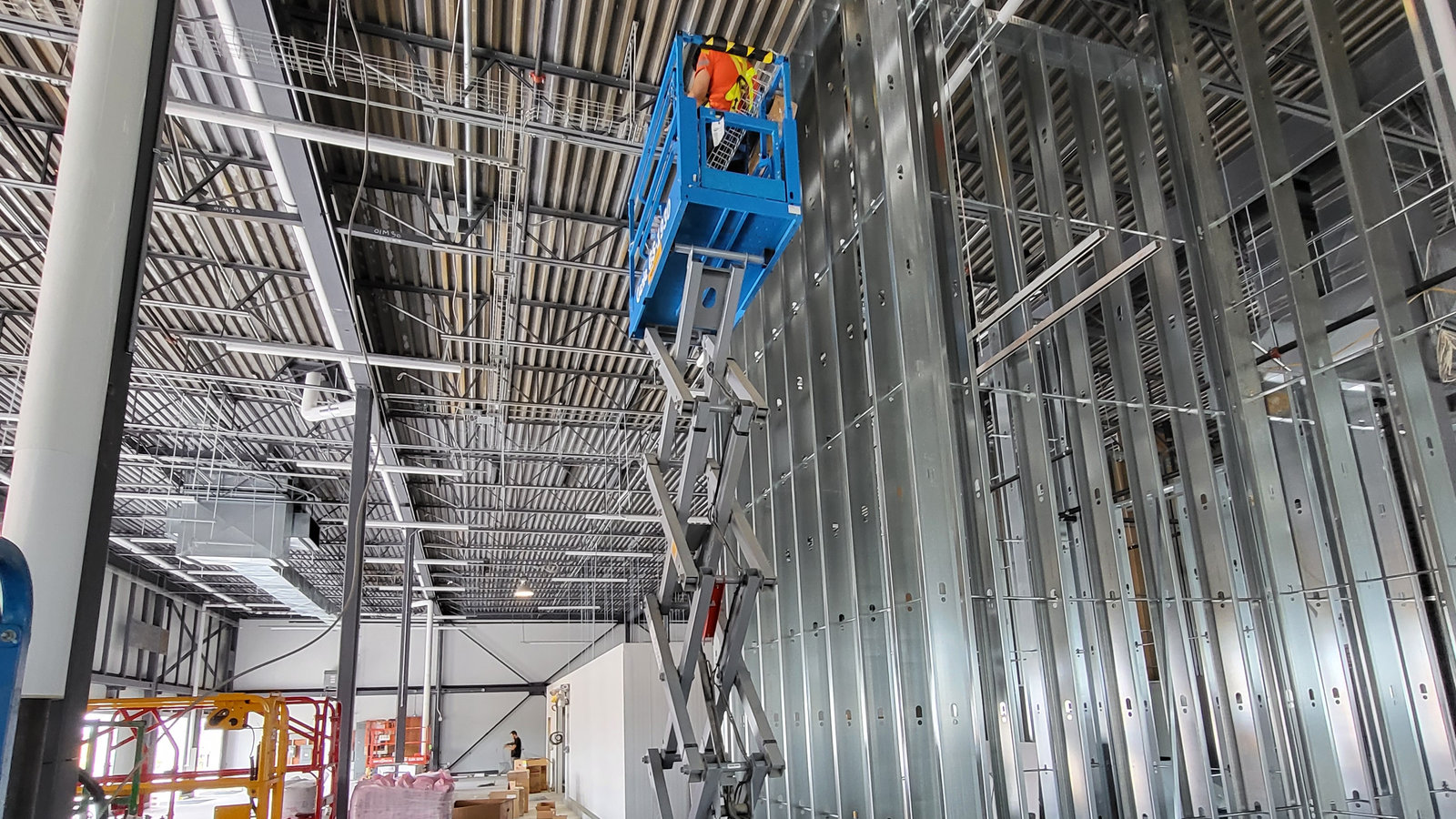
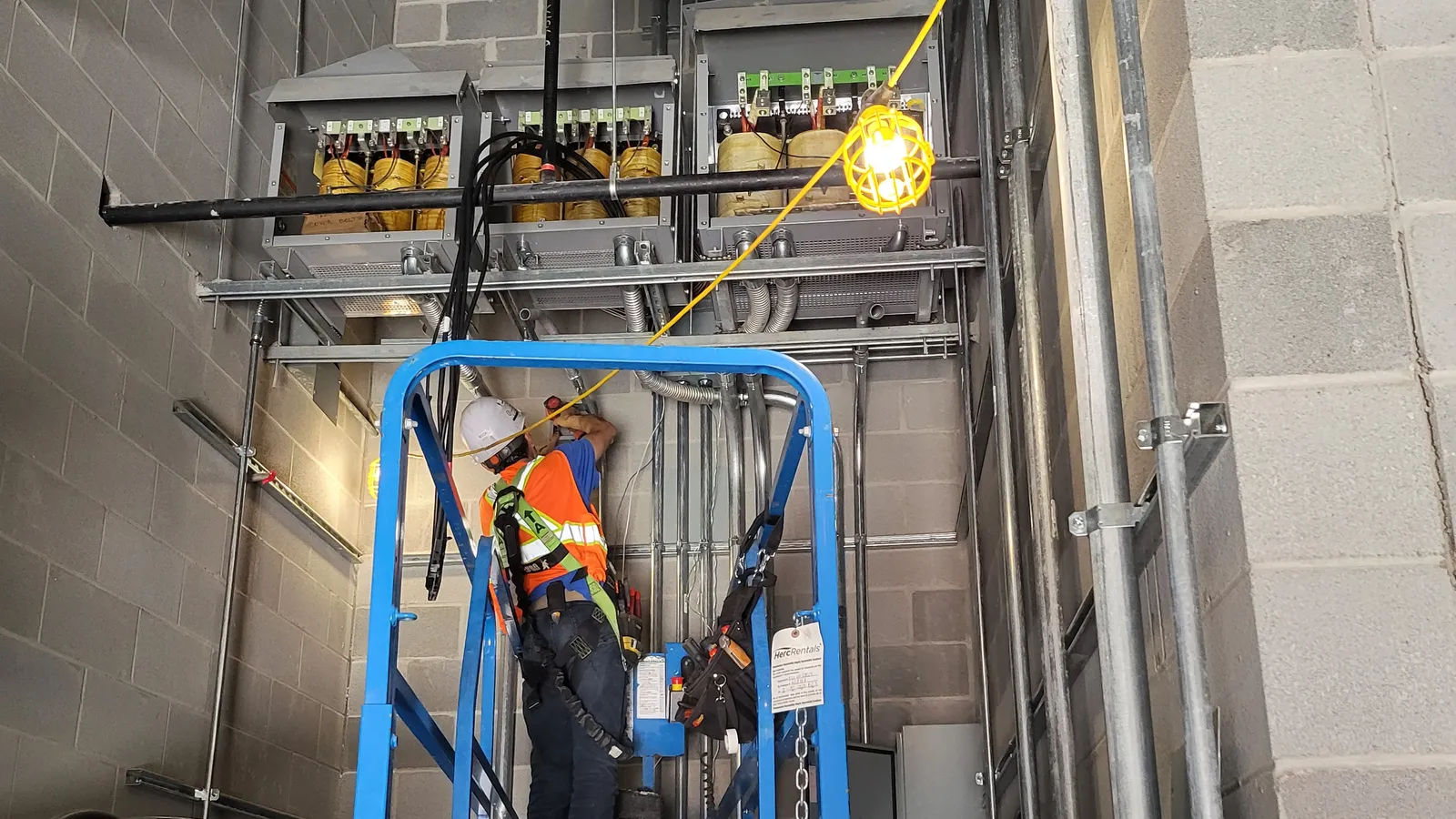
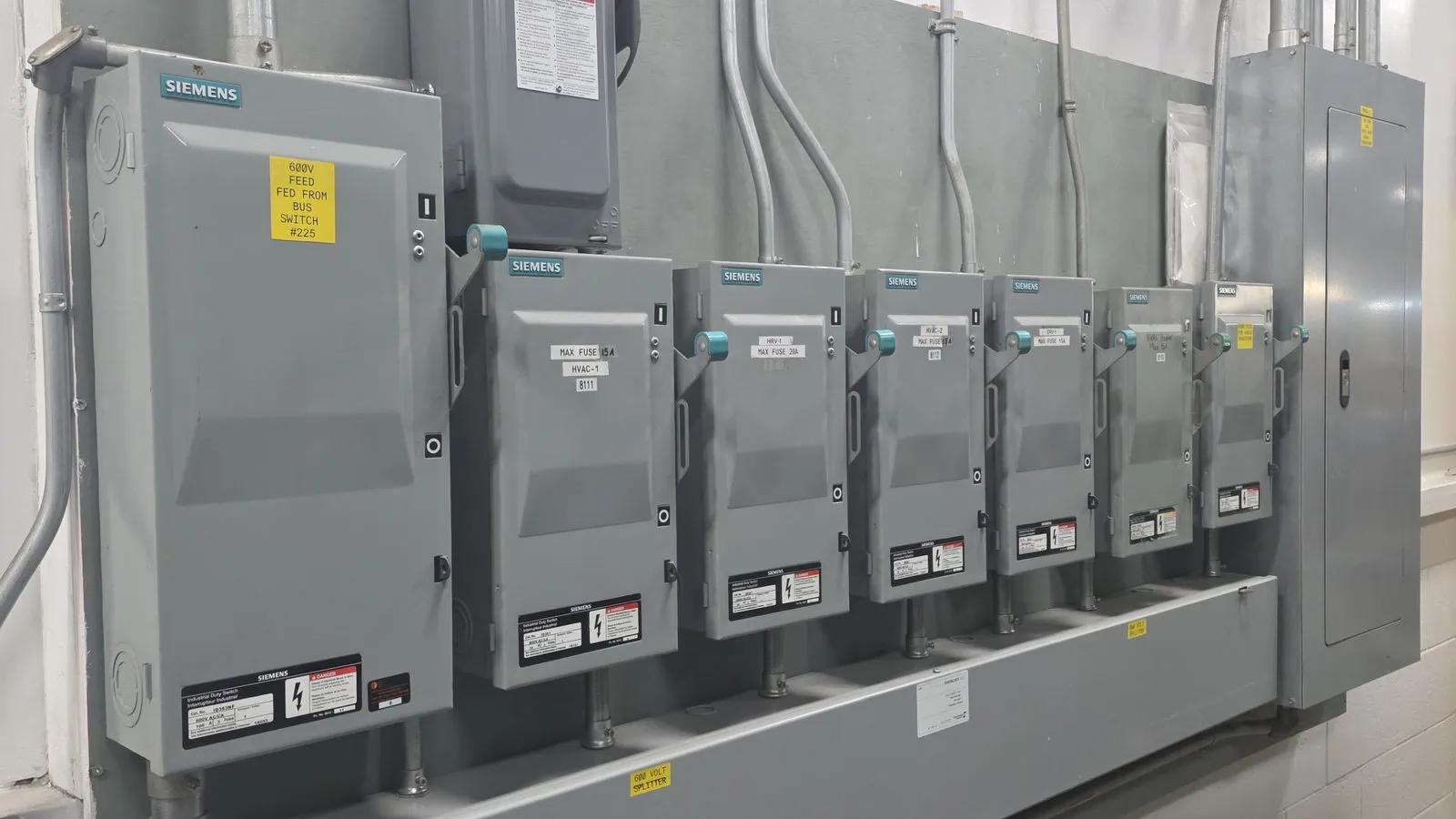
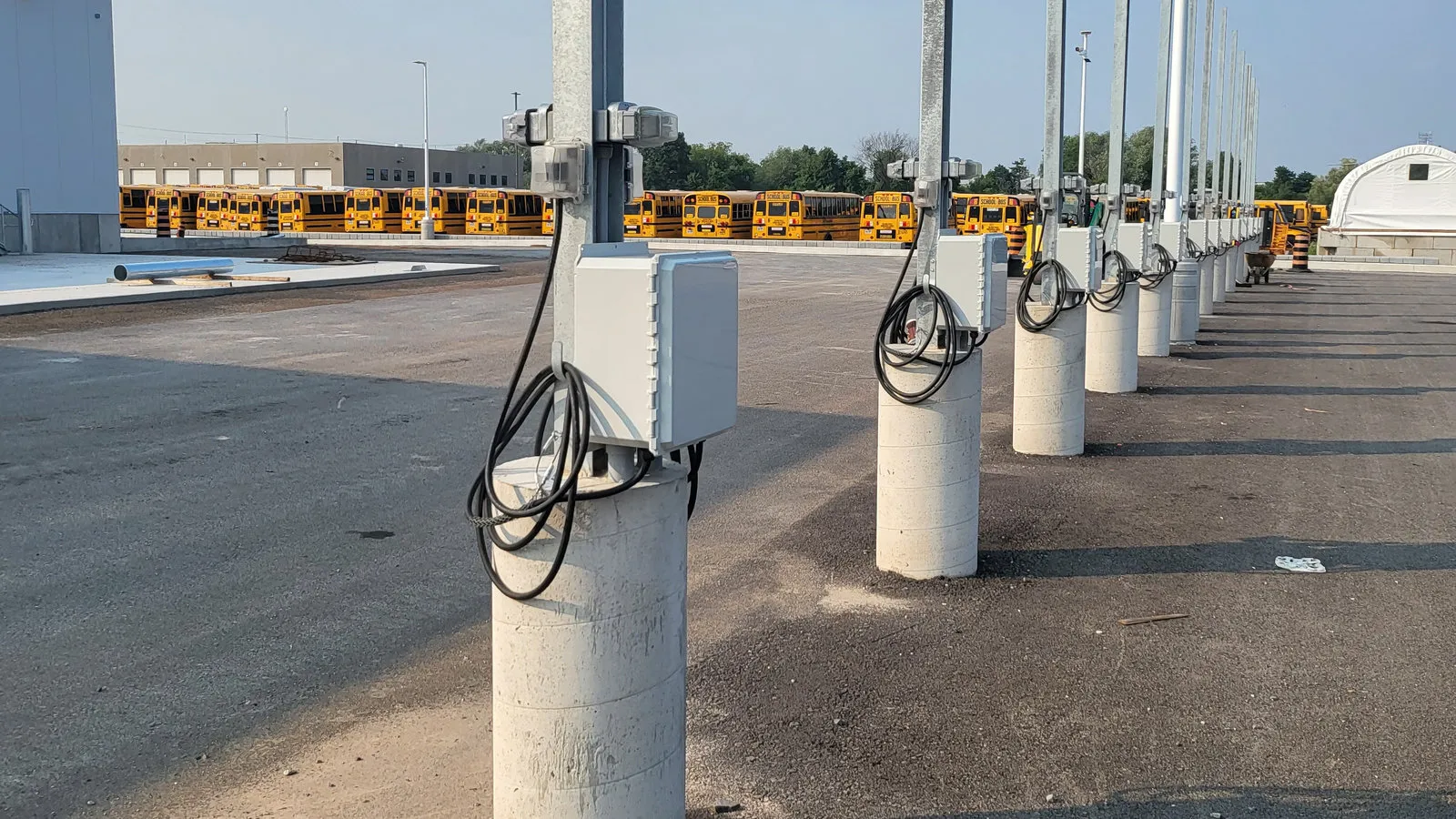
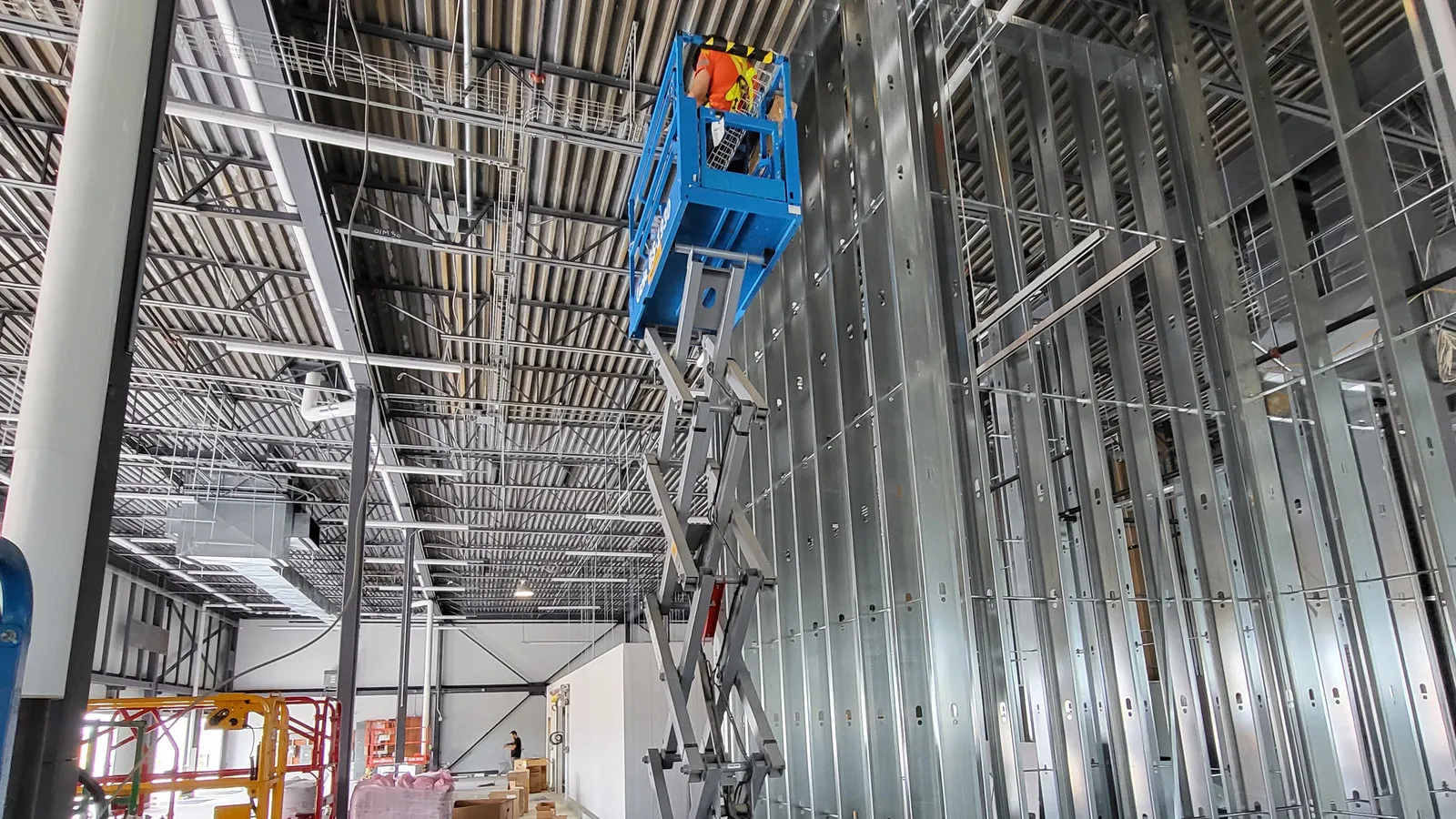
Backup power reliability is proven by testing, not assumptions<
Generator Has Not Been Tested Recently
Commercial generator maintenance becomes essential when a building depends on backup power for safety, business continuity, refrigeration, security, communications, tenant operations, or critical equipment support.
Many businesses in Toronto and the GTA assume their standby generator is ready because it has not shown obvious trouble yet. In reality, generator systems can develop battery issues, alarm conditions, transfer problems, control faults, weak startup performance, output irregularities, or loading concerns without any visible sign during normal utility operation. These problems often remain hidden until the generator is needed during a real outage, which is the worst time to discover them.
Regular maintenance helps identify those weak points early. A professional generator service program can reveal whether the system starts consistently, transfers correctly, carries the intended backup load, and remains stable under operating conditions. This is especially important in buildings that have changed over time. Renovations, tenant turnover, equipment additions, and altered load priorities can all affect how well an older backup setup performs today. Where generator operation appears unstable or inconsistent, it may also make sense to review commercial power quality analysis or commercial load monitoring so performance is understood under real conditions rather than assumed.
Generator maintenance is also important when previous testing has been limited, when service records are incomplete, or when facility staff are unsure which loads are actually supported by the generator. In many commercial buildings, maintenance reveals not only equipment issues but also operational gaps in emergency planning and backup power coordination. What looks like a healthy generator may still leave part of the building unprotected or fail to support the intended loads properly.
Investing in generator maintenance helps reduce emergency failures, supports safer operation, and improves confidence in the building’s backup power readiness. It also helps property owners and managers make better repair, replacement, and upgrade decisions before an outage exposes the problem. For Ontario-wide electrical safety requirements, see the ESA.
Generator Has Not Been Tested Recently
A generator that has not been exercised or checked regularly may not perform when an outage occurs.
Battery or Alarm Issues
Starting batteries, warning alarms, and control faults are common early signs of backup power reliability problems.
Transfer Performance Is Uncertain
If the system has not been verified recently, there may be hidden issues in how loads transfer during utility failure.
Building Loads Have Changed
Renovations, new equipment, or tenant changes can leave the generator supporting a different load than originally intended.
Incomplete Service Records
Missing maintenance history makes it harder to know the true condition and readiness of the generator system.
Generator Starts but Performance Is Unclear
Starting is only part of readiness; the system must also carry load and remain stable during operation.
Past Outages Exposed Weaknesses
Previous failures or irregular performance are clear signs the generator system needs structured maintenance.
Critical Operations Depend on Backup Power
When safety or business continuity depends on a generator, preventive maintenance becomes essential rather than optional.
WHY CHOOSE US
Why Businesses Choose Us
We focus on practical solutions rather than temporary fixes, ensuring your electrical system performs safely under real conditions. Every electrical work is completed with proper planning, correct equipment selection, and attention to long-term performance.
Our approach eliminates unnecessary work and is based on accurate diagnostics, not assumptions, so you only pay for what your system actually needs. We prioritize safety, efficiency, and clean execution on every project.
As a result, you receive a reliable, code-compliant electrical system that supports your home today and is fully prepared for future electrical demands.
Licensed & Insured
All work is performed by qualified, fully insured electricians, ensuring safety, accountability, and compliance with all regulations.
ESA certified work
Every project includes permits and ESA inspection, guaranteeing that the installation meets Ontario Electrical Safety Code requirements.
Professional installations
We install panels with precise wiring, proper layout, and clear labeling, making the system safe, accessible, and easy to maintain.
Transparent pricing
You receive clear pricing based on the actual scope of work, with no hidden costs or unexpected changes during the entire project.
Fast scheduling
We schedule work efficiently and arrive on time, minimizing downtime and ensuring your electrical system is restored as quickly as possible.
Accurate calculations
We calculate electrical demand based on real usage, ensuring your panel is properly sized for both current and future electrical needs.
Code-compliant work
All installations strictly follow current electrical code requirements, ensuring safety, inspection approval, and long-term system reliability.
Reliable workmanship
Our experience allows us to deliver consistent, high-quality results that perform reliably under real operating conditions over time.
CODE & SAFETY REQUIREMENTS
Ontario Electrical Safety Code Compliance
A generator that has not been exercised or checked regularly may not perform when an outage occurs.
Battery or Alarm Issues
Starting batteries, warning alarms, and control faults are common early signs of backup power reliability problems.
Transfer Performance Is Uncertain
If the system has not been verified recently, there may be hidden issues in how loads transfer during utility failure.
Building Loads Have Changed
Renovations, new equipment, or tenant changes can leave the generator supporting a different load than originally intended.
Incomplete Service Records
Missing maintenance history makes it harder to know the true condition and readiness of the generator system.
Generator Starts but Performance Is Unclear
Starting is only part of readiness; the system must also carry load and remain stable during operation.
Past Outages Exposed Weaknesses
Previous failures or irregular performance are clear signs the generator system needs structured maintenance.
Critical Operations Depend on Backup Power
When safety or business continuity depends on a generator, preventive maintenance becomes essential rather than optional.