
Toronto & GTA Electrical Contractor
Generator Installation in Toronto, Mississauga, Richmond Hill, Hamilton & GTA
Residential, commercial, and industrial electrical work — installations, upgrades, troubleshooting, maintenance, and code-compliant solutions.
Licensed & Insured
Fast Response
Code-Compliant Work
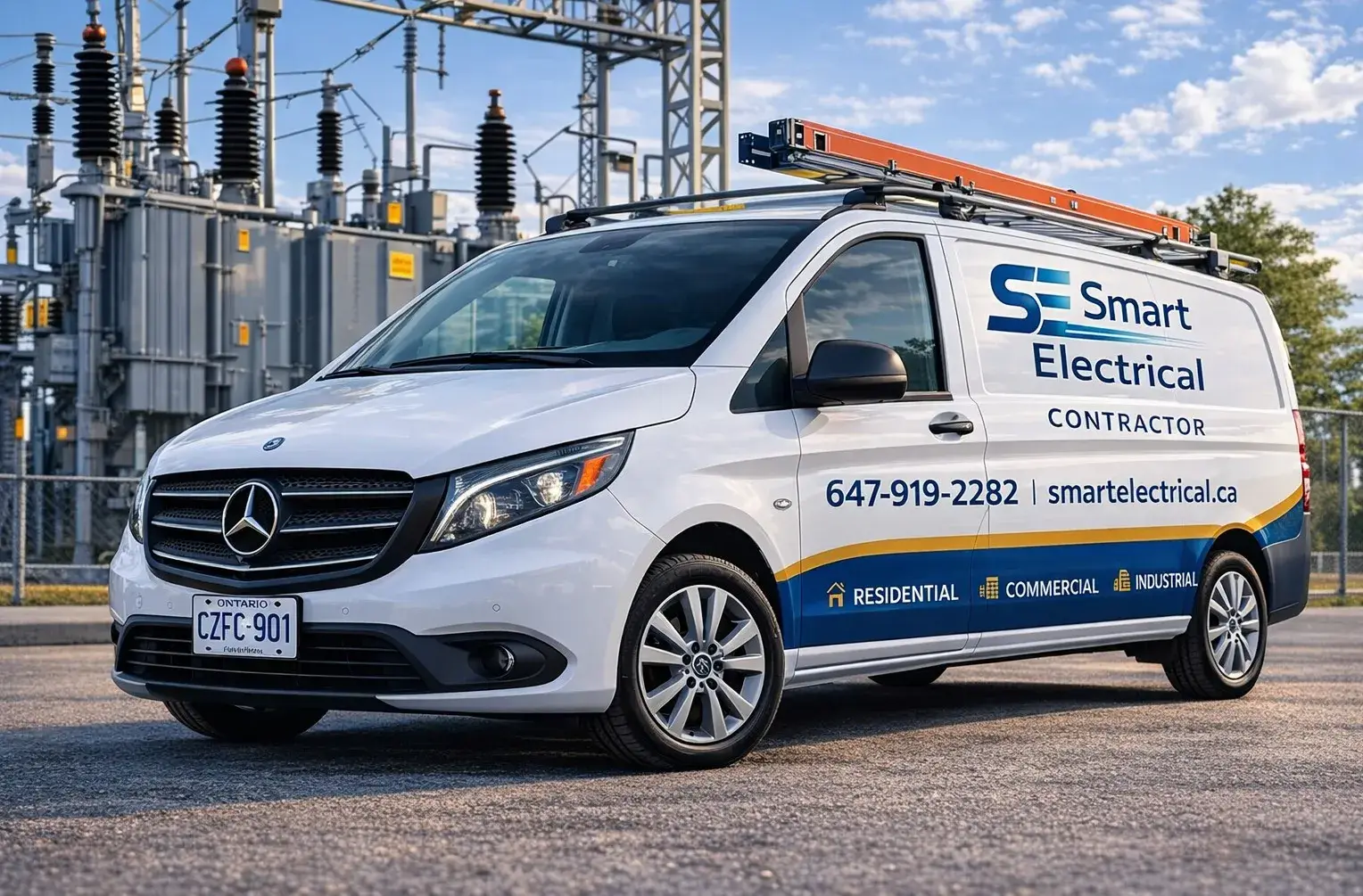
COMMERCIAL BACKUP POWER INSTALLATION
What We Do
We provide commercial generator installation services for offices, warehouses, retail units, restaurants, mixed-use properties, and other business facilities across Toronto and the GTA. Our goal is to deliver reliable backup power systems that keep critical operations functioning when normal utility power is lost. A properly designed generator installation helps protect business continuity, supports emergency operations, and reduces the financial impact of unplanned outages. For many commercial properties, even a short loss of power can affect lighting, security systems, refrigeration, communications, IT equipment, tenant operations, and other essential building functions.
A professional generator installation is not just about placing a unit outside the building and connecting a few conductors. The system has to be planned around the actual load profile, transfer requirements, building priorities, available electrical infrastructure, and the way the property operates in real life. We assess which loads should be backed up, how they should transfer, what level of generator capacity is appropriate, and how the installation should integrate with the existing electrical system. Depending on the project, this may involve coordination with an automatic transfer switch, selective backup distribution, dedicated emergency circuits, and upgrades to power distribution systems where required.
Our work focuses on practical and code-compliant commercial generator systems rather than oversized or poorly matched installations. A generator that is too small, incorrectly configured, or disconnected from the building’s real operating priorities can create just as many problems as having no backup power at all. Commercial generator projects may involve equipment from recognized manufacturers such as Generac, Cummins, Kohler, Caterpillar, and MTU depending on the property type, desired runtime, and building requirements. To support proper design and verification, installation planning may also involve electrical diagnostics and measurement tools such as Fluke 1777 power quality analyzers and Fluke 1664 FC testers where site conditions require deeper analysis.
Generator installation often connects closely with power quality and load planning. In many buildings, we recommend reviewing commercial power quality analysis where unstable electrical conditions, sensitive equipment, or previous outage-related issues may affect backup power performance. For general Ontario electrical safety and oversight guidance, refer to the Electrical Safety Authority (ESA). The result is a generator installation that is properly sized, professionally integrated, and ready to support commercial operations when the normal power supply fails.
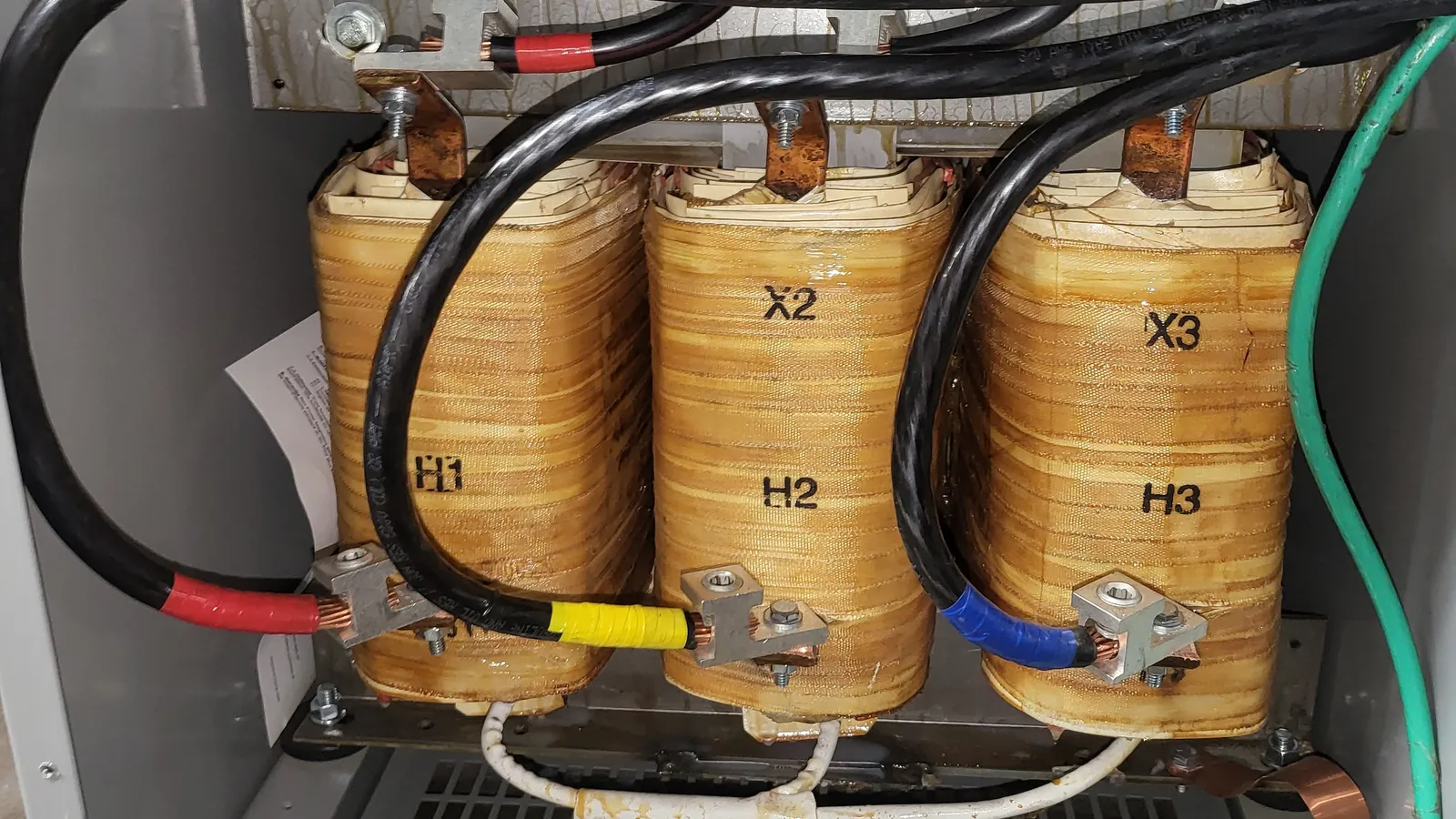
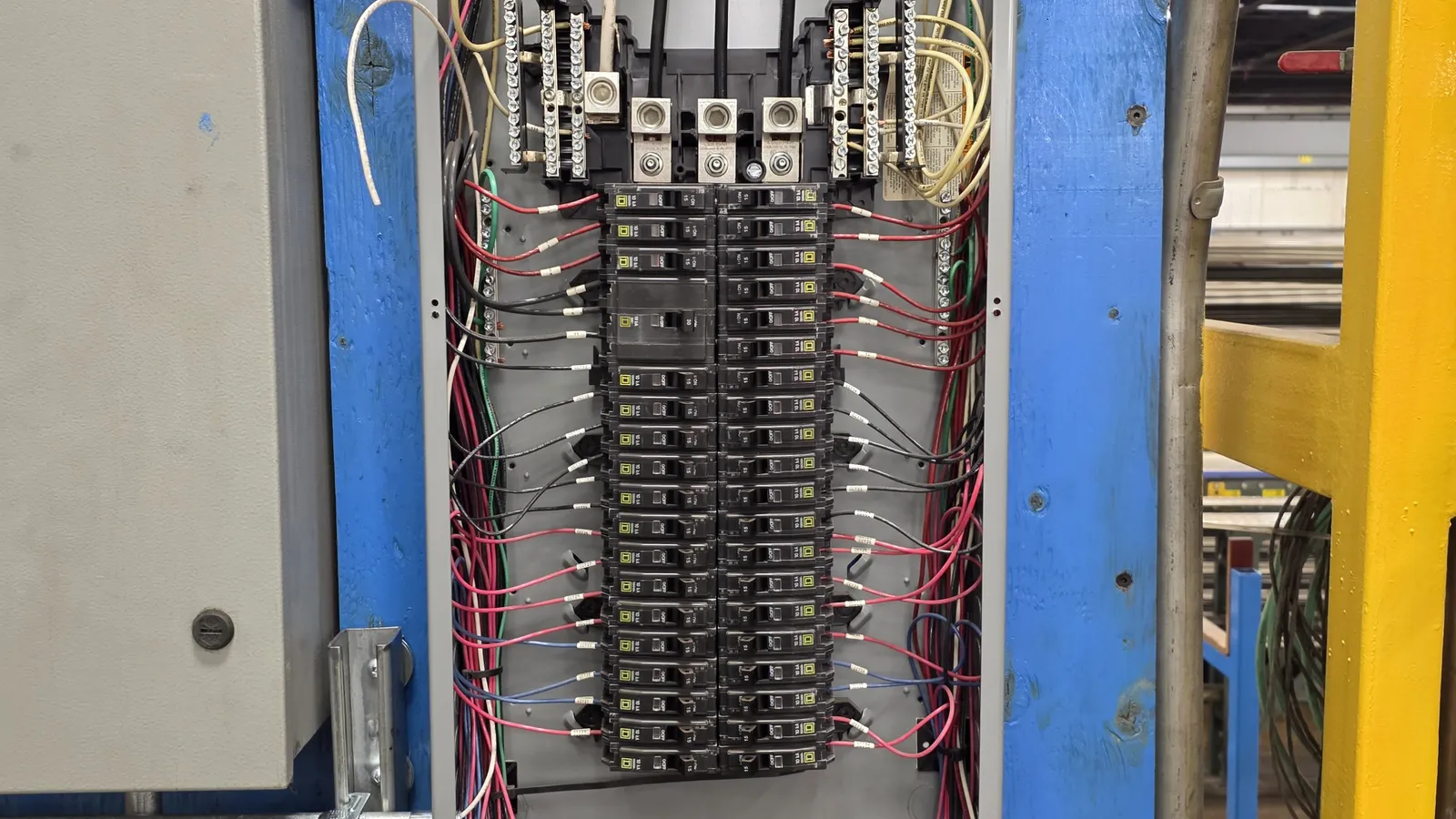
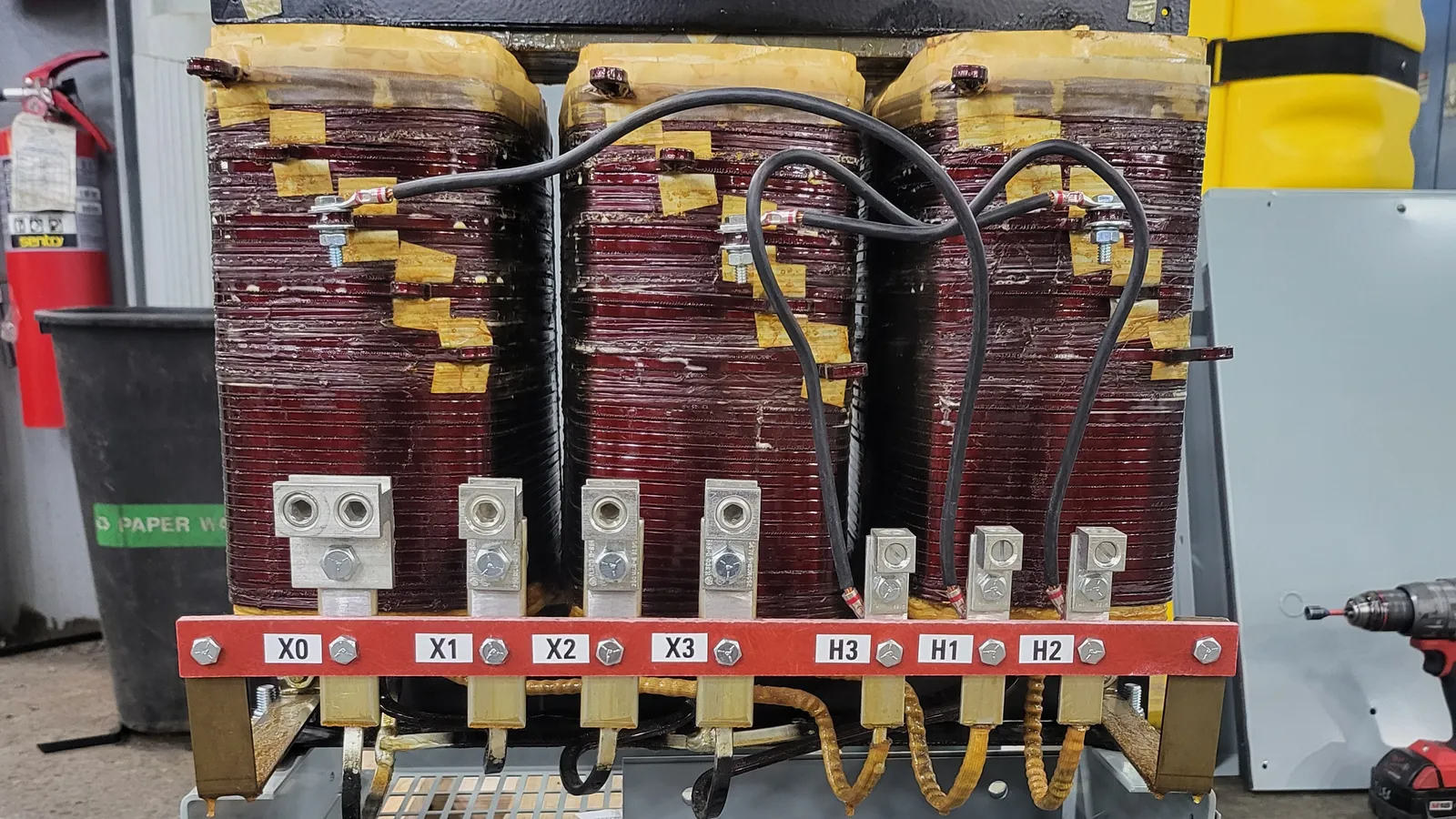
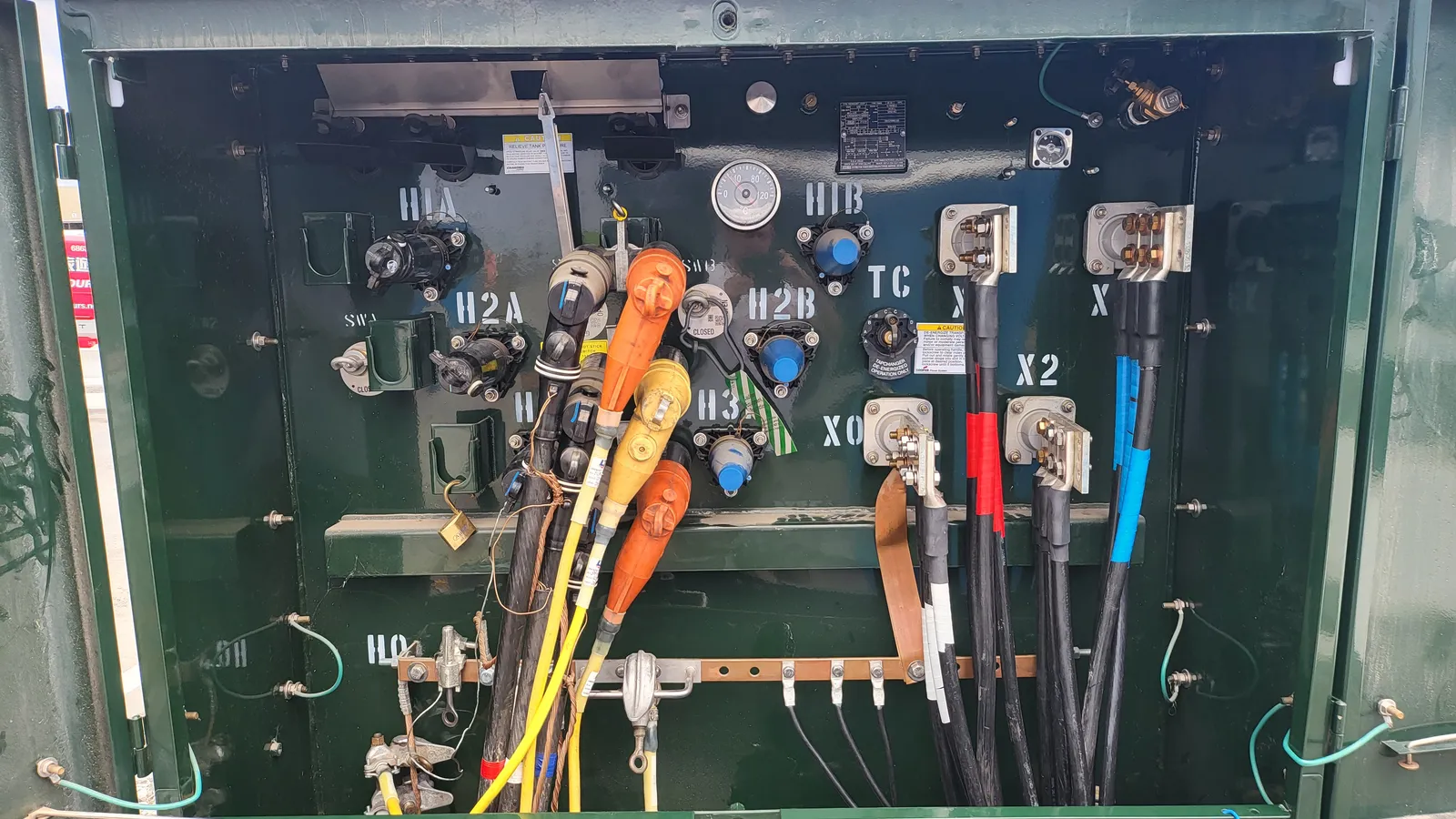
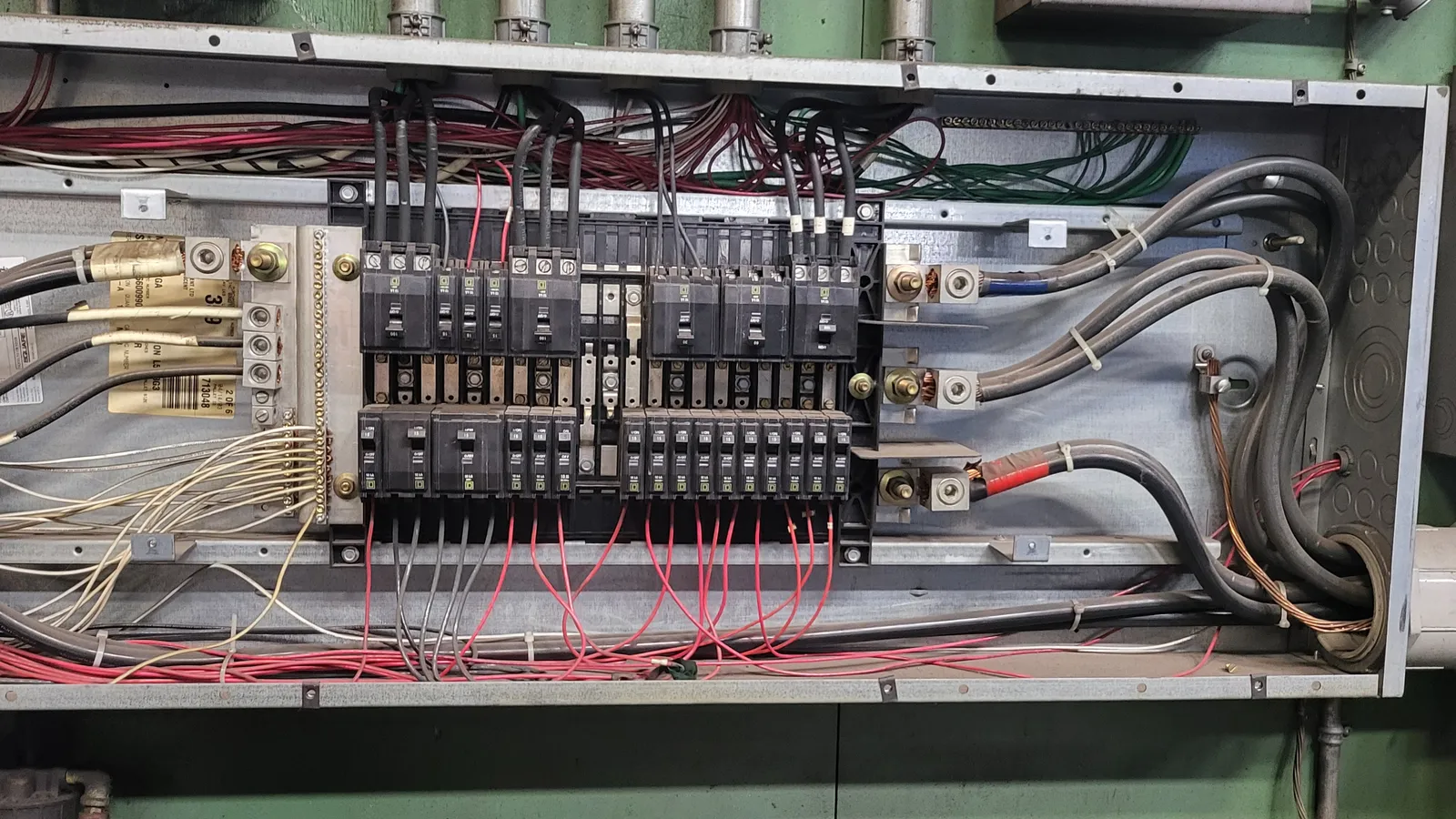
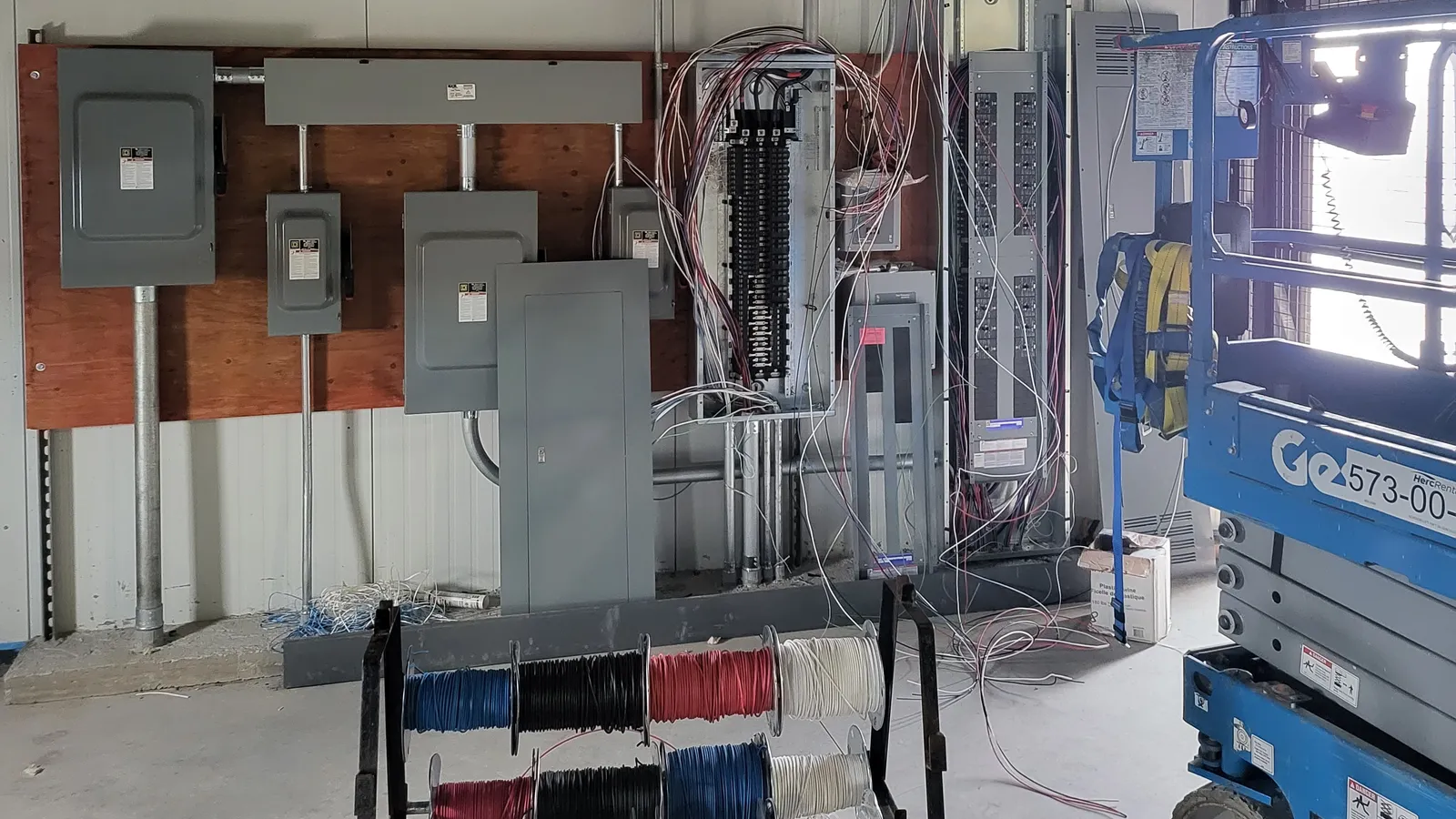
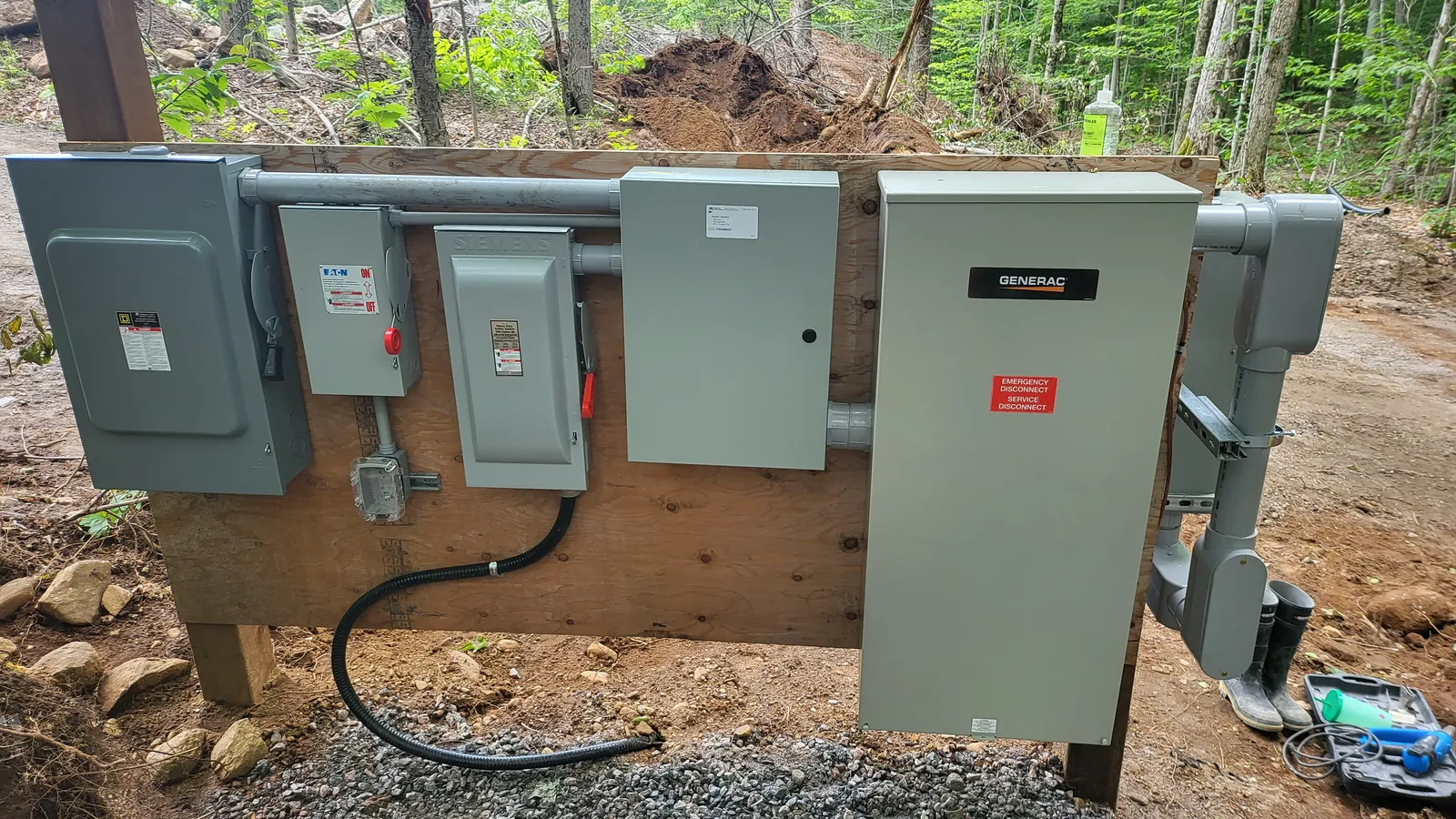
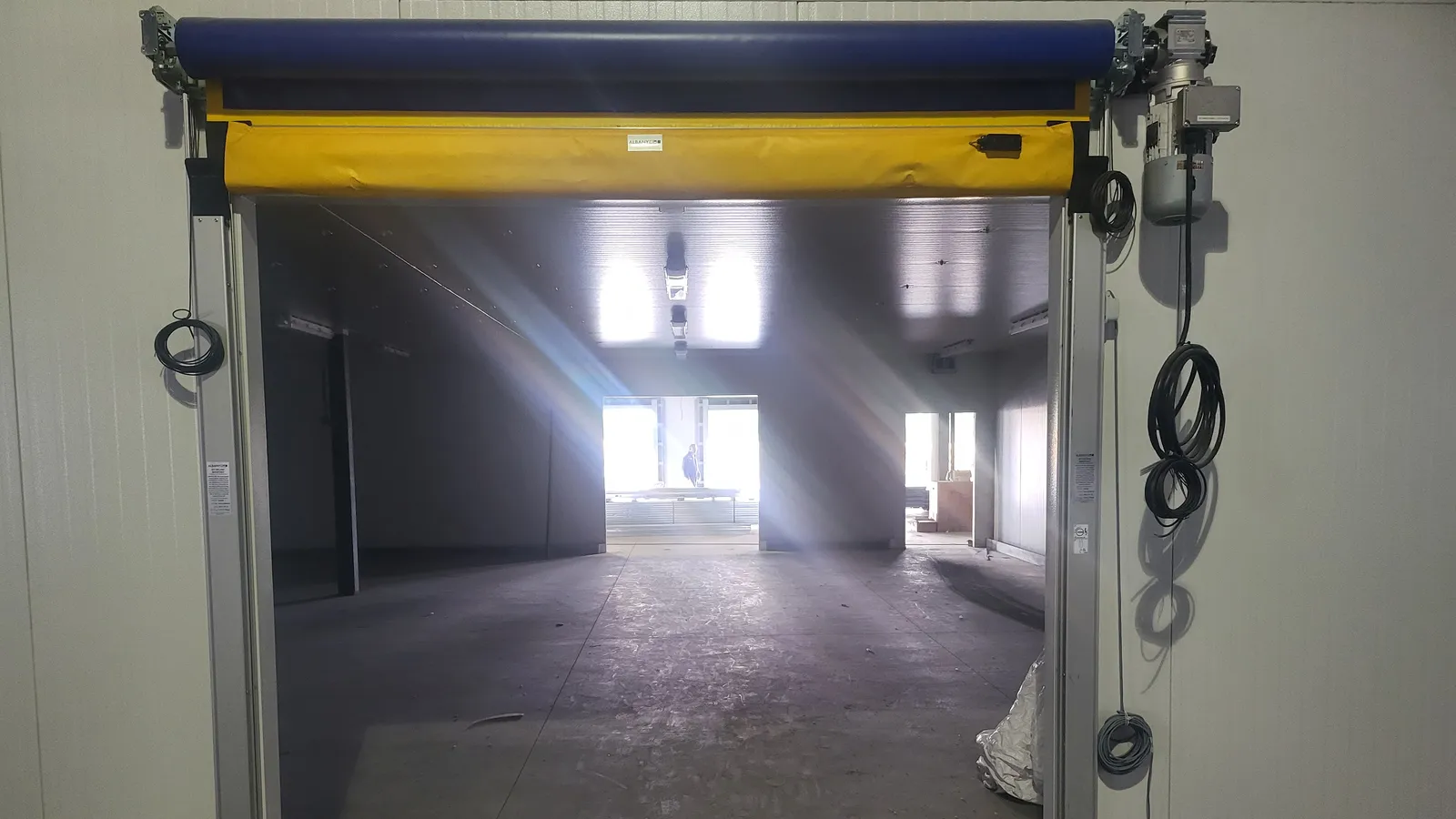
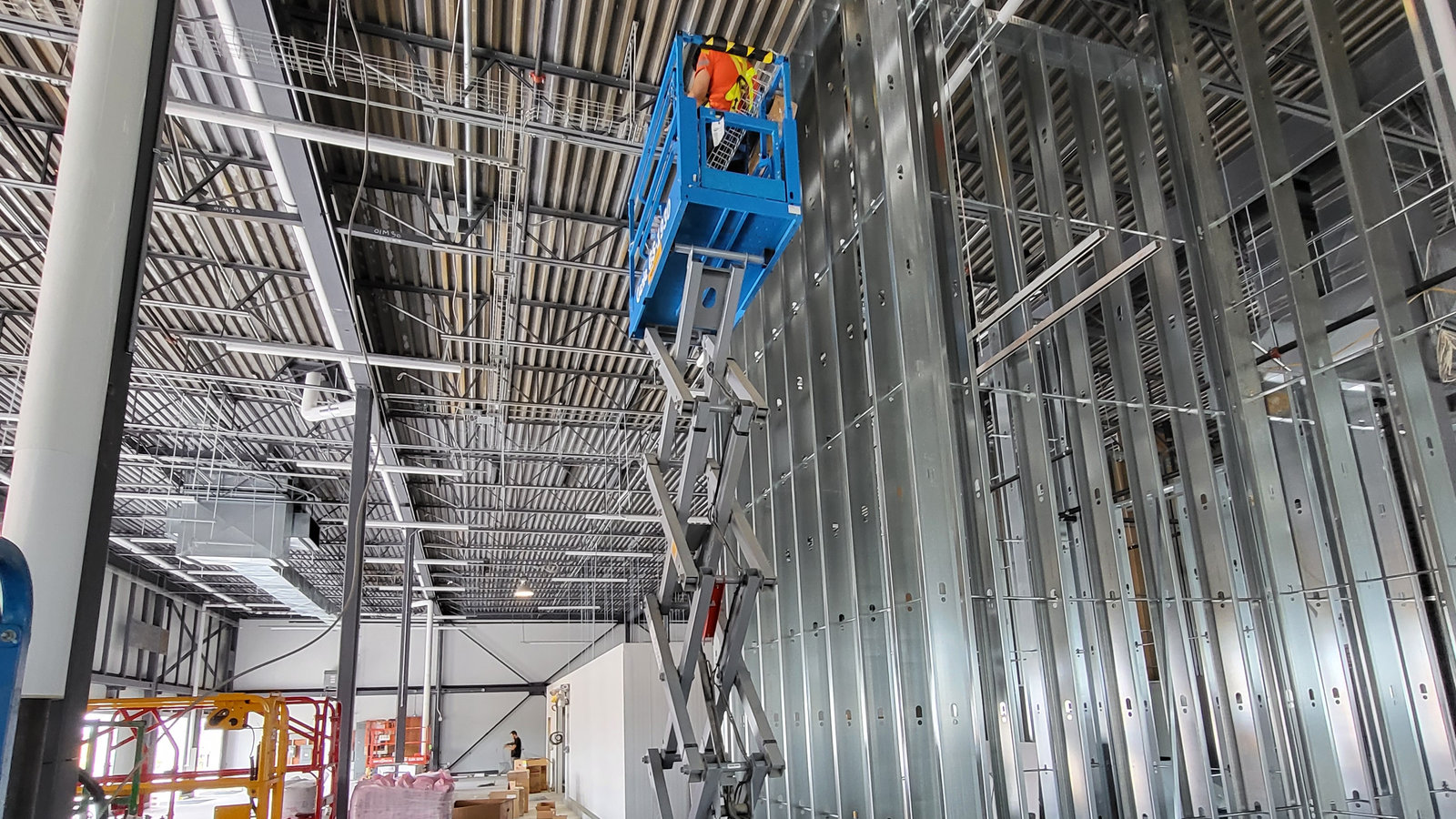
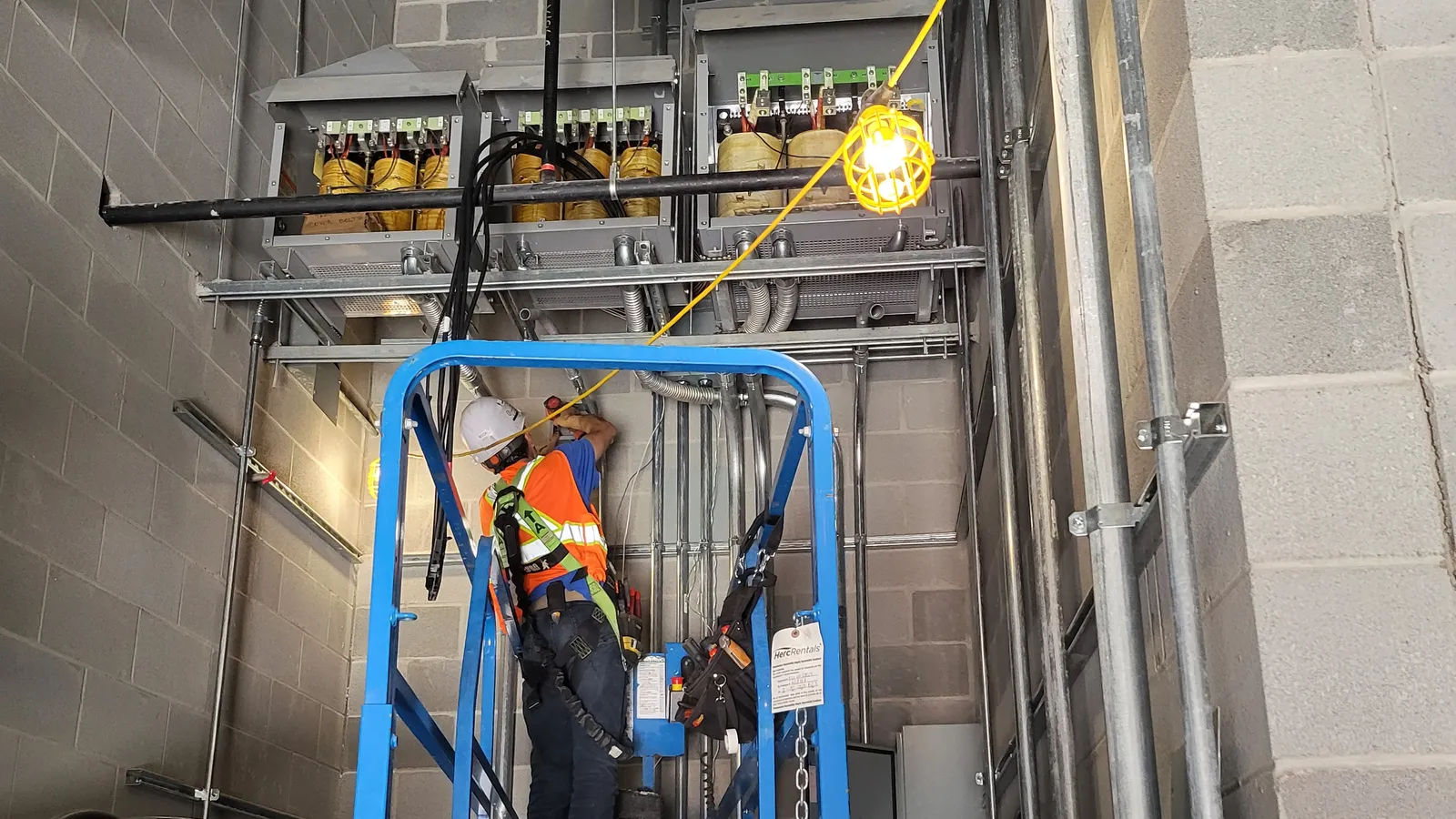
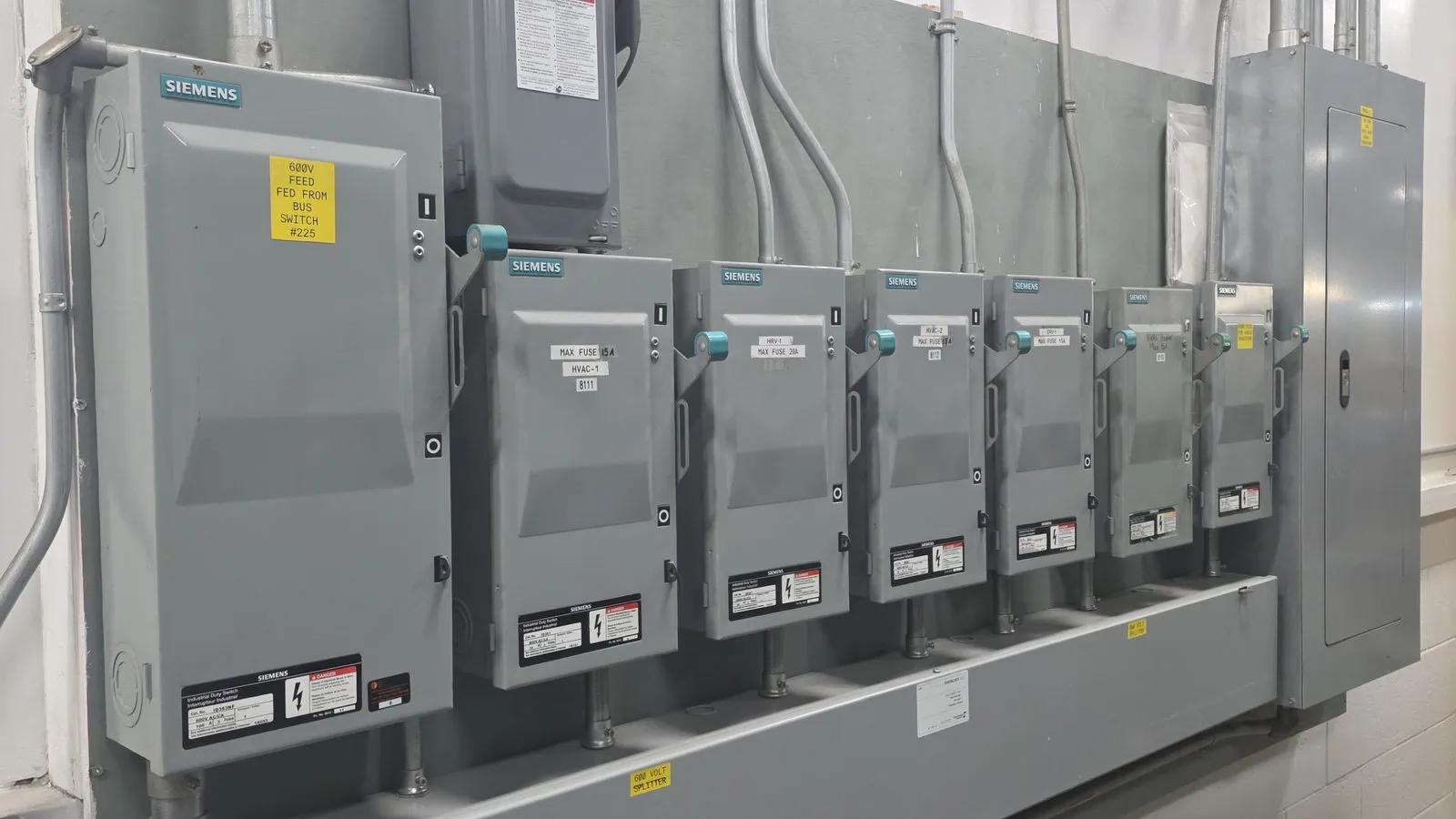
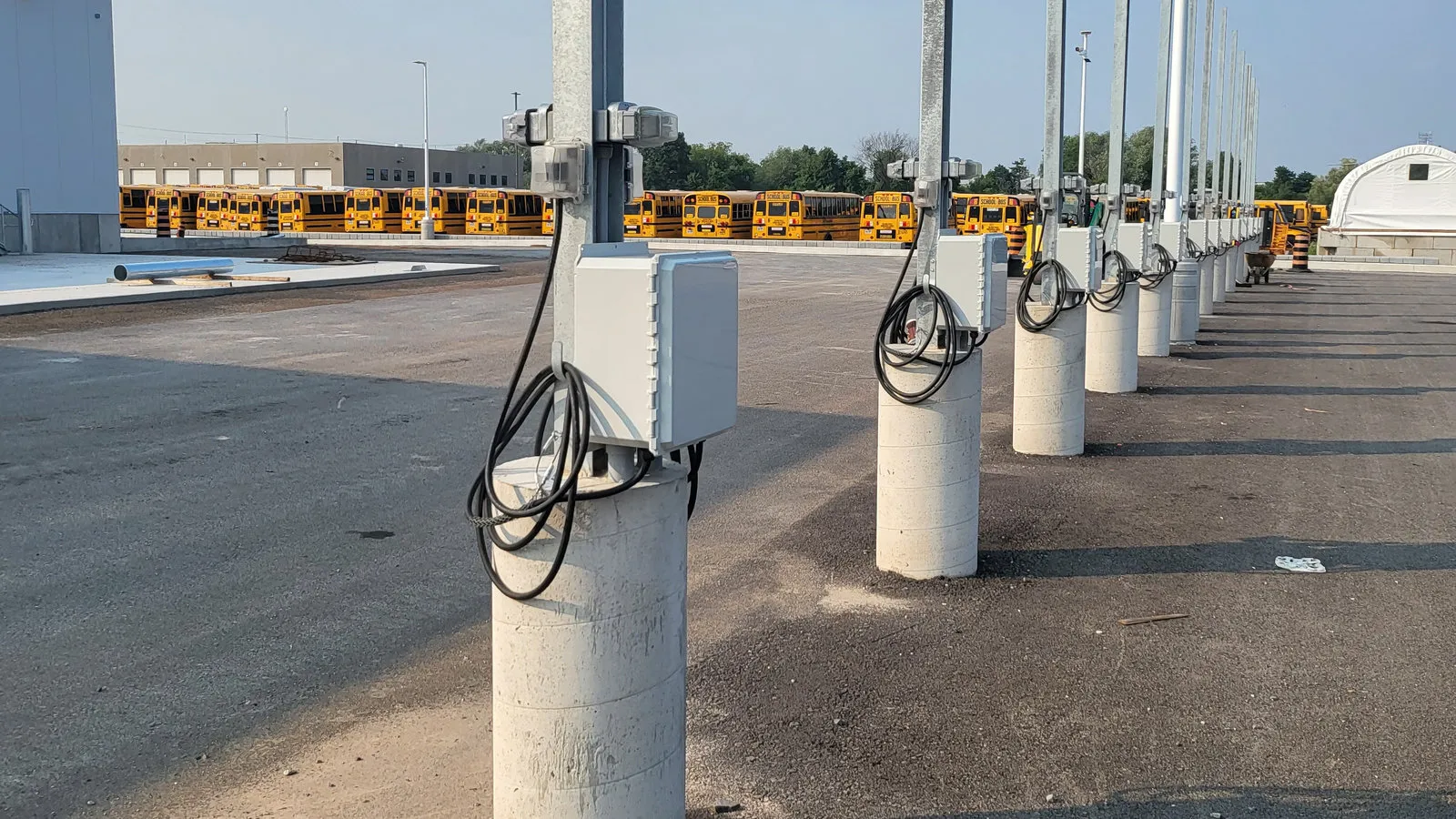
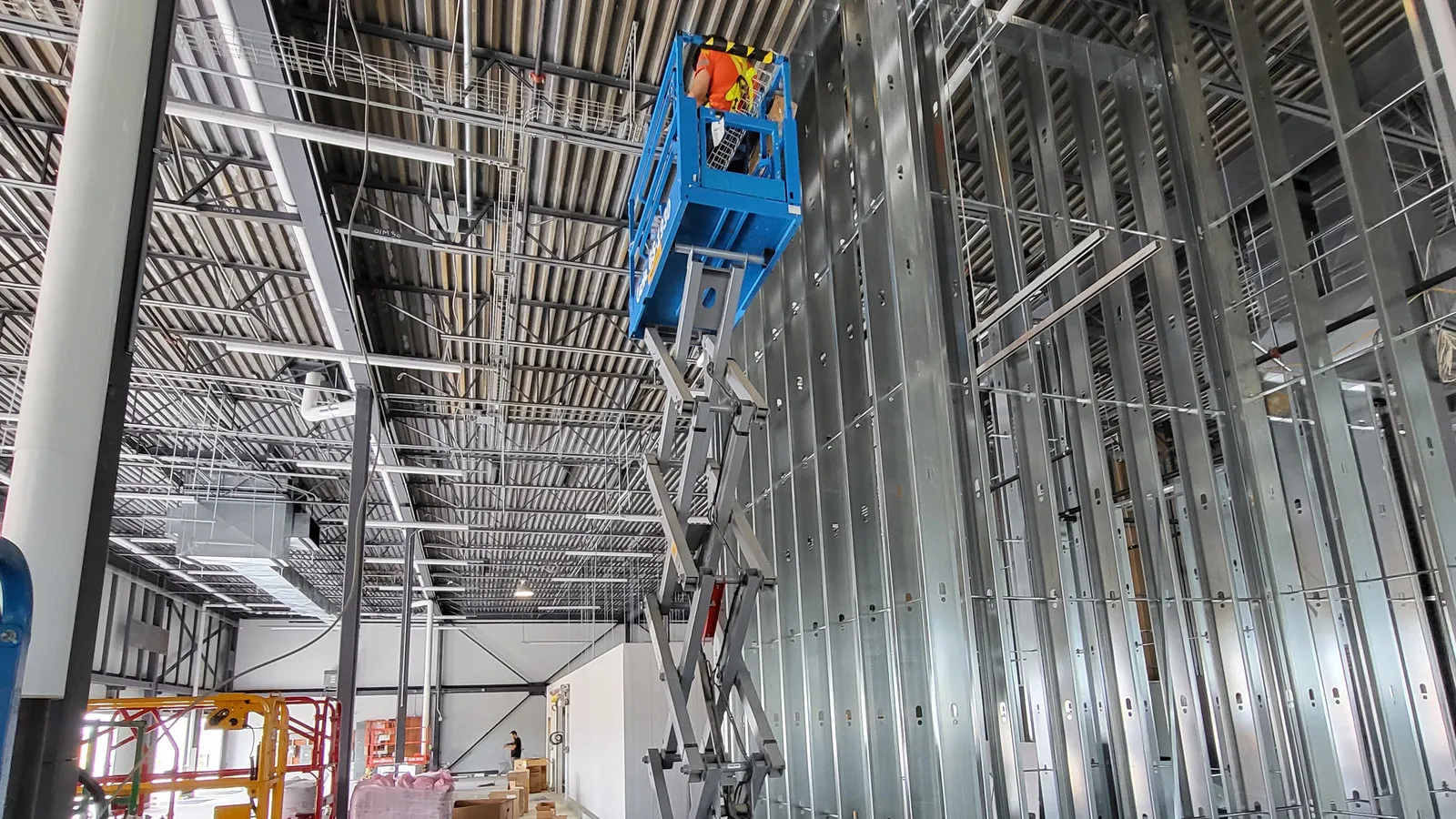
Outages become more expensive when backup power was never planned properly<
Know when your building needs a generator installation instead of temporary workarounds
Commercial generator installation becomes important when a building cannot safely or economically tolerate loss of utility power.
Many businesses in Toronto and the GTA rely on refrigeration, security, network infrastructure, tenant operations, emergency lighting, communications, production equipment, or other critical loads that cannot remain offline for long. In some properties, outages create immediate revenue loss. In others, they create safety concerns, operational disruption, or a serious risk of inventory damage. When those risks are real, a permanent generator installation is usually a far better solution than relying on improvised temporary power arrangements.
This is especially true in commercial buildings that have already experienced outage-related problems, repeated tenant complaints, equipment shutdowns, or business interruptions. A generator installation helps create a structured backup power plan with defined priorities, stable transfer, and dependable emergency support. Where actual backup demand is unclear, it is often useful to combine planning with commercial load monitoring so the generator is matched to real operating conditions. In properties with sensitive electronics or unstable voltage history, commercial power quality analysis can also help confirm what the backup system will need to support properly.
Generator installation is also worth considering when a facility is expanding, adding tenants, changing operations, or upgrading critical systems. A building may have enough normal utility capacity yet still have no reliable backup strategy for the loads that matter most during an outage. In many cases, owners only discover this gap after a costly shutdown event.
Investing in commercial generator installation improves resilience, reduces downtime exposure, and gives business owners more control during utility failures. It also supports better emergency planning and a more reliable electrical system for long-term operation. For Ontario-wide electrical safety requirements, see the ESA.
Past Outages Caused Business Loss
Previous shutdowns, product loss, or tenant disruption are strong signs the building needs permanent backup power.
Critical Loads Must Stay Online
Security, refrigeration, communications, and other essential systems may require generator support during utility failure.
No Reliable Backup Plan
Temporary power methods are often impractical, unsafe, or insufficient for real commercial outage conditions.
Tenant or Operational Risk Is High
Buildings with multiple users or sensitive operations often need a structured emergency power strategy.
Facility Loads Have Grown
New equipment, renovations, and changed operations can increase the need for properly sized backup generation.
Emergency Systems Need Support
Life safety and other essential building functions may require dependable backup power during outages.
Power Failures Create Repeated Disruption
Frequent utility interruptions can make generator installation a practical long-term investment.
Future Resilience Is a Priority
Installing a generator now can help protect the property against future downtime and operating risk.
WHY CHOOSE US
Why Businesses Choose Us
We focus on practical solutions rather than temporary fixes, ensuring your electrical system performs safely under real conditions. Every electrical work is completed with proper planning, correct equipment selection, and attention to long-term performance.
Our approach eliminates unnecessary work and is based on accurate diagnostics, not assumptions, so you only pay for what your system actually needs. We prioritize safety, efficiency, and clean execution on every project.
As a result, you receive a reliable, code-compliant electrical system that supports your home today and is fully prepared for future electrical demands.
Licensed & Insured
All work is performed by qualified, fully insured electricians, ensuring safety, accountability, and compliance with all regulations.
ESA certified work
Every project includes permits and ESA inspection, guaranteeing that the installation meets Ontario Electrical Safety Code requirements.
Professional installations
We install panels with precise wiring, proper layout, and clear labeling, making the system safe, accessible, and easy to maintain.
Transparent pricing
You receive clear pricing based on the actual scope of work, with no hidden costs or unexpected changes during the entire project.
Fast scheduling
We schedule work efficiently and arrive on time, minimizing downtime and ensuring your electrical system is restored as quickly as possible.
Accurate calculations
We calculate electrical demand based on real usage, ensuring your panel is properly sized for both current and future electrical needs.
Code-compliant work
All installations strictly follow current electrical code requirements, ensuring safety, inspection approval, and long-term system reliability.
Reliable workmanship
Our experience allows us to deliver consistent, high-quality results that perform reliably under real operating conditions over time.
CODE & SAFETY REQUIREMENTS
Ontario Electrical Safety Code Compliance
The Ontario Electrical Safety Code (OESC) sets the minimum legal safety requirements for electrical installations in Ontario. For commercial generator installation, compliance with the Code is essential to ensure the backup power system is safe, properly sized, properly protected, and suitable for the building loads it is intended to serve.
Following the Code helps reduce the risk of fire, electric shock, failed inspections, improper transfer operation, inadequate conductor protection, overloaded equipment, and unsafe emergency power performance during outages. It also helps ensure that generators, transfer equipment, conductors, overcurrent devices, and approved electrical products meet current Ontario requirements.
Every commercial generator installation should be planned and completed in accordance with the current Ontario Electrical Safety Code, ESA procedures, equipment approvals, and the specific operating conditions of the building.
Rules commonly applicable to commercial generator installation
-
Rule 2-004 — Notification of work / ESA inspection process
Electrical work must be properly notified to ESA where required, and the installation must follow the applicable inspection and authorization process. -
Rule 2-022 — Approved electrical equipment
Electrical equipment used in Ontario must be approved in accordance with Code requirements. -
Rule 2-024 — Approval requirements for electrical equipment
Equipment must be approved to recognized standards and accepted for use in Ontario. -
Rule 2-300 — Maintenance and operation
Electrical equipment must be maintained and operated in a safe condition after installation. -
Rule 2-308 and Rule 2-310 — Working space around electrical equipment
Safe access and required working clearances around electrical equipment must be maintained. -
Rule 8-104 — Maximum circuit loading
Connected load and demand must be evaluated so conductors and equipment are not loaded beyond allowable limits. -
Rule 14-100 — Protection of conductors by overcurrent devices
Conductors must be protected by properly rated overcurrent devices in accordance with Code requirements. -
Rule 14-104 — Rating and coordination of overcurrent protection
Overcurrent protection must be coordinated with conductor ampacity and the characteristics of the installation. -
Rule 46-100 — Adequate capacity of emergency power supply
The emergency power supply must have adequate capacity for the connected emergency equipment where applicable. -
Rule 46-102 — Operating instructions and testing information
Instructions for operation, care, and required testing must be posted on the premises where applicable. -
Rule 46-202 — Emergency power supply source requirements
Central standby emergency power supplies must meet the Code requirements for source type, automatic operation, and adequate capacity where applicable. -
Rule 46-206 — Automatic transfer switch requirements
Automatic transfer equipment must operate properly upon failure of the normal power source where required by the installation.
Note: Rule selection may vary depending on whether the generator serves code-required emergency loads, selected standby loads, tenant-critical loads, or broader business continuity functions. Exact official wording should be taken from the current purchased edition of the Ontario Electrical Safety Code.
COMMON QUESTIONS
FAQ — Generator Installation
1. Why would a commercial building need a generator installation?
A commercial building may need a generator installation to keep critical systems operating during utility outages, reduce business interruption, and protect safety-related or revenue-sensitive operations.
2. How do you determine the right generator size?
The correct generator size is based on the building’s backup load requirements, transfer priorities, operating conditions, and which systems must remain powered during an outage.
3. Can a generator back up the entire building?
In some cases yes, but many commercial systems are designed to support selected critical loads rather than the full building. The right approach depends on the budget, load profile, and operational priorities.
4. Do I need an automatic transfer switch with a generator?
Many commercial generator systems require an automatic transfer switch so selected loads can transfer to backup power properly when utility power fails.
5. What types of commercial properties use standby generators?
Offices, warehouses, retail units, restaurants, mixed-use buildings, and other commercial facilities often use standby generators where downtime creates safety, operational, or financial risk.
6. What brands of generators are commonly used?
Commercial projects may involve recognized manufacturers such as Generac, Cummins, Kohler, Caterpillar, and MTU depending on the building and backup power requirements.
7. Can generator installation be added to an existing building?
Yes. Many generator installations are completed as retrofits in existing commercial properties, provided the electrical system, access, and layout support a practical design.
8. Is generator installation only for emergency lighting?
No. A generator can also support security systems, refrigeration, communications, servers, tenant operations, and other critical building loads depending on the design.
9. Does generator installation require ESA notification?
Yes, electrical installation work in Ontario generally requires proper ESA notification and must follow the applicable inspection process.
10. Can generator installation improve business continuity?
Yes. One of the main benefits of generator installation is reducing the operational and financial impact of unexpected utility outages.
11. Is load study important before installation?
Yes. A load study helps confirm what the generator must support and reduces the risk of installing a system that is too small, oversized, or poorly matched to the building.
12. What is the main result of a properly designed generator installation?
The main result is a safer, more reliable backup power system that supports critical operations and gives the building a practical response to utility failure.
SERVICE AREAS
Serving Toronto & the Greater Toronto Area
We provide residential, commercial, and industrial electrical services across Toronto and the GTA, supporting homes, businesses, and facilities with reliable and code-compliant electrical solutions.
Our service coverage includes major cities and surrounding areas, allowing us to respond quickly and deliver consistent service across the region.
Toronto
North York
Thornhill
Richmond Hill
Vaughan
Markham
Scarborough
Etobicoke
Mississauga
Brampton
ADDITIONAL SERVICE AREAS
Hamilton
Oakville
Burlington
Milton
Georgetown
Pickering
Ajax
Whitby
Oshawa
Clarington
Aurora
Newmarket
Bradford
King City
Barrie