
Toronto & GTA Electrical Contractor
Load Study and Sizing in Toronto & GTA
Residential, commercial, and industrial electrical work — installations, upgrades, troubleshooting, maintenance, and code-compliant solutions.
Licensed & Insured
Fast Response
Code-Compliant Work

COMMERCIAL LOAD ANALYSIS & POWER SIZING
What We Do
We provide commercial load study and sizing services for offices, warehouses, retail units, restaurants, mixed-use buildings, and other business properties across Toronto and the GTA. Our goal is to determine how much electrical demand a building actually has, which loads are critical, and what capacity is realistically required for safe operation, backup power planning, and future growth. Accurate load study and sizing is one of the most important steps in commercial electrical planning because poor assumptions can lead to overloaded equipment, undersized backup systems, wasted money on oversizing, and unreliable electrical performance.
A professional load study is not just a rough estimate based on nameplates or general square footage. We assess how the building actually uses power, how demand changes through the day, which systems are continuous, which loads are intermittent, and which equipment is critical to business continuity. Depending on the property, this may involve reviewing distribution equipment, measuring demand, analyzing operating patterns, and identifying priority loads for generator or UPS support. In many projects, this work connects directly with commercial load monitoring because real operating data gives a much clearer picture than assumptions alone. It may also connect with commercial power quality analysis where unstable conditions, harmonics, or voltage issues could affect sizing decisions.
Our sizing approach is practical and based on real usage, not inflated estimates. In some buildings, the priority is proper generator sizing for emergency power and business continuity. In others, the focus is UPS sizing for critical electronics, server rooms, communications, controls, or point-of-sale systems. Commercial sites may involve equipment and metering platforms from recognized manufacturers such as Fluke, Schneider Electric PowerLogic, Eaton Power Xpert, ABB M4M, Vertiv, and other established brands depending on the scope of the study and the type of backup system being planned. Using accurate data helps avoid installing a generator or UPS that is either too small for the real load or unnecessarily oversized for the actual need.
Load study and sizing often supports broader electrical planning. In some cases, the results show the need for power distribution systems improvements or better separation of critical and non-critical loads. In other cases, the study confirms that an existing service can support more than expected when the load is understood properly. It may also form the basis for generator installation, UPS planning, tenant expansion, or future electrical upgrades. For general Ontario electrical safety and oversight guidance, refer to the Electrical Safety Authority (ESA). The result is better planning, safer loading, and a more accurate foundation for commercial electrical and backup power decisions.
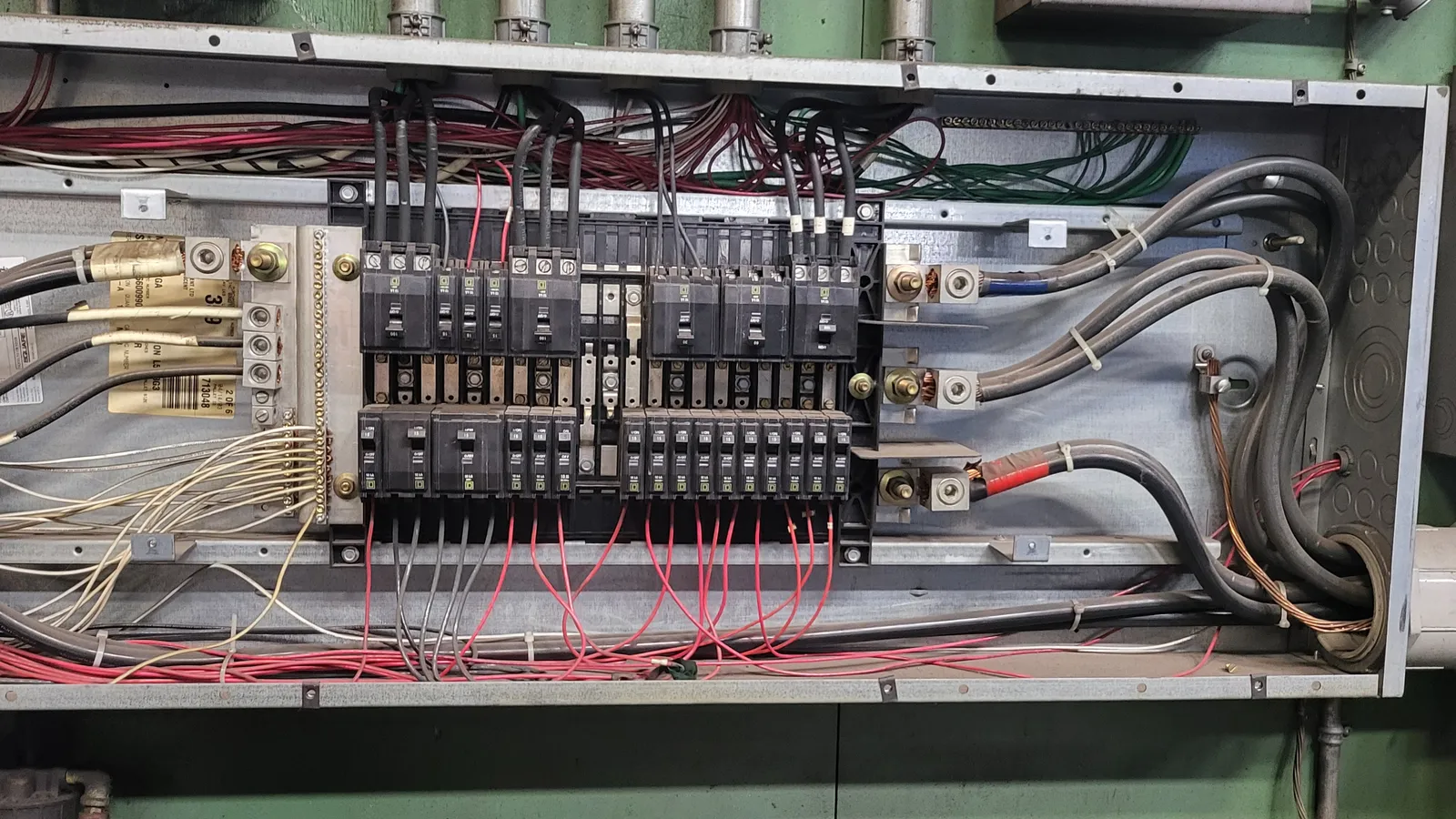
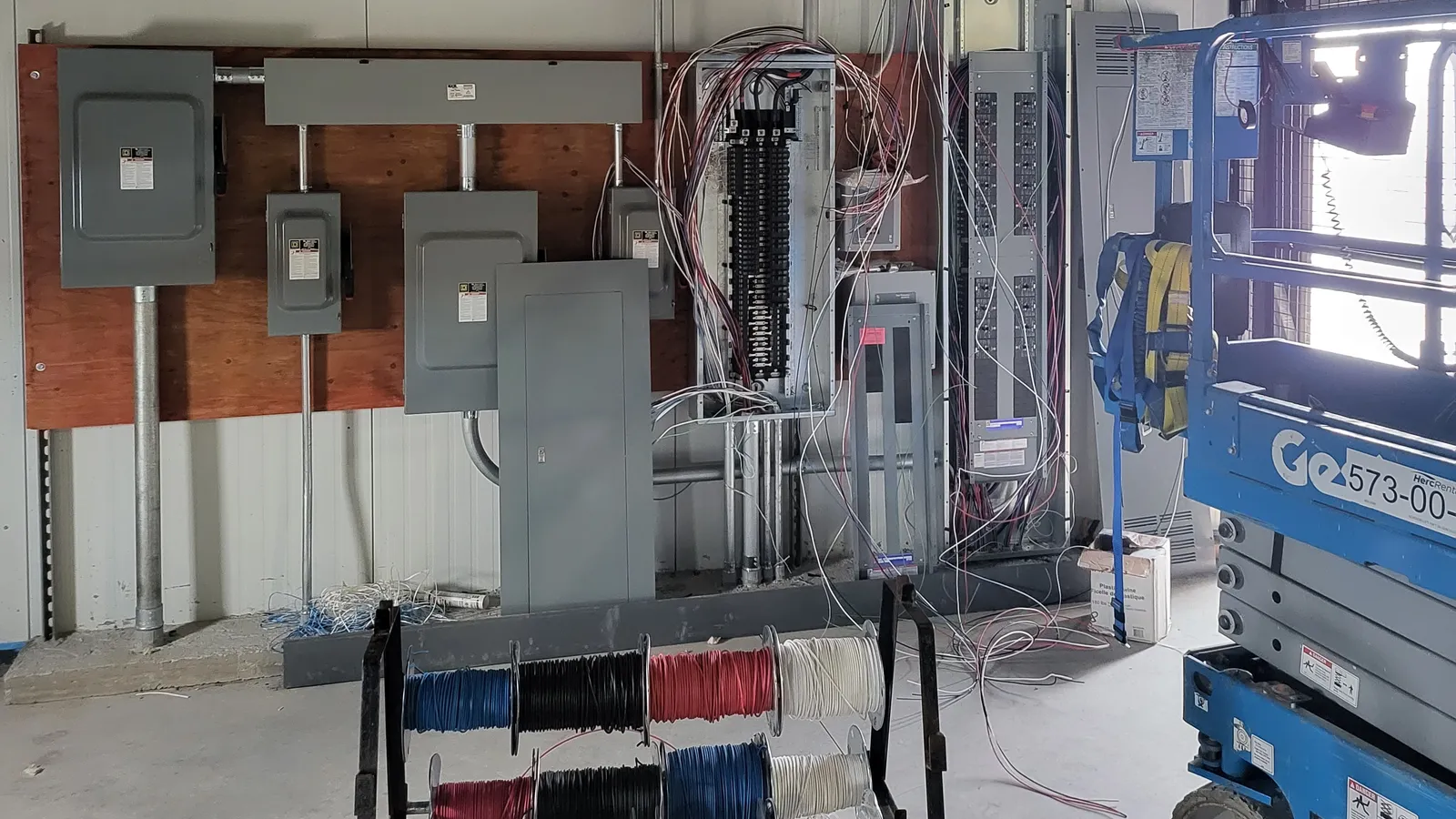
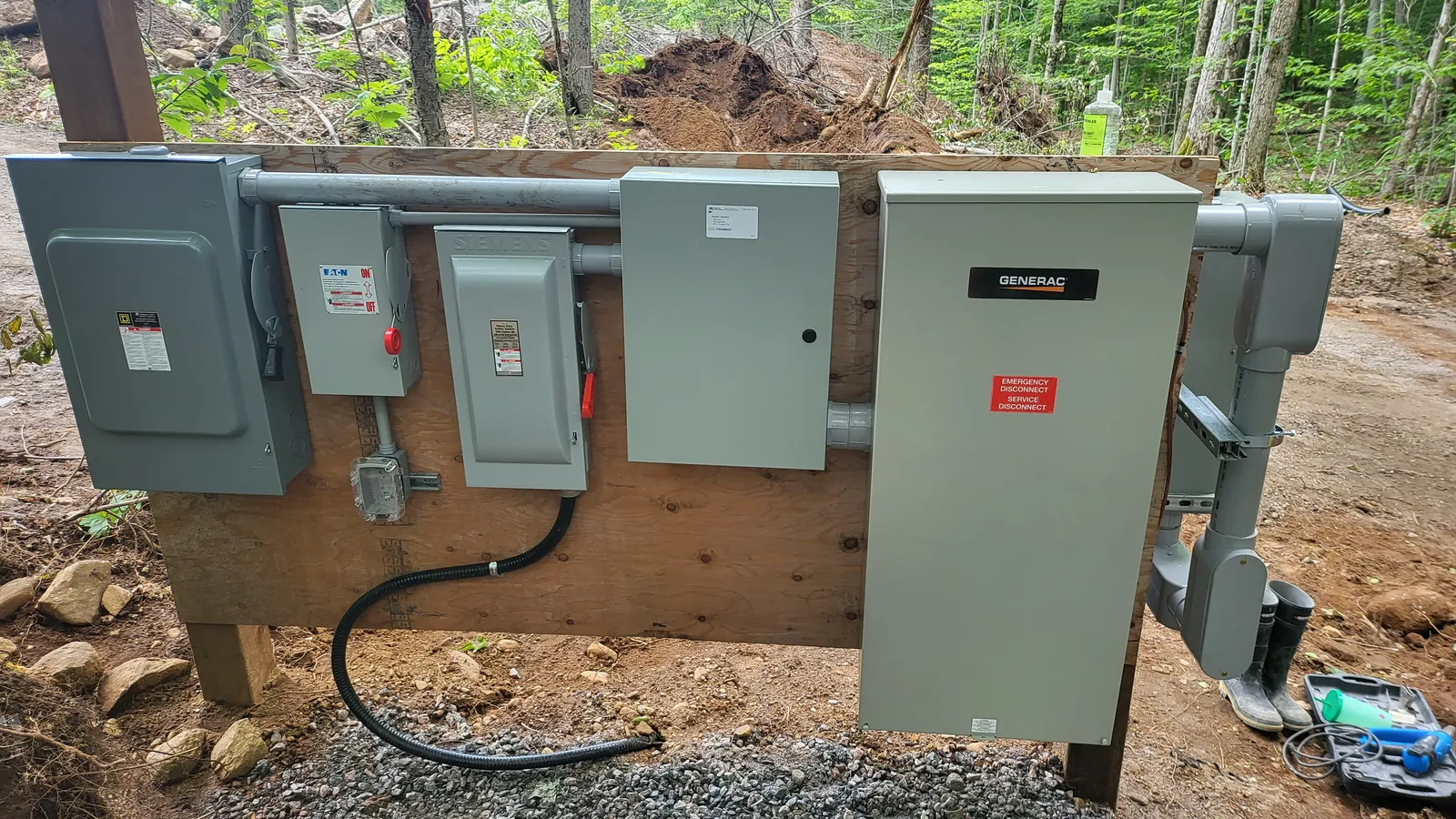
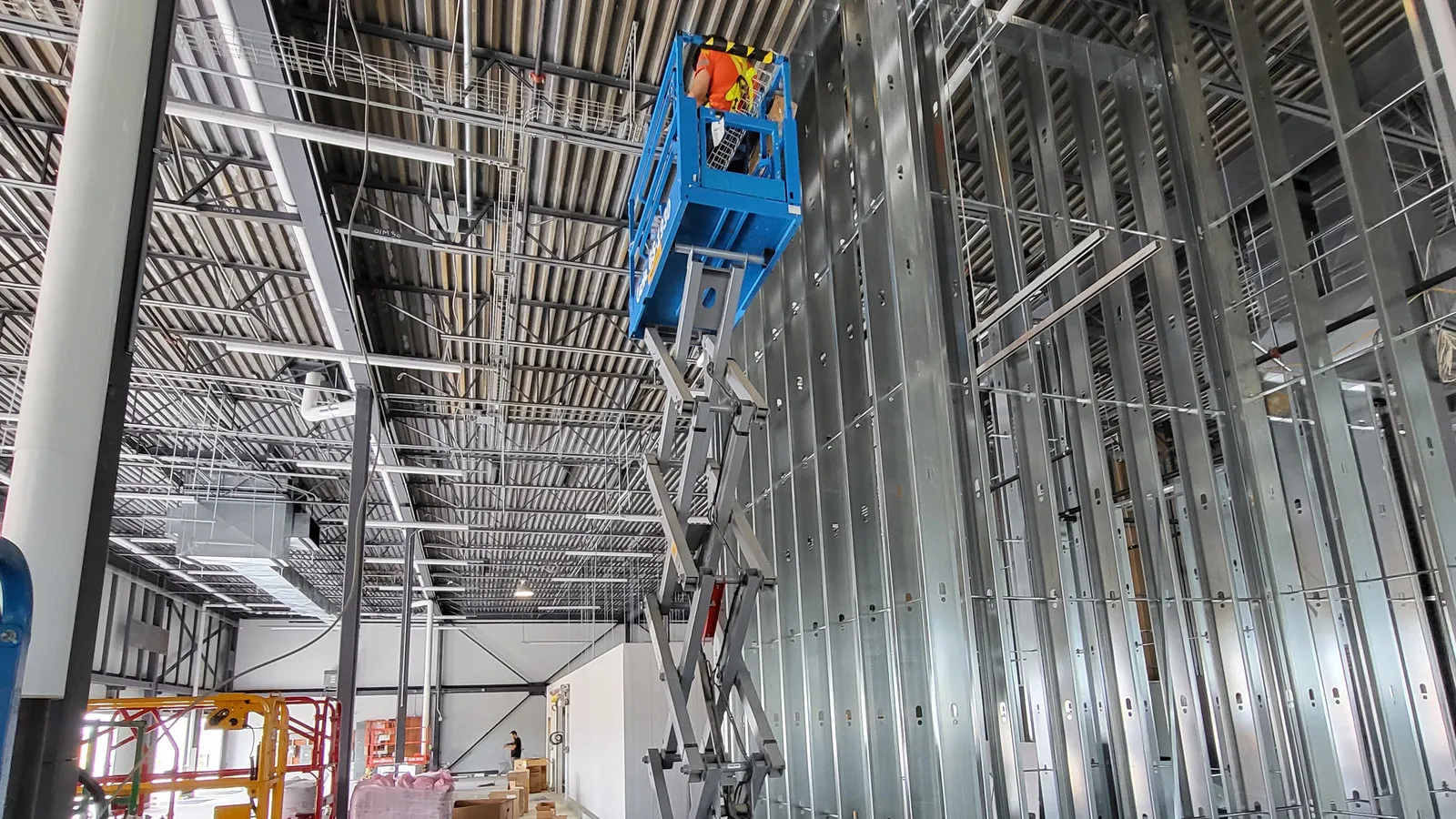
Poor sizing decisions usually start with bad assumptions<
Recognize when your building needs a proper load study before the next upgrade or backup power project
Commercial load study and sizing becomes essential when a building is adding equipment, planning backup power, changing tenants, expanding operations, or experiencing uncertainty about its true electrical demand.
Many businesses in Toronto and the GTA make important electrical decisions based on rough guesses, outdated drawings, or nameplate totals that do not reflect how the property actually operates. That can lead to expensive mistakes. A generator may be too small to support critical loads, a UPS may be oversized for the real application, or a service upgrade may be planned before anyone confirms whether the existing system is actually at capacity. These problems are common in commercial properties where operating patterns have changed over time.
A professional load study helps determine what the building is really using, when peak demand occurs, and which loads matter most during normal operation or outage conditions. This is especially important for backup power planning, where incorrect sizing creates either performance risk or unnecessary cost. In many facilities, it makes sense to combine sizing work with commercial load monitoring so demand is documented under real conditions. Where electrical behavior is irregular, it may also be helpful to review commercial power quality analysis because poor power quality can affect equipment performance and distort planning decisions.
Load study and sizing is also valuable when property owners are unsure which circuits should be treated as critical, whether an existing backup setup is still suitable, or whether future renovations will push the electrical system too far. Buildings with refrigeration, IT infrastructure, security systems, elevators, process loads, VFDs, or tenant-specific equipment often need more careful analysis than a simple estimate can provide. What looks acceptable on paper may behave very differently under real commercial demand.
Investing in proper load study and sizing helps reduce planning errors, supports safer electrical decisions, and gives owners and managers more confidence before moving ahead with generator installation, UPS systems, or distribution changes. It creates a realistic technical basis for backup power and growth planning instead of guesswork. For Ontario-wide electrical safety requirements, see the ESA.
Planning a Generator Installation
A proper load study helps ensure the generator is matched to real building demand and critical loads.
UPS Capacity Is Unclear
Without accurate sizing, a UPS may be undersized for protection or oversized beyond what the application needs.
Building Loads Have Changed
Renovations, tenant turnover, and added equipment can make old assumptions about capacity unreliable.
Critical Loads Are Not Clearly Defined
When priorities are unclear, backup power planning becomes less reliable and more expensive.
Service Capacity Is Uncertain
A load study helps determine whether the existing electrical system can support future demand safely.
Peak Demand Is Unknown
Real operating demand can differ significantly from estimates or equipment nameplate values.
Previous Sizing Was Based on Guesswork
Old calculations or rough assumptions often lead to costly oversizing or risky under-sizing.
Backup Power Planning Is Starting
Load study and sizing provides the data needed before selecting generator or UPS equipment.
WHY CHOOSE US
Why Businesses Choose Us
We focus on practical solutions rather than temporary fixes, ensuring your electrical system performs safely under real conditions. Every electrical work is completed with proper planning, correct equipment selection, and attention to long-term performance.
Our approach eliminates unnecessary work and is based on accurate diagnostics, not assumptions, so you only pay for what your system actually needs. We prioritize safety, efficiency, and clean execution on every project.
As a result, you receive a reliable, code-compliant electrical system that supports your home today and is fully prepared for future electrical demands.
Licensed & Insured
All work is performed by qualified, fully insured electricians, ensuring safety, accountability, and compliance with all regulations.
ESA certified work
Every project includes permits and ESA inspection, guaranteeing that the installation meets Ontario Electrical Safety Code requirements.
Professional installations
We install panels with precise wiring, proper layout, and clear labeling, making the system safe, accessible, and easy to maintain.
Transparent pricing
You receive clear pricing based on the actual scope of work, with no hidden costs or unexpected changes during the entire project.
Fast scheduling
We schedule work efficiently and arrive on time, minimizing downtime and ensuring your electrical system is restored as quickly as possible.
Accurate calculations
We calculate electrical demand based on real usage, ensuring your panel is properly sized for both current and future electrical needs.
Code-compliant work
All installations strictly follow current electrical code requirements, ensuring safety, inspection approval, and long-term system reliability.
Reliable workmanship
Our experience allows us to deliver consistent, high-quality results that perform reliably under real operating conditions over time.
CODE & SAFETY REQUIREMENTS
Ontario Electrical Safety Code Compliance
The Ontario Electrical Safety Code (OESC) sets the minimum legal safety requirements for electrical installations in Ontario. For commercial load study and sizing, Code awareness is essential because service, feeder, branch circuit, generator, and UPS decisions must be based on realistic and Code-consistent loading principles.
Following the Code helps reduce the risk of overloaded conductors, nuisance tripping, undersized backup power equipment, unsafe service planning, equipment damage, and failed inspections. It also helps ensure that connected load, demand calculations, overcurrent protection, approved equipment, and installation planning meet current Ontario requirements.
Every commercial load study and sizing review should be carried out with attention to the current Ontario Electrical Safety Code, ESA procedures, and the actual operating conditions of the building and electrical loads involved.
Rules commonly applicable to commercial load study and sizing
-
Rule 2-004 — Notification of work / ESA inspection process
Where a load study leads to electrical installation, upgrade, or modification requiring notification, the work must be properly reported to ESA and follow the applicable inspection process. -
Rule 2-022 — Approved electrical equipment
Electrical equipment used in Ontario must be approved in accordance with Code requirements. -
Rule 2-024 — Approval requirements for electrical equipment
Equipment must be approved to recognized standards and accepted for use in Ontario. -
Rule 2-300 — Maintenance and operation
Electrical equipment must be maintained and operated in a safe condition, which is relevant when evaluating existing load behavior and connected equipment. -
Rule 8-104 — Maximum circuit loading
Connected load and demand must be evaluated so conductors and equipment are not loaded beyond allowable limits. -
Section 8 — Circuit loading and demand factors
Load calculations for services, feeders, and branch circuits must be based on the applicable Code principles for demand and maximum loading. -
Rule 14-100 — Protection of conductors by overcurrent devices
Conductors must be protected by properly rated overcurrent devices in accordance with Code requirements. -
Rule 14-104 — Rating and coordination of overcurrent protection
Overcurrent protection must be coordinated with conductor ampacity and the electrical characteristics of the installation. -
Rule 46-100 — Adequate capacity of emergency power supply
Where load study and sizing is used for emergency power planning, the emergency power supply must have adequate capacity for the connected emergency equipment. -
Rule 46-202 — Emergency power supply source requirements
Where applicable, central standby emergency power supplies must be selected and sized to meet Code requirements for source type and capacity.
Note: Rule selection may vary depending on whether the study is being used for service upgrades, generator sizing, UPS sizing, selective standby loads, tenant expansion, or other commercial electrical planning. Exact official wording should be taken from the current purchased edition of the Ontario Electrical Safety Code.
COMMON QUESTIONS
FAQ — Load Study & Sizing
1. What is a commercial load study?
A commercial load study is a structured review of how much electrical demand a building actually uses, when peak demand occurs, and which loads are critical for operation or backup power planning.
2. Why is load study important before generator installation?
It helps ensure the generator is sized for real operating conditions and critical loads rather than rough guesses or incomplete assumptions.
3. Is load study useful for UPS systems too?
Yes. UPS sizing should also be based on actual demand, runtime priorities, and the specific equipment being protected.
4. Can a load study show whether my existing service has enough capacity?
Yes. One of the main benefits of a load study is determining whether the current electrical system can support existing and planned demand safely.
5. Do you rely only on equipment nameplates?
No. Nameplates are only part of the picture. A proper study considers real usage patterns, peak demand, critical loads, and how the building actually operates.
6. What kinds of buildings need this service?
Offices, warehouses, retail units, restaurants, mixed-use buildings, and other commercial facilities benefit from load study and sizing, especially when backup power or expansion is being considered.
7. Can load monitoring be part of the study?
Yes. In many cases, load monitoring is one of the best ways to understand real demand and make more accurate sizing decisions.
8. What happens if a generator or UPS is oversized?
Oversizing can lead to unnecessary cost, inefficient system planning, and equipment choices that do not match the building’s real needs.
9. What happens if backup equipment is undersized?
Undersized equipment may fail to support critical loads, trip under demand, or leave key building functions unprotected during an outage.
10. Can this service help with tenant expansion or renovations?
Yes. Load study and sizing helps determine whether the existing electrical system can support future changes safely and practically.
11. Is this service only for buildings with electrical problems?
No. It is also valuable as a planning tool before generator installation, UPS systems, service upgrades, equipment additions, and other major electrical decisions.
12. What is the main outcome of a proper load study?
The main outcome is a more accurate understanding of electrical demand, critical load priorities, and the right sizing basis for safer and more cost-effective decisions.
SERVICE AREAS
Serving Toronto & the Greater Toronto Area
We provide residential, commercial, and industrial electrical services across Toronto and the GTA, supporting homes, businesses, and facilities with reliable and code-compliant electrical solutions.
Our service coverage includes major cities and surrounding areas, allowing us to respond quickly and deliver consistent service across the region.
Toronto
North York
Thornhill
Richmond Hill
Vaughan
Markham
Scarborough
Etobicoke
Mississauga
Brampton
ADDITIONAL SERVICE AREAS
Hamilton
Oakville
Burlington
Milton
Georgetown
Pickering
Ajax
Whitby
Oshawa
Clarington
Aurora
Newmarket
Bradford
King City
Barrie