
Toronto & GTA Electrical Contractor
Electrical Troubleshooting and Diagnostics in Toronto, Markham, Richmond Hill, North York, Vaughan, Mississauga, Hamilton & GTA
Residential, commercial, and industrial electrical work — installations, upgrades, troubleshooting, maintenance, and code-compliant solutions.
Licensed & Insured
Fast Response
Code-Compliant Work
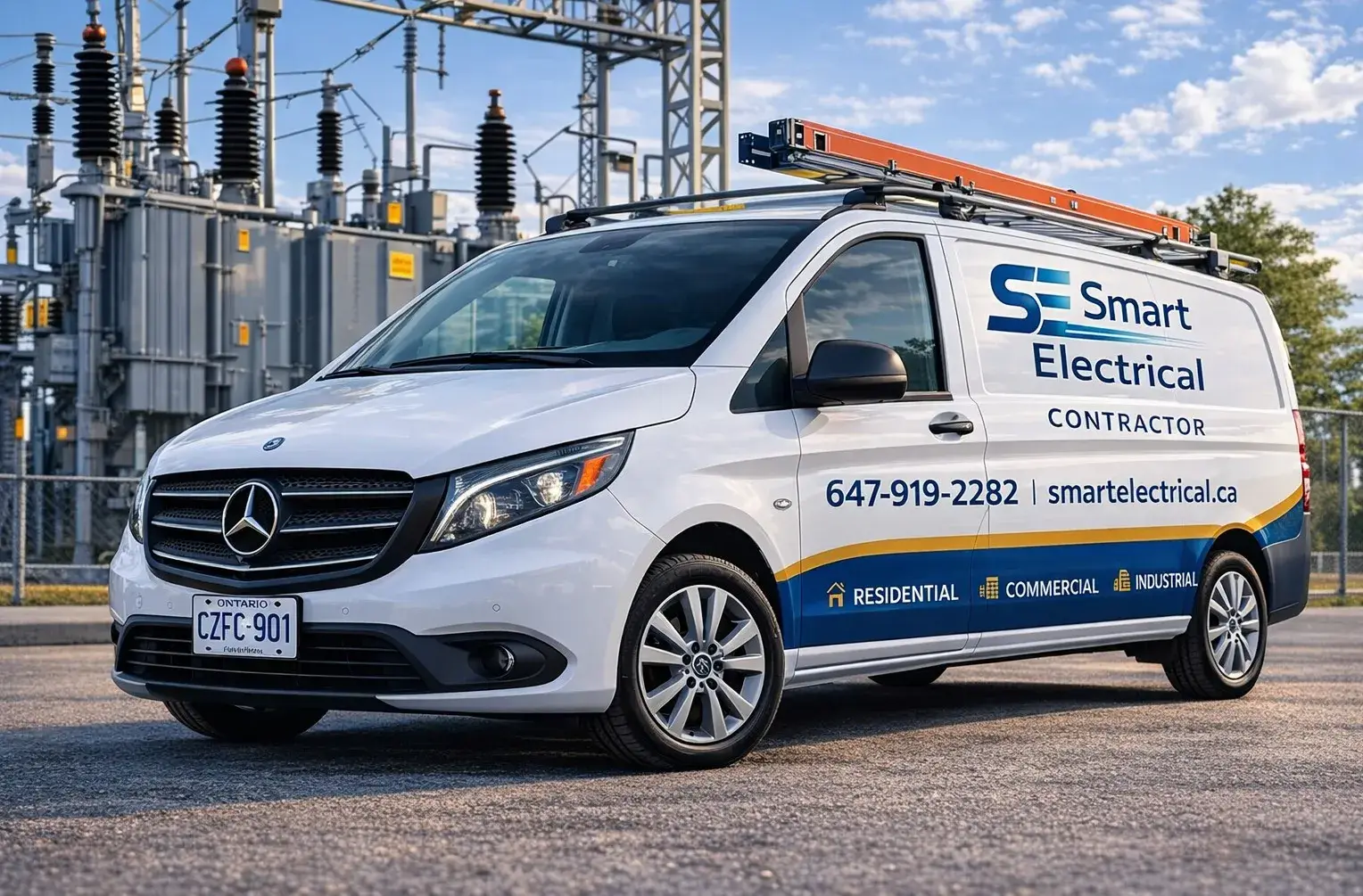
FAST FAULT FINDING FOR COMMERCIAL ELECTRICAL PROBLEMS
What We Do
We provide commercial electrical troubleshooting and diagnostics for offices, warehouses, retail units, plazas, restaurants, mixed-use buildings, and other business properties across Toronto and the GTA. Our goal is to find the real cause of electrical problems quickly, safely, and accurately so commercial clients are not left wasting time and money on guesswork. Electrical issues in business properties are often more complex than they first appear because the visible symptom may not be the real source of the problem. A tripping breaker, flickering lights, dead circuit, equipment shutdown, or intermittent power issue may be connected to overloading, loose terminations, damaged conductors, poor modifications, failing breakers, unbalanced loading, control issues, or broader distribution problems elsewhere in the system.
Commercial electrical diagnostics focuses on identifying the actual fault condition instead of just replacing parts and hoping the problem disappears. We investigate visible electrical infrastructure such as service equipment, distribution panels, breakers, disconnects, feeders, branch circuits, wiring terminations, and affected connected equipment to determine where the issue starts and why it is happening. Depending on the problem, the work may involve circuit isolation, continuity and voltage checks, phase comparison, load evaluation, visual inspection of damaged or overheated components, and targeted testing of suspect equipment. Where recurring issues suggest deeper instability, related services such as infrared thermal electrical inspections, commercial power quality analysis, or commercial load monitoring may also be appropriate.
This service is especially valuable when the building cannot afford extended downtime or repeated failed repair attempts. Many commercial electrical problems affect tenant operations, payment systems, refrigeration, lighting, IT equipment, HVAC controls, access systems, and production processes. In these situations, finding the root cause matters more than applying temporary fixes. A proper troubleshooting process helps distinguish between isolated equipment failure, circuit-level issues, panel problems, overloaded distribution, tenant-added modifications, or wider infrastructure limitations. Where the problem reveals broader deficiencies, future corrective work may also connect with breaker replacement or electrical infrastructure upgrades.
Our diagnostic work is practical, methodical, and focused on restoring reliable operation with a clear explanation of what was found. Clients need more than a quick opinion. They need to know what failed, what conditions contributed to the failure, what should be corrected now, and what should be monitored going forward. For general Ontario electrical safety oversight and inspection information, refer to the Electrical Safety Authority (ESA). The result is faster fault identification, better repair decisions, less repeat downtime, and more confidence in the condition of the commercial electrical system.
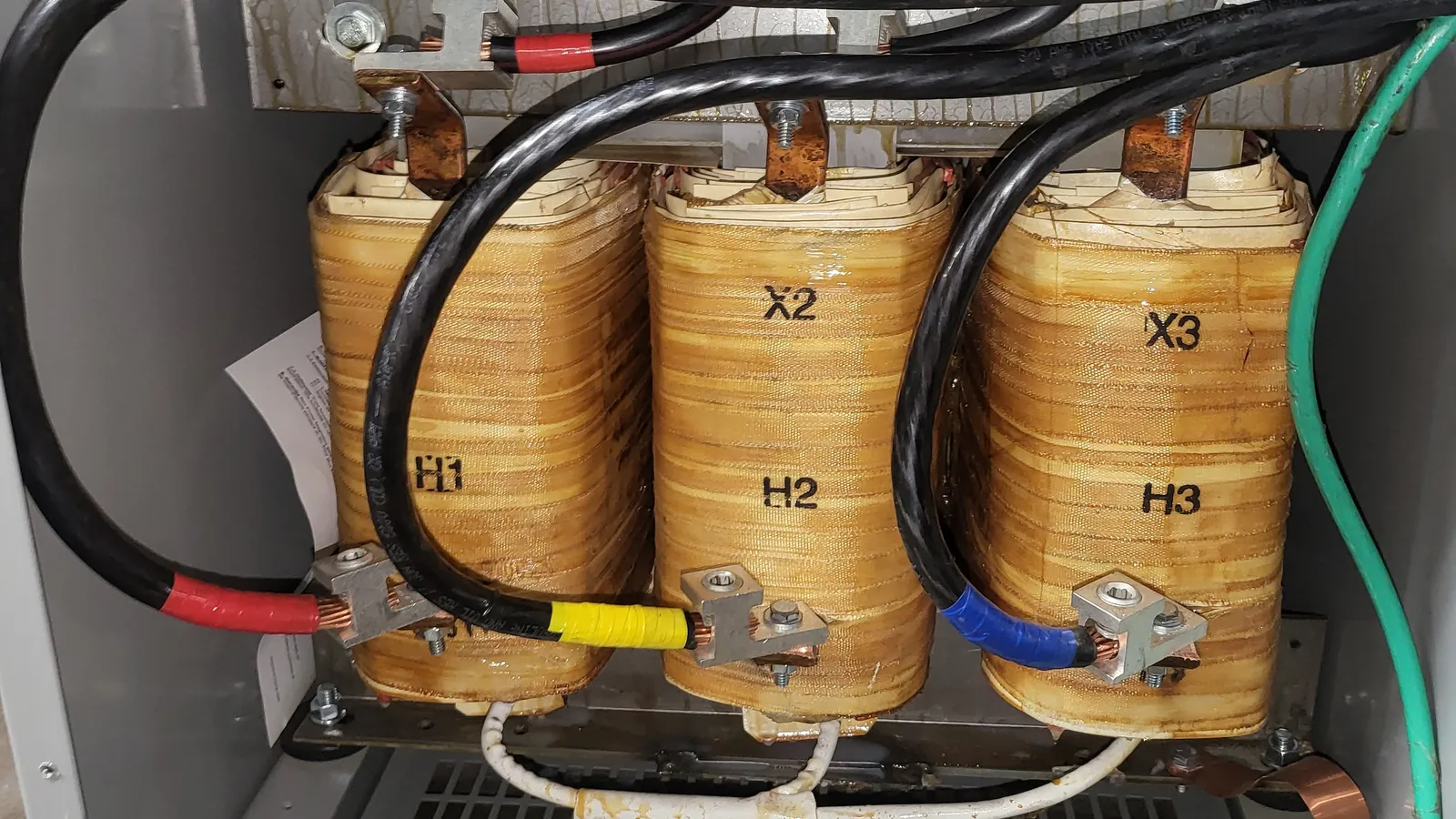
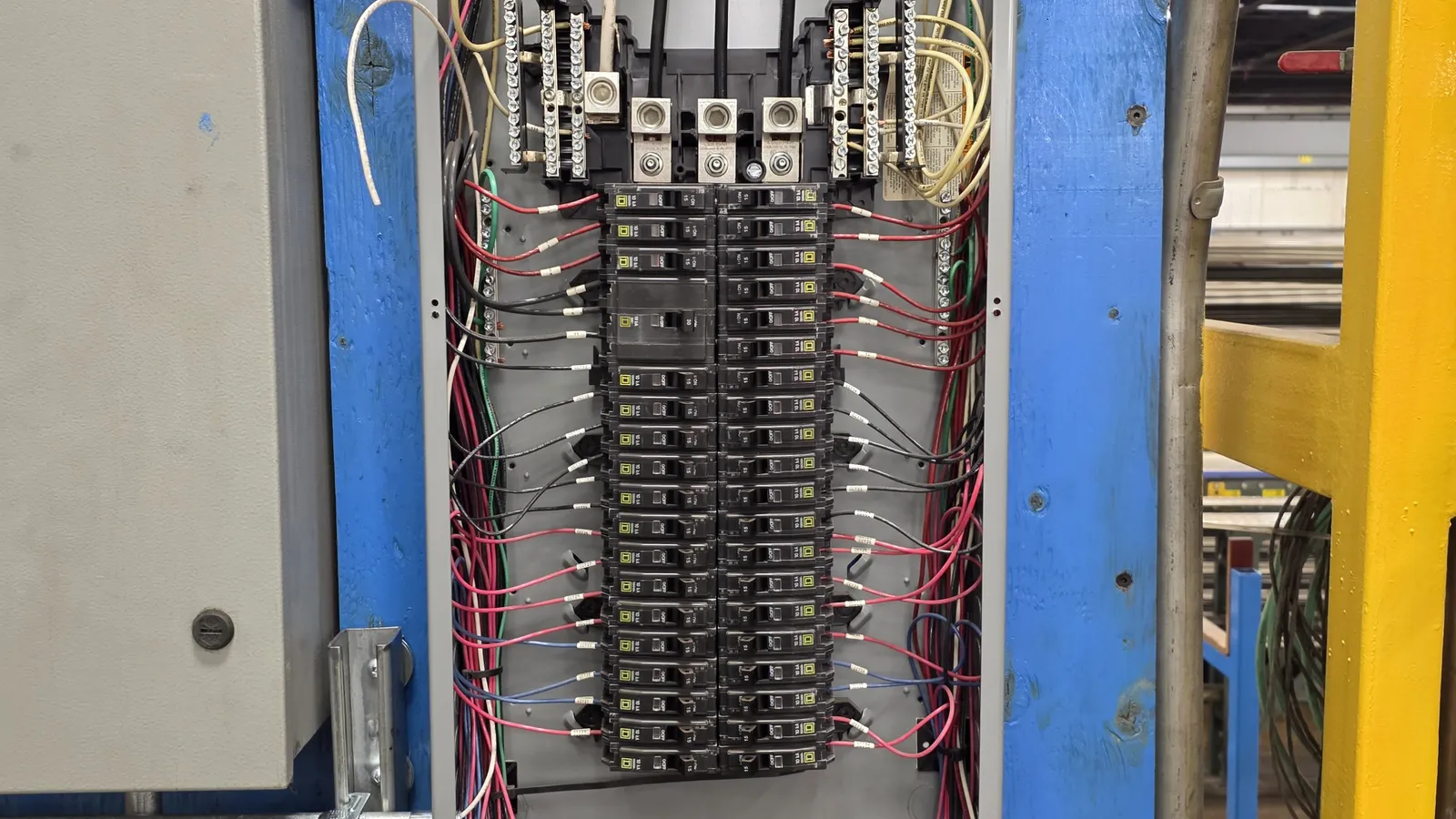
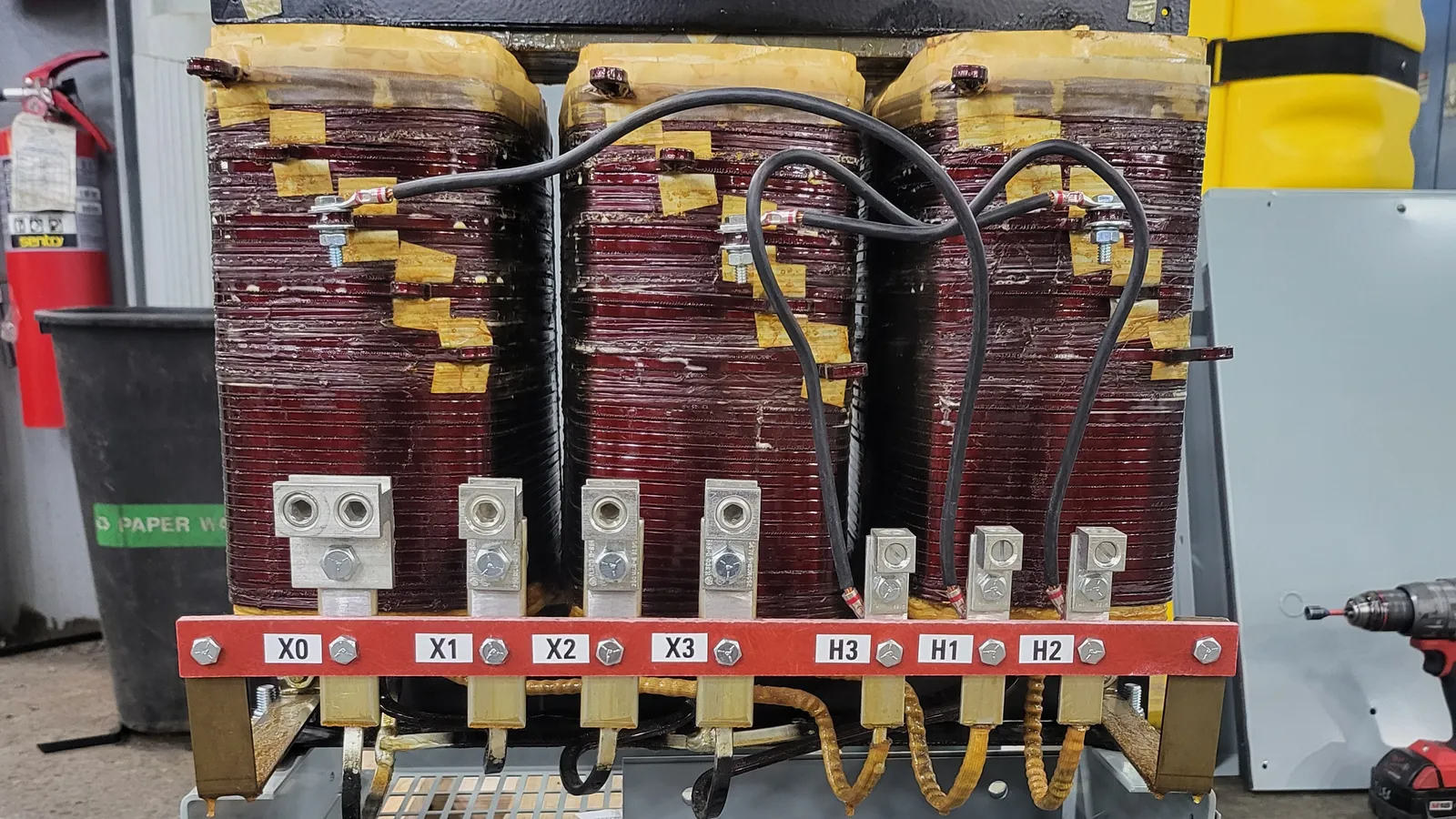
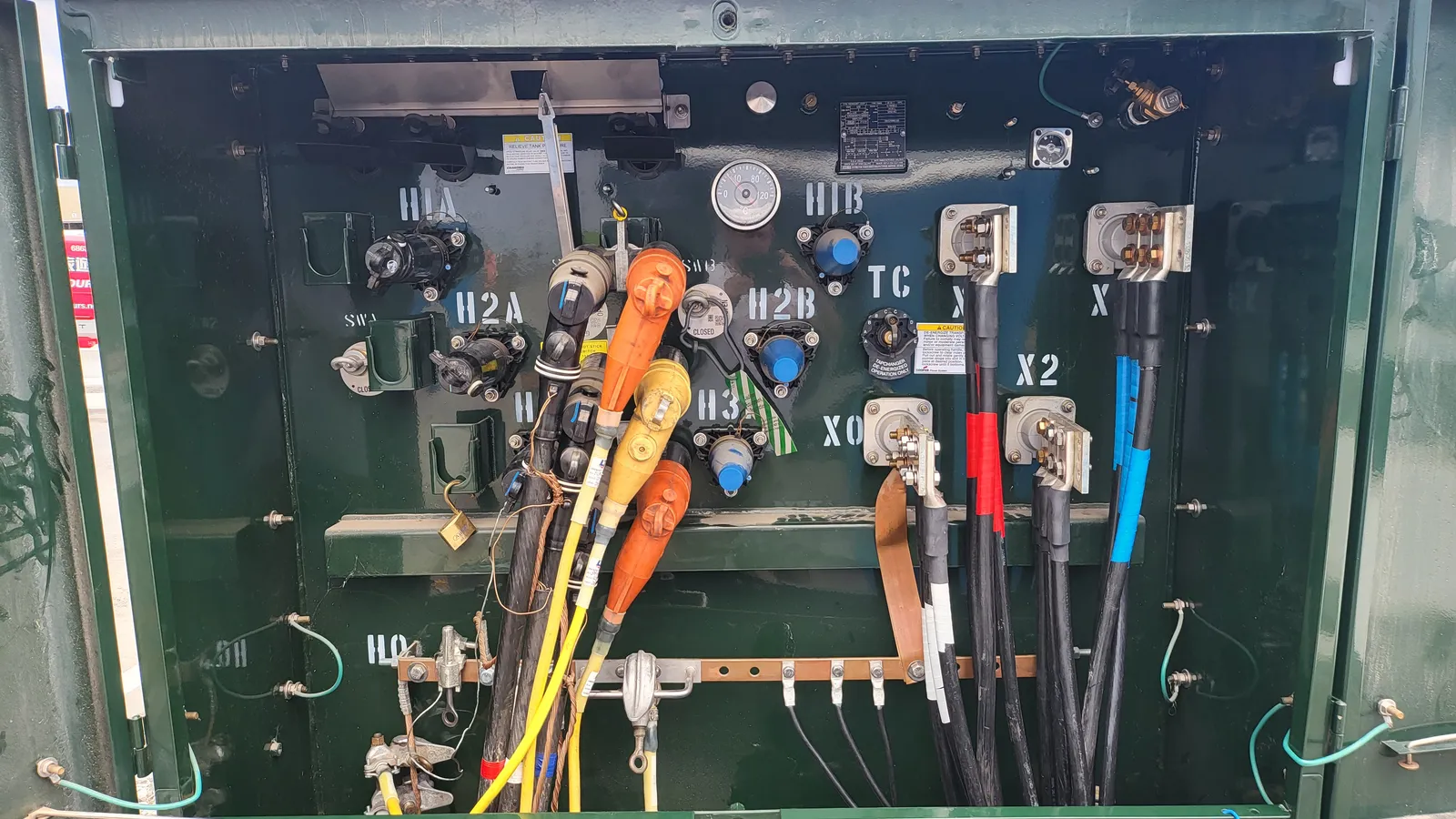
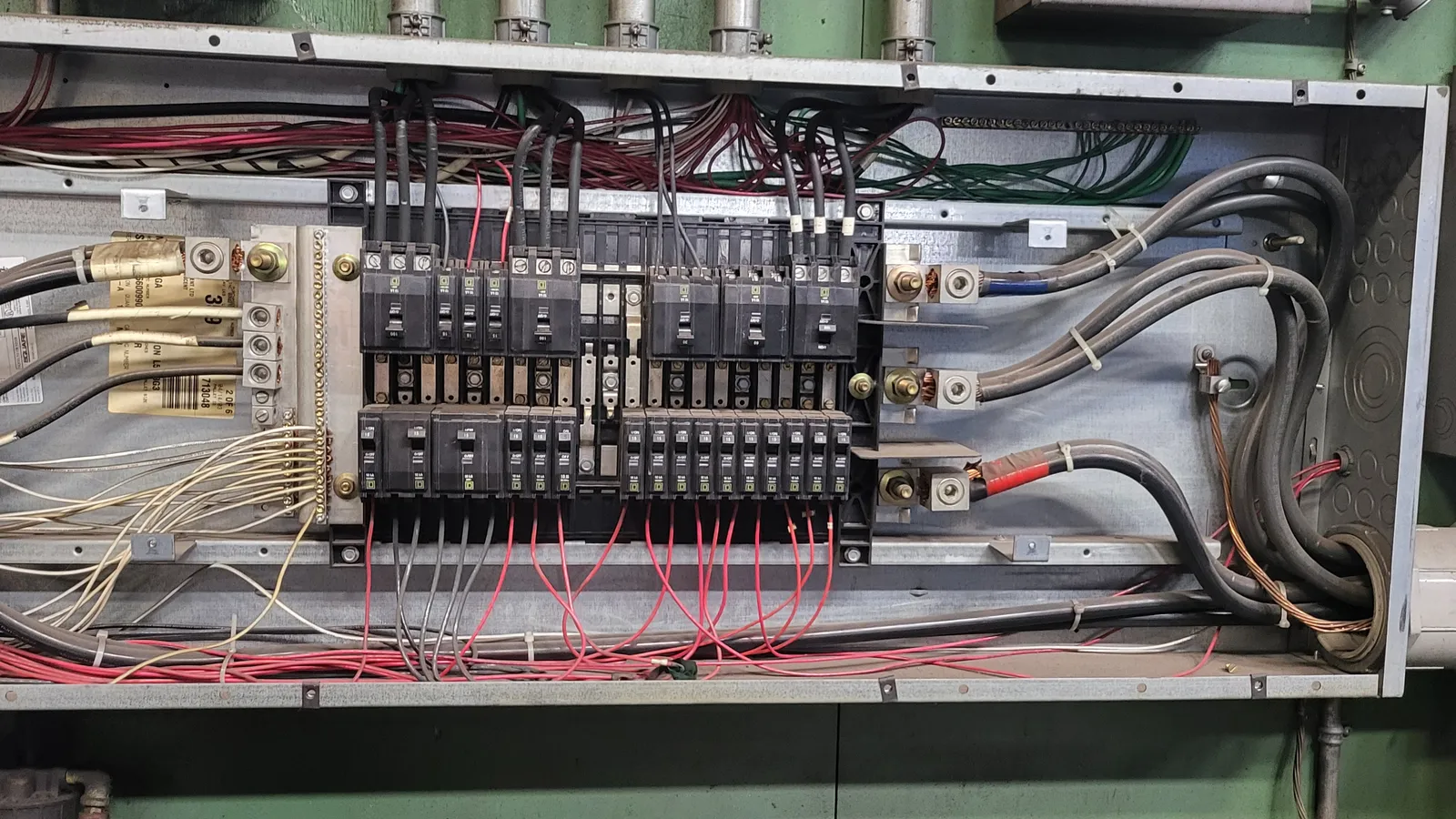
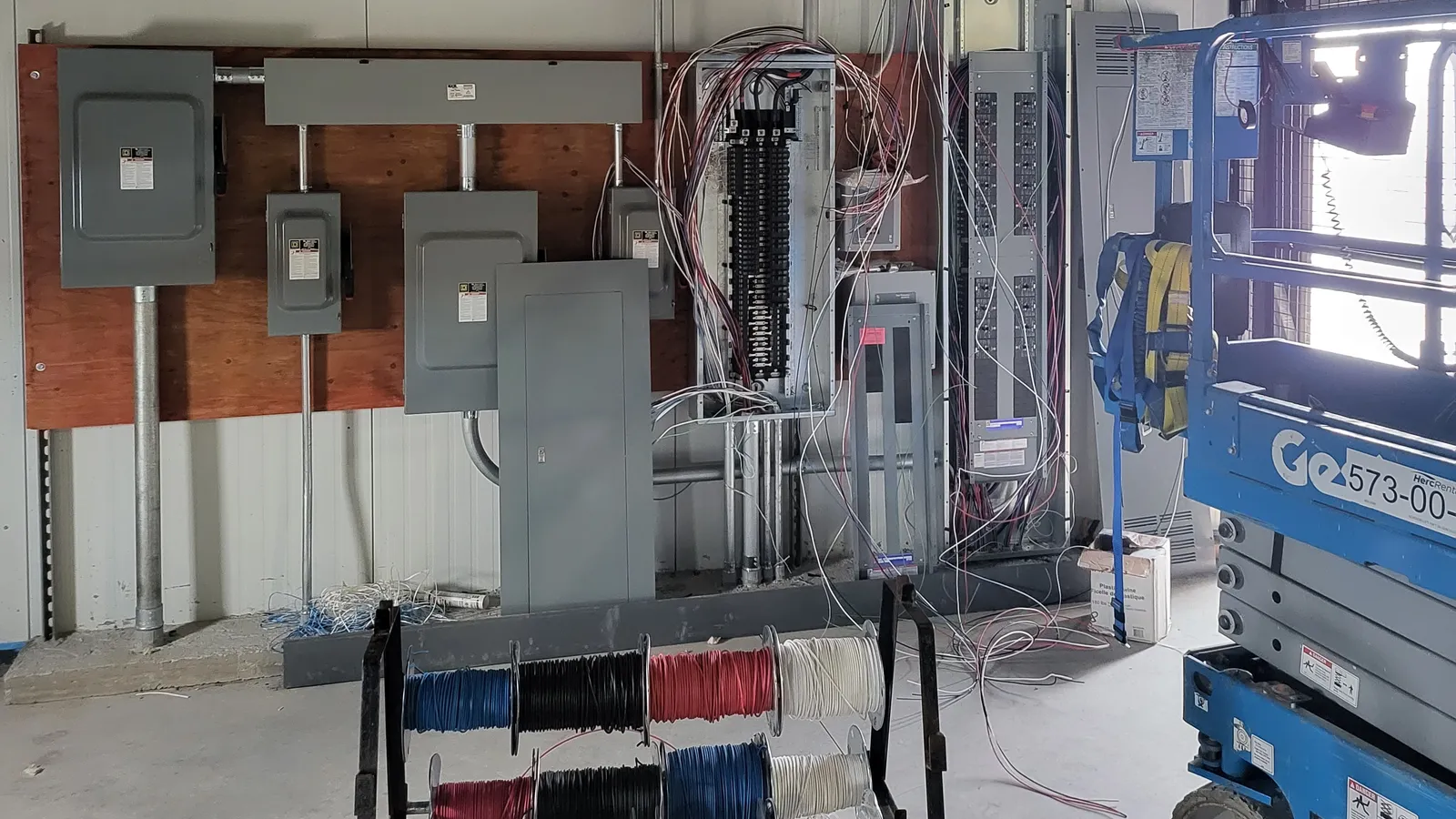
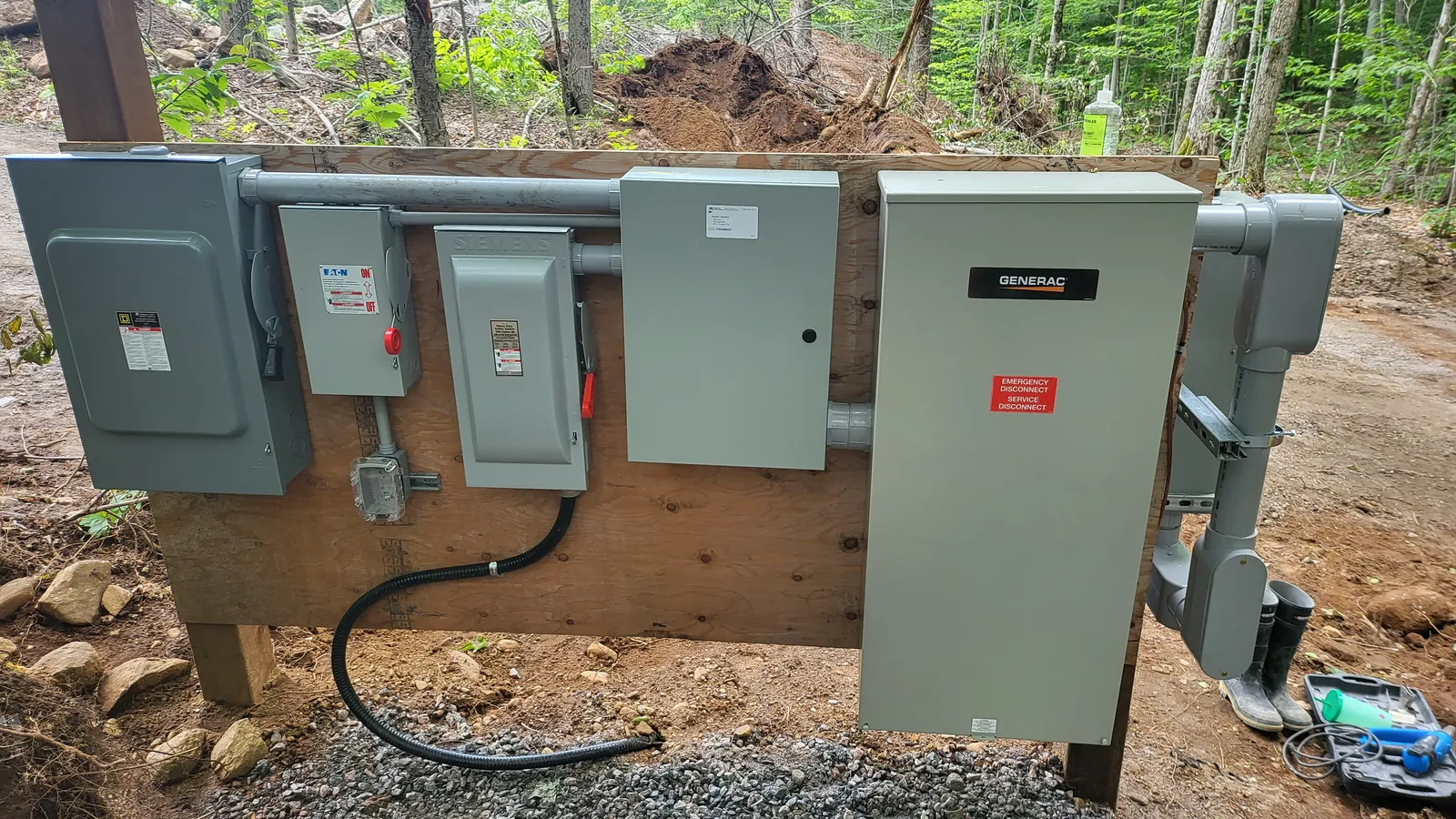
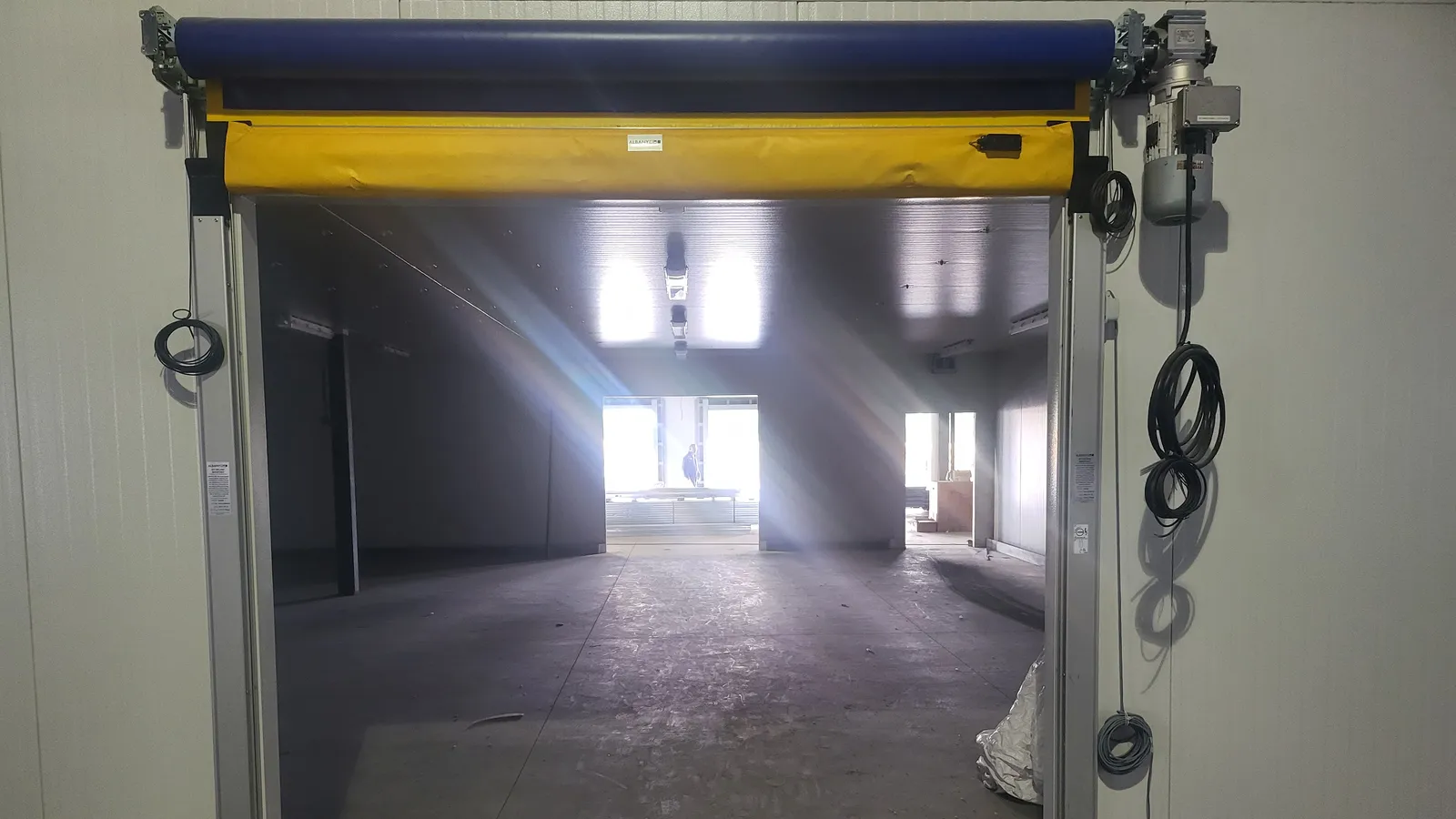
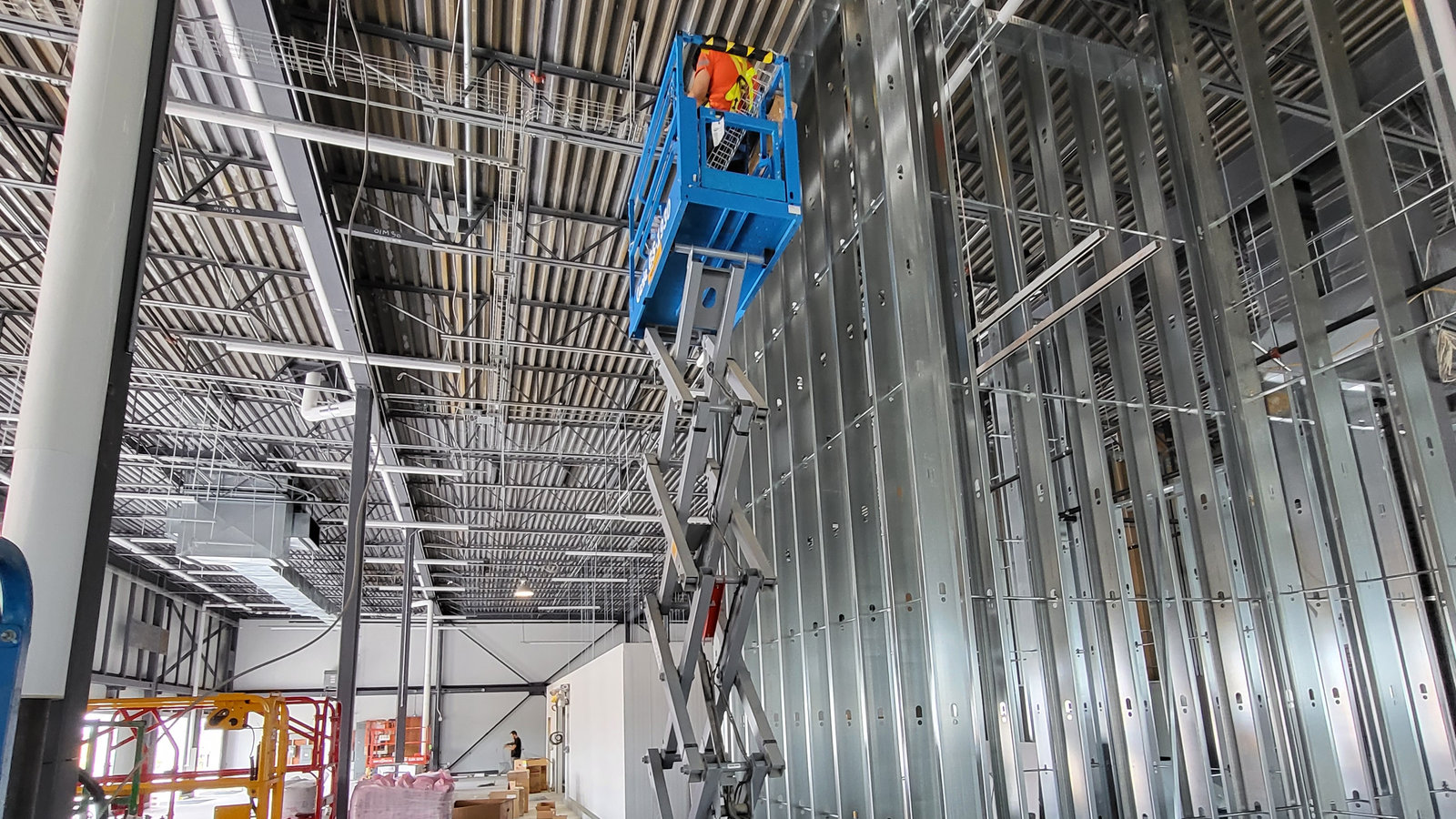
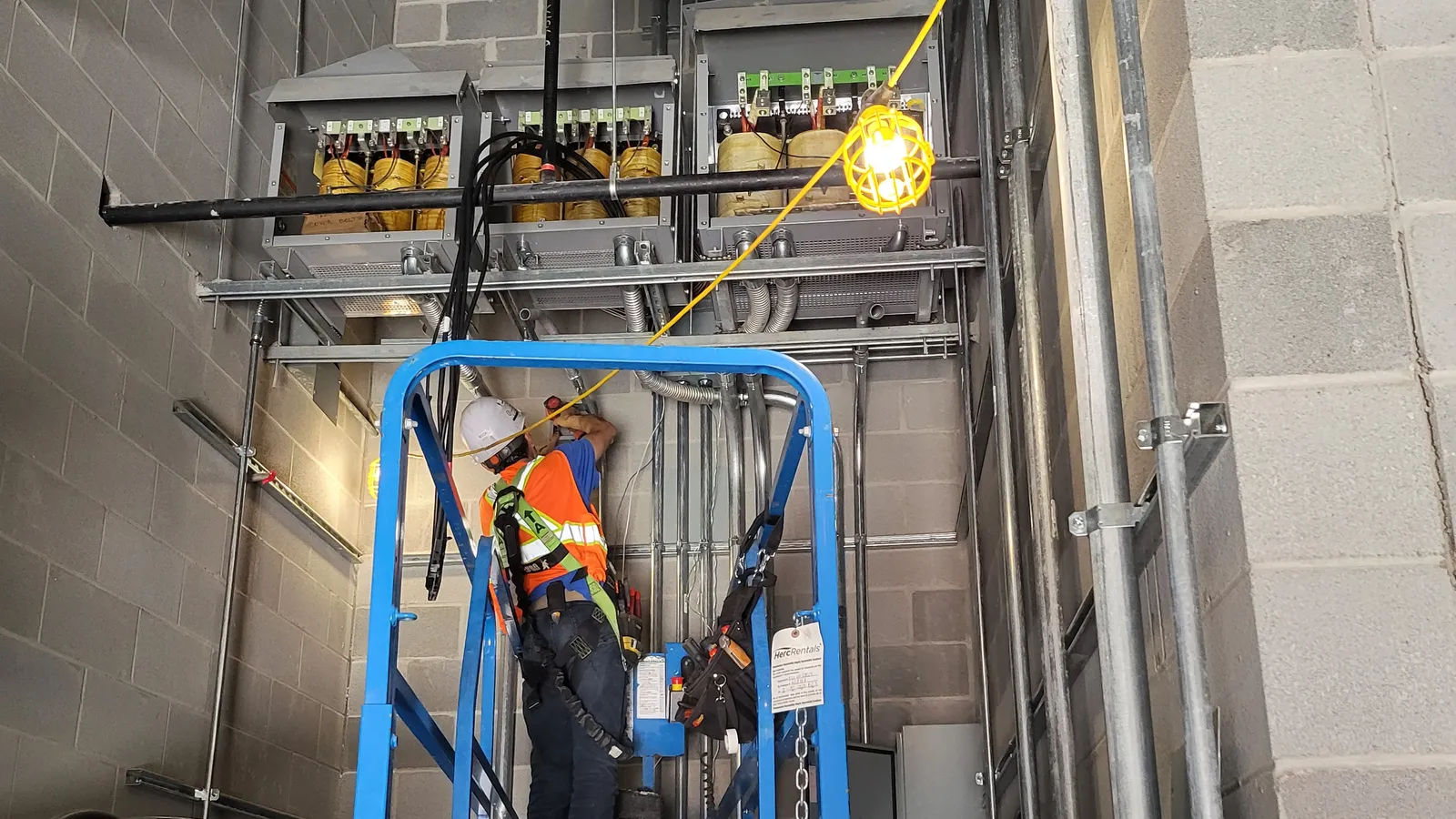
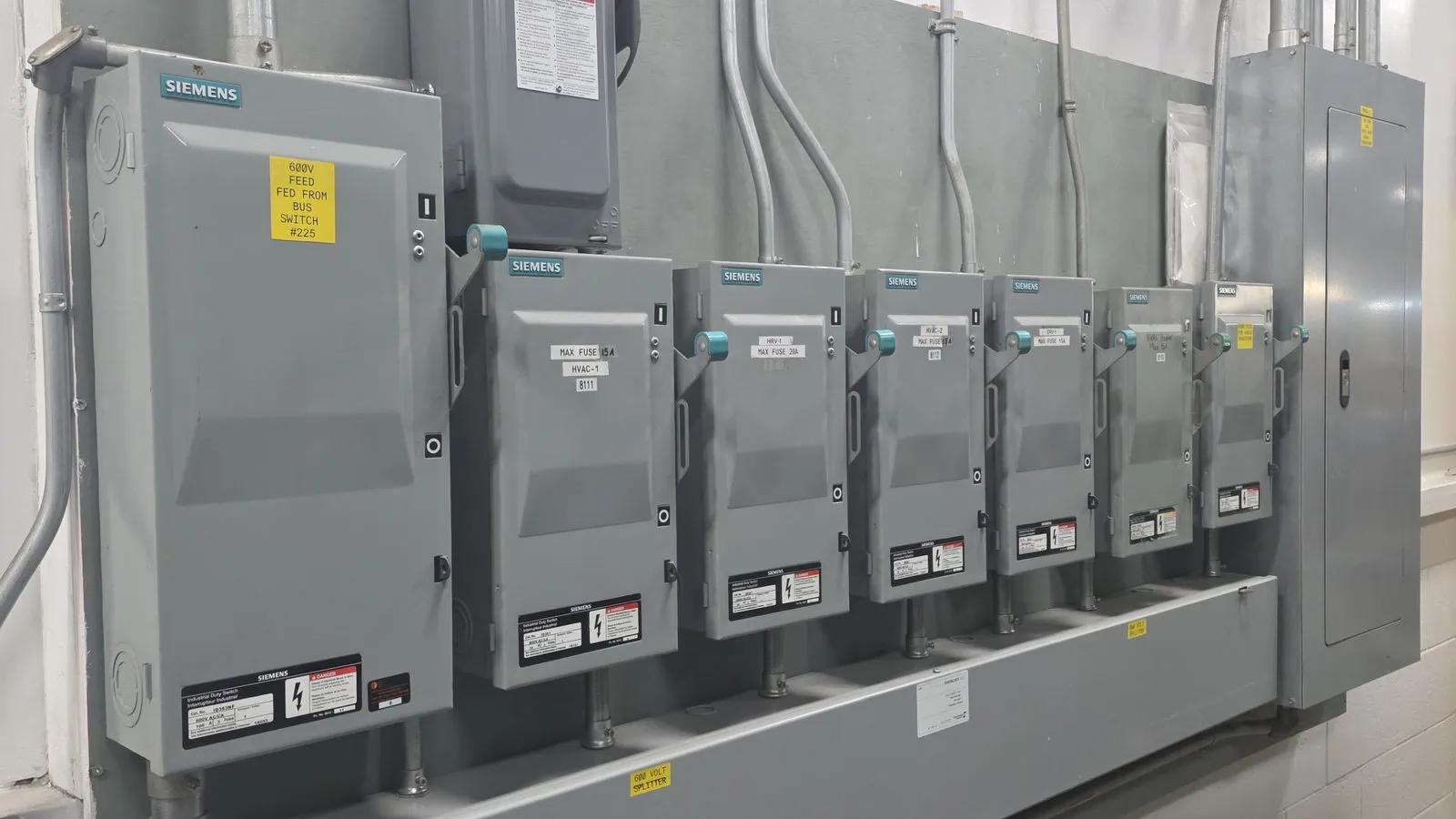
Recurring electrical problems rarely fix themselves and often get worse with time<
Recognize when your building needs real troubleshooting and diagnostics instead of another temporary electrical repair
Commercial electrical troubleshooting becomes essential when something in the building is not working properly and the cause is unclear, intermittent, or repeatedly returning.
Many businesses in Toronto and the GTA lose time and money because electrical problems are treated too quickly as simple part replacements instead of being properly diagnosed. A breaker trips, lights flicker, a section of the building loses power, equipment shuts down, or a tenant reports unstable operation. The immediate symptom may seem obvious, but commercial electrical faults often have deeper causes such as overload, poor terminations, hidden damage, failing breakers, voltage drop, tenant modifications, or distribution imbalance. Until the actual source is identified, the same issue can keep returning.
A structured diagnostic approach helps separate the symptom from the cause. This is especially important in offices, warehouses, retail spaces, restaurants, and mixed-use properties where daily operation depends on lighting, POS systems, refrigeration, IT equipment, HVAC controls, and tenant power. When electrical problems affect these systems, downtime can immediately turn into lost revenue, unhappy tenants, disrupted workflow, or safety concerns. In some cases, it also makes sense to review commercial power quality analysis because repeated equipment instability may be tied to sags, harmonics, or other electrical disturbances rather than a single failed component.
Proper troubleshooting is also important when a building has already had previous repairs but the problem has not been fully resolved. Repeated service calls for the same issue usually mean the underlying fault was never truly identified. That is where diagnostics becomes far more valuable than another quick patch. The goal is to restore reliable operation and reduce the chance of the same problem returning again in a different form.
Investing in commercial electrical diagnostics helps reduce repeat breakdowns, supports faster and more accurate repair decisions, and gives owners and managers clearer visibility into what is actually happening in the system. It is one of the most important services when electrical problems are affecting business continuity.
Breakers Keep Tripping
Frequent tripping usually points to overload, equipment failure, wiring issues, or a problem that has not been properly diagnosed.
Lights Flicker or Dim
Lighting instability can indicate loose connections, voltage problems, overloaded circuits, or distribution issues.
Part of the Building Loses Power
Dead circuits or repeated localized outages often require targeted fault finding rather than general repair guesses.
Electrical Problems Keep Coming Back
If the same issue returns after repair, the original root cause may not have been identified.
Equipment Shuts Down Unexpectedly
Unexpected shutdowns can be caused by electrical instability, control issues, poor supply conditions, or failing components.
Burning Smell, Heat, or Noise
Abnormal smell, overheating, buzzing, or arcing sounds are serious warning signs that require immediate electrical diagnosis.
Tenant Complaints About Unstable Power
Repeated tenant complaints often point to broader distribution or circuit problems affecting day-to-day operation.
Need to Minimize Business Downtime
Fast and accurate diagnostics help commercial properties restore operation with fewer delays and less repeat disruption.
WHY CHOOSE US
Why Businesses Choose Us
We focus on practical solutions rather than temporary fixes, ensuring your electrical system performs safely under real conditions. Every electrical work is completed with proper planning, correct equipment selection, and attention to long-term performance.
Our approach eliminates unnecessary work and is based on accurate diagnostics, not assumptions, so you only pay for what your system actually needs. We prioritize safety, efficiency, and clean execution on every project.
As a result, you receive a reliable, code-compliant electrical system that supports your home today and is fully prepared for future electrical demands.
Licensed & Insured
All work is performed by qualified, fully insured electricians, ensuring safety, accountability, and compliance with all regulations.
ESA certified work
Every project includes permits and ESA inspection, guaranteeing that the installation meets Ontario Electrical Safety Code requirements.
Professional installations
We install panels with precise wiring, proper layout, and clear labeling, making the system safe, accessible, and easy to maintain.
Transparent pricing
You receive clear pricing based on the actual scope of work, with no hidden costs or unexpected changes during the entire project.
Fast scheduling
We schedule work efficiently and arrive on time, minimizing downtime and ensuring your electrical system is restored as quickly as possible.
Accurate calculations
We calculate electrical demand based on real usage, ensuring your panel is properly sized for both current and future electrical needs.
Code-compliant work
All installations strictly follow current electrical code requirements, ensuring safety, inspection approval, and long-term system reliability.
Reliable workmanship
Our experience allows us to deliver consistent, high-quality results that perform reliably under real operating conditions over time.
CODE & SAFETY REQUIREMENTS
Ontario Electrical Safety Code Compliance
The Ontario Electrical Safety Code (OESC) sets the minimum legal safety requirements for electrical installations in Ontario. For commercial electrical troubleshooting and diagnostics, Code awareness is essential because fault conditions often involve protection, loading, equipment approval, accessibility, maintenance state, and the safe operation of the electrical system.
Following the Code helps reduce the risk of fire, electric shock, equipment damage, repeat failures, unsafe temporary fixes, and post-repair compliance issues. It also helps ensure that corrective work resulting from troubleshooting is carried out in a way that aligns with current Ontario safety requirements for conductors, overcurrent protection, approved equipment, and electrical installation practices.
Troubleshooting and diagnostics do not replace the formal inspection role of ESA, but this service should be carried out with awareness of the current Ontario Electrical Safety Code, ESA notification procedures, and the practical safety requirements that apply when electrical faults are investigated and corrected in commercial buildings.
Rules commonly applicable to commercial electrical troubleshooting and diagnostics
-
Rule 2-004 — Notification of work / ESA inspection process
Electrical work must be properly notified to ESA where required, and corrective work resulting from troubleshooting may need to follow the applicable inspection and authorization process. -
Rule 2-022 — Approved electrical equipment
Electrical equipment used in Ontario must be approved in accordance with Code requirements. -
Rule 2-024 — Approval requirements for electrical equipment
Equipment must be approved to recognized standards and accepted for use in Ontario. -
Rule 2-300 — Maintenance and operation
Electrical equipment must be maintained and operated in a safe condition, which is directly relevant when diagnosing failures, overheating, or deteriorated components. -
Rule 2-308 and Rule 2-310 — Working space around electrical equipment
Safe access and required working clearances around electrical equipment must be maintained for examination, troubleshooting, operation, and repair. -
Rule 2-314 — Working space to be kept clear
Working space around electrical equipment must not be obstructed or used for storage. -
Rule 8-104 — Maximum circuit loading
Connected load and demand must be considered so conductors and equipment are not subjected to overload conditions that can contribute to repeated faults. -
Rule 14-100 — Protection of conductors by overcurrent devices
Conductors must be protected by properly rated overcurrent devices in accordance with Code requirements. -
Rule 14-104 — Rating and coordination of overcurrent protection
Overcurrent protection must be coordinated with conductor ampacity and the electrical characteristics of the installation. -
Section 26 — Installation of electrical equipment
Panels, breakers, disconnects, and related electrical equipment must remain installed and maintained in accordance with applicable equipment rules.
Note: Rule selection may vary depending on the nature of the fault, building occupancy, service size, equipment type, maintenance history, tenant modifications, and whether troubleshooting leads to corrective work or replacement. Exact official wording should be taken from the current purchased edition of the Ontario Electrical Safety Code.
COMMON QUESTIONS
FAQ — Commercial Electrical Troubleshooting and Diagnostics
1. What is commercial electrical troubleshooting?
It is the process of finding the actual cause of an electrical problem in a commercial building rather than guessing or replacing parts without diagnosis.
2. How is troubleshooting different from general electrical repair?
Troubleshooting focuses on identifying the root cause of the problem first. Repair is the corrective step taken after the fault has been properly diagnosed.
3. What kinds of problems do you diagnose?
We diagnose issues such as breaker tripping, flickering lights, dead circuits, intermittent power loss, overheating, equipment shutdowns, unstable voltage symptoms, and recurring electrical failures.
4. Is this service useful if the problem only happens sometimes?
Yes. Intermittent electrical problems are often the most important to diagnose because they may indicate hidden faults that get worse over time.
5. What types of commercial properties do you troubleshoot?
We troubleshoot electrical problems in offices, warehouses, retail units, plazas, restaurants, mixed-use buildings, and other commercial properties across Toronto and the GTA.
6. Can repeated breaker tripping be a sign of a deeper issue?
Yes. Repeated tripping may be caused by overload, a failing breaker, damaged wiring, faulty connected equipment, or an issue elsewhere in the distribution system.
7. Can diagnostics help reduce downtime?
Yes. Accurate diagnosis helps target the real problem faster, which reduces repeat service calls and improves the chance of restoring reliable operation sooner.
8. Do you only troubleshoot when the power is completely out?
No. Troubleshooting is also important for flicker, instability, heat, nuisance tripping, equipment shutdowns, or other warning signs that appear before full failure occurs.
9. Can you recommend other tests if needed?
Yes. Depending on the symptoms, we may recommend services such as infrared thermal inspection, load monitoring, or power quality analysis for deeper diagnosis.
10. Does troubleshooting include fixing the problem?
Troubleshooting identifies the cause first. In many cases, corrective work can then be carried out once the fault has been confirmed and the repair scope is clear.
11. Does electrical troubleshooting require ESA notification?
Diagnostic work itself is different from installation work, but where troubleshooting leads to electrical repair or replacement, applicable Ontario ESA notification and inspection requirements may apply.
12. What is the main benefit of professional electrical diagnostics?
The main benefit is finding the true source of the problem so repairs are more accurate, downtime is reduced, and the same electrical issue is less likely to keep returning.
SERVICE AREAS
Serving Toronto & the Greater Toronto Area
We provide residential, commercial, and industrial electrical services across Toronto and the GTA, supporting homes, businesses, and facilities with reliable and code-compliant electrical solutions.
Our service coverage includes major cities and surrounding areas, allowing us to respond quickly and deliver consistent service across the region.
Toronto
North York
Thornhill
Richmond Hill
Vaughan
Markham
Scarborough
Etobicoke
Mississauga
Brampton
ADDITIONAL SERVICE AREAS
Hamilton
Oakville
Burlington
Milton
Georgetown
Pickering
Ajax
Whitby
Oshawa
Clarington
Aurora
Newmarket
Bradford
King City
Barrie