
Toronto & GTA Electrical Contractor
Industrial Production Line Issues Solving in Toronto, Richmond Hill & GTA
Industrial electrical work — installations, upgrades, troubleshooting, maintenance, and code-compliant solutions.
Licensed & Insured
Fast Response
Code-Compliant Work
INDUSTRIAL PRODUCTION LINE TROUBLESHOOTING
What We Do
We diagnose and resolve production line issues for industrial facilities across Toronto and the GTA. This service covers both complete manufacturing lines with multiple machines working in sequence and single standalone machines that are critical to production. When one station stops, when transfer between machines fails, when an automated sequence breaks down, or when one machine repeatedly interrupts the whole process, the problem must be found fast and corrected properly. Our goal is to restore production with practical troubleshooting and repair support, not trial-and-error part replacement.
Production line issues can come from many different sources. The fault may be in a PLC sequence, sensor feedback, safety circuit, interlock logic, motor starter, VFD, programmable relay, control panel, communication link, power circuit, or field wiring between stations. In some cases the line runs, but does not transfer product correctly from one process to the next. In other cases one station stops and causes the entire line to back up, fault out, or shut down. We trace the issue through the actual production process to determine whether the root cause is an electrical fault, a control problem, a power supply issue, or a failure in machine-to-machine coordination. Where needed, we also connect the problem to related electrical fault diagnostics or deeper power loss issues.
Our production line troubleshooting service includes assembly line troubleshooting in Vaughan, automated production line repair in Markham, manufacturing line electrical diagnostics in Toronto, process line control problem investigation in Mississauga, and single machine electrical troubleshooting across the GTA. We work on packaging lines, conveyor-fed systems, transfer lines, processing equipment, automated work cells, and standalone industrial machines. We diagnose machines that stop mid-cycle, fail to start in sequence, lose sensor confirmation, miss timing, drop control signals, fail interlocks, or create repeated downtime at one stage of the process. If the issue affects the wider electrical infrastructure, we may also recommend investigation into power system issues.
This service is built around real production conditions. We do not look at the machine in isolation if the problem is happening in a process chain. We look at the line as a working system: what should happen first, what signal should follow, what device should energize next, what station is waiting, and where the sequence actually breaks down. That approach helps us find faults that are often missed when people only focus on the alarm message or the last machine that stopped. For Ontario electrical safety guidance, refer to the Electrical Safety Authority (ESA).
The result is a service focused on getting your line moving again with fewer repeat stoppages. Clients call us when production is bottlenecked, when one station keeps shutting down the next, when control logic no longer follows the intended process, or when a single machine is creating recurring industrial downtime. We identify the failed point, explain the cause, and support the right corrective action. Whether the issue is on a full production line, an automated process, or a standalone machine, our production line issues service is built to help industrial operations return to stable and reliable output.
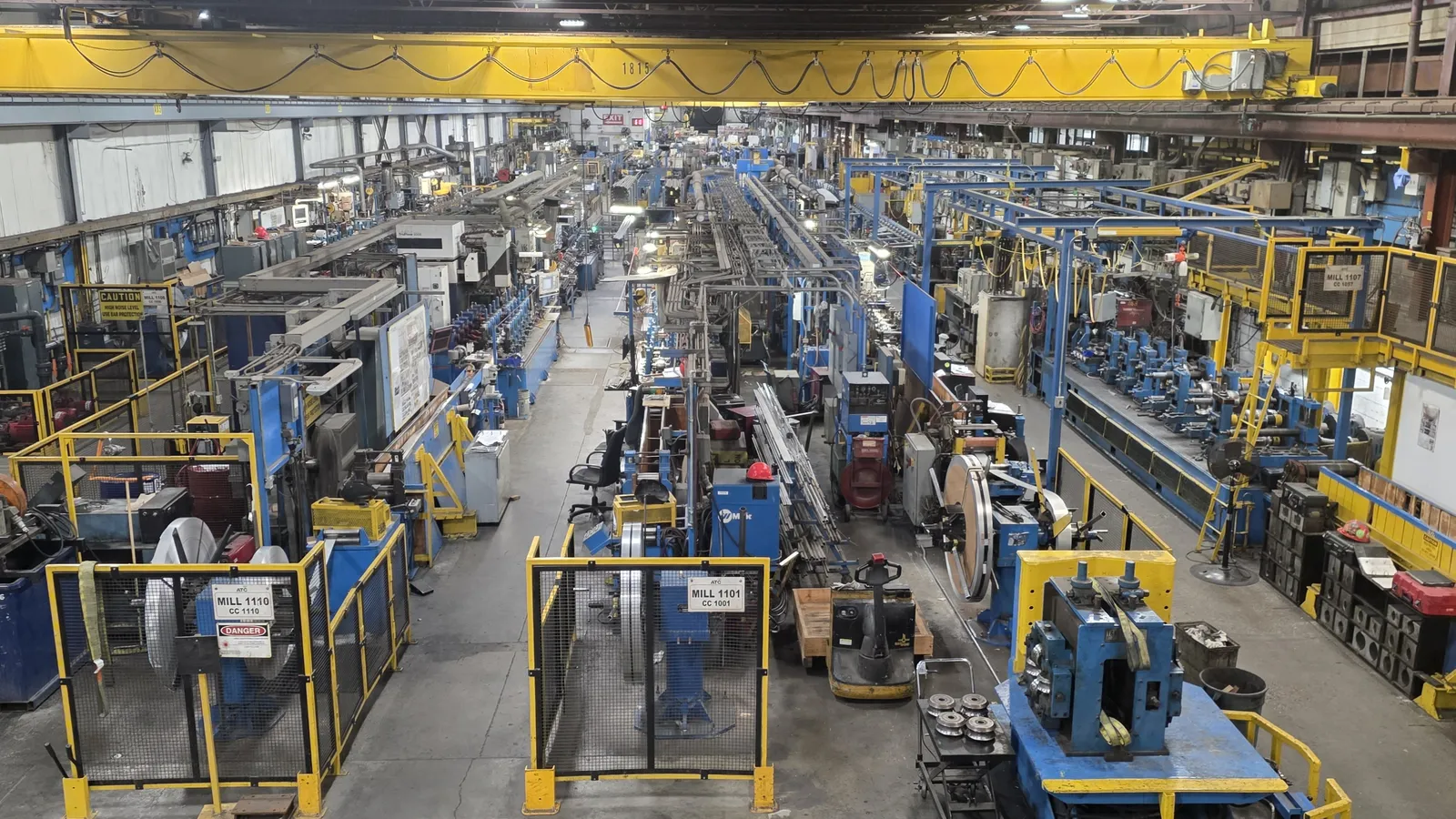
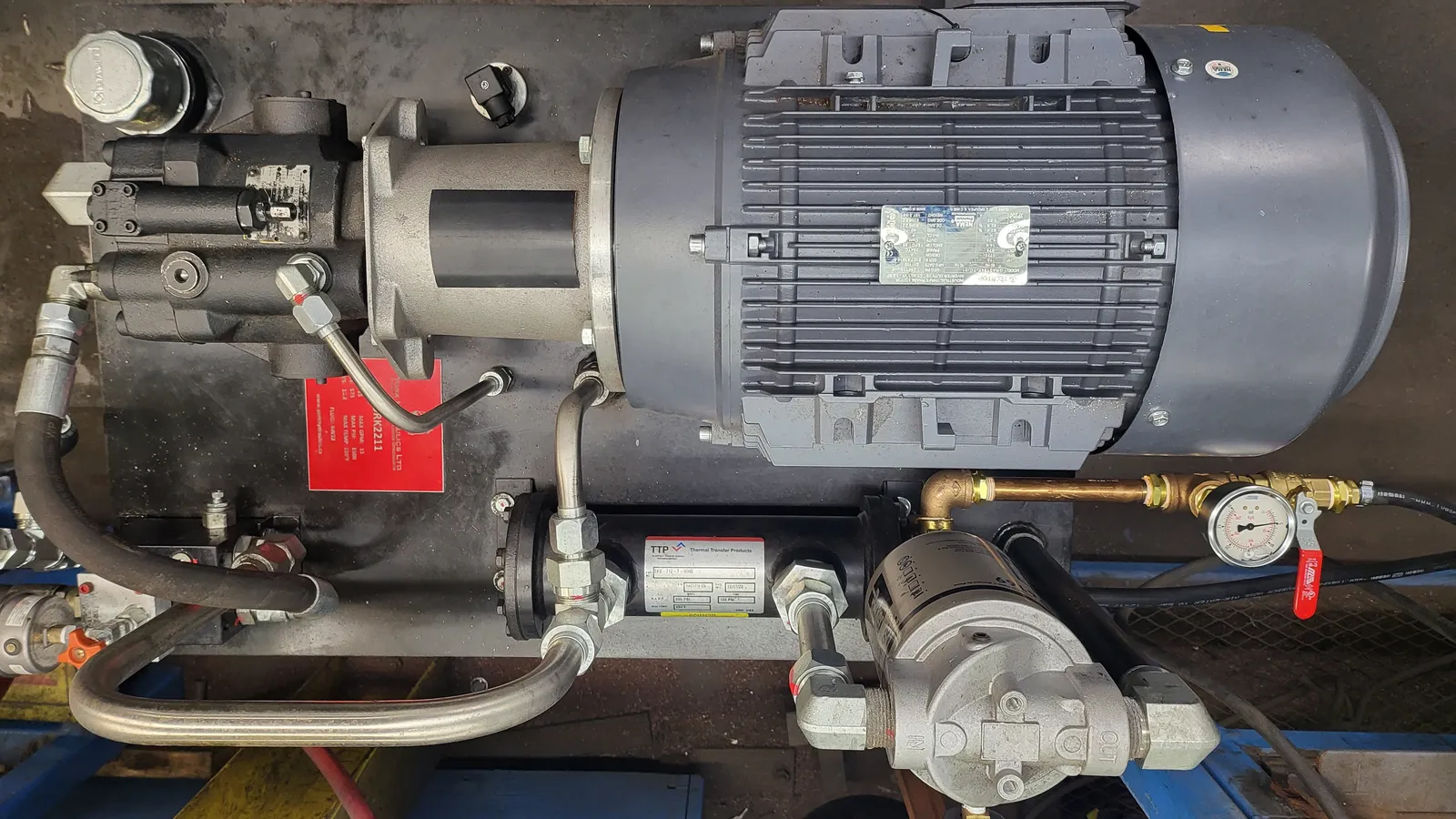
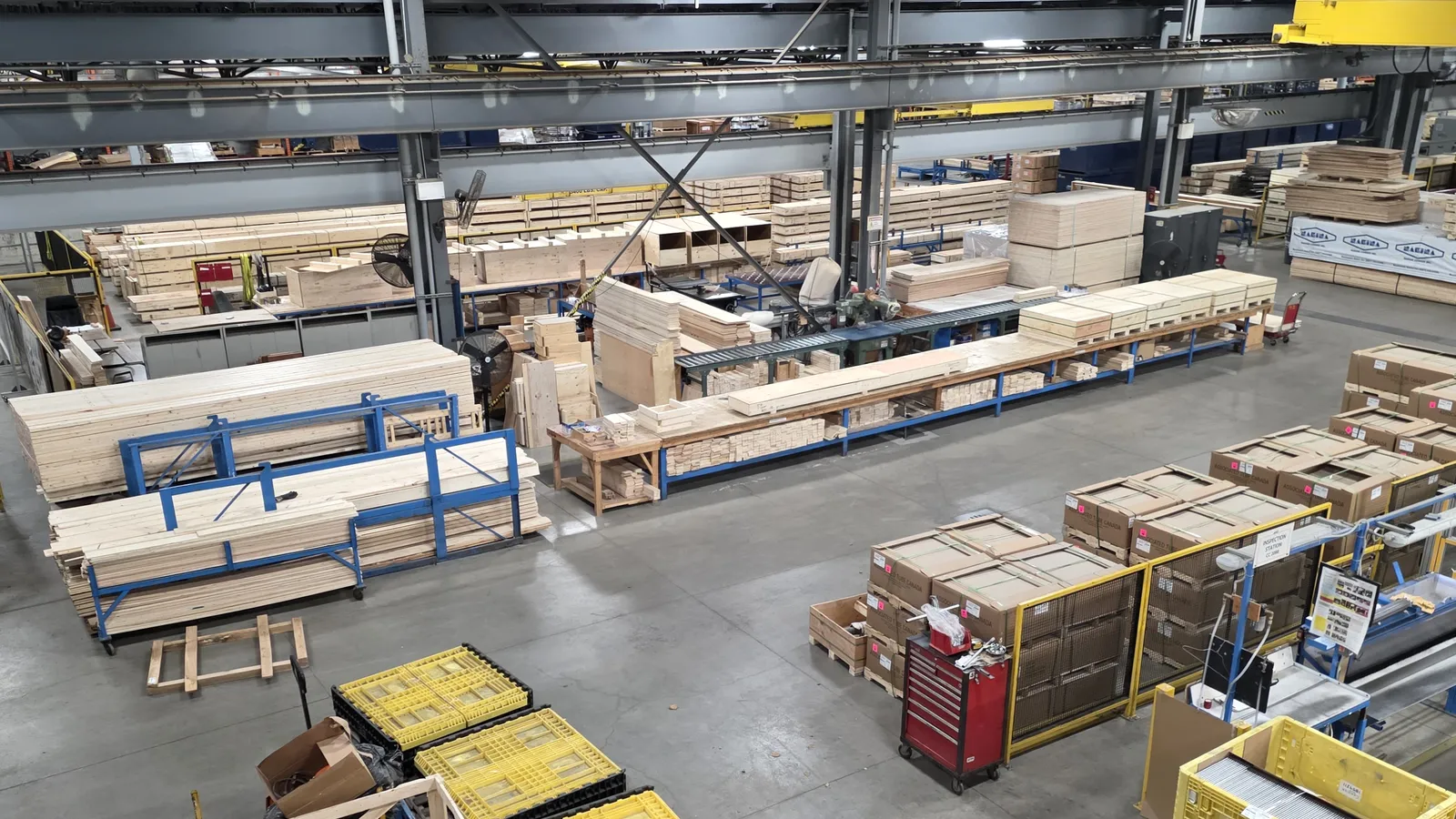

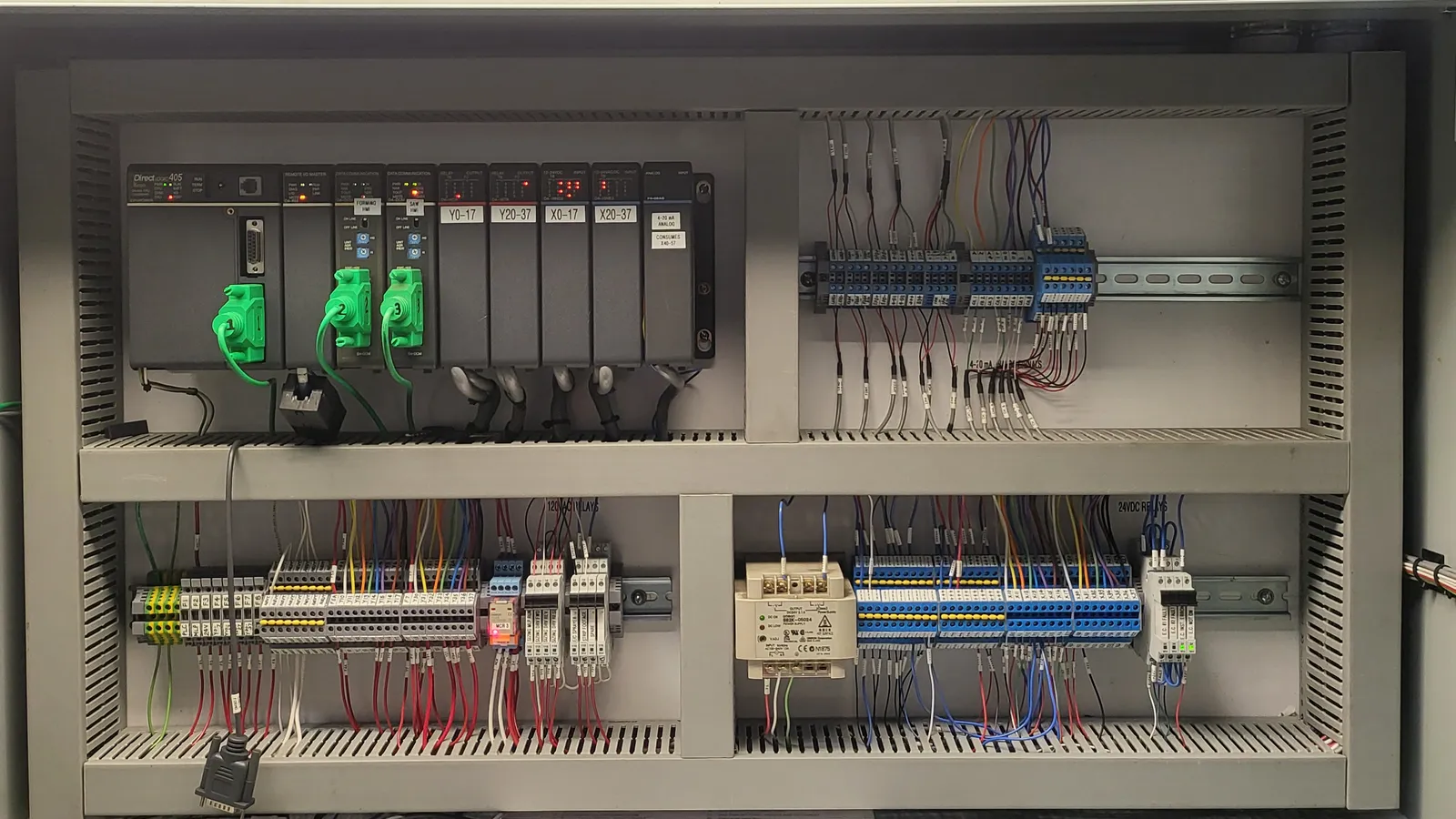
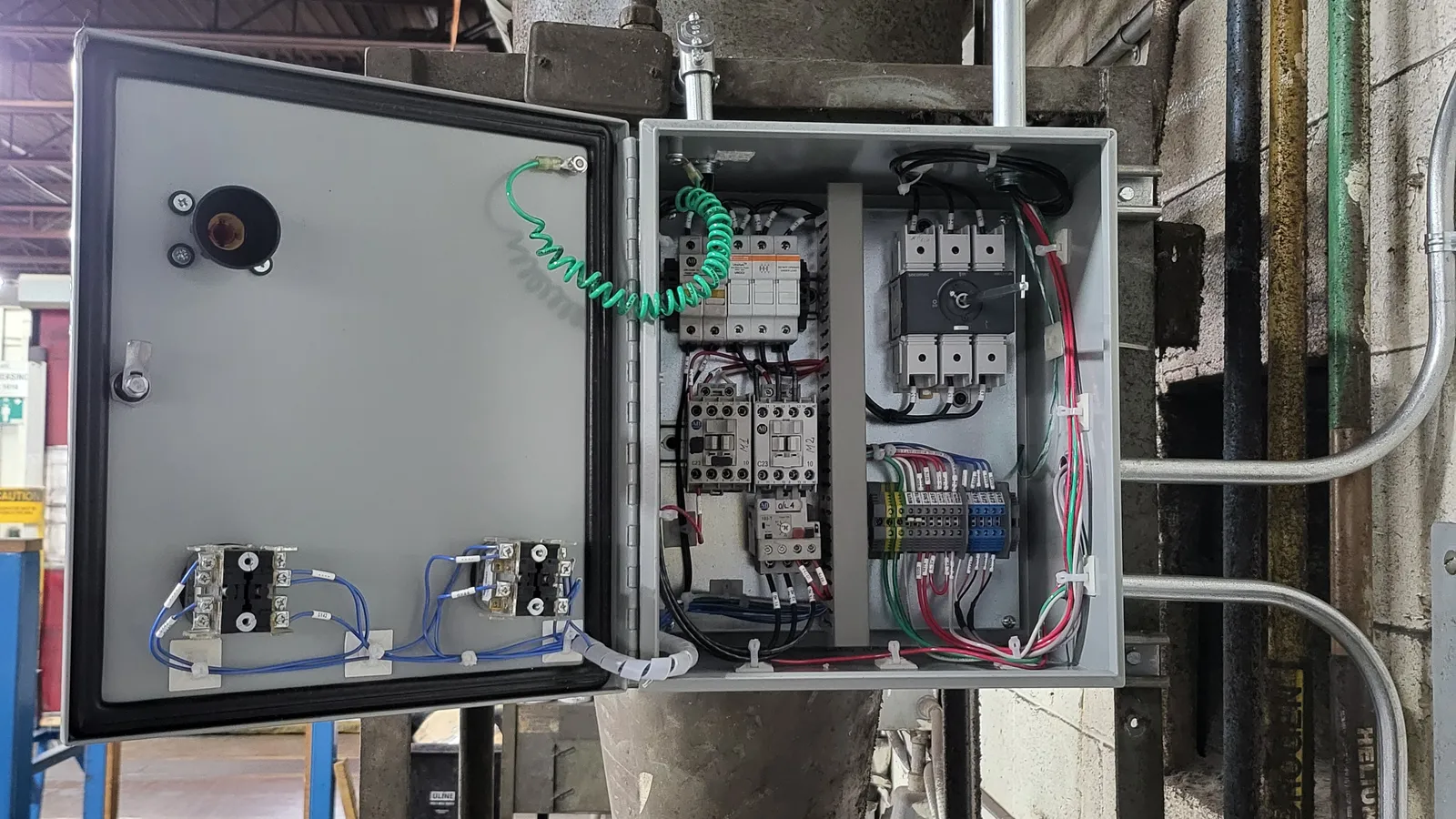
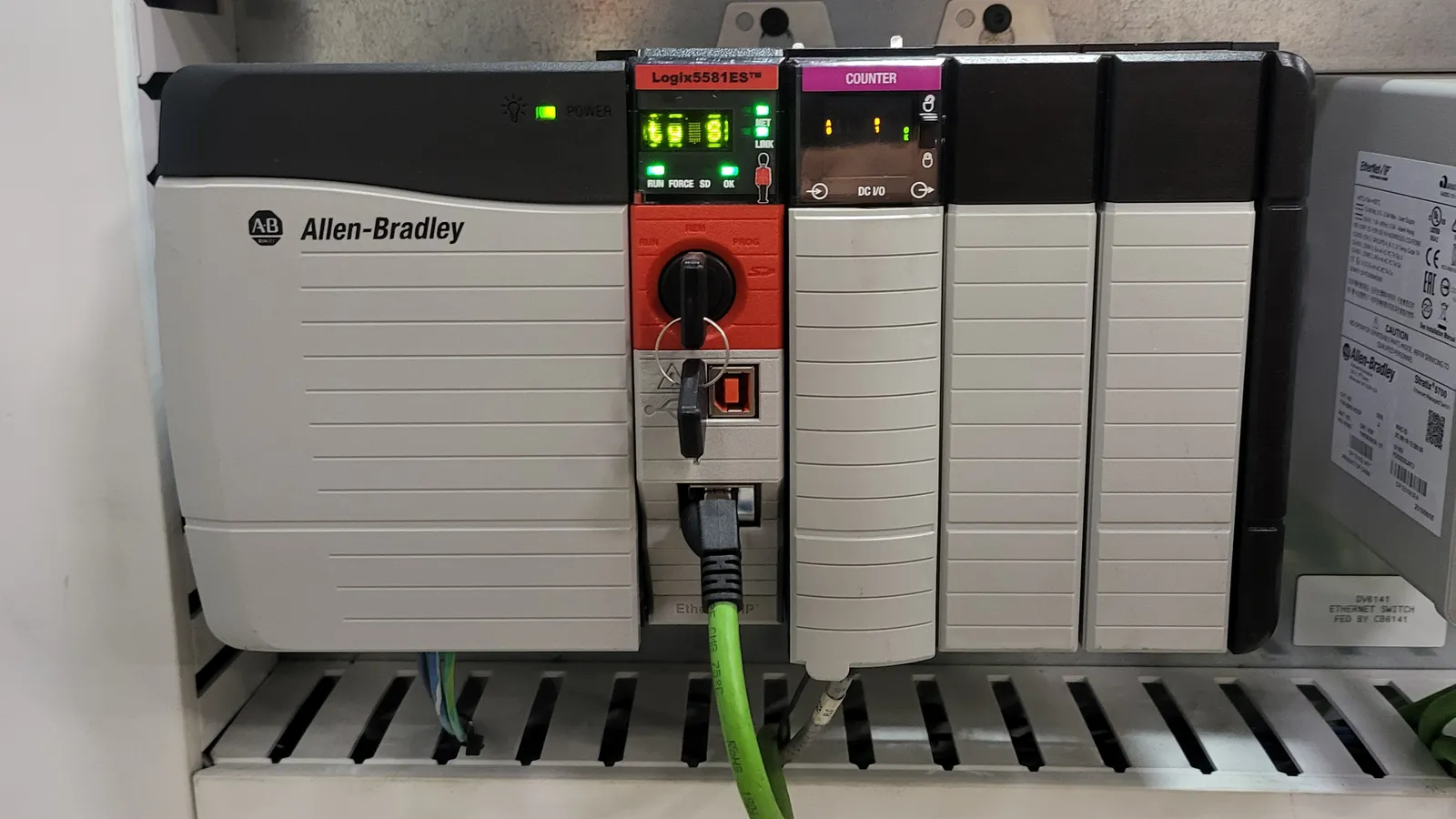
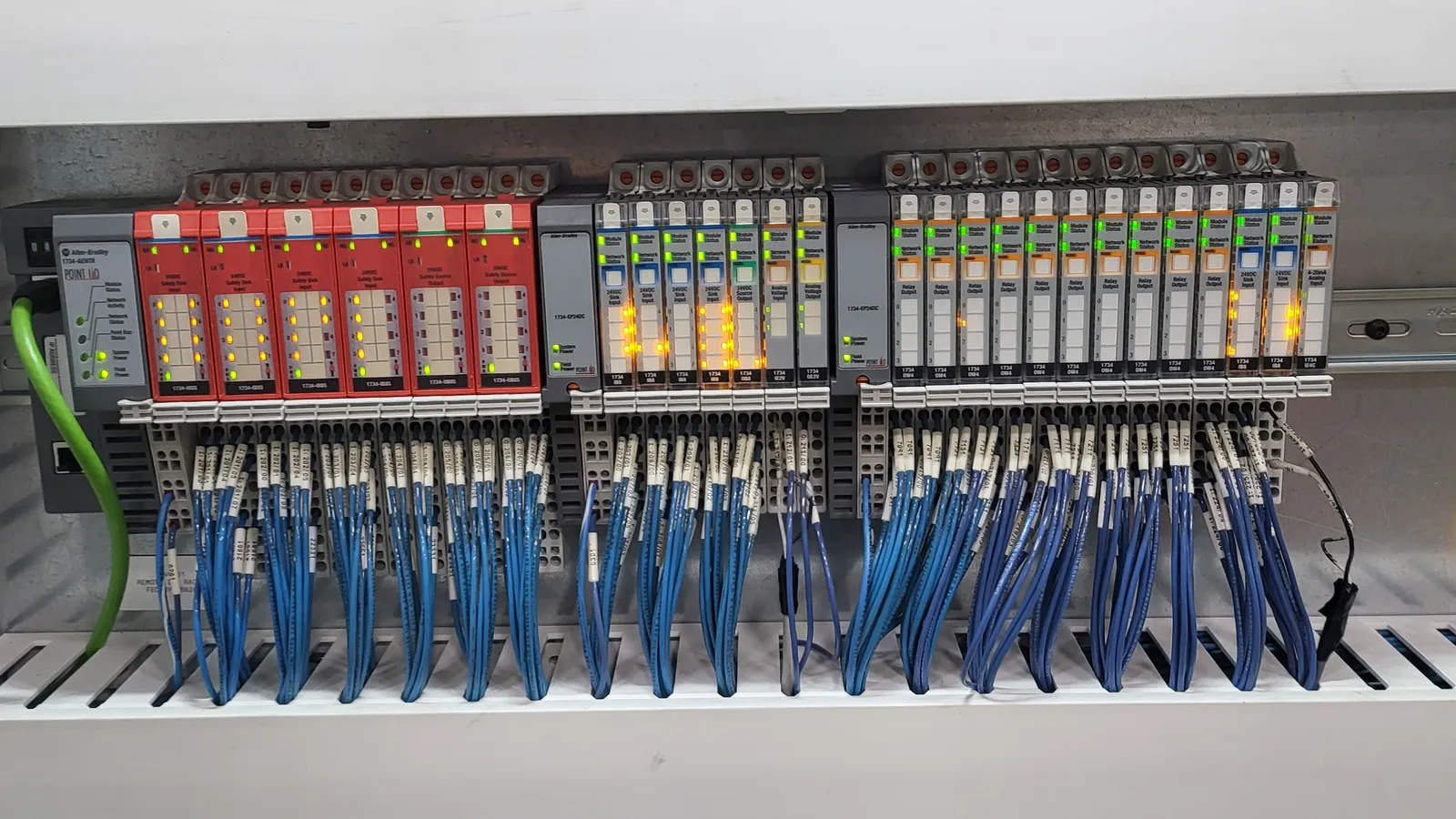
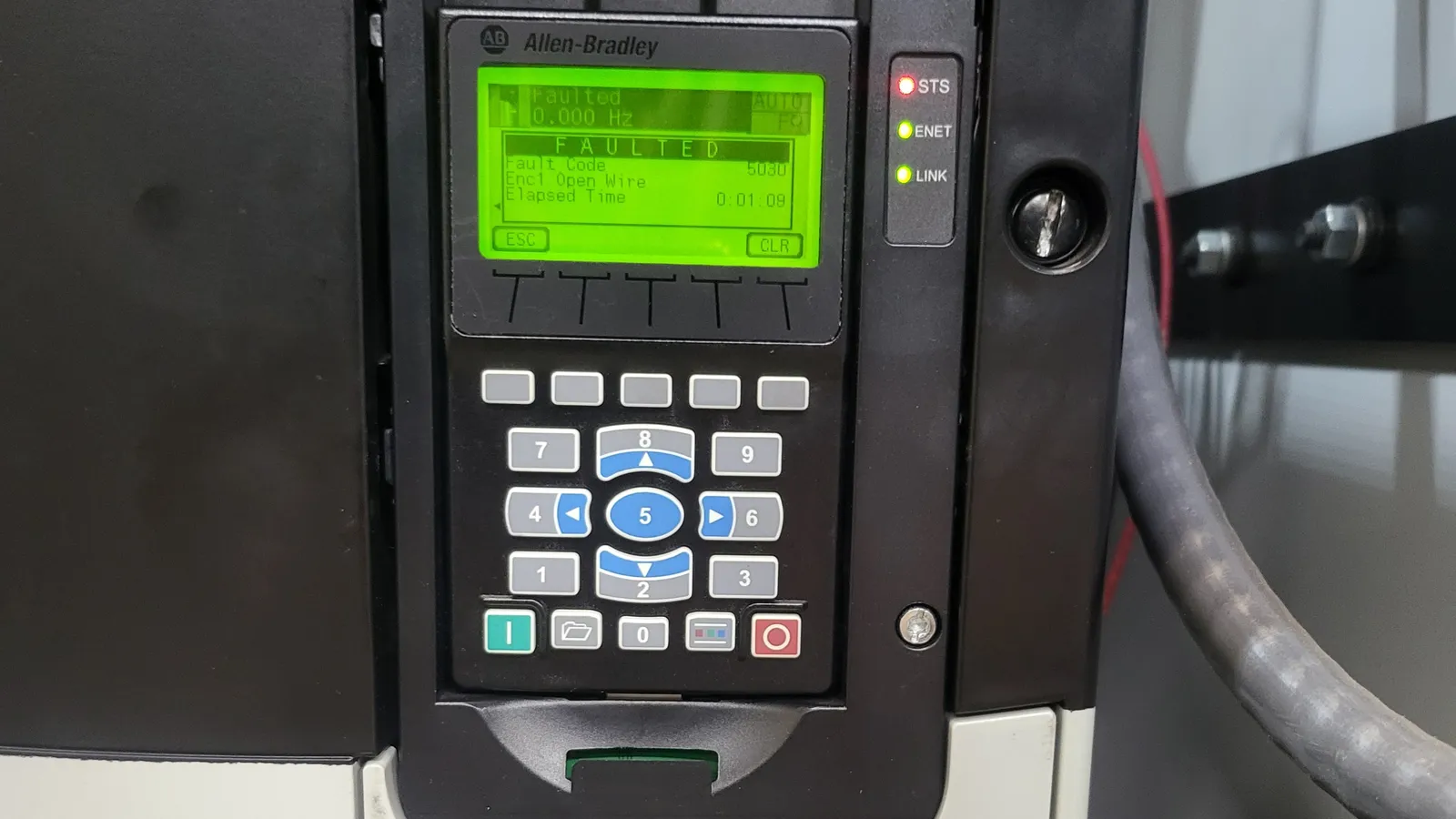
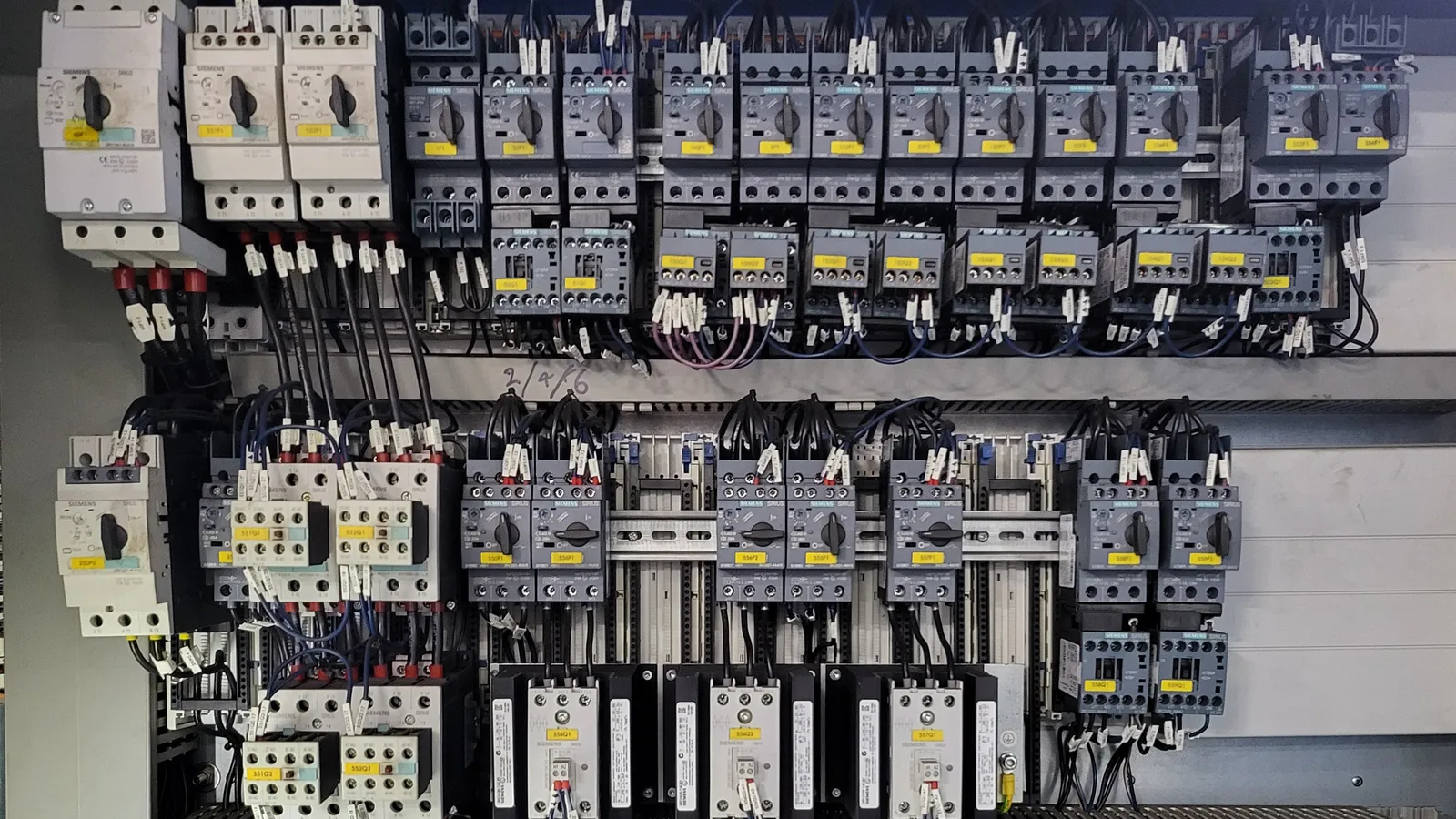
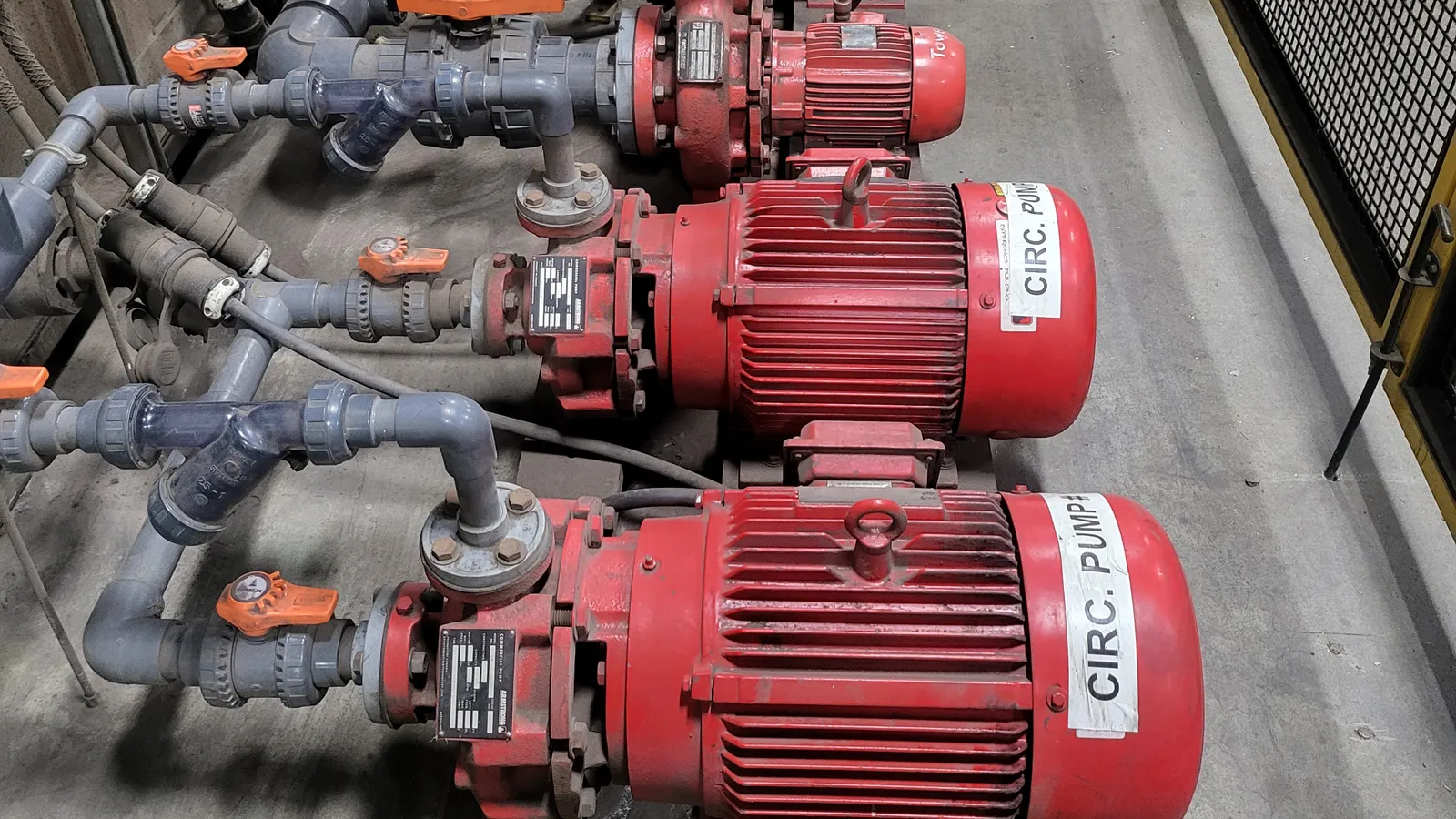
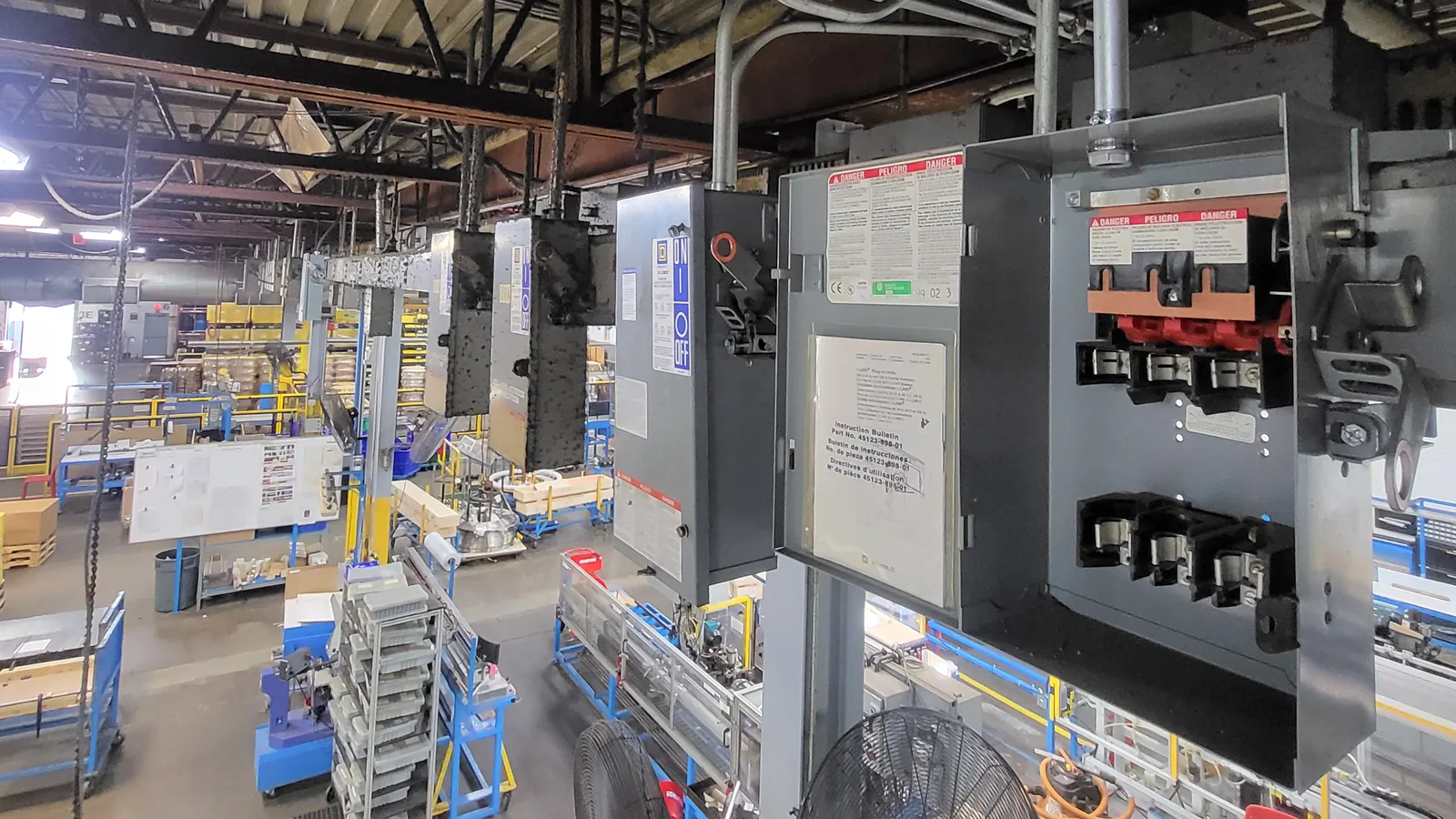
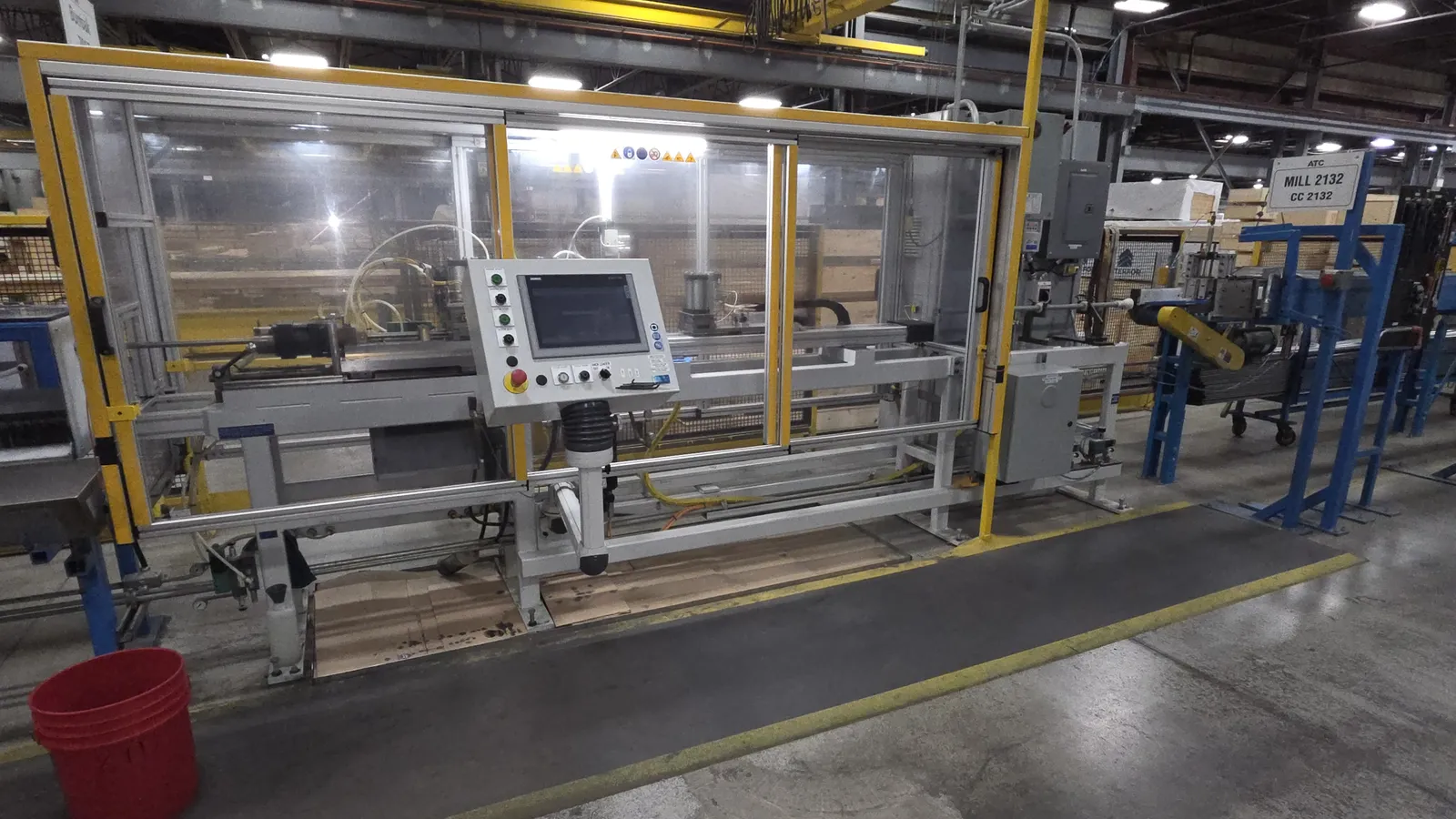
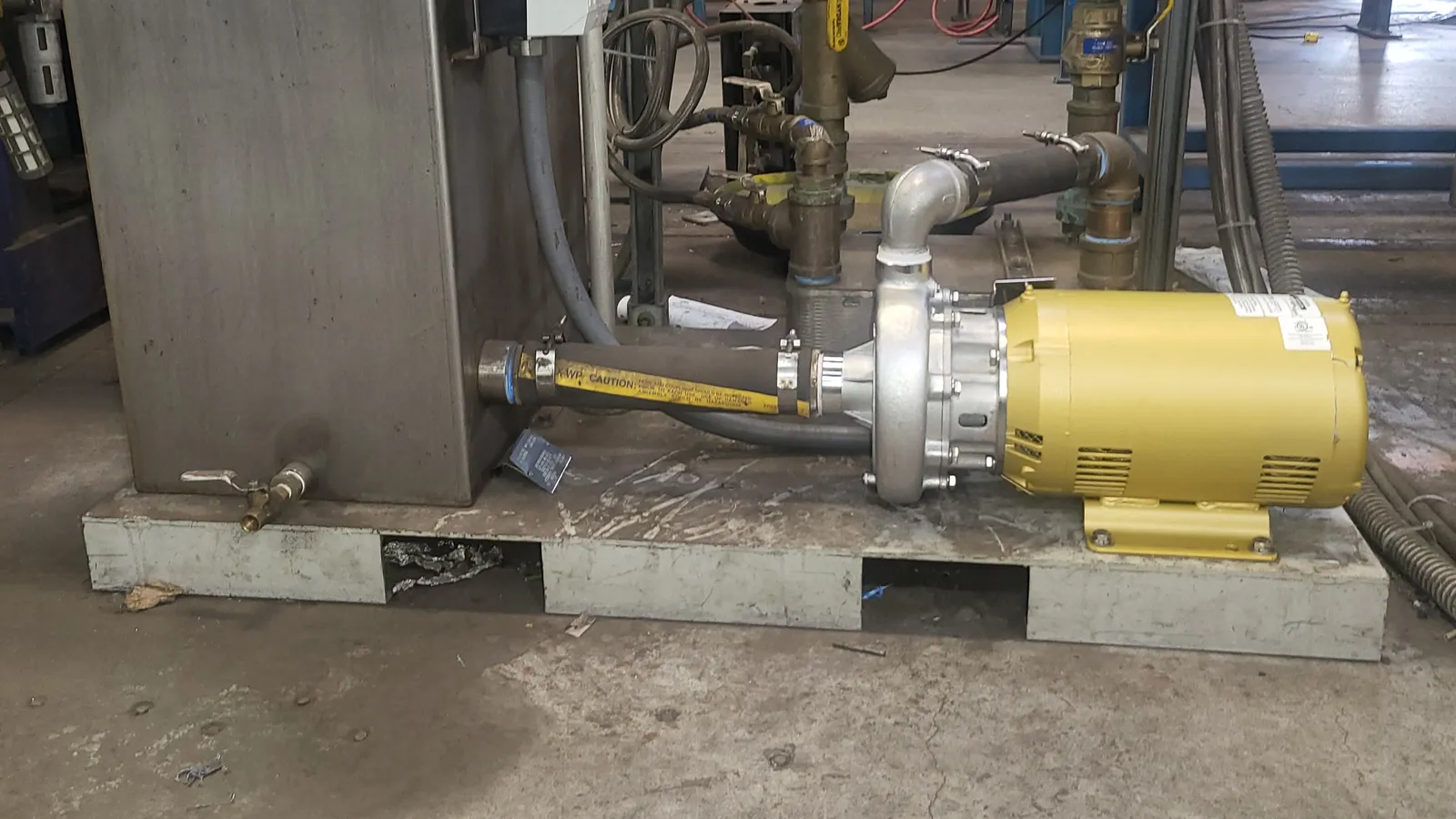

When One Station Slows Down the Entire Process
Recognize the warning signs of production line problems before downtime spreads through the whole operation
Production line issues often begin with one machine, one transfer point, or one failed signal that disrupts everything downstream. At first, the line may recover after a reset, but repeated interruptions usually mean the real electrical or control problem is still there.
Many industrial facilities in Toronto and the GTA first notice the issue when a machine stops mid-cycle, an automated sequence does not complete, a downstream unit waits for a signal that never arrives, or sensors fail to confirm product movement correctly. In other cases, a single standalone machine keeps causing a process bottleneck even though it appears to run part of the time.
These warning signs should not be ignored. A small control issue, intermittent sensor fault, bad interlock, or unstable power circuit can quickly turn into major production downtime, missed throughput targets, and equipment stress across the line.
You may need production line troubleshooting if your assembly line stops unexpectedly, your packaging line loses sequence, your automated stations fail to hand off properly, or one machine disrupts the rest of the process. Some of these failures are also connected to broader electrical malfunctions or more general industrial equipment troubleshooting needs.
Common causes include PLC sequence faults, failed sensors, timing errors, control relay issues, VFD faults, contactor problems, loose wiring, control power drops, and broken communication between machines. The visible shutdown point is not always where the actual fault begins.
Fast diagnostics matters because production problems usually spread. One failed machine or one missing signal can stop transfer, create backlog, trigger safety shutdowns, or force operators to bypass normal process flow.
Proper troubleshooting helps determine whether the issue is in the machine itself, in the interaction between machines, or in the electrical control system supporting the line. That leads to more accurate repairs and fewer repeat stoppages.
In industrial environments, stable production depends on reliable sequence, clean control logic, and dependable electrical performance. Early correction of production line issues in Toronto, Mississauga, Vaughan, Markham, and across the GTA helps keep output steady and downtime under control.
One Machine Stops the Whole Line
A single failed station, transfer point, or interlock can interrupt the entire production process.
Sequence Does Not Complete Properly
PLC logic, timing faults, or missing feedback signals can prevent the next step from starting.
Sensors Miss Product or Position
Failed or inconsistent sensor feedback can cause jams, stops, and process interruptions.
Automated Stations Do Not Hand Off Correctly
Machine-to-machine coordination problems often point to control, signal, or communication faults.
Repeated Mid-Cycle Shutdowns
If the line stops during normal operation, there is usually an unresolved control or electrical issue.
Standalone Machine Creates Bottlenecks
Even one machine can reduce output if it loses power, faults, or fails to keep pace with the process.
Frequent Operator Resets
Repeated resetting is a sign the root cause has not been diagnosed and corrected properly.
Downtime Starts Affecting Output Targets
When delays spread across the line, professional troubleshooting becomes urgent.
WHY CHOOSE US
Why Industrial Clients Choose Us
We focus on practical industrial electrical solutions rather than temporary fixes, ensuring your power systems, equipment, and production infrastructure operate safely and reliably under real operating conditions. Every project is completed with careful planning, proper equipment selection, and close attention to long-term performance, system stability, and operational continuity.
Our approach eliminates unnecessary work and is based on accurate diagnostics, field-tested methods, and a clear understanding of how industrial facilities actually run, so you only invest in the work your system truly requires. We prioritize safety, efficiency, code compliance, and clean execution on every job, whether it involves troubleshooting, upgrades, installations, or power distribution improvements.
As a result, you receive a dependable, code-compliant industrial electrical system that supports your facility today, reduces the risk of costly downtime, and is properly prepared for future production demands, equipment expansion, and higher power requirements.
Licensed & Insured
All work is performed by qualified, fully insured electricians, ensuring safety, accountability, and compliance with all regulations.
ESA certified work
Every project includes permits and ESA inspection, guaranteeing that the installation meets Ontario Electrical Safety Code requirements.
Professional installations
We install panels with precise wiring, proper layout, and clear labeling, making the system safe, accessible, and easy to maintain.
Transparent pricing
You receive clear pricing based on the actual scope of work, with no hidden costs or unexpected changes during the entire project.
Fast scheduling
We schedule work efficiently and arrive on time, minimizing downtime and ensuring your electrical system is restored as quickly as possible.
Accurate calculations
We calculate electrical demand based on real usage, ensuring your panel is properly sized for both current and future electrical needs.
Code-compliant work
All installations strictly follow current electrical code requirements, ensuring safety, inspection approval, and long-term system reliability.
Reliable workmanship
Our experience allows us to deliver consistent, high-quality results that perform reliably under real operating conditions over time.
CODE & SAFETY REQUIREMENTS
Ontario Electrical Safety Code Compliance
The Ontario Electrical Safety Code (OESC) sets the minimum legal safety requirements for electrical installations and electrical work in Ontario. For production line issues, compliance matters when diagnosing and repairing control panels, machine circuits, feeders, motor controls, sensors, interlocks, disconnects, and related electrical equipment used in industrial processes.
Following the Code helps reduce the risk of electric shock, arc incidents, fire, unsafe machine restart, equipment damage, and repeated failures caused by improper repairs or unsafe wiring practices. It also helps ensure that replacement electrical components, conductors, disconnecting means, overcurrent protection, grounding, and control equipment meet current Ontario requirements.
Every production line troubleshooting job should be approached with safe isolation, proper testing, approved components, and Code-compliant repair methods. Where permanent repair or replacement work is required, the installation should comply with the current Ontario Electrical Safety Code and ESA requirements.
Rules commonly applicable to production line issues
-
Rule 2-004 — Notification of work / ESA inspection process
Electrical work that requires notification must be properly reported to ESA, and applicable repairs or alterations must go through the required inspection or authorization process before being put into service. -
Rule 2-022 — Approved electrical equipment
Electrical equipment and replacement components used in Ontario must be approved in accordance with Code requirements. -
Rule 2-024 — Approval requirements for electrical equipment
Installed equipment and replacement components must be approved to recognized standards and accepted for use in Ontario. -
Rule 2-100 — Electrical equipment shall be installed and guarded
Electrical equipment must be installed and protected so that it does not present a hazard during operation, troubleshooting, or maintenance. -
Rule 2-300 — General requirements for maintenance and operation
Electrical equipment must be maintained in safe working condition, which is directly relevant when diagnosing faults in production machinery and electrical control systems. -
Rule 2-304 — Disconnecting means shall be provided
Suitable disconnecting means must be available so production equipment and associated electrical systems can be isolated safely for testing, repair, and maintenance. -
Rule 2-308 — Live parts guarding
Live electrical parts must be guarded against accidental contact, especially during inspection and repair of production equipment and control panels. -
Rule 2-314 — Working space around electrical equipment
Required working space around panels, disconnects, motor controls, and electrical equipment must be kept clear for safe access. -
Rule 14-100 — Protection of conductors by overcurrent devices
Conductors must be protected by correctly selected breakers or fuses suitable for the circuit and connected equipment. -
Rule 14-104 — Rating / coordination of overcurrent protection
Overcurrent devices must be properly rated and coordinated with conductor ampacity and equipment characteristics to reduce unsafe operating conditions and unnecessary trips. -
Rule 28-106 — Motors and branch-circuit protection
Motor circuits used on production equipment must have suitable protection and installation methods, which is important when diagnosing repeated trips, overloads, and motor control faults. -
Rule 28-600 — Control devices
Controllers and associated control devices must be suitable for the duty involved and installed in accordance with Code requirements for safe operation of industrial equipment.
Note: Rule selection may vary depending on whether the production line issue involves motors, control panels, PLC-related control circuits, feeders, disconnects, branch circuits, field wiring, or replacement of electrical components. Exact official wording should be taken from the current purchased edition of the Ontario Electrical Safety Code.
COMMON QUESTIONS
FAQ — Production Line Issues
1. What do you mean by production line issues?
Production line issues include electrical and control problems affecting multi-stage manufacturing lines, automated process flow, machine-to-machine sequence, and also standalone machines that are critical to production output.
2. Do you only work on full production lines?
No. We troubleshoot both complete production lines and individual machines when one standalone unit is causing downtime, bottlenecks, or repeated electrical faults.
3. Can you diagnose sequence problems between machines?
Yes. We diagnose sequence faults involving PLC logic, interlocks, sensors, relay control, signal handoff, and timing problems between different stations in a process.
4. What are common electrical causes of line downtime?
Common causes include failed sensors, loose wiring, bad relays, VFD faults, contactor problems, control power loss, PLC input or output issues, overload trips, and power interruptions.
5. Why does one machine stop the whole line?
Many production systems depend on confirmation signals, safety conditions, and process timing. If one machine fails to complete its step or send the correct signal, downstream equipment may stop automatically.
6. Can intermittent faults on a production line be diagnosed?
Yes. Intermittent line problems are common and may involve unstable signals, sensor faults, loose terminals, failing control devices, or electrical issues that only appear under certain operating conditions.
7. Do alarm messages always show the real problem?
No. The alarm often shows where the process stopped, not where the root cause started. The actual problem may be earlier in the sequence or in another connected machine.
8. Can you troubleshoot packaging lines, conveyor-fed systems, and automated cells?
Yes. We troubleshoot a wide range of industrial production equipment including packaging lines, conveyor-integrated processes, automated stations, transfer systems, and standalone machinery.
9. What if operators keep resetting the machine and it runs again?
Repeated resets usually mean the root cause has not been corrected. Temporary recovery does not eliminate the underlying electrical or control fault.
10. Do you repair the issue after diagnosing it?
Where possible, yes. After identifying the source of the production line issue, we repair the fault or recommend the proper corrective action based on the condition of the equipment and required parts.
11. Is this service useful if our maintenance team already looked at the line?
Yes. Many production issues remain unresolved because the visible stop point is not the real cause. A structured troubleshooting approach helps isolate faults across the whole process, not just one machine.
12. Do repairs on production equipment need to comply with Ontario code requirements?
Yes. Permanent electrical repairs and replacement of components must use approved equipment and comply with applicable Ontario Electrical Safety Code and ESA requirements.
SERVICE AREAS
Serving Toronto & the Greater Toronto Area
We provide residential, commercial, and industrial electrical services across Toronto and the GTA, supporting homes, businesses, and facilities with reliable and code-compliant electrical solutions.
Our service coverage includes major cities and surrounding areas, allowing us to respond quickly and deliver consistent service across the region.
Toronto
North York
Thornhill
Richmond Hill
Vaughan
Markham
Scarborough
Etobicoke
Mississauga
Brampton
ADDITIONAL SERVICE AREAS
Hamilton
Oakville
Burlington
Milton
Georgetown
Pickering
Ajax
Whitby
Oshawa
Clarington
Aurora
Newmarket
Bradford
King City
Barrie