
Toronto & GTA Electrical Contractor
Power Distribution for Industrial Facilities in Toronto, Richmond Hill, New Market, Aurora, Mississauga, Hamilton, Brampton & GTA
Industrial electrical work — installations, upgrades, troubleshooting, maintenance, and code-compliant solutions.
Licensed & Insured
Fast Response
Code-Compliant Work

INDUSTRIAL POWER DISTRIBUTION SERVICES
What We Do
We provide industrial power distribution services for manufacturing plants, warehouses, process facilities, commercial-industrial buildings, and production environments across Toronto and the GTA.
This service is focused on how electrical power is delivered from the main source to the equipment that actually uses it. In real industrial work, reliable distribution is not just one panel on the wall. It is the full path of the electrical system, including service equipment, switchboards, distribution panels, feeders, breakers, disconnects, bus connections, and branch circuits that keep machinery, HVAC loads, process equipment, lighting, and support systems operating safely. A well-built distribution layout supports safer operation, cleaner expansion, and more dependable performance across the facility.
Power distribution problems usually show up in expensive ways. A facility may have overloaded feeders, weak supply to one area, poor coordination between upstream and downstream protection, recurring breaker trips, overheated sections, insufficient capacity for new equipment, unstable three-phase distribution, or aging infrastructure that no longer fits current operations. We do not treat those issues like random service calls. We look at the system as one connected structure and determine where power enters, how it is divided, where it is protected, and where the installation is no longer strong enough for the loads it supports. For general manufacturer reference on low-voltage distribution equipment, see Siemens low-voltage power distribution and Eaton low-voltage power distribution and control systems.
Our service covers electrical distribution systems in Mississauga, plant power distribution in Vaughan, industrial feeder distribution in Markham, facility distribution upgrades in Brampton, and broader electrical infrastructure work across the GTA. We work with switchboards, panelboards, feeder circuits, main disconnect arrangements, breakers, distribution sections, local supply points, and low-voltage equipment from brands commonly used in industrial facilities, including Eaton, Siemens, Schneider Electric, ABB, and similar platforms. We also review how the existing layout supports present loads, future equipment growth, maintenance access, and overall reliability in the field.
This work is built for clients who need power delivered where it should go, with the right capacity, the right protection, and the right layout for the facility as it operates today. Some projects involve improving supply to one production area. Some involve adding new feeders for equipment growth. Others involve cleaning up older arrangements that have become patched, overloaded, or difficult to maintain. Where appropriate, the work can also support related services such as new power circuits, subpanel installation, or main service upgrade.
The result is a practical service focused on making facility distribution safer, cleaner, and more dependable. Clients call us when they need better feeder routing, stronger power delivery to equipment areas, more capacity for plant growth, or a proper low-voltage structure instead of temporary fixes. Whether the issue affects one section of the building or the wider electrical network, our service is designed to support real industrial operation, not just theoretical design.
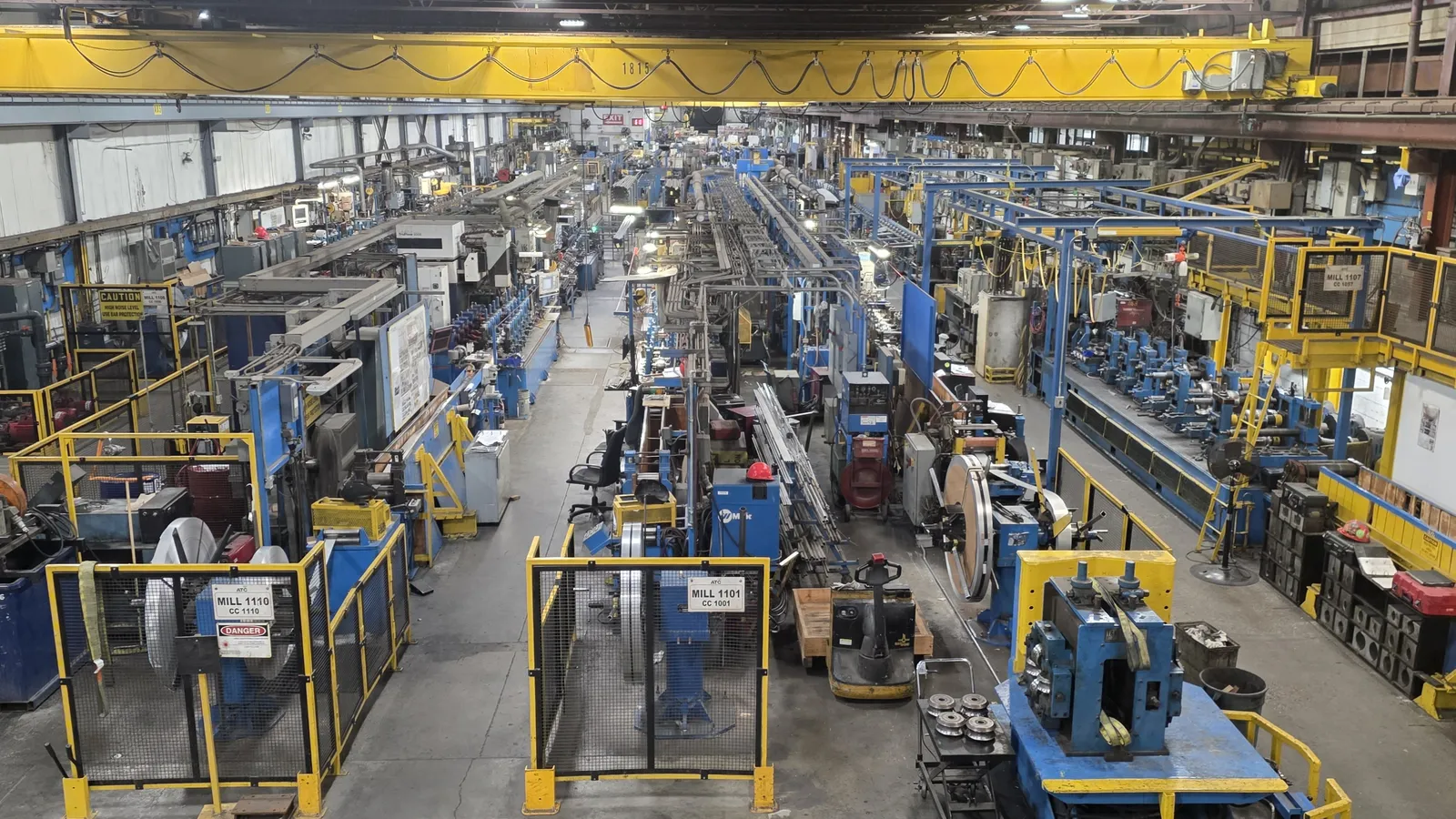
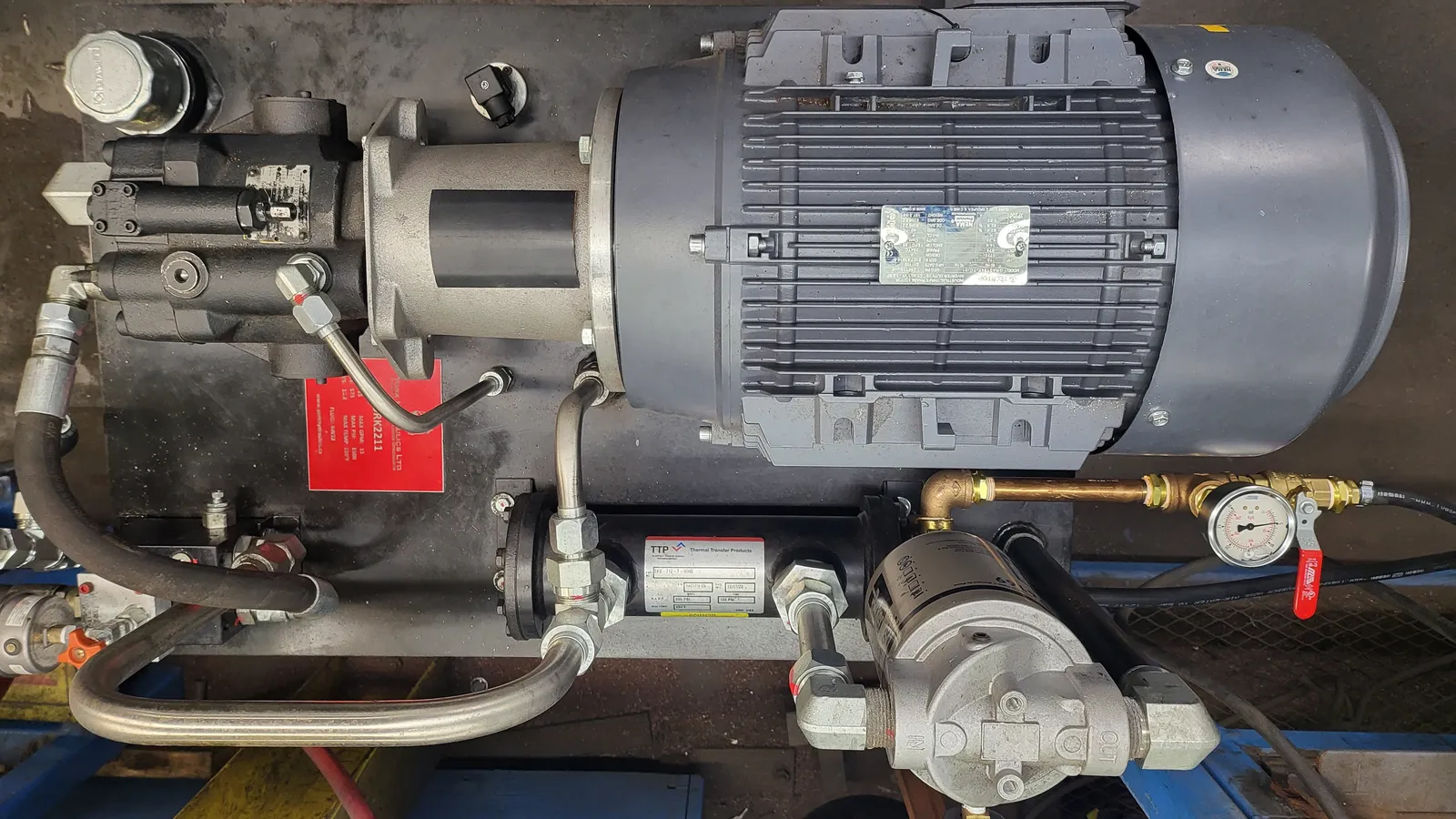
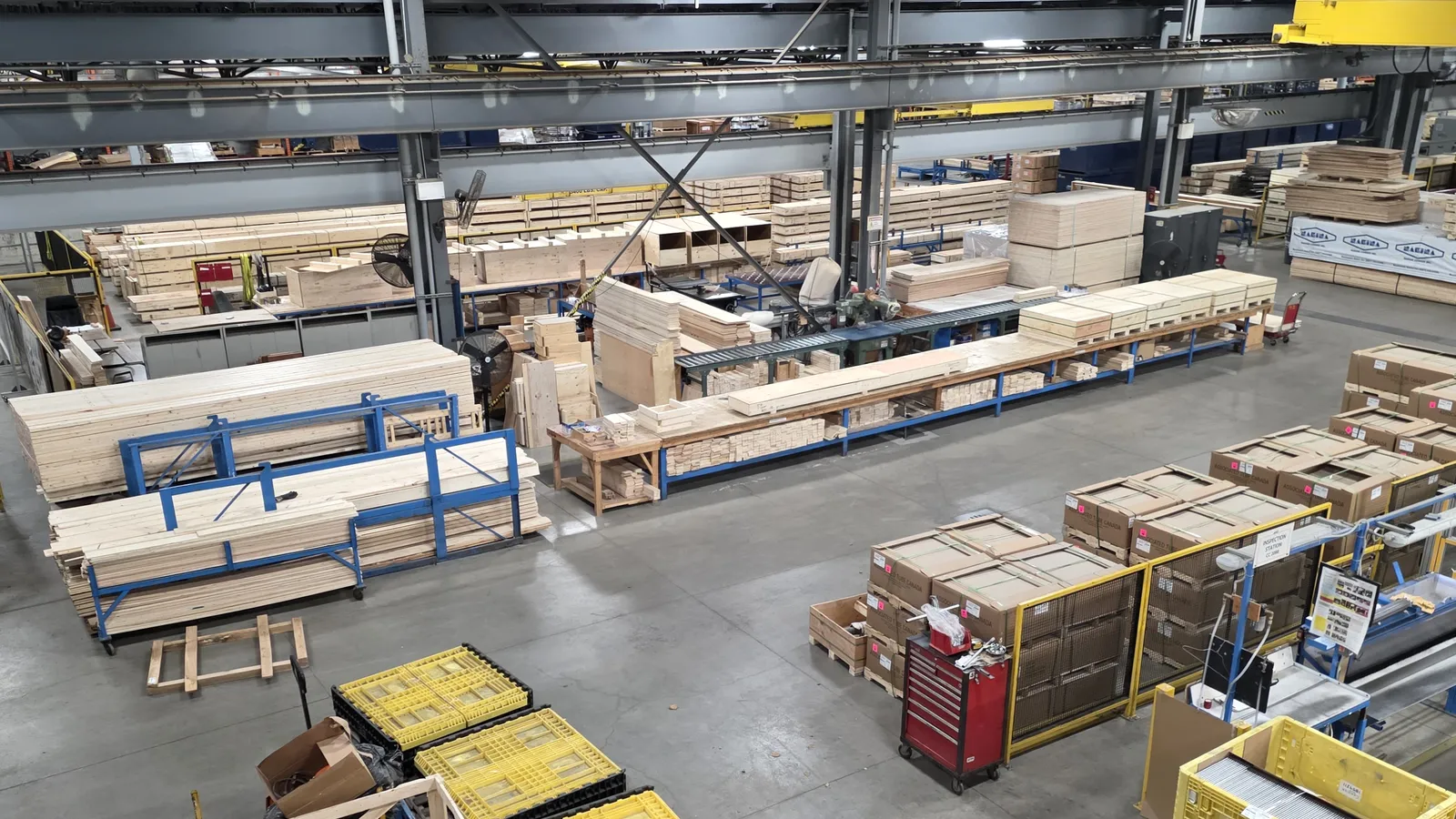

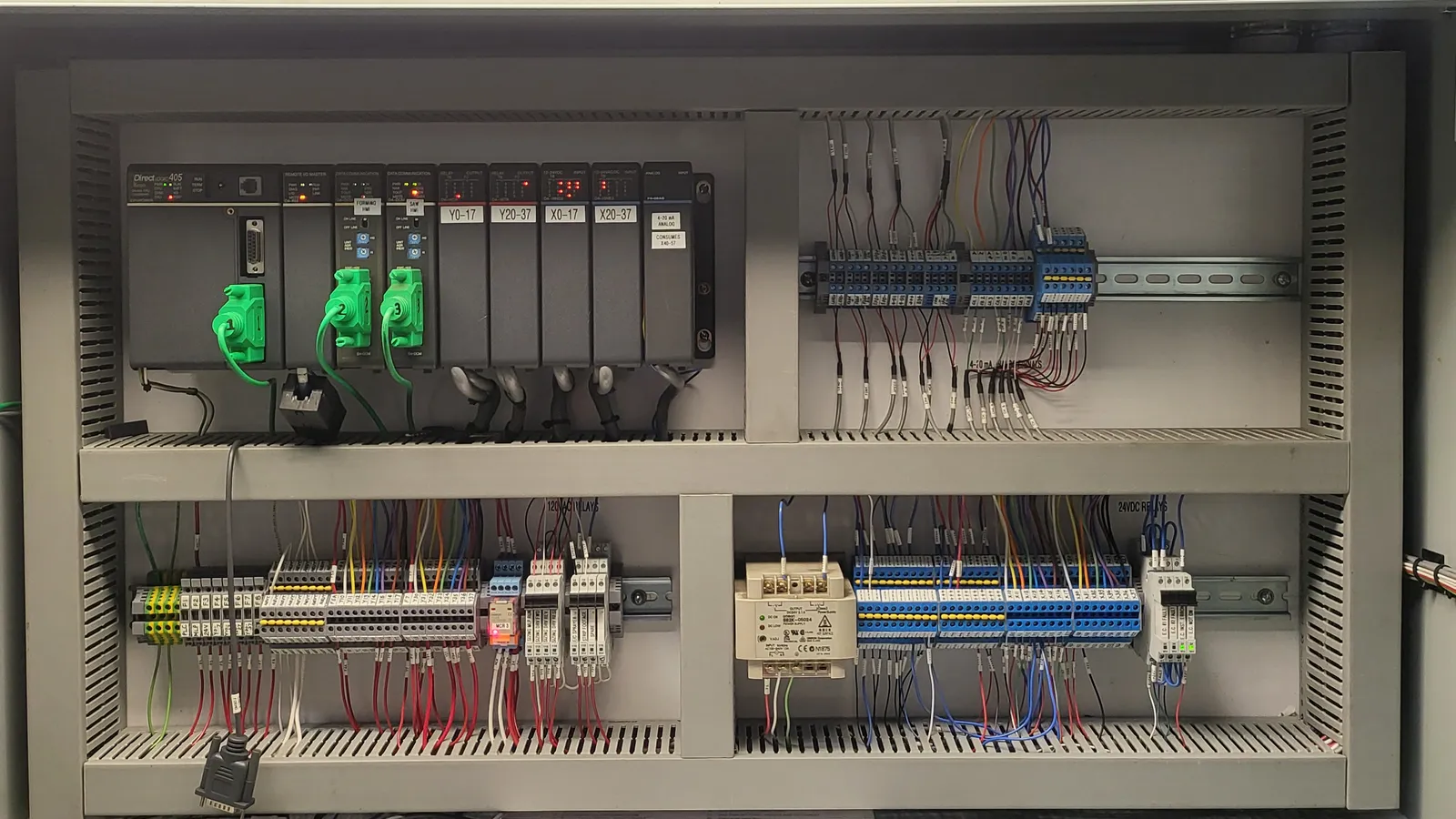
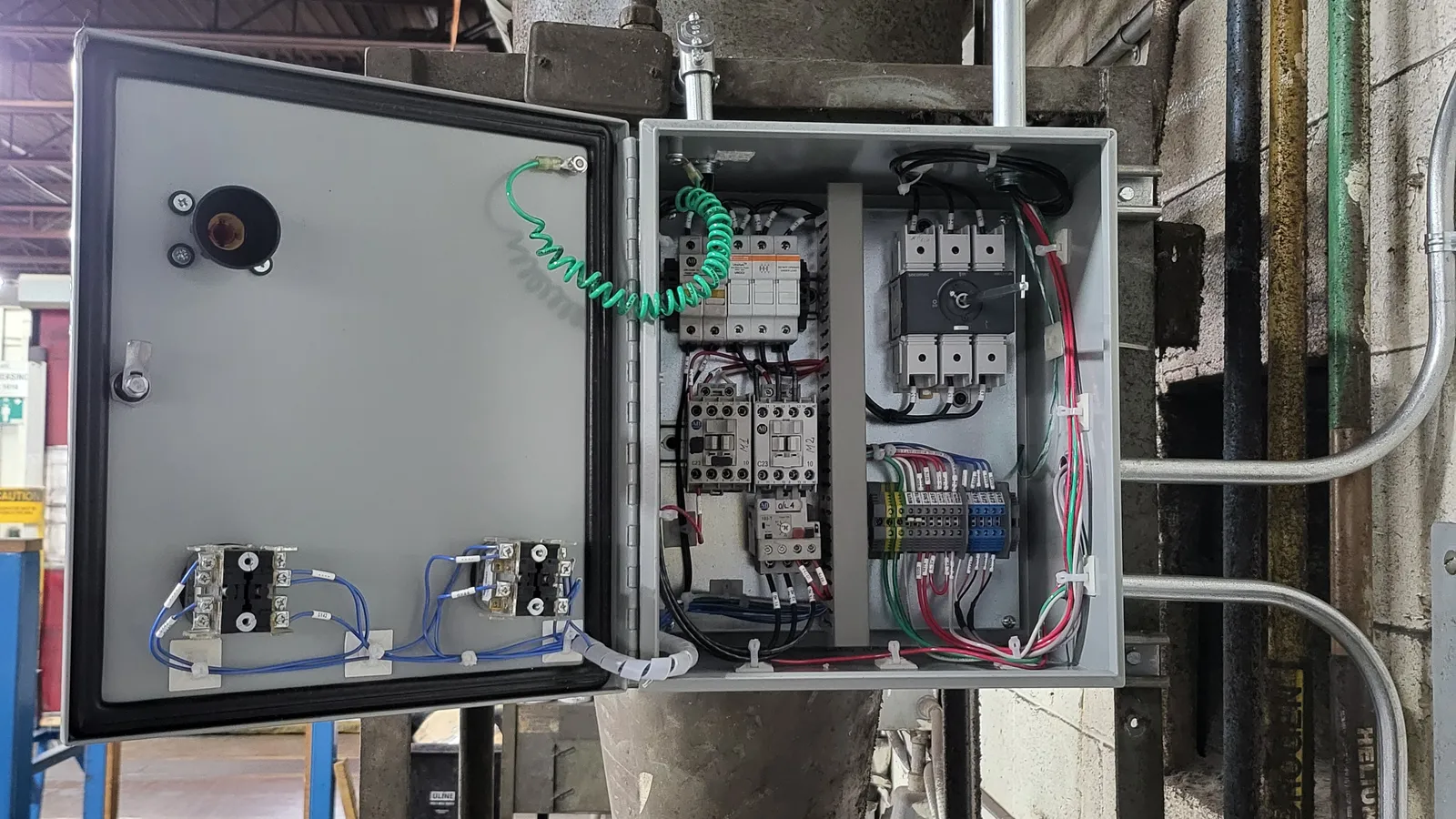
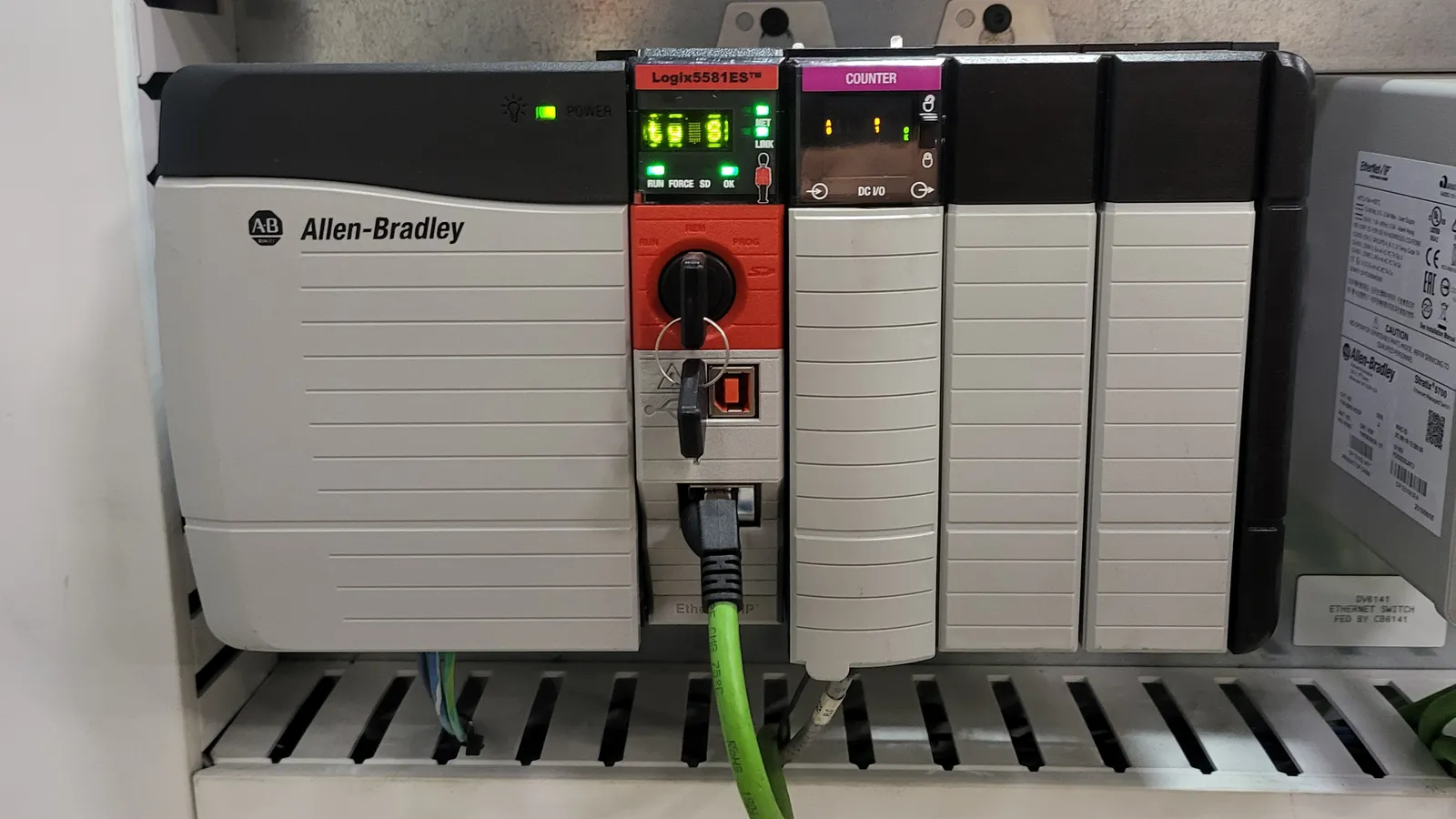
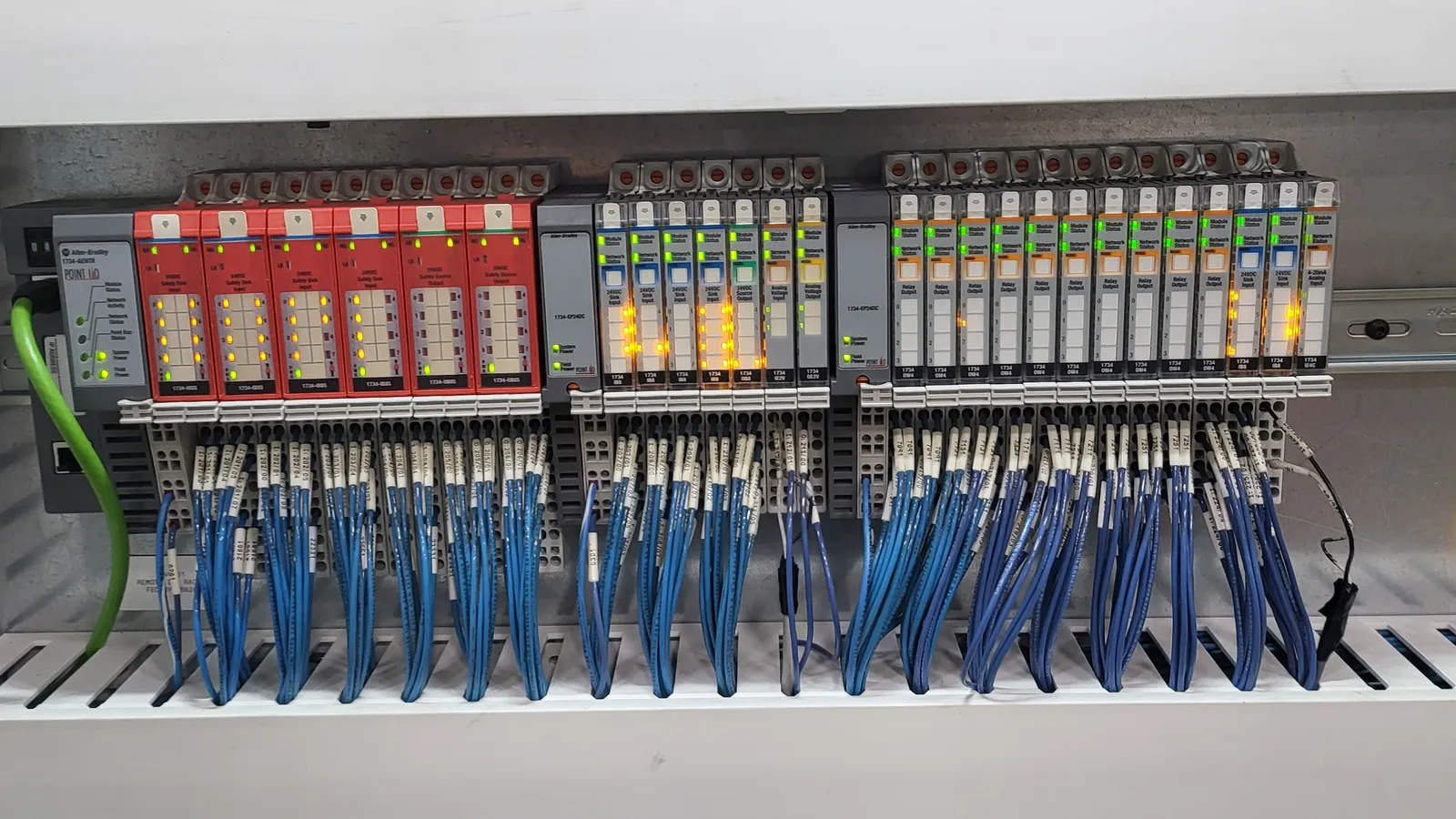
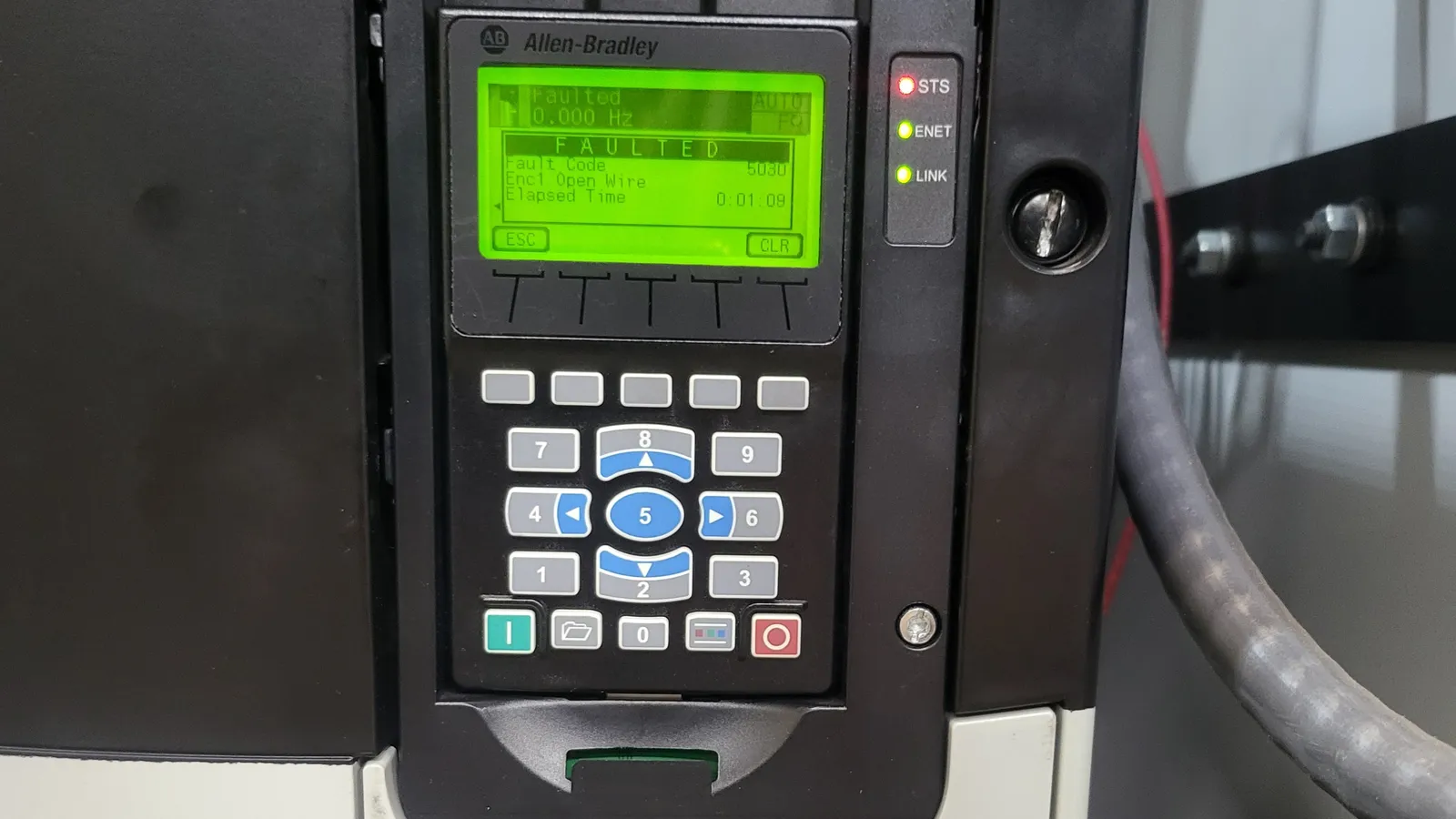
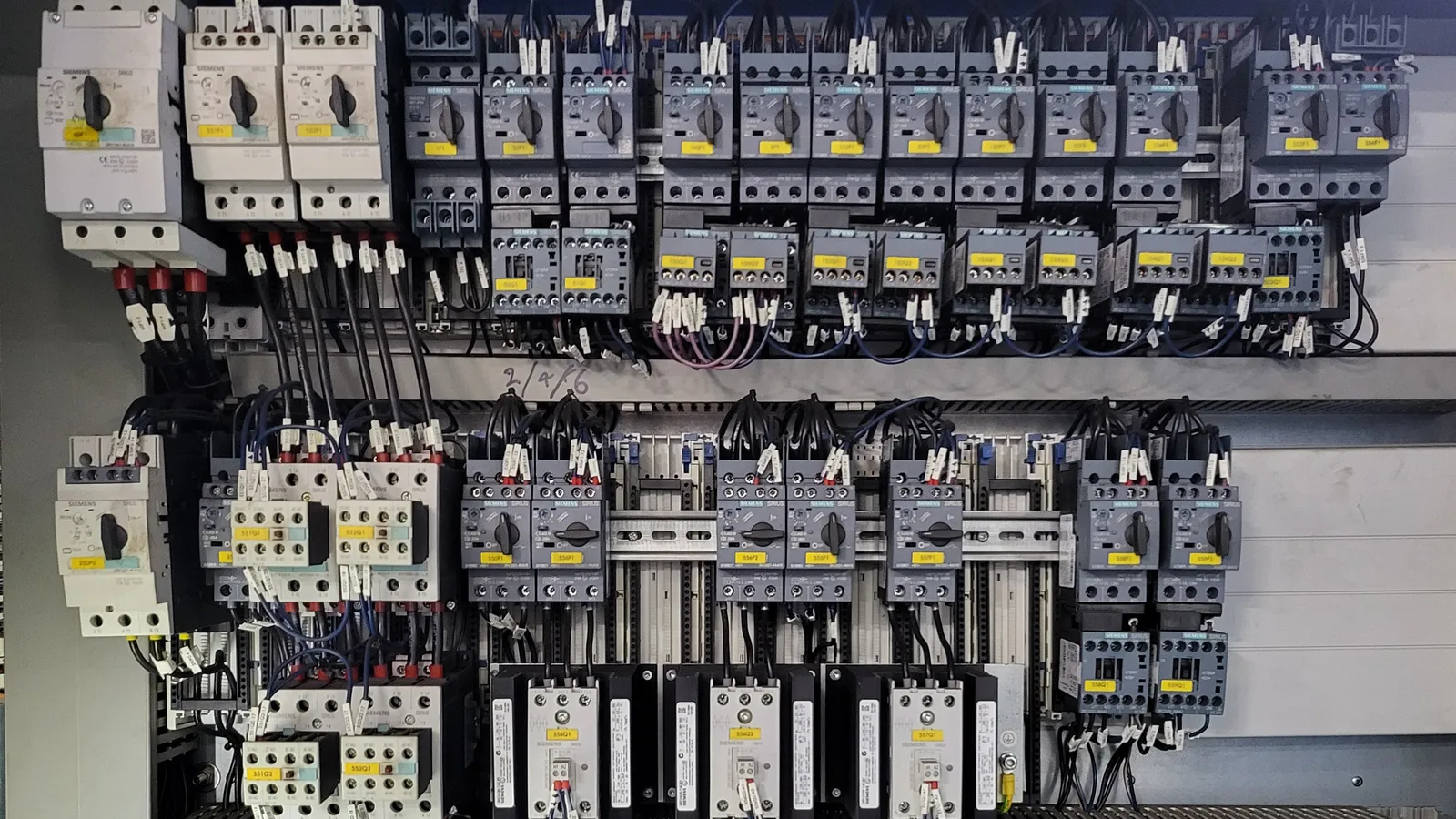
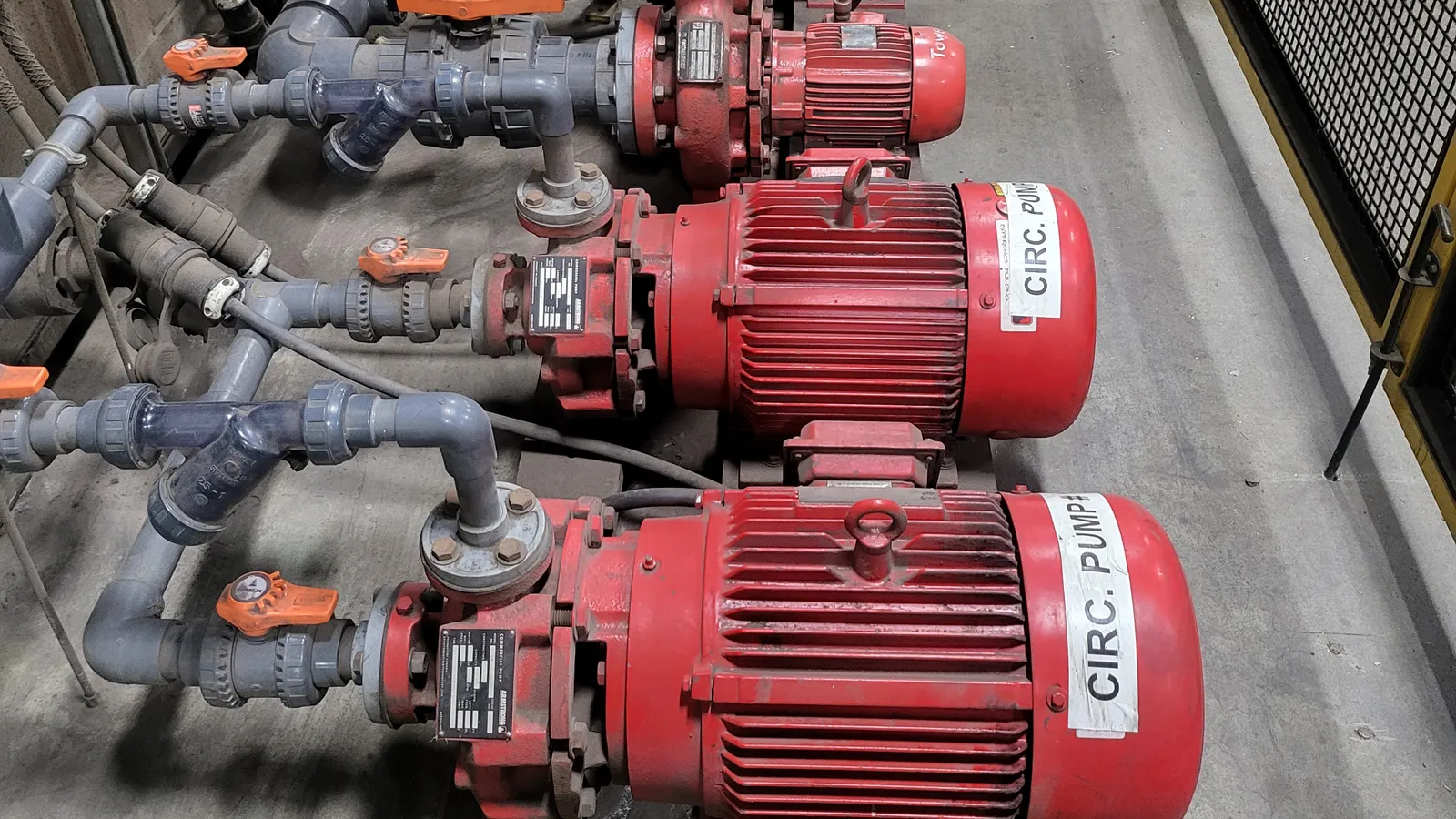
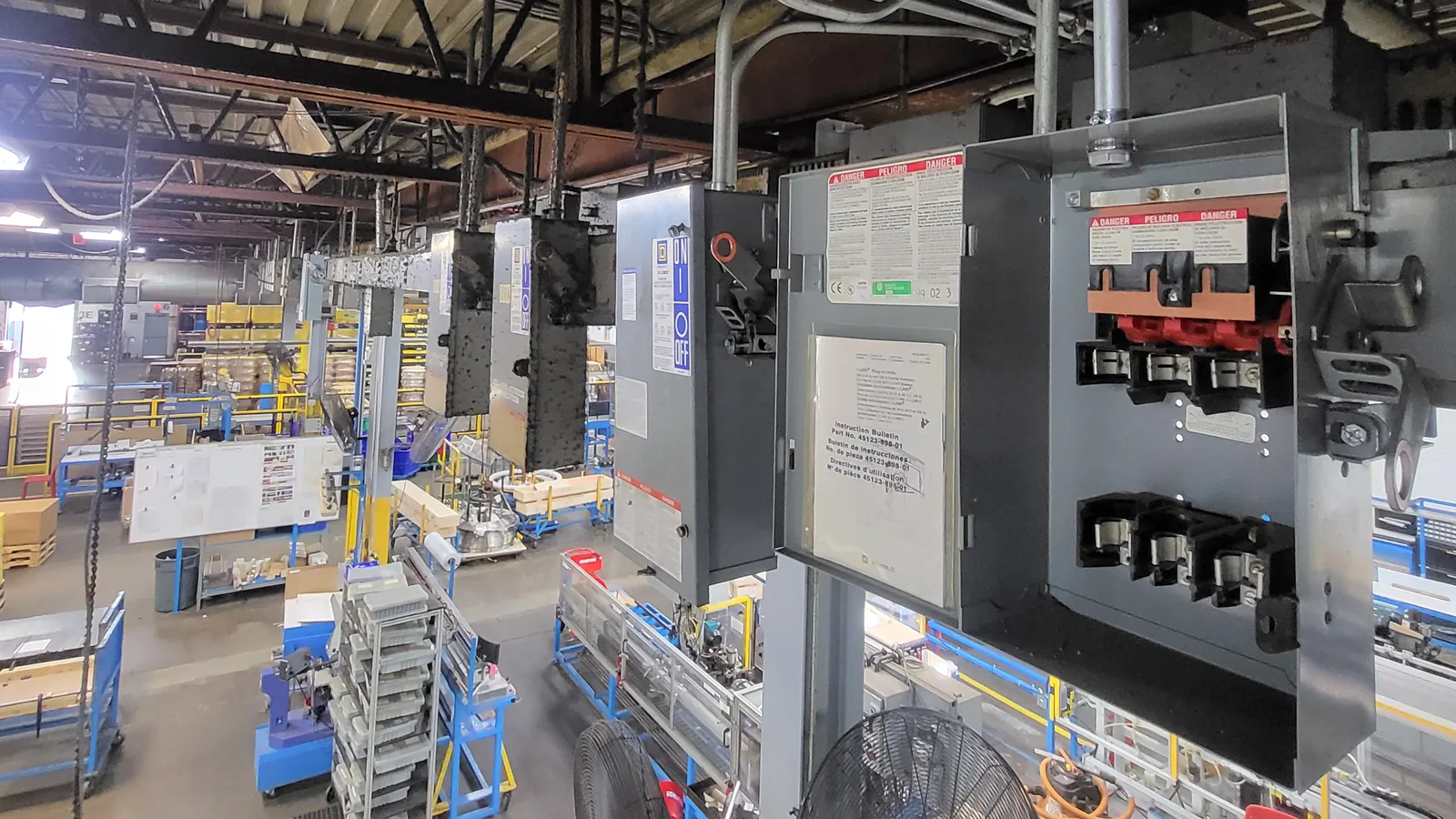
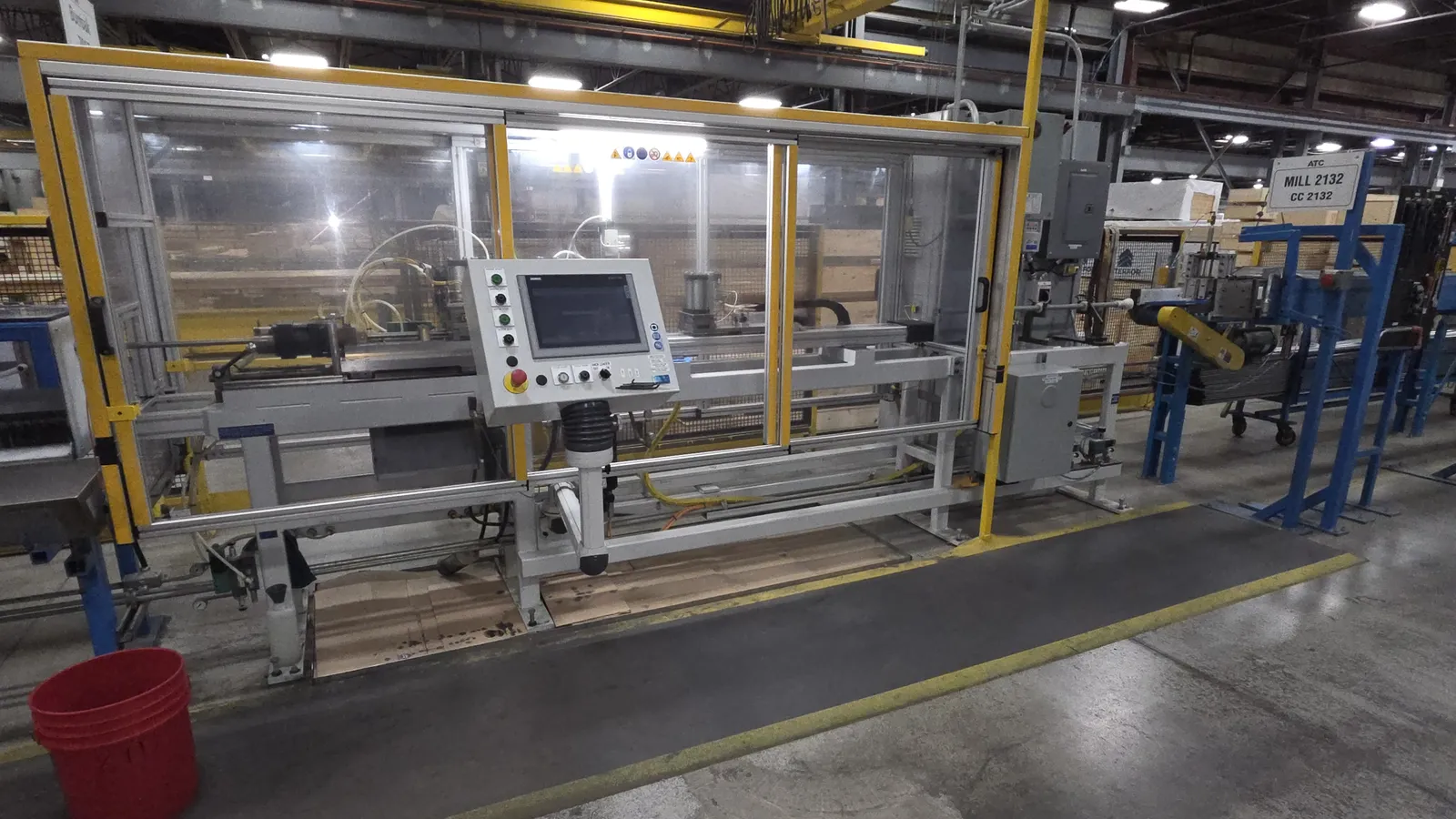
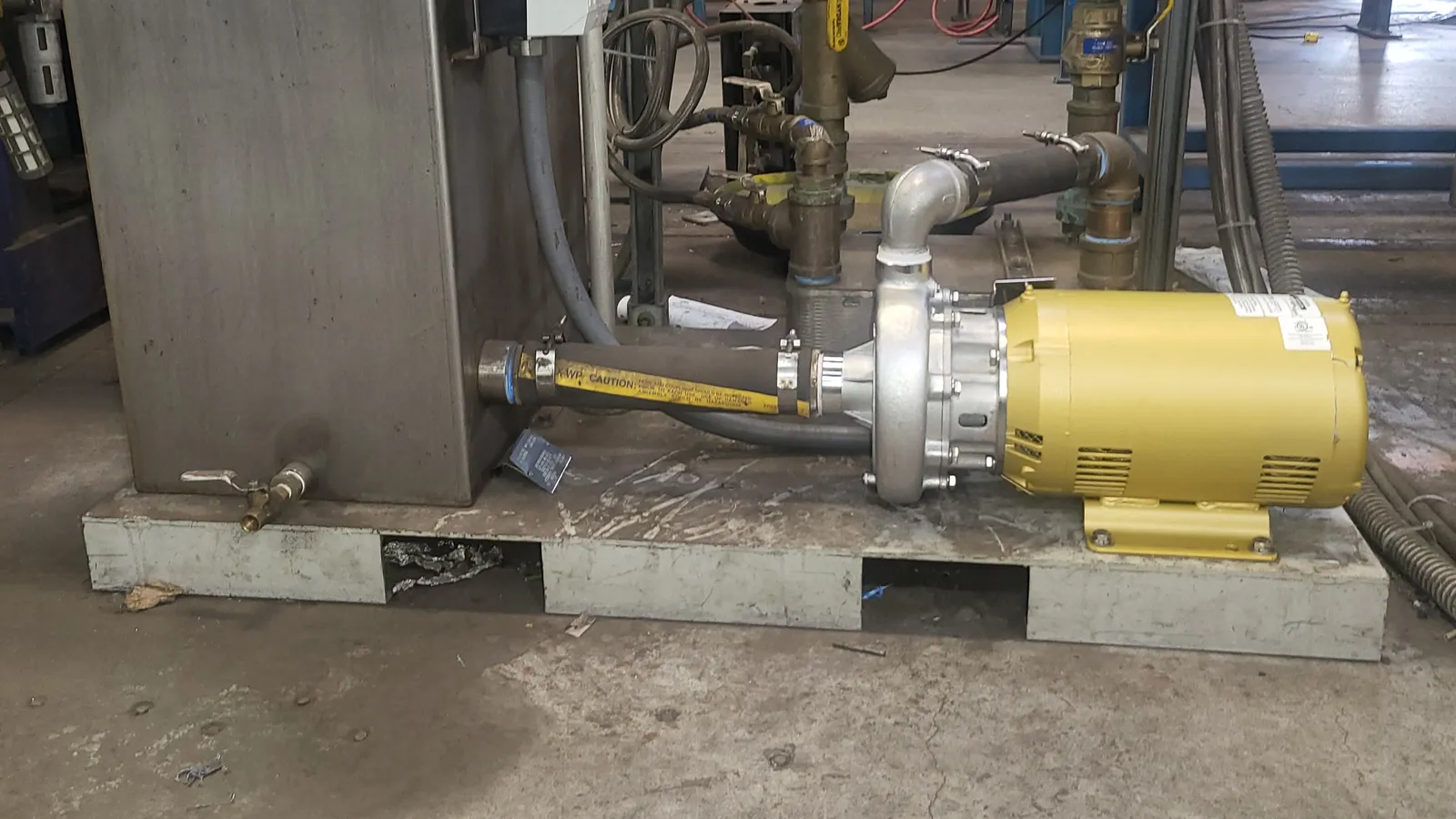

When the Facility Has Power but the Distribution Is No Longer Working the Way It Should
Recognize the warning signs of weak industrial power distribution before they turn into downtime, overheating, and capacity problems
Power distribution issues often build slowly before they become obvious failures.
At first, one area of the facility may seem fine while another suffers from repeated breaker trips, weak voltage under load, overheated panels, limited room for expansion, or equipment that performs poorly during peak demand. Those are not isolated complaints. They are often signs that the distribution structure itself needs attention.
In industrial environments across Toronto and the GTA, poor power distribution can mean that the source is technically available but not being delivered where it is needed with the right stability and protection. Feeders may be overloaded, panel space may be insufficient, distribution paths may be awkward, and protection may not be arranged well for the actual connected loads.
You may need a power distribution service if your facility is expanding, if production equipment is being added, if one electrical area is noticeably weaker than another, or if older distribution equipment is no longer practical for present operations. Eaton identifies switchboards and circuit breakers as core protective and distribution components used in panelboards, switchboards, motor control centers, control panels, and similar industrial applications, which is why distribution weakness can affect the whole site rather than one small circuit.
Common warning signs include heat in feeder terminations, panel sections with no room left for growth, repeated trips on large loads, voltage drop when multiple machines start, unbalanced loading between areas, and old distribution hardware that has been adapted too many times. These are the signs of a system that is being asked to do more than it was originally built for.
Good power distribution is not just about carrying current. It is about capacity, protection, layout, accessibility, serviceability, and giving the facility a cleaner electrical backbone for future changes. A distribution problem left alone usually turns into a bigger equipment problem later.
This is especially important in industrial buildings where one weak distribution point can affect multiple production systems. When feeders, breaker sections, or local distribution points are not set up properly, the entire operation becomes harder to expand and harder to trust.
Professional power distribution work in Toronto, Mississauga, Vaughan, Markham, and across the GTA helps make sure the facility electrical system is actually delivering power where it is needed, with the strength and reliability required by real industrial loads.
One Area of the Facility Has Weak Power Delivery
The source may exist, but the feeder or local distribution path may no longer be adequate for the load.
Breaker Activity Keeps Happening in Distribution Equipment
Repeated trips often point to deeper loading, coordination, or distribution layout problems.
Panels Are Overcrowded or Out of Capacity
Limited distribution space is often a sign the system no longer matches the facility’s real power demand.
Feeders Run Hot
Overheating in feeder terminations or distribution sections can signal overload, poor connections, or aging infrastructure.
Production Expansion Needs More Electrical Capacity
New equipment and layout changes often require stronger or cleaner power distribution to support growth safely.
Voltage Drops During Heavy Operation
Distribution weakness often shows up when multiple machines start or the process load increases.
Temporary Distribution Fixes Keep Adding Up
Improvised changes usually mean the original distribution system is no longer keeping up with the facility.
Old Distribution Equipment Has Become a Bottleneck
Outdated switchboards, panels, breakers, or feeder arrangements can restrict reliability and future expansion.
WHY CHOOSE US
Why Industrial Clients Choose Us
We focus on practical industrial electrical solutions rather than temporary fixes, ensuring your power systems, equipment, and production infrastructure operate safely and reliably under real operating conditions. Every project is completed with careful planning, proper equipment selection, and close attention to long-term performance, system stability, and operational continuity.
Our approach eliminates unnecessary work and is based on accurate diagnostics, field-tested methods, and a clear understanding of how industrial facilities actually run, so you only invest in the work your system truly requires. We prioritize safety, efficiency, code compliance, and clean execution on every job, whether it involves troubleshooting, upgrades, installations, or power distribution improvements.
As a result, you receive a dependable, code-compliant industrial electrical system that supports your facility today, reduces the risk of costly downtime, and is properly prepared for future production demands, equipment expansion, and higher power requirements.
Licensed & Insured
All work is performed by qualified, fully insured electricians, ensuring safety, accountability, and compliance with all regulations.
ESA certified work
Every project includes permits and ESA inspection, guaranteeing that the installation meets Ontario Electrical Safety Code requirements.
Professional installations
We install panels with precise wiring, proper layout, and clear labeling, making the system safe, accessible, and easy to maintain.
Transparent pricing
You receive clear pricing based on the actual scope of work, with no hidden costs or unexpected changes during the entire project.
Fast scheduling
We schedule work efficiently and arrive on time, minimizing downtime and ensuring your electrical system is restored as quickly as possible.
Accurate calculations
We calculate electrical demand based on real usage, ensuring your panel is properly sized for both current and future electrical needs.
Code-compliant work
All installations strictly follow current electrical code requirements, ensuring safety, inspection approval, and long-term system reliability.
Reliable workmanship
Our experience allows us to deliver consistent, high-quality results that perform reliably under real operating conditions over time.
CODE & SAFETY REQUIREMENTS
Ontario Electrical Safety Code Compliance
The Ontario Electrical Safety Code (OESC) sets the minimum legal safety requirements for electrical installations and electrical work in Ontario.
ESA states that the 2024 Ontario Electrical Safety Code is the current edition and that it took effect on May 1, 2025. For industrial power distribution, compliance matters when installing or modifying service equipment, feeders, switchboards, distribution panels, disconnecting means, conductors, grounding, bonding, and overcurrent protection.
Following the Code helps reduce the risk of electric shock, arc events, fire, conductor overheating, overloaded distribution, unsafe service access, and repeated failures caused by incorrect distribution design or poor installation practices.
Every industrial power distribution job should be approached with approved electrical equipment, correct wiring methods, suitable protection, and Code-compliant installation practices. Where notification and inspection are required, the work should comply with the current Ontario Electrical Safety Code and ESA requirements.
Rules commonly applicable to industrial power distribution
-
Rule 2-004 — Notification of work / ESA inspection process
Electrical work that requires notification must be properly reported to ESA, and the installation must go through the required inspection or authorization process before being put into service. -
Rule 2-022 — Approved electrical equipment
Electrical equipment used in Ontario must be approved in accordance with Code requirements. -
Rule 2-024 — Approval requirements for electrical equipment
Equipment and components installed as part of the distribution system must be approved to recognized standards and accepted for use in Ontario. -
Rule 2-304 — Disconnecting means shall be provided
Suitable disconnecting means must be available so distribution equipment and associated systems can be isolated safely for servicing, maintenance, and emergency shutdown. -
Rule 2-314 — Working space around electrical equipment
Working space around switchboards, distribution panels, disconnects, and other electrical equipment must be kept clear for safe access and maintenance. -
Rule 4-004 — Ampacity of conductors
Conductors must have sufficient ampacity for the connected load and installation conditions. -
Rule 6-206 — Consumer’s service equipment
Service equipment must be installed in a compliant location, be readily accessible, and be placed as close as practicable to the point where service conductors enter the building. Electrical Industry Canada’s code guide summarizes these location and accessibility requirements under Section 6. -
Rule 8-102 — Calculation of service and feeder loads
Service and feeder loads must be calculated properly to ensure the distribution system is adequate for the connected industrial demand. -
Rule 8-104 — Maximum circuit loading
Branch circuits, feeders, and services must be loaded within allowable limits so the installation does not exceed safe operating capacity. -
Rule 10-002 — Grounding and bonding requirements
Equipment grounding and bonding must be continuous and effective to ensure safety and proper fault clearing throughout the distribution system. -
Rule 14-100 — Protection of conductors by overcurrent devices
Conductors must be protected by correctly selected breakers or fuses suitable for the distribution circuit and connected equipment. -
Rule 14-104 — Rating / coordination of overcurrent protection
Overcurrent protection must be coordinated with conductor ampacity and the operating characteristics of the electrical distribution installation.
Note: Rule selection may vary depending on whether the work involves service equipment, switchboards, feeder distribution, local panels, grounding and bonding, or distribution expansion for new industrial loads. Exact official wording should be taken from the current purchased edition of the Ontario Electrical Safety Code.
COMMON QUESTIONS
FAQ — Industrial Power Distribution
1. What does industrial power distribution mean?
It means the system that takes power from the main source and delivers it through switchboards, feeders, panels, breakers, disconnects, and branch distribution to the areas and equipment that need it.
2. How is this different from one power circuit for one machine?
Power distribution is broader. It deals with how power is divided and delivered through the facility, not just one branch circuit feeding one load.
3. What are common signs of poor power distribution?
Common signs include overheated feeder sections, repeated trips, weak electrical performance in one area, overcrowded panels, voltage drop under heavy load, and limited room for expansion.
4. Can power distribution problems affect multiple machines at once?
Yes. Distribution problems often affect whole production areas because the weakness is in the feeder or upstream distribution equipment, not in one individual machine.
5. Do you work on switchboards, distribution panels, and feeders?
Yes. This service is intended for the practical industrial distribution path, including switchboards, feeder distribution, breakers, disconnects, and local distribution sections.
6. Is this service useful during plant expansion?
Yes. Expanding production often requires stronger or revised power distribution so the facility can support new equipment safely and reliably.
7. Can old distribution equipment become a bottleneck?
Yes. Older switchboards, panels, feeder arrangements, and protection equipment often become the limiting factor when the facility grows or process demand increases.
8. Can you improve one area without rebuilding the whole electrical system?
Yes. Many projects focus on one section of the facility where feeder distribution, local panel capacity, or protective arrangement needs improvement.
9. Why is overcurrent protection part of power distribution work?
Because breakers and fuses are not separate from the distribution system. They are part of how feeders and conductors are protected and how power is delivered safely to connected loads.
10. Do industrial power distribution projects require code compliance?
Yes. Distribution work must use approved equipment and comply with applicable Ontario Electrical Safety Code and ESA requirements.
11. Is this service only for new buildings?
No. It is also for existing industrial facilities that need distribution cleanup, feeder improvements, expansion support, or better electrical structure for present-day operations.
12. Is power distribution only about carrying more amps?
No. It is also about layout, protection, accessibility, serviceability, capacity planning, and delivering power where it is needed in a safe and dependable way.
SERVICE AREAS
Serving Toronto & the Greater Toronto Area
We provide residential, commercial, and industrial electrical services across Toronto and the GTA, supporting homes, businesses, and facilities with reliable and code-compliant electrical solutions.
Our service coverage includes major cities and surrounding areas, allowing us to respond quickly and deliver consistent service across the region.
Toronto
North York
Thornhill
Richmond Hill
Vaughan
Markham
Scarborough
Etobicoke
Mississauga
Brampton
ADDITIONAL SERVICE AREAS
Hamilton
Oakville
Burlington
Milton
Georgetown
Pickering
Ajax
Whitby
Oshawa
Clarington
Aurora
Newmarket
Bradford
King City
Barrie