
Toronto & GTA Electrical Contractor
Electrical Substation Maintenance in Toronto, Richmond Hill, New Market, Brampton & GTA
Industrial electrical work — installations, upgrades, troubleshooting, maintenance, and code-compliant solutions.
Licensed & Insured
Fast Response
Code-Compliant Work
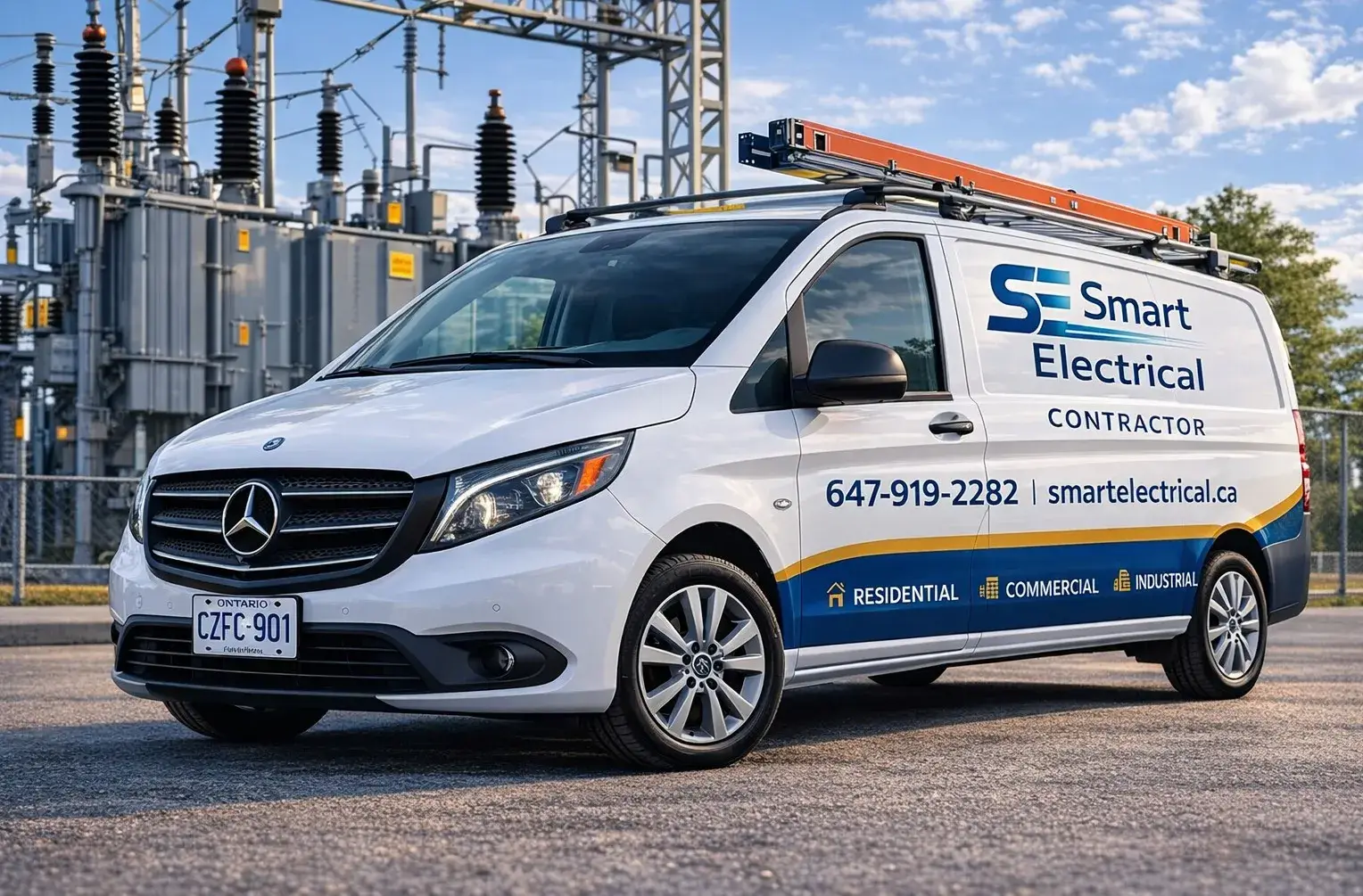
CRITICAL SUBSTATION MAINTENANCE SERVICES
What We Do
We provide electrical substation maintenance for industrial facilities, production plants, process environments, utility interfaces, and critical power systems across Toronto and the GTA.
This service is built for serious electrical infrastructure, not routine branch-level maintenance. In industrial environments, the substation is where power reliability becomes a plant-level issue. If substation equipment is neglected, the problem is no longer isolated to a single machine or panel — it can affect an entire building, process line, or operation. That is why electrical substation maintenance must be treated as a high-value reliability service focused on assets that carry and control the most critical power flows.
According to Eaton Electrical Services, preventive and predictive maintenance of medium-voltage systems is essential to reduce failure risks and improve long-term system performance. Similarly, NFPA 70B defines modern maintenance as a structured approach combining preventive, predictive, and corrective strategies based on equipment condition and operational demand.
Our electrical substation maintenance service focuses on the equipment that matters most: medium-voltage switchgear, transformers, circuit breakers, protection systems, disconnects, feeder terminations, grounding systems, and associated distribution infrastructure. These components are not only critical for power delivery but also represent the highest risk points when maintenance is neglected.
This type of maintenance goes far beyond cleaning or basic inspection. It is a structured process of preserving asset condition, identifying deterioration before it develops into a fault, and improving shutdown planning. In real industrial environments, maintenance findings often include insulation stress, contamination buildup, mechanical wear, loose or degraded connections, aging protective devices, grounding deficiencies, and equipment operating beyond its intended condition.
We provide electrical substation maintenance in Mississauga, substation service in Vaughan, medium-voltage maintenance in Markham, transformer and switchgear maintenance in Brampton, and full support across Toronto and the GTA. This regional coverage ensures that industrial clients have access to qualified service where reliability risks are highest.
Industry manufacturers such as Schneider Electric also emphasize that proactive maintenance programs improve safety, reduce unplanned downtime, and extend equipment life. This aligns directly with the purpose of our electrical substation maintenance service — not just maintaining equipment, but improving the overall reliability of the electrical system.
This service is especially important for facilities where electrical downtime is costly, where operations depend on stable incoming power, and where maintenance teams require more than reactive repairs. A properly executed electrical substation maintenance program helps prevent major failures, supports better planning, and creates a more predictable operating environment.
Where appropriate, this service can be combined with advanced diagnostics such as infrared thermographic inspections, ultrasonic electrical inspection, or electrical preventive maintenance.
The result is a structured, professional approach to maintaining substation-level assets — improving reliability, reducing risk, and ensuring that critical power systems continue to operate without unexpected interruption.
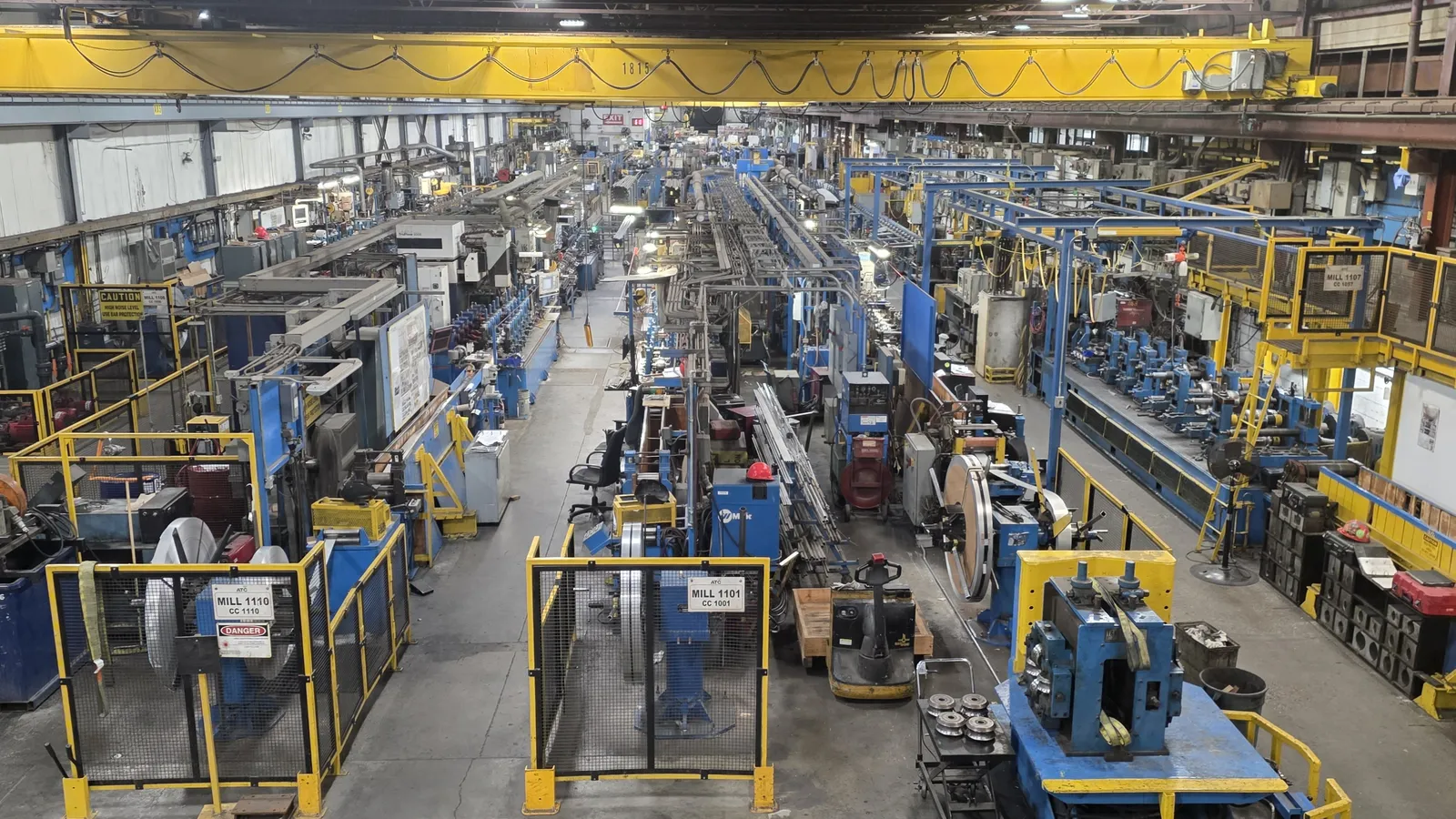
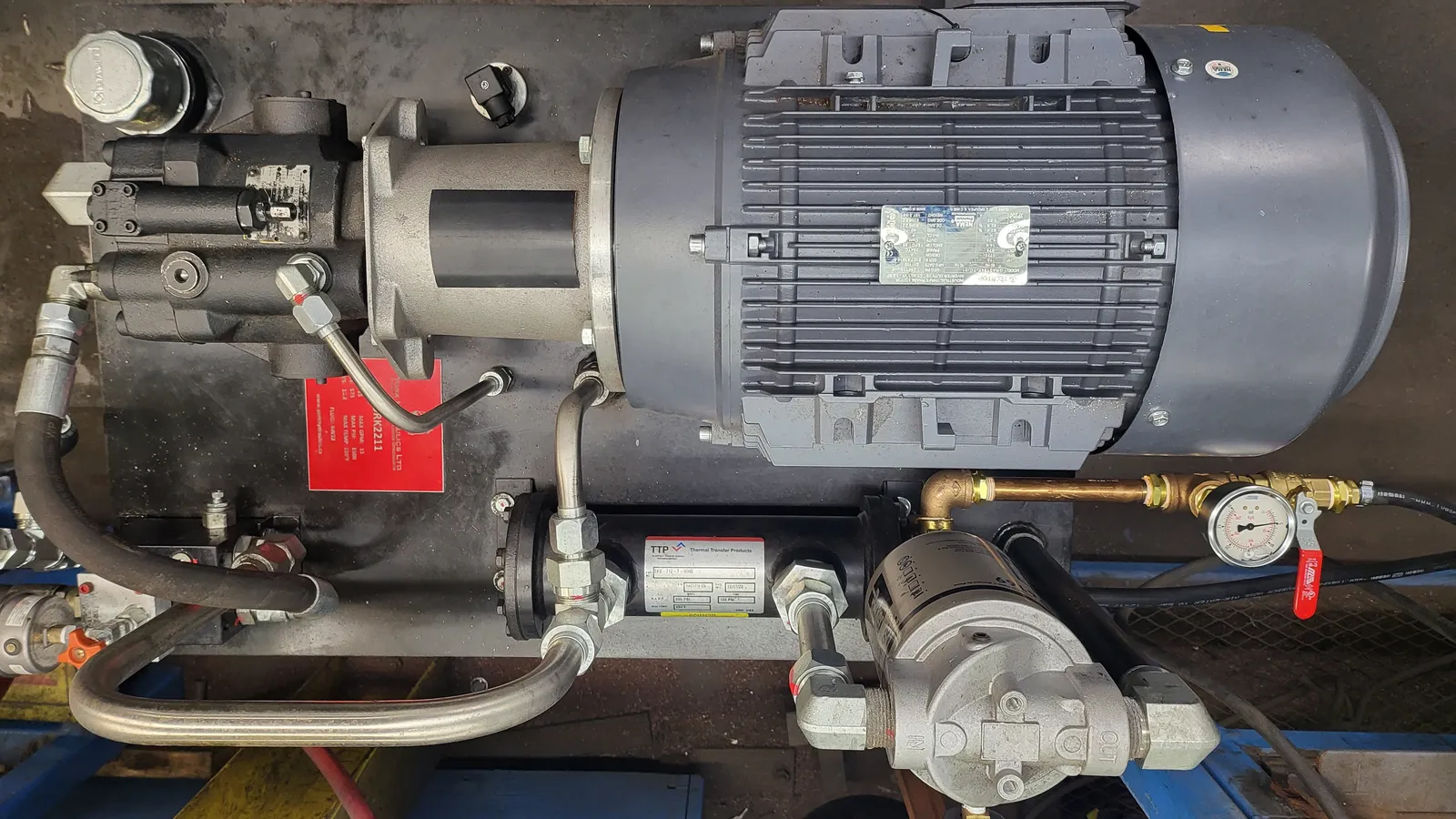
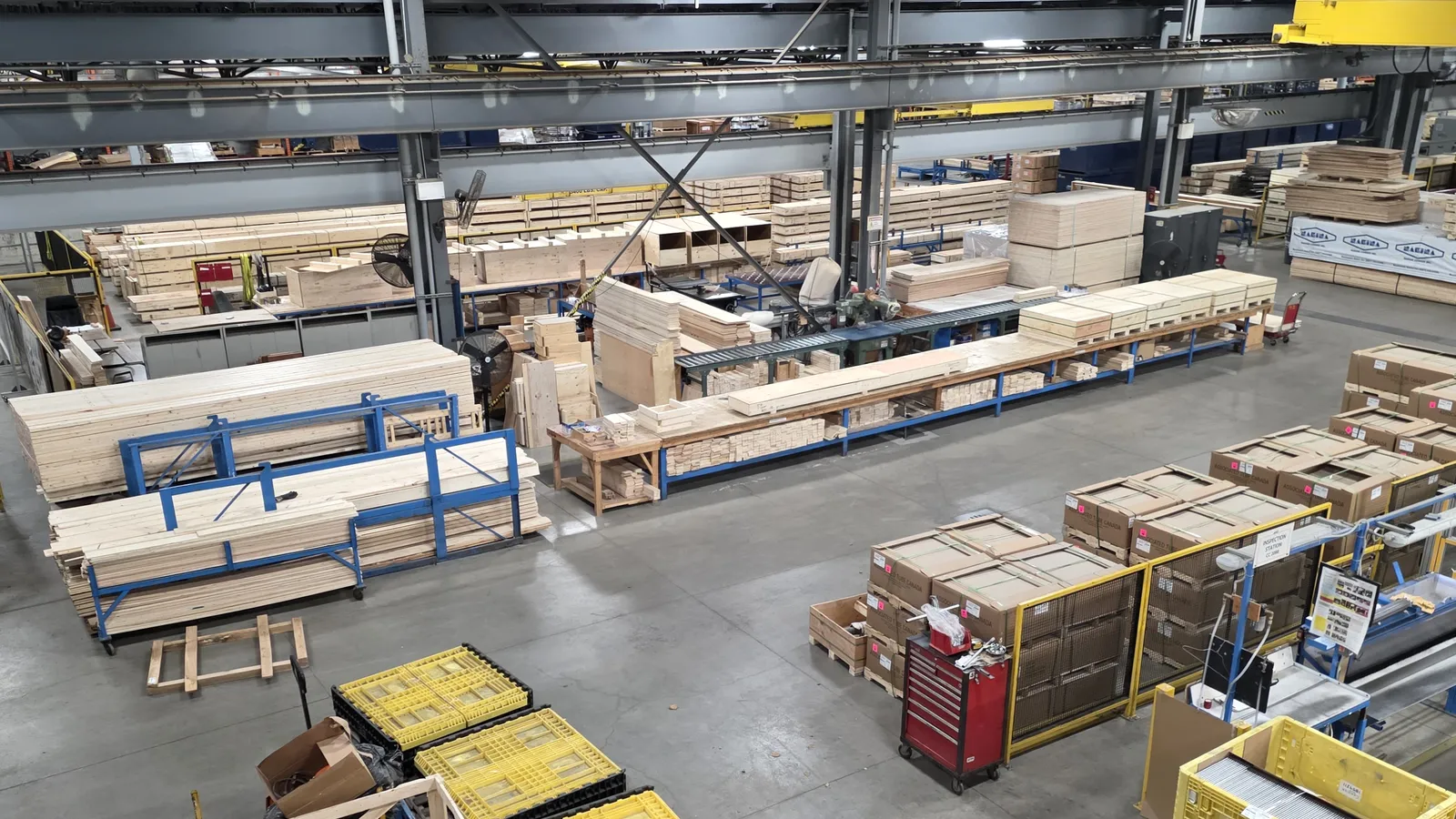

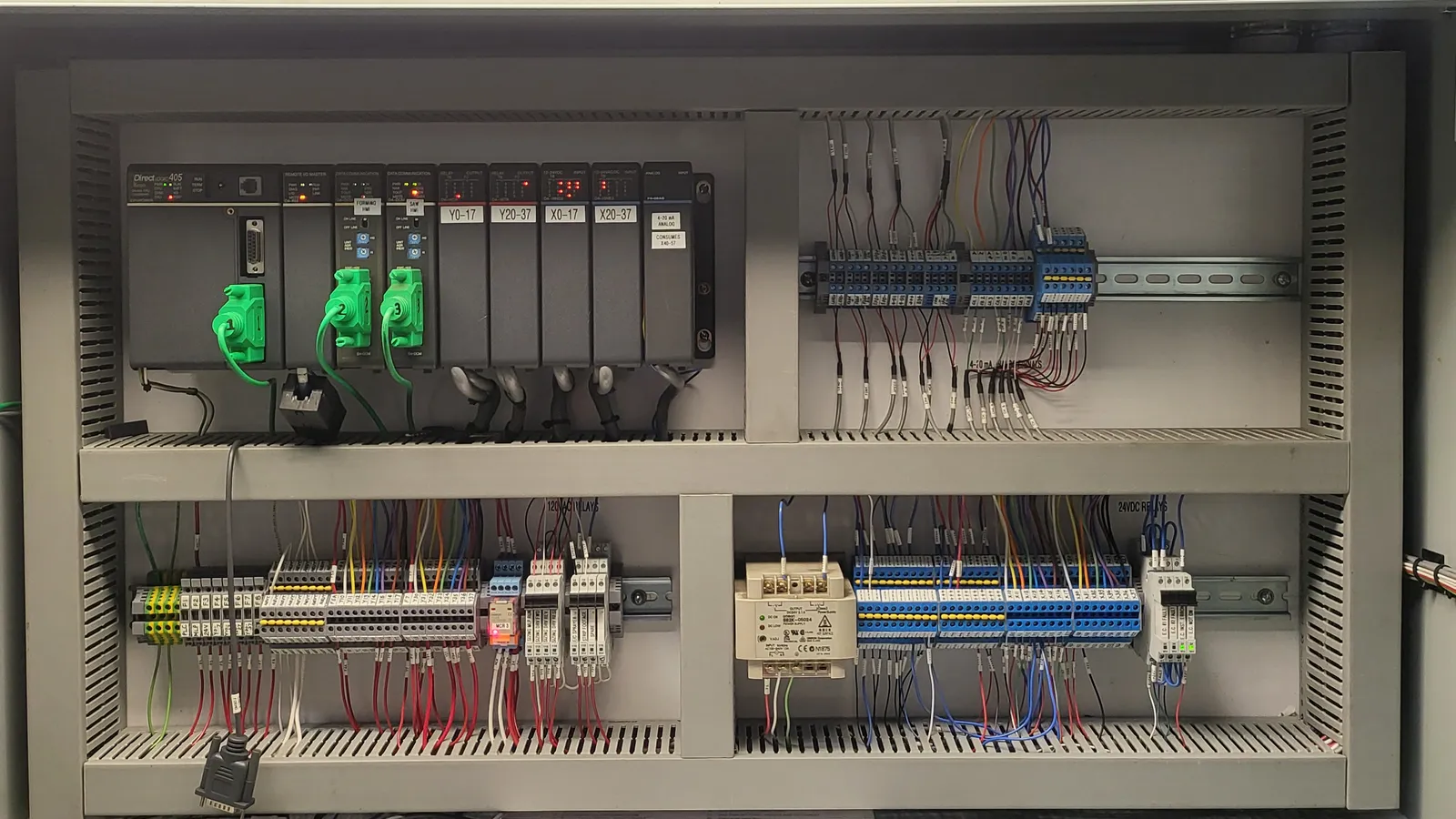
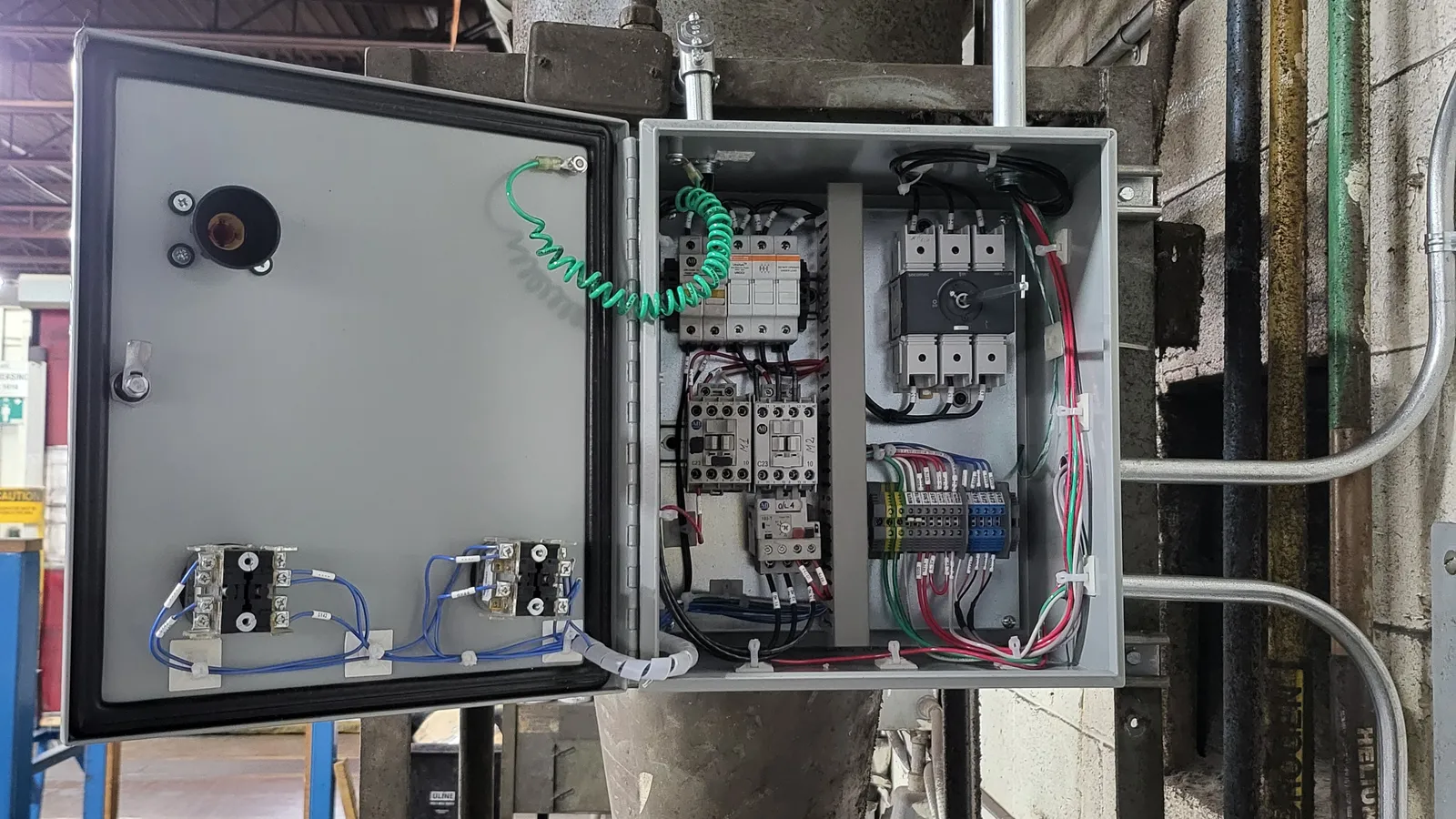
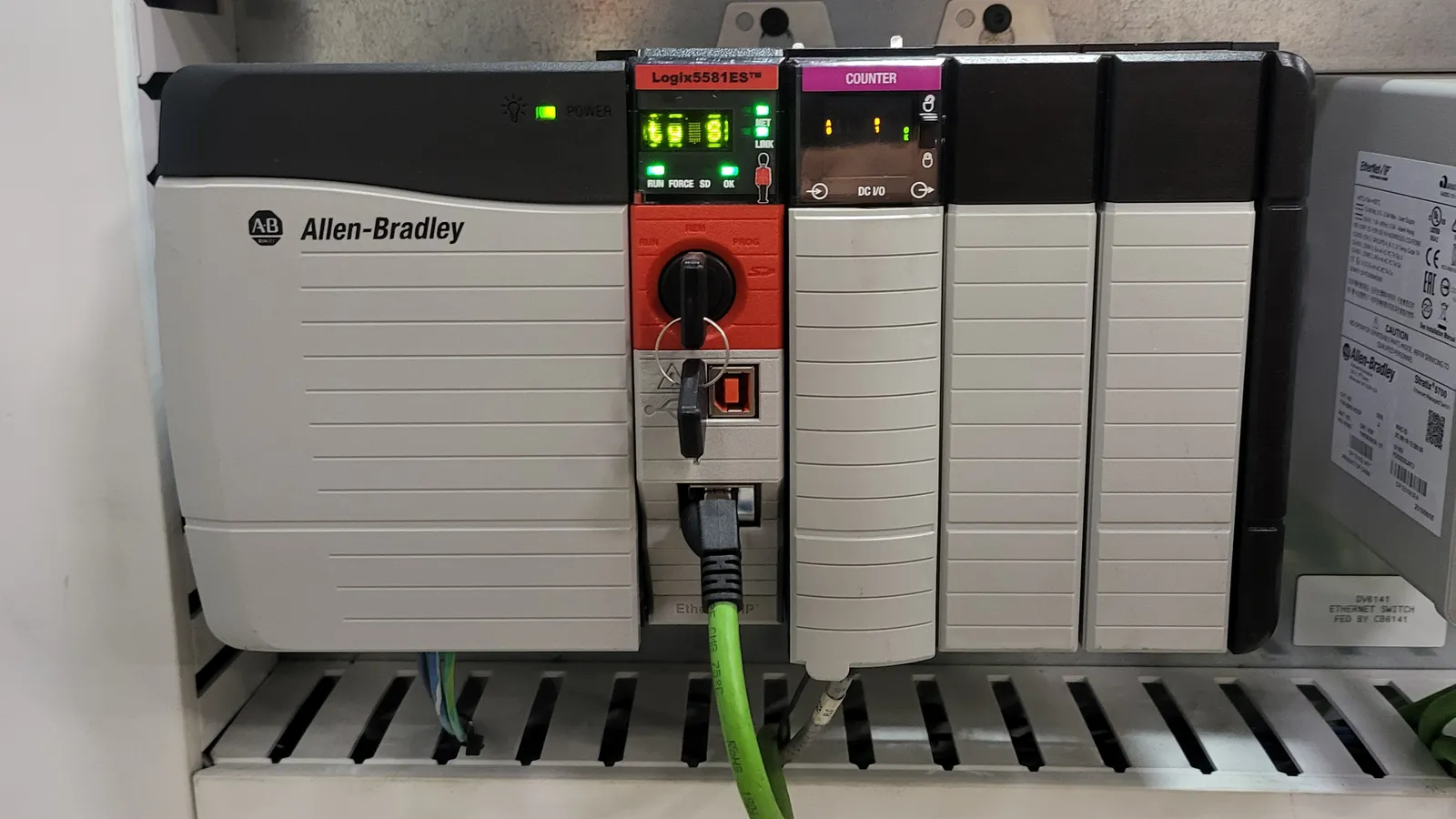
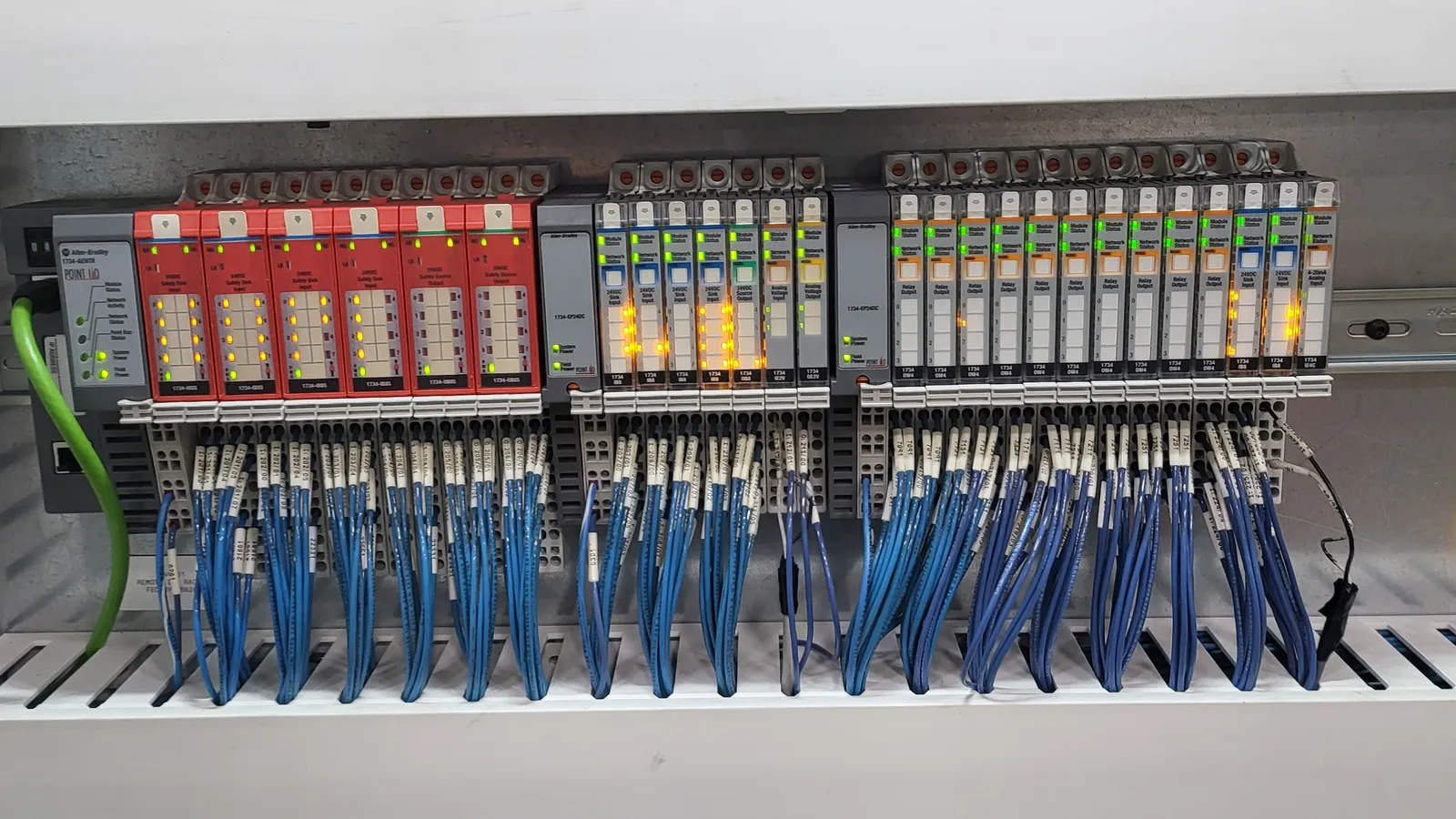
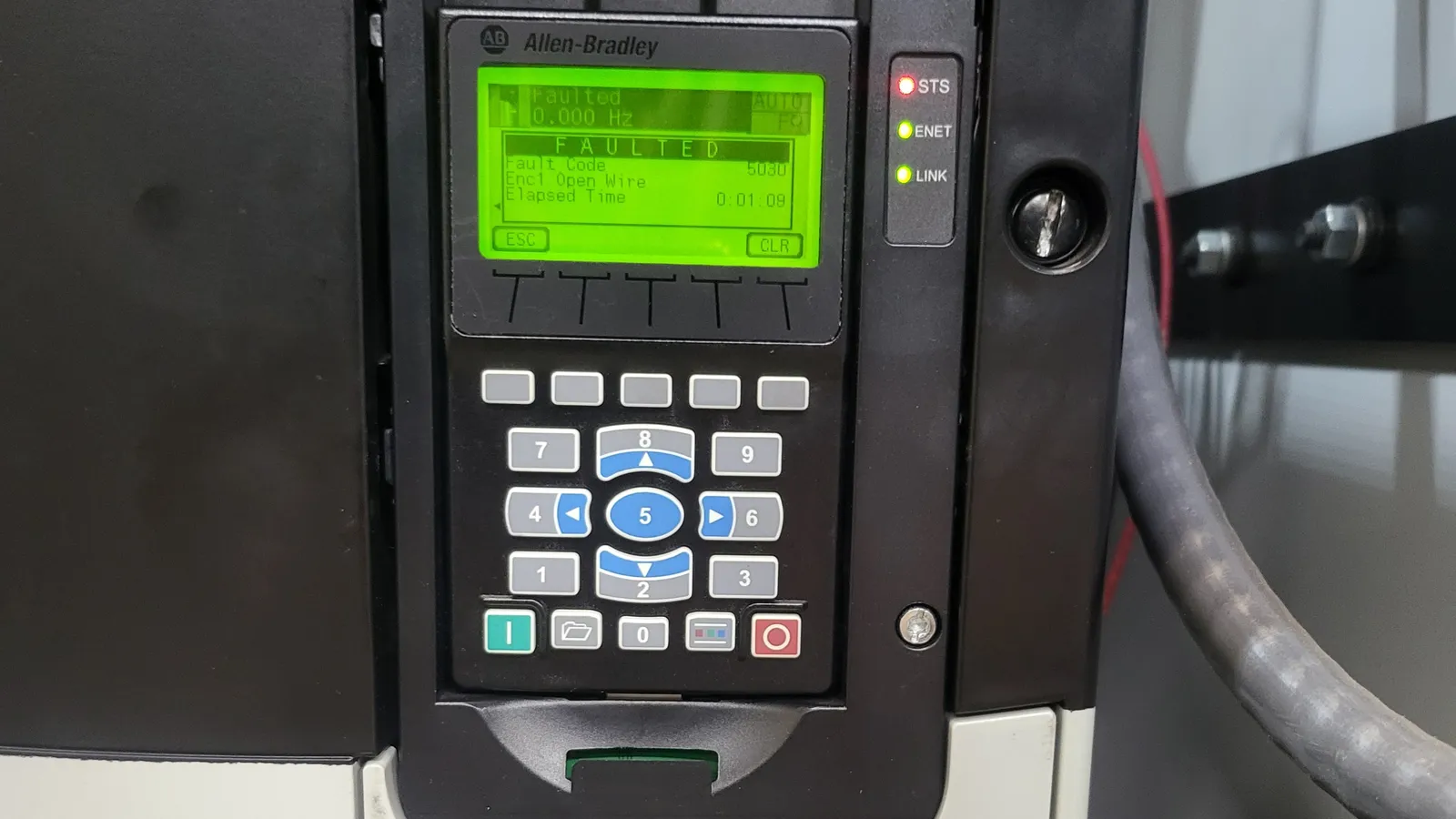
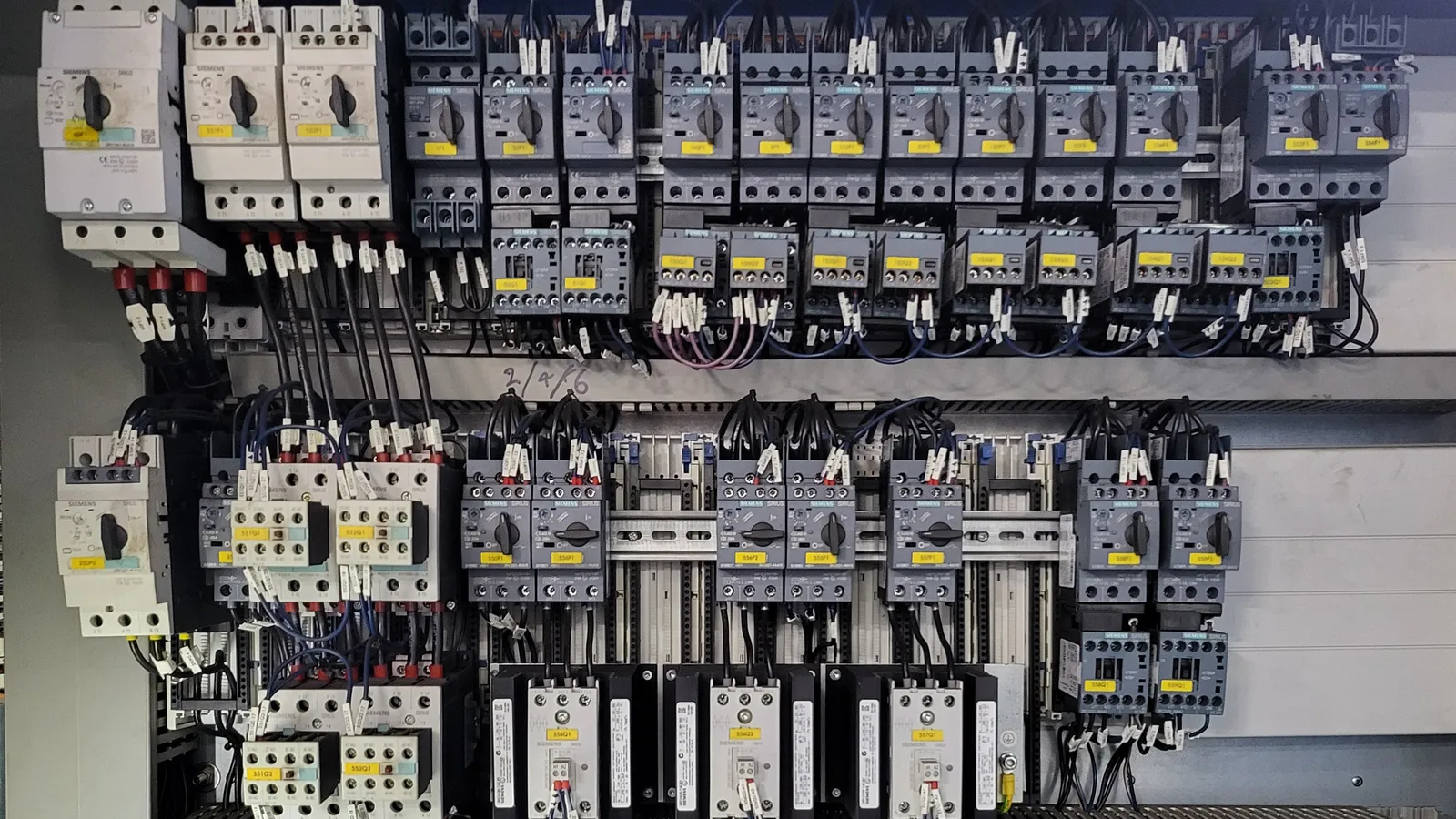
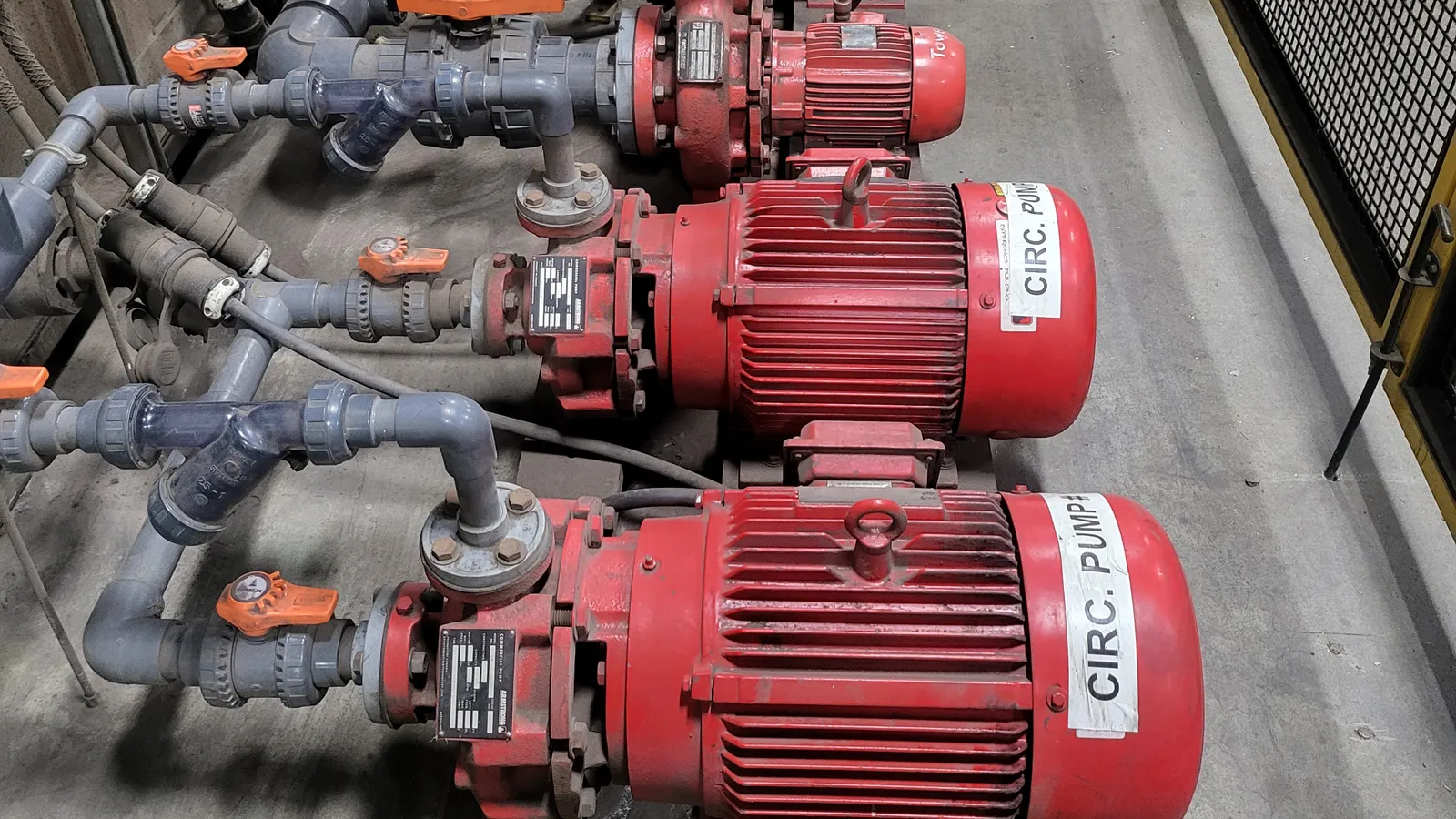
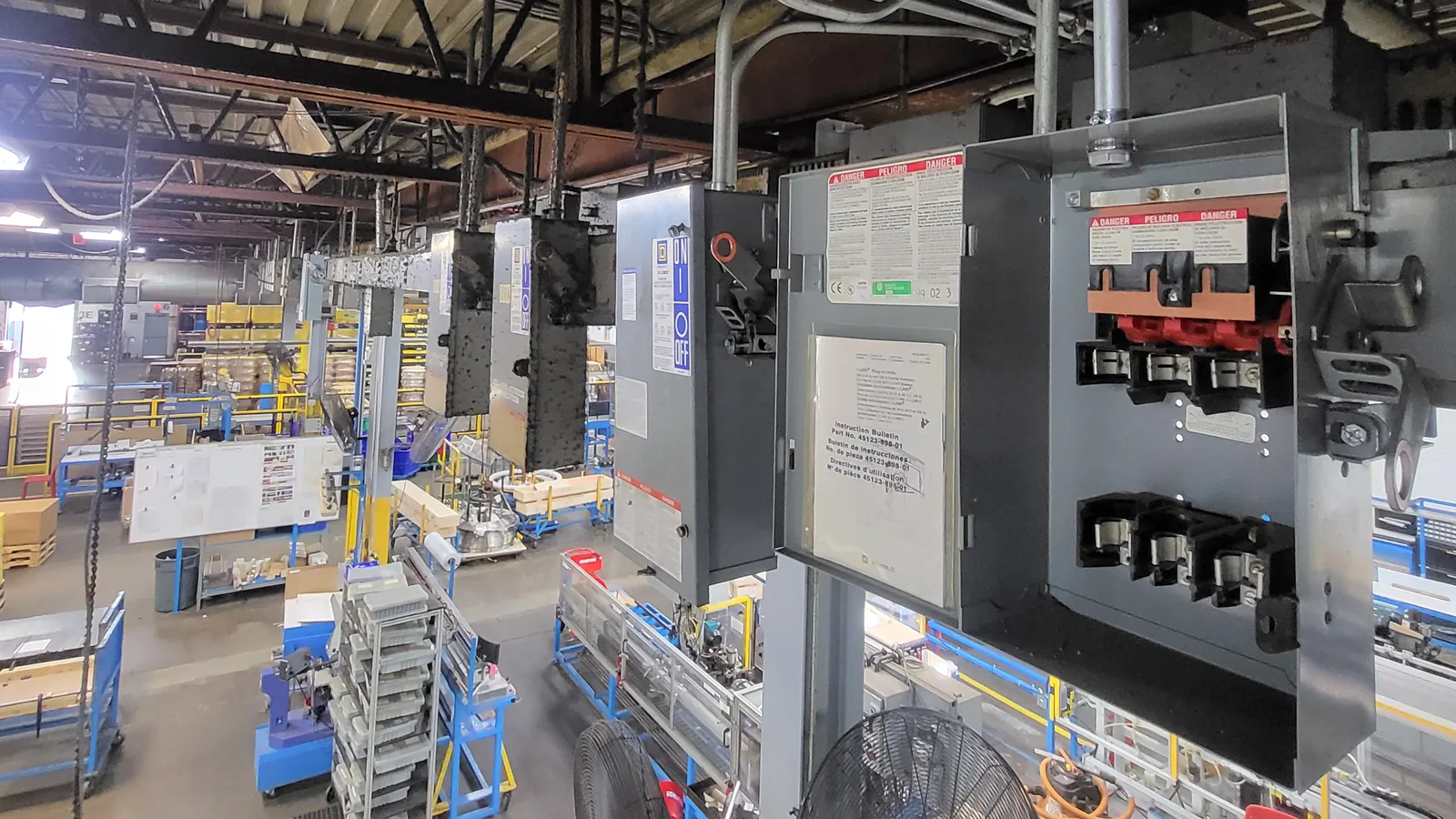
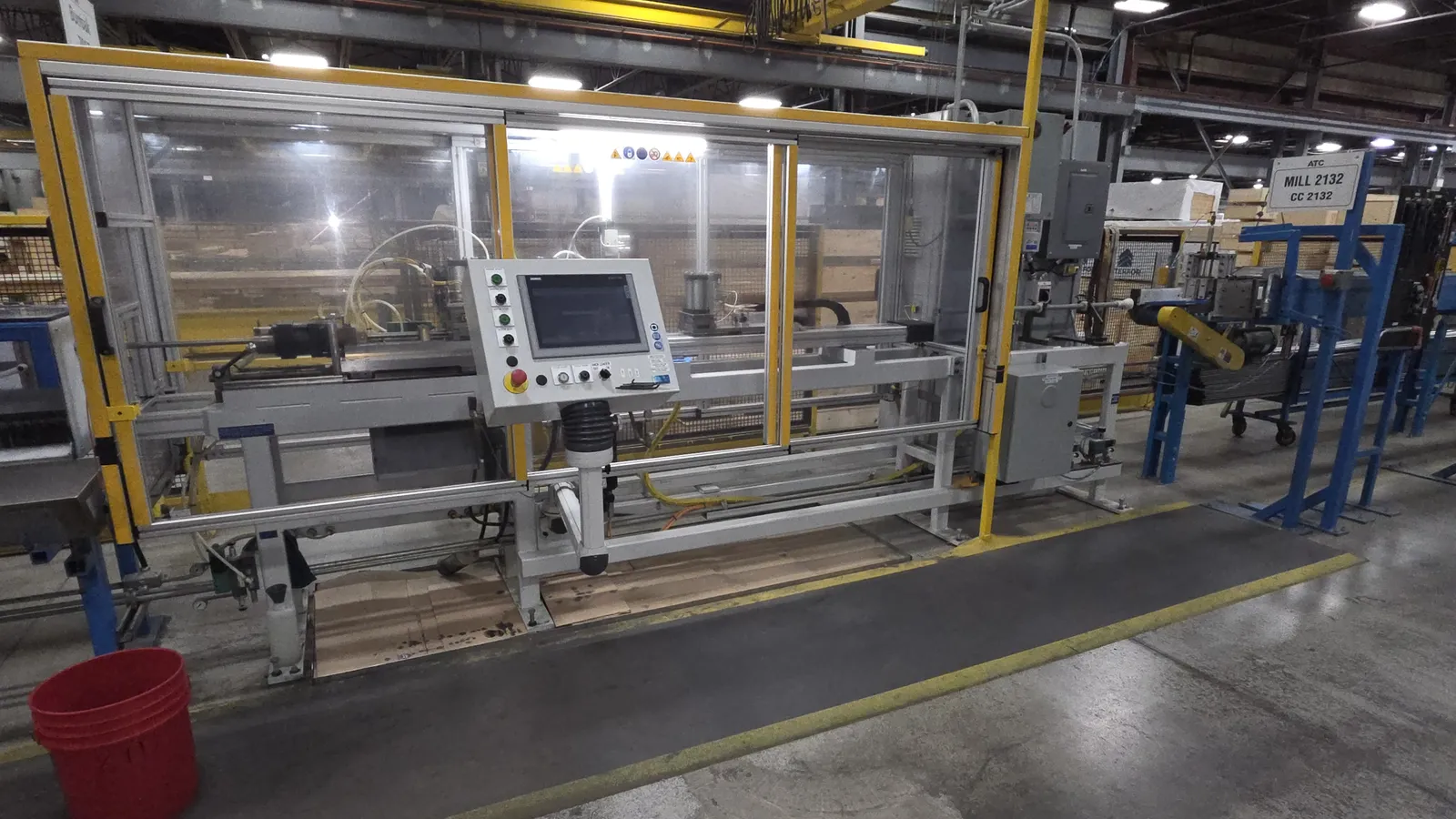
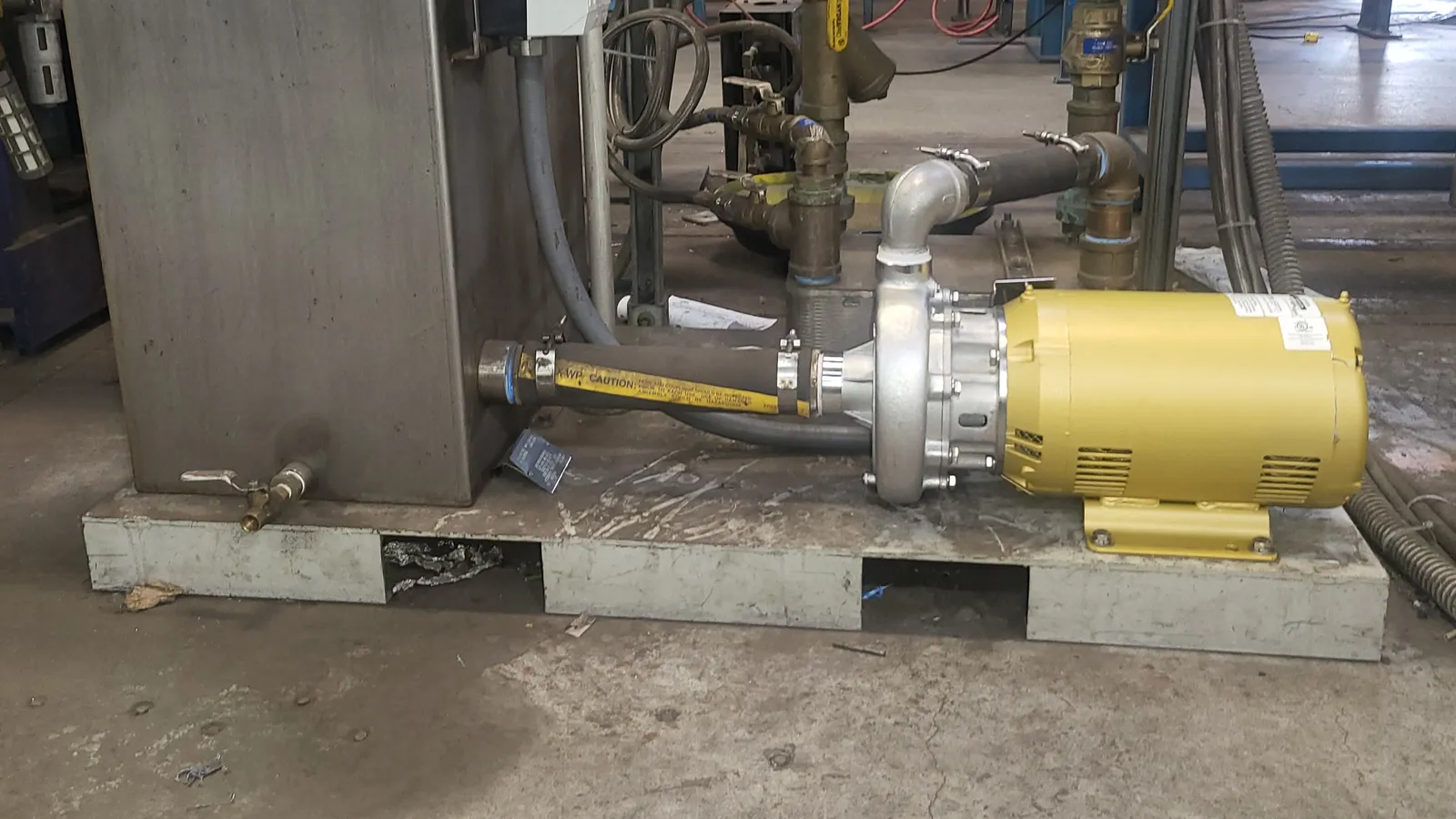

When the Health of the Substation Starts Determining the Health of the Entire Facility
Recognize the warning signs before substation neglect turns into a major reliability or outage problem
Substation maintenance becomes critical when the facility can no longer afford to assume that the incoming and major distribution equipment is “probably fine.”
In industrial environments across Toronto and the GTA, the substation often supports the most important parts of the electrical system. If its switchgear, transformers, protection, or grounding deteriorate quietly in the background, the eventual failure can affect much more than one local load. It can interrupt entire sections of production or leave the building without dependable power at the worst possible time.
Common signs that substation maintenance is overdue include aging medium-voltage equipment, uncertain maintenance history, equipment that has seen years of duty without meaningful inspection, shutdown planning that keeps getting postponed, and growing concern about whether key assets would actually perform properly during fault or switching conditions.
This matters because serious maintenance providers treat substations as condition-sensitive power assets, not static hardware. Eaton’s maintenance-related material specifically includes preventive and predictive maintenance for medium-voltage switchgear and transformers, which reflects the reality that these assets require ongoing attention if reliability is important.
You may need electrical substation maintenance if the site depends on medium-voltage distribution, if critical incoming equipment is aging, if there are concerns around switching or transformer condition, or if the plant wants stronger control over outage risk and maintenance timing. It is also highly relevant where there is a need to verify grounding system condition, because Eaton’s field services explicitly include ground grid testing within electrical support work.
This is not just about avoiding catastrophic failure. It is about improving maintenance priorities, making shutdown windows more effective, and understanding which substation assets are healthy, which are aging, and which should no longer be trusted without intervention. In real industrial settings, that is the difference between controlled maintenance and reactive crisis response.
A strong substation maintenance service supports reliability, safety, and better capital planning. It gives plant leadership and maintenance teams a clearer view of risk at the top of the electrical system, where the consequences of failure are usually the biggest.
Electrical substation maintenance in Toronto, Mississauga, Vaughan, Markham, and across the GTA helps industrial clients protect critical power assets, reduce uncertainty in the electrical backbone of the site, and strengthen confidence in the systems that keep the whole facility energized.
Medium-Voltage Equipment Is Aging
Older substation assets need condition-focused maintenance before age-related deterioration becomes a major risk.
Maintenance History Is Unclear
Critical incoming power equipment should not be left on assumption when the maintenance record is uncertain.
Transformers and Switchgear Are Too Important to Ignore
When these assets support the whole facility, maintenance becomes a reliability strategy, not just a task.
Shutdown Planning Needs Better Priorities
Substation maintenance helps determine what should be serviced, tested, or corrected during planned outages.
Grounding System Confidence Is Limited
Ground grid condition can be part of serious substation maintenance and overall power system safety review.
Failure Consequences Are Plant-Wide
If substation equipment fails, the impact is often much larger than one local breaker or one production line.
Reactive Repair Is Not Good Enough Anymore
When outage costs are high, planned maintenance becomes far more valuable than waiting for failure.
Critical Power Assets Need Better Condition Visibility
Maintenance should give the facility a clearer view of asset health, not just another emergency after the fact.
WHY CHOOSE US
Why Industrial Clients Choose Us
We focus on practical industrial electrical solutions rather than temporary fixes, ensuring your power systems, equipment, and production infrastructure operate safely and reliably under real operating conditions. Every project is completed with careful planning, proper equipment selection, and close attention to long-term performance, system stability, and operational continuity.
Our approach eliminates unnecessary work and is based on accurate diagnostics, field-tested methods, and a clear understanding of how industrial facilities actually run, so you only invest in the work your system truly requires. We prioritize safety, efficiency, code compliance, and clean execution on every job, whether it involves troubleshooting, upgrades, installations, or power distribution improvements.
As a result, you receive a dependable, code-compliant industrial electrical system that supports your facility today, reduces the risk of costly downtime, and is properly prepared for future production demands, equipment expansion, and higher power requirements.
Licensed & Insured
All work is performed by qualified, fully insured electricians, ensuring safety, accountability, and compliance with all regulations.
ESA certified work
Every project includes permits and ESA inspection, guaranteeing that the installation meets Ontario Electrical Safety Code requirements.
Professional installations
We install panels with precise wiring, proper layout, and clear labeling, making the system safe, accessible, and easy to maintain.
Transparent pricing
You receive clear pricing based on the actual scope of work, with no hidden costs or unexpected changes during the entire project.
Fast scheduling
We schedule work efficiently and arrive on time, minimizing downtime and ensuring your electrical system is restored as quickly as possible.
Accurate calculations
We calculate electrical demand based on real usage, ensuring your panel is properly sized for both current and future electrical needs.
Code-compliant work
All installations strictly follow current electrical code requirements, ensuring safety, inspection approval, and long-term system reliability.
Reliable workmanship
Our experience allows us to deliver consistent, high-quality results that perform reliably under real operating conditions over time.
CODE & SAFETY REQUIREMENTS
Ontario Electrical Safety Code Compliance
CODE & SAFETY REQUIREMENTS
Ontario Electrical Safety Code Compliance
The Ontario Electrical Safety Code (OESC) sets the minimum legal safety requirements for electrical installations and electrical work in Ontario.
ESA states that the 2024 Ontario Electrical Safety Code is the current edition and that it took effect on May 1, 2025. For electrical substation maintenance, Code relevance is tied to safe maintenance condition, approved equipment in service, disconnecting means, working clearances, grounding and bonding, and the corrective work required when deficiencies are identified.
Substation maintenance does not replace Code compliance. It supports it by helping keep high-value electrical equipment in safe working condition instead of allowing deterioration to continue until the system fails. NFPA states that NFPA 70B covers preventive, predictive, and corrective maintenance of electrical systems and equipment, which is directly relevant to industrial substation maintenance planning.
Every electrical substation maintenance program should be approached with safe access planning, proper maintenance methods, approved equipment in service, and careful follow-up when defects are found. Where maintenance findings lead to repair, replacement, adjustment, or system modification, that corrective work should comply with the current Ontario Electrical Safety Code and ESA requirements.
Rules commonly applicable to electrical substation maintenance
-
Rule 2-022 — Approved electrical equipment
Electrical equipment used in Ontario must be approved in accordance with Code requirements. This is relevant because substations contain major service and distribution assets that must remain approved and suitable for use. -
Rule 2-024 — Approval requirements for electrical equipment
Equipment maintained and repaired in Ontario must be approved to recognized standards and accepted for use in Ontario. -
Rule 2-300 — General requirements for maintenance and operation
Electrical equipment must be maintained in safe working condition. This is one of the most directly relevant rules for substation maintenance. -
Rule 2-304 — Disconnecting means shall be provided
Suitable disconnecting means must be available so substation equipment can be isolated safely for servicing, maintenance, testing, and follow-up corrective work. -
Rule 2-308 — Live parts guarding
Live electrical parts must be guarded against accidental contact, which is especially important in substation environments and high-consequence distribution areas. -
Rule 2-314 — Working space around electrical equipment
Sufficient clear access around switchgear, transformers, incoming gear, and related equipment is essential for safe maintenance and operation. -
Rule 8-102 — Calculation of service and feeder loads
Service and feeder loads must be calculated properly, since overloading and capacity stress are relevant maintenance concerns for substation assets. -
Rule 8-104 — Maximum circuit loading
Branch circuits, feeders, and services must be loaded within allowable limits so the installation does not exceed safe operating capacity. -
Rule 10-002 — Grounding and bonding requirements
Effective grounding and bonding are essential to safe substation operation, and maintenance programs commonly include attention to grounding system condition. -
Rule 14-100 — Protection of conductors by overcurrent devices
Breakers and other protective devices must protect conductors and equipment correctly, which is relevant when maintaining substation switchgear and protective sections. -
Rule 14-104 — Rating / coordination of overcurrent protection
Protection must be coordinated with conductor ampacity and equipment characteristics, especially in larger distribution systems. -
Rule 2-004 — Notification of work / ESA inspection process
If substation maintenance findings lead to electrical repair or replacement work that requires notification, the required ESA process must be followed before the installation is returned to service.
Note: Rule selection may vary depending on whether the substation contains medium-voltage switchgear, transformers, service entrance sections, protective equipment, grounding systems, or downstream feeder sections. Eaton’s field services and technical support materials also show that serious substation maintenance often includes medium-voltage switchgear, medium-voltage transformers, and ground-related testing.
COMMON QUESTIONS
FAQ — Electrical Substation Maintenance
1. What is electrical substation maintenance?
It is the planned maintenance of critical substation-level electrical assets such as switchgear, transformers, breakers, grounding systems, and related distribution equipment.
2. Why is substation maintenance more serious than ordinary panel maintenance?
Because substation equipment sits much higher in the facility power system, and its failure can affect entire areas of production or the whole building.
3. What equipment is commonly included in this service?
Typical assets include medium-voltage switchgear, transformers, incoming sections, breakers, disconnecting means, feeder terminations, and grounding systems. Eaton specifically lists medium-voltage switchgear, medium-voltage transformers, and ground grid testing in its field services offering.
4. Is this only for utility substations?
No. Industrial facilities with their own substation or serious incoming power infrastructure also need substation-level maintenance.
5. Why is grounding part of substation maintenance?
Because grounding system condition is a major part of safe and dependable substation performance, and service providers such as Eaton include ground grid testing in their support offerings.
6. Can substation maintenance reduce outage risk?
Yes. That is one of its main purposes. Proper maintenance helps detect deterioration and weakness before they become plant-level failures.
7. Is this service useful even if the substation seems to be operating normally?
Yes. The greatest value comes from finding hidden deterioration while the equipment is still running, not after it has already failed.
8. Does this service help with shutdown planning?
Yes. One of the strongest reasons to maintain substations properly is to know what needs attention during planned outages instead of waiting for emergency conditions.
9. Can substation maintenance be part of a broader reliability program?
Yes. It often works alongside preventive maintenance, infrared inspections, ultrasonic inspections, and follow-up corrective work to strengthen electrical reliability at the highest levels of the facility system.
10. Does NFPA 70B relate to this type of work?
Yes. NFPA states that NFPA 70B covers preventive, predictive, and corrective maintenance of electrical systems and equipment.
11. Does substation maintenance itself replace Code compliance?
No. It supports safe equipment condition, but any repair, replacement, or corrective work still has to comply with applicable Ontario Electrical Safety Code and ESA requirements.
12. Is this service only for old substations?
No. Even newer substation assets benefit from structured maintenance when they support critical industrial loads and the cost of failure is high.
SERVICE AREAS
Serving Toronto & the Greater Toronto Area
We provide residential, commercial, and industrial electrical services across Toronto and the GTA, supporting homes, businesses, and facilities with reliable and code-compliant electrical solutions.
Our service coverage includes major cities and surrounding areas, allowing us to respond quickly and deliver consistent service across the region.
Toronto
North York
Thornhill
Richmond Hill
Vaughan
Markham
Scarborough
Etobicoke
Mississauga
Brampton
ADDITIONAL SERVICE AREAS
Hamilton
Oakville
Burlington
Milton
Georgetown
Pickering
Ajax
Whitby
Oshawa
Clarington
Aurora
Newmarket
Bradford
King City
Barrie