
Toronto & GTA Electrical Contractor
Capacitor Banks Testing and Repair in Toronto, Richmond Hill, New Market, Aurora, Brampton & GTA
Industrial electrical work — installations, upgrades, troubleshooting, maintenance, and code-compliant solutions.
Licensed & Insured
Fast Response
Code-Compliant Work

ADVANCED CAPACITOR BANK TESTING & VERIFICATION
What We Do
We provide Capacitor Bank Testing for industrial facilities, commercial buildings, refrigeration operations, production plants, warehouses, workshops, and electrically intensive properties across Toronto and the GTA.
This service addresses one of the most overlooked failures in power factor correction systems: assuming that installed capacitor banks are still working properly. In many facilities, the equipment is present and energized, but one or more stages may have failed. This creates a false sense of correction while the site continues to operate with poor power factor and unnecessary utility cost.
Capacitor Bank Testing verifies whether the correction system is actually functioning as intended. Capacitor banks are not passive equipment — they are active systems with components that age, fail, or drift over time. Failed capacitor units, blown fuses, worn contactors, or controller issues can reduce or eliminate correction performance without obvious warning.
According to Hydro One, when power factor drops below required thresholds, certain charges may be calculated based on kVA instead of kW. This means a poorly performing capacitor bank can directly increase utility costs even if the system appears to operate normally.
Our Capacitor Bank Testing service focuses on verifying capacitor stages, fuses, contactors, controller operation, and switching performance. We determine whether all stages are functioning, whether the system is responding correctly to load changes, and whether the bank is still matched to current operating conditions.
According to Schneider Electric, automatic capacitor banks require proper operation and maintenance to ensure correct staging and performance. Eaton also emphasizes that capacitor systems must be maintained as part of an overall electrical strategy.
This service is especially valuable because capacitor bank issues are often invisible. The system continues running, but correction performance may be reduced. A failed stage or misconfigured controller can quietly increase reactive power and reduce efficiency without triggering obvious alarms.
Capacitor Bank Testing also evaluates whether the system still fits the facility’s load profile. Changes in equipment, VFD usage, refrigeration systems, or operating patterns may make the original correction setup less effective over time.
This service helps prevent costly mistakes. Some facilities assume they need larger capacitor banks when the real issue is failed stages. Others assume the system is working because the controller display is active. Proper testing identifies the real condition before unnecessary upgrades or replacements are made.
Capacitor Bank Testing connects naturally with power factor correction, hydro bill penalty reduction, power quality diagnostics, and load profile & capacity monitoring, since capacitor performance directly affects system behavior and cost.
Ontario requirements must also be considered. The Electrical Safety Authority confirms that electrical work must comply with the current Ontario Electrical Safety Code, especially when repairs or modifications are required.
The result is a Capacitor Bank Testing service that verifies system performance, identifies hidden failures, protects previous investments, and ensures that power factor correction equipment is actually delivering the intended financial and technical benefits.
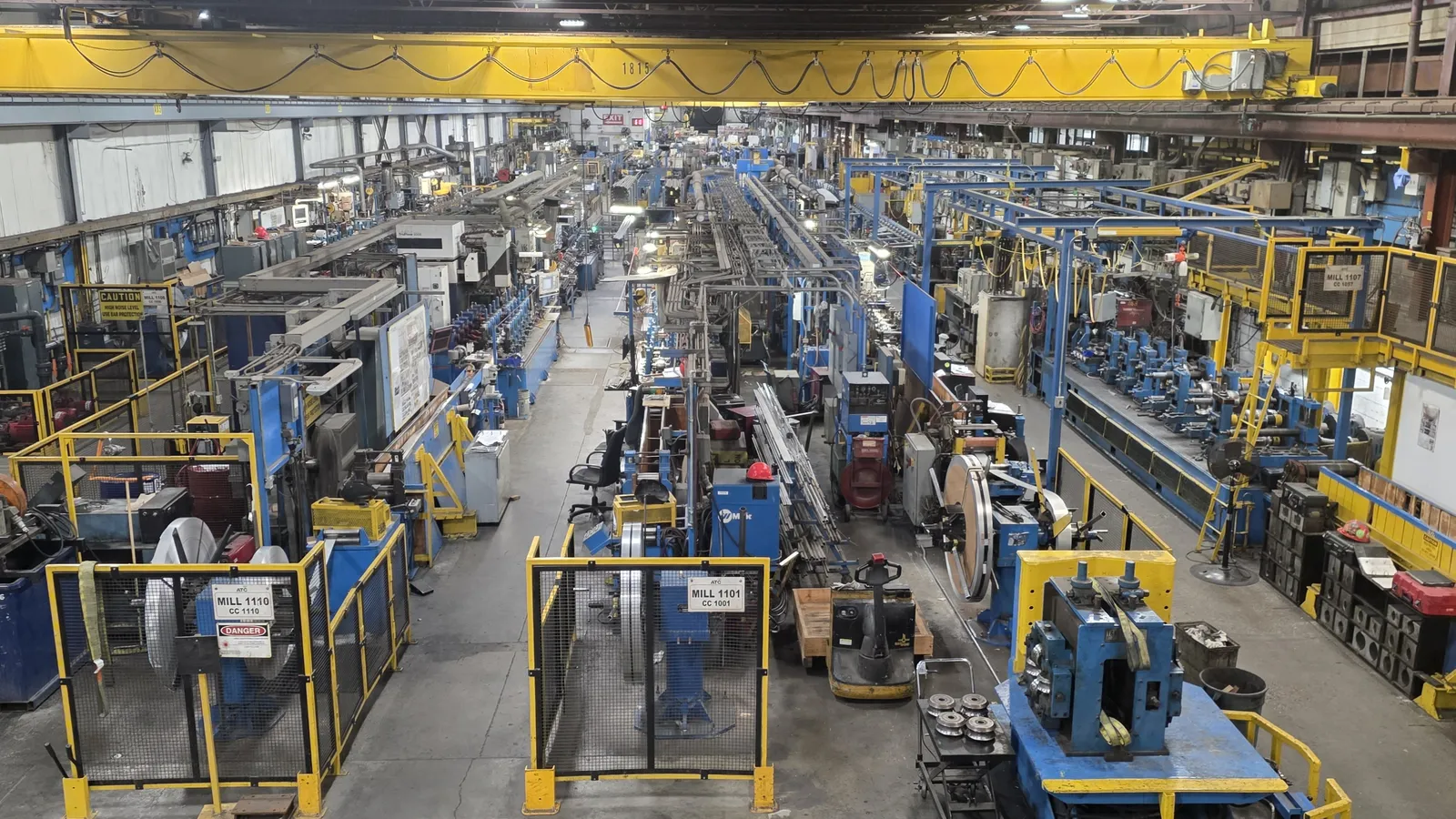
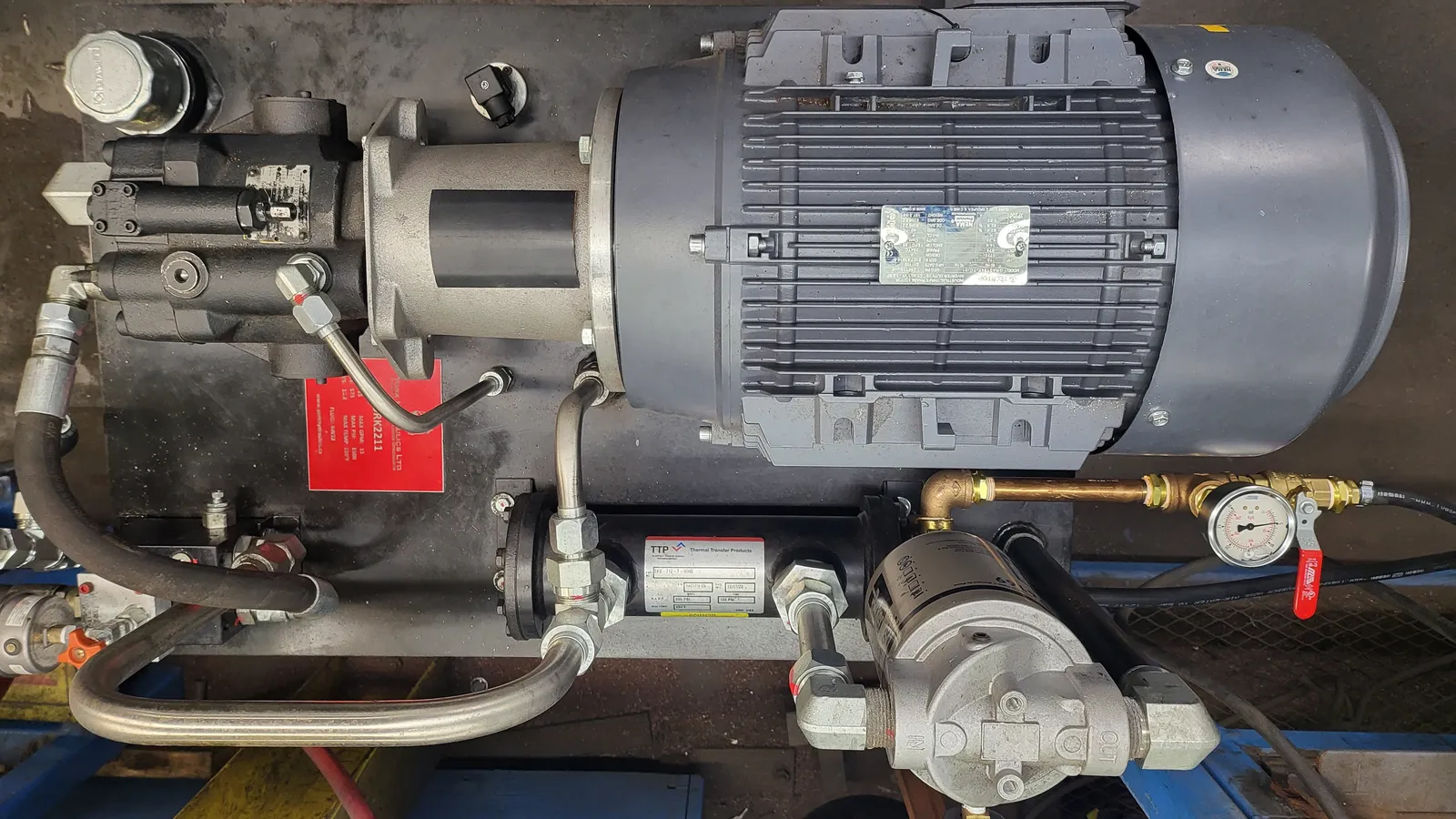

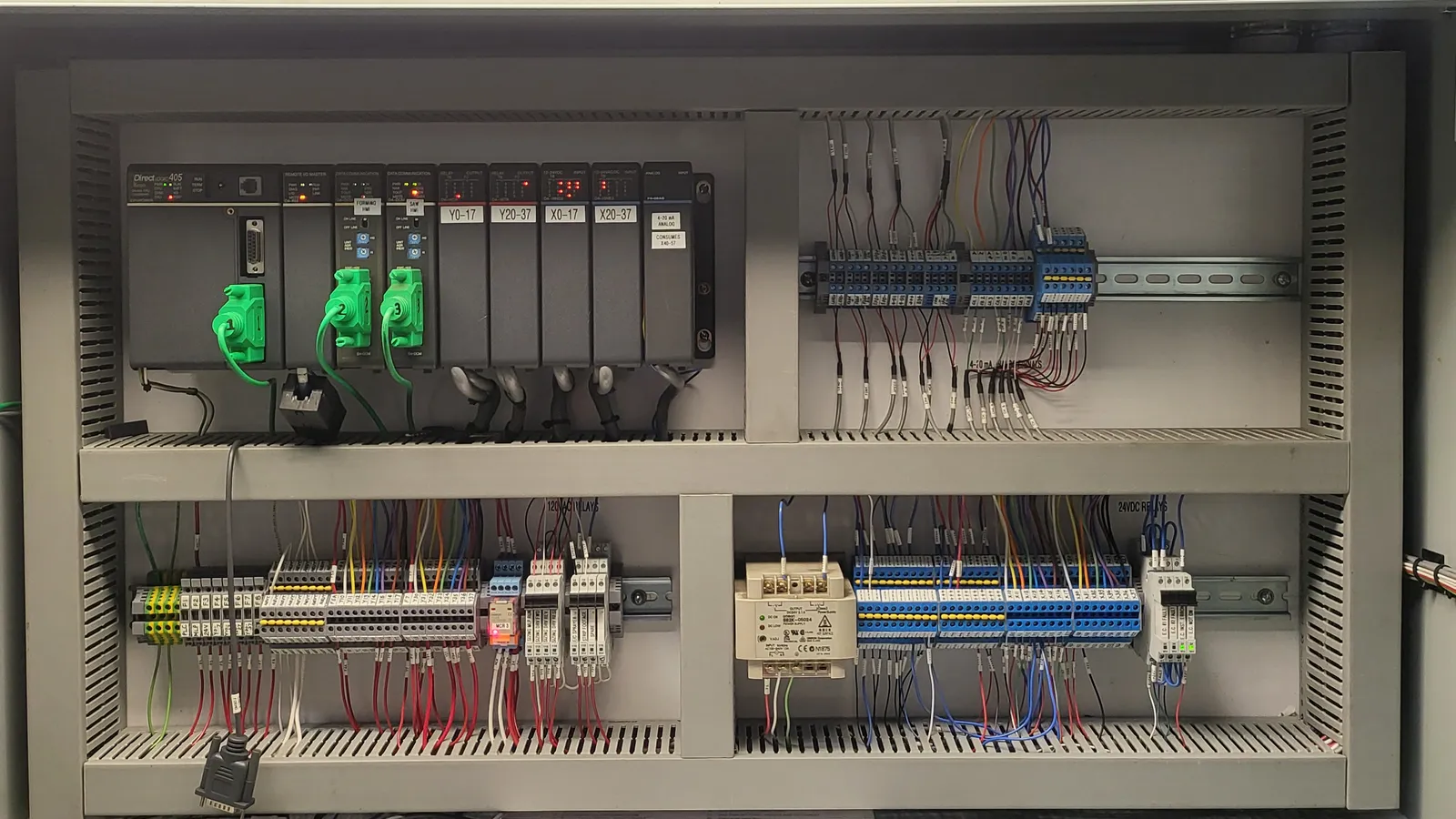

When the Capacitor Bank Is Still There but the Correction May No Longer Be Real
Test the bank before hidden failed stages and bad switching quietly turn savings back into utility cost
A capacitor bank can fail quietly for a long time.
That is exactly what makes it expensive. The bank is still installed, the enclosure is still in place, and the site keeps assuming the power factor correction is still working. Meanwhile, one or more failed stages, blown fuses, weak contactors, or controller problems may already be reducing the correction effect.
In industrial and commercial facilities across Toronto and the GTA, one of the clearest warning signs is when the customer still has PF correction equipment installed but utility cost or PF behavior no longer looks as good as expected. Another is when the capacitor bank has been in service for years with little or no real testing.
This matters because Hydro One explains that for applicable business accounts, if the relevant ratio falls below its threshold, certain delivery-related components are billed on kVA instead of kW. If the correction system is no longer working properly, the financial consequence can continue quietly on every bill.
You may also need capacitor bank testing if an automatic controller appears suspicious, if some steps do not switch, if alarms exist, if a repair was done but no full verification followed, or if site load changed significantly since the bank was originally installed.
Schneider’s automatic capacitor bank bulletin specifically covers installation, operation, and maintenance of low-voltage automatic capacitor bank equipment, which reinforces that these systems require ongoing verification and should not be treated as “install once and forget forever.”
Capacitor bank testing in Toronto, Mississauga, Vaughan, Markham, and across the GTA helps customers find the hidden failures inside PF correction systems before those “small” defects keep quietly increasing utility cost and reducing trust in the electrical system.
The Capacitor Bank Is Installed but Savings Feel Weak
The physical presence of the bank does not prove all stages are still working correctly.
Automatic Controller Behavior Looks Suspicious
If steps are not staging properly, the correction system may no longer match the site load the way it should.
Some Stages May Have Quietly Failed
A blown fuse, failed capacitor, or bad contactor can reduce correction performance without creating obvious drama.
The Bank Has Been Operating for Years Without Real Testing
That is one of the most common reasons customers keep paying for correction equipment that is no longer fully correcting.
Utility Cost Still Feels Too High
If PF correction exists but the bill still behaves badly, the bank’s real performance should be verified rather than assumed.
Site Load Changed Since the Bank Was Installed
Even a technically healthy bank may no longer fit the current reactive behavior of the facility.
Repairs Were Done but Full Verification Never Followed
One repaired part does not guarantee that the full correction system is now functioning the way the site expects.
The Customer Wants Proof Before Spending More Money
Testing shows whether the issue is failed hardware, bad control, wrong sizing, or a deeper system mismatch.
WHY CHOOSE US
Why Industrial Clients Choose Us
We focus on practical industrial electrical solutions rather than temporary fixes, ensuring your power systems, equipment, and production infrastructure operate safely and reliably under real operating conditions. Every project is completed with careful planning, proper equipment selection, and close attention to long-term performance, system stability, and operational continuity.
Our approach eliminates unnecessary work and is based on accurate diagnostics, field-tested methods, and a clear understanding of how industrial facilities actually run, so you only invest in the work your system truly requires. We prioritize safety, efficiency, code compliance, and clean execution on every job, whether it involves troubleshooting, upgrades, installations, or power distribution improvements.
As a result, you receive a dependable, code-compliant industrial electrical system that supports your facility today, reduces the risk of costly downtime, and is properly prepared for future production demands, equipment expansion, and higher power requirements.
Licensed & Insured
All work is performed by qualified, fully insured electricians, ensuring safety, accountability, and compliance with all regulations.
ESA certified work
Every project includes permits and ESA inspection, guaranteeing that the installation meets Ontario Electrical Safety Code requirements.
Professional installations
We install panels with precise wiring, proper layout, and clear labeling, making the system safe, accessible, and easy to maintain.
Transparent pricing
You receive clear pricing based on the actual scope of work, with no hidden costs or unexpected changes during the entire project.
Fast scheduling
We schedule work efficiently and arrive on time, minimizing downtime and ensuring your electrical system is restored as quickly as possible.
Accurate calculations
We calculate electrical demand based on real usage, ensuring your panel is properly sized for both current and future electrical needs.
Code-compliant work
All installations strictly follow current electrical code requirements, ensuring safety, inspection approval, and long-term system reliability.
Reliable workmanship
Our experience allows us to deliver consistent, high-quality results that perform reliably under real operating conditions over time.
CODE & SAFETY REQUIREMENTS
Ontario Electrical Safety Code Compliance
The Ontario Electrical Safety Code (OESC) sets the minimum legal safety requirements for electrical installations and electrical work in Ontario. ESA states that the 2024 Ontario Electrical Safety Code is the current edition and that it became effective on May 1, 2025.
For capacitor bank testing, Code relevance is tied to safe condition of electrical equipment, approved equipment in service, service and feeder loading, grounding and bonding integrity, conductor protection, switching devices, automatic power factor controllers where applicable, and the corrective work that follows once failed or weak correction stages are identified.
Capacitor bank testing itself is a maintenance and verification service, but its value often leads directly to Code-sensitive corrective work. That may include capacitor replacement, fuse replacement, contactor replacement, controller correction, step staging repair, feeder review, and broader PF correction system updates. Schneider’s automatic capacitor bank bulletin explicitly covers installation, operation, and maintenance of low-voltage automatic capacitor bank equipment, which reinforces that these are live operating assemblies requiring proper maintenance rather than passive hardware.
Hydro One’s business billing explanation also shows why this work matters financially: if poor PF behavior returns because the capacitor bank is no longer functioning properly, billing consequences can continue for applicable accounts.
Rules commonly applicable to capacitor bank testing follow-up work
-
Rule 2-004 — Notification of work / ESA inspection process
If testing findings lead to electrical repair, correction, or installation work that requires notification, the required ESA process must be followed before the installation is returned to service. -
Rule 2-022 — Approved electrical equipment
Electrical equipment used in Ontario must be approved in accordance with Code requirements. -
Rule 2-024 — Approval requirements for electrical equipment
Equipment installed, replaced, or corrected as part of follow-up work must be approved to recognized standards and accepted for use in Ontario. -
Rule 2-300 — General requirements for maintenance and operation
Electrical equipment must be maintained in safe working condition, especially where failed correction stages or switching problems are already reducing safe and effective operation. -
Rule 2-314 — Working space around electrical equipment
Working space around switchgear, panels, capacitor banks, service equipment, and related electrical assets must be kept clear for safe access and maintenance. -
Rule 8-102 — Calculation of service and feeder loads
Service and feeder loads must be calculated properly, especially where correction equipment performance affects how the system carries useful and reactive burden. -
Rule 8-104 — Maximum circuit loading
Branch circuits, feeders, and services must be loaded within allowable limits so the installation does not exceed safe operating capacity. -
Rule 10-002 — Grounding and bonding requirements
Effective grounding and bonding remain essential because capacitor banks and associated switching equipment have to operate inside a sound electrical system. -
Rule 14-100 — Protection of conductors by overcurrent devices
Conductors must be protected by correctly selected breakers or fuses suitable for the circuit and connected equipment. -
Rule 14-104 — Rating / coordination of overcurrent protection
Overcurrent protection must be coordinated with conductor ampacity and the operating characteristics of the installation.
Note: Rule selection may vary depending on whether the testing findings point toward fixed capacitors, automatic capacitor bank stages, detuned systems, controller faults, switching faults, or broader reactive power correction redesign. Exact official wording should be taken from the current purchased edition of the Ontario Electrical Safety Code.
COMMON QUESTIONS
FAQ — Capacitor Bank Testing
1. Why does capacitor bank testing matter if the bank is already installed?
Because installed equipment can stop performing properly without making that obvious to the customer. Testing verifies whether the bank is still actually correcting the way it should.
2. Can a capacitor bank fail quietly?
Yes. Failed stages, blown fuses, weak contactors, or controller problems can reduce correction performance without creating a dramatic visible event.
3. Can a bad capacitor bank increase utility cost?
Yes. If PF correction is no longer working properly, the site may return to poor PF behavior and continue paying avoidable cost. Hydro One explains that for applicable accounts some delivery-related components can be billed on kVA instead of kW when the relevant ratio falls below its threshold.
4. What usually gets tested?
Typical items include capacitor stages, fuses, contactors, switching behavior, controller operation, and the real correction effect being delivered to the electrical system.
5. Does a lit controller screen prove the system is healthy?
No. A controller can be powered while one or more stages are unavailable or while switching performance is no longer correct.
6. Can load changes make an old capacitor bank less effective?
Yes. Even if the hardware still works, changes in the site’s load profile can make the installed correction no longer a good match for current operation.
7. Do automatic capacitor banks require maintenance?
Yes. Schneider’s low-voltage automatic capacitor bank bulletin explicitly covers installation, operation, and maintenance of this equipment.
8. Is this only for large industrial plants?
No. Any commercial or industrial site with installed PF correction equipment can benefit if the bank’s real performance is uncertain.
9. Can this service help before deciding to buy a new capacitor bank?
Yes. Testing often shows whether the existing bank needs repair, whether the sizing no longer matches the site, or whether the problem lies elsewhere.
10. Is capacitor bank testing the same as full power factor correction design?
No. Testing verifies the health and real performance of existing correction equipment, while full correction design addresses the broader reactive power strategy for the site.
11. Does this service itself replace code compliance?
No. It is a maintenance and verification service. Any repair or replacement work that follows still has to use approved equipment and comply with applicable Ontario Electrical Safety Code and ESA requirements. ESA confirms the 2024 OESC is effective in Ontario from May 1, 2025.
12. Why do people usually wait too long to test capacitor banks?
Because the bank is still physically there, so they assume the correction is still real. The real cost appears later through quiet underperformance and ongoing utility charges.
SERVICE AREAS
Serving Toronto & the Greater Toronto Area
We provide residential, commercial, and industrial electrical services across Toronto and the GTA, supporting homes, businesses, and facilities with reliable and code-compliant electrical solutions.
Our service coverage includes major cities and surrounding areas, allowing us to respond quickly and deliver consistent service across the region.
Toronto
North York
Thornhill
Richmond Hill
Vaughan
Markham
Scarborough
Etobicoke
Mississauga
Brampton
ADDITIONAL SERVICE AREAS
Hamilton
Oakville
Burlington
Milton
Georgetown
Pickering
Ajax
Whitby
Oshawa
Clarington
Aurora
Newmarket
Bradford
King City
Barrie