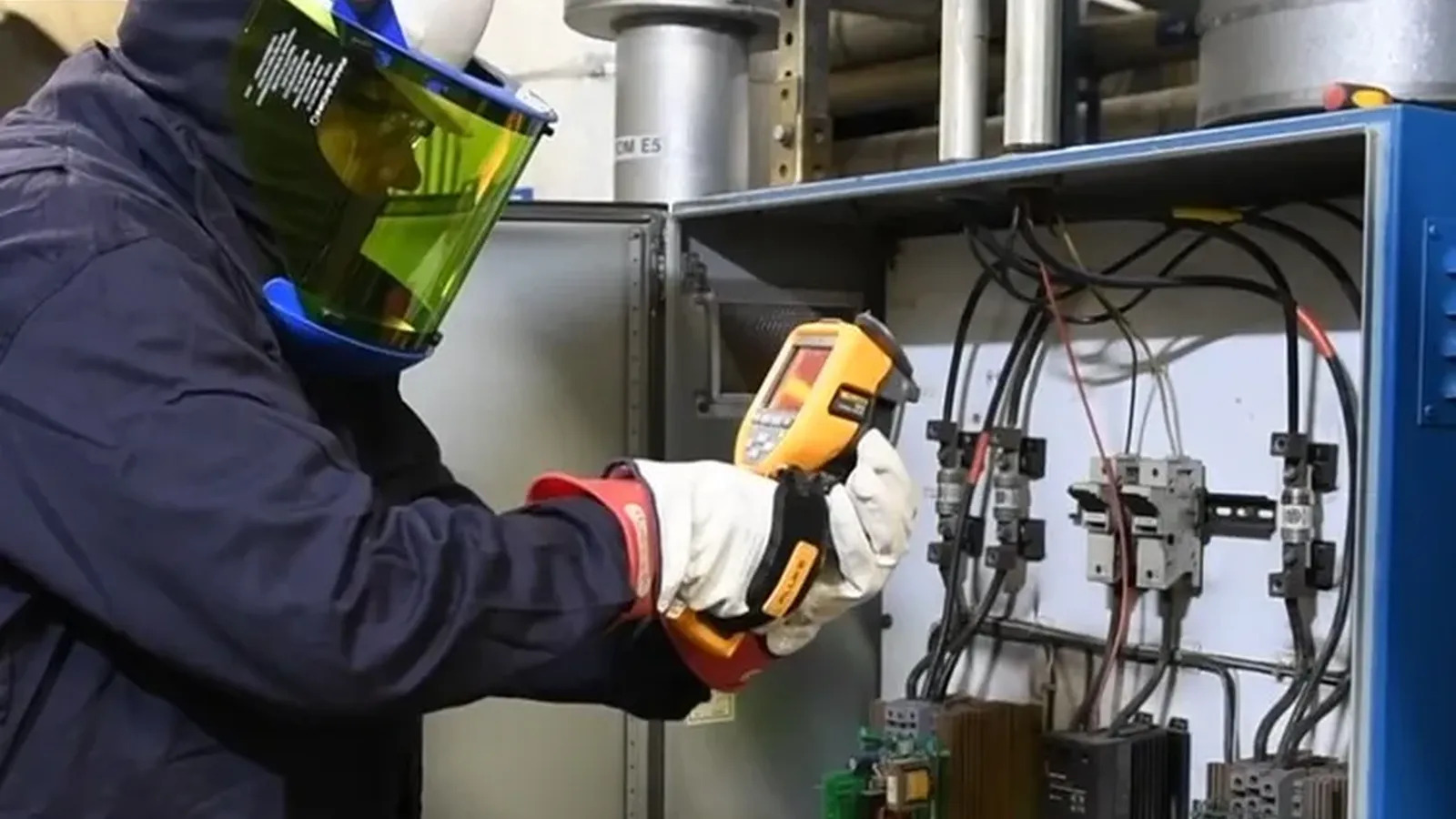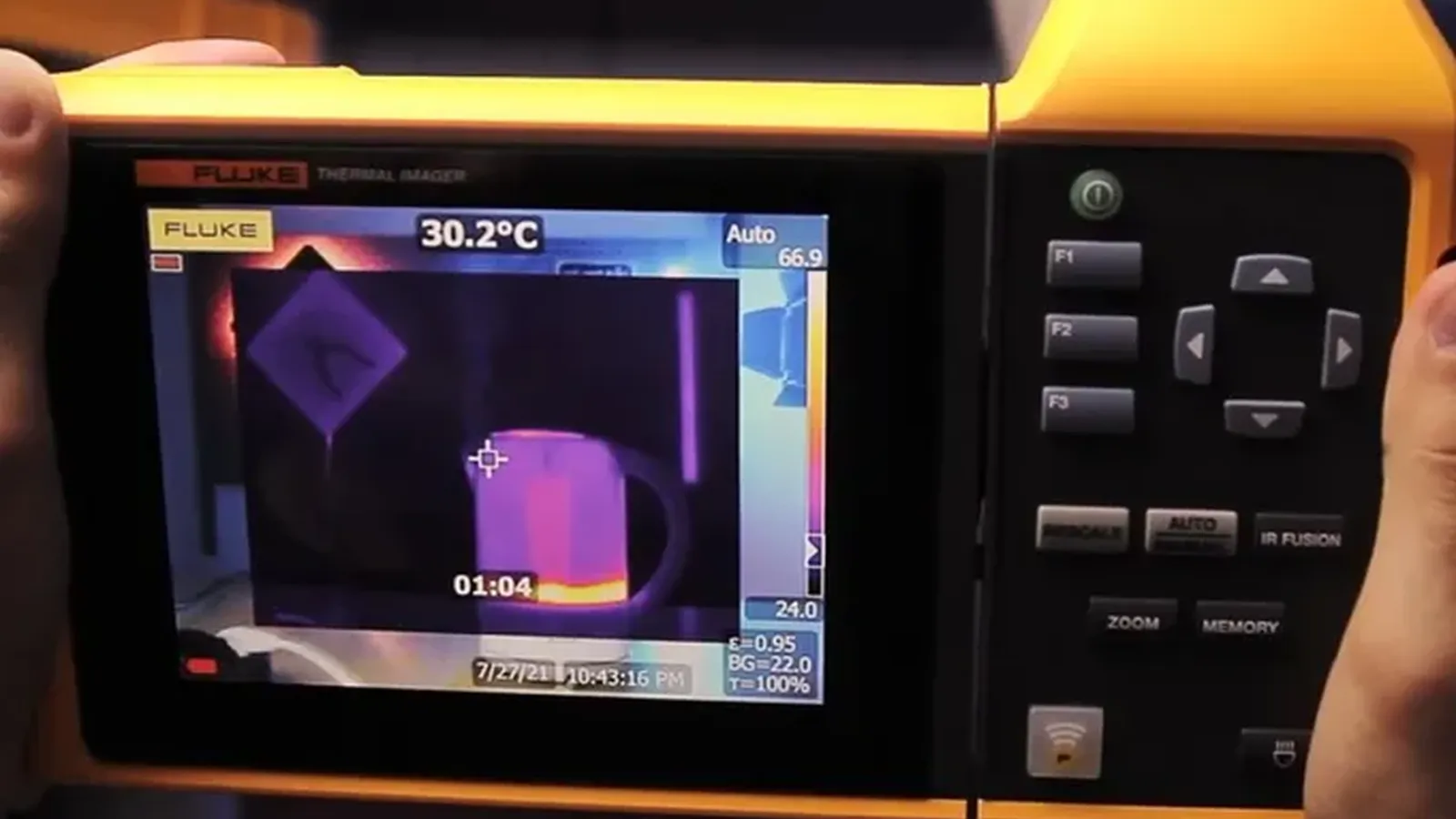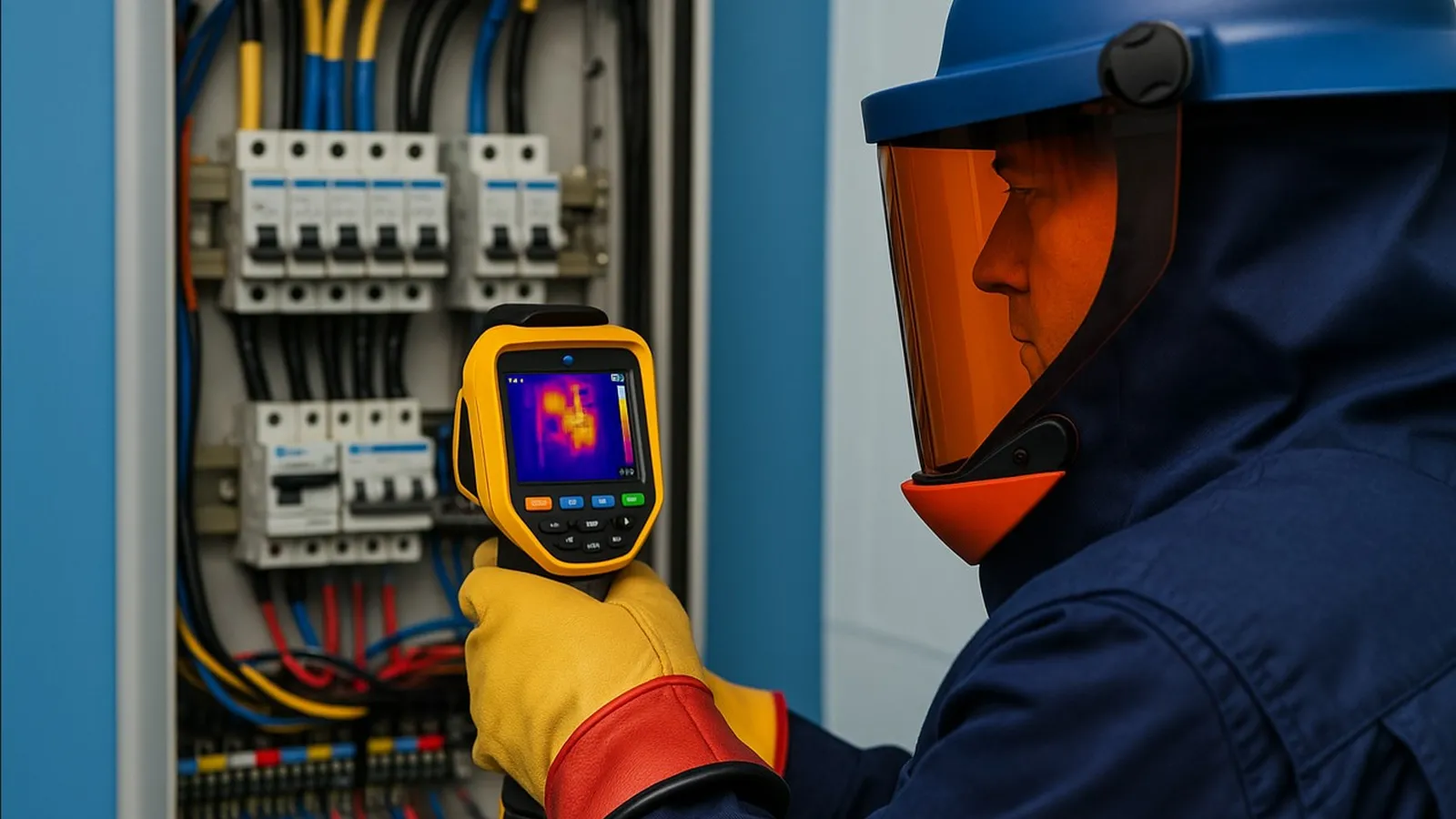
We use the Fluke Ti480 PRO thermal camera because it provides high-resolution thermal imaging for professional electrical inspections. The camera offers 640 × 480 infrared resolution and SuperResolution imaging up to 1280 × 960, which helps reveal more detail in electrical equipment. It also includes MultiSharp Focus, LaserSharp Auto Focus, IR-Fusion visual and infrared blending, interchangeable smart lens compatibility, and Fluke Connect reporting features. You can review the manufacturer information on the official Fluke Ti480 PRO infrared camera.
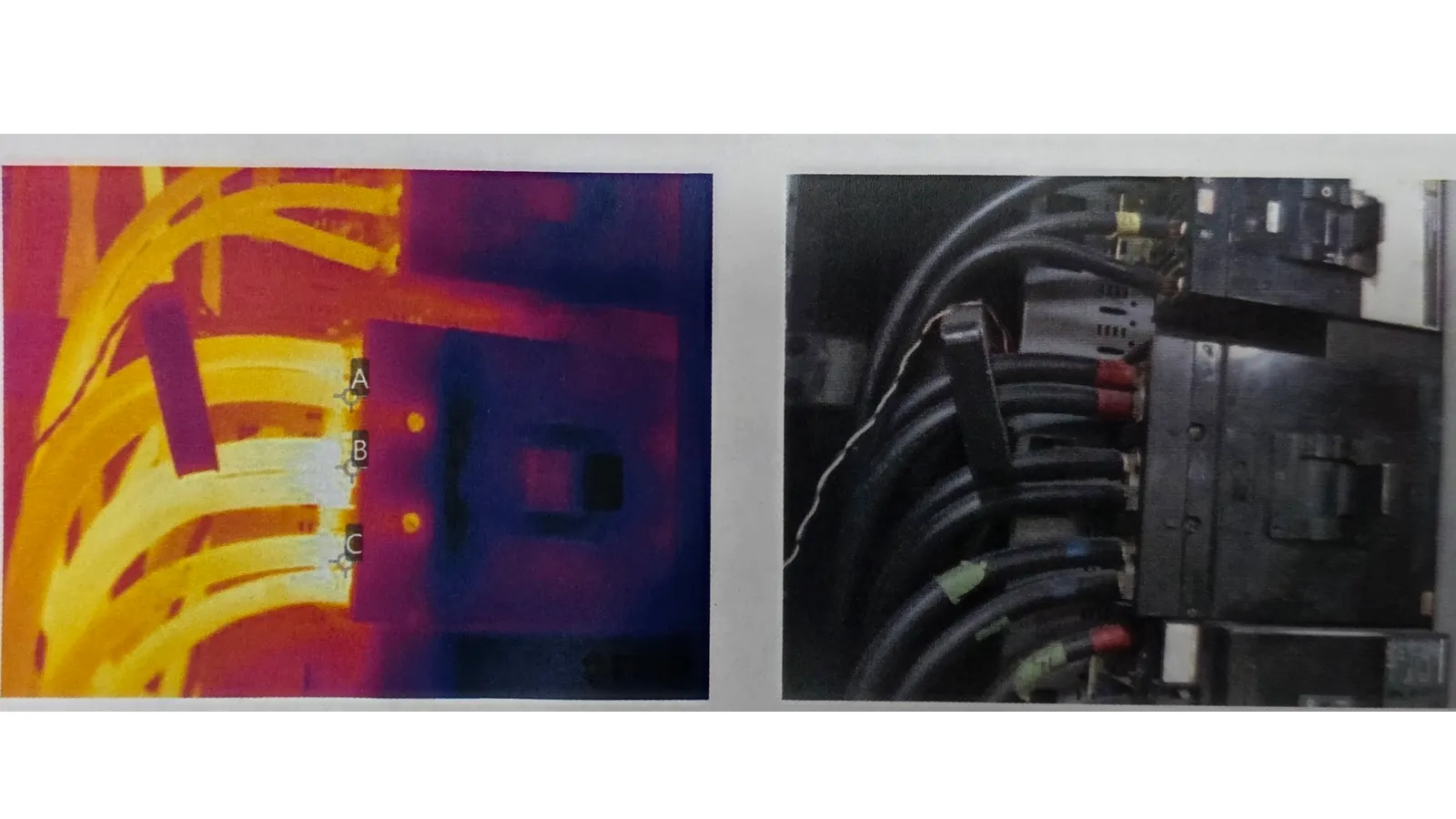
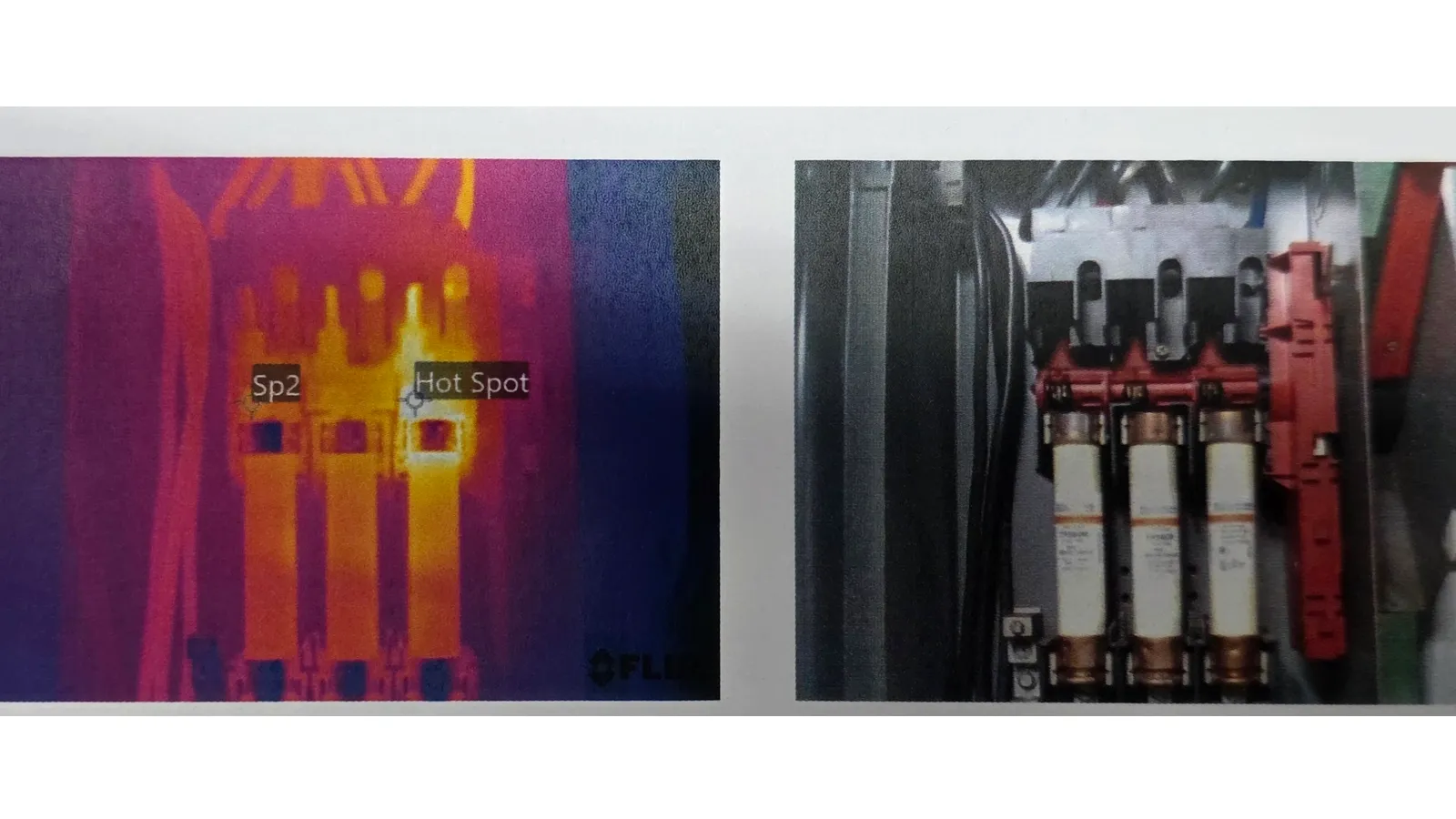
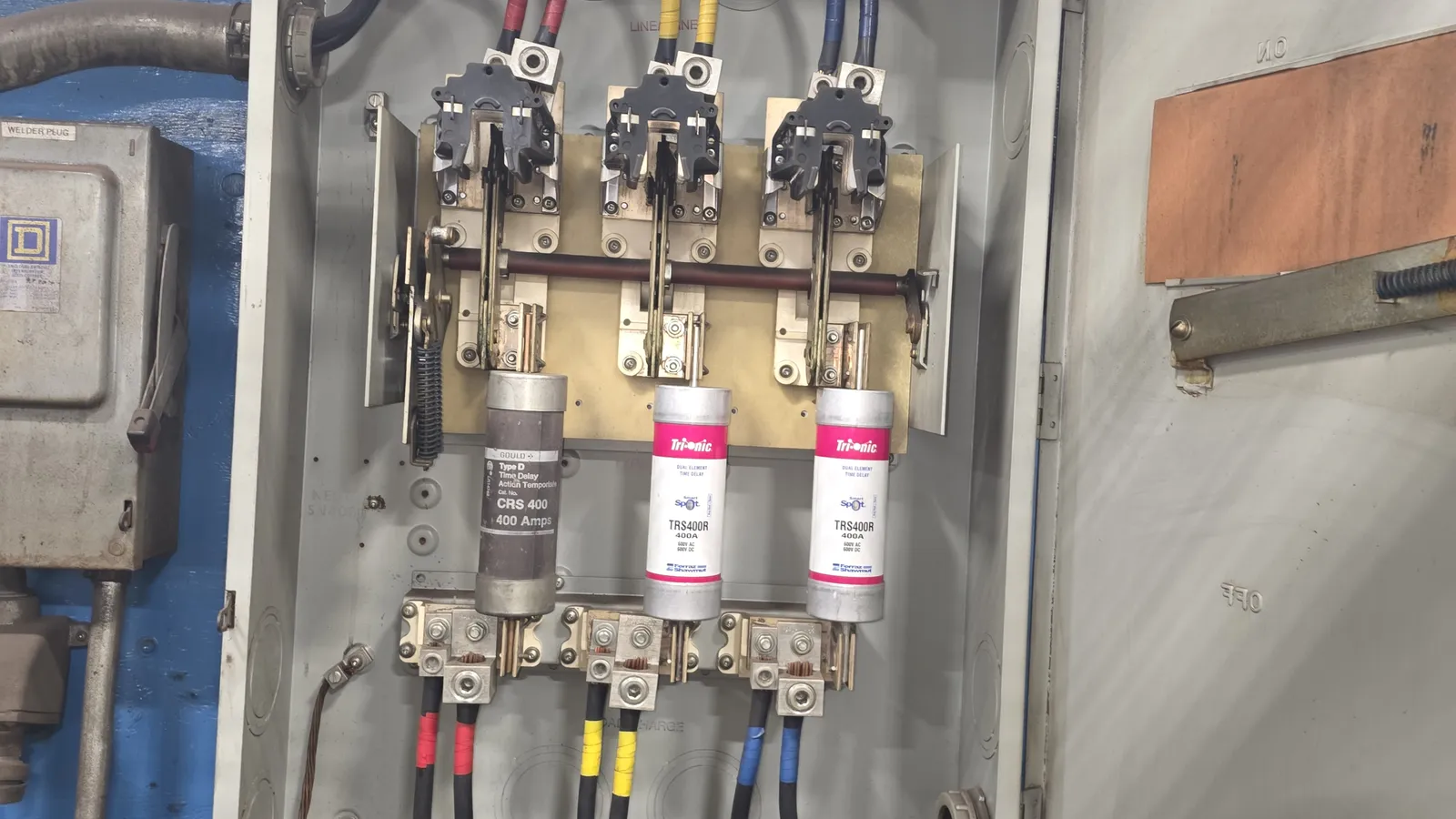
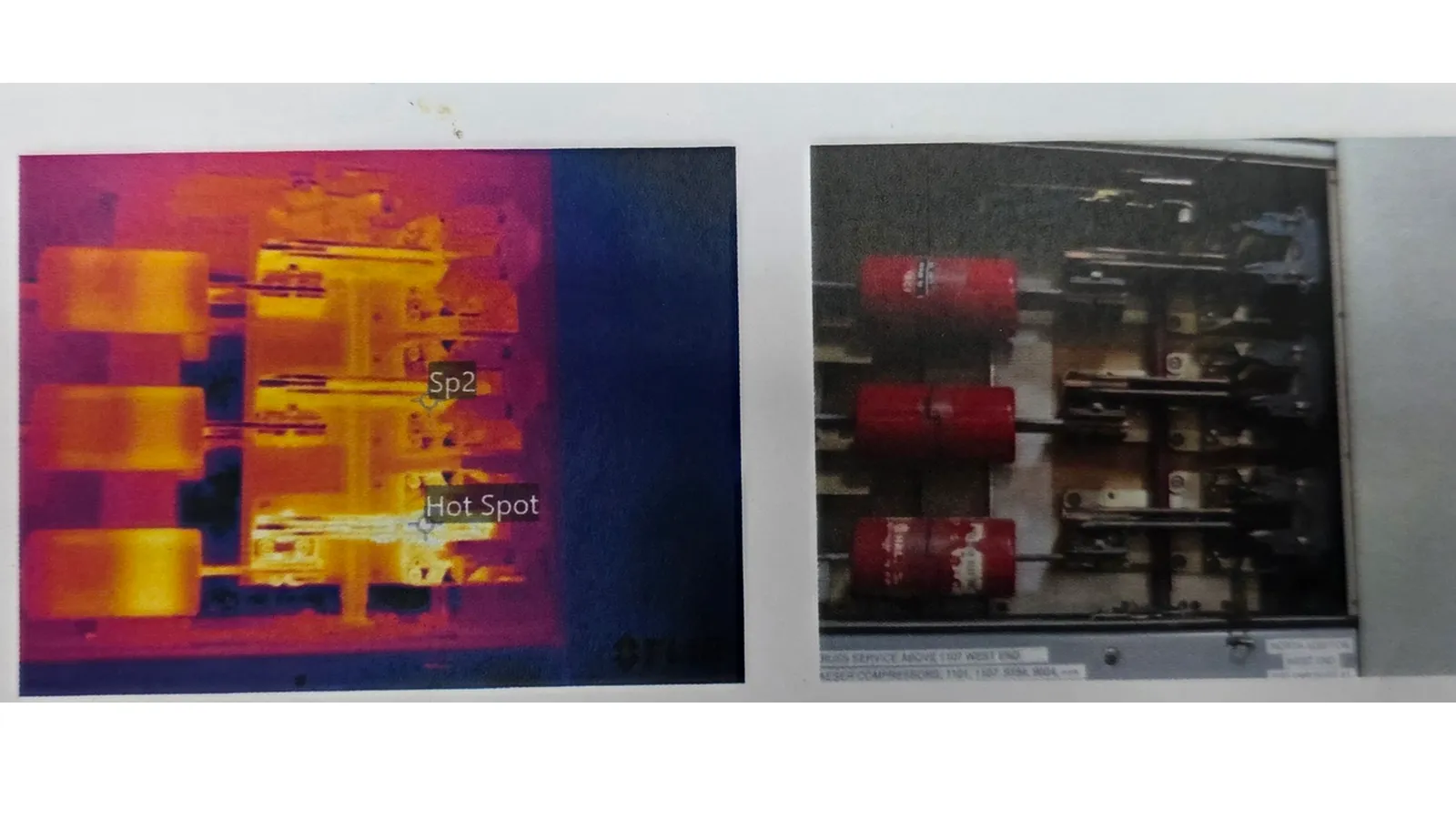
A major advantage of professional Infrared Thermal Inspections is that they allow us to compare similar electrical components under load. For example, if one breaker, fuse holder, lug, phase conductor, or contactor is significantly hotter than similar equipment carrying comparable load, that temperature difference may indicate a developing problem. This is very useful because electrical heat problems are often relative: the issue is not only the temperature number, but also how that component compares to the rest of the system.
Infrared Thermal Inspections can help detect loose electrical connections, overloaded circuits, phase imbalance, failing breakers, poor terminations, overloaded neutral conductors, damaged bus connections, overheating transformers, faulty disconnects, weak contactors, motor control issues, and equipment running under abnormal electrical stress. These issues may not produce immediate failure, but they often become worse over time.
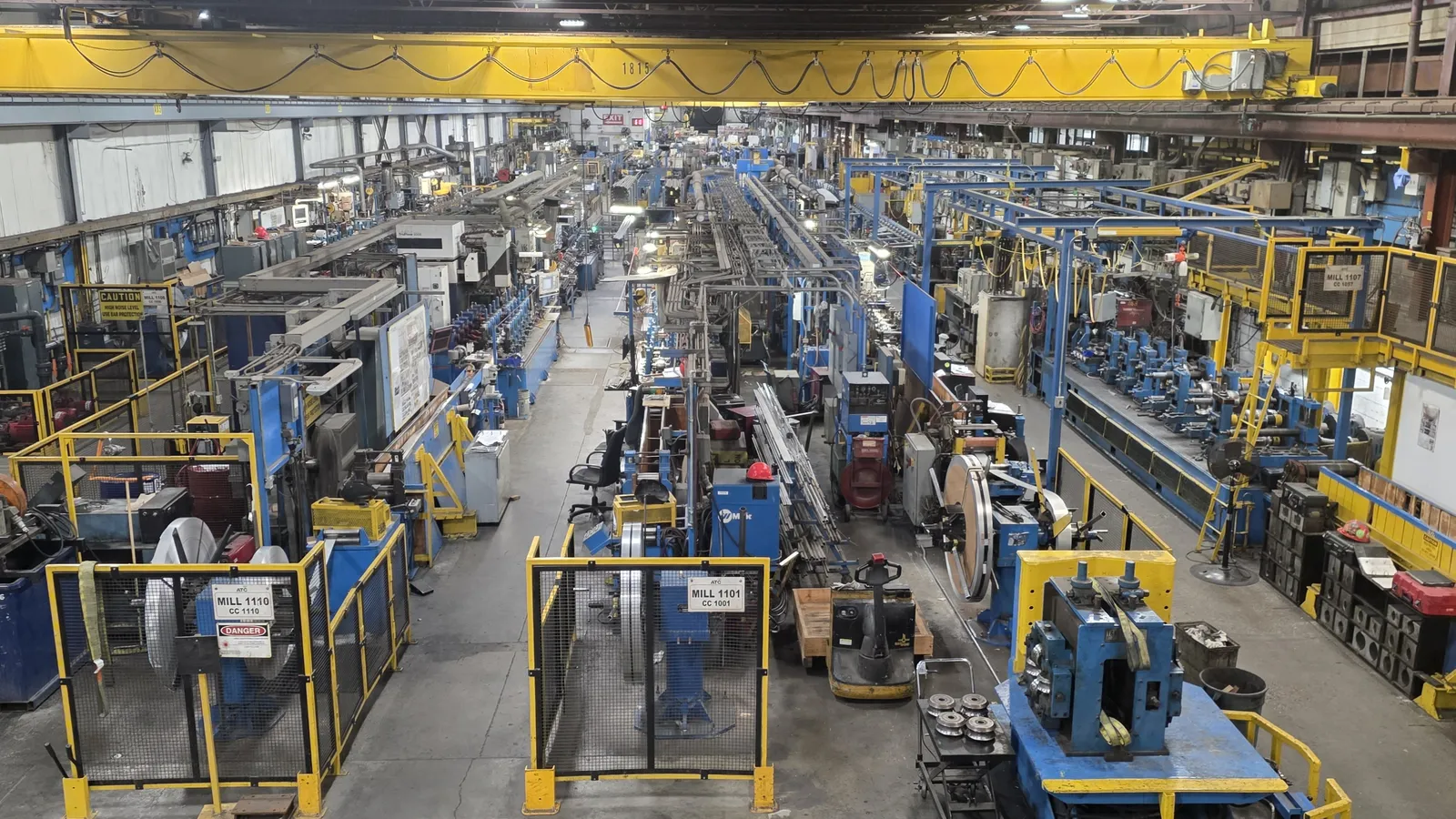
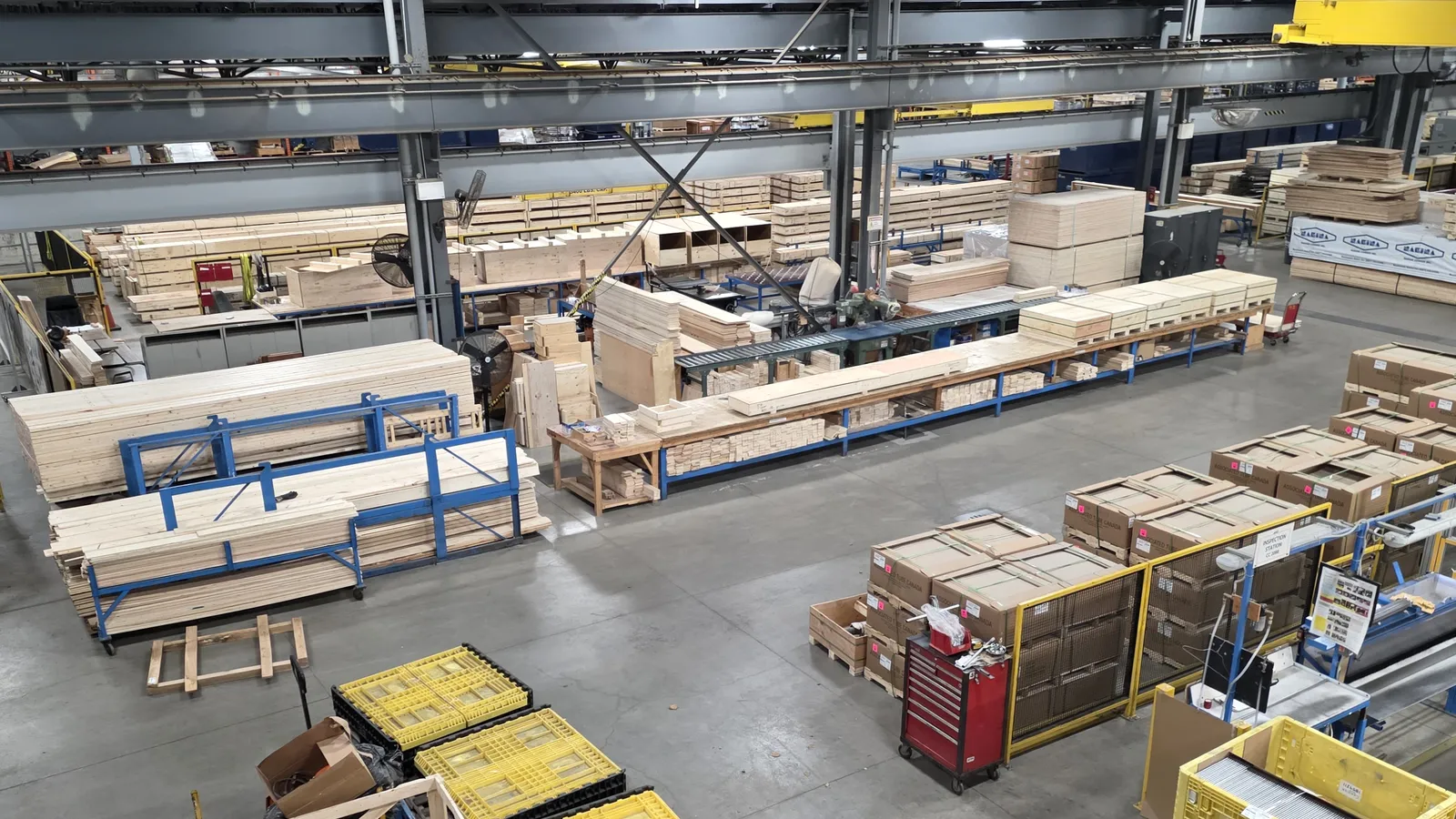
For commercial buildings, Infrared Thermal Inspections are useful for maintenance planning, tenant safety, insurance documentation, electrical reliability, and reducing the chance of unexpected downtime. For industrial facilities, this service is especially important because electrical failures can stop production, damage machinery, affect refrigeration, interrupt compressors, shut down control systems, or create expensive emergency repairs.
Infrared Thermal Inspections should be performed when the system is energized and carrying meaningful load. This is important because a loose connection or overloaded component may not show abnormal heat when the circuit is lightly loaded. During inspection, we look for unusual temperature rise, uneven heating between phases, hot spots at terminations, heat concentration around breakers, overheated cables, abnormal transformer heating, and components that do not match the expected pattern.
Depending on what is found, the next step may include tightening or replacing terminations, correcting overloaded circuits, replacing damaged breakers, improving load balance, repairing conductors, replacing contactors, checking transformer loading, improving ventilation, reviewing panel condition, or performing deeper electrical diagnostics. In some cases, Infrared Thermal Inspections may also lead to related services such as electrical preventive maintenance, infrared thermal electrical inspections, power quality analysis, and industrial electrical diagnostics.
Infrared Thermal Inspections do not replace proper electrical repair, code compliance, or hands-on testing. They help identify where the electrical system deserves closer attention. The value is that they provide visible evidence of heat, help prioritize risk, and allow the customer to act before a hidden problem becomes a shutdown, equipment failure, or safety concern.
If your facility has warm panels, repeated breaker trips, burning smell, equipment failures, production interruptions, overloaded circuits, aging electrical gear, or unknown hot spots, contact Smart Electrical to schedule professional Infrared Thermal Inspections in Toronto, Mississauga, Brampton, Vaughan, Markham, Richmond Hill, North York, Scarborough, Etobicoke, Oakville, Burlington, Pickering, Ajax, and Whitby.