Toronto & GTA Electrical Contractor

Power Quality Analysis
with Fluke 1777

Electrical problems are not always visible. Voltage drops, harmonics, transients, imbalance, flicker, poor power factor, and short-duration disturbances can damage equipment, interrupt production, increase energy costs, and create unexplained failures.

Licensed & Insured Fast Response Code-Compliant Work
Smart Electrical Services

What We Do

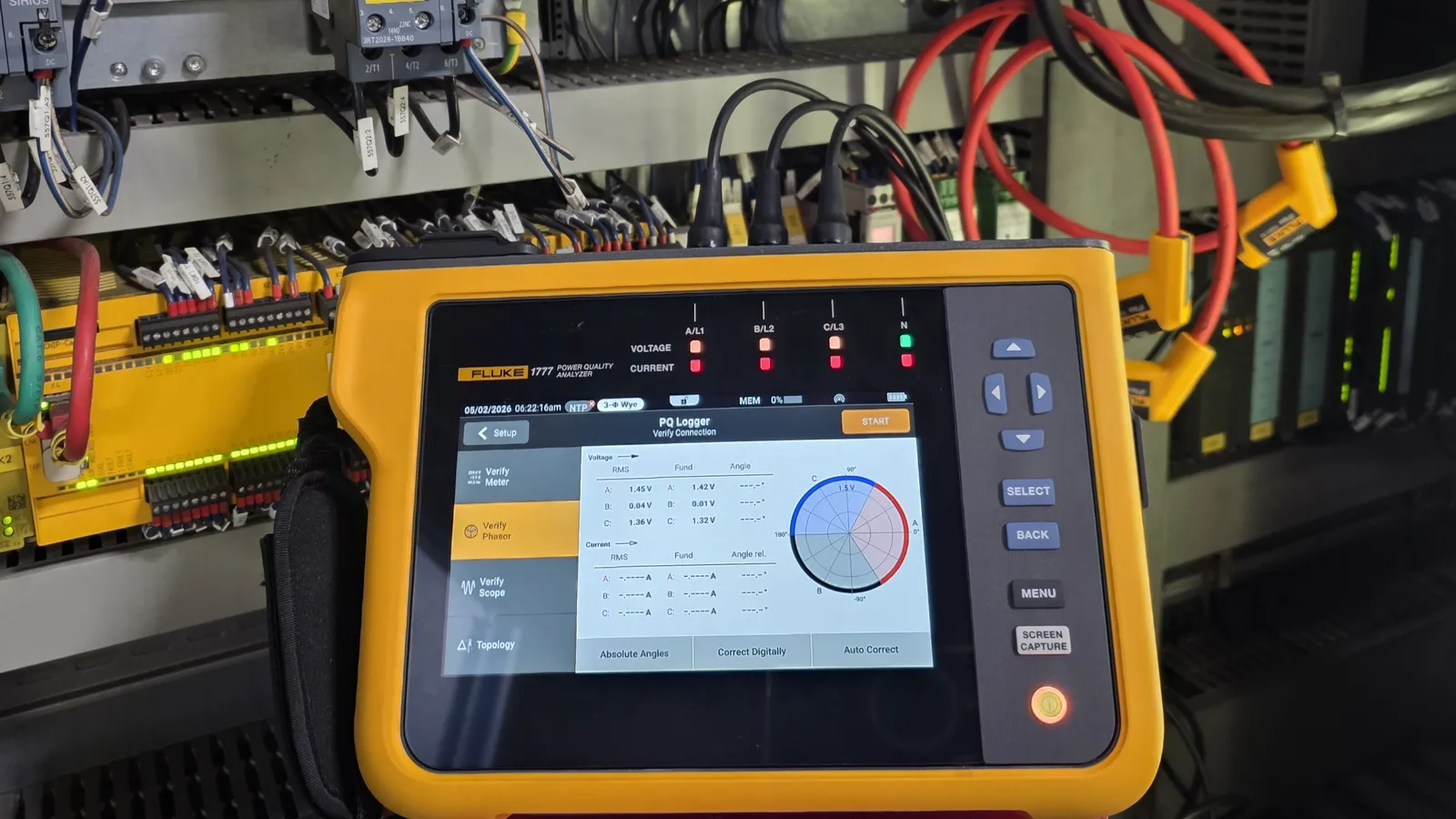
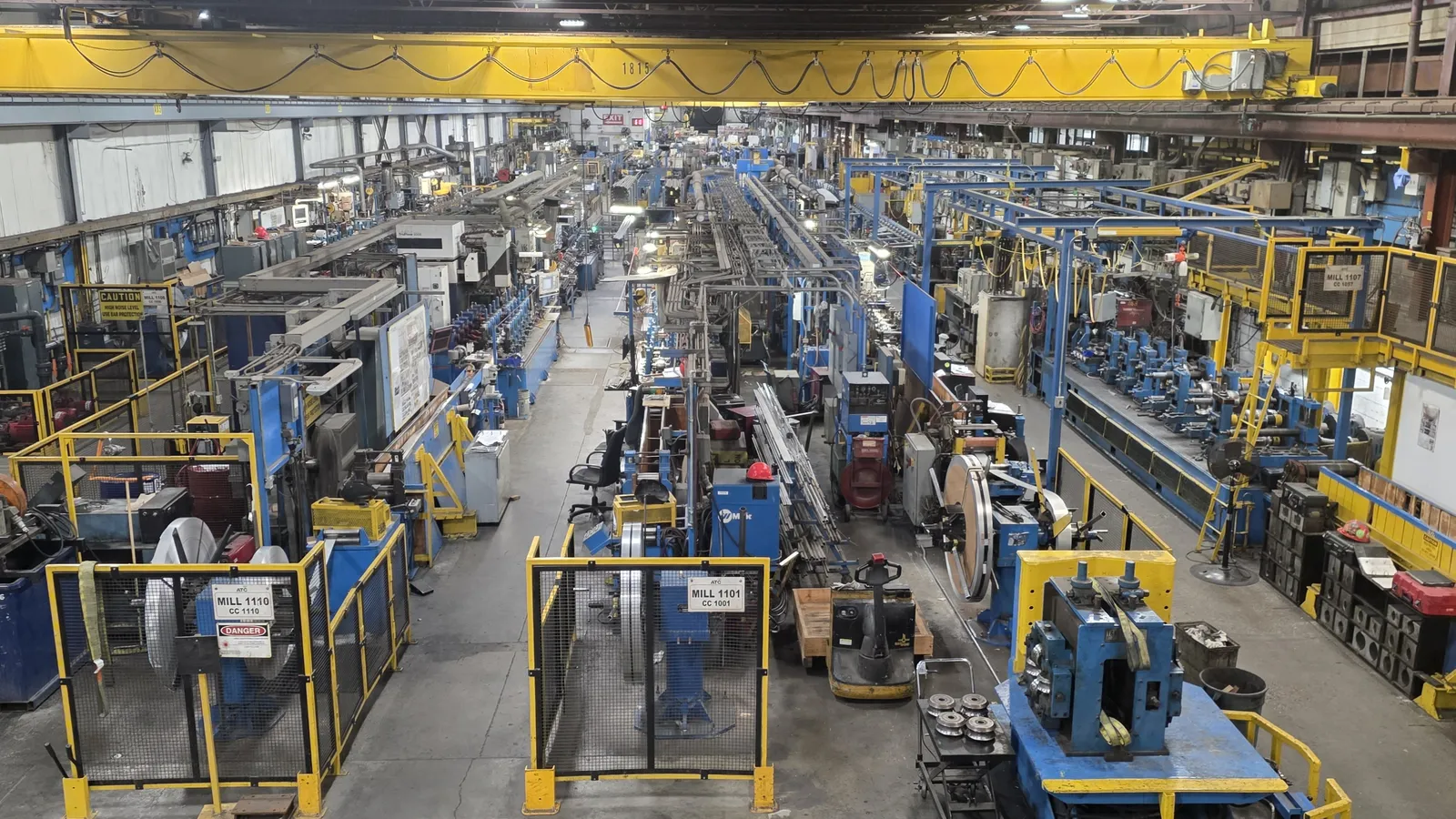
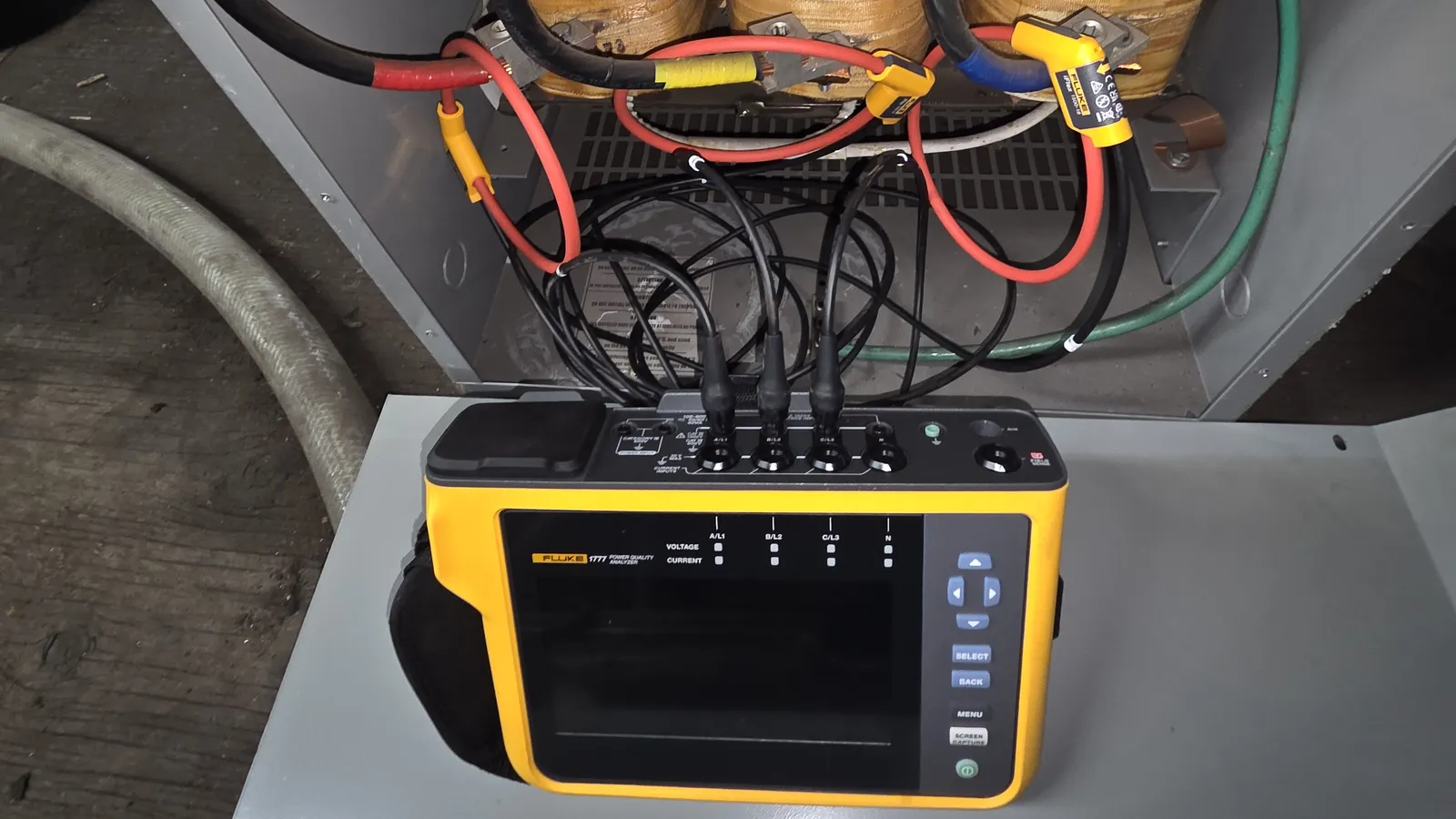
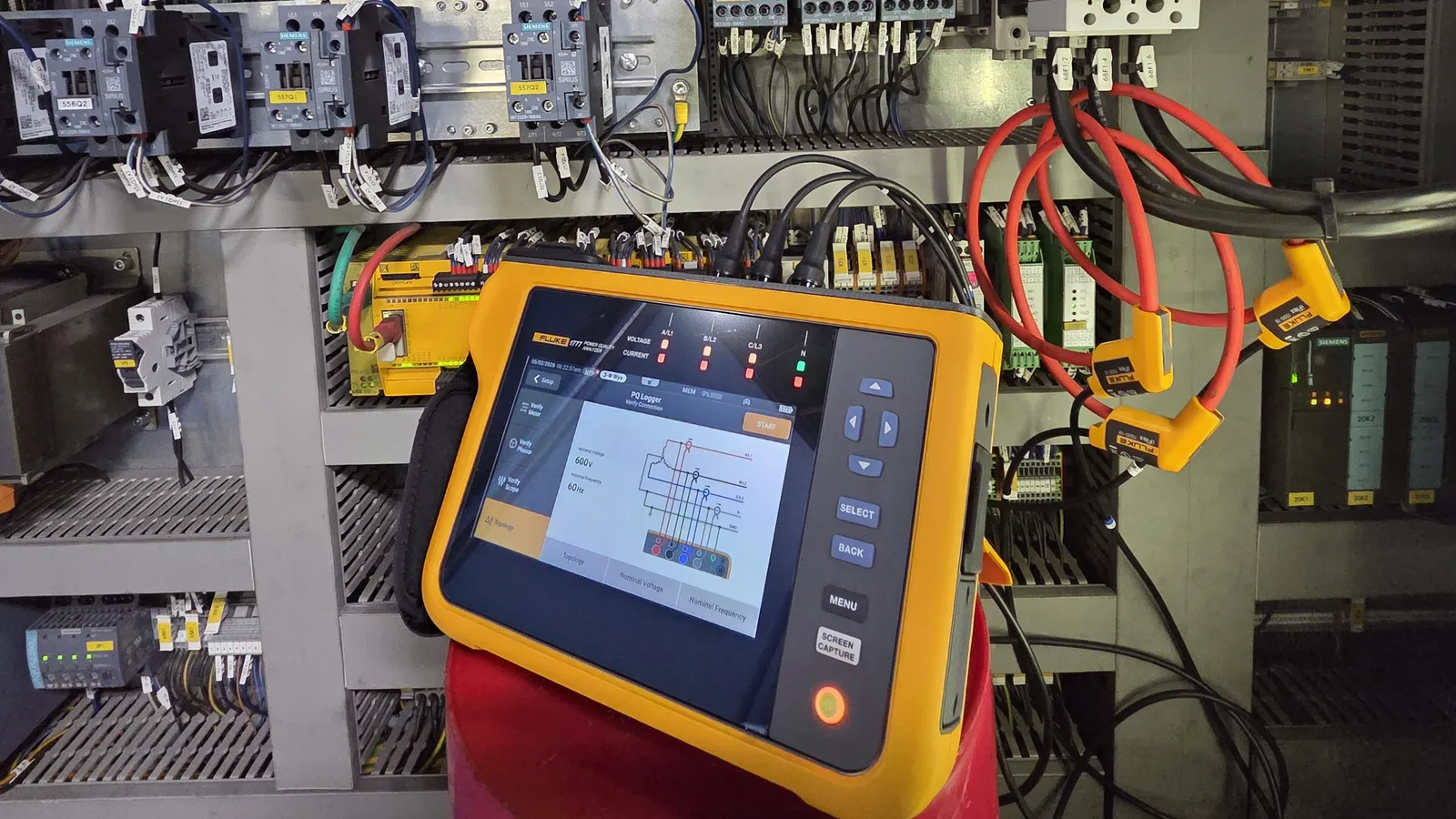
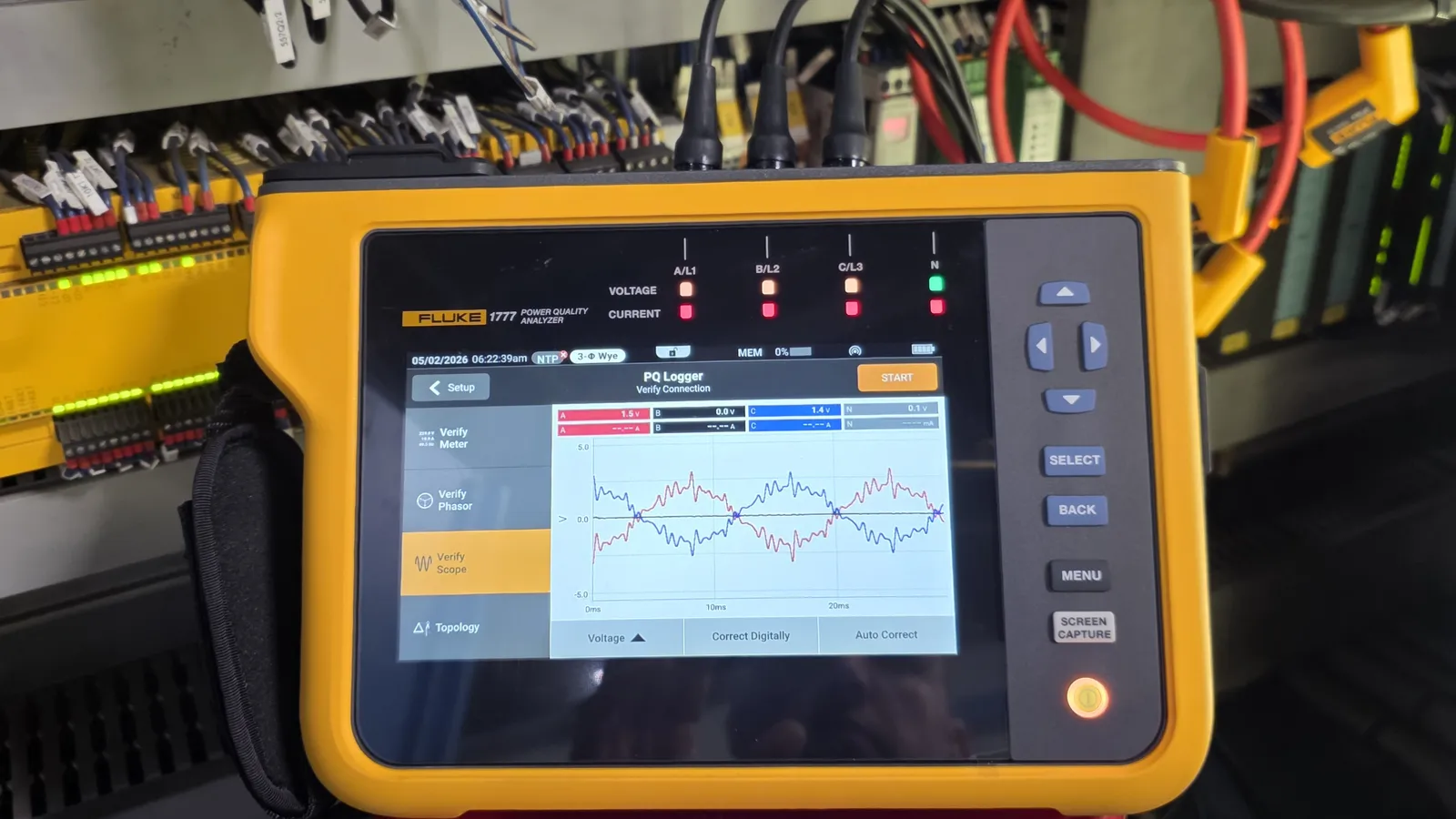
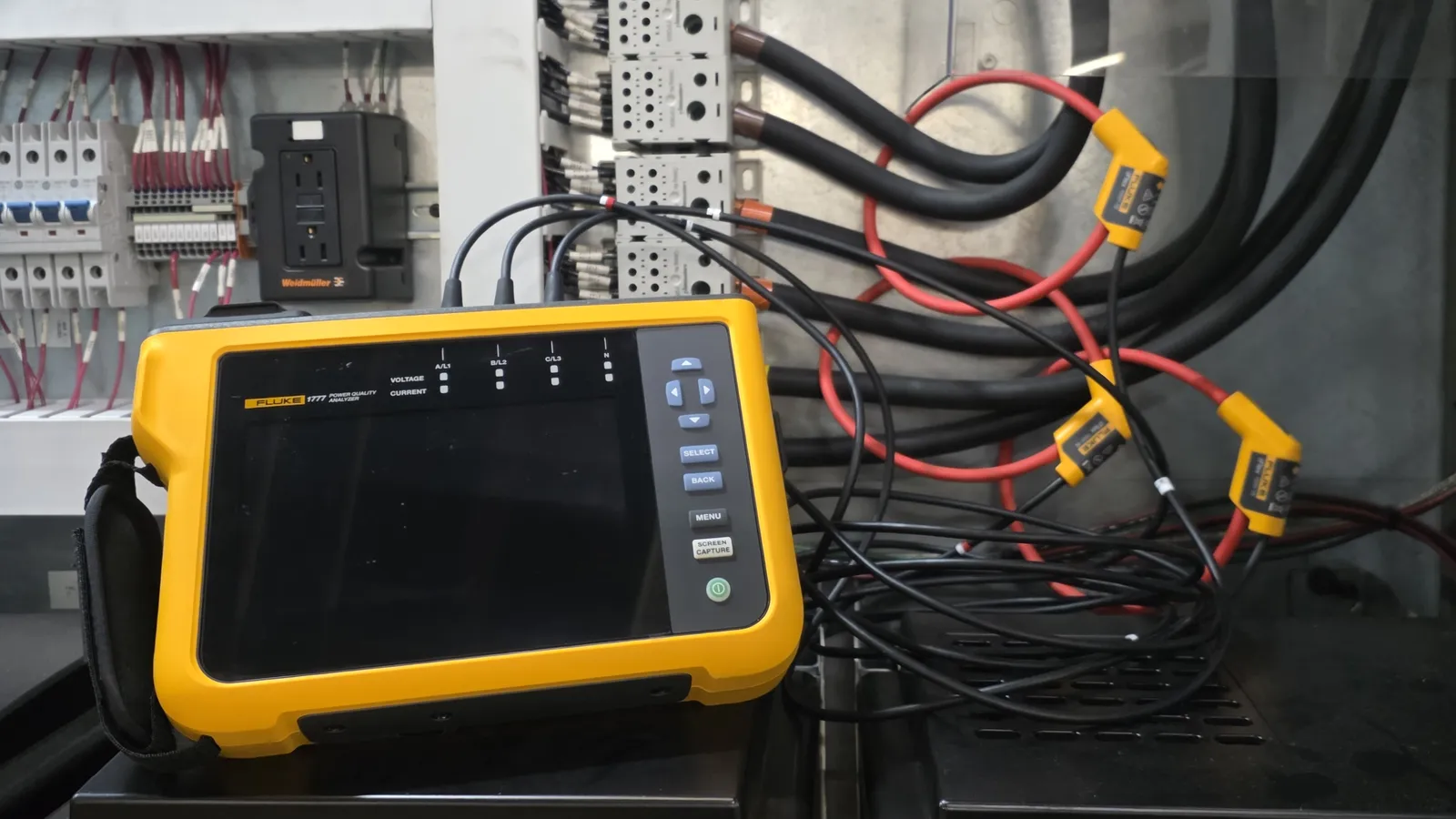
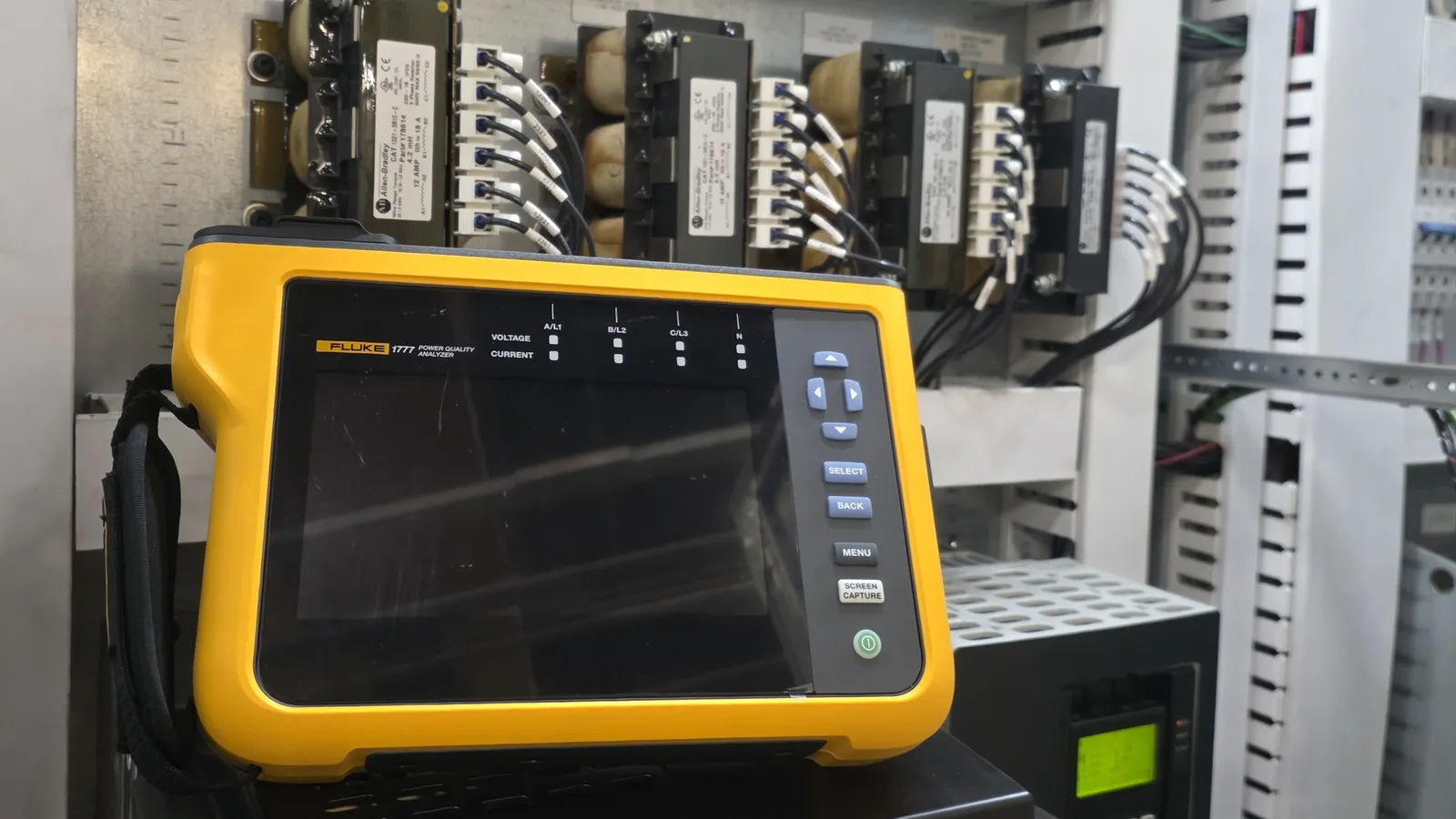
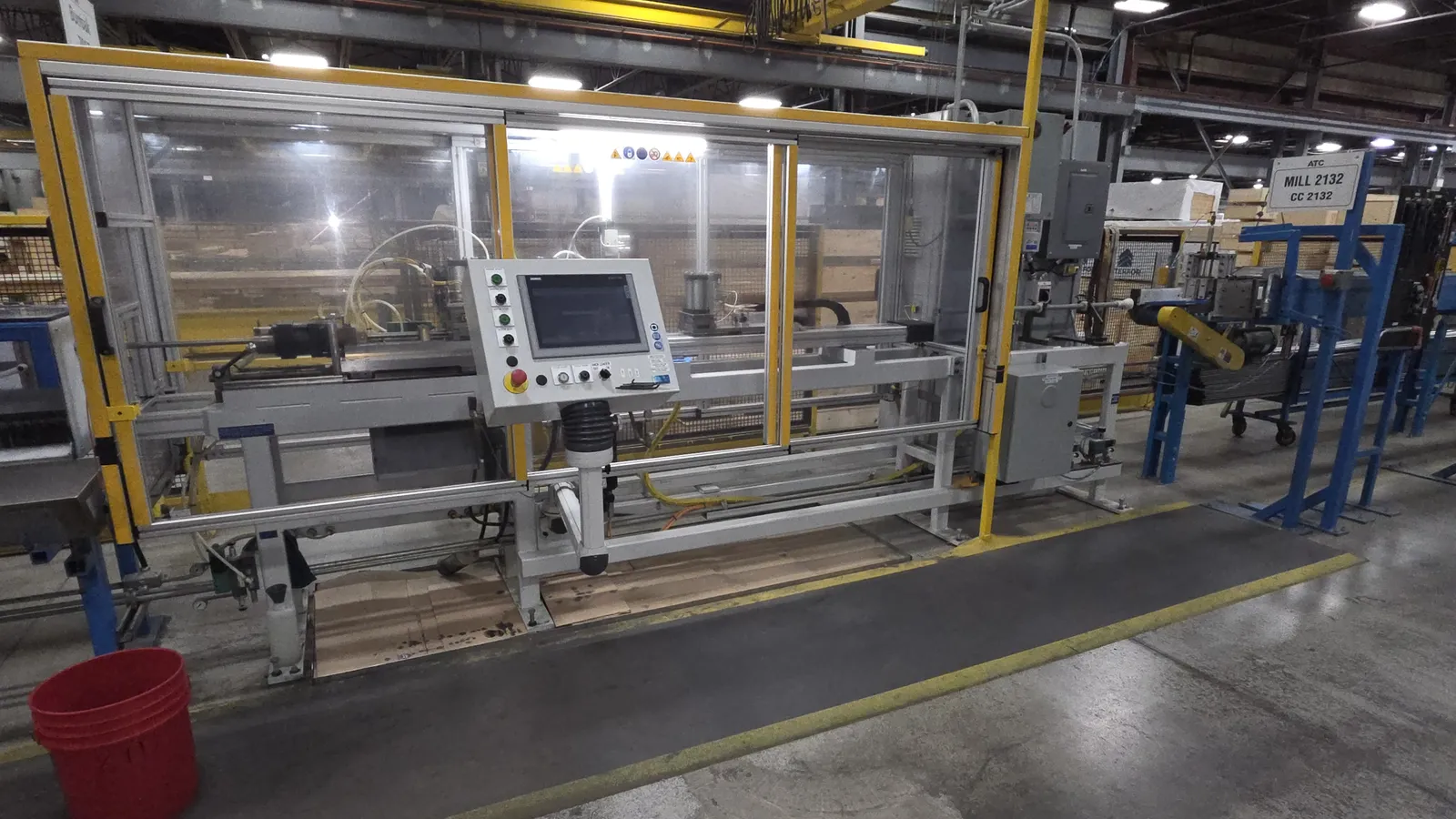
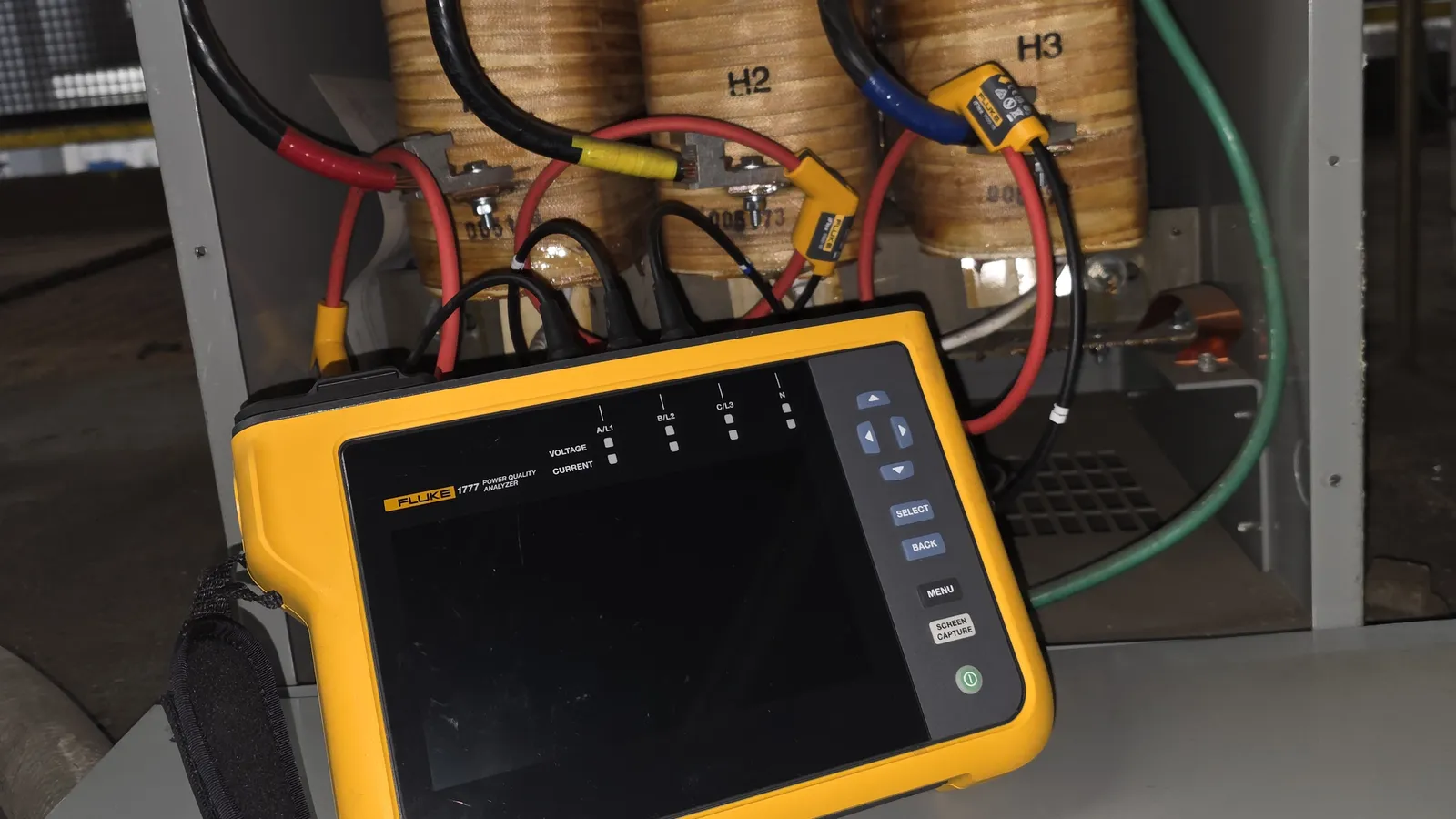
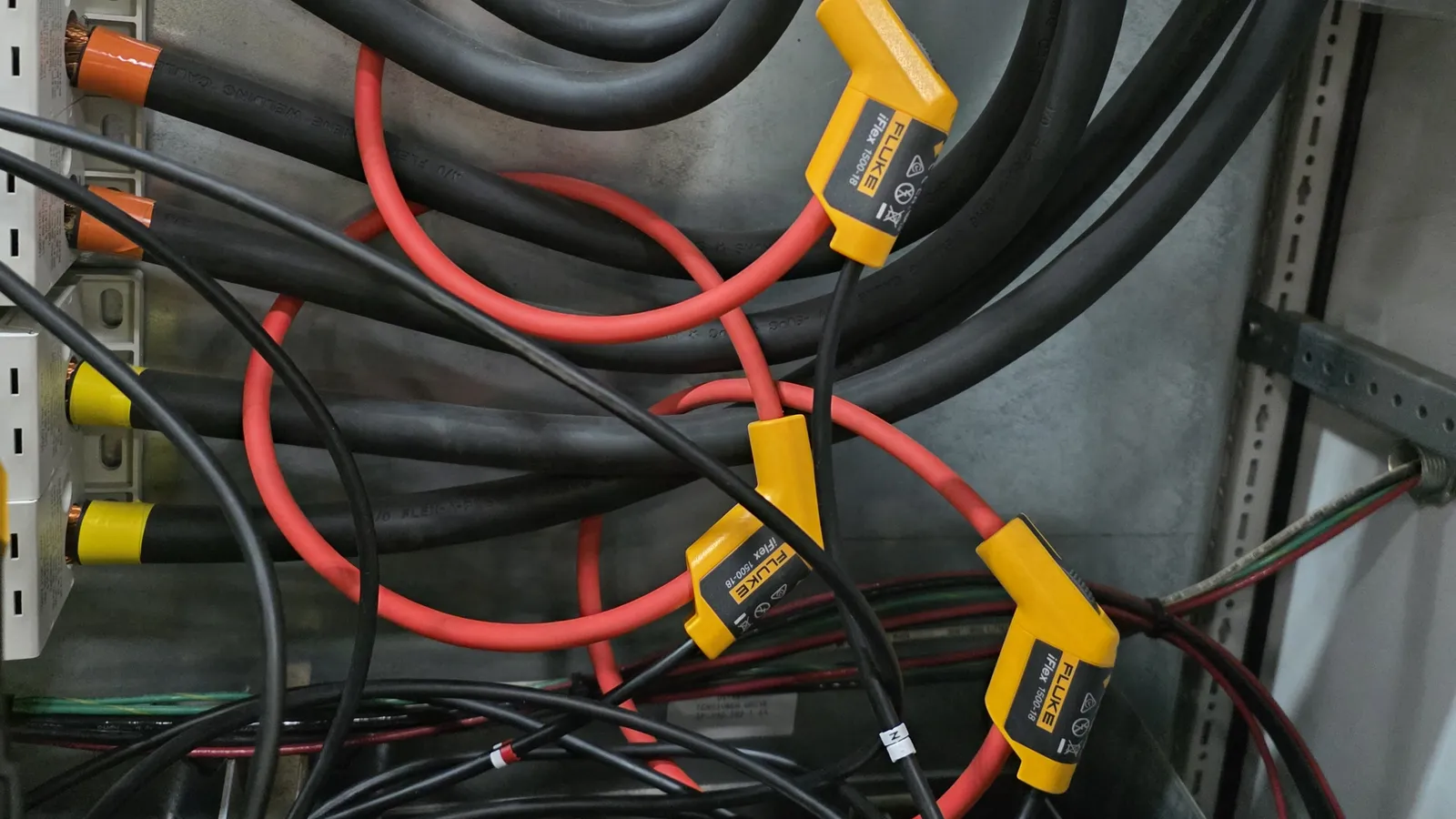
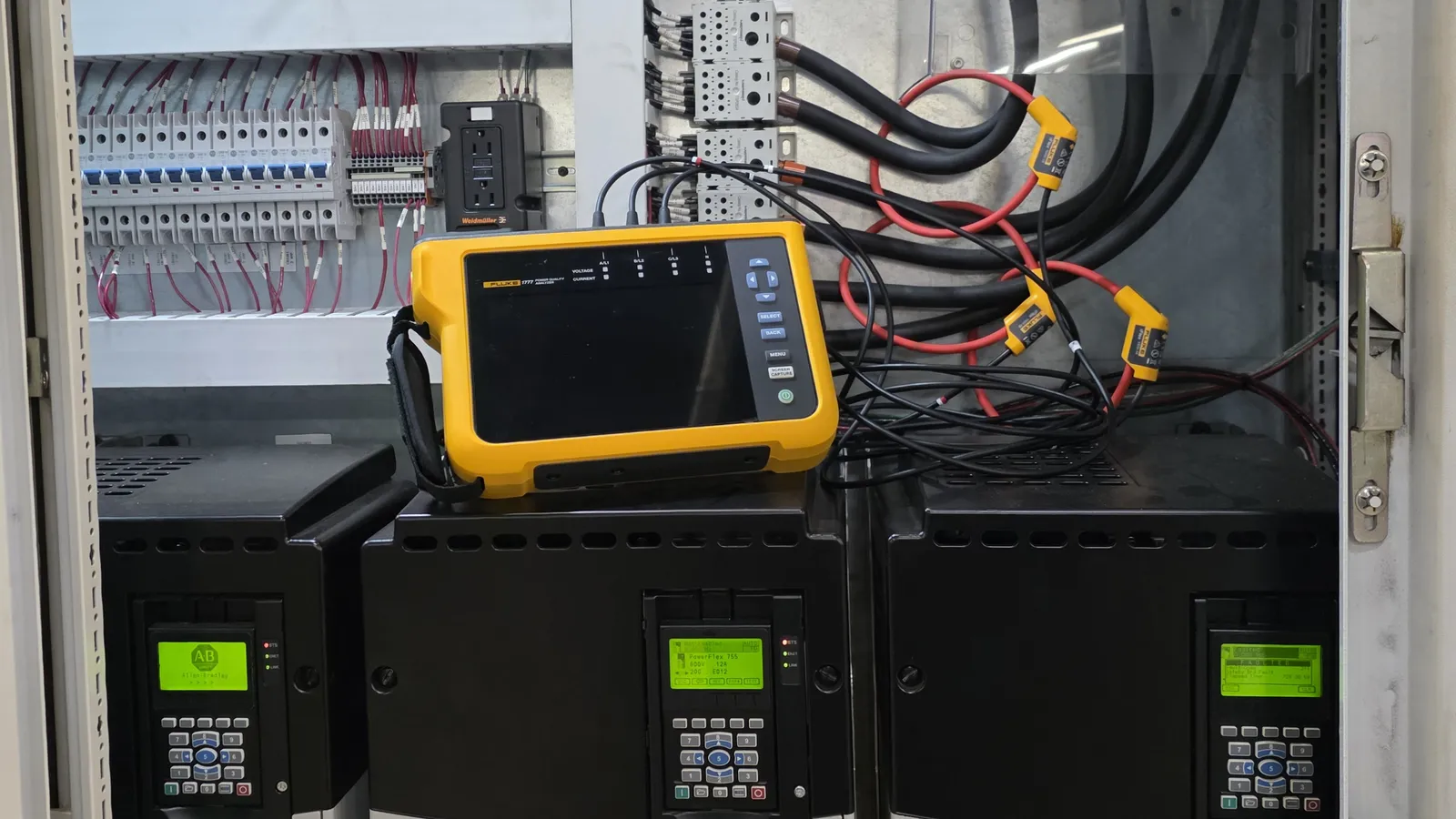
Smart Electrical provides professional power quality analysis for commercial and industrial electrical systems across Toronto and surrounding cities. This service is for situations where a normal service call, visual inspection, or quick voltage check cannot explain what is really happening inside the electrical system. Many serious electrical problems appear only for a few seconds, during equipment start-up, during production changes, at peak load, or overnight. That is why we use advanced three-phase power quality monitoring instead of guessing.Power quality problems can affect production equipment, motors, VFDs, compressors, refrigeration systems, CNC machines, PLC controls, automation panels, lighting systems, EV chargers, UPS systems, transformers, distribution panels, and sensitive electronic equipment. The symptoms can look different from site to site: random equipment shutdowns, flickering lights, nuisance breaker tripping, failed circuit boards, overheating motors or transformers, unstable drives, poor power factor, or unusually high hydro bills.Our power quality analysis is based on real measurement data. We connect a professional three-phase power quality analyzer to the correct point in the electrical system and record how the system behaves during actual operation. Depending on the issue, this may be done at the main service, distribution panel, transformer secondary, motor control centre, equipment feeder, compressor, refrigeration system, production line, or other critical electrical location.We use the Fluke 1777 Three-Phase Power Quality Analyzer because it is designed for serious troubleshooting and long-term power quality logging in commercial and industrial environments. This is not a basic meter that shows one number at one moment. The Fluke 1777 helps capture voltage events, current behaviour, waveform distortion, harmonics, transients, sags, swells, interruptions, imbalance, flicker, power factor, demand, and load profile over time.A major part of power quality analysis is identifying whether the problem is coming from the utility supply, the building distribution system, the connected equipment, or a combination of several causes. A voltage sag may be caused by a large motor starting, transformer capacity issues, overloaded feeders, poor connections, or an upstream utility event. Flickering lights may be connected to voltage fluctuations, loose connections, compressor cycling, heavy equipment starts, welding equipment, or poor load distribution.Harmonics are another common issue in modern facilities. Non-linear loads such as VFDs, LED drivers, UPS systems, computers, battery chargers, rectifiers, EV chargers, and automation equipment can distort the voltage and current waveform. Excessive harmonic distortion can cause overheating, neutral current, transformer stress, nuisance tripping, equipment malfunction, poor efficiency, and reduced equipment life. For harmonic-related concerns, we also consider standards such as IEEE 519.

Depending on the measured results, corrective actions may include harmonic analysis, power factor correction, load monitoring, electrical load studies, load balancing, capacitor banks, harmonic filters, surge protection, or equipment-specific troubleshooting.

We also review power factor, reactive power, real power, apparent power, and demand profile. This is important because electrical bills are not only about total energy consumption. A facility may pay more because of poor power factor, demand peaks, inefficient equipment operation, or poor load scheduling. Before recommending capacitor banks, harmonic filters, load balancing, service upgrades, or equipment changes, the system should be measured properly.

Our process normally begins with a review of the symptoms. We look at what equipment is affected, when the issue happens, how often it happens, whether it started after new equipment was installed, whether the utility bill changed, and whether breakers, drives, PLCs, controls, motors, or electronic boards have been failing. This helps us decide where the analyzer should be connected and how long monitoring should continue.

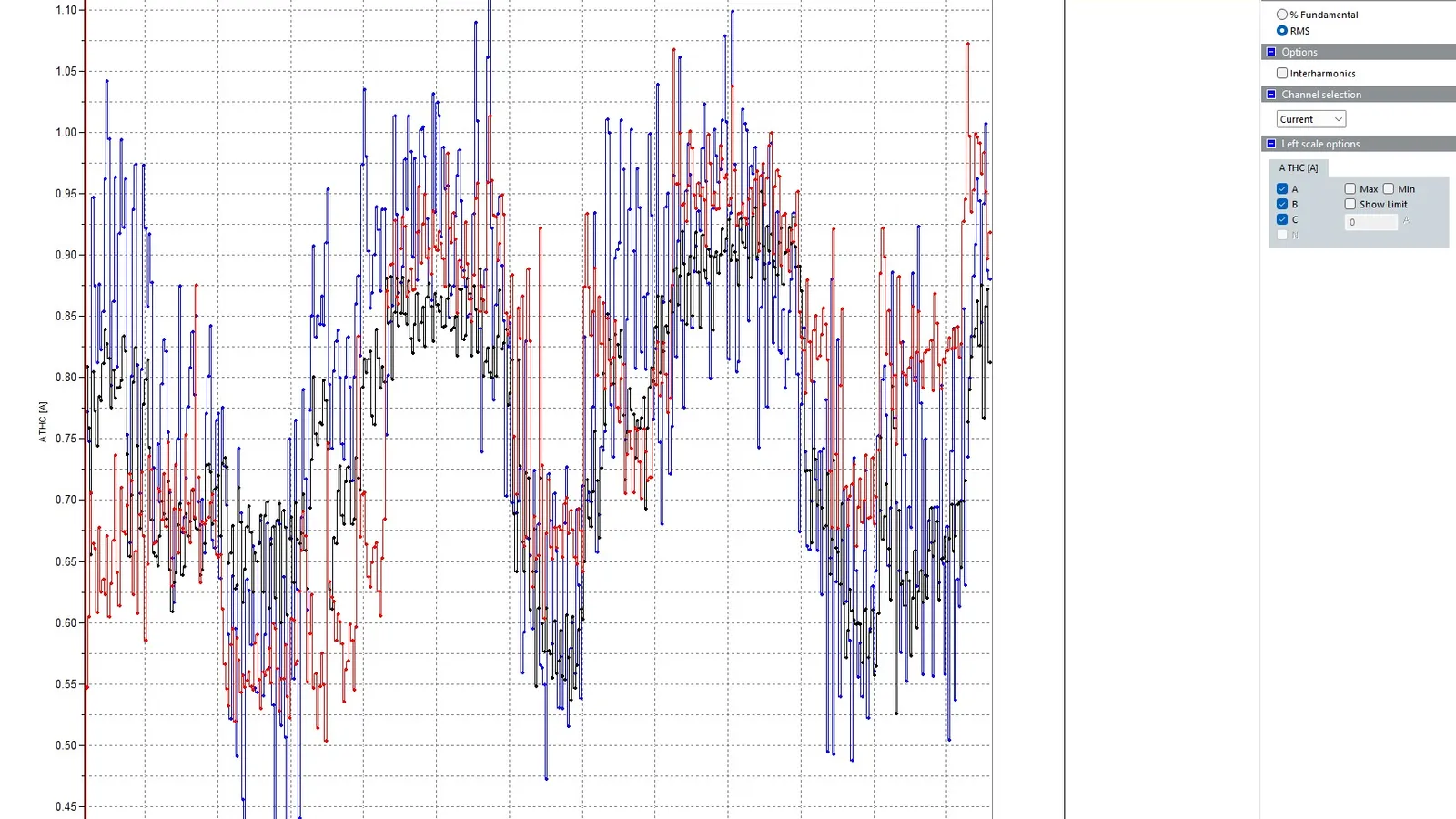
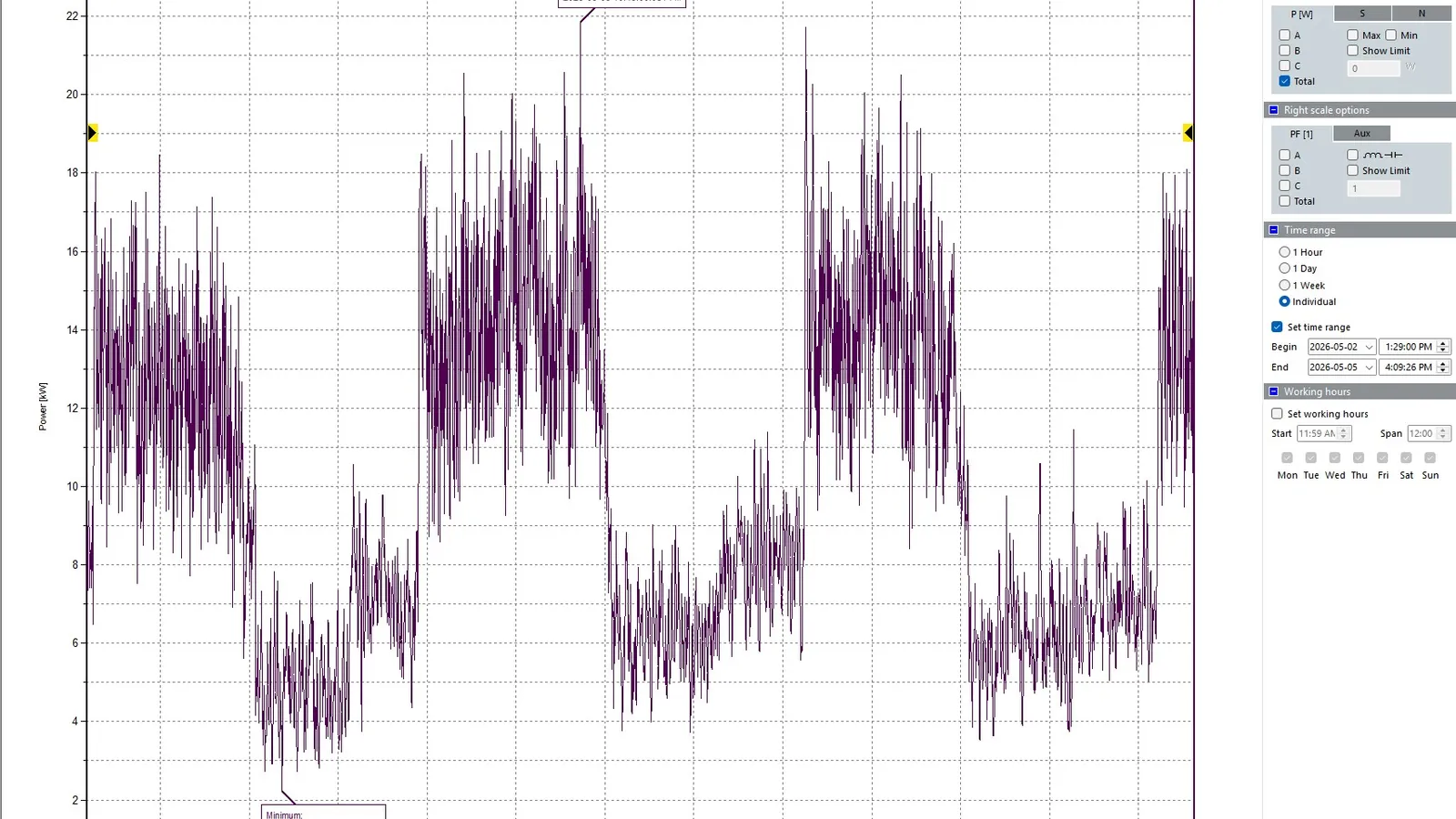
After collecting the data, we analyze the results and prepare a clear technical explanation. The report may include voltage and current graphs, event logs, waveform captures, harmonic data, power factor information, demand profile, load behaviour, imbalance findings, and practical recommendations. We explain what the measurements mean, which issues are most important, what risks are present, and what corrective steps make sense.

The recommendations from a professional power quality analysis may include load balancing, power factor correction, harmonic filtering, surge protection, grounding and bonding review, neutral investigation, feeder correction, transformer assessment, panel repair, equipment-specific troubleshooting, or further targeted electrical testing. The main goal is simple: find the real cause of the problem, reduce unnecessary spending, prevent repeated failures, and create a correction plan based on facts.

If your facility is experiencing unexplained shutdowns, flickering lights, nuisance breaker trips, equipment failures, overheating equipment, poor power factor, or high hydro bills, contact Smart Electrical to schedule professional power quality analysis in Toronto, Mississauga, Brampton, Vaughan, Markham, Richmond Hill, North York, Scarborough, Etobicoke, Oakville, Burlington, Pickering, Ajax, and Whitby.


Electrical issues we can measure, capture, and explain with Fluke 1777 testing

Power quality problems are often difficult to understand because the customer does not always see the electrical event itself. What they see is the result: equipment shuts down, lights flicker, breakers trip, drives fault, motors run hot, electronics fail, or hydro bills become unusually high without a clear explanation.

Using professional power quality monitoring, we look beyond the visible symptom and measure what is happening in the electrical system during real operation. The Fluke 1777 allows us to capture voltage events, current behaviour, harmonics, transients, imbalance, power factor, demand changes, and load patterns that are normally missed during a quick inspection.

This diagnostic approach helps identify whether the issue is caused by the utility supply, building distribution, overloaded circuits, non-linear loads, equipment start-up, poor power factor, weak connections, grounding concerns, or the connected machinery itself.

Flickering Lights

Lights dim, pulse, or flicker when equipment starts, compressors cycle, or larger loads turn on inside the facility.

Random Equipment Trips

Machines, drives, PLCs, or controls shut down without warning, often during production or changing load conditions.

Voltage Sags

Equipment resets or drops offline when voltage dips briefly during motor starts, load changes, or supply disturbances.

Voltage Swells

Sensitive electronics, power supplies, or controls behave strangely when voltage rises above normal operating levels.

Fast Transients

Electronic boards, sensors, drives, or control systems fail after short voltage spikes that are impossible to see normally.

Harmonic Distortion

VFDs, UPS systems, LED drivers, chargers, or electronic loads distort the waveform and stress the electrical system.

High Neutral Current

Neutral conductors run hotter than expected because of imbalance, harmonics, or non-linear electrical loads.

Phase Imbalance

Motors run hotter, equipment performs unevenly, or one phase carries more load than the others during operation.

Poor Power Factor

The facility uses electrical capacity inefficiently and may see penalties, higher demand, or reduced system capacity.

High Hydro Bills

Energy costs rise because of demand peaks, poor power factor, inefficient loads, or equipment running unnecessarily.

Nuisance Breaker Trips

Breakers trip repeatedly even when no obvious short circuit is visible and the cause is not clear during inspection.

Overheating Equipment

Motors, transformers, panels, conductors, or electrical components run hot under load and need deeper investigation.

Drive Faults

VFDs show faults, alarms, or unexplained shutdowns that may be linked to voltage quality or load conditions.

UPS or Control Resets

UPS units, computers, PLCs, or control circuits switch, alarm, or reset during short power disturbances.

Compressor Start Issues

Compressors start hard, dim lights, trip protection, or create voltage drops that affect nearby equipment.

Unstable Production Loads

Production lines behave unpredictably when multiple machines, motors, heaters, or controls operate at the same time.

Our Power Quality Diagnostic Process

Power quality analysis is not just about collecting numbers. The purpose is to capture real electrical behaviour, connect the symptoms to measured events, identify the most likely cause, and provide a practical correction plan based on evidence.

Our process is designed for commercial and industrial facilities where problems may be intermittent, difficult to reproduce, or hidden inside normal operation. Each step moves the investigation closer to the real cause of the issue.

01

Site Review

We review the symptoms, affected equipment, panel locations, operating schedule, utility bills, and previous electrical issues before testing begins.

02

Analyzer Placement

We choose the correct monitoring point, such as the main service, distribution panel, transformer secondary, MCC, feeder, or specific equipment load.

03

Live Monitoring

The Fluke 1777 records voltage, current, load behaviour, demand, power factor, imbalance, and system operation under real working conditions.

04

Event Capture

We capture hidden disturbances such as sags, swells, transients, interruptions, flicker, harmonics, inrush events, and abnormal load changes.

05

Root Cause Analysis

We determine whether the issue is related to utility supply, internal distribution, connected loads, harmonics, overload, grounding, neutral, or equipment operation.

06

Report & Correction Plan

You receive a clear technical report with findings, charts, event data, interpretation, risk explanation, and recommended corrective actions.

Possible Corrective Solutions After Power Quality Analysis

Power quality analysis is the diagnostic stage. Once the real cause is measured and understood, the next step is to choose the correct corrective action instead of replacing equipment blindly or installing products that may not solve the issue.

The final recommendation depends on what the Fluke 1777 data shows: voltage behaviour, current loading, harmonics, imbalance, transients, demand profile, power factor, neutral current, and how the connected equipment operates under real conditions.

In some cases, the correction is simple, such as load balancing or repairing a weak connection. In other cases, the facility may need power factor correction, harmonic filtering, surge protection, grounding improvements, distribution upgrades, or equipment-specific troubleshooting.

01

Load Balancing

Redistributing loads across phases to reduce imbalance, overheating, losses, and unnecessary stress on panels, feeders, and transformers.

02

Power Factor Correction

Adding or reviewing correction equipment to reduce reactive power, improve capacity, and address power factor penalties.

03

Harmonic Filtering

Applying passive or active filtering where waveform distortion affects transformers, neutral conductors, drives, or sensitive equipment.

04

Surge Protection

Installing or improving surge protection to reduce risk from fast voltage spikes, switching events, and transient disturbances.

05

Grounding & Bonding Review

Checking grounding and bonding where noise, unstable controls, safety concerns, or unexplained equipment behaviour are present.

06

Neutral Investigation

Reviewing neutral current, loose neutrals, shared neutrals, harmonic loading, and neutral-to-ground voltage concerns.

07

Feeder & Panel Corrections

Correcting overloaded feeders, weak terminations, poor routing, undersized circuits, or panel issues found during analysis.

08

Transformer Assessment

Reviewing transformer loading, heating, voltage regulation, harmonic stress, and capacity for present or future equipment loads.

09

Equipment-Specific Troubleshooting

Targeted diagnostics for VFDs, compressors, motors, refrigeration systems, production lines, HVAC equipment, PLCs, automation controls, and control panels.

10

Demand Reduction Planning

Using load profile data to identify demand peaks, cycling loads, unnecessary operation, and opportunities to reduce electrical costs.

11

Preventive Maintenance Plan

Creating a practical follow-up plan with thermal inspection, connection checks, monitoring, scheduled electrical maintenance, and priority-based corrective work.

Serving Toronto & the Greater Toronto Area

We provide residential, commercial, and industrial electrical services across Toronto and the GTA, supporting homes, businesses, and facilities with reliable and code-compliant electrical solutions.

Our service coverage includes major cities and surrounding areas, allowing us to respond quickly and deliver consistent service across the region.

Toronto
North York
Thornhill
Richmond Hill
Vaughan
Markham
Scarborough
Etobicoke
Mississauga
Brampton
Hamilton
Oakville
Burlington
Milton
Georgetown
Pickering
Ajax
Whitby
Oshawa
Clarington
Aurora
Newmarket
Bradford
King City
Barrie