
Toronto & GTA Electrical Contractor
Basement Electrical Installation in Toronto, Etobicoke, North York & GTA
Residential, commercial, and industrial electrical work — installations, upgrades, troubleshooting, maintenance, and code-compliant solutions.
Licensed & Insured
Fast Response
Code-Compliant Work
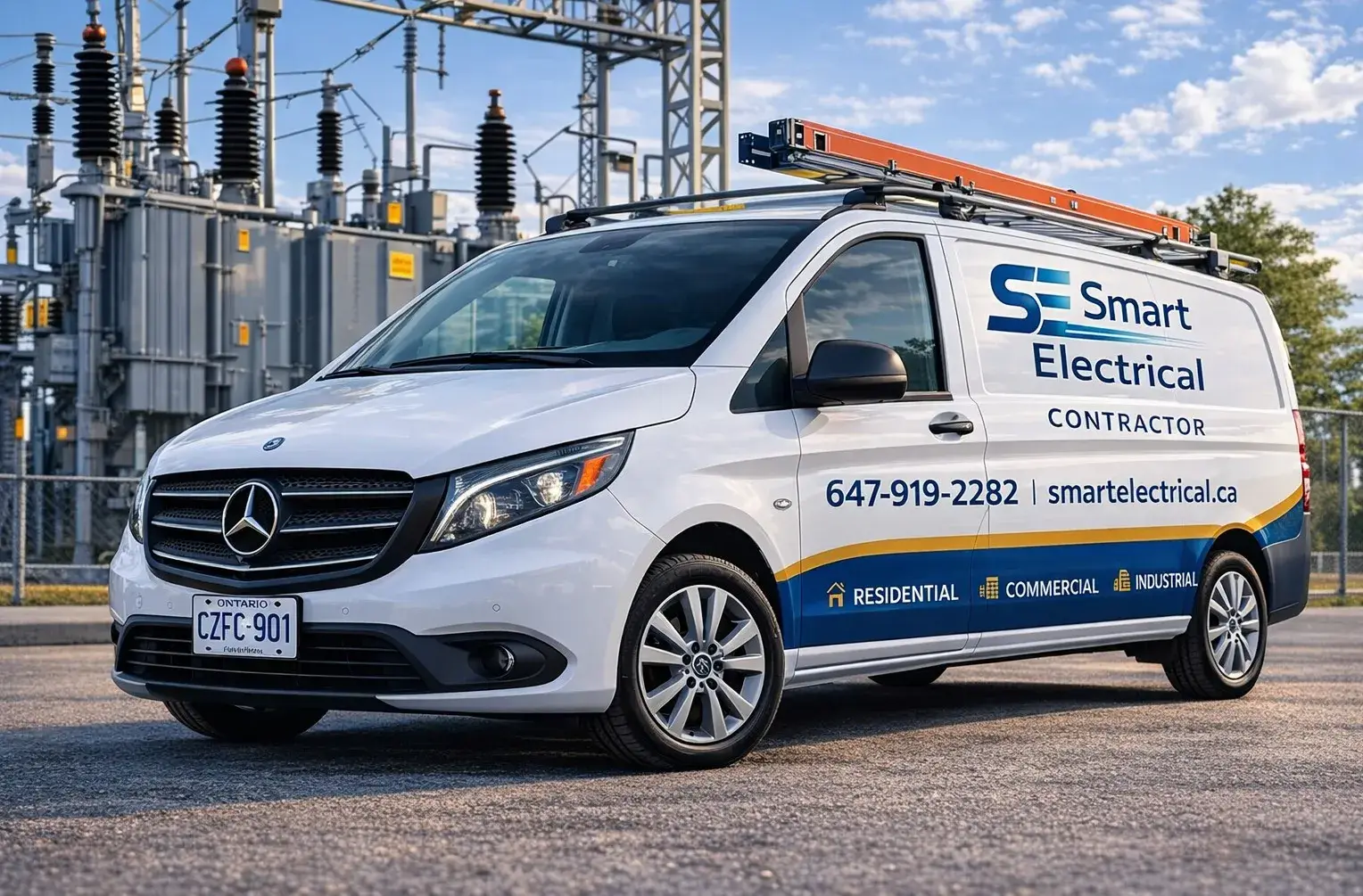
COMPLETE ELECTRICAL SETUPS FOR FINISHED AND DEVELOPING BASEMENTS
What We Do
We provide professional basement electrical installation services for residential properties across Toronto and the GTA. Our goal is to design and install safe, practical, and code-compliant electrical systems for basements that are being finished, renovated, or prepared for future use. Basement electrical work is much more than adding a few lights and outlets. A well-planned basement setup may include general receptacles, lighting, switches, smoke alarms, bathroom wiring, laundry connections, sump-related considerations, home office power, entertainment circuits, and dedicated wiring for specialty equipment. Whether you need basement electrical installation Toronto, finished basement electrical Toronto, or complete basement renovation electrical support, we build systems that are designed for real everyday use.
Many basement projects begin with an unfinished area that was never designed to function as full living space. Once the basement is being turned into a rec room, office, bedroom area, gym, laundry upgrade, or family living space, the electrical layout usually needs to be rethought completely. We assess how the basement will be used, where lighting and receptacles are actually needed, which areas may require dedicated circuits, and how the new wiring should integrate with the existing home electrical system. Depending on the project, we may also recommend related upgrades such as full home rewiring, electrical panel upgrade, or safer planning for smoke alarm installation and life-safety devices.
Our basement electrician Toronto service can include electrical rough-in, lighting layout, pot light wiring, receptacle installation, basement bathroom wiring, laundry area circuits, home office wiring, bar or kitchenette electrical preparation, and clean finish electrical throughout the space. We focus on practical layouts that support how the basement will actually function after the renovation is complete. Basement wiring Mississauga, Vaughan, Markham, Richmond Hill, and other GTA projects often benefit from more careful planning because basements commonly contain a mix of living space, storage, mechanical equipment, and future expansion needs.
All work is completed with permit notification and ESA inspection requirements in mindOntario Electrical Safety Code so the basement installation is safe, legal, and ready for use. We use approved equipment, proper wiring methods, and layouts that support both comfort and long-term serviceability. A professionally installed basement electrical system helps transform the lower level of the home into a safer, more flexible, and more valuable living area.
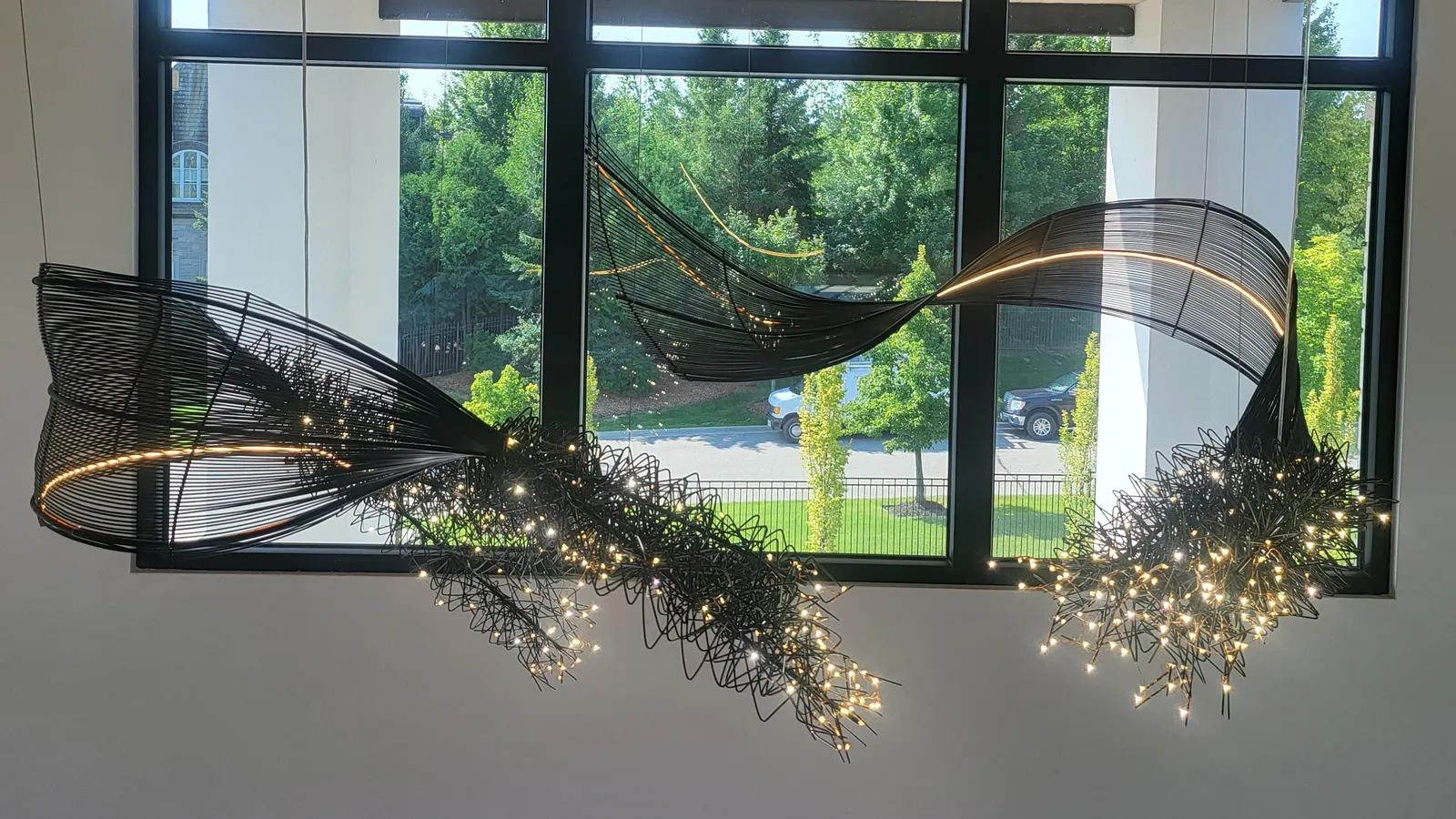
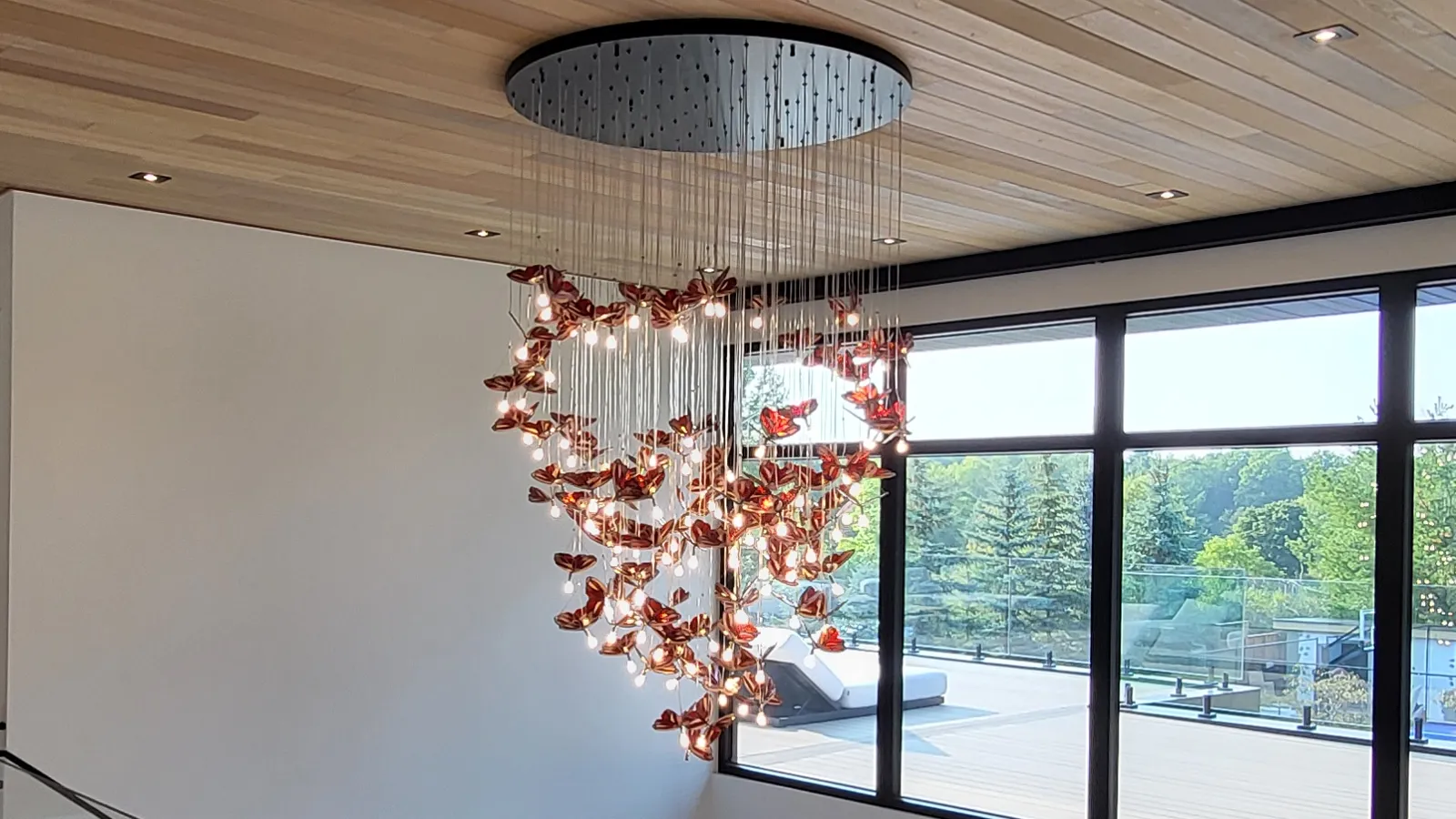
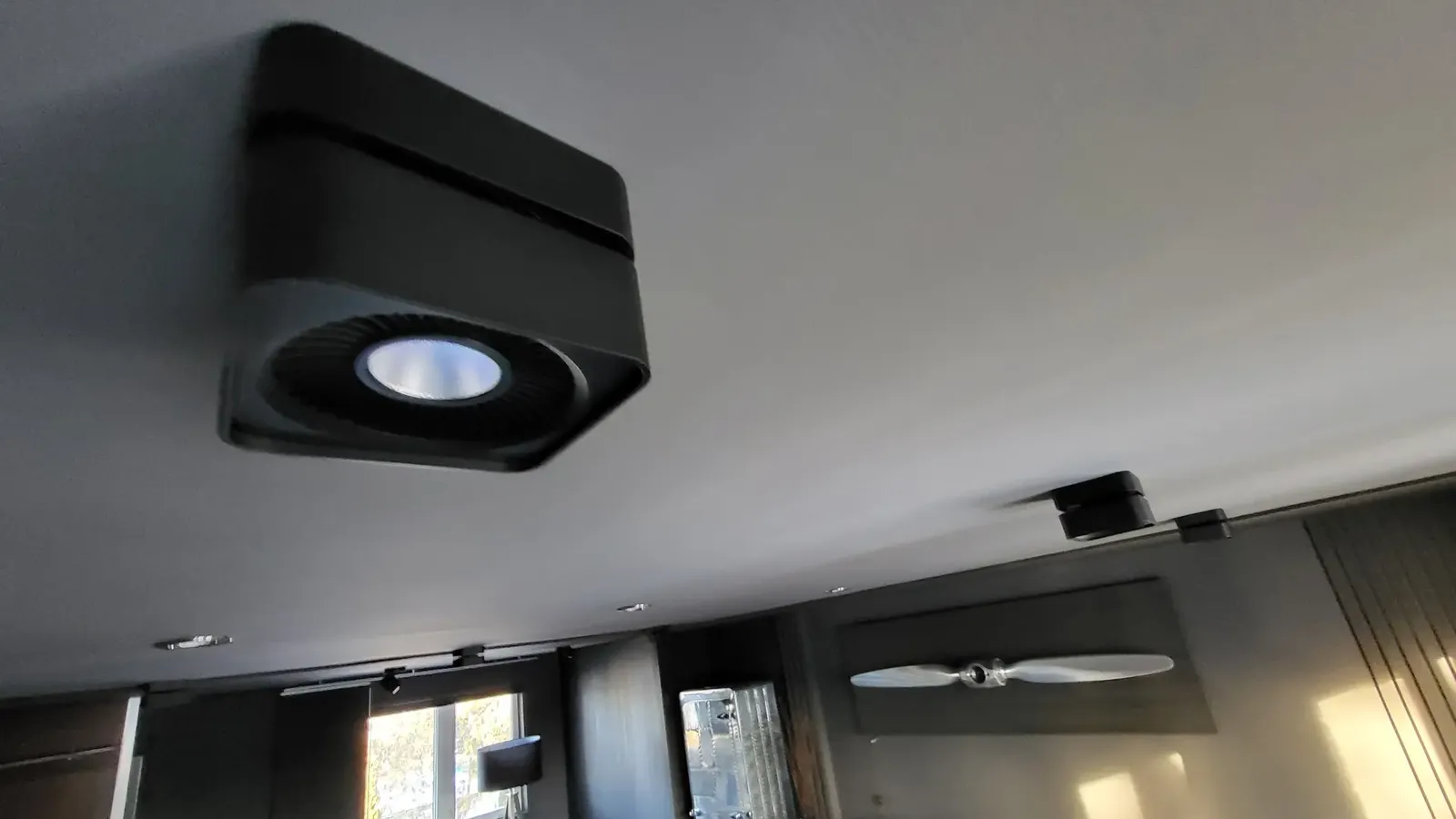
Before an Unfinished or Poorly Wired Basement Limits the Whole Home
Plan the basement electrical system properly so the space becomes useful, comfortable, and safe instead of underpowered or awkward to finish later
Basements often start as basic utility space, but once homeowners want to turn them into finished living areas, the old electrical layout is usually no longer enough.
A proper basement electrical installation should reflect how the space will actually be used after the renovation is complete.
That may include a family room, home office, bedroom area, gym, laundry room, bathroom, storage zones, or a small bar and entertainment setup.
One common problem is when a basement renovation begins without a clear plan for receptacle locations, switch placement, lighting layout, and circuit capacity.
That usually leads to extension cord use, awkward switch locations, poor lighting coverage, and not enough outlets where people actually need them.
Finished basement electrical Toronto projects also need more attention when the lower level includes laundry equipment, sump-related devices, a bathroom, or a kitchenette area.
Another common issue is when basement wiring is added without considering the capacity of the existing panel or the need for dedicated circuits.
If the panel is already crowded, the basement may require planning for an electrical panel upgrade or better circuit organization before the walls are closed.
Basement lighting installation should also be planned carefully because low ceilings, divided rooms, and mixed-use spaces often need more thoughtful fixture placement than upper floors.
This is especially true when homeowners want pot lights, office lighting, or separate controls for rec room and storage areas.
If the project includes a bathroom or laundry setup, electrical planning should happen early so those loads and device locations are handled properly.
Some homeowners also choose to combine basement work with home renovation electrical planning or a broader electrical safety inspection if the house wiring is older.
ESA guidance also highlights specific receptacle requirements for unfinished basement areas, utility rooms, and laundry spaces in dwelling units.
That makes proper basement planning important even before the full finish work begins.
A licensed basement electrician Ontario homeowners trust will review the basement layout, equipment loads, safety devices, rough-in needs, and future use before wiring begins.
That approach helps avoid rework, failed inspections, underpowered areas, and inconvenient layouts after drywall and finishes are complete.
A well-planned basement electrical system makes the lower level more comfortable, more functional, and much easier to use for years to come.
The Basement Only Has Basic Utility Wiring
What worked for storage and mechanical equipment is usually not enough for a finished living space.
There Is No Clear Lighting Plan
Basements need more deliberate lighting placement to feel bright, usable, and comfortable.
Outlet Locations Are Too Sparse or Poorly Placed
Finished spaces need receptacles where people actually use desks, TVs, lamps, chargers, and other devices.
Bathroom, Laundry, or Kitchenette Loads Are Being Added
These features usually require more careful circuit and device planning than a simple basement finish.
Panel Capacity Has Not Been Reviewed
A crowded panel can make basement expansion more difficult and may require upgrades before the work proceeds.
Smoke Alarms and Safety Devices Were Not Planned
Life-safety elements should be considered early rather than added at the end as afterthoughts.
The Basement May Be Finished in Stages
Good wiring plans can support current work while leaving room for future rooms and upgrades later.
No One Mentioned ESA Notification or Inspection
If the permit process was never discussed, the project may not be aligned with Ontario requirements.
WHY CHOOSE US
Why Homeowners Trust Us
We focus on practical solutions rather than temporary fixes, ensuring your electrical system performs safely under real conditions. Every electrical panel upgrade is completed with proper planning, correct equipment selection, and attention to long-term performance.
Our approach eliminates unnecessary work and is based on accurate diagnostics, not assumptions, so you only pay for what your system actually needs. We prioritize safety, efficiency, and clean execution on every project.
As a result, you receive a reliable, code-compliant electrical system that supports your home today and is fully prepared for future electrical demands.
Licensed & Insured
All work is performed by qualified, fully insured electricians, ensuring safety, accountability, and compliance with all regulations.
ESA certified work
Every project includes permits and ESA inspection, guaranteeing that the installation meets Ontario Electrical Safety Code requirements.
Professional installations
We install panels with precise wiring, proper layout, and clear labeling, making the system safe, accessible, and easy to maintain.
Transparent pricing
Our customers receive clear pricing based on actual scope of work, with no hidden costs or unexpected changes during the project.
Fast scheduling
We schedule work efficiently and arrive on time, minimizing downtime and ensuring your electrical system is restored as quickly as possible.
Accurate calculations
We calculate electrical demand based on real usage, ensuring your panel is properly sized for both current and future electrical needs.
Code-compliant work
All installations strictly follow current electrical code requirements, ensuring safety, inspection approval, and long-term system reliability.
Reliable workmanship
Our experience allows us to deliver consistent, high-quality results that perform reliably under real operating conditions over time.
CODE & SAFETY REQUIREMENTS
Ontario Electrical Safety Code Compliance
The Ontario Electrical Safety Code (OESC) sets the minimum legal safety requirements for electrical installations in Ontario. For basement electrical installation, compliance with the Code is essential to ensure the system is safe, properly protected, correctly arranged for the intended use of the space, and eligible for ESA inspection.
Following the Code helps reduce the risk of fire, electric shock, overloaded basement circuits, failed inspections, equipment damage, and insurance-related issues. It also helps ensure that receptacles, lighting, laundry and utility room circuits, approved equipment, overcurrent protection, and installation practices meet current Ontario requirements.
Every basement electrical installation should be planned and completed in accordance with the current Ontario Electrical Safety Code and ESA inspection requirements.
Rules commonly applicable to basement electrical installations
-
Rule 2-004 — Notification of work / ESA inspection process
Electrical work must be properly notified to ESA before the installation proceeds, and the work must go through the required inspection process. -
Rule 2-022 — Approved electrical equipment
Electrical equipment used in Ontario must be approved for the intended application and installation environment. -
Rule 2-024 — Approval requirements for electrical equipment
Equipment must be approved to recognized standards and accepted for use in Ontario. -
Rule 2-300 — General requirements for maintenance and operation
Electrical equipment must be installed and maintained in safe working condition. -
Rule 8-104 — Maximum circuit loading
Service and circuit loading must be calculated so the installation does not exceed allowable loading limits. -
Rule 12-012 — Mechanical protection of conductors
Conductors must be installed with proper protection where they may be exposed to physical damage. -
Rule 14-100 — Protection of conductors by overcurrent devices
Breakers and other overcurrent devices must protect conductors and connected equipment in accordance with Code requirements. -
Rule 14-104 — Rating / coordination of overcurrent protection
Overcurrent protection must be coordinated with conductor ampacity and the electrical characteristics of the installation. -
Rule 26-720 — Receptacles in residential occupancies
ESA guidance states this rule includes requirements for receptacles in unfinished basement areas, laundry rooms, and utility rooms in dwelling units. -
Rule 26-654 — Dedicated branch circuits for specific residential receptacles
ESA guidance notes that laundry room and utility room receptacles in the applicable situations require dedicated branch-circuit treatment under the residential receptacle rules.
Note: Rule selection may vary depending on whether the basement includes unfinished areas, laundry equipment, utility rooms, a bathroom, office space, entertainment areas, or kitchenette-style features. Exact official wording should be taken from the current purchased edition of the Ontario Electrical Safety Code.
COMMON QUESTIONS
FAQ — Basement Electrical Installation
1. What is included in basement electrical installation?
Basement electrical installation can include rough-in wiring, receptacles, switches, lighting, pot lights, smoke alarms, bathroom wiring, laundry circuits, home office power, and dedicated circuits for specialty areas or equipment.
2. Do I need a permit for basement electrical work in Ontario?
Yes. ESA says almost all electrical work in Ontario must be reported by filing a notification of work before the job starts, which then triggers the inspection process.
3. Can you wire a basement that is being finished for living space?
Yes, basement wiring can be planned for finished recreation rooms, offices, bedrooms, gyms, laundry areas, and other functional living spaces.
4. Does an unfinished basement need receptacles too?
ESA guidance notes that the Code includes receptacle requirements for unfinished basement areas, as well as separate considerations for laundry rooms and utility rooms in dwelling units.
5. Can you add pot lights in a basement?
Yes, basement pot lights are a common upgrade because they work well in lower ceilings and help create more even lighting throughout finished spaces.
6. Can a basement need dedicated circuits?
Yes, depending on the basement layout and equipment, dedicated circuits may be needed for laundry, bathroom features, office equipment, entertainment systems, or other specialty loads.
7. What if my electrical panel is already full?
If the panel is full, the basement project may require better circuit organization, added distribution, or a panel upgrade depending on the total electrical demand.
8. Can you wire a basement bathroom or kitchenette?
Yes, basement electrical installation can include wiring for bathrooms and kitchenette-style areas, provided the layout and circuits are planned properly for the intended use.
9. Is basement wiring different from upper-floor wiring?
The core safety principles are the same, but basements often present different planning challenges because they mix living space, storage, utility equipment, lower ceiling heights, and future expansion needs.
10. How long does basement electrical installation take?
The timeline depends on basement size, room layout, equipment scope, whether the basement is unfinished or partially finished, and how the work is coordinated with the renovation schedule.
11. Can the basement be wired in stages?
Yes, some basement projects are planned in stages, and good electrical design can support current needs while leaving flexibility for future rooms or upgrades.
12. Is ESA inspection included in the process?
Yes, basement electrical work should be completed with proper ESA notification and inspection requirements in mind so the installation is safe, legal, and ready for use.
SERVICE AREAS
Serving Toronto & the Greater Toronto Area
We provide residential, commercial, and industrial electrical services across Toronto and the GTA, supporting homes, businesses, and facilities with reliable and code-compliant electrical solutions.
Our service coverage includes major cities and surrounding areas, allowing us to respond quickly and deliver consistent service across the region.
Toronto
North York
Thornhill
Richmond Hill
Vaughan
Markham
Scarborough
Etobicoke
Mississauga
Brampton
ADDITIONAL SERVICE AREAS
Hamilton
Oakville
Burlington
Milton
Georgetown
Pickering
Ajax
Whitby
Oshawa
Clarington
Aurora
Newmarket
Bradford
King City
Barrie