
Toronto & GTA Electrical Contractor
Cable Tray Installation in Toronto, Scarborough, North York & GTA
Residential, commercial, and industrial electrical work — installations, upgrades, troubleshooting, maintenance, and code-compliant solutions.
Licensed & Insured
Fast Response
Code-Compliant Work

STRUCTURED CABLE ROUTING FOR COMMERCIAL ELECTRICAL SYSTEMS
What We Do
We provide commercial cable tray installation for warehouses, offices, retail buildings, mixed-use properties, service facilities, and new construction projects across Toronto and the GTA. This service focuses on creating safe, organized cable pathways that support feeders, branch circuits, control wiring, and other electrical runs throughout the building. In commercial projects, cable tray systems are often a more practical and scalable solution than relying only on conduit for every route, especially where long runs, grouped conductors, future additions, and accessible maintenance are important. A properly installed cable tray system improves cable management, protects routing logic, and helps the electrical installation stay cleaner and easier to service over time.
Commercial cable tray installation may include ladder tray, wire mesh tray, basket tray, trough tray, horizontal tray runs, vertical drops, supports, hangers, splice hardware, fittings, and transitions through electrical rooms, corridors, ceiling spaces, mezzanines, service areas, and production-style zones. The exact tray type depends on the building environment, cable type, load, routing distance, mechanical exposure, and how much future expansion is expected. In warehouses and larger commercial spaces, cable tray is especially useful for main feeder routes, grouped branch circuit pathways, low-voltage separation planning, and organized electrical distribution across wide open areas. A good tray installation must be planned carefully so the tray routing supports actual building use, structural coordination, clear access, and long-term cable servicing.
We install cable tray systems and support hardware from recognized manufacturers such as Eaton B-Line, ABB, Legrand Cablofil, Schneider Electric, Panduit, Chatsworth, nVent CADDY, and other approved commercial-grade suppliers depending on the project scope. These installations may include tray runs for feeders, power cables, control wiring, communication cabling coordination, cable support hardware, seismic or structural support considerations, and organized routing through electrical rooms and distribution zones. Cable tray installation often ties directly into new building electrical wiring, electrical room installation, and electrical infrastructure upgrades where long-term cable routing and serviceability are major priorities. In larger distribution projects, it may also support power distribution systems with cleaner feeder organization.
Our process starts with reviewing the routing path, cable type, building structure, loading requirements, support intervals, equipment locations, and future expansion needs before installation begins. Some projects need a compact tray pathway above ceiling areas or corridor spaces. Others require large open overhead tray systems across warehouses, service bays, electrical rooms, or commercial utility zones. We coordinate tray installation so it fits the actual construction sequence and does not conflict with ductwork, piping, structure, access routes, or future maintenance needs. Proper tray layout is not just about holding cable. It is about giving the building a logical electrical pathway system that remains practical after construction is complete.
A properly installed commercial cable tray system improves cable organization, simplifies maintenance, supports future expansion, and reduces the long-term mess that often develops when cable routing is not planned well. It gives the building a cleaner and more scalable electrical backbone for power and control wiring while improving service access and installation quality. We focus on clean, code-compliant cable tray installations built for real commercial field conditions and long-term usability. For Ontario electrical safety and compliance information, refer to the Electrical Safety Authority (ESA).
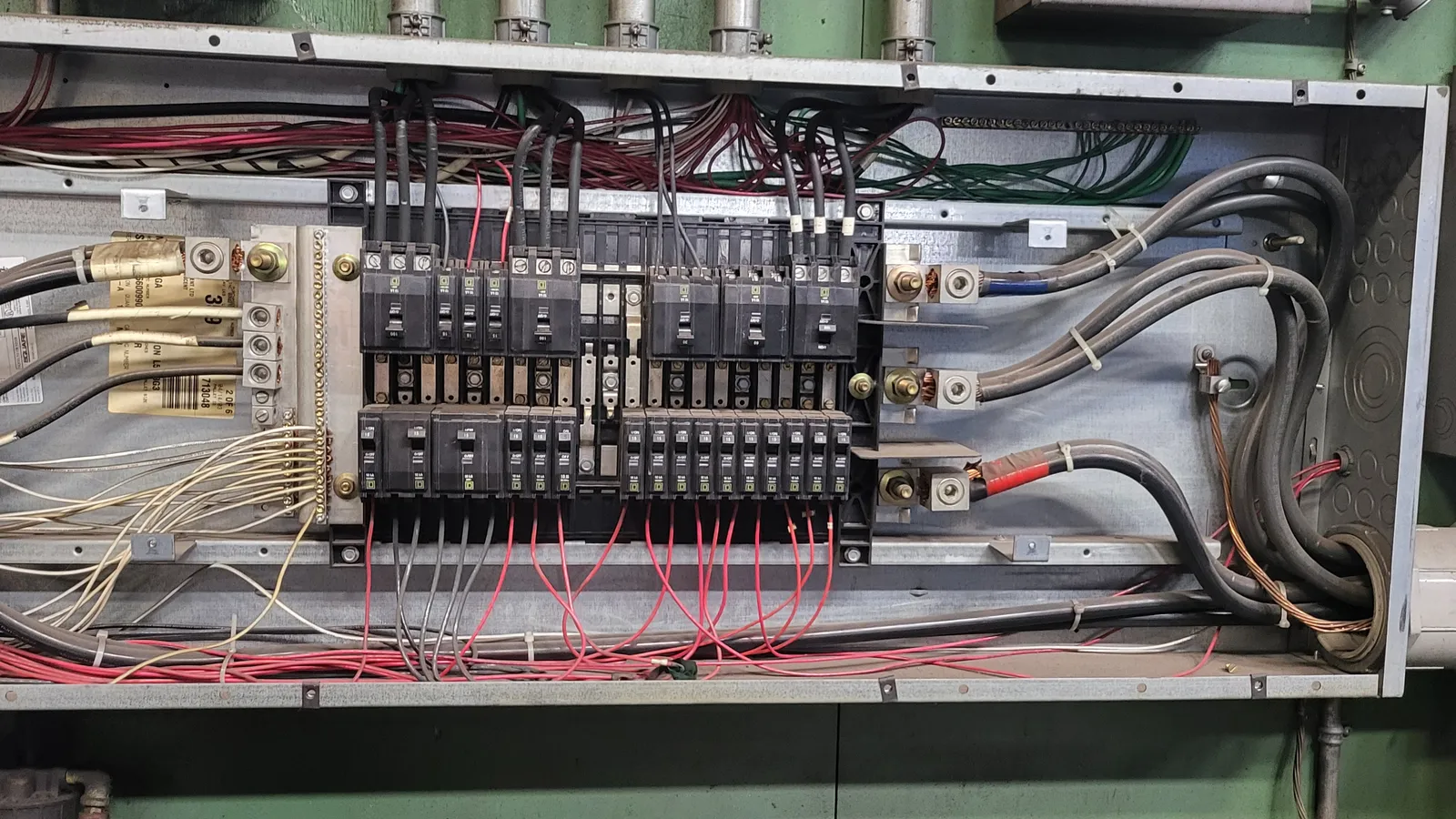
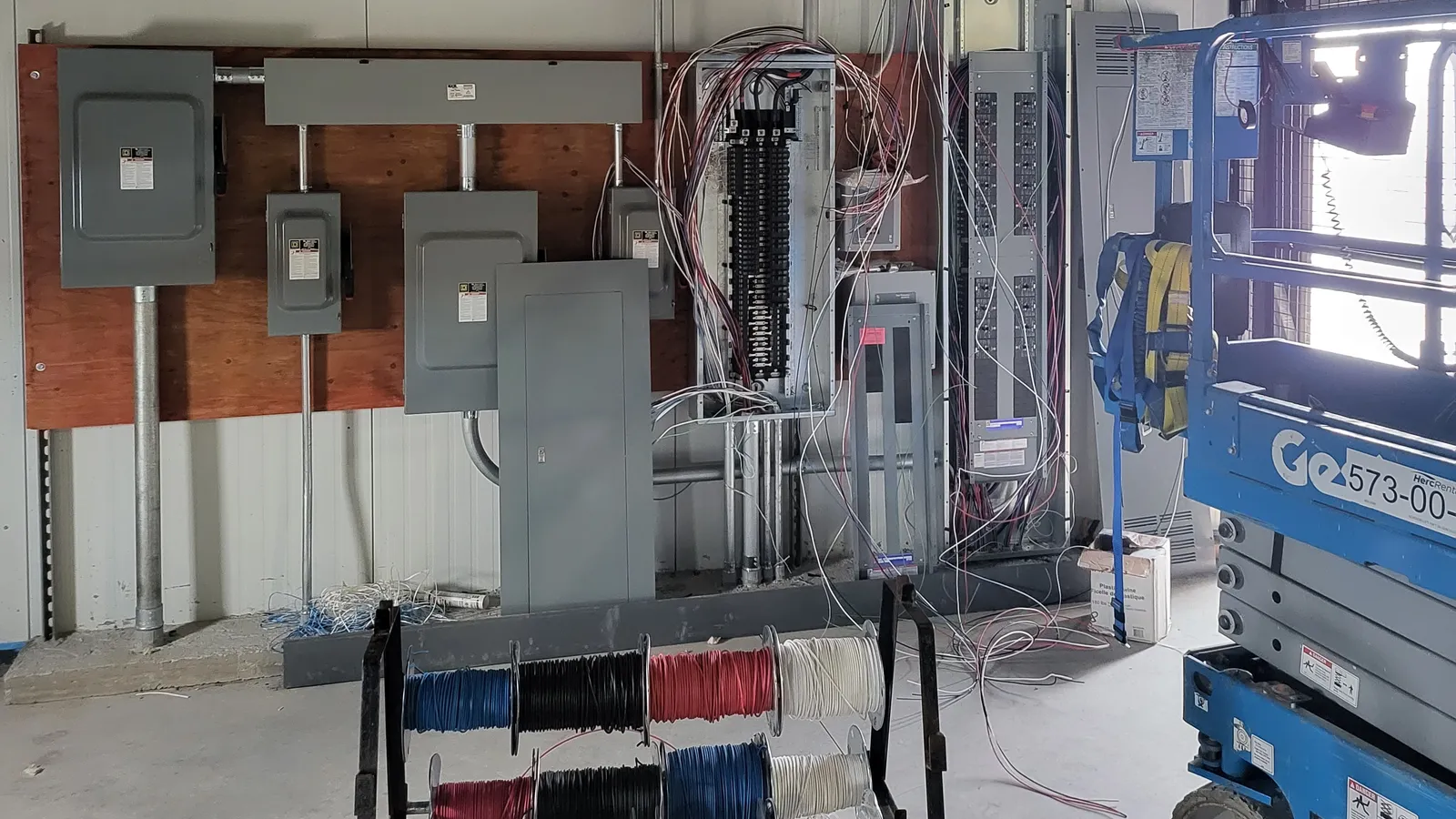
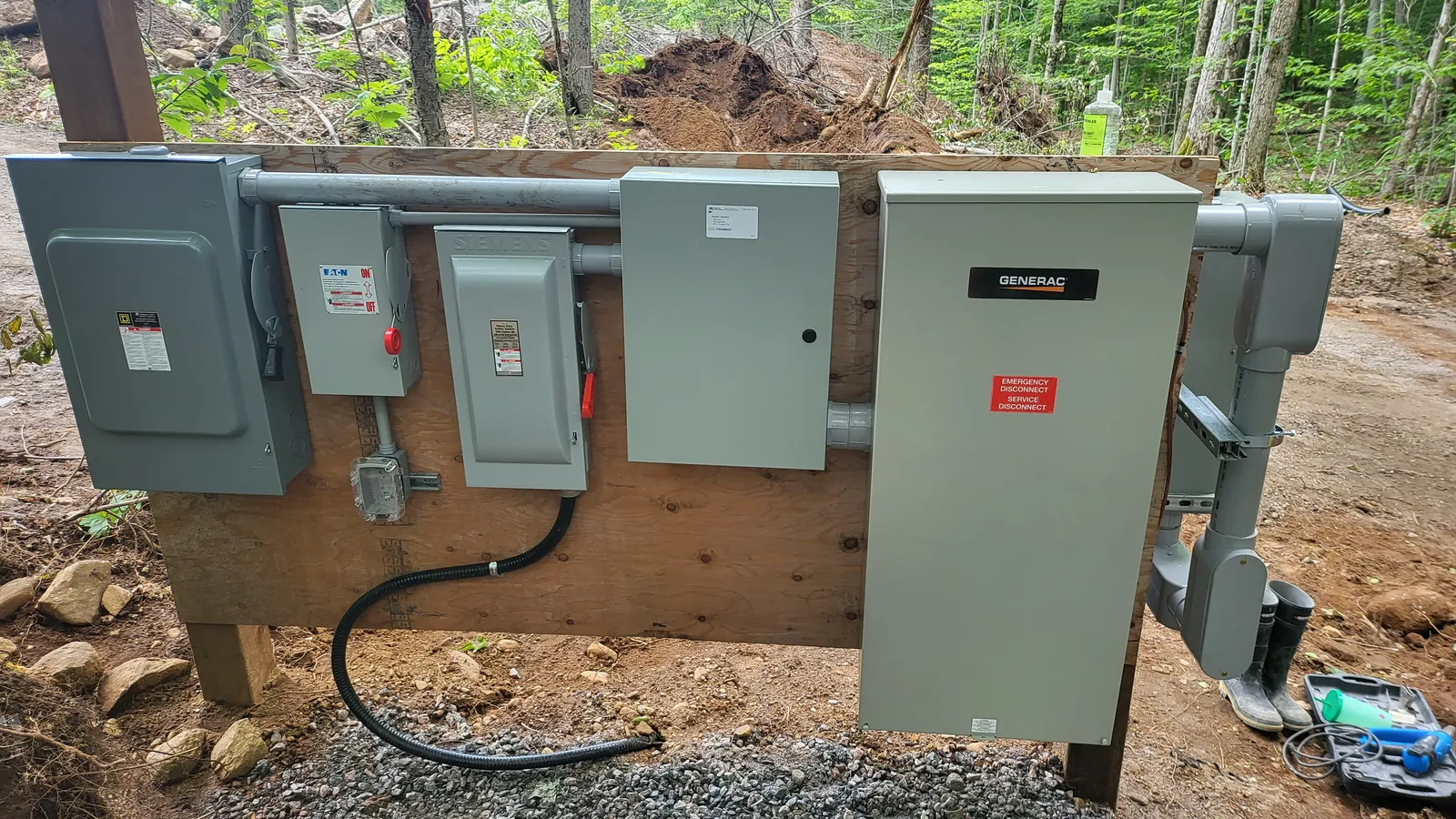
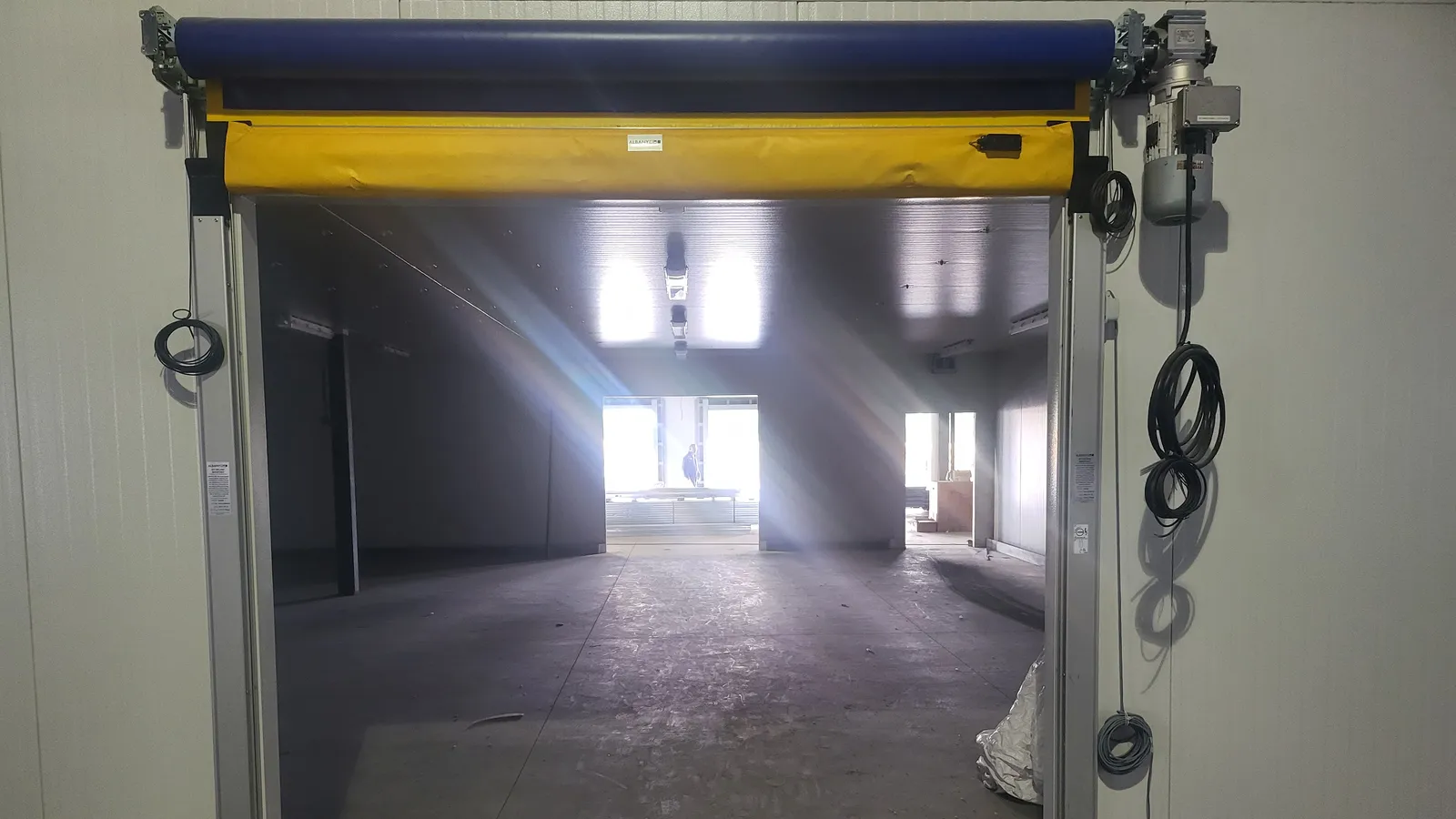
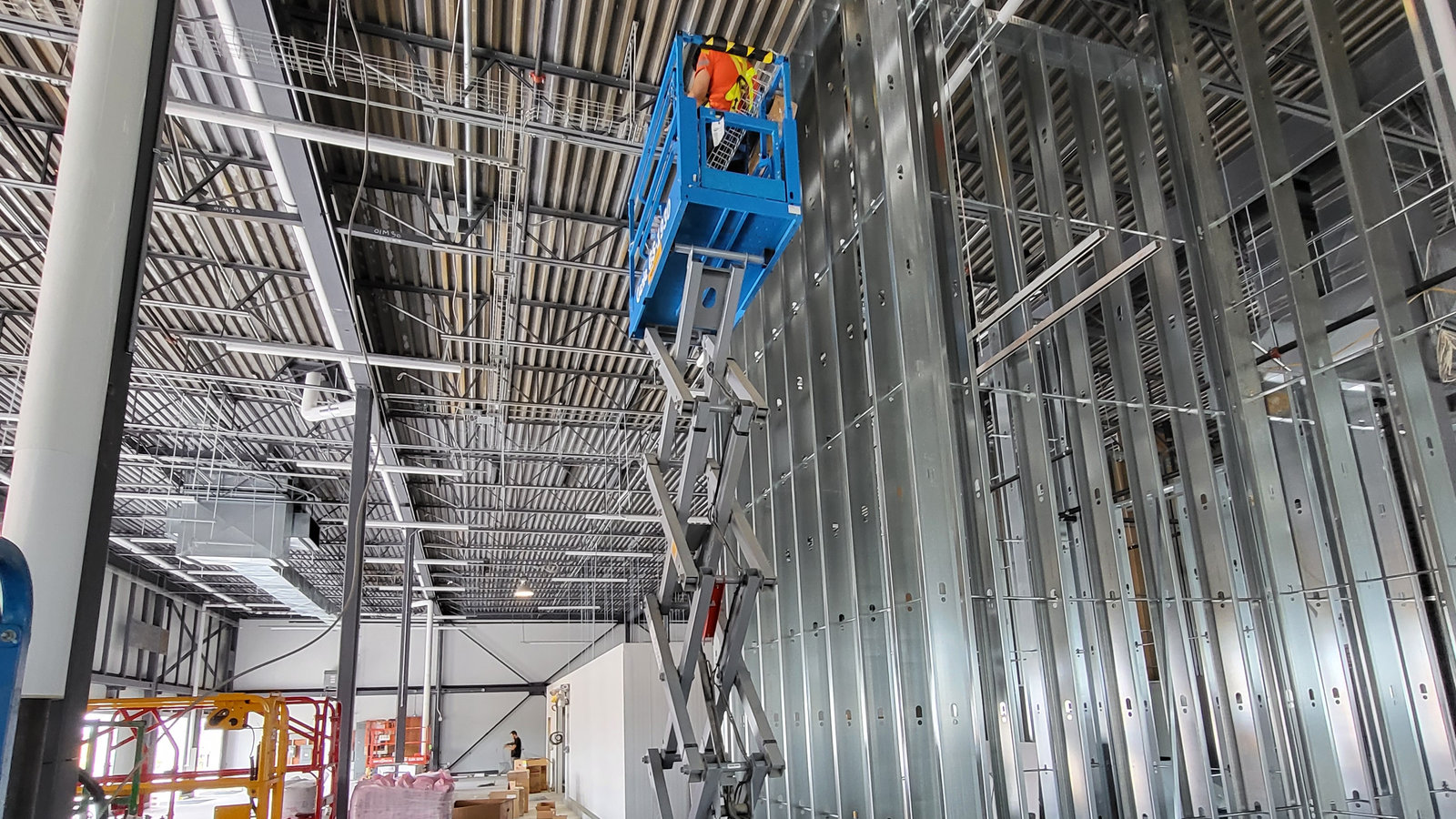
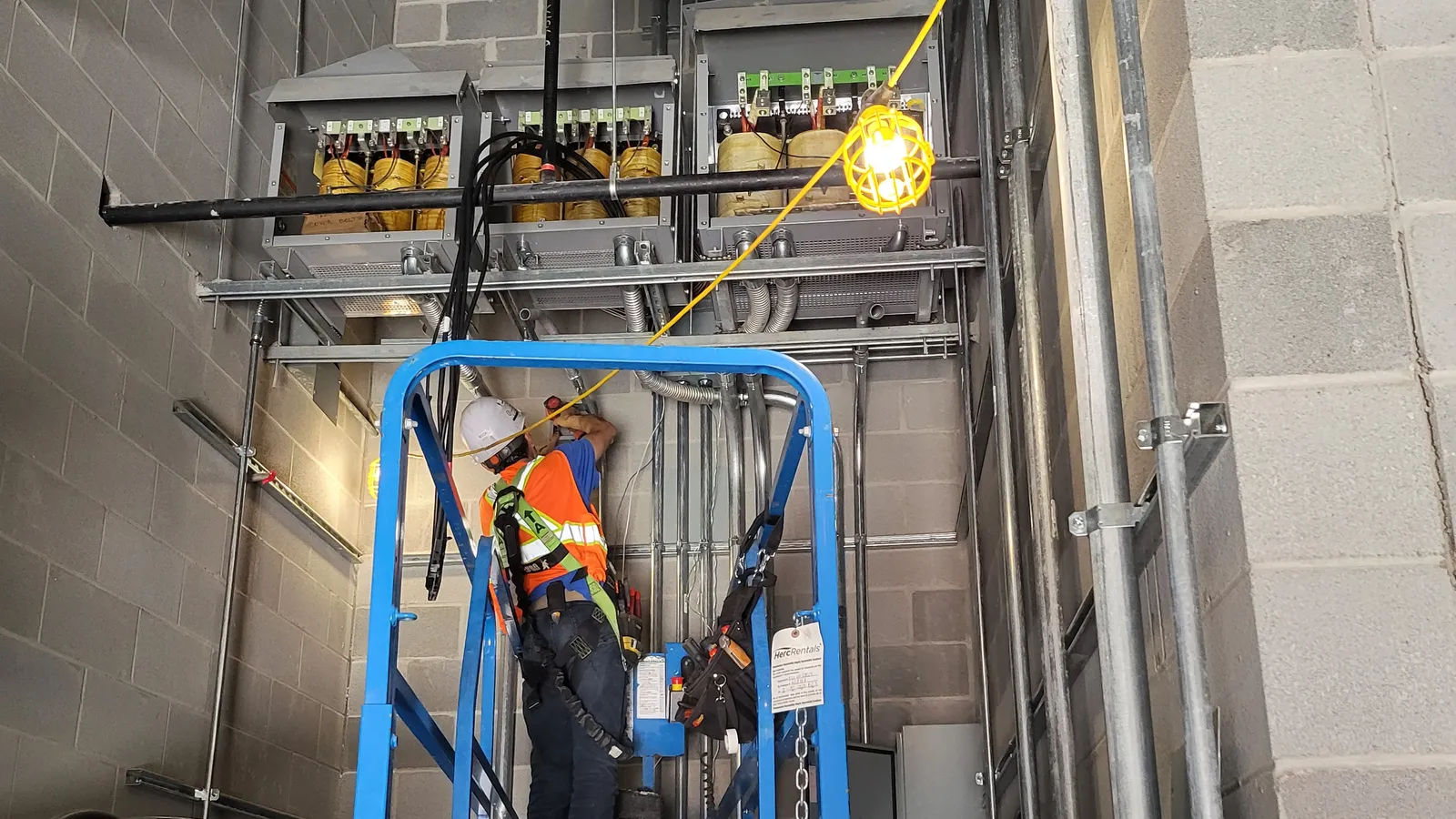
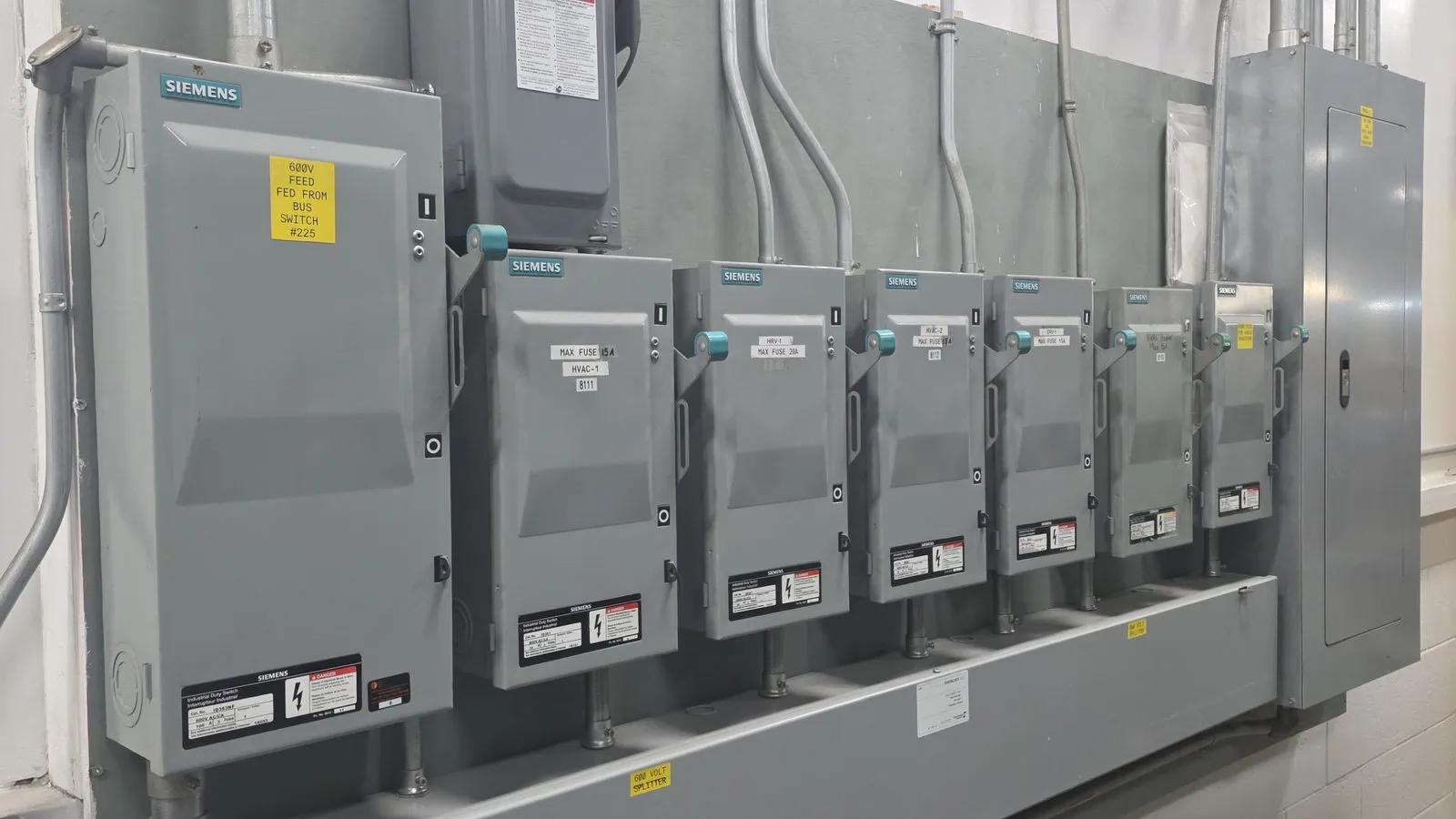
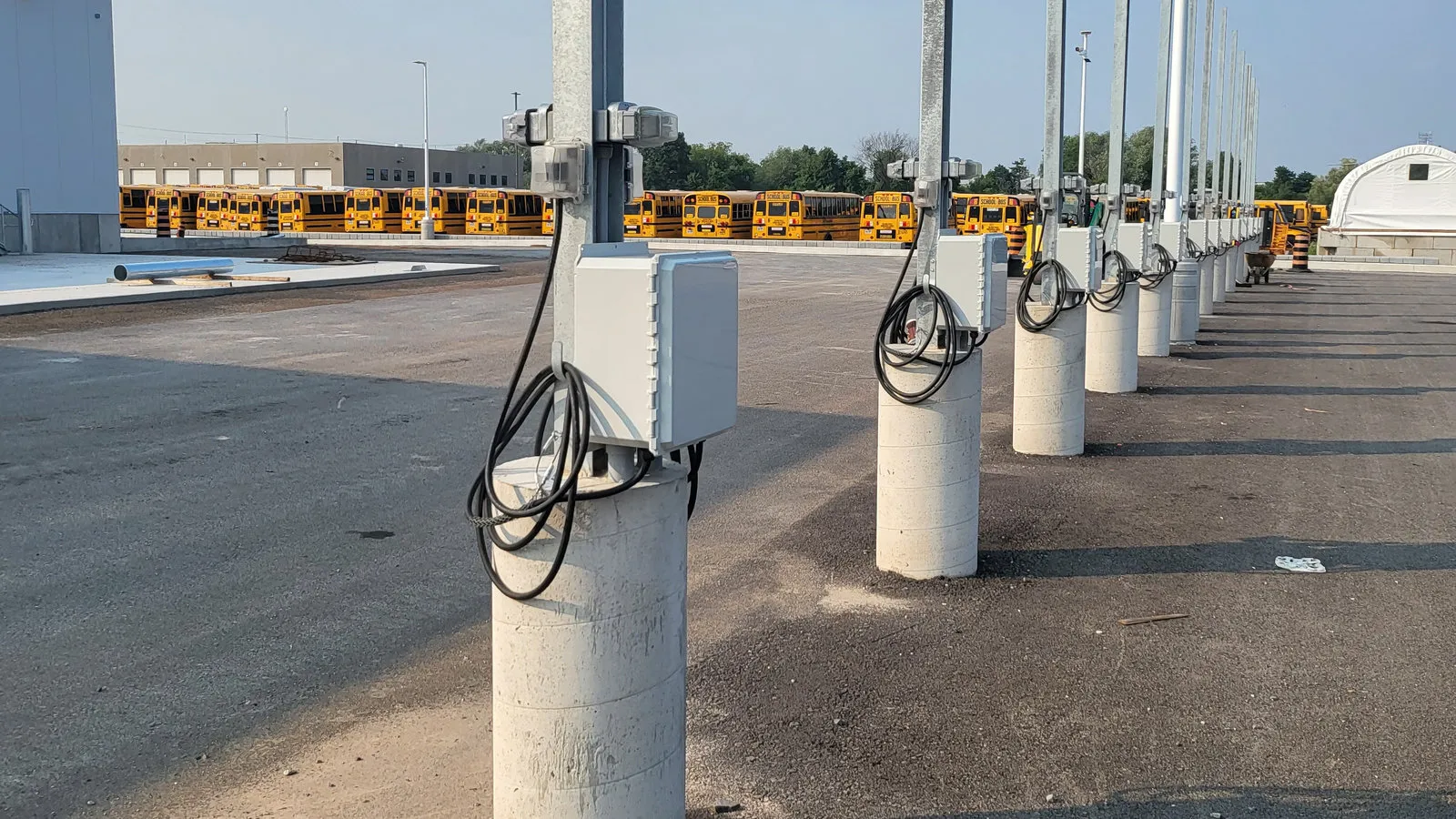
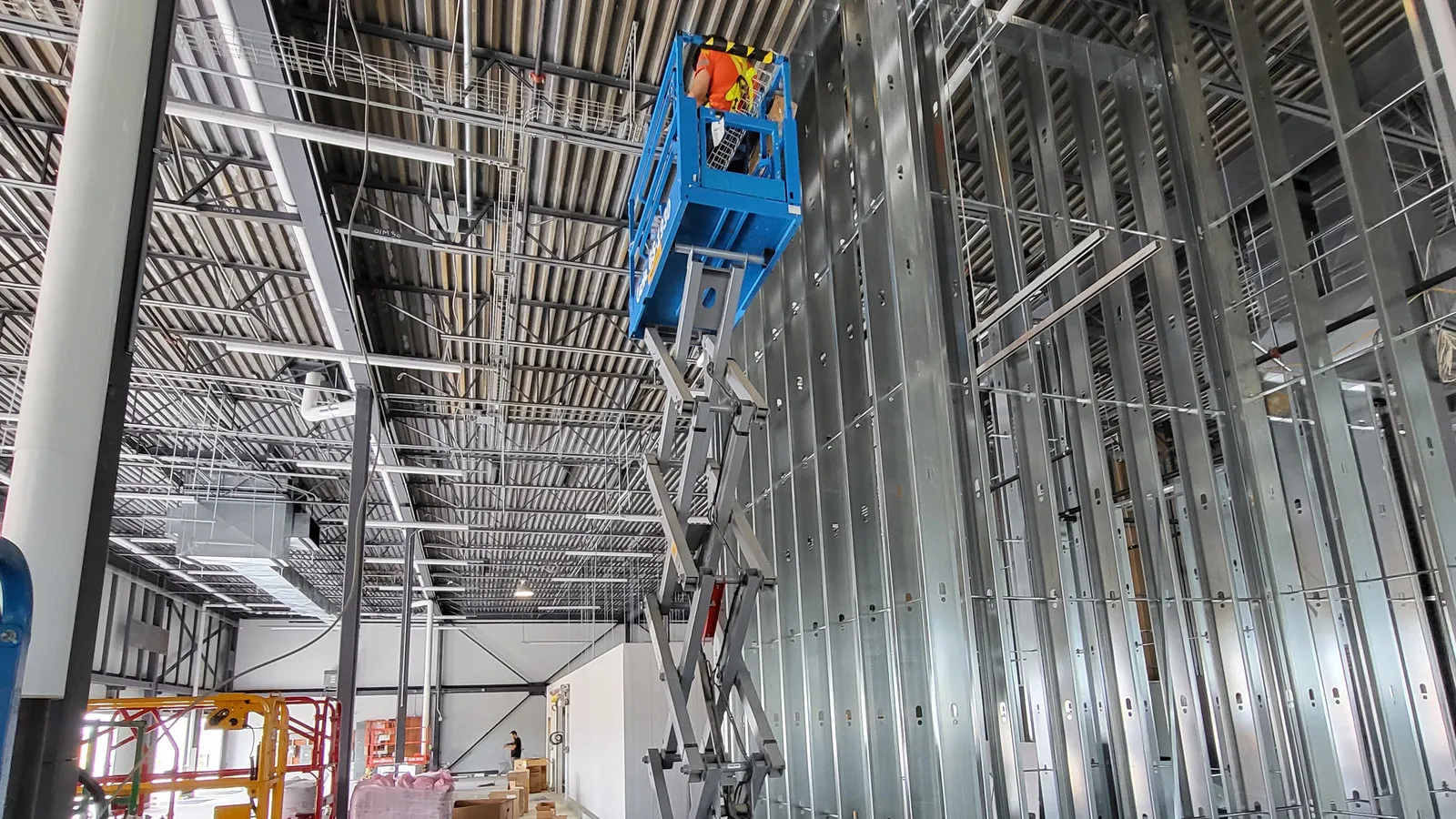
When Commercial Wiring Needs Better Routing Than Random Conduit and Loose Pathways
Install cable tray correctly before cable routing becomes crowded, disorganized, and difficult to maintain
Commercial cable tray installation is important when a building needs organized overhead or structured routing for feeders, grouped circuits, and future electrical expansion.
On many Toronto and GTA commercial projects, wiring pathways become disorganized when cable routing is handled without a clear long-term plan. Conductors may end up crowded into inefficient routes, difficult to trace, difficult to support, and harder to expand later. In warehouses, service areas, electrical corridors, and large open buildings, relying on scattered pathways instead of a proper tray system often creates maintenance issues and poor installation quality. A well-planned cable tray layout keeps routing cleaner and makes future cable work far easier.
A professional cable tray installation helps create logical pathways for feeders, grouped circuits, and electrical infrastructure while improving access and reducing clutter. This is especially valuable in buildings with long electrical runs, wide open ceilings, multiple feeder pathways, or future equipment changes. Depending on the project scope, cable tray installation may also align with new building electrical wiring, electrical room installation, and power distribution systems.
If cable routing is treated as a secondary detail during construction, the building often inherits a messy and inefficient wiring backbone that becomes harder to work on every year. A properly installed tray system gives the building cleaner routing and better future flexibility.
It also improves maintenance access and helps future cable additions happen more efficiently without turning the electrical system into an overhead mess.
Long Cable Runs Need Better Support
Large commercial spaces often need structured pathways instead of scattered routing methods.
Future Expansion Is Expected
Cable tray makes it easier to add feeders and circuits later without major rework.
Open Ceilings or Warehouse Areas Exist
Wide open spaces are often ideal for organized tray-based routing.
Feeder Groups Need Cleaner Routing
Tray systems help keep larger cable runs more organized and easier to maintain.
Electrical Rooms Need Better Cable Exit Paths
Tray installation can support cleaner transitions from panels and distribution equipment.
Random Routing Creates Future Problems
Unplanned cable paths often become crowded, confusing, and harder to service over time.
Multiple Systems Must Be Coordinated
Tray planning helps route electrical infrastructure more logically through the building.
Maintenance Access Matters
A better cable support system helps future inspection, tracing, and upgrades happen more easily.
WHY CHOOSE US
Why Businesses Choose Us
We focus on practical solutions rather than temporary fixes, ensuring your electrical system performs safely under real conditions. Every electrical work is completed with proper planning, correct equipment selection, and attention to long-term performance.
Our approach eliminates unnecessary work and is based on accurate diagnostics, not assumptions, so you only pay for what your system actually needs. We prioritize safety, efficiency, and clean execution on every project.
As a result, you receive a reliable, code-compliant electrical system that supports your home today and is fully prepared for future electrical demands.
Licensed & Insured
All work is performed by qualified, fully insured electricians, ensuring safety, accountability, and compliance with all regulations.
ESA certified work
Every project includes permits and ESA inspection, guaranteeing that the installation meets Ontario Electrical Safety Code requirements.
Professional installations
We install panels with precise wiring, proper layout, and clear labeling, making the system safe, accessible, and easy to maintain.
Transparent pricing
You receive clear pricing based on the actual scope of work, with no hidden costs or unexpected changes during the entire project.
Fast scheduling
We schedule work efficiently and arrive on time, minimizing downtime and ensuring your electrical system is restored as quickly as possible.
Accurate calculations
We calculate electrical demand based on real usage, ensuring your panel is properly sized for both current and future electrical needs.
Code-compliant work
All installations strictly follow current electrical code requirements, ensuring safety, inspection approval, and long-term system reliability.
Reliable workmanship
Our experience allows us to deliver consistent, high-quality results that perform reliably under real operating conditions over time.
CODE & SAFETY REQUIREMENTS
Ontario Electrical Safety Code Compliance
The Ontario Electrical Safety Code (OESC) sets the minimum legal safety requirements for electrical installations in Ontario. For commercial cable tray installation, compliance with the Code is essential to ensure that cable support systems, conductors, routing methods, tray loading, supports, bonding, and installation conditions are properly designed and safely installed for the actual use of the building.
Following the Code helps reduce the risk of cable damage, overheating, poor support, unsafe routing, failed inspections, difficult maintenance conditions, and costly corrective rework after construction. It also ensures that approved tray systems, support hardware, conductor arrangements, and installation methods meet current Ontario requirements.
Every commercial cable tray installation should be planned and installed in accordance with the current Ontario Electrical Safety Code and ESA inspection requirements.
Rules commonly applicable to commercial cable tray installation
-
Rule 2-004 — Notification of work / ESA inspection process
Electrical work must be properly notified to ESA, and the installation must go through the required inspection process before it is put into service. -
Rule 2-022 — Approved electrical equipment
Cable tray systems, supports, fittings, and associated materials used in Ontario must be approved for the intended application. -
Rule 2-024 — Approval requirements for electrical equipment
Equipment must be approved to recognized standards and accepted for installation in Ontario. -
Rule 2-100 — General requirements for electrical installations
Electrical equipment and wiring methods must be selected and installed so the completed installation is safe and suitable for actual service conditions. -
Rule 4-004 — Ampacity of wires and cables
Conductors installed in cable tray systems must be selected so their ampacity is adequate for the intended load and installation conditions. -
Rule 12-2200 — Cable tray systems
Cable tray systems must be installed in accordance with the applicable Code requirements governing tray use, support, cable type, and routing conditions. -
Rule 12-3034 — Protection of conductors in raceways and cables
Conductors must be installed with appropriate protection and acceptable wiring methods where tray transitions and related routing are involved. -
Rule 2-314 — Working space around electrical equipment
Required working space around equipment and access routes affected by tray systems must be maintained for safe operation and maintenance. -
Rule 10-204 — Grounding and bonding
Grounding and bonding must be installed correctly where required for cable tray systems and associated equipment. -
Rule 14-100 — Protection of conductors by overcurrent devices
Conductors routed in tray systems must be protected by properly rated overcurrent devices. -
Rule 14-104 — Rating and application of overcurrent protection
Overcurrent protection must be coordinated with conductor ampacity and the characteristics of the installation. -
Rule 2-308 — Damage and deterioration
Cable tray systems and associated installations must not be subject to unsafe damage or deterioration affecting their intended use.
Note: Rule selection may vary depending on tray type, cable type, environmental conditions, support method, building use, and the broader electrical distribution design. Exact official wording should be taken from the current purchased edition of the Ontario Electrical Safety Code, 2024.
COMMON QUESTIONS
FAQ — Commercial Cable Tray Installation
1. What is commercial cable tray installation?
Commercial cable tray installation is the installation of structured tray pathways used to support and route electrical cables safely through a commercial building.
2. Why use cable tray instead of only conduit?
Cable tray is often more practical for long runs, grouped cables, accessible routing, and future expansion, especially in warehouses, utility spaces, and open commercial areas.
3. What types of cable tray are commonly used?
Common tray types include ladder tray, wire mesh tray, basket tray, trough tray, and other support systems selected based on cable type and building conditions.
4. Where is cable tray usually installed?
It is often installed in electrical rooms, warehouse ceilings, service corridors, utility areas, open ceiling spaces, and other parts of the building where structured cable routing is needed.
5. Is cable tray only for large buildings?
No. It is most common in larger or more open commercial buildings, but it can also be useful in smaller projects where clean cable organization and future access matter.
6. Are permits and ESA inspection required for cable tray installation?
Yes, commercial electrical work involving cable tray systems in Ontario requires proper notification and inspection through ESA to ensure compliance with the Ontario Electrical Safety Code.
7. Can cable tray support future electrical expansion?
Yes. One of the major benefits of cable tray is that it makes future additions and modifications much easier than disorganized routing methods.
8. What brands are commonly used for commercial cable tray systems?
Common manufacturers include Eaton B-Line, ABB, Legrand Cablofil, Schneider Electric, Panduit, Chatsworth, and nVent CADDY depending on project requirements.
9. Can cable tray be used for feeder cables?
Yes. Cable tray is often used for feeder routing, grouped branch circuits, control wiring coordination, and other organized electrical pathway applications.
10. Does cable tray improve maintenance access?
Yes. A properly installed tray system makes cable tracing, future additions, and overall electrical servicing much easier and cleaner.
11. Can poor tray planning create long-term problems?
Yes. Bad routing, poor support, and weak coordination can create overcrowding, difficult maintenance, and awkward cable pathways that affect the whole building.
12. How much does commercial cable tray installation cost?
The cost depends on tray type, tray length, support requirements, routing complexity, building structure, cable loading, and the broader electrical scope of the project.
SERVICE AREAS
Serving Toronto & the Greater Toronto Area
We provide residential, commercial, and industrial electrical services across Toronto and the GTA, supporting homes, businesses, and facilities with reliable and code-compliant electrical solutions.
Our service coverage includes major cities and surrounding areas, allowing us to respond quickly and deliver consistent service across the region.
Toronto
North York
Thornhill
Richmond Hill
Vaughan
Markham
Scarborough
Etobicoke
Mississauga
Brampton
ADDITIONAL SERVICE AREAS
Hamilton
Oakville
Burlington
Milton
Georgetown
Pickering
Ajax
Whitby
Oshawa
Clarington
Aurora
Newmarket
Bradford
King City
Barrie