
Toronto & GTA Electrical Contractor
Commercial EV Chargers Installation in Toronto, Markham, New Market, Brampton, Aurora, Richmond Hill, Thornhill, Vaughan, Hamilton, Ajax & GTA
Residential, commercial, and industrial electrical work — installations, upgrades, troubleshooting, maintenance, and code-compliant solutions.
Licensed & Insured
Fast Response
Code-Compliant Work
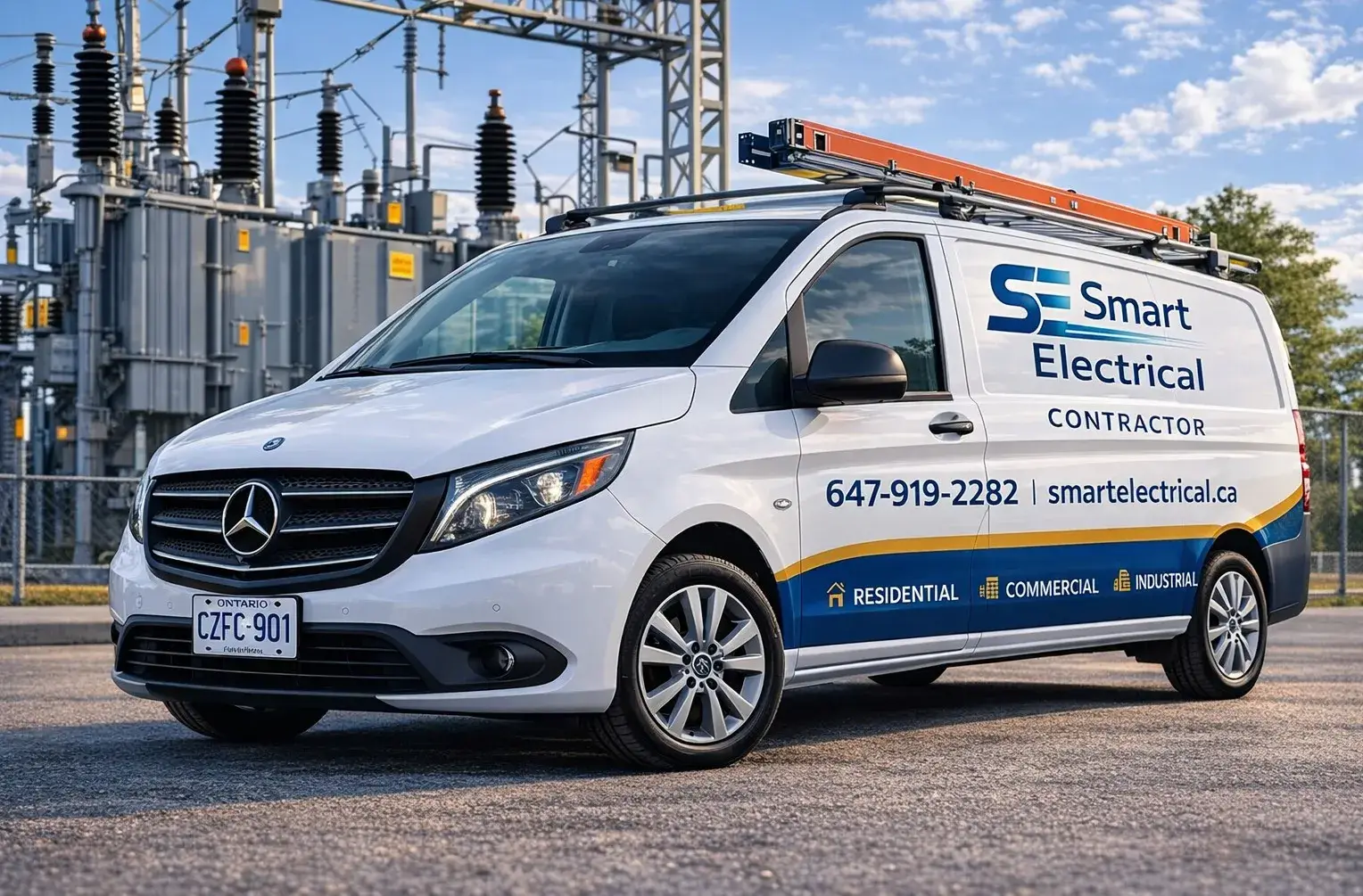
COMMERCIAL EV CHARGING INSTALLATION
What We Do
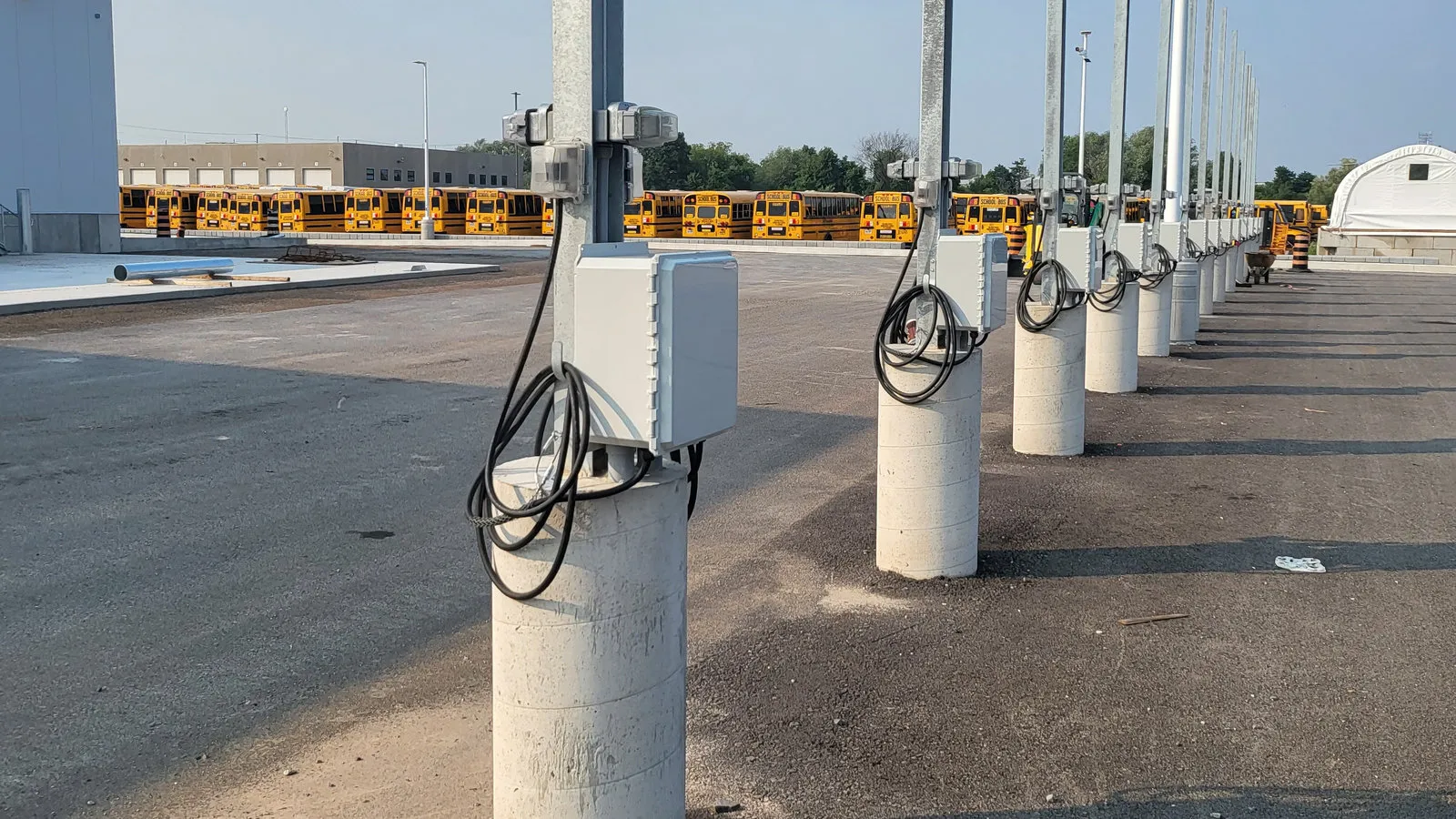
We provide commercial EV charger installation for offices, retail plazas, warehouses, mixed-use buildings, condominium visitor parking, and other business properties across Toronto and the GTA. Our goal is to deliver safe, practical, and code-compliant EV charging systems that match the actual electrical capacity, parking layout, and usage needs of the property. Commercial EV chargers are no longer just an optional upgrade for forward-looking buildings. They are becoming an important part of workplace infrastructure, tenant amenities, customer convenience, and fleet electrification planning.
A commercial EV charging project usually starts with understanding how the chargers will actually be used. Some properties need a small number of Level 2 chargers for staff or tenant parking, while others need a more scalable solution for shared commercial parking, high-turnover users, or future multi-vehicle charging expansion. The electrical design must take into account service capacity, distribution equipment, panel loading, charger type, cable routing, mounting conditions, outdoor exposure, access control, metering options, and future expansion potential. A proper installation is not just about mounting chargers on a wall or pedestal. It requires safe power distribution, correct circuit protection, and a charging setup that works reliably in real daily operation.
We install commercial EV charging equipment from widely recognized brands such as Tesla, FLO, ChargePoint, ABB, Siemens, Wallbox, Eaton, Schneider Electric, and Leviton, depending on the application and site requirements. These systems may include wall-mounted chargers, pedestal-mounted chargers, dual-port charging stations, smart networking features, cable management hardware, bollard protection, disconnecting means, and panel or distribution upgrades where required. Some sites only need a few straightforward chargers for employee use, while others require more advanced planning tied to EV power distribution, future expansion strategy, and charger grouping across multiple parking areas. Where the building already has electrical limitations, the project may also involve commercial load monitoring or commercial power quality analysis before equipment is selected.
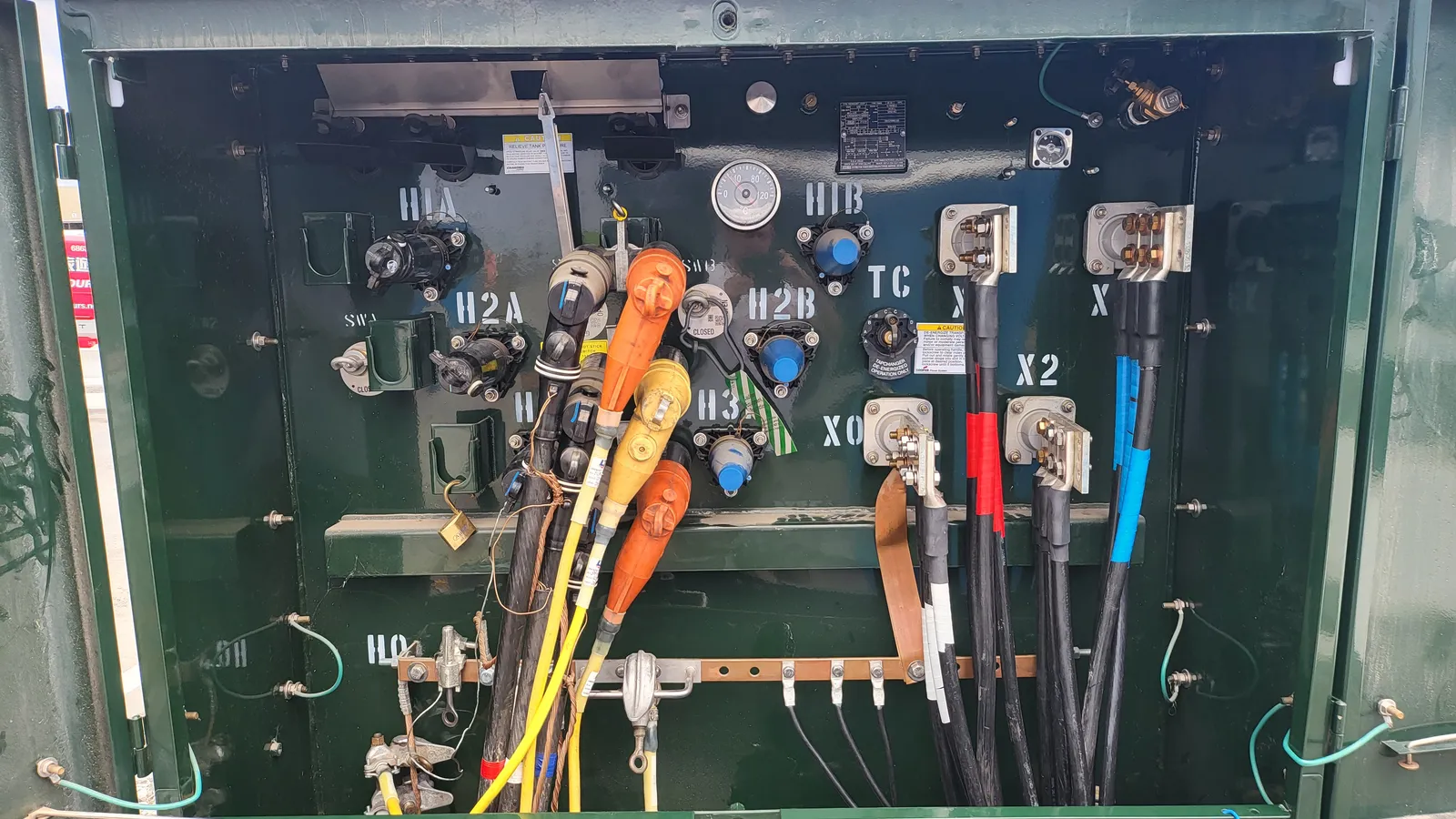
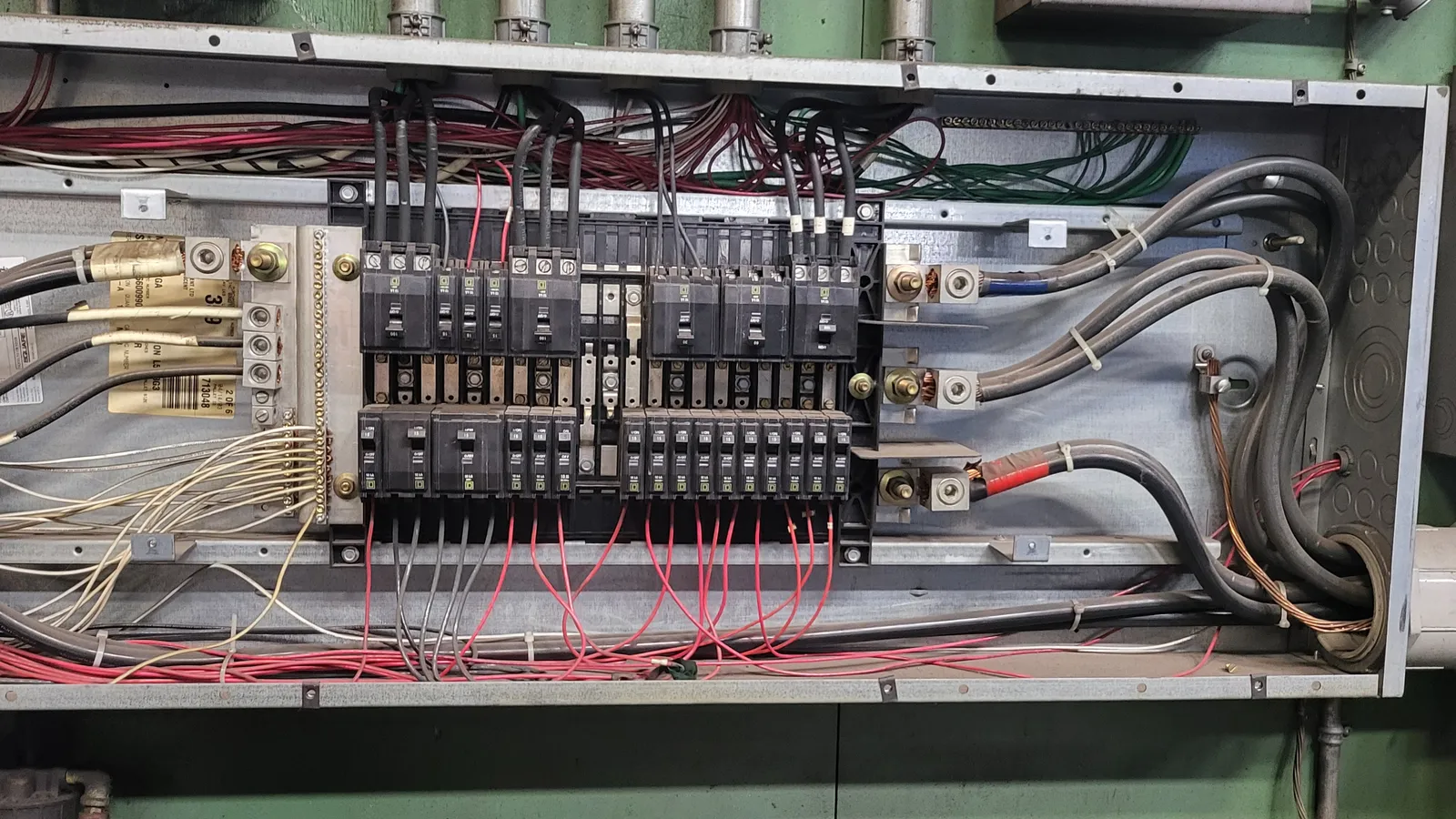
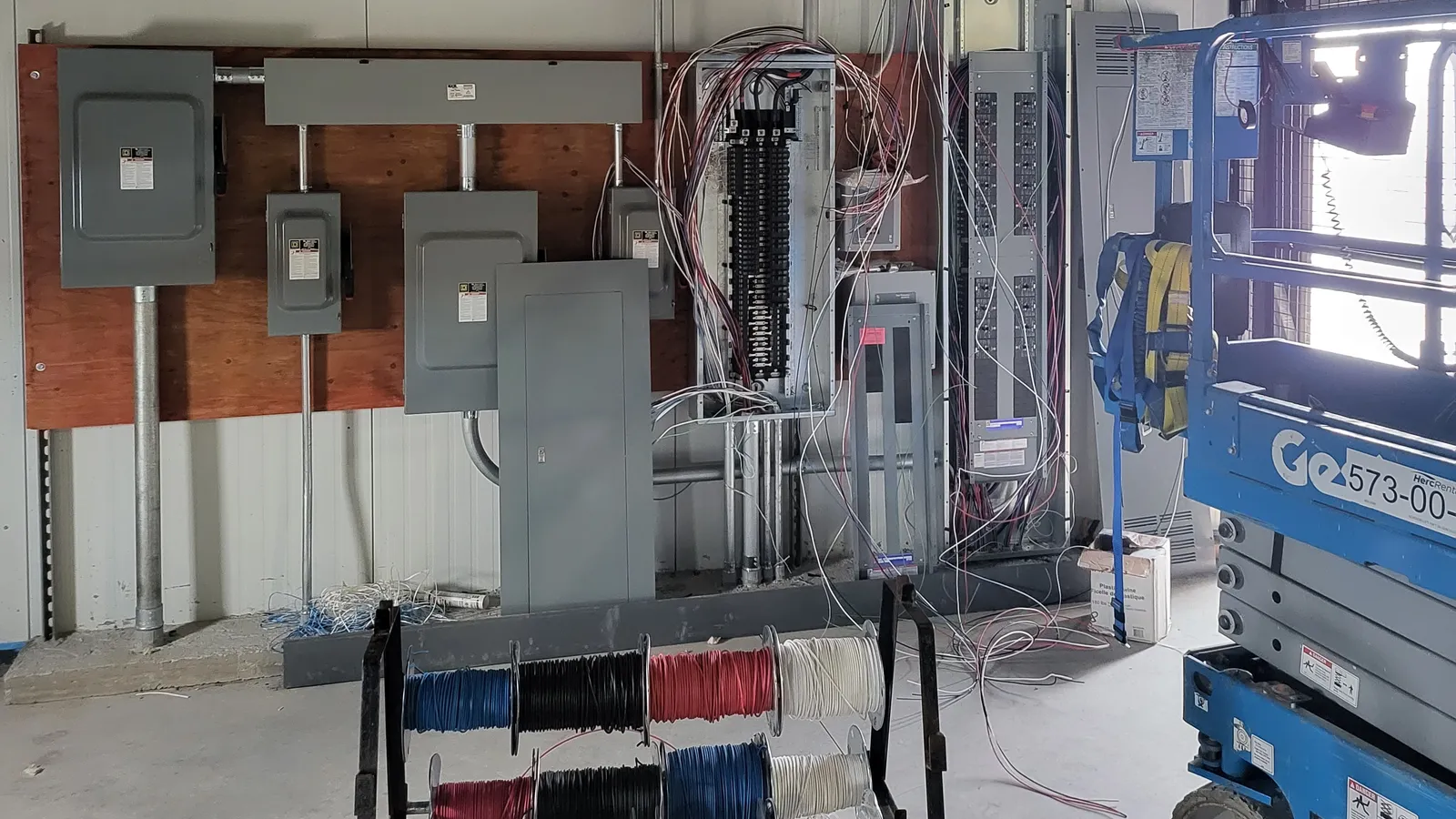
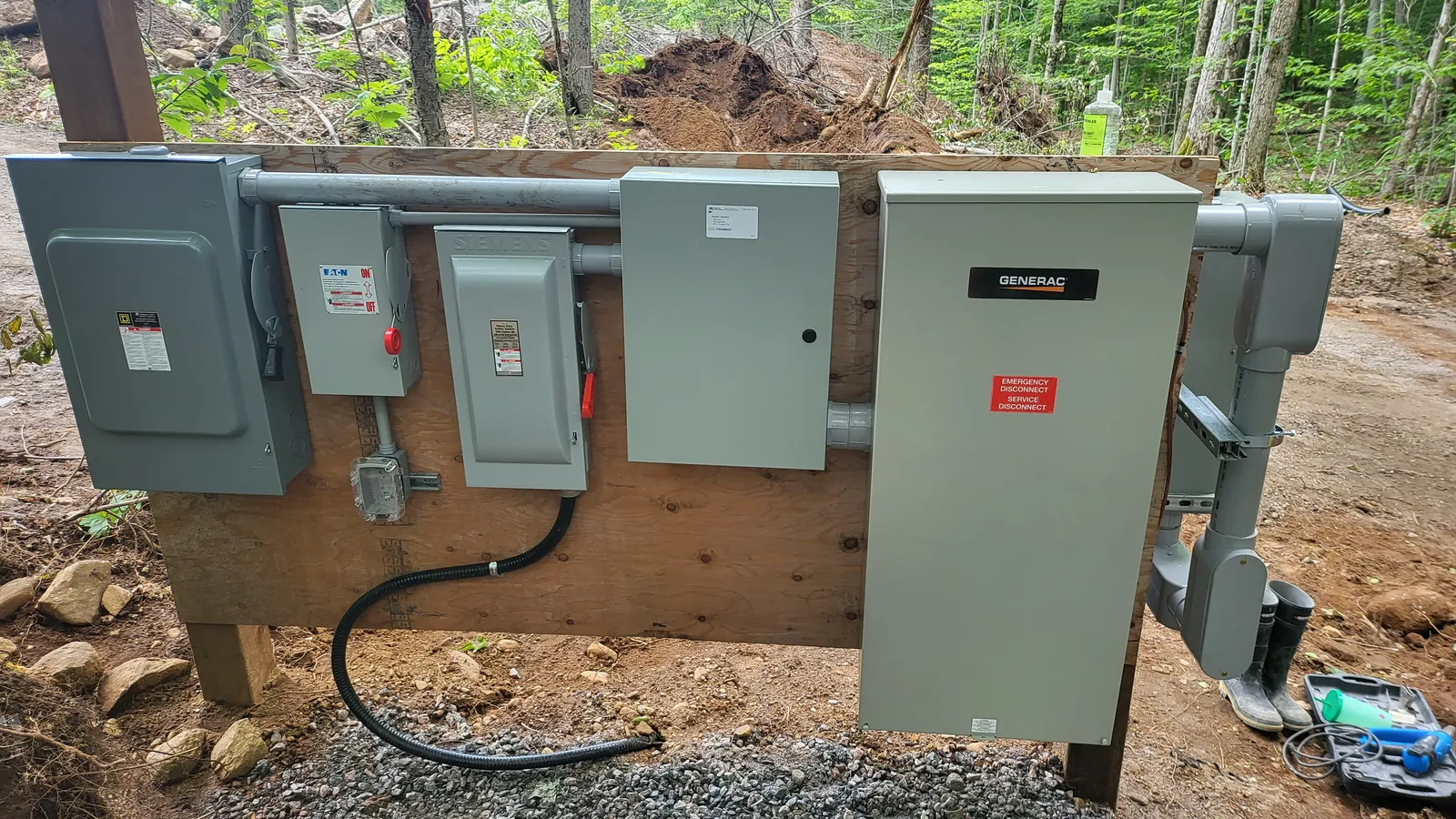
Our work includes reviewing the existing electrical infrastructure, determining available capacity, sizing feeders and branch circuits, selecting suitable charger locations, and planning the installation so the system is safe and practical to operate. We also consider how the chargers will affect the rest of the building, especially where existing service capacity is shared with HVAC, lighting, process loads, refrigeration, or tenant equipment. In some commercial buildings, charger installation can be completed with existing capacity. In others, additional work may be needed through commercial panel upgrades or distribution changes to support reliable operation. The right solution depends on the actual property conditions, not just on the charger brand or advertised output rating.
A properly installed commercial EV charging system helps future-proof the property, improves convenience for tenants and staff, strengthens the building’s market appeal, and supports long-term electrification goals. It also reduces the risk of overloads, poor charger placement, undersized wiring, and costly rework later. We focus on clean, organized, professional installations that are built for long-term serviceability and real business use, not temporary shortcuts. For Ontario electrical safety and compliance information, refer to the Electrical Safety Authority (ESA).
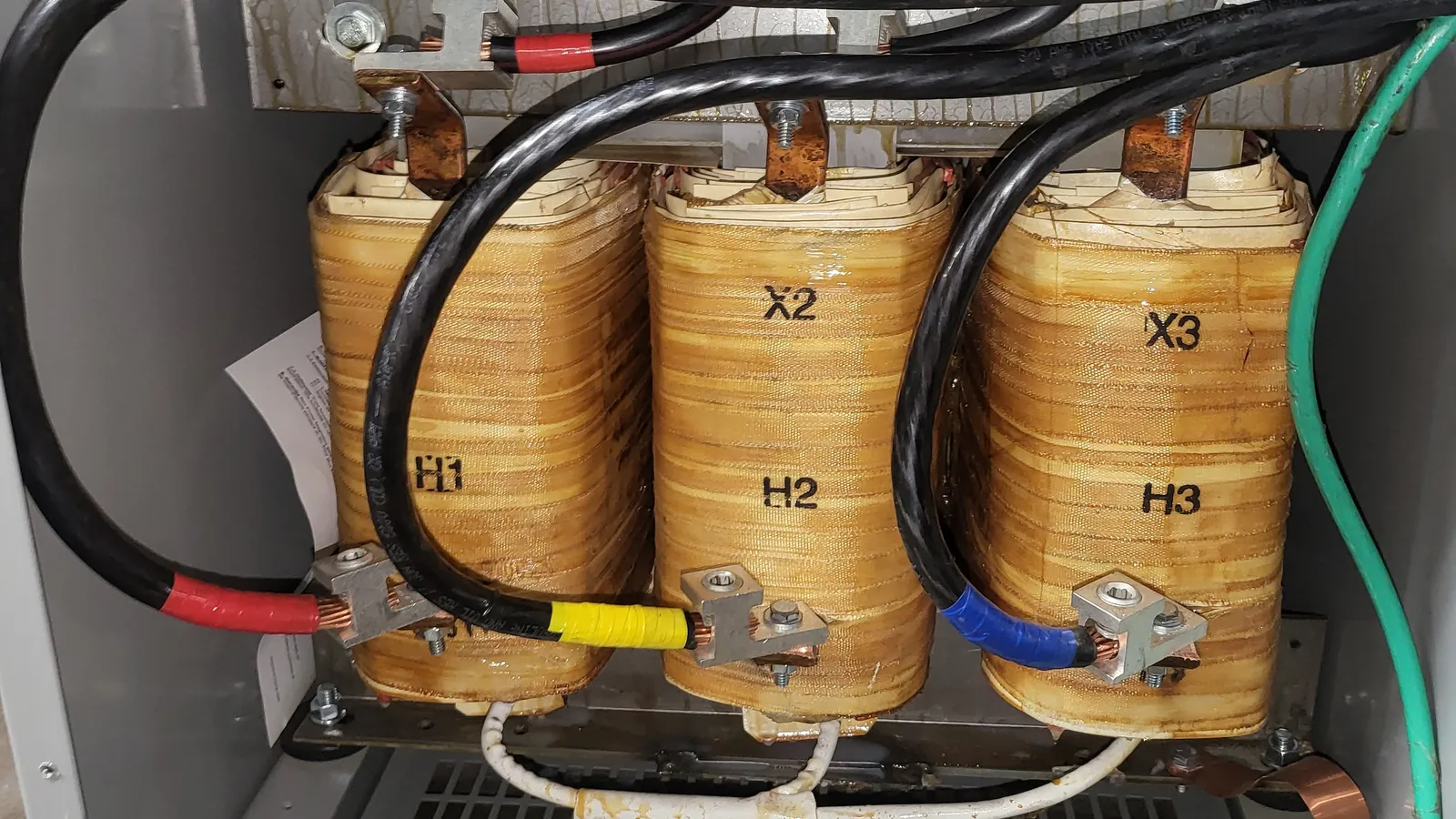
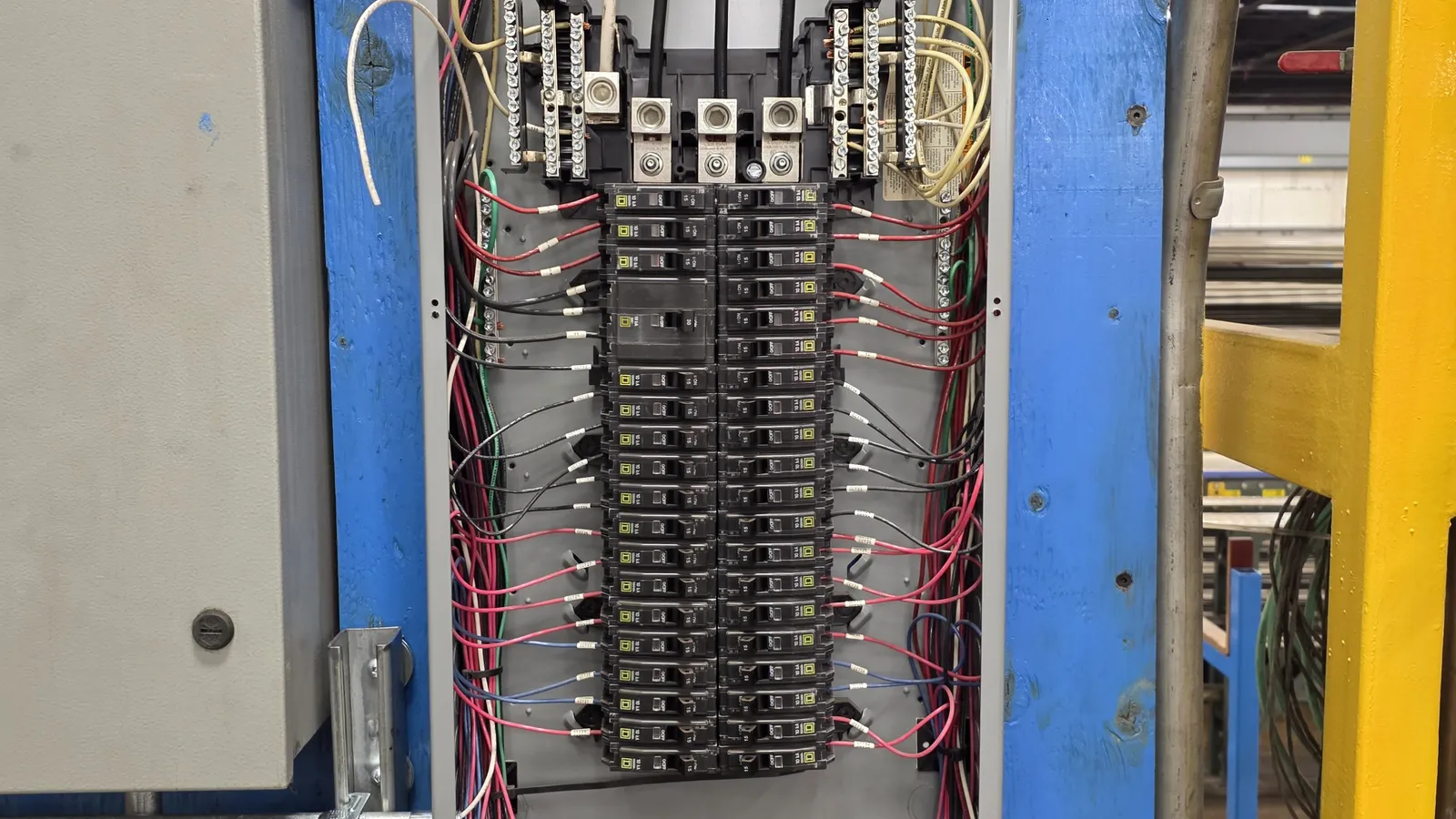
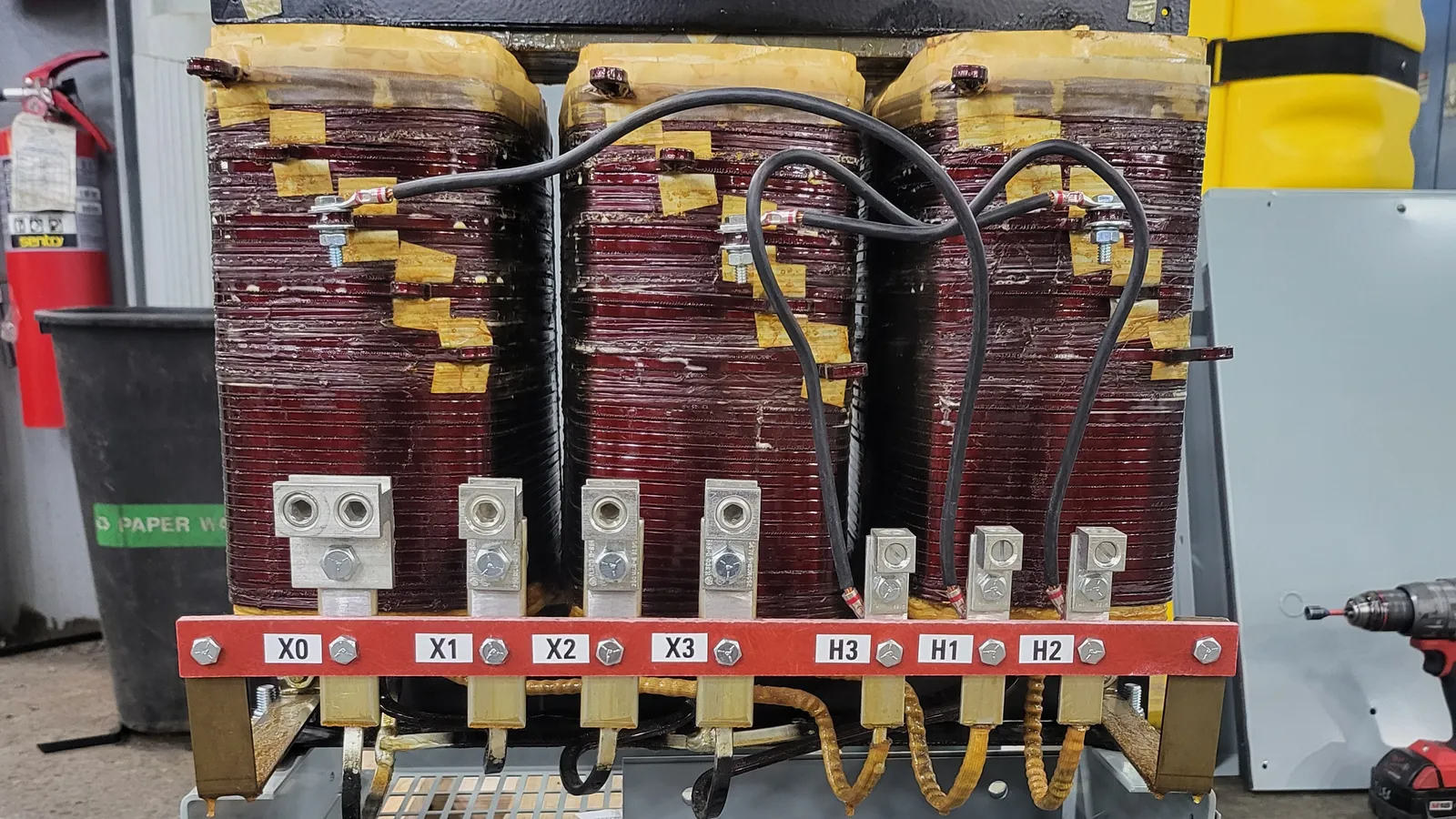
When Commercial EV Charging Becomes a Real Property Need
Recognize when your building needs a properly planned EV charging solution
Commercial EV charger installation becomes necessary when a property needs safe and reliable charging access for staff, tenants, customers, visitors, or fleet vehicles.
Many commercial properties in Toronto and the GTA are now under pressure to support electric vehicle charging as employee expectations change, fleets begin transitioning to EVs, and building owners look for ways to modernize their parking infrastructure. In some cases, the demand comes from tenants who want workplace EV charging. In other cases, the property owner wants to make the building more competitive, more attractive, or better prepared for future use. A few portable chargers or informal electrical connections are not a proper long-term solution for a commercial site.
A professional commercial EV charger installation helps ensure that chargers are connected to correctly sized circuits, protected by proper overcurrent devices, and integrated into the building’s electrical system without creating overload risks. This is especially important where multiple chargers may be added over time or where the site already has significant electrical demand from HVAC, lighting, refrigeration, or other business equipment. Depending on the property, the project may also involve EV power distribution, commercial load monitoring, or broader electrical upgrades that support long-term charging expansion.
Delaying charger planning often leads to poor equipment placement, insufficient capacity, expensive rework, and installations that do not scale well as charging demand increases. A properly designed commercial EV charging system gives the building a cleaner, safer, and more practical charging foundation.
It also helps avoid future conflicts between charger loads and other building systems while making expansion easier as EV adoption continues to grow.
Tenants or Staff Need Charging
Employees, tenants, or visitors are asking for reliable EV charging access at the property.
Fleet Electrification Is Starting
Business vehicles are moving to EVs and need dedicated on-site charging infrastructure.
No Safe Charging Setup Exists
Temporary charging methods are not suitable for long-term commercial use.
Property Needs Modern Amenities
Commercial EV chargers can improve building appeal and support future leasing value.
Expansion Is Likely Later
Initial charger installation should be planned so the site can grow without major rework.
Parking Area Is Being Upgraded
Renovation is the right time to install charger conduits, circuits, and distribution equipment.
Electrical Capacity Is Unclear
The building may need load review before chargers can be added safely.
Competitor Properties Already Offer Charging
EV charging is becoming an expected feature in many commercial and mixed-use buildings.
WHY CHOOSE US
Why Businesses Choose Us
We focus on practical solutions rather than temporary fixes, ensuring your electrical system performs safely under real conditions. Every electrical panel upgrade is completed with proper planning, correct equipment selection, and attention to long-term performance.
Our approach eliminates unnecessary work and is based on accurate diagnostics, not assumptions, so you only pay for what your system actually needs. We prioritize safety, efficiency, and clean execution on every project.
As a result, you receive a reliable, code-compliant electrical system that supports your home today and is fully prepared for future electrical demands.
Licensed & Insured
All work is performed by qualified, fully insured electricians, ensuring safety, accountability, and compliance with all regulations.
ESA certified work
Every project includes permits and ESA inspection, guaranteeing that the installation meets Ontario Electrical Safety Code requirements.
Professional installations
We install panels with precise wiring, proper layout, and clear labeling, making the system safe, accessible, and easy to maintain.
Transparent pricing
You receive clear pricing based on the actual scope of work, with no hidden costs or unexpected changes during the entire project.
Fast scheduling
We schedule work efficiently and arrive on time, minimizing downtime and ensuring your electrical system is restored as quickly as possible.
Accurate calculations
We calculate electrical demand based on real usage, ensuring your panel is properly sized for both current and future electrical needs.
Code-compliant work
All installations strictly follow current electrical code requirements, ensuring safety, inspection approval, and long-term system reliability.
Reliable workmanship
Our experience allows us to deliver consistent, high-quality results that perform reliably under real operating conditions over time.
CODE & SAFETY REQUIREMENTS
Ontario Electrical Safety Code Compliance
The Ontario Electrical Safety Code (OESC) sets the minimum legal safety requirements for electrical installations in Ontario. For commercial EV charger installation, compliance with the Code is essential to ensure the charging equipment, branch circuits, feeders, grounding methods, and overcurrent protection are safe, properly rated, and suitable for the actual conditions of use at the property.
Following the Code helps reduce the risk of overheating, electric shock, conductor damage, equipment failure, nuisance tripping, failed inspections, and unsafe charging conditions. It also ensures that EV charging equipment, panel capacity, wiring methods, and protective devices are installed in accordance with current Ontario requirements.
Every commercial EV charging installation should be planned and installed in accordance with the current Ontario Electrical Safety Code and ESA inspection requirements.
Rules commonly applicable to commercial EV charger installation
-
Rule 2-004 — Notification of work / ESA inspection process
Electrical work must be properly notified to ESA, and the installation must go through the required inspection process before being put into service. -
Rule 2-022 — Approved electrical equipment
EV charging equipment and related electrical products used in Ontario must be approved for the intended application. -
Rule 2-024 — Approval requirements for electrical equipment
Equipment must be approved to recognized standards and accepted for installation in Ontario. -
Rule 2-100 — General requirements for electrical installations
Electrical equipment and wiring methods must be selected and installed so the completed installation is safe and suitable for actual service conditions. -
Rule 4-004 — Ampacity of wires and cables
Conductors must be selected so their ampacity is adequate for the intended EV charging load and installation conditions. -
Rule 8-104 — Maximum circuit loading
Circuits, feeders, and services supplying EV chargers must be calculated and applied within allowable loading limits. -
Rule 8-106 — Use of demand factors and load calculations
Load calculations must take into account actual and expected charging demand together with the rest of the building electrical load. -
Rule 26-500 — Electric vehicle supply equipment
Electric vehicle supply equipment must be installed in accordance with the specific Code requirements applicable to EV charging systems. -
Rule 14-100 — Protection of conductors by overcurrent devices
Conductors supplying EV chargers must be protected by properly rated overcurrent devices. -
Rule 14-104 — Rating and application of overcurrent protection
Overcurrent protection must be coordinated with conductor ampacity, charger characteristics, and installation conditions. -
Rule 10-204 — Grounding and bonding
Grounding and bonding must be installed correctly to ensure safe operation of EV charging equipment. -
Rule 2-314 — Working space around electrical equipment
Required working space around panels, disconnects, and related electrical equipment must be maintained for safe operation and maintenance.
Note: Rule selection may vary depending on charger type, output rating, mounting method, outdoor exposure, load management strategy, and the condition of the existing electrical system. Exact official wording should be taken from the current purchased edition of the Ontario Electrical Safety Code, 2024.
COMMON QUESTIONS
FAQ — Commercial EV Charger Installation
1. What is commercial EV charger installation?
Commercial EV charger installation is the process of installing electric vehicle charging equipment at business properties such as offices, retail plazas, warehouses, and mixed-use buildings.
2. What types of commercial properties can have EV chargers installed?
Offices, retail centres, restaurants, industrial-commercial sites, fleet yards, apartment visitor areas, and many other business properties can support commercial EV charging when the electrical system is properly assessed.
3. Do commercial EV chargers always require a panel upgrade?
No. Some buildings already have enough available capacity, while others may need panel upgrades, feeder changes, or load management depending on charger quantity and charger rating.
4. What charger brands are commonly used for commercial installations?
Common commercial EV charger brands include Tesla, FLO, ChargePoint, ABB, Siemens, Wallbox, Eaton, Schneider Electric, and Leviton, depending on site requirements and user goals.
5. Can commercial EV chargers be installed outdoors?
Yes, many commercial EV chargers are designed for outdoor use, but the installation must account for weather exposure, mounting conditions, impact protection, and suitable electrical equipment.
6. How do I know if my building has enough electrical capacity for EV chargers?
The only reliable way is to review the existing electrical system, connected loads, available panel capacity, and expected charging demand. In some cases, load monitoring is recommended before installation.
7. Are permits and ESA inspection required for commercial EV charger installation?
Yes, commercial EV charger installation in Ontario requires proper electrical permit notification and inspection through ESA to ensure the work complies with the Ontario Electrical Safety Code.
8. What is the difference between a commercial EV charger and a residential charger?
Commercial EV charging systems are typically designed for higher use, broader user access, more complex site conditions, and more advanced electrical planning than a standard residential charger installation.
9. Can I install one charger now and add more later?
Yes, and in many cases that is the best approach. However, the initial installation should be planned properly so the site can expand without unnecessary future rework.
10. Do commercial EV chargers need dedicated circuits?
Yes, EV chargers require properly sized dedicated circuits and correct overcurrent protection based on the charger rating and installation design.
11. Can commercial EV chargers be installed for employee parking only?
Yes, some installations are intended only for staff or fleet use, while others are designed for shared tenant, visitor, or public-facing charging access.
12. How much does commercial EV charger installation cost?
The cost depends on charger type, quantity, circuit length, mounting method, site conditions, available capacity, and whether additional distribution or panel upgrades are required.
SERVICE AREAS
Serving Toronto & the Greater Toronto Area
We provide residential, commercial, and industrial electrical services across Toronto and the GTA, supporting homes, businesses, and facilities with reliable and code-compliant electrical solutions.
Our service coverage includes major cities and surrounding areas, allowing us to respond quickly and deliver consistent service across the region.
Toronto
North York
Thornhill
Richmond Hill
Vaughan
Markham
Scarborough
Etobicoke
Mississauga
Brampton
ADDITIONAL SERVICE AREAS
Hamilton
Oakville
Burlington
Milton
Georgetown
Pickering
Ajax
Whitby
Oshawa
Clarington
Aurora
Newmarket
Bradford
King City
Barrie