
Toronto & GTA Electrical Contractor
Connection Torque Testing in Toronto, Brampton & GTA
Industrial electrical work — installations, upgrades, troubleshooting, maintenance, and code-compliant solutions.
Licensed & Insured
Fast Response
Code-Compliant Work
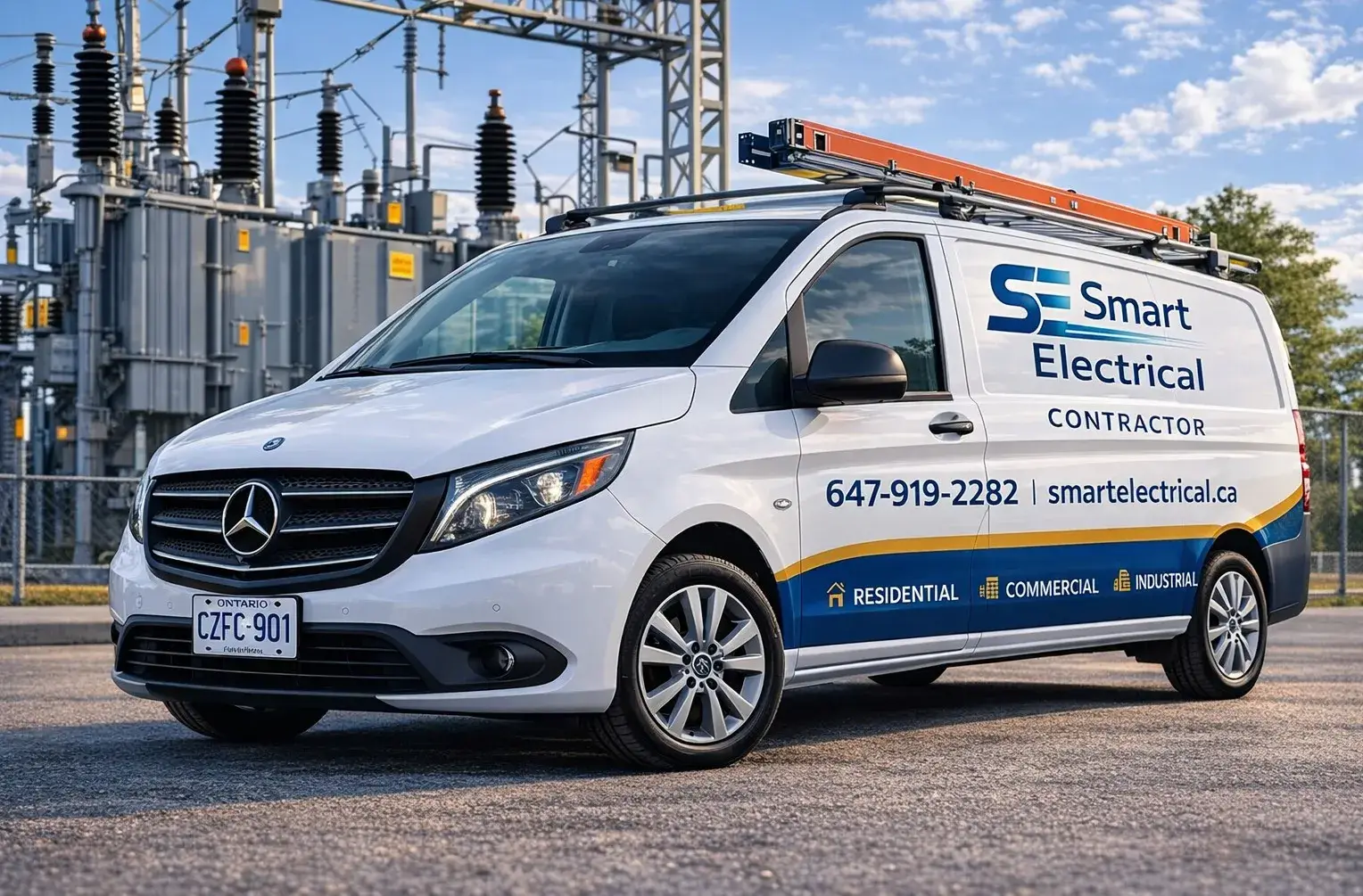
INDUSTRIAL ELECTRICAL CONNECTION TORQUE TESTING
What We Do
We provide connection torque testing for industrial electrical systems across Toronto and the GTA.
This service is focused on the mechanical integrity of electrical connections that carry real current and real risk. In industrial power systems, many failures do not begin with a broken component. They begin with a connection that is no longer clamped the way it should be. A loose lug, weak bolted bus joint, under-torqued termination, over-torqued termination, or stressed connector can create resistance, heat, nuisance trips, equipment damage, and eventually serious failure. Connection torque testing helps verify that critical electrical joints are tightened according to manufacturer requirements instead of assumption, memory, or guesswork.
This matters because torque is not a generic number. Different manufacturers publish different torque values for specific terminals, lugs, breakers, conductors, and connection hardware. For example, Schneider Electric publishes specific lug torque requirements for breaker connections, while Eaton provides torque specification lookup tools for electrical connection hardware. These values must be followed carefully because both loose and over-tightened connections can create long-term reliability problems.
Our connection torque testing service typically applies to switchgear, switchboards, MCCs, panelboards, feeder terminations, breaker lugs, disconnects, bus connections, transformer terminations, and other bolted or lugged power connections where connection integrity affects reliability. This is not random “tightening.” It is controlled verification based on manufacturer torque requirements, equipment condition, and the risk profile of the electrical asset.
According to NFPA 70B, electrical maintenance should include structured preventive, predictive, and corrective work based on equipment condition. Connection quality fits directly into that approach because bolted joints, conductor terminations, and connectors are common weak points in industrial distribution systems.
In real industrial maintenance, connection torque testing is especially valuable where equipment has a history of heat, vibration, heavy load cycling, age, previous rework, emergency repair, or uncertain maintenance history. These conditions can affect the long-term stability of electrical connections. Even a small weakness at a high-current connection can become a major problem when the equipment is operating under continuous load.
Connection issues are often underestimated because they look minor at first. A slightly loose termination may not trip a breaker immediately. A bolted joint may look acceptable from the outside. A lug may appear normal during a quick visual inspection. But under load, poor contact pressure can increase resistance and create heat. Over time, that heat can damage insulation, discolor conductors, weaken connection hardware, and create a dangerous failure point inside critical equipment.
That is why connection torque testing should be treated as a serious reliability service, not a simple checklist item. The goal is to confirm that important electrical connections are mechanically secure, properly tightened, and suitable for continued operation. When defects are found, the facility can plan corrective work before the issue becomes an emergency shutdown or equipment damage event.
This service helps industrial clients reduce hot spots, improve connection reliability, and protect electrical distribution equipment from avoidable connection-related failure. It also supports better shutdown planning because maintenance teams can identify which areas require attention and which connections have already been verified.
Where appropriate, connection torque testing can be combined with related diagnostic services such as infrared thermographic inspections, electrical preventive maintenance, or power distribution. Infrared inspections can help identify heat patterns under load, while torque verification helps confirm the mechanical condition of the connection during maintenance access.
The result is a practical industrial maintenance service designed to reduce avoidable failures, improve electrical reliability, and give facility teams more confidence in the condition of their critical power connections.
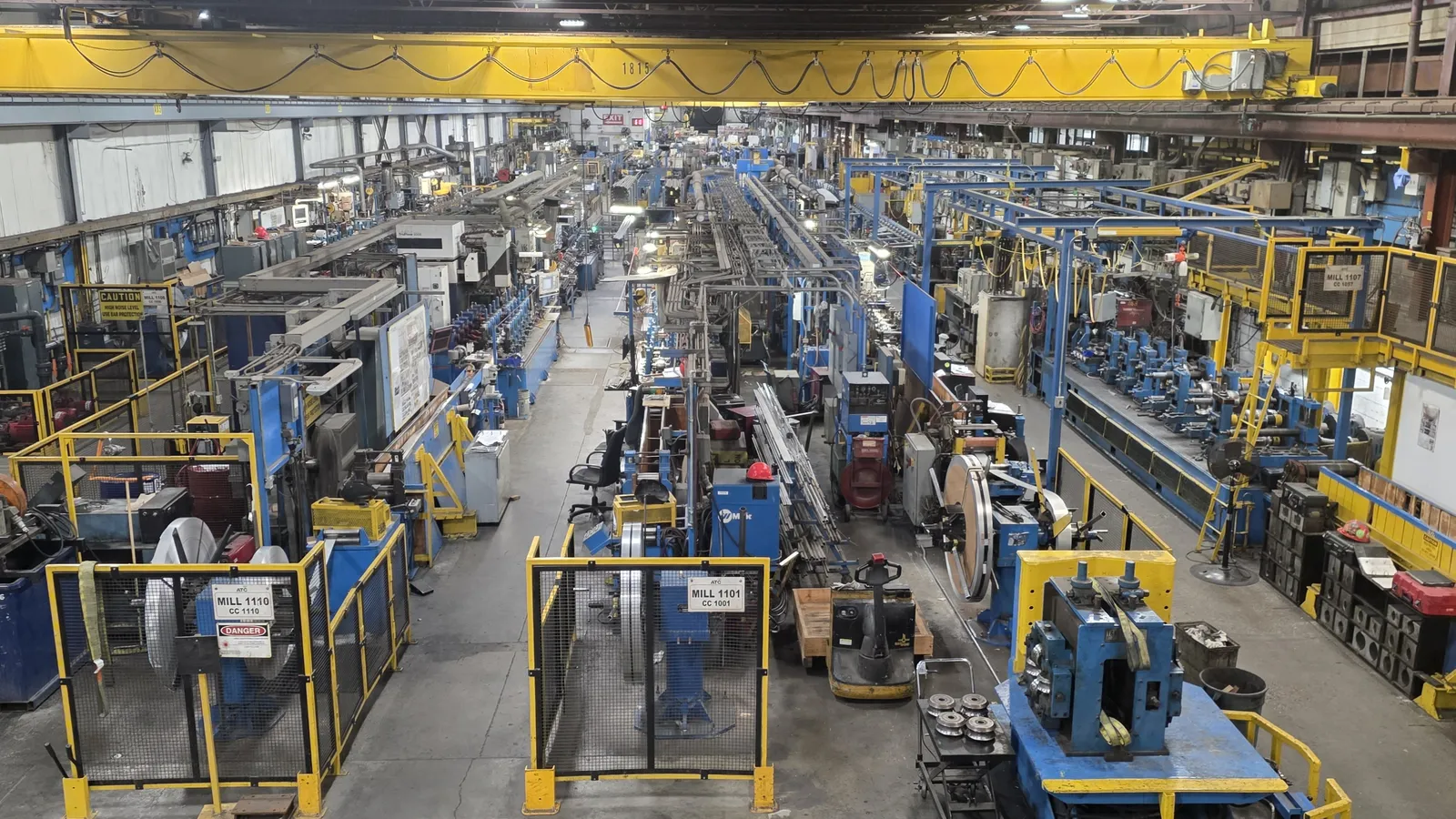
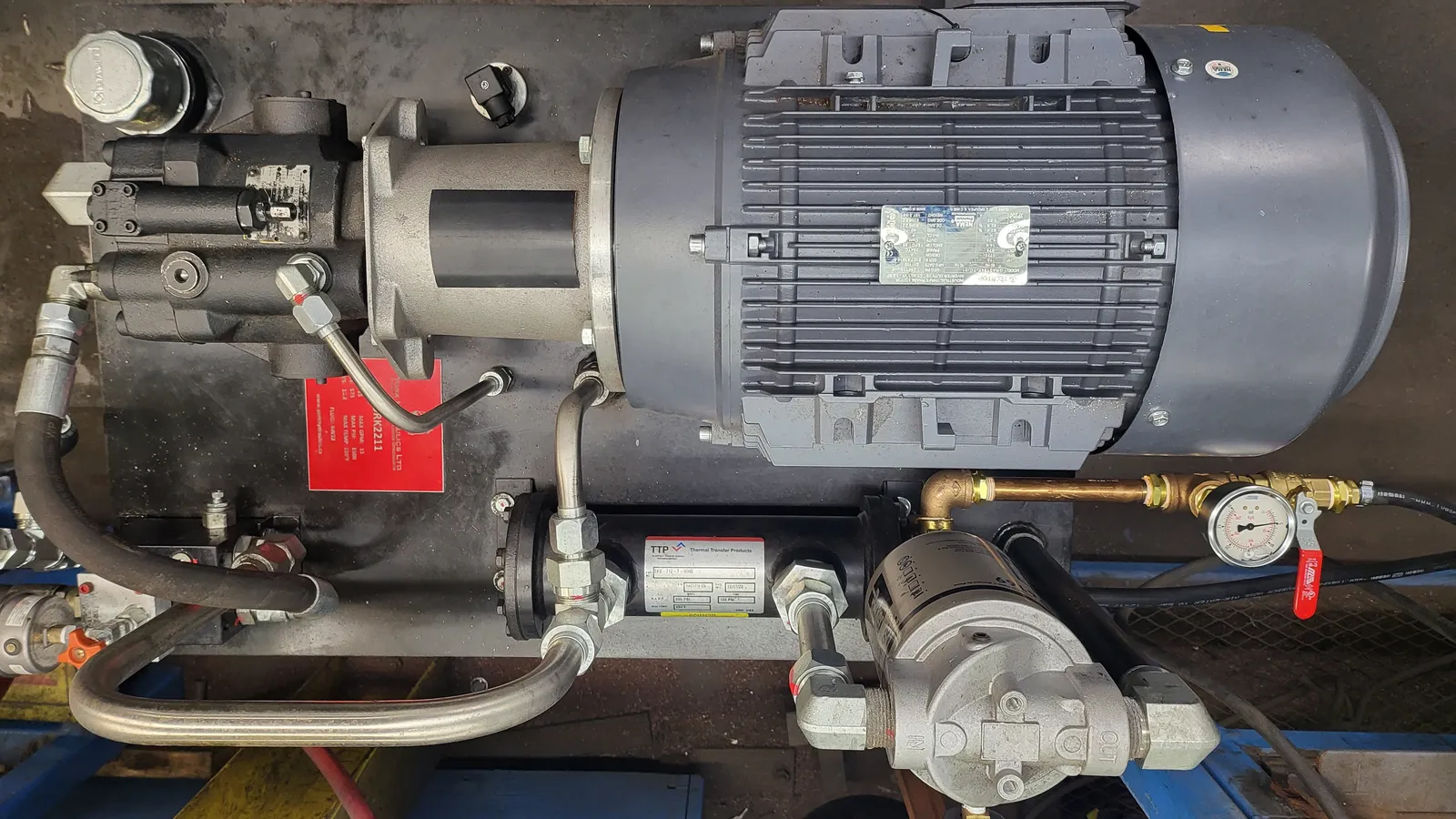
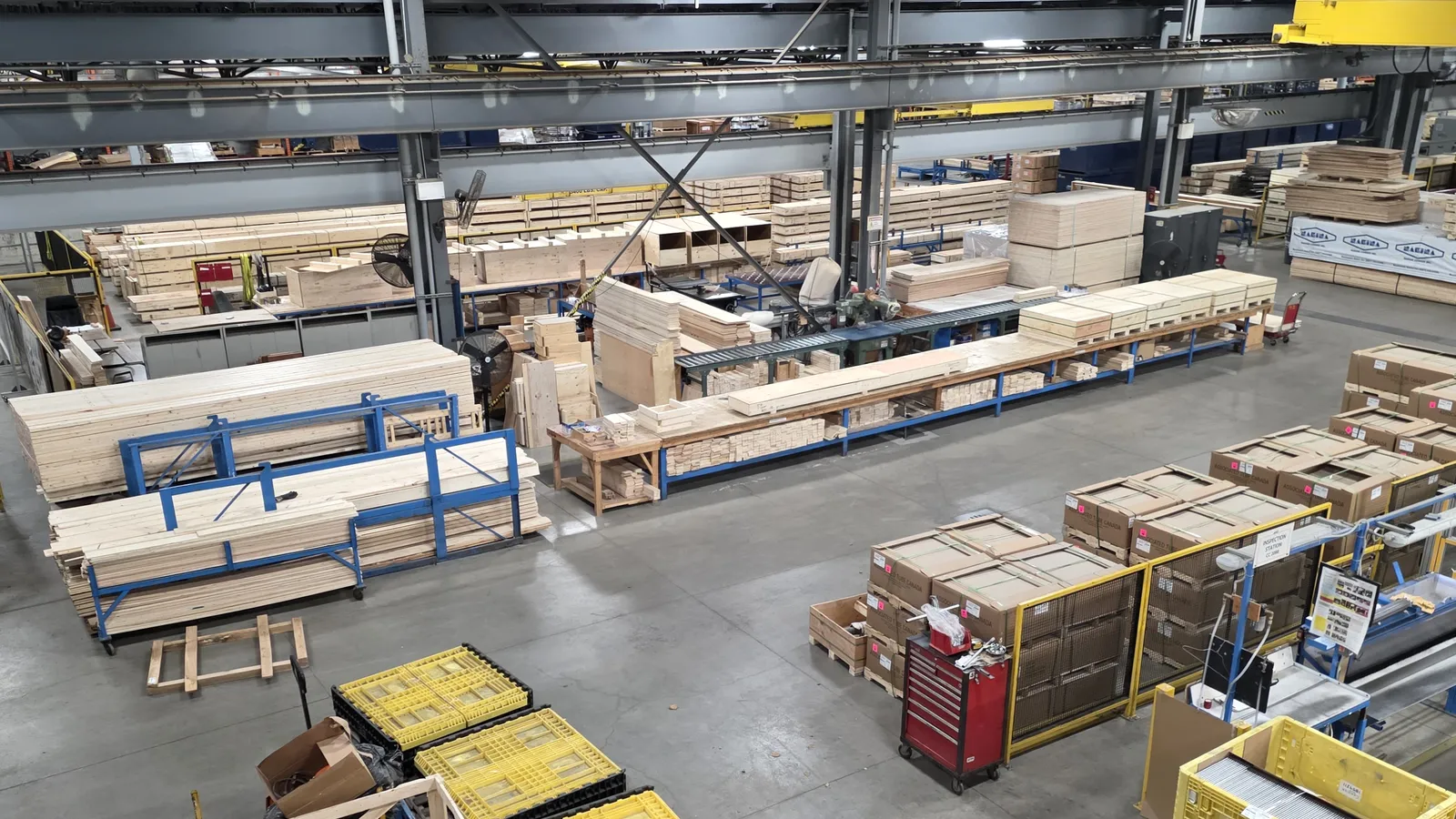

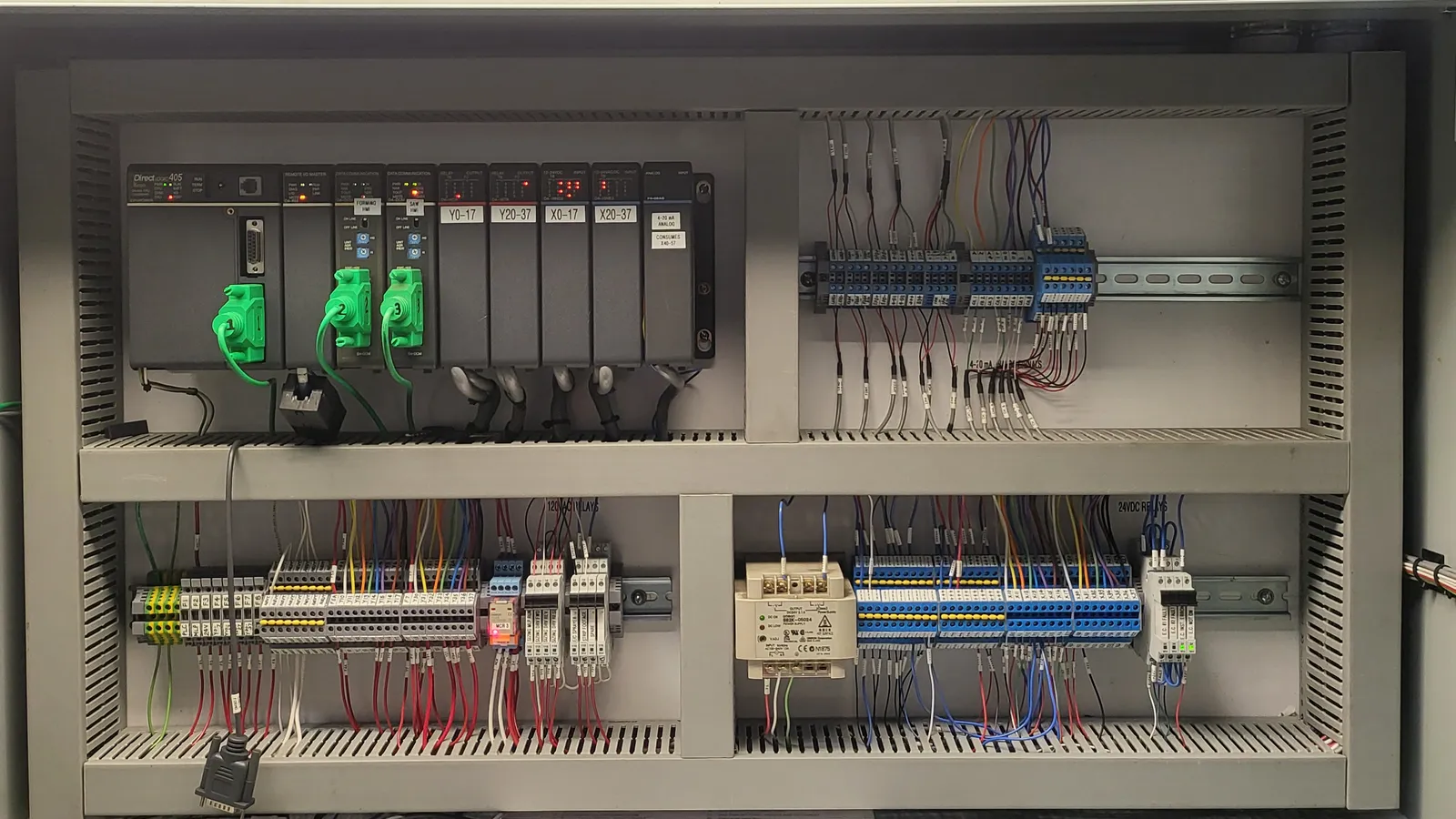
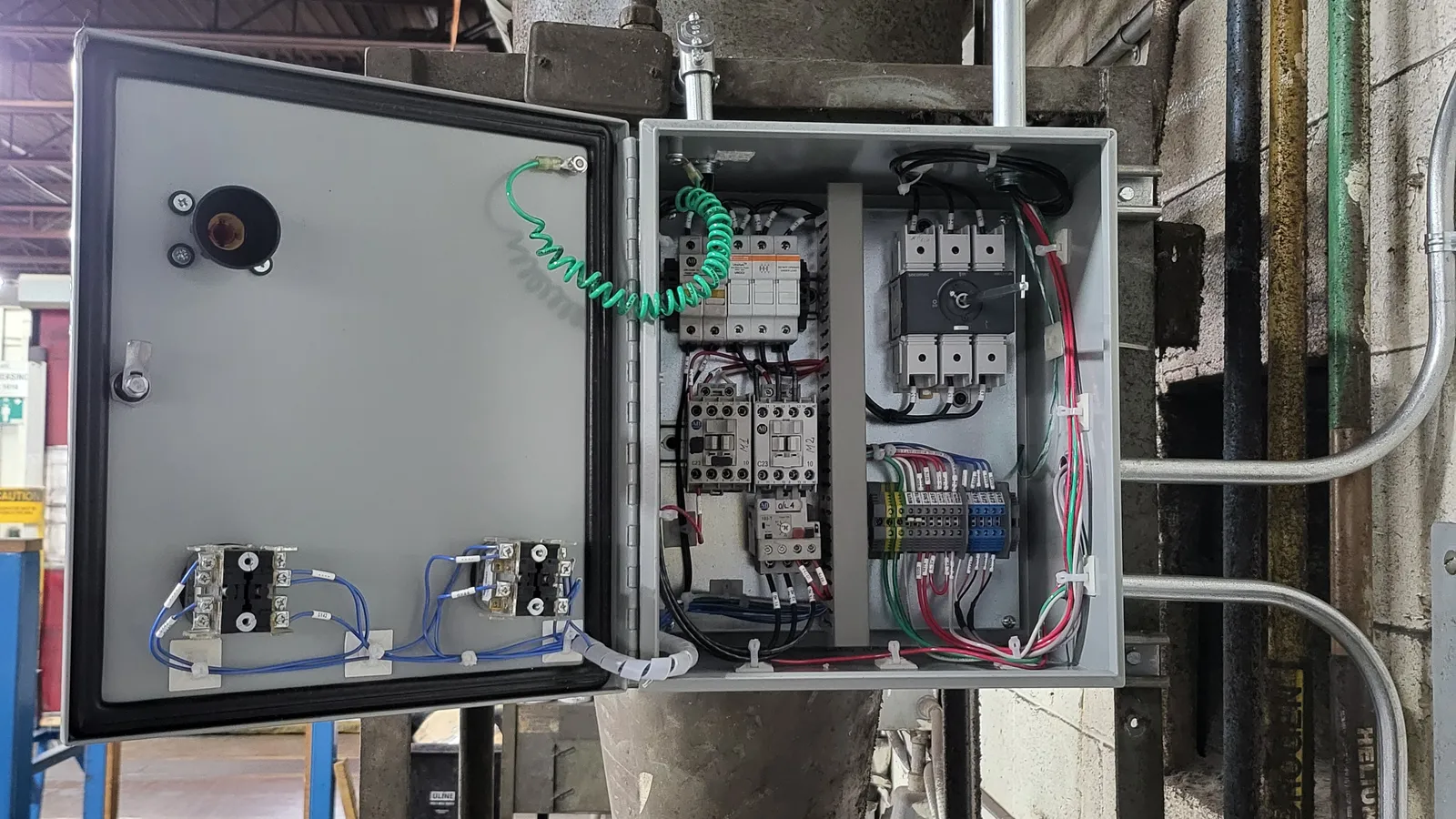
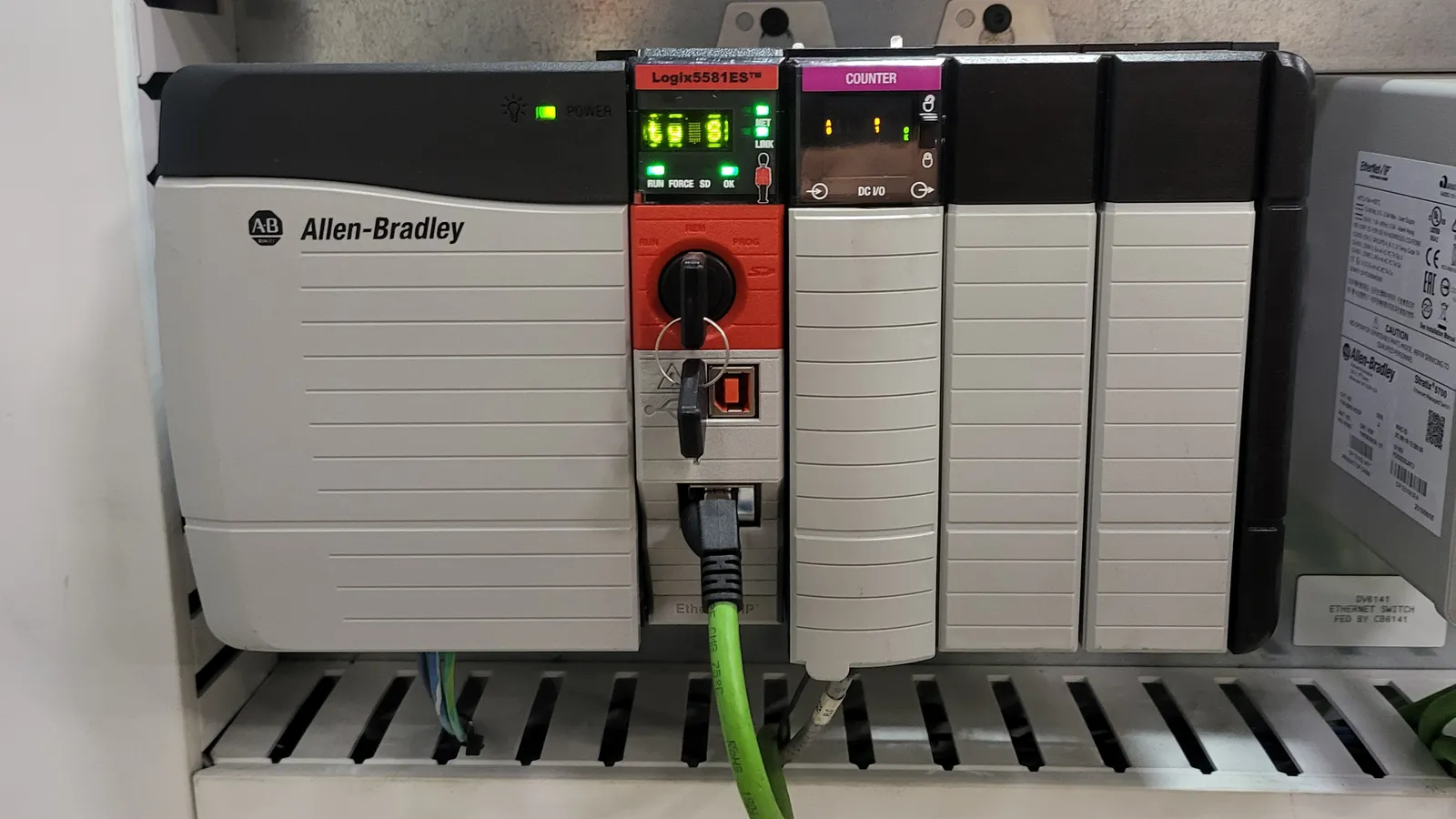
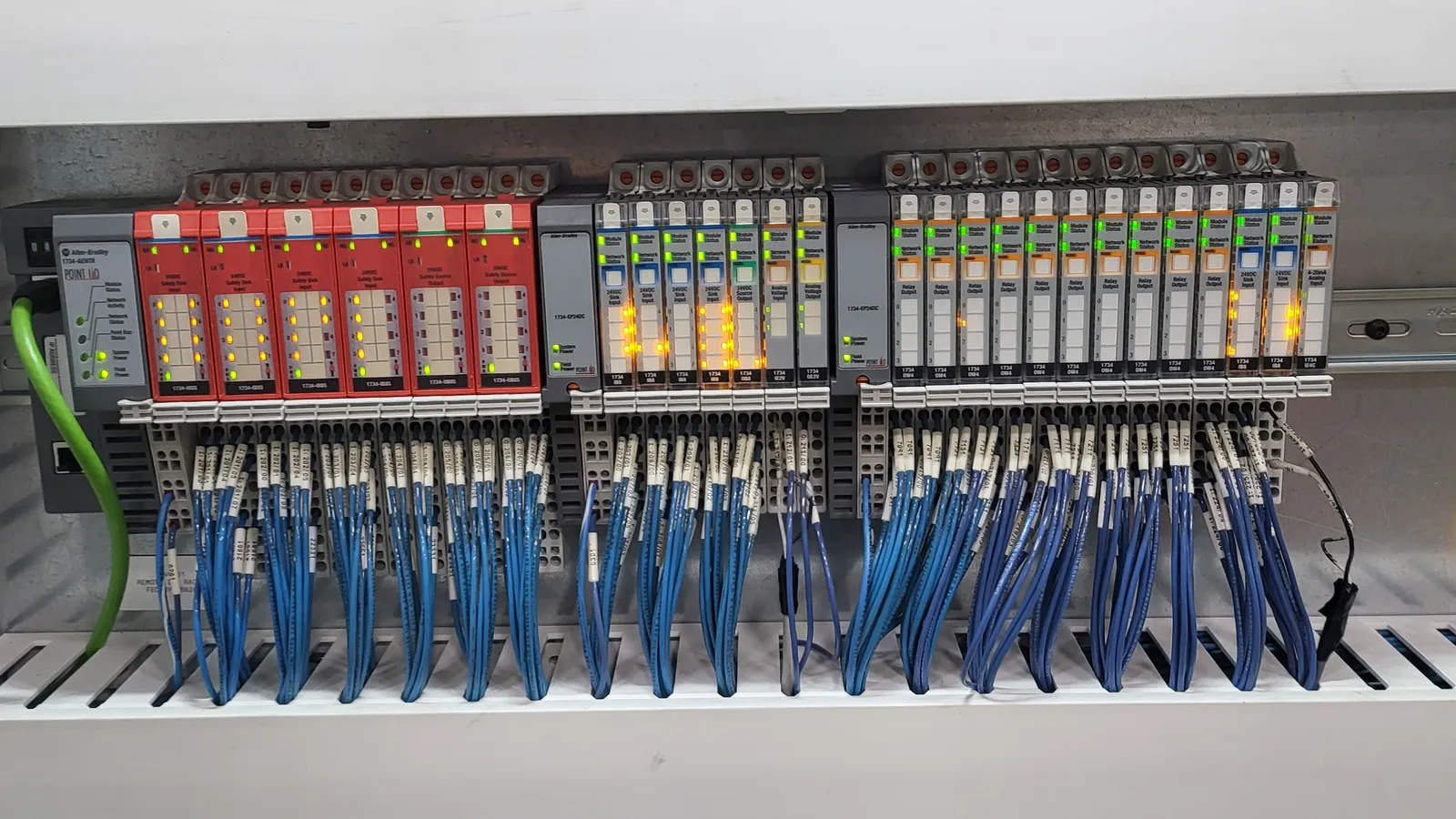
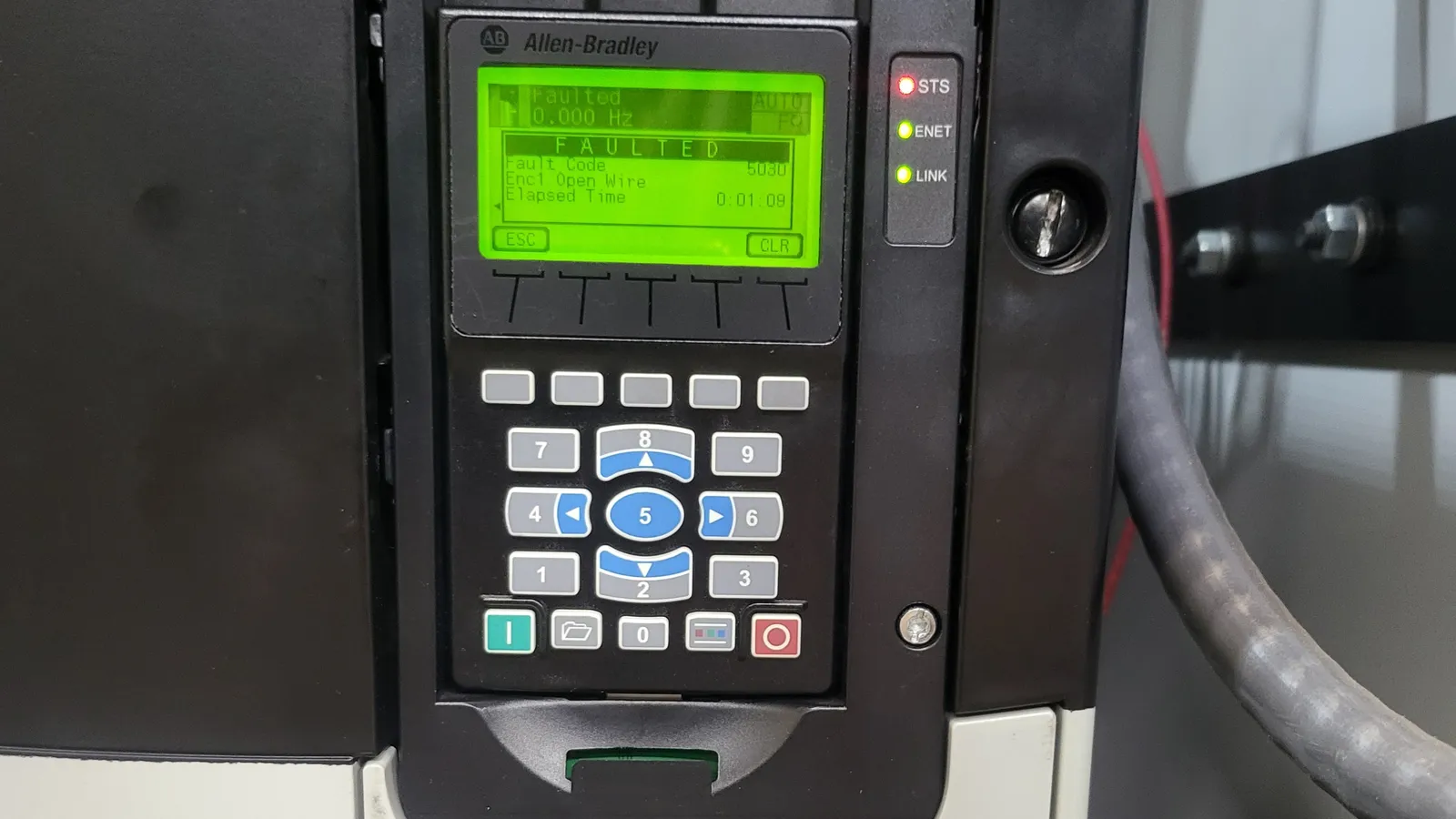
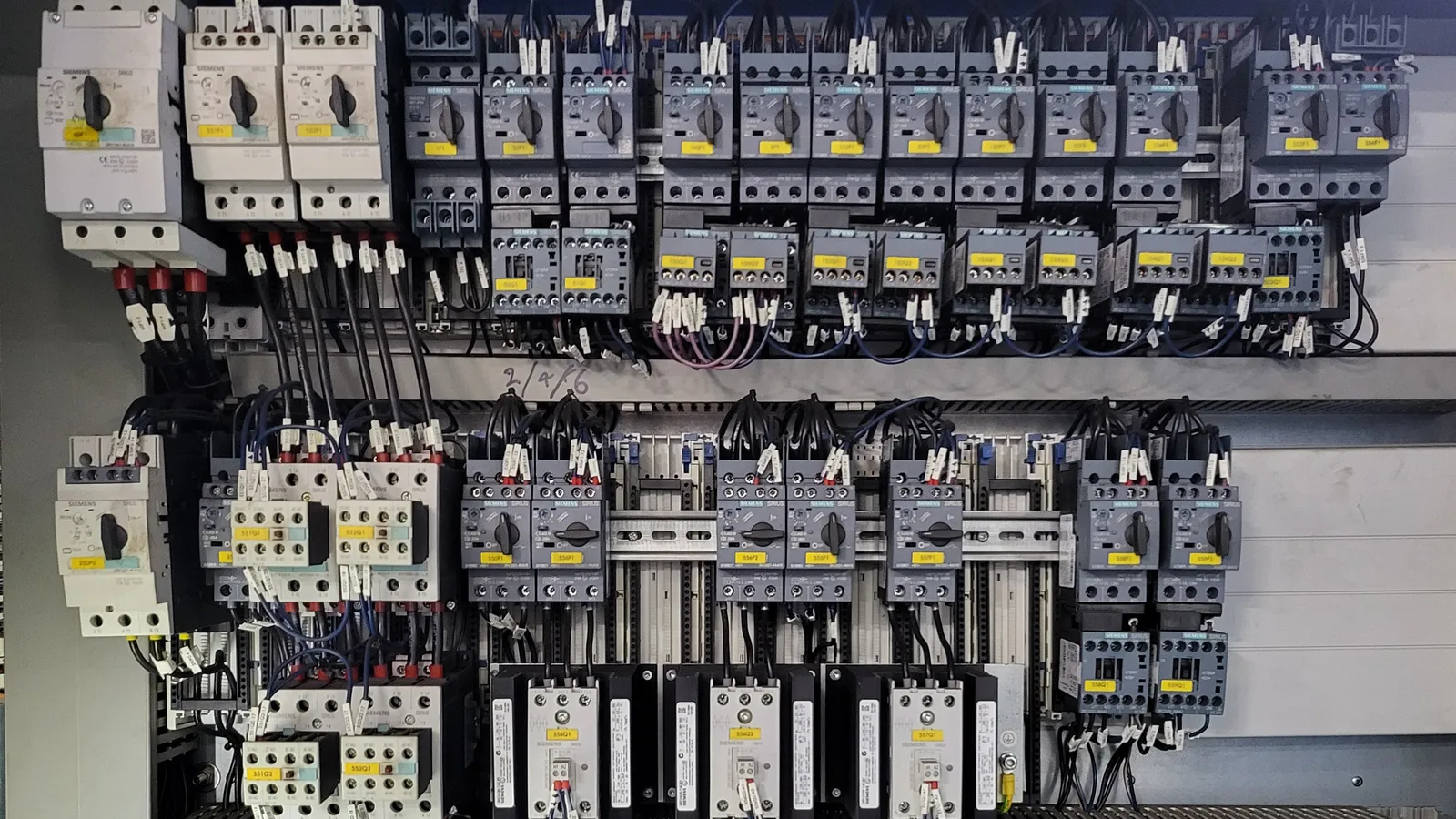
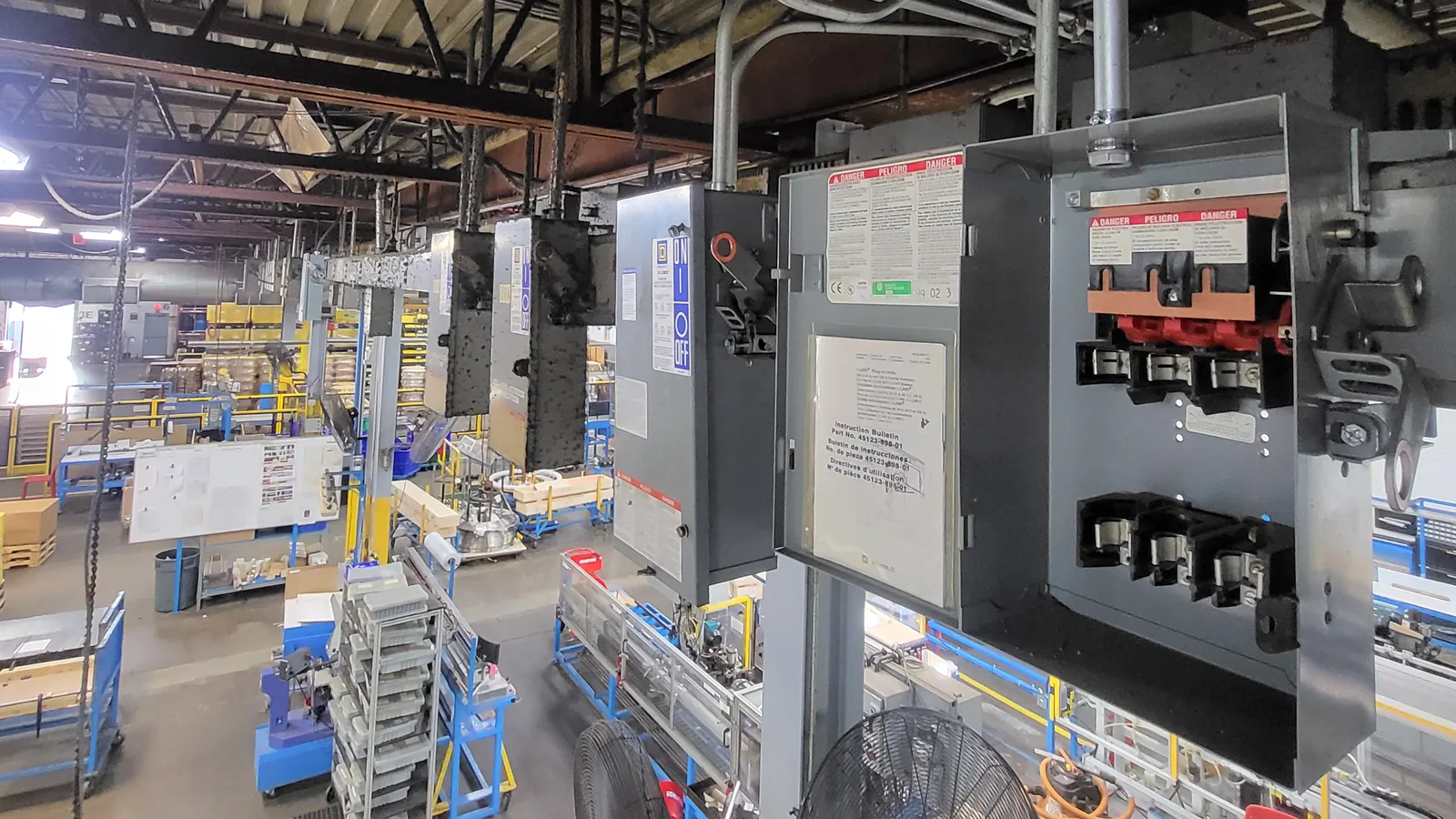

When Electrical Connections Look Fine but the Joint Integrity Is No Longer Certain
Find weak terminations before loose or stressed connections turn into heat, trips, and equipment damage
Connection torque problems usually stay hidden until they create a more expensive symptom.
A breaker may still be closed, a feeder may still be carrying load, and a panel may still appear normal while one lug or bolted connection is already losing clamping force. That kind of defect often develops silently and then shows up later as overheating, nuisance trips, voltage drop, discoloration, or equipment damage.
In industrial facilities across Toronto and the GTA, this service is especially useful on equipment where load is meaningful, vibration exists, maintenance history is uncertain, or previous modifications were made and the actual torque condition of the connections is not fully known. Switchgear, MCCs, breaker lugs, transformer terminations, feeder joints, and bus connections are all common candidates.
Manufacturer guidance makes it clear why this matters. Eaton states that tightening torque is decisive for the safe clamping of the conductor with screw terminals and warns that too much or too little clamping force creates risk. ABB documentation also states that tightening torque values are directly indicated on terminals and vary with conductor size and terminal type. These are exactly the kinds of details that separate professional connection verification from random tightening.
You may need connection torque testing if infrared inspection has already shown hot terminations, if electrical equipment has been modified, if major distribution assets have uncertain maintenance history, or if the facility wants stronger confidence in the condition of critical electrical joints during preventive maintenance or shutdown work. NFPA 70B development materials show that quality verification of bolted electrical connections is a formal maintenance concern and specifically reference infrared inspection and bolt-torque values in that context.
This is also important because not every connection should be disturbed casually. NFPA 70B meeting material notes that factory-made internal bolted bus connections and internal wire terminations do not automatically require torque verification in every situation, which reinforces that connection work should be performed deliberately and by scope, not by habit.
A good torque testing service improves reliability, supports maintenance planning, and helps reduce one of the most common root causes of electrical heat problems: bad connection pressure where current is supposed to pass cleanly.
Connection torque testing in Toronto, Mississauga, Vaughan, Markham, and across the GTA helps industrial clients detect weak electrical joints earlier, reduce avoidable hot spots, and improve confidence in the power connections that keep critical equipment running.
Critical Lugs and Terminations Have Unknown Torque Condition
Manufacturer torque values matter, and uncertainty at important connections should not be ignored.
Infrared Found Hot Connections
Abnormal heating is often a strong reason to verify whether connection integrity and clamping force are correct.
Equipment Has Seen Vibration or Heavy Duty
Mechanical stress can affect connection stability over time, especially on important industrial assets.
Previous Electrical Modifications Were Made
Where conductors or lugs were reworked, torque verification can help confirm the joint was completed properly.
Switchgear, MCC, and Feeder Reliability Is a Concern
High-value distribution assets deserve more than visual trust when connection problems can create plant-wide impact.
Maintenance History Is Weak or Incomplete
Torque testing helps restore confidence in important electrical joints where past service records are unclear.
Shutdown Work Needs Better Priorities
Testing helps identify which connections are healthy and which should be corrected during planned maintenance.
The Facility Wants Fewer Connection-Related Failures
Loose or poorly torqued electrical joints are a preventable cause of heat, stress, and equipment damage.
WHY CHOOSE US
Why Industrial Clients Choose Us
We focus on practical industrial electrical solutions rather than temporary fixes, ensuring your power systems, equipment, and production infrastructure operate safely and reliably under real operating conditions. Every project is completed with careful planning, proper equipment selection, and close attention to long-term performance, system stability, and operational continuity.
Our approach eliminates unnecessary work and is based on accurate diagnostics, field-tested methods, and a clear understanding of how industrial facilities actually run, so you only invest in the work your system truly requires. We prioritize safety, efficiency, code compliance, and clean execution on every job, whether it involves troubleshooting, upgrades, installations, or power distribution improvements.
As a result, you receive a dependable, code-compliant industrial electrical system that supports your facility today, reduces the risk of costly downtime, and is properly prepared for future production demands, equipment expansion, and higher power requirements.
Licensed & Insured
All work is performed by qualified, fully insured electricians, ensuring safety, accountability, and compliance with all regulations.
ESA certified work
Every project includes permits and ESA inspection, guaranteeing that the installation meets Ontario Electrical Safety Code requirements.
Professional installations
We install panels with precise wiring, proper layout, and clear labeling, making the system safe, accessible, and easy to maintain.
Transparent pricing
You receive clear pricing based on the actual scope of work, with no hidden costs or unexpected changes during the entire project.
Fast scheduling
We schedule work efficiently and arrive on time, minimizing downtime and ensuring your electrical system is restored as quickly as possible.
Accurate calculations
We calculate electrical demand based on real usage, ensuring your panel is properly sized for both current and future electrical needs.
Code-compliant work
All installations strictly follow current electrical code requirements, ensuring safety, inspection approval, and long-term system reliability.
Reliable workmanship
Our experience allows us to deliver consistent, high-quality results that perform reliably under real operating conditions over time.
CODE & SAFETY REQUIREMENTS
Ontario Electrical Safety Code Compliance
The Ontario Electrical Safety Code (OESC) sets the minimum legal safety requirements for electrical installations and electrical work in Ontario.
ESA states that the 2024 Ontario Electrical Safety Code is the current edition and that it took effect on May 1, 2025. For connection torque testing, Code relevance is tied to safe maintenance condition, approved equipment in service, conductor terminations, disconnecting means, live-part guarding, working clearances, and the corrective work performed when weak or defective joints are found.
Connection torque testing does not replace Code compliance. It supports it by helping keep electrical joints and terminations in safe working condition instead of allowing poor clamping force or degraded connection quality to continue until heat or failure develops. NFPA 70B development materials specifically address the quality of bolted bus connections, conductor terminations, and conductor connectors as part of maintenance verification.
Every torque testing program should be approached with safe access planning, proper equipment-specific torque requirements, approved hardware in service, and careful follow-up when deficiencies are found. Where testing findings lead to repair, retermination, lug replacement, connector replacement, or other corrective work, that work should comply with the current Ontario Electrical Safety Code and ESA requirements.
Rules commonly applicable to connection torque testing
-
Rule 2-022 — Approved electrical equipment
Electrical equipment used in Ontario must be approved in accordance with Code requirements. This includes connection hardware and terminations that are part of approved assemblies and installed equipment. -
Rule 2-024 — Approval requirements for electrical equipment
Equipment and replacement components maintained or repaired in Ontario must be approved to recognized standards and accepted for use in Ontario. -
Rule 2-300 — General requirements for maintenance and operation
Electrical equipment must be maintained in safe working condition. This is directly relevant to electrical connection integrity and torque-related maintenance work. -
Rule 2-304 — Disconnecting means shall be provided
Suitable disconnecting means must be available so equipment can be isolated safely for connection verification, maintenance, and follow-up corrective work. -
Rule 2-308 — Live parts guarding
Live electrical parts must be guarded against accidental contact, especially where equipment access is required for maintenance and torque-related work. -
Rule 2-314 — Working space around electrical equipment
Clear access around switchgear, MCCs, panels, transformers, and other assets is essential for safe torque verification and corrective work. -
Rule 4-004 — Ampacity of conductors
Conductors must have sufficient ampacity for the connected load and installation conditions, and poor connection quality can compromise safe current transfer. -
Rule 8-104 — Maximum circuit loading
Loading stress can worsen weak electrical joints and contribute to overheating where torque and clamping force are inadequate. -
Rule 10-002 — Grounding and bonding requirements
Effective grounding and bonding remain essential, and torque verification may also apply to grounding and bonding terminations depending on scope. -
Rule 14-100 — Protection of conductors by overcurrent devices
Conductors must be protected correctly, and overheated or weak terminations often become visible first at breaker and fuse connection points. -
Rule 14-104 — Rating / coordination of overcurrent protection
Protection must be coordinated with conductor ampacity and equipment characteristics, especially where poor joints are contributing to repeated electrical stress. -
Rule 2-004 — Notification of work / ESA inspection process
If torque testing findings lead to electrical repair or replacement work that requires notification, the required ESA process must be followed before the installation is returned to service.
Note: Rule selection may vary depending on whether the work applies to lugs, breaker terminations, bus joints, feeder connectors, transformer terminations, grounding points, or factory-made assemblies. Manufacturer torque values are equipment-specific, and Schneider, Eaton, and ABB all publish torque guidance tied to their own terminal and lug products.
COMMON QUESTIONS
FAQ — FAQ — Connection Torque Testing
1. What is connection torque testing?
It is the verification of electrical connection tightness against manufacturer torque requirements on lugs, bolted joints, terminations, and similar electrical connection points.
2. Why is torque so important in electrical systems?
Because correct clamping force is essential for a reliable conductor connection. Eaton specifically states that tightening torque is decisive for safe clamping of the conductor with screw terminals.
3. Is there one standard torque value for all electrical lugs?
No. Torque values depend on the manufacturer, terminal design, conductor size, and equipment type. Schneider, Eaton, and ABB all publish product-specific torque information.
4. What kinds of equipment usually benefit from this service?
Common assets include switchgear, switchboards, MCCs, panelboards, feeders, breaker lugs, disconnects, transformers, and important bolted bus or connector joints.
5. Is this the same as just tightening every connection?
No. Professional torque testing is controlled verification against the right equipment-specific values, not random tightening.
6. Can torque problems cause hot spots?
Yes. Weak or poor electrical joints can create resistance and heating, which is why infrared inspection often goes well with torque-related maintenance work.
7. Are all bolted electrical connections supposed to be disturbed and re-torqued?
No. NFPA 70B development material notes that some factory-made internal bolted bus connections and internal wire terminations do not automatically require torque verification in every case.
8. When is connection torque testing most useful?
It is especially useful where equipment is critical, maintenance history is uncertain, infrared has found heat, vibration is present, or previous modifications make connection quality uncertain.
9. Can this service be part of preventive maintenance?
Yes. Connection integrity is a real preventive maintenance issue, especially on high-value distribution assets and important power joints.
10. Do manufacturers really publish exact torque values?
Yes. Schneider publishes specific lug torque values on breaker accessories, Eaton publishes torque rating tools and documentation, and ABB documentation states torque values are directly indicated for terminals and vary by application.
11. Does connection torque testing itself replace code compliance?
No. It supports safe maintenance practice, but any repair, reconnection, or replacement work still has to comply with applicable Ontario Electrical Safety Code and ESA requirements.
12. Is this service useful before a shutdown or during planned maintenance?
Yes. It helps determine which electrical joints are healthy and which should be corrected while the work can still be planned instead of forced by failure.
SERVICE AREAS
Serving Toronto & the Greater Toronto Area
We provide residential, commercial, and industrial electrical services across Toronto and the GTA, supporting homes, businesses, and facilities with reliable and code-compliant electrical solutions.
Our service coverage includes major cities and surrounding areas, allowing us to respond quickly and deliver consistent service across the region.
Toronto
North York
Thornhill
Richmond Hill
Vaughan
Markham
Scarborough
Etobicoke
Mississauga
Brampton
ADDITIONAL SERVICE AREAS
Hamilton
Oakville
Burlington
Milton
Georgetown
Pickering
Ajax
Whitby
Oshawa
Clarington
Aurora
Newmarket
Bradford
King City
Barrie
COMMON QUESTIONS
FAQ — Generator Installation
1. Why would a commercial building need a generator installation?
A commercial building may need a generator installation to keep critical systems operating during utility outages, reduce business interruption, and protect safety-related or revenue-sensitive operations.
2. How do you determine the right generator size?
The correct generator size is based on the building’s backup load requirements, transfer priorities, operating conditions, and which systems must remain powered during an outage.
3. Can a generator back up the entire building?
In some cases yes, but many commercial systems are designed to support selected critical loads rather than the full building. The right approach depends on the budget, load profile, and operational priorities.
4. Do I need an automatic transfer switch with a generator?
Many commercial generator systems require an automatic transfer switch so selected loads can transfer to backup power properly when utility power fails.
5. What types of commercial properties use standby generators?
Offices, warehouses, retail units, restaurants, mixed-use buildings, and other commercial facilities often use standby generators where downtime creates safety, operational, or financial risk.
6. What brands of generators are commonly used?
Commercial projects may involve recognized manufacturers such as Generac, Cummins, Kohler, Caterpillar, and MTU depending on the building and backup power requirements.
7. Can generator installation be added to an existing building?
Yes. Many generator installations are completed as retrofits in existing commercial properties, provided the electrical system, access, and layout support a practical design.
8. Is generator installation only for emergency lighting?
No. A generator can also support security systems, refrigeration, communications, servers, tenant operations, and other critical building loads depending on the design.
9. Does generator installation require ESA notification?
Yes, electrical installation work in Ontario generally requires proper ESA notification and must follow the applicable inspection process.
10. Can generator installation improve business continuity?
Yes. One of the main benefits of generator installation is reducing the operational and financial impact of unexpected utility outages.
11. Is load study important before installation?
Yes. A load study helps confirm what the generator must support and reduces the risk of installing a system that is too small, oversized, or poorly matched to the building.
12. What is the main result of a properly designed generator installation?
The main result is a safer, more reliable backup power system that supports critical operations and gives the building a practical response to utility failure.