
Toronto & GTA Electrical Contractor
Custom Home Electrical Installation in Toronto, Richmond Hill, North York & GTA
Residential, commercial, and industrial electrical work — installations, upgrades, troubleshooting, maintenance, and code-compliant solutions.
Licensed & Insured
Fast Response
Code-Compliant Work
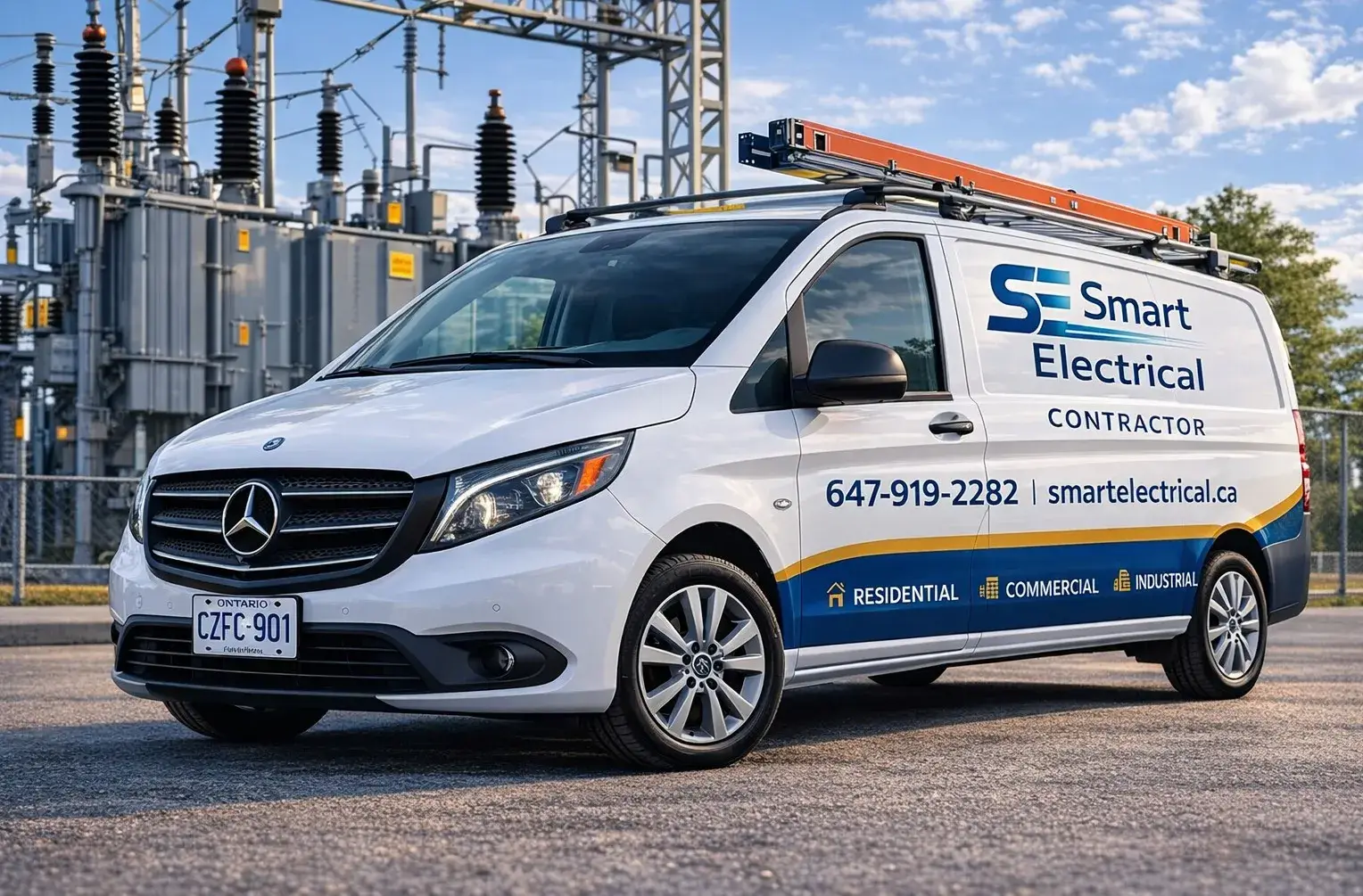
PREMIUM ELECTRICAL PLANNING FOR CUSTOM-BUILT HOMES
What We Do
We provide custom home electrical installation services for residential projects across Toronto and the GTA. Our goal is to design and install safe, refined, and code-compliant electrical systems that match the layout, finishes, and lifestyle expectations of a custom-built home. Custom home electrical work goes beyond standard new house wiring. It requires more detailed planning for lighting, switching, specialty equipment, dedicated circuits, panel organization, future-ready capacity, and a cleaner final user experience throughout the property. Whether you need custom home electrical installation Toronto, luxury home electrical systems Toronto, or complete custom house wiring for a new build, we install systems built for performance, flexibility, and long-term value.
A custom home gives homeowners the chance to make better electrical decisions before the walls are closed. We review room function, architectural layout, kitchen and bathroom requirements, home office needs, entertainment areas, exterior features, garage use, basement plans, and future upgrades before rough-in begins. That approach helps create a more practical device layout, better switch logic, stronger lighting control, and the right number of dedicated circuits where they will actually matter. Many custom home projects also include preparation for services such as home surge protection, EV charger installation, backup battery systems, or expanded outdoor electrical features as part of a more complete premium residential electrical design.
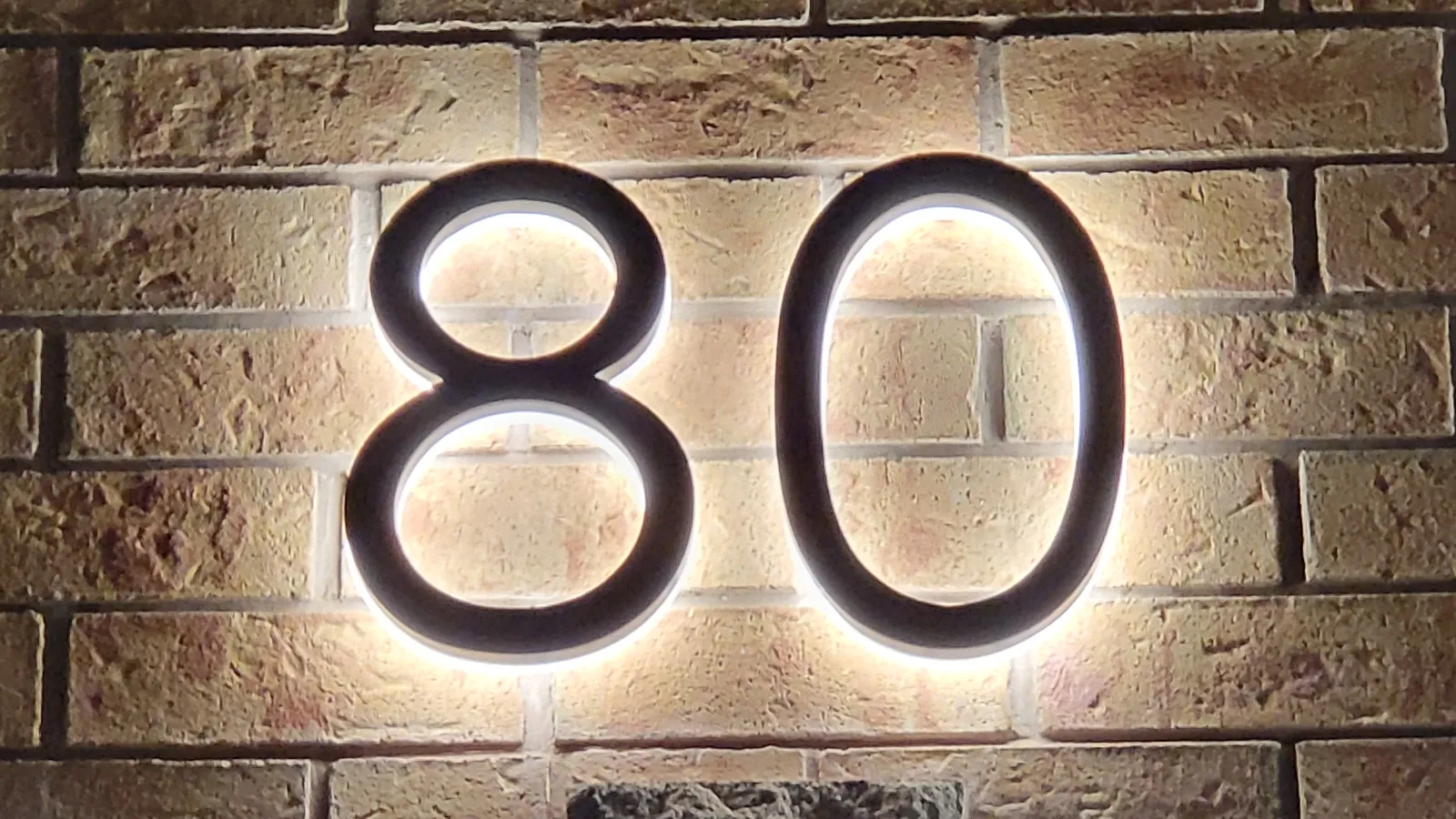
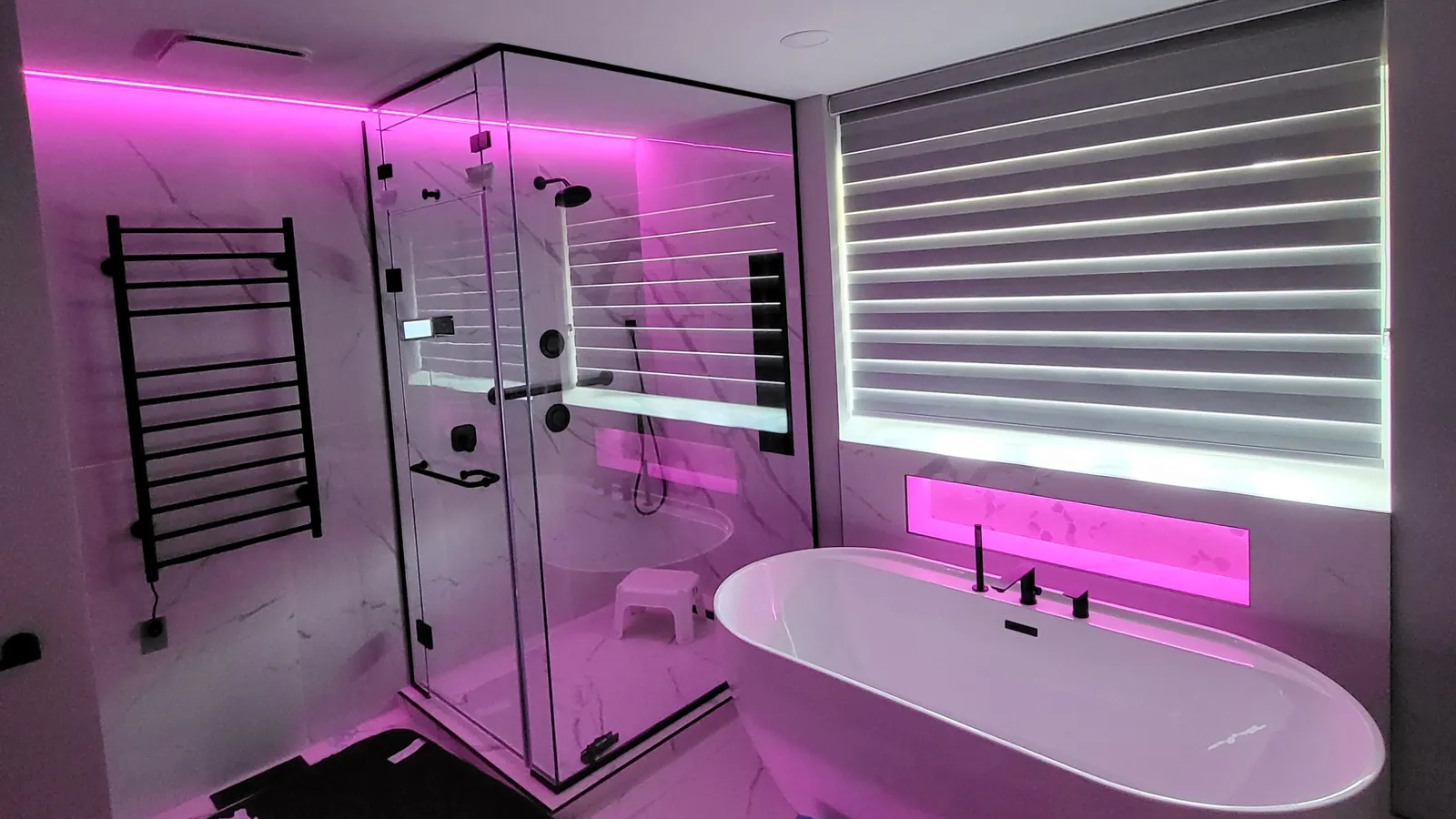
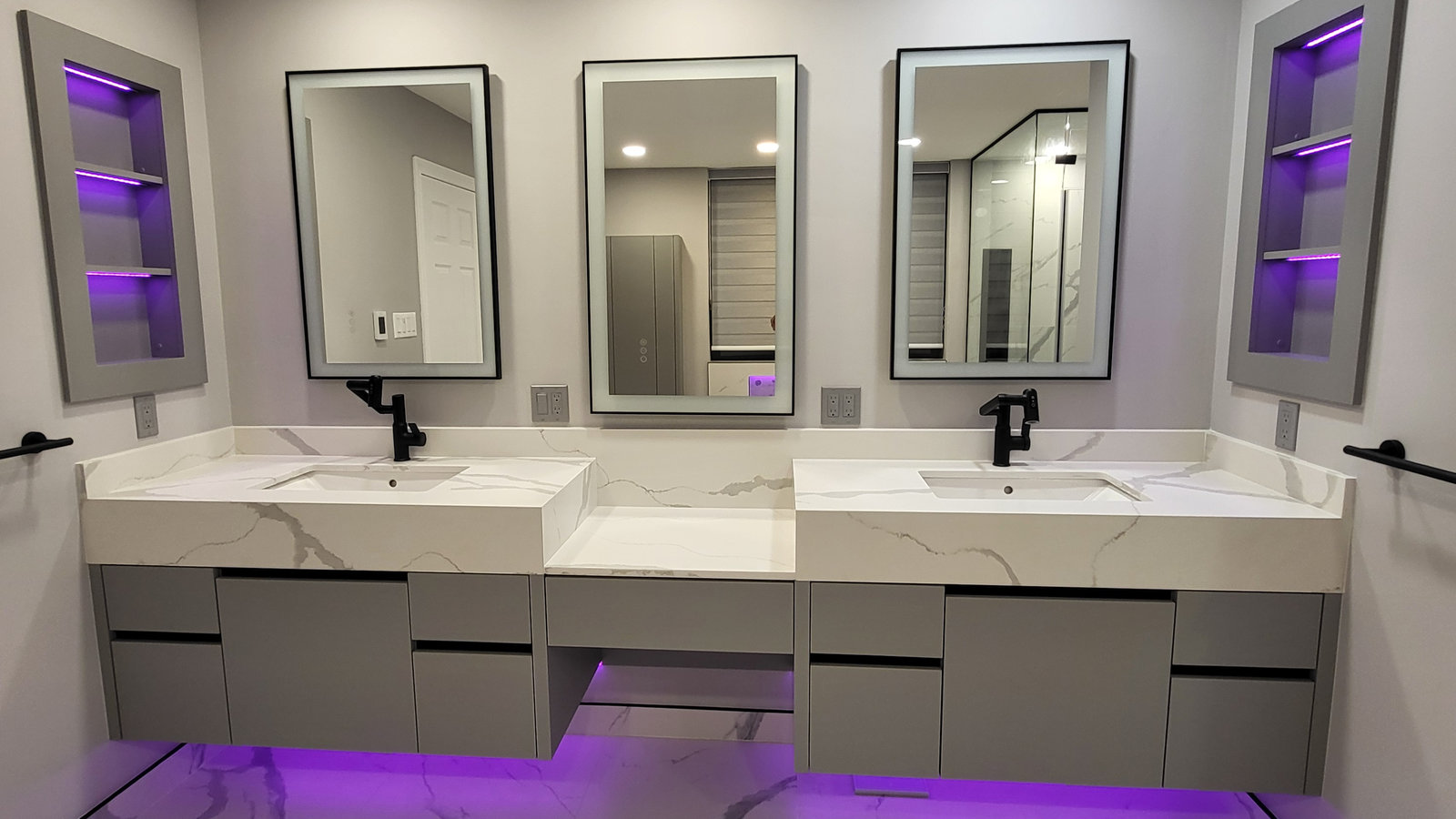
Our custom home electrician Toronto service can include electrical rough-in, custom lighting layout support, panel installation, specialty receptacle planning, appliance circuits, spa or pool preparation, garage and workshop wiring, basement prewiring, exterior convenience power, and high-end finish electrical throughout the home. We focus on clean execution and thoughtful planning so the system feels intentional, organized, and easy to live with after the build is complete. Custom home wiring Mississauga, Vaughan, Markham, Richmond Hill, and other GTA projects often benefit from this level of planning because premium homes usually carry more equipment, more lifestyle-driven features, and higher expectations for both function and finish.
All work is completed with permit notification and inspection requirements in mind so the installation is safe, legal, and ready for occupancy. In Ontario, residential electrical installations must follow the Ontario Electrical Safety Code, and electrical work is commonly completed with notification and inspection requirements administered by the Electrical Safety Authority. We use approved electrical equipment and layout strategies that support code compliance, future serviceability, and long-term electrical reliability. A professionally installed custom home electrical system improves convenience, resale quality, and day-to-day usability while helping the finished home match the quality of the overall build.
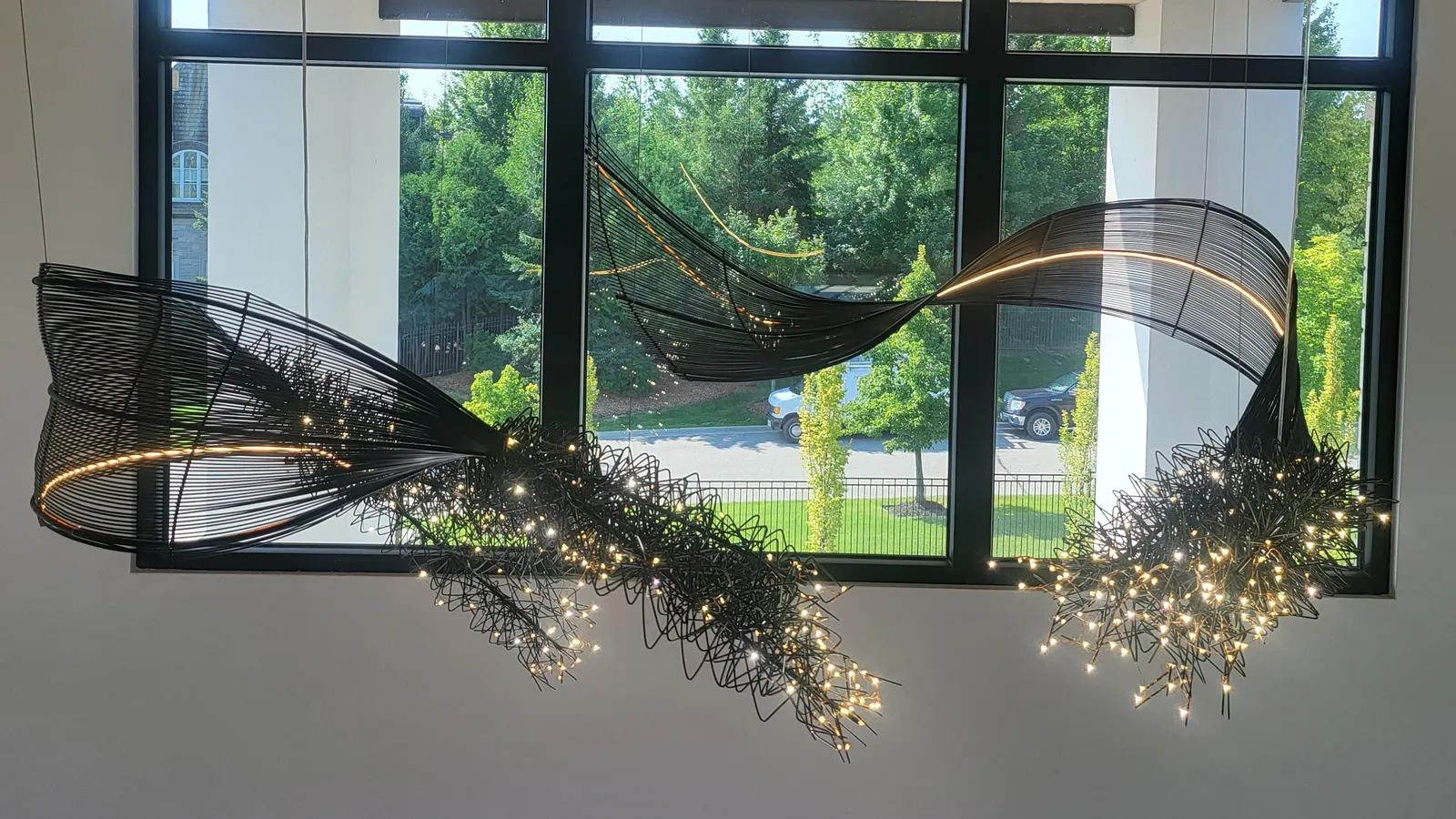
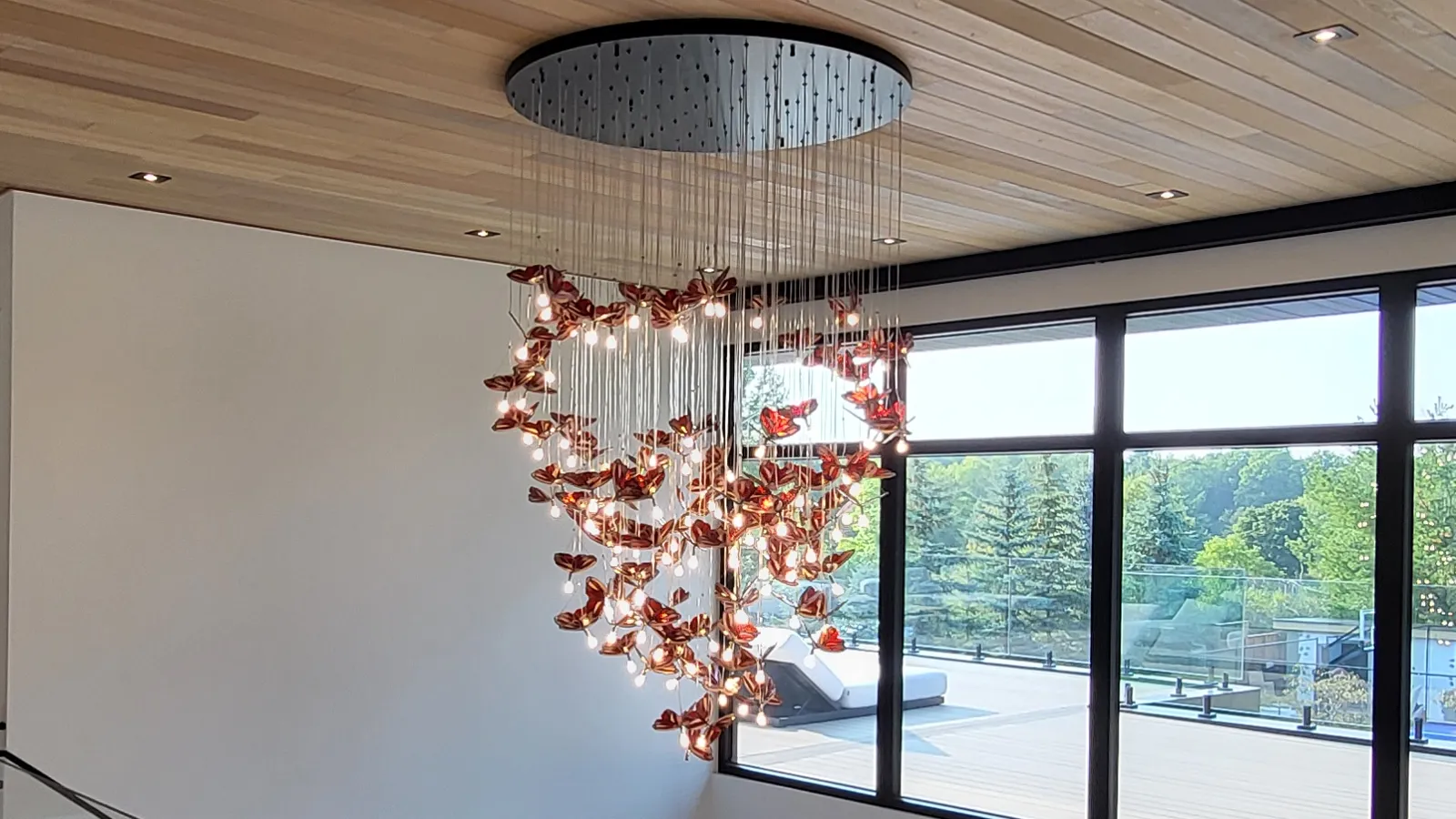
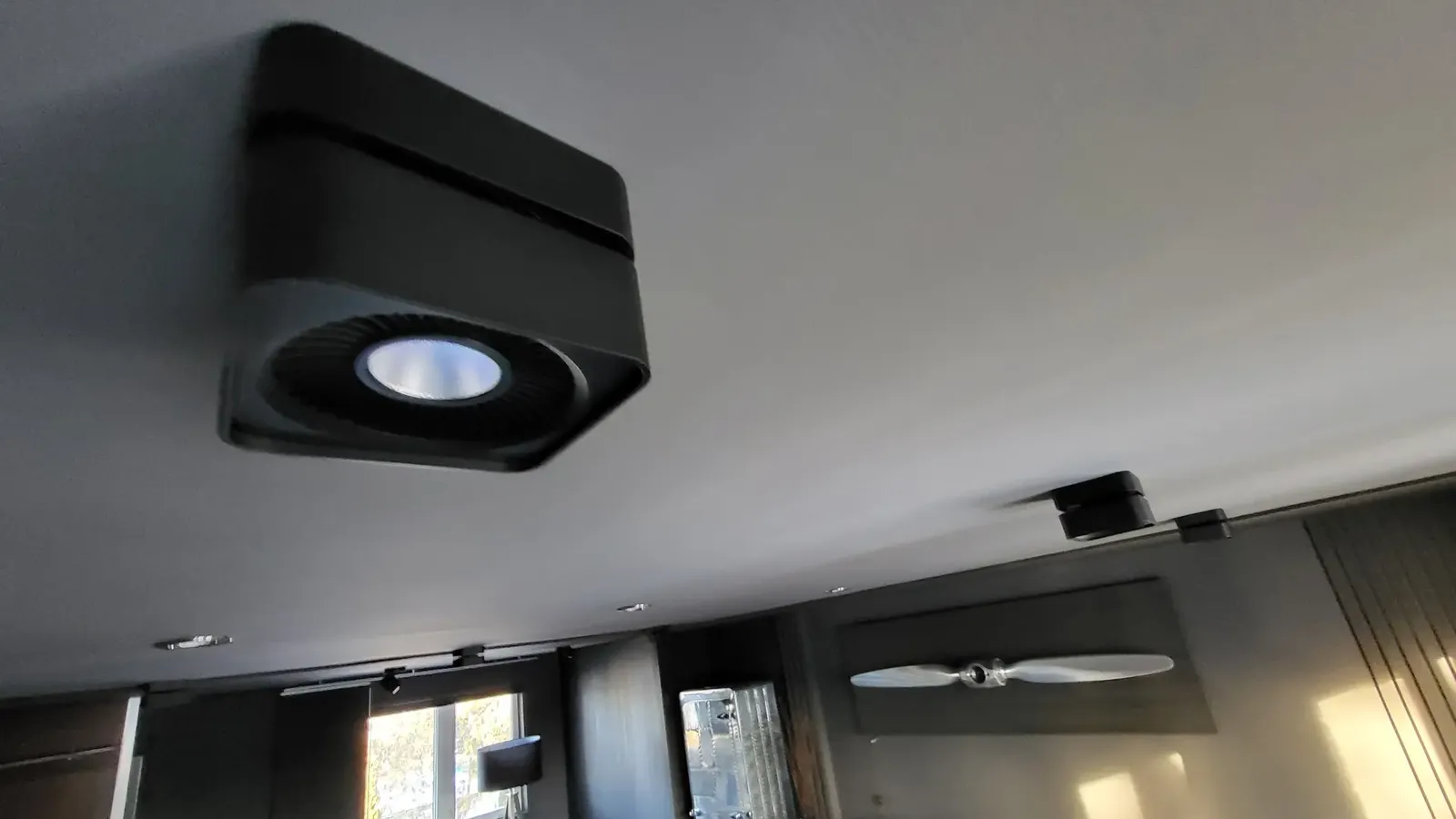
When a Custom Home Deserves More Than a Standard Electrical Layout
Plan the electrical system around how the home will actually be lived in so premium spaces do not end up with ordinary wiring decisions
A custom home should not receive the same electrical planning approach as a basic standard build.
When the wiring layout is treated too generically, the finished home may look impressive but still feel inconvenient in everyday use.
Custom home electrical installation should reflect the way the homeowner wants to live in the space, including how rooms are used, where lighting scenes matter, and which areas need dedicated capacity.
One of the most common issues is when switch placement, lighting control, and receptacle layout are left until too late in the construction process.
That often leads to awkward controls, underpowered specialty areas, and a home that requires workarounds after move-in.
Luxury home electrical systems Toronto homeowners expect should include thoughtful planning for kitchens, bathrooms, home offices, entertainment areas, garage spaces, exterior zones, and future equipment additions.
Another warning sign is when the electrical design does not account for higher-end appliances, feature lighting, heated floors, EV charging, or future backup power readiness.
Custom house wiring Toronto projects also need strong panel planning so that the system does not feel crowded the moment new features are added.
Many custom home builds benefit from planning related services early, such as electric floor heating, kitchen renovation electrical concepts for appliance-heavy spaces, or outdoor security lighting for the finished exterior.
A premium home also needs better coordination between rough-in and finish electrical.
That includes making sure fixture locations, control groupings, convenience receptacles, and specialty circuits all work together logically.
Another common issue is overlooking future needs in areas such as the basement, garage, backyard, or secondary living spaces.
If those zones are not planned correctly during the build, later upgrades often become more invasive and more expensive.
Custom electrical layout North York and Markham projects especially benefit from this kind of early planning because homeowners usually expect both refined appearance and long-term flexibility.
A licensed custom home electrician Ontario homeowners trust will review room function, service size, panel organization, specialty loads, and overall usability before rough-in starts.
That process helps avoid poor switch logic, overloaded circuits, awkward device placement, and costly post-finish changes.
A properly planned custom residential electrical system gives the home a more polished, more functional, and more future-ready result from day one.
Switching and Lighting Plans Are Still Generic
If the controls do not reflect the actual room design, the finished home may feel less practical than expected.
Specialty Areas Have No Clear Circuit Plan
Kitchens, bathrooms, garages, offices, and outdoor zones often need more than a standard layout provides.
Future Features Were Never Discussed
EV charging, floor heating, backup systems, and outdoor upgrades should be considered before rough-in is complete.
Panel Space Looks Limited Too Early
A premium custom home should leave room for growth instead of feeling electrically constrained from the start.
There Is No Clear Device Strategy for High-Use Spaces
Custom homes benefit from deliberate planning for convenience, symmetry, and everyday usability.
Garage, Basement, or Backyard Areas Are Underspecified
These spaces are often upgraded later, so planning them properly early usually saves time and money.
Rough-In and Finish Electrical Feel Disconnected
Strong custom home results depend on good continuity between infrastructure and the final user layout.
WHY CHOOSE US
Why Homeowners Trust Us
We focus on practical solutions rather than temporary fixes, ensuring your electrical system performs safely under real conditions. Every electrical panel upgrade is completed with proper planning, correct equipment selection, and attention to long-term performance.
Our approach eliminates unnecessary work and is based on accurate diagnostics, not assumptions, so you only pay for what your system actually needs. We prioritize safety, efficiency, and clean execution on every project.
As a result, you receive a reliable, code-compliant electrical system that supports your home today and is fully prepared for future electrical demands.
Licensed & Insured
All work is performed by qualified, fully insured electricians, ensuring safety, accountability, and compliance with all regulations.
ESA certified work
Every project includes permits and ESA inspection, guaranteeing that the installation meets Ontario Electrical Safety Code requirements.
Professional installations
We install panels with precise wiring, proper layout, and clear labeling, making the system safe, accessible, and easy to maintain.
Transparent pricing
Our customers receive clear pricing based on actual scope of work, with no hidden costs or unexpected changes during the project.
Fast scheduling
We schedule work efficiently and arrive on time, minimizing downtime and ensuring your electrical system is restored as quickly as possible.
Accurate calculations
We calculate electrical demand based on real usage, ensuring your panel is properly sized for both current and future electrical needs.
Code-compliant work
All installations strictly follow current electrical code requirements, ensuring safety, inspection approval, and long-term system reliability.
Reliable workmanship
Our experience allows us to deliver consistent, high-quality results that perform reliably under real operating conditions over time.
CODE & SAFETY REQUIREMENTS
Ontario Electrical Safety Code Compliance
The Ontario Electrical Safety Code (OESC) sets the minimum legal safety requirements for electrical installations in Ontario. For custom home electrical installation, compliance with the Code is essential to ensure the system is safe, properly sized, correctly protected, and eligible for ESA inspection and approval for use.
Following the Code helps reduce the risk of fire, electric shock, overloaded circuits, failed inspections, equipment damage, and insurance-related issues. It also helps ensure that service equipment, branch circuits, dedicated loads, approved electrical products, overcurrent protection, and installation practices meet current Ontario requirements.
Every custom home electrical installation should be planned and completed in accordance with the current Ontario Electrical Safety Code and ESA inspection requirements.
Rules commonly applicable to custom home electrical installations
-
Rule 2-004 — Notification of work / ESA inspection process
Electrical work must be properly notified to ESA before the installation proceeds, and the work must go through the required inspection process. -
Rule 2-022 — Approved electrical equipment
Electrical equipment used in Ontario must be approved for the intended application and installation environment. -
Rule 2-024 — Approval requirements for electrical equipment
Equipment must be approved to recognized standards and accepted for use in Ontario. -
Rule 2-300 — General requirements for maintenance and operation
Electrical equipment must be installed and maintained in safe working condition. -
Rule 2-314 — Working space around electrical equipment
Required working space around electrical equipment must be maintained and kept clear of obstruction. -
Rule 6-206 — Consumer’s service entrance equipment
Service entrance equipment must be installed so it is readily accessible and meets the applicable residential service equipment requirements. -
Rule 8-104 — Maximum circuit loading
Service and circuit loading must be calculated so the installation does not exceed allowable loading limits. -
Rule 14-100 — Protection of conductors by overcurrent devices
Breakers and other overcurrent devices must protect conductors and connected equipment in accordance with Code requirements. -
Rule 14-104 — Rating / coordination of overcurrent protection
Overcurrent protection must be coordinated with conductor ampacity and the electrical characteristics of the installation. -
Rule 26-724 — Receptacles in single dwellings
Residential receptacle layout and branch-circuit arrangement in single dwellings must comply with the applicable Code requirements for safe and practical installation.
Note: Rule selection may vary depending on service size, custom lighting scope, heated floors, EV readiness, backup power planning, outdoor electrical features, and other project-specific specialty loads. Exact official wording should be taken from the current purchased edition of the Ontario Electrical Safety Code.
COMMON QUESTIONS
FAQ — Custom Home Electrical Installation
1. What is custom home electrical installation?
Custom home electrical installation is a premium electrical service for homes that need more detailed planning than a standard build, including layout design, dedicated circuits, specialty loads, lighting strategy, and future-ready capacity.
2. How is custom home electrical different from standard new home wiring?
Custom home electrical usually involves more planning for room function, lighting control, appliance demand, specialty equipment, outdoor features, garage use, basement readiness, and higher-end finish expectations.
3. Do I need a permit for custom home electrical work in Ontario?
Yes. ESA says almost all electrical work in Ontario requires a notification of work before the job starts, which then triggers the inspection process.
4. Can custom home electrical include future EV charger preparation?
Yes, many custom homes are planned with EV charger readiness so wiring paths, load considerations, and panel capacity are addressed before finishes are complete.
5. Can you plan dedicated circuits for specialty spaces?
Yes, custom home wiring commonly includes dedicated circuits for kitchens, bathrooms, garages, offices, floor heating, outdoor features, workshops, and other specialty areas.
6. Is whole-home surge protection worth including in a custom build?
Yes, many homeowners include surge protection in custom homes to help protect electronics, appliances, and modern electrical equipment from damaging surge events.
7. Can the system be designed for future upgrades?
Yes, that is one of the biggest advantages of custom home electrical planning. It can leave room for future basement work, backup power, outdoor additions, and other electrical upgrades.
8. What happens during rough-in for a custom home?
Rough-in includes the core wiring, box placement, circuit routing, panel setup, and infrastructure needed before insulation and wall finishes are completed.
9. Can you coordinate with builders, designers, and other trades?
Yes, custom home electrical installation often requires close coordination with builders, designers, HVAC installers, plumbers, kitchen trades, flooring installers, and inspection schedules.
10. Does a custom home usually need a larger panel?
Not always, but many custom homes need careful panel and service planning because they often include more equipment, more circuits, and more future electrical expectations than standard homes.
11. How long does custom home electrical installation take?
The timeline depends on home size, electrical complexity, coordination with other trades, inspection stages, and the amount of specialty work included in the build.
12. Is ESA inspection included in the process?
Yes, custom home electrical work should be completed with proper ESA notification and inspection requirements in mind so the installation is safe, legal, and ready for occupancy.
SERVICE AREAS
Serving Toronto & the Greater Toronto Area
We provide residential, commercial, and industrial electrical services across Toronto and the GTA, supporting homes, businesses, and facilities with reliable and code-compliant electrical solutions.
Our service coverage includes major cities and surrounding areas, allowing us to respond quickly and deliver consistent service across the region.
Toronto
North York
Thornhill
Richmond Hill
Vaughan
Markham
Scarborough
Etobicoke
Mississauga
Brampton
ADDITIONAL SERVICE AREAS
Hamilton
Oakville
Burlington
Milton
Georgetown
Pickering
Ajax
Whitby
Oshawa
Clarington
Aurora
Newmarket
Bradford
King City
Barrie