
Toronto & GTA Electrical Contractor
Distribution Panel Replacement in Toronto & GTA
Residential, commercial, and industrial electrical work — installations, upgrades, troubleshooting, maintenance, and code-compliant solutions.
Licensed & Insured
Fast Response
Code-Compliant Work

OUR COMMERCIAL DISTRIBUTION PANEL REPLACEMENT PROCESS
What We Do
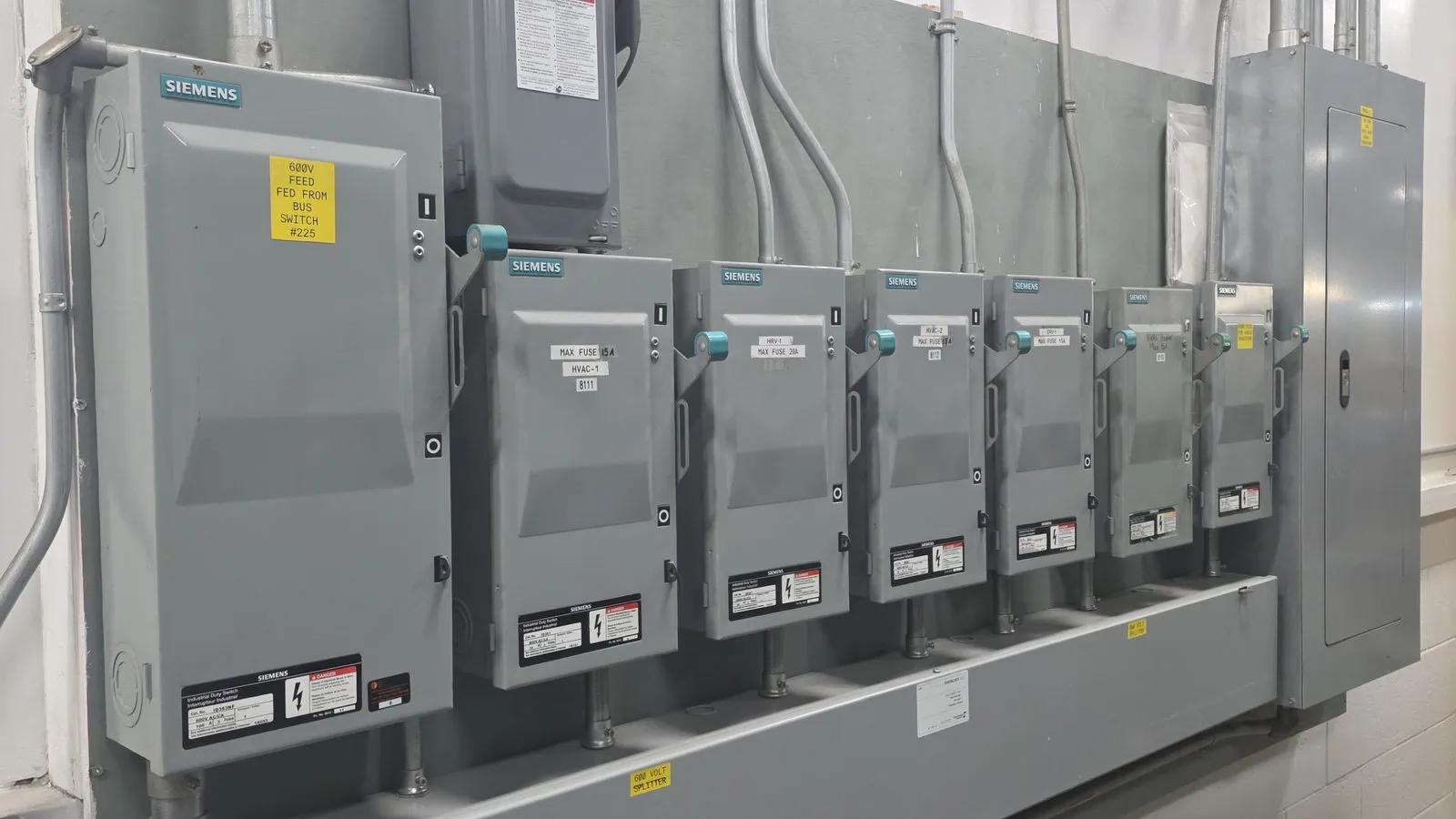
We provide commercial distribution panel replacement services for offices, retail units, restaurants, warehouses, mixed-use buildings, and other business properties across Toronto and the GTA. Our goal is to replace outdated, damaged, overcrowded, unreliable, or poorly configured distribution panel equipment with modern panelboards that are safer to operate and easier to maintain. A commercial distribution panel replacement is often required when an existing panel has reached the end of its practical service life, contains obsolete breakers, shows signs of overheating, has poor internal organization, or no longer supports the way the building is currently being used.
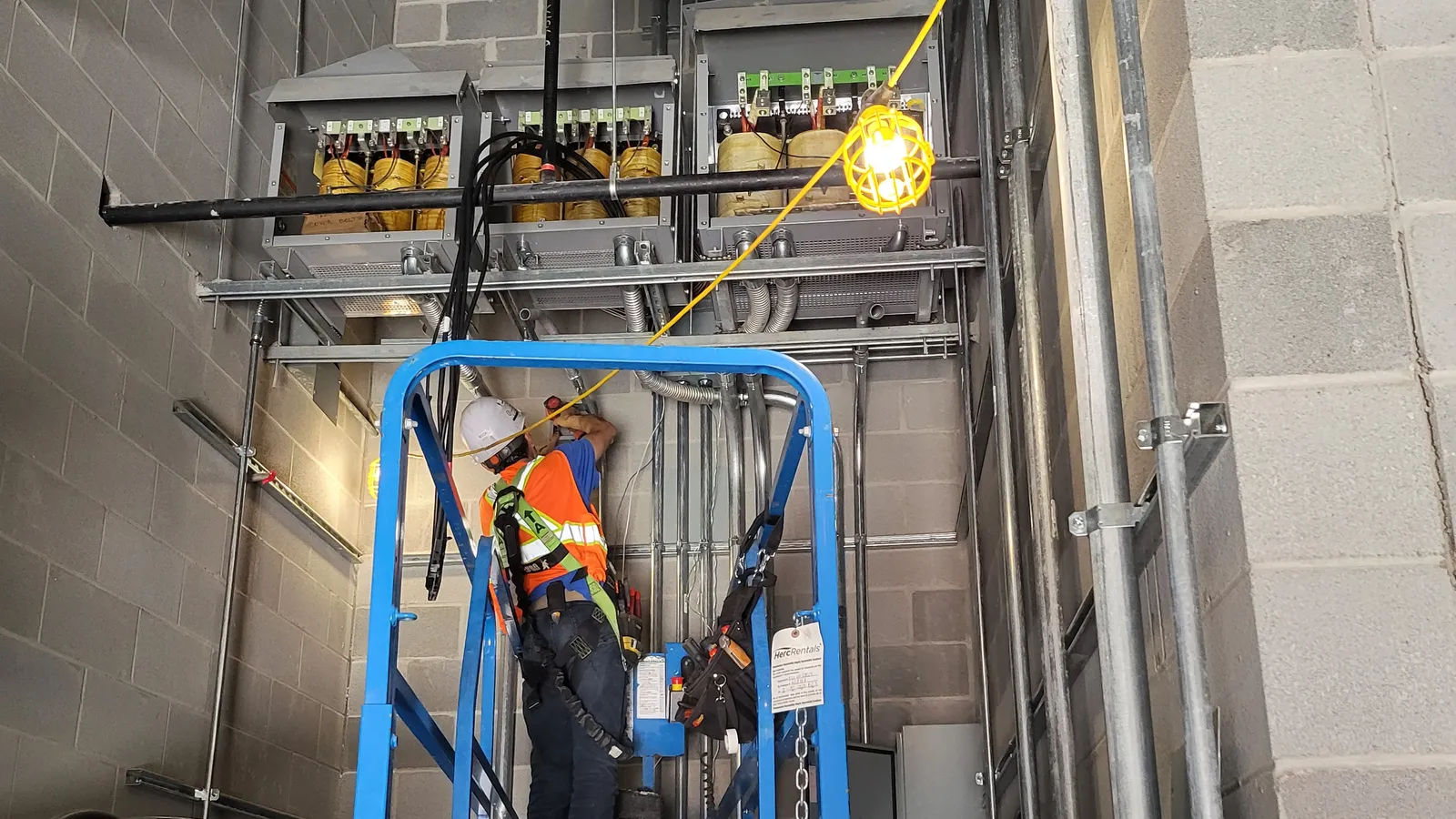
Replacing a commercial distribution panel is not just about swapping one box for another. It requires assessment of feeder sizing, overcurrent protection, circuit organization, equipment compatibility, available working space, and the condition of the surrounding electrical system. We review the existing panelboard, breaker arrangement, conductor terminations, circuit identification, load pattern, and future service needs before recommending the right replacement approach. Depending on the building, the work may connect closely with commercial panel upgrades, power distribution systems, or subpanel installation where the replacement panel is part of a larger distribution improvement.
Commercial distribution panel replacement in Toronto, Mississauga, Brampton, Vaughan, and other GTA areas is especially common in older buildings where panelboards have been modified repeatedly over the years, where tenant changes created confusing circuit layouts, or where obsolete equipment makes maintenance difficult and future additions harder to plan safely. A new distribution panelboard can improve circuit organization, restore dependable breaker support, reduce downtime risk, and create a cleaner platform for future electrical work. Where the building also shows unexplained electrical behavior, frequent tripping, or equipment sensitivity, we may recommend commercial power quality analysis or commercial load monitoring to better understand how the replacement panel should fit into the overall system.
We focus on approved equipment, accurate circuit identification, safe installation, and long-term serviceability. A properly executed commercial distribution panel replacement improves more than appearance — it strengthens reliability, maintainability, and electrical safety throughout the property. In Ontario, electrical work must comply with the Ontario Electrical Safety Code enforced by the Electrical Safety Authority (ESA), as outlined here:
Ontario Electrical Safety Code (ESA).
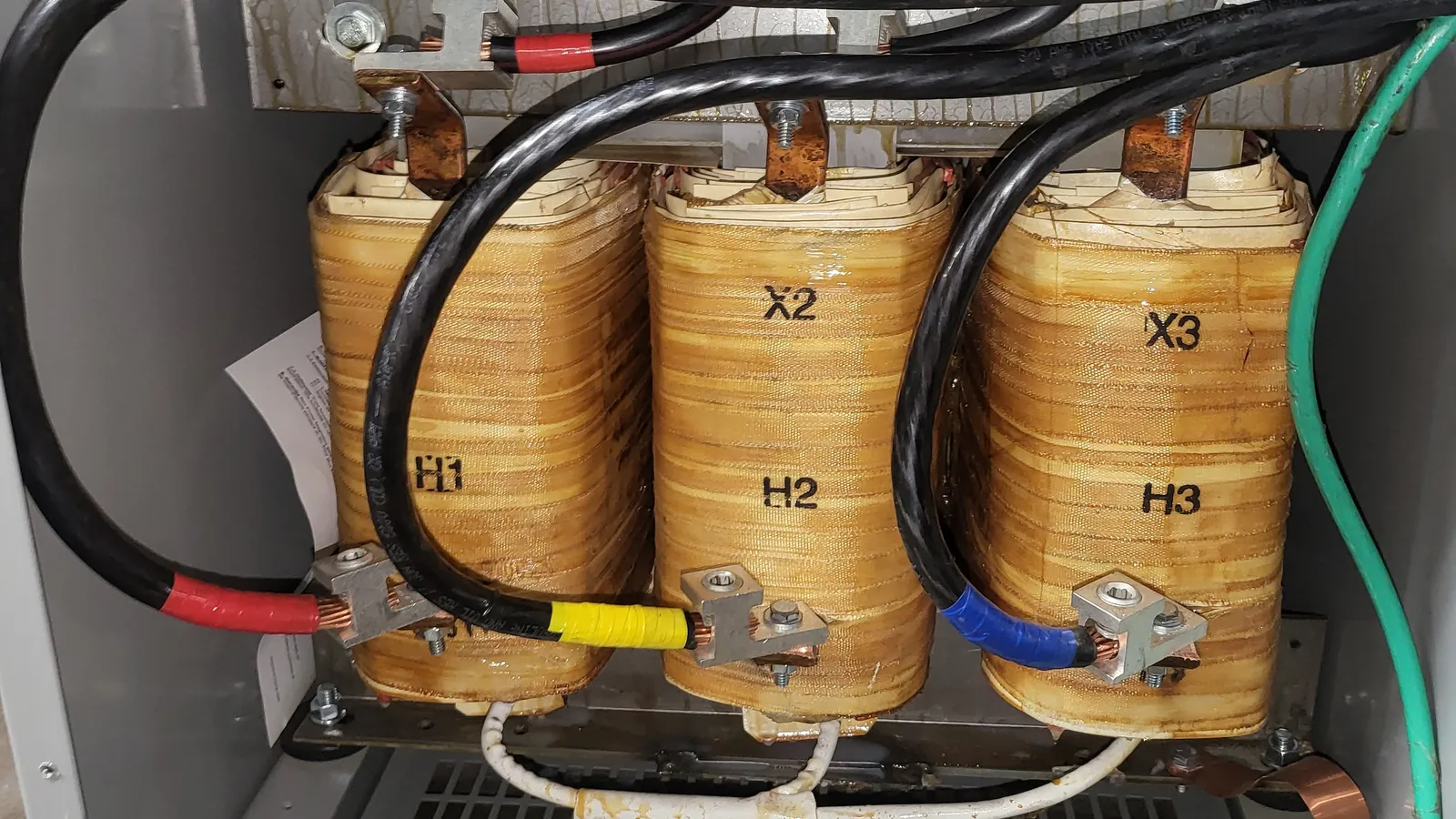
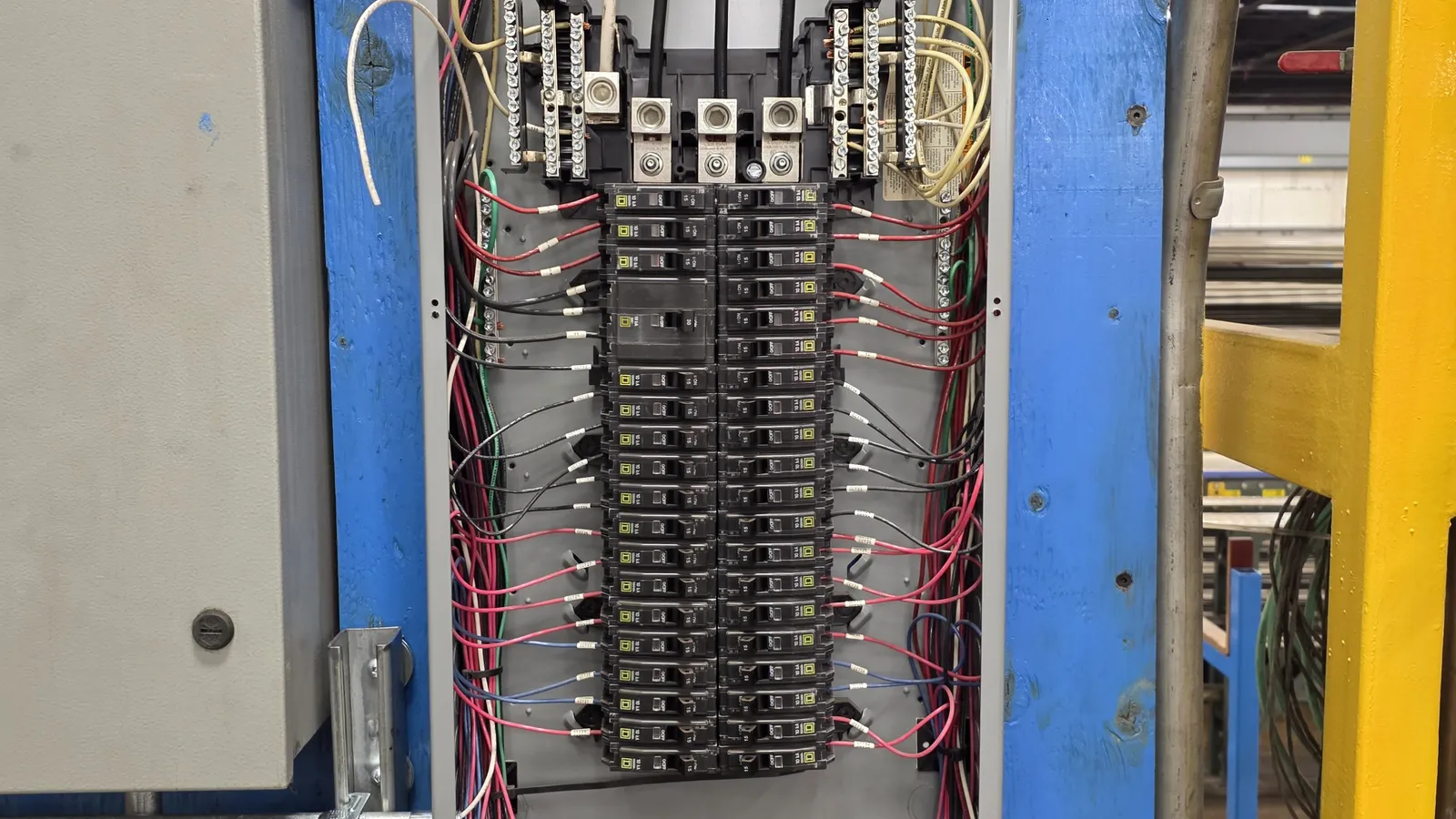
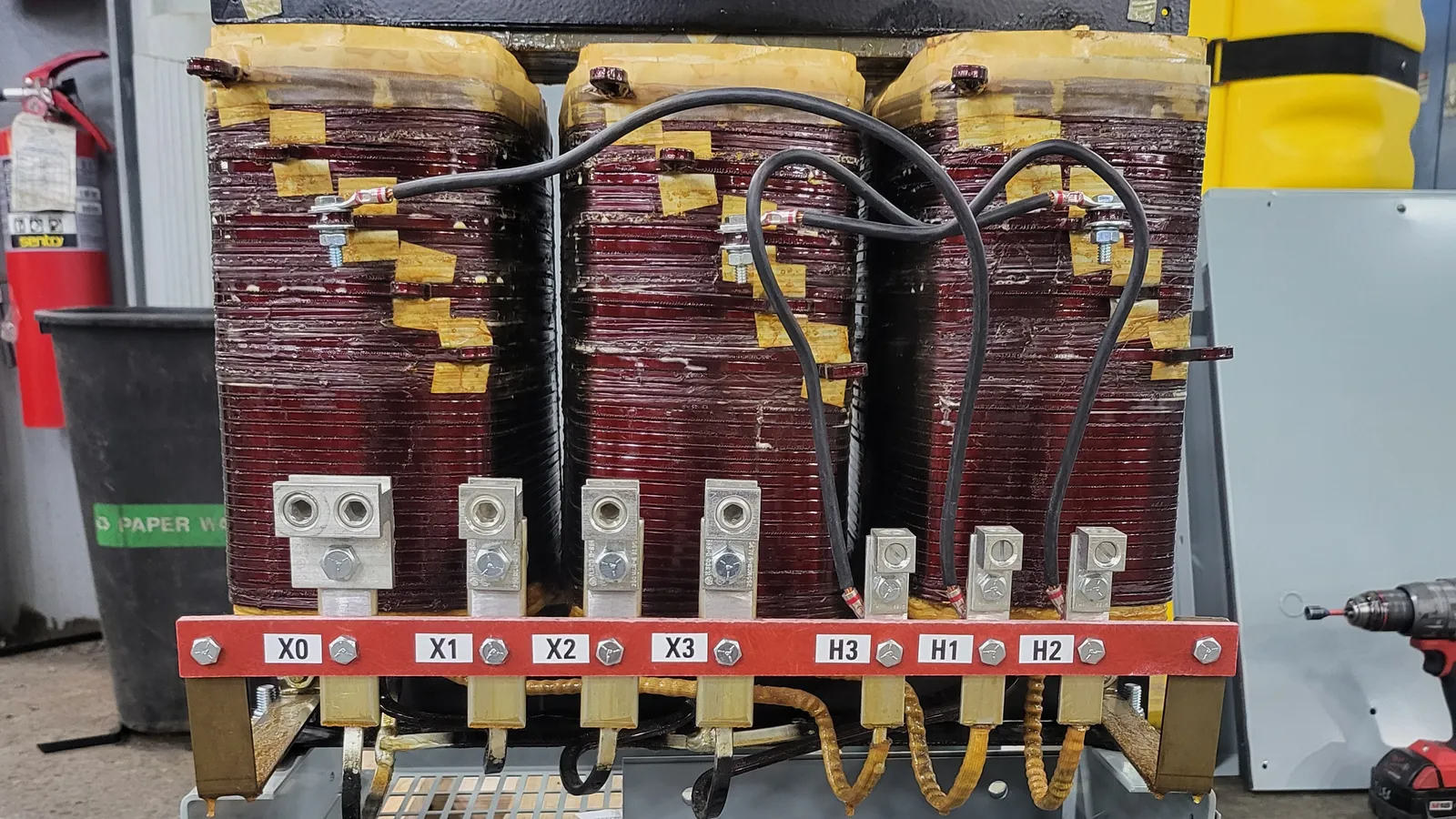
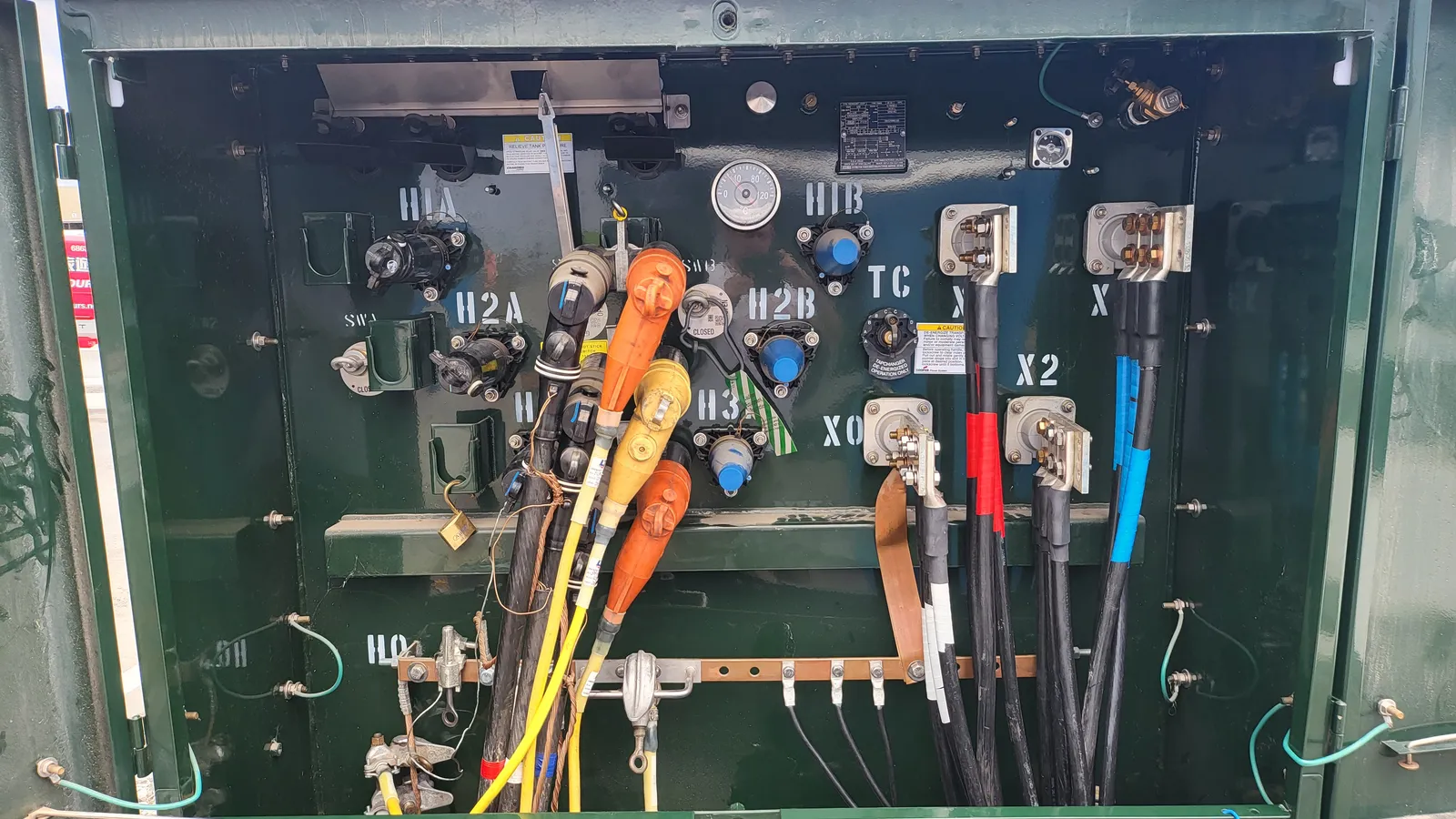
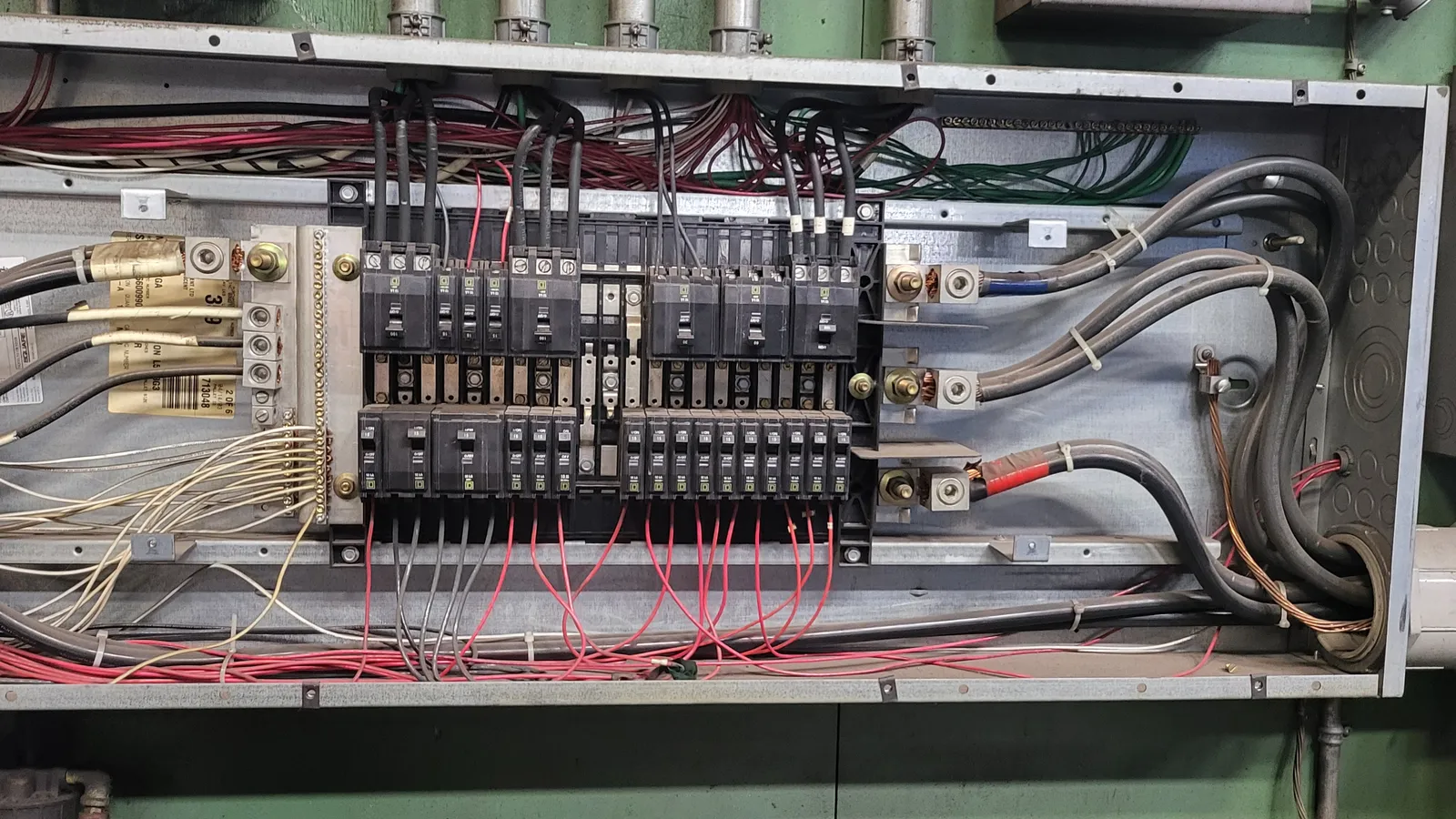
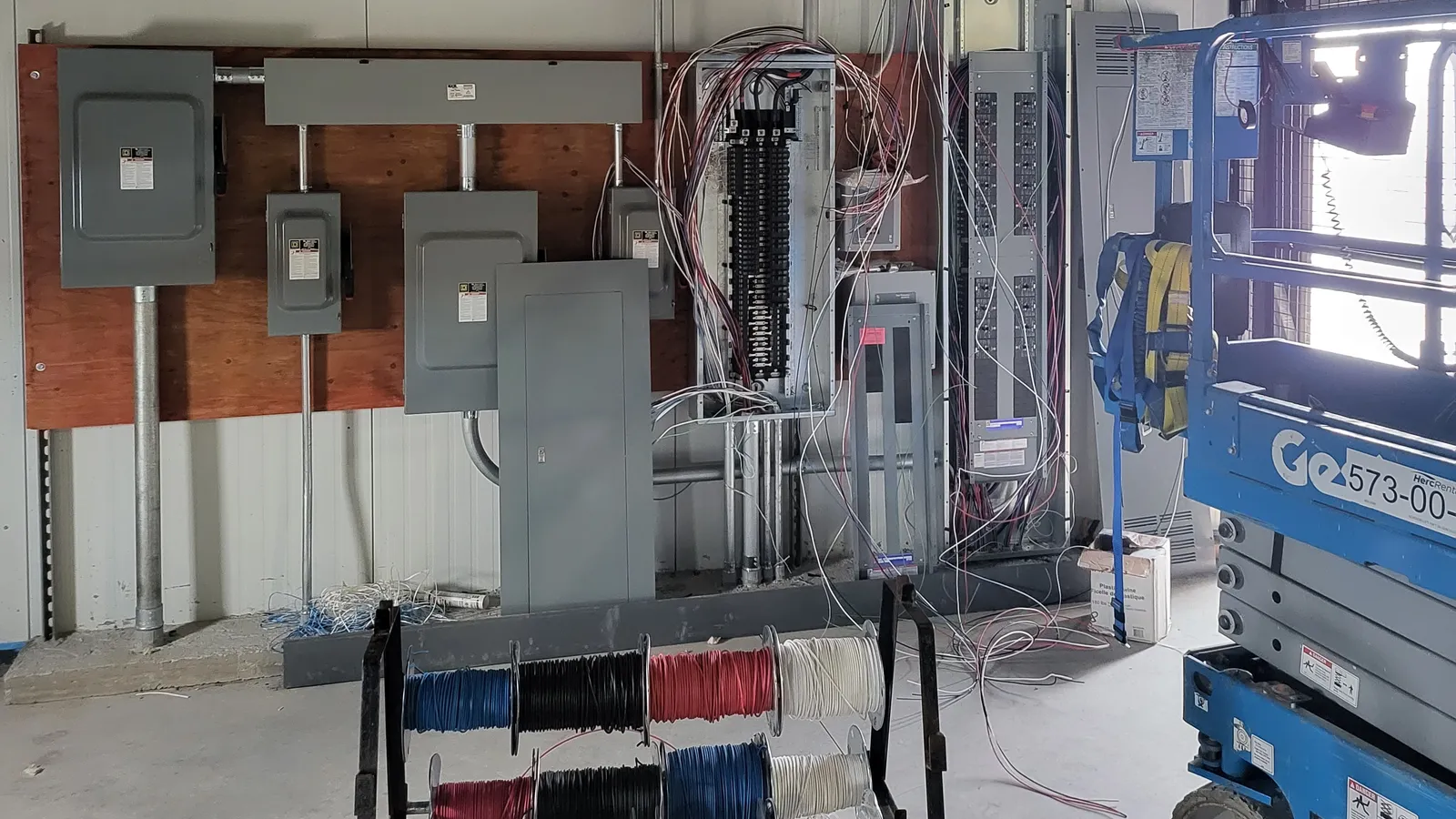
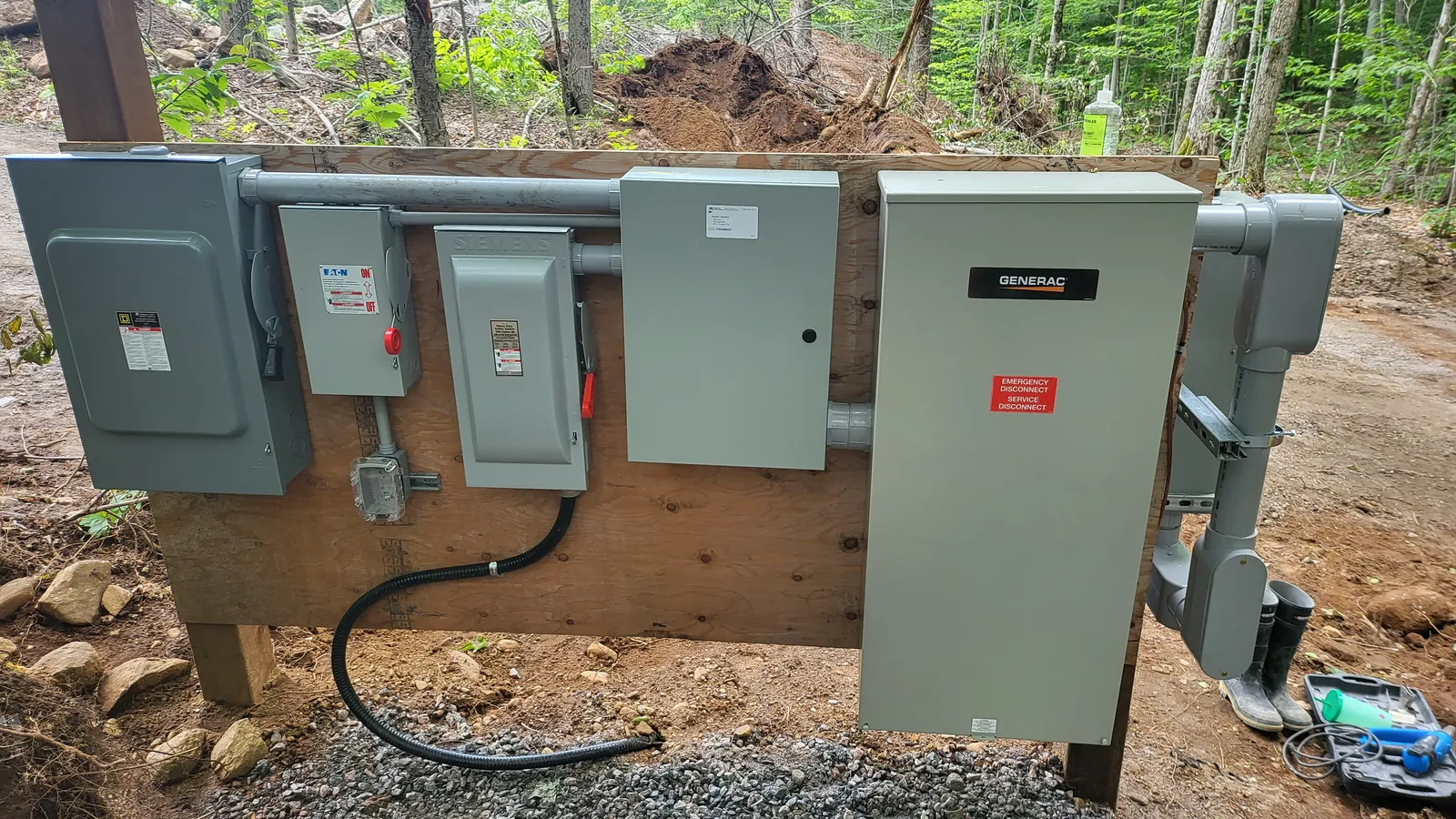
When the Existing Panelboard Has Become the Weak Link in the Building
See the signs early before an aging distribution panel turns routine electrical use into downtime, risk, and expensive reactive repairs
Commercial distribution panel replacement is often the right solution when the panel itself has become outdated, unreliable, overcrowded, or difficult to service safely.
In many commercial buildings, the original distribution panel was adequate when first installed, but years of circuit additions, tenant changes, equipment upgrades, and repeated modifications can leave the panelboard disorganized and strained. At that point, the problem is not always total building capacity. Sometimes the issue is that the distribution panel equipment itself is no longer practical for safe, dependable operation.
Warning signs may include obsolete breakers, heat marks, signs of arcing, loose or damaged interiors, poor circuit labeling, no room for orderly modifications, repeated breaker issues, or a panelboard that has clearly been altered too many times over the years. Businesses in Toronto, Markham, Richmond Hill, Scarborough, and North York often discover this during renovations, tenant fit-outs, troubleshooting visits, or preventive maintenance inspections.
A commercial distribution panel replacement can help restore safer operation, improve maintenance access, and create a cleaner circuit structure for the building. It can also make future additions more manageable, especially when the old panelboard has become confusing, unreliable, or difficult to support with approved replacement components.
If repeated tripping, unstable equipment behavior, or unexplained electrical stress is already present, the panel replacement should be evaluated together with commercial harmonic analysis and commercial power quality analysis. In real commercial environments, panel condition and overall electrical performance are often closely connected.
Delaying replacement of a deteriorated or obsolete distribution panel can make future shutdowns more disruptive, repairs more uncertain, and service work more expensive. Replacing the panel at the right time gives the property a much stronger electrical foundation for ongoing operation.
For many GTA businesses, replacing an aging distribution panel is one of the most practical ways to improve reliability without waiting for a larger electrical failure to force the decision.
Obsolete Breakers Are Still in Service
Older distribution panels may rely on breaker types that are difficult to source, difficult to trust, or no longer practical for ongoing service.
Panel Interior Shows Heat or Damage
Discoloration, damaged bus areas, or burnt terminations are strong warning signs that the panelboard should be reviewed for replacement.
Circuit Layout Has Become Confusing
Years of undocumented additions and changes can leave a distribution panel hard to maintain and harder to troubleshoot safely.
No Practical Room for Orderly Changes
An overcrowded panelboard makes future circuit work more difficult, less organized, and more risky.
Breaker Issues Keep Returning
Recurring tripping or unreliable circuit behavior may point to a panelboard that is no longer dependable as installed equipment.
Tenant Changes Have Outgrown the Original Panel
Commercial occupancies often evolve faster than the original distribution panel was designed to support.
Maintenance Has Become Difficult or Uncertain
Aging and disorganized panelboards slow down service work and increase the chance of operational mistakes during shutdowns.
Panel Replacement Parts Are a Problem
When proper compatible parts are hard to obtain, replacing the full distribution panel can be the safer long-term decision.
WHY CHOOSE US
Why Businesses Choose Us
We focus on practical solutions rather than temporary fixes, ensuring your electrical system performs safely under real conditions. Every electrical work is completed with proper planning, correct equipment selection, and attention to long-term performance.
Our approach eliminates unnecessary work and is based on accurate diagnostics, not assumptions, so you only pay for what your system actually needs. We prioritize safety, efficiency, and clean execution on every project.
As a result, you receive a reliable, code-compliant electrical system that supports your home today and is fully prepared for future electrical demands.
Licensed & Insured
All work is performed by qualified, fully insured electricians, ensuring safety, accountability, and compliance with all regulations.
ESA certified work
Every project includes permits and ESA inspection, guaranteeing that the installation meets Ontario Electrical Safety Code requirements.
Professional installations
We install panels with precise wiring, proper layout, and clear labeling, making the system safe, accessible, and easy to maintain.
Transparent pricing
You receive clear pricing based on the actual scope of work, with no hidden costs or unexpected changes during the entire project.
Fast scheduling
We schedule work efficiently and arrive on time, minimizing downtime and ensuring your electrical system is restored as quickly as possible.
Accurate calculations
We calculate electrical demand based on real usage, ensuring your panel is properly sized for both current and future electrical needs.
Code-compliant work
All installations strictly follow current electrical code requirements, ensuring safety, inspection approval, and long-term system reliability.
Reliable workmanship
Our experience allows us to deliver consistent, high-quality results that perform reliably under real operating conditions over time.
CODE & SAFETY REQUIREMENTS
Ontario Electrical Safety Code Compliance
The Ontario Electrical Safety Code (OESC) sets the minimum legal safety requirements for electrical installations in Ontario. For commercial distribution panel replacement, compliance with the Code is essential to ensure the replacement panelboard, breakers, feeder connections, conductor terminations, working space, circuit identification, and equipment approval are all suitable for safe operation.
Following the Code helps reduce the risk of fire, electric shock, conductor overheating, failed inspections, equipment damage, unsafe modification practices, and insurance-related issues. It also helps ensure that a replacement distribution panel is not only newer, but properly selected, approved, and integrated into the existing electrical system.
Every commercial distribution panel replacement should be planned and installed in accordance with the current Ontario Electrical Safety Code and ESA inspection requirements. ESA states that the 2024 OESC is effective May 1, 2025, and that the full OESC bulletins for the current cycle are included with purchase of the 29th edition materials.
Rules commonly applicable to commercial distribution panel replacement
-
Rule 2-004 — Notification of work / ESA inspection process
Electrical work must be properly notified to ESA where required, and the installation must proceed through the applicable inspection and authorization process before being placed into service. -
Rule 2-022 — Approved electrical equipment
Replacement panelboards, breakers, and related electrical equipment used in Ontario must be approved in accordance with Code requirements. ESA’s public product safety guidance states that Rule 2-022 addresses preventing the sale or use of unapproved electrical equipment in Ontario. -
Rule 2-024 — Approval requirements for electrical equipment
Equipment must satisfy applicable approval requirements and recognized standards for legal use in Ontario. ESA’s public guidance notes that Rule 2-024 deals with approval requirements for electrical products in Ontario. -
Rule 2-202 — Guarding of live electrical parts
Live electrical parts must remain properly enclosed or otherwise guarded to protect persons from accidental contact. -
Rule 2-308 — Working space about electrical equipment
Required working space must be maintained around electrical equipment so operation and servicing can be performed safely. ESA bulletin guidance states that a minimum working space of 1 m with firm footing must be provided and maintained in front of equipment such as panelboards. -
Rule 2-310 — Depth of working space
Minimum working space depth in front of electrical equipment must be maintained according to the installation conditions and equipment rating. ESA bulletin guidance discusses Rules 2-308 and 2-310 together in relation to front access and clear space. -
Rule 2-314 — Space not to be used for storage
The working space around electrical equipment must be kept clear and must not be used for storage. -
Rule 2-1000 — Circuit identification
Distribution points, breakers, and related devices must be legibly identified to indicate what they control. ESA’s flash notice on circuit identification explains the need for accurate and concise identification as wiring complexity increases. -
Rule 8-104 — Maximum circuit loading
Service, feeder, and branch-circuit loading must be calculated so the installation does not exceed allowable loading limits. -
Rule 14-100 — Protection of conductors by overcurrent devices
Overcurrent devices must protect conductors and connected equipment in accordance with Code requirements. -
Rule 14-104 — Rating and application of overcurrent devices
Overcurrent devices must be selected and applied in coordination with conductor ampacity and the characteristics of the installation.
Note: Rule selection may vary depending on the panelboard rating, voltage, feeder arrangement, available fault current, occupancy type, and the exact scope of the commercial distribution panel replacement. Exact official wording should always be confirmed from the current purchased edition of the Ontario Electrical Safety Code.
COMMON QUESTIONS
FAQ — Commercial Distribution Panel Replacement
1. What is a commercial distribution panel replacement?
A commercial distribution panel replacement is the removal of an existing panelboard and installation of new distribution equipment to improve safety, reliability, organization, and serviceability.
2. How is this different from a commercial panel upgrade?
A panel replacement focuses on replacing existing distribution equipment, while a broader panel upgrade may also involve larger capacity changes or wider system expansion planning.
3. When should a distribution panel be replaced instead of repaired?
Replacement is often the better option when the panel is obsolete, damaged, overcrowded, difficult to maintain, or dependent on hard-to-source compatible components.
4. What are signs that a distribution panel is outdated?
Common signs include obsolete breakers, poor circuit organization, visible heat damage, repeated tripping, difficult maintenance, and a panelboard that no longer suits the building’s present use.
5. Can replacing the distribution panel improve reliability?
Yes. A new panelboard can improve breaker support, circuit organization, maintenance access, and overall system dependability.
6. Do commercial distribution panel replacements require ESA compliance in Ontario?
Yes. Commercial electrical work in Ontario must follow applicable Ontario Electrical Safety Code and ESA requirements.
7. Can you replace a three-phase distribution panel?
Yes, in many cases a three-phase commercial distribution panel can be replaced when the feeder arrangement, panel rating, protection, and system design are properly evaluated.
8. What is included in a distribution panel replacement project?
A typical project may include panel assessment, shutdown planning, replacement equipment selection, conductor reconnection, breaker coordination, circuit identification, and safe integration into the existing electrical system.
9. Can panel replacement help with future tenant changes?
Yes. Replacing an outdated distribution panel often creates a cleaner and more practical platform for future circuit work, renovations, and tenant modifications.
10. Is it possible to replace the panel without upgrading the entire service?
In many cases yes. Some buildings need replacement of the distribution panel equipment itself without requiring a full service upgrade, although that depends on capacity and overall system condition.
11. Should power quality problems be reviewed before replacing the panel?
Often yes. If the building also has unstable power behavior, repeated tripping, or sensitive equipment problems, those issues should be reviewed together with the panel replacement plan.
12. How much does commercial distribution panel replacement cost in Ontario?
Cost depends on panel size, voltage, breaker configuration, accessibility, shutdown complexity, existing feeder conditions, and the condition of the surrounding electrical system. Accurate pricing usually requires a site review.
SERVICE AREAS
Serving Toronto & the Greater Toronto Area
We provide residential, commercial, and industrial electrical services across Toronto and the GTA, supporting homes, businesses, and facilities with reliable and code-compliant electrical solutions.
Our service coverage includes major cities and surrounding areas, allowing us to respond quickly and deliver consistent service across the region.
Toronto
North York
Thornhill
Richmond Hill
Vaughan
Markham
Scarborough
Etobicoke
Mississauga
Brampton
ADDITIONAL SERVICE AREAS
Hamilton
Oakville
Burlington
Milton
Georgetown
Pickering
Ajax
Whitby
Oshawa
Clarington
Aurora
Newmarket
Bradford
King City
Barrie