
Toronto & GTA Electrical Contractor
Drive Installation for Industrial Equipment in Toronto, Mississauga, Hamilton, Richmond Hill, New Market, Aurora, Brampton & GTA
Industrial electrical work — installations, upgrades, troubleshooting, maintenance, and code-compliant solutions.
Licensed & Insured
Fast Response
Code-Compliant Work
INDUSTRIAL VFD & AC DRIVE INSTALLATION
What We Do
We provide industrial drive installation services for VFDs, AC drives, inverters, and variable speed motor control systems across Toronto and the GTA.
This service is focused on installing drives correctly from the beginning so motors start smoothly, process equipment runs under control, and the electrical installation does not create future trip faults, noise problems, or reliability issues. When a facility adds a new VFD to a conveyor, pump, fan, compressor, mixer, production machine, or process line, the job is not just to mount the drive and connect power. The drive has to be installed with the right disconnecting means, wiring method, grounding, cable routing, motor connection, and startup-ready arrangement for the actual equipment it will control.
Industrial drive installation can include a new branch circuit, disconnect switch, fusing or breaker coordination, line-side power connection, motor-side cable installation, grounding and bonding, shield termination, control wiring, run-enable and speed reference wiring, and preparation for parameter setup and startup. Correct grounding, shield termination, and cable routing are critical on drive systems because poor installation can lead to nuisance trips, electrical noise, communication issues, unstable speed control, and premature motor or drive problems. For general manufacturer reference on industrial drive installation practices, see ABB drives and Danfoss low-voltage drives. These are not small details. They are part of what separates a clean drive installation from one that later develops avoidable faults and reliability issues.
Our service includes VFD installation in Mississauga, AC drive installation in Vaughan, variable frequency drive installation in Markham, industrial inverter installation in Brampton, and drive wiring and hookup across the GTA. We work around common industrial drive platforms including Allen-Bradley PowerFlex, ABB ACS, Danfoss VLT, Schneider Altivar, Siemens, and Yaskawa systems. We install line-side and load-side wiring carefully, verify grounding paths, review motor cable methods, and prepare the system so the drive can be commissioned on a solid electrical foundation. For additional reference on drive platforms and motor-control hardware, see Allen-Bradley drives and motor control and Yaskawa drives.
This service is built for real industrial environments where the drive must run reliably after the installers leave. Some projects involve one standalone drive for a pump or fan. Others involve several drives being installed as part of a production upgrade, conveyor project, or motor-control modernization. We make sure the drive is installed in a way that supports safe operation, cleaner control performance, easier future service, and a smoother path into startup and commissioning. Where appropriate, the installation may also connect to related motor installation, motor control issues, or final equipment setup. The result is a drive installation designed to work in the field, not just look correct on paper.

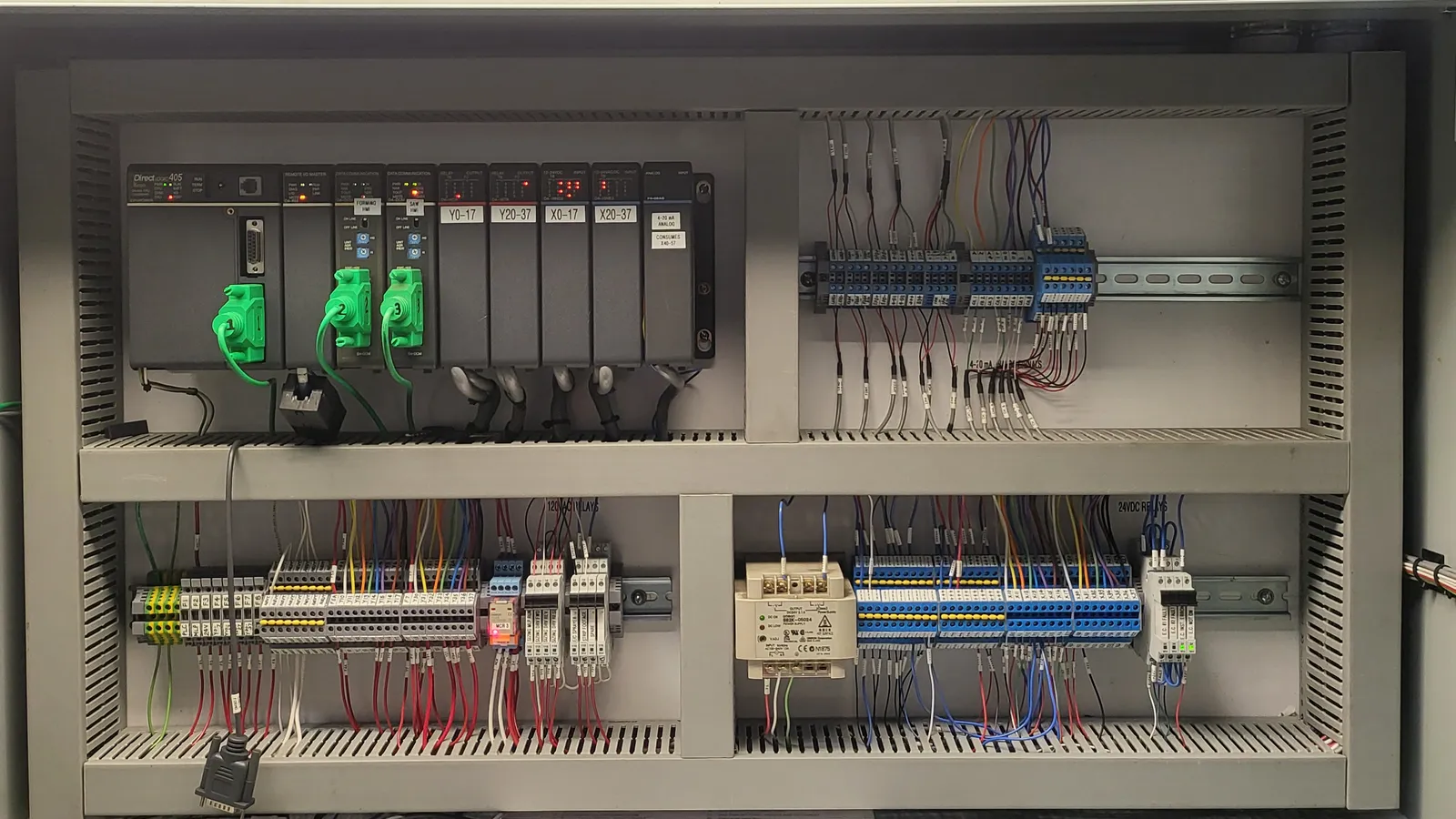
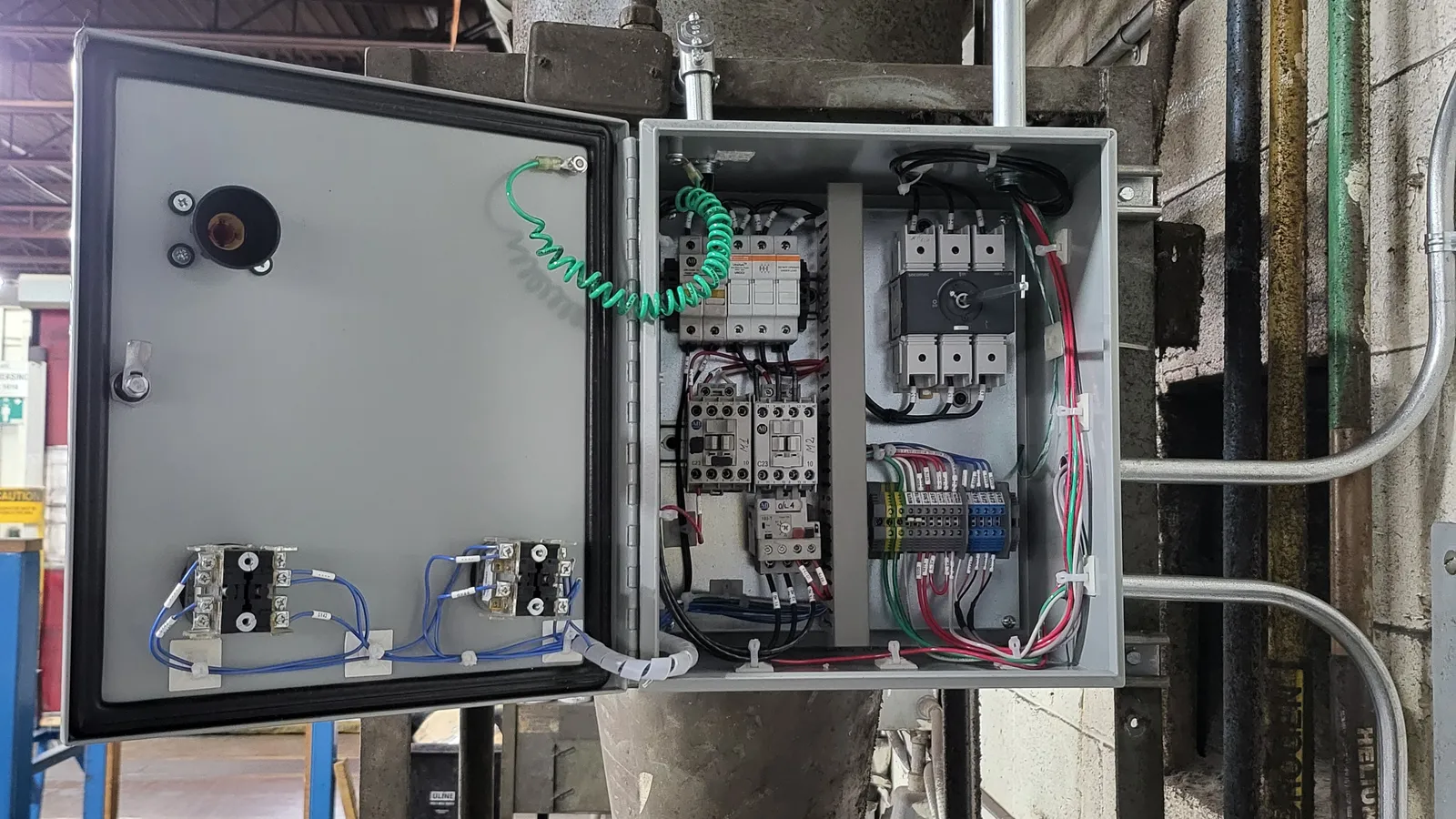
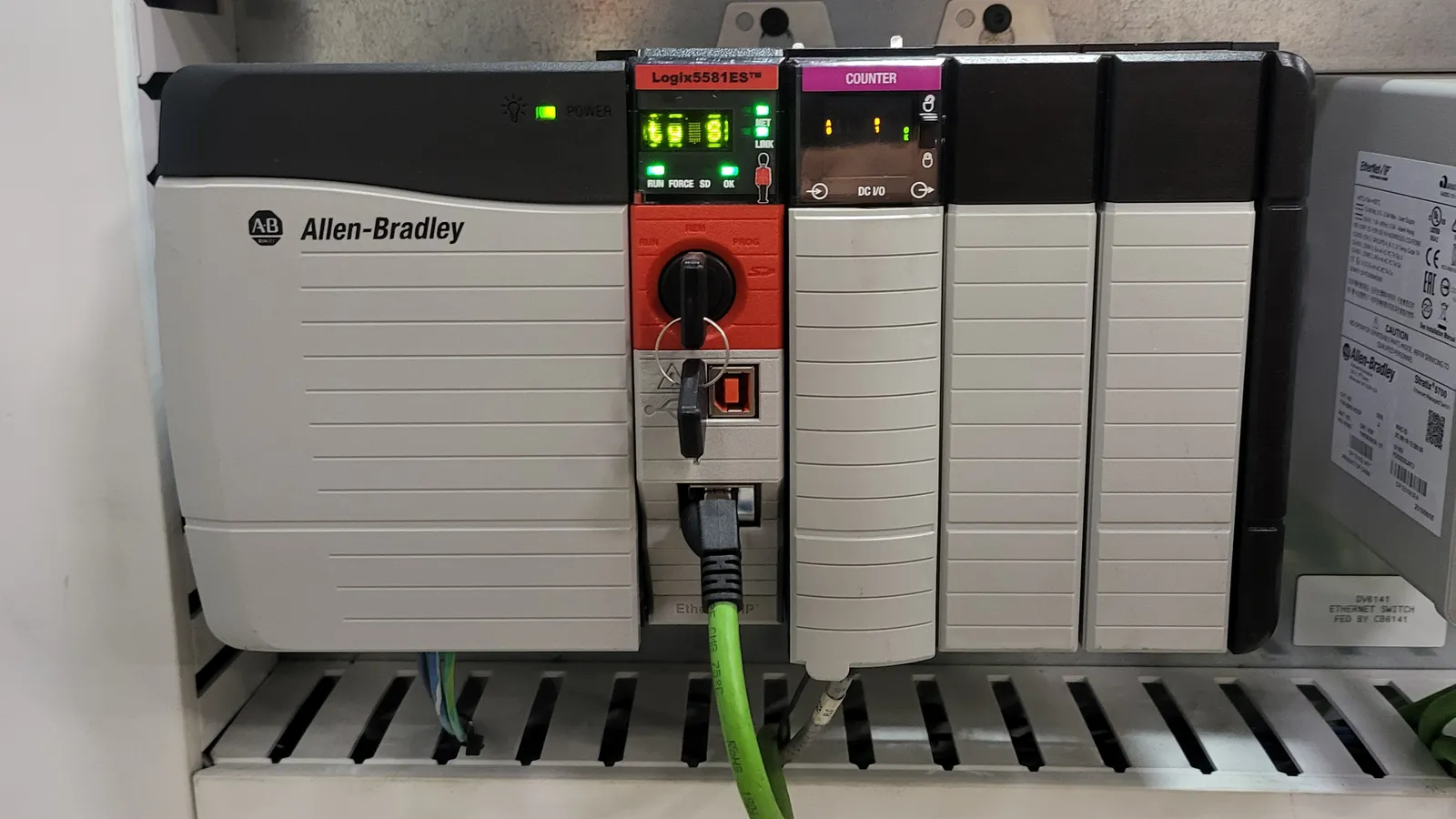
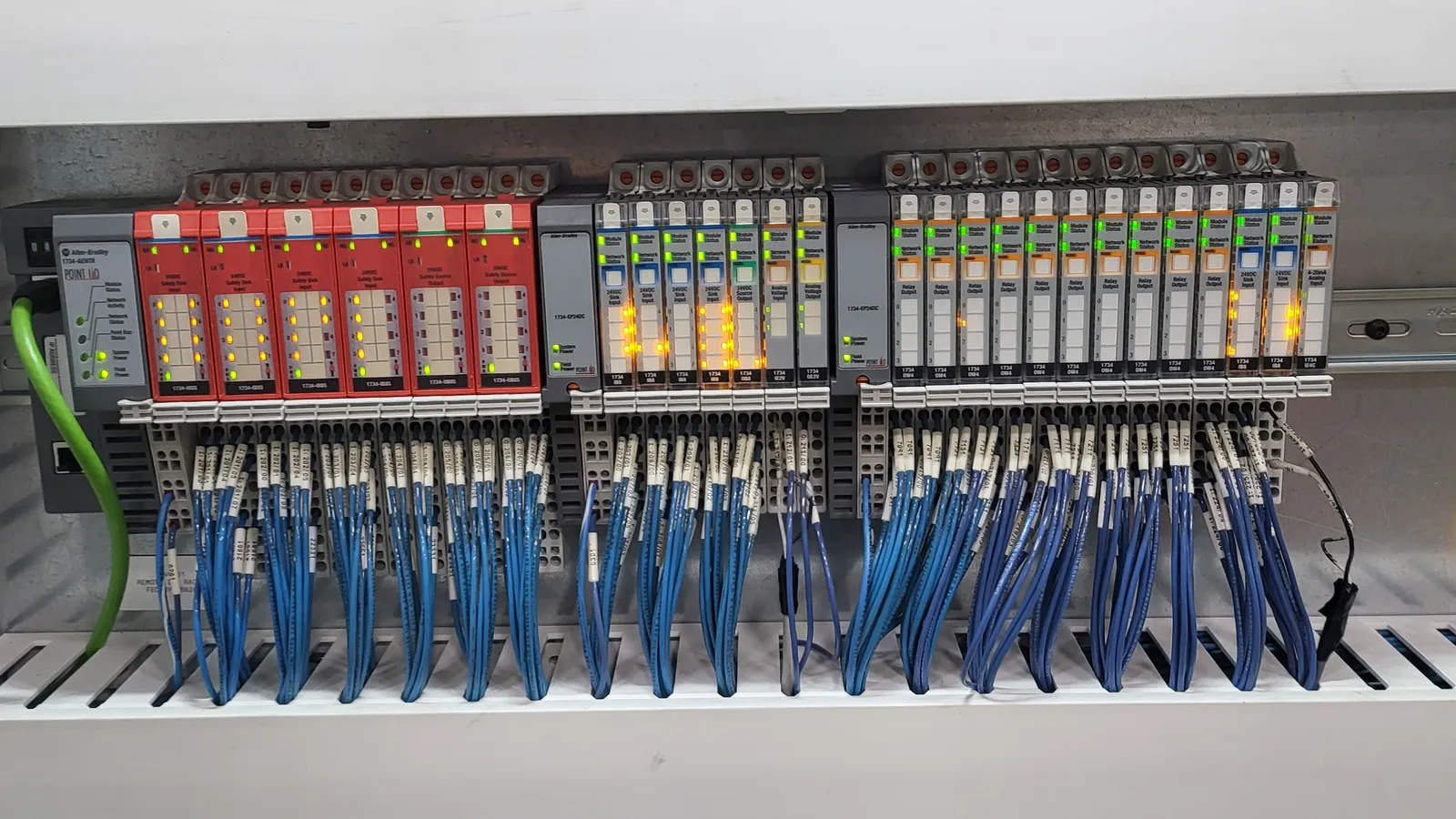
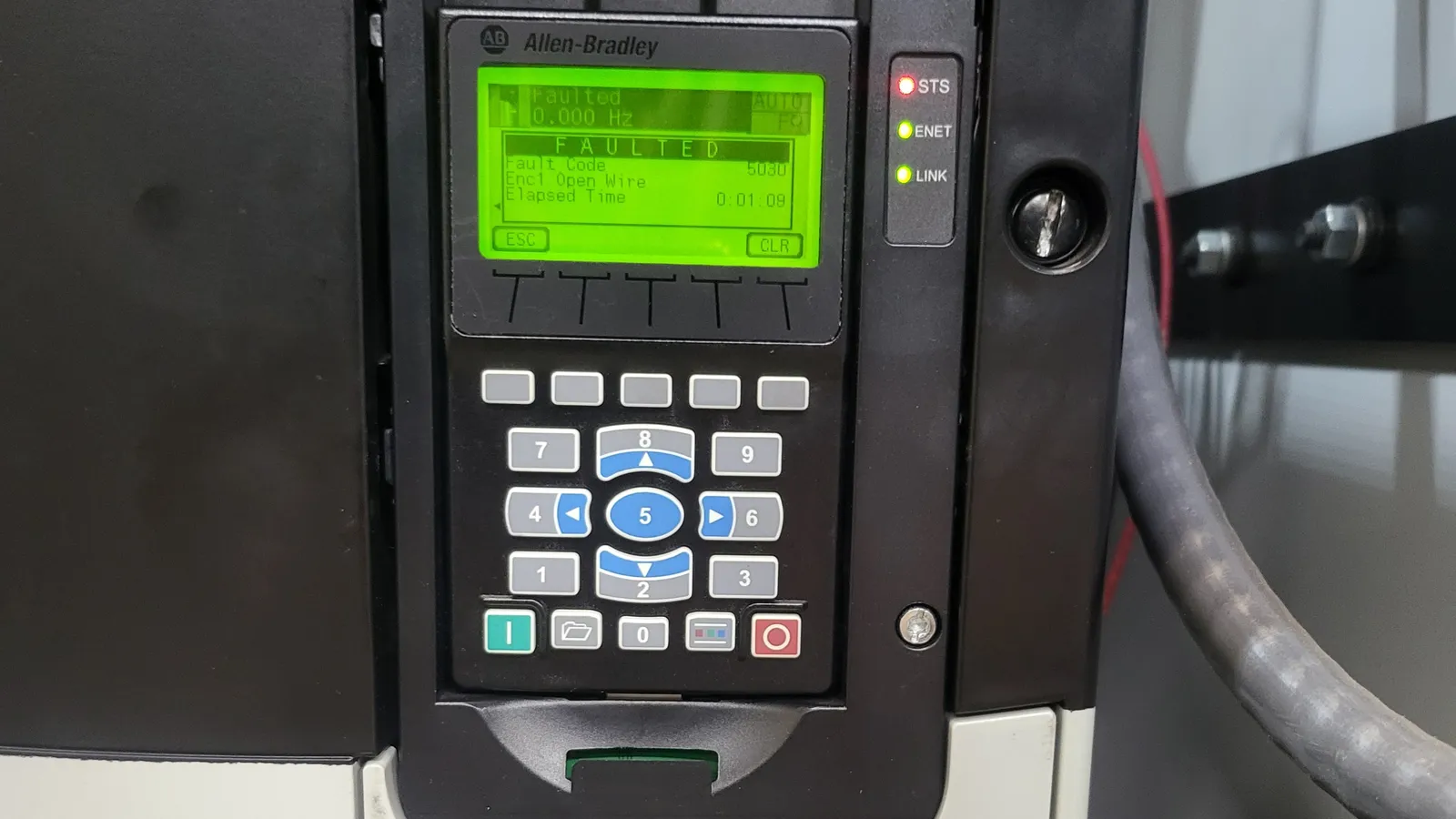
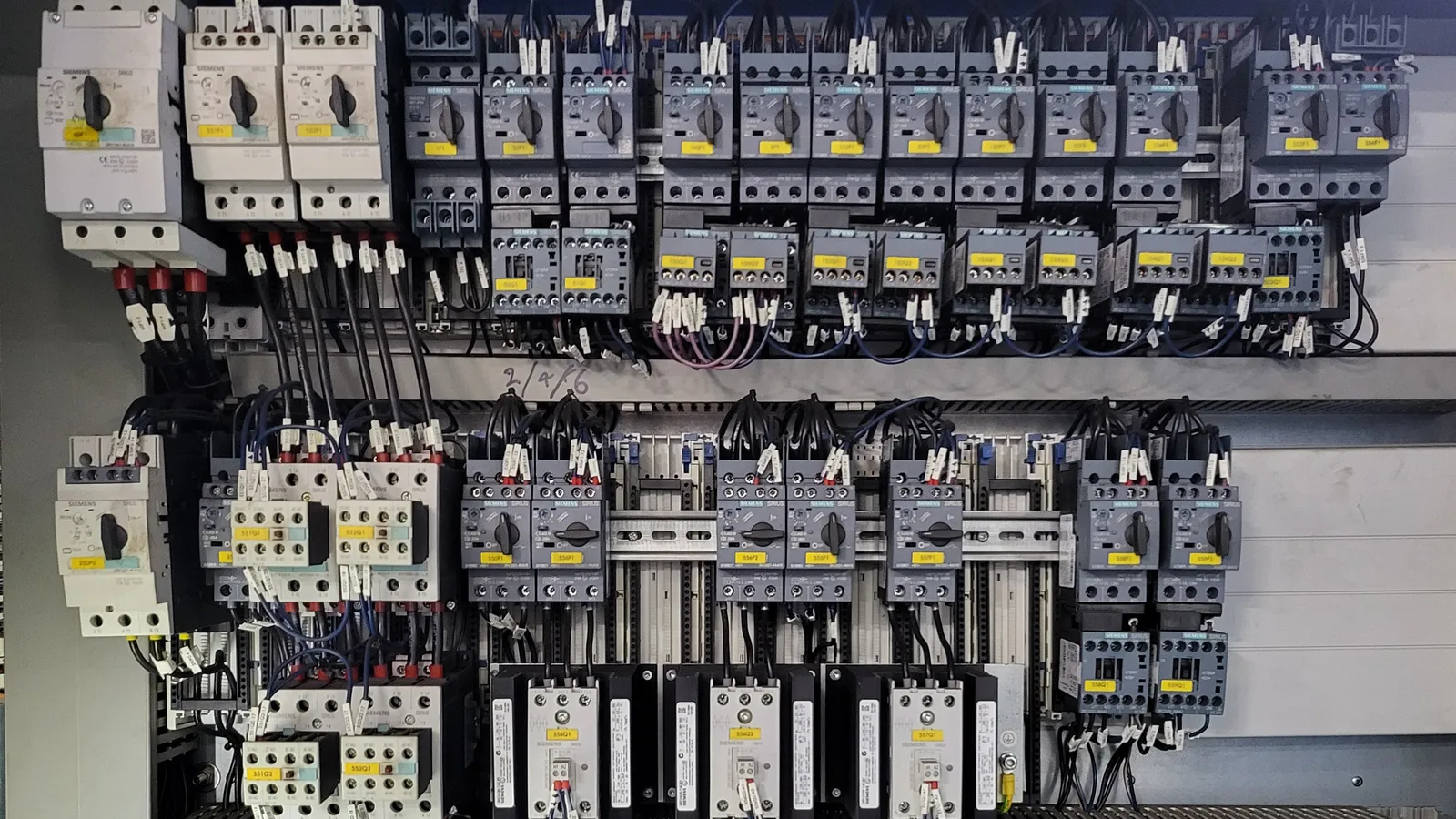
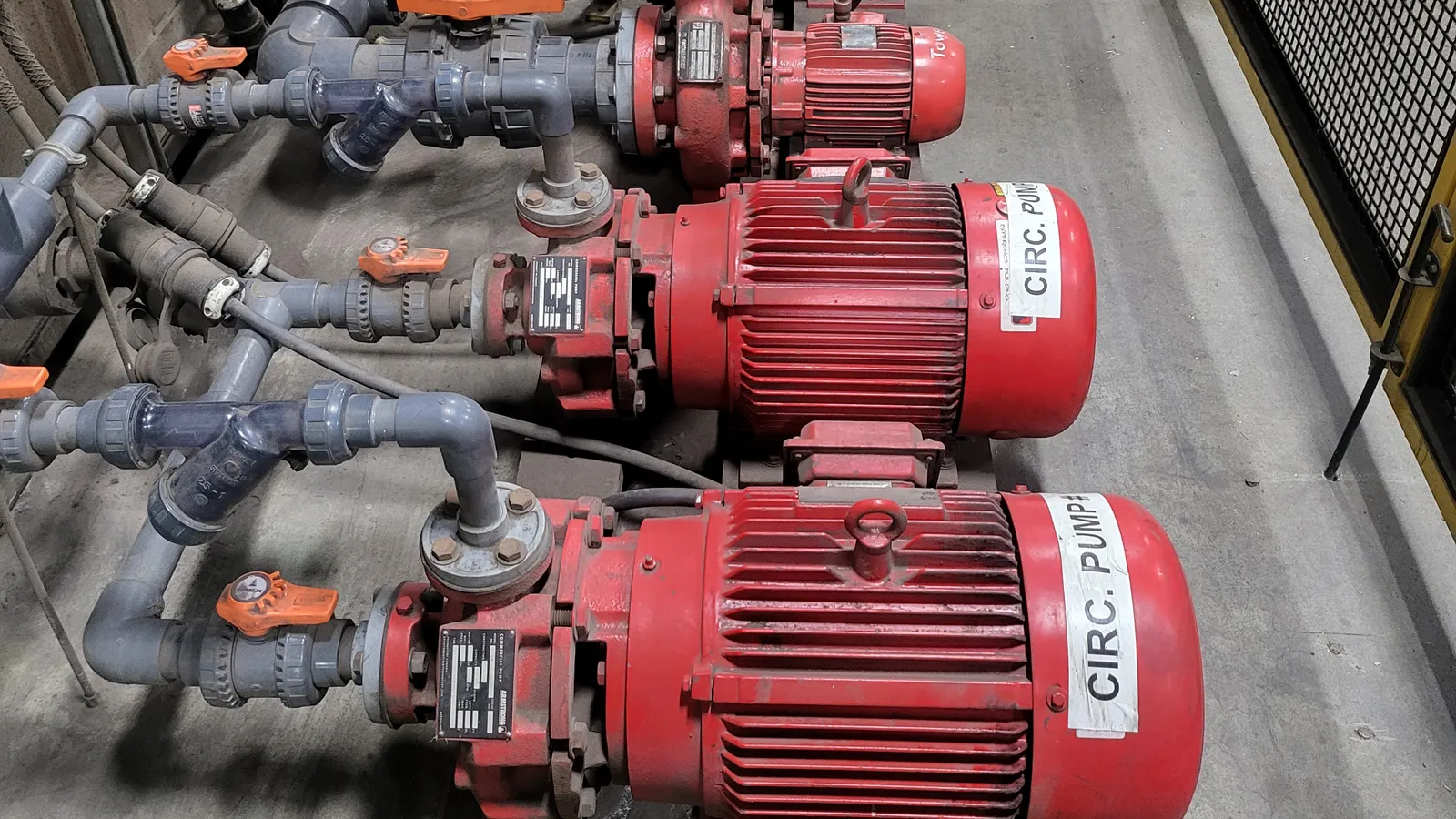
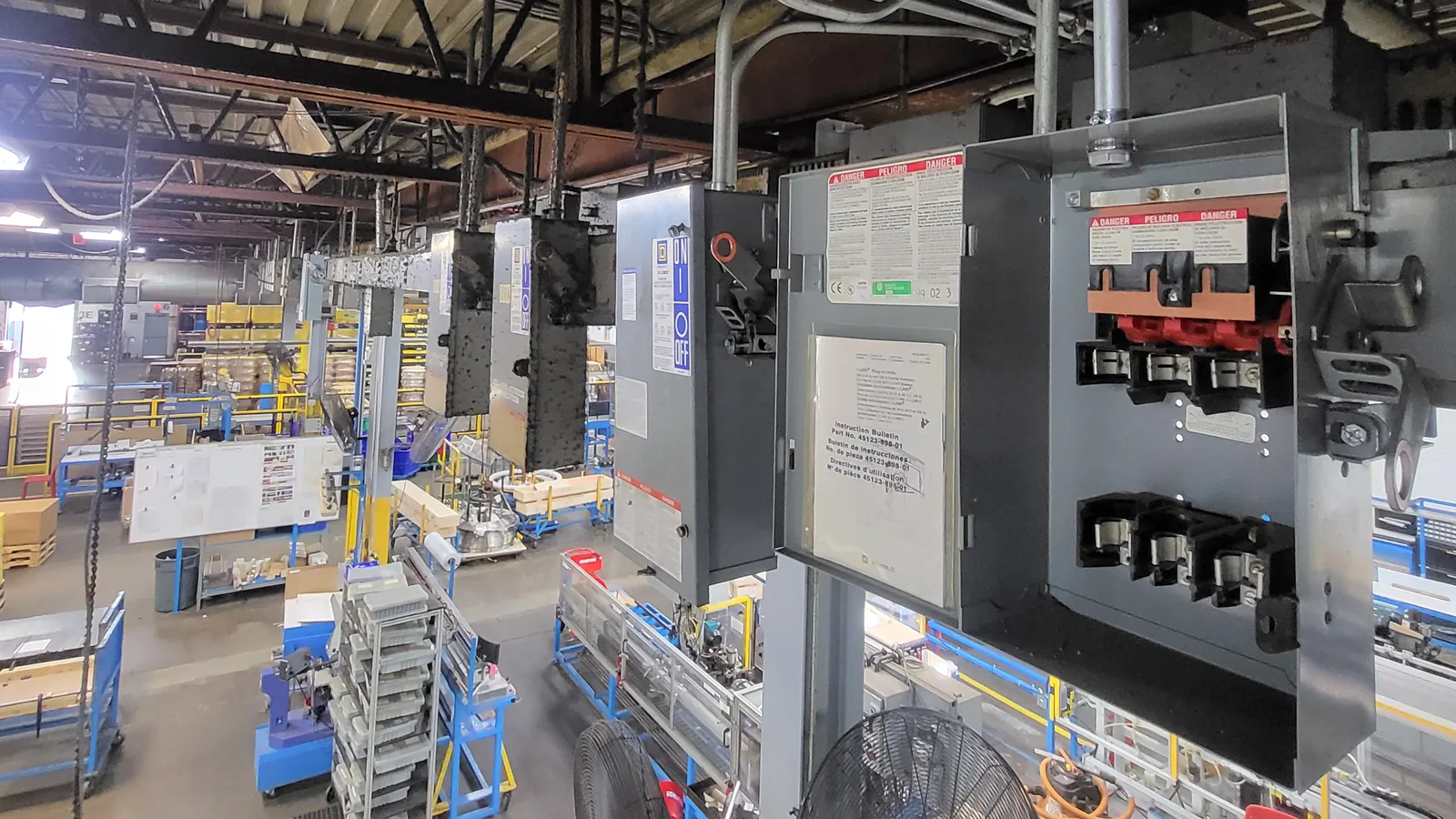
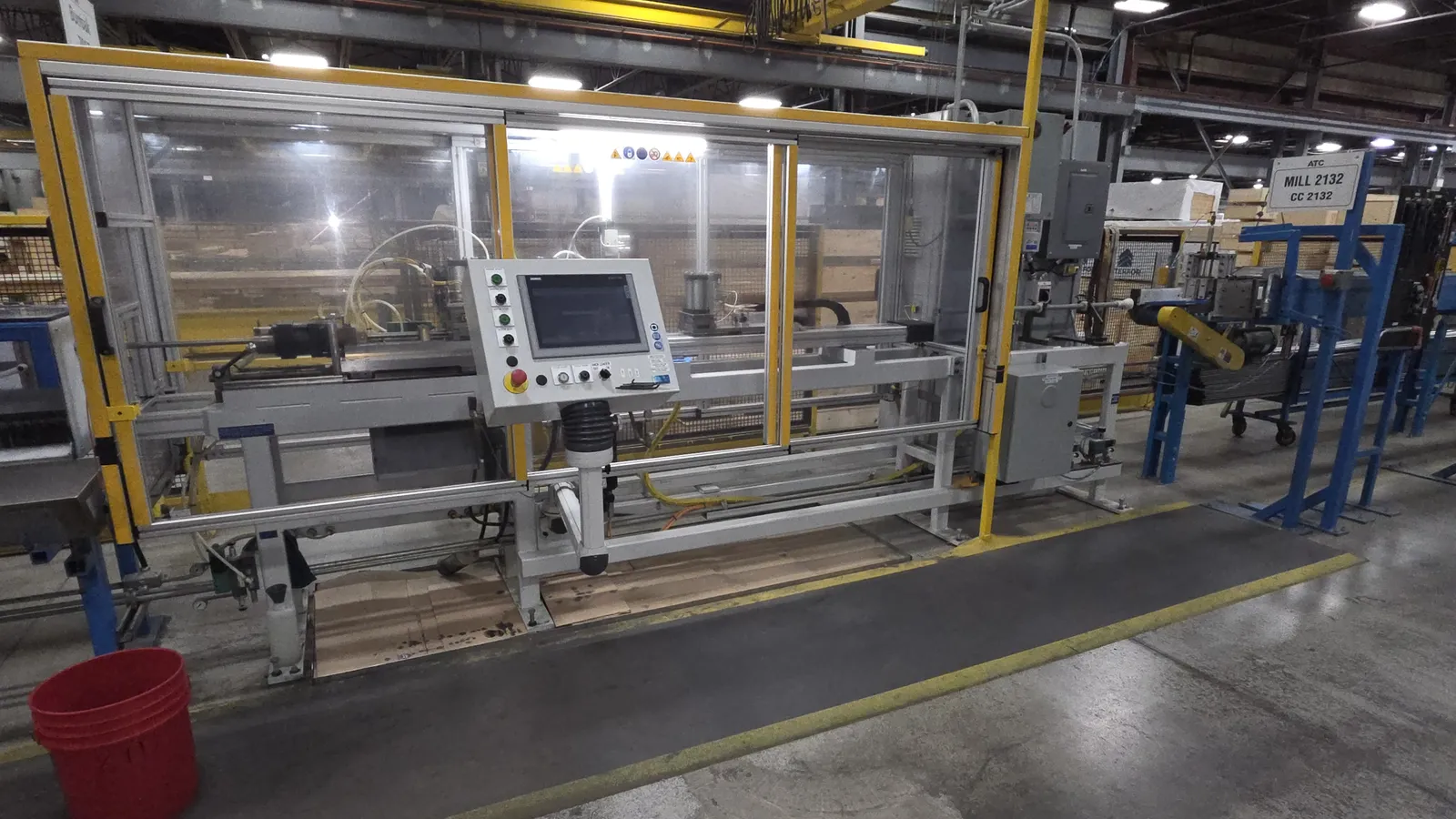
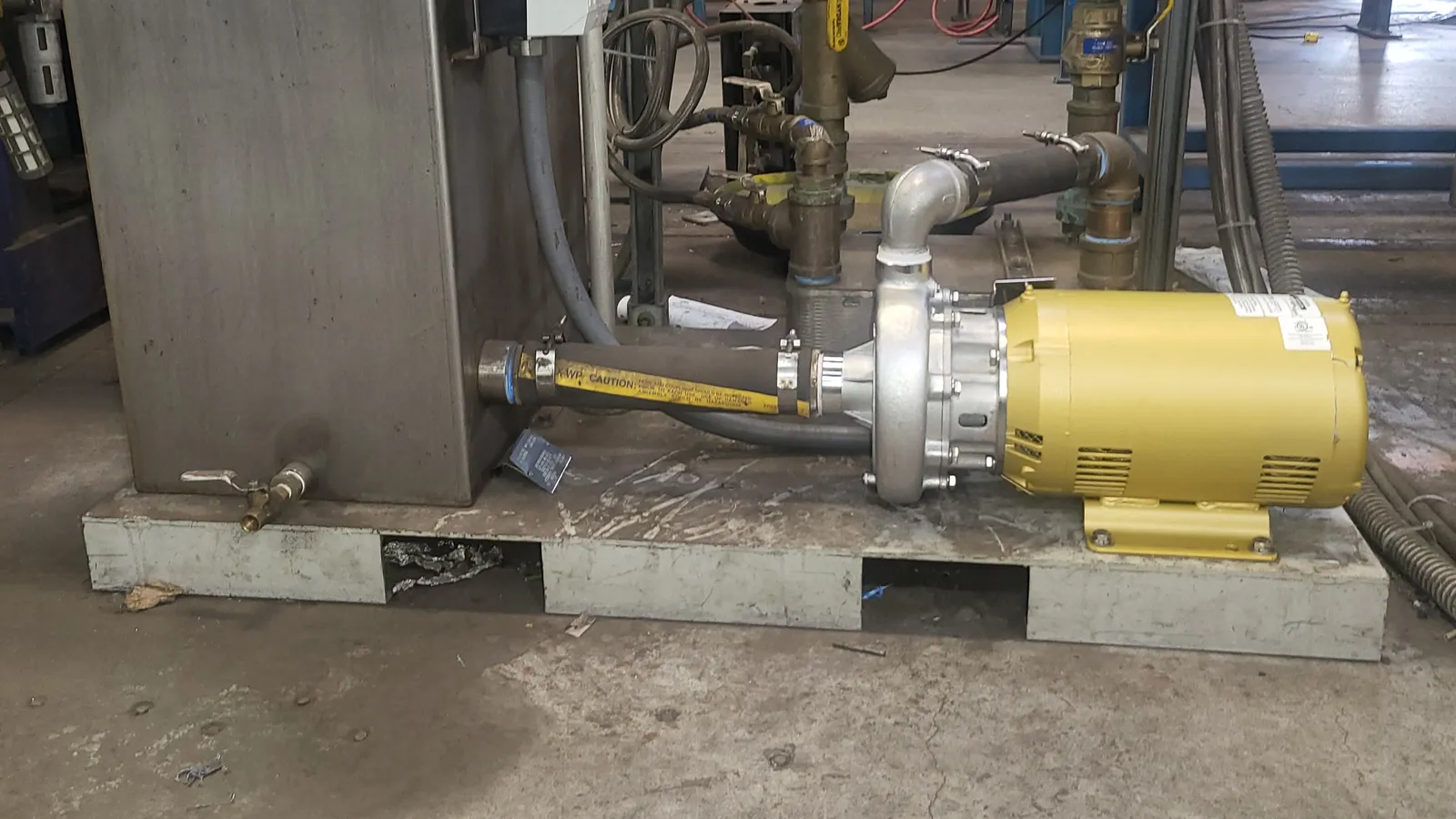

When the Drive Is Ready to Go In but the Installation Has to Be Done Right the First Time
Understand what a proper VFD installation requires before the first startup and first production run
A drive installation should never be treated like a simple panel accessory.
A VFD changes how the motor is powered, controlled, and protected, which means the installation has to be planned around the drive, the motor, the wiring path, and the operating duty together. If those pieces are handled badly, the result is often repeated faults, interference, overheating, communication noise, or unstable process behavior.
Many projects across Toronto and the GTA reach the point where the drive is on site, but the installation is still incomplete. The system may still need a disconnect, proper branch-circuit connection, shielded motor cable, correct grounding, control wiring, or a practical mounting and cooling arrangement before startup should begin.
This matters because official manufacturer guidance is very specific on installation details. ABB instructs that shielded VFD motor cable shields be grounded 360 degrees at the drive and also at the motor end. Danfoss manuals similarly show shield grounding and proper cable handling as part of correct installation practice. Rockwell also provides dedicated wiring and grounding guidelines for PWM AC drives because installation quality directly affects performance.
You may need professional drive installation if you are adding speed control to a motor, upgrading from across-the-line starting to VFD control, installing a new production machine with a drive, or replacing an older drive with a new platform. These projects often also involve disconnecting means, control integration, and startup support that should be handled together, not as separate afterthoughts.
Common installation needs include line power wiring, motor cable routing, shield termination, grounding and bonding, control signal wiring, run-enable inputs, speed reference wiring, and preparation for programming. Some applications may also require attention to braking, environmental conditions, panel layout, or related motor issues before the system is ready to run.
A good drive installation reduces the chance of nuisance trips later. It also makes future maintenance easier because the disconnect, cable path, grounding, and control points are installed in a cleaner and more serviceable way.
Professional drive installation in Toronto, Mississauga, Vaughan, Markham, and across the GTA helps make sure the VFD is mounted, wired, grounded, and connected the right way so startup goes more smoothly and long-term reliability is stronger.
New VFD Is Being Added to a Motor
The system needs proper power, motor, grounding, and control wiring before startup can begin.
Shielded Motor Cable Must Be Installed
Drive-fed motors often require correct cable routing and shield termination to support stable operation.
Grounding Has to Be Done Correctly
Poor grounding is one of the most common causes of future drive instability, noise, and reliability issues.
Disconnect and Protection Are Not Yet Ready
The drive installation may still need suitable isolation and properly coordinated circuit protection.
Control Wiring Must Be Integrated
Run commands, speed references, interlocks, and control terminals need clean and correct installation.
Drive Is Replacing an Older Starter Method
Upgrading from direct-on-line control to variable speed operation often changes the whole motor circuit arrangement.
Startup Should Happen Without Nuisance Trips
A good installation reduces the risk of early overvoltage, undervoltage, grounding, or communication faults.
Future Maintenance Must Stay Practical
Clean mounting, access, wiring layout, and disconnect location all matter after the drive goes into service.
WHY CHOOSE US
Why Industrial Clients Choose Us
We focus on practical industrial electrical solutions rather than temporary fixes, ensuring your power systems, equipment, and production infrastructure operate safely and reliably under real operating conditions. Every project is completed with careful planning, proper equipment selection, and close attention to long-term performance, system stability, and operational continuity.
Our approach eliminates unnecessary work and is based on accurate diagnostics, field-tested methods, and a clear understanding of how industrial facilities actually run, so you only invest in the work your system truly requires. We prioritize safety, efficiency, code compliance, and clean execution on every job, whether it involves troubleshooting, upgrades, installations, or power distribution improvements.
As a result, you receive a dependable, code-compliant industrial electrical system that supports your facility today, reduces the risk of costly downtime, and is properly prepared for future production demands, equipment expansion, and higher power requirements.
Licensed & Insured
All work is performed by qualified, fully insured electricians, ensuring safety, accountability, and compliance with all regulations.
ESA certified work
Every project includes permits and ESA inspection, guaranteeing that the installation meets Ontario Electrical Safety Code requirements.
Professional installations
We install panels with precise wiring, proper layout, and clear labeling, making the system safe, accessible, and easy to maintain.
Transparent pricing
You receive clear pricing based on the actual scope of work, with no hidden costs or unexpected changes during the entire project.
Fast scheduling
We schedule work efficiently and arrive on time, minimizing downtime and ensuring your electrical system is restored as quickly as possible.
Accurate calculations
We calculate electrical demand based on real usage, ensuring your panel is properly sized for both current and future electrical needs.
Code-compliant work
All installations strictly follow current electrical code requirements, ensuring safety, inspection approval, and long-term system reliability.
Reliable workmanship
Our experience allows us to deliver consistent, high-quality results that perform reliably under real operating conditions over time.
CODE & SAFETY REQUIREMENTS
Ontario Electrical Safety Code Compliance
The Ontario Electrical Safety Code (OESC) sets the minimum legal safety requirements for electrical installations and electrical work in Ontario.
ESA states that the 2024 Ontario Electrical Safety Code is the current edition and that it took effect on May 1, 2025. For industrial drive installation, compliance is essential when installing branch circuits, disconnecting means, conductors, grounding, bonding, motor connections, control wiring, and associated motor-control equipment.
Following the Code helps reduce the risk of electric shock, arc events, fire, unsafe startup, conductor overheating, drive damage, motor damage, and repeated faults caused by incorrect installation methods or poor grounding.
Every drive installation should be planned and completed with approved electrical equipment, correct wiring methods, suitable protection, and Code-compliant installation practices. Where notification and inspection are required, the work should comply with the current Ontario Electrical Safety Code and ESA requirements.
Rules commonly applicable to industrial drive installation
-
Rule 2-004 — Notification of work / ESA inspection process
Electrical work that requires notification must be properly reported to ESA, and the installation must go through the required inspection or authorization process before being put into service. -
Rule 2-022 — Approved electrical equipment
Electrical equipment used in Ontario must be approved in accordance with Code requirements. -
Rule 2-024 — Approval requirements for electrical equipment
Equipment and components installed as part of the drive system must be approved to recognized standards and accepted for use in Ontario. -
Rule 2-304 — Disconnecting means shall be provided
Suitable disconnecting means must be provided so drives and associated equipment can be isolated safely for servicing, maintenance, and emergency shutdown. -
Rule 2-314 — Working space around electrical equipment
Working space around drives, controllers, disconnects, and related equipment must be kept clear for safe access and maintenance. -
Rule 4-004 — Ampacity of conductors
Conductors must have sufficient ampacity for the connected load and installation conditions. -
Rule 10-002 — Grounding and bonding requirements
Equipment grounding and bonding must be continuous and effective to ensure safety and proper fault clearing, which is especially important for VFD systems. -
Rule 12-000 — Wiring methods
Conductors, cables, and raceways such as conduit must be installed using approved methods suitable for the environment and application. -
Rule 14-100 — Protection of conductors by overcurrent devices
Conductors must be protected by correctly selected breakers or fuses suitable for the drive circuit and associated equipment. -
Rule 14-104 — Rating / coordination of overcurrent protection
Overcurrent protection must be coordinated with conductor ampacity and the operating characteristics of the installation. -
Rule 28-000 — Scope
Section 28 provides supplementary requirements for motors and related equipment, which remains relevant because industrial drives are installed as part of motor control systems. -
Rule 28-600 — Control devices
Controllers and associated control devices must be suitable for the duty involved and installed in accordance with Code requirements for safe operation of industrial motor-drive systems.
Note: Rule selection may vary depending on drive type, motor size, conductor type, shielded cable requirements, disconnect arrangement, grounding method, panel environment, and the motor-control system tied to the installation. Exact official wording should be taken from the current purchased edition of the Ontario Electrical Safety Code.
COMMON QUESTIONS
FAQ — Drive Installation
1. What is included in industrial drive installation?
This service can include mounting the VFD, connecting line power, wiring the motor output, installing disconnecting means, grounding and bonding, control wiring, and preparing the system for startup.
2. Is drive installation different from simple motor connection?
Yes. A VFD changes how the motor is powered and controlled, so the installation must address drive wiring, grounding, shielded motor cable, control terminals, and startup preparation.
3. Do VFD installations need shielded motor cable?
Many applications do. Manufacturer guidance commonly requires proper shield grounding and handling of motor cable to support reliable VFD operation and reduce interference.
4. Why is grounding so important on a drive installation?
Because poor grounding can contribute to interference, unstable operation, nuisance faults, and reduced system reliability. Proper drive grounding is a real installation requirement, not just a nice extra.
5. Can you install Allen-Bradley, ABB, Danfoss, and similar drives?
Yes. We work around common industrial drive platforms including Allen-Bradley PowerFlex, ABB ACS, Danfoss VLT, Schneider Altivar, Siemens, and Yaskawa systems.
6. Does the drive need its own disconnect?
In many cases, suitable disconnecting means and correctly coordinated protection are part of a proper drive installation.
7. Can a bad installation cause future VFD faults?
Yes. Poor cable routing, bad grounding, weak terminations, bad control wiring, and incomplete protection arrangements can all create future trips and unstable operation.
8. Is this service useful when converting a motor from across-the-line to VFD control?
Yes. That is one of the most common reasons for drive installation, especially when clients want better speed control, softer starts, or improved process performance.
9. Do you prepare the drive for startup too?
Yes. A major goal of this service is to make sure the drive is installed cleanly and is ready for parameter setup and safe initial startup.
10. Can one project include several drives?
Yes. We can support installation projects involving one drive or multiple drives as part of a broader production, conveyor, or process upgrade.
11. Does drive installation require ESA notification?
In many cases, yes. Electrical installation work in Ontario often requires proper notification and inspection through ESA, depending on the scope of the project.
12. Does industrial drive installation need to comply with Ontario code requirements?
Yes. Industrial drive installations must use approved equipment and be completed in accordance with applicable Ontario Electrical Safety Code and ESA requirements.
SERVICE AREAS
Serving Toronto & the Greater Toronto Area
We provide residential, commercial, and industrial electrical services across Toronto and the GTA, supporting homes, businesses, and facilities with reliable and code-compliant electrical solutions.
Our service coverage includes major cities and surrounding areas, allowing us to respond quickly and deliver consistent service across the region.
Toronto
North York
Thornhill
Richmond Hill
Vaughan
Markham
Scarborough
Etobicoke
Mississauga
Brampton
ADDITIONAL SERVICE AREAS
Hamilton
Oakville
Burlington
Milton
Georgetown
Pickering
Ajax
Whitby
Oshawa
Clarington
Aurora
Newmarket
Bradford
King City
Barrie