
Toronto & GTA Electrical Contractor
Drive Troubleshooting for Industrial Equipment in Toronto, Richmond Hill, New Market, Aurora, Brampton & GTA
Industrial electrical work — installations, upgrades, troubleshooting, maintenance, and code-compliant solutions.
Licensed & Insured
Fast Response
Code-Compliant Work
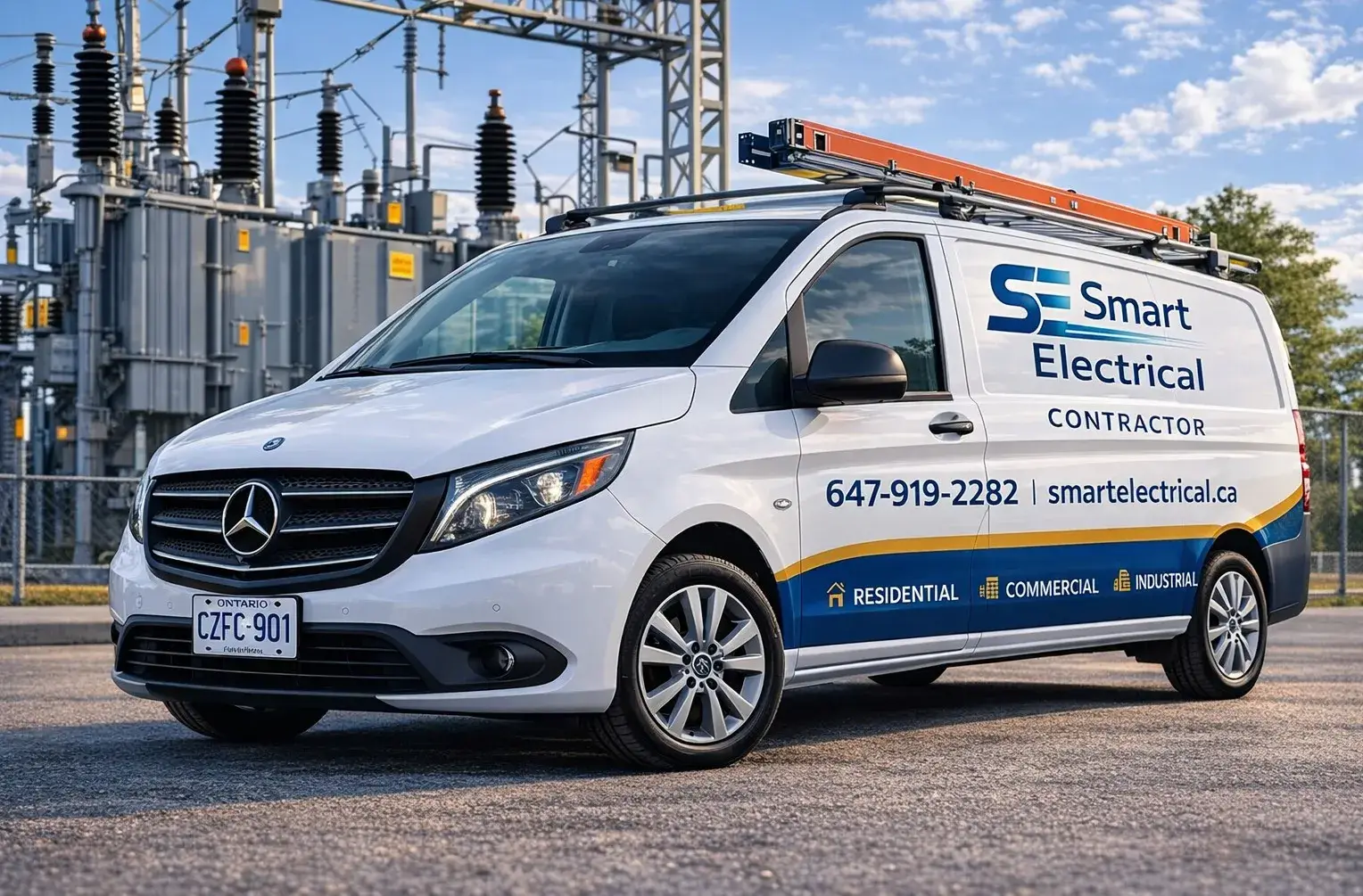
INDUSTRIAL VFD & AC DRIVE DIAGNOSTICS
What We Do
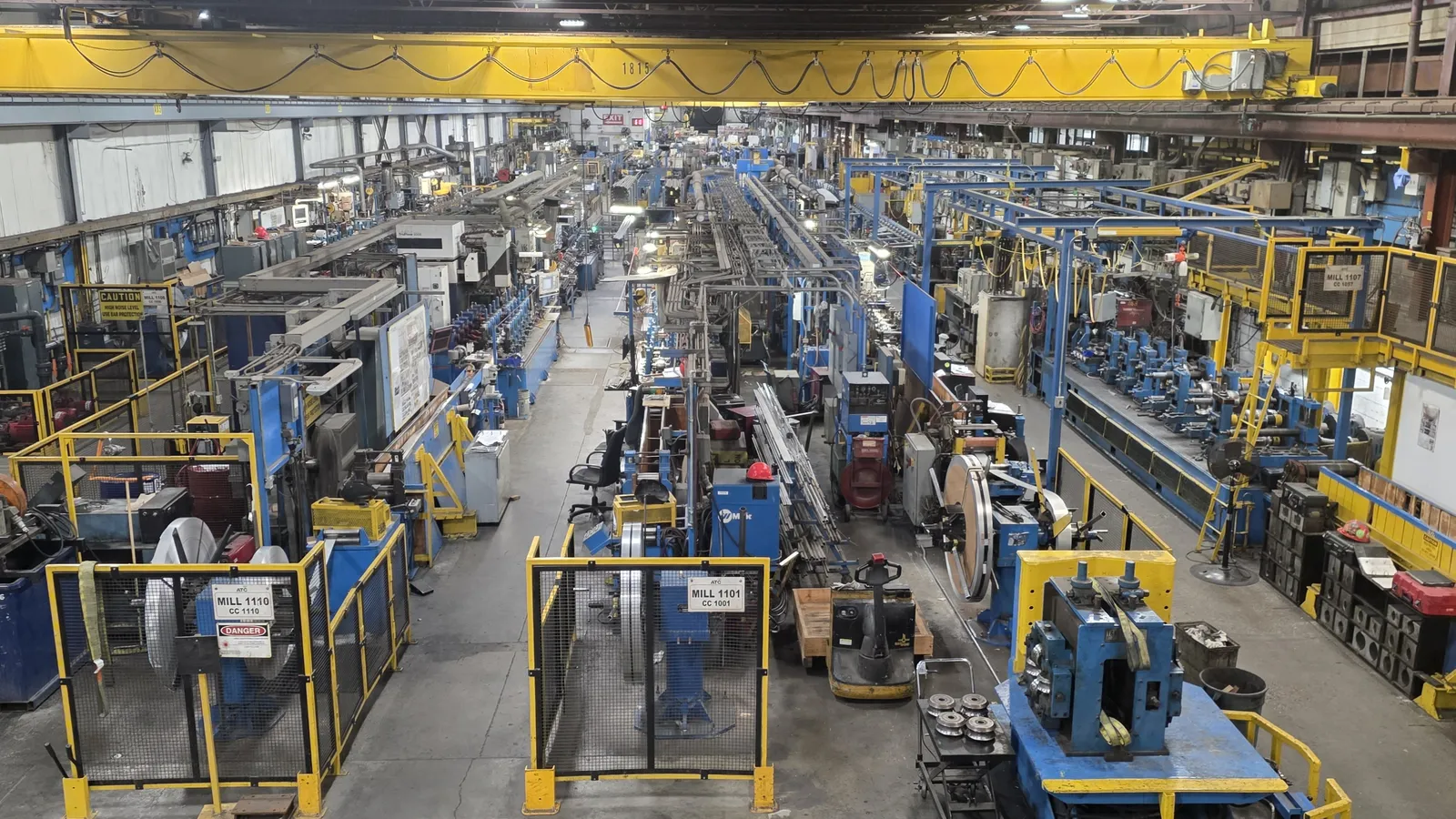
We provide industrial drive troubleshooting for VFDs, AC drives, inverters, and motor-drive systems used on conveyors, pumps, fans, compressors, mixers, process equipment, and production machinery across Toronto and the GTA.
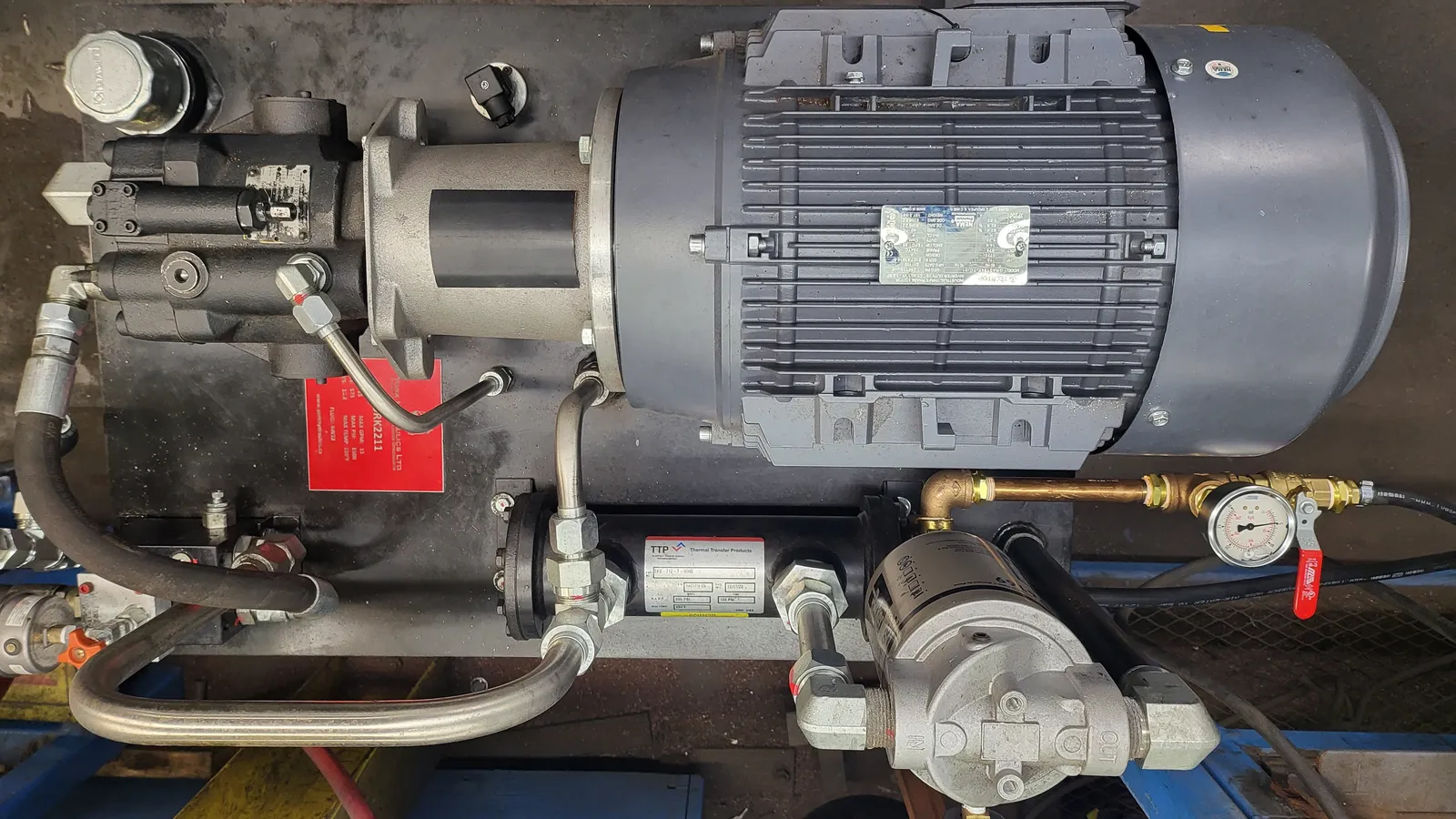
This service is focused on the drive itself and on the relationship between the drive, the motor, the control system, and the incoming power. When a VFD trips on overvoltage, undervoltage, overload, overtemperature, power loss, communication fault, ground-related issues, or startup faults, the problem is often more complex than a simple reset. A drive can show one alarm while the real cause is in the incoming line, the motor cable, the grounding, the parameter setup, the braking behavior, the control logic, the connected load, or the motor itself. For general manufacturer reference on industrial AC drives and fault handling, see Allen-Bradley drives and motor control and Danfoss low-voltage drives.
Our industrial drive troubleshooting service covers VFD troubleshooting in Mississauga, AC drive fault diagnostics in Vaughan, inverter troubleshooting in Markham, drive trip diagnostics in Brampton, and urgent drive fault finding across the GTA. We work around Allen-Bradley PowerFlex, Danfoss VLT, ABB ACS, Schneider Altivar, Siemens, Yaskawa, and similar industrial drive platforms commonly used in Canadian facilities. We diagnose drives that will not run the motor, trip under load, fault during acceleration or deceleration, show unstable behavior after resets, lose communication with the control system, or repeatedly shut down equipment without a clear explanation. We treat troubleshooting as a full review of setup, wiring, operating conditions, and load behavior rather than assuming the drive itself must be replaced.
We also troubleshoot the conditions around the drive, because many drive faults are installation or system faults rather than internal drive failures. That is why we look at cable routing, shielding, grounding, motor condition, line supply quality, terminals, cooling, parameter setup, and the actual duty of the driven machine. Poor grounding, damaged motor cable, weak incoming power, incorrect acceleration and deceleration values, or bad motor data entry can all create recurring faults that look like drive failure. On production equipment, the drive must also match how the machine starts, stops, and carries load in the real process, not just how it behaves with no load during a quick test. For additional manufacturer reference on industrial drives and motor-drive systems, see ABB drives and Yaskawa drives.
Where appropriate, we connect the findings to related motor troubleshooting, motor power issues, or motor control issues. This helps clients understand whether the real problem is inside the drive, inside the motor, in the incoming supply, in the command logic, or in the installation around the system. Many repeat drive faults are only the visible symptom of a larger motor circuit or machine condition that has never been properly diagnosed.
The result is a service built to solve drive faults in production environments, not just read fault codes. Clients call us when the same VFD keeps tripping, when a machine will not accelerate, when a drive faults on decel, when communication or run-enable problems keep stopping production, or when they need a real answer on whether the problem is the drive, the motor, the supply, the control logic, or the installation around it. Our drive troubleshooting service is designed to isolate that cause and support real corrective action that gets the equipment back into dependable operation.

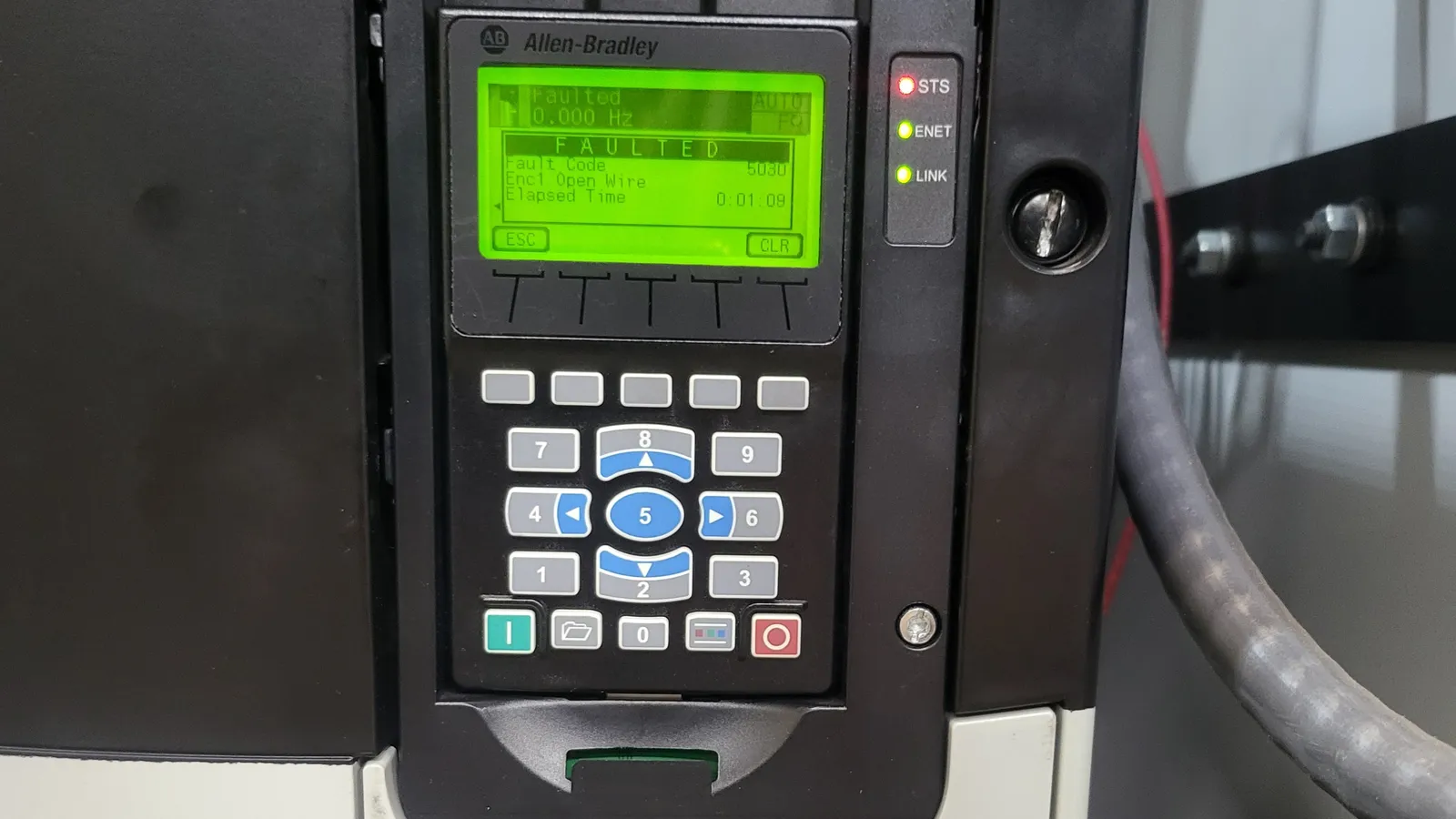
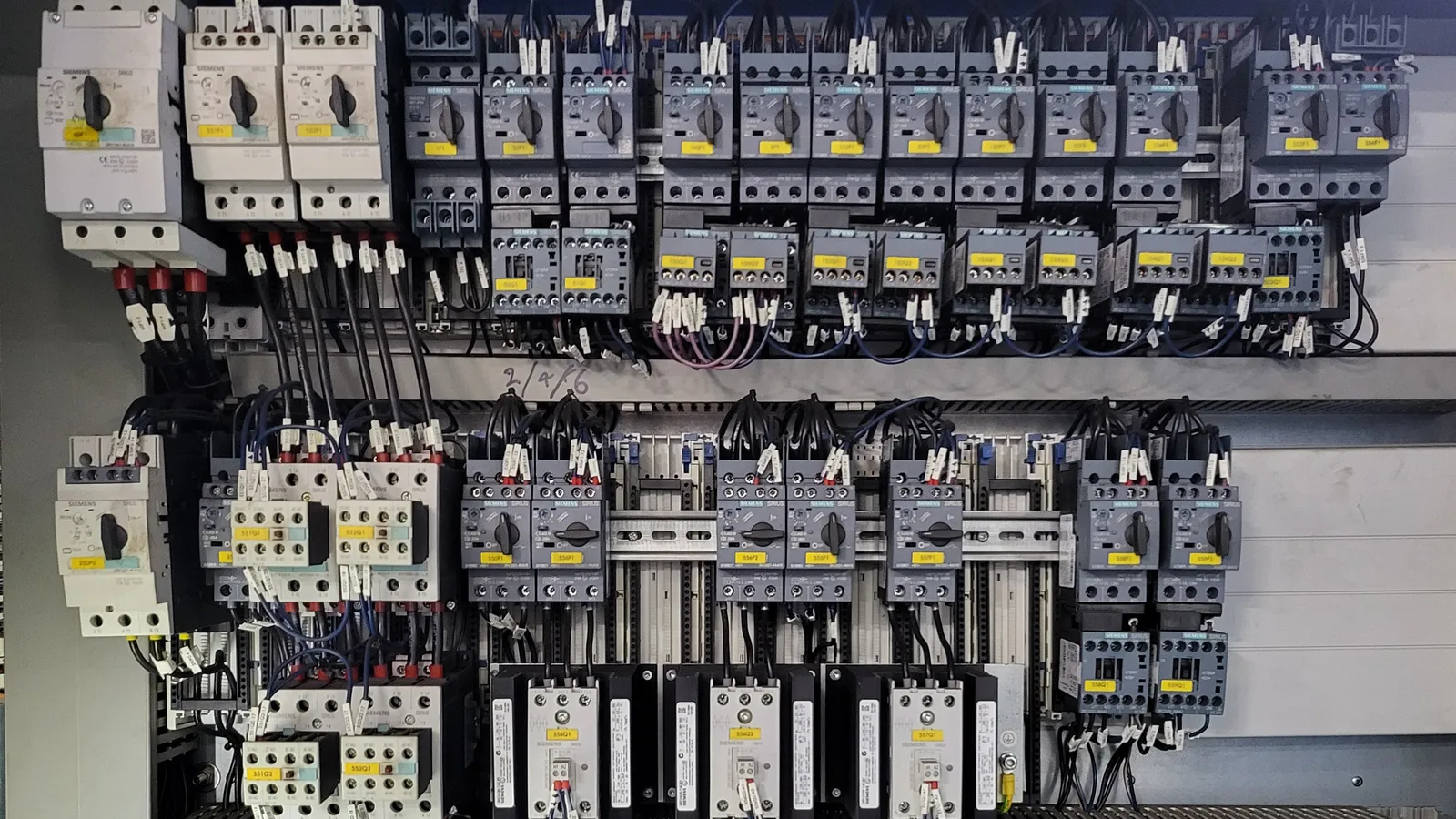
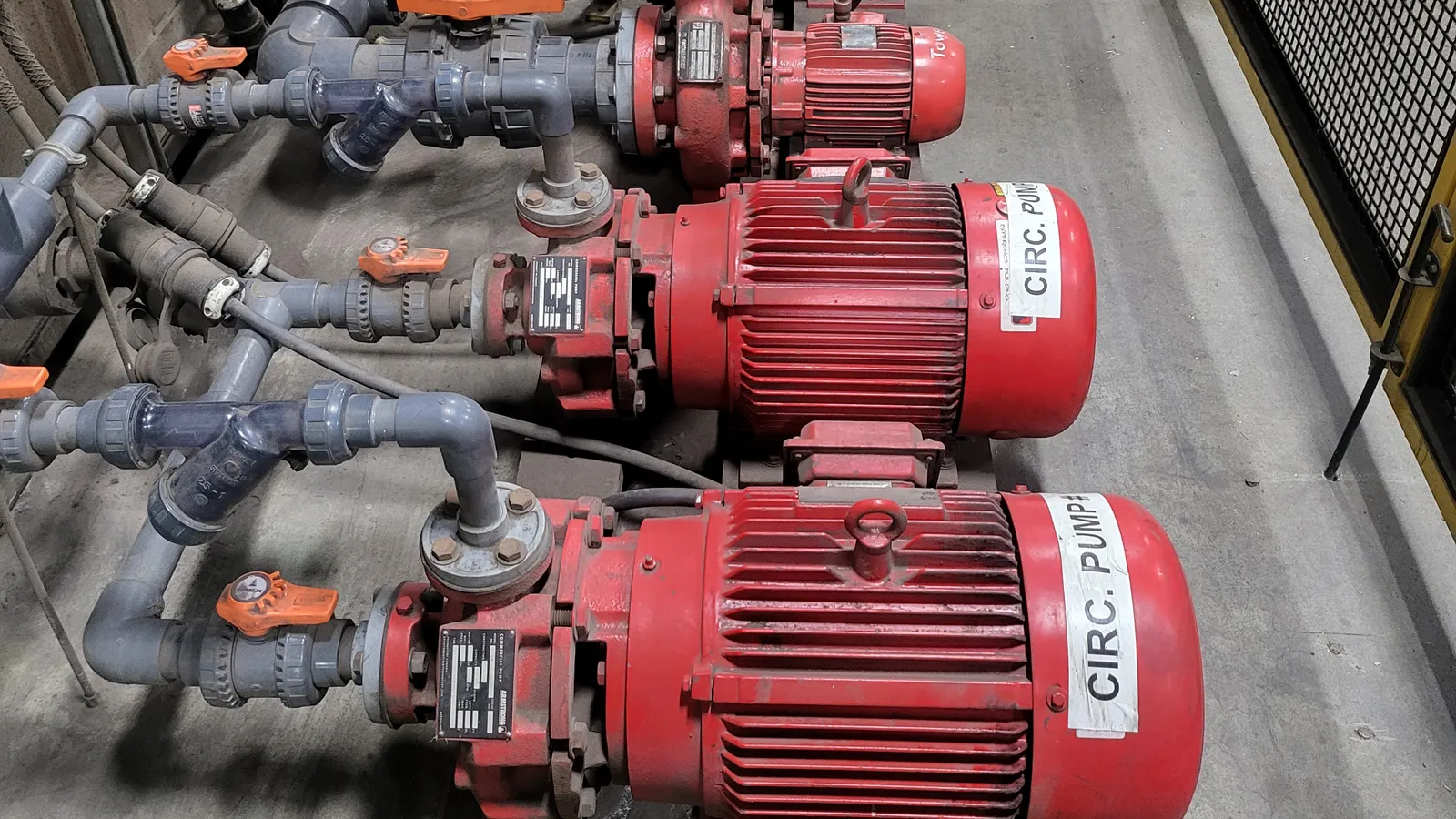
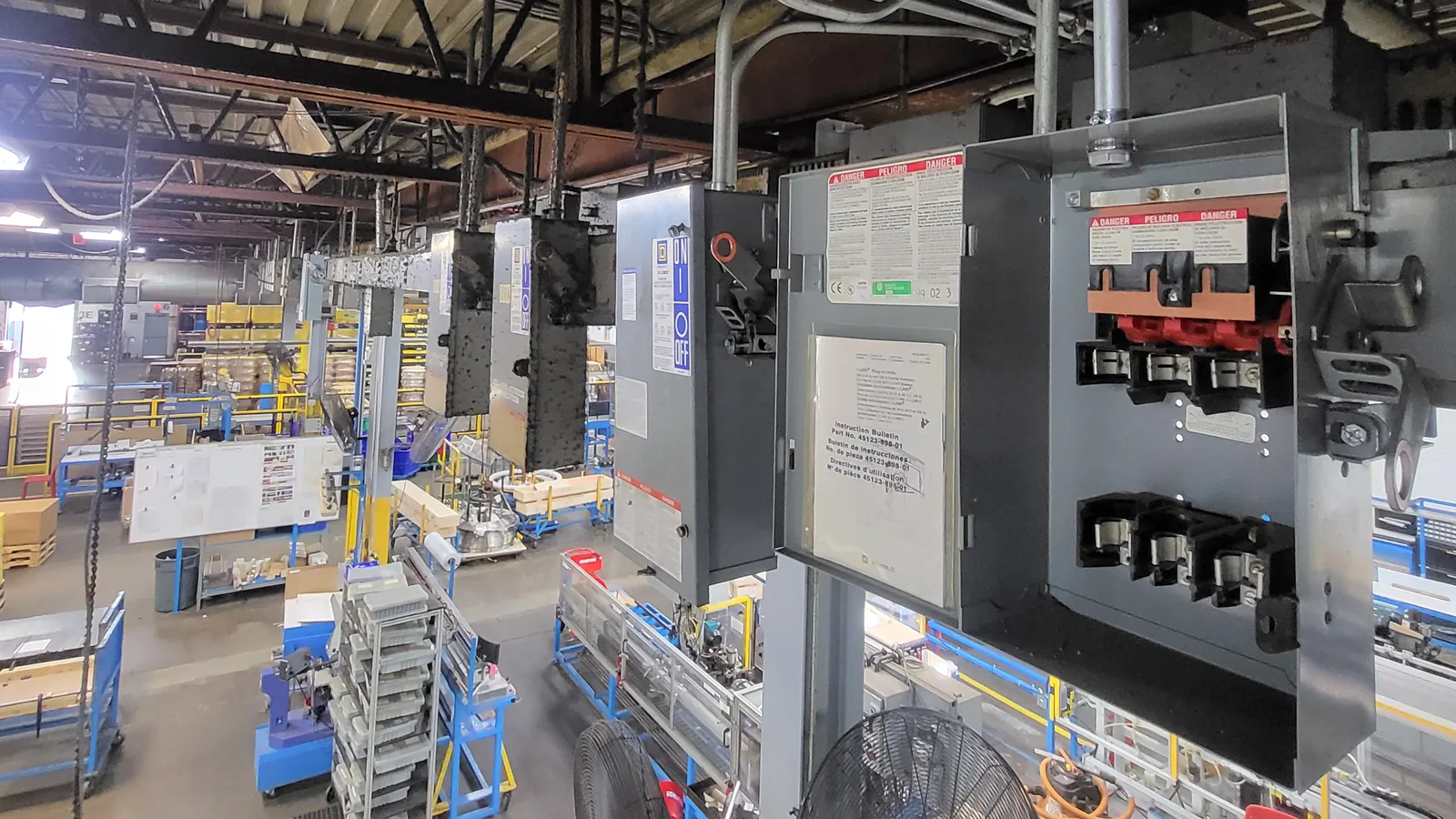
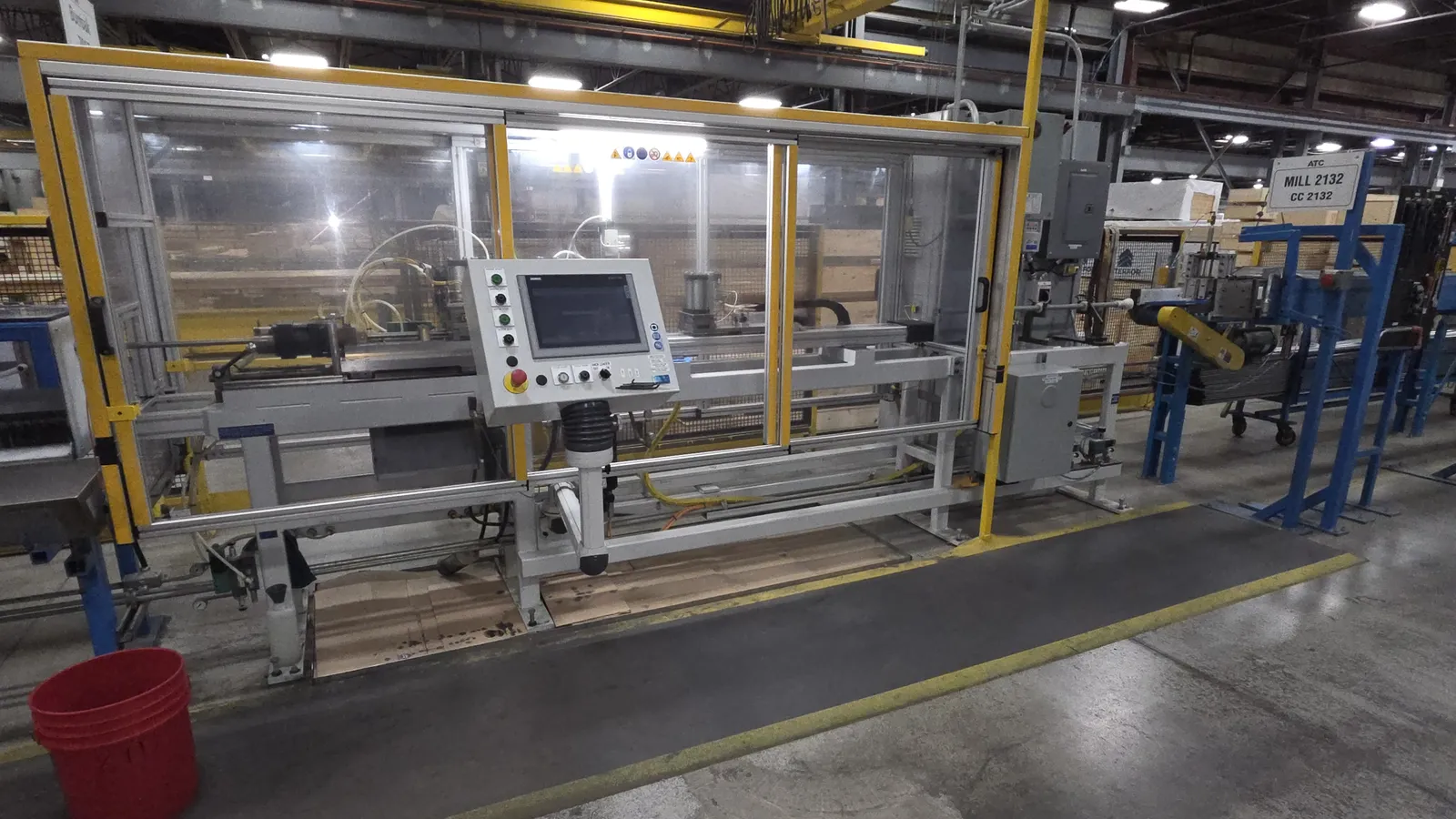
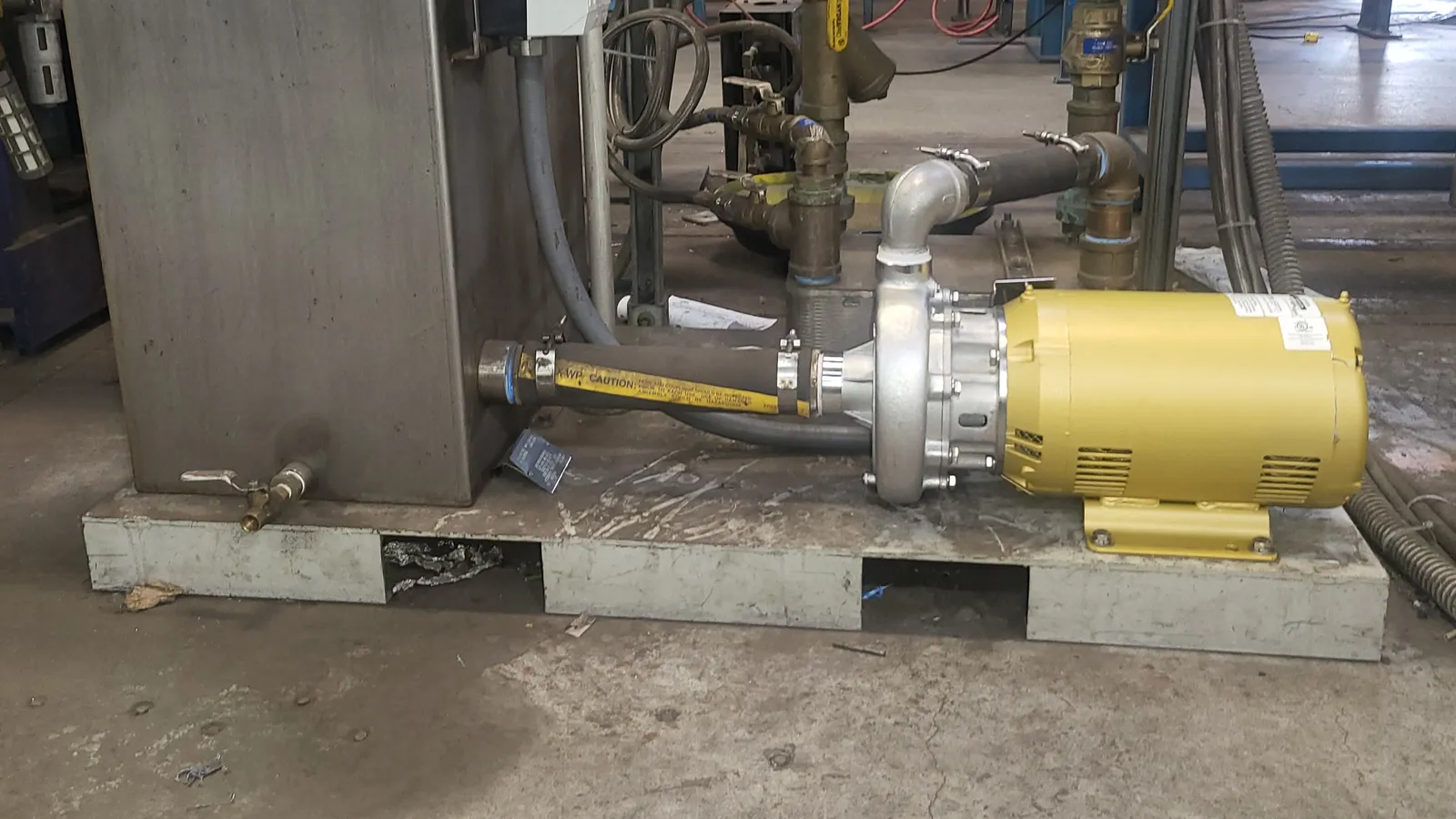

When the Drive Keeps Tripping but the Real Problem Is Still Unknown
Recognize the warning signs of VFD and AC drive faults before repeated trips turn into major downtime
Drive problems usually begin with recurring trips, unstable operation, or a machine that only runs after repeated resets.
In industrial facilities across Toronto and the GTA, the first signs are often overvoltage faults on deceleration, undervoltage faults during weak supply conditions, overload trips under process demand, communication loss with the control system, heatsink temperature alarms, or a drive that refuses to run the motor even though the rest of the machine appears ready.
These are not just “annoying drive alarms.” Rockwell PowerFlex documentation specifically links power loss faults to low line voltage, line interruption, and even single-phase operation with excessive load, while undervoltage and overvoltage faults are tied to DC bus conditions and operating behavior. That means the drive may be telling you about a system problem, not just a bad drive.
You may need professional drive troubleshooting if the VFD faults at startup, trips during decel, overheats, loses communication, drops out under load, or runs inconsistently after parameter changes or equipment modifications. Danfoss technical guides also emphasize that drives are part of a larger motor-control and monitoring system, which is exactly why troubleshooting has to include installation and integration details.
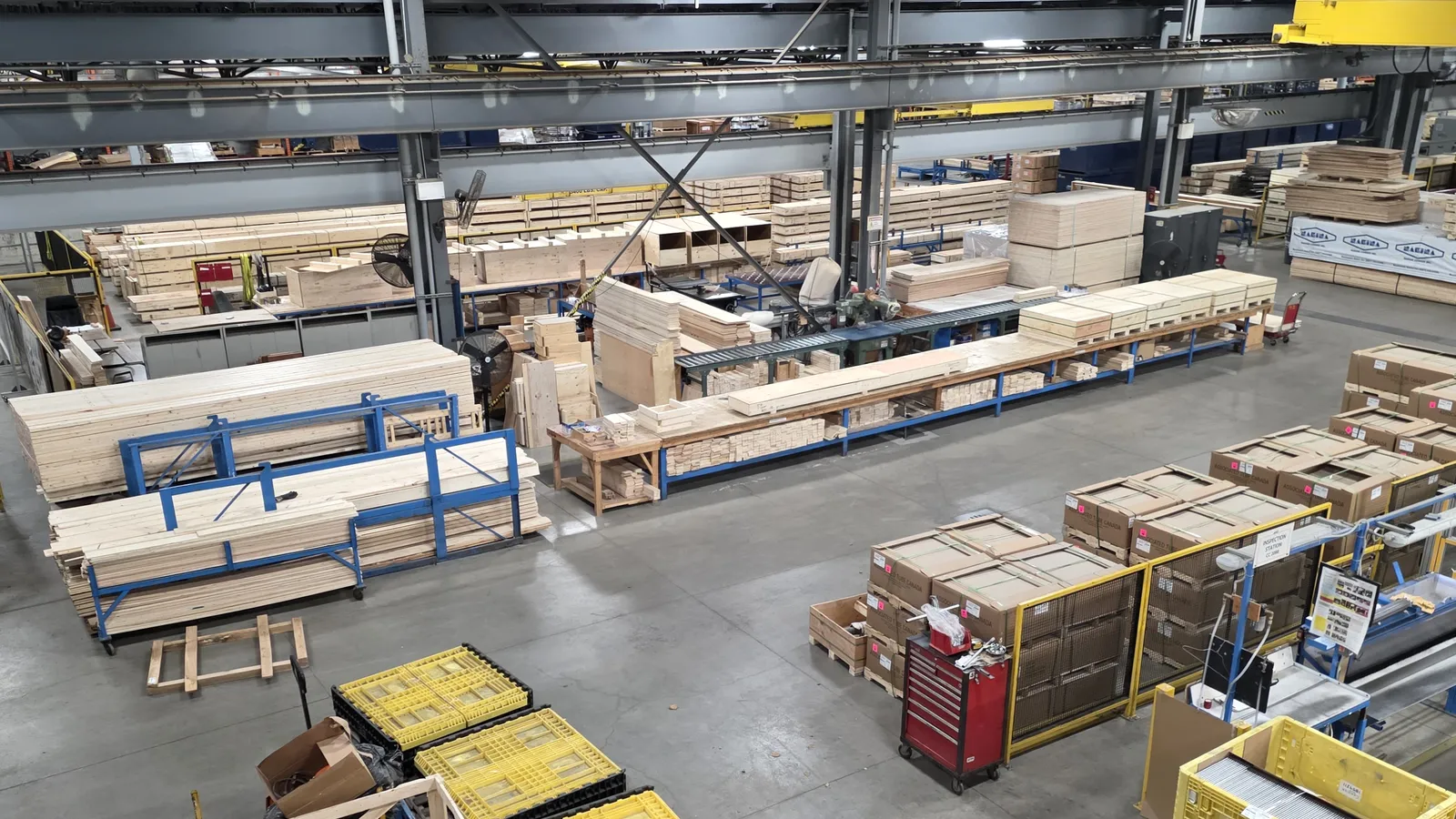
This matters even more on conveyors, pumps, fans, and process equipment where one unstable drive can shut down an entire process section. Repeated resets may temporarily bring the machine back, but they do not fix bad line conditions, incorrect acceleration or deceleration behavior, weak braking performance, grounding problems, overheating, or motor-drive mismatch.
Common warning signs include random trip codes, drive faults only during load changes, unstable speed control, overheating in the panel, noise or interference problems, one drive failing while similar equipment remains healthy, and production interruptions tied to enable or run-command faults.
ABB guidance for VFD cable installation also highlights the importance of proper shield grounding, which is one reason grounding and cable quality must be considered in real troubleshooting, especially where interference or unstable operation appears after installation changes.
Professional drive troubleshooting in Toronto, Mississauga, Vaughan, Markham, and across the GTA helps determine whether the fault is in the drive, the motor, the supply, the parameters, the communications, or the installation itself before more downtime or equipment stress follows.
Drive Trips on OverVoltage
The issue may be linked to deceleration, regenerative energy, braking setup, or system conditions rather than a failed drive.
Drive Trips on UnderVoltage
Low line voltage, power interruption, weak supply, or feeder problems may be the real cause.
Drive Shows Power Loss Faults
The incoming AC line, input fuses, and supply stability should be checked before blaming the drive alone.
VFD Overheats in Operation
Cooling, environment, load, panel condition, or installation issues may be pushing the drive beyond stable operation.
Drive Runs but Motor Does Not Behave Correctly
The problem may be in parameters, motor data, wiring, grounding, or the motor-drive relationship.
Communication or Run Command Faults Appear
The drive may be losing control signals, enable logic, or communication with the automation system.
Drive Trips Only During Load Changes
Acceleration, deceleration, motor load behavior, or unstable supply conditions may only show up in real process operation.
The Same VFD Fault Keeps Returning
If the same trip keeps coming back after resets, the root cause in the system has not been properly corrected.
WHY CHOOSE US
Why Industrial Clients Choose Us
We focus on practical industrial electrical solutions rather than temporary fixes, ensuring your power systems, equipment, and production infrastructure operate safely and reliably under real operating conditions. Every project is completed with careful planning, proper equipment selection, and close attention to long-term performance, system stability, and operational continuity.
Our approach eliminates unnecessary work and is based on accurate diagnostics, field-tested methods, and a clear understanding of how industrial facilities actually run, so you only invest in the work your system truly requires. We prioritize safety, efficiency, code compliance, and clean execution on every job, whether it involves troubleshooting, upgrades, installations, or power distribution improvements.
As a result, you receive a dependable, code-compliant industrial electrical system that supports your facility today, reduces the risk of costly downtime, and is properly prepared for future production demands, equipment expansion, and higher power requirements.
Licensed & Insured
All work is performed by qualified, fully insured electricians, ensuring safety, accountability, and compliance with all regulations.
ESA certified work
Every project includes permits and ESA inspection, guaranteeing that the installation meets Ontario Electrical Safety Code requirements.
Professional installations
We install panels with precise wiring, proper layout, and clear labeling, making the system safe, accessible, and easy to maintain.
Transparent pricing
You receive clear pricing based on the actual scope of work, with no hidden costs or unexpected changes during the entire project.
Fast scheduling
We schedule work efficiently and arrive on time, minimizing downtime and ensuring your electrical system is restored as quickly as possible.
Accurate calculations
We calculate electrical demand based on real usage, ensuring your panel is properly sized for both current and future electrical needs.
Code-compliant work
All installations strictly follow current electrical code requirements, ensuring safety, inspection approval, and long-term system reliability.
Reliable workmanship
Our experience allows us to deliver consistent, high-quality results that perform reliably under real operating conditions over time.
CODE & SAFETY REQUIREMENTS
Ontario Electrical Safety Code Compliance
The Ontario Electrical Safety Code (OESC) sets the minimum legal safety requirements for electrical installations and electrical work in Ontario.
ESA states that the 2024 Ontario Electrical Safety Code is the current edition and that it took effect on May 1, 2025. For industrial drive troubleshooting, compliance matters when diagnosing and repairing drive branch circuits, disconnecting means, conductors, grounding, bonding, motor connections, control wiring, and any installation corrections needed to return the system to service safely.
Following the Code helps reduce the risk of electric shock, arc events, fire, unsafe restart, conductor overheating, drive damage, motor damage, and repeated faults caused by poor installation methods, weak grounding, or unsuitable protection.
Every drive troubleshooting job should be approached with safe isolation, proper testing, approved electrical equipment, and Code-compliant repair methods. Where permanent repair, reconnection, replacement, or installation correction is required, the work should comply with the current Ontario Electrical Safety Code and ESA requirements.
Rules commonly applicable to industrial drive troubleshooting
-
Rule 2-004 — Notification of work / ESA inspection process
Electrical work that requires notification must be properly reported to ESA, and applicable repair or replacement work must go through the required inspection or authorization process before being put into service. -
Rule 2-022 — Approved electrical equipment
Electrical equipment used in Ontario must be approved in accordance with Code requirements. -
Rule 2-024 — Approval requirements for electrical equipment
Equipment and replacement components must be approved to recognized standards and accepted for use in Ontario. -
Rule 2-300 — General requirements for maintenance and operation
Electrical equipment must be maintained in safe working condition, which directly applies when diagnosing failed drives, overheated terminals, weak disconnects, and damaged motor-drive circuits. -
Rule 2-304 — Disconnecting means shall be provided
Suitable disconnecting means must be available so drives and associated equipment can be isolated safely for testing, repair, and maintenance. -
Rule 2-314 — Working space around electrical equipment
Working space around drive equipment, controllers, disconnects, and related electrical hardware must be kept clear for safe access. -
Rule 10-002 — Grounding and bonding requirements
Equipment grounding and bonding must be continuous and effective to ensure safety and proper fault clearing, which is especially important on VFD installations. -
Rule 12-000 — Wiring methods
Conductors, cables, and raceways must be installed using approved methods suitable for the environment and application. -
Rule 14-100 — Protection of conductors by overcurrent devices
Conductors must be protected by correctly selected breakers or fuses suitable for the drive circuit and associated equipment. -
Rule 14-104 — Rating / coordination of overcurrent protection
Overcurrent protection must be coordinated with conductor ampacity and the operating characteristics of the installation. -
Rule 28-000 — Scope
Section 28 provides supplementary requirements for motors and related equipment, which remains relevant because most industrial drives are part of motor control systems. -
Rule 28-600 — Control devices
Controllers and associated control devices must be suitable for the duty involved and installed in accordance with Code requirements for safe operation of industrial motor-drive systems.
Note: Rule selection may vary depending on whether the fault involves the drive supply, motor output cable, grounding and bonding, disconnect hardware, branch-circuit design, communications wiring, or the motor-drive-control integration. Exact official wording should be taken from the current purchased edition of the Ontario Electrical Safety Code.
COMMON QUESTIONS
FAQ — Drive Troubleshooting
1. What is drive troubleshooting?
Drive troubleshooting is the process of diagnosing why a VFD or AC drive is tripping, faulting, overheating, not running the motor, or behaving unstably in an industrial application.
2. Is this the same as motor troubleshooting?
No. The drive may be the problem, but the fault may also be in the motor, the supply, the grounding, the parameters, the control logic, or the installation around the drive.
3. What are the most common VFD faults?
Common faults include overvoltage, undervoltage, overload, power loss, overtemperature, communication faults, and startup or run-enable related trips.
4. Can low incoming voltage cause drive faults?
Yes. Official PowerFlex fault guidance specifically ties undervoltage and power loss conditions to low line voltage and line interruption.
5. Why does the drive trip on overvoltage during deceleration?
This often points to regenerative energy during decel, braking limitations, parameter issues, or system conditions that the drive cannot absorb correctly.
6. Can bad grounding or cable installation affect a VFD?
Yes. Proper grounding and shield termination are important on VFD systems, and poor installation can contribute to instability, interference, and reliability problems.
7. Do you troubleshoot Allen-Bradley, Danfoss, ABB, and similar drives?
Yes. We work around common industrial drive platforms including Allen-Bradley PowerFlex, Danfoss VLT, ABB ACS, Schneider Altivar, Siemens, and Yaskawa systems.
8. Can a drive fault be caused by the motor?
Yes. Motor condition, load behavior, cable problems, and motor-drive mismatch can all create drive trips and unstable operation.
9. What if the same drive fault keeps coming back after resets?
That usually means the root cause in the system has not been corrected. Repeated resets do not fix low voltage, parameter issues, overheating, grounding problems, or bad wiring.
10. Do you only diagnose the fault code?
No. The fault code is only the starting point. Real troubleshooting includes the drive, motor, supply, control logic, parameters, wiring, and operating conditions.
11. Do repairs and installation corrections on drives need to follow Ontario code rules?
Yes. Any permanent repair, reconnection, replacement, or installation correction must use approved equipment and comply with applicable Ontario Electrical Safety Code and ESA requirements.
12. Is drive troubleshooting useful before replacing the VFD?
Yes. It is often the smartest step before replacement, because many drive trips are caused by external system conditions rather than a failed drive unit.
SERVICE AREAS
Serving Toronto & the Greater Toronto Area
We provide residential, commercial, and industrial electrical services across Toronto and the GTA, supporting homes, businesses, and facilities with reliable and code-compliant electrical solutions.
Our service coverage includes major cities and surrounding areas, allowing us to respond quickly and deliver consistent service across the region.
Toronto
North York
Thornhill
Richmond Hill
Vaughan
Markham
Scarborough
Etobicoke
Mississauga
Brampton
ADDITIONAL SERVICE AREAS
Hamilton
Oakville
Burlington
Milton
Georgetown
Pickering
Ajax
Whitby
Oshawa
Clarington
Aurora
Newmarket
Bradford
King City
Barrie