
Toronto & GTA Electrical Contractor
Electrical Code Corrections Toronto & GTA
Residential, commercial, and industrial electrical work — installations, upgrades, troubleshooting, maintenance, and code-compliant solutions.
Licensed & Insured
Fast Response
Code-Compliant Work
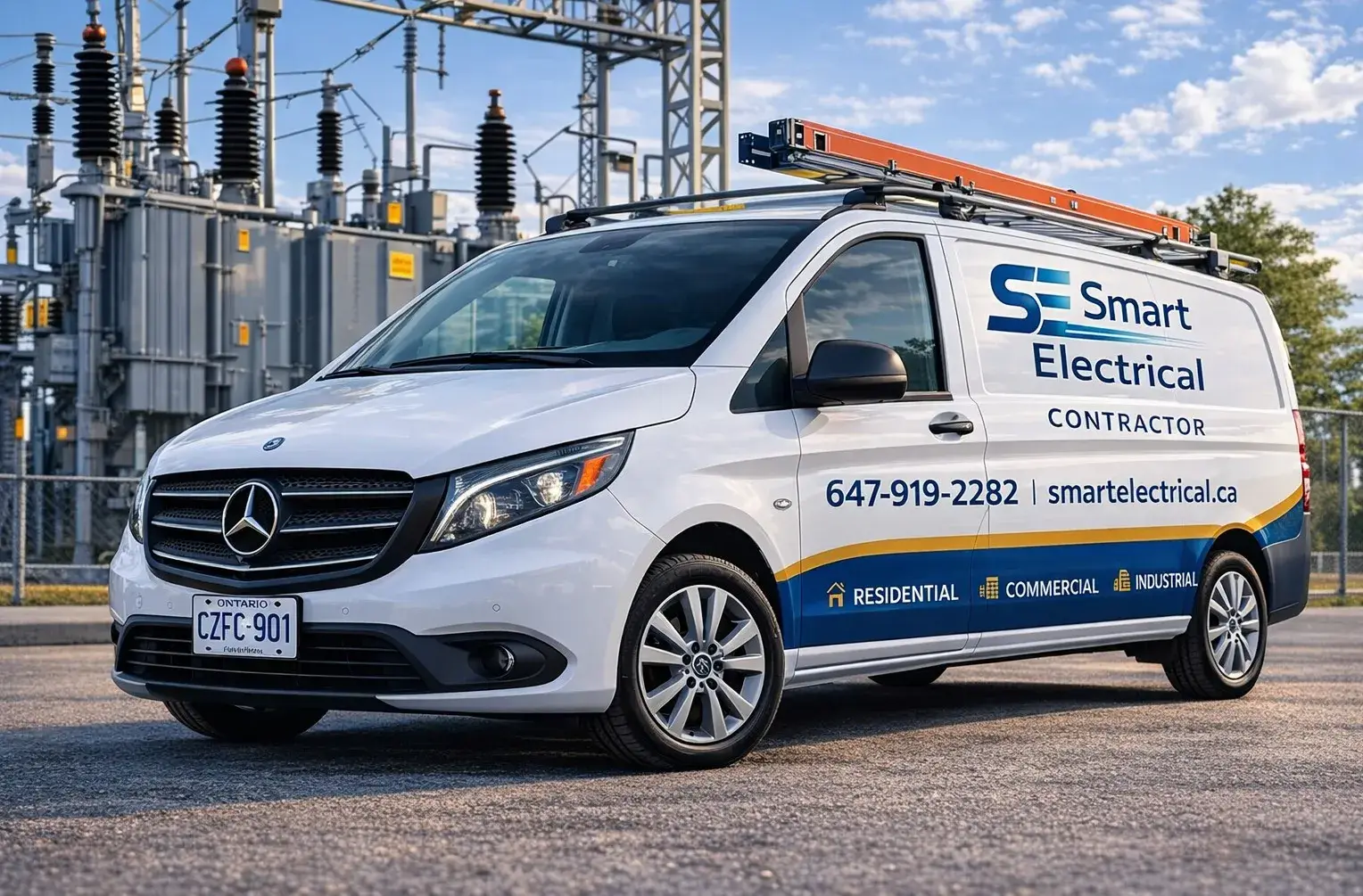
OUR ELECTRICAL CODE CORRECTION PROCESS
What We Do
We provide professional electrical code corrections for residential properties across Toronto and the GTA. Our goal is to identify and correct unsafe, outdated, damaged, or non-compliant electrical installations so your home electrical system is safer, more reliable, and better aligned with Ontario requirements. Residential electrical code corrections are often needed after a failed inspection, ESA deficiency notice, home purchase review, renovation discovery, insurance concern, or when visible electrical work appears improper or unfinished.
Many homes in Toronto, Vaughan, Scarborough, Etobicoke, and other GTA areas contain older wiring methods, improper device installations, missing bonding, incorrect breaker sizing, unprotected cables, reversed polarity, open junction boxes, missing GFCI protection, or branch circuits that were modified without proper planning. Electrical code corrections focus on resolving these issues with practical, permanent repairs rather than temporary fixes.
Our work may include correcting unsafe panel terminations, replacing damaged or mismatched breakers, repairing improperly installed receptacles and switches, correcting bonding and grounding defects, addressing exposed or unsupported wiring, upgrading protection where required, and fixing deficiencies that affect safety or inspection outcomes. If we find major distribution or capacity issues, we may recommend an electrical panel upgrade or targeted circuit breaker replacement. Where additional circuits or improved load separation are needed, a residential subpanel installation may also be appropriate.
Electrical code violation repair is especially important in homes with unfinished basement work, DIY alterations, older receptacles without proper protection, added appliances, damaged devices, or previous renovations completed to inconsistent standards. In many cases, homeowners do not know whether the issue is cosmetic, outdated, or genuinely unsafe. Our job is to assess the condition, correct the actual hazard, and bring the affected installation into a safer and more professional condition.
We also correct electrical deficiencies that can interfere with future upgrades such as lighting improvements, surge protection, kitchen circuits, and EV charging equipment. For homeowners planning modern additions like EV charger installation or enhanced branch circuit protection, code corrections often need to be completed first so the system is ready for safe expansion. We also install related protective upgrades such as home surge protection where appropriate.
All electrical code correction work is approached with attention to Ontario electrical safety expectations and ESA-related requirements. For official provincial electrical safety information, visit the Electrical Safety Authority (ESA). Proper electrical code corrections help reduce fire risk, shock risk, nuisance tripping, hidden defects, and future rework. Whether you need electrical code corrections in Toronto, ESA correction electrical work in Mississauga, or residential electrical compliance repairs anywhere in the GTA, we provide clear, safety-focused solutions designed for long-term reliability.
When You Need Electrical Code Corrections
Fix electrical deficiencies before they create safety risks, failed inspections, or expensive rework
Residential electrical code corrections are needed when part of the home electrical system is unsafe, improperly installed, damaged, outdated, or not aligned with accepted Ontario electrical requirements.
Many homeowners first discover these problems after a failed inspection, an ESA deficiency report, renovation work, insurance questions, or recurring electrical issues such as tripping breakers, loose devices, dead outlets, or flickering lights. Electrical code corrections in Toronto and the GTA help resolve these concerns properly instead of covering them up with temporary fixes.
Common examples include reversed polarity, missing box covers, open splices, unsupported cable, improper bonding, incorrect breaker sizing, double-tapped terminations where not permitted, missing GFCI protection, missing AFCI protection where applicable, and outlet or switch installations that are visibly unsafe. These issues may look minor, but they can increase the risk of shock, overheating, arcing, or equipment damage.
This service is especially useful in older homes, homes with unfinished basement wiring, houses with DIY electrical work, or properties that have gone through multiple renovations over the years. A home electrical code repair can also be required before adding new loads such as kitchen equipment, a dedicated circuit, modern lighting, or Level 2 EV charger installation.
In some homes, the main issue is not one single defect but a pattern of poor workmanship across several parts of the system. That may include unsafe panel conditions, incorrect receptacle protection, damaged branch wiring, or poor modifications around additions and finished spaces. We identify which deficiencies are highest priority and which corrections will make the greatest safety impact.
Electrical compliance repairs are also important before selling a home, after purchasing a property, or when planning related upgrades such as indoor lighting installation or Tesla Wall Connector installation. Correcting existing deficiencies first helps avoid inspection delays and prevents new work from being built on top of unsafe conditions.
For homeowners in Toronto, Brampton, Markham, Richmond Hill, and across the GTA, residential electrical code corrections are one of the most practical ways to improve safety and restore confidence in the electrical system. Official safety guidance and inspection information are available through the ESA.
Fixing electrical code violations properly helps protect your family, improves system reliability, and reduces the chance of repeated electrical problems, future deficiencies, and avoidable repair costs.
Failed ESA or Home Inspection
Inspection deficiencies often require specific electrical code corrections before the work can be accepted.
Improper DIY Electrical Work
Unfinished or amateur electrical work can create hidden shock and fire hazards throughout the home.
Missing GFCI or AFCI Protection
Modern protective devices may be required in certain locations to improve safety and reduce fire and shock risk.
Unsafe Panel Conditions
Incorrect breaker sizing, poor terminations, or damaged components inside the panel should be corrected promptly.
Open Splices or Exposed Wiring
Improperly contained or unsupported wiring is a common code-related issue in basements, garages, and utility areas.
Renovation or Basement Finishing
Electrical work discovered during renovations often needs updating before new installations can proceed safely.
Older Home Electrical Deficiencies
Aging devices, outdated wiring methods, and previous alterations can leave the system below modern safety expectations.
Preparing for New Electrical Loads
Correcting existing violations first helps support EV charging, lighting upgrades, and new dedicated circuits safely.
WHY CHOOSE US
Why Homeowners Trust Us
We focus on practical solutions rather than temporary fixes, ensuring your electrical system performs safely under real conditions. Every electrical panel upgrade is completed with proper planning, correct equipment selection, and attention to long-term performance.
Our approach eliminates unnecessary work and is based on accurate diagnostics, not assumptions, so you only pay for what your system actually needs. We prioritize safety, efficiency, and clean execution on every project.
As a result, you receive a reliable, code-compliant electrical system that supports your home today and is fully prepared for future electrical demands.
Licensed & Insured
All work is performed by qualified, fully insured electricians, ensuring safety, accountability, and compliance with all regulations.
ESA certified work
Every project includes permits and ESA inspection, guaranteeing that the installation meets Ontario Electrical Safety Code requirements.
Professional installations
We install panels with precise wiring, proper layout, and clear labeling, making the system safe, accessible, and easy to maintain.
Transparent pricing
ou receive clear pricing based on actual scope of work, with no hidden costs or unexpected changes during the project.
Fast scheduling
We schedule work efficiently and arrive on time, minimizing downtime and ensuring your electrical system is restored as quickly as possible.
Accurate calculations
We calculate electrical demand based on real usage, ensuring your panel is properly sized for both current and future needs.
Code-compliant work
All installations strictly follow current electrical code requirements, ensuring safety, inspection approval, and long-term system reliability.
Reliable workmanship
Our experience allows us to deliver consistent, high-quality results that perform reliably under real operating conditions over time.
CODE & SAFETY REQUIREMENTS
Ontario Electrical Safety Code Compliance
The Ontario Electrical Safety Code (OESC) sets the minimum legal safety requirements for electrical installations in Ontario. For residential electrical code corrections, compliance with the Code is essential because the purpose of the work is to repair unsafe, deficient, damaged, or improperly installed electrical components so the affected installation is safer, properly protected, and suitable for ESA inspection where required.
Following the Code helps reduce the risk of electric shock, fire, arcing faults, equipment damage, failed inspections, and insurance-related issues. It also helps ensure that approved electrical equipment, overcurrent protection, grounding, bonding, receptacles, and wiring methods meet current Ontario safety expectations for the scope of corrective work being performed.
Every electrical code correction should be planned and completed in accordance with the current Ontario Electrical Safety Code and ESA inspection requirements where applicable.
Rules commonly applicable to residential electrical code corrections
-
Rule 2-004 — Notification of work / ESA inspection process
Electrical work that requires notification must be properly notified to ESA and inspected as required before being put into use. -
Rule 2-022 — Approved electrical equipment
Electrical equipment used in Ontario must be approved for the intended application. -
Rule 2-024 — Approval requirements for electrical equipment
Equipment must be approved to recognized standards and accepted for use in Ontario. -
Rule 2-300 — General requirements for maintenance and operation
Electrical equipment must be maintained in safe operating condition. -
Rule 2-314 — Working space around electrical equipment
Panels and other electrical equipment must have adequate working space and must be kept clear of obstruction. -
Rule 10-204 — Bonding to ground
Bonding and grounding arrangements must provide an effective fault current path and support electrical safety. -
Rule 12-510 — Mechanical protection of wiring
Conductors and cables must be protected where they may be exposed to mechanical damage. -
Rule 14-100 — Protection of conductors by overcurrent devices
Conductors must be properly protected by breakers or fuses suitable for the conductor ampacity and installation. -
Rule 14-104 — Rating / coordination of overcurrent protection
Overcurrent devices must be correctly rated and coordinated with the electrical characteristics of the circuit. -
Rule 26-700 — Receptacles exposed to moisture and weather
Receptacles in applicable damp or wet locations must have protection suitable for the environment. -
Rule 26-702 — Receptacles with ground fault circuit interrupter protection
GFCI protection is required in specific residential locations to reduce electric shock risk. -
Rule 26-658 — Arc-fault protection of branch circuits for dwelling units
AFCI protection is required for many dwelling unit branch circuits to reduce fire risk from arcing faults.
Note: Rule selection may vary depending on the age of the home, the type of deficiency being corrected, the existing wiring method, and the scope of the repair or upgrade. Exact official wording should be taken from the current purchased edition of the Ontario Electrical Safety Code.
COMMON QUESTIONS
FAQ — Electrical Code Corrections
1. What are electrical code corrections?
Electrical code corrections are repairs or upgrades made to fix unsafe, damaged, outdated, or improperly installed electrical work so the affected installation is safer and more compliant with Ontario requirements.
2. When do homeowners usually need electrical code corrections?
They are commonly needed after a failed ESA inspection, home purchase inspection, renovation discovery, insurance concern, or when visible electrical problems suggest unsafe or poor-quality work.
3. Can you fix ESA electrical deficiencies?
Yes, residential electrical code corrections often include addressing ESA deficiencies such as wiring problems, panel issues, missing protection, bonding defects, and other safety-related concerns.
4. Do code corrections require a permit in Ontario?
Many types of corrective electrical work do require notification and inspection through ESA. The exact requirement depends on the scope of work being performed.
5. What are common residential code violations you see?
Common issues include incorrect breaker sizing, missing GFCI protection, missing AFCI protection where applicable, open splices, exposed cable, poor grounding or bonding, and unsafe device installations.
6. Can old DIY electrical work be corrected?
Yes, improper DIY work is one of the most common reasons homeowners need electrical code corrections. Unsafe alterations can often be repaired properly with targeted corrective work.
7. Will code corrections improve electrical safety?
Yes, correcting electrical deficiencies reduces the risk of shock, fire, overheating, nuisance tripping, and equipment damage while improving the overall reliability of the system.
8. Do I need code corrections before installing an EV charger?
Sometimes yes. If the existing panel, circuit protection, grounding, or branch wiring has deficiencies, those issues should be corrected before EV charging equipment is added.
9. Can electrical code corrections increase home value?
They can improve buyer confidence, reduce inspection concerns, and make the electrical system safer and more functional, which is beneficial when selling or refinancing a property.
10. How long do residential electrical code corrections take?
The timeline depends on the number and severity of deficiencies. Some corrections can be completed quickly, while larger safety upgrades may require more extensive work.
11. Is this the same as a full electrical rewire?
No. Some homes only need targeted electrical code corrections, while others may require broader upgrades if unsafe conditions are widespread or the wiring system is significantly outdated.
12. Can you inspect the problem first and explain what actually needs to be fixed?
Yes, we can assess the visible issues, explain which deficiencies are higher priority, and recommend the most practical corrective work based on safety, condition, and future electrical needs.
SERVICE AREAS
Serving Toronto & the Greater Toronto Area
We provide residential, commercial, and industrial electrical services across Toronto and the GTA, supporting homes, businesses, and facilities with reliable and code-compliant electrical solutions.
Our service coverage includes major cities and surrounding areas, allowing us to respond quickly and deliver consistent service across the region.
Toronto
North York
Thornhill
Richmond Hill
Vaughan
Markham
Scarborough
Etobicoke
Mississauga
Brampton
ADDITIONAL SERVICE AREAS
Hamilton
Oakville
Burlington
Milton
Georgetown
Pickering
Ajax
Whitby
Oshawa
Clarington
Aurora
Newmarket
Bradford
King City
Barrie