
Toronto & GTA Electrical Contractor
Electrical System Assessment in Toronto & GTA
Residential, commercial, and industrial electrical work — installations, upgrades, troubleshooting, maintenance, and code-compliant solutions.
Licensed & Insured
Fast Response
Code-Compliant Work

COMPLETE CONDITION REVIEW FOR COMMERCIAL ELECTRICAL SYSTEMS
What We Do
We provide electrical system health assessment services for offices, warehouses, retail units, plazas, restaurants, mixed-use buildings, and other commercial properties across Toronto and the GTA. Our goal is to help property owners, buyers, landlords, and facility managers understand the overall condition of the electrical system before problems become disruptive, expensive, or unsafe. A commercial electrical system health assessment focuses on the broader condition, reliability, and apparent suitability of the installation rather than waiting for a single failure to force reactive repairs.
This service is designed to evaluate how the visible electrical system is performing as a whole. We review service equipment, distribution panels, breakers, feeders, disconnects, grounding and bonding, wiring condition, panel organization, accessibility, apparent workmanship, signs of aging, deferred maintenance, overheating, damage, contamination, and other conditions that can affect long-term reliability. The purpose is to identify where the system appears stable, where deterioration is developing, and where corrective action, budgeting, or further investigation may be needed. Depending on findings, related services such as infrared thermal electrical inspections, commercial power quality analysis, or commercial load monitoring may also be recommended.
A commercial electrical system health assessment is especially valuable for older buildings, recently acquired properties, multi-tenant spaces, and facilities with changing electrical demand. In many commercial buildings, the electrical system has been modified over time by different tenants, contractors, and renovation phases, which can leave behind inconsistent workmanship, unknown loading conditions, poor labeling, equipment wear, and electrical infrastructure that no longer aligns with current building use. This type of assessment helps owners and managers understand those conditions before they turn into failures, tenant complaints, or urgent capital costs. Where broader system limitations are identified, future work may also connect with electrical infrastructure upgrades or power distribution systems.
Our findings are presented in a practical and decision-focused format so the client can better understand overall system condition, priority risk areas, and likely next steps. This is not just about spotting isolated defects. It is about gaining a clearer picture of electrical reliability, maintenance exposure, and long-term readiness across the property. For general Ontario electrical safety and oversight guidance, refer to the Electrical Safety Authority (ESA). The result is better planning, stronger risk control, and a more informed approach to maintaining commercial electrical systems.
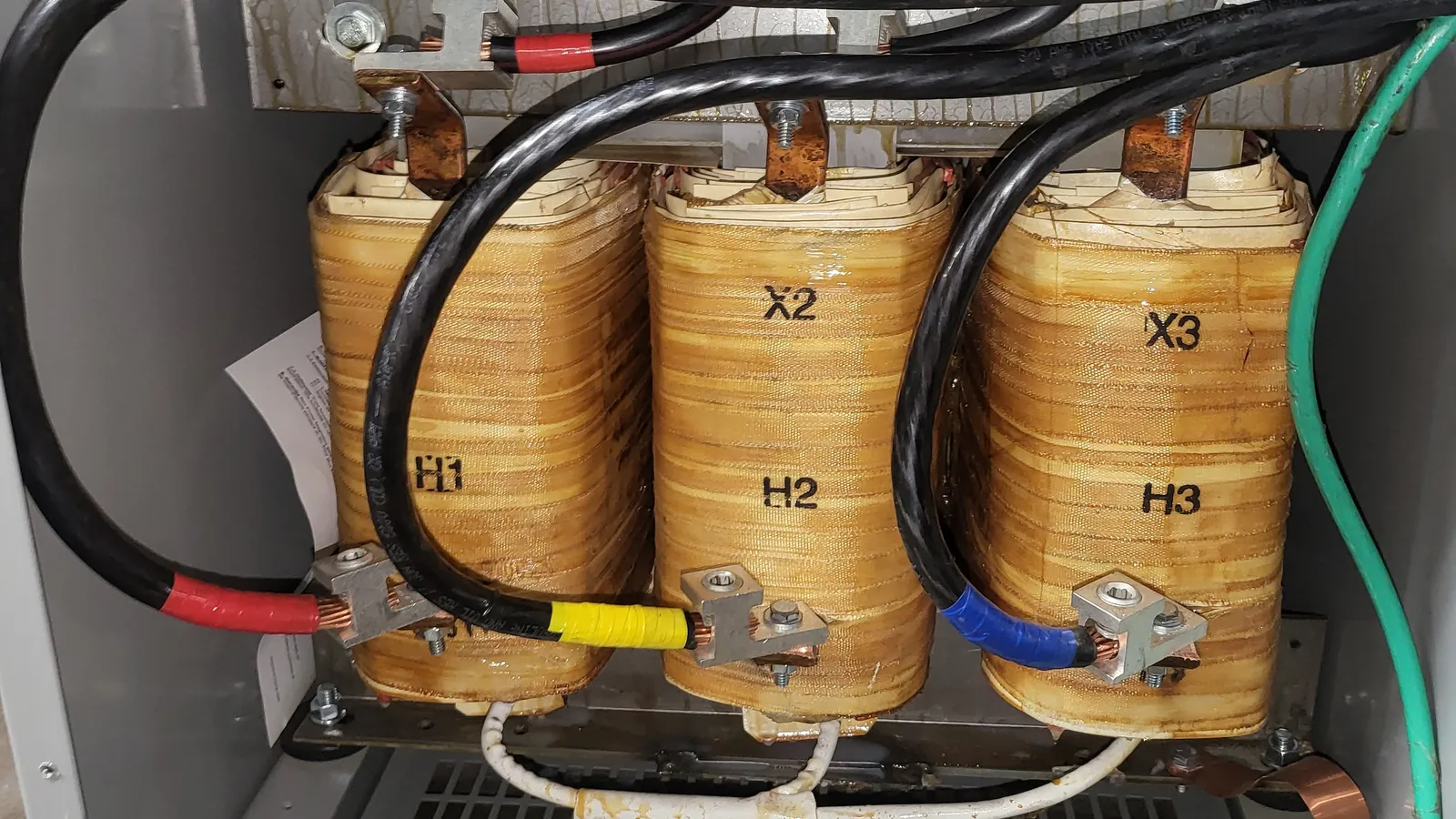
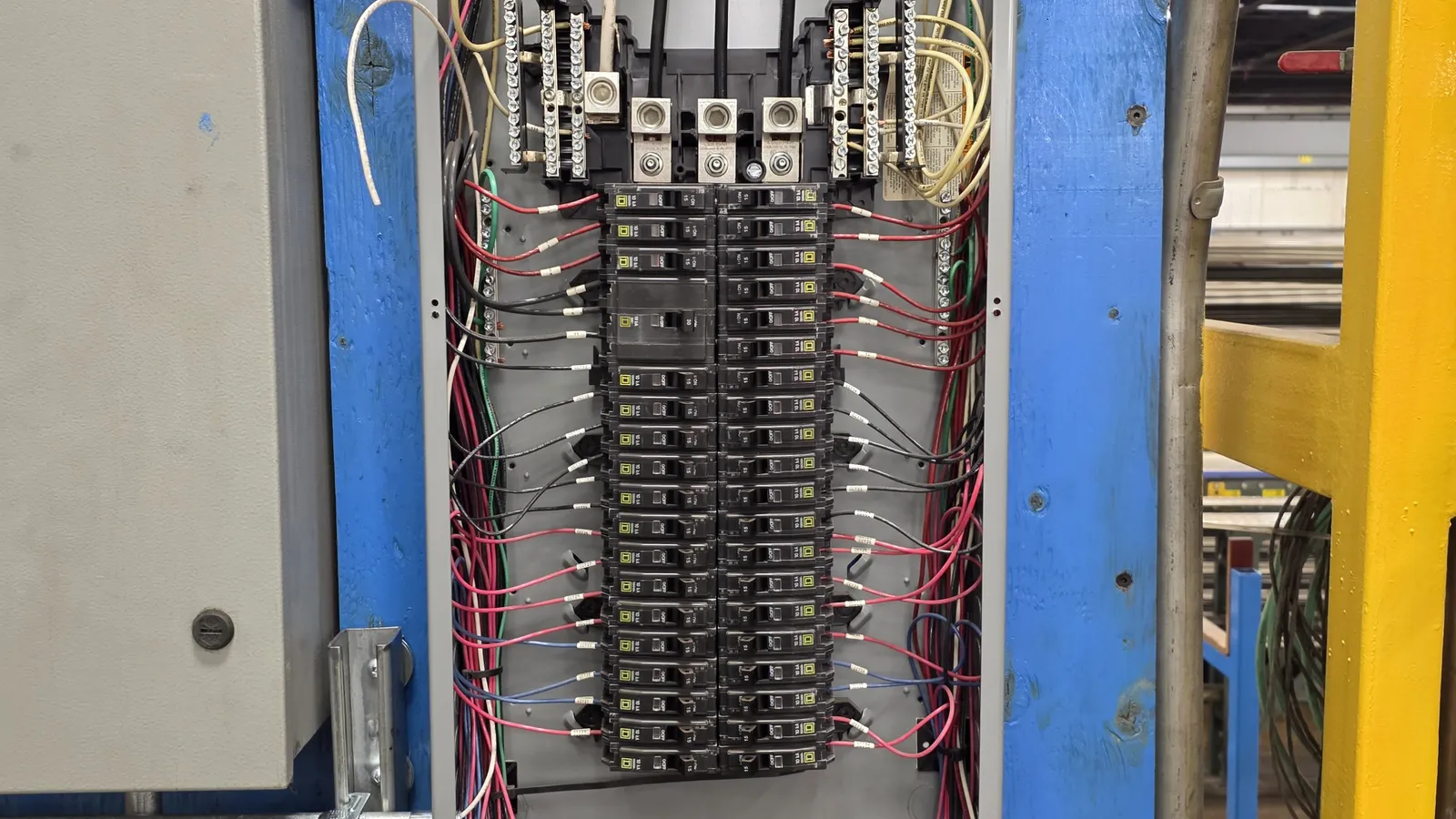
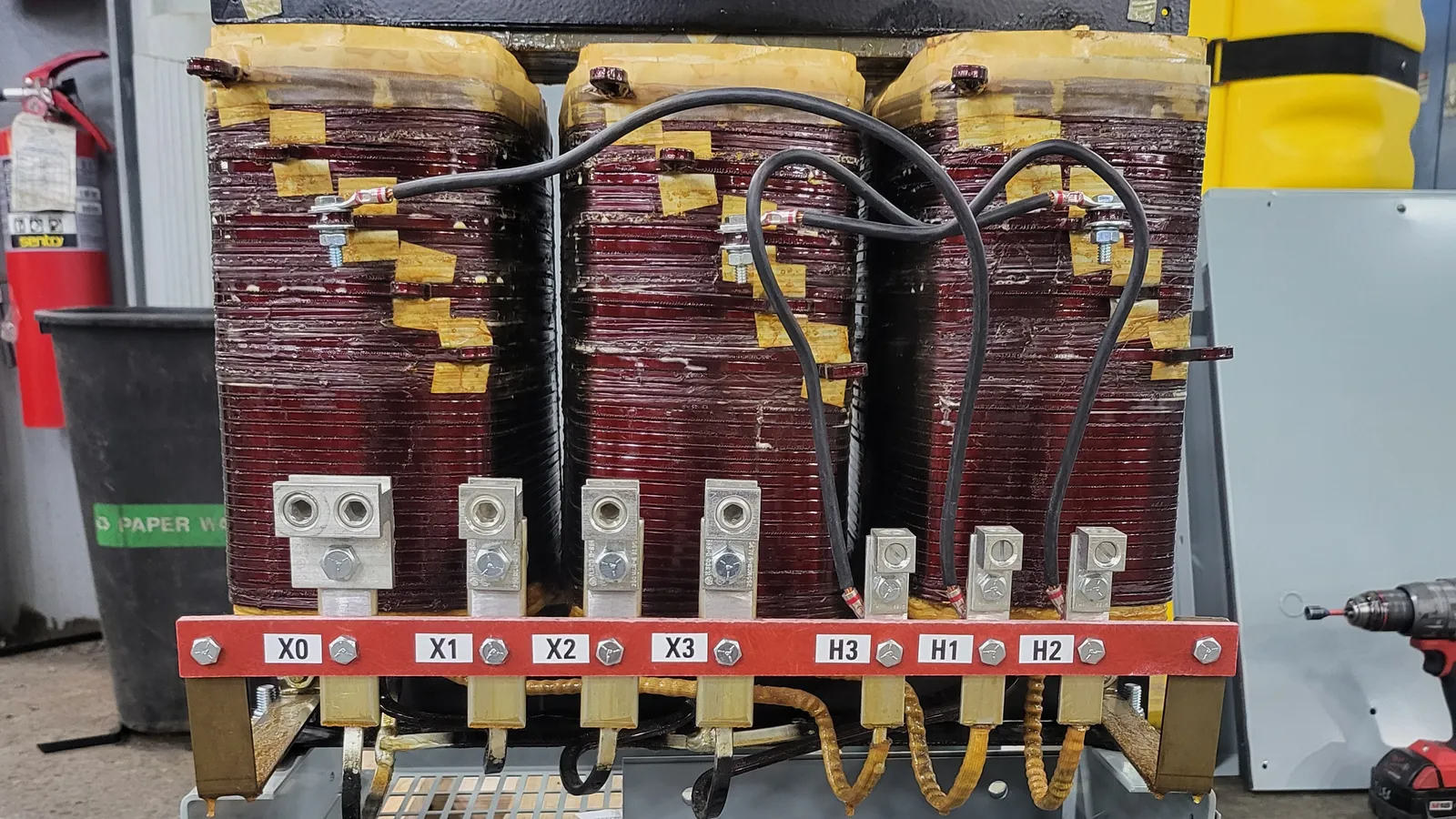
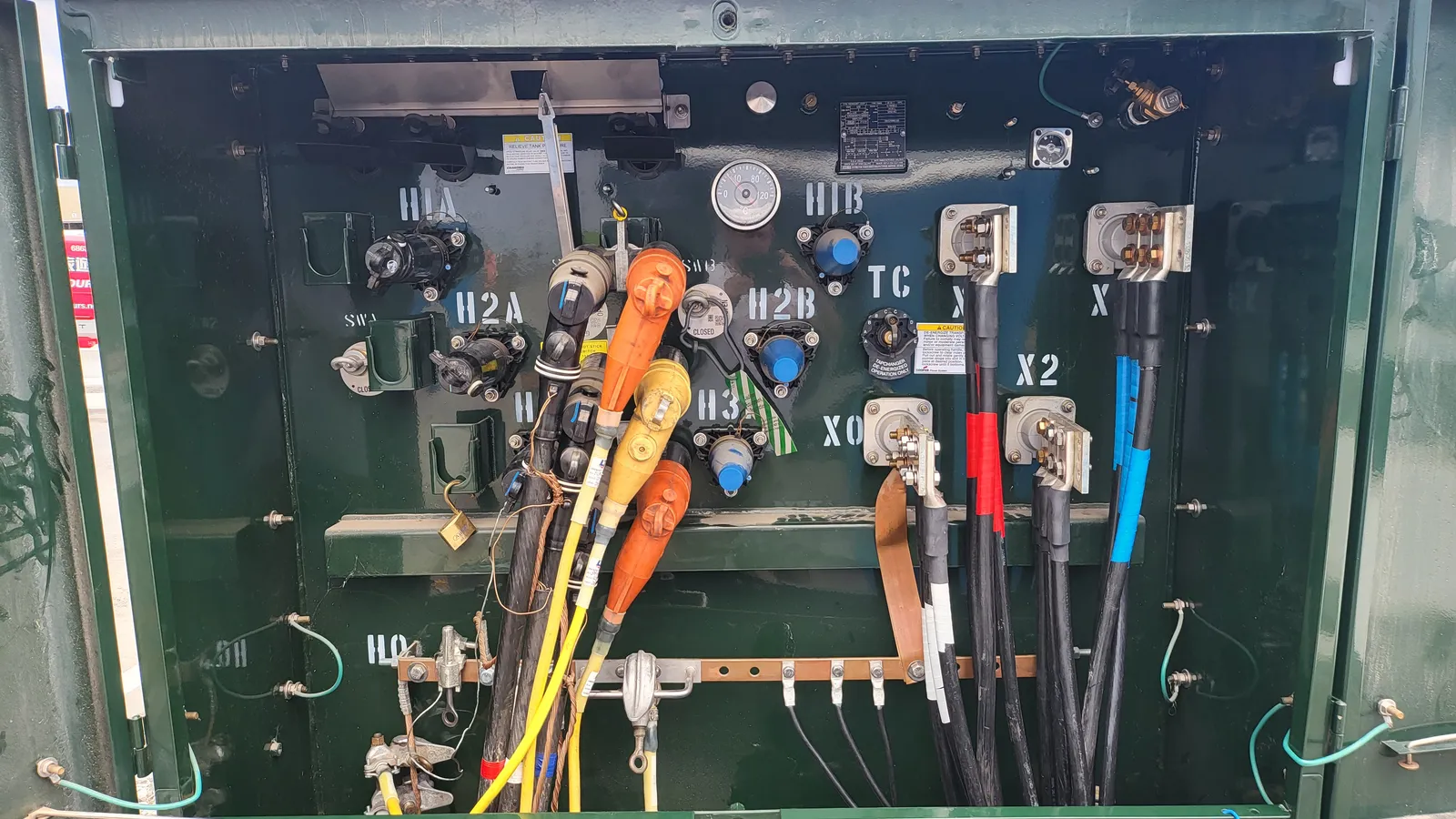
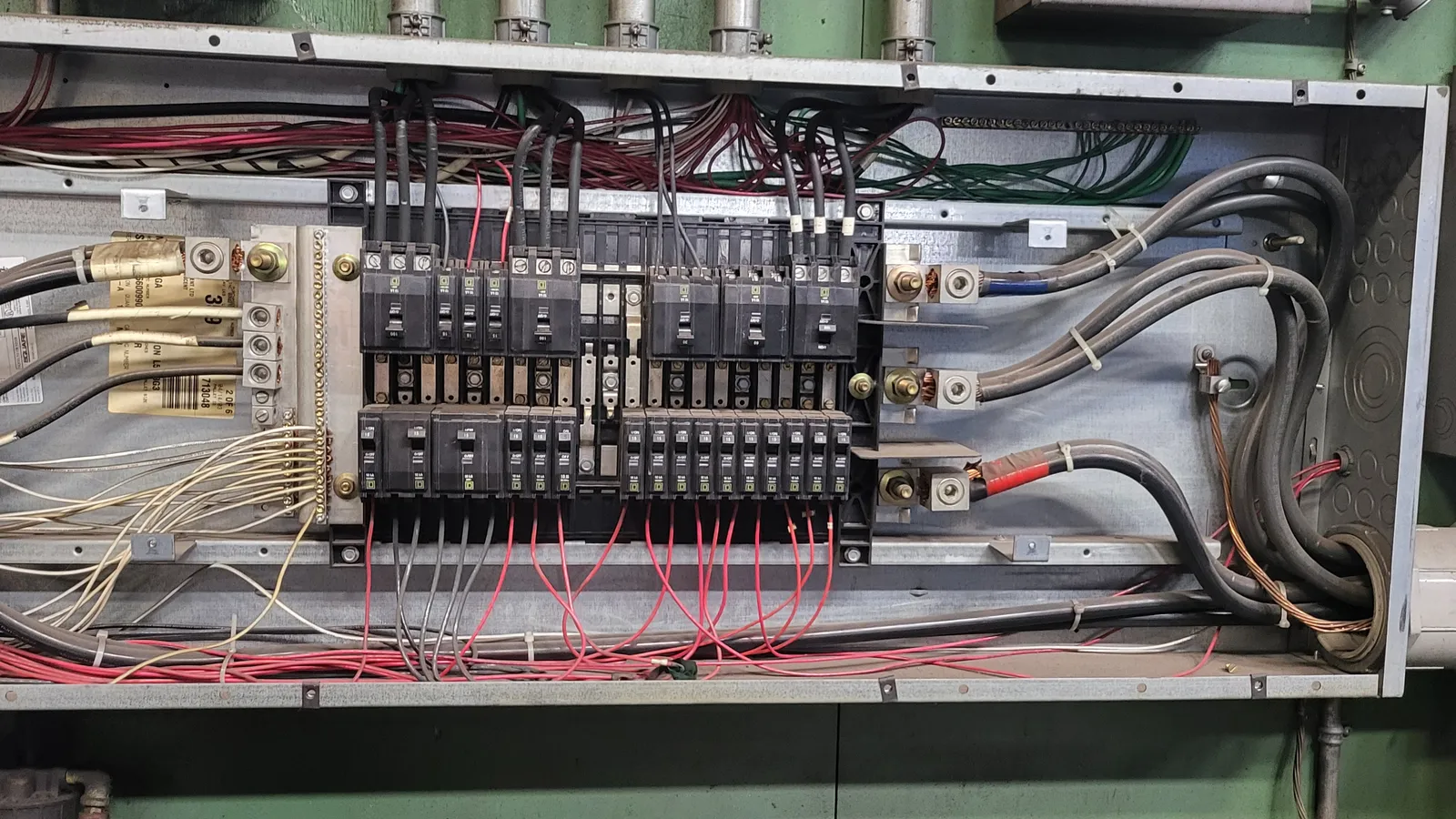
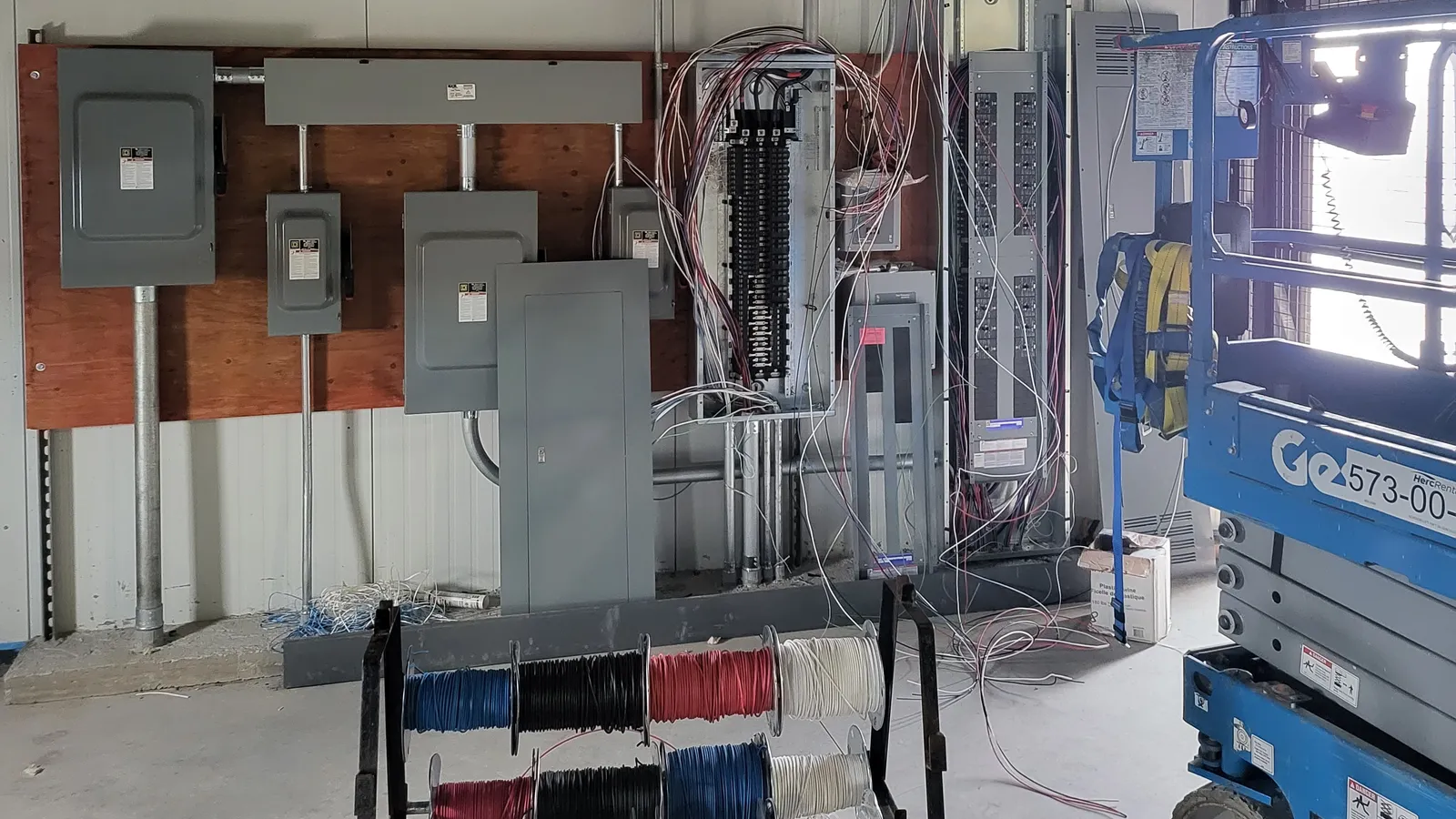
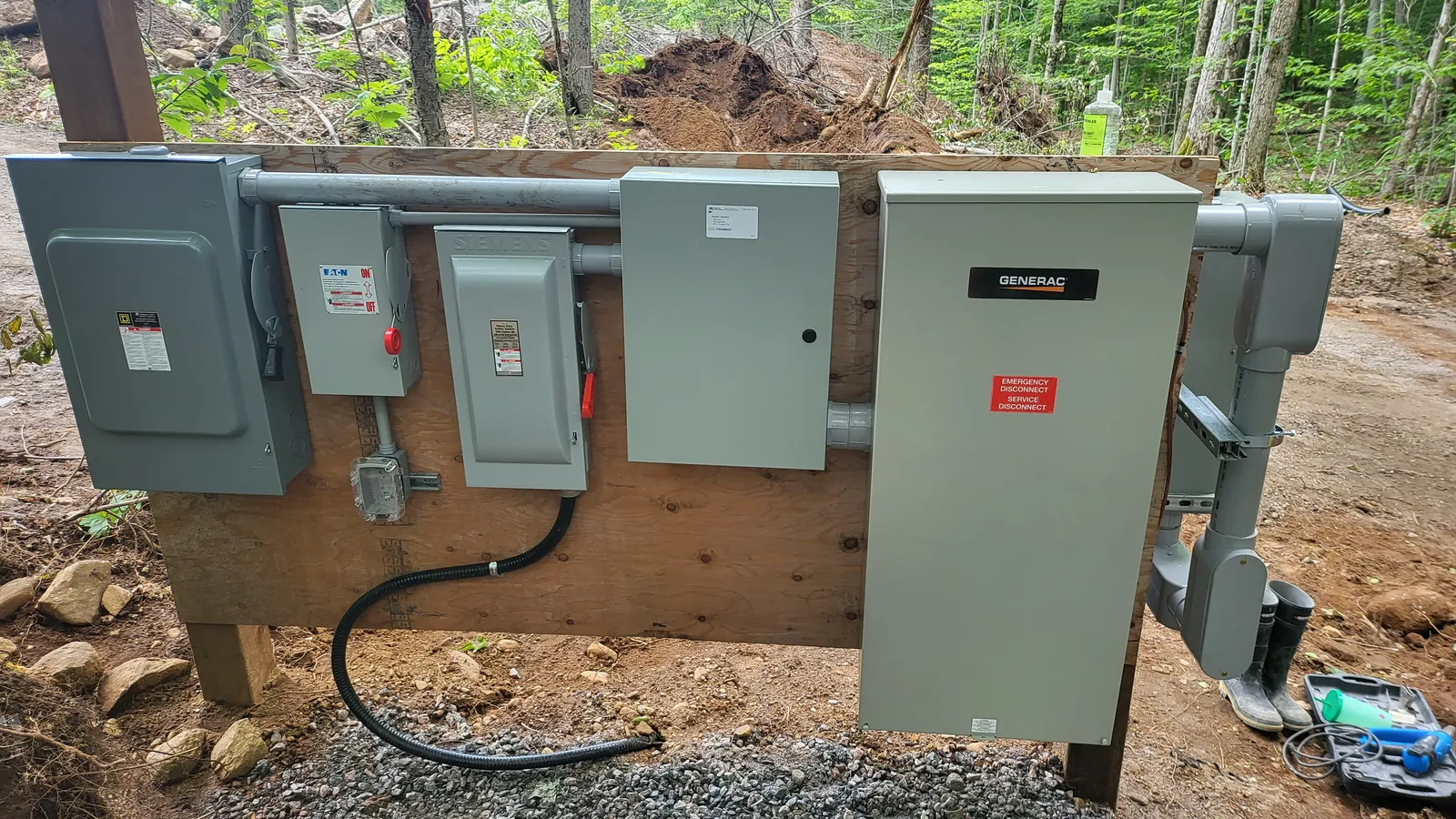
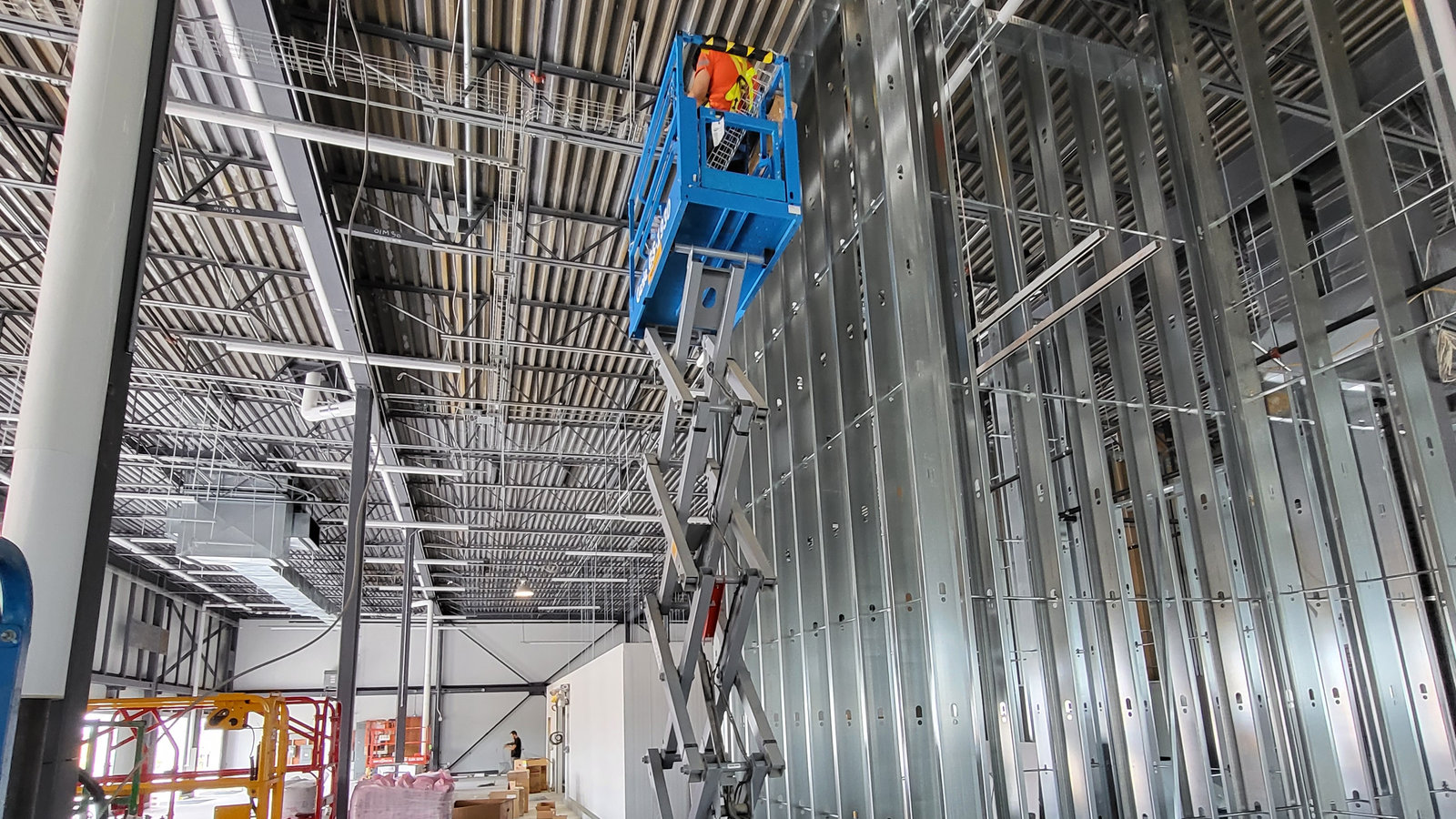
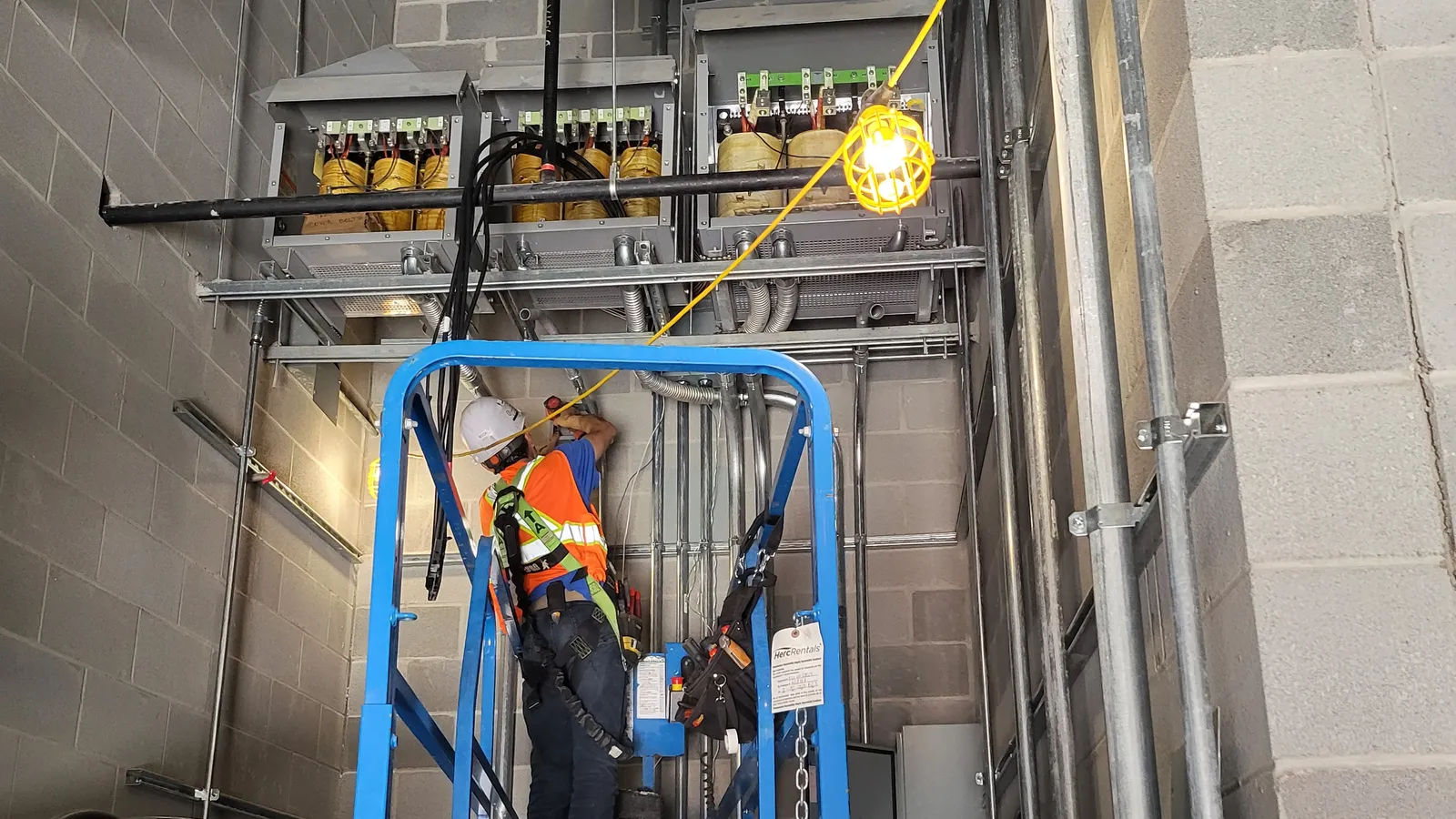
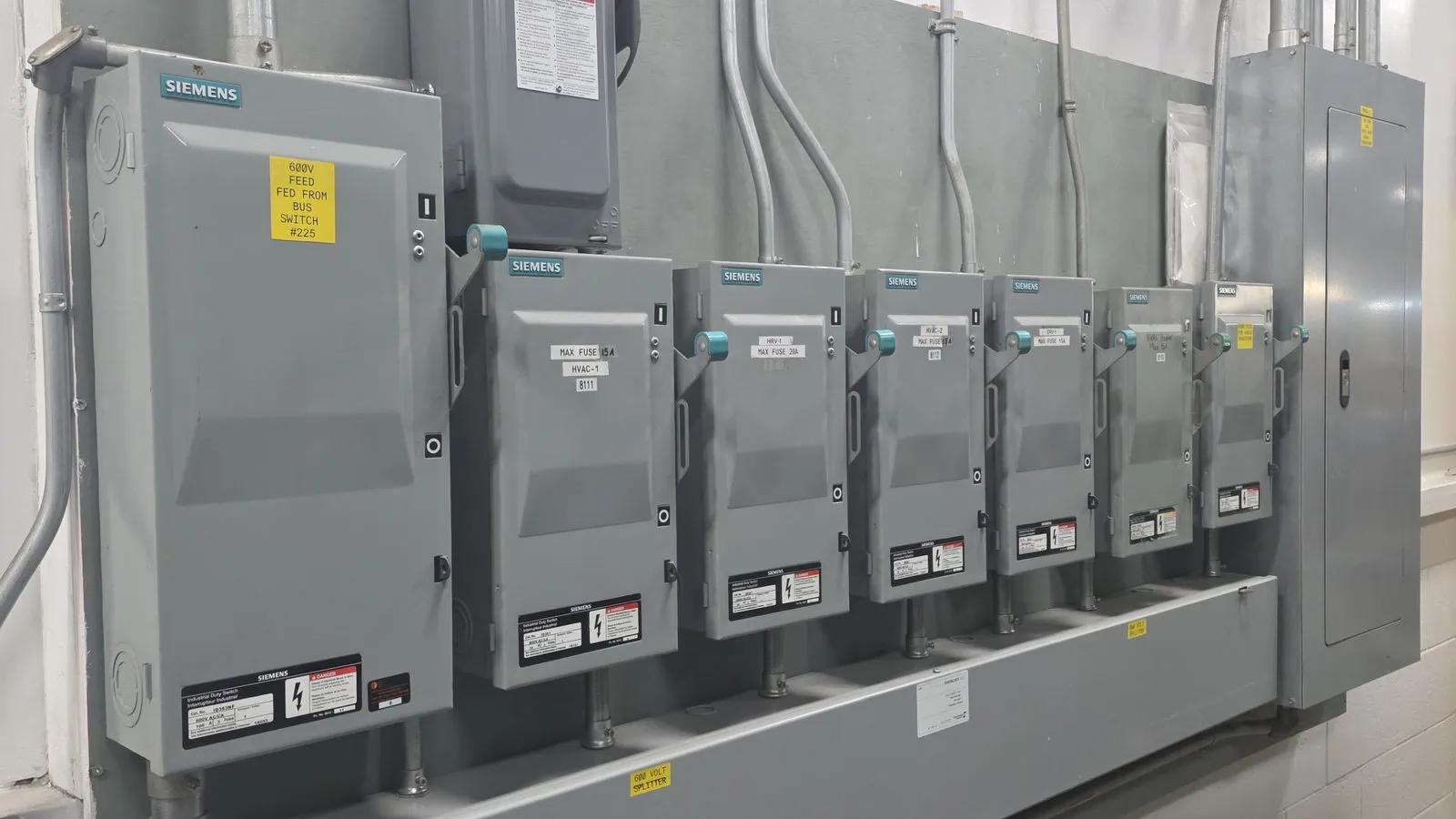
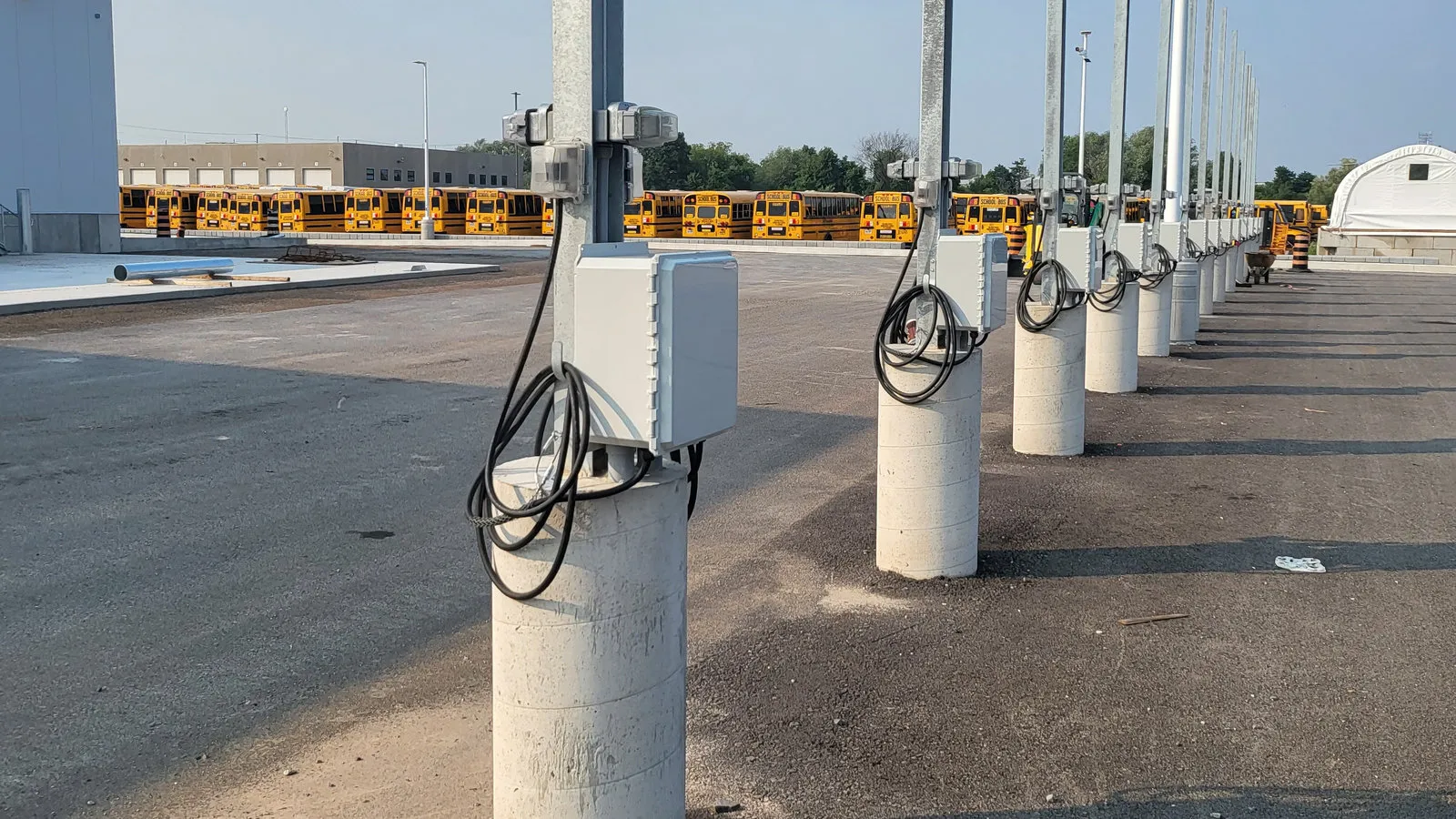
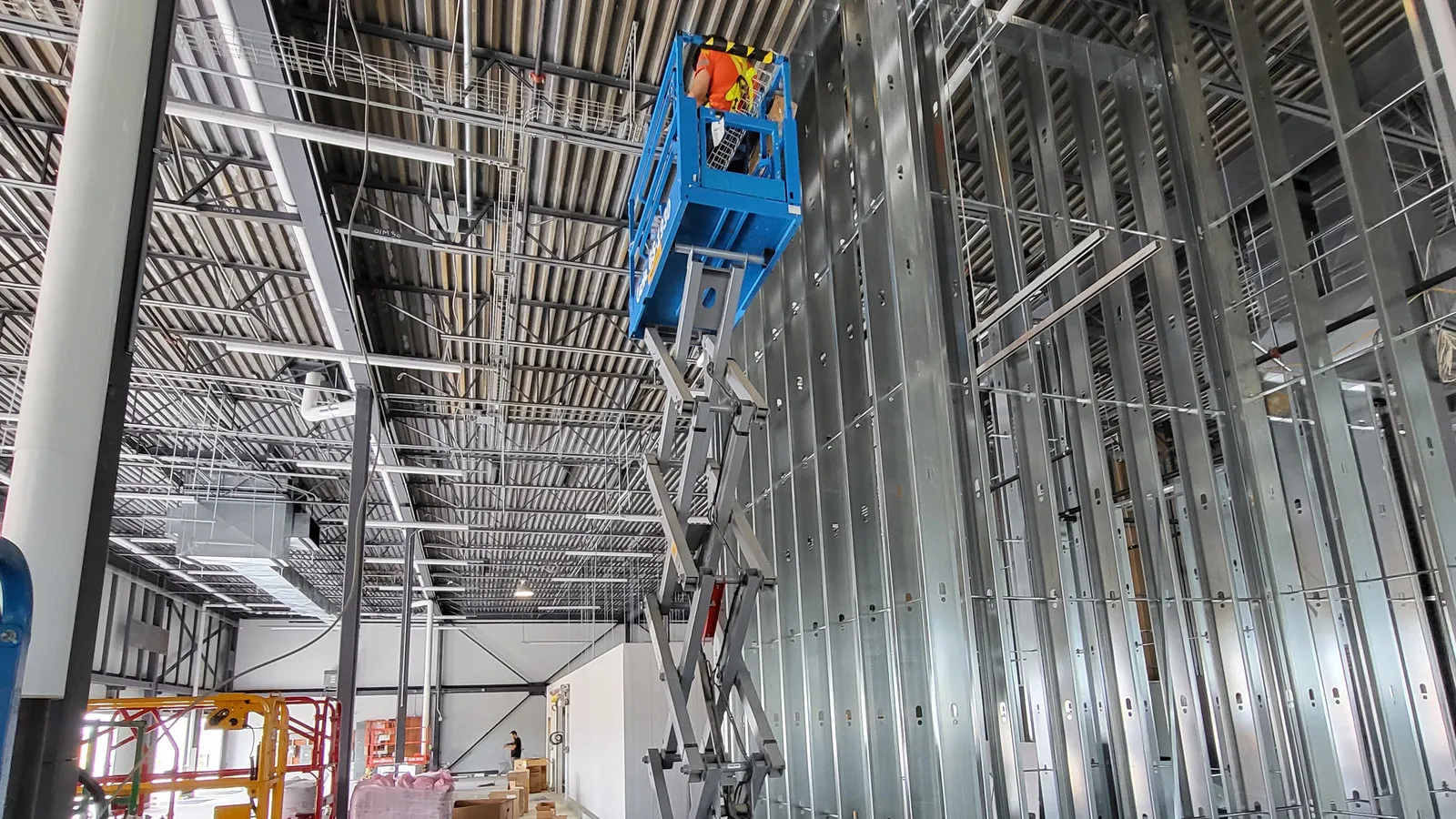
A building can seem functional while the electrical system is quietly deteriorating<
Recognize when a commercial property needs a full electrical system health assessment instead of waiting for obvious failure
An electrical system health assessment becomes important when a commercial property owner or manager wants to understand the real condition of the electrical system before breakdowns, complaints, or safety issues force action.
Many commercial buildings in Toronto and the GTA continue operating even while electrical risk is building in the background. Breakers may still hold, lighting may still work, and equipment may still run, yet the system may already show signs of aging, poor modifications, heat stress, neglected maintenance, overloaded sections, corrosion, labeling problems, or deteriorating equipment. These conditions often remain hidden because no one has looked at the electrical system as a whole.
A commercial electrical system health assessment provides that wider view. Instead of focusing only on one complaint or one repair item, it helps identify how the visible electrical infrastructure is holding up across the property. This is especially useful for office buildings, retail units, warehouses, mixed-use properties, and commercial spaces with long operating hours, tenant turnover, or older distribution equipment. Where system condition suggests deeper instability or unexplained equipment issues, it may also make sense to review commercial power quality analysis because not every reliability problem comes from visible damage alone.
This type of assessment is also valuable for budgeting and planning. Owners and managers can better understand which areas appear stable, which components may need closer monitoring, and where repair, replacement, or upgrade work may soon be necessary. That clarity helps avoid reactive spending and allows maintenance decisions to be made with better timing and less disruption to tenants or operations.
Investing in an electrical system health assessment helps reduce uncertainty, improve maintenance planning, and create a clearer path for safer and more reliable building operation. It is one of the most useful commercial electrical review services for properties with aging infrastructure, changing usage, or unknown electrical history.
Older Building With Unknown Electrical History
Age, undocumented changes, and long-term wear often create system conditions that are not obvious during routine use.
Repeated Tenant Complaints
Flicker, nuisance tripping, unstable power, or recurring service issues may point to broader system deterioration.
Deferred Maintenance Concerns
If the electrical system has not been meaningfully reviewed in years, hidden risk is often accumulating.
Recent Property Acquisition
New owners often need a clearer understanding of system condition, likely repair exposure, and upgrade priorities.
Building Use Has Changed Over Time
Electrical infrastructure may no longer match the loads and operating demands of the property today.
Visible Signs of Aging Equipment
Corrosion, damaged covers, poor labeling, obsolete breakers, and messy modifications are common warning signs.
Need Better Capital Planning
A system health assessment helps identify what may need repair now, what should be monitored, and what may require future upgrade budgeting.
Desire to Reduce Unexpected Electrical Failures
Understanding system condition early allows more controlled maintenance decisions and fewer surprise breakdowns.
WHY CHOOSE US
Why Businesses Choose Us
We focus on practical solutions rather than temporary fixes, ensuring your electrical system performs safely under real conditions. Every electrical work is completed with proper planning, correct equipment selection, and attention to long-term performance.
Our approach eliminates unnecessary work and is based on accurate diagnostics, not assumptions, so you only pay for what your system actually needs. We prioritize safety, efficiency, and clean execution on every project.
As a result, you receive a reliable, code-compliant electrical system that supports your home today and is fully prepared for future electrical demands.
Licensed & Insured
All work is performed by qualified, fully insured electricians, ensuring safety, accountability, and compliance with all regulations.
ESA certified work
Every project includes permits and ESA inspection, guaranteeing that the installation meets Ontario Electrical Safety Code requirements.
Professional installations
We install panels with precise wiring, proper layout, and clear labeling, making the system safe, accessible, and easy to maintain.
Transparent pricing
You receive clear pricing based on the actual scope of work, with no hidden costs or unexpected changes during the entire project.
Fast scheduling
We schedule work efficiently and arrive on time, minimizing downtime and ensuring your electrical system is restored as quickly as possible.
Accurate calculations
We calculate electrical demand based on real usage, ensuring your panel is properly sized for both current and future electrical needs.
Code-compliant work
All installations strictly follow current electrical code requirements, ensuring safety, inspection approval, and long-term system reliability.
Reliable workmanship
Our experience allows us to deliver consistent, high-quality results that perform reliably under real operating conditions over time.
CODE & SAFETY REQUIREMENTS
Ontario Electrical Safety Code Compliance
The Ontario Electrical Safety Code (OESC) sets the minimum legal safety requirements for electrical installations in Ontario. For commercial electrical system health assessments, Code awareness is important because the condition of the installation must be considered in relation to safe operation, approved equipment, access, loading, protection, and the general maintenance state of the system.
Following the Code helps reduce the risk of fire, electric shock, equipment damage, failed inspections, unsafe deterioration, and unplanned service interruption caused by neglected or unsuitable electrical equipment. It also helps owners and managers better understand whether visible electrical conditions appear aligned with current Ontario safety expectations.
An electrical system health assessment is not the same as issuing a blanket legal certification of the building, but it should be performed with awareness of the current Ontario Electrical Safety Code, ESA procedures, and the practical safety obligations that apply to commercial electrical systems.
Rules commonly applicable to commercial electrical system health assessments
-
Rule 2-004 — Notification of work / ESA inspection process
Electrical work must be properly notified to ESA where required, and any corrective work identified through the assessment may be subject to the applicable inspection process. -
Rule 2-022 — Approved electrical equipment
Electrical equipment used in Ontario must be approved in accordance with Code requirements. -
Rule 2-024 — Approval requirements for electrical equipment
Equipment must be approved to recognized standards and accepted for use in Ontario. -
Rule 2-300 — Maintenance and operation
Electrical equipment must be maintained and operated in a safe condition, which makes this rule central to evaluating overall system health. -
Rule 2-308 and Rule 2-310 — Working space around electrical equipment
Safe access and required working clearances around electrical equipment must be maintained. -
Rule 2-314 — Working space to be kept clear
Working space around electrical equipment must not be obstructed or used for storage. -
Rule 8-104 — Maximum circuit loading
Connected load and demand must be considered so conductors and equipment are not subjected to overload conditions. -
Rule 14-100 — Protection of conductors by overcurrent devices
Conductors must be protected by properly rated overcurrent devices in accordance with Code requirements. -
Rule 14-104 — Rating and coordination of overcurrent protection
Overcurrent protection must be coordinated with conductor ampacity and the electrical characteristics of the installation. -
Section 26 — Installation of electrical equipment
Panels, breakers, disconnects, and related distribution equipment must remain installed and maintained in accordance with applicable equipment rules.
Note: Rule selection may vary depending on building age, occupancy, maintenance history, service size, tenant alterations, equipment condition, and whether the assessment leads to corrective work or replacement. Exact official wording should be taken from the current purchased edition of the Ontario Electrical Safety Code.
COMMON QUESTIONS
FAQ — Electrical System Health Assessment
1. What is a commercial electrical system health assessment?
It is a condition-focused review of the visible electrical system in a commercial property to identify aging equipment, deferred maintenance, safety concerns, and likely reliability issues before major failure occurs.
2. How is this different from troubleshooting?
Troubleshooting usually focuses on a specific problem that already exists. A system health assessment looks at the broader condition of the electrical system to identify risk areas even when no single failure has happened yet.
3. What types of properties benefit from this service?
Offices, warehouses, retail units, plazas, mixed-use buildings, and other commercial properties benefit from this service, especially when the building is older or has an unclear maintenance history.
4. What does the assessment usually include?
It commonly includes review of service equipment, panels, breakers, feeders, disconnects, grounding and bonding, wiring condition, accessibility, labeling, visible workmanship, and signs of deterioration, overheating, or poor modifications.
5. Is this useful if the building seems to be operating normally?
Yes. Many electrical systems continue operating while deterioration is already developing in the background. This service helps identify those conditions before they become failures.
6. Can this assessment help with budgeting?
Yes. It helps owners and managers understand likely repair priorities, monitoring needs, and future upgrade exposure so maintenance and capital planning can be more realistic.
7. Does this service confirm full code compliance?
No. It does not serve as a blanket legal certification that the entire building is fully code compliant. It is a practical condition assessment that highlights visible concerns and likely risk areas.
8. Is this service useful after buying a building?
Yes. Many new owners use an electrical system health assessment after acquisition to understand the condition of the system and set maintenance priorities.
9. Can infrared inspection be added to this service?
Yes. Infrared thermal electrical inspection is often a valuable addition when the system is energized and operating under load, especially where overheating may be present.
10. How often should a commercial building have this type of assessment?
The right interval depends on equipment age, building use, criticality, maintenance history, and whether the property has undergone major tenant or load changes.
11. Does this service help property managers?
Yes. It gives property managers clearer visibility into electrical condition, likely maintenance exposure, and areas that may require planned repair or closer monitoring.
12. What is the main benefit of an electrical system health assessment?
The main benefit is understanding the overall condition of the commercial electrical system before hidden deterioration turns into equipment failure, tenant disruption, or urgent capital expense.
SERVICE AREAS
Serving Toronto & the Greater Toronto Area
We provide residential, commercial, and industrial electrical services across Toronto and the GTA, supporting homes, businesses, and facilities with reliable and code-compliant electrical solutions.
Our service coverage includes major cities and surrounding areas, allowing us to respond quickly and deliver consistent service across the region.
Toronto
North York
Thornhill
Richmond Hill
Vaughan
Markham
Scarborough
Etobicoke
Mississauga
Brampton
ADDITIONAL SERVICE AREAS
Hamilton
Oakville
Burlington
Milton
Georgetown
Pickering
Ajax
Whitby
Oshawa
Clarington
Aurora
Newmarket
Bradford
King City
Barrie