
Toronto & GTA Electrical Contractor
Emergency Electrical Service in Toronto, Markham, Richmond Hill, North York, Vaughan, Mississauga & GTA
Residential, commercial, and industrial electrical work — installations, upgrades, troubleshooting, maintenance, and code-compliant solutions.
Licensed & Insured
Fast Response
Code-Compliant Work
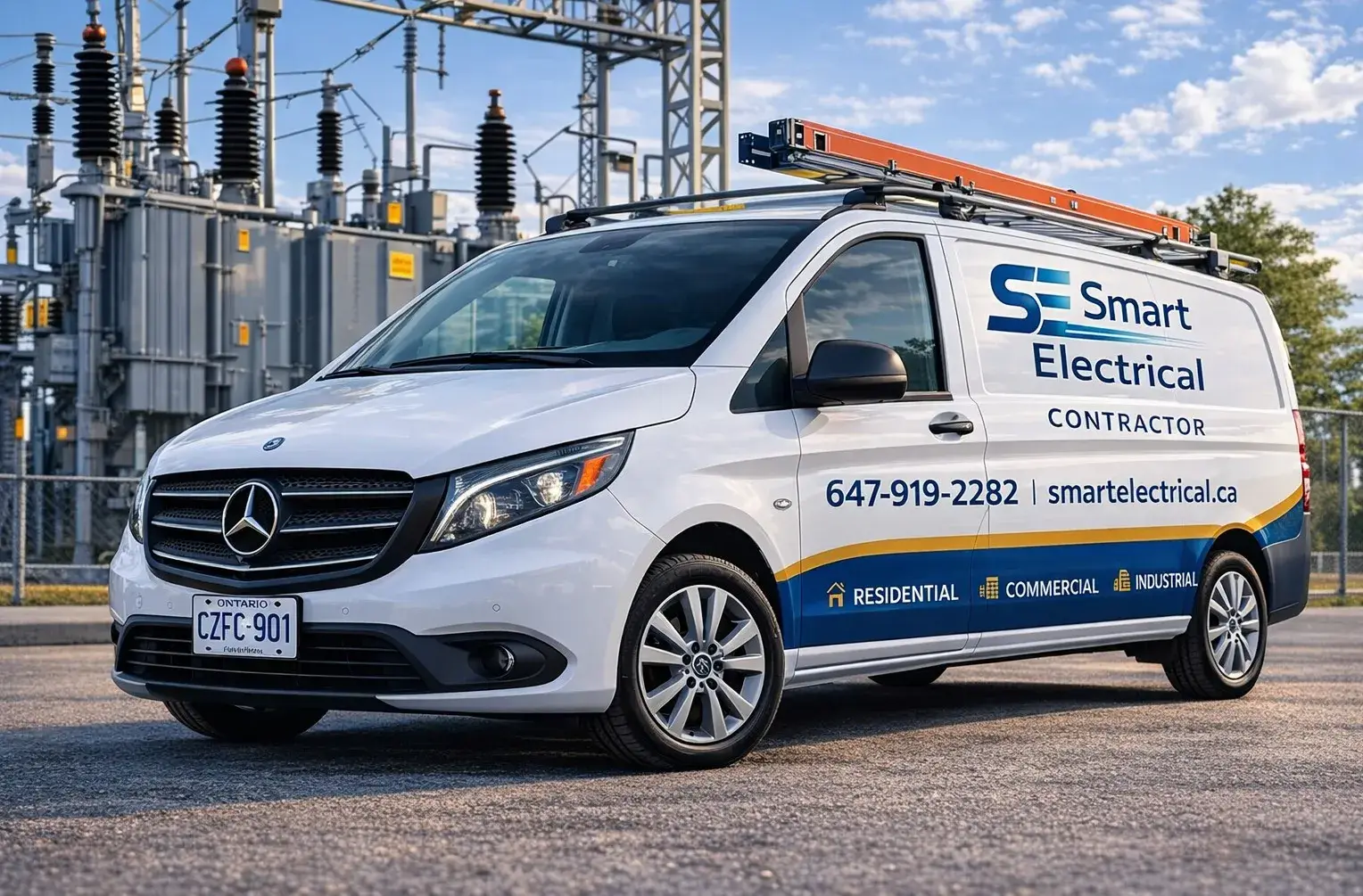
24/7 RAPID RESPONSE FOR COMMERCIAL ELECTRICAL EMERGENCIES
What We Do
We provide emergency electrical service for offices, warehouses, retail units, plazas, restaurants, mixed-use buildings, and other commercial properties across Toronto and the GTA. Our goal is to respond quickly when electrical problems threaten safety, interrupt operations, or leave part of the building without reliable power. A commercial electrical emergency can involve sudden power loss, repeated breaker tripping, burning smell, overheating equipment, damaged panels, failed circuits, unsafe wiring, or electrical conditions that make it impossible for the business to continue operating normally.
Emergency electrical service is different from scheduled maintenance or non-urgent repair work. The priority is to make the situation safe, identify the immediate cause as efficiently as possible, and restore critical electrical operation where it can be done safely. Depending on the condition, this may involve isolating a faulted circuit, identifying overheating or damaged components, stabilizing panel conditions, restoring power to essential areas, or determining whether temporary shutdown is necessary to prevent further damage. Where emergency conditions point to deeper underlying issues, related services such as commercial power quality analysis, infrared thermal electrical inspections, or commercial load monitoring may also be recommended after the immediate situation is under control.
This service is especially important for commercial properties where electrical downtime directly affects revenue, tenant operations, refrigeration, lighting, security systems, HVAC controls, network equipment, production activity, or customer access. In many buildings, one electrical failure can quickly create wider operational disruption. A failed breaker, burned termination, damaged feeder, overloaded panel section, or sudden distribution fault may affect much more than one circuit. That is why emergency electrical response must focus on both safety and business continuity. Where the emergency reveals major equipment deterioration or system limitations, follow-up work may also connect with breaker replacement or electrical infrastructure upgrades.
Our emergency approach is practical and action-focused. Clients need fast help, clear communication, and a real understanding of whether power can be restored safely, what failed, and what corrective work is needed next. For general Ontario electrical safety oversight and inspection guidance, refer to the Electrical Safety Authority (ESA). The result is a faster response to urgent commercial electrical problems, improved safety during failure conditions, and a clearer path from emergency stabilization to permanent repair.
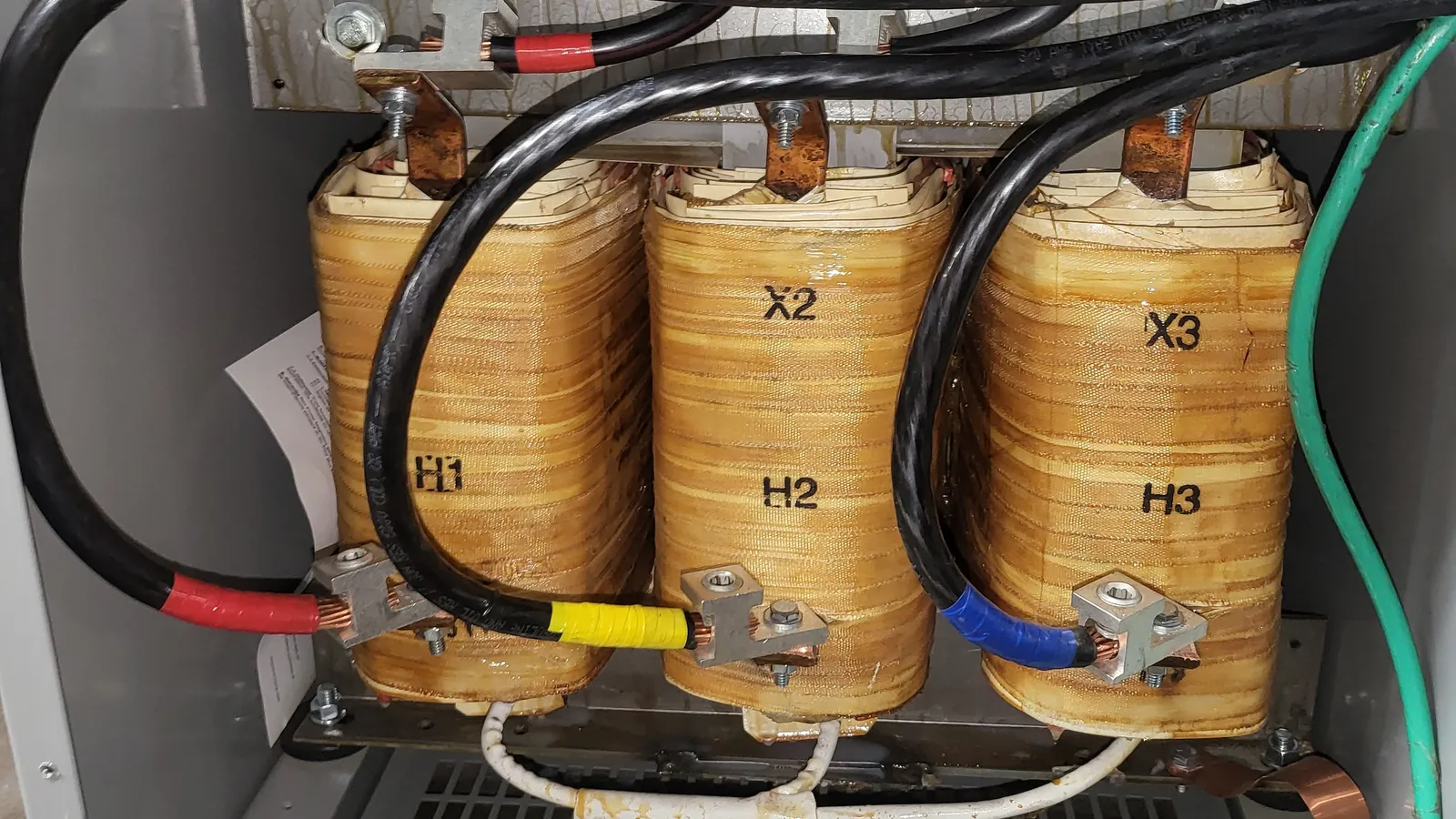
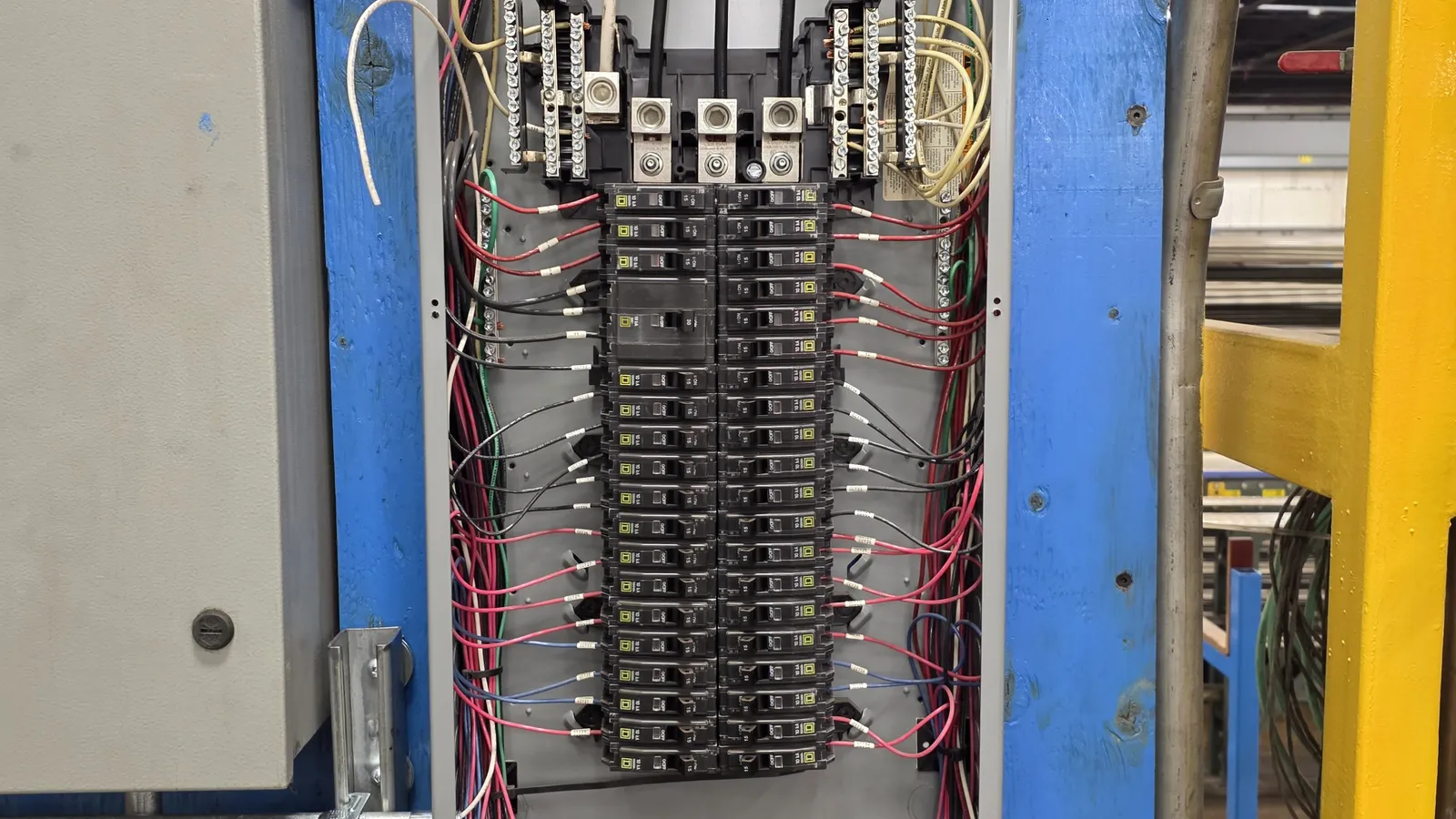
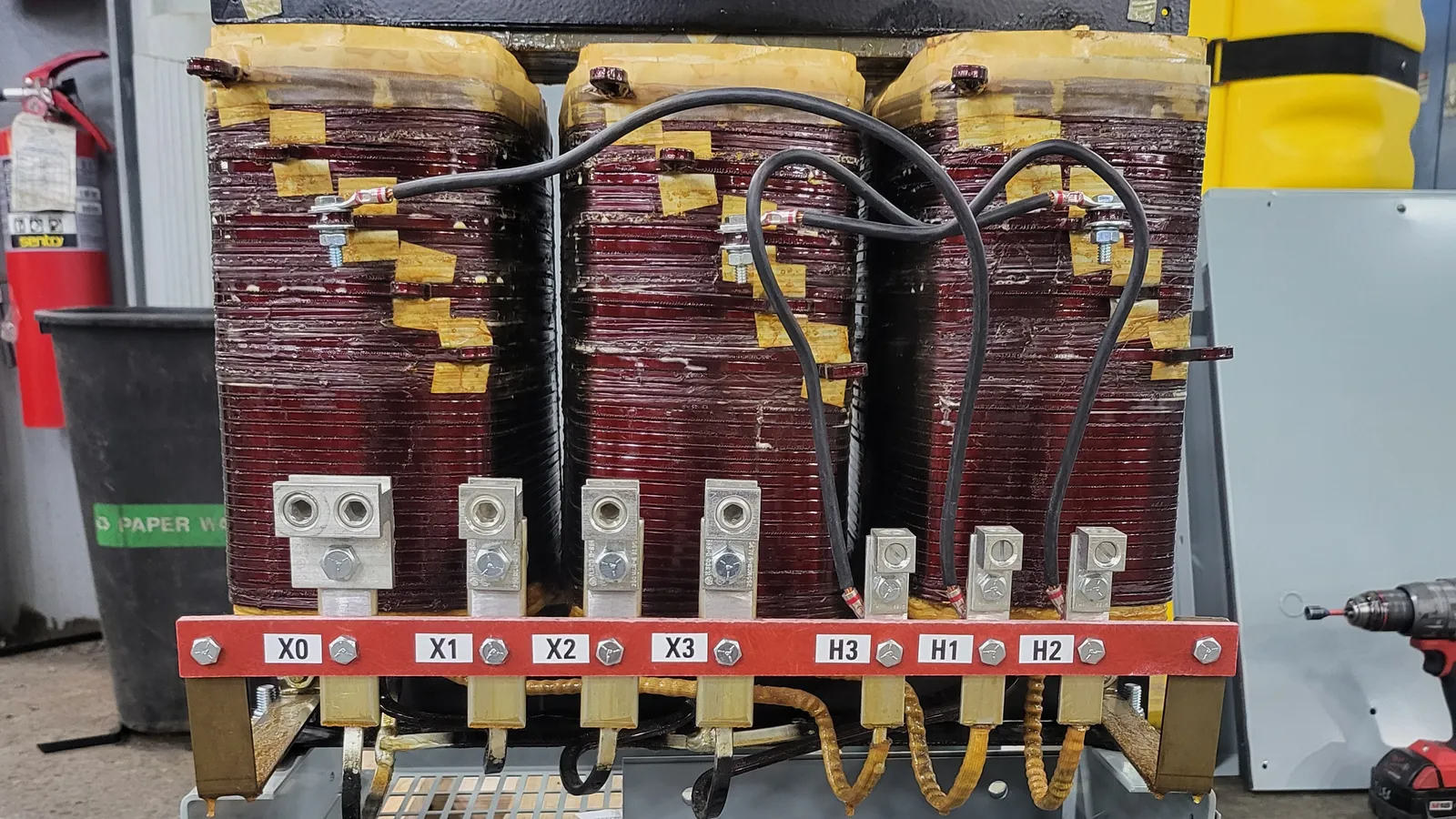
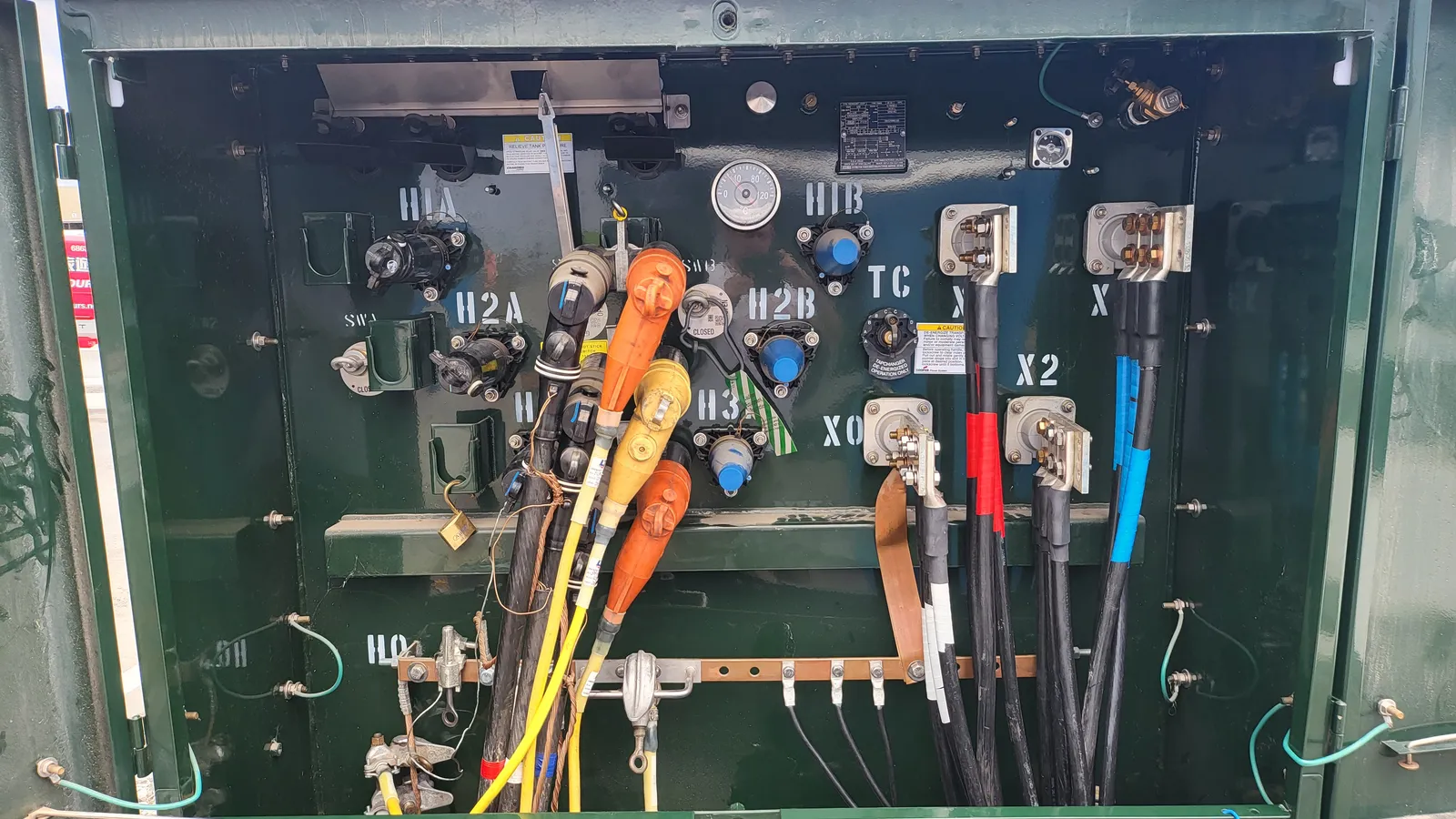
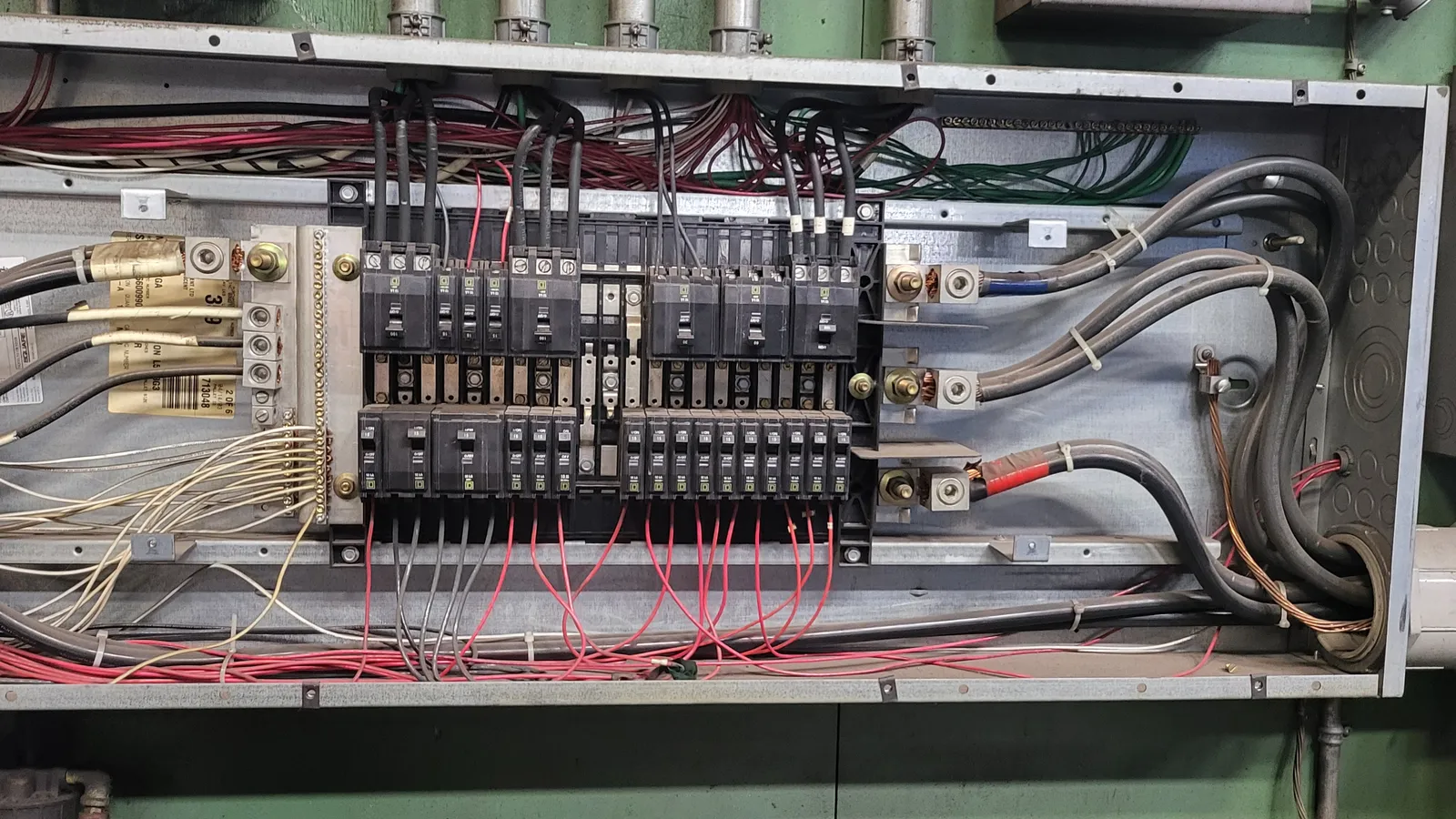
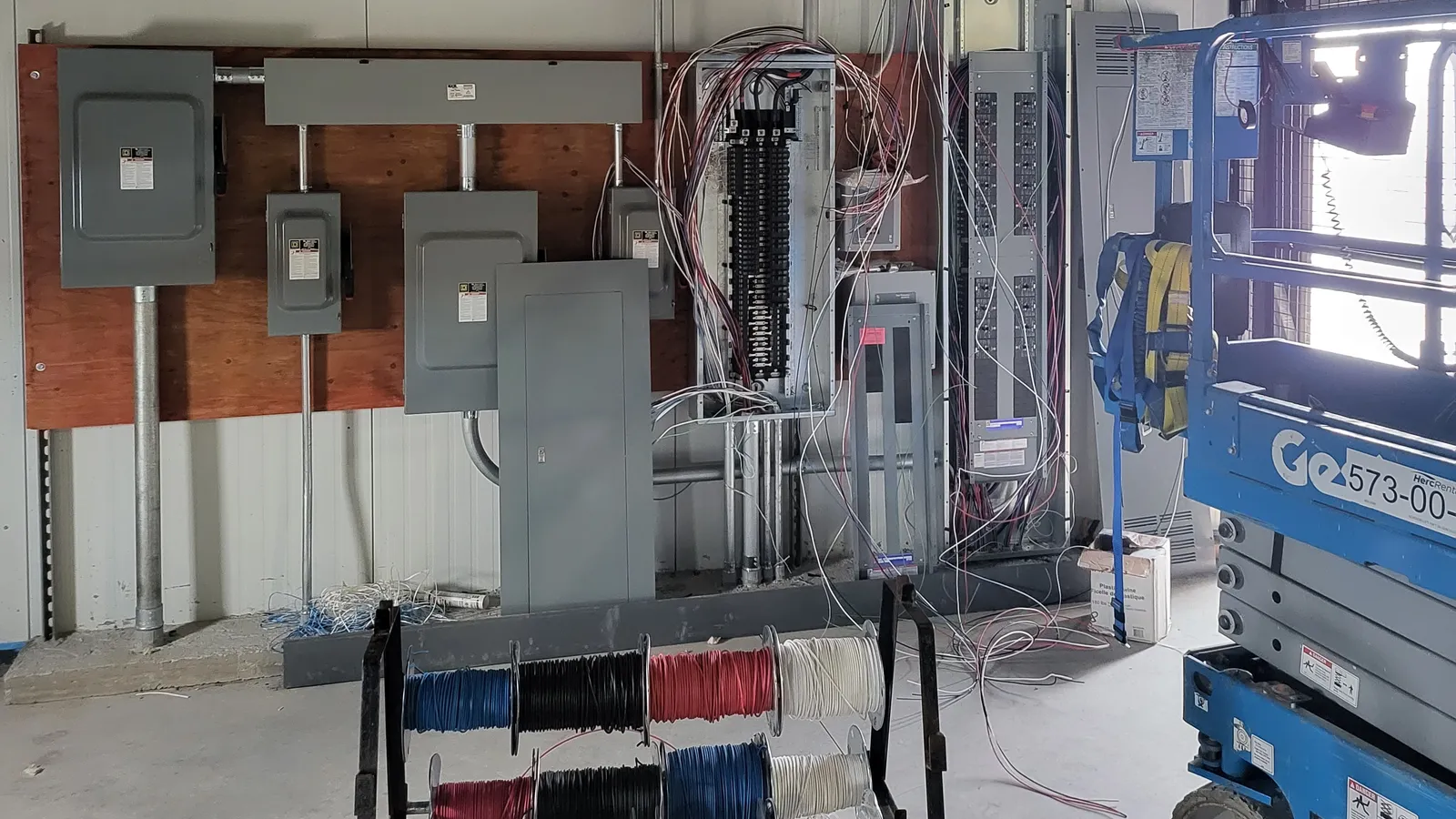
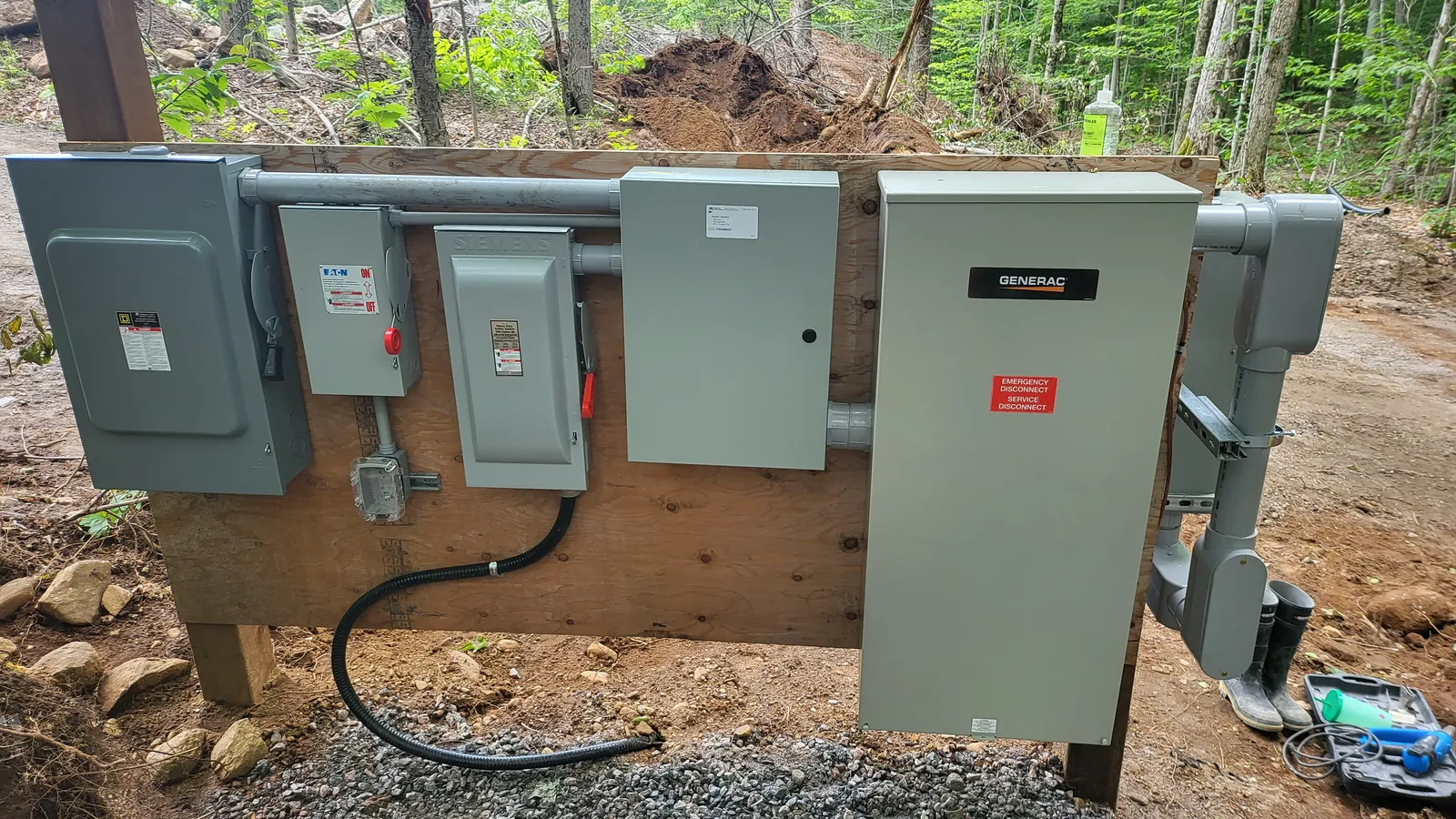
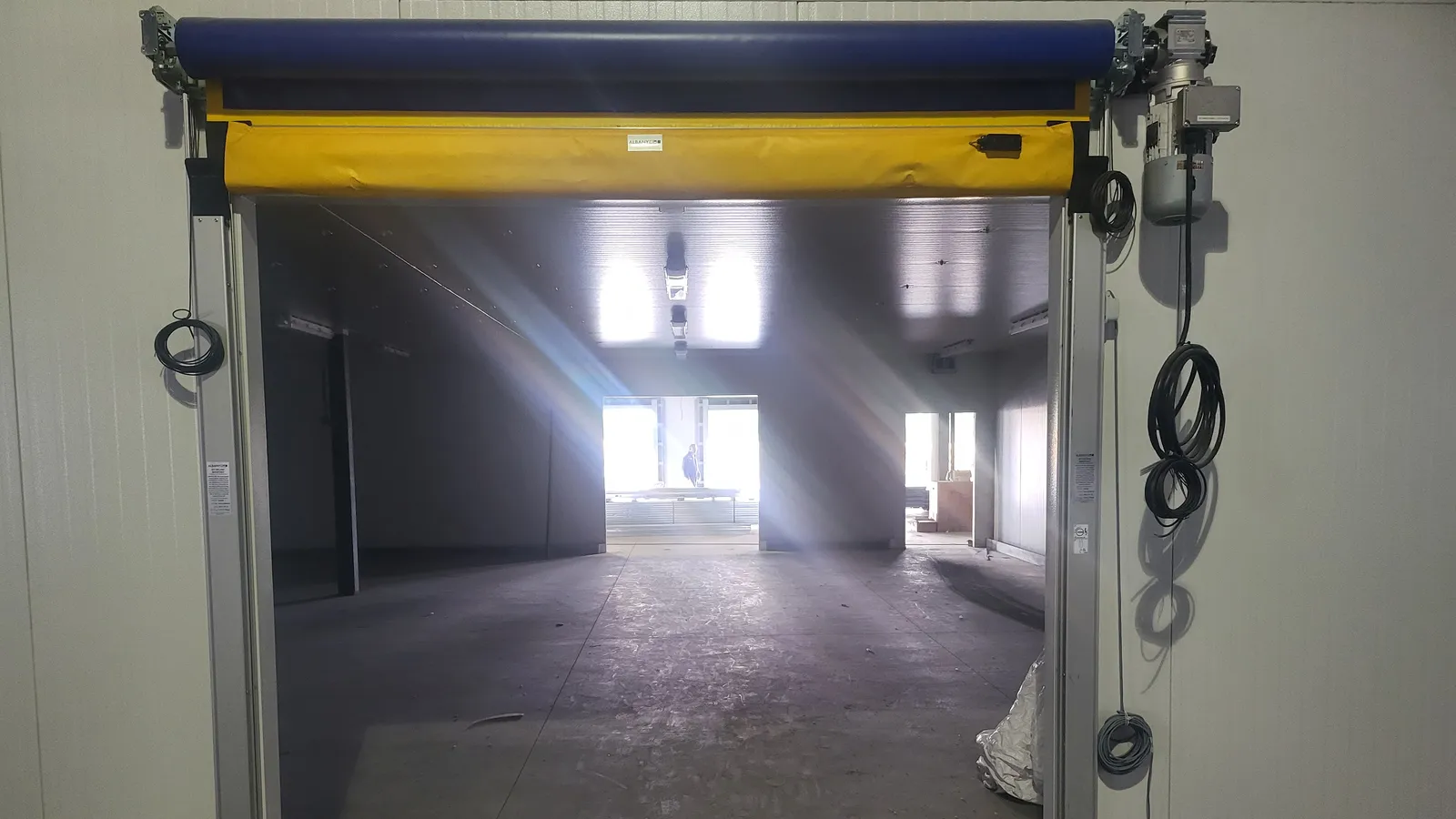
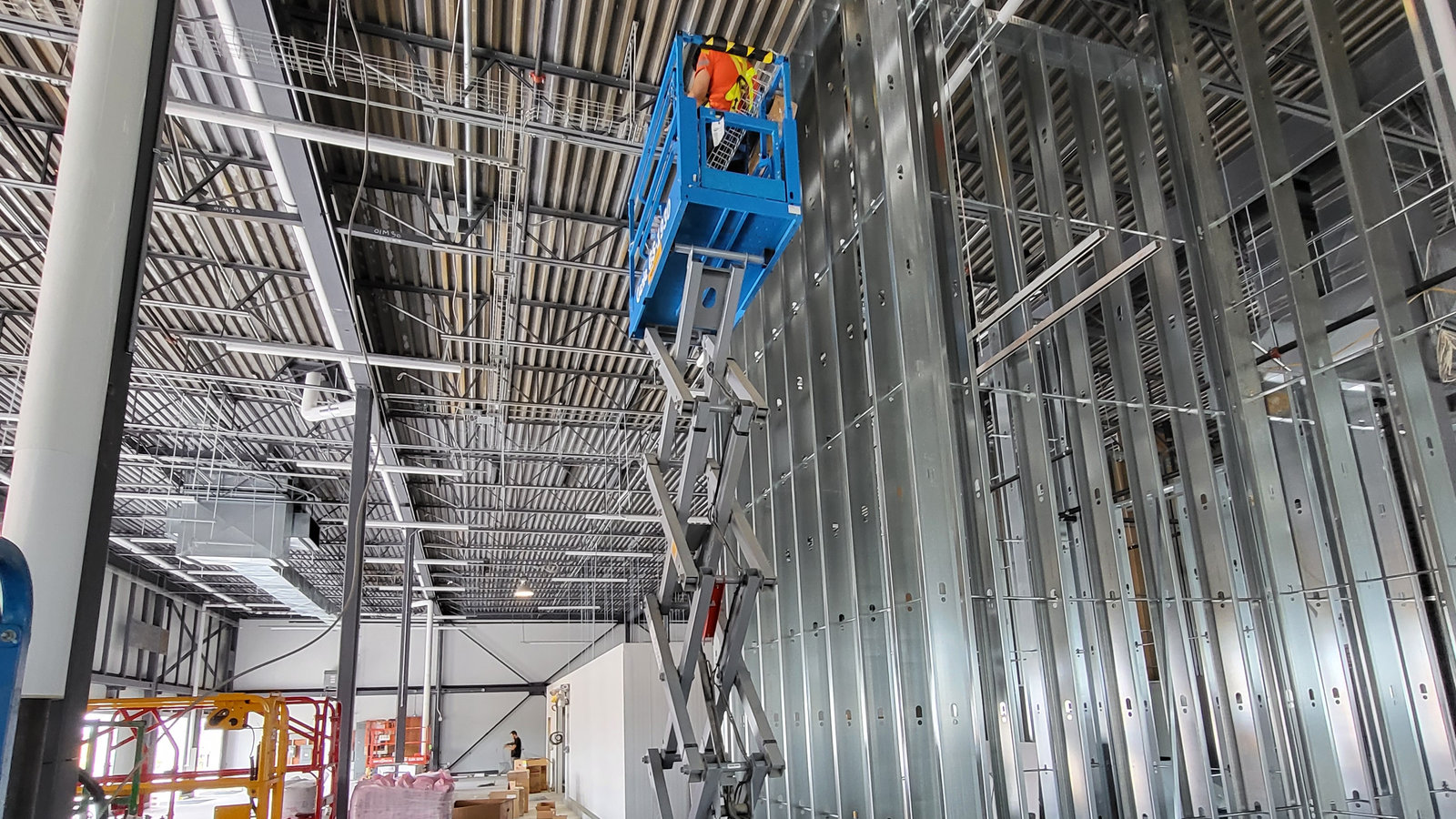
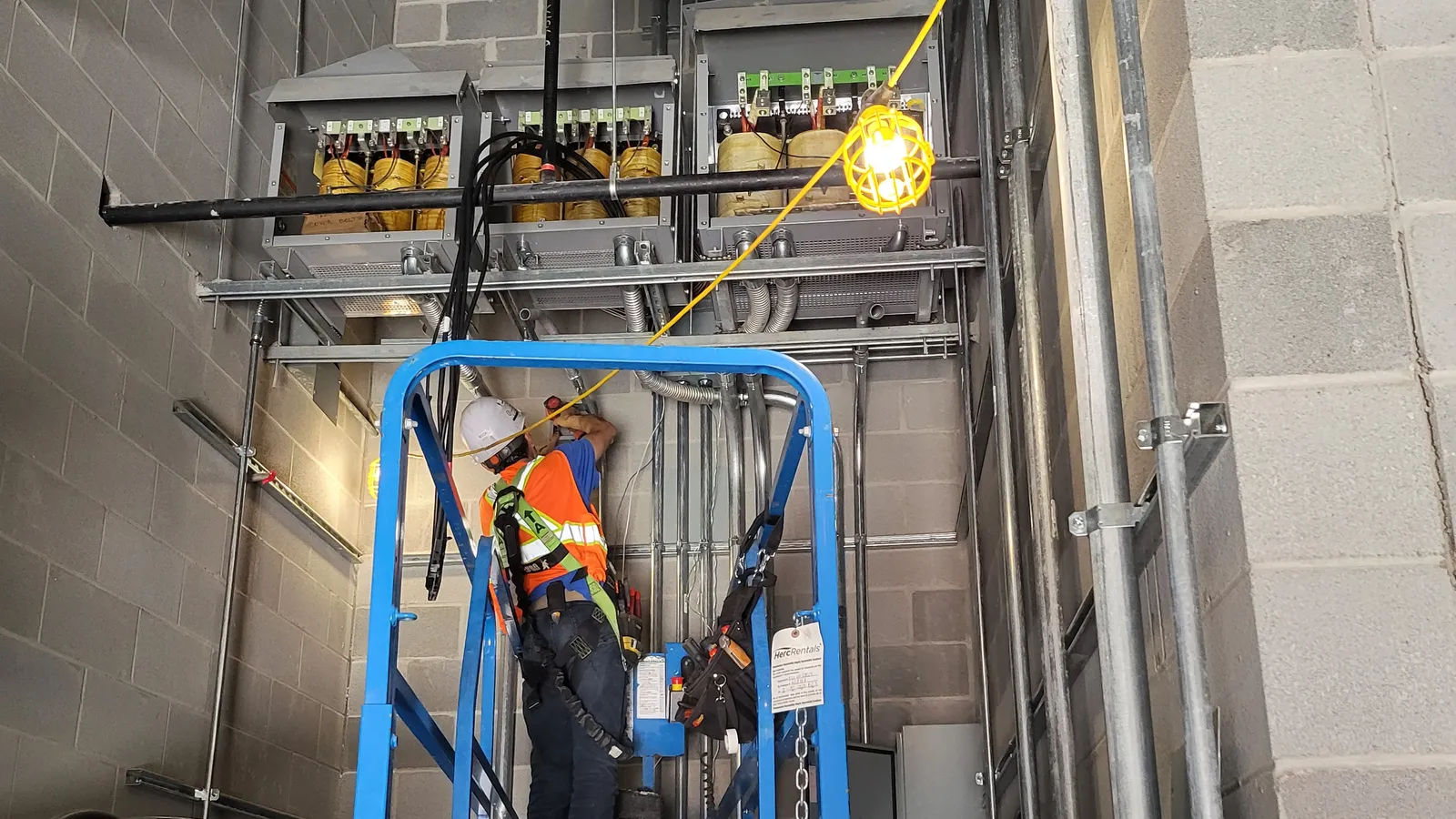
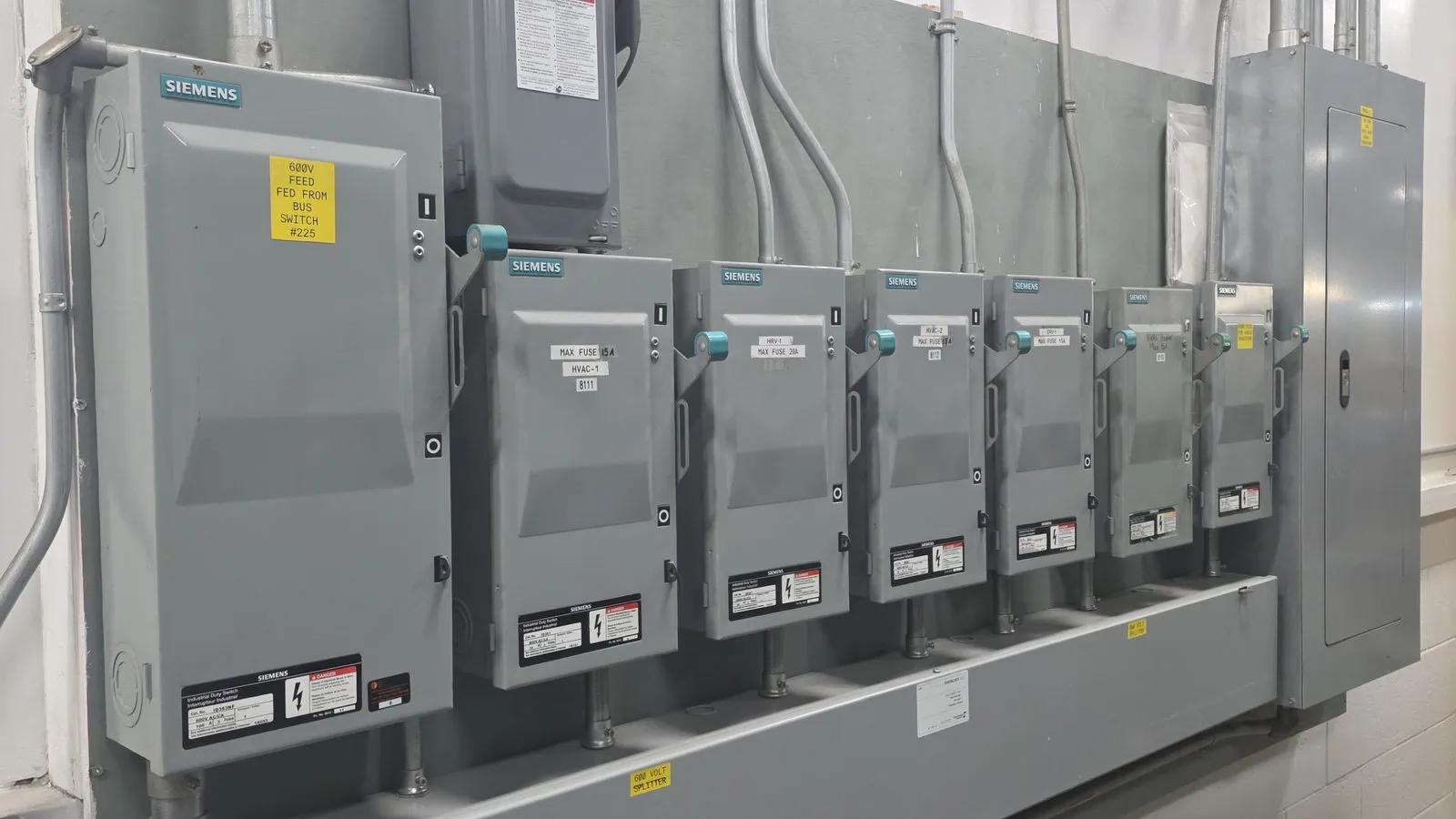
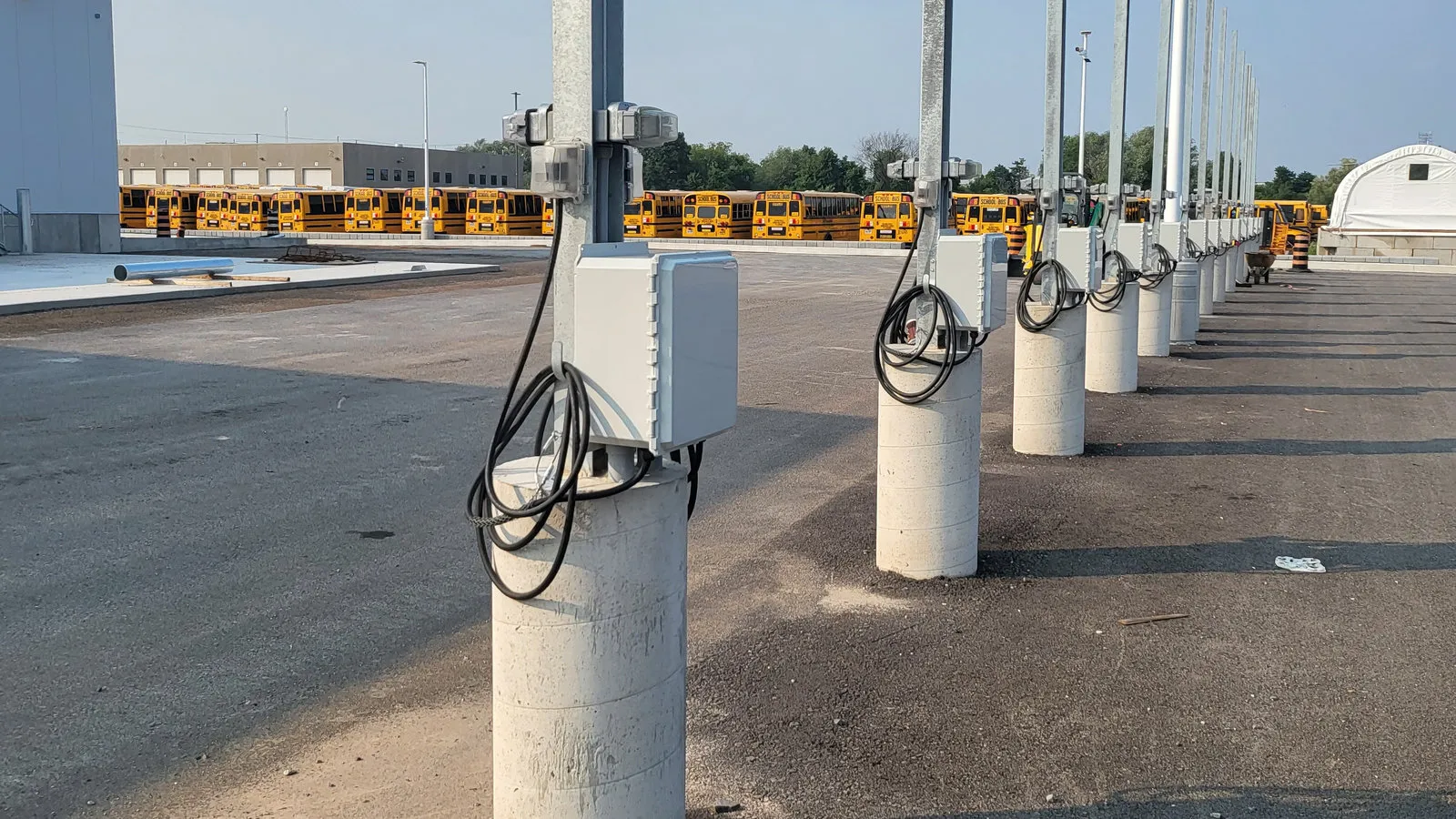
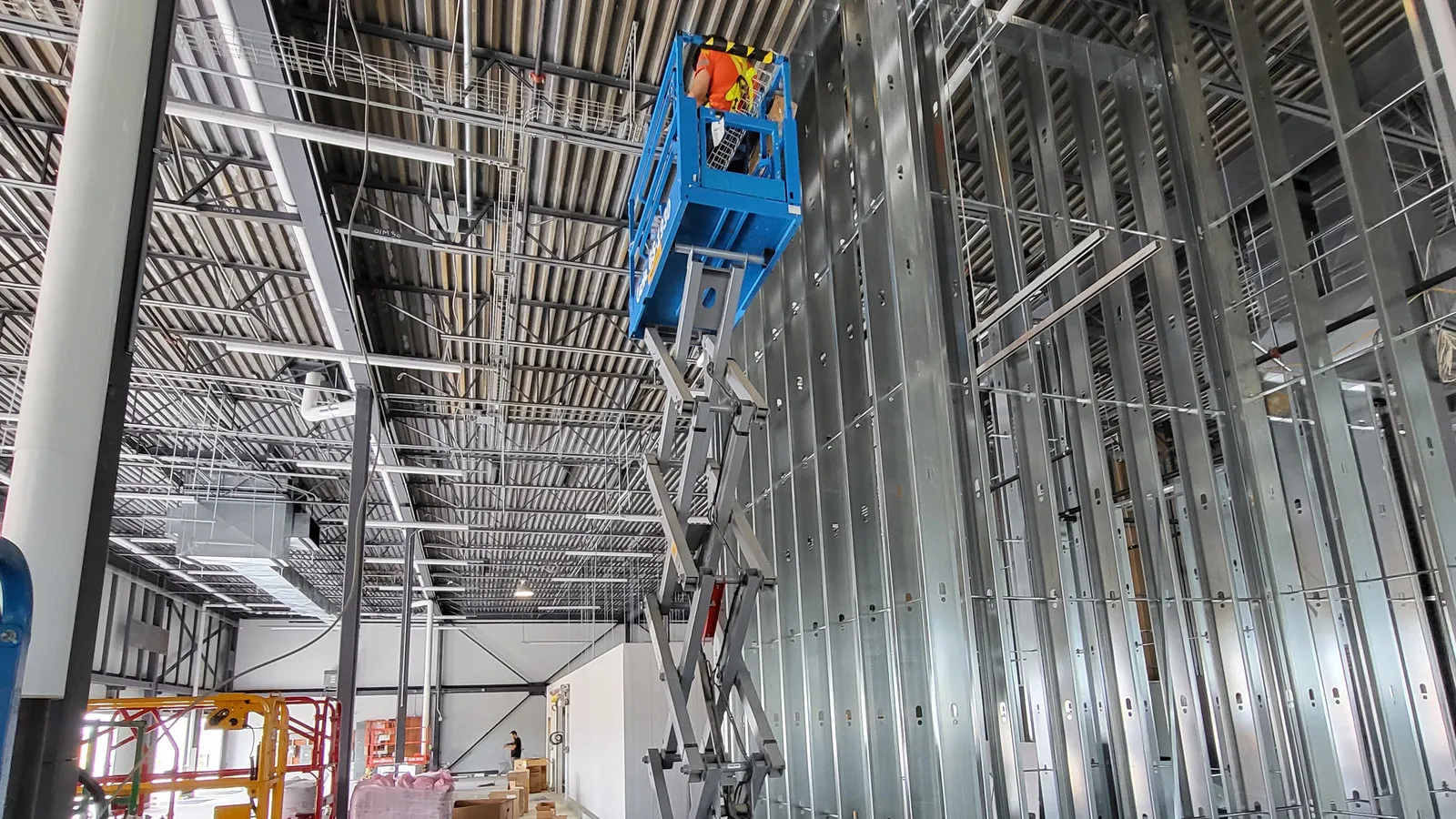
When electrical failure hits a commercial building, every minute can matter<
Recognize when an electrical problem needs immediate emergency service instead of waiting until regular business hours
Emergency electrical service becomes necessary when a commercial property has an urgent electrical problem that affects safety, interrupts business operations, or risks causing further damage if left unresolved.
Many commercial electrical emergencies in Toronto and the GTA begin with symptoms that escalate quickly. A breaker starts tripping repeatedly, a panel begins overheating, a section of the building loses power, lights go out unexpectedly, equipment shuts down, or a burning smell appears near electrical equipment. In some cases, the issue may affect only one area at first, but emergency conditions can spread if the underlying fault involves feeders, overloaded distribution, loose connections, damaged conductors, or failing breakers. Waiting too long can turn a manageable repair into a larger outage, equipment damage, or a serious safety hazard.
A 24/7 emergency electrical response is especially important for offices, warehouses, retail spaces, restaurants, plazas, and mixed-use buildings where stable electrical service is essential to daily operation. Refrigeration, POS systems, security electronics, internet equipment, emergency lighting, tenant power, HVAC systems, and production loads may all depend on immediate action when something goes wrong. In some cases, once the immediate hazard is controlled, it may also make sense to review commercial power quality analysis because repeated shutdowns or abnormal equipment behavior may point to deeper electrical instability beyond the emergency itself.
Emergency electrical service is not only about restoring power. It is also about making the system safe enough to operate, identifying whether the condition is isolated or widespread, and determining what permanent repair work is required next. Some emergencies can be stabilized quickly, while others reveal deeper equipment deterioration or infrastructure problems that need follow-up work. In either case, fast professional response helps reduce confusion, protect equipment, and limit disruption to business activity.
Investing in rapid emergency electrical response helps commercial property owners and managers reduce downtime, protect people and equipment, and respond more effectively when unexpected electrical failures occur. It is one of the most important services for any building that cannot afford prolonged electrical disruption.
Power Is Out in Part of the Building
Loss of power to tenant areas, equipment, or critical circuits often requires urgent electrical response.
Breakers Keep Tripping Repeatedly
Repeated tripping may signal overload, equipment failure, damaged wiring, or unsafe panel conditions.
Burning Smell or Visible Heat
Overheating electrical equipment is a serious warning sign that should be treated as an emergency.
Panel, Breaker, or Disconnect Looks Damaged
Physical damage, charring, buzzing, or arcing signs can indicate an unsafe electrical condition.
Critical Equipment Has Shut Down
Emergency service is often needed when refrigeration, IT, HVAC, or security systems lose electrical support.
Tenant Operations Are Interrupted
Commercial tenants often need immediate response when electrical issues affect business continuity.
Unsafe Wiring or Exposed Conductors
Visible damage or exposed energized parts can create immediate safety risk and should not wait.
Need Fast Stabilization Before Permanent Repair
Some situations require urgent safe restoration first, followed by more complete repair planning afterward.
WHY CHOOSE US
Why Businesses Choose Us
We focus on practical solutions rather than temporary fixes, ensuring your electrical system performs safely under real conditions. Every electrical work is completed with proper planning, correct equipment selection, and attention to long-term performance.
Our approach eliminates unnecessary work and is based on accurate diagnostics, not assumptions, so you only pay for what your system actually needs. We prioritize safety, efficiency, and clean execution on every project.
As a result, you receive a reliable, code-compliant electrical system that supports your home today and is fully prepared for future electrical demands.
Licensed & Insured
All work is performed by qualified, fully insured electricians, ensuring safety, accountability, and compliance with all regulations.
ESA certified work
Every project includes permits and ESA inspection, guaranteeing that the installation meets Ontario Electrical Safety Code requirements.
Professional installations
We install panels with precise wiring, proper layout, and clear labeling, making the system safe, accessible, and easy to maintain.
Transparent pricing
You receive clear pricing based on the actual scope of work, with no hidden costs or unexpected changes during the entire project.
Fast scheduling
We schedule work efficiently and arrive on time, minimizing downtime and ensuring your electrical system is restored as quickly as possible.
Accurate calculations
We calculate electrical demand based on real usage, ensuring your panel is properly sized for both current and future electrical needs.
Code-compliant work
All installations strictly follow current electrical code requirements, ensuring safety, inspection approval, and long-term system reliability.
Reliable workmanship
Our experience allows us to deliver consistent, high-quality results that perform reliably under real operating conditions over time.
CODE & SAFETY REQUIREMENTS
Ontario Electrical Safety Code Compliance
The Ontario Electrical Safety Code (OESC) sets the minimum legal safety requirements for electrical installations in Ontario. For emergency electrical service, Code awareness is essential because urgent fault conditions often involve damaged equipment, unsafe operation, overcurrent protection, conductor integrity, access to electrical equipment, and the need for immediate corrective work under safe conditions.
Following the Code helps reduce the risk of fire, electric shock, unsafe temporary repairs, repeated failures, equipment damage, and post-emergency compliance issues. It also helps ensure that emergency corrective work is carried out in a way that aligns with current Ontario safety requirements for approved equipment, conductors, overcurrent protection, and electrical installation practices.
Emergency response does not replace the formal inspection role of ESA, but emergency electrical service should be carried out with awareness of the current Ontario Electrical Safety Code, ESA notification procedures, and the practical safety obligations that apply when urgent electrical faults are stabilized and repaired in commercial buildings.
Rules commonly applicable to emergency electrical service
-
Rule 2-004 — Notification of work / ESA inspection process
Electrical work must be properly notified to ESA where required, and emergency corrective work may need to follow the applicable inspection and authorization process. -
Rule 2-022 — Approved electrical equipment
Electrical equipment used in Ontario must be approved in accordance with Code requirements. -
Rule 2-024 — Approval requirements for electrical equipment
Equipment must be approved to recognized standards and accepted for use in Ontario. -
Rule 2-300 — Maintenance and operation
Electrical equipment must be maintained and operated in a safe condition, which is directly relevant during emergency failure conditions. -
Rule 2-308 and Rule 2-310 — Working space around electrical equipment
Safe access and required working clearances around electrical equipment must be maintained for examination, emergency response, operation, and repair. -
Rule 2-314 — Working space to be kept clear
Working space around electrical equipment must not be obstructed or used for storage. -
Rule 8-104 — Maximum circuit loading
Connected load and demand must be considered so conductors and equipment are not subjected to overload conditions that can contribute to emergency failures. -
Rule 14-100 — Protection of conductors by overcurrent devices
Conductors must be protected by properly rated overcurrent devices in accordance with Code requirements. -
Rule 14-104 — Rating and coordination of overcurrent protection
Overcurrent protection must be coordinated with conductor ampacity and the electrical characteristics of the installation. -
Section 26 — Installation of electrical equipment
Panels, breakers, disconnects, and related electrical equipment must remain installed and maintained in accordance with applicable equipment rules.
Note: Rule selection may vary depending on the nature of the emergency, building occupancy, service size, equipment type, maintenance history, tenant modifications, and whether the emergency leads to corrective work or replacement. Exact official wording should be taken from the current purchased edition of the Ontario Electrical Safety Code.
COMMON QUESTIONS
FAQ — Emergency Electrical Service
1. What is emergency electrical service for commercial properties?
It is a rapid-response electrical service for urgent problems that affect safety, interrupt business operation, or create immediate risk in a commercial building.
2. What kinds of problems count as an electrical emergency?
Common examples include sudden power loss, repeated breaker tripping, burning smell, overheating panels, damaged electrical equipment, unsafe wiring, and failures affecting critical building operations.
3. Do you provide 24/7 emergency electrical service?
Yes. Emergency electrical service is intended for urgent commercial situations that cannot safely wait until regular business hours.
4. What types of commercial properties do you respond to?
We respond to offices, warehouses, retail units, plazas, restaurants, mixed-use buildings, and other commercial properties across Toronto and the GTA.
5. Can you restore power during an emergency call?
Where it can be done safely, the goal is to stabilize the situation and restore essential electrical operation as quickly as possible. The exact result depends on the nature of the fault and the condition of the system.
6. Is emergency service the same as troubleshooting?
No. Troubleshooting focuses on diagnosis, while emergency service focuses first on urgent response, safety, stabilization, and restoring operation where possible. Diagnosis is still part of the emergency process.
7. What should I do if I smell burning near electrical equipment?
Treat it as an urgent electrical condition. Keep people clear of the area, avoid interfering with damaged equipment, and arrange immediate professional assessment.
8. Can emergency electrical service help with repeated breaker tripping?
Yes. Repeated tripping may indicate overload, damaged wiring, failing breakers, or unsafe panel conditions that need urgent attention.
9. What happens after the immediate emergency is stabilized?
After the urgent condition is controlled, the next step is to identify what permanent corrective work is required to restore reliable and safe long-term operation.
10. Can emergency calls lead to recommendations for other services?
Yes. Depending on what is found, follow-up services such as thermal inspection, power quality analysis, breaker replacement, or infrastructure upgrades may be recommended.
11. Does emergency electrical repair require ESA notification?
Where applicable, electrical work in Ontario must follow ESA notification and inspection requirements, including emergency corrective work that goes beyond immediate diagnosis or stabilization.
12. What is the main benefit of emergency electrical service?
The main benefit is rapid response to unsafe or disruptive electrical problems so the building can be stabilized faster, risk can be reduced, and business interruption can be limited.
SERVICE AREAS
Serving Toronto & the Greater Toronto Area
We provide residential, commercial, and industrial electrical services across Toronto and the GTA, supporting homes, businesses, and facilities with reliable and code-compliant electrical solutions.
Our service coverage includes major cities and surrounding areas, allowing us to respond quickly and deliver consistent service across the region.
Toronto
North York
Thornhill
Richmond Hill
Vaughan
Markham
Scarborough
Etobicoke
Mississauga
Brampton
ADDITIONAL SERVICE AREAS
Hamilton
Oakville
Burlington
Milton
Georgetown
Pickering
Ajax
Whitby
Oshawa
Clarington
Aurora
Newmarket
Bradford
King City
Barrie