
Toronto & GTA Electrical Contractor
EV Charger Maintenance in Toronto & GTA
Residential, commercial, and industrial electrical work — installations, upgrades, troubleshooting, maintenance, and code-compliant solutions.
Licensed & Insured
Fast Response
Code-Compliant Work
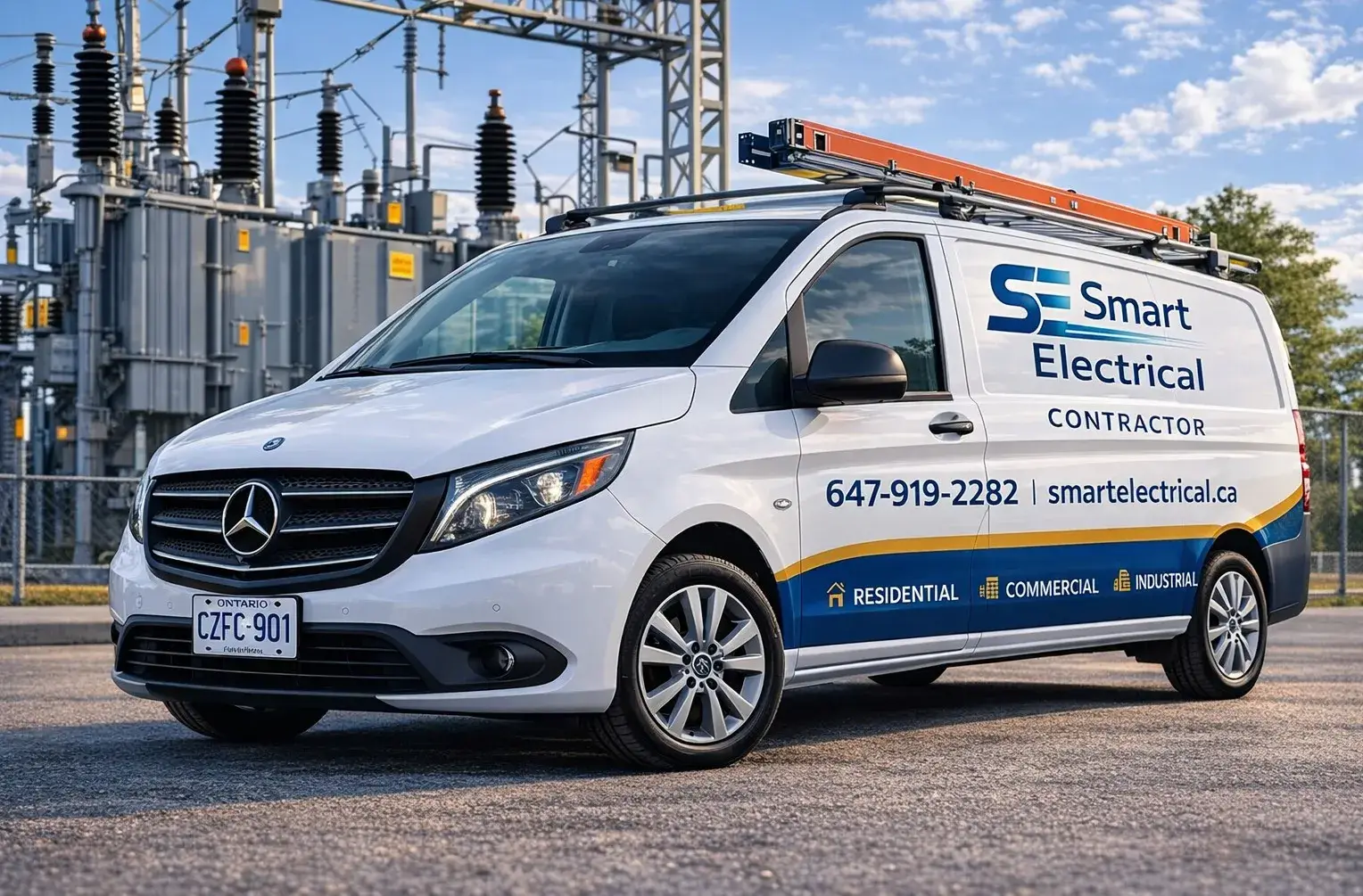
MAINTAINING COMMERCIAL EV CHARGING SYSTEMS
What We Do
We provide commercial EV charger maintenance for offices, retail plazas, warehouses, mixed-use buildings, fleet sites, and other business properties across Toronto and the GTA. This service focuses on keeping EV charging equipment safe, reliable, and ready for regular use through inspection, testing, servicing, and preventive maintenance. Many commercial property owners install EV chargers and then assume the system will operate indefinitely without attention. In reality, EV charging equipment is part of an active electrical system exposed to weather, repeated plugging cycles, cable wear, user handling, vehicle traffic, and daily electrical loading conditions.
Commercial EV charger maintenance is important for properties with employee chargers, customer charging stations, fleet chargers, and multi-vehicle charging areas where equipment reliability directly affects user experience and operational value. Over time, charging connectors can wear, cables can become damaged, pedestals can loosen, enclosures can deteriorate, and electrical terminations can develop heat or resistance issues if they are not checked properly. Outdoor charging equipment is especially exposed to moisture, temperature swings, UV exposure, corrosion, impact risk, and general wear from constant use. A EV charger maintenance program helps detect these problems early before they lead to charger downtime, unsafe operation, nuisance tripping, or expensive equipment replacement.
We maintain EV charging systems and associated electrical infrastructure from brands such as Tesla, ChargePoint, FLO, ABB, Wallbox, Siemens, Schneider Electric, Eaton, Autel, Delta, and other commercial-grade charging manufacturers depending on the site. EV charger Maintenance work may include visual inspection, electrical connection checks, charger mounting inspection, cable and connector assessment, protective device review, enclosure condition review, operational testing, circuit verification, and confirmation that the charger is performing properly under normal use. In some cases, charger issues are not caused by the charger itself, but by the surrounding electrical system, feeder connections, grounding issues, breaker problems, or changing site demand. Where needed, maintenance may also connect with EV power distribution, commercial load monitoring, or commercial power quality analysis to identify deeper electrical causes.
Our process begins with reviewing the charger type, charger count, installation environment, usage level, mounting method, and any history of performance issues at the property. Some sites only need periodic preventive maintenance to keep equipment in good operating condition. Other sites need more detailed attention because chargers are used heavily, exposed to harsher outdoor conditions, or serving fleet and multi-user operations where downtime is more disruptive. We also check whether the physical installation remains sound, whether cable handling hardware is functioning properly, and whether the electrical support equipment is still appropriate for the way the chargers are being used. If maintenance reveals that charger demand has grown beyond the original design, the site may also need improvements such as charging load management or upgraded distribution support.
A properly maintained commercial EV charging system lasts longer, performs more reliably, and creates fewer service interruptions for the property owner and users. It also helps reduce preventable failures, identify early warning signs, and support safer long-term operation of the entire charging installation. We focus on practical, code-compliant maintenance work that keeps commercial charging systems dependable and easier to manage over time. For Ontario electrical safety and compliance information, refer to the Electrical Safety Authority (ESA).
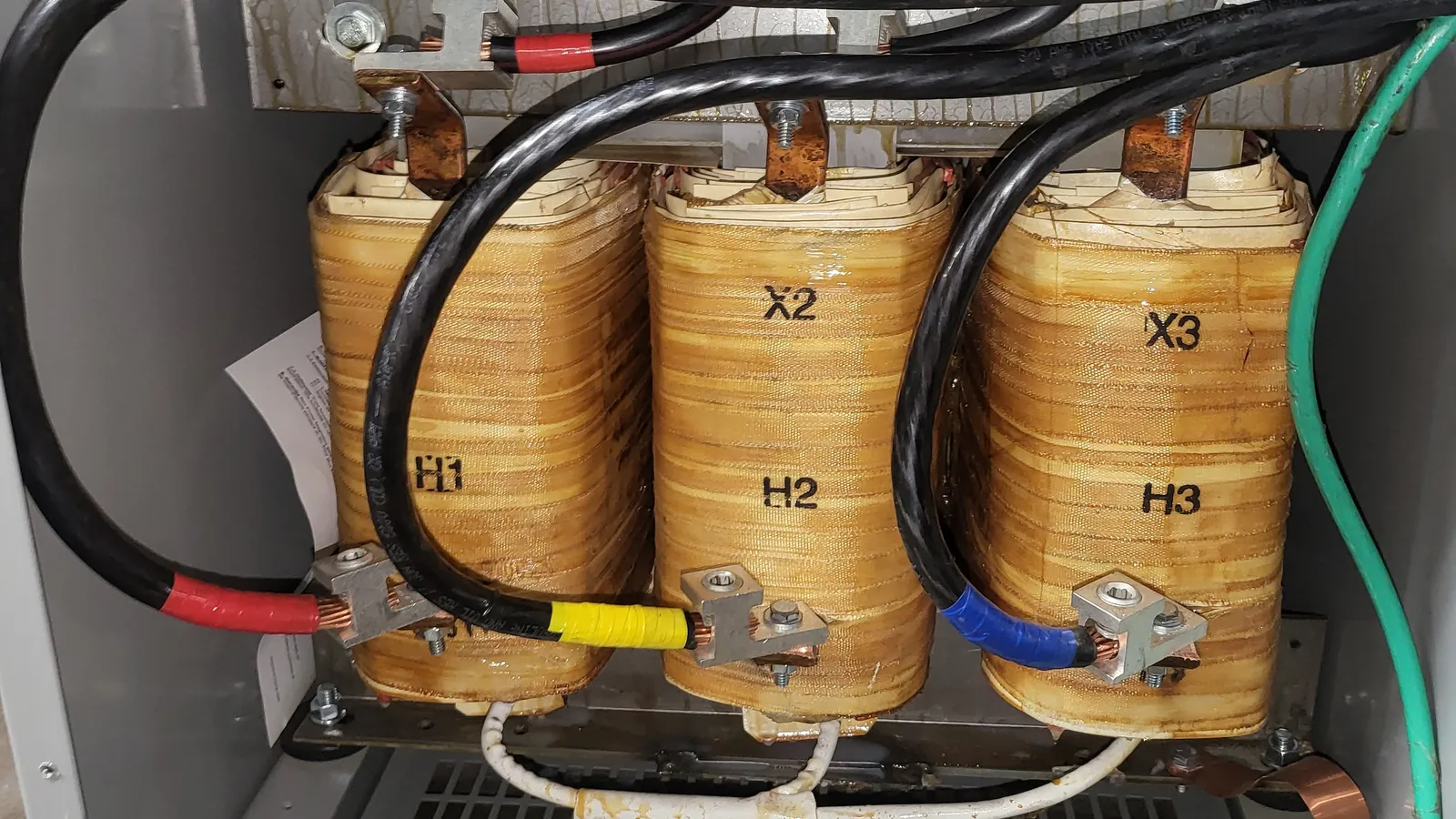
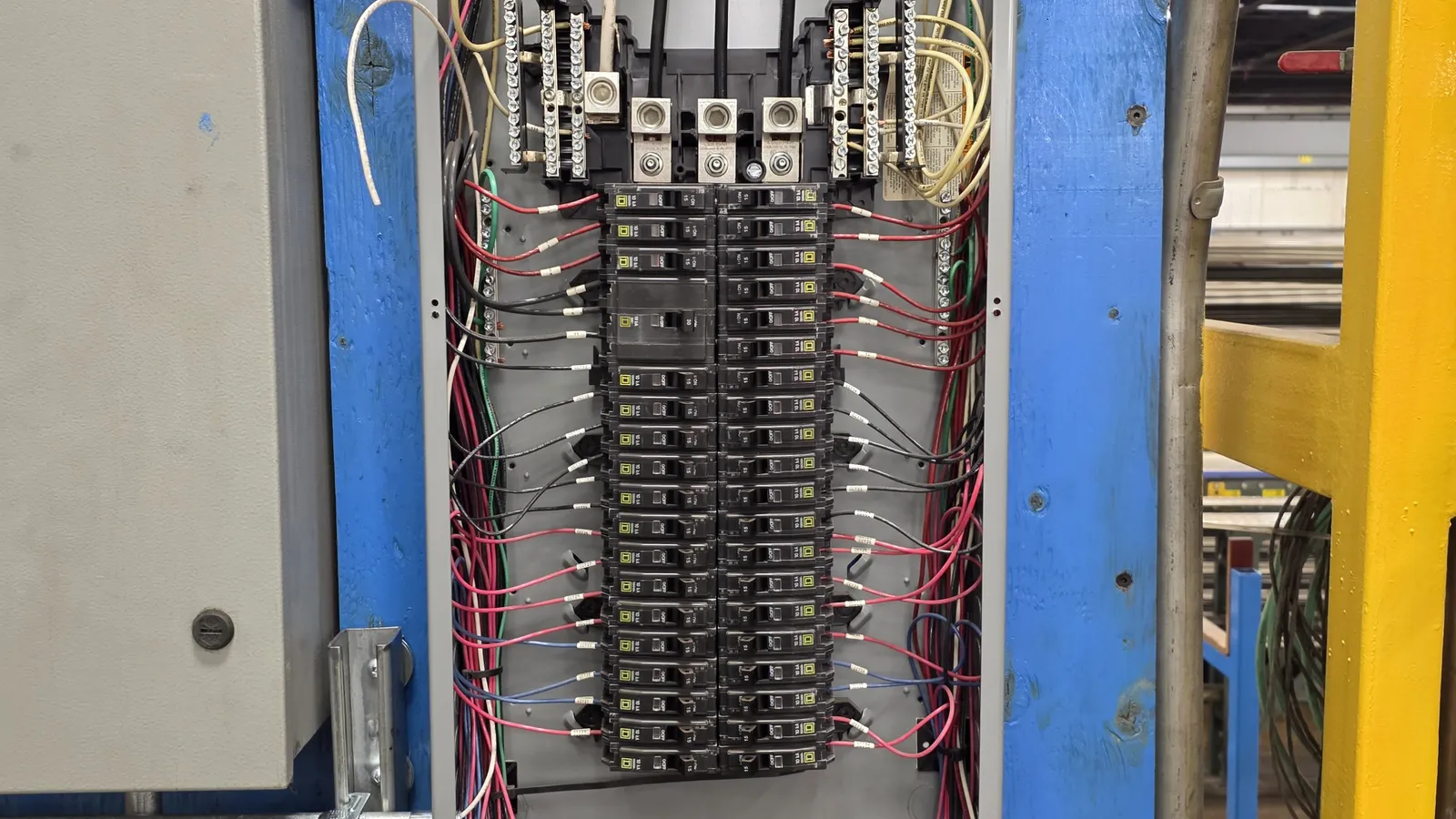
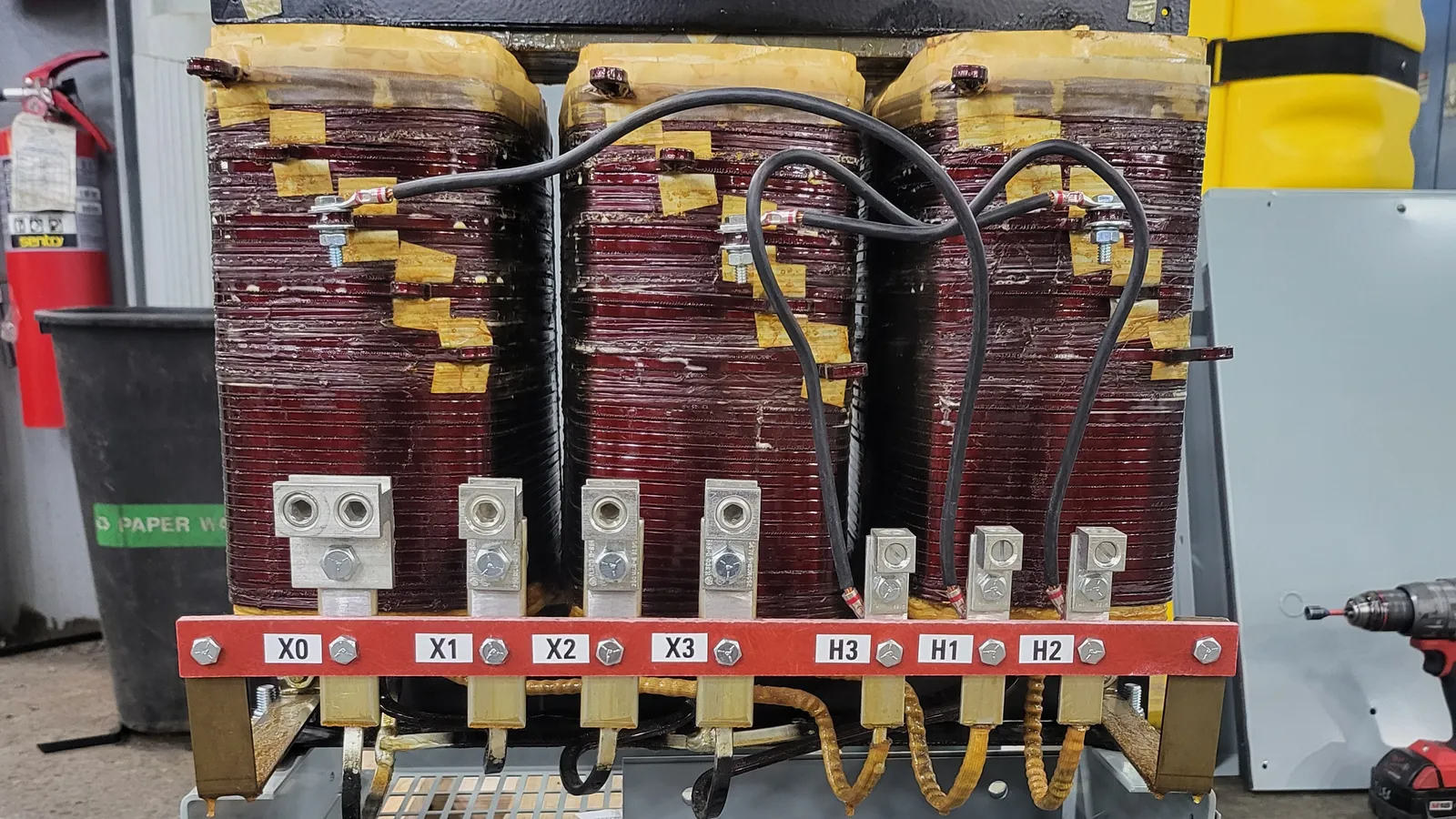
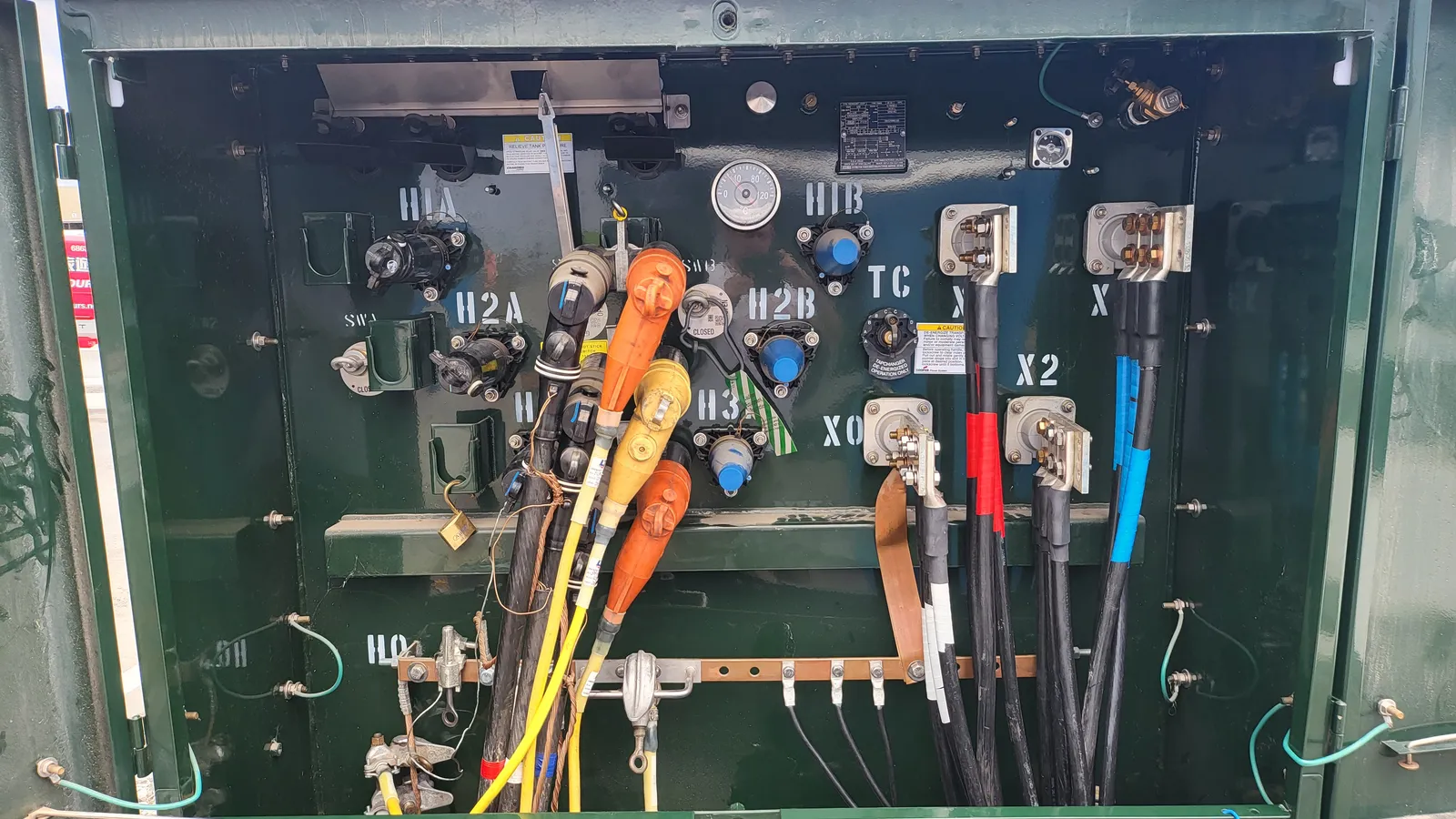
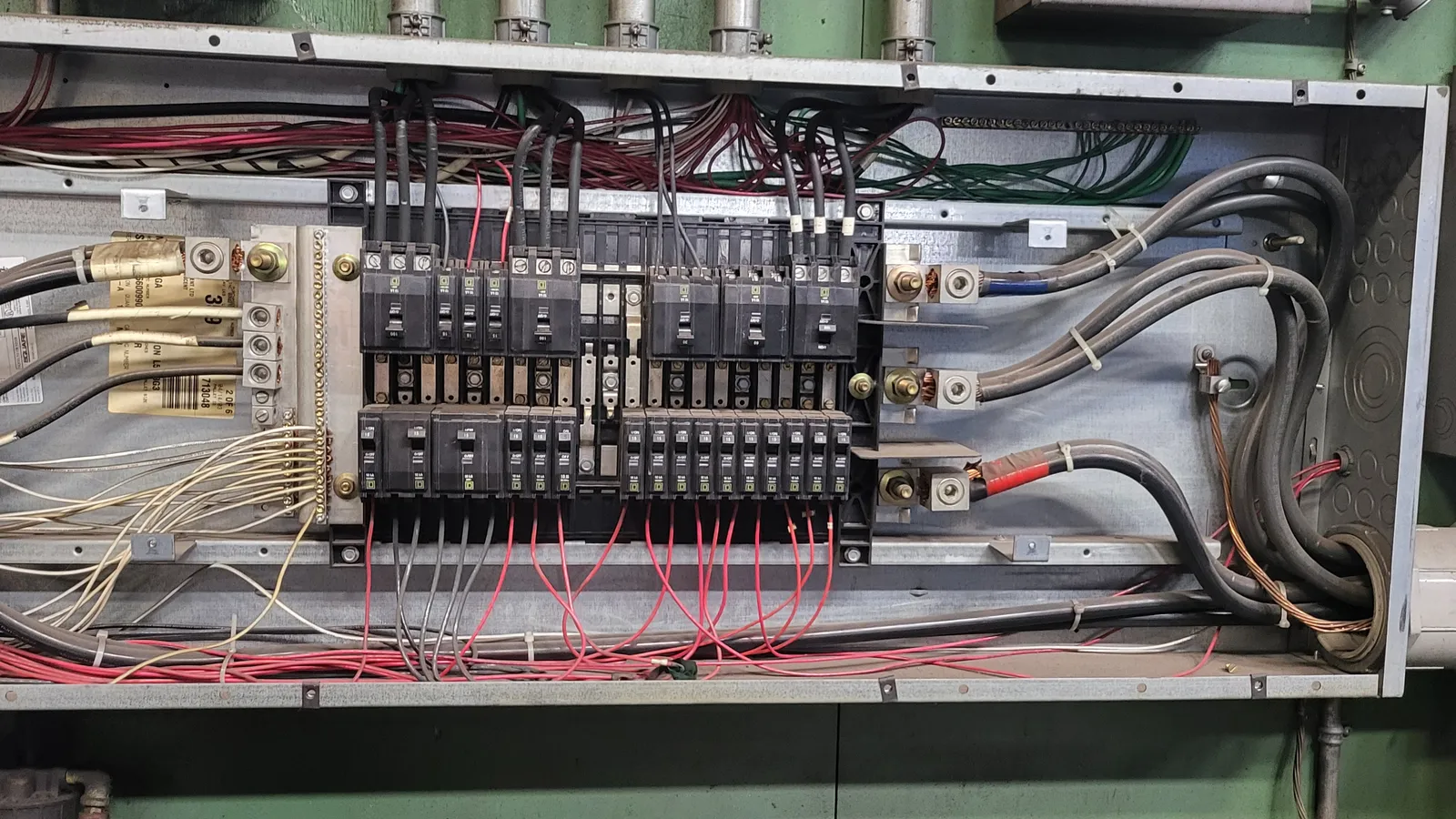
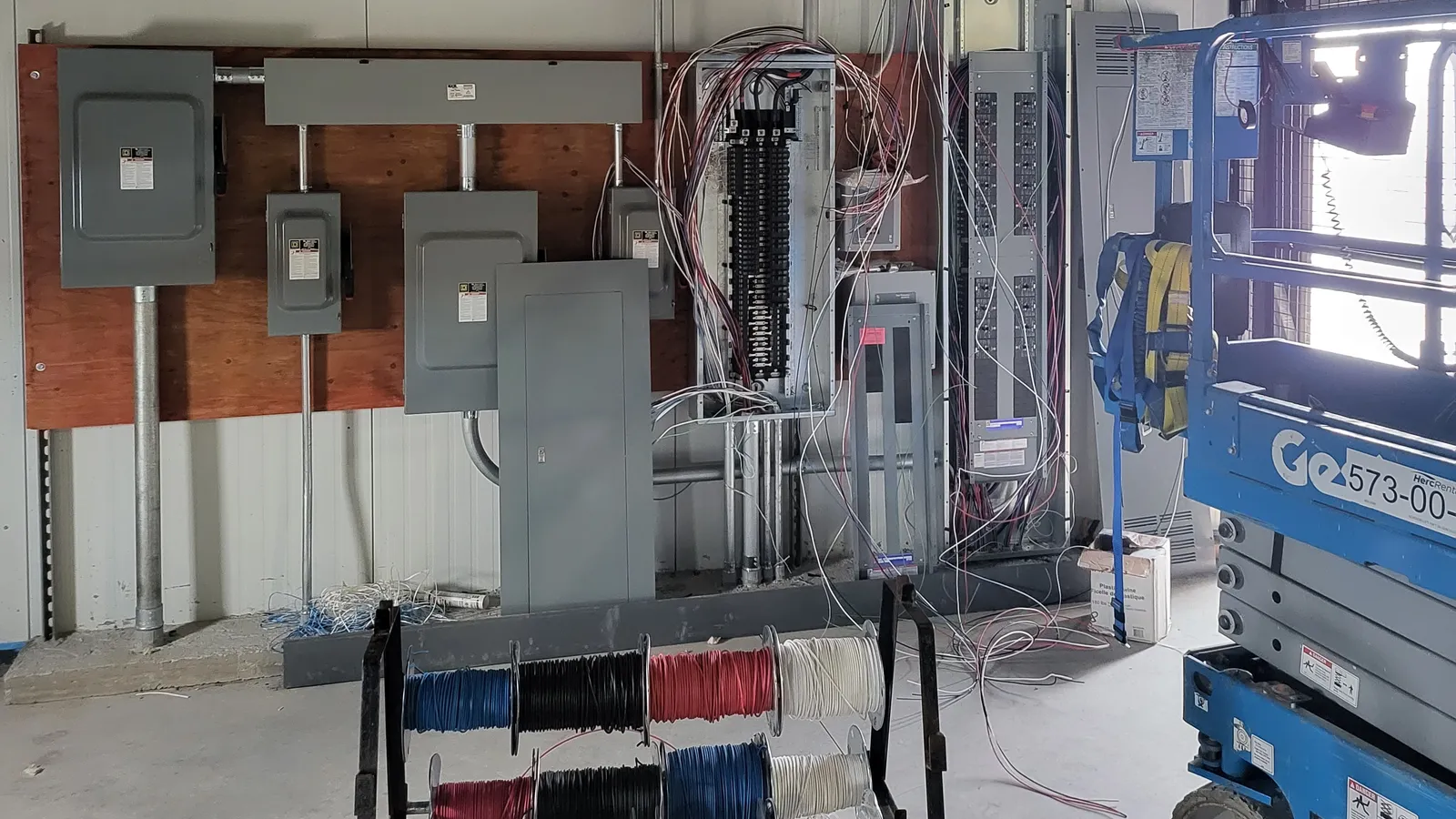
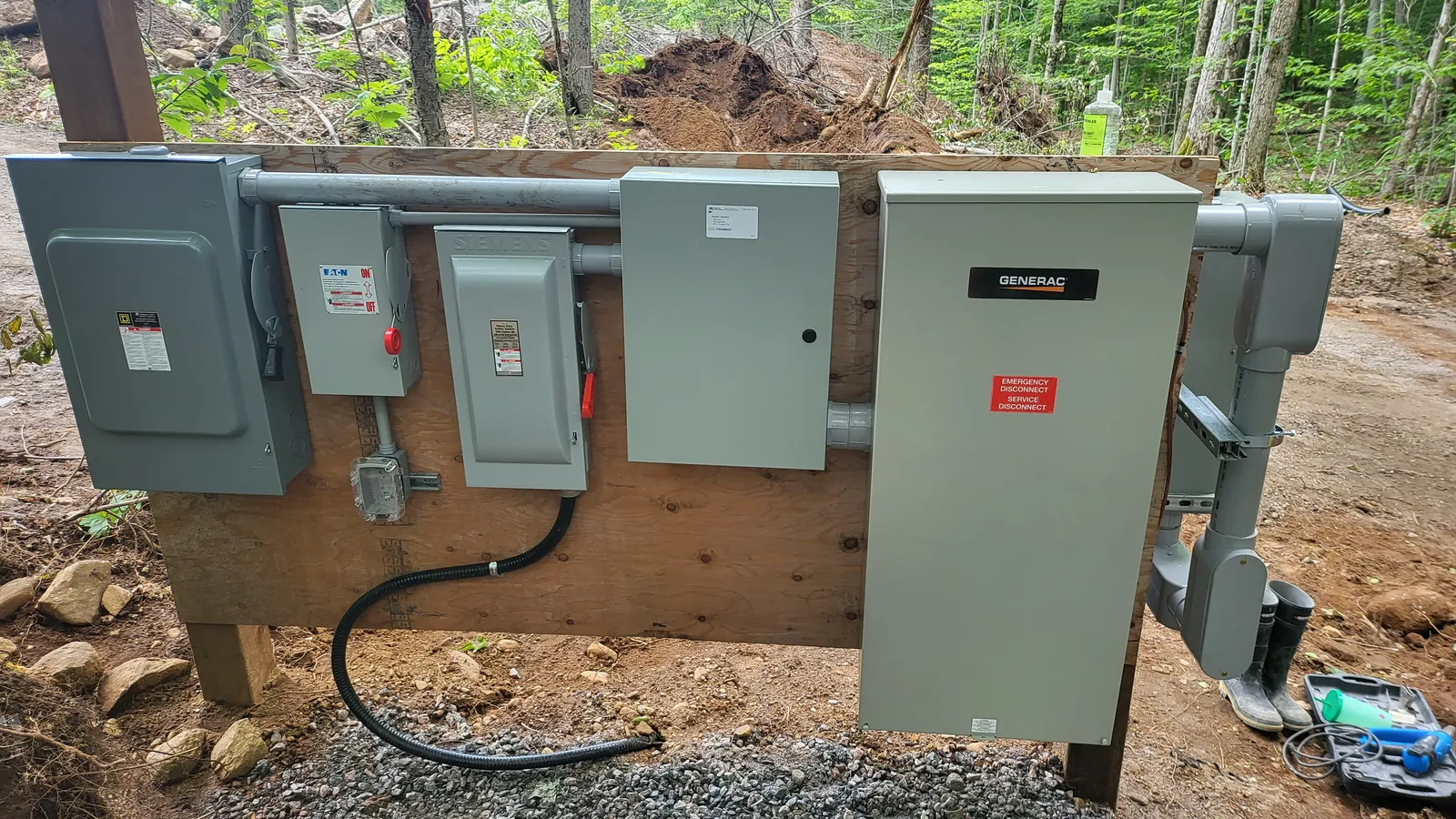
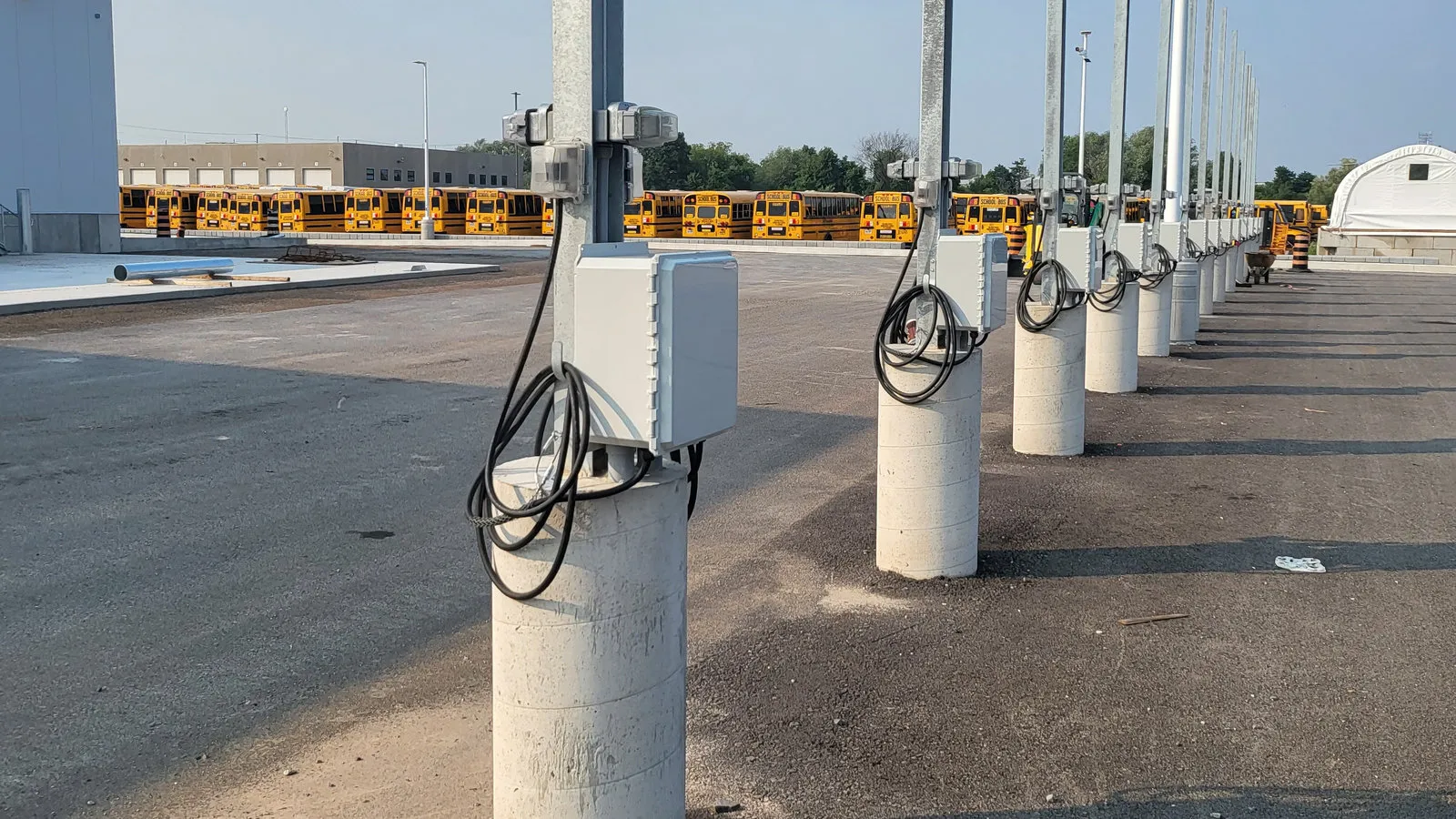
When EV Charging Equipment Needs Preventive Service
Recognize the warning signs before charger issues lead to downtime or unsafe operation
Commercial EV charger maintenance becomes important when charging equipment is being used regularly and the property wants to prevent failures instead of only reacting after a charger stops working.
Many commercial EV charging systems in Toronto and the GTA operate outdoors, serve multiple users, or experience repeated daily charging cycles that place real wear on cables, connectors, enclosures, and electrical connections. Over time, even a well-installed charger can develop issues related to loose mounting, damaged cables, worn connectors, weather exposure, corrosion, or heat at electrical terminations. If these problems are ignored, the result can be reduced charging performance, nuisance tripping, unsafe conditions, or complete charger downtime.
A professional EV charger maintenance program helps catch these issues early through inspection, testing, and servicing of both the charger and the supporting electrical infrastructure. This is especially valuable at properties with several chargers, outdoor parking installations, or fleet charging operations where equipment downtime affects more than one user. Depending on the site, maintenance may also uncover the need for related improvements such as fleet charging installation, EV power distribution, or deeper assessment through commercial power quality analysis.
Waiting until a charger fails completely often leads to greater disruption, harder troubleshooting, and more expensive corrective work. A regular maintenance approach helps keep the system safer, more dependable, and more predictable for daily use.
It also helps extend equipment life and gives the property owner better visibility into how the charging system is aging over time.
Chargers Are Used Daily
Frequent use increases wear on connectors, cables, mounts, and electrical components.
Outdoor Equipment Faces Harsh Conditions
Moisture, snow, salt, UV exposure, and temperature swings can affect long-term charger condition.
Cables or Connectors Show Wear
Visible wear is an early sign that charger hardware should be inspected before failure occurs.
Users Report Inconsistent Charging
Intermittent performance can point to charger issues or deeper electrical problems.
Several Chargers Serve One Property
Multi-charger sites benefit from structured maintenance to reduce downtime and catch issues early.
Fleet Operations Depend on Charging
Preventive maintenance helps avoid operational disruption when chargers are part of daily fleet use.
Breaker Trips or Faults Occur
Repeated trips may indicate charger wear, connection problems, or electrical support issues.
No Service History Exists
Commercial chargers should be inspected periodically instead of being left unchecked for years.
WHY CHOOSE US
Why Businesses Choose Us
We focus on practical solutions rather than temporary fixes, ensuring your electrical system performs safely under real conditions. Every electrical panel upgrade is completed with proper planning, correct equipment selection, and attention to long-term performance.
Our approach eliminates unnecessary work and is based on accurate diagnostics, not assumptions, so you only pay for what your system actually needs. We prioritize safety, efficiency, and clean execution on every project.
As a result, you receive a reliable, code-compliant electrical system that supports your home today and is fully prepared for future electrical demands.
Licensed & Insured
All work is performed by qualified, fully insured electricians, ensuring safety, accountability, and compliance with all regulations.
ESA certified work
Every project includes permits and ESA inspection, guaranteeing that the installation meets Ontario Electrical Safety Code requirements.
Professional installations
We install panels with precise wiring, proper layout, and clear labeling, making the system safe, accessible, and easy to maintain.
Transparent pricing
You receive clear pricing based on the actual scope of work, with no hidden costs or unexpected changes during the entire project.
Fast scheduling
We schedule work efficiently and arrive on time, minimizing downtime and ensuring your electrical system is restored as quickly as possible.
Accurate calculations
We calculate electrical demand based on real usage, ensuring your panel is properly sized for both current and future electrical needs.
Code-compliant work
All installations strictly follow current electrical code requirements, ensuring safety, inspection approval, and long-term system reliability.
Reliable workmanship
Our experience allows us to deliver consistent, high-quality results that perform reliably under real operating conditions over time.
CODE & SAFETY REQUIREMENTS
Ontario Electrical Safety Code Compliance
The Ontario Electrical Safety Code (OESC) sets the minimum legal safety requirements for electrical installations in Ontario. For commercial EV charger maintenance, compliance with the Code is important because charging equipment, branch circuits, feeders, grounding methods, protective devices, and supporting electrical infrastructure must remain in safe working condition throughout the life of the installation.
Following the Code helps reduce the risk of electric shock, overheating, conductor damage, equipment failure, unsafe deterioration, nuisance tripping, and maintenance-related safety issues. It also helps ensure that EV charging systems continue to operate using approved equipment and safe electrical conditions after installation.
Commercial EV charger maintenance should be carried out with the current Ontario Electrical Safety Code and safe ESA-related practices in mind, especially where repairs, component replacement, or electrical modifications are involved.
Rules commonly applicable to commercial EV charger maintenance
-
Rule 2-022 — Approved electrical equipment
Replacement parts and related equipment used in maintenance must be approved for the intended application in Ontario. -
Rule 2-024 — Approval requirements for electrical equipment
Equipment and components must remain approved to recognized standards for continued safe use. -
Rule 2-100 — General requirements for electrical installations
Electrical equipment and related wiring must remain suitable for actual service conditions and safe continued operation. -
Rule 2-300 — General requirements for maintenance and operation
Electrical equipment must be kept in safe working condition and maintained in accordance with Code requirements. -
Rule 2-308 — Damage and deterioration
Electrical equipment that is damaged or deteriorated in a manner affecting safety must be repaired or replaced. -
Rule 2-314 — Working space around electrical equipment
Required working space around panels, disconnects, and related electrical equipment must be maintained for safe servicing and operation. -
Rule 4-004 — Ampacity of wires and cables
Conductors associated with EV charging equipment must remain suitable for the actual load and installation conditions. -
Rule 14-100 — Protection of conductors by overcurrent devices
Conductors supplying EV chargers must remain protected by properly rated overcurrent devices. -
Rule 14-104 — Rating and application of overcurrent protection
Overcurrent protection must remain coordinated with conductor ampacity and charger characteristics. -
Rule 26-500 — Electric vehicle supply equipment
Electric vehicle supply equipment must continue to meet the applicable Code requirements governing safe EV charging installation and operation. -
Rule 10-204 — Grounding and bonding
Grounding and bonding associated with EV charging equipment must remain correct to ensure safe operation. -
Rule 2-004 — Notification of work / ESA inspection process
Where maintenance includes electrical alterations or replacement work requiring notification, the required ESA process must be followed.
Note: Rule selection may vary depending on charger type, maintenance scope, whether repairs or replacements are involved, outdoor exposure, and the condition of the existing electrical system. Exact official wording should be taken from the current purchased edition of the Ontario Electrical Safety Code, 2024.
COMMON QUESTIONS
FAQ — Commercial EV Charger Maintenance
1. What is commercial EV charger maintenance?
Commercial EV charger maintenance is the inspection, testing, servicing, and upkeep of EV charging equipment and its supporting electrical infrastructure to keep the system safe and reliable.
2. Why is EV charger maintenance important?
It helps prevent downtime, identify wear early, improve reliability, and reduce the risk of unsafe operating conditions or unexpected charger failure.
3. Do commercial EV chargers need maintenance even if they still work?
Yes. Chargers can continue operating while developing wear, loose connections, damaged cables, or enclosure problems that should be detected before they become larger failures.
4. What is usually checked during EV charger maintenance?
Maintenance may include visual inspection, cable and connector condition review, mounting checks, electrical connection assessment, protective device review, enclosure condition review, and operational testing.
5. Are outdoor commercial EV chargers more likely to need maintenance?
Yes. Outdoor chargers are exposed to weather, UV, moisture, salt, temperature changes, and physical handling, which can increase wear over time.
6. Can maintenance help prevent charger breakdowns?
Yes. Preventive maintenance is one of the best ways to identify early problems before they lead to full charger failure or service interruption.
7. How often should commercial EV chargers be maintained?
The right interval depends on charger usage, outdoor exposure, site conditions, and how critical the chargers are to daily operations. High-use and fleet sites usually need more attention than lightly used systems.
8. Can EV charger maintenance identify electrical problems outside the charger itself?
Yes. Maintenance sometimes reveals issues with feeders, grounding, breakers, distribution equipment, or changing site demand that affect charger performance.
9. Is maintenance especially important for fleet charging sites?
Yes. Fleet sites depend on charger reliability for daily vehicle readiness, so preventive maintenance is particularly important where downtime affects operations.
10. Are permits or ESA involvement required for maintenance work?
Routine maintenance itself may not always require notification, but if the work includes electrical alteration, replacement, or repair that falls under ESA requirements, the proper process must be followed.
11. Can maintenance extend charger life?
Yes. Regular inspection and servicing can reduce wear-related failures, support safer operation, and help charging equipment remain in service longer.
12. How much does commercial EV charger maintenance cost?
The cost depends on charger quantity, charger type, site conditions, accessibility, maintenance scope, and whether corrective work or replacement components are needed.
SERVICE AREAS
Serving Toronto & the Greater Toronto Area
We provide residential, commercial, and industrial electrical services across Toronto and the GTA, supporting homes, businesses, and facilities with reliable and code-compliant electrical solutions.
Our service coverage includes major cities and surrounding areas, allowing us to respond quickly and deliver consistent service across the region.
Toronto
North York
Thornhill
Richmond Hill
Vaughan
Markham
Scarborough
Etobicoke
Mississauga
Brampton
ADDITIONAL SERVICE AREAS
Hamilton
Oakville
Burlington
Milton
Georgetown
Pickering
Ajax
Whitby
Oshawa
Clarington
Aurora
Newmarket
Bradford
King City
Barrie