
Toronto & GTA Electrical Contractor
Motion Sensor Lighting Installation Toronto, Richmond Hill, Mississauga & GTA
Residential, commercial, and industrial electrical work — installations, upgrades, troubleshooting, maintenance, and code-compliant solutions.
Licensed & Insured
Fast Response
Code-Compliant Work

OUR MOTION SENSOR LIGHTING PROCESS
What We Do
We provide professional motion sensor lighting installation for residential properties across Toronto and the GTA. Our goal is to improve safety, convenience, energy efficiency, and visibility around the home with properly placed motion sensor lights that respond when and where light is actually needed. Motion sensor lighting is one of the most practical upgrades for homeowners because it adds automatic illumination without leaving exterior lights running all night.
A well-designed motion sensor light installation helps protect entry points, driveways, garages, side yards, backyards, walkways, porches, and dark perimeter areas. These are the places where visibility matters most for daily movement, guest access, and general security. Motion sensor security lights can also make the home feel more comfortable and usable at night by reducing dark zones and automatically lighting areas when someone approaches.
Our motion sensor light electrician team installs exterior motion lights, motion sensor flood lights, entry lighting, garage security lights, driveway lighting, and smart motion sensor lighting systems. In many cases, this work is part of a broader exterior upgrade and fits naturally with outdoor & landscape lighting. In some homes, homeowners also combine the project with indoor lighting installation for hallways, mudrooms, or utility areas that benefit from automatic control. Where lighting coverage needs to extend across the property, motion sensor lighting may also support or complement other dedicated exterior fixtures.
Every motion sensor lighting installation starts with evaluating the property layout, the areas that need detection coverage, mounting height, wiring conditions, switching method, and how the homeowner wants the lights to behave. Some homeowners want sensors only at the front door or garage. Others need broader motion detector lights installation around side yards, rear access points, and backyard pathways. Proper planning is important because poor sensor placement can cause false triggers, missed detection zones, glare, and unreliable performance.
Motion sensor lighting also has to be installed with safety and compliance in mind. ESA advises that devices used outdoors must be rated for outdoor use to help prevent deterioration, shock hazards, and potential fires. ESA also notes that homeowners should consult a Licensed Electrical Contractor to ensure these systems are installed correctly and safely. For general smart-home and motion sensor safety guidance, see ESA here: ESA smart home and outdoor device guidance.
We install LED motion sensor lighting systems that are efficient, durable, and suitable for real outdoor conditions in Ontario. We also help homeowners replace older motion sensor lights that no longer trigger properly, stay on too long, react inconsistently, or use outdated fixtures with poor beam control. In many cases, upgrading the fixture and the sensor placement together provides a much better result than replacing the fixture alone.
A professionally installed motion sensor lighting system improves more than security. It also helps prevent trips and falls, makes nighttime access easier, reduces wasted energy, and improves everyday convenience. For homeowners in Toronto and the GTA, motion sensor lighting installation is a simple but high-value upgrade when it is planned properly and installed with approved, outdoor-rated equipment.


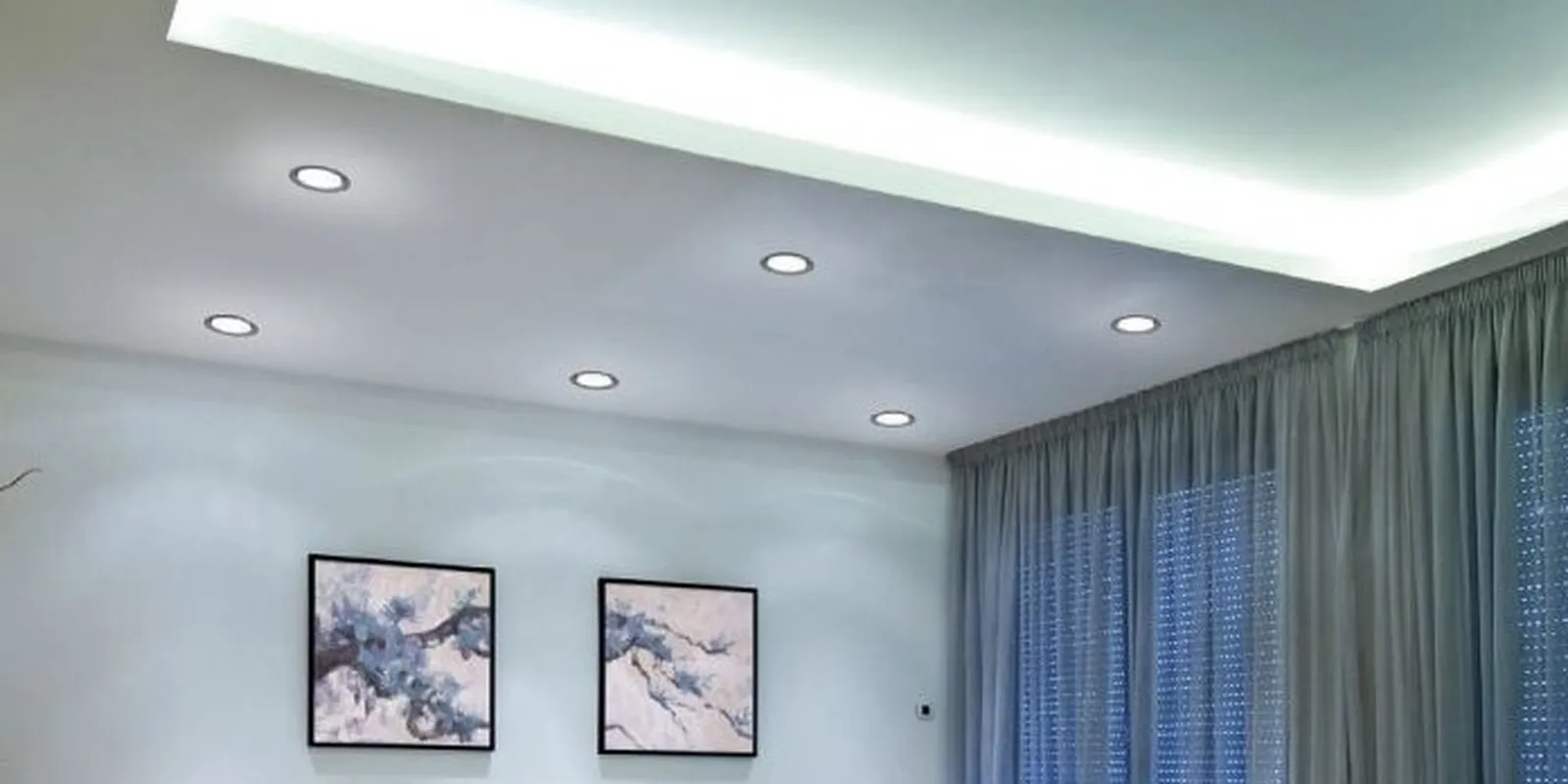

When You Need Motion Sensor Lighting
Reduce dark zones and improve security with automatic lighting where it matters most
Motion sensor lighting installation is one of the most effective ways to improve residential safety and convenience in Toronto and the GTA.
Many homes have entry points, side yards, garages, walkways, and backyard areas that become too dark after sunset. A professional motion sensor light installation solves that problem by turning lights on automatically when movement is detected.
This gives homeowners better visibility exactly when they need it, without leaving exterior lights running unnecessarily for the entire night. That makes motion sensor lighting both practical and energy efficient.
Motion sensor security lights are especially useful around front doors, garage doors, driveways, gates, rear access paths, and other areas where people approach the house or move around outside after dark.
They can also help discourage unwanted activity by removing the benefit of dark hiding spots around the property. Even simple driveway motion sensor lights or porch sensor lights can make the home feel noticeably safer.
Good sensor performance depends heavily on planning. The fixture position, mounting height, detection angle, sensitivity, and beam spread all need to be chosen carefully so the lights respond properly without constant false activation.
Poorly placed motion detector lights often trigger from passing cars, nearby sidewalks, or moving branches while still missing the areas that actually matter. A well-designed installation avoids those problems.
This kind of upgrade is often combined with outdoor & landscape lighting when homeowners want both decorative exterior lighting and automatic security lighting. In some homes, motion-based control also works well with other electrical upgrades and broader lighting modernization plans.
Safety matters even more when motion sensor lighting is installed outdoors. ESA specifically says that devices used outdoors must be rated for outdoor use to help prevent damage, deterioration, shocks, and potential fires.
ESA also recommends consulting a Licensed Electrical Contractor to make sure smart home and security devices are installed correctly and safely. That guidance is especially relevant for motion sensor lights because they combine switching, automatic controls, and exterior electrical equipment.
Homeowners often install motion sensor lighting when replacing old flood lights, upgrading exterior security, renovating entrances, or correcting dark zones around the house. It is also common when people want a more modern system with LED fixtures and better detection performance.
Some homes benefit from motion sensor lighting in utility areas, side entrances, mudrooms, or interior transitional spaces, but exterior residential motion sensor lighting remains the most common use because of its direct safety benefits.
Electrical work in Ontario also needs to follow ESA notification and inspection requirements where applicable. ESA states that the 2024 Ontario Electrical Safety Code came into effect on May 1, 2025, and work on new notifications after that date must meet the 2024 edition requirements.
We handle motion sensor lighting installation with a practical approach based on real detection needs, weather exposure, safe wiring, and long-term reliability. Our work focuses on approved products, clean installation, and lighting placement that makes sense for real homes in Toronto and the GTA.
When done properly, motion sensor lighting installation improves security, convenience, and daily usability while helping homeowners avoid the poor performance and safety risks that come with badly placed or non-rated exterior devices.
Dark Entry Areas
Front doors, porches, and side entrances become safer when lights activate automatically as someone approaches.
Garage or Driveway Needs Better Visibility
Motion sensor lights improve nighttime access when arriving home or moving around outside.
Backyard or Side Yard Feels Unsafe
Automatic lighting helps reduce dark zones and improves awareness around the property perimeter.
Old Flood Lights Waste Energy
Replacing always-on lights with motion sensor lighting improves efficiency and convenience.
Need Better Exterior Security
Motion sensor security lights can discourage unwanted activity by lighting key access areas automatically.
Frequent False Triggers
Poorly placed or outdated sensors may activate constantly or fail to detect the areas that matter.
Replacing a Faulty Motion Sensor Light
Older fixtures may stop triggering properly, stay on too long, or perform inconsistently.
Exterior Upgrade or Renovation
Motion sensor lighting is often added during landscape, driveway, entry, or exterior improvement projects.
WHY CHOOSE US
Why Homeowners Trust Us
We focus on practical solutions rather than temporary fixes, ensuring your electrical system performs safely under real conditions. Every electrical panel upgrade is completed with proper planning, correct equipment selection, and attention to long-term performance.
Our approach eliminates unnecessary work and is based on accurate diagnostics, not assumptions, so you only pay for what your system actually needs. We prioritize safety, efficiency, and clean execution on every project.
As a result, you receive a reliable, code-compliant electrical system that supports your home today and is fully prepared for future electrical demands.
Licensed & Insured
All work is performed by qualified, fully insured electricians, ensuring safety, accountability, and compliance with all regulations.
ESA certified work
Every project includes permits and ESA inspection, guaranteeing that the installation meets Ontario Electrical Safety Code requirements.
Professional installations
We install panels with precise wiring, proper layout, and clear labeling, making the system safe, accessible, and easy to maintain.
Transparent pricing
ou receive clear pricing based on actual scope of work, with no hidden costs or unexpected changes during the project.
Fast scheduling
We schedule work efficiently and arrive on time, minimizing downtime and ensuring your electrical system is restored as quickly as possible.
Accurate calculations
We calculate electrical demand based on real usage, ensuring your panel is properly sized for both current and future needs.
Code-compliant work
All installations strictly follow current electrical code requirements, ensuring safety, inspection approval, and long-term system reliability.
Reliable workmanship
Our experience allows us to deliver consistent, high-quality results that perform reliably under real operating conditions over time.
CODE & SAFETY REQUIREMENTS
Ontario Electrical Safety Code Compliance
The Ontario Electrical Safety Code (OESC) sets the minimum legal safety requirements for electrical installations in Ontario. For residential motion sensor lighting installation, compliance with the Code is important to ensure the fixtures, control devices, wiring methods, boxes, fittings, and protection devices are safe, approved, and suitable for the intended environment.
Following the Code helps reduce the risk of electric shock, fire, nuisance operation, equipment damage, failed inspections, and insurance-related issues. It also helps ensure that outdoor devices are rated for outdoor use and that automatic controls such as motion sensors are installed in a safe and accepted manner. ESA specifically notes that devices used outdoors must be rated for outdoor use, and older ESA technical guidance notes that automatic devices such as motion sensors often require the identified conductor for proper operation.
The current 2024 Ontario Electrical Safety Code came into effect on May 1, 2025. Electrical work conducted on notifications taken out after that date must meet the 2024 edition requirements.
Every motion sensor lighting installation should be planned and completed in accordance with the current Ontario Electrical Safety Code and ESA notification / inspection requirements where applicable.
Rules commonly applicable to residential motion sensor lighting installation
-
Rule 2-004 — Notification of work / ESA inspection process
Electrical work must be properly notified to ESA, and the installation must go through the required inspection / authorization process before it is put into use. -
Rule 2-022 — Approved electrical equipment
Electrical equipment used in Ontario must be approved in accordance with the Code requirements. -
Rule 2-024 — Approval requirements for electrical equipment
Equipment must be approved to recognized standards and accepted for use in Ontario. -
Rule 2-300 — General requirements for maintenance and operation
Electrical equipment must be installed and maintained in a safe working condition in accordance with Code requirements. -
Rule 4-022 — Identified conductor at lighting control locations
Where applicable, the identified conductor must be installed at lighting control locations in accordance with current Code requirements. -
Rule 12-012 — Mechanical protection of conductors
Conductors must be protected where exposed to mechanical injury or environmental damage. -
Rule 12-3034 — Boxes, cabinets, and fittings in wet locations
Boxes, fittings, and related components installed in wet locations must be suitable for the purpose. -
Rule 14-100 — Protection of conductors by overcurrent devices
Conductors must be protected by properly rated overcurrent devices in accordance with the Code. -
Rule 14-104 — Rating / coordination of overcurrent protection
Overcurrent protection must be coordinated with conductor ampacity and the characteristics of the installation. -
Rule 30-002 — Installation of luminaires
Luminaires must be installed in accordance with the Code and manufacturer requirements for safe operation. -
Rule 30-500 — Luminaires in wet or damp locations
Luminaires installed in wet or damp locations must be suitable for those conditions and installed accordingly. -
Rule 26-500 — Installation of equipment
Electrical equipment must be installed in a proper and workmanlike manner and used only as approved for the specific application.
Note: Rule selection may vary depending on whether the motion sensor lighting is installed outdoors or indoors, whether it uses smart controls, and whether the project includes switching changes, replacement work, or new wiring. Exact official wording should be taken from the current purchased edition of the Ontario Electrical Safety Code.
COMMON QUESTIONS
FAQ — Motion Sensor Lighting
1. How much does motion sensor lighting installation cost in Toronto and the GTA?
The cost depends on the number of fixtures, wiring distance, mounting location, control type, and whether old fixtures need to be replaced or new wiring needs to be installed.
2. Where should motion sensor lights be installed around a home?
Common locations include front doors, garages, driveways, side yards, backyard access points, porches, gates, and walkways where visibility and automatic lighting are useful.
3. Do motion sensor lights help with security?
Yes, they can improve visibility around the property and reduce dark zones that make exterior areas feel less secure.
4. Can motion sensor lights reduce energy use?
Yes, they help reduce wasted energy because the lights activate only when motion is detected instead of staying on continuously.
5. Can motion sensor lights be installed indoors too?
Yes, they can be installed in garages, mudrooms, utility spaces, hallways, and other areas where automatic lighting is useful, although exterior use is most common.
6. Why do some motion sensor lights trigger too often?
False triggers are often caused by poor placement, incorrect sensitivity settings, nearby traffic, moving branches, or outdated sensor technology.
7. Can old flood lights be replaced with motion sensor lights?
Yes, many homeowners upgrade older flood lights to motion sensor fixtures for better efficiency, convenience, and security performance.
8. Do outdoor motion sensor lights need special fixtures?
Yes, ESA advises that any devices used outdoors must be rated for outdoor use to help prevent deterioration, shocks, and potential fires.
9. Do motion sensor switches need different wiring?
Sometimes. ESA technical guidance notes that automatic devices such as motion sensors often require the identified conductor for proper operation.
10. Do I need an electrician for motion sensor light installation?
Yes, this is electrical work and should be handled by a qualified electrician, especially when the installation involves outdoor exposure, new wiring, or control changes.
11. Does motion sensor lighting require ESA notification in Ontario?
Electrical work in Ontario must follow ESA requirements, and the applicable code edition for new notifications after May 1, 2025 is the 2024 OESC.
12. Can motion sensor lighting be combined with landscape or security lighting?
Yes, motion sensor lighting is often combined with broader outdoor lighting plans so the property gets both decorative lighting and automatic security lighting where needed.
SERVICE AREAS
Serving Toronto & the Greater Toronto Area
We provide residential, commercial, and industrial electrical services across Toronto and the GTA, supporting homes, businesses, and facilities with reliable and code-compliant electrical solutions.
Our service coverage includes major cities and surrounding areas, allowing us to respond quickly and deliver consistent service across the region.
Toronto
North York
Thornhill
Richmond Hill
Vaughan
Markham
Scarborough
Etobicoke
Mississauga
Brampton
ADDITIONAL SERVICE AREAS
Hamilton
Oakville
Burlington
Milton
Georgetown
Pickering
Ajax
Whitby
Oshawa
Clarington
Aurora
Newmarket
Bradford
King City
Barrie