
Toronto & GTA Electrical Contractor
Peak Demand Analysis in Toronto, Markham, Mississauga, Richmond Hill, Hamilton, Scarborough & GTA
Residential, commercial, and industrial electrical work — installations, upgrades, troubleshooting, maintenance, and code-compliant solutions.
Licensed & Insured
Fast Response
Code-Compliant Work

DEMAND SPIKE ANALYSIS FOR COMMERCIAL ELECTRICAL SYSTEMS
What We Do
We provide commercial peak demand analysis for offices, warehouses, retail buildings, restaurants, mixed-use properties, and other business facilities across Toronto and the GTA. This service is used when a client needs to understand when the building reaches its highest electrical demand, how often that happens, what equipment or operating pattern causes it, and whether those peaks are creating unnecessary utility cost, capacity stress, or expansion limitations. Many commercial buildings do not have a constant electrical load throughout the day. Instead, they experience short or repeating periods of very high demand that can affect billing, overload planning, feeder utilization, panel capacity, and the overall electrical strategy of the property.
A professional peak demand study helps identify the actual time windows when the building reaches maximum kW or current demand and shows how that demand relates to occupancy, HVAC operation, refrigeration cycles, process equipment, EV charging, lighting schedules, startup conditions, or simultaneous equipment use. This is especially important when a client wants to reduce demand charges, determine whether existing infrastructure can support new load, or understand why equipment and distribution sections appear overstressed only during certain times of day. Spot readings are usually not enough because they miss the short periods that matter most. Peak demand analysis provides real trend data and real operating context so the client can see whether the issue is a true capacity problem, a timing problem, or a control problem.
We perform this work using advanced instruments such as the Fluke 1777 Power Quality Analyzer, which is well suited to this service because it combines detailed trend logging with advanced power quality capabilities in one platform. The 1777 supports IEC 61000-4-30 Class A measurement methods, harmonic grouping according to IEC 61000-4-7, and integrated GPS time synchronization, which helps when correlating demand events across equipment or supply conditions. Fluke’s official application information for the 1770 Series also lists energy surveys and load testing among its intended uses, which makes it a strong fit for serious commercial demand studies. Depending on the findings, the work may lead directly to commercial load monitoring, commercial power quality analysis, EV power distribution, or corrective work such as power factor correction. :contentReference[oaicite:0]{index=0}
Our process starts by identifying what the client needs to know: whether the objective is reducing demand charges, validating available capacity, planning a service or panel upgrade, or understanding how load behaves at specific times. In some cases, we monitor the main service. In others, the right location is a feeder, a panelboard, a transformer secondary, or a major equipment group. We review the operating schedule, known load changes, equipment sequences, startup behaviour, and seasonal patterns so the logging period captures the times that matter most. A proper peak demand study is not just about collecting data. It is about collecting the right data from the right point in the system and tying it back to how the building actually operates.
A properly executed commercial peak demand analysis helps remove guesswork from energy cost decisions and electrical capacity planning. It gives the owner, facility manager, engineer, or contractor measured evidence showing when the system is stressed, what is driving the peaks, and whether those peaks can be reduced, shifted, or managed more effectively. Instead of making upgrade decisions based only on worst-case assumptions, the client can work from real demand behaviour and real operating patterns. We focus on clear reporting, practical interpretation, and technically sound recommendations that help commercial clients reduce risk, improve electrical planning, and control avoidable power cost. For Ontario electrical safety and compliance information, refer to the Electrical Safety Authority (ESA).
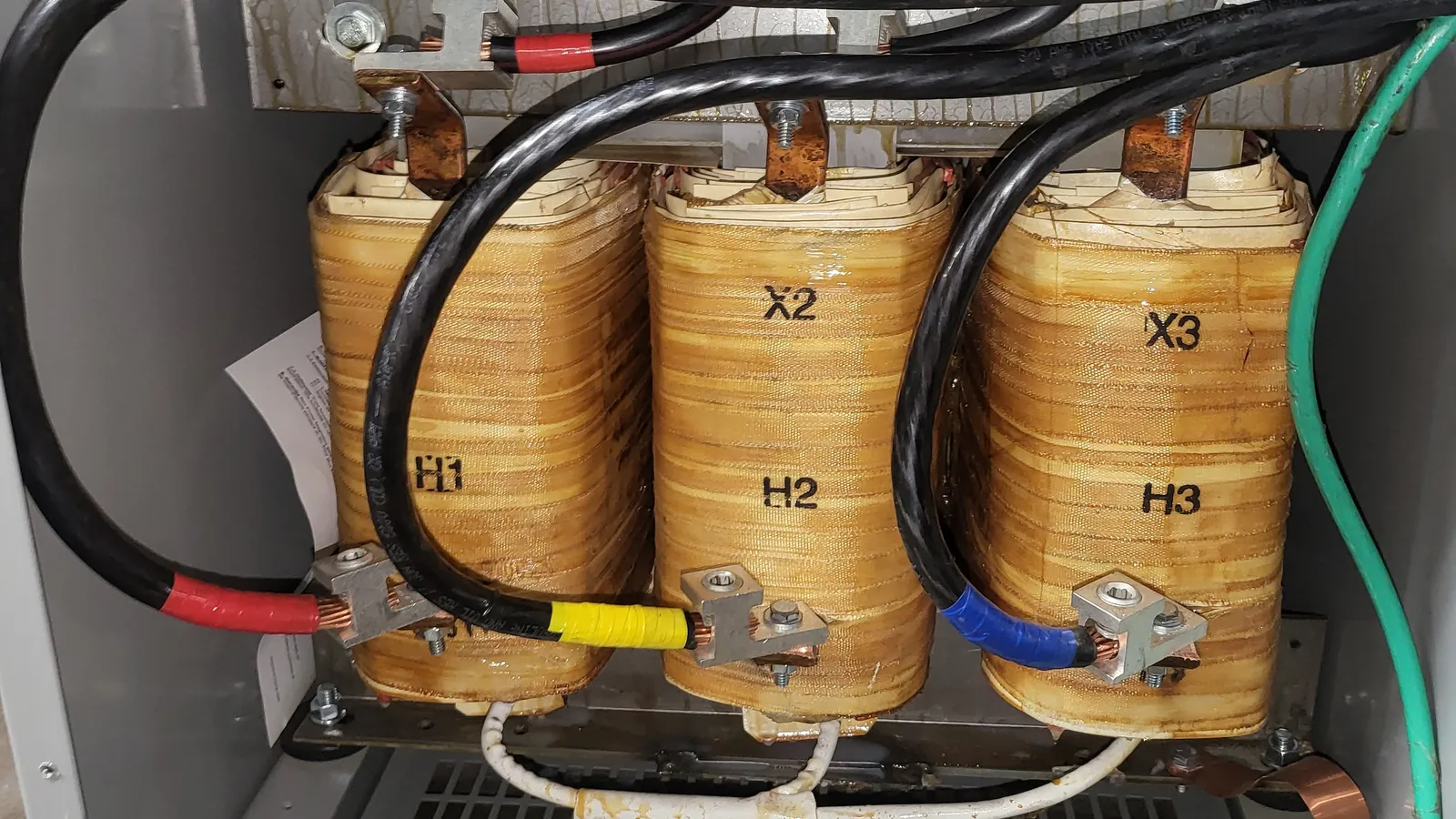
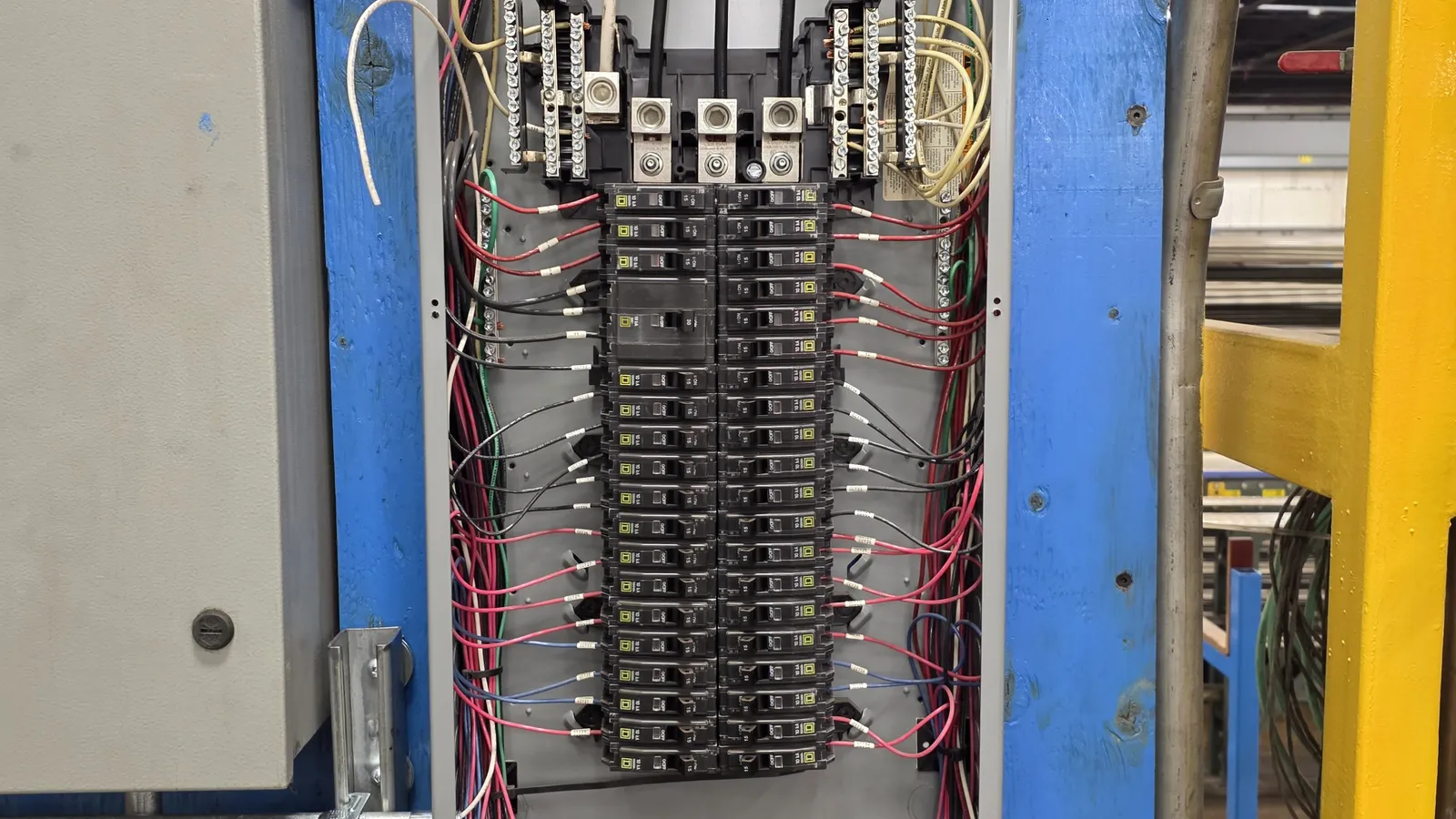
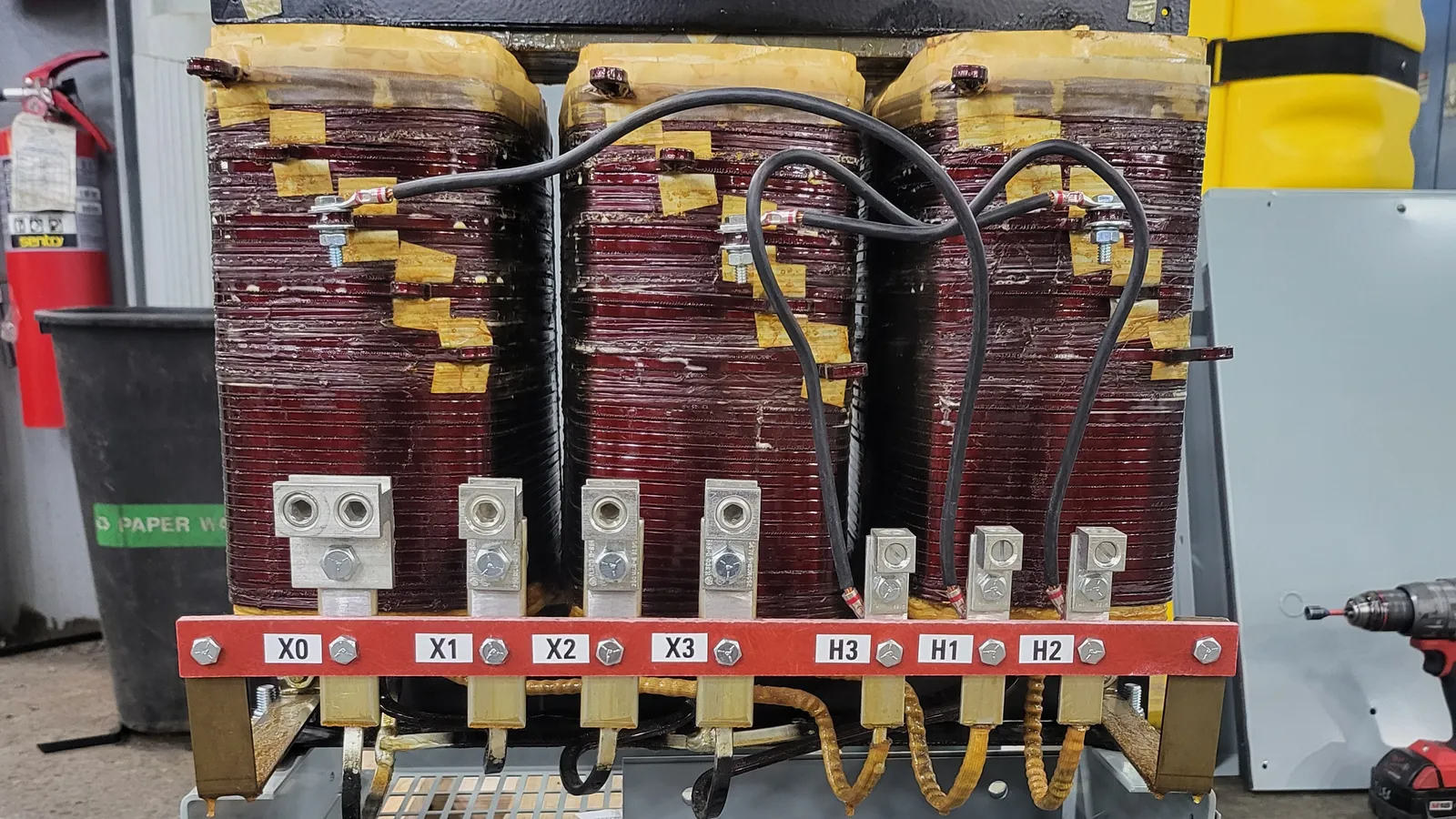
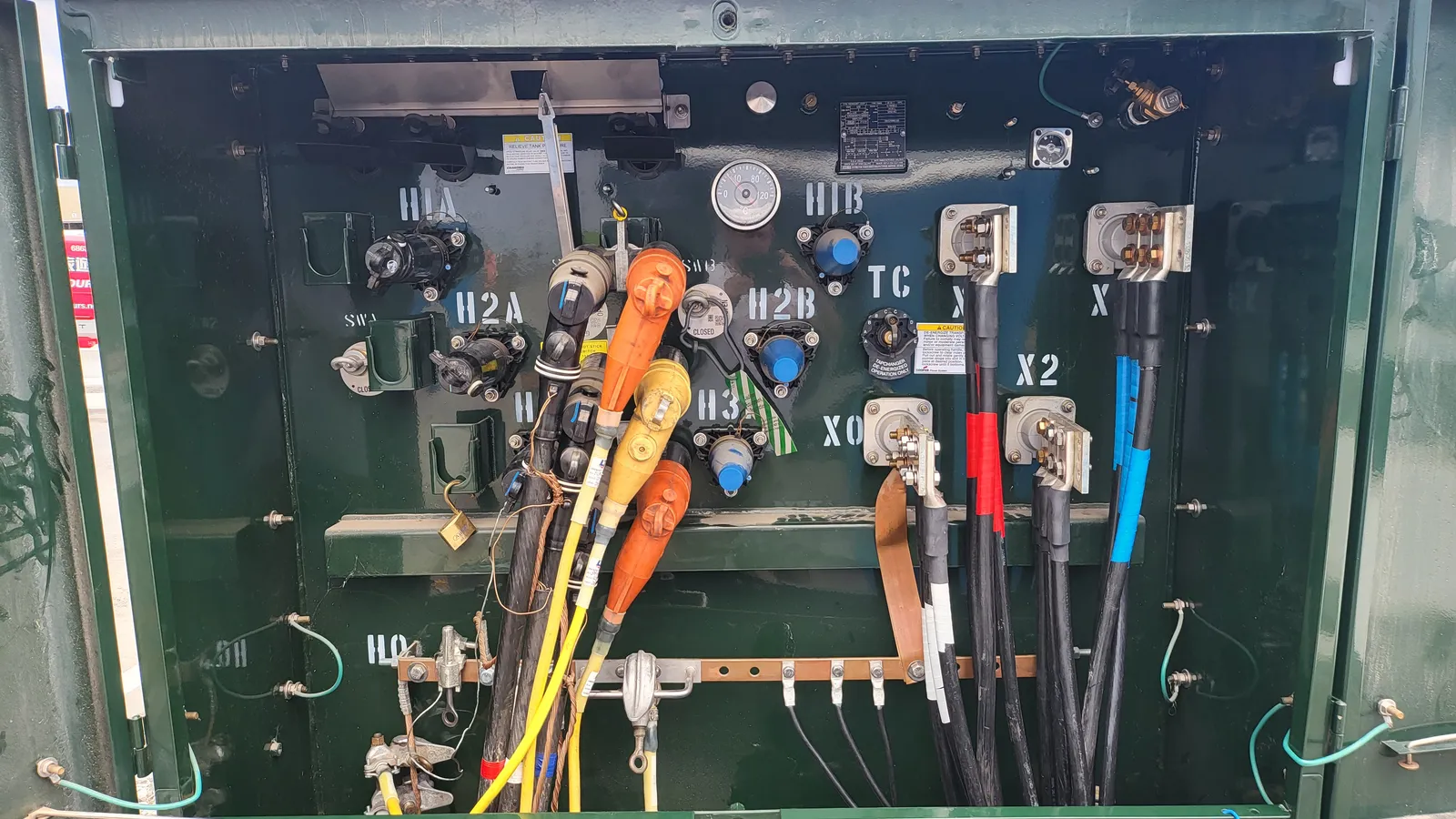
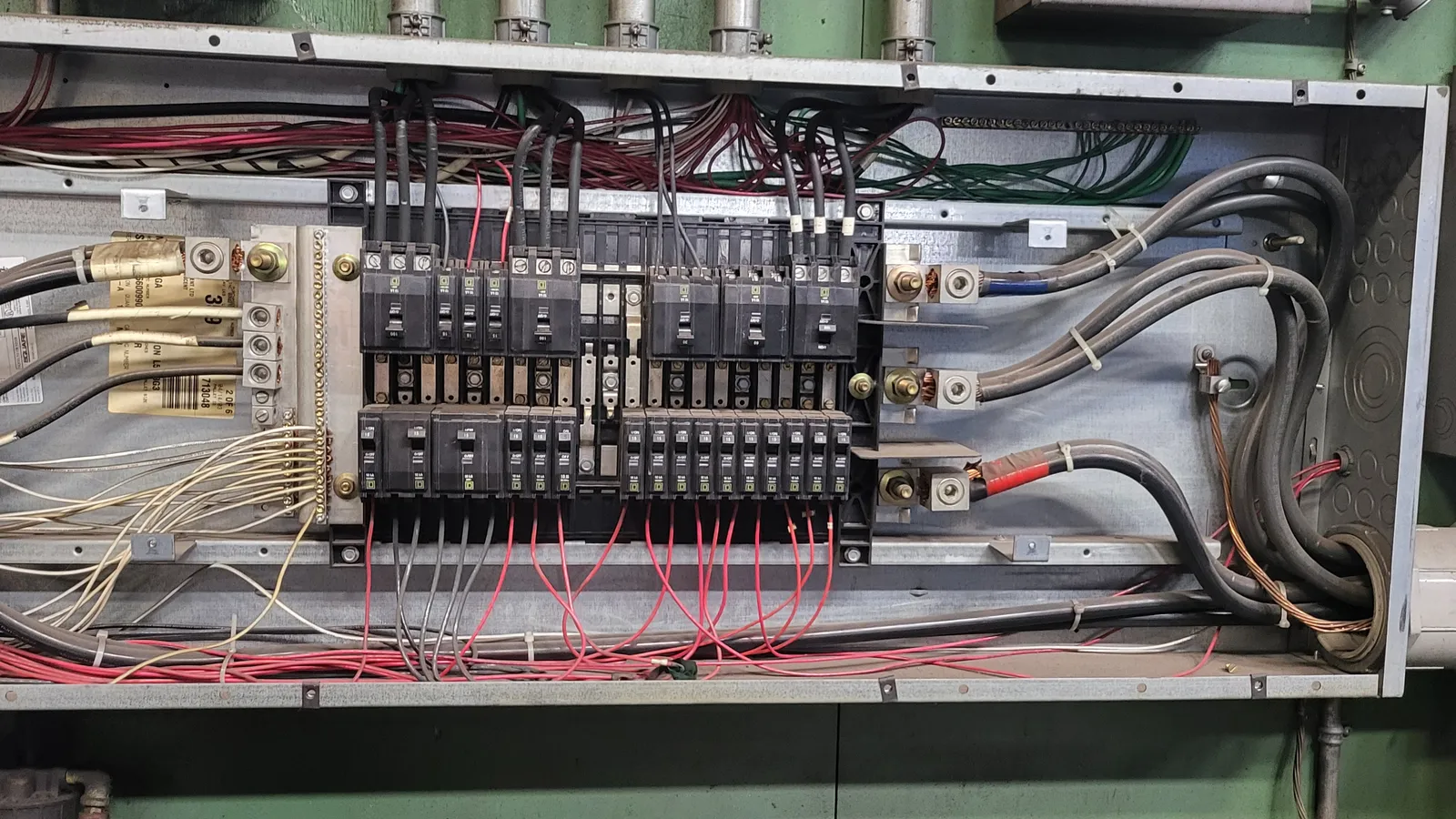
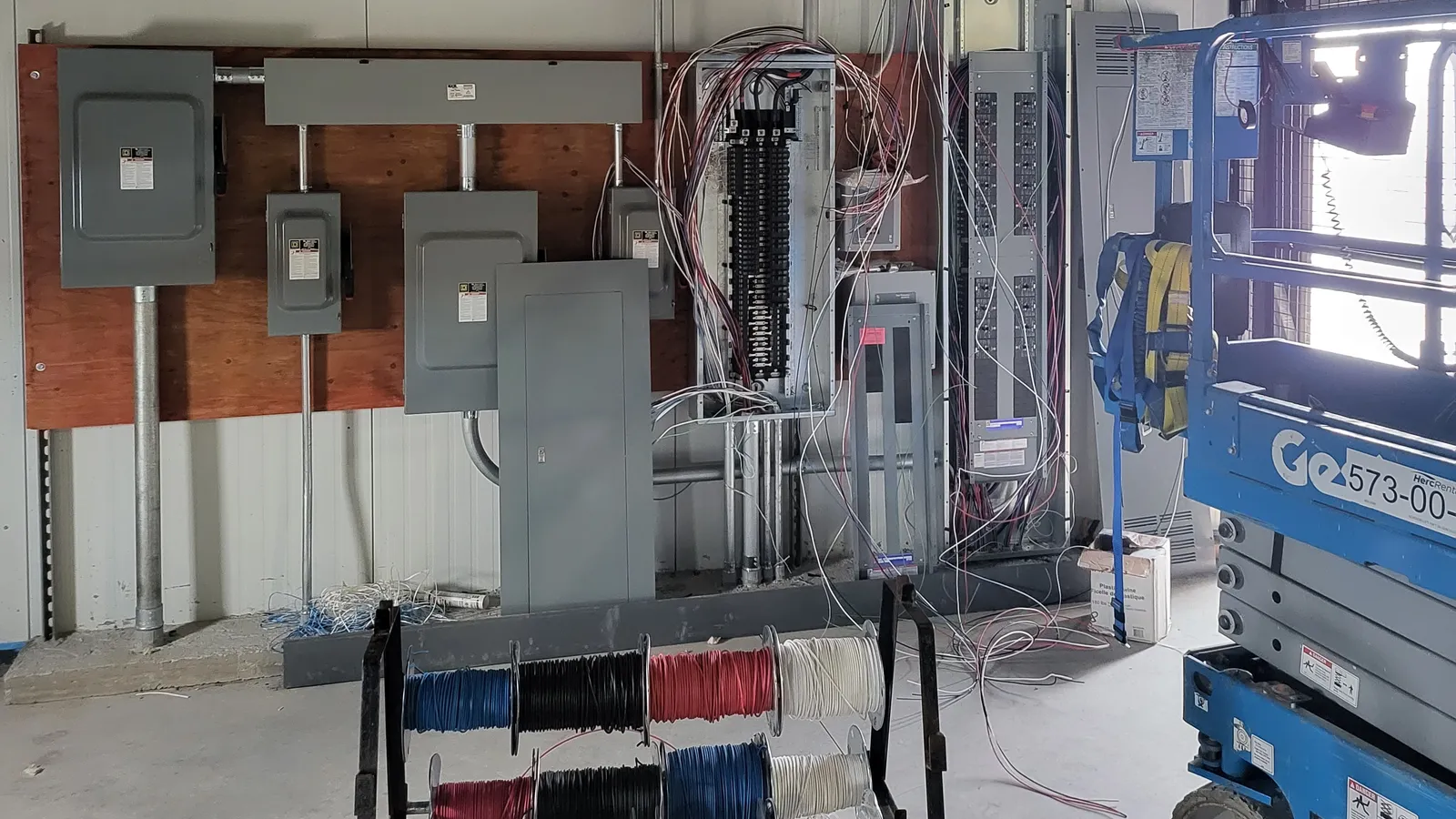
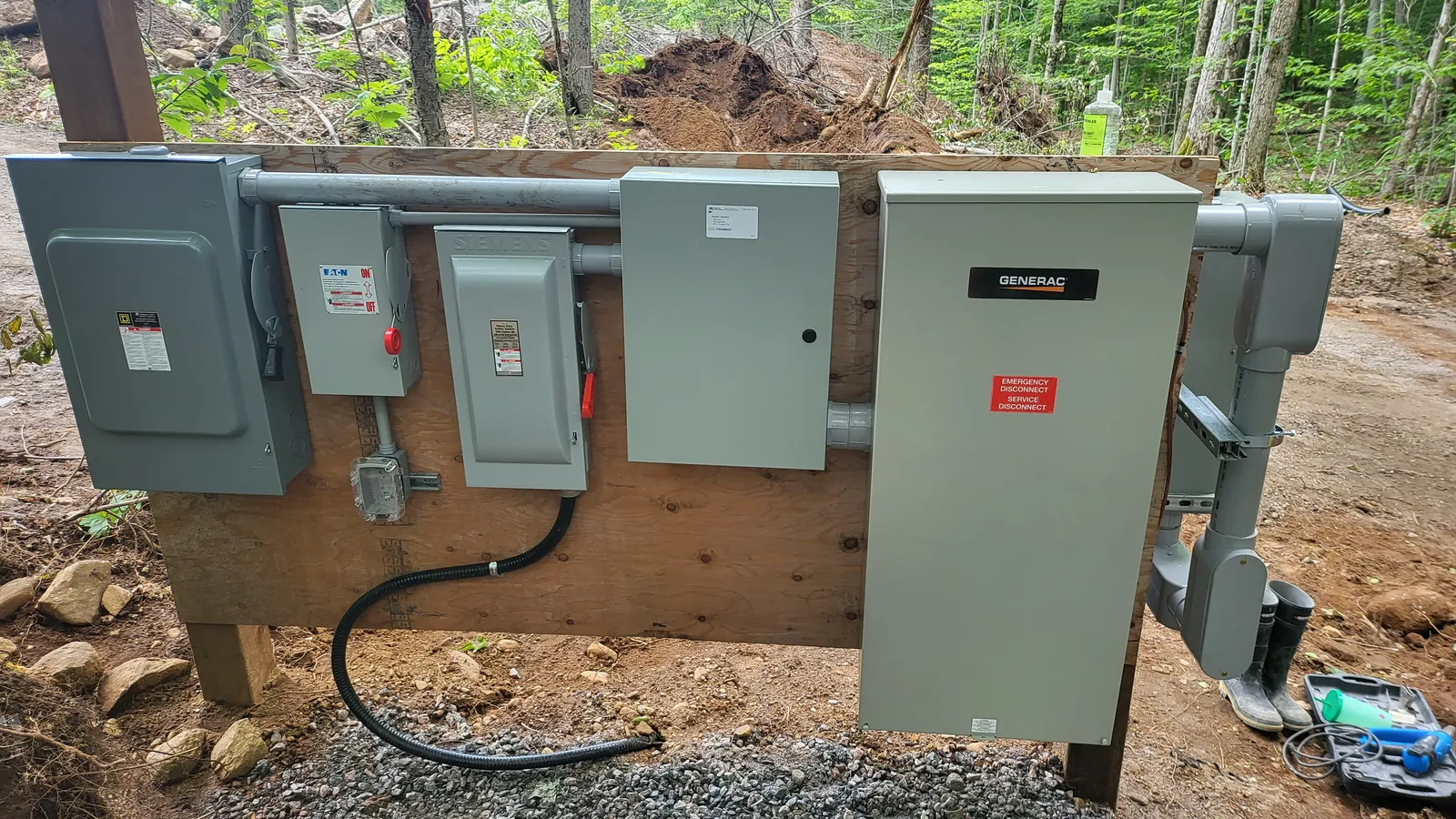
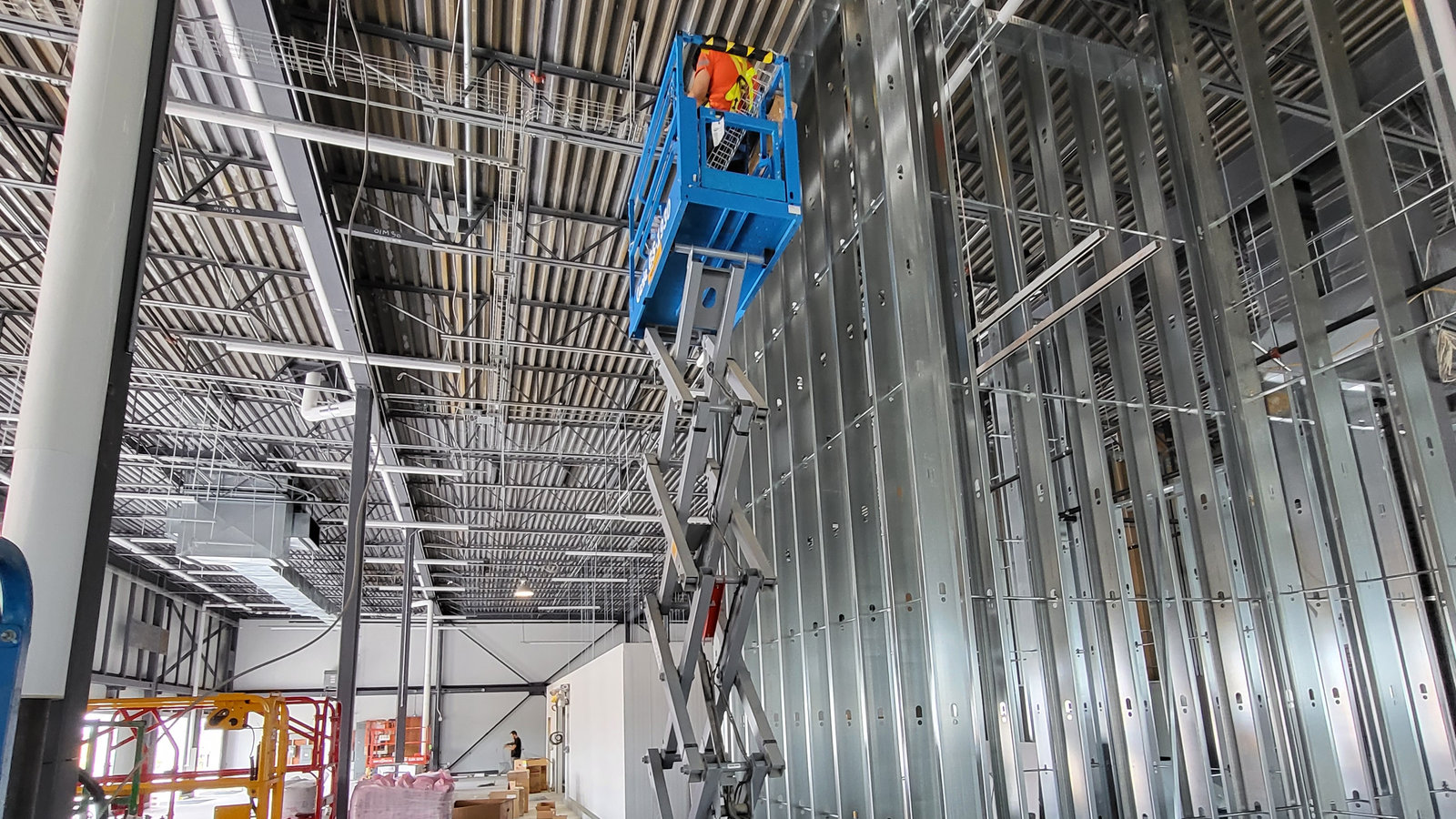
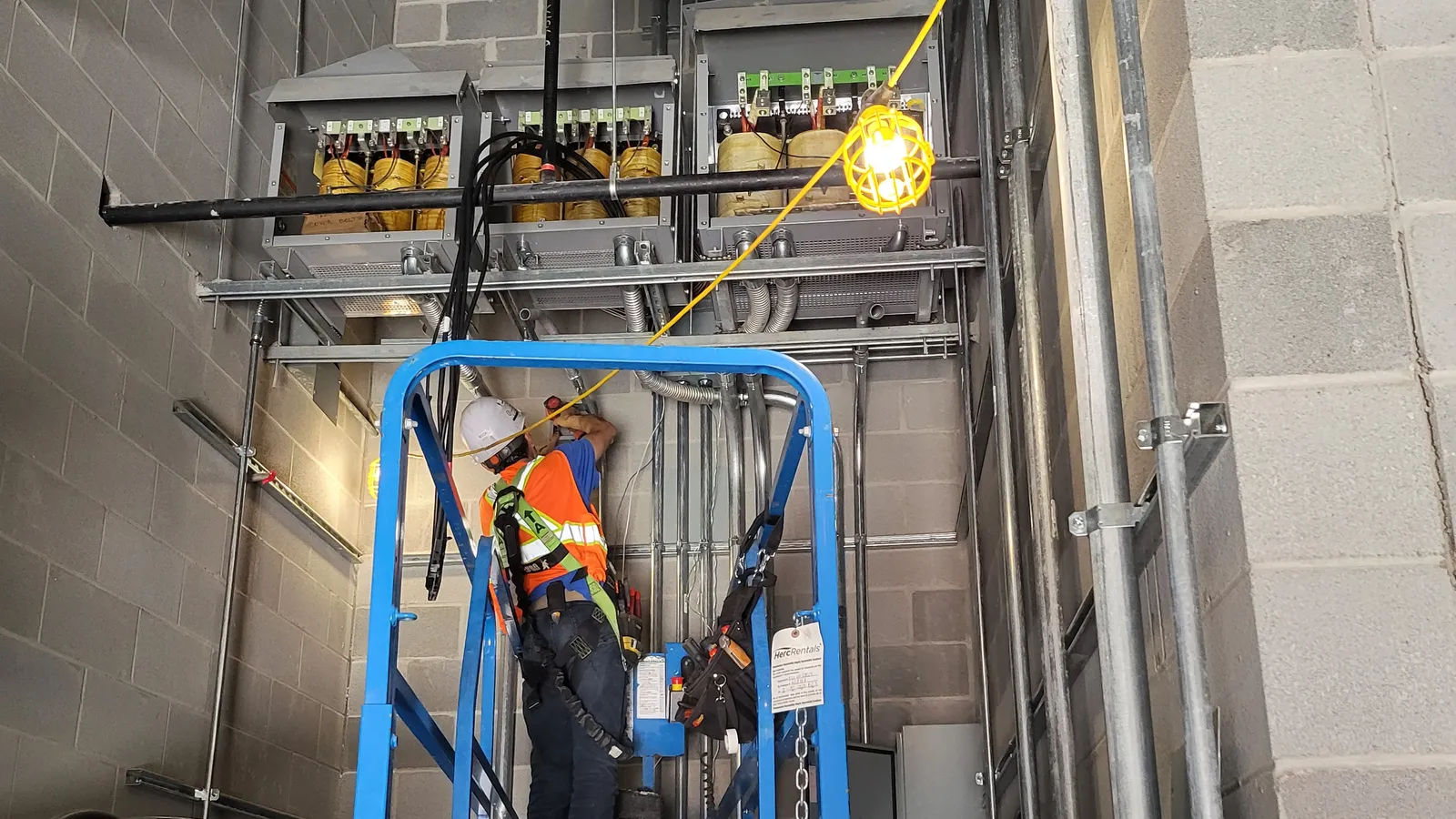
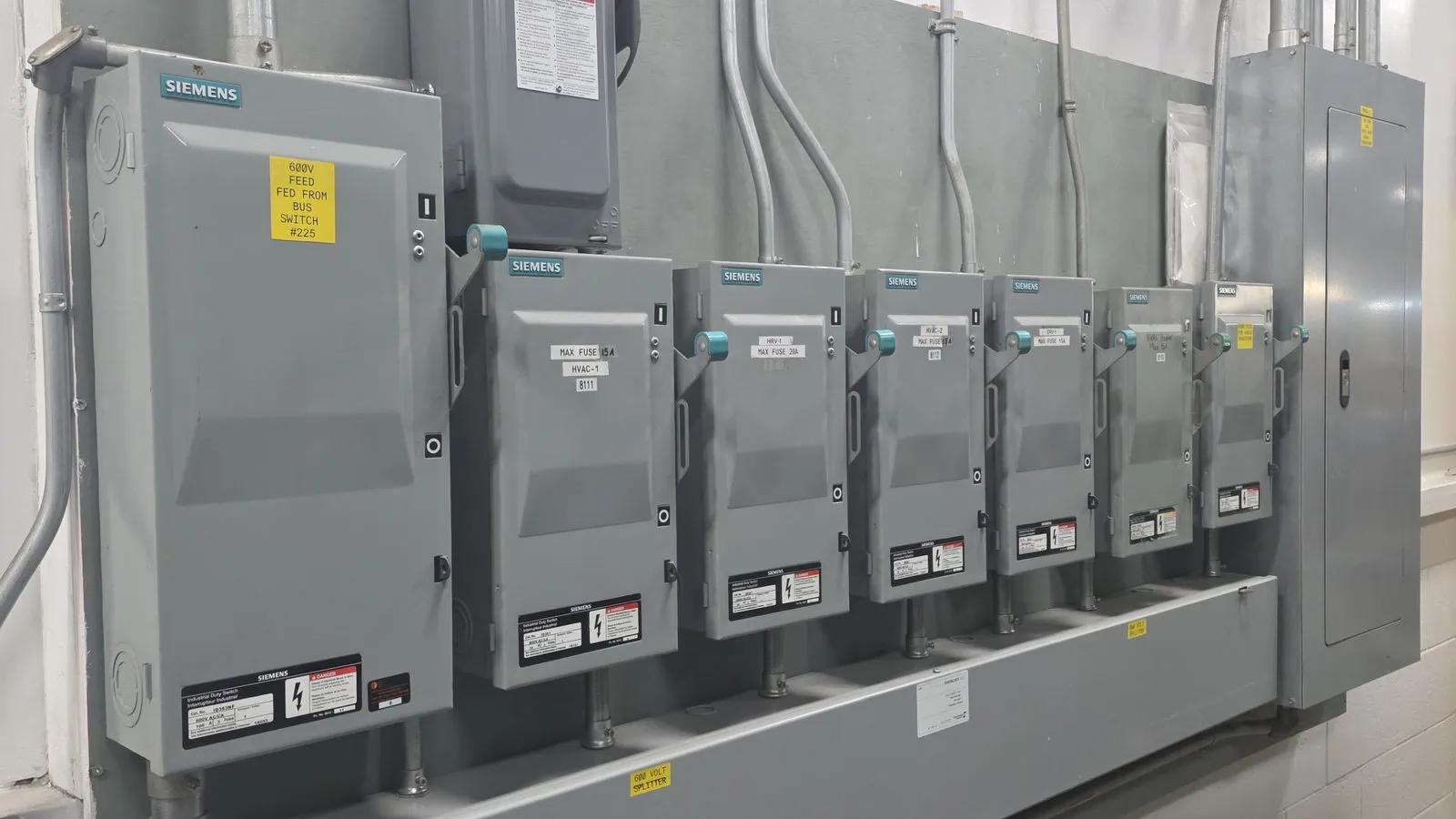
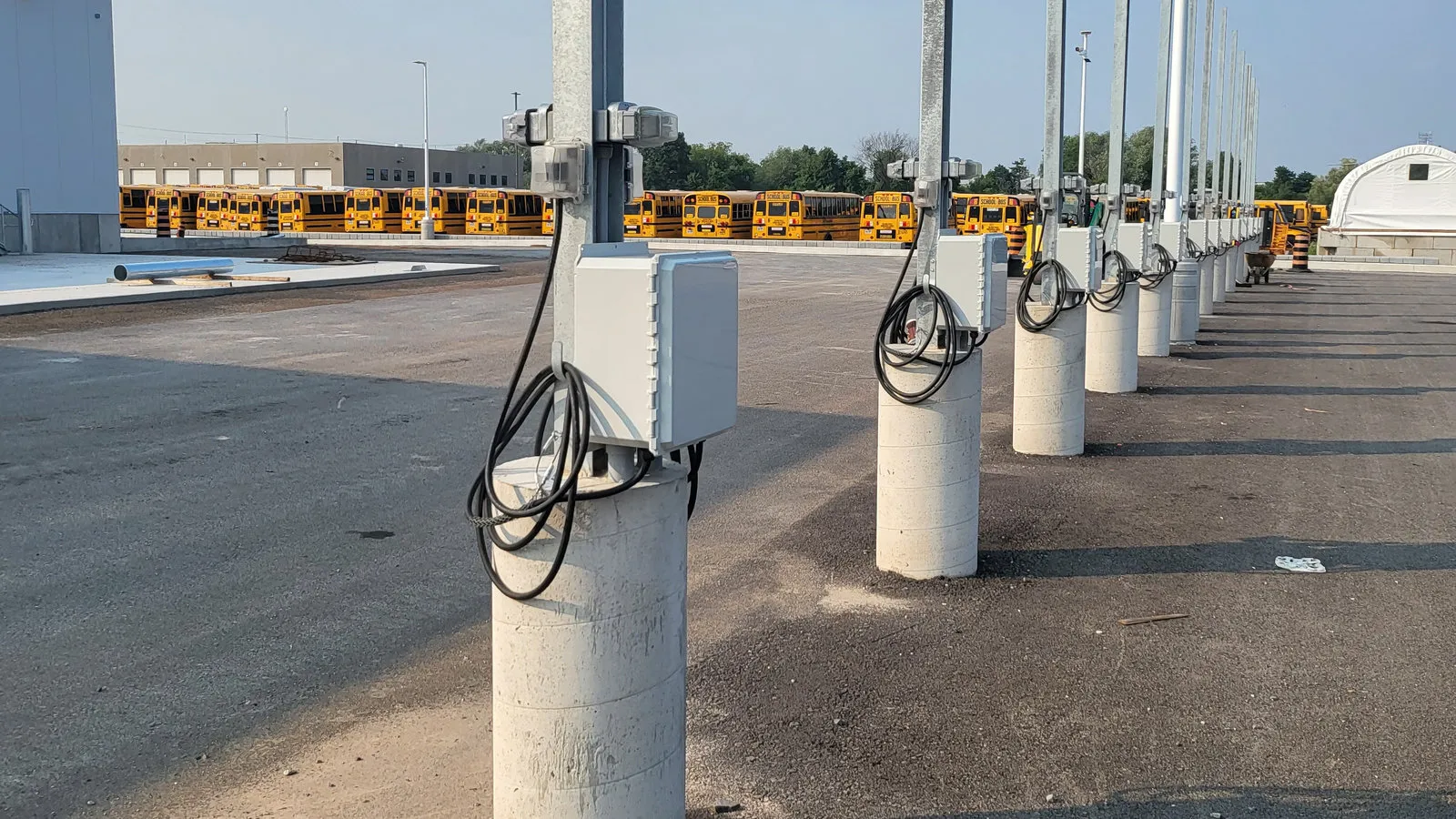
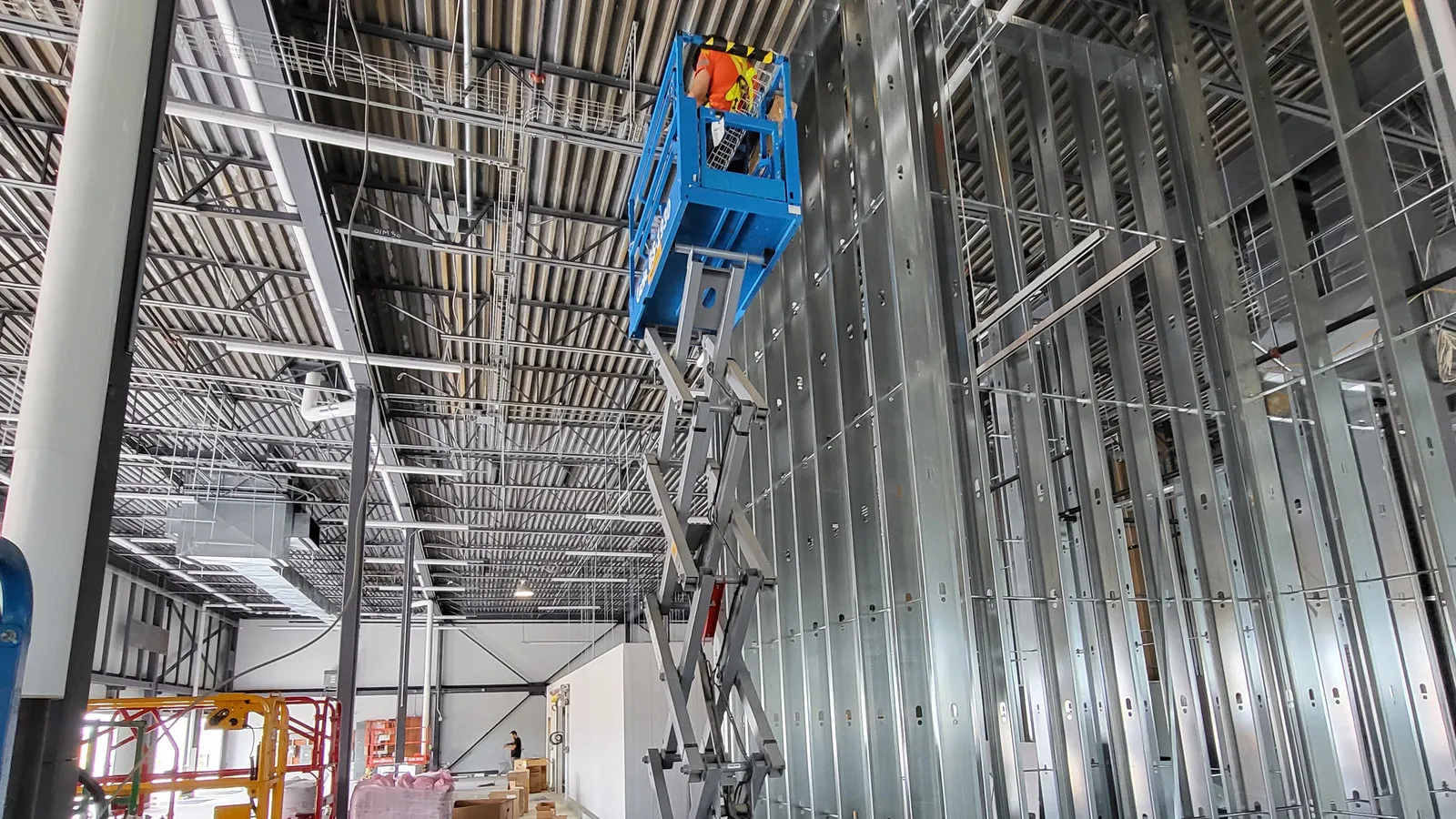
When Peak Demand Is Driving Cost or Capacity Stress
Measure when your commercial system really hits its highest demand before making expensive assumptions
Commercial peak demand analysis becomes necessary when a building appears to have enough power most of the time, but still experiences short periods of heavy electrical stress, high utility demand charges, or limited expansion flexibility.
Many commercial properties in Toronto and the GTA do not fail because of constant overload. They struggle because several larger loads operate at the same time for short periods, creating demand peaks that are easy to miss without proper logging. HVAC startup, refrigeration cycles, kitchen equipment, pumps, compressors, EV charging, lighting schedules, and process equipment can all combine to create sharp demand spikes. Those spikes may not last long, but they can still affect utility billing, system capacity, and future electrical planning.
A professional peak demand study helps identify exactly when those peaks occur, how high they are, and what operating condition is causing them. This is especially useful before panel upgrades, service upgrades, tenant changes, EV charger additions, or demand reduction projects. Using advanced tools such as the Fluke 1777, the study can combine trend logging with higher-level electrical analysis when needed, which is useful if the demand peaks are also associated with power quality problems or distorted loading behaviour. Depending on the findings, the work may lead directly to commercial load monitoring, commercial power quality analysis, or load-reduction strategy connected to commercial energy efficiency analysis. :contentReference[oaicite:2]{index=2}
Without real peak demand data, clients often make electrical decisions based on assumptions that are either too conservative or dangerously incomplete. A proper study shows what is actually happening instead of what the building is assumed to be doing.
It also helps identify whether the solution is more capacity, better scheduling, smarter controls, or a different way of managing the existing load profile.
Utility Demand Charges Seem Too High
Short periods of high demand may be driving electrical cost more than expected.
The Building Usually Feels Fine, But Peaks Matter
Capacity problems often appear only during brief high-load windows.
HVAC, Kitchen, or Process Loads Start Together
Simultaneous equipment operation can create sharp demand spikes.
Expansion Is Being Planned
Peak demand must be measured before adding new equipment or EV charging.
Panel or Service Capacity Is Unclear
A demand study helps show whether short-term peaks are already stressing the system.
Load Timing May Be the Real Problem
The issue may be when loads operate, not just how much equipment exists on site.
Demand Reduction Opportunities Are Unknown
Measured demand data can reveal whether peaks can be shifted or controlled.
No One Has Logged the Real Peak Conditions
Without proper monitoring, expensive electrical decisions are often based on guesswork.
WHY CHOOSE US
Why Businesses Choose Us
We focus on practical solutions rather than temporary fixes, ensuring your electrical system performs safely under real conditions. Every electrical work is completed with proper planning, correct equipment selection, and attention to long-term performance.
Our approach eliminates unnecessary work and is based on accurate diagnostics, not assumptions, so you only pay for what your system actually needs. We prioritize safety, efficiency, and clean execution on every project.
As a result, you receive a reliable, code-compliant electrical system that supports your home today and is fully prepared for future electrical demands.
Licensed & Insured
All work is performed by qualified, fully insured electricians, ensuring safety, accountability, and compliance with all regulations.
ESA certified work
Every project includes permits and ESA inspection, guaranteeing that the installation meets Ontario Electrical Safety Code requirements.
Professional installations
We install panels with precise wiring, proper layout, and clear labeling, making the system safe, accessible, and easy to maintain.
Transparent pricing
You receive clear pricing based on the actual scope of work, with no hidden costs or unexpected changes during the entire project.
Fast scheduling
We schedule work efficiently and arrive on time, minimizing downtime and ensuring your electrical system is restored as quickly as possible.
Accurate calculations
We calculate electrical demand based on real usage, ensuring your panel is properly sized for both current and future electrical needs.
Code-compliant work
All installations strictly follow current electrical code requirements, ensuring safety, inspection approval, and long-term system reliability.
Reliable workmanship
Our experience allows us to deliver consistent, high-quality results that perform reliably under real operating conditions over time.
CODE & SAFETY REQUIREMENTS
Ontario Electrical Safety Code Compliance
The Ontario Electrical Safety Code (OESC) sets the minimum legal safety requirements for electrical installations in Ontario. For commercial peak demand analysis, Code compliance matters because the study is performed on energized commercial electrical systems and the results are often used to support capacity planning, service upgrades, feeder changes, EV charger additions, and other electrical modifications.
Following the Code helps reduce the risk of electric shock, unsafe connection of test equipment, incorrect interpretation of system limits, overloaded equipment remaining unnoticed, equipment damage, and unsafe corrective work after the study. It also helps ensure that the service equipment, feeders, panelboards, grounding systems, and overcurrent devices being evaluated are considered within a framework that reflects current Ontario requirements.
Every commercial peak demand analysis should be carried out with the current Ontario Electrical Safety Code and safe ESA-related practices in mind, especially where the findings may lead to electrical modifications.
Rules commonly applicable to commercial peak demand analysis
-
Rule 2-022 — Approved electrical equipment
Test connections, adapters, and equipment associated with the installation must be approved and suitable for the intended application. -
Rule 2-024 — Approval requirements for electrical equipment
Equipment associated with the installation must be approved to recognized standards and accepted for use in Ontario. -
Rule 2-100 — General requirements for electrical installations
Electrical systems must remain safe and suitable for actual service conditions while they are being monitored and evaluated. -
Rule 2-300 — General requirements for maintenance and operation
Electrical equipment must be kept in safe working condition during operation and assessment. -
Rule 2-308 — Damage and deterioration
Unsafe damage or deterioration affecting the monitored installation must be considered as part of the evaluation and corrective planning. -
Rule 2-314 — Working space around electrical equipment
Required working space around panels, switchboards, service equipment, and related gear must be maintained for safe monitoring and operation. -
Rule 8-104 — Maximum circuit loading
Peak demand analysis directly relates to whether circuits, feeders, or services are operating within appropriate loading limits. -
Rule 8-106 — Use of demand factors and load calculations
Measured peak demand may be used together with Code-based load calculation methods to support electrical planning decisions. -
Rule 14-100 — Protection of conductors by overcurrent devices
Conductors being evaluated must remain protected by properly rated overcurrent devices. -
Rule 14-104 — Rating and application of overcurrent protection
Overcurrent protection must remain coordinated with conductor ampacity and the characteristics of the installation. -
Rule 10-204 — Grounding and bonding
Grounding and bonding conditions are often relevant to safe monitoring and correct interpretation of demand behaviour. -
Rule 6-206 — Consumer’s service entrance equipment
Where monitoring is performed at the service level, service equipment must remain accessible and installed in accordance with applicable requirements.
Note: Rule selection may vary depending on the monitoring location, whether the study is focused on utility demand, service capacity, feeder peaks, or equipment coincidence, and whether corrective work is required after the monitoring period. Exact official wording should be taken from the current purchased edition of the Ontario Electrical Safety Code, 2024.
COMMON QUESTIONS
FAQ — Commercial Peak Demand Analysis
1. What is commercial peak demand analysis?
Commercial peak demand analysis is the process of identifying when a building reaches its highest electrical demand, how high those peaks are, and what operating conditions cause them.
2. Why is peak demand important?
Peak demand can affect utility costs, service and panel capacity, feeder loading, and decisions about whether the building can safely support additional equipment or future expansion.
3. Is peak demand analysis different from basic load monitoring?
Yes. Load monitoring records overall demand behaviour over time, while peak demand analysis focuses specifically on the highest demand periods, what causes them, and what they mean for cost and capacity planning.
4. What can cause high peak demand in a commercial building?
Common causes include simultaneous HVAC startup, refrigeration cycles, kitchen equipment, EV charging, lighting schedules, pumps, compressors, and other loads operating together for short periods.
5. Can peak demand analysis help reduce utility costs?
Yes. If the utility billing structure includes demand charges, understanding when peaks occur can help the client reduce or manage those peaks more effectively.
6. Why is the Fluke 1777 useful for peak demand analysis?
The Fluke 1777 is useful because it combines detailed trend logging with IEC 61000-4-30 Class A measurement methods and broader power quality capability, which is valuable when the client needs both demand data and deeper electrical insight. :contentReference[oaicite:3]{index=3}
7. Can this service help before adding EV chargers or new equipment?
Yes. Peak demand analysis is very useful before expansion because it shows whether the system is already close to its real operating limit during peak periods.
8. Can a building have acceptable average demand but still have a peak demand problem?
Yes. Many commercial systems look acceptable on average but still experience short peak periods that drive cost, stress equipment, or limit future capacity.
9. How long does a peak demand study usually take?
That depends on the operating pattern of the building. Some sites need only a shorter logging period, while others require longer monitoring to capture the true peak demand window.
10. Can peak demand analysis be done at the service or feeder level?
Yes. Monitoring can be performed at the main service, a feeder, a panelboard, a transformer secondary, or another point in the system depending on the purpose of the study.
11. Can this analysis help decide whether the problem is capacity or timing?
Yes. One of the main benefits is determining whether the issue is lack of electrical capacity or simply how the loads are scheduled and coincident in time.
12. How much does commercial peak demand analysis cost?
The cost depends on the number of monitoring points, duration of the study, complexity of the operating schedule, size of the system, and how much reporting and interpretation is required after the data is collected.
SERVICE AREAS
Serving Toronto & the Greater Toronto Area
We provide residential, commercial, and industrial electrical services across Toronto and the GTA, supporting homes, businesses, and facilities with reliable and code-compliant electrical solutions.
Our service coverage includes major cities and surrounding areas, allowing us to respond quickly and deliver consistent service across the region.
Toronto
North York
Thornhill
Richmond Hill
Vaughan
Markham
Scarborough
Etobicoke
Mississauga
Brampton
ADDITIONAL SERVICE AREAS
Hamilton
Oakville
Burlington
Milton
Georgetown
Pickering
Ajax
Whitby
Oshawa
Clarington
Aurora
Newmarket
Bradford
King City
Barrie