
Toronto & GTA Electrical Contractor
Phase Balance Optimization in Toronto & GTA
Industrial electrical work — installations, upgrades, troubleshooting, maintenance, and code-compliant solutions.
Licensed & Insured
Fast Response
Code-Compliant Work

ADVANCED PHASE BALANCE OPTIMIZATION
What We Do
We provide Phase Balance Optimization for industrial facilities, commercial buildings, production plants, refrigeration sites, workshops, and electrically intensive properties across Toronto and the GTA.
Phase imbalance is one of the most underestimated electrical problems because systems still appear to work. Equipment runs, voltage is present on all phases, and operations continue. At the same time, one phase carries more load than it should, creating hidden stress, heat, and inefficiency across the system.
Phase Balance Optimization identifies uneven loading, proves where the imbalance exists, and corrects it so the three-phase system operates properly. The goal is not cosmetic improvement, but reducing electrical losses, lowering stress, and improving long-term system reliability.
According to Fluke, even small voltage unbalance can create current unbalance that is 6 to 10 times higher. This leads to overheating, vibration, increased losses, and mechanical stress in motors.
In real facilities, this means a small imbalance can shorten motor life, increase wear, and create long-term equipment damage. Phase Balance Optimization helps identify these issues early and correct them before they become costly failures.
Our service analyzes current and voltage distribution under real operating conditions. We identify overloaded phases, uneven panel loading, poorly distributed single-phase loads, and system areas that are working harder than intended.
Imbalance usually develops over time through equipment additions, modifications, and load changes. It is rarely caused by a single event. That is why many facilities have imbalance without realizing it.
Phase Balance Optimization is especially important for systems with motors, compressors, pumps, refrigeration, conveyors, and mixed single-phase and three-phase loads. These systems are highly sensitive to imbalance and can experience overheating, nuisance tripping, and reduced efficiency.
Fluke motor troubleshooting guidance also highlights that imbalance can lead to motor and drive damage, making proper measurement and interpretation critical.
This service also improves capacity planning. A system may appear lightly loaded on average while one phase is overloaded. Phase Balance Optimization provides a clear picture of actual load distribution and usable capacity.
Where appropriate, this service connects with power quality diagnostics, energy consumption analysis, load profile & capacity monitoring, and power factor correction.
Ontario requirements also apply. The Electrical Safety Authority confirms that current electrical work must comply with the latest Ontario Electrical Safety Code.
The result is a Phase Balance Optimization service that reduces hidden electrical stress, improves efficiency, protects equipment, and prevents small imbalance issues from becoming costly long-term problems.
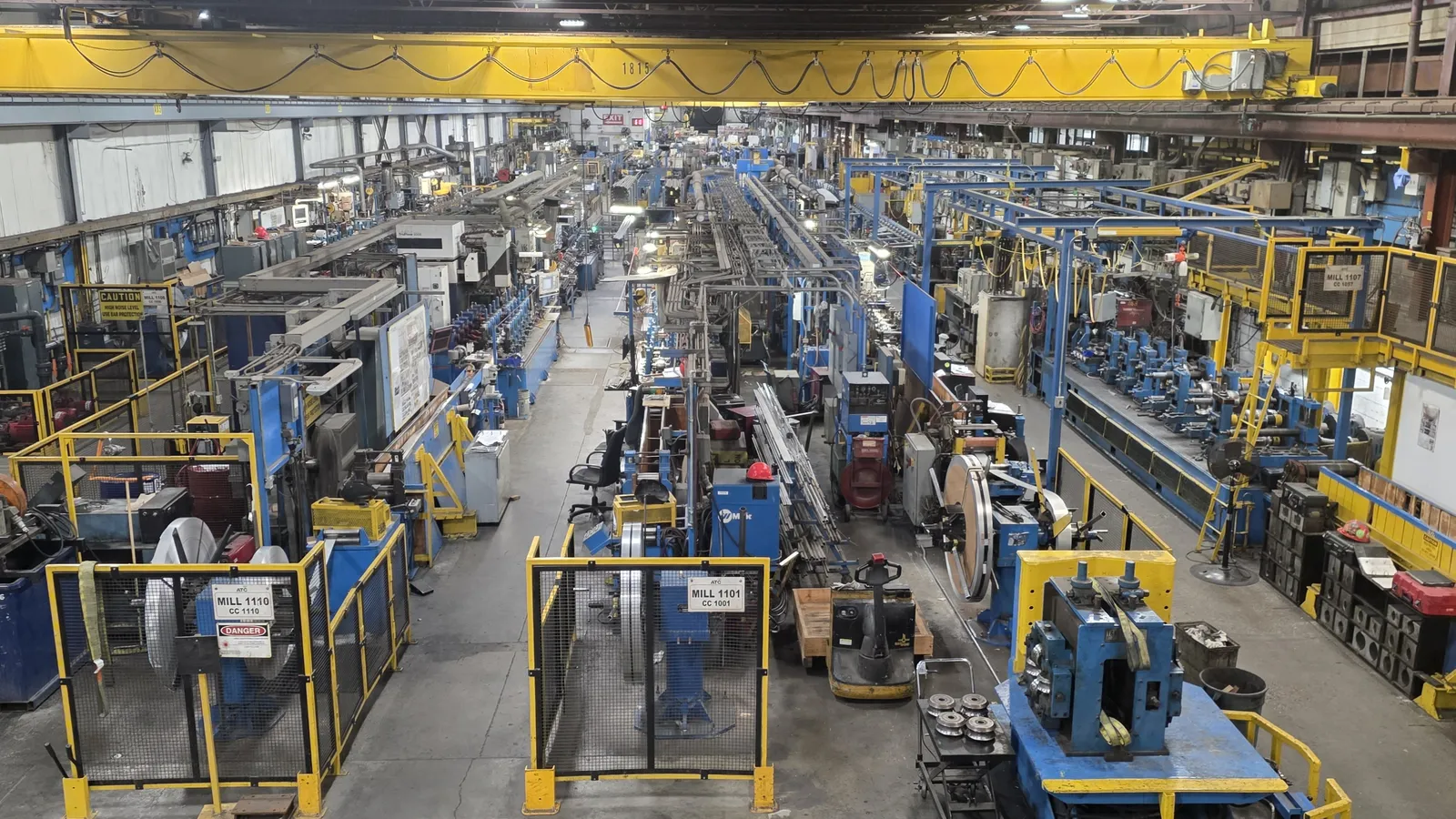
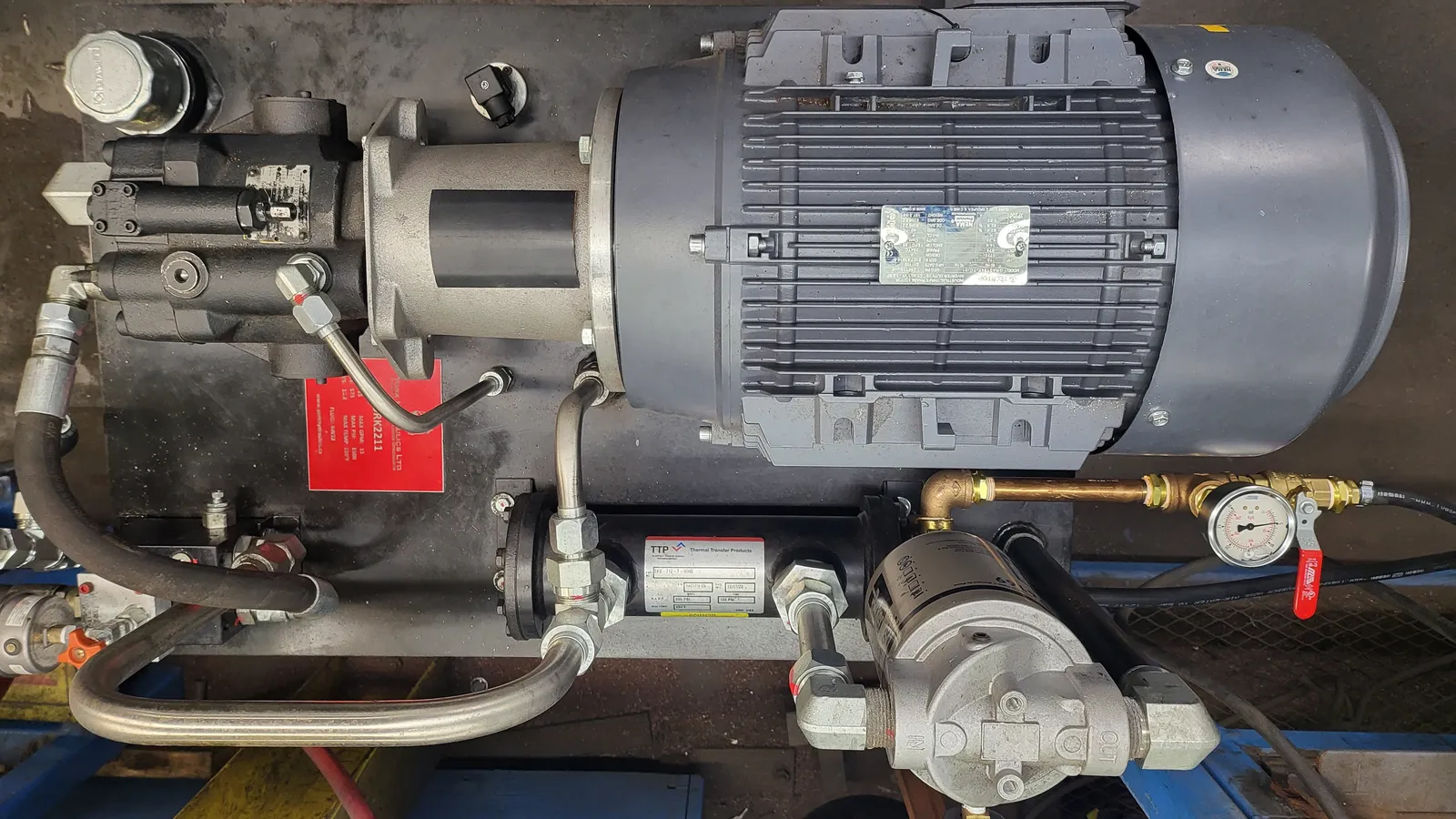

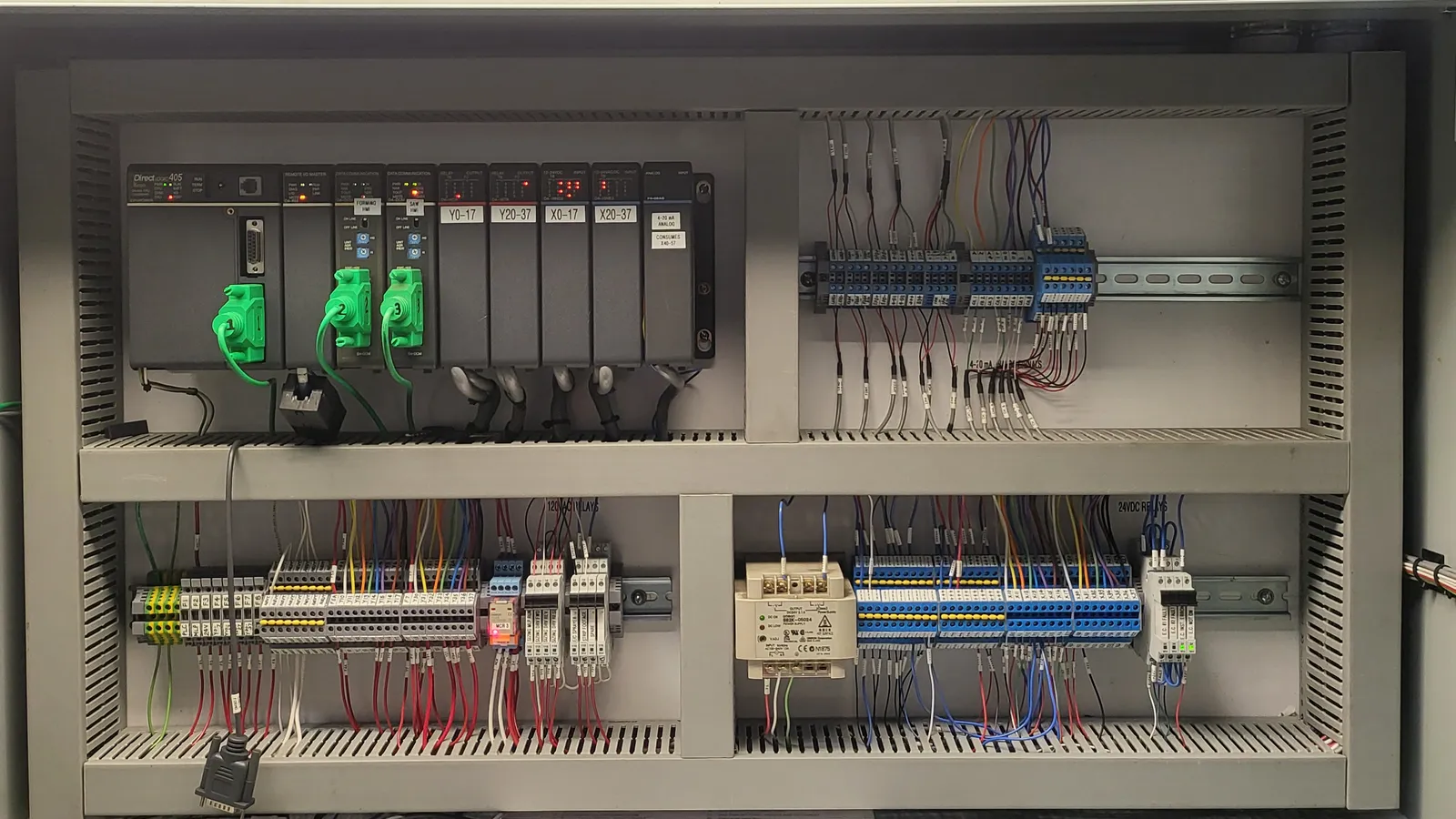
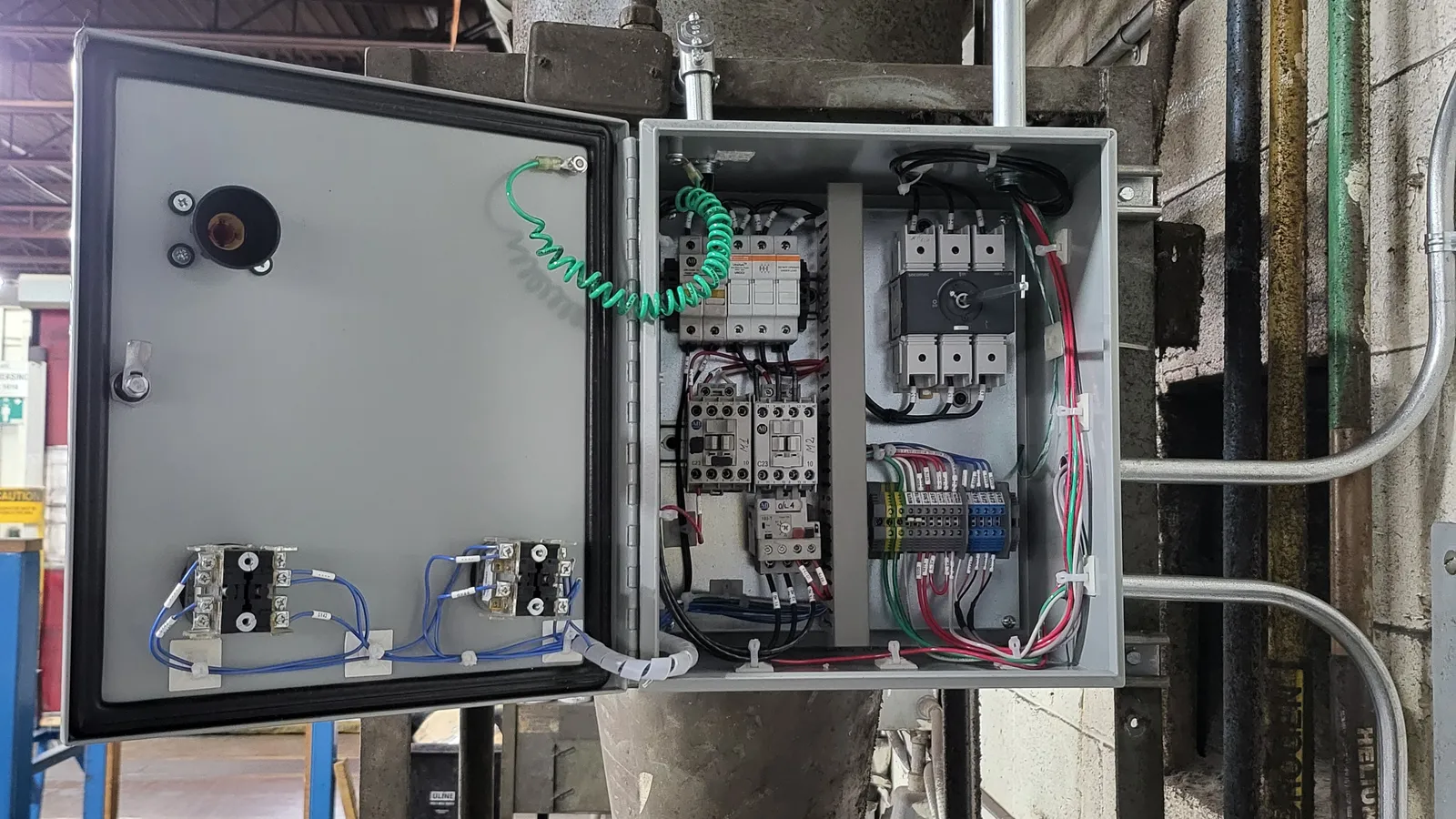
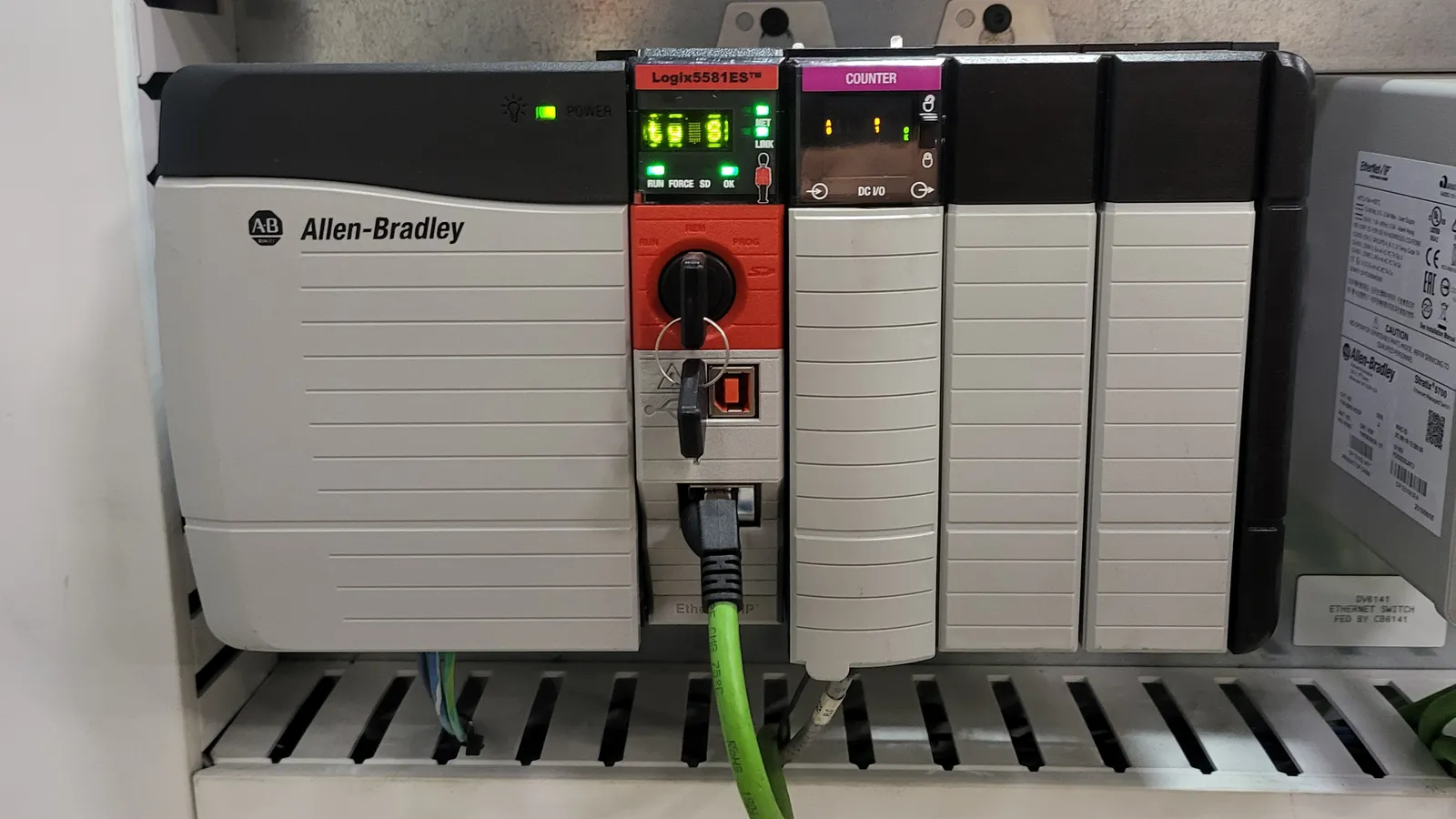
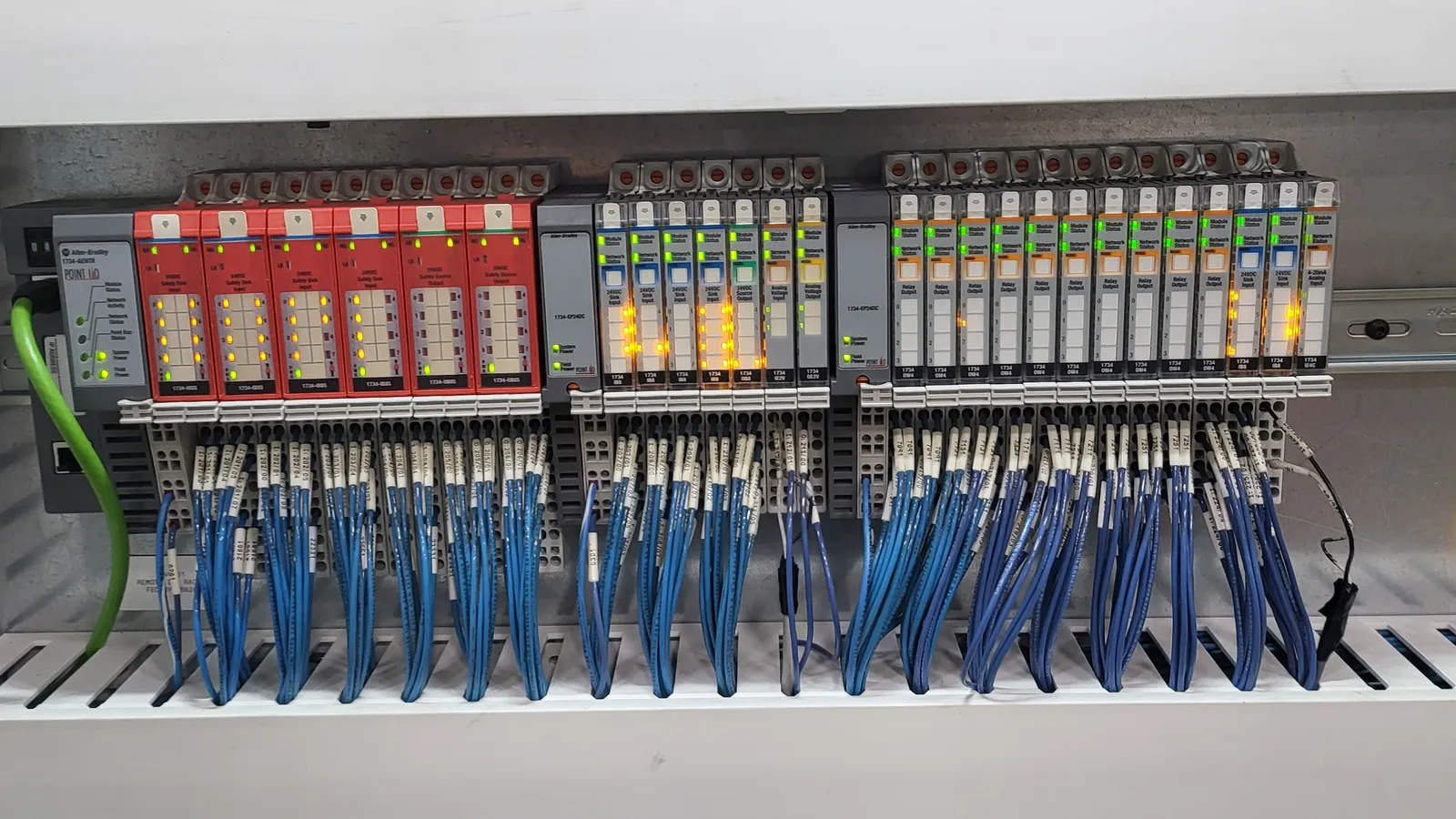
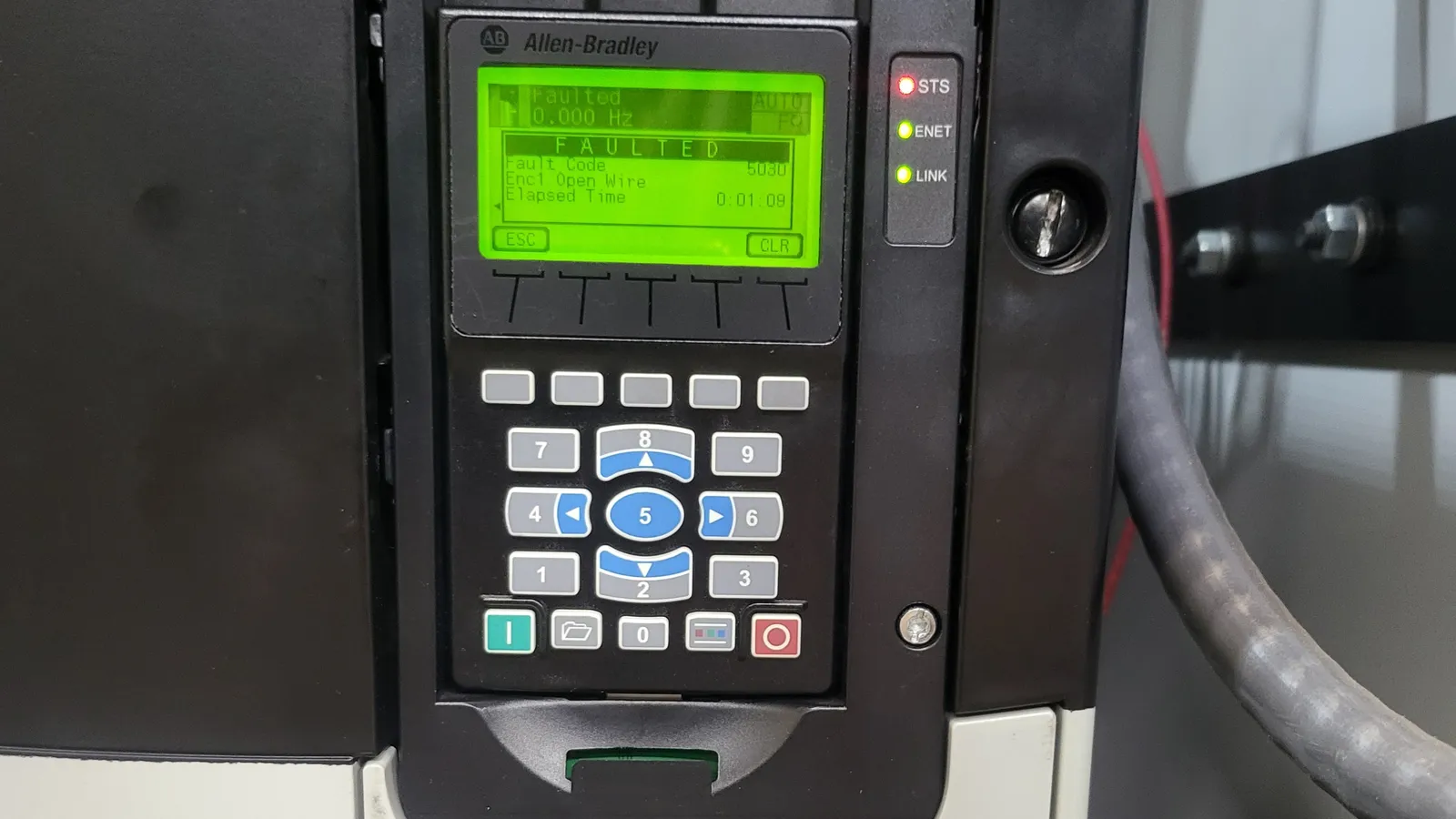
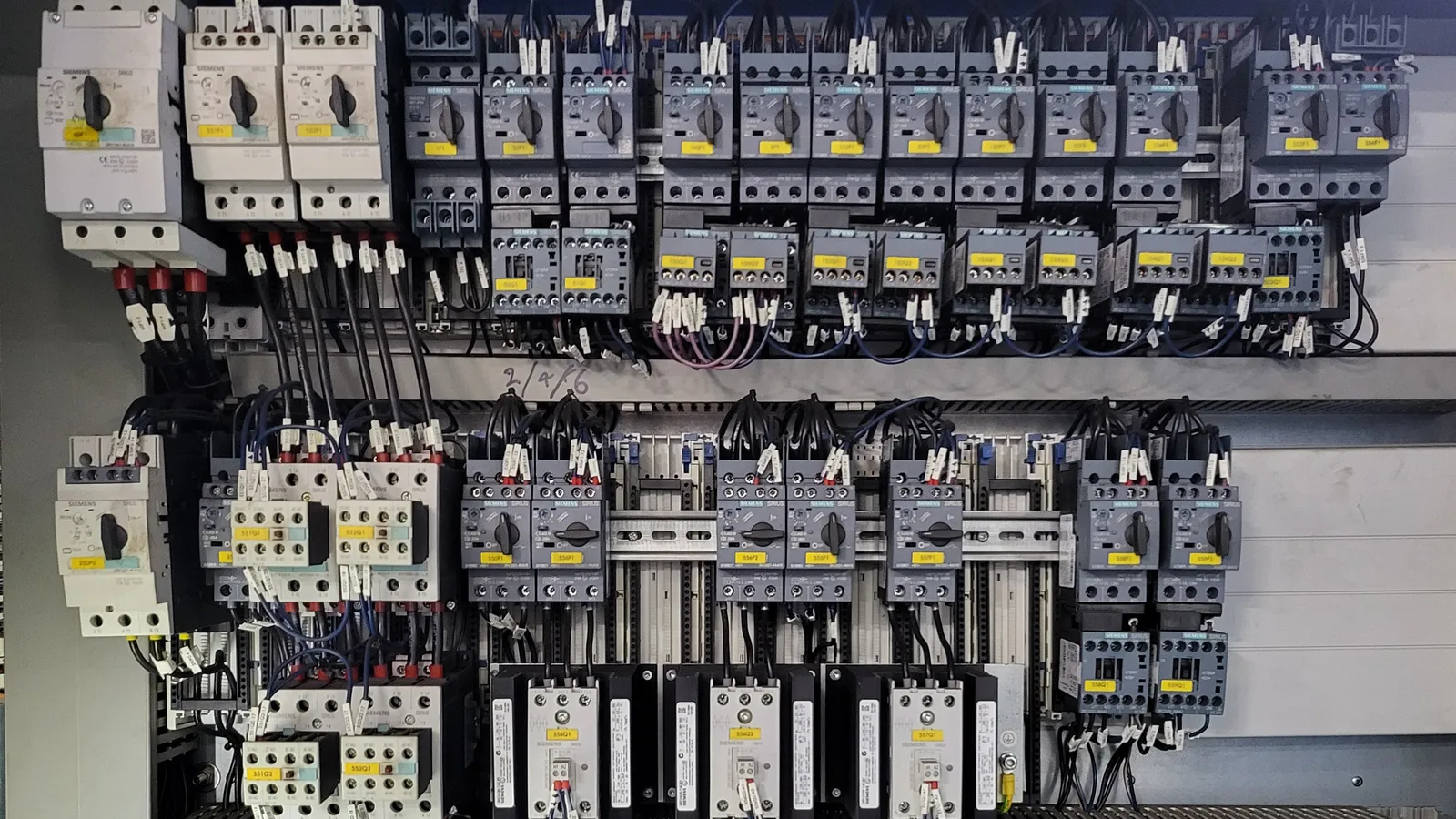
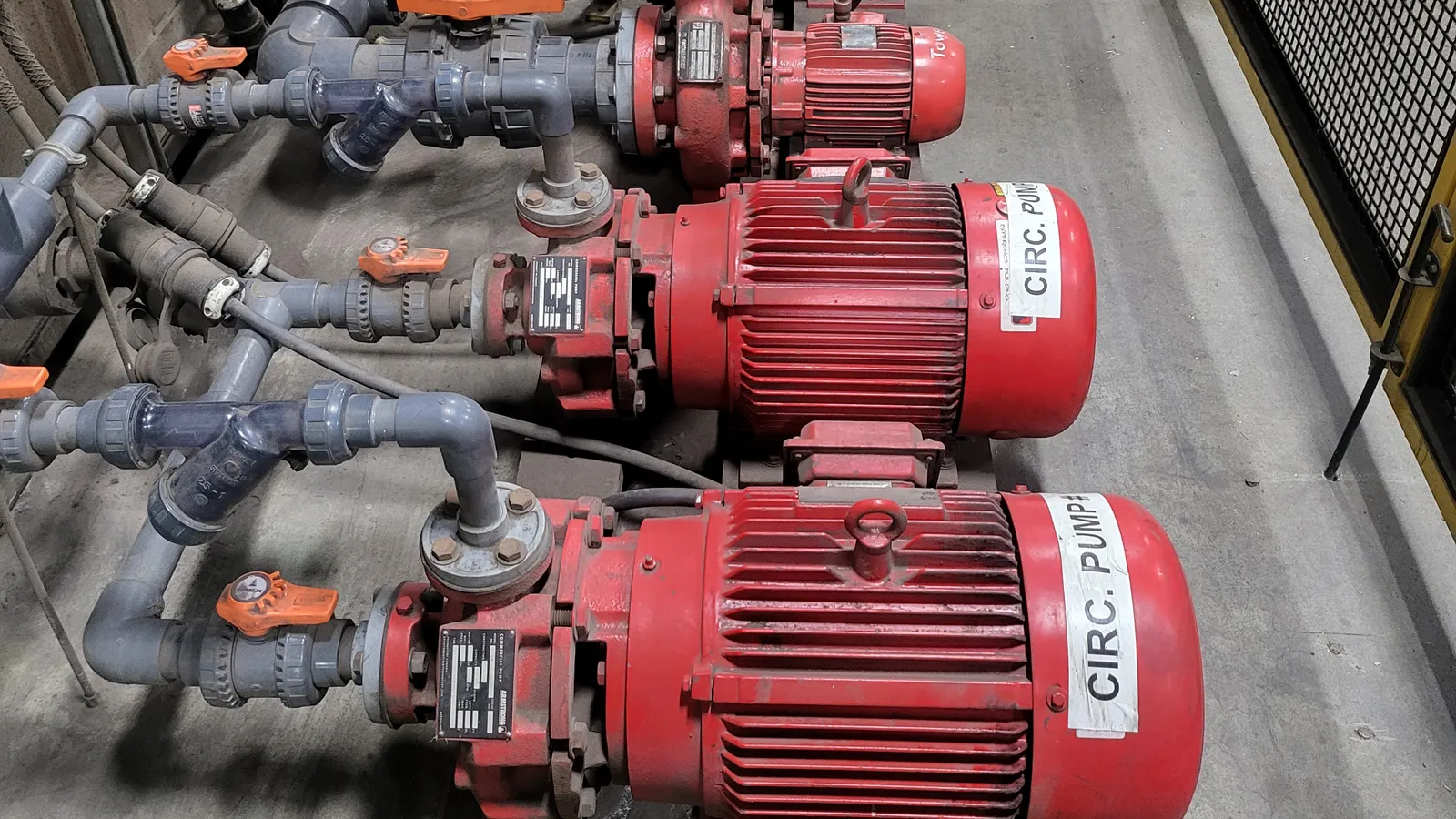
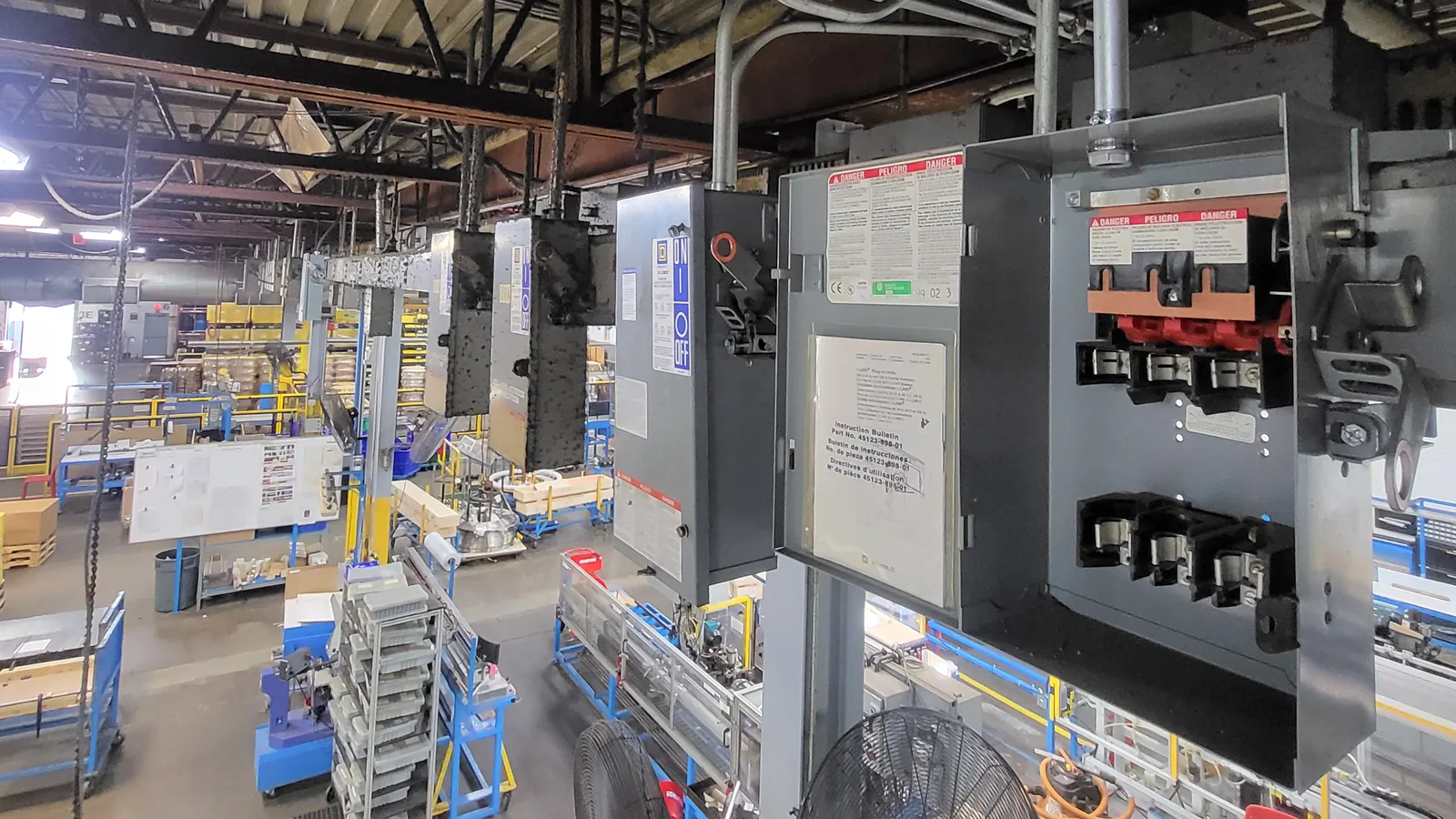
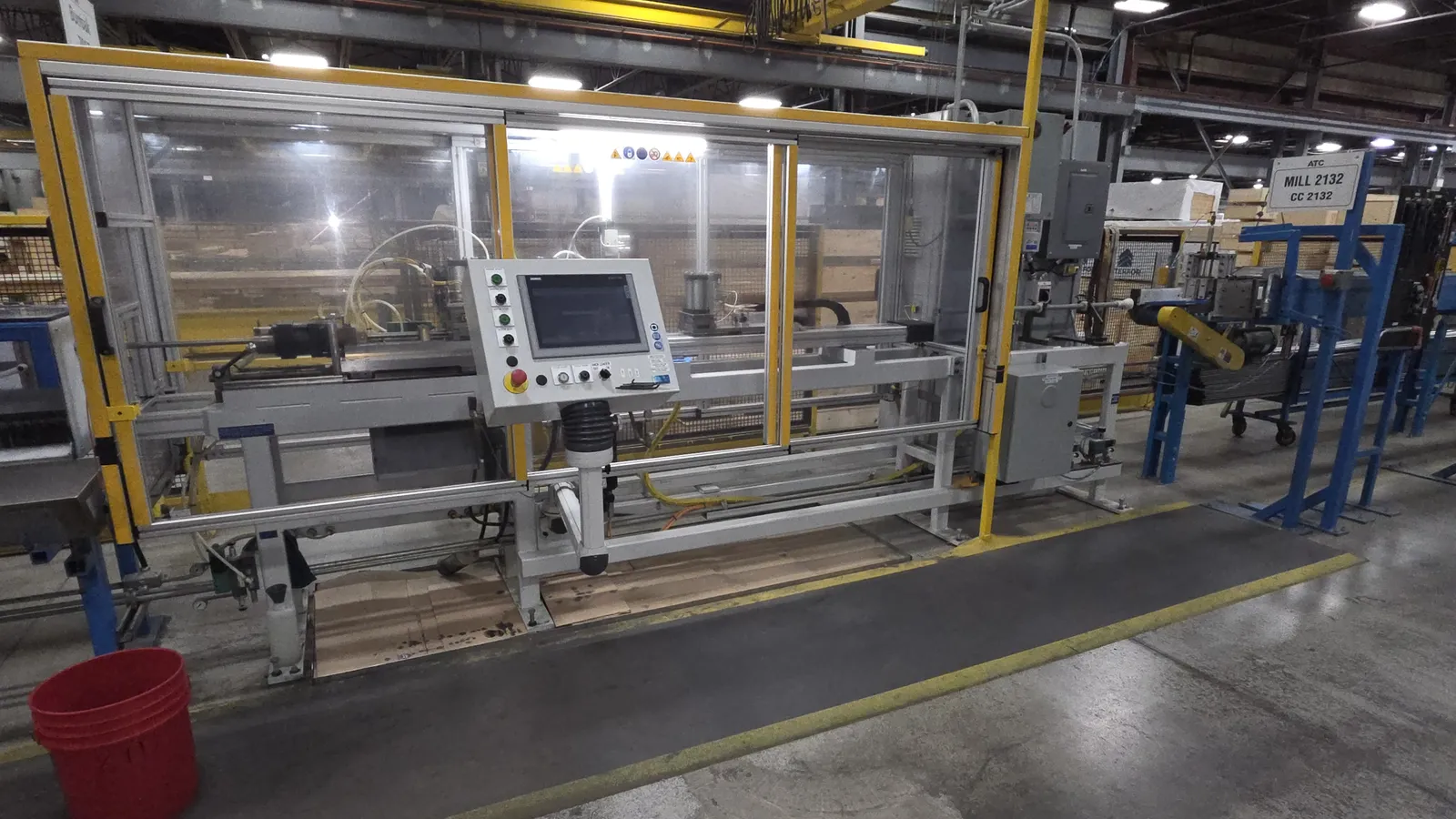
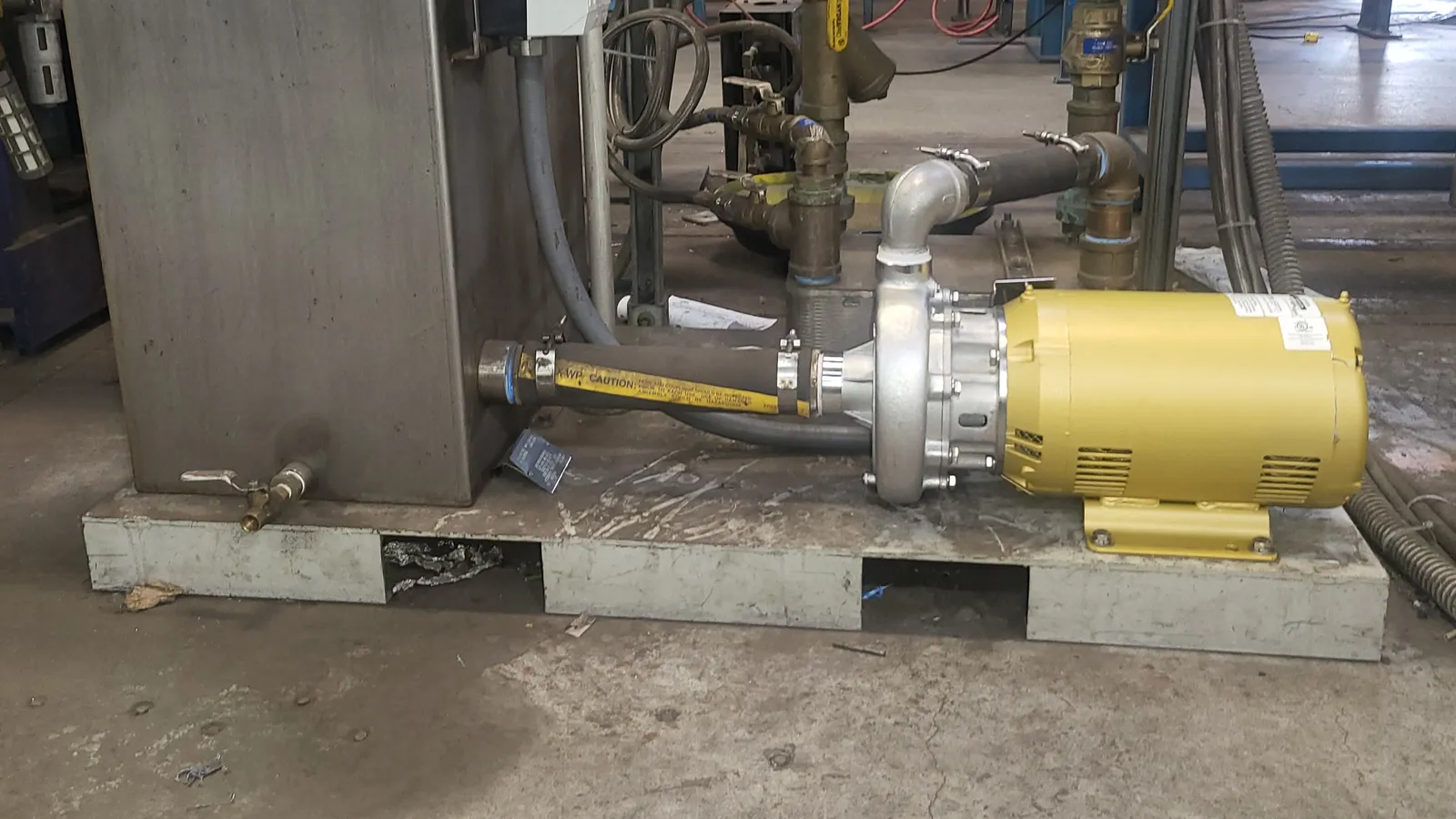

When a “Small” Phase Imbalance Starts Becoming an Expensive Electrical and Mechanical Problem
Correct the imbalance early before one overloaded phase quietly drives heat, losses, and equipment stress
Phase imbalance is one of the easiest electrical problems to underestimate because the system often keeps running.
That is exactly why it becomes expensive. The facility still has power, so the imbalance gets treated like a minor imperfection instead of a condition that may already be heating motors, stressing transformers, pushing one feeder harder than the others, and creating unnecessary electrical loss.
In industrial and commercial sites across Toronto and the GTA, one of the clearest warning signs is uneven current between phases under normal operating load. Another is motors that run hotter than expected without an obvious mechanical explanation. Fluke states that voltage unbalance at the motor terminals can cause current unbalance 6 to 10 times larger, leading to vibration, extra losses, and motor overheating.
You may also need phase balance optimization if one leg of a panel or feeder consistently runs heavier, if thermal inspection keeps showing one phase hotter, if the site has grown through years of additions and changes, or if the building mixes large three-phase loads with many single-phase loads that may have accumulated unevenly over time.
Another warning sign is when customers keep treating motor or equipment symptoms as isolated failures even though the same kinds of stress keep returning. A bad phase relationship can quietly become the background condition that keeps damaging the visible equipment.
This service is particularly valuable before expansion as well. A site may think there is usable headroom because the average load looks acceptable, while one phase is already much closer to becoming the real limit.
Fluke’s additional unbalance guidance also notes that voltage drops across switches and fuses can appear as unbalance at the motor and create excess heat at the real trouble spot.
Phase balance optimization in Toronto, Mississauga, Vaughan, Markham, and across the GTA helps clients catch the “small” imbalance problems early, before they turn into expensive electrical loss, motor overheating, and repeated avoidable repairs.
One Phase Carries More Than the Others
What looks like a small load difference can quietly become the real source of heat, stress, and reduced headroom.
Motors Run Hot Without a Clear Mechanical Story
Even modest voltage imbalance can create much larger current imbalance and expensive thermal stress.
Thermal Scans Keep Showing One Leg Hotter
Repeated one-phase heating is often a sign that the system is not sharing the load the way it should.
Years of Electrical Changes Have Shifted the Load Mix
Small additions over time often leave the three-phase system much less balanced than the site assumes.
Transformers and Feeders Feel More Stressed Than Expected
Imbalance can quietly increase losses and make the distribution system work harder than it should.
Panel Capacity Looks Fine on Average but Not by Phase
Average readings can hide the fact that one phase is already closer to becoming the real limiting factor.
Equipment Keeps Suffering from “Small” Electrical Problems
The visible failure may not be the cause. It may just be the victim of a poorly balanced three-phase supply.
The Site Wants to Reduce Hidden Electrical Waste
Better phase balance can help reduce unnecessary loss, heat, and stress that the client may be paying for without realizing it.
WHY CHOOSE US
Why Industrial Clients Choose Us
We focus on practical industrial electrical solutions rather than temporary fixes, ensuring your power systems, equipment, and production infrastructure operate safely and reliably under real operating conditions. Every project is completed with careful planning, proper equipment selection, and close attention to long-term performance, system stability, and operational continuity.
Our approach eliminates unnecessary work and is based on accurate diagnostics, field-tested methods, and a clear understanding of how industrial facilities actually run, so you only invest in the work your system truly requires. We prioritize safety, efficiency, code compliance, and clean execution on every job, whether it involves troubleshooting, upgrades, installations, or power distribution improvements.
As a result, you receive a dependable, code-compliant industrial electrical system that supports your facility today, reduces the risk of costly downtime, and is properly prepared for future production demands, equipment expansion, and higher power requirements.
Licensed & Insured
All work is performed by qualified, fully insured electricians, ensuring safety, accountability, and compliance with all regulations.
ESA certified work
Every project includes permits and ESA inspection, guaranteeing that the installation meets Ontario Electrical Safety Code requirements.
Professional installations
We install panels with precise wiring, proper layout, and clear labeling, making the system safe, accessible, and easy to maintain.
Transparent pricing
You receive clear pricing based on the actual scope of work, with no hidden costs or unexpected changes during the entire project.
Fast scheduling
We schedule work efficiently and arrive on time, minimizing downtime and ensuring your electrical system is restored as quickly as possible.
Accurate calculations
We calculate electrical demand based on real usage, ensuring your panel is properly sized for both current and future electrical needs.
Code-compliant work
All installations strictly follow current electrical code requirements, ensuring safety, inspection approval, and long-term system reliability.
Reliable workmanship
Our experience allows us to deliver consistent, high-quality results that perform reliably under real operating conditions over time.
CODE & SAFETY REQUIREMENTS
Ontario Electrical Safety Code Compliance
1. What is phase balance optimization?
It is the process of measuring, analyzing, and correcting uneven three-phase loading or imbalance so the electrical system operates more evenly and with less stress.
2. Why does phase imbalance matter if the site still has power?
Because the system can keep running while quietly creating extra heat, electrical loss, motor stress, and reduced reliability.
3. Can a small voltage imbalance really damage motors?
Yes. Fluke states that voltage unbalance at motor terminals can create current unbalance 6 to 10 times larger, leading to increased losses, vibration, mechanical stress, and motor overheating.
4. What are common signs of phase imbalance?
Common signs include one phase carrying more current, motors running hot, repeated thermal differences between phases, stressed feeders, nuisance trips, and uneven panel loading.
5. Is this only for industrial facilities with big motors?
No. It is also useful in commercial and mixed-use facilities where many single-phase loads have accumulated unevenly across the three-phase system.
6. Can phase imbalance increase electrical cost?
Yes. It can contribute to unnecessary losses, heating, and equipment stress, which means the site may be paying for inefficiency and shortened equipment life even if the problem is not obvious on the bill by itself.
7. Can this service help before expansion?
Yes. It is often valuable before adding new load because average capacity can look acceptable while one phase is already becoming the real bottleneck.
8. Is phase imbalance always caused by bad load distribution?
No. Fluke also notes that voltage drops across fuses and switches can show up as unbalance at the motor, so sometimes the issue points to weak connections or worn contacts as well.
9. What usually gets corrected during phase balance optimization?
Depending on findings, corrective work can include load redistribution, branch-circuit rearrangement, feeder review, connection investigation, or broader distribution improvements.
10. Is this the same as power quality diagnostics?
No. They overlap, but phase balance optimization focuses specifically on uneven three-phase behavior and correcting it, while power quality diagnostics is broader and includes disturbances such as sags, swells, harmonics, and transients.
11. Does phase balance optimization itself replace code compliance?
No. It is an analytical and corrective service. Any repair or redistribution work that follows still has to use approved equipment and comply with applicable Ontario Electrical Safety Code and ESA requirements. ESA confirms the 2024 OESC is effective in Ontario from May 1, 2025.
12. Why do people often wait too long to fix imbalance?
Because the imbalance looks small while the system still runs. The real cost appears later through heat, losses, nuisance issues, and shortened equipment life.
COMMON QUESTIONS
FAQ — Phase Balance Optimization
1. What is a commercial power distribution system?
A commercial power distribution system is the network of service equipment, feeders, panels, subpanels, breakers, and branch circuits that delivers electrical power throughout a business property.
2. When does a business need a power distribution upgrade?
A business may need a power distribution upgrade when the existing layout no longer supports current loads, renovations, tenant changes, equipment additions, or safe future expansion.
3. Is power distribution the same as a panel upgrade?
No. A panel upgrade is one part of electrical distribution, while a power distribution project looks more broadly at how electricity is routed and organized across the property.
4. Can power distribution improvements help reduce breaker problems?
Yes. Better feeder layout, panel organization, and load allocation can help reduce recurring breaker issues caused by poor distribution or overloaded sections of the system.
5. What types of buildings benefit from commercial power distribution upgrades?
Offices, retail units, restaurants, warehouses, mixed-use buildings, and other commercial properties often benefit when their electrical system has evolved beyond the original design.
6. Can power distribution improvements support future tenant changes?
Yes. One major benefit of a good distribution design is creating a cleaner and more flexible electrical structure for future fit-outs and occupancy changes.
7. Do power distribution projects include subpanels and feeders?
They often do. Depending on the property, a commercial power distribution project may involve feeders, subpanels, panel reorganization, and related overcurrent protection changes.
8. Can this help with long circuit runs in a building?
Yes. Improving electrical distribution can create more practical local distribution points and reduce inefficient routing through the building.
9. Does commercial power distribution work require code compliance in Ontario?
Yes. Commercial electrical distribution work must follow applicable Ontario Electrical Safety Code and ESA requirements.
10. Can you improve distribution without replacing the whole electrical service?
In many cases yes. Some properties need better internal distribution rather than a full service replacement, although this depends on overall load and equipment condition.
11. Should power quality issues be reviewed together with distribution?
Often yes. Voltage disturbance, harmonics, and unstable load behavior can overlap with poor distribution layout, especially in more complex commercial buildings.
12. How much do commercial power distribution upgrades cost in Ontario?
Cost depends on building size, feeder scope, panel changes, accessibility, voltage, shutdown planning, and the condition of the existing electrical system. Accurate pricing usually requires a site assessment.
SERVICE AREAS
Serving Toronto & the Greater Toronto Area
We provide residential, commercial, and industrial electrical services across Toronto and the GTA, supporting homes, businesses, and facilities with reliable and code-compliant electrical solutions.
Our service coverage includes major cities and surrounding areas, allowing us to respond quickly and deliver consistent service across the region.
Toronto
North York
Thornhill
Richmond Hill
Vaughan
Markham
Scarborough
Etobicoke
Mississauga
Brampton
ADDITIONAL SERVICE AREAS
Hamilton
Oakville
Burlington
Milton
Georgetown
Pickering
Ajax
Whitby
Oshawa
Clarington
Aurora
Newmarket
Bradford
King City
Barrie