
Toronto & GTA Electrical Contractor
Power Risk Assessment in Toronto, Markham, Richmond Hill, Hamilton & GTA
Residential, commercial, and industrial electrical work — installations, upgrades, troubleshooting, maintenance, and code-compliant solutions.
Licensed & Insured
Fast Response
Code-Compliant Work

ELECTRICAL RISK & RELIABILITY ANALYSIS
What We Do
We provide commercial power risk assessment services for offices, warehouses, retail units, restaurants, mixed-use buildings, and other business properties across Toronto and the GTA. Our goal is to identify the electrical conditions that can create downtime, equipment damage, safety concerns, production interruptions, or unnecessary operating losses. Many commercial buildings experience electrical problems long before a visible failure occurs. Voltage fluctuations, overloaded distribution, phase imbalance, hidden harmonics, repeated breaker activity, unstable control power, and poor coordination between equipment can all increase risk even when the system appears to be functioning.
A professional power risk assessment is designed to find those weak points before they turn into expensive events. We review the building’s electrical distribution, load profile, operating patterns, critical equipment exposure, and known history of outages or disturbances. Depending on the site, this may include targeted measurements, panel and distribution review, load trend analysis, equipment condition observations, and evaluation of how sensitive loads respond to real operating conditions. Where needed, this work can connect directly with commercial power quality analysis to verify whether the property is affected by sags, swells, harmonics, transients, or other disturbance patterns. It may also tie into commercial load monitoring when circuit demand, usage peaks, or load growth need to be documented more clearly.
Our assessments are practical and based on the way the building actually operates. We do not treat every risk as the same. Some facilities are more exposed to downtime, some are more exposed to equipment stress, and some are more exposed to hidden energy waste or nuisance electrical events that keep returning. To improve visibility, commercial sites may use recognized diagnostic and monitoring platforms such as Fluke 1777 power quality analyzers, Schneider Electric PowerLogic meters, Eaton Power Xpert metering, or ABB M4M network analyzers where appropriate for the scope of study. We also review whether the existing system is well suited for future expansion, tenant changes, process loads, or additional backup requirements.
A strong power risk assessment helps building owners and facility managers make better decisions before committing money to the wrong fix. In some cases, the issue points toward power distribution systems improvements, better load separation, or more resilient emergency planning. In other cases, the main problem is poor power quality, overloaded sections, or hidden electrical stress affecting sensitive equipment. For general safety and compliance guidance in Ontario, refer to the Electrical Safety Authority (ESA). The result is a clearer understanding of risk, better planning, and a more reliable electrical system for long-term commercial operation.
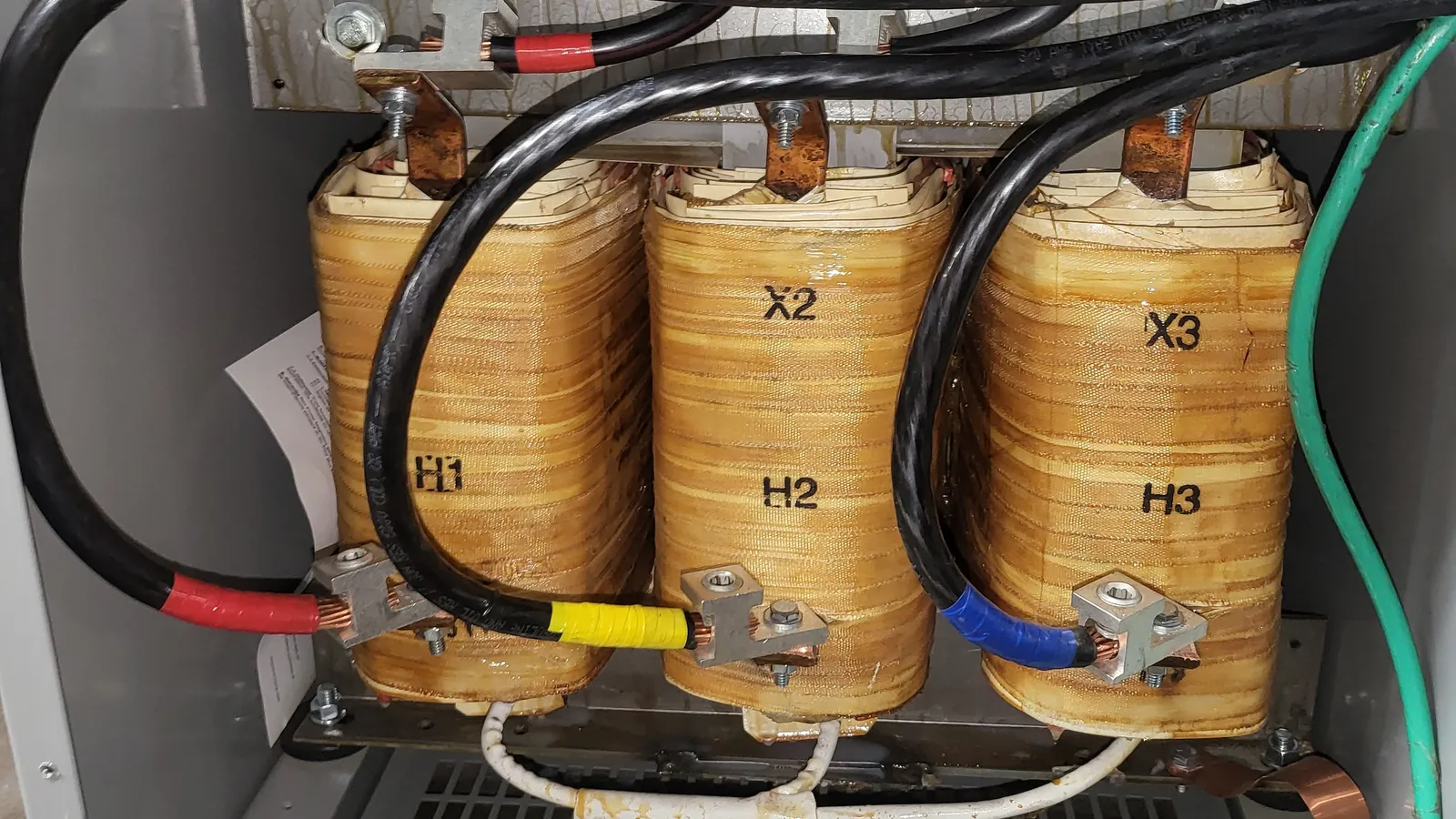
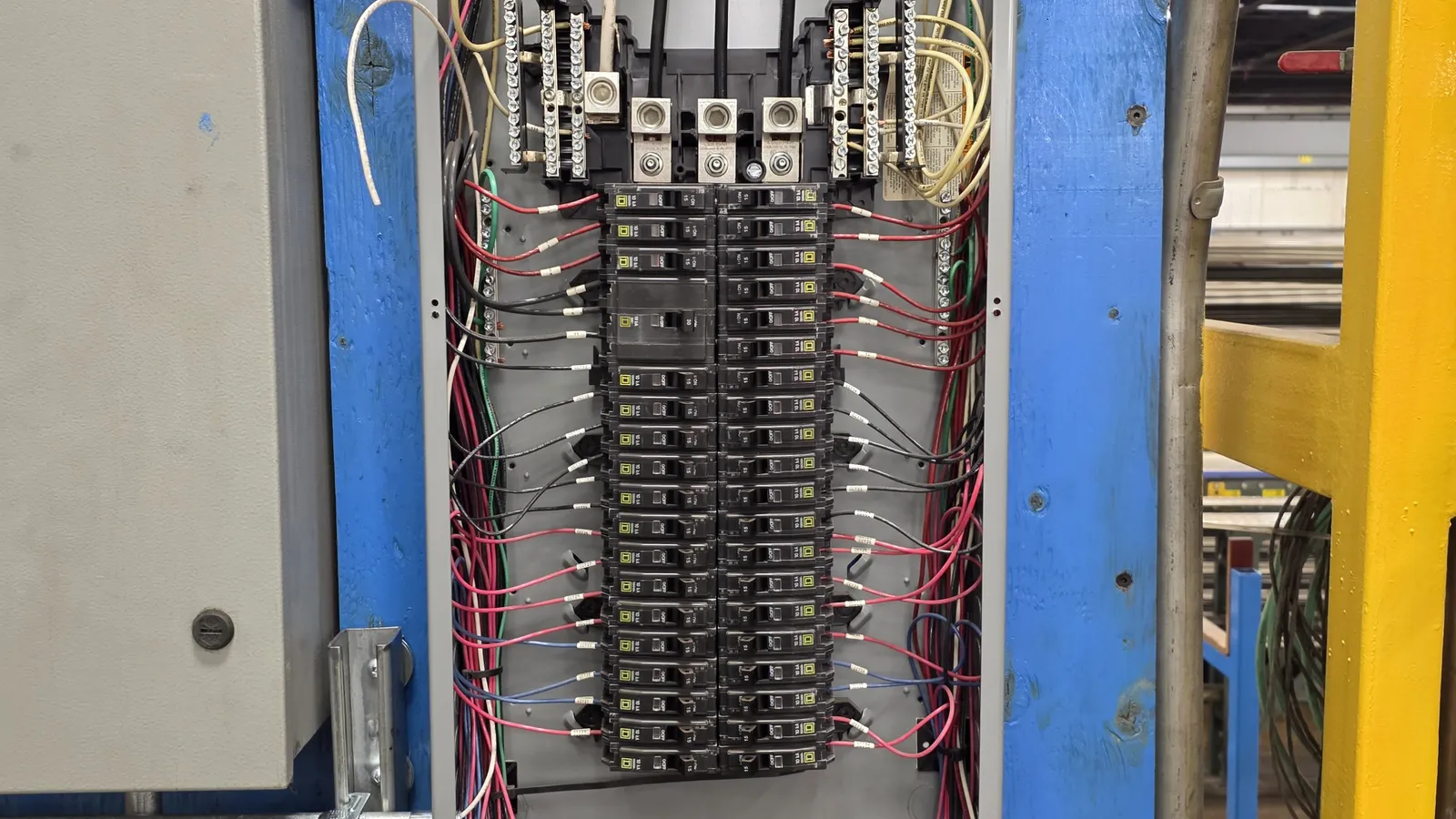
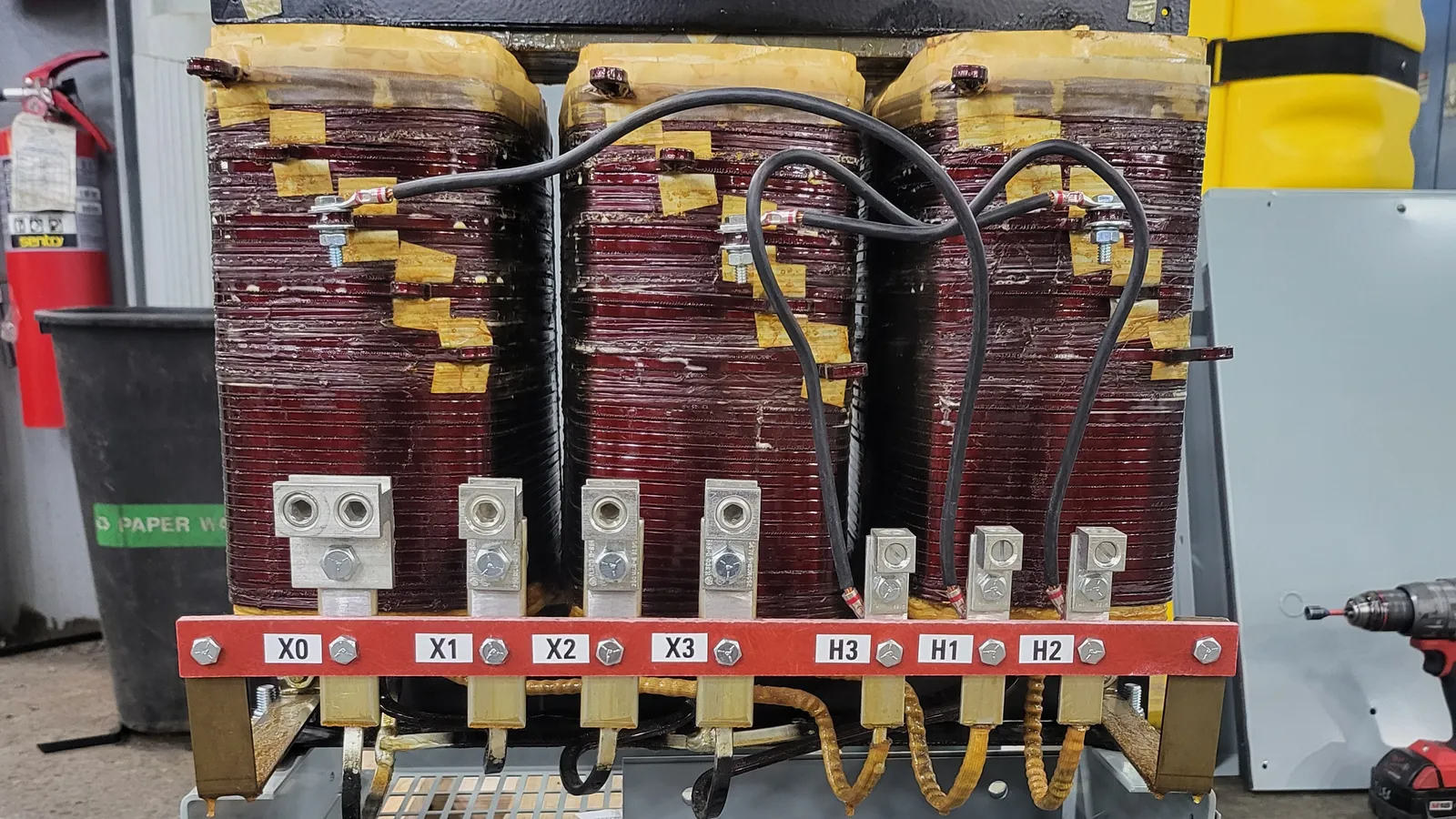
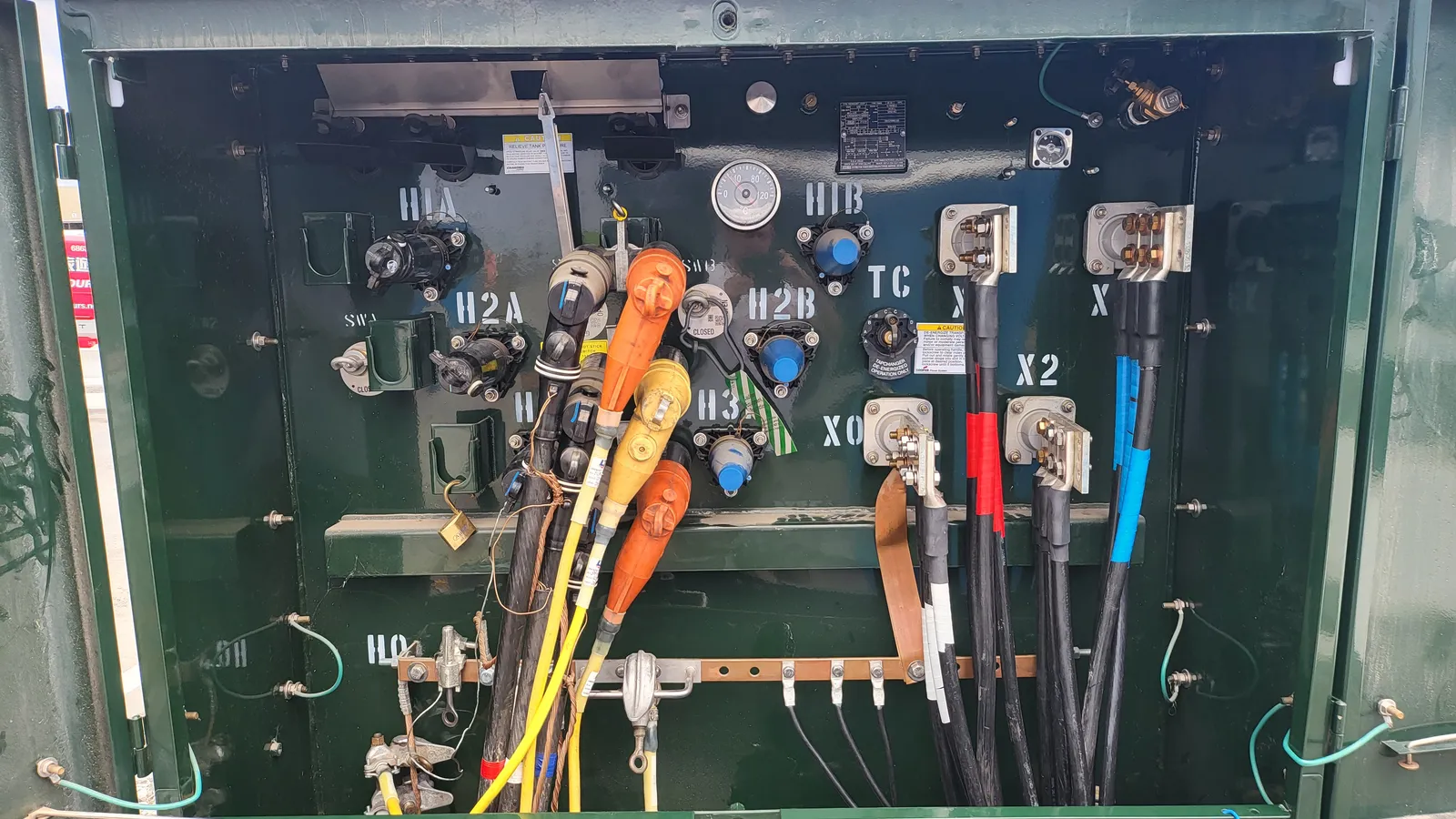
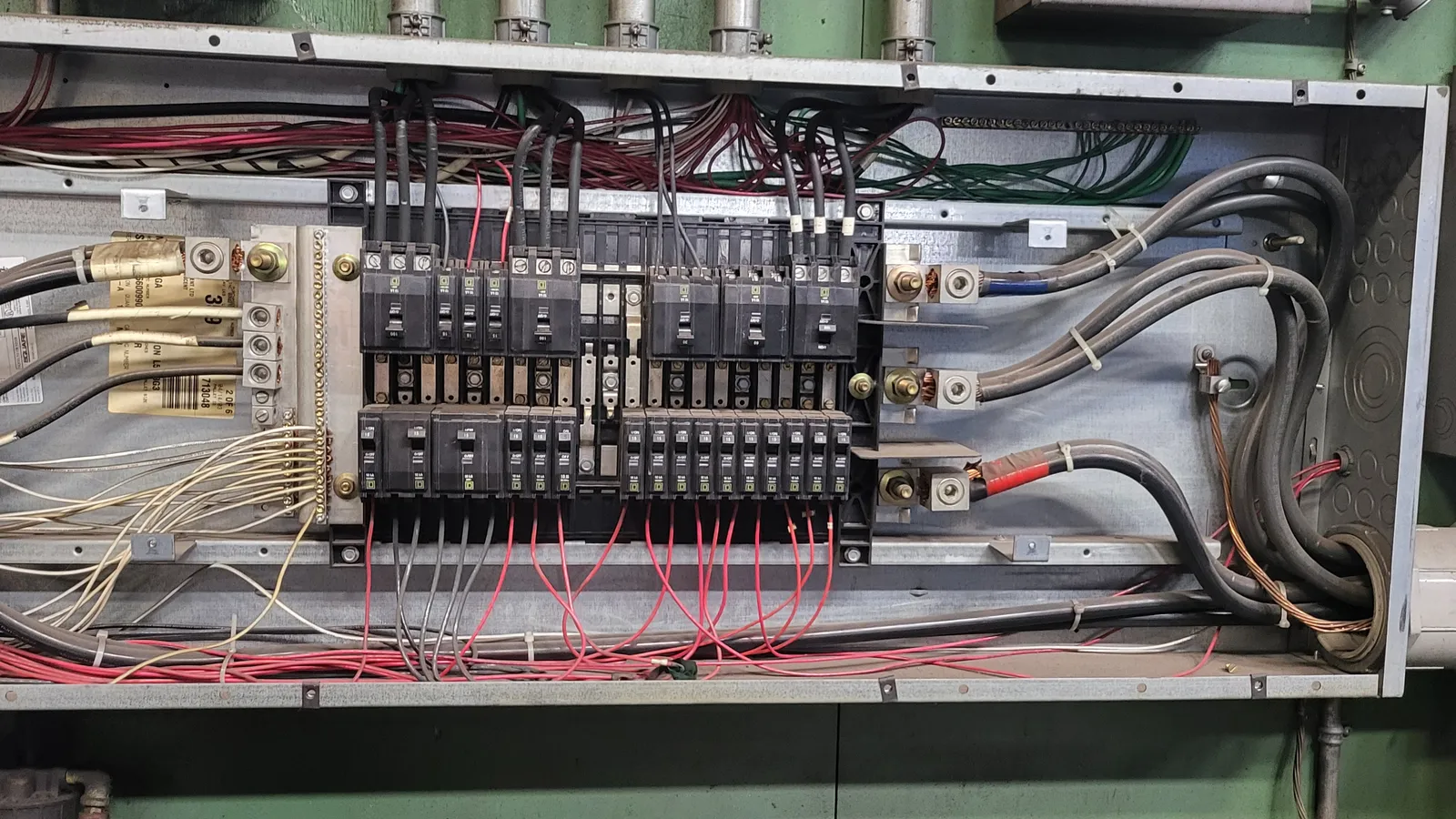
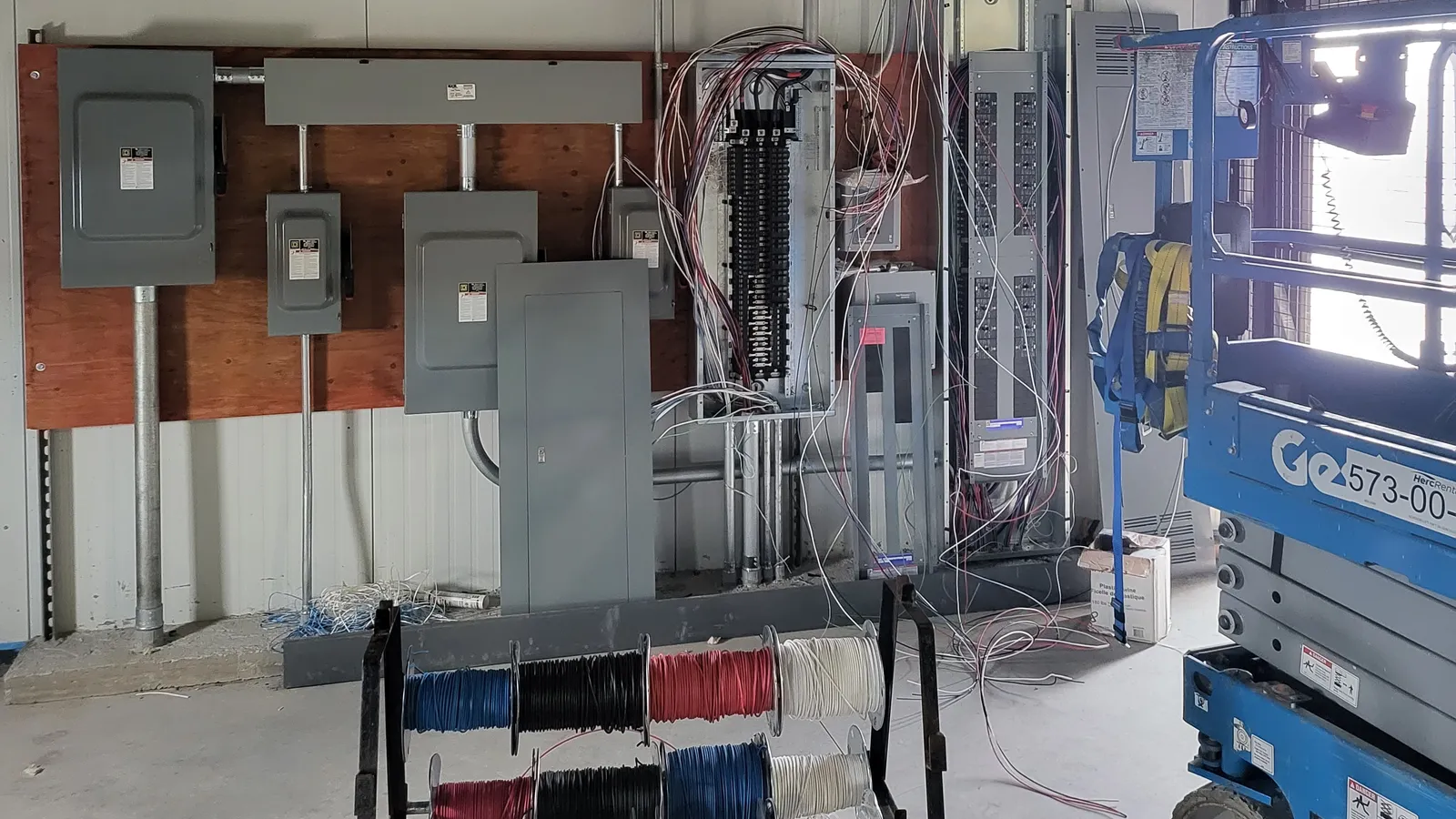
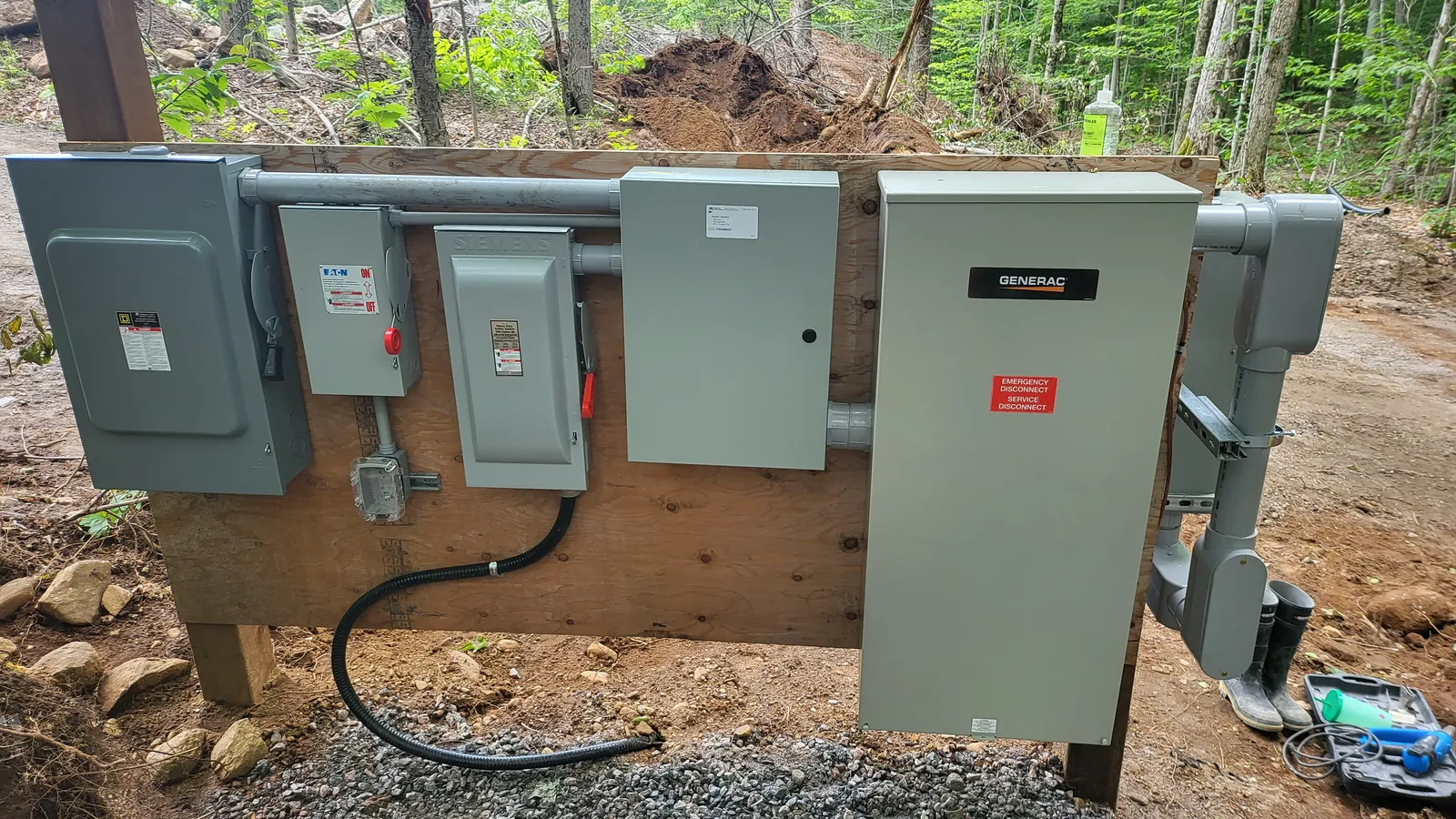
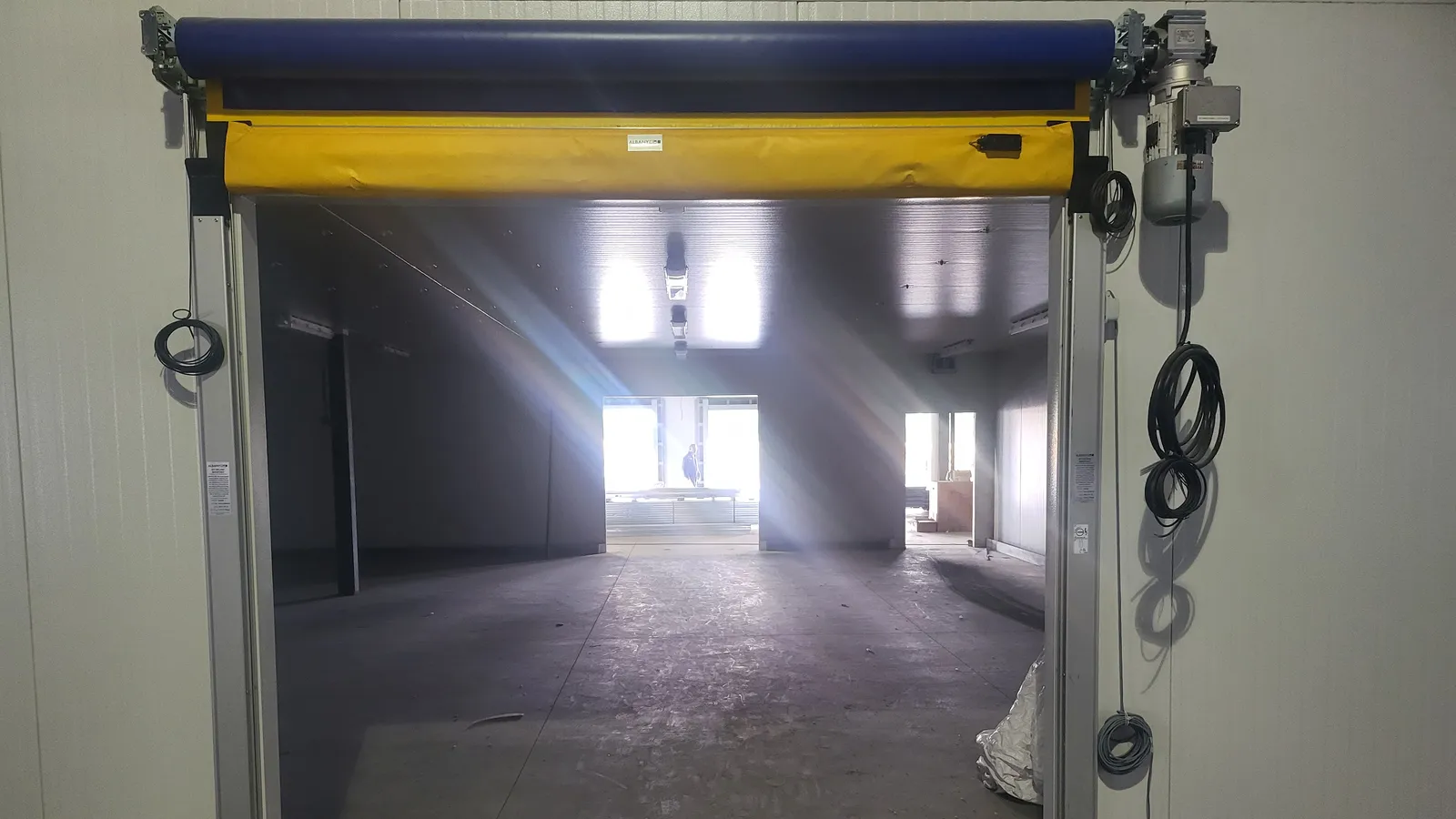
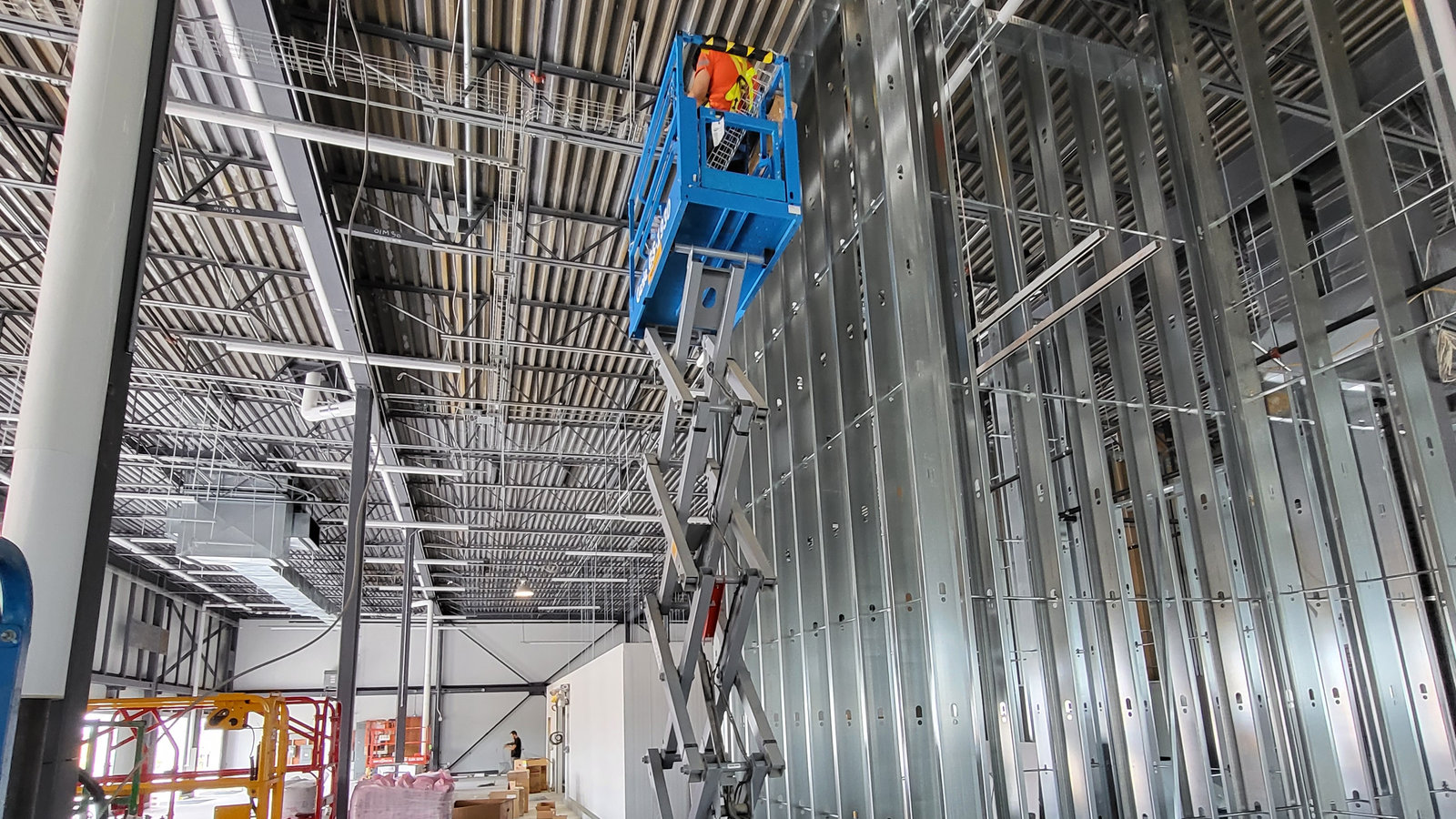
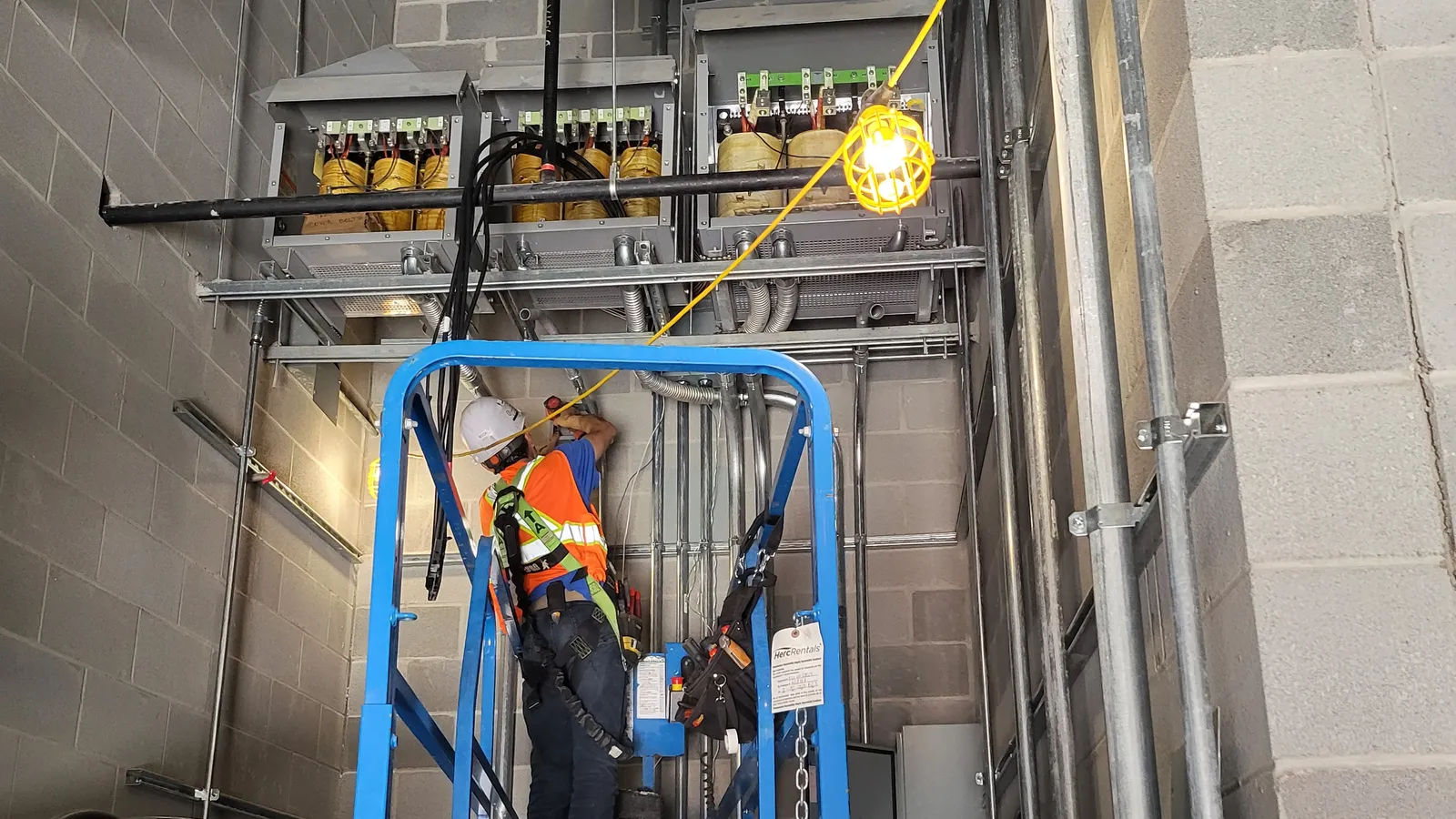
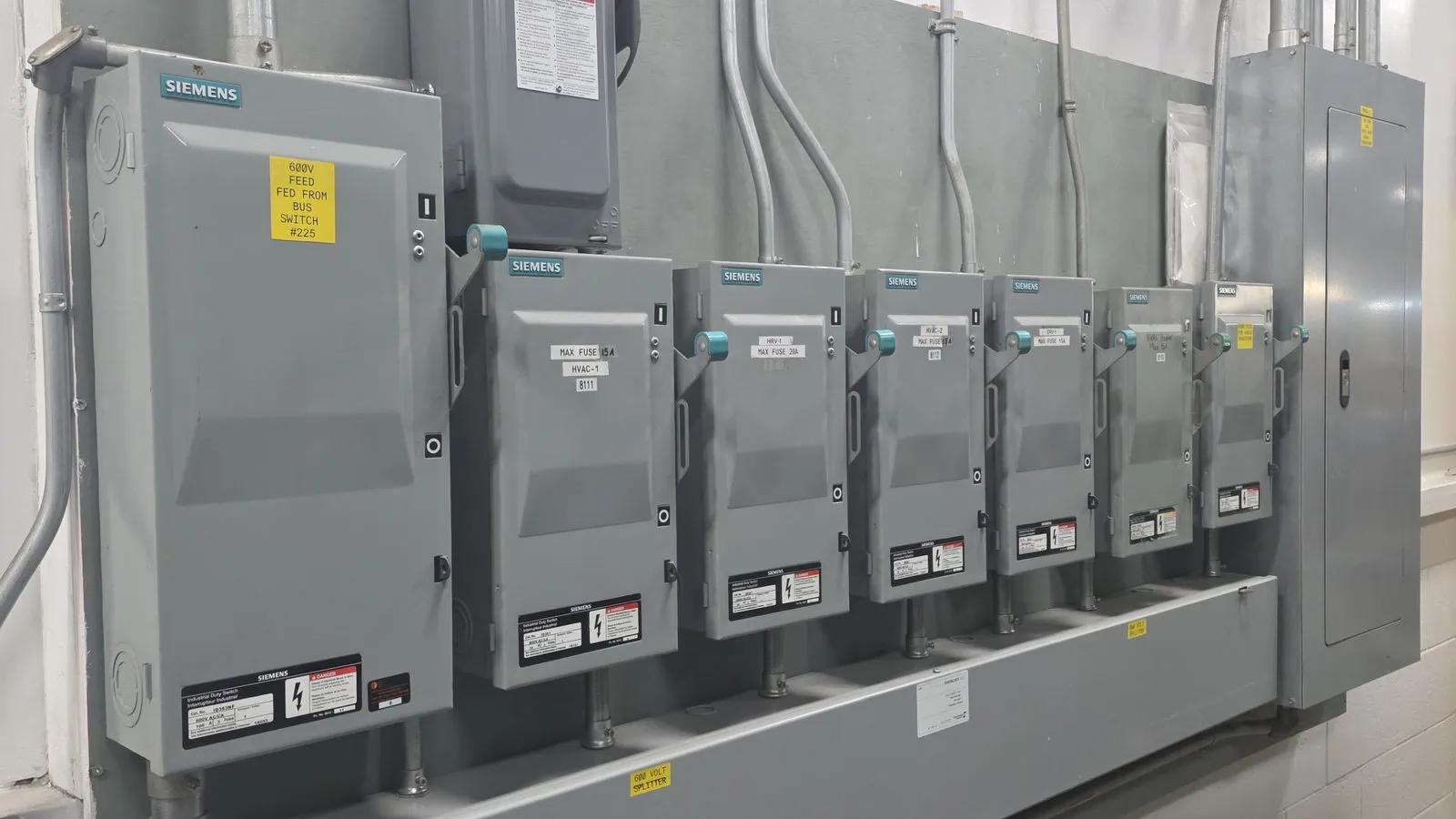
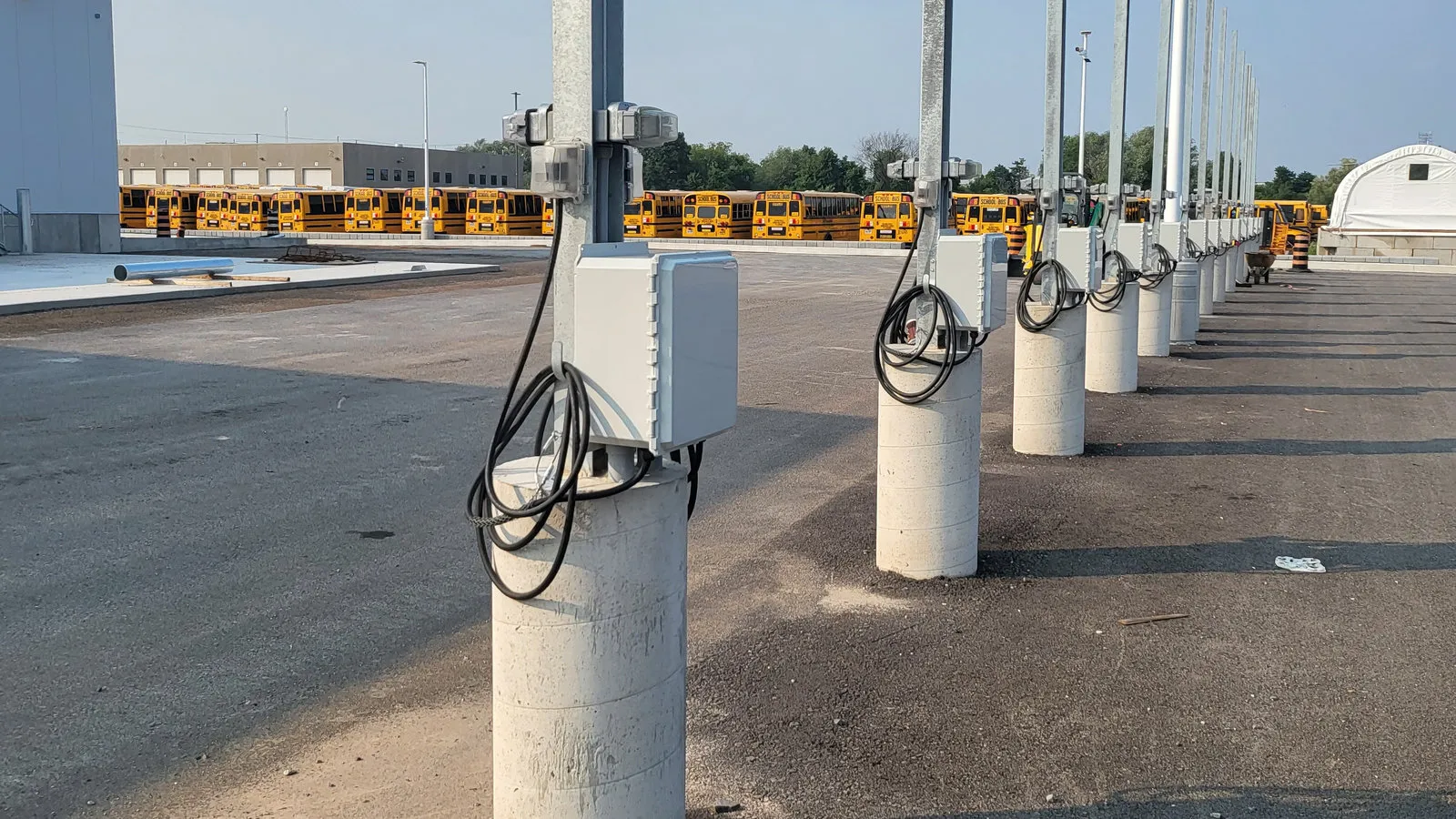
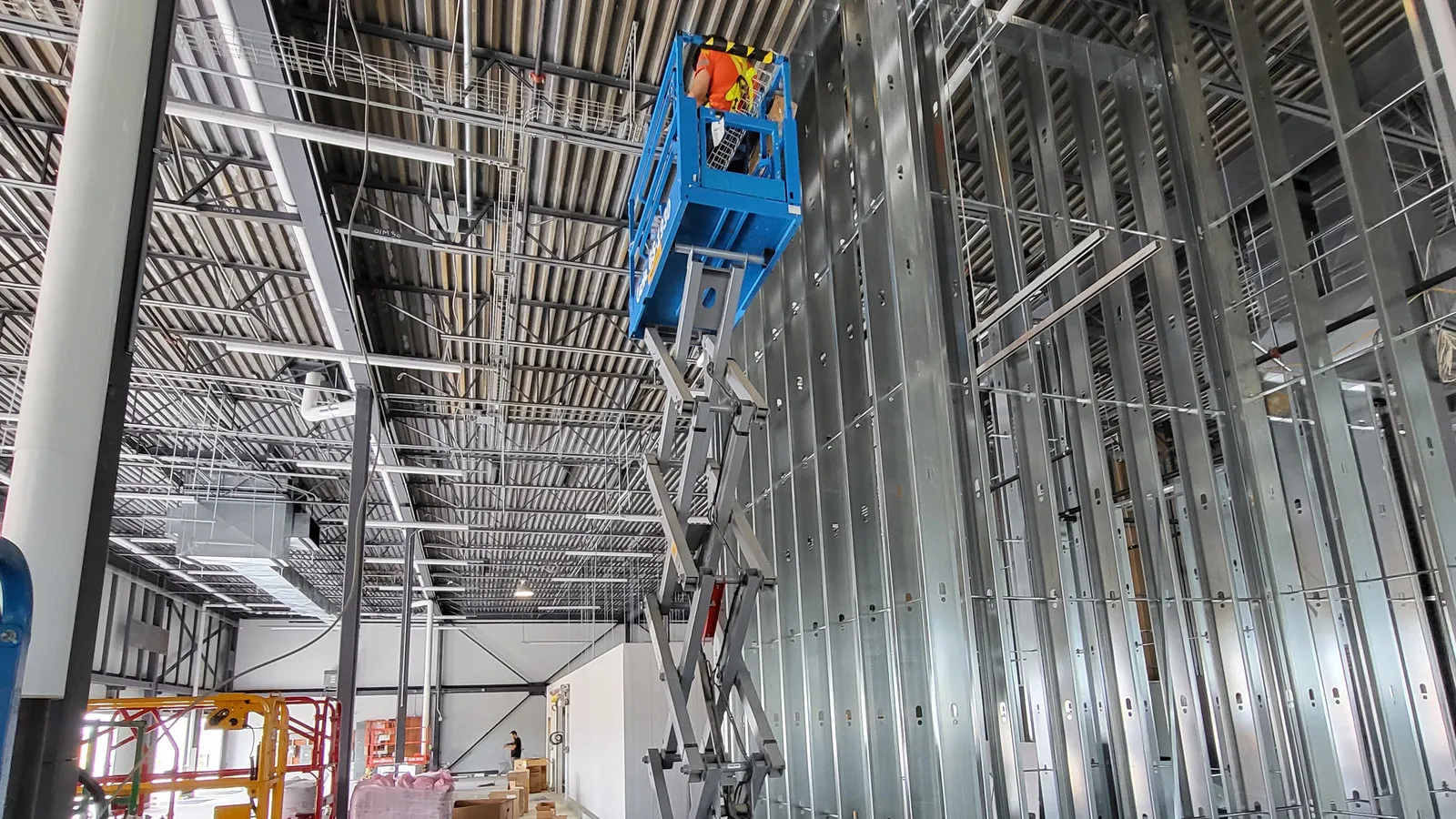
Small electrical issues often become major business problems<
Spot the warning patterns before they lead to downtime, damage, or repeated service calls
A commercial power risk assessment becomes valuable when a building has electrical symptoms that are recurring, unclear, or becoming more expensive over time.
Many businesses in Toronto and the GTA experience flickering lighting, nuisance breaker trips, unexplained equipment resets, overheating panels, unstable controls, process interruptions, or rising concern about electrical reliability without knowing the real cause. These issues are often treated as isolated service calls, but in many properties they are connected to a deeper weakness in the electrical system. That weakness may involve loading, distribution layout, power quality, poor coordination, sensitive electronic equipment, or changing building demand that was never properly reassessed.
A professional assessment helps determine whether the property is exposed to avoidable outage risk, disturbance risk, equipment stress, or long-term reliability problems. This is especially important in facilities with variable loads, electronic controls, refrigeration, motors, VFDs, tenant turnover, or extended operating hours. When hidden harmonics, transient activity, or unstable voltage are suspected, it often makes sense to combine the assessment with commercial harmonic analysis or more detailed commercial power quality analysis so the source of the problem is identified rather than guessed.
Power risk assessment is also useful before expansion, service changes, equipment replacement, or backup power planning. A building may appear to have enough capacity, but the actual operational risk can still be high if the distribution is poorly balanced, if critical loads share weak sections of the system, or if previous modifications created hidden vulnerability. In many cases, a risk review helps prioritize what should be corrected first and what can wait.
Investing in a proper electrical risk assessment helps reduce unnecessary downtime, prevents trial-and-error repairs, and improves confidence in future electrical decisions. It gives owners, managers, and commercial tenants a clearer picture of how the system behaves under real conditions and where the biggest exposure actually sits. For Ontario-wide safety oversight and electrical requirements, see the ESA.
Frequent Breaker Trips
Recurring trips often indicate overload, poor coordination, or a deeper system weakness rather than a one-time fault.
Equipment Resets or Shutdowns
Unexpected shutdowns can point to voltage instability, transient activity, or sensitive loads operating on a stressed system.
Flickering or Unstable Lighting
Lighting irregularities may be a sign of power quality issues, load imbalance, or electrical distribution problems.
Overheating Panels or Connections
Heat buildup can signal poor terminations, overloading, unbalanced loads, or deteriorating equipment conditions.
Repeated Service Calls
If the same electrical complaints keep returning, the root cause may never have been properly assessed.
Changing Building Loads
Renovations, new equipment, tenant changes, or process upgrades can introduce risk that the original system was never designed to handle.
Power Quality Concerns
Harmonics, sags, swells, or transients can affect controls, motors, electronics, and sensitive business equipment.
Upcoming Expansion Plans
A risk assessment helps confirm whether the existing electrical system can support future demand safely and reliably.
WHY CHOOSE US
Why Businesses Choose Us
We focus on practical solutions rather than temporary fixes, ensuring your electrical system performs safely under real conditions. Every electrical work is completed with proper planning, correct equipment selection, and attention to long-term performance.
Our approach eliminates unnecessary work and is based on accurate diagnostics, not assumptions, so you only pay for what your system actually needs. We prioritize safety, efficiency, and clean execution on every project.
As a result, you receive a reliable, code-compliant electrical system that supports your home today and is fully prepared for future electrical demands.
Licensed & Insured
All work is performed by qualified, fully insured electricians, ensuring safety, accountability, and compliance with all regulations.
ESA certified work
Every project includes permits and ESA inspection, guaranteeing that the installation meets Ontario Electrical Safety Code requirements.
Professional installations
We install panels with precise wiring, proper layout, and clear labeling, making the system safe, accessible, and easy to maintain.
Transparent pricing
You receive clear pricing based on the actual scope of work, with no hidden costs or unexpected changes during the entire project.
Fast scheduling
We schedule work efficiently and arrive on time, minimizing downtime and ensuring your electrical system is restored as quickly as possible.
Accurate calculations
We calculate electrical demand based on real usage, ensuring your panel is properly sized for both current and future electrical needs.
Code-compliant work
All installations strictly follow current electrical code requirements, ensuring safety, inspection approval, and long-term system reliability.
Reliable workmanship
Our experience allows us to deliver consistent, high-quality results that perform reliably under real operating conditions over time.
CODE & SAFETY REQUIREMENTS
Ontario Electrical Safety Code Compliance
The Ontario Electrical Safety Code (OESC) sets the minimum legal safety requirements for electrical installations in Ontario. For commercial power risk assessment work, Code awareness is important because the purpose of the assessment is often to identify unsafe loading, unapproved equipment use, improper protection, poor maintenance conditions, or installation weaknesses that may increase risk to people, property, or operations.
Following the Code helps reduce the risk of fire, electric shock, equipment damage, repeated faults, hidden overload conditions, and failed inspections. It also helps ensure that electrical equipment, conductors, overcurrent devices, working clearances, and maintenance conditions meet current Ontario requirements when a property is evaluated for electrical reliability and risk exposure.
Every commercial power risk assessment should be interpreted in the context of the current Ontario Electrical Safety Code, ESA procedures, and the specific design and operating conditions of the installation being reviewed.
Rules commonly applicable to commercial power risk assessment
-
Rule 2-004 — Notification of work / ESA inspection process
Where corrective electrical work is required following an assessment, that work must be properly notified to ESA and follow the applicable inspection process. -
Rule 2-022 — Approved electrical equipment
Electrical equipment used in Ontario must be approved in accordance with Code requirements. -
Rule 2-024 — Approval requirements for electrical equipment
Equipment must be approved to recognized standards and accepted for use in Ontario. -
Rule 2-300 — Maintenance and operation
Electrical equipment must be maintained and operated in a safe condition, which is highly relevant when assessing electrical risk in an active commercial facility. -
Rule 2-308 and Rule 2-310 — Working space around electrical equipment
Required safe access and working space around electrical equipment must be maintained. -
Rule 8-104 — Maximum circuit loading
Connected load and demand must be evaluated so conductors and equipment are not loaded beyond allowable limits. -
Rule 14-100 — Protection of conductors by overcurrent devices
Conductors must be protected by properly rated overcurrent devices in accordance with Code requirements. -
Rule 14-104 — Rating and coordination of overcurrent protection
Overcurrent protection must be coordinated with conductor ampacity and the characteristics of the installation. -
Section 26 — Installation of electrical equipment
Distribution equipment, panelboards, breakers, and related components must be installed and used in accordance with applicable equipment rules.
Note: Rule selection may vary depending on the occupancy type, equipment involved, voltage level, distribution layout, presence of sensitive electronic loads, and whether the assessment leads to corrective work, upgrades, or redistribution. Exact official wording should be taken from the current purchased edition of the Ontario Electrical Safety Code.
COMMON QUESTIONS
FAQ — Power Risk Assessment
1. What is a commercial power risk assessment?
A commercial power risk assessment is a structured review of an electrical system to identify conditions that may lead to downtime, equipment damage, safety concerns, unstable operation, or avoidable electrical losses.
2. How is this different from a standard electrical inspection?
A standard inspection may focus on visible condition or basic compliance concerns, while a power risk assessment looks more deeply at how the system behaves, what the building is exposed to, and where future electrical problems are most likely to develop.
3. What kinds of buildings benefit from this service?
Offices, warehouses, retail units, restaurants, mixed-use buildings, and other commercial properties can all benefit, especially when uptime, equipment protection, or electrical reliability matters.
4. When should I order a power risk assessment?
This service is useful when you have recurring electrical issues, unexplained equipment problems, plans for expansion, concern about downtime exposure, or uncertainty about the true condition of the electrical system.
5. Can this help identify hidden power quality problems?
Yes. A power risk assessment can reveal where more detailed power quality testing is needed and whether the building may be exposed to harmonics, transients, sags, swells, or other electrical disturbances.
6. Do you use real monitoring equipment during the assessment?
Where needed, yes. Depending on the scope, the assessment may involve tools such as Fluke power quality analyzers or metering platforms used to observe actual system conditions under load.
7. Will this tell me if my building needs upgrades?
Yes. One of the main benefits of a risk assessment is that it helps identify whether the property would benefit from distribution improvements, load separation, power quality correction, backup planning, or other targeted electrical upgrades.
8. Can this reduce unnecessary repair costs?
In many cases, yes. By identifying the real source of the problem, a power risk assessment helps avoid repeated trial-and-error service calls and misdirected electrical spending.
9. Is this only for buildings with existing electrical problems?
No. It is also valuable before renovations, equipment additions, tenant changes, service upgrades, or backup power projects so decisions can be made with better information.
10. Does this service help with business continuity planning?
Yes. It helps identify which parts of the electrical system are most vulnerable and which risks should be addressed first to improve continuity and reduce outage exposure.
11. Is ESA notification required for a power risk assessment?
The assessment itself is not the same as corrective installation work, but any electrical work required afterward must follow the applicable Ontario notification and inspection requirements.
12. What is the main outcome of this service?
The main outcome is a clearer understanding of electrical risk, system weakness, and recommended priorities so the property owner or manager can make better technical and financial decisions.
SERVICE AREAS
Serving Toronto & the Greater Toronto Area
We provide residential, commercial, and industrial electrical services across Toronto and the GTA, supporting homes, businesses, and facilities with reliable and code-compliant electrical solutions.
Our service coverage includes major cities and surrounding areas, allowing us to respond quickly and deliver consistent service across the region.
Toronto
North York
Thornhill
Richmond Hill
Vaughan
Markham
Scarborough
Etobicoke
Mississauga
Brampton
ADDITIONAL SERVICE AREAS
Hamilton
Oakville
Burlington
Milton
Georgetown
Pickering
Ajax
Whitby
Oshawa
Clarington
Aurora
Newmarket
Bradford
King City
Barrie