
Toronto & GTA Electrical Contractor
VFD Control Upgrades for Cranes and Hoisting Equipment in Toronto, Mississauga, Brampton & GTA
Industrial electrical work — installations, upgrades, troubleshooting, maintenance, and code-compliant solutions.
Licensed & Insured
Fast Response
Code-Compliant Work
CRANE VFD CONTROL UPGRADES
What We Do
We provide VFD Control Upgrades for overhead cranes, bridge cranes, hoists, trolley drives, bridge travel systems, and related hoisting equipment across Toronto and the GTA.
This service is built for crane systems that still run, but no longer run well enough for the way the facility actually uses them. Many crane owners live for years with rough starts, abrupt stops, load bounce, poor speed control, hard mechanical wear, weak positioning, nuisance faults, and control systems that feel outdated but still “kind of work.” That is exactly where VFD Control Upgrades create real value.
A crane VFD control upgrade is not just about adding a drive. It is about improving how the crane moves and how the electrical control system behaves in real production conditions. On many older cranes, operators accept hard starts and stops as normal, but those “small” motion issues become expensive over time. They increase brake wear, motor stress, gearbox shock, mechanical fatigue, operator frustration, and the chance that the crane will stop production when one more tired component finally fails.
According to Konecranes, replacing outdated crane motor controls with modern variable speed control can improve load control, performance, and motion behavior. Columbus McKinnon Magnetek also describes crane-focused VFD systems as solutions for precise motion control, accurate positioning, smoother operation, and improved productivity.
Our VFD Control Upgrades can apply to hoist motion, trolley travel, bridge travel, crane drives, control panels, operator controls, braking coordination, and motion-control interfaces. The goal is to improve the way the crane starts, stops, accelerates, decelerates, positions, and responds to the operator under real load conditions.
This service is especially useful when older crane controls are creating costs that people underestimate because the crane still moves. A crane that starts too hard, stops too sharply, or handles loads poorly may continue operating for years while quietly damaging mechanical parts, wearing brakes, stressing motors, and making operators fight the equipment every day.
VFD Control Upgrades can help improve smoother motion, better speed control, reduced load swing, improved positioning, reduced mechanical shock, better operator feel, and improved diagnostics. In many cases, the upgrade also makes future troubleshooting easier because modern drives provide fault information that older contactor-based systems often cannot provide.
For industrial facilities, this matters because crane downtime can interrupt production, shipping, receiving, fabrication, maintenance work, and material handling. A crane may not be the largest electrical system in the building, but when it fails, it can stop work across multiple areas. Better control reduces stress on the crane and gives the facility more predictable operation.
We provide VFD Control Upgrades in Toronto, Mississauga, Vaughan, Markham, Brampton, and across the GTA. Our work supports overhead cranes, bridge cranes, hoists, trolley drives, bridge travel systems, and related lifting equipment where improved motion control can reduce downtime risk and improve daily operation.
Where appropriate, VFD Control Upgrades can support related work such as crane electrical troubleshooting, control panel rebuilding, or radio remote systems installation. These services work together because crane performance depends on the drive system, control wiring, operator interface, safety circuits, and panel condition all functioning correctly.
The result is a practical crane modernization service designed to improve motion control, reduce mechanical stress, improve operator confidence, support better diagnostics, and help older crane systems perform more reliably in real industrial conditions.

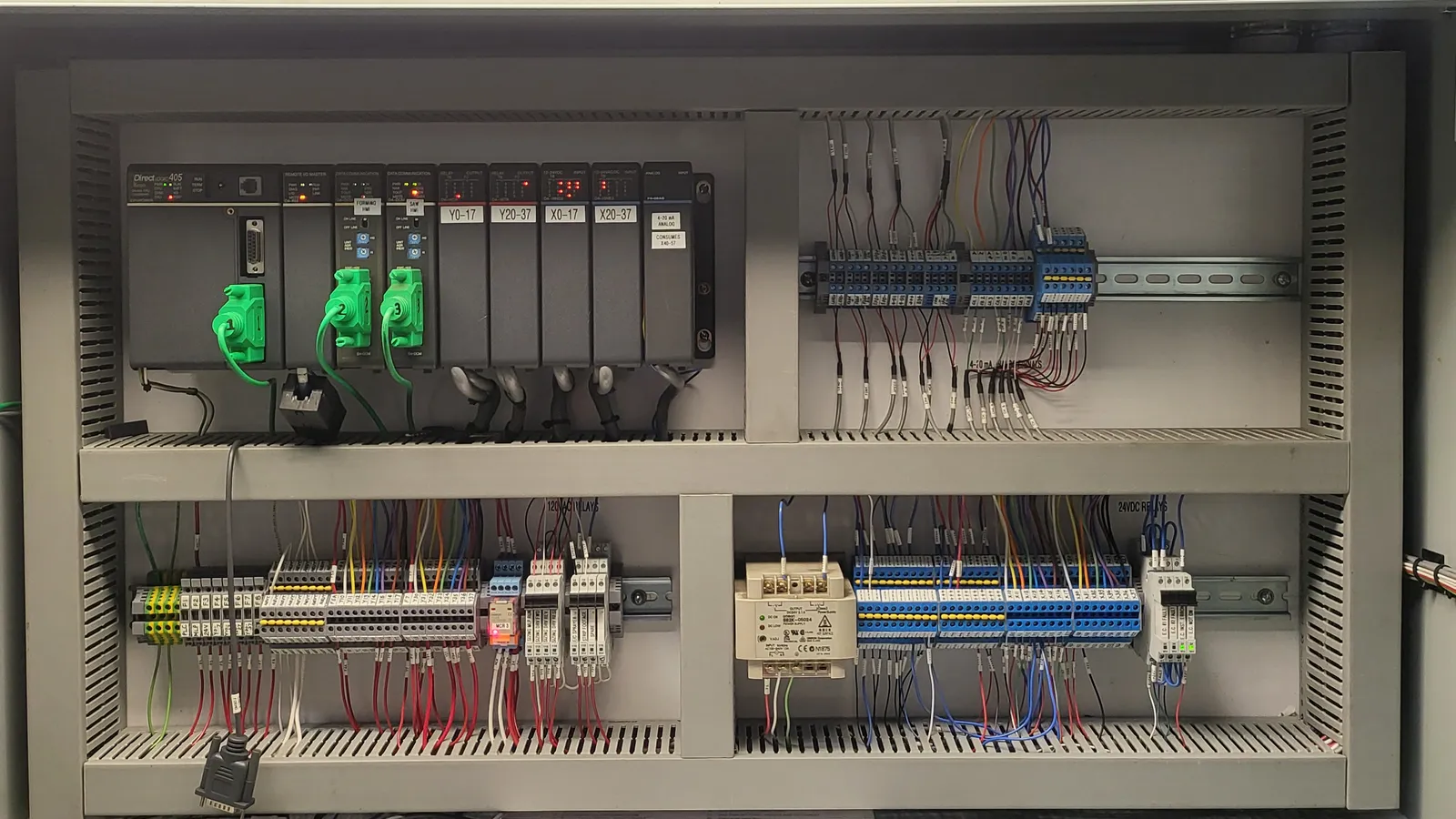
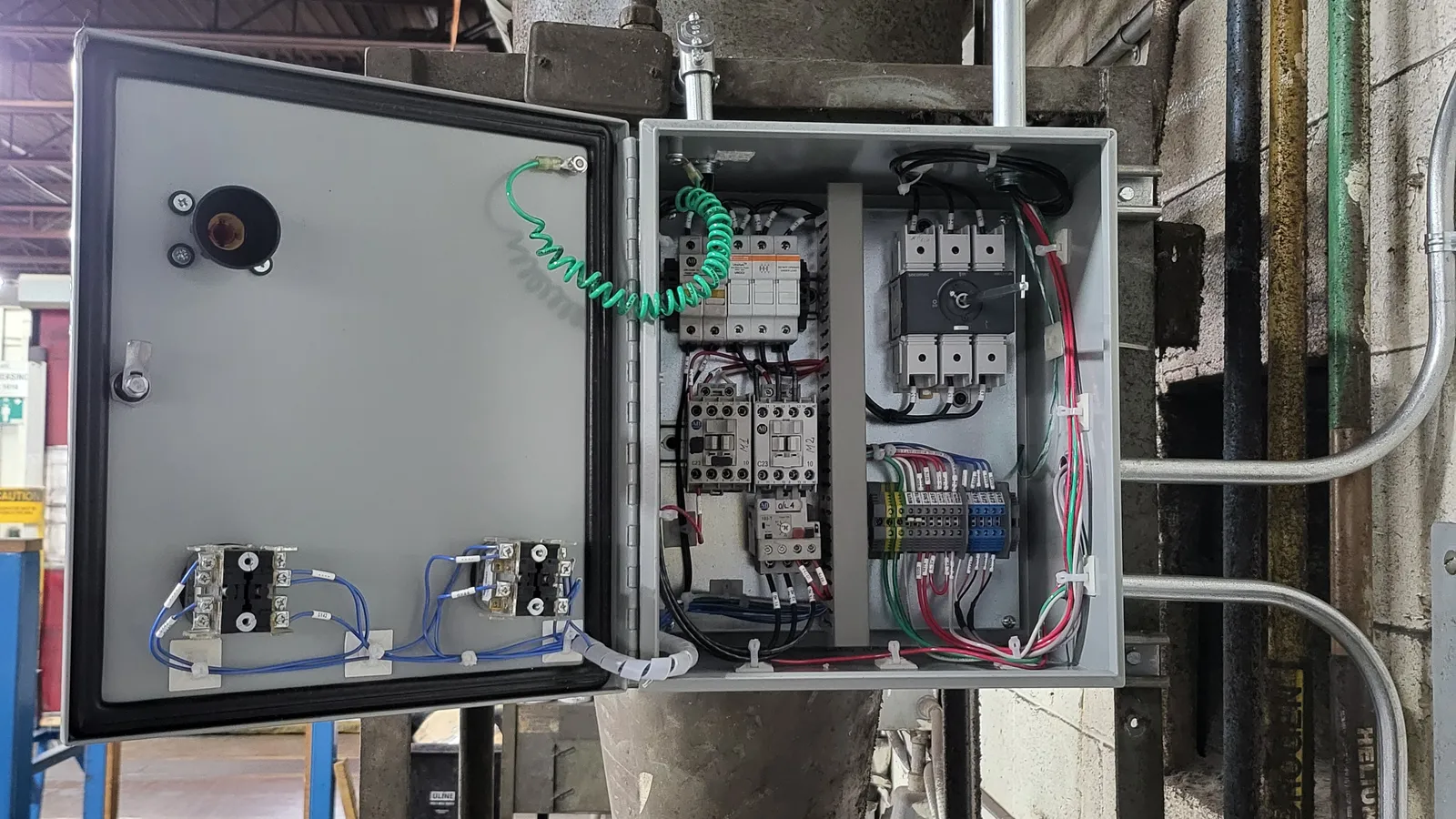
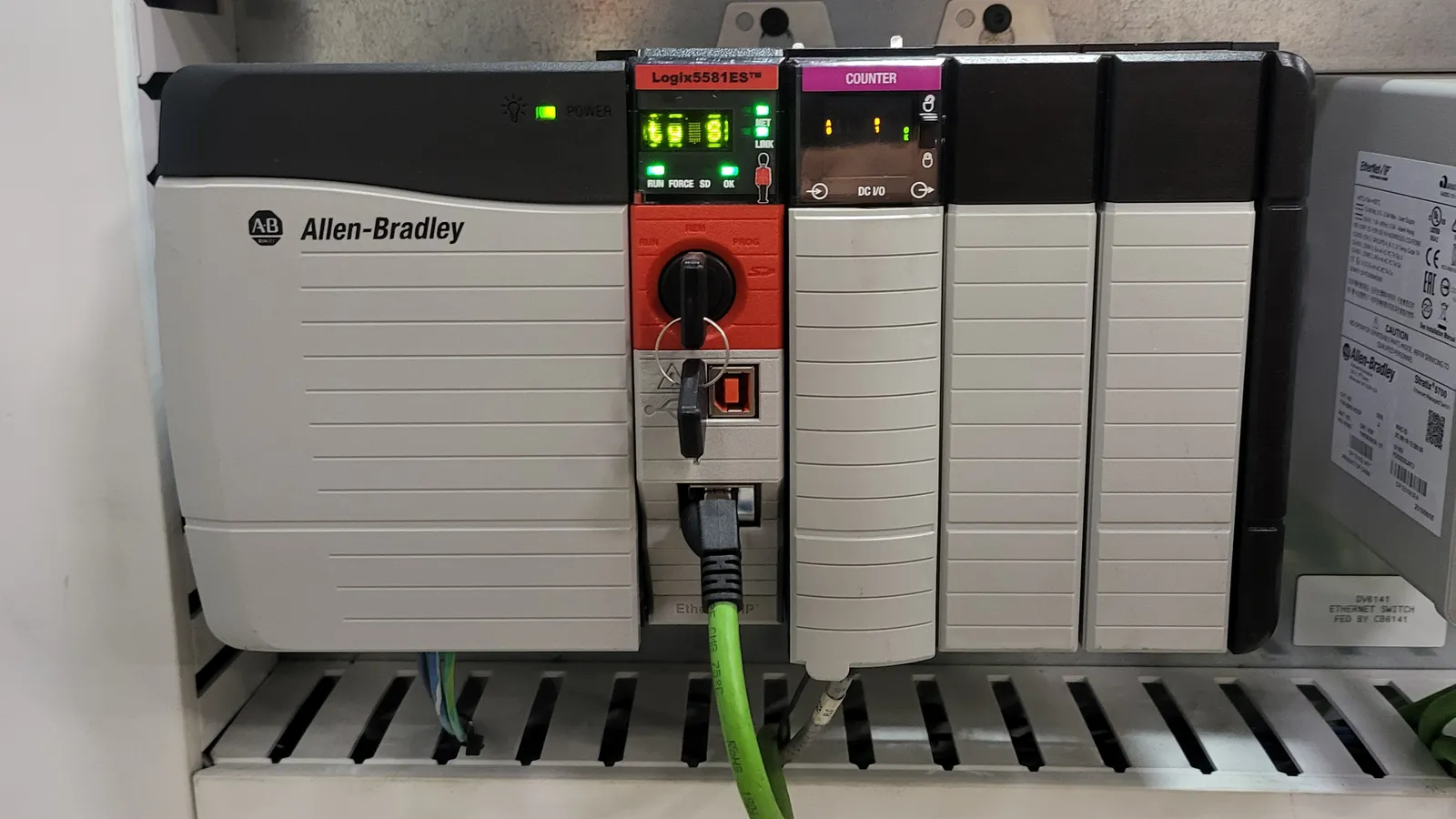
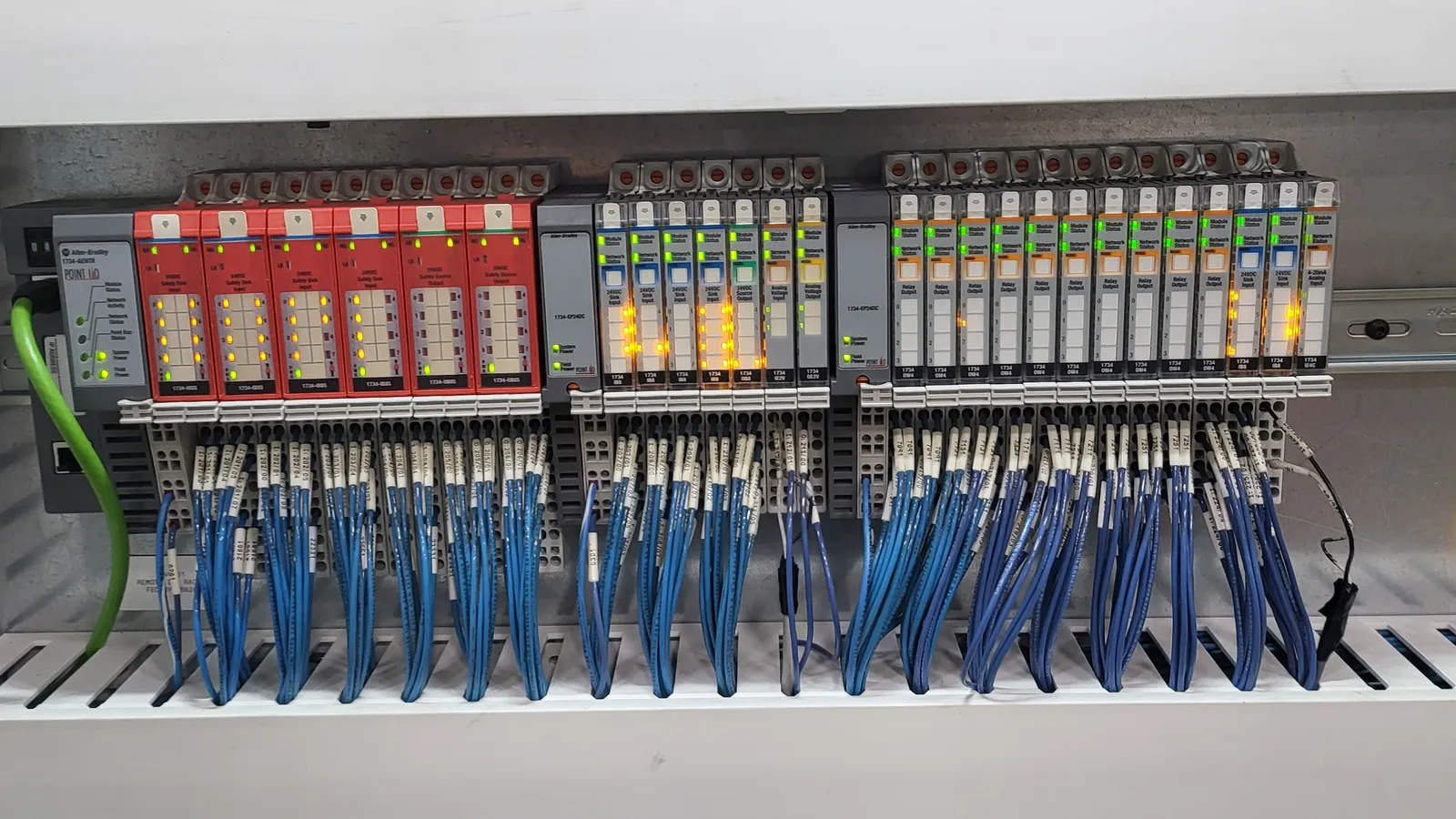
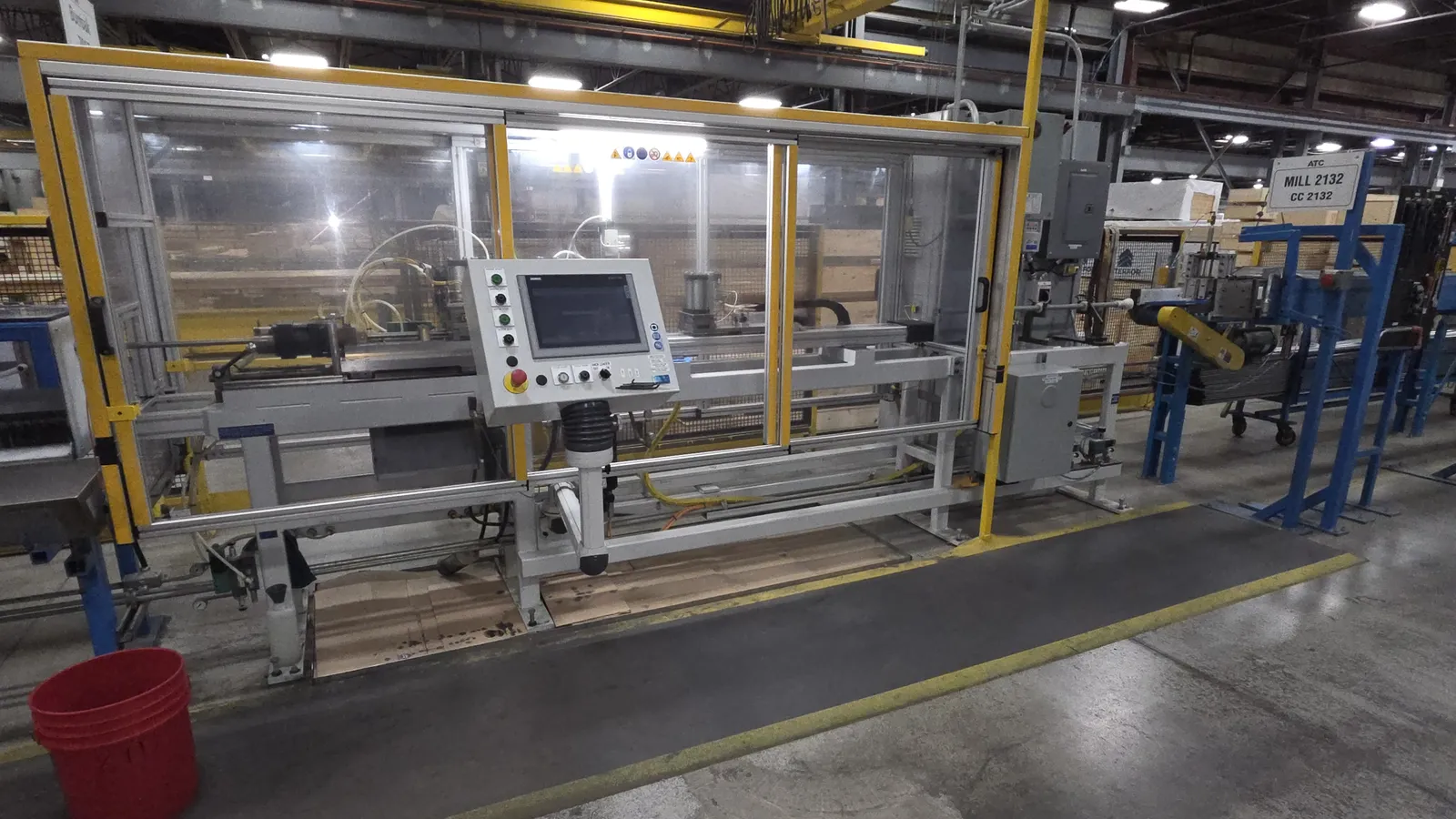
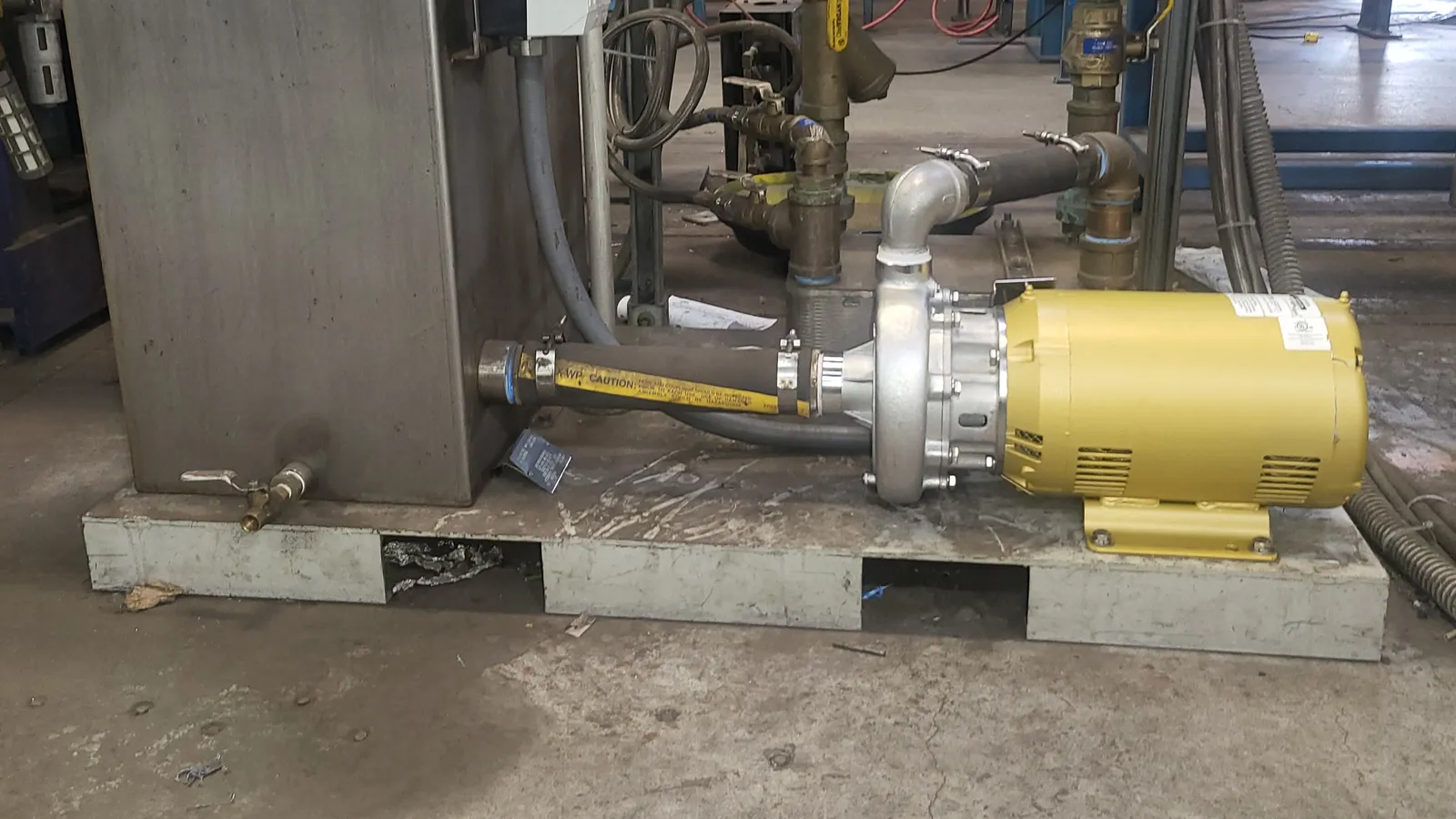

When “It Still Moves” Is Hiding the Kind of Crane Control Problem That Slowly Becomes Expensive
Upgrade the drive control before rough motion, load bounce, and old crane controls turn into wear, downtime, and bigger repair bills
Many cranes get upgraded too late because the old controls still technically work.
The bridge still travels. The hoist still lifts. The trolley still moves. But the operator deals with jerky starts, abrupt stopping, poor speed control, inconsistent positioning, and controls that make every move feel rougher than it should. Those issues are easy to tolerate for too long because they do not look dramatic at first.
That is exactly why they become expensive. Rough motion is not just an operator comfort issue. It increases wear on brakes, motors, gearboxes, couplings, wire rope systems, and control components. It can make precise placement slower, create more load bounce, and put extra stress on the crane every shift. Columbus McKinnon’s published VFD guidance for cranes and hoists specifically highlights precise load control, smoother and more accurate operation, and extended service life for wearable components such as brakes, motors, and wire rope compared with simpler control methods.
In industrial facilities across Toronto and the GTA, VFD control upgrades are often needed when older two-speed or outdated motion-control systems no longer match the precision, duty, and reliability expectations of the operation. Konecranes says replacing outdated motor controls with variable speed control can improve load control and performance with stepless speed control, while its modernization materials describe retrofits as a way to extend service life and meet current needs.
You may need a crane VFD control upgrade if the crane starts and stops harshly, if load sway or bounce wastes time, if operators struggle with precise positioning, if old controls create repeated maintenance issues, or if the crane feels outdated compared with the production demands around it. This is especially important on heavily used cranes where motion quality directly affects both uptime and wear.
Upgrading the control system is also about visibility. Columbus McKinnon describes crane diagnostics and analytics as supporting maintenance, monitoring, and troubleshooting, and its VFD support tools include functions such as braking resistors, drive synchronization, sway control, and other performance-related tools. That matters because better control systems do not just move better. They also give the crane a better electrical and maintenance platform going forward.
The expensive part is rarely the upgrade itself. The expensive part is what happens when outdated control continues to create wear, stop production, and keep consuming repairs because everyone accepted “good enough” motion for too long.
Crane VFD control upgrades in Toronto, Mississauga, Vaughan, Markham, and across the GTA help clients solve the motion and control problems many people treat as minor, before those “small” issues turn into expensive crane repairs and avoidable downtime.
Jerky Starts and Hard Stops
What feels like a minor control annoyance often turns into brake wear, motor stress, and mechanical shock over time.
Load Bounce and Poor Positioning
Older control methods can make precise handling slower, rougher, and more expensive than it needs to be.
Outdated Motion Control Still “Kind of Works”
This is exactly when upgrades are often delayed too long, even though the control system is already creating cost.
Wear on Brakes, Motors, and Rope Keeps Adding Up
VFD-based crane control is often used because smoother motion can reduce wear on these critical components.
Operators Need Better Speed Control
Stepless variable speed control can improve handling, positioning, and overall crane feel in daily operation.
Repeated Maintenance on Old Controls
When aging motion-control hardware keeps creating nuisance issues, a modern drive upgrade often makes more sense.
The Crane Needs Better Diagnostics
Modern drive systems can provide stronger visibility for troubleshooting, maintenance, and monitoring.
Small Motion Problems Are Becoming Expensive
The danger is not that the crane stops immediately. The danger is that bad motion keeps creating wear until a bigger failure arrives.
WHY CHOOSE US
Why Industrial Clients Choose Us
We focus on practical industrial electrical solutions rather than temporary fixes, ensuring your power systems, equipment, and production infrastructure operate safely and reliably under real operating conditions. Every project is completed with careful planning, proper equipment selection, and close attention to long-term performance, system stability, and operational continuity.
Our approach eliminates unnecessary work and is based on accurate diagnostics, field-tested methods, and a clear understanding of how industrial facilities actually run, so you only invest in the work your system truly requires. We prioritize safety, efficiency, code compliance, and clean execution on every job, whether it involves troubleshooting, upgrades, installations, or power distribution improvements.
As a result, you receive a dependable, code-compliant industrial electrical system that supports your facility today, reduces the risk of costly downtime, and is properly prepared for future production demands, equipment expansion, and higher power requirements.
Licensed & Insured
All work is performed by qualified, fully insured electricians, ensuring safety, accountability, and compliance with all regulations.
ESA certified work
Every project includes permits and ESA inspection, guaranteeing that the installation meets Ontario Electrical Safety Code requirements.
Professional installations
We install panels with precise wiring, proper layout, and clear labeling, making the system safe, accessible, and easy to maintain.
Transparent pricing
You receive clear pricing based on the actual scope of work, with no hidden costs or unexpected changes during the entire project.
Fast scheduling
We schedule work efficiently and arrive on time, minimizing downtime and ensuring your electrical system is restored as quickly as possible.
Accurate calculations
We calculate electrical demand based on real usage, ensuring your panel is properly sized for both current and future electrical needs.
Code-compliant work
All installations strictly follow current electrical code requirements, ensuring safety, inspection approval, and long-term system reliability.
Reliable workmanship
Our experience allows us to deliver consistent, high-quality results that perform reliably under real operating conditions over time.
CODE & SAFETY REQUIREMENTS
Ontario Electrical Safety Code Compliance
The Ontario Electrical Safety Code (OESC) sets the minimum legal safety requirements for electrical installations and electrical work in Ontario.
For crane VFD control upgrades, Code relevance is tied to approved electrical equipment, safe maintenance condition, disconnecting means, guarding of live parts, working clearances, wiring methods, motor control equipment, and the corrective or upgrade work performed when older crane controls are modernized. ESA states that the 2024 Ontario Electrical Safety Code is the current edition and Ontario’s Industrial Establishments regulation expressly includes travelling cranes, overhead cranes, monorail cranes, gantry cranes, jib cranes, and other lifting devices supported by a structure.
A VFD control upgrade does not replace Code compliance. It has to fit inside it. This matters because crane modernization often affects how hoist, trolley, and bridge motion are controlled, how disconnecting means and control devices are arranged, and how the overall crane electrical system behaves under normal and abnormal conditions. Schneider’s hoisting application note is specifically about sizing, selecting, configuring, and wiring drives for hoisting applications, which shows that crane and hoist drive upgrades are not generic motor projects.
Every crane VFD control upgrade should be approached with safe access planning, approved equipment, correct wiring methods, and disciplined follow-up when changes are made to controls, drives, braking behavior, or motion-related power sections. Where the upgrade includes repair, replacement, rewiring, or control-panel modification, that work should comply with the current Ontario Electrical Safety Code and ESA requirements.
Rules commonly applicable to crane VFD control upgrades
-
Industrial Establishments Regulation — lifting devices
Ontario’s Industrial Establishments regulation includes travelling cranes, overhead cranes, monorail cranes, gantry cranes, jib cranes, and other lifting devices suspended from or supported by a structure. Crane control upgrades therefore sit inside a broader industrial safety framework. -
Rule 2-022 — Approved electrical equipment
Electrical equipment used in Ontario must be approved in accordance with Code requirements. This applies to VFDs, control hardware, braking-related components, panels, and associated crane electrical equipment. -
Rule 2-024 — Approval requirements for electrical equipment
Equipment maintained, replaced, or upgraded in Ontario must be approved to recognized standards and accepted for use in Ontario. -
Rule 2-300 — General requirements for maintenance and operation
Electrical equipment must be maintained in safe working condition. This is relevant when old crane controls are being upgraded because the goal is often to replace unreliable or outdated motion-control equipment. -
Rule 2-304 — Disconnecting means shall be provided
Suitable disconnecting means must be available so crane electrical equipment can be isolated safely for upgrade work, servicing, and later maintenance. -
Rule 2-308 — Live parts guarding
Live electrical parts must be guarded against accidental contact, especially in crane control panels and drive installations. -
Rule 2-314 — Working space around electrical equipment
Clear access around panels, disconnects, VFD sections, and associated crane electrical equipment is essential for safe upgrade and maintenance work. -
Rule 12-000 — Wiring methods
Conductors, cables, and raceways must be installed using approved methods suitable for the environment and application, which is particularly relevant where crane movement and hoisting duty affect wiring stress. -
Rule 14-100 — Protection of conductors by overcurrent devices
Conductors feeding crane drive and control systems must be protected correctly. -
Rule 14-104 — Rating / coordination of overcurrent protection
Protection must be coordinated with conductor ampacity and equipment characteristics, especially where upgraded drive systems change electrical behavior and motion control characteristics. -
Rule 28-600 — Control devices
Controllers and associated control devices must be suitable for the duty involved and installed in accordance with Code requirements, which is directly relevant to VFD-based crane motion control upgrades. -
Rule 2-004 — Notification of work / ESA inspection process
If the upgrade work requires notification, the required ESA process must be followed before the installation is returned to service.
Note: Rule selection may vary depending on whether the crane uses hoist, trolley, and bridge VFD control, braking resistors, remote-command integration, rebuilt control panels, or other modernization changes. Crane and hoisting applications have specific motion-control considerations, and manufacturer application guidance should be respected in addition to Code requirements.
COMMON QUESTIONS
FAQ — VFD Control Upgrades (Cranes and Hoisting Equipment)
1. What is a crane VFD control upgrade?
It is an upgrade of the crane’s motion-control system using variable frequency drives for hoist, trolley, bridge, or related motor functions to improve control quality and reliability.
2. Why upgrade if the crane still works?
Because many old control systems still move the crane while quietly creating wear, rough handling, poor positioning, and growing maintenance cost.
3. What problems can a VFD upgrade improve?
It can improve harsh starts and stops, poor speed control, load bounce, inconsistent handling, outdated motion behavior, and some recurring maintenance issues related to older control methods.
4. Can smoother control reduce wear?
Yes. Columbus McKinnon states that standard VFD control can extend service life for wearable components such as brakes, motors, and wire rope compared with simpler control methods.
5. Is this only for hoist motion?
No. VFD upgrades can also apply to trolley and bridge motion, depending on the crane design and the control goals.
6. Why is stepless speed control useful on a crane?
Because it gives better load control and more precise operation than rougher fixed-speed methods. Konecranes specifically says variable speed control can provide better load control and performance with stepless speed control.
7. Are crane-specific VFDs different from general-purpose drives?
They can be. Columbus McKinnon specifically distinguishes crane-specific VFDs from general-purpose VFDs in its crane resources.
8. Can a drive upgrade also improve diagnostics?
Yes. Modern drive and support tools can provide better status visibility, maintenance data, and troubleshooting support for crane systems.
9. Is this service useful for older cranes?
Yes. It is especially useful where older motion controls are still operating but no longer match current production, reliability, or operator expectations.
10. Does a VFD upgrade replace the need for inspection and maintenance?
No. It improves control and modernization, but the crane still needs proper inspection, maintenance, and electrical reliability support.
11. Do crane VFD upgrades need to comply with Ontario electrical requirements?
Yes. Any upgrade, rewiring, control-panel work, or replacement of crane electrical equipment must use approved equipment and comply with applicable Ontario Electrical Safety Code and ESA requirements.
12. Why do people often wait too long to do this upgrade?
Because the crane still moves, so the control problems look “small” at first. The real cost appears later through wear, downtime, poor handling, and repeat repairs.
SERVICE AREAS
Serving Toronto & the Greater Toronto Area
We provide residential, commercial, and industrial electrical services across Toronto and the GTA, supporting homes, businesses, and facilities with reliable and code-compliant electrical solutions.
Our service coverage includes major cities and surrounding areas, allowing us to respond quickly and deliver consistent service across the region.
Toronto
North York
Thornhill
Richmond Hill
Vaughan
Markham
Scarborough
Etobicoke
Mississauga
Brampton
ADDITIONAL SERVICE AREAS
Hamilton
Oakville
Burlington
Milton
Georgetown
Pickering
Ajax
Whitby
Oshawa
Clarington
Aurora
Newmarket
Bradford
King City
Barrie