
Toronto & GTA Electrical Contractor
Portable Generator Connection in Toronto, Hamilton, Brampton, Ajax, Oshawa, Richmond Hill, Vaughan & GTA
Residential, commercial, and industrial electrical work — installations, upgrades, troubleshooting, maintenance, and code-compliant solutions.
Licensed & Insured
Fast Response
Code-Compliant Work
OUR PORTABLE GENERATOR CONNECTION PROCESS
What We Do
We provide professional portable generator connection services for residential properties across Toronto and the GTA. Our goal is to give homeowners a safer and more practical way to use portable backup power during utility outages. A portable generator can be a useful backup solution, but only when it is connected properly and used through the right electrical equipment. A safe portable generator connection is not about improvising with extension cords, unsafe backfeeding methods, or temporary wiring changes inside the panel. It is about creating a proper connection point that allows the generator to supply selected household loads in a controlled and code-aware way.
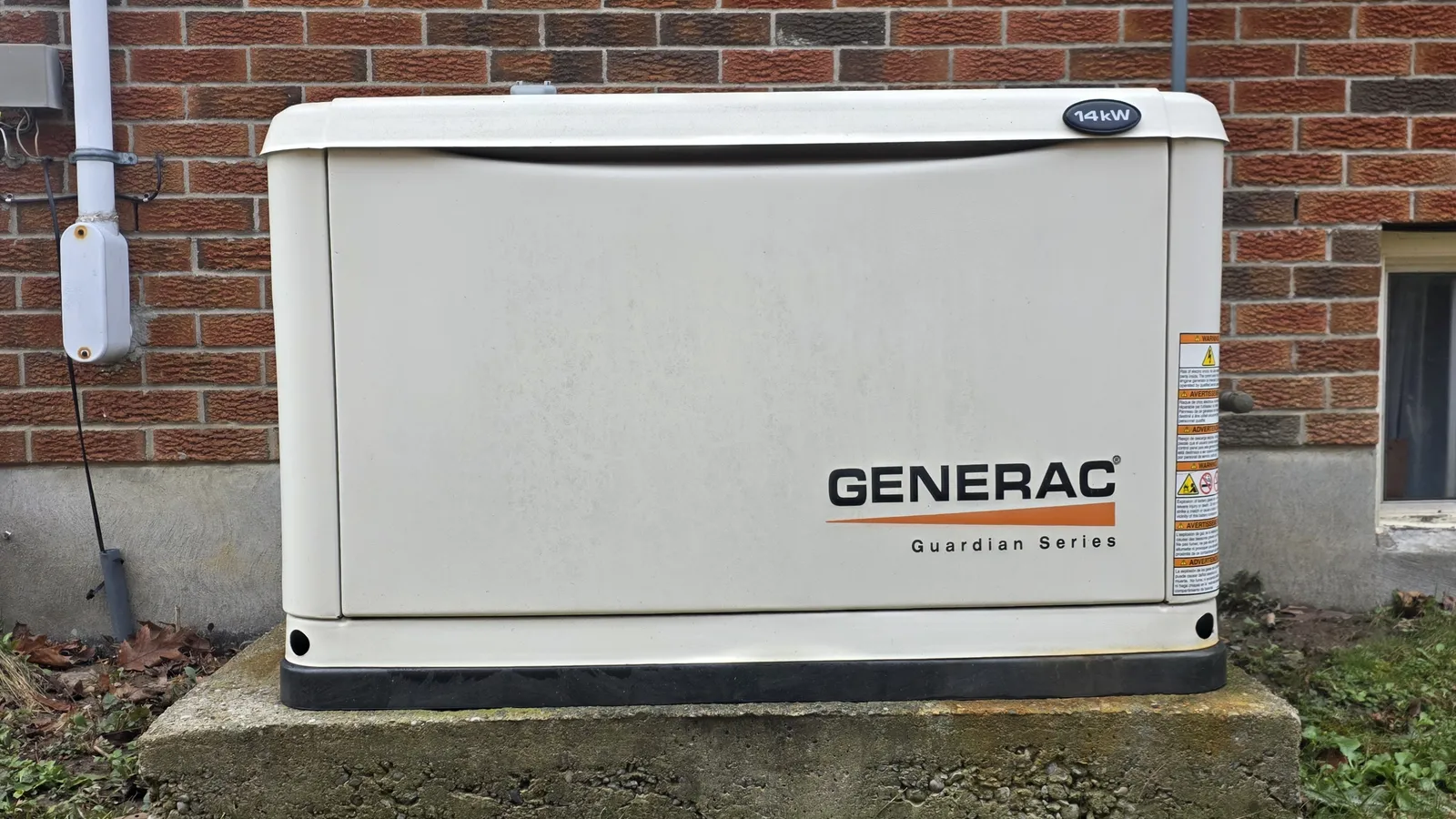
Many homeowners request portable generator connection installation when they want backup power for essentials such as a furnace, sump pump, refrigerator, freezer, lighting, internet equipment, and selected receptacles, but do not yet want a full standby generator system. Every project starts with reviewing the electrical panel, the type and size of the portable generator, the homeowner’s outage priorities, and the best method of backup connection for the house. In many homes, this means a manual transfer switch with a properly installed generator inlet box. In some cases, an essential-load backup arrangement is the best fit because it allows the homeowner to support the circuits that matter most without trying to power the entire house. Strong product examples in this category include Generac HomeLink manual transfer switches, Reliance Controls Pro/Tran manual transfer switches, and Eaton power inlet boxes used with transfer switch setups. Generac positions HomeLink as a safe way to connect a portable generator to home circuits and notes compatibility with generators starting at 5 kW using a 30-amp L14-30 receptacle.
Reliance Controls portable generator transfer switch kits are well known in this category and are specifically marketed around eliminating the dangers associated with backfeeding. Eaton also offers NEMA 3R power inlet boxes as a safe means of connecting portable generators for backup use. In many homes, portable generator connection work also fits naturally with related services such as transfer switch installation, electrical panel upgrade, home surge protection, or electrical safety inspection. If the existing panel or service arrangement is outdated or unsuitable, corrections may be needed before the backup connection can be installed properly.
A professionally installed portable generator connection makes outage response faster, safer, and much more practical than temporary emergency workarounds. It helps protect important home systems while reducing confusion and risk during stressful conditions. We focus on safe source switching, proper inlet installation, correct equipment selection, and backup power design that matches the home’s real needs. Where ESA notification is required for the electrical scope of work, the installation must be handled properly and completed in accordance with Ontario Electrical Safety Code requirements. For homeowners who want more information on electrical safety in Ontario, the Electrical Safety Authority (ESA) is the main provincial authority. A properly installed portable generator connection is not just a convenience upgrade — it is one of the safest and most practical ways to prepare a home for power outages.
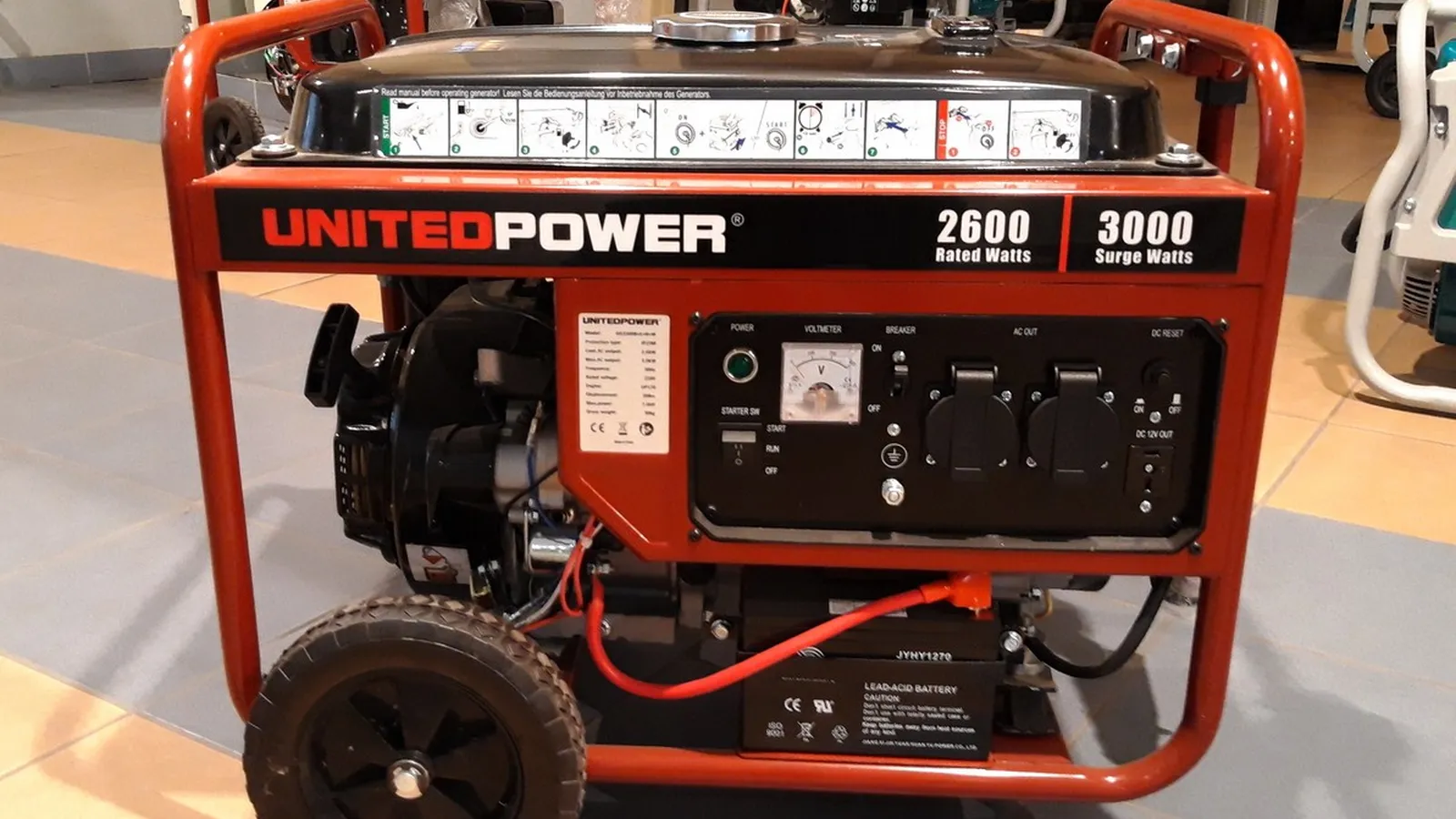
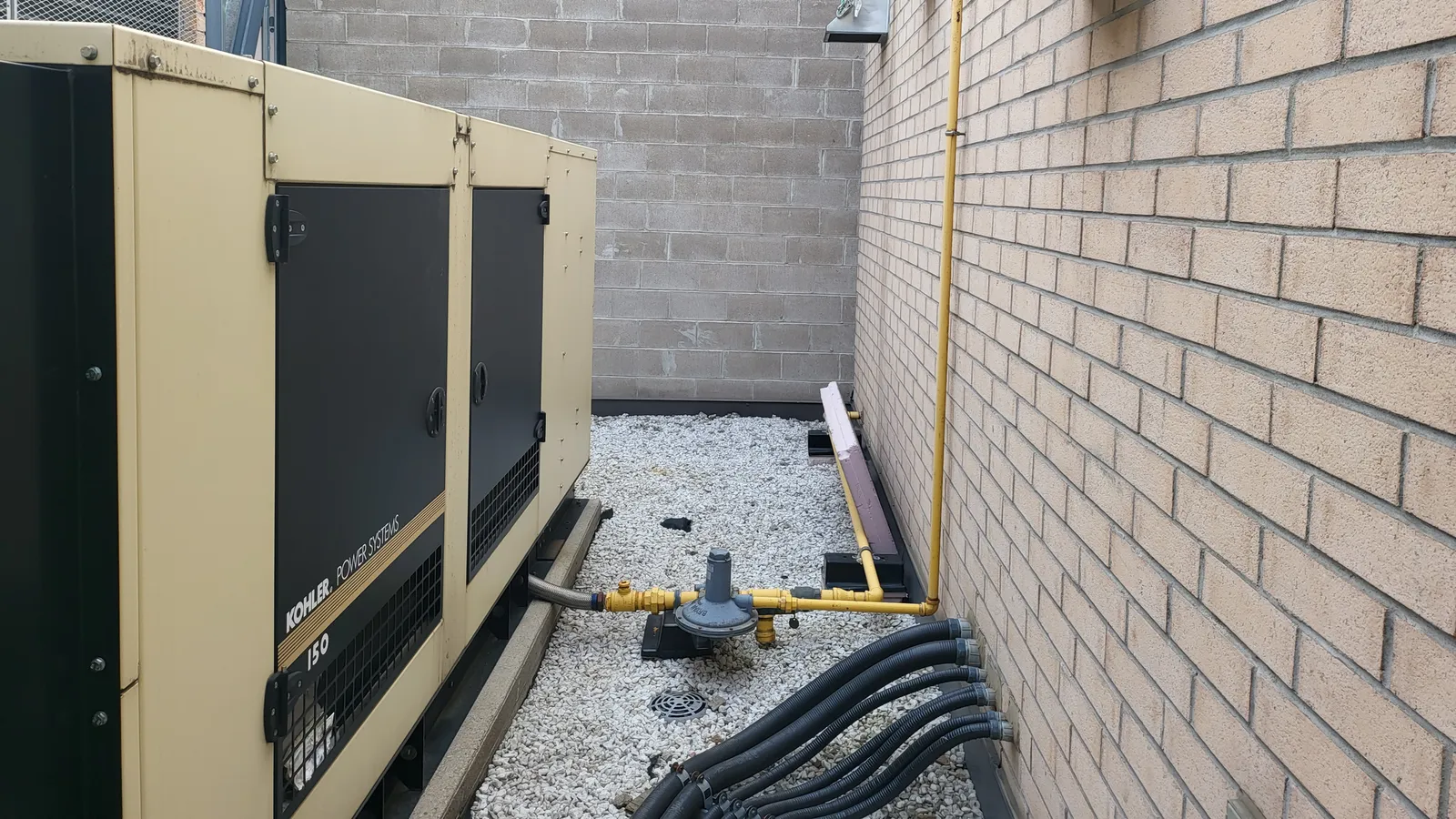
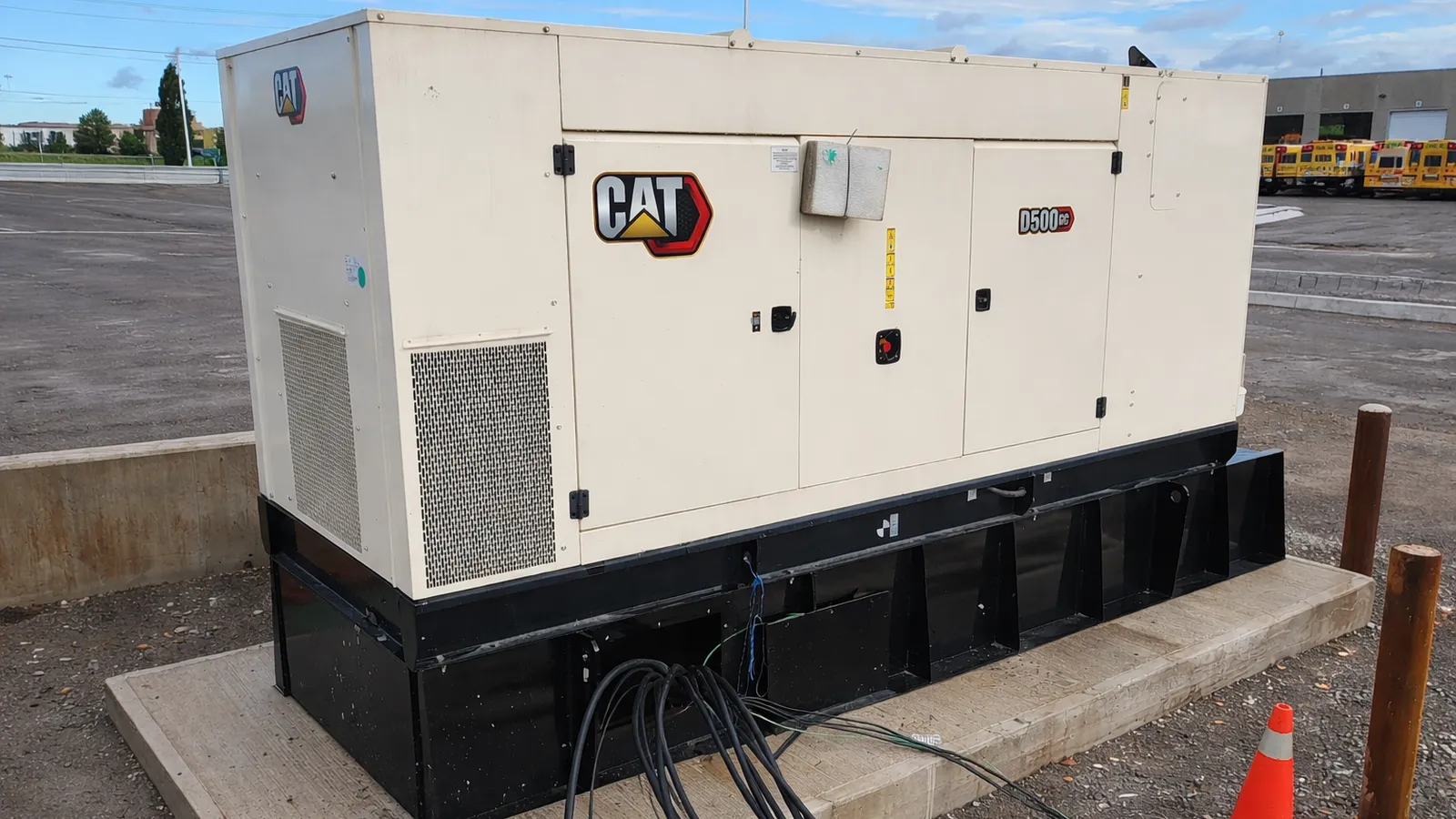
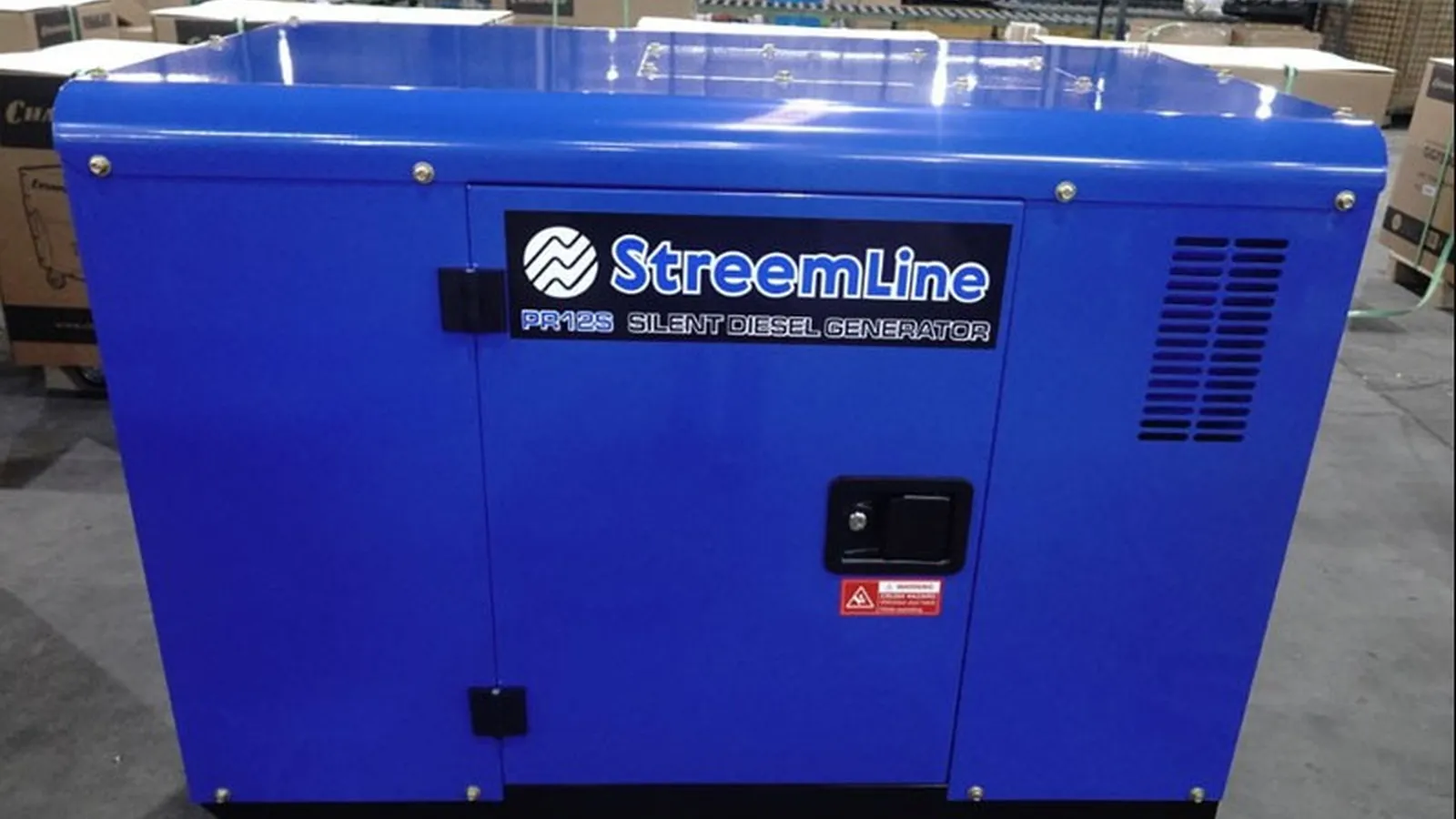
When Portable Generator Connection Makes Sense
Prepare a safer backup power setup before the next outage leaves you relying on cords, guesswork, and risky temporary connections
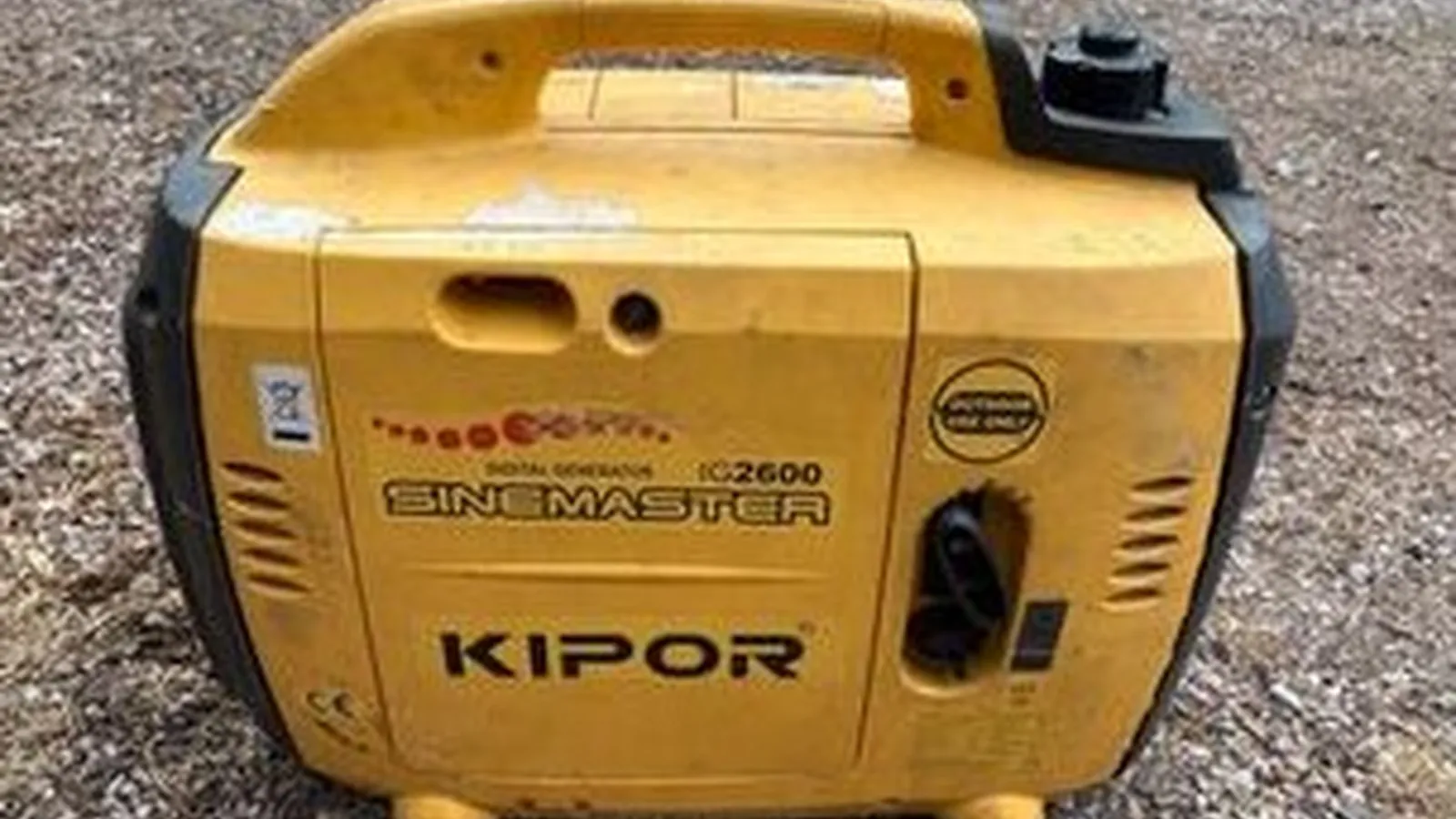
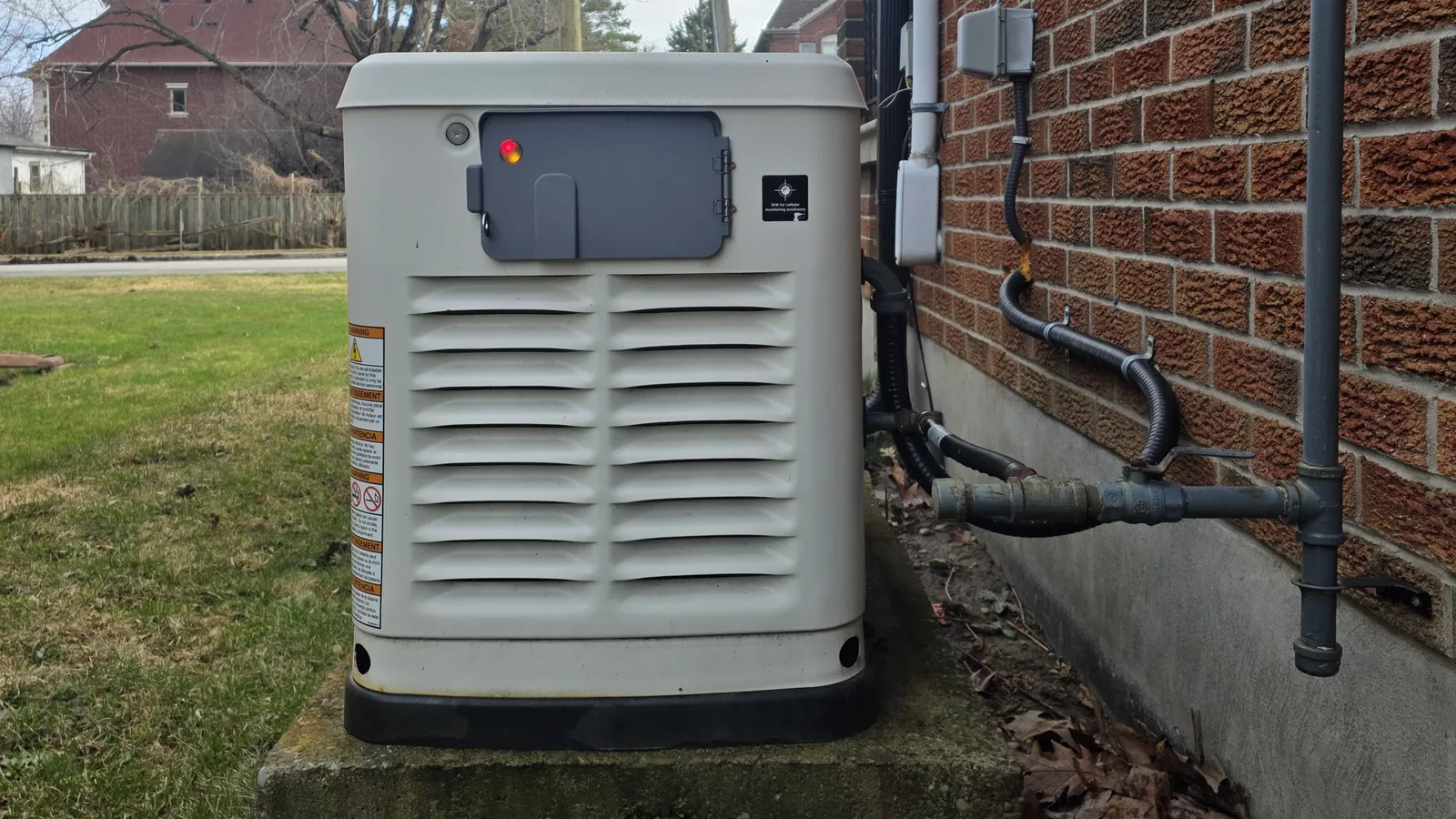
Portable generator connection makes sense when a homeowner wants practical backup power without committing to a full standby generator system.
Many homes in Toronto, Mississauga, Vaughan, Markham, and across the GTA only need to keep essential circuits running during an outage rather than trying to power the entire house.
A properly installed portable generator hookup can support key loads such as the furnace, sump pump, refrigerator, freezer, internet equipment, lighting, and selected receptacles.
This is especially valuable for homes with basement flood risk, cold-weather heating concerns, work-from-home needs, or families who want a cleaner and safer outage plan.
Homeowners often ask for portable generator home connection after realizing that extension cords and ad hoc emergency setups are inconvenient and limited.
They may also realize that some important hardwired loads, such as a gas furnace or well pump, cannot be powered properly through extension cords alone.
Generac specifically notes that hardwired appliances such as a gas furnace, well pump, and electric water heater cannot be powered with extension cords and positions its HomeLink manual transfer switch for this purpose.
A manual transfer switch for portable generator use is often the right fit when the homeowner wants a simpler and more budget-conscious backup approach.
A generator inlet box installation is also important because it creates a cleaner and safer exterior connection point for the portable generator.
Strong examples in this category include Generac HomeLink manual transfer switches, Reliance Controls Pro/Tran switches and kits, and Eaton power inlet boxes.
Reliance portable generator kits commonly bundle a manual transfer switch, a 30A or 50A inlet box, and an outdoor-rated generator cord, which makes them easy to position as a practical residential backup package.
If the home also needs better switching equipment or panel improvements, the project may be combined with transfer switch installation, electrical panel upgrade, or electrical service upgrade.
If the existing installation has unresolved electrical concerns, the project may also benefit from electrical code corrections or electrical safety inspection.
A good portable generator connection setup should match the real loads the homeowner wants to protect, the actual output of the generator, and the way the backup system will be used in a stressful outage situation.
It should be simple enough to use correctly, safe enough to trust, and practical enough that the homeowner will actually rely on it when the power goes out.
For homeowners who want a serious backup plan without moving straight to a permanent standby generator, portable generator connection is one of the strongest residential electrical services available.
You Want Backup Power Without a Full Standby Generator
A portable generator connection gives the home a practical outage solution at a lower entry point.
You Need to Keep Essential Loads Running
Furnace, sump pump, fridge, freezer, lights, and internet are common priorities during outages.
You Want a Safer Alternative to Extension Cords
A proper inlet and transfer arrangement is much cleaner and safer than temporary cord-based backup setups.
You Have Hardwired Loads That Matter
Some important household equipment cannot be powered practically with extension cords alone.
You Want a Manual Backup Power Plan
Manual transfer switch setups are often a strong fit for homeowners who want controlled essential-load backup.
Your Home Has Basement Flood Risk
Backup power for a sump pump can be a major reason to install a safer portable generator connection.
You Want a Cleaner Exterior Generator Connection
An inlet box installation creates a dedicated connection point instead of an improvised outage arrangement.
You Want a More Reliable Outage Response
A properly installed setup makes backup power easier to use and easier to trust when utility power fails.
WHY CHOOSE US
Why Homeowners Trust Us
We focus on practical solutions rather than temporary fixes, ensuring your electrical system performs safely under real conditions. Every electrical panel upgrade is completed with proper planning, correct equipment selection, and attention to long-term performance.
Our approach eliminates unnecessary work and is based on accurate diagnostics, not assumptions, so you only pay for what your system actually needs. We prioritize safety, efficiency, and clean execution on every project.
As a result, you receive a reliable, code-compliant electrical system that supports your home today and is fully prepared for future electrical demands.
Licensed & Insured
All work is performed by qualified, fully insured electricians, ensuring safety, accountability, and compliance with all regulations.
ESA certified work
Every project includes permits and ESA inspection, guaranteeing that the installation meets Ontario Electrical Safety Code requirements.
Professional installations
We install panels with precise wiring, proper layout, and clear labeling, making the system safe, accessible, and easy to maintain.
Transparent pricing
Our customers receive clear pricing based on actual scope of work, with no hidden costs or unexpected changes during the project.
Fast scheduling
We schedule work efficiently and arrive on time, minimizing downtime and ensuring your electrical system is restored as quickly as possible.
Accurate calculations
We calculate electrical demand based on real usage, ensuring your panel is properly sized for both current and future electrical needs.
Code-compliant work
All installations strictly follow current electrical code requirements, ensuring safety, inspection approval, and long-term system reliability.
Reliable workmanship
Our experience allows us to deliver consistent, high-quality results that perform reliably under real operating conditions over time.
CODE & SAFETY REQUIREMENTS
Ontario Electrical Safety Code Compliance
The Ontario Electrical Safety Code (OESC) sets the minimum legal safety requirements for electrical installations in Ontario. For residential portable generator connection, compliance with the Code is essential to ensure that the generator inlet, transfer equipment, conductors, panels, and associated backup power wiring are installed safely and are suitable for temporary source connection during outages.
Following the Code helps reduce the risk of electric shock, fire, backfeeding, unsafe temporary wiring arrangements, equipment damage, failed ESA inspection, and utility-related safety hazards.
A portable generator connection must be designed so that the home can be supplied through approved equipment and safe source switching. This is especially important where a manual transfer switch, inlet box, essential-load circuits, or other hardwired backup connection equipment is used.
Rules commonly applicable to residential portable generator connection
-
Rule 2-004 — Notification of work / ESA inspection process
Where the electrical scope of work requires notification, the installation must be properly notified to ESA and handled through the required inspection process. -
Rule 2-022 — Approved electrical equipment
Transfer switches, inlet boxes, panels, and associated backup power products used in Ontario must be approved for use. -
Rule 2-024 — Approval requirements for electrical equipment
Equipment must be approved to recognized standards and accepted for installation in Ontario. -
Rule 2-034 — Use of electrical equipment
Electrical equipment must be used only for the purpose and in the manner for which it is approved and intended. -
Rule 2-314 — Working space around electrical equipment
Working space around panels and transfer equipment must be kept clear and suitable for safe operation and maintenance. -
Rule 6-206 — Consumer’s service entrance equipment
Service equipment and related arrangements must remain readily accessible and compliant where backup connection equipment is added. -
Rule 12-010 — Mechanical protection of conductors
Conductors must be installed and protected in a manner that reduces the risk of physical damage. -
Rule 12-3010 — Boxes, cabinets, and fittings installation requirements
Boxes, cabinets, and fittings must be suitable for the installation and support the wiring method and equipment arrangement properly. -
Rule 12-3024 — Unused openings in boxes and fittings
Unused openings must be properly closed to maintain enclosure integrity and reduce safety risks. -
Rule 14-100 — Protection of conductors by overcurrent devices
Conductors associated with the backup power installation must remain properly protected by the correct overcurrent devices. -
Rule 14-104 — Rating and coordination of overcurrent protection
Overcurrent protection must be coordinated correctly with conductor ampacity and the characteristics of the installation. -
Section 84 — Interconnected electric power production sources
Where applicable to the standby or alternate source arrangement, installations must follow the Code requirements governing alternate and interconnected power sources.
Note: Rule selection may vary depending on whether the installation uses a manual transfer switch, an inlet box, an essential-load backup arrangement, or other approved source-switching equipment. Exact official wording should be taken from the current purchased edition of the Ontario Electrical Safety Code and applicable ESA bulletins.
COMMON QUESTIONS
FAQ — Portable Generator Connection
1. What is a portable generator connection?
A portable generator connection is a properly installed way to connect a portable generator to selected home circuits through approved equipment such as a manual transfer switch and inlet box.
2. Can I connect a portable generator directly to my house?
It should only be connected through the correct approved backup power equipment. A proper setup is designed to switch power safely and avoid dangerous backfeeding.
3. Do I need a transfer switch for a portable generator?
In a proper home connection setup, a transfer switch is one of the main ways to connect portable generator power safely to selected household circuits.
4. What is a generator inlet box?
A generator inlet box is a dedicated connection point installed on the home so a portable generator can feed approved backup equipment more safely and cleanly.
5. Is Generac HomeLink a good option?
Yes. Generac positions HomeLink as a safe manual transfer switch option for portable generator connection and notes compatibility with generators starting at 5 kW using a 30A L14-30 receptacle.
6. Is Reliance Controls a quality portable generator transfer switch brand?
Yes. Reliance Controls is one of the better-known names in portable generator transfer equipment and is widely associated with manual transfer switch kits for residential backup power.
7. Can a portable generator run my furnace or sump pump?
In many cases yes, if the backup connection is designed properly and the generator capacity matches the actual starting and running loads involved.
8. Can I power my whole house with a portable generator?
Usually portable generator setups are more practical for essential loads rather than the entire home, although the exact answer depends on generator size, switching equipment, and the home’s electrical demand.
9. Is a portable generator connection better than extension cords?
For many homeowners yes. A proper inlet and transfer arrangement is usually a cleaner, safer, and more usable backup solution than relying on multiple extension cords.
10. Do I need ESA notification for portable generator connection work?
Where the electrical work involves hardwired backup connection equipment, it should be handled properly through the Ontario process applicable to the installation.
11. How much does portable generator connection installation cost in Ontario?
The cost depends on the type of transfer equipment, the number of backed-up circuits, the inlet arrangement, panel conditions, and whether additional electrical corrections are needed.
12. Is portable generator connection worth it?
Yes. For homeowners who want a serious outage plan without moving immediately to a permanent standby generator, it is one of the most practical and cost-effective backup power upgrades available.
SERVICE AREAS
Serving Toronto & the Greater Toronto Area
We provide residential, commercial, and industrial electrical services across Toronto and the GTA, supporting homes, businesses, and facilities with reliable and code-compliant electrical solutions.
Our service coverage includes major cities and surrounding areas, allowing us to respond quickly and deliver consistent service across the region.
Toronto
North York
Thornhill
Richmond Hill
Vaughan
Markham
Scarborough
Etobicoke
Mississauga
Brampton
ADDITIONAL SERVICE AREAS
Hamilton
Oakville
Burlington
Milton
Georgetown
Pickering
Ajax
Whitby
Oshawa
Clarington
Aurora
Newmarket
Bradford
King City
Barrie