
Toronto & GTA Electrical Contractor
Backup Battery Systems Installation in Toronto, Brampton, Richmond Hill, Vaughan & GTA
Residential, commercial, and industrial electrical work — installations, upgrades, troubleshooting, maintenance, and code-compliant solutions.
Licensed & Insured
Fast Response
Code-Compliant Work
OUR BACKUP BATTERY SYSTEM INSTALLATION PROCESS
What We Do
We provide professional backup battery systems installation services for residential properties across Toronto and the GTA. Our goal is to give homeowners a quieter, cleaner, and more modern backup power solution for outages and energy management. A home battery backup systems stores electricity for later use so the home can keep selected loads running when utility power fails or when the homeowner wants more control over how energy is used.
Backup battery systems are especially attractive for homes that want outage protection without the noise, fuel storage, and engine maintenance associated with a generator. They are also valuable for homeowners who want to pair backup power with solar, improve energy resilience, or manage electrical use more intelligently over time. Backup battery installation is not just about mounting a battery on the wall. It requires reviewing the home’s electrical service, backup priorities, existing panel arrangement, essential loads, and whether the battery system will be used for outage support only or as part of a broader home energy storage strategy.
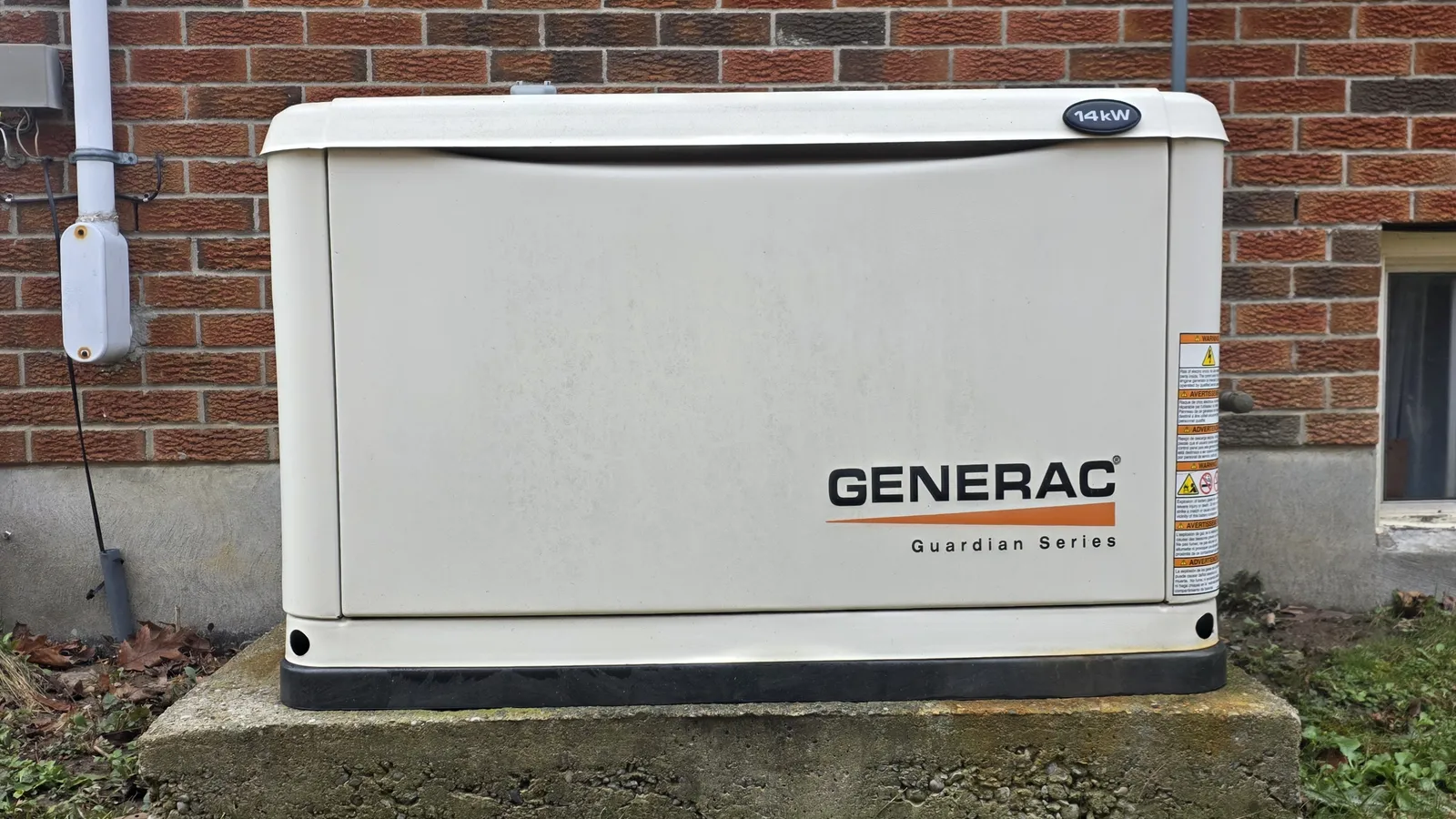
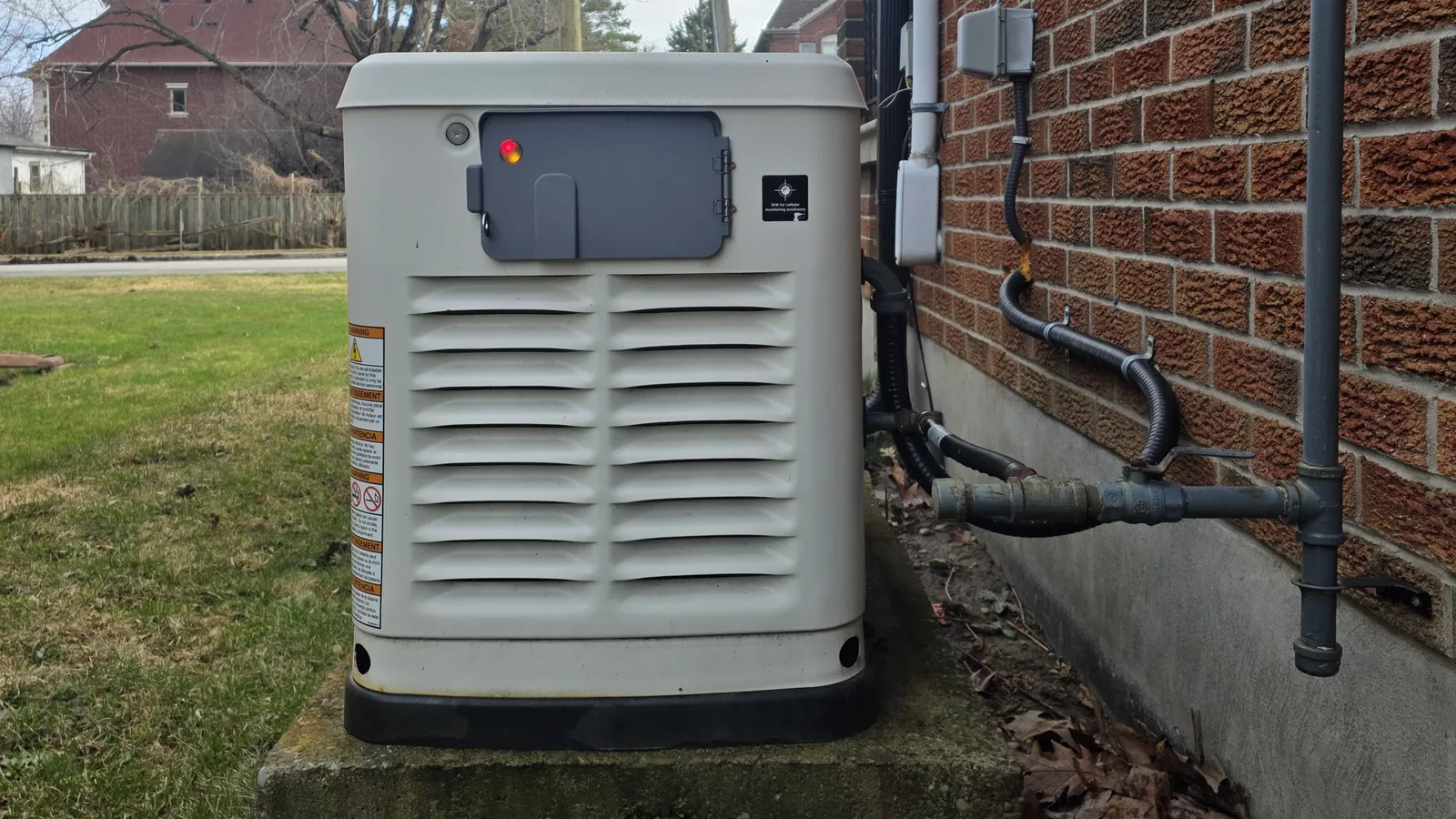
Every project starts with evaluating the electrical panel, service capacity, critical loads, and the homeowner’s goals for backup duration, whole-home versus essential-load support, and future expansion. Some homes want backup only for essentials such as refrigeration, internet, lighting, furnace controls, sump pump, and selected receptacles. Others want a more advanced whole home battery backup solution tied into solar, smart load control, or a broader home energy management plan. Strong product examples in this category include Tesla Powerwall 3, Enphase IQ Battery 5P, and FranklinWH aPower 2. Tesla positions Powerwall as a home battery that provides backup protection during an outage and can help reduce electricity bills. Enphase IQ Battery 5P is a fully integrated AC battery using LFP chemistry with grid-forming capability for backup operation. FranklinWH aPower 2 is positioned as a whole-home battery backup product with 15 kWh capacity and 10 kW continuous output. The right solution depends on the home’s electrical demand, desired backup strategy, available space, and whether solar or future electrification plans are part of the project. In many homes, backup battery systems also fit naturally with related services such as home generator installation, transfer switch installation, home surge protection, or smart energy monitoring systems. If the existing electrical installation has limitations, it may also make sense to combine the project with electrical panel upgrade or electrical safety inspection. A properly installed home battery backup system can give the homeowner outage protection, quieter operation, and more flexibility in how stored energy is used. It can also provide a strong foundation for a more resilient and more efficient home over time. We focus on safe installation, correct equipment selection, clean integration, and practical backup design that matches the homeowner’s real priorities. Where ESA notification is required for the electrical scope of work, the installation must be handled properly and completed in accordance with Ontario Electrical Safety Code requirements.
For homeowners who want more information on electrical safety in Ontario, the Electrical Safety Authority (ESA) is the main provincial authority. A properly installed backup battery system is not just a modern upgrade — it is a serious investment in quieter backup power, better electrical resilience, and smarter energy use.

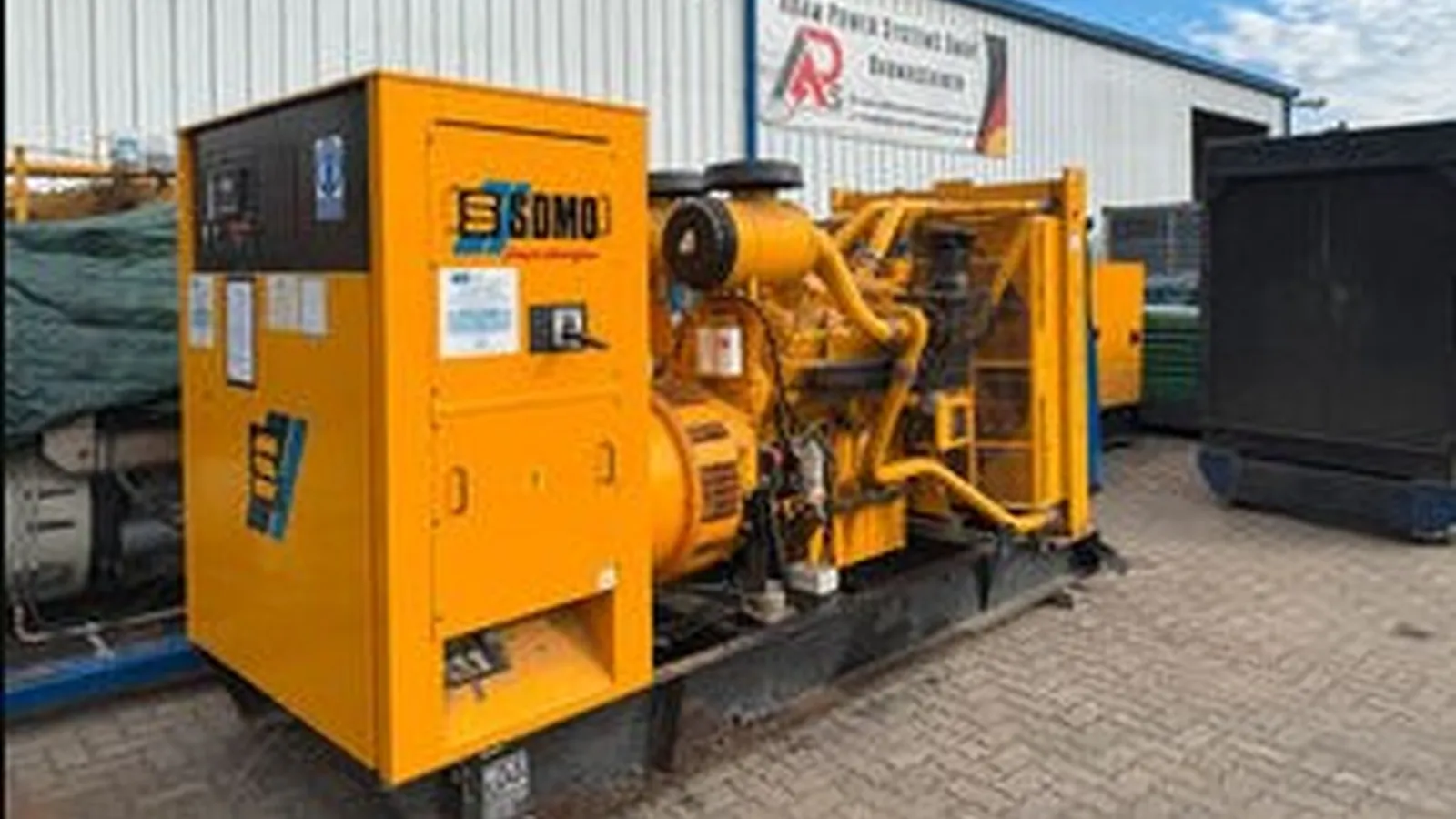
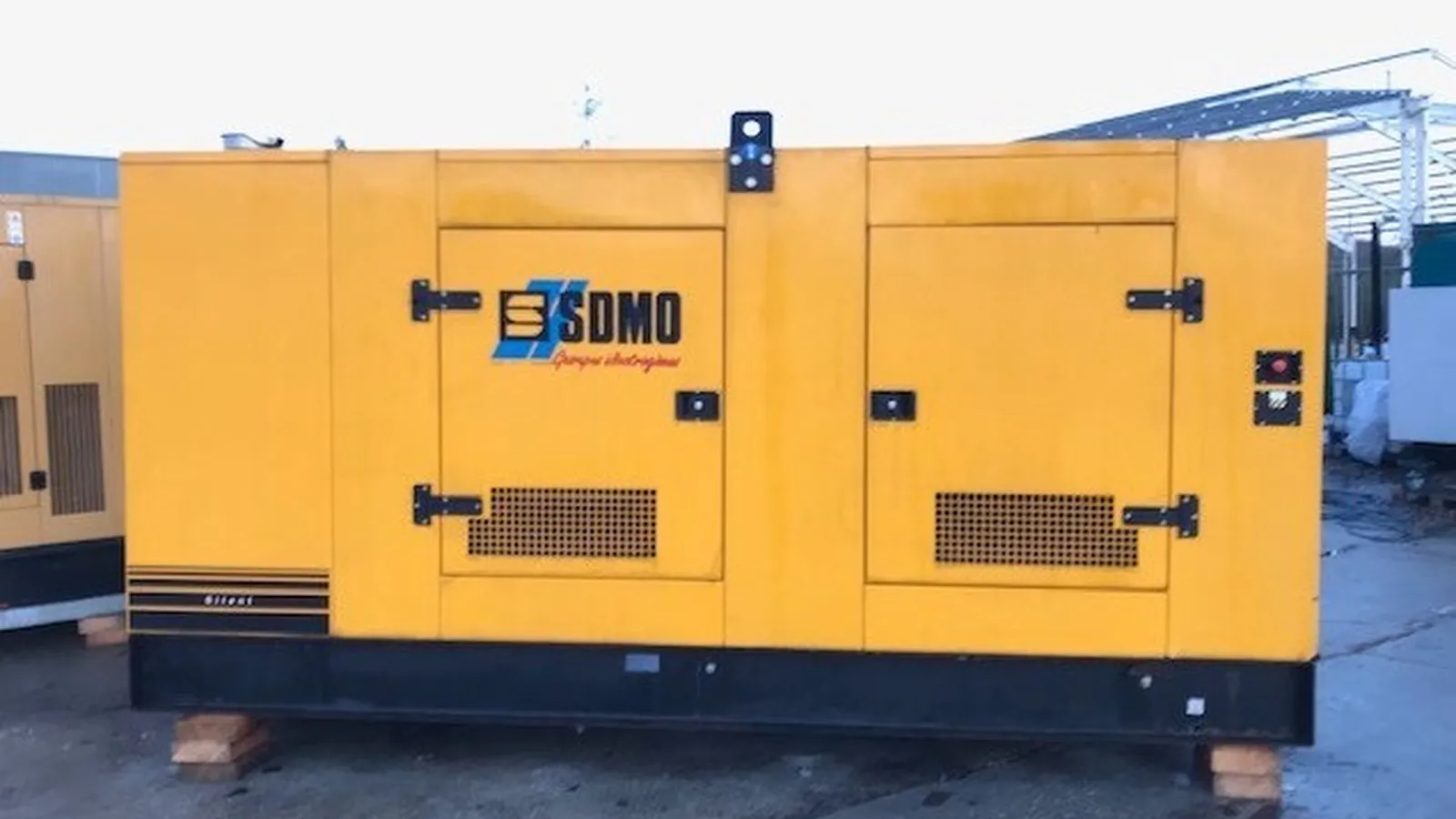
When Backup Battery Systems Make Sense
Protect your home with quieter backup power before the next outage leaves key loads down and your house dependent on temporary solutions
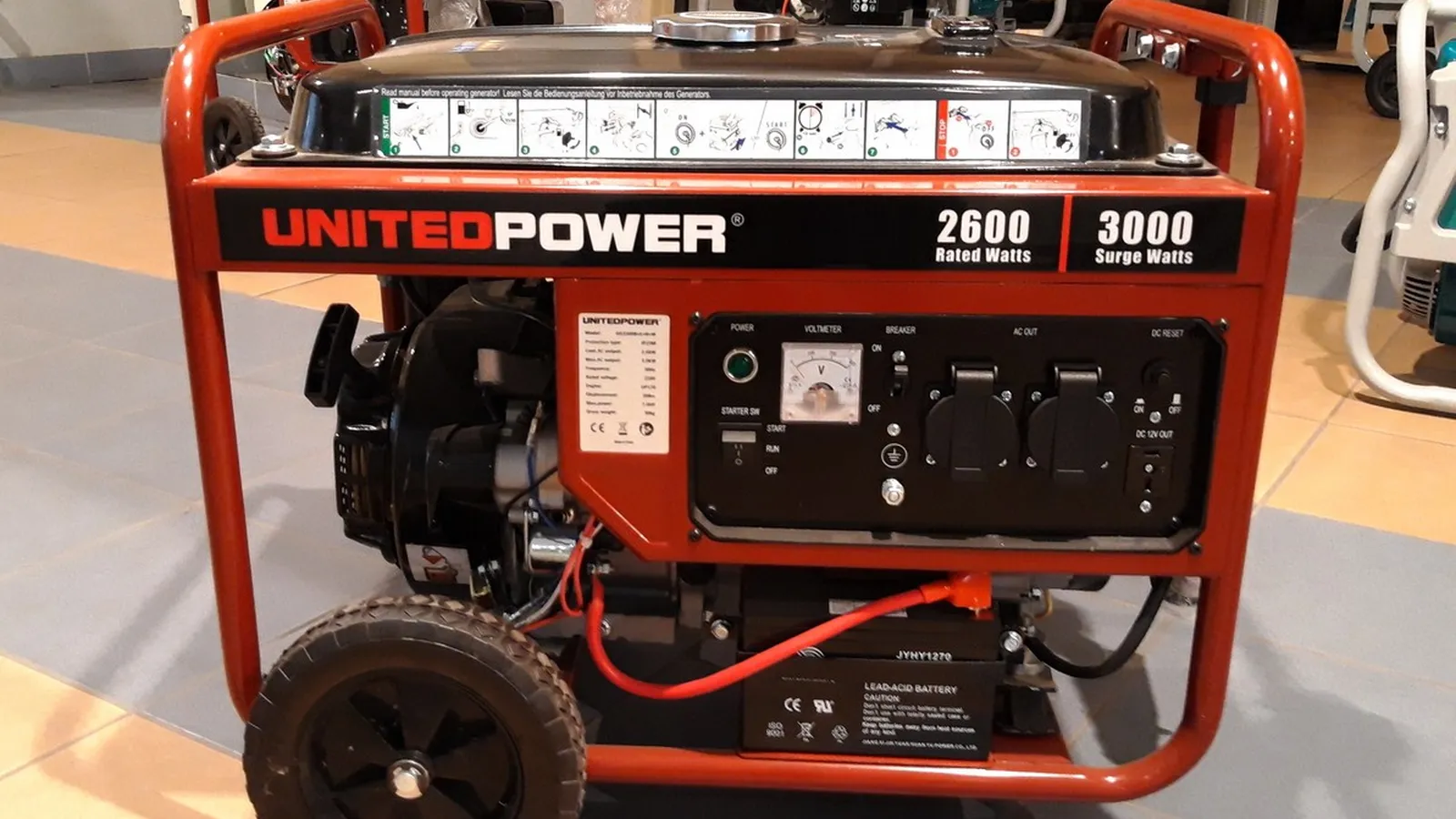
Backup battery systems make sense when a homeowner wants outage protection with a quieter and more modern solution than a traditional generator.
Many homes in Toronto, Mississauga, Vaughan, Markham, and across the GTA depend on electricity for refrigeration, internet, lighting, sump pumps, furnace controls, and home office continuity.
When utility power fails, those loads may shut down immediately unless the home has a prepared backup system.
A properly installed home battery backup system can keep essential loads running and provide a smoother outage experience without fuel handling or generator engine noise.
This is especially attractive for homeowners who want cleaner backup power, homes with solar plans, or families who want a more refined resilience strategy.
Homeowners often ask about backup battery installation after experiencing outages and deciding they want something more convenient than cords, fuel cans, or portable generator logistics.
Others are motivated by the desire to reduce electricity bills, manage stored solar energy, or build a smarter electrified home over time.
Tesla Powerwall is one of the strongest-known examples in this category because it combines outage backup with electricity bill savings and app-based control.
Enphase IQ Battery 5P is a strong modular option for homeowners who want expandable storage, LFP chemistry, and a flexible Enphase ecosystem.
FranklinWH aPower 2 is a strong premium option for homeowners who want higher single-unit capacity and strong whole-home backup positioning.
Battery backup systems are especially compelling in homes that already have solar or may add solar later, because stored energy can then support both resilience and self-consumption goals.
If the home is also considering smart energy monitoring systems or home generator installation, battery backup can become part of a broader backup and energy strategy.
If the existing electrical installation has unresolved issues, the project may also benefit from electrical code corrections or electrical panel upgrade.
A good backup battery system should match the loads that matter most, the backup duration the homeowner expects, and the long-term energy goals of the property.
It should not be oversized for marketing alone or undersized for the home’s real needs.
It should give the homeowner practical resilience, cleaner operation, and a better path toward energy control.
For homeowners who want a quieter and more advanced backup power solution, backup battery systems are one of the strongest modern residential electrical upgrades available.
You Want Backup Power Without Generator Noise
Battery backup systems offer a quieter outage solution than engine-based backup power.
You Want to Keep Essential Loads Running
Fridge, lights, internet, sump pump, and furnace controls are common priorities during outages.
You Are Planning Solar or Already Have It
Battery storage can work well with solar to improve resilience and energy self-use.
You Want a Cleaner Modern Backup Solution
Home battery systems can provide outage support without fuel storage or frequent engine maintenance.
You Want More Control Over Energy Use
Some systems help homeowners manage stored energy for both backup protection and electricity cost savings.
You Have a More Electrified Home
Homes with EV charging, electric heating, or solar often benefit from a more advanced home energy strategy.
You Want a Premium Backup Option
Products like Tesla Powerwall, Enphase IQ Battery, and FranklinWH offer stronger modern backup positioning than basic temporary solutions.
You Want Long-Term Resilience
Battery backup can become part of a broader plan for outage protection, energy storage, and future home upgrades.
WHY CHOOSE US
Why Homeowners Trust Us
We focus on practical solutions rather than temporary fixes, ensuring your electrical system performs safely under real conditions. Every electrical panel upgrade is completed with proper planning, correct equipment selection, and attention to long-term performance.
Our approach eliminates unnecessary work and is based on accurate diagnostics, not assumptions, so you only pay for what your system actually needs. We prioritize safety, efficiency, and clean execution on every project.
As a result, you receive a reliable, code-compliant electrical system that supports your home today and is fully prepared for future electrical demands.
Licensed & Insured
All work is performed by qualified, fully insured electricians, ensuring safety, accountability, and compliance with all regulations.
ESA certified work
Every project includes permits and ESA inspection, guaranteeing that the installation meets Ontario Electrical Safety Code requirements.
Professional installations
We install panels with precise wiring, proper layout, and clear labeling, making the system safe, accessible, and easy to maintain.
Transparent pricing
Our customers receive clear pricing based on actual scope of work, with no hidden costs or unexpected changes during the project.
Fast scheduling
We schedule work efficiently and arrive on time, minimizing downtime and ensuring your electrical system is restored as quickly as possible.
Accurate calculations
We calculate electrical demand based on real usage, ensuring your panel is properly sized for both current and future electrical needs.
Code-compliant work
All installations strictly follow current electrical code requirements, ensuring safety, inspection approval, and long-term system reliability.
Reliable workmanship
Our experience allows us to deliver consistent, high-quality results that perform reliably under real operating conditions over time.
CODE & SAFETY REQUIREMENTS
Ontario Electrical Safety Code Compliance
The Ontario Electrical Safety Code (OESC) sets the minimum legal safety requirements for electrical installations in Ontario. For residential backup battery systems, compliance with the Code is essential to ensure that batteries, energy storage equipment, inverters, transfer equipment, conductors, overcurrent protection, disconnecting means, and associated electrical components are installed safely and are suitable for backup and energy storage operation.
Following the Code helps reduce the risk of electric shock, fire, equipment damage, improper source switching, unsafe conductor terminations, failed ESA inspection, and unsafe integration with the home’s electrical system.
A backup battery installation must be designed so that stored energy, utility power, and any associated generation or backup equipment are integrated safely through approved equipment and proper protection methods. This is especially important where the system supports essential loads, whole-home backup, solar integration, or advanced home energy management.
Rules commonly applicable to residential backup battery systems
-
Rule 2-004 — Notification of work / ESA inspection process
Where the electrical scope of work requires notification, the installation must be properly notified to ESA and handled through the required inspection process. -
Rule 2-022 — Approved electrical equipment
Battery systems, inverters, transfer equipment, disconnects, panels, and associated electrical products used in Ontario must be approved for use. -
Rule 2-024 — Approval requirements for electrical equipment
Equipment must be approved to recognized standards and accepted for installation in Ontario. -
Rule 2-034 — Use of electrical equipment
Electrical equipment must be used only for the purpose and in the manner for which it is approved and intended. -
Rule 2-314 — Working space around electrical equipment
Working space around battery-related electrical equipment, panels, and disconnecting means must be kept clear and suitable for safe operation and maintenance. -
Rule 12-010 — Mechanical protection of conductors
Conductors must be installed and protected in a manner that reduces the risk of physical damage. -
Rule 14-100 — Protection of conductors by overcurrent devices
Conductors associated with the battery backup installation must remain properly protected by the correct overcurrent devices. -
Rule 14-104 — Rating and coordination of overcurrent protection
Overcurrent protection must be coordinated correctly with conductor ampacity and the characteristics of the installation. -
Rule 26-012 — Equipment installation requirements
Electrical equipment must be installed in accordance with applicable product approval, manufacturer instructions, and Code requirements. -
Section 64 — Renewable energy systems
Where the battery system is associated with solar generation or renewable energy integration, applicable requirements governing these systems may apply. -
Section 84 — Interconnected electric power production sources
Where the installation includes energy storage integrated with utility supply, backup operation, or interconnected source arrangements, applicable Section 84 requirements may apply. -
Rule 10-210 — Grounding and bonding at service equipment
Grounding and bonding arrangements must remain correct where backup power equipment and source-switching arrangements affect service-related equipment.
Note: Rule selection may vary depending on whether the installation is backup-only, integrated with solar, connected through a transfer device, configured for essential loads, or designed for broader whole-home energy management. Exact official wording should be taken from the current purchased edition of the Ontario Electrical Safety Code and applicable ESA bulletins.
COMMON QUESTIONS
FAQ — Backup Battery Systems
1. What is a backup battery system?
A backup battery system is a home energy storage system that stores electricity and supplies power to selected household loads during an outage or under other configured operating modes.
2. Is a home battery backup quieter than a generator?
Yes. One of the main attractions of battery backup is that it provides outage support without the engine noise associated with a generator.
3. Can a backup battery run the whole house?
It depends on the battery size, power output, essential loads strategy, and the home’s electrical demand. Some systems are designed for essential loads, while others are positioned for broader whole-home backup.
4. Is Tesla Powerwall a good option?
Yes. Tesla Powerwall is one of the best-known home battery products and is positioned for outage protection, stored energy use, and electricity bill savings.
5. Is Enphase IQ Battery 5P a quality option?
Yes. Enphase IQ Battery 5P is a strong modular battery option with LFP chemistry, AC-coupled design, and grid-forming backup capability.
6. What is FranklinWH aPower 2?
It is a residential home battery backup product positioned for whole-home backup, with 15 kWh capacity and 10 kW continuous output in a single unit.
7. Can a battery backup system reduce electricity bills?
In some cases yes. Some battery systems are specifically positioned to help homeowners use stored energy more strategically and reduce electricity costs.
8. Can battery backup work with solar?
Yes. Many home battery systems are used with solar so stored energy can support both backup protection and better use of self-generated electricity.
9. Do backup battery systems need a transfer device or special electrical integration?
In most cases they require proper electrical integration, protection, and source-management equipment so the system can operate safely with the home’s electrical installation.
10. How long will a home battery run during an outage?
That depends on the battery capacity, the loads being powered, and how the system is configured. Essential-load setups can usually run much longer than whole-home backup setups under the same stored energy.
11. Do I need ESA notification for backup battery system installation?
Where the electrical work involves hardwired battery storage equipment and associated integration, it should be handled properly through the Ontario process applicable to the installation.
12. Is a backup battery system worth it?
Yes. For homeowners who want quieter outage protection, modern energy storage, and a more resilient electrical setup, it is one of the strongest modern residential upgrades available.
SERVICE AREAS
Serving Toronto & the Greater Toronto Area
We provide residential, commercial, and industrial electrical services across Toronto and the GTA, supporting homes, businesses, and facilities with reliable and code-compliant electrical solutions.
Our service coverage includes major cities and surrounding areas, allowing us to respond quickly and deliver consistent service across the region.
Toronto
North York
Thornhill
Richmond Hill
Vaughan
Markham
Scarborough
Etobicoke
Mississauga
Brampton
ADDITIONAL SERVICE AREAS
Hamilton
Oakville
Burlington
Milton
Georgetown
Pickering
Ajax
Whitby
Oshawa
Clarington
Aurora
Newmarket
Bradford
King City
Barrie