
Toronto & GTA Electrical Contractor
Electrical Infrastructure Upgrades in Toronto, Richmond Hill, Mississauga & GTA
Residential, commercial, and industrial electrical work — installations, upgrades, troubleshooting, maintenance, and code-compliant solutions.
Licensed & Insured
Fast Response
Code-Compliant Work

OUR COMMERCIAL POWER DISTRIBUTION APPROACH
What We Do
We provide commercial power distribution system services for offices, retail units, restaurants, warehouses, mixed-use buildings, and other business properties across Toronto and the GTA. Our goal is to design, improve, expand, and organize electrical distribution so power is delivered safely and efficiently throughout the building.
A commercial power distribution system includes the equipment and layout that move electrical power from the main service to panelboards, subpanels, feeders, branch circuits, and connected loads. These systems must comply with safety standards such as the Electrical Safety Authority (ESA) requirements and the Canadian Electrical Code (CEC).
When distribution is outdated, unbalanced, overcrowded, or poorly planned, businesses may experience breaker issues, voltage instability, difficult expansions, maintenance problems, and unnecessary operational risk.
A properly structured commercial electrical distribution system makes the building easier to operate, easier to maintain, and better prepared for future growth. We assess service capacity, feeder arrangement, panelboard layout, circuit loading, equipment condition, and the way power is distributed to different areas of the property before recommending the right improvements.
Depending on the site, this may include commercial panel upgrades, new feeder runs, redistribution of existing loads, localized subpanel installation, or broader electrical infrastructure upgrades. In some properties, the issue is not lack of total service size, but the fact that power is not being distributed in a practical or scalable way.
Commercial power distribution systems in Toronto, Mississauga, Brampton, Vaughan, and other GTA areas often need improvement when businesses expand, reconfigure tenant spaces, add HVAC or kitchen equipment, install production loads, modernize lighting, or prepare for future electrification. Proper distribution planning also aligns with energy efficiency and system performance recommendations outlined by organizations such as Natural Resources Canada (NRCan).
A better distribution design can reduce circuit congestion, simplify maintenance, improve load separation, and create a cleaner path for future additions such as commercial EV chargers.
Where demand patterns are unclear or unexplained electrical issues are already present, we may also recommend commercial load monitoring or commercial power quality analysis to help guide the distribution strategy.
We focus on safe feeder sizing, correct overcurrent protection, practical equipment placement, clear circuit identification, and long-term serviceability. Our work is intended to support business operations today while creating a stronger electrical backbone for tomorrow.
A well-planned commercial power distribution system is not just about moving power — it is about improving reliability, expansion flexibility, and electrical safety across the entire property.
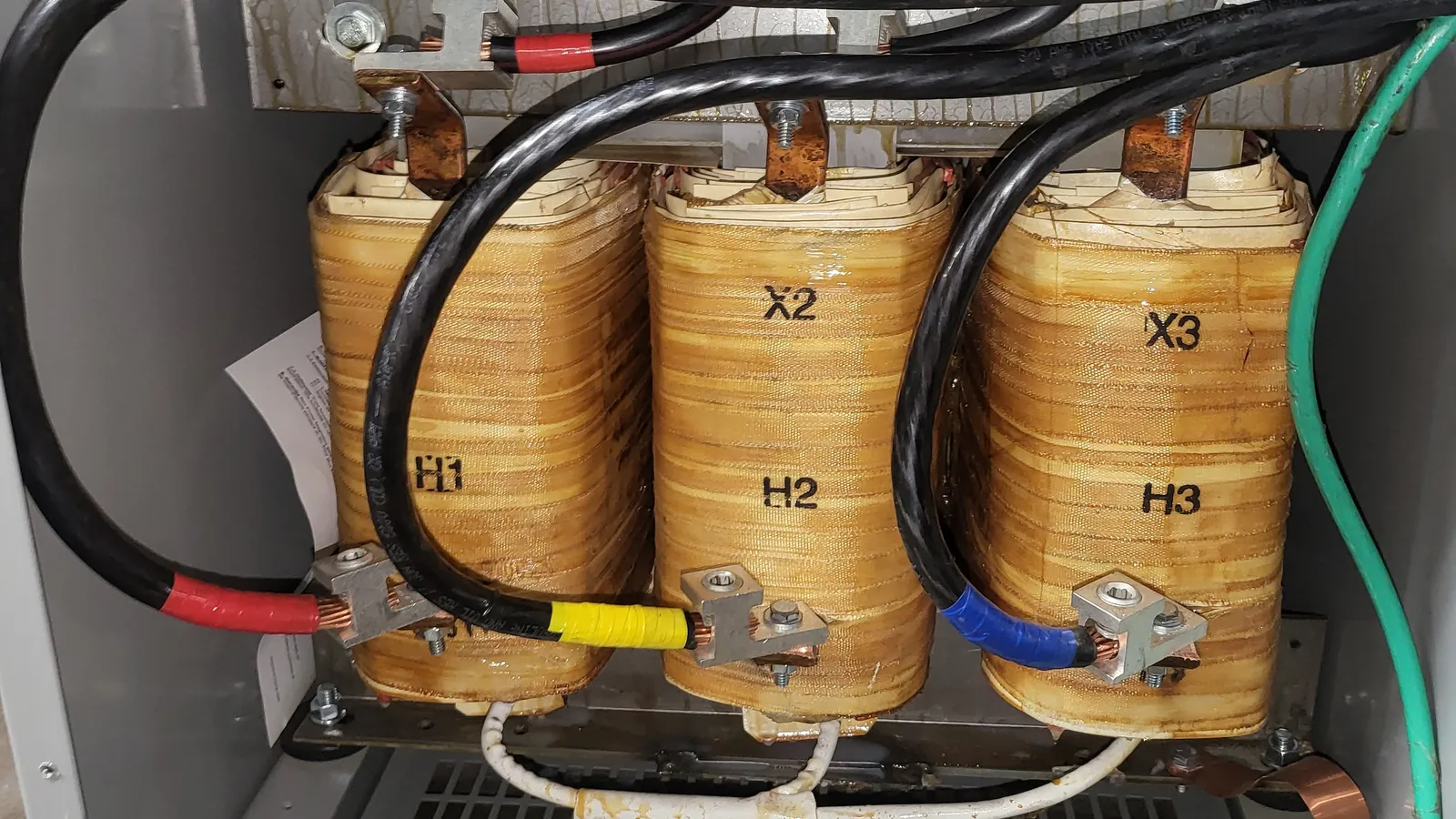
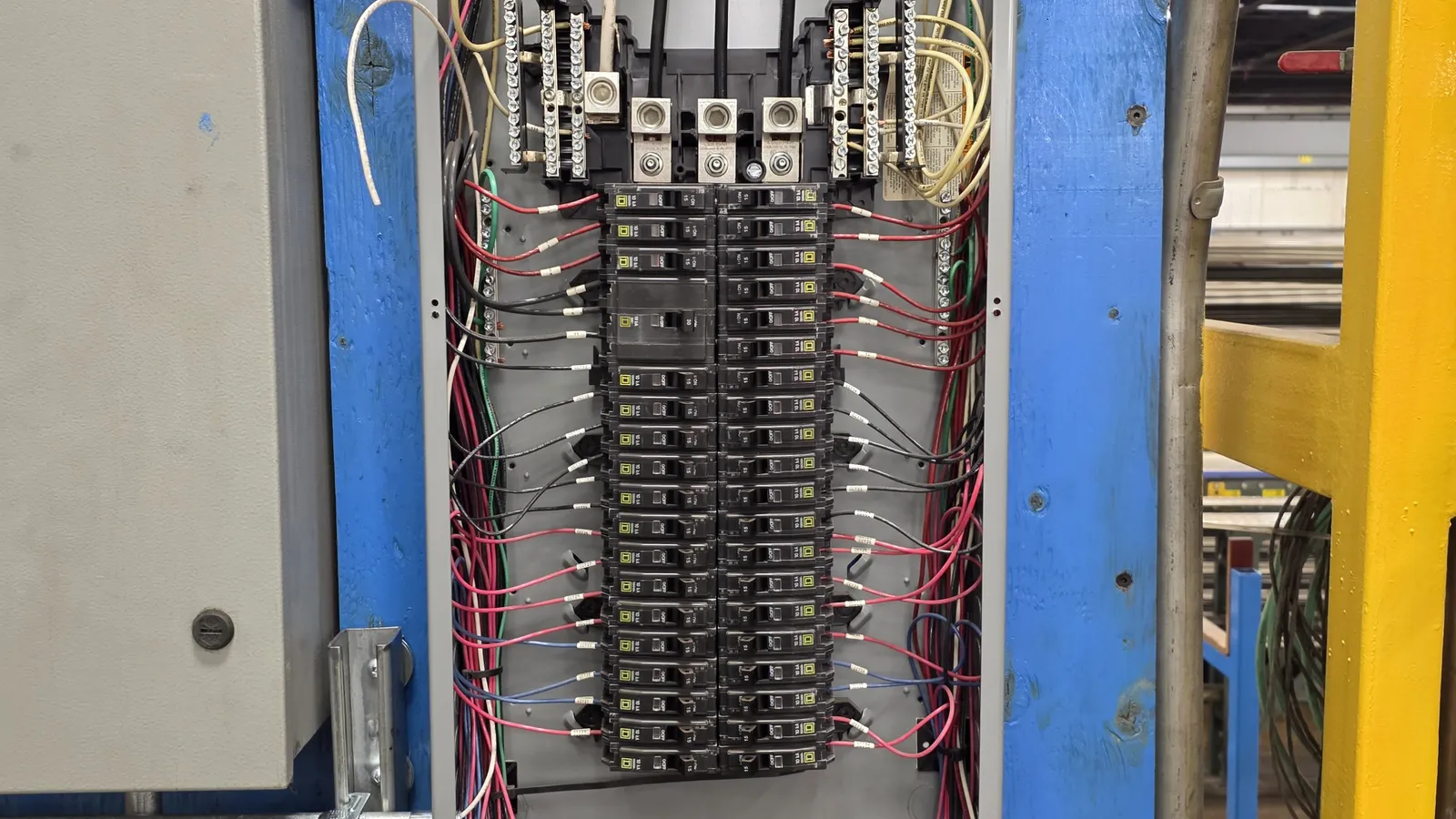
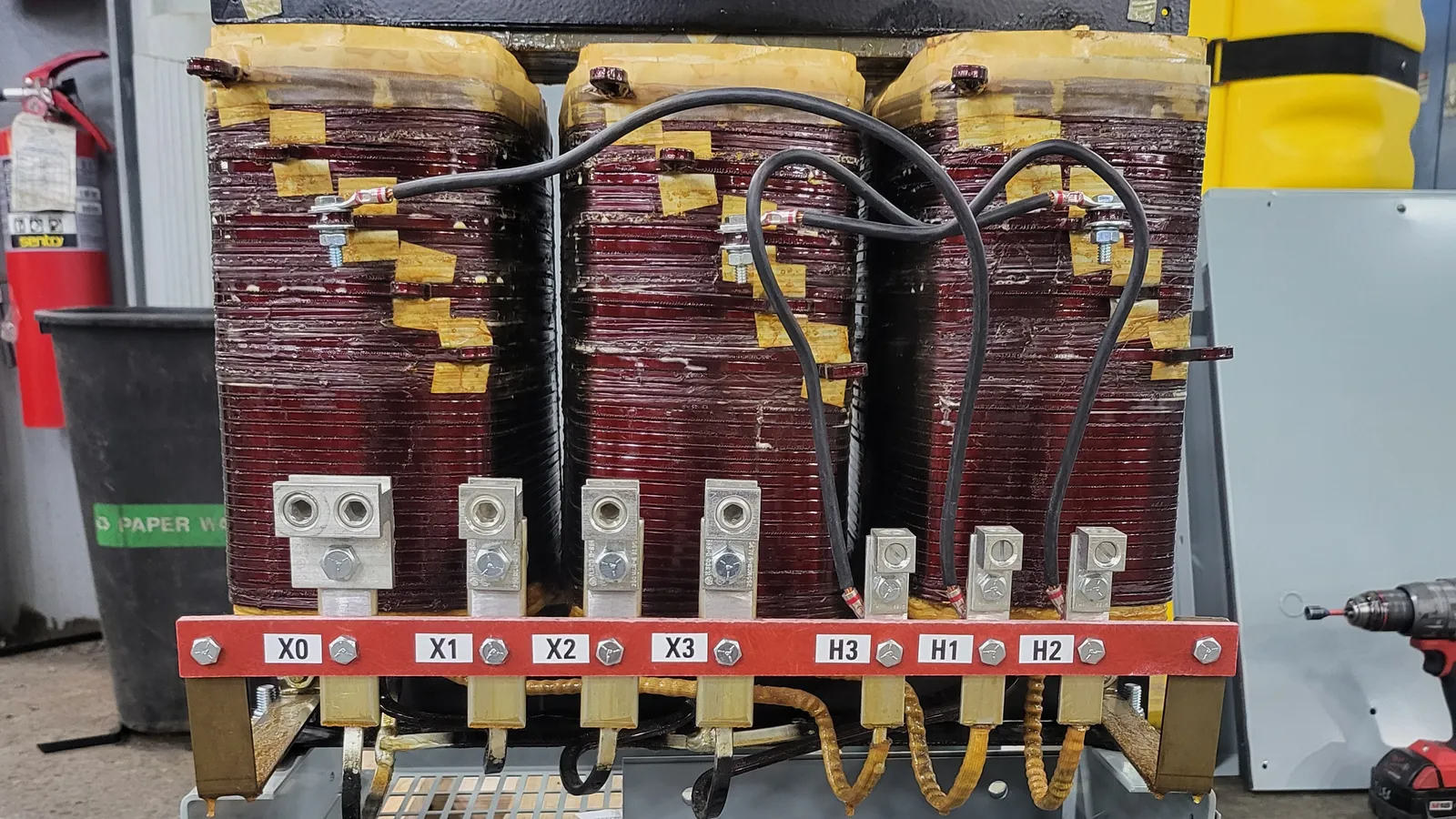
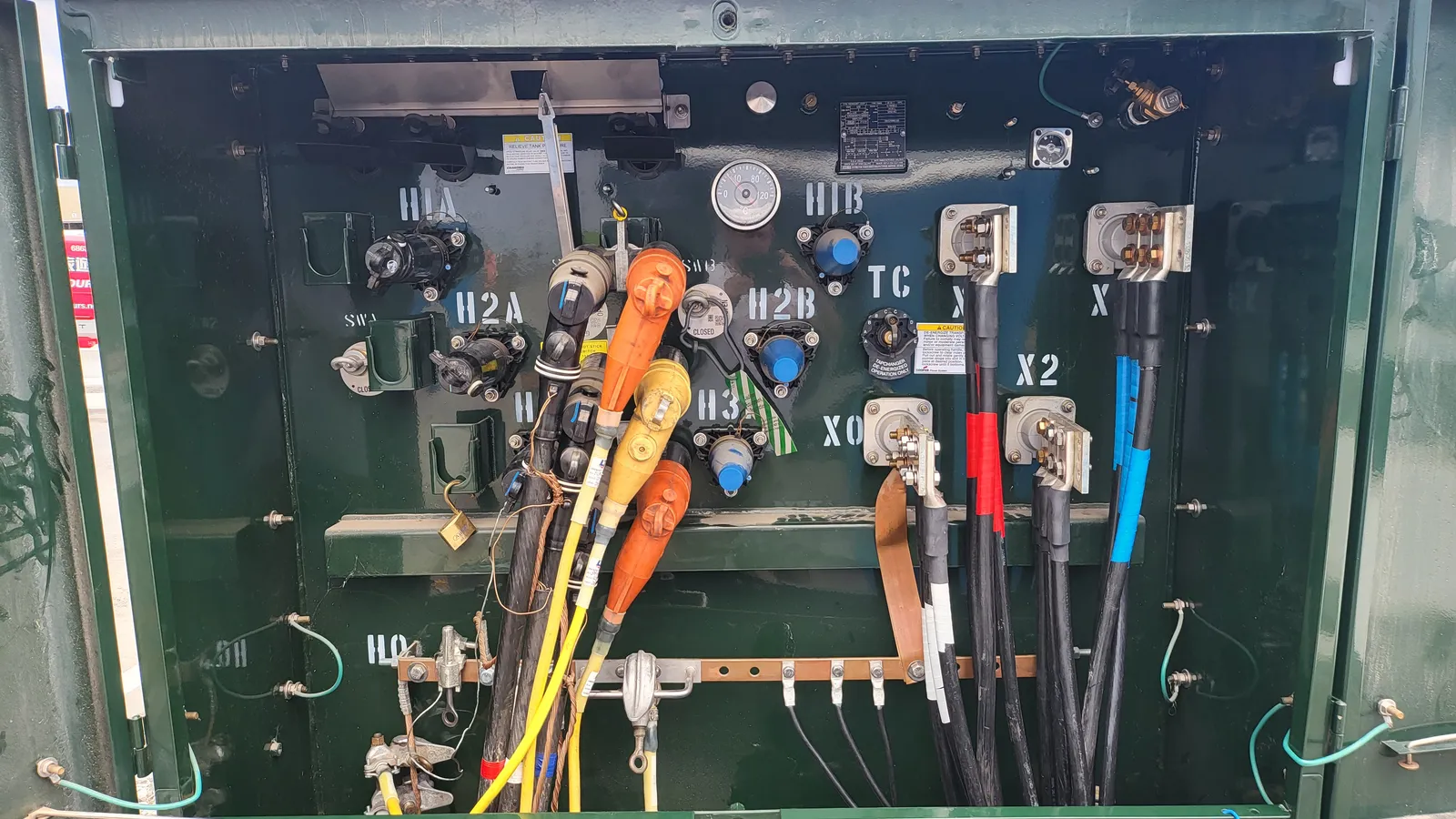
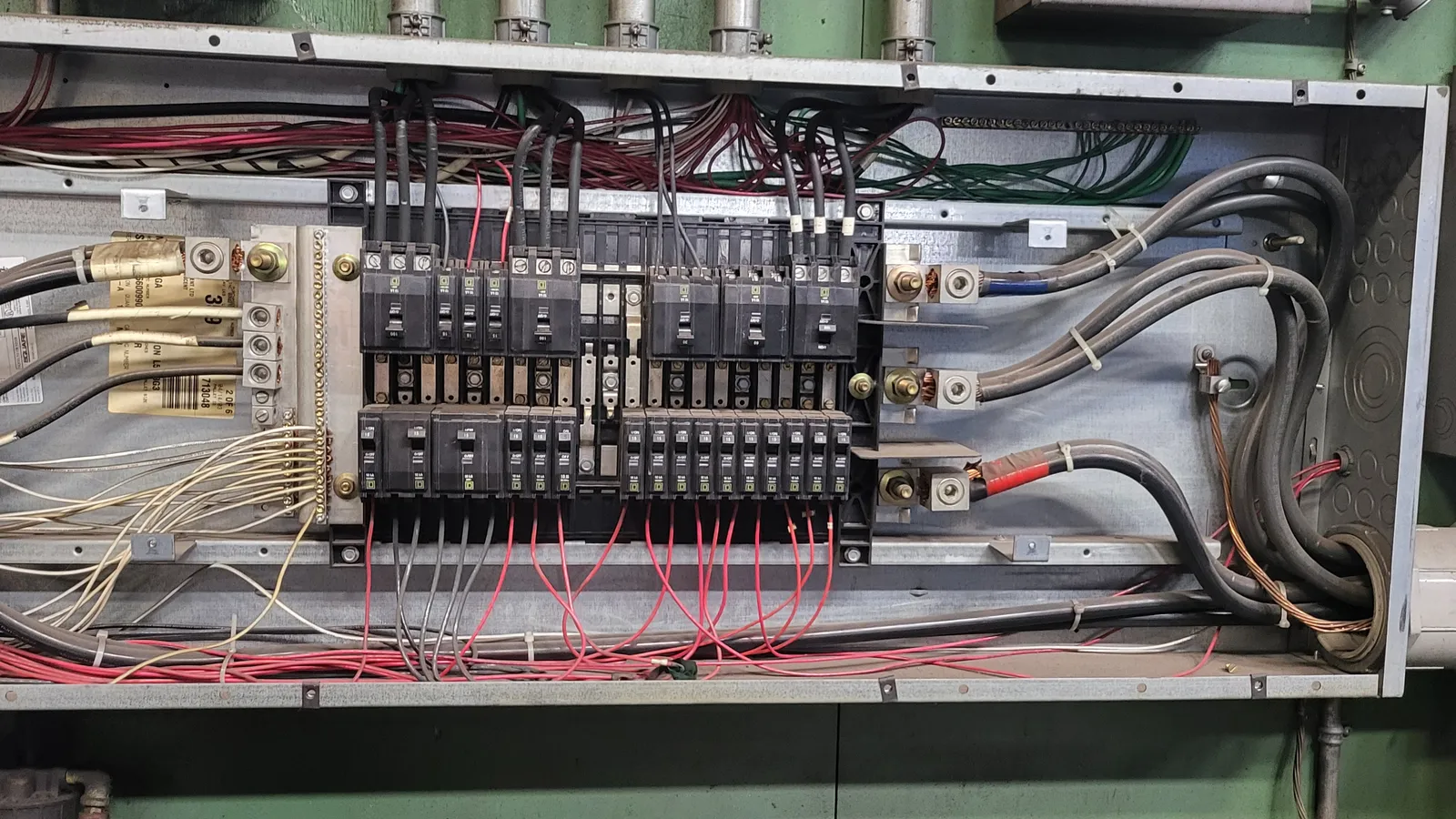
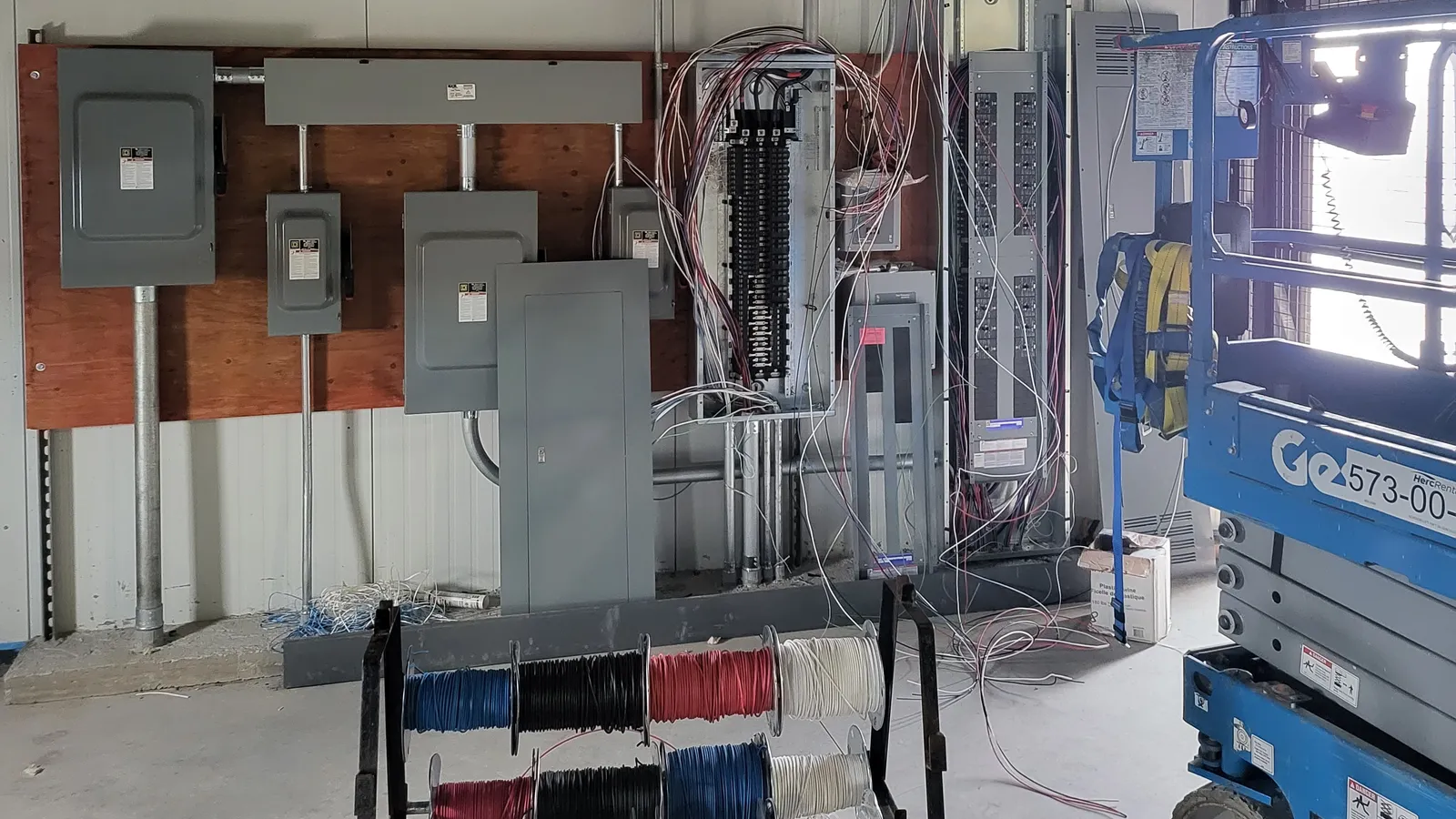
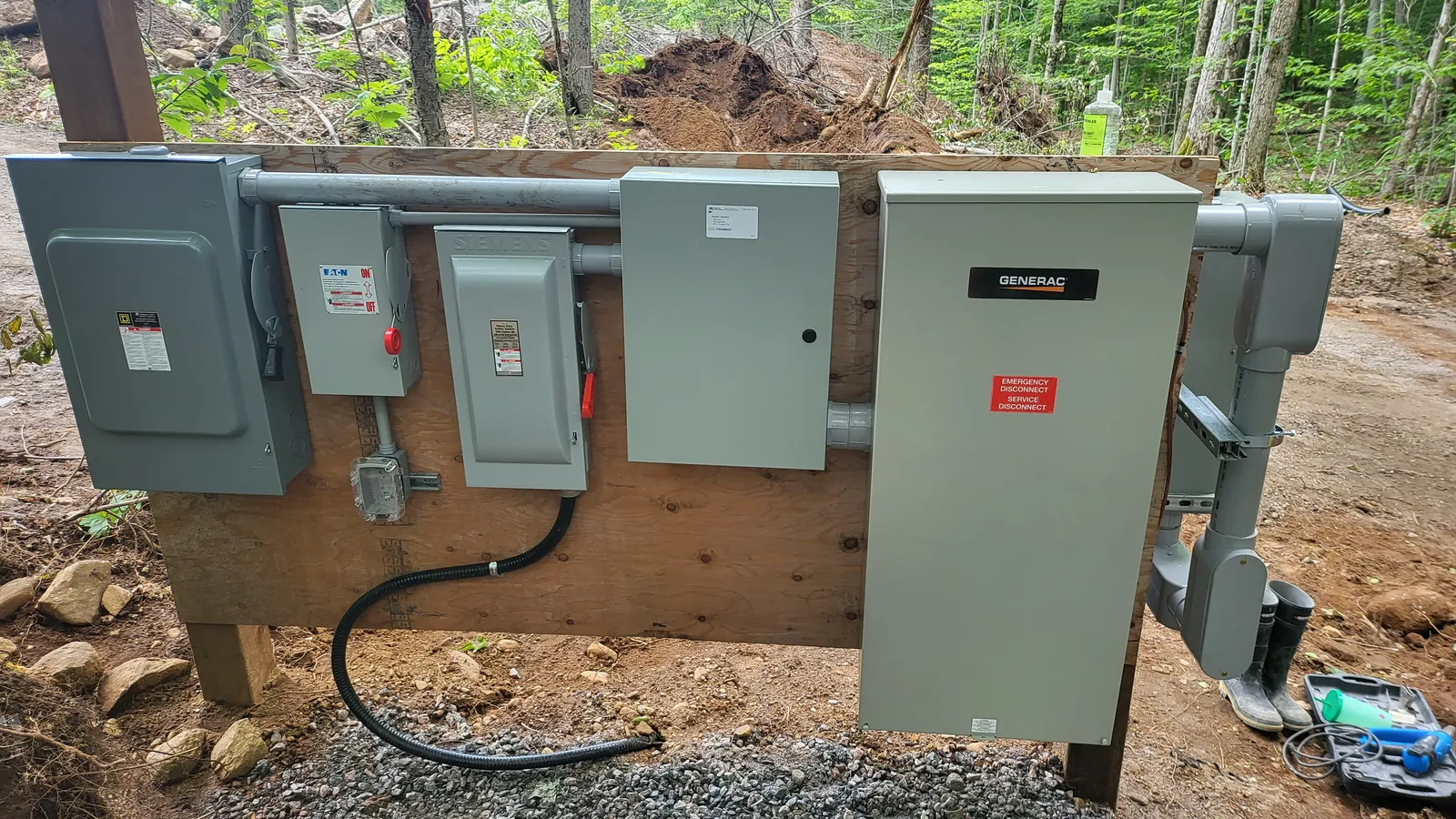
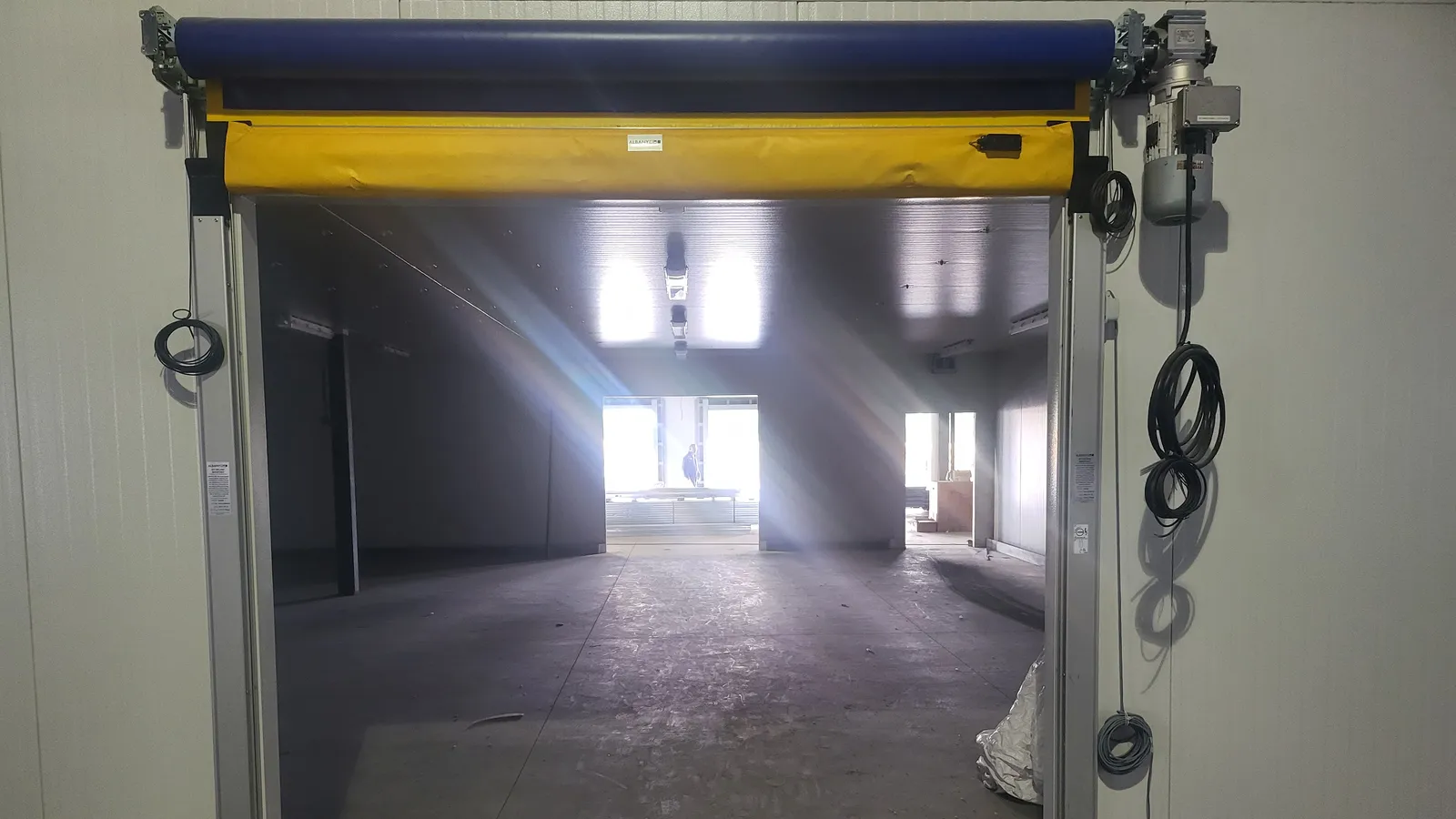
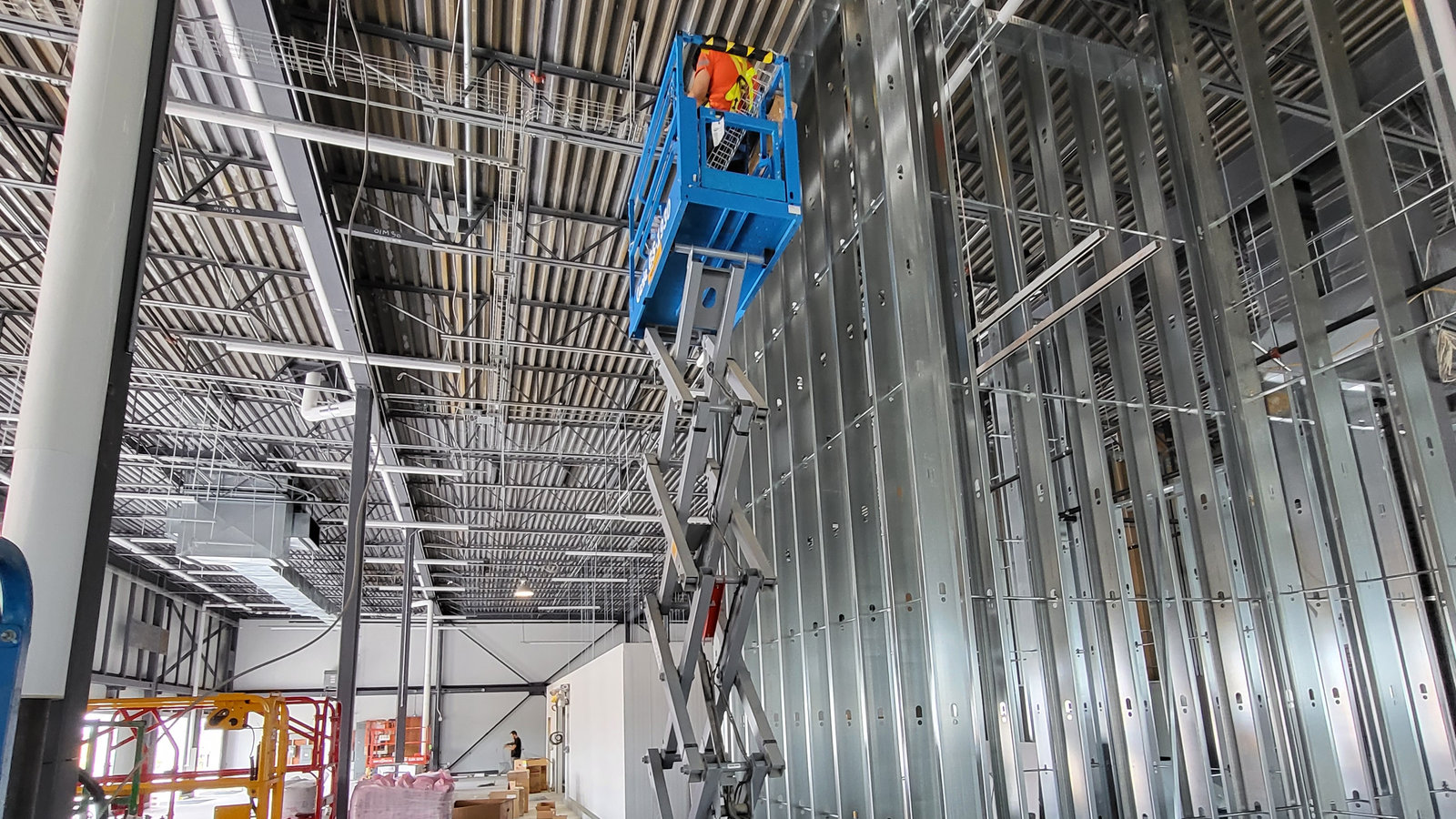
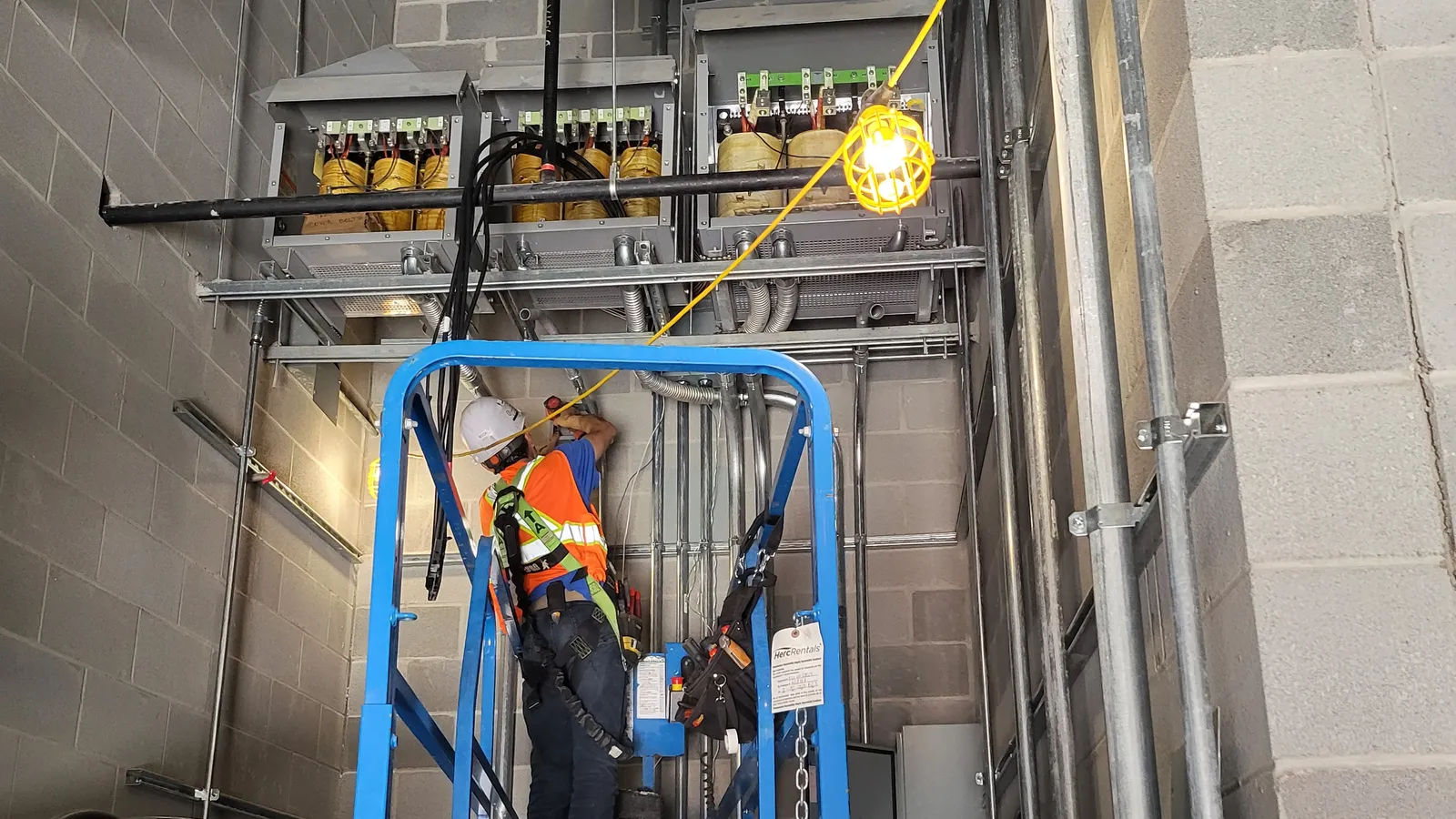
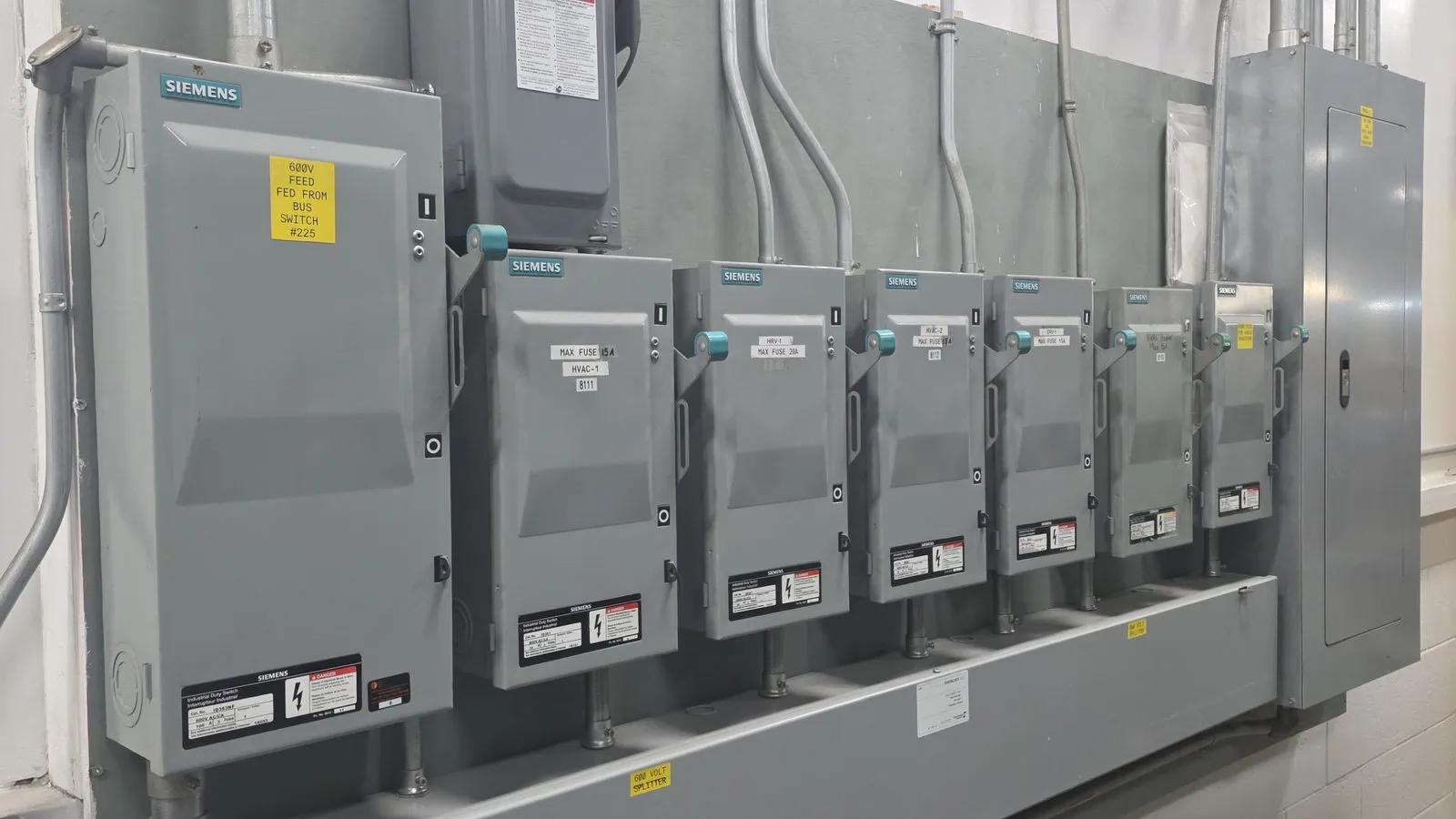
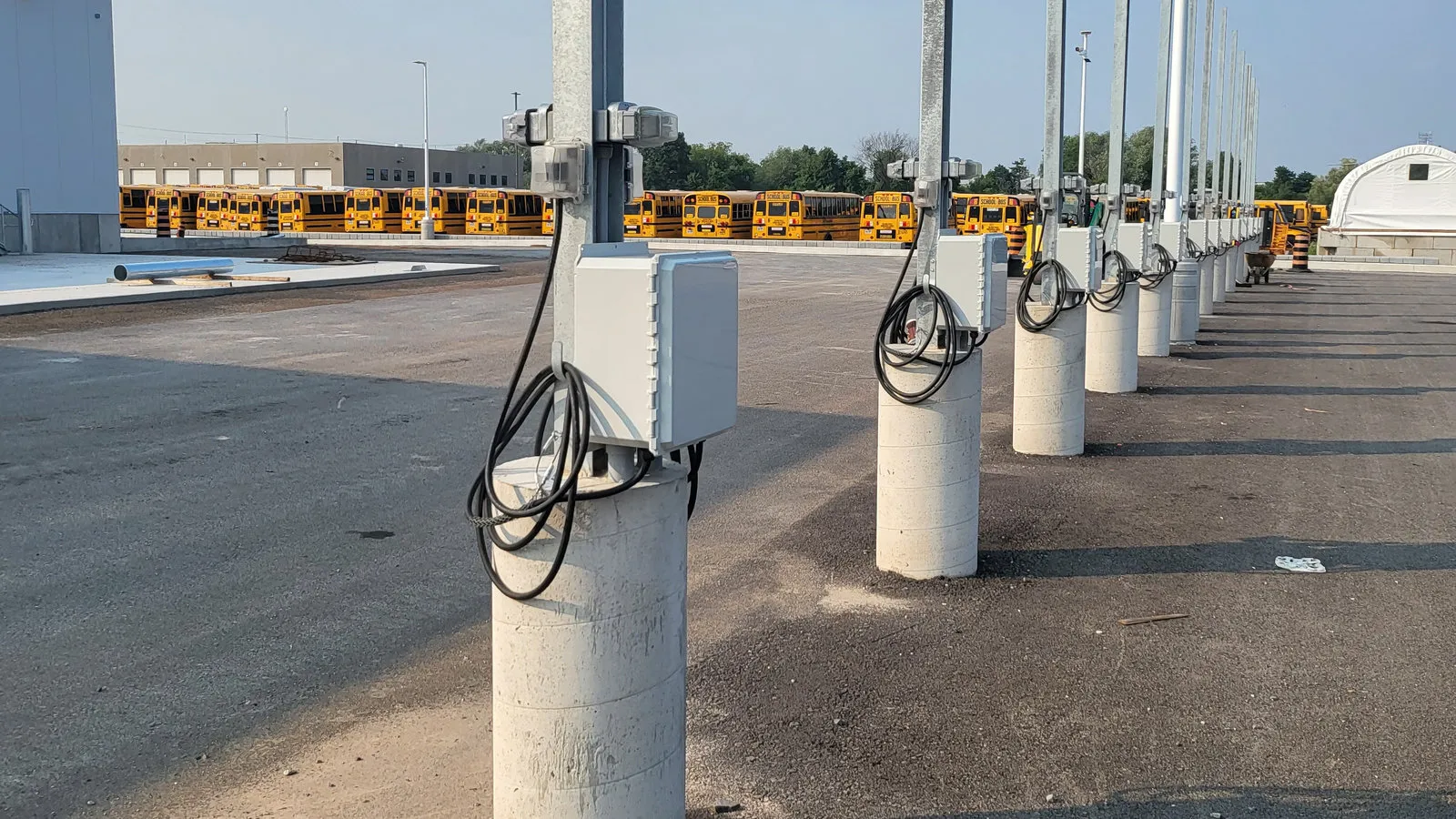
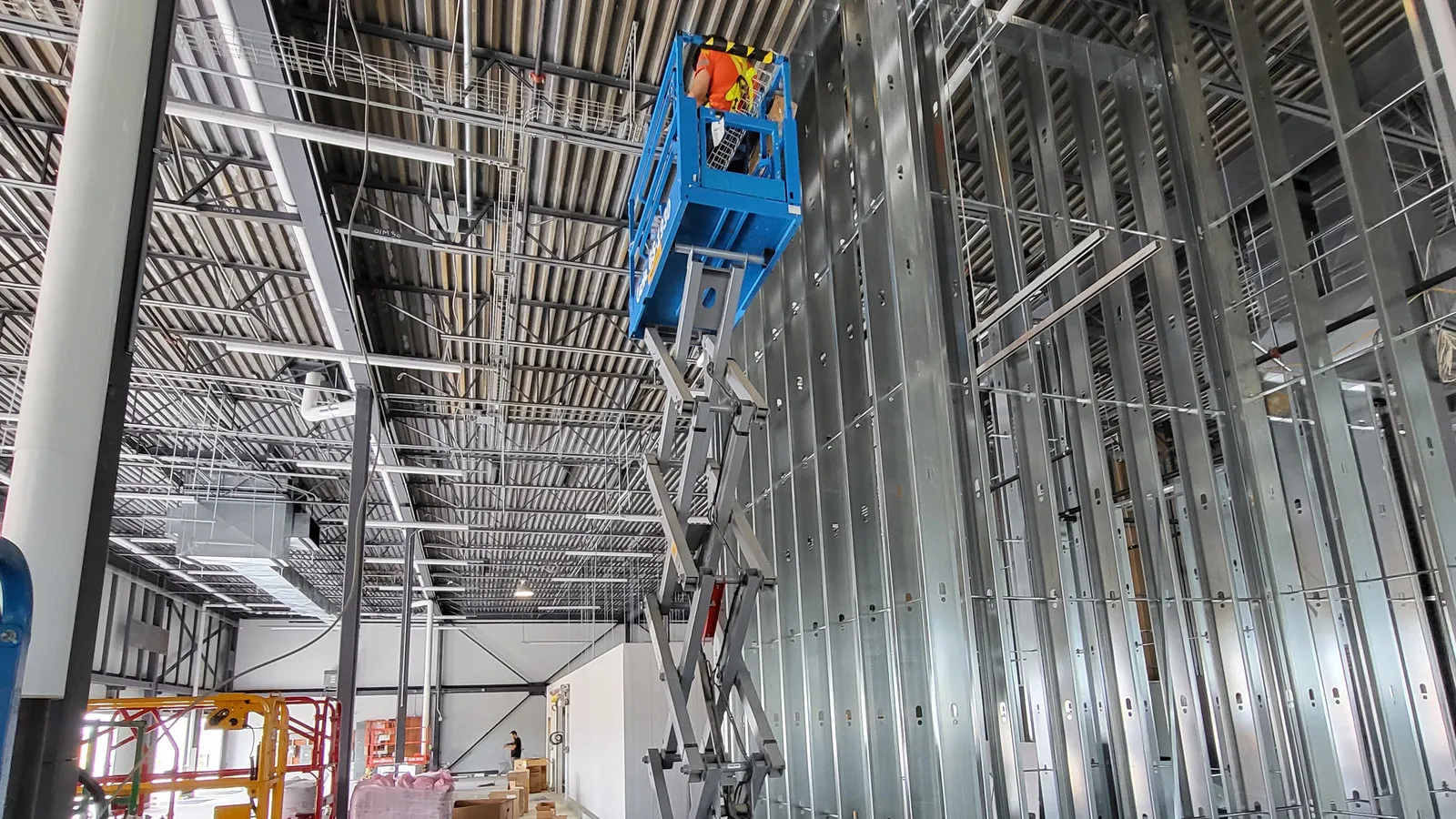
When Building Power Reaches the Property but No Longer Reaches the Loads Efficiently
Recognize when the problem is not just capacity, but the way power is distributed throughout the commercial space
Commercial power distribution systems often need improvement when a building still has incoming electrical service, but the internal layout of panels, feeders, circuits, and connected loads no longer matches how the property is being used.
This is common in offices that have been reconfigured multiple times, retail units with changing tenant needs, restaurants that added kitchen equipment, warehouses that expanded operations, and mixed-use buildings where electrical demand has evolved over time. In these situations, the problem is not always the main service size. Often, the real issue is that power is being distributed inefficiently, unevenly, or through equipment that was never intended for the current load arrangement.
Warning signs may include crowded panels, long and impractical circuit runs, repeated branch modifications, difficulty adding new loads, poor separation between tenant areas, unexplained tripping, or maintenance staff struggling to isolate the right circuits quickly. A commercial power distribution upgrade can improve how electricity is routed through the property, making the system safer, more organized, and easier to expand.
Businesses in Toronto, Markham, Richmond Hill, Scarborough, and Etobicoke often need distribution improvements during renovations, tenant fit-outs, equipment changes, or planning for new electrical demands. In many cases, better feeder layout, subpanel placement, load balancing, and circuit organization can solve recurring operational problems without waiting for a more serious failure.
If the building also shows sensitivity to voltage disturbance, recurring breaker issues, or unexplained equipment behavior, distribution planning should be reviewed together with commercial harmonic analysis and commercial power quality analysis. Distribution and power quality problems often overlap in real commercial environments.
A properly designed commercial electrical distribution system supports future changes much better than a collection of temporary fixes. It creates a cleaner structure for expansion, safer maintenance, and better day-to-day reliability.
For many GTA businesses, improving power distribution is one of the most valuable ways to reduce electrical bottlenecks before they become outages, delays, or costly retrofit problems.
Panels Are Crowded Across the Building
When multiple panels are full or poorly organized, the property may need a better overall power distribution strategy.
New Loads Keep Being Added
Repeated equipment additions often expose weaknesses in feeder layout, load allocation, and branch circuit organization.
Long Circuit Runs Are Becoming Impractical
Inefficient routing from distant panels can complicate expansion and make maintenance more difficult.
Tenant Spaces Need Better Separation
Commercial properties often benefit from cleaner distribution between suites, occupancies, or operating areas.
Breaker Issues Keep Appearing in Different Areas
Recurring tripping across separate zones may point to broader distribution and load-management problems.
Renovation or Fit-Out Is Planned
Tenant improvements and layout changes are strong reasons to rethink commercial power distribution before adding more circuits.
Maintenance and Troubleshooting Are Confusing
Poorly arranged distribution systems slow down service work and increase the chance of mistakes during shutdowns.
Future Electrification Is Expected
EV charging, upgraded HVAC, and other added loads often require better feeder and panel distribution planning.
WHY CHOOSE US
Why Businesses Choose Us
We focus on practical solutions rather than temporary fixes, ensuring your electrical system performs safely under real conditions. Every electrical work is completed with proper planning, correct equipment selection, and attention to long-term performance.
Our approach eliminates unnecessary work and is based on accurate diagnostics, not assumptions, so you only pay for what your system actually needs. We prioritize safety, efficiency, and clean execution on every project.
As a result, you receive a reliable, code-compliant electrical system that supports your home today and is fully prepared for future electrical demands.
Licensed & Insured
All work is performed by qualified, fully insured electricians, ensuring safety, accountability, and compliance with all regulations.
ESA certified work
Every project includes permits and ESA inspection, guaranteeing that the installation meets Ontario Electrical Safety Code requirements.
Professional installations
We install panels with precise wiring, proper layout, and clear labeling, making the system safe, accessible, and easy to maintain.
Transparent pricing
You receive clear pricing based on the actual scope of work, with no hidden costs or unexpected changes during the entire project.
Fast scheduling
We schedule work efficiently and arrive on time, minimizing downtime and ensuring your electrical system is restored as quickly as possible.
Accurate calculations
We calculate electrical demand based on real usage, ensuring your panel is properly sized for both current and future electrical needs.
Code-compliant work
All installations strictly follow current electrical code requirements, ensuring safety, inspection approval, and long-term system reliability.
Reliable workmanship
Our experience allows us to deliver consistent, high-quality results that perform reliably under real operating conditions over time.
CODE & SAFETY REQUIREMENTS
Ontario Electrical Safety Code Compliance
The Ontario Electrical Safety Code (OESC) sets the minimum legal safety requirements for electrical installations in Ontario. For commercial power distribution systems, compliance with the Code is essential to ensure feeders, panelboards, overcurrent protection, conductor sizing, circuit identification, equipment approval, and working space are all suitable for safe operation.
Following the Code helps reduce the risk of fire, electric shock, conductor overheating, failed inspections, equipment damage, unsafe expansion, and insurance-related issues. It also helps ensure that commercial electrical distribution systems are planned in a way that supports maintenance, future changes, and dependable operation across the building.
Every commercial power distribution project should be planned and installed in accordance with the current Ontario Electrical Safety Code and ESA inspection requirements.
Rules commonly applicable to commercial power distribution systems
-
Rule 2-004 — Notification of work / ESA inspection process
Electrical work must be properly notified to ESA where required, and the installation must proceed through the applicable inspection and authorization process before being placed into service. -
Rule 2-022 — Approved electrical equipment
Panelboards, switchboards, breakers, feeders, and related electrical equipment used in Ontario must be approved in accordance with Code requirements. -
Rule 2-024 — Approval requirements for electrical equipment
Equipment must satisfy applicable approval requirements and recognized standards for legal use in Ontario. -
Rule 2-202 — Guarding of live electrical parts
Live electrical parts must remain properly enclosed or otherwise guarded to protect persons from accidental contact. -
Rule 2-308 — Working space about electrical equipment
Required working space must be maintained around electrical equipment so operation and servicing can be performed safely. -
Rule 2-310 — Depth of working space
Minimum working space depth in front of electrical equipment must be maintained according to the installation conditions and equipment rating. -
Rule 2-314 — Space not to be used for storage
The working space around electrical equipment must be kept clear and must not be used for storage. -
Rule 2-1000 — Circuit identification
Distribution points, overcurrent devices, disconnects, and switches must be legibly identified to indicate what they control. -
Rule 8-104 — Maximum circuit loading
Service, feeder, and branch-circuit loading must be calculated so the installation does not exceed allowable loading limits. -
Rule 14-100 — Protection of conductors by overcurrent devices
Overcurrent devices must protect conductors and connected equipment in accordance with Code requirements. -
Rule 14-104 — Rating and application of overcurrent devices
Overcurrent devices must be selected and applied in coordination with conductor ampacity and the characteristics of the installation.
Note: Rule selection may vary depending on service size, feeder arrangement, voltage, available fault current, occupancy type, equipment configuration, and the exact scope of the commercial power distribution work. Exact official wording should always be confirmed from the current purchased edition of the Ontario Electrical Safety Code.
COMMON QUESTIONS
FAQ — Commercial Power Distribution Systems
1. What is a commercial power distribution system?
A commercial power distribution system is the network of service equipment, feeders, panels, subpanels, breakers, and branch circuits that delivers electrical power throughout a business property.
2. When does a business need a power distribution upgrade?
A business may need a power distribution upgrade when the existing layout no longer supports current loads, renovations, tenant changes, equipment additions, or safe future expansion.
3. Is power distribution the same as a panel upgrade?
No. A panel upgrade is one part of electrical distribution, while a power distribution project looks more broadly at how electricity is routed and organized across the property.
4. Can power distribution improvements help reduce breaker problems?
Yes. Better feeder layout, panel organization, and load allocation can help reduce recurring breaker issues caused by poor distribution or overloaded sections of the system.
5. What types of buildings benefit from commercial power distribution upgrades?
Offices, retail units, restaurants, warehouses, mixed-use buildings, and other commercial properties often benefit when their electrical system has evolved beyond the original design.
6. Can power distribution improvements support future tenant changes?
Yes. One major benefit of a good distribution design is creating a cleaner and more flexible electrical structure for future fit-outs and occupancy changes.
7. Do power distribution projects include subpanels and feeders?
They often do. Depending on the property, a commercial power distribution project may involve feeders, subpanels, panel reorganization, and related overcurrent protection changes.
8. Can this help with long circuit runs in a building?
Yes. Improving electrical distribution can create more practical local distribution points and reduce inefficient routing through the building.
9. Does commercial power distribution work require code compliance in Ontario?
Yes. Commercial electrical distribution work must follow applicable Ontario Electrical Safety Code and ESA requirements.
10. Can you improve distribution without replacing the whole electrical service?
In many cases yes. Some properties need better internal distribution rather than a full service replacement, although this depends on overall load and equipment condition.
11. Should power quality issues be reviewed together with distribution?
Often yes. Voltage disturbance, harmonics, and unstable load behavior can overlap with poor distribution layout, especially in more complex commercial buildings.
12. How much do commercial power distribution upgrades cost in Ontario?
Cost depends on building size, feeder scope, panel changes, accessibility, voltage, shutdown planning, and the condition of the existing electrical system. Accurate pricing usually requires a site assessment.
SERVICE AREAS
Serving Toronto & the Greater Toronto Area
We provide residential, commercial, and industrial electrical services across Toronto and the GTA, supporting homes, businesses, and facilities with reliable and code-compliant electrical solutions.
Our service coverage includes major cities and surrounding areas, allowing us to respond quickly and deliver consistent service across the region.
Toronto
North York
Thornhill
Richmond Hill
Vaughan
Markham
Scarborough
Etobicoke
Mississauga
Brampton
ADDITIONAL SERVICE AREAS
Hamilton
Oakville
Burlington
Milton
Georgetown
Pickering
Ajax
Whitby
Oshawa
Clarington
Aurora
Newmarket
Bradford
King City
Barrie