
Toronto & GTA Electrical Contractor
Control Panel Rebuilding for Cranes and Hoisting Equipment in Toronto, Richmond Hill, New Market, Aurora, Brampton & GTA
Industrial electrical work — installations, upgrades, troubleshooting, maintenance, and code-compliant solutions.
Licensed & Insured
Fast Response
Code-Compliant Work
CRANE CONTROL PANEL REBUILDING
What We Do
We provide Control Panel Rebuilding for overhead cranes, bridge cranes, hoists, monorails, gantry cranes, jib cranes, and related hoisting equipment across Toronto and the GTA.
This service is built around one of the most underestimated sources of expensive crane downtime: aging electrical control panels that still “mostly work.” Many facilities keep old crane panels in service because the crane still moves, even though the panel is already filled with worn contactors, aging relays, overheated terminals, brittle wiring, outdated logic, undocumented modifications, and components that are becoming harder to trust and harder to replace.
Control Panel Rebuilding is not cosmetic cleanup. It is a reliability upgrade focused on replacing aging electrical control hardware with a cleaner, stronger, more serviceable control platform. In older crane systems, the control panel is often where years of patchwork repairs accumulate. Wires get added, components get substituted, labels disappear, spare parts become difficult to source, and troubleshooting becomes slower every time another fault appears.
According to Columbus McKinnon, crane modernization can improve safety, productivity, reliability, and useful service life. Konecranes also describes crane modernization as a way to improve safety, productivity, load control, and long-term equipment performance.
Our Control Panel Rebuilding service includes rebuilding crane panels where the real problem is not one single failed part but the overall condition of the control system. This can include replacing relays, contactors, terminals, worn control devices, damaged internal wiring sections, obsolete components, poor labeling, and outdated control arrangements where appropriate.
The goal is to give the crane a control system that is easier to maintain, easier to troubleshoot, and less likely to keep creating the same expensive faults. One weak relay, one tired contactor, one loose terminal block, or one outdated control section can stop a crane during production and force an urgent repair at the worst possible time.
Control Panel Rebuilding is especially valuable where the crane still functions but no one fully trusts the panel anymore. That is often the most expensive stage, because the panel is still “good enough” to delay action but already weak enough to keep consuming repair time, troubleshooting hours, and lost production.
In real industrial environments, crane control panels are exposed to vibration, heat, dust, moisture, load cycling, and years of service work. These conditions affect terminals, relays, contactors, wiring insulation, control transformers, overloads, timers, auxiliary contacts, and operator interface circuits. Over time, the panel becomes harder to diagnose and less reliable under daily use.
We provide Control Panel Rebuilding in Toronto, Mississauga, Vaughan, Markham, Brampton, and across the GTA. Our work supports overhead cranes, bridge cranes, hoists, monorails, gantry cranes, jib cranes, and related hoisting systems where control reliability directly affects production and safety.
Control Panel Rebuilding can also support modernization work such as adding updated controls, improving layout, replacing obsolete parts, improving documentation, preparing the system for VFD integration, or improving compatibility with modern radio remote systems. The exact scope depends on the crane condition, existing control design, and operational needs of the facility.
Where appropriate, this service can support related work such as crane electrical troubleshooting, VFD control upgrades, or radio remote systems installation. These services work together because crane reliability depends on the control panel, drive system, operator interface, safety circuits, and electrification system operating as one complete system.
The result is a Control Panel Rebuilding service designed to reduce repeat crane faults, improve serviceability, support safer operation, and prevent aging control hardware from turning small electrical problems into expensive downtime.

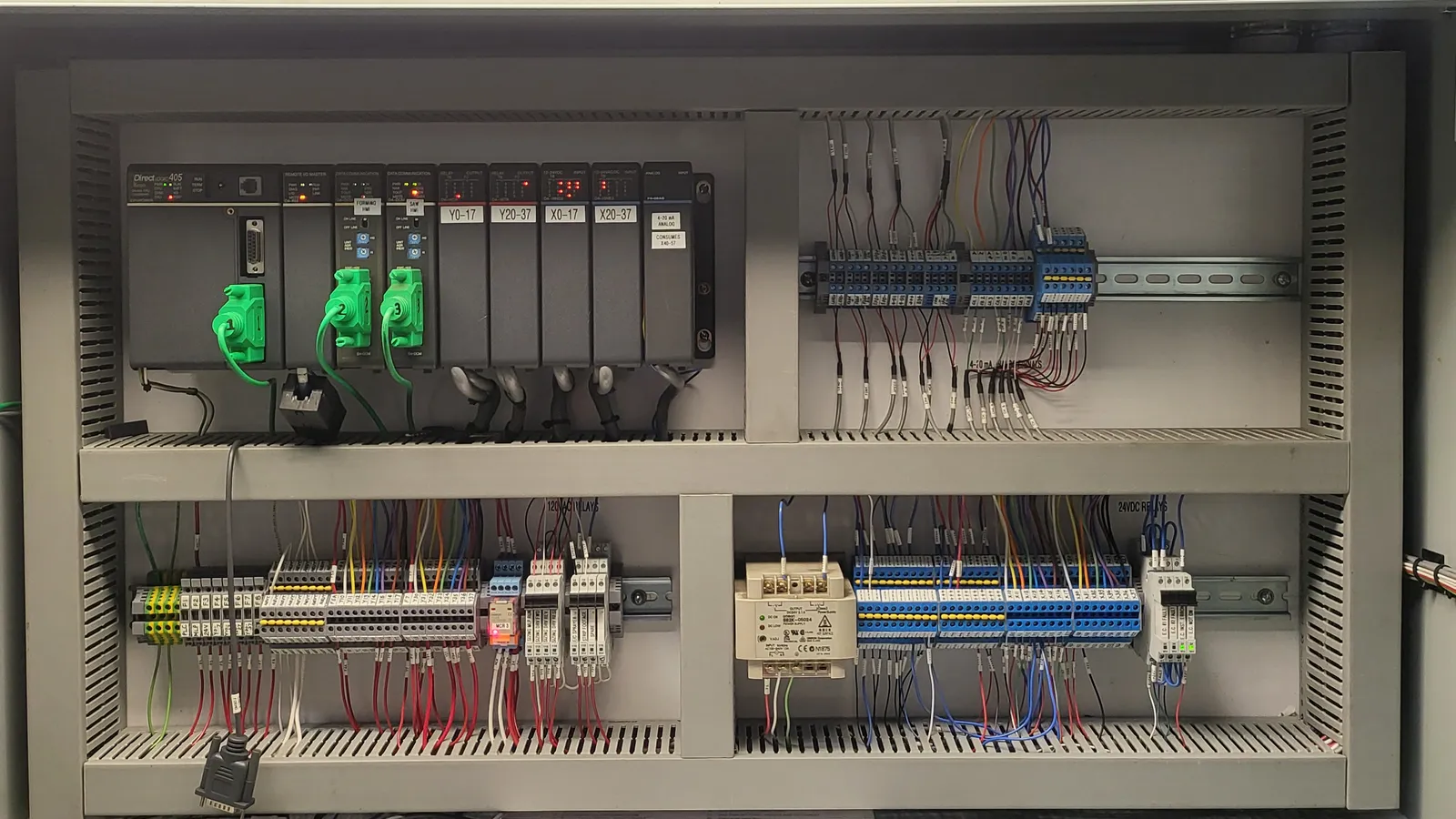
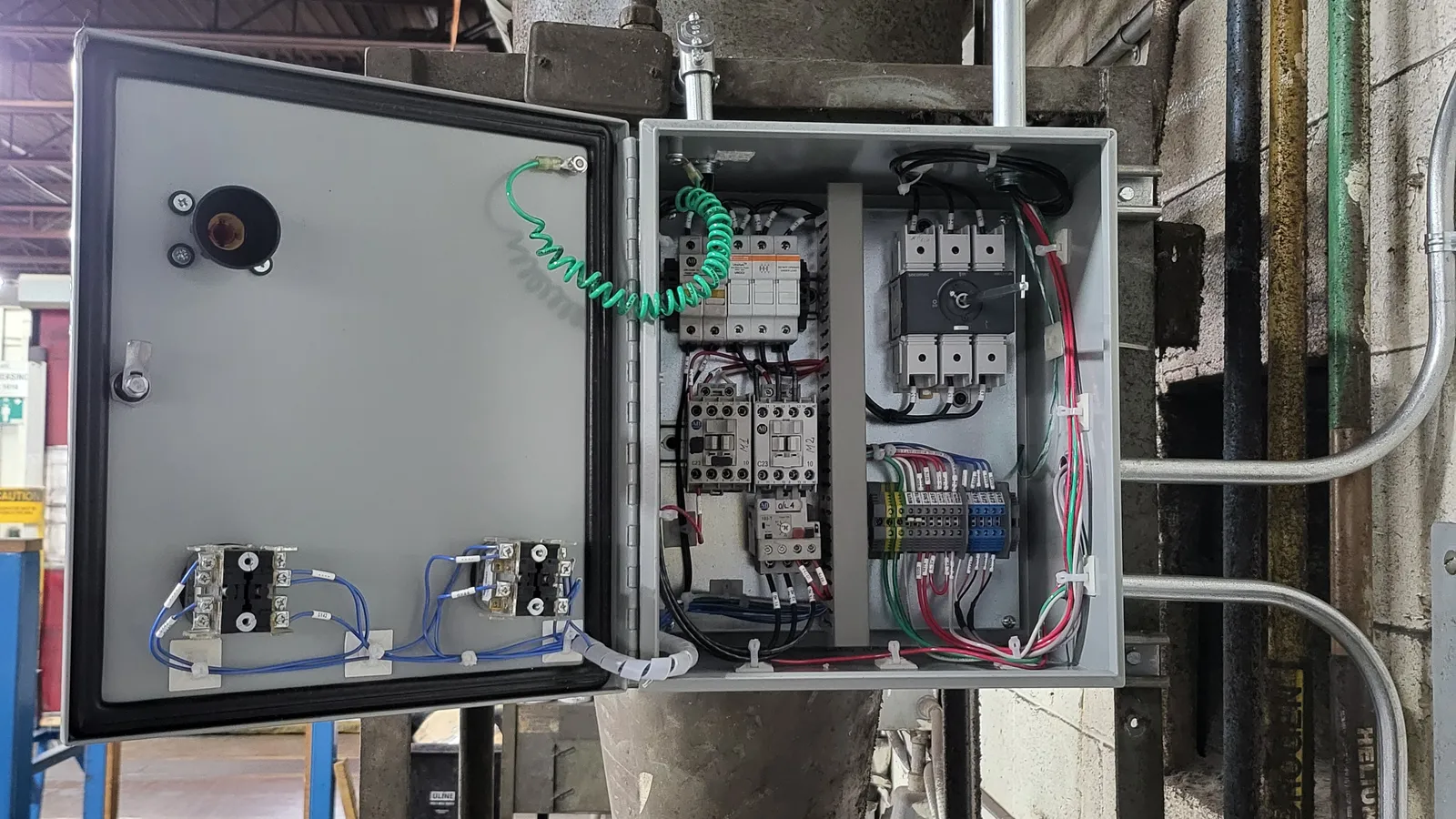
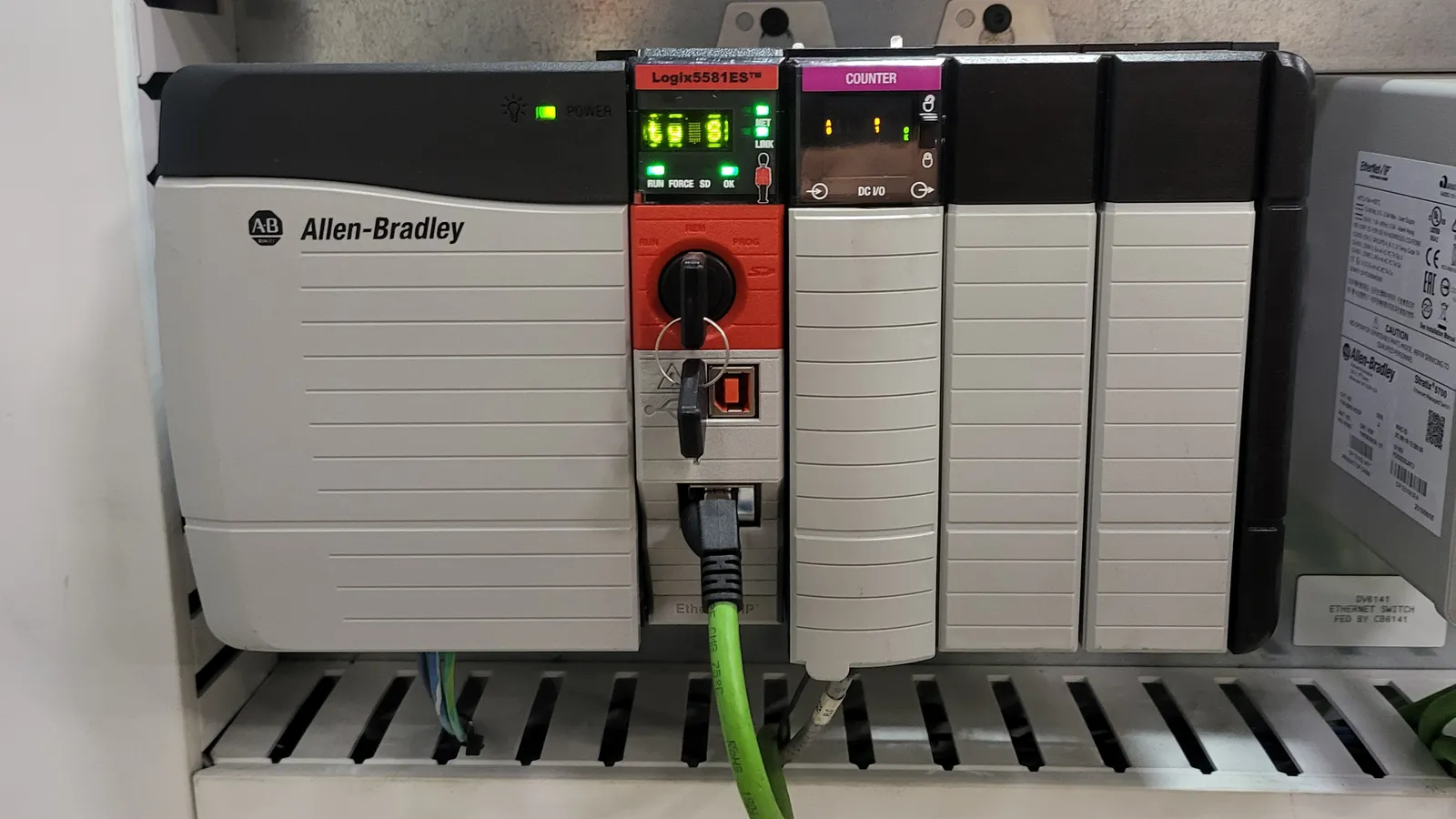
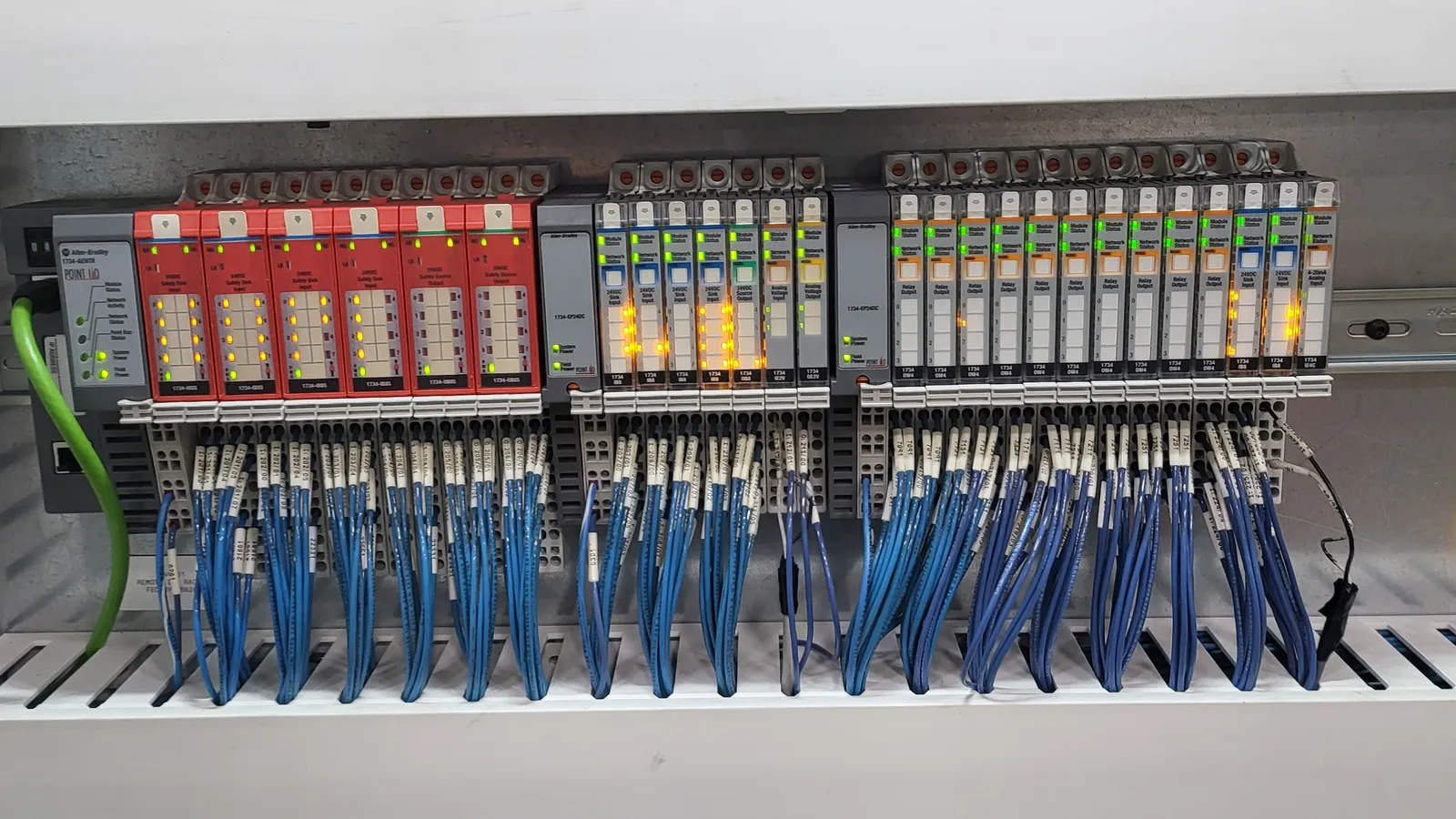
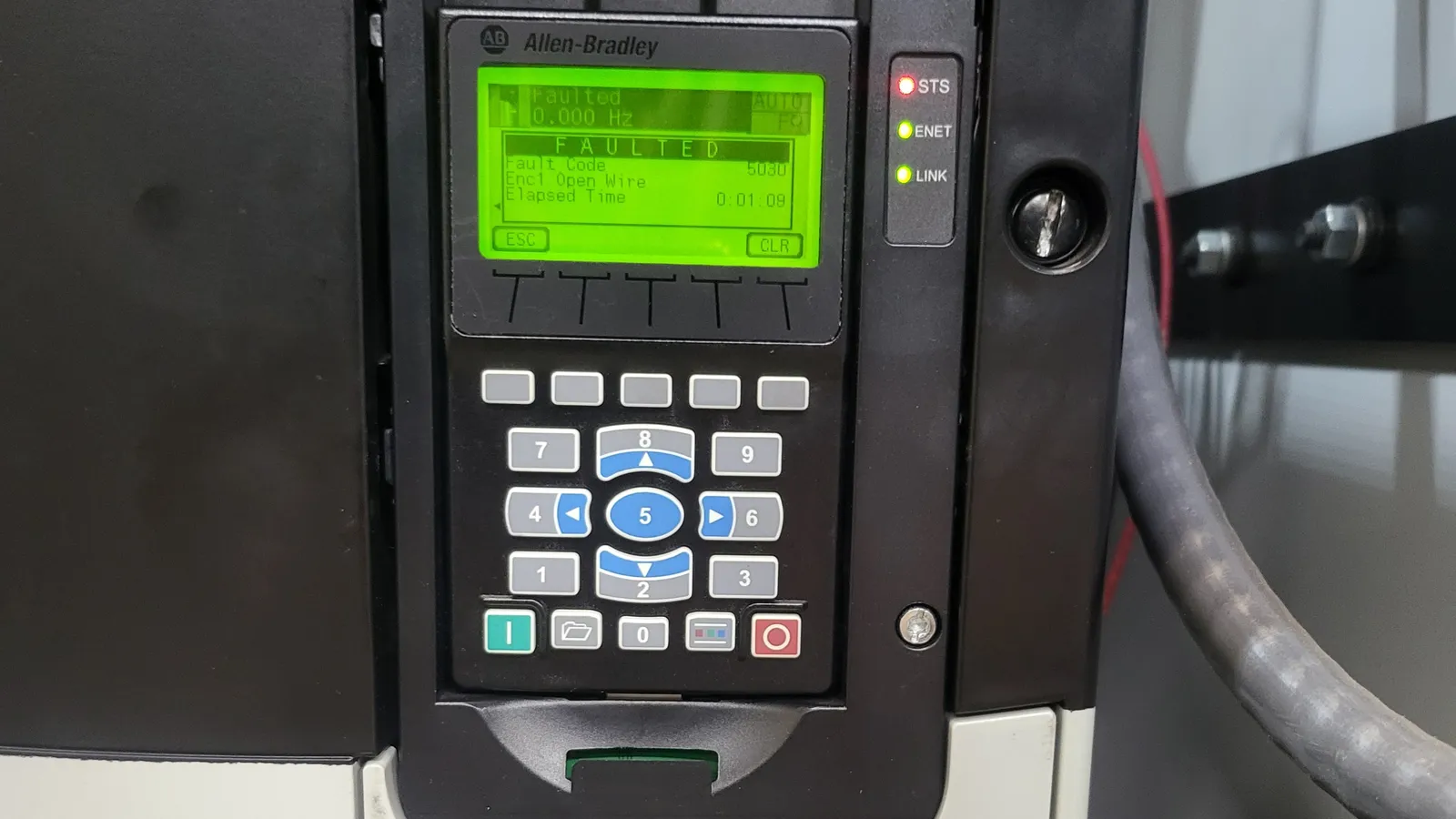
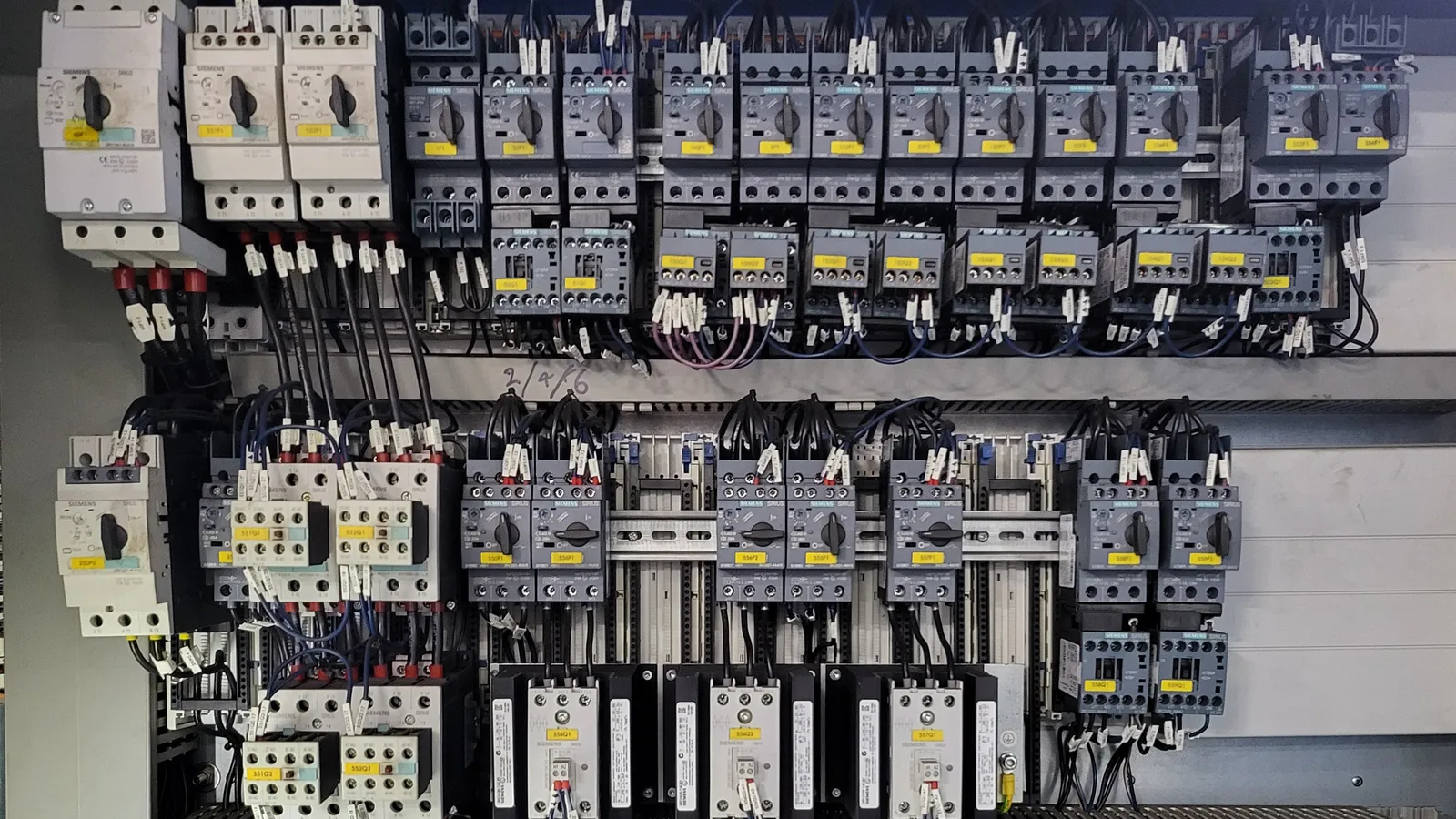
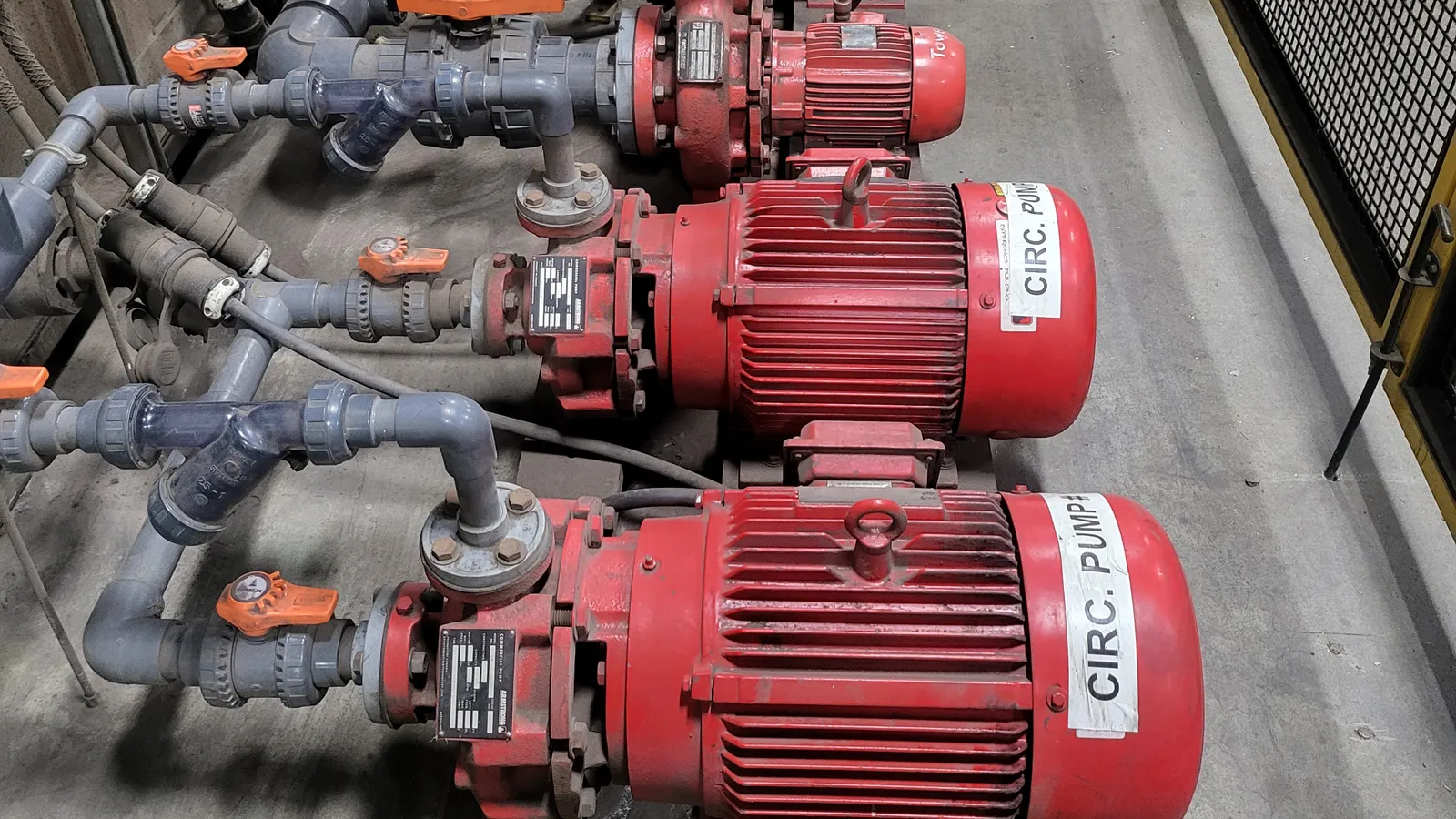
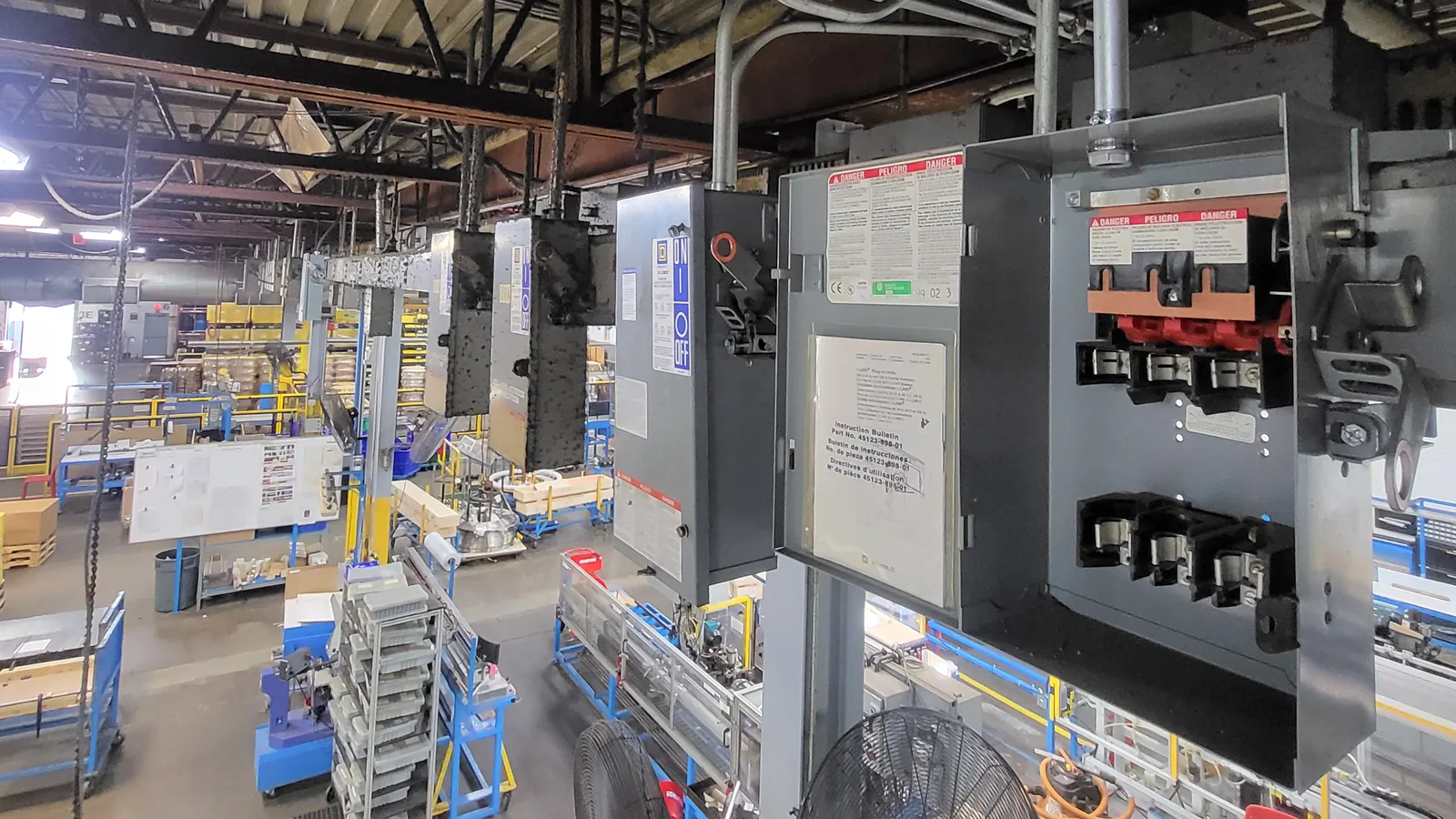
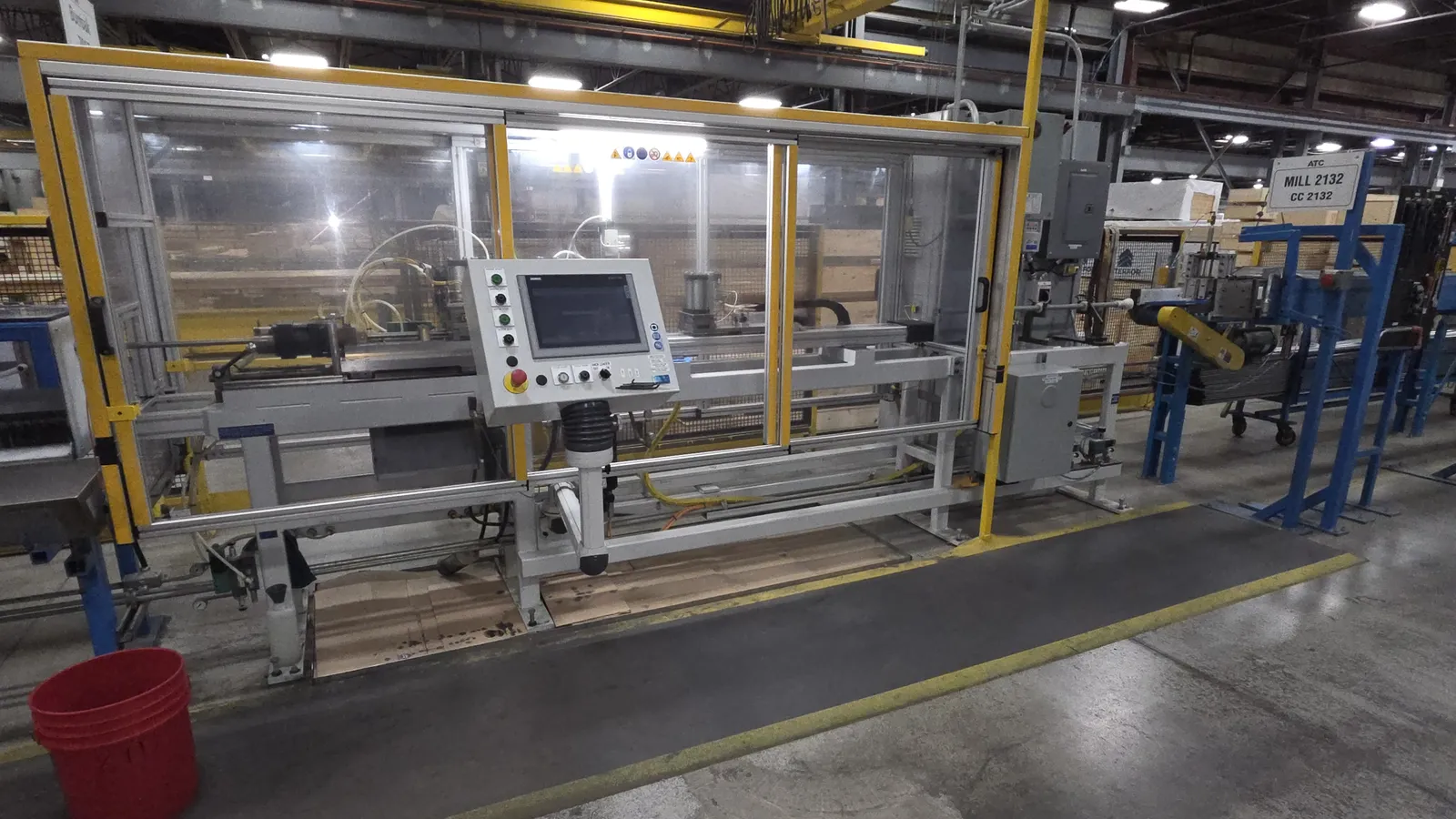
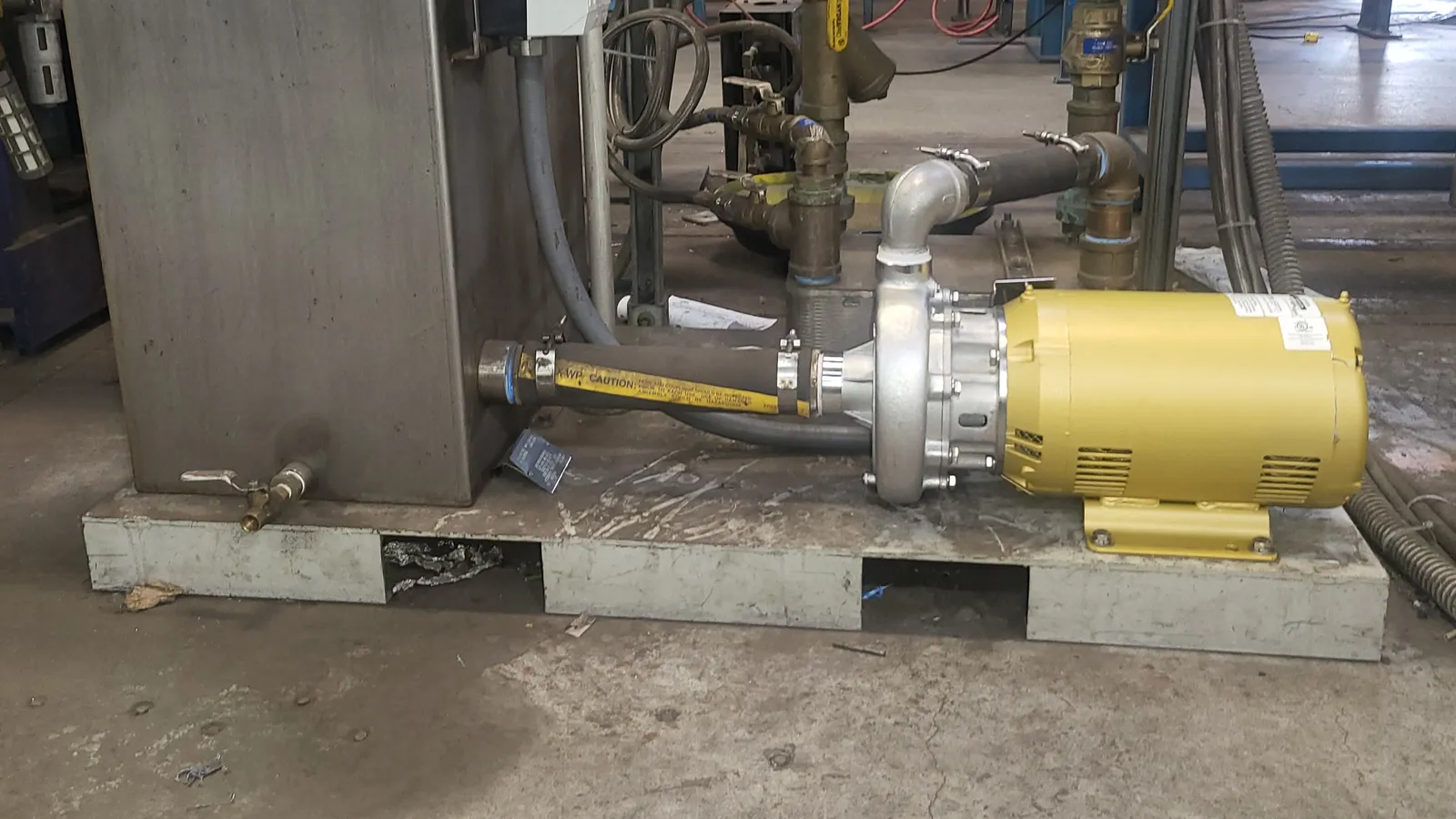

When the Crane Panel Still Works but Quietly Keeps Driving Up Repair Cost
Rebuild the control panel before “just one more electrical issue” turns into repeated downtime and a much bigger repair
Crane control panels rarely fail all at once in one dramatic moment.
More often, they become expensive slowly. One relay sticks. One contactor ages. One terminal overheats. One undocumented modification makes the next fault harder to understand. One old component is no longer easy to source. The crane still runs, so everyone waits. That is exactly where the money starts leaking out of the system.
In industrial facilities across Toronto and the GTA, many of the most frustrating crane electrical problems come from panels that are technically still operating but are already past the point where continued patch repairs make financial sense. The trouble is that these issues look small one by one. A relay replacement seems minor. A loose terminal seems minor. Another contactor change seems minor. But together they create downtime, harder troubleshooting, unreliable operation, and a control system that no one wants to trust.
This is why panel rebuilding matters. CMCO says crane modernization can improve efficiency, productivity, and safety while extending crane life at far less cost than buying new equipment. Konecranes also markets modernization as a way to replace critical components and improve speed, load control, and uptime. Those points apply directly to control panels, because outdated crane controls are one of the fastest ways for “small” problems to become expensive crane downtime.
You may need control panel rebuilding if the crane has aging relays and contactors, repeat electrical faults, poor or missing labeling, old control logic, unreliable motion response, brittle or damaged internal wiring, or a maintenance history full of patch repairs. It is also common where the panel has been modified many times and no longer gives maintenance teams a clean or trustworthy platform to work from.
The expensive part is not the old relay by itself. The expensive part is the repeat service calls, lost production, emergency troubleshooting, wrong-part replacement, and growing lack of confidence in the crane every time another “small” control issue shows up. At some point, rebuilding the panel becomes cheaper than continuing to pretend the problems are still separate.
This service is also about future maintenance. A rebuilt control panel gives the crane a cleaner electrical base, more serviceable layout, better component condition, and a stronger path for future upgrades. That helps reduce the number of faults that begin as “minor” and end up costing far more than expected.
Control panel rebuilding in Toronto, Mississauga, Vaughan, Markham, and across the GTA helps industrial clients stop living with old crane panels that quietly create expensive downtime, harder troubleshooting, and repeated avoidable repairs.
Old Relays and Contactors Keep Creating Small Faults
One component at a time may seem minor, but together they often become the real cause of expensive crane downtime.
The Panel Has Been Patched Too Many Times
Repeated modifications and repairs often leave the control system harder to trust, harder to service, and harder to troubleshoot.
Parts Are Aging and Becoming Less Practical to Maintain
When old control hardware keeps consuming repair effort, rebuilding often makes more financial sense than one more patch.
Wiring and Terminals No Longer Inspire Confidence
Small internal wiring defects can turn into larger failures once the crane is needed most.
Labeling and Panel Layout Are Poor
What looks like a minor inconvenience can make every future troubleshooting call slower and more expensive.
Repeat Service Calls Are Becoming Normal
That usually means the panel itself has become the larger problem, not just one isolated failed part.
The Crane Still Runs but No One Fully Trusts the Controls
That is often the exact stage where rebuilding gives the most value before a bigger breakdown happens.
“Small” Control Problems Keep Turning Into Real Downtime
The panel may still work, but the cost of keeping it that way may already be higher than people realize.
WHY CHOOSE US
Why Industrial Clients Choose Us
We focus on practical industrial electrical solutions rather than temporary fixes, ensuring your power systems, equipment, and production infrastructure operate safely and reliably under real operating conditions. Every project is completed with careful planning, proper equipment selection, and close attention to long-term performance, system stability, and operational continuity.
Our approach eliminates unnecessary work and is based on accurate diagnostics, field-tested methods, and a clear understanding of how industrial facilities actually run, so you only invest in the work your system truly requires. We prioritize safety, efficiency, code compliance, and clean execution on every job, whether it involves troubleshooting, upgrades, installations, or power distribution improvements.
As a result, you receive a dependable, code-compliant industrial electrical system that supports your facility today, reduces the risk of costly downtime, and is properly prepared for future production demands, equipment expansion, and higher power requirements.
Licensed & Insured
All work is performed by qualified, fully insured electricians, ensuring safety, accountability, and compliance with all regulations.
ESA certified work
Every project includes permits and ESA inspection, guaranteeing that the installation meets Ontario Electrical Safety Code requirements.
Professional installations
We install panels with precise wiring, proper layout, and clear labeling, making the system safe, accessible, and easy to maintain.
Transparent pricing
You receive clear pricing based on the actual scope of work, with no hidden costs or unexpected changes during the entire project.
Fast scheduling
We schedule work efficiently and arrive on time, minimizing downtime and ensuring your electrical system is restored as quickly as possible.
Accurate calculations
We calculate electrical demand based on real usage, ensuring your panel is properly sized for both current and future electrical needs.
Code-compliant work
All installations strictly follow current electrical code requirements, ensuring safety, inspection approval, and long-term system reliability.
Reliable workmanship
Our experience allows us to deliver consistent, high-quality results that perform reliably under real operating conditions over time.
CODE & SAFETY REQUIREMENTS
Ontario Electrical Safety Code Compliance
The Ontario Electrical Safety Code (OESC) sets the minimum legal safety requirements for electrical installations and electrical work in Ontario.
For crane control panel rebuilding, Code relevance is tied to approved electrical equipment, safe maintenance condition, disconnecting means, guarding of live parts, working clearances, wiring methods, control devices, and the corrective work performed when aging crane panel hardware is rebuilt or replaced. Ontario’s Industrial Establishments regulation includes travelling cranes, overhead cranes, monorail cranes, gantry cranes, jib cranes, and other lifting devices supported by a structure, which means crane control systems are part of a broader regulated industrial safety environment.
Panel rebuilding does not replace Code compliance. It has to operate inside it. This matters because rebuilding a crane panel changes the condition and often the layout of the electrical control system that governs lifting and motion functions. Older crane panels are often rebuilt specifically because the original control hardware has become obsolete, unreliable, or too patched to maintain properly. Konecranes and CMCO both frame modernization as a way to improve crane safety, productivity, reliability, and life-cycle value, which is directly relevant when the panel is the weak point in the crane.
Every crane control panel rebuilding project should be approached with safe access planning, approved replacement hardware, correct wiring methods, proper control-device selection, and disciplined follow-up when modifications are made to the control system. Where the work includes rewiring, replacement of control devices, or functional modernization, that work should comply with the current Ontario Electrical Safety Code and ESA requirements.
Rules commonly applicable to crane control panel rebuilding
-
Industrial Establishments Regulation — lifting devices
Ontario’s Industrial Establishments regulation includes travelling cranes, overhead cranes, monorail cranes, gantry cranes, jib cranes, and other lifting devices suspended from or supported by a structure. Crane panel rebuilding therefore sits inside a broader industrial safety framework. -
Rule 2-022 — Approved electrical equipment
Electrical equipment used in Ontario must be approved in accordance with Code requirements. This applies to relays, contactors, terminals, control devices, VFD-related hardware where used, and associated crane panel components. -
Rule 2-024 — Approval requirements for electrical equipment
Equipment maintained, repaired, or rebuilt in Ontario must be approved to recognized standards and accepted for use in Ontario. -
Rule 2-300 — General requirements for maintenance and operation
Electrical equipment must be maintained in safe working condition. This is directly relevant where crane panels are being rebuilt because the old control condition is no longer acceptable or reliable. -
Rule 2-304 — Disconnecting means shall be provided
Suitable disconnecting means must be available so crane electrical equipment can be isolated safely for rebuilding, service, and future maintenance. -
Rule 2-308 — Live parts guarding
Live electrical parts must be guarded against accidental contact, especially in rebuilt crane control panels and associated electrical enclosures. -
Rule 2-314 — Working space around electrical equipment
Clear access around crane panels, disconnects, and associated electrical equipment is essential for safe rebuilding and later service. -
Rule 12-000 — Wiring methods
Conductors, cables, and raceways must be installed using approved methods suitable for the environment and application, which is important where crane panel rebuilding includes rewiring or reconnection work. -
Rule 14-100 — Protection of conductors by overcurrent devices
Conductors feeding crane electrical systems and control panels must be protected correctly. -
Rule 14-104 — Rating / coordination of overcurrent protection
Protection must be coordinated with conductor ampacity and equipment characteristics, especially where control-panel rebuilding affects the broader crane electrical system. -
Rule 28-600 — Control devices
Controllers and associated control devices must be suitable for the duty involved and installed in accordance with Code requirements, which is directly relevant to rebuilt crane control panels. -
Rule 2-004 — Notification of work / ESA inspection process
If the rebuilding work requires notification, the required ESA process must be followed before the installation is returned to service.
Note: Rule selection may vary depending on whether the rebuild is a like-for-like panel refurbishment, a broader modernization, a relay/contactor replacement program, or a partial redesign that integrates VFD control, radio remote systems, or updated crane logic. Exact official wording should be taken from the current purchased edition of the Ontario Electrical Safety Code and applicable Ontario safety regulations.
COMMON QUESTIONS
FAQ — Control Panel Rebuilding (Cranes and Hoisting Equipment)
1. What is crane control panel rebuilding?
It is the rebuilding or modernization of the crane’s electrical control panel to replace aging or unreliable control hardware and create a cleaner, more serviceable control system.
2. Why rebuild the panel if the crane still works?
Because many old panels still operate while quietly creating repeated faults, harder troubleshooting, and growing downtime cost.
3. What kinds of problems usually lead to panel rebuilding?
Common reasons include aging relays and contactors, overheated terminals, undocumented wiring changes, brittle or damaged wiring, poor labeling, obsolete components, and repeat control failures.
4. Is rebuilding cheaper than replacing the whole crane?
Often yes. CMCO states that crane modernization can improve efficiency, productivity, and safety while extending useful life at far less cost than buying new.
5. Can a panel rebuild improve reliability?
Yes. One of the main goals is to stop repeated “small” control failures from continuing to create expensive downtime and maintenance frustration.
6. Is this only for cranes that are completely dead?
No. It is often most valuable when the crane still runs but the control panel has become unreliable, outdated, or too patched to trust properly.
7. Can rebuilding make future troubleshooting easier?
Yes. A cleaner panel layout, better component condition, and more serviceable control arrangement can reduce future troubleshooting time significantly.
8. Do modern crane companies treat control modernization as a serious upgrade?
Yes. Konecranes and CMCO both market modernization and retrofit work as ways to improve crane safety, productivity, reliability, and uptime.
9. Can panel rebuilding be combined with VFD or radio remote upgrades?
Yes. Panel rebuilding often works well alongside other crane modernization work such as VFD control upgrades and radio remote system integration.
10. Are overhead cranes and hoists part of Ontario’s industrial safety framework?
Yes. Ontario’s Industrial Establishments regulation expressly includes overhead cranes and related lifting devices supported by a structure.
11. Does panel rebuilding need to comply with Ontario electrical requirements?
Yes. Any rewiring, control-device replacement, or panel modernization work must use approved equipment and comply with applicable Ontario Electrical Safety Code and ESA requirements.
12. Why do people often wait too long to rebuild a crane panel?
Because the panel still “mostly works,” so every separate fault looks small. The real cost appears later when those small issues keep adding up into expensive downtime and repeated repairs.
SERVICE AREAS
Serving Toronto & the Greater Toronto Area
We provide residential, commercial, and industrial electrical services across Toronto and the GTA, supporting homes, businesses, and facilities with reliable and code-compliant electrical solutions.
Our service coverage includes major cities and surrounding areas, allowing us to respond quickly and deliver consistent service across the region.
Toronto
North York
Thornhill
Richmond Hill
Vaughan
Markham
Scarborough
Etobicoke
Mississauga
Brampton
ADDITIONAL SERVICE AREAS
Hamilton
Oakville
Burlington
Milton
Georgetown
Pickering
Ajax
Whitby
Oshawa
Clarington
Aurora
Newmarket
Bradford
King City
Barrie