
Toronto & GTA Electrical Contractor
Grounding Inspection and Bonding in Toronto & GTA
Industrial electrical work — installations, upgrades, troubleshooting, maintenance, and code-compliant solutions.
Licensed & Insured
Fast Response
Code-Compliant Work
INDUSTRIAL GROUNDING & BONDING INSPECTION
What We Do
We provide grounding inspection and bonding for industrial facilities, production plants, process equipment, electrical rooms, service equipment, and distribution systems across Toronto and the GTA.
This service is built around one of the most underestimated parts of an electrical system. Many people treat grounding and bonding like a small background detail because the system may appear to run even when those paths are weak, incomplete, damaged, modified incorrectly, or never properly verified. That is exactly why these problems can become expensive. A weak bonding jumper, missing equipment bond, poor grounding connection, or broken fault-return path may not shut the plant down immediately, but it can quietly create fault-clearing problems, nuisance issues, equipment stress, unsafe touch conditions, misleading troubleshooting results, and larger damage when a real fault finally happens.
Grounding inspection and bonding is not just a safety checkbox. It is a practical reliability service for industrial electrical systems where fault current, protective devices, equipment enclosures, raceways, panels, transformers, motors, disconnects, and service equipment all depend on properly installed and maintained grounding and bonding paths. If those paths are compromised, the electrical system may still appear normal during everyday operation, but it may not respond correctly when something goes wrong.
According to Schneider Electric, system grounding is extremely important because it affects susceptibility to voltage transients, determines the types of loads a system can accommodate, and helps determine protection requirements. This is a strong reminder that grounding is not an afterthought. It is part of how the entire electrical system behaves under normal operation, during abnormal conditions, and during fault events.
Eaton also explains that system grounding is an important design consideration and identifies common grounding categories such as solidly grounded, ungrounded, and resistance grounded systems. For industrial facilities, this matters because different systems behave differently under fault conditions. A grounding inspection and bonding service must therefore consider the actual system arrangement, not just whether a wire appears to be present.
Our grounding inspection and bonding service focuses on the parts that people too often assume are “probably fine”: grounding conductors, bonding jumpers, equipment bonding, continuity between metal parts, panel and enclosure bonding, grounding electrode connections, service and distribution grounding details, transformer bonding, raceway bonding, disconnect bonding, and the fault-return path required for protective devices to operate correctly.
In industrial environments, small bonding defects can lead to expensive outcomes. One weak bond can interfere with fault clearing. One missing jumper can leave metal parts at different potential. One poor grounding connection can contribute to unstable equipment behavior, harder troubleshooting, electrical noise issues, equipment stress, or hidden safety risk that stays unnoticed until another failure exposes the problem.
This is why grounding inspection and bonding should be treated as a serious maintenance activity, not a casual visual check. A system can look acceptable from the outside while still having loose connections, corroded bonding points, damaged grounding conductors, painted or contaminated contact surfaces, missing jumpers, modified equipment, or old repairs that were never properly verified. These issues are often small in appearance but serious in consequence.
Our service is especially valuable in facilities with production equipment, motor control centers, transformers, switchboards, distribution panels, service equipment, machinery lines, conveyors, pumps, compressors, HVAC equipment, process systems, and older electrical infrastructure. These systems often include many interconnected metallic parts, enclosures, raceways, panels, and equipment frames that must remain properly bonded together for safety and fault performance.
Grounding inspection and bonding can also help when a facility has recurring nuisance issues, unexplained equipment behavior, electrical noise, repeated control problems, grounding concerns, previous electrical modifications, undocumented changes, or uncertainty about whether the installation still matches its intended design. In these cases, grounding and bonding problems may not be the only issue, but they should not be ignored.
In Ontario, grounding and bonding details remain an active part of current electrical code interpretation. The Electrical Safety Authority has addressed updates related to Rule 10-004 definitions, including solidly grounded systems and system bonding jumper terminology. This reinforces that grounding and bonding are not casual details. They are formal electrical system requirements that affect safety, protection, and system behavior.
Our inspection approach is problem-driven. We are not selling a checkbox inspection. We are looking for the kind of neglected detail that can sit quietly for years and then turn a normal fault into a much larger incident. A missing bond or weak grounding path may not look urgent today, but under fault conditions it can become the difference between proper clearing and a more serious electrical event.
Grounding inspection and bonding also supports better maintenance planning. When grounding and bonding defects are identified early, the facility can correct them during planned maintenance instead of discovering them during troubleshooting, equipment failure, or an emergency shutdown. This helps reduce downtime risk, improve electrical reliability, and give maintenance teams better confidence in the condition of the site’s electrical infrastructure.
Where appropriate, this service can support related work such as electrical preventive maintenance, power distribution, or connection torque testing. These services work well together because grounding, bonding, torque integrity, and distribution condition all affect how safely and reliably an industrial electrical system performs.
The result is a grounding inspection and bonding service designed to catch the “small” problems before they contribute to much bigger electrical failures. For industrial facilities, this means stronger electrical safety, better fault performance, improved reliability, and fewer hidden weaknesses inside the power system.

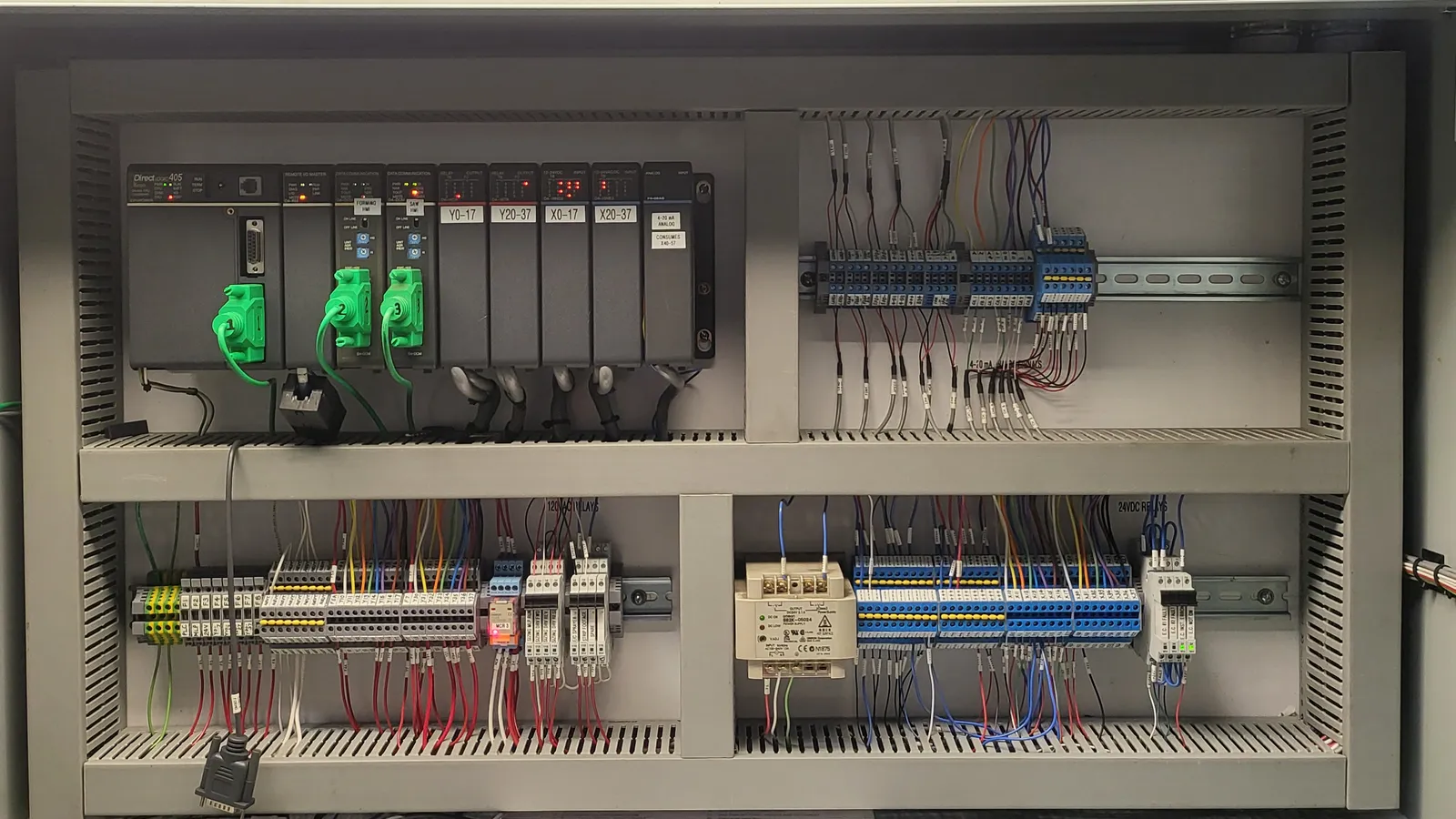
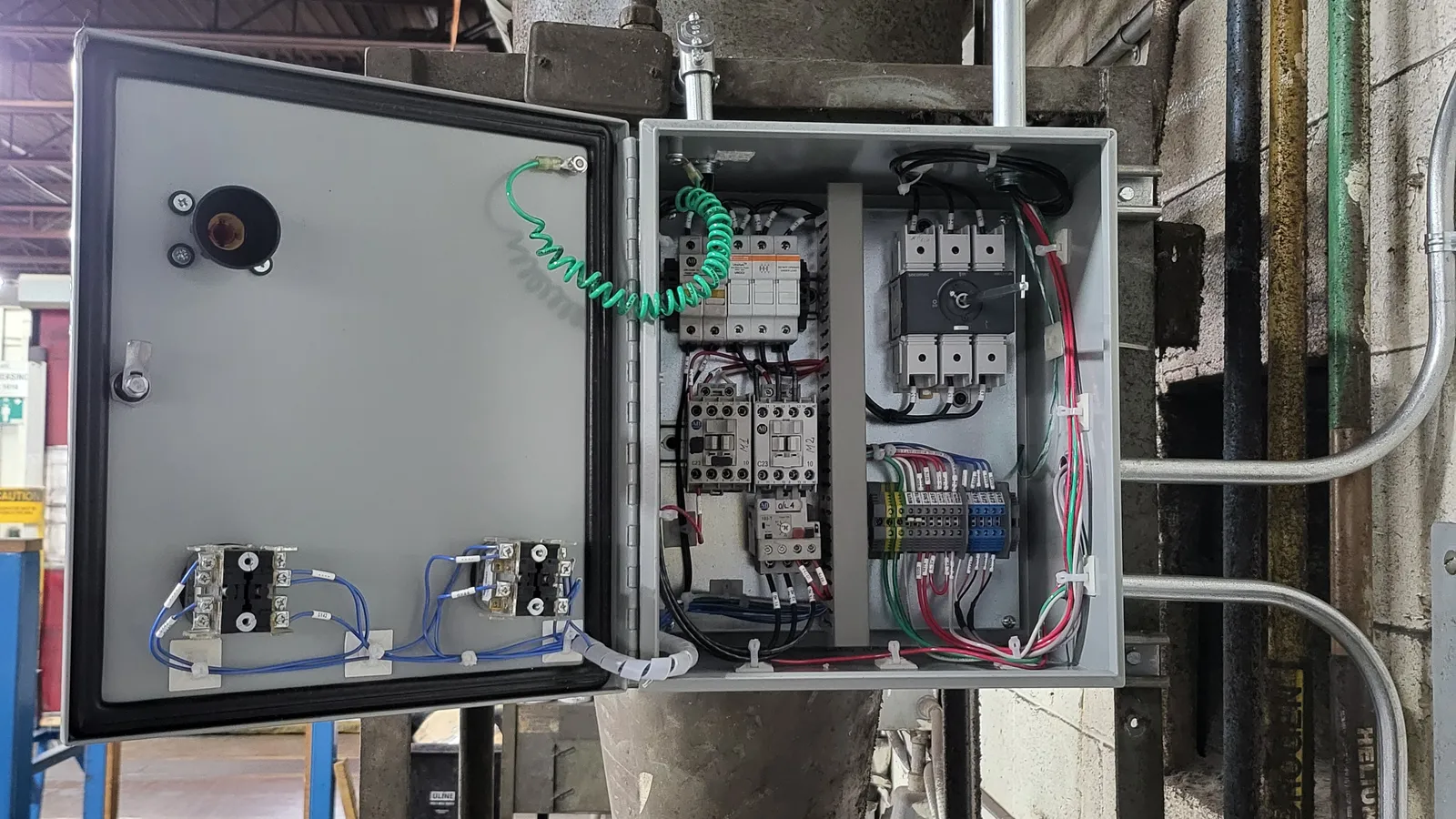
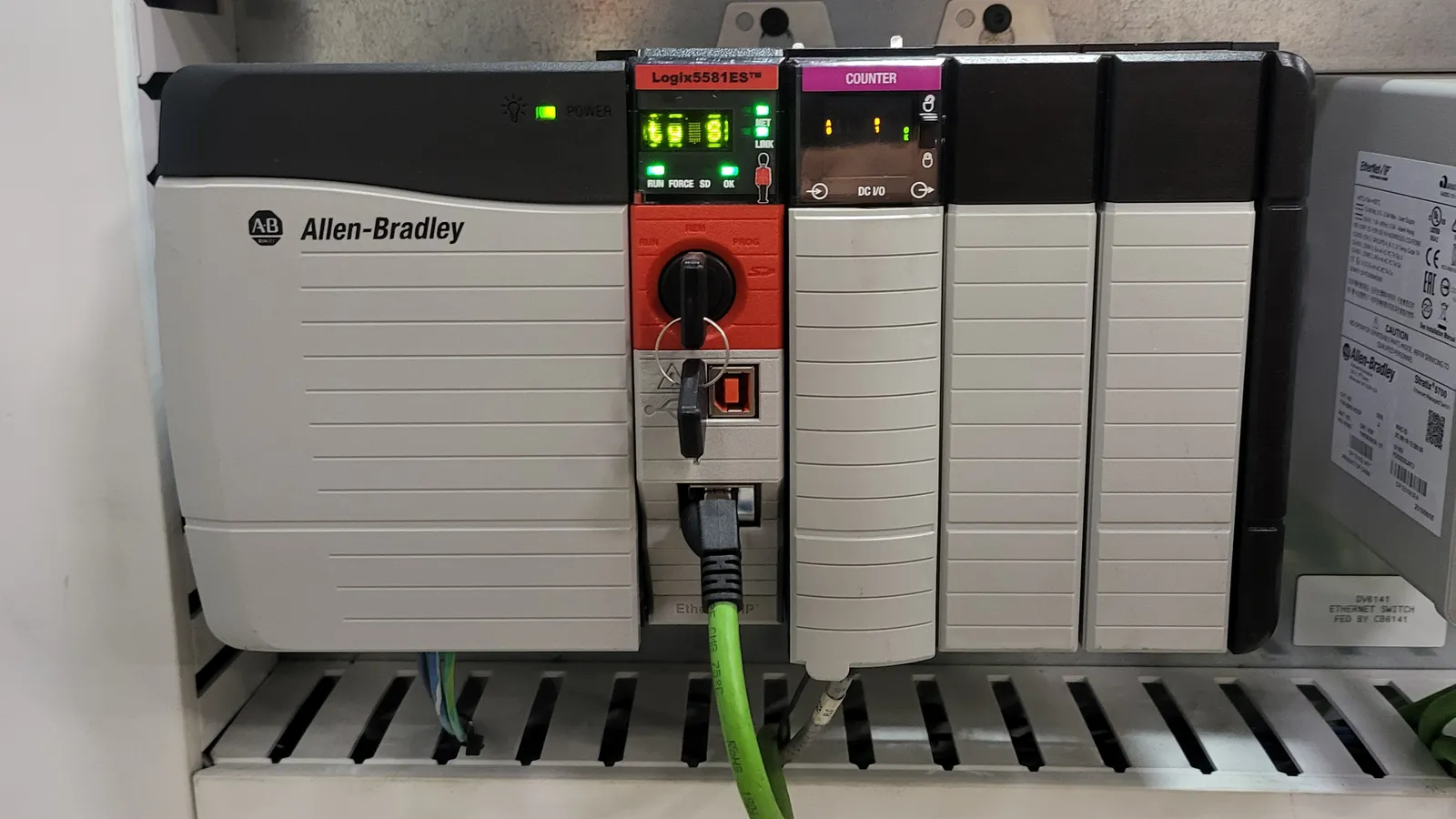
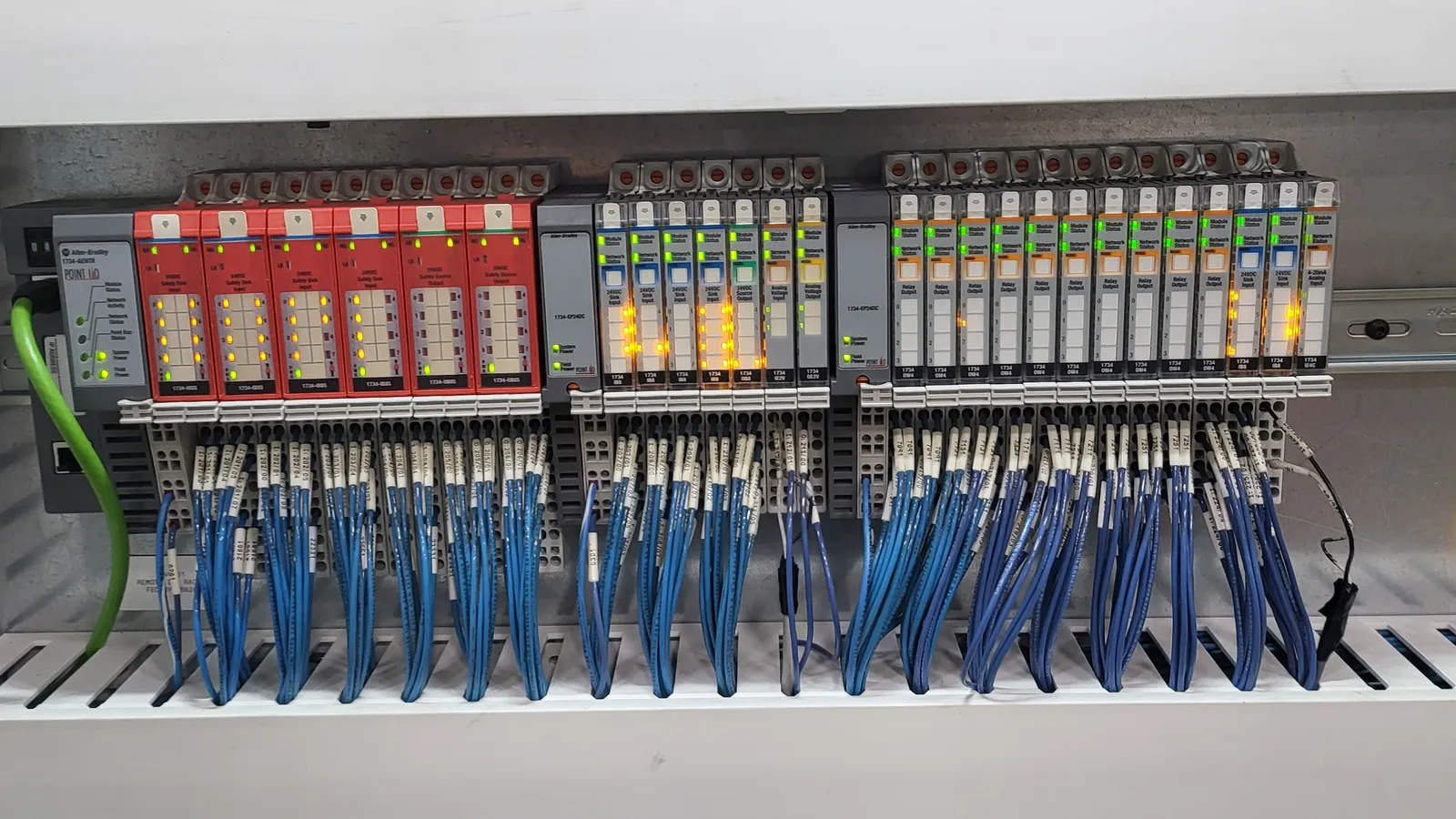
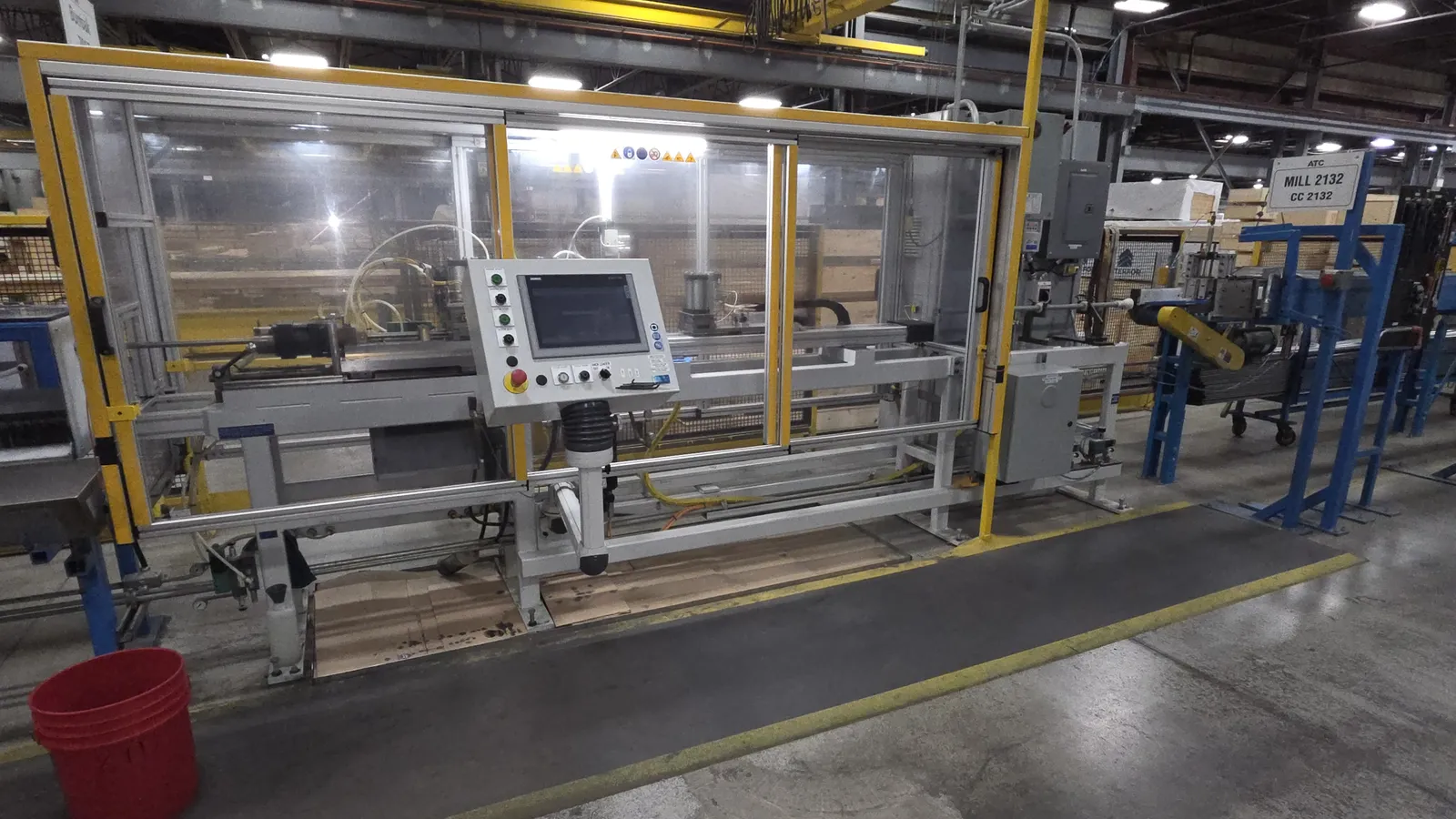
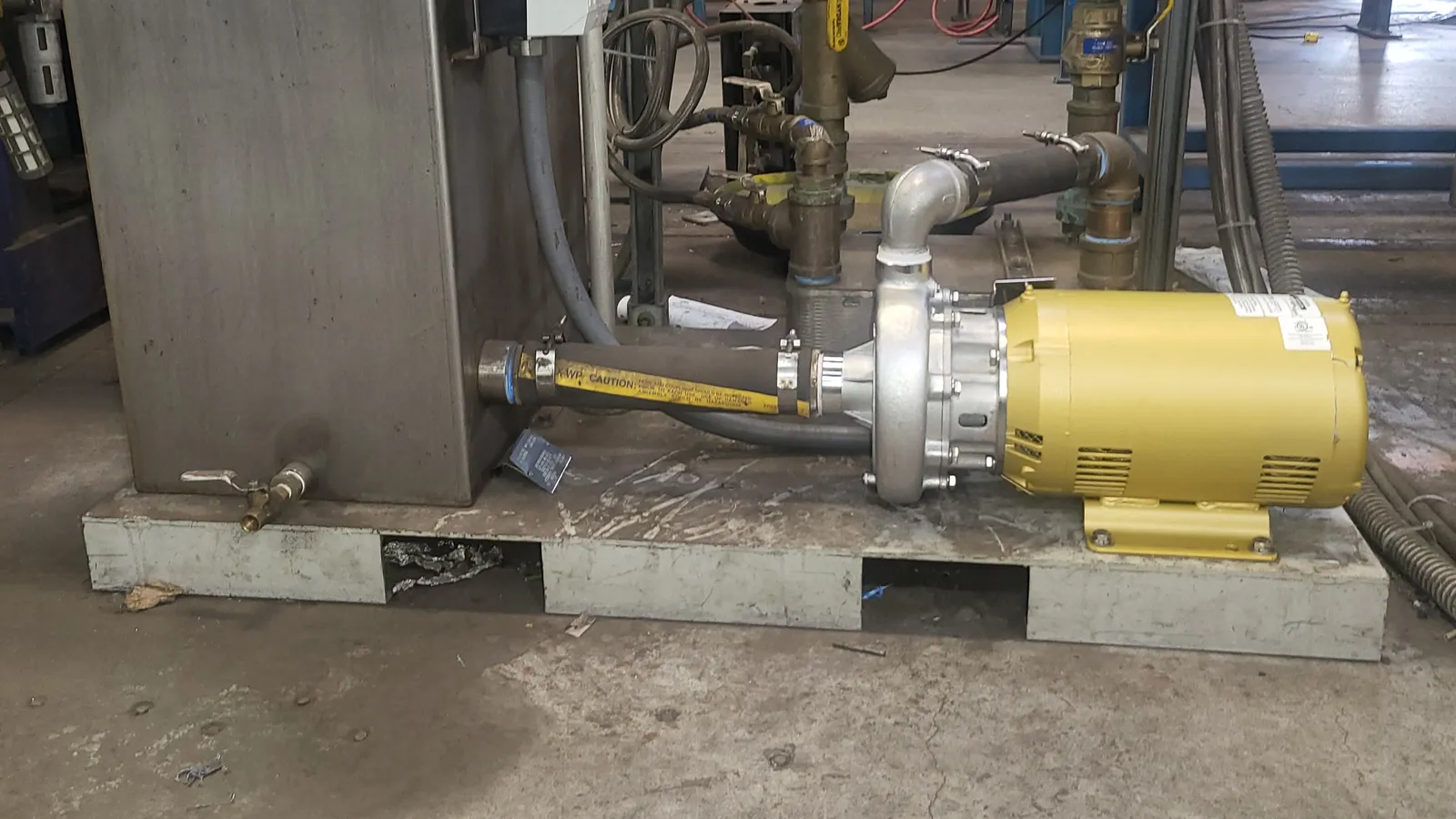

When Small Grounding and Bonding Defects Start Creating Big Electrical Risk
Inspect the details many people ignore before they contribute to equipment damage, poor fault clearing, and expensive troubleshooting
Grounding and bonding defects are dangerous partly because they often do not announce themselves clearly.
A facility can keep operating while the grounding path is weak, while a bonding jumper is missing, or while one enclosure is no longer bonded the way it should be. That is why these issues are so often dismissed as minor. The system may look fine until a fault, transient, or equipment problem exposes how weak the grounding and bonding structure really is.
In industrial facilities across Toronto and the GTA, this service is especially important where equipment has been modified over time, where panels and disconnects have been replaced or extended, where metallic raceways and enclosures have been reworked, or where nobody has real confidence in the continuity and integrity of the fault path anymore.
This matters because grounding is not just about “being safe in general.” Schneider’s guidance specifically says system grounding affects voltage transient susceptibility and protection requirements. In other words, these details influence how the electrical system behaves during abnormal conditions, not just during ideal operation. If the grounding and bonding arrangement is weak or wrong, the problem may show up as harder-to-explain failures, nuisance issues, protection concerns, or damage that seems to come from somewhere else.
You may need grounding and bonding inspection if the facility has aging infrastructure, mixed generations of equipment, uncertain service modifications, unexplained electrical behavior, or critical systems where a bad fault path would be too expensive to discover the hard way. These inspections are also valuable after upgrades and layout changes, because “small” grounding mistakes are common when systems evolve over time.
The expensive part is not the inspection. The expensive part is what happens when a neglected grounding or bonding defect helps a larger event develop. A fault that should have cleared cleanly can become a larger repair. A protection problem can become equipment damage. A continuity problem can waste hours of troubleshooting because the real issue sits in a place nobody first wants to suspect.
ESA has continued publishing Ontario grounding and bonding updates and discussion, including 2024 Code changes and best-practice content around bonding and grounding errors. That fits the real field situation: these details are still commonly misunderstood, still commonly installed incorrectly, and still capable of creating serious consequences when ignored.
Grounding and bonding inspection in Toronto, Mississauga, Vaughan, Markham, and across the GTA helps industrial clients find the quiet defects before those “small details” help create major repairs, long troubleshooting sessions, or avoidable operational risk.
Bonding Looks Like a Small Detail but Faults Depend on It
A weak or missing bond can quietly undermine how safely and effectively the system responds during a fault.
Equipment Has Been Modified Over Time
Changes to panels, raceways, disconnects, and machinery often create grounding and bonding defects nobody notices at first.
Ground Fault Path Confidence Is Low
If the return path is uncertain, protective devices may not behave the way the system is depending on them to.
Metal Enclosures and Structures Need Continuity Verification
Bonding continuity matters because isolated metal parts can create hidden safety and troubleshooting problems.
Electrical Behavior Has Been Unreliable or Hard to Explain
Grounding and bonding weaknesses can hide behind other symptoms and make problems appear to come from somewhere else.
Service and Distribution Equipment Are Aging
Older systems deserve closer grounding and bonding review before deterioration contributes to more expensive failure.
Small Defects Can Lead to Big Repairs
The danger of grounding and bonding problems is that they often stay “small” until the day they help create a major event.
Facility Upgrades Need the Grounding Side Verified Too
Expansion work is one of the most common times for hidden bonding errors to be introduced into the system.
WHY CHOOSE US
Why Industrial Clients Choose Us
We focus on practical industrial electrical solutions rather than temporary fixes, ensuring your power systems, equipment, and production infrastructure operate safely and reliably under real operating conditions. Every project is completed with careful planning, proper equipment selection, and close attention to long-term performance, system stability, and operational continuity.
Our approach eliminates unnecessary work and is based on accurate diagnostics, field-tested methods, and a clear understanding of how industrial facilities actually run, so you only invest in the work your system truly requires. We prioritize safety, efficiency, code compliance, and clean execution on every job, whether it involves troubleshooting, upgrades, installations, or power distribution improvements.
As a result, you receive a dependable, code-compliant industrial electrical system that supports your facility today, reduces the risk of costly downtime, and is properly prepared for future production demands, equipment expansion, and higher power requirements.
Licensed & Insured
All work is performed by qualified, fully insured electricians, ensuring safety, accountability, and compliance with all regulations.
ESA certified work
Every project includes permits and ESA inspection, guaranteeing that the installation meets Ontario Electrical Safety Code requirements.
Professional installations
We install panels with precise wiring, proper layout, and clear labeling, making the system safe, accessible, and easy to maintain.
Transparent pricing
You receive clear pricing based on the actual scope of work, with no hidden costs or unexpected changes during the entire project.
Fast scheduling
We schedule work efficiently and arrive on time, minimizing downtime and ensuring your electrical system is restored as quickly as possible.
Accurate calculations
We calculate electrical demand based on real usage, ensuring your panel is properly sized for both current and future electrical needs.
Code-compliant work
All installations strictly follow current electrical code requirements, ensuring safety, inspection approval, and long-term system reliability.
Reliable workmanship
Our experience allows us to deliver consistent, high-quality results that perform reliably under real operating conditions over time.
CODE & SAFETY REQUIREMENTS
Ontario Electrical Safety Code Compliance
The Ontario Electrical Safety Code (OESC) sets the minimum legal safety requirements for electrical installations and electrical work in Ontario.
For grounding and bonding inspection, Code relevance is direct. Schneider’s electrical distribution design guide states that system grounding is extremely important because it affects transient behavior and protection requirements, and ESA’s 2024 Ontario amendments revised the definitions of “solidly grounded systems” and “system bonding jumper” in Rule 10-004. Those updates reinforce that grounding and bonding are not minor drafting details. They are active parts of safe system design and fault performance.
Grounding and bonding inspections do not replace Code compliance. They help verify whether the installed system still appears to support the kind of safe, effective fault-clearing and equipment bonding performance the Code expects. This matters because neglected grounding and bonding weaknesses can remain hidden while the system is operating normally, then become expensive and dangerous when an actual fault occurs.
Every grounding and bonding inspection should be approached with safe access planning, proper understanding of the grounding method in use, and careful follow-up when defects are found. Where inspection findings lead to repair, jumper replacement, grounding conductor correction, equipment bonding correction, or related electrical work, that corrective work should comply with the current Ontario Electrical Safety Code and ESA requirements.
Rules commonly applicable to grounding and bonding inspection
-
Rule 2-022 — Approved electrical equipment
Electrical equipment used in Ontario must be approved in accordance with Code requirements. This includes equipment and connection components that form part of grounding and bonding arrangements. -
Rule 2-024 — Approval requirements for electrical equipment
Equipment maintained and repaired in Ontario must be approved to recognized standards and accepted for use in Ontario. -
Rule 2-300 — General requirements for maintenance and operation
Electrical equipment must be maintained in safe working condition. This is directly relevant where bonding continuity, grounding condition, or fault-return integrity may have degraded over time. -
Rule 2-304 — Disconnecting means shall be provided
Suitable disconnecting means must be available so equipment can be isolated safely for follow-up grounding or bonding corrective work where needed. -
Rule 2-308 — Live parts guarding
Live electrical parts must be guarded against accidental contact, especially where inspection access to service or distribution equipment is involved. -
Rule 2-314 — Working space around electrical equipment
Clear access around service equipment, switchboards, panels, and related assets is essential for safe inspection and corrective work. -
Rule 10-002 — Grounding and bonding requirements
Effective grounding and bonding are essential to safe electrical operation. This is the most directly relevant Code area for the service. -
Rule 10-004 — Definitions related to grounding and bonding
ESA’s Ontario amendments note updated definitions for solidly grounded systems and system bonding jumper in the 2024 code cycle, showing continued Code attention to grounding method and bonding language. {index=6} -
Rule 14-100 — Protection of conductors by overcurrent devices
Correct fault-clearing behavior depends on a sound electrical system, and grounding and bonding defects can compromise how effectively protection operates under fault conditions. -
Rule 14-104 — Rating / coordination of overcurrent protection
Protection coordination is meaningful only when the broader system, including grounding and bonding, supports proper operation during abnormal conditions. -
System grounding considerations
Eaton explains that system grounding is a major electrical design consideration and distinguishes between solidly grounded, ungrounded, and resistance-grounded systems, all of which have implications for fault behavior and protection. -
Rule 2-004 — Notification of work / ESA inspection process
If inspection findings lead to electrical repair or replacement work that requires notification, the required ESA process must be followed before the installation is returned to service.
Note: Rule selection may vary depending on whether the inspection is focused on service bonding, system grounding method, equipment grounding conductors, bonding jumpers, metallic raceway continuity, or industrial equipment bonding. ESA’s podcast and amendment materials also show that bonding and grounding errors remain a live Code and field issue in Ontario.
COMMON QUESTIONS
FAQ — FAQ — Grounding and Bonding Inspection
1. Why is grounding and bonding inspection important?
Because grounding and bonding problems are often treated like small details even though they can quietly contribute to fault-clearing problems, equipment stress, safety issues, and expensive troubleshooting later.
2. What is the difference between grounding and bonding?
Grounding relates to the system’s grounding connection and reference to ground, while bonding is about electrically connecting conductive parts together so continuity and fault-return integrity are maintained. Schneider specifically describes system grounding as a major design issue that affects protection and transient behavior.
3. Can a grounding or bonding defect exist even if the equipment still runs?
Yes. That is one of the main reasons these problems are underestimated. The system may appear normal until a fault or abnormal condition exposes the weakness.
4. What kinds of problems can weak bonding cause?
Weak or missing bonding can contribute to poor fault-return paths, unpredictable protection behavior, hidden safety risks, equipment problems, and long troubleshooting sessions.
5. Why do these issues become expensive?
Because the grounding or bonding defect itself may look minor, but it can help turn a later fault into a larger repair, more downtime, or a harder-to-diagnose electrical event.
6. Is this service useful after equipment modifications or facility upgrades?
Yes. Modifications are one of the most common times for hidden grounding and bonding defects to be introduced into the system.
7. Can service and distribution equipment benefit from this inspection?
Yes. Service equipment, switchboards, panels, disconnects, transformers, and equipment zones can all benefit when grounding and bonding integrity is important to safe operation.
8. Does Ontario Code still actively address grounding and bonding details?
Yes. ESA’s 2024 Ontario amendments revised definitions related to solidly grounded systems and system bonding jumper, showing that grounding and bonding remain active Code topics.
9. Is this only about shock safety?
No. It is also about protection performance, system behavior under fault conditions, equipment reliability, and preventing “small” electrical defects from helping create larger failures.
10. Can this service help with difficult electrical troubleshooting cases?
Yes. Grounding and bonding weaknesses can hide behind other symptoms, so inspection can be very valuable when electrical behavior has been unreliable or hard to explain.
11. Does grounding and bonding inspection itself replace Code compliance?
No. It supports safe maintenance and system review, but any corrective work still has to comply with applicable Ontario Electrical Safety Code and ESA requirements.
12. Why do serious facilities inspect grounding and bonding before a fault proves there is a problem?
Because waiting for the fault is usually the expensive way to learn that a “small detail” was actually a critical part of the electrical system.
SERVICE AREAS
Serving Toronto & the Greater Toronto Area
We provide residential, commercial, and industrial electrical services across Toronto and the GTA, supporting homes, businesses, and facilities with reliable and code-compliant electrical solutions.
Our service coverage includes major cities and surrounding areas, allowing us to respond quickly and deliver consistent service across the region.
Toronto
North York
Thornhill
Richmond Hill
Vaughan
Markham
Scarborough
Etobicoke
Mississauga
Brampton
ADDITIONAL SERVICE AREAS
Hamilton
Oakville
Burlington
Milton
Georgetown
Pickering
Ajax
Whitby
Oshawa
Clarington
Aurora
Newmarket
Bradford
King City
Barrie