
Toronto & GTA Electrical Contractor
Energy Consumption Analysis in Toronto, Mississauga, Markham, Richmond Hill, New Market, Aurora, Brampton & GTA
Industrial electrical work — installations, upgrades, troubleshooting, maintenance, and code-compliant solutions.
Licensed & Insured
Fast Response
Code-Compliant Work

ADVANCED ENERGY CONSUMPTION ANALYSIS
What We Do
We provide advanced energy consumption analysis for industrial facilities, commercial buildings, refrigeration operations, production plants, workshops, process environments, and electrically intensive properties across Toronto and the GTA.
This service is built for clients who know the electrical bill is high, the equipment load is significant, or the operating cost no longer makes sense, but do not yet have a clear data-backed answer for where the energy is actually going. That is the core purpose of energy consumption analysis. It is not a generic “energy audit” conversation. It is a focused technical service designed to identify how electricity is being used across the site, when it is being used, which loads are driving the cost, where the waste is hiding, and which assumptions about consumption are wrong.
Many businesses lose money for years because they think they already understand their electrical consumption. They assume the biggest machine is the biggest energy user. They assume the system only draws heavily during production hours. They assume the bill is high because hydro is high and nothing can be done. They assume a small process load is insignificant because it is physically small. They assume if a motor is running, it must be running efficiently. They assume that if the lights and equipment are “normal,” then the electrical profile must also be normal. Those assumptions are often exactly what keeps the site from finding the real waste.
A facility can have hidden electrical waste in many forms. Equipment may run unloaded or partially loaded for too long. Refrigeration and HVAC loads may cycle badly. Fans and pumps may run at the wrong times or at the wrong duty. Compressors may stage inefficiently. Shift changes may leave loads energized when production is idle. One process may create expensive peaks that affect the whole billing structure. Harmonics, unbalance, or poor power conditions may add extra stress and losses. A transformer or feeder may be carrying a pattern of demand no one has ever actually measured. This is why real energy analysis matters. The money is often not lost in one dramatic problem. It is lost in the gap between what the customer thinks is happening and what the electrical system is actually doing.
Our energy consumption analysis service is designed to close that gap using real measurement data. We use proper three-phase measurement tools, including the Fluke 1777 power quality analyzer, to examine active power, apparent power, current behavior, load timing, energy patterns, peak periods, imbalance conditions where relevant, and broader electrical operating behavior that influences energy cost. Fluke also provides support material for the 1775/1777 Energy Loss Calculator, specifically describing it as a tool that helps identify where energy losses exist in an electrical system. That is highly relevant to this service because many customers are not just asking how much energy they use. They are asking where the wasted portion is hiding and which parts of the system deserve corrective attention first.
This service is especially important because electrical consumption is not only about total kWh. It is also about timing, demand shape, load interaction, and the relationship between electrical behavior and site operation. A building may use a reasonable amount of energy overall but still spend too much because the demand profile is wrong. A production facility may have a manageable average load but very expensive peaks. A refrigeration site may run equipment in a pattern that creates cost far beyond what the owner expects from the visible process. A workshop may have large weekend or overnight base load that nobody notices because the site is “closed.” A commercial-industrial building may carry multiple mixed loads, and no one knows which tenant, panel, feeder, or process is driving the waste. Energy consumption analysis is how you separate story from data.
We use this service to answer practical questions clients actually care about. What is consuming the most electricity? When does the site draw the most power? What is the overnight base load? How much demand stays active when the building is supposed to be idle? Which operating periods create the biggest peaks? Are motors, compressors, HVAC systems, refrigeration systems, heaters, welders, process lines, or other loads driving the cost structure more than expected? Is one phase working harder than the others? Is equipment cycling in a way that wastes energy? Are there losses or demand patterns that point to control or sequencing problems? Is the electrical bill high because of true productive work, or because the site is carrying avoidable electrical burden in the background?
This is where real measurement becomes valuable. A bill tells you what you paid. A proper energy consumption analysis helps explain why. That difference is enormous. A bill cannot show you which machine created the peak, which load stayed on all night, which panel is carrying hidden base load, which piece of equipment runs longer than expected, or whether the demand profile matches the way the site says it operates. Only monitored load data can do that properly.
Natural Resources Canada promotes energy management for industry as a strategy for continuous improvement of energy performance, and its industrial energy efficiency resources are built around the idea that better measurement and management create better decisions. Ontario’s NRCan energy management for industry resources and industrial facility support materials both reinforce that serious industrial energy work starts with understanding real system performance rather than guessing at it. The IESO Industrial Energy Efficiency Program and broader Ontario demand-side management materials also show that industrial process improvement and system optimization remain active priorities in Ontario. That matters because energy consumption analysis is often the first step that makes later optimization, efficiency, and business-case decisions possible.
We also treat this service as an electrical analysis, not just a spreadsheet exercise. That is important. Some sites have high energy cost because the process genuinely uses a lot of electricity. Others have high cost because the electrical system behaves badly. The difference matters. If poor phase balance, harmonic stress, unstable control of large loads, or incorrect sequencing is helping drive energy loss, then the site does not only need a bill review. It may need broader corrective work. That is why energy consumption analysis often connects naturally to related services such as power quality diagnostics, phase balance optimization, load profile & capacity monitoring, or power factor correction.
Another major strength of this service is uncovering the difference between productive energy and wasted energy. Not every kilowatt is bad. If a machine is producing value, the energy cost may be justified. But many facilities carry energy consumption that is not adding useful output. Fans may run against closed dampers. Pumps may circulate when the process does not need them. Electric heat may overlap with cooling behavior. Compressors may cycle badly due to leaks or control issues. Conveyors may remain energized between active process periods. Refrigeration defrost or staging may be happening at the wrong times. Operators may not realize how much load remains alive outside core hours. When customers say, “our hydro bill feels too high,” this is very often the layer of reality they have never actually measured.
The service is also useful when the customer wants to plan expansion. Before adding new equipment, new tenants, new production lines, or major new electrical loads, it helps to know the truth about present consumption. Some clients assume they are near capacity when the monitored profile shows large idle margin. Others assume they have room when the actual load shape shows strong peaks that leave much less headroom than expected. That is why energy consumption analysis is not only about cutting cost. It is also about understanding whether the present electrical system is being used well, poorly, or dangerously close to its operating limits at the wrong times.
Fluke’s Energy Analyze software release information specifically references Energy Study and Load Study views, which is relevant because serious energy analysis depends on looking at both the load behavior and the energy behavior over time, not just instantaneous readings. In real field work, that means we can correlate what the system draws with what the site is actually doing. If production starts at 6 a.m., the graph should show it. If a process shuts down overnight, the energy pattern should confirm it. If the base load stays much higher than expected, that usually tells an expensive story.
This service is highly valuable for industrial and commercial customers who need stronger internal decision-making. Sometimes management knows the bill is wrong but cannot prove why. Sometimes operations thinks the plant is efficient but maintenance suspects otherwise. Sometimes a customer wants to justify electrical upgrades with measured evidence. Sometimes tenants or departments need to understand relative usage. Sometimes the site is preparing for an energy project, financing discussion, or efficiency investment and needs a real baseline first. In all of those cases, energy consumption analysis gives the customer something much more useful than opinion. It gives them measured electrical reality.
From a standards perspective, measurement quality also matters. IEEE 1459-2025 continues the IEEE framework for defining electric power quantities under sinusoidal, nonsinusoidal, balanced, and unbalanced conditions. That is important because real facilities are not always ideal sinusoidal environments, and meaningful electrical analysis depends on understanding what kind of power quantities are being measured and interpreted. In practice, that means the service is grounded in real electrical measurement logic, not casual estimation.
Ontario code awareness matters here too. ESA states that the 2024 Ontario Electrical Safety Code took effect on May 1, 2025. Energy consumption analysis itself is a measurement and analytical service, but the findings often lead toward code-sensitive follow-up work involving feeders, phase loading, service capacity, capacitor banks, grounding and bonding review, control changes, or distribution improvements. That is another reason we treat this service as a serious technical diagnostic and planning service instead of a simple “energy report.”
The biggest value of energy consumption analysis is that it reveals the electrical truth of the site. It shows what is really driving the bill, what is staying on when it should not, what is peaking harder than expected, what is wasting energy in the background, and what changes would likely matter most. It helps customers stop blaming the wrong loads, stop making upgrades in the dark, and stop treating high consumption like a mystery that nobody can solve. In many facilities, the hidden electrical waste is not small. It has simply never been measured clearly enough to force the right conversation.
That is why this service matters so much. If you want to reduce electrical cost intelligently, plan future electrical work properly, and understand how your site is actually consuming energy, energy consumption analysis is not optional background work. It is the foundation for every serious decision that comes after.
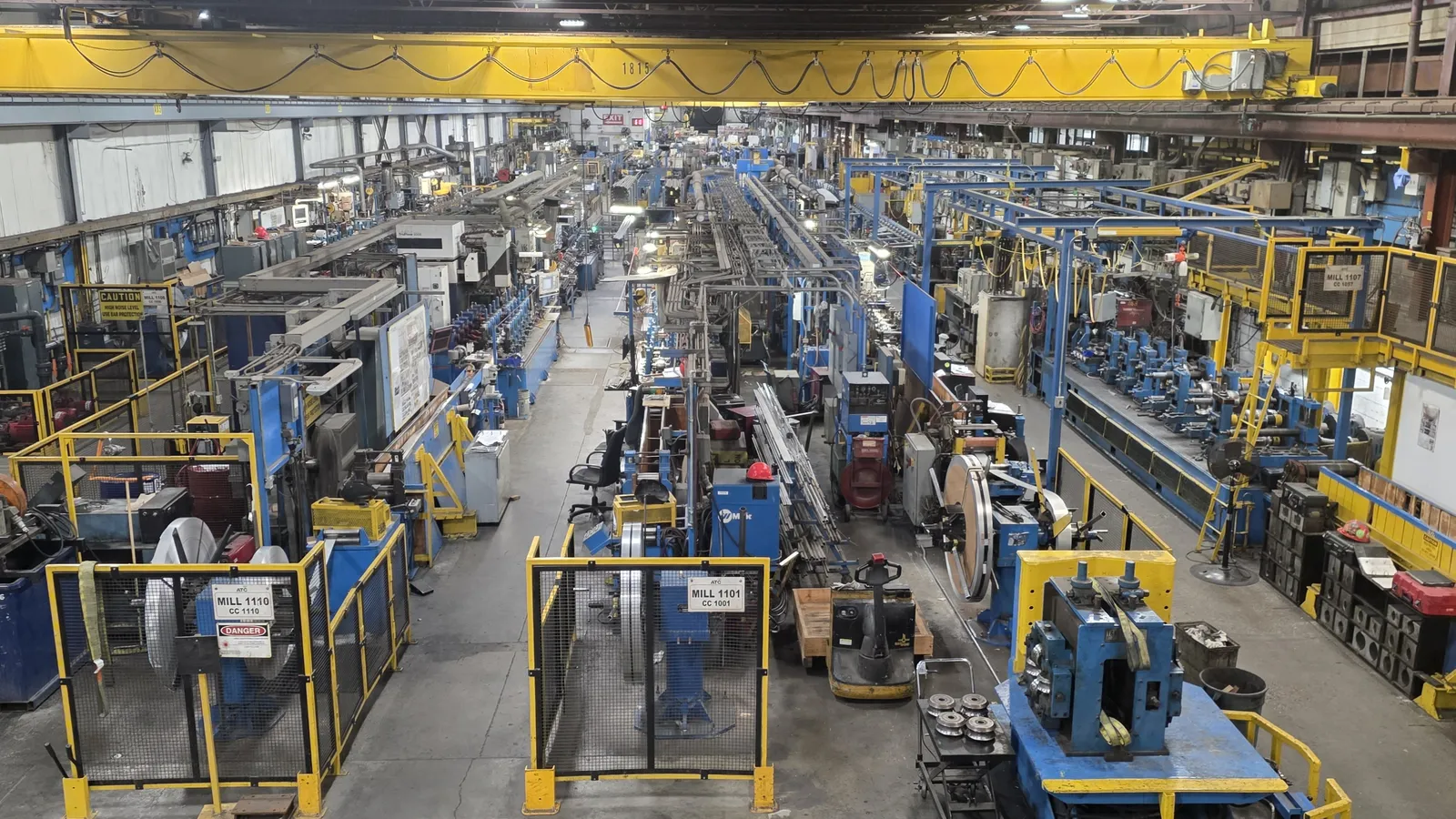
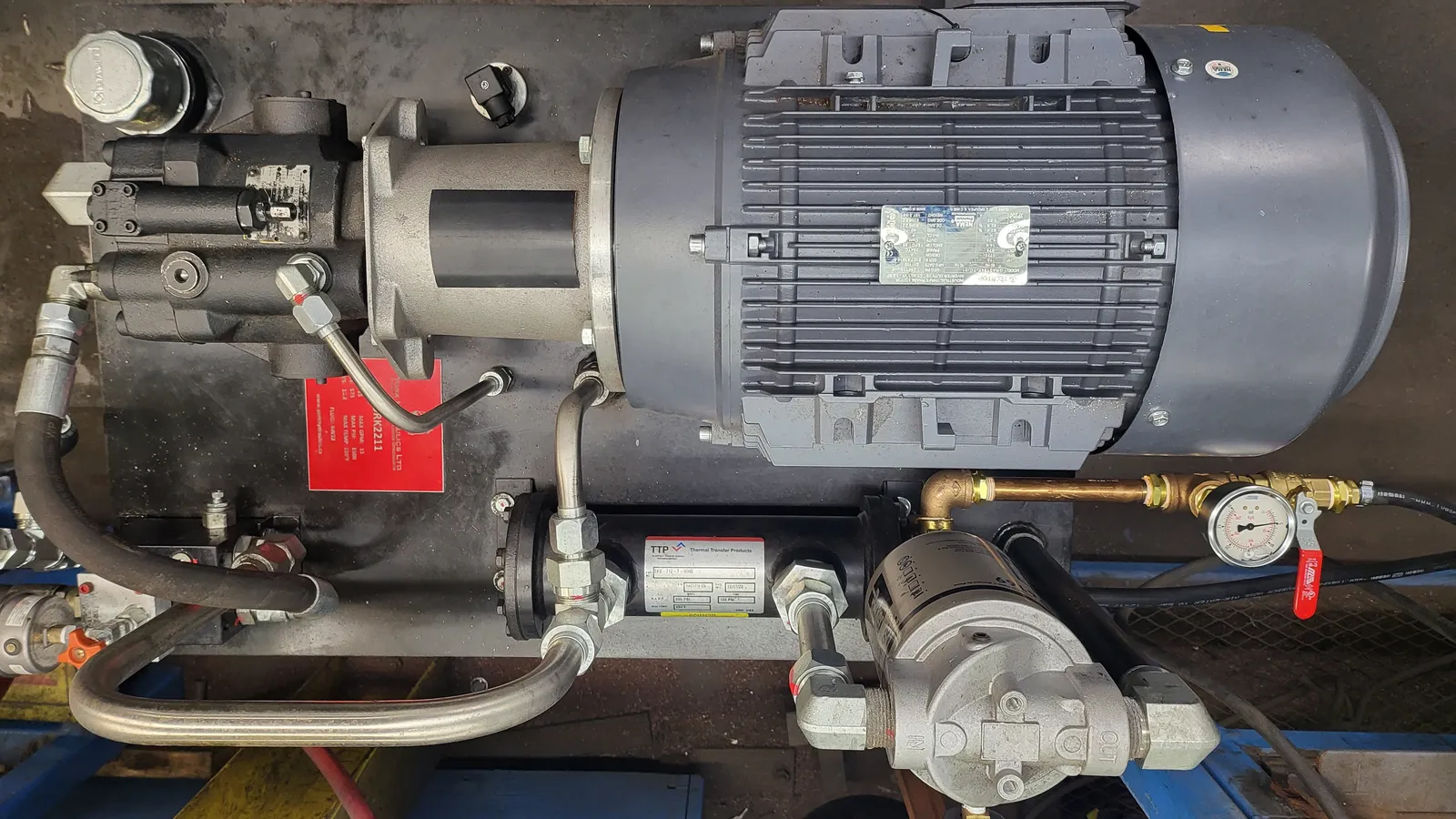
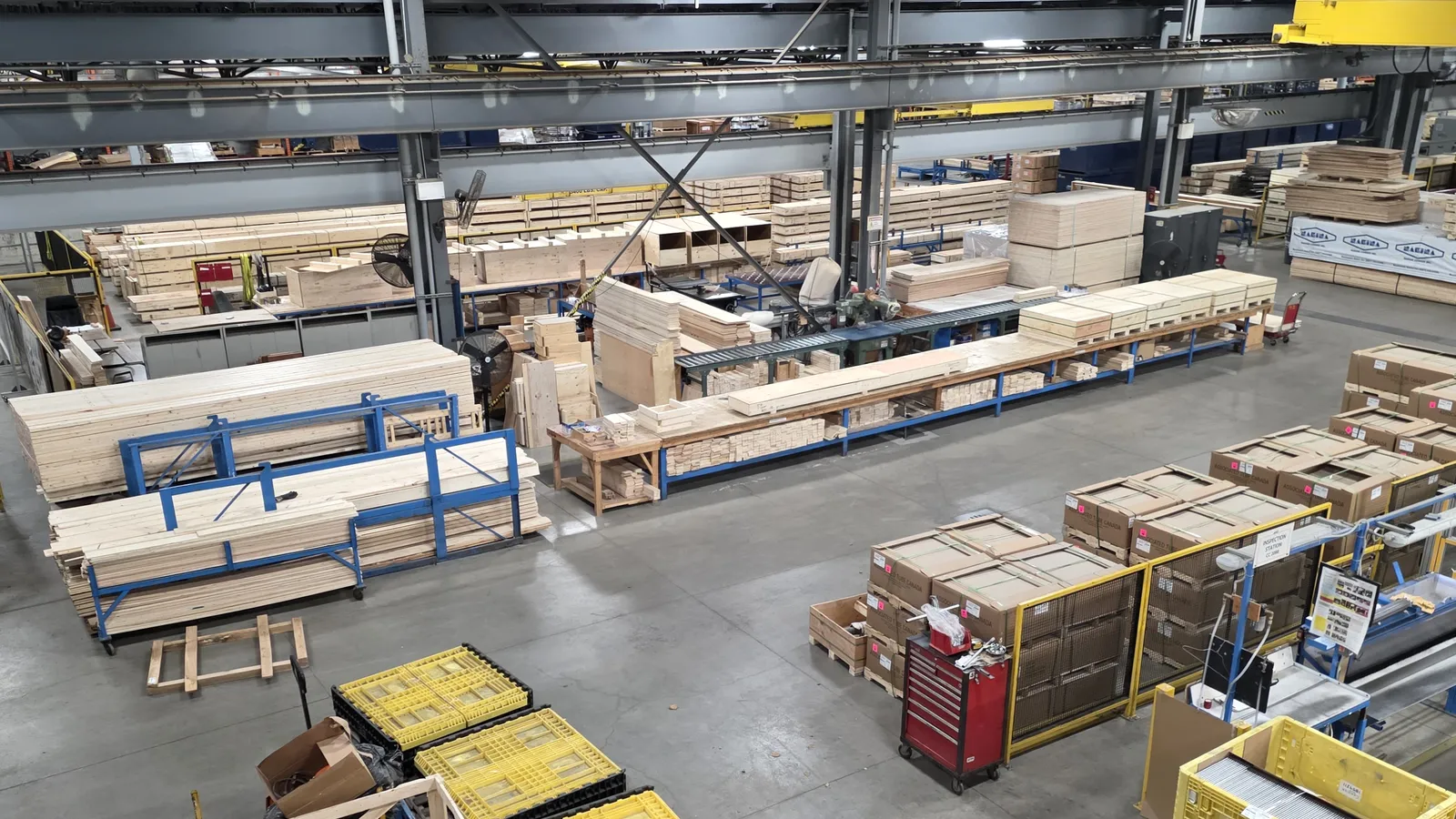

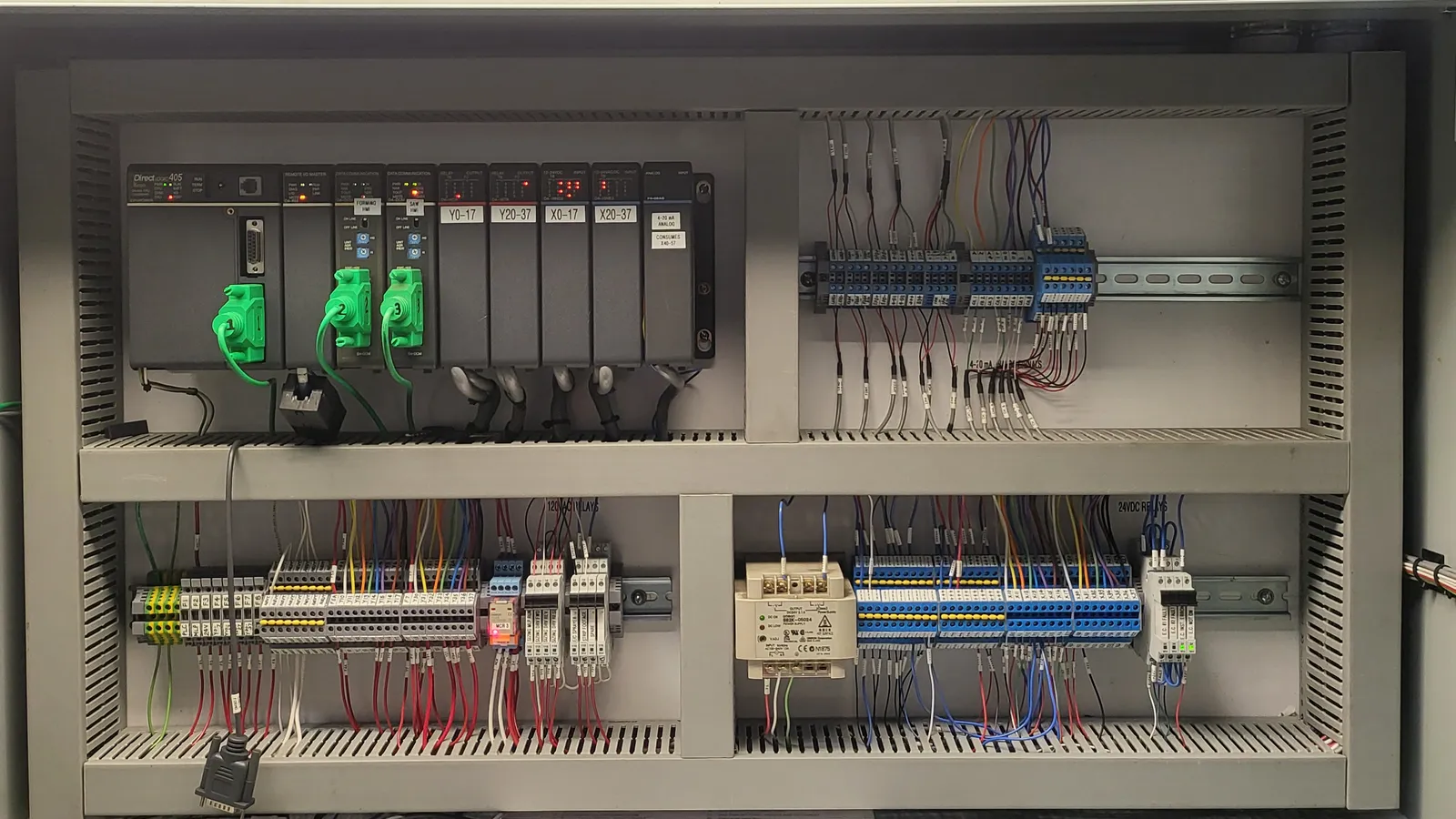
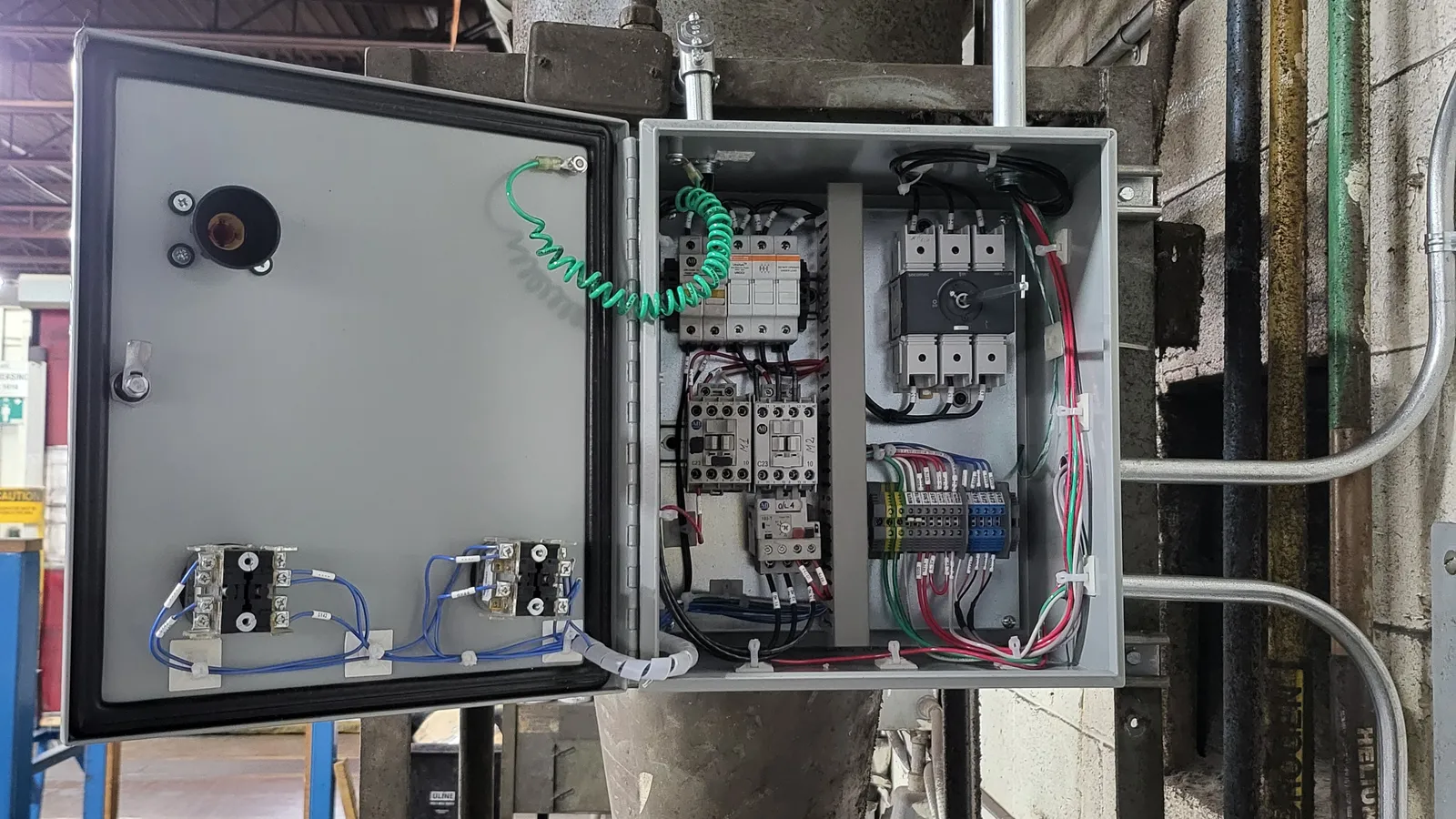
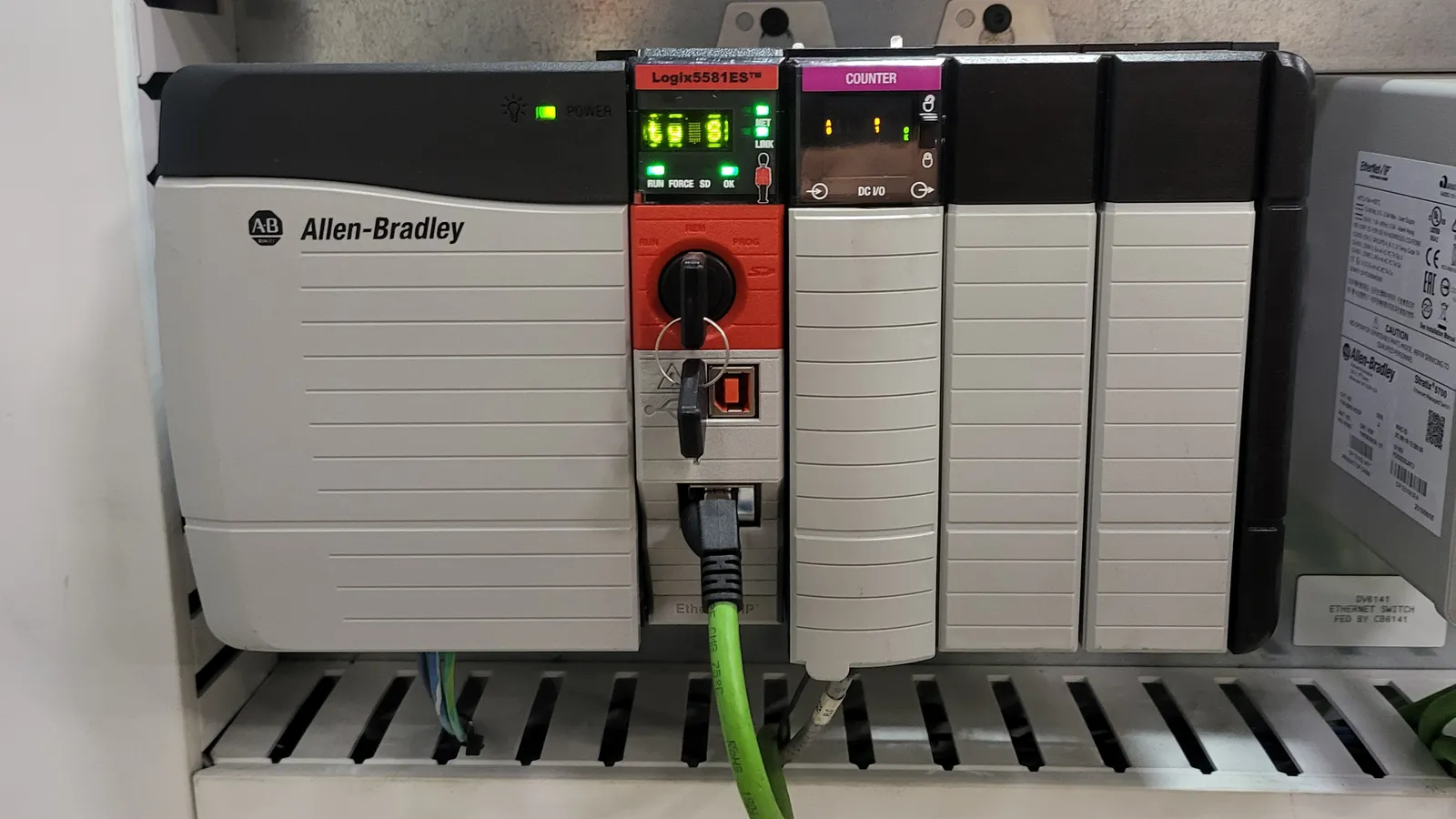
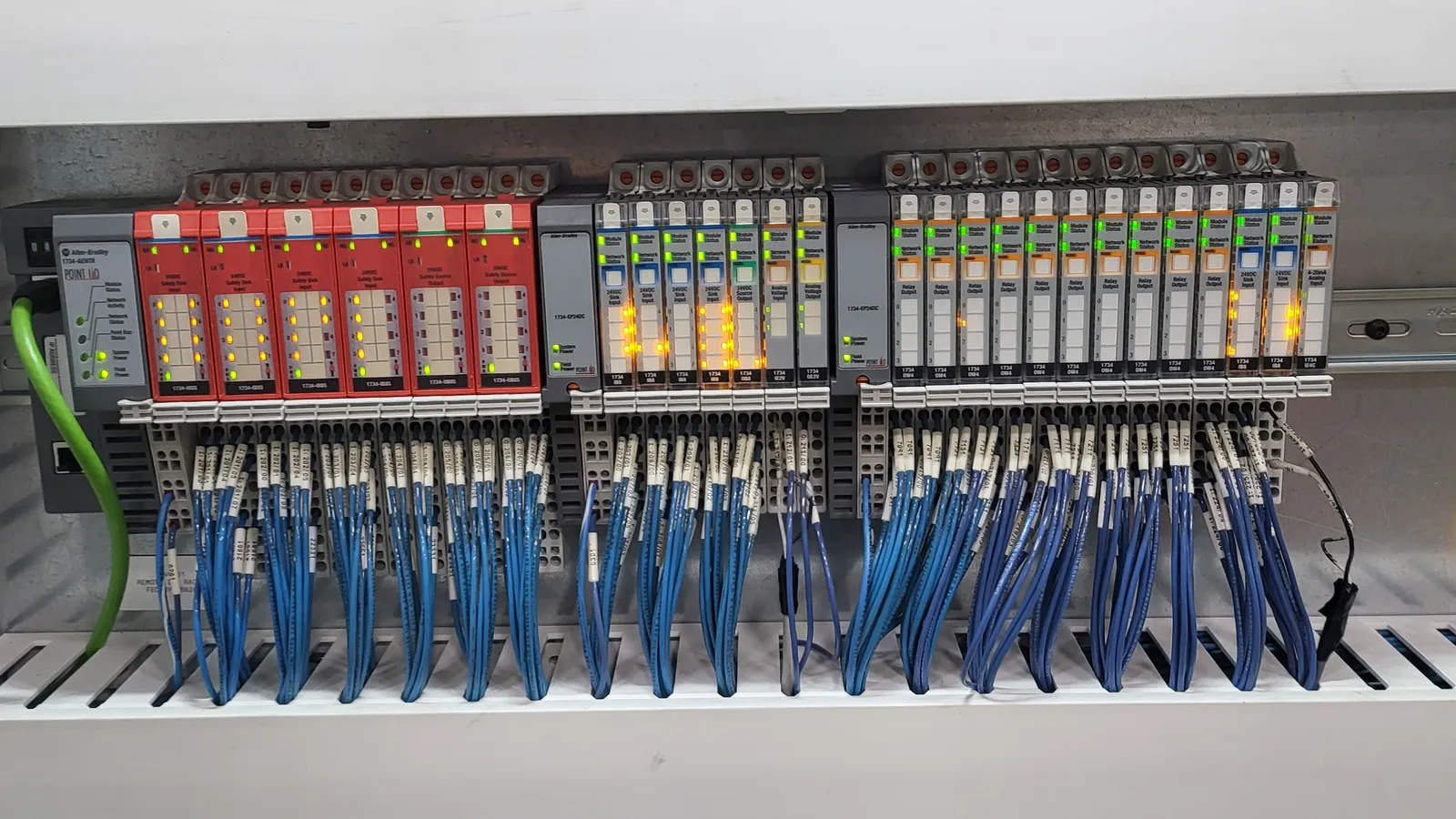
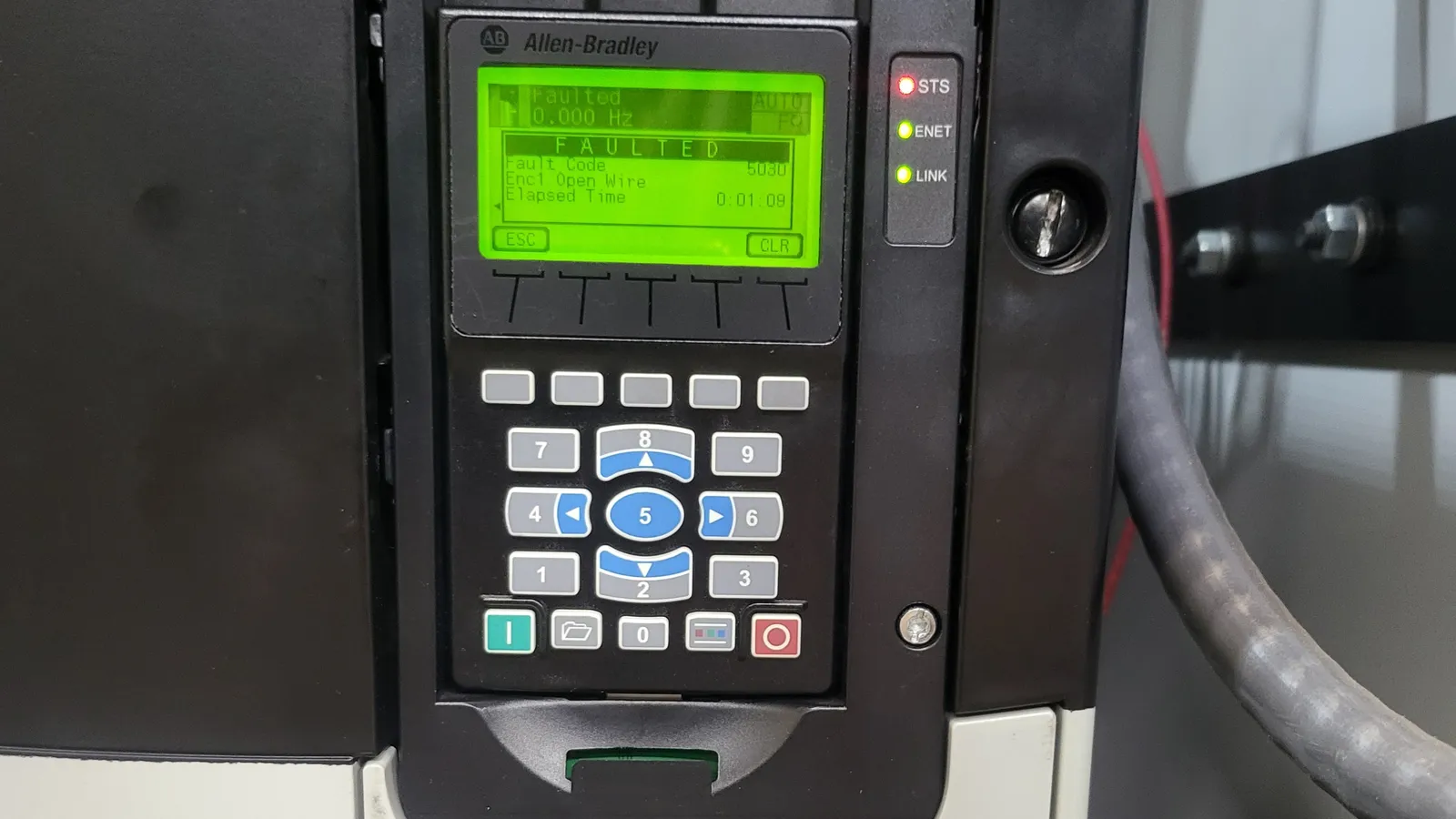
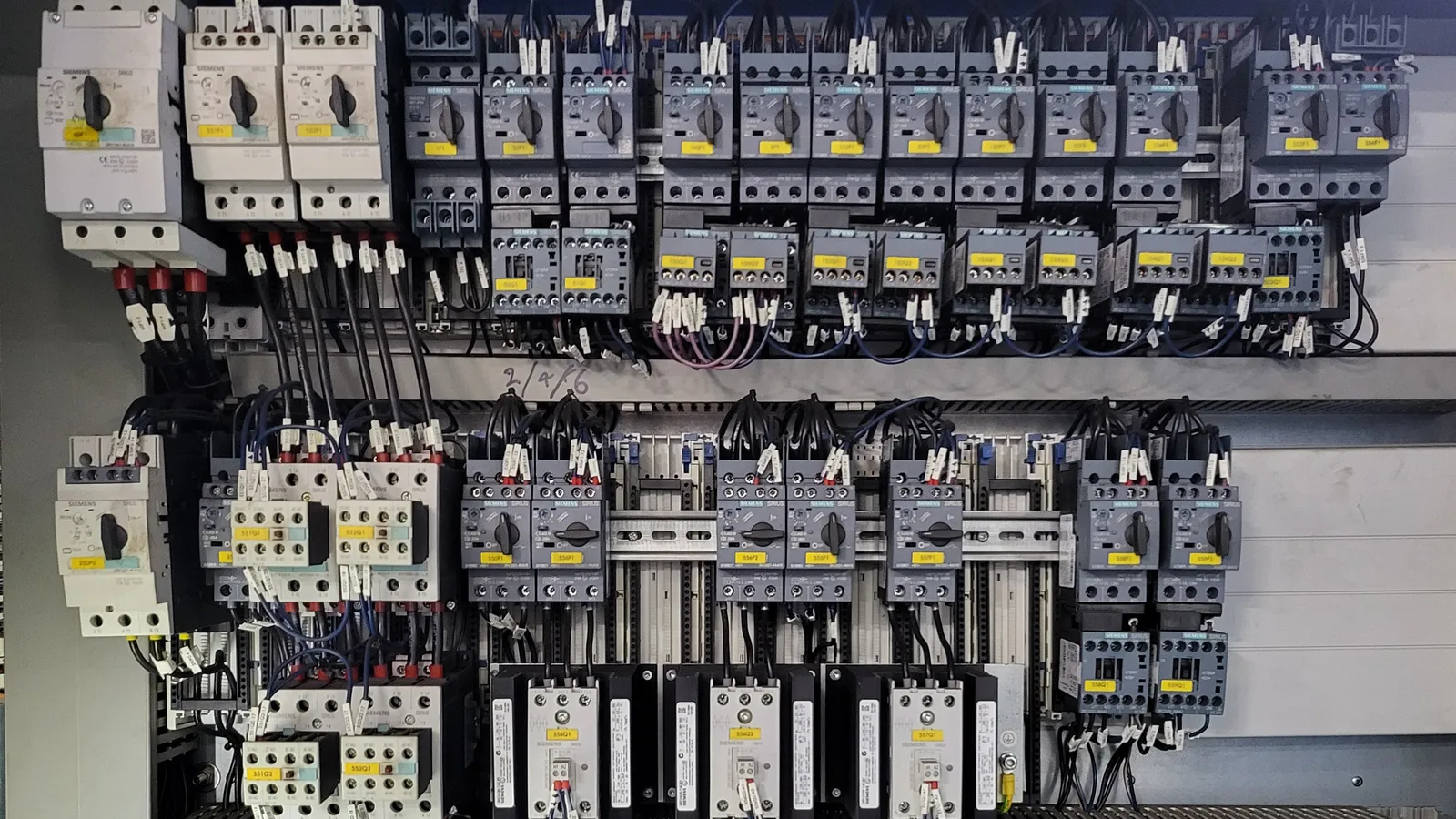
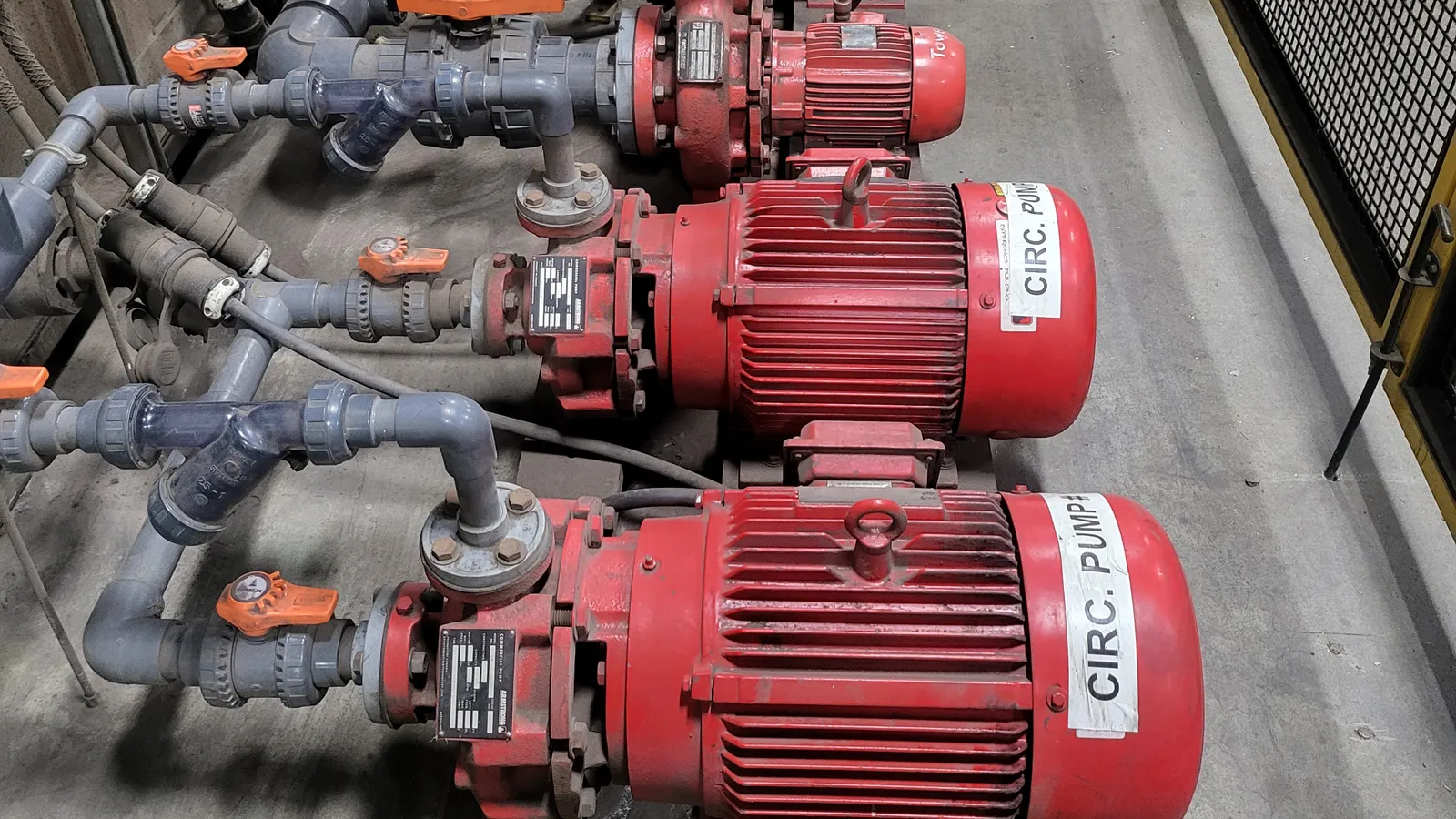
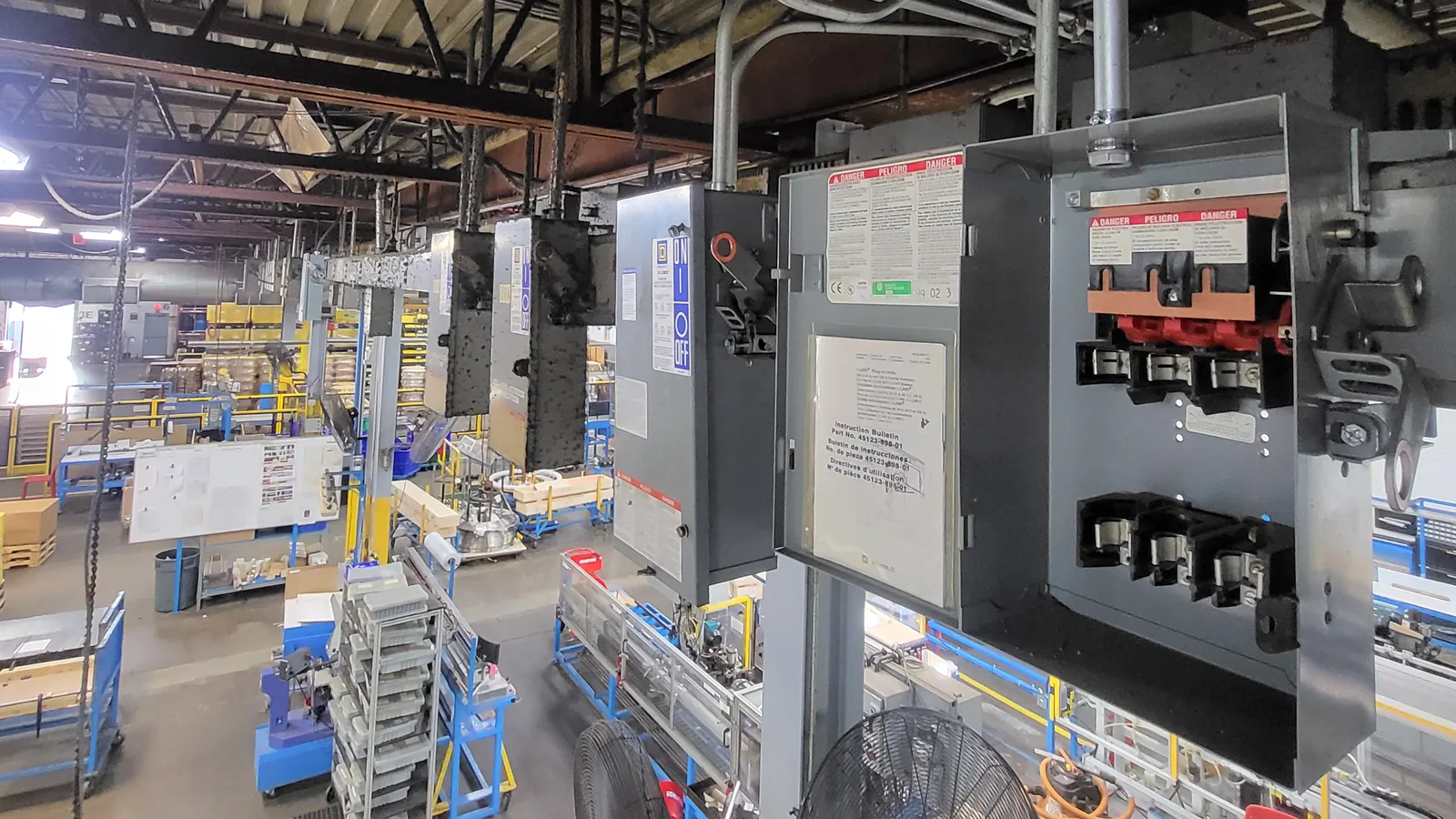
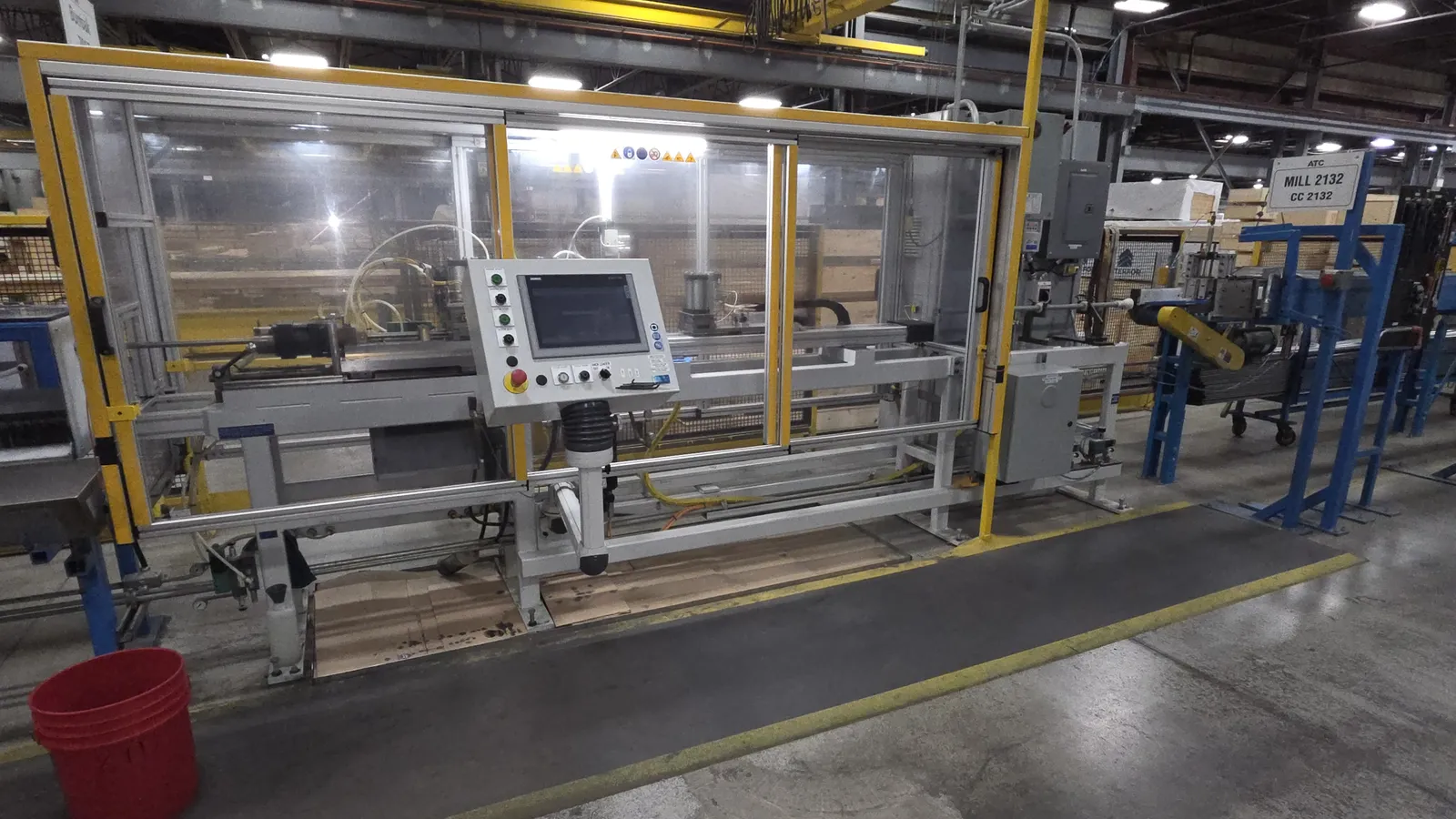
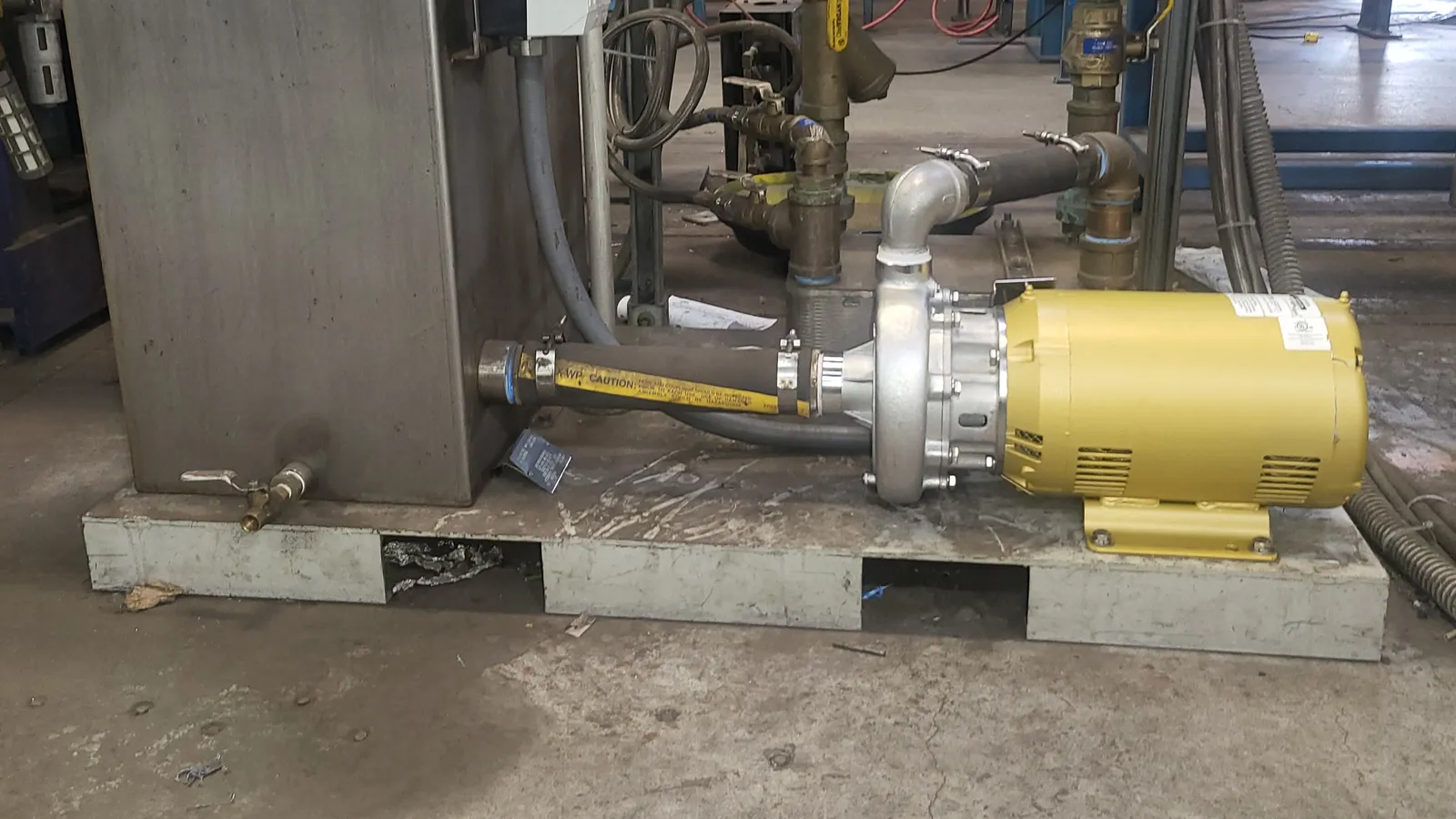

When the Hydro Bill Feels Wrong but No One Can Yet Prove Why
Find the hidden consumption patterns before “normal operation” keeps draining money in the background
Many facilities know the bill is too high long before they know the reason.
That is exactly where energy consumption analysis becomes valuable. The site may still be operating normally, but the electrical profile may already be showing expensive behavior that nobody has properly measured.
In industrial and commercial sites across Toronto and the GTA, one of the most common warning signs is a bill that keeps feeling out of proportion to what the customer believes the operation is doing. Another is a large overnight or weekend base load that no one has ever actually broken down. Another is a process area everyone assumes is the main energy driver, while a different part of the site is quietly consuming more than expected.
This service is also important when the site has demand peaks that seem disconnected from production output. The customer may be paying for power behavior rather than useful work. NRCan’s industry energy management resources are built around the idea that measured performance and structured energy management lead to better decisions and continuous improvement.
You may need energy consumption analysis if the bill keeps rising, if operations and maintenance disagree about where the energy is going, if equipment seems to be running too long, if the building carries suspicious base load after hours, or if future electrical upgrades need a real consumption baseline first.
This is especially useful before making changes. Without measured consumption data, customers often target the wrong loads, underestimate idle energy, or miss the processes that create the biggest cost.
Fluke’s support materials for the 1775/1777 Energy Loss Calculator specifically describe it as a way to identify where energy losses exist in the electrical system, which fits exactly with the goal of this service. :contentReference[oaicite:2]{index=2}
Energy consumption analysis in Toronto, Mississauga, Vaughan, Markham, and across the GTA helps customers turn a vague “the hydro bill is too high” complaint into measured evidence about where energy is being used, wasted, or misunderstood.
Hydro Bills Feel Too High
The cost may not be coming from where the site thinks it is coming from.
Overnight and Weekend Base Load Seems Too Large
Many facilities carry hidden consumption long after productive work is supposed to stop.
One Process Is Blamed Without Real Proof
Measured analysis often shows that the true energy driver is somewhere else.
Demand Peaks Do Not Match Expected Operation
A site may be paying for the shape of the load, not just the total energy used.
Equipment May Be Running When It Is Not Needed
Unloaded, mistimed, or badly sequenced loads can quietly burn expensive kWh for no useful output.
Management Needs Real Data Before Spending Money
Consumption analysis gives a factual baseline for upgrades, controls changes, and efficiency decisions.
Operations and Maintenance See the Bill Differently
Good measurement helps replace opinion with a shared picture of actual electrical behavior.
The Site Wants to Know Where Energy Is Really Going
That is exactly what this service is meant to answer with monitored data instead of assumptions.
WHY CHOOSE US
Why Industrial Clients Choose Us
We focus on practical industrial electrical solutions rather than temporary fixes, ensuring your power systems, equipment, and production infrastructure operate safely and reliably under real operating conditions. Every project is completed with careful planning, proper equipment selection, and close attention to long-term performance, system stability, and operational continuity.
Our approach eliminates unnecessary work and is based on accurate diagnostics, field-tested methods, and a clear understanding of how industrial facilities actually run, so you only invest in the work your system truly requires. We prioritize safety, efficiency, code compliance, and clean execution on every job, whether it involves troubleshooting, upgrades, installations, or power distribution improvements.
As a result, you receive a dependable, code-compliant industrial electrical system that supports your facility today, reduces the risk of costly downtime, and is properly prepared for future production demands, equipment expansion, and higher power requirements.
Licensed & Insured
All work is performed by qualified, fully insured electricians, ensuring safety, accountability, and compliance with all regulations.
ESA certified work
Every project includes permits and ESA inspection, guaranteeing that the installation meets Ontario Electrical Safety Code requirements.
Professional installations
We install panels with precise wiring, proper layout, and clear labeling, making the system safe, accessible, and easy to maintain.
Transparent pricing
You receive clear pricing based on the actual scope of work, with no hidden costs or unexpected changes during the entire project.
Fast scheduling
We schedule work efficiently and arrive on time, minimizing downtime and ensuring your electrical system is restored as quickly as possible.
Accurate calculations
We calculate electrical demand based on real usage, ensuring your panel is properly sized for both current and future electrical needs.
Code-compliant work
All installations strictly follow current electrical code requirements, ensuring safety, inspection approval, and long-term system reliability.
Reliable workmanship
Our experience allows us to deliver consistent, high-quality results that perform reliably under real operating conditions over time.
CODE & SAFETY REQUIREMENTS
Ontario Electrical Safety Code Compliance
The Ontario Electrical Safety Code (OESC) sets the minimum legal safety requirements for electrical installations and electrical work in Ontario. ESA states that the 2024 Ontario Electrical Safety Code is the current edition and that it became effective on May 1, 2025.
For energy consumption analysis, Code relevance is tied to safe condition of electrical equipment, approved equipment in service, access and working space around electrical equipment, service and feeder loading, grounding and bonding integrity, and the corrective work that follows when wasteful or overloaded conditions are identified.
Energy consumption analysis itself is a measurement and analytical service, but its value often leads directly to Code-sensitive actions. Those actions may involve service loading review, feeder redistribution, phase balancing, corrective controls changes, capacitor bank work, panel modifications, or broader distribution improvements. That is why the analysis should be viewed as part of a serious electrical decision process rather than just a billing exercise.
IEEE 1459-2025 continues the IEEE standard framework for definitions of electric power quantities under sinusoidal, nonsinusoidal, balanced, and unbalanced conditions, which is relevant because serious energy analysis depends on meaningful power measurement definitions. :contentReference[oaicite:3]{index=3}
Rules commonly applicable to energy consumption analysis follow-up work
-
Rule 2-004 — Notification of work / ESA inspection process
If analysis findings lead to electrical repair or replacement work that requires notification, the required ESA process must be followed before the installation is returned to service. -
Rule 2-022 — Approved electrical equipment
Electrical equipment used in Ontario must be approved in accordance with Code requirements. -
Rule 2-024 — Approval requirements for electrical equipment
Equipment installed, replaced, or corrected as part of follow-up work must be approved to recognized standards and accepted for use in Ontario. -
Rule 2-300 — General requirements for maintenance and operation
Electrical equipment must be maintained in safe working condition, which is directly relevant where wasteful consumption is linked to aging, stressed, or poorly operating equipment. -
Rule 2-314 — Working space around electrical equipment
Working space around switchgear, panels, service equipment, and related electrical assets must be kept clear for safe access and maintenance. -
Rule 8-102 — Calculation of service and feeder loads
Service and feeder loads must be calculated properly, especially where measured consumption shows unexpected loading or future growth concerns. -
Rule 8-104 — Maximum circuit loading
Branch circuits, feeders, and services must be loaded within allowable limits so the installation does not exceed safe operating capacity. -
Rule 10-002 — Grounding and bonding requirements
Effective grounding and bonding remain essential because poor grounding practice can influence system behavior and complicate interpretation of electrical losses and imbalance. -
Rule 14-100 — Protection of conductors by overcurrent devices
Conductors must be protected by correctly selected breakers or fuses suitable for the circuit and connected equipment. -
Rule 14-104 — Rating / coordination of overcurrent protection
Overcurrent protection must be coordinated with conductor ampacity and the operating characteristics of the installation.
Note: Rule selection may vary depending on whether the analysis findings point toward overloading, phase imbalance, poor controls, energy loss, capacitor bank interaction, or service and feeder limitations. Exact official wording should be taken from the current purchased edition of the Ontario Electrical Safety Code. ESA confirms that the 2024 OESC is the current Ontario edition effective May 1, 2025.
COMMON QUESTIONS
FAQ — Energy Consumption Analysis
1. What is energy consumption analysis?
It is a measured analysis of how electricity is actually being used across a facility, including when it is used, which loads drive it, and where waste or misunderstanding may exist.
2. How is this different from just looking at the hydro bill?
The bill shows what was charged. Energy consumption analysis helps show why it was charged and which electrical behavior created that cost.
3. Can this service show which loads are wasting energy?
Yes. That is one of its main purposes. It helps identify loads that run too long, peak at the wrong times, or behave differently from what the site assumes.
4. Is this useful for industrial facilities only?
No. It is useful for industrial, commercial, refrigerated, mixed-use, and other electrically intensive sites where cost and load behavior matter.
5. What tool do you use for this work?
We use proper three-phase measurement tools including the Fluke 1777.
6. Can this service help with suspicious overnight or weekend usage?
Yes. Hidden base load outside productive hours is one of the most common and most expensive findings in this kind of work.
7. Can it help before adding new equipment or expanding the facility?
Yes. It is very useful for establishing a true baseline before future electrical growth, tenant changes, or production expansion.
8. Does this connect to energy management and efficiency programs?
Yes. NRCan and the IESO both support industrial energy management and efficiency initiatives in Ontario, and real consumption analysis is often the starting point for good decisions.
9. Can high energy use sometimes be caused by electrical system problems, not just productive work?
Yes. Poor sequencing, imbalance, harmonic-related stress, hidden losses, and inefficient operating patterns can all contribute to higher cost.
10. Is this the same as power quality diagnostics?
No. They overlap, but power quality diagnostics is focused more on disturbances and waveform behavior, while energy consumption analysis is focused on how electrical usage and load behavior create cost and waste.
11. Does energy consumption analysis itself replace code compliance?
No. It is an analytical service. Any corrective work that follows still has to use approved equipment and comply with applicable Ontario Electrical Safety Code and ESA requirements.
12. Why is this service so valuable before spending money on upgrades?
Because it helps prove where energy is really going, where waste actually exists, and which corrective actions are likely to matter most instead of guessing.
SERVICE AREAS
Serving Toronto & the Greater Toronto Area
We provide residential, commercial, and industrial electrical services across Toronto and the GTA, supporting homes, businesses, and facilities with reliable and code-compliant electrical solutions.
Our service coverage includes major cities and surrounding areas, allowing us to respond quickly and deliver consistent service across the region.
Toronto
North York
Thornhill
Richmond Hill
Vaughan
Markham
Scarborough
Etobicoke
Mississauga
Brampton
ADDITIONAL SERVICE AREAS
Hamilton
Oakville
Burlington
Milton
Georgetown
Pickering
Ajax
Whitby
Oshawa
Clarington
Aurora
Newmarket
Bradford
King City
Barrie