
Toronto & GTA Electrical Contractor
Anti-Collision System Installation for Cranes in Toronto & GTA
Industrial electrical work — installations, upgrades, troubleshooting, maintenance, and code-compliant solutions.
Licensed & Insured
Fast Response
Code-Compliant Work
CRANE ANTI-COLLISION SYSTEM INSTALLATION
What We Do
We provide Anti-Collision System Installation for overhead cranes, bridge cranes, hoists, monorails, gantry cranes, and related hoisting equipment across Toronto and the GTA.
This service is built around one of the most underestimated sources of expensive crane damage: assuming careful operators are enough. Many facilities believe anti-collision systems are only for very busy crane bays or highly automated plants. That is exactly why the cost arrives later. One bridge-to-bridge impact, one crane-to-end-stop hit, one load-path encroachment, or one repeated near-miss can lead to bent structures, damaged end trucks, wheel problems, drive damage, electrification damage, rail alignment issues, control faults, downtime on more than one crane, and a repair bill much larger than the “small” safety system people decided they could wait on.
Anti-Collision System Installation is not just an optional accessory. It is a practical crane protection upgrade designed to reduce the chance of crane-to-crane impact, crane-to-end-stop impact, and unsafe travel-zone conflicts. In industrial bays with multiple cranes, long runways, shared travel areas, heavy loads, and busy production schedules, even experienced operators can be put in situations where visibility, timing, distraction, or load movement creates risk.
According to Konecranes, collision avoidance systems are designed to help prevent collisions between cranes or their loads by slowing down or stopping crane movement. Columbus McKinnon also describes collision avoidance systems as solutions that help prevent crane-to-crane and crane-to-end-stop collisions in overhead crane applications.
Our Anti-Collision System Installation service includes crane anti-collision systems, collision avoidance retrofits, bridge crane anti-collision installation, crane-to-crane protection, end-stop protection, protected travel-zone support, and integration with existing crane control systems. These systems may be used with cranes operating on VFDs, soft starters, or contactor-based controls, depending on the existing crane design.
This service is especially valuable where the “small” risk has already started showing itself: operators watching spacing too closely, two cranes sharing runway space, repeated close approaches to end stops, bays where one crane can overrun another work zone, or facilities where a single impact would stop production and trigger structural, electrical, and mechanical repair work at the same time.
Anti-Collision System Installation can use distance-detection devices, laser-based systems, slowdown points, stop points, and control integration designed for crane applications. The goal is not to replace the operator. The goal is to add a protective control layer that helps reduce damage risk when spacing, travel, or visibility becomes a problem.
We provide Anti-Collision System Installation in Toronto, Mississauga, Vaughan, Markham, Brampton, and across the GTA. Our work supports overhead cranes, bridge cranes, hoists, monorails, gantry cranes, jib cranes, and related lifting systems where controlled crane travel is critical to safety, reliability, and production continuity.
Where appropriate, this service can support related work such as crane electrical troubleshooting, VFD control upgrades, or radio remote systems installation. These services work together because crane protection depends on controls, drives, operator interface, travel circuits, and safety logic functioning as one complete system.
The result is an Anti-Collision System Installation service designed to stop “small” spacing and travel risks from becoming expensive crane damage, avoidable downtime, and larger repair events.

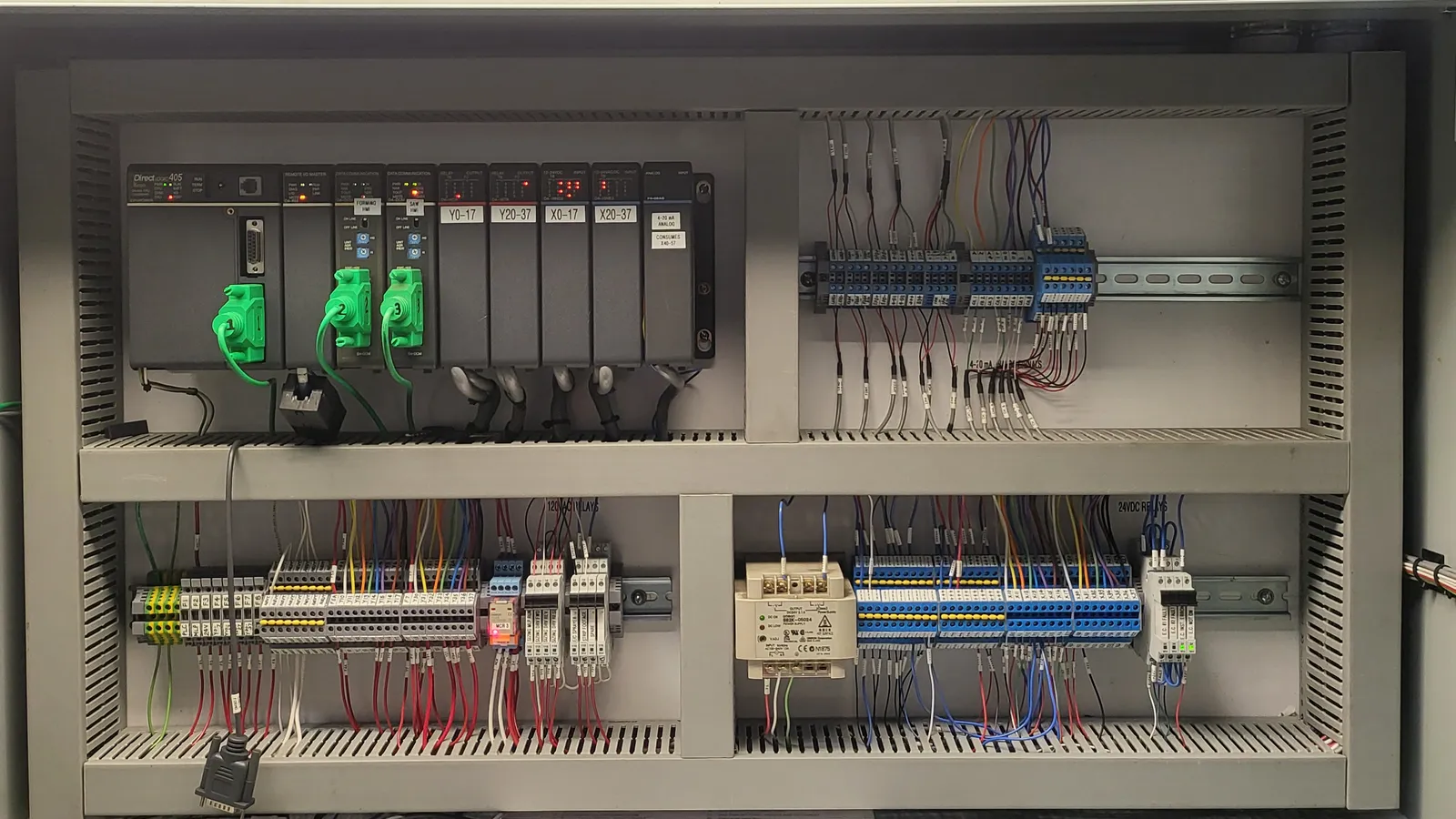
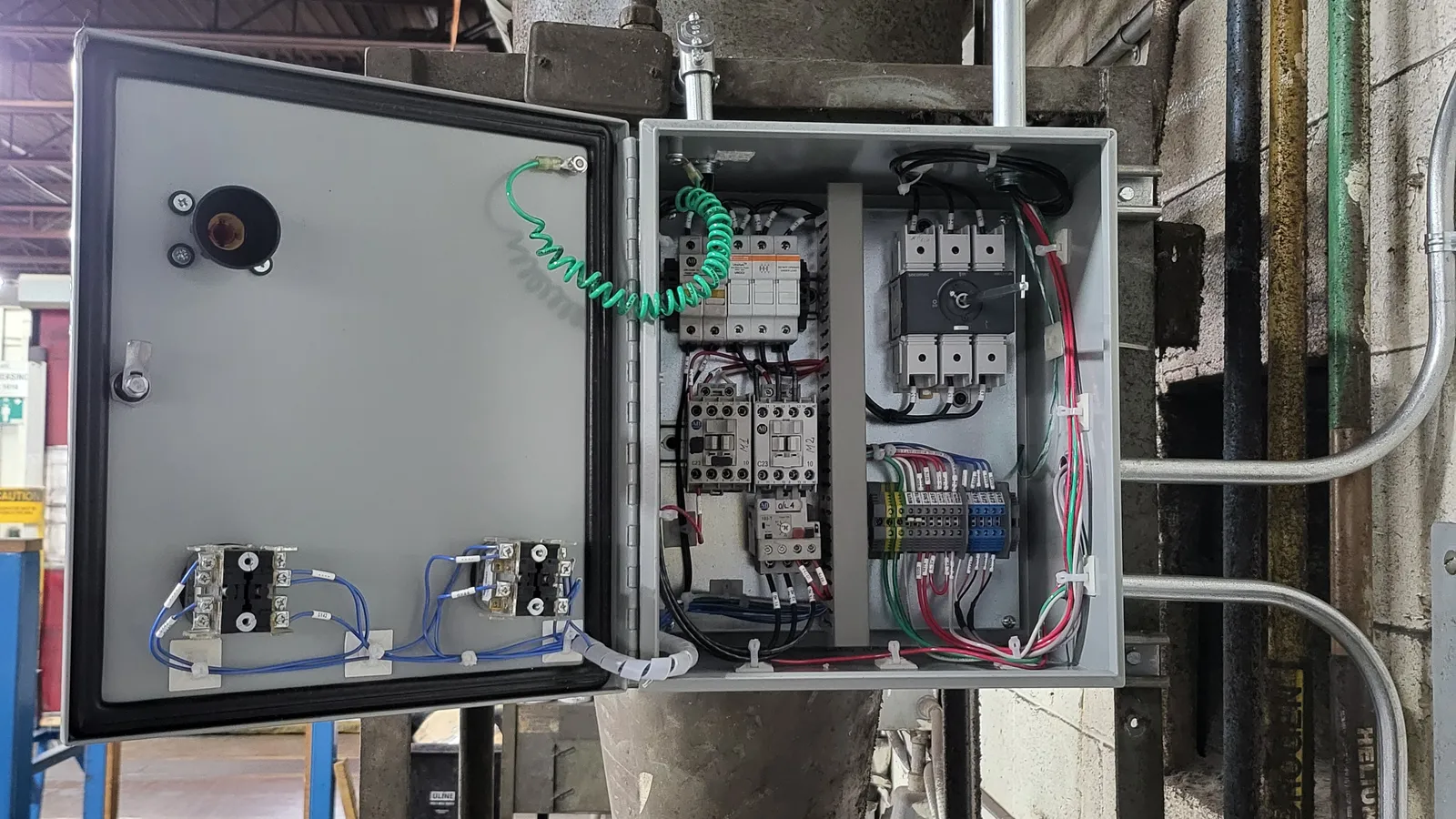
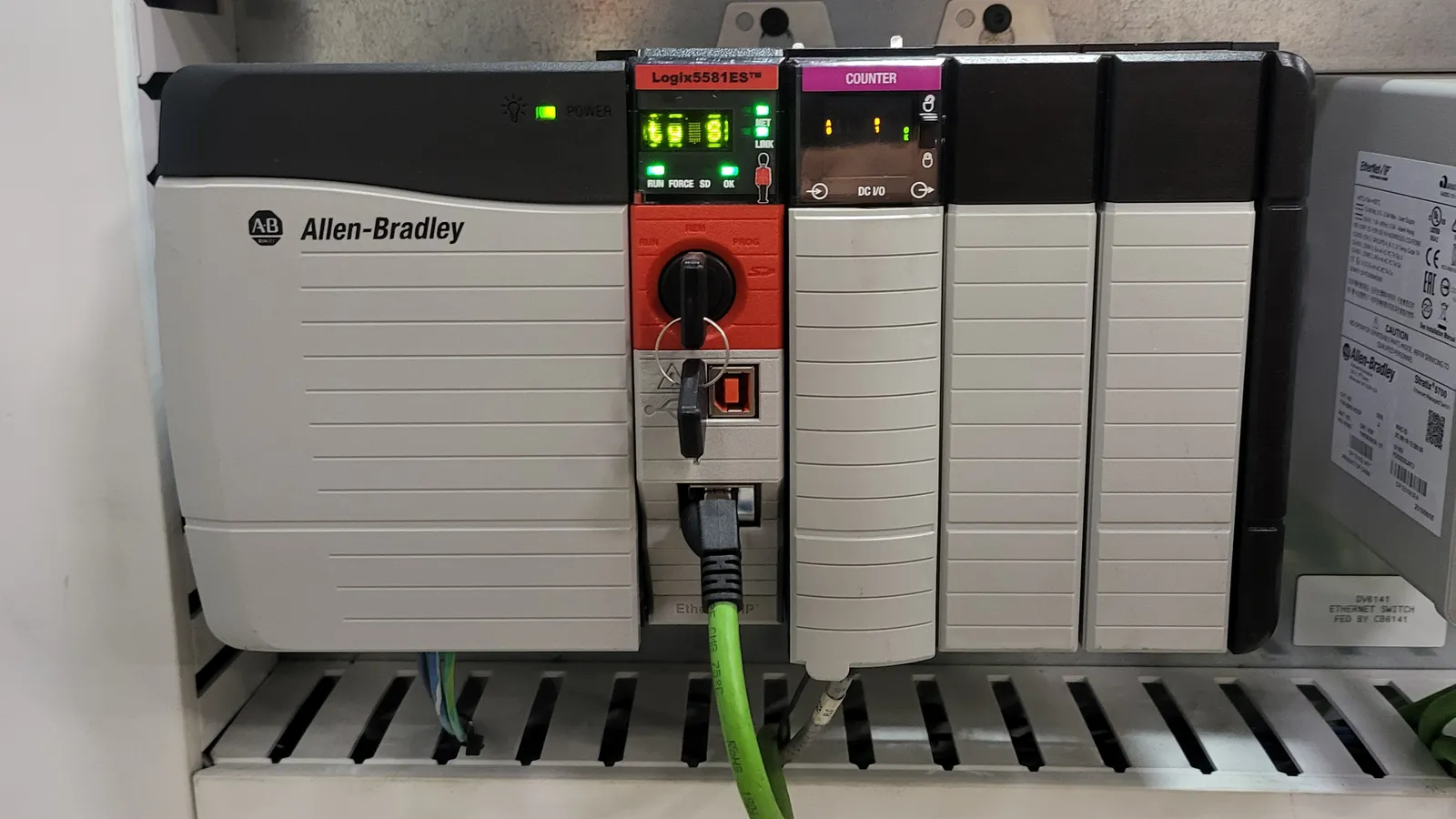
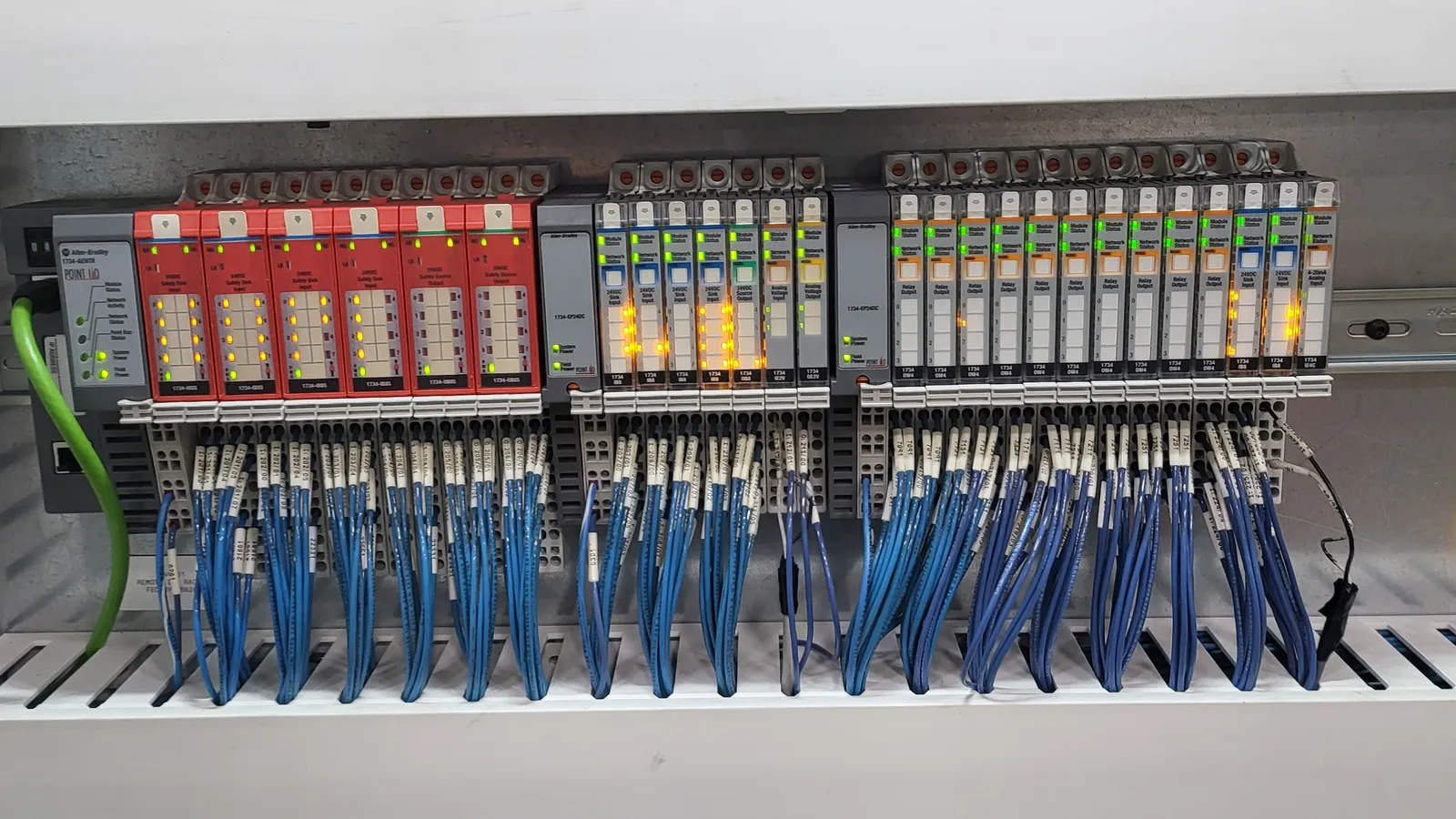

When “We’ve Never Had a Big Hit Yet” Starts Becoming an Expensive Strategy
Install anti-collision protection before one close call turns into structural damage, downtime, and major repair cost
Many crane bays operate for years on operator judgment alone.
That can look fine right up until the day it is not. Two cranes share runway space, one operator misjudges travel distance, one load path overlaps another, or one bridge approaches an end stop a little too hard. The system may survive several close calls before the first real impact happens. That is exactly why anti-collision upgrades are often delayed too long.
In industrial facilities across Toronto and the GTA, anti-collision installation is often needed when multiple cranes operate in the same bay, when one crane can enter another crane’s travel zone, when end-stop impacts are a concern, or when the cost of one mistake would be far bigger than people want to admit. Konecranes says collision avoidance systems help prevent collisions between cranes or their loads, while CMCO says its systems help prevent crane-to-crane and crane-to-end-stop collisions.
This matters because the expensive part is rarely the anti-collision device. The expensive part is what happens after one impact. A single collision can damage bridge structure, wheels, drives, bumpers, electrification components, rails, controls, and multiple cranes at once. It can also stop the bay while inspections, repairs, alignment checks, and troubleshooting are carried out. What looked like a “small” spacing risk becomes a much larger repair and production problem.
You may need anti-collision installation if the facility has more than one crane on the same runway, if operators repeatedly manage spacing manually, if there have been near misses, if crane travel needs slowdown and stop points, or if the site is modernizing older crane controls. CMCO’s LaserGuard material specifically describes programmable slowdown and stopping points for crane collision avoidance, and its product family is presented as suitable for VFD, soft-starter, or contactor-controlled cranes.
This is also not only about automation. It is about reducing dependence on perfect human timing in a real industrial environment. CMCO’s automation-related material also explains that protected zones and programmed movement paths can prevent collisions with other equipment or operators, reinforcing the broader value of managed crane movement.
Ontario’s Industrial Establishments regulation includes travelling cranes, overhead cranes, monorail cranes, gantry cranes, jib cranes, and related lifting devices supported by a structure, which is one more reason not to treat collision risk as a casual operating detail.
Anti-collision installation in Toronto, Mississauga, Vaughan, Markham, and across the GTA helps industrial clients solve the “small” spacing and travel risks early, before one preventable impact turns into crane damage, lost production, and very expensive repair work.
Two Cranes Share the Same Runway
What seems manageable by operator attention alone can still turn into crane-to-crane damage when spacing is misjudged.
End-Stop Impacts Are a Real Risk
One hard travel event can damage structure, drives, electrification hardware, and control components.
Near Misses Keep Being Treated as Normal
That is often the stage right before a preventable collision becomes a very expensive repair event.
Operators Are Forced to Manage Spacing Manually
The more the system depends on perfect human timing, the more value anti-collision protection usually has.
Crane Controls Are Being Modernized
Anti-collision is often installed during upgrades because it is easier to solve the spacing problem before the first major impact.
One Impact Would Stop More Than One Crane
The true cost of a collision is often bigger than people expect because multiple assets and one whole bay can be affected.
Slowdown and Stop Zones Are Needed
Modern anti-collision systems can apply programmed slowdown and stopping behavior instead of waiting for contact.
The Risk Looks Small Until the Day It Isn’t
That is exactly why anti-collision installation is often cheaper than the first serious collision repair.
WHY CHOOSE US
Why Industrial Clients Choose Us
We focus on practical industrial electrical solutions rather than temporary fixes, ensuring your power systems, equipment, and production infrastructure operate safely and reliably under real operating conditions. Every project is completed with careful planning, proper equipment selection, and close attention to long-term performance, system stability, and operational continuity.
Our approach eliminates unnecessary work and is based on accurate diagnostics, field-tested methods, and a clear understanding of how industrial facilities actually run, so you only invest in the work your system truly requires. We prioritize safety, efficiency, code compliance, and clean execution on every job, whether it involves troubleshooting, upgrades, installations, or power distribution improvements.
As a result, you receive a dependable, code-compliant industrial electrical system that supports your facility today, reduces the risk of costly downtime, and is properly prepared for future production demands, equipment expansion, and higher power requirements.
Licensed & Insured
All work is performed by qualified, fully insured electricians, ensuring safety, accountability, and compliance with all regulations.
ESA certified work
Every project includes permits and ESA inspection, guaranteeing that the installation meets Ontario Electrical Safety Code requirements.
Professional installations
We install panels with precise wiring, proper layout, and clear labeling, making the system safe, accessible, and easy to maintain.
Transparent pricing
You receive clear pricing based on the actual scope of work, with no hidden costs or unexpected changes during the entire project.
Fast scheduling
We schedule work efficiently and arrive on time, minimizing downtime and ensuring your electrical system is restored as quickly as possible.
Accurate calculations
We calculate electrical demand based on real usage, ensuring your panel is properly sized for both current and future electrical needs.
Code-compliant work
All installations strictly follow current electrical code requirements, ensuring safety, inspection approval, and long-term system reliability.
Reliable workmanship
Our experience allows us to deliver consistent, high-quality results that perform reliably under real operating conditions over time.
CODE & SAFETY REQUIREMENTS
Ontario Electrical Safety Code Compliance
The Ontario Electrical Safety Code (OESC) sets the minimum legal safety requirements for electrical installations and electrical work in Ontario.
For crane anti-collision installation, Code relevance is tied to approved electrical equipment, safe maintenance condition, disconnecting means, guarding of live parts, working clearances, wiring methods, control devices, and the integration of anti-collision hardware into the crane’s control system. Ontario’s Industrial Establishments regulation includes travelling cranes, overhead cranes, monorail cranes, gantry cranes, jib cranes, and other lifting devices suspended from or supported by a structure, which places crane collision risk inside a broader industrial safety framework.
Anti-collision installation does not replace Code compliance. It has to fit inside it. This matters because anti-collision systems influence how crane movement is controlled, slowed, or stopped, and they become part of the electrical and control architecture of the lifting system. CMCO states that its collision avoidance systems are designed for cranes using VFDs, soft starters, or contactor controls, which shows that proper integration into existing crane control methods is a real design and installation issue.
Every anti-collision installation should be approached with safe access planning, approved equipment, correct wiring methods, proper control integration, and disciplined follow-up when modifications are made to crane travel-control systems. Where the work includes rewiring, replacement of control hardware, drive interaction, or panel modification, that work should comply with the current Ontario Electrical Safety Code and ESA requirements.
Rules commonly applicable to crane anti-collision installation
-
Industrial Establishments Regulation — lifting devices
Ontario’s Industrial Establishments regulation includes travelling cranes, overhead cranes, monorail cranes, gantry cranes, jib cranes, and other lifting devices suspended from or supported by a structure. Anti-collision systems on these cranes therefore sit inside a broader industrial safety framework. -
Rule 2-022 — Approved electrical equipment
Electrical equipment used in Ontario must be approved in accordance with Code requirements. This applies to laser sensors, receivers, control interfaces, anti-collision modules, and associated crane electrical hardware. -
Rule 2-024 — Approval requirements for electrical equipment
Equipment maintained, repaired, or installed in Ontario must be approved to recognized standards and accepted for use in Ontario. -
Rule 2-300 — General requirements for maintenance and operation
Electrical equipment must be maintained in safe working condition. This is relevant where anti-collision systems are added because the goal is often to reduce unsafe or high-risk crane movement behavior. -
Rule 2-304 — Disconnecting means shall be provided
Suitable disconnecting means must be available so crane electrical equipment can be isolated safely for installation, service, and later maintenance. -
Rule 2-308 — Live parts guarding
Live electrical parts must be guarded against accidental contact, especially in crane panels and control interfaces where anti-collision hardware is integrated. -
Rule 2-314 — Working space around electrical equipment
Clear access around crane panels, disconnects, and associated electrical equipment is essential for safe installation and future service. -
Rule 12-000 — Wiring methods
Conductors, cables, and raceways must be installed using approved methods suitable for the environment and application, which is especially important where moving crane systems and field-mounted sensors are involved. -
Rule 14-100 — Protection of conductors by overcurrent devices
Conductors feeding crane electrical systems and related control hardware must be protected correctly. -
Rule 14-104 — Rating / coordination of overcurrent protection
Protection must be coordinated with conductor ampacity and equipment characteristics, especially where anti-collision controls interact with the crane’s motion-control system. -
Rule 28-600 — Control devices
Controllers and associated control devices must be suitable for the duty involved and installed in accordance with Code requirements, which is directly relevant to anti-collision integration in crane controls. -
Rule 2-004 — Notification of work / ESA inspection process
If the anti-collision installation work requires notification, the required ESA process must be followed before the installation is returned to service.
Note: Rule selection may vary depending on whether the anti-collision installation is crane-to-crane, crane-to-end-stop, zone-based, laser-based, or integrated with VFDs, soft starters, or contactor controls. Exact official wording should be taken from the current purchased edition of the Ontario Electrical Safety Code and applicable Ontario safety regulations.
COMMON QUESTIONS
FAQ — Anti-Collision Installation (Cranes and Hoisting Equipment)
1. What is a crane anti-collision system?
It is a control and sensing system designed to help prevent collisions between cranes or their loads, or between a crane and an end stop. Konecranes says these systems either slow down or stop crane movements.
2. Why install anti-collision if operators are already careful?
Because careful operators still work in real conditions with shared bays, limited visibility, timing pressure, and moving loads. Anti-collision reduces dependence on perfect judgment every time.
3. What kinds of collisions are these systems meant to prevent?
CMCO states that its systems help prevent crane-to-crane and crane-to-end-stop collisions.
4. Can anti-collision work with different crane control types?
Yes. CMCO says its collision avoidance systems can be used with cranes using VFDs, soft starters, or contactor controls.
5. What happens if the system sees an unsafe approach?
Depending on the system and setup, it can apply slowdown and stopping behavior at programmed distance points before contact occurs. CMCO’s LaserGuard materials specifically describe slowdown and stopping set points.
6. Is anti-collision only for highly automated cranes?
No. It is also very useful in manual or semi-manual crane bays where more than one crane shares space and one impact would be costly.
7. Why do companies delay this upgrade too long?
Because the risk looks small until the first serious contact happens. The expensive part is usually not the anti-collision system. It is the first real collision repair and downtime event afterward.
8. Can anti-collision help protect more than just the crane?
Yes. It can also help protect loads, runway areas, end stops, electrification components, and adjacent crane equipment from avoidable impact damage.
9. Are overhead cranes and related lifting devices part of Ontario’s industrial safety framework?
Yes. Ontario’s Industrial Establishments regulation includes overhead cranes and related lifting devices supported by a structure.
10. Can anti-collision installation be combined with other crane upgrades?
Yes. It is often combined with control modernization, VFD upgrades, or other crane electrical improvements so the whole movement system works together more reliably.
11. Does anti-collision installation need to comply with Ontario electrical requirements?
Yes. Any installation, rewiring, control-panel modification, or replacement of crane electrical equipment must use approved equipment and comply with applicable Ontario Electrical Safety Code and ESA requirements.
12. Why is this treated as a serious service instead of a small add-on?
Because what looks like a small spacing-control issue can turn into bent steel, damaged drives, electrification repairs, multiple cranes out of service, and a much bigger bill than the preventive system ever would have cost.
SERVICE AREAS
Serving Toronto & the Greater Toronto Area
We provide residential, commercial, and industrial electrical services across Toronto and the GTA, supporting homes, businesses, and facilities with reliable and code-compliant electrical solutions.
Our service coverage includes major cities and surrounding areas, allowing us to respond quickly and deliver consistent service across the region.
Toronto
North York
Thornhill
Richmond Hill
Vaughan
Markham
Scarborough
Etobicoke
Mississauga
Brampton
ADDITIONAL SERVICE AREAS
Hamilton
Oakville
Burlington
Milton
Georgetown
Pickering
Ajax
Whitby
Oshawa
Clarington
Aurora
Newmarket
Bradford
King City
Barrie