
Toronto & GTA Electrical Contractor
Backup Power Circuits in Toronto, Richmond Hill, Vaughan & GTA
Residential, commercial, and industrial electrical work — installations, upgrades, troubleshooting, maintenance, and code-compliant solutions.
Licensed & Insured
Fast Response
Code-Compliant Work
OUR BACKUP POWER CIRCUITS PROCESS
What We Do
We provide professional backup power circuit installation services for residential properties across Toronto and the GTA. Our goal is to help homeowners keep the most important parts of the home running during a power outage without overspending on unnecessary backup capacity. Backup power circuits are selected electrical circuits that are intentionally prepared to receive generator or battery backup power when utility supply fails. This type of installation is one of the most practical ways to improve outage resilience because most homes do not need every load backed up at the same time.
What matters most is making sure the critical circuits stay available. In many homes, those circuits include the furnace, sump pump, refrigerator, freezer, kitchen receptacles, internet equipment, selected lighting, garage door opener, and sometimes medical or home office loads. A properly planned backup power circuit installation gives those loads a safer and more dependable way to remain energized during an outage. Every project starts with reviewing the home’s electrical panel, the outage priorities of the homeowner, the type of backup source being used or planned, and the real running and starting loads of the circuits being considered. This is important because backup power design is not only about what the homeowner wants to power, but also about what the generator or battery system can realistically support.
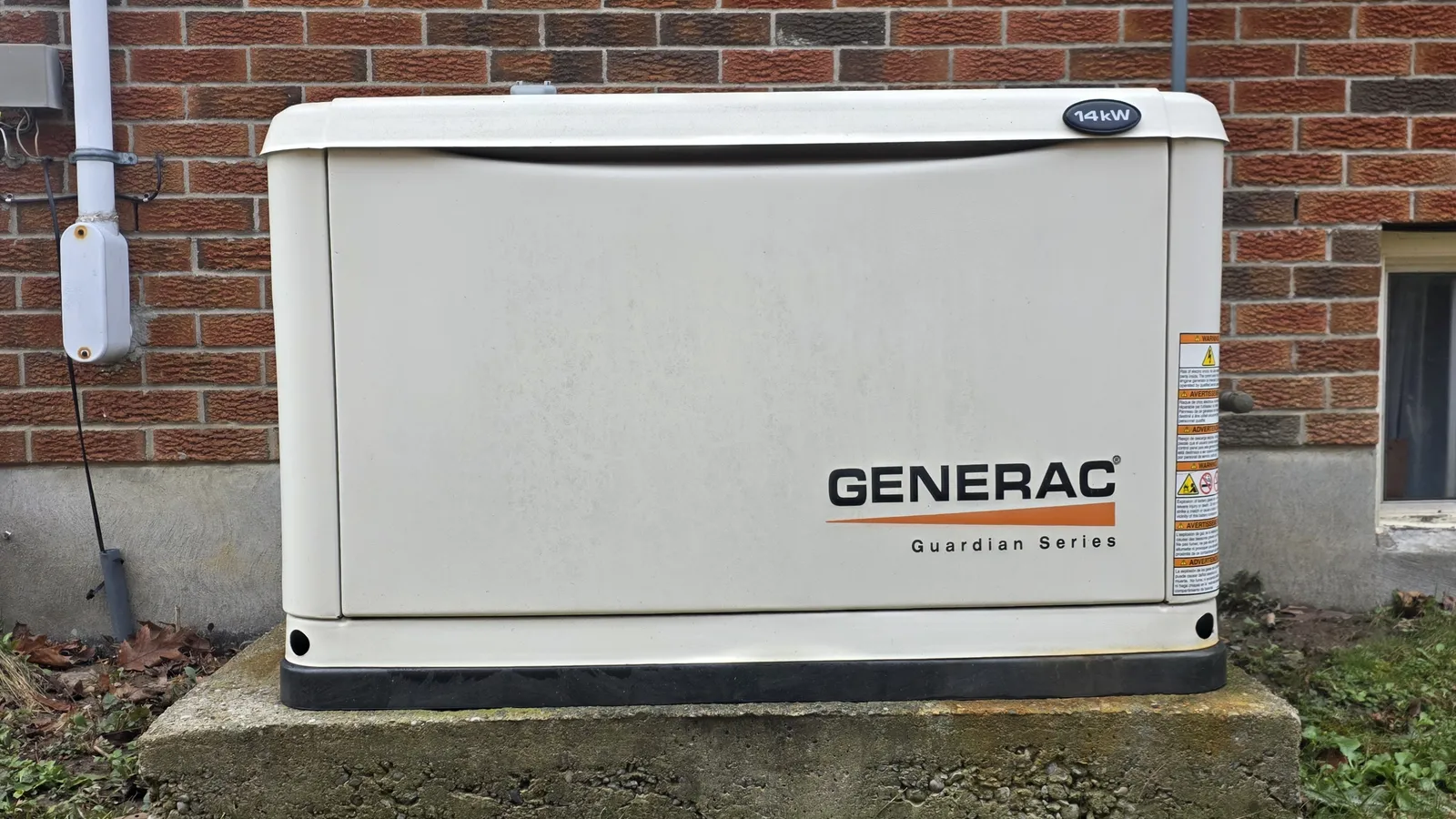
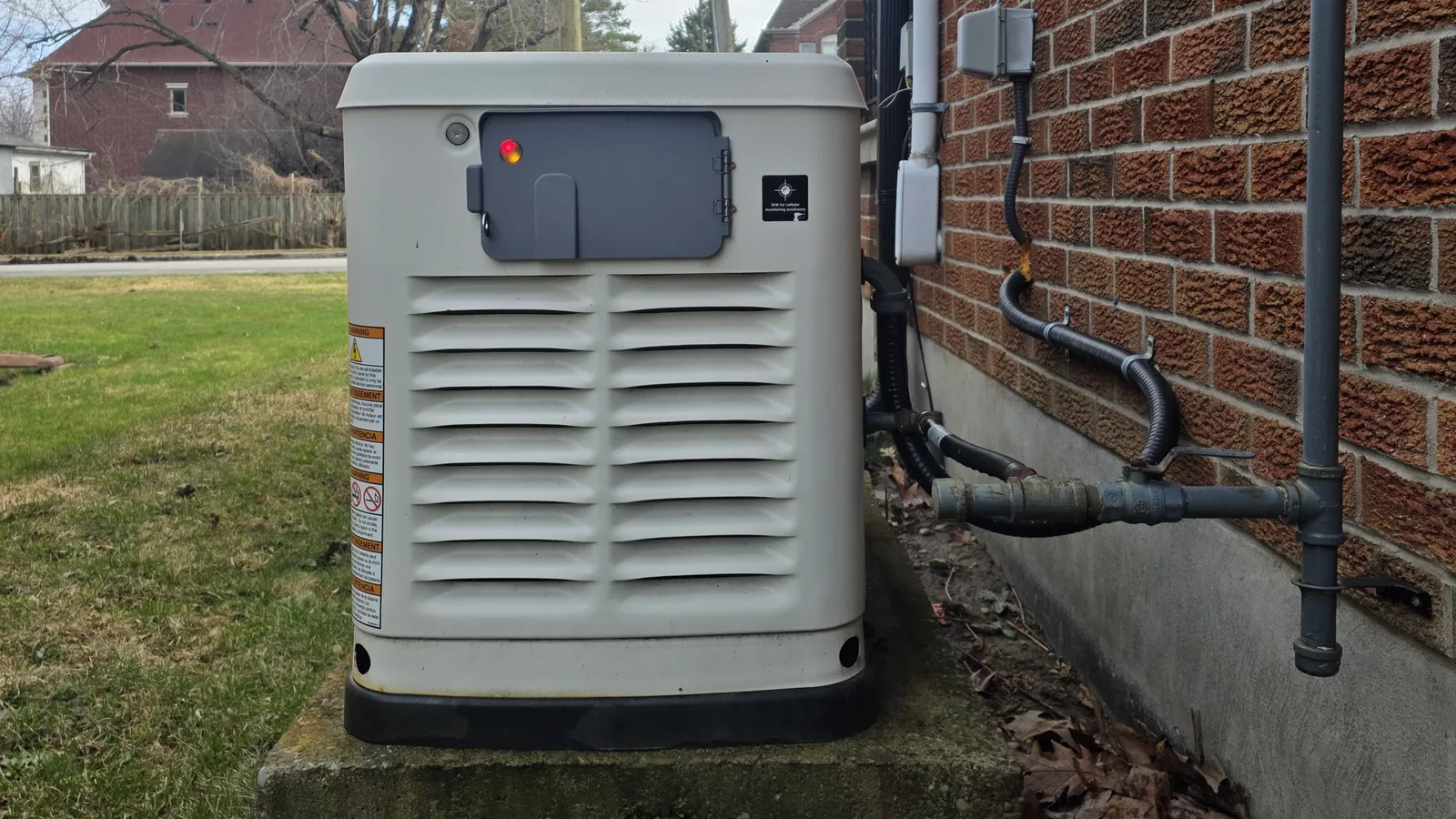
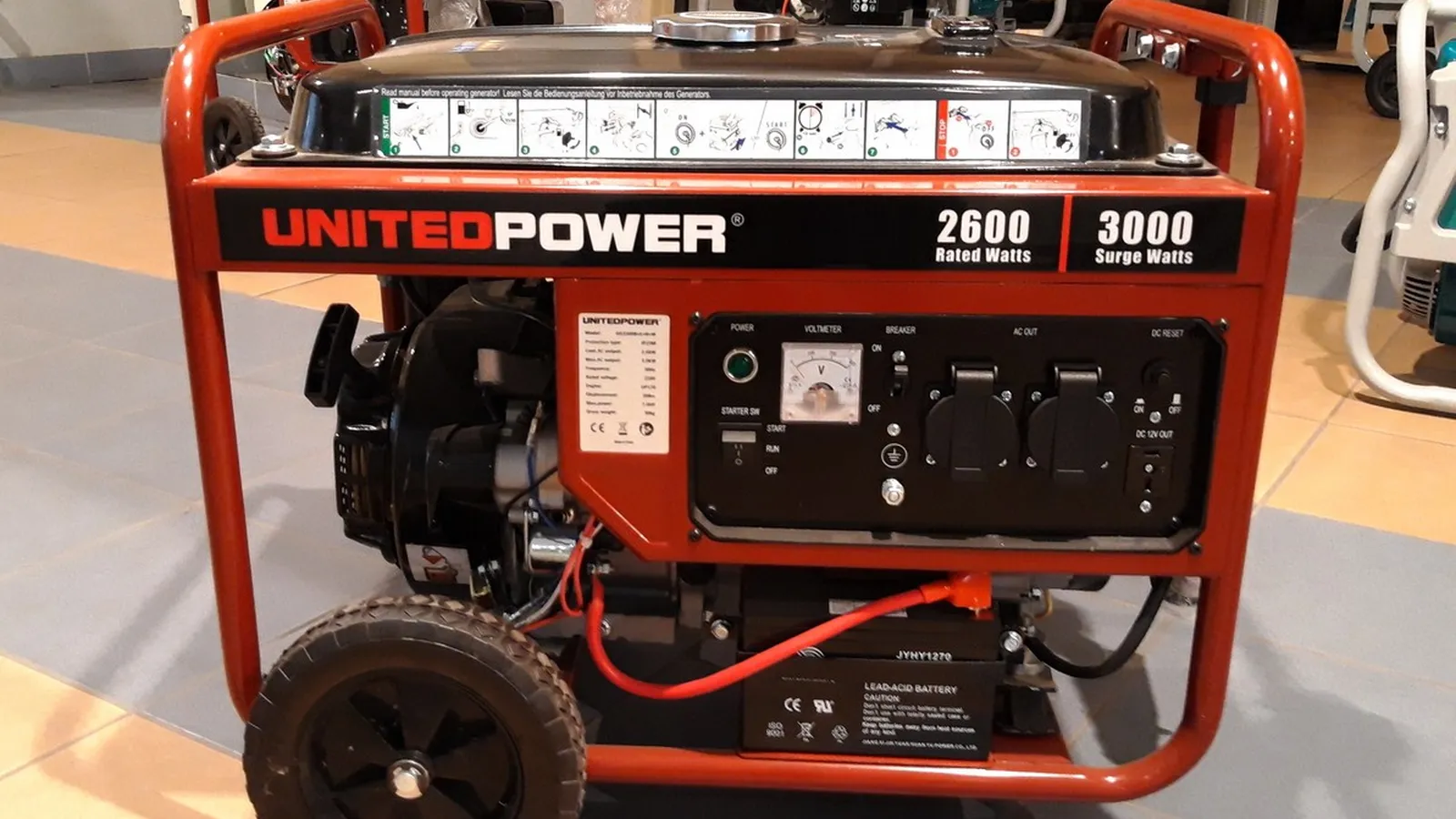
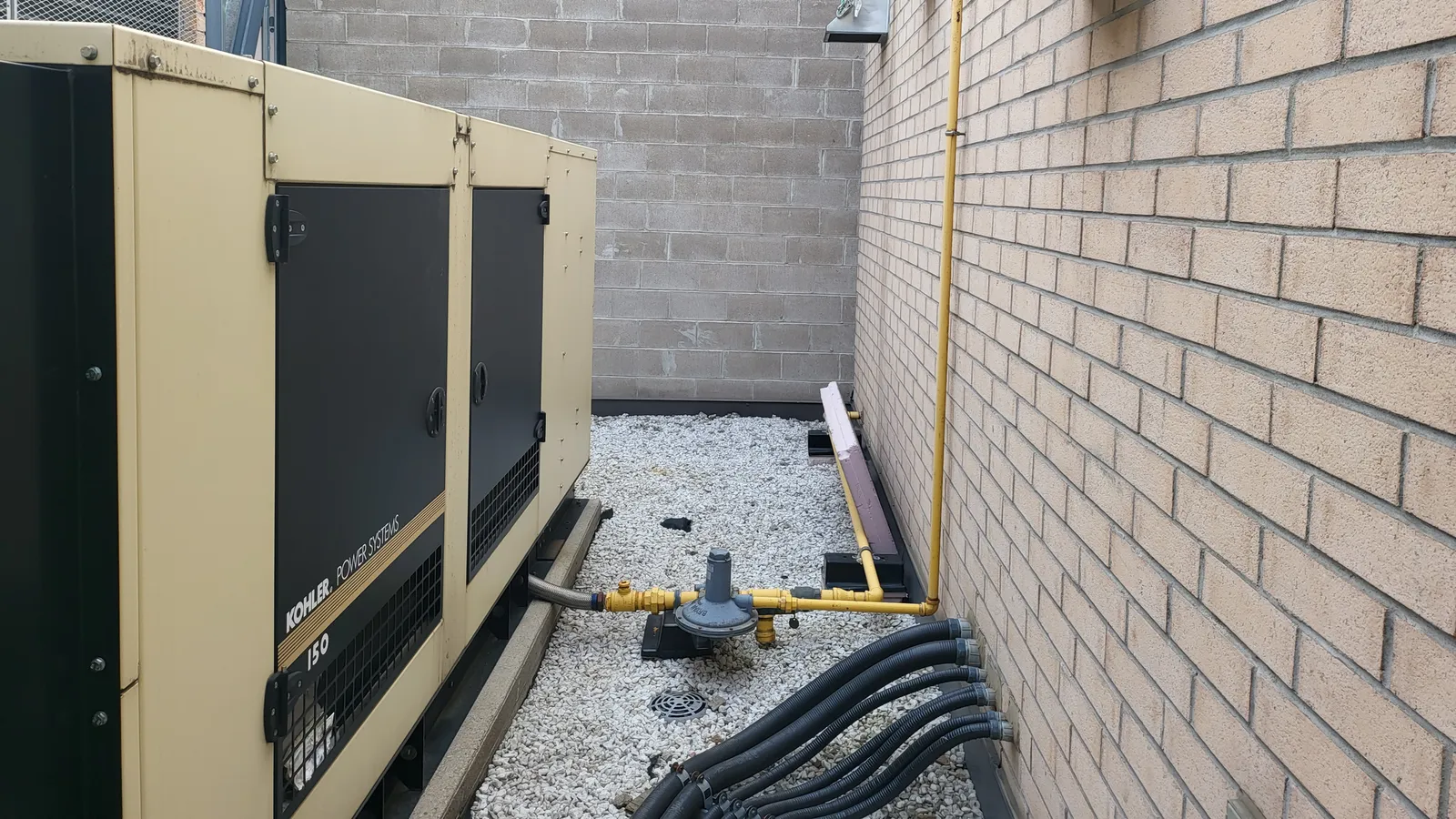
ESA specifically warns that the load must be matched to the generator and that improper connection methods are unsafe. Strong product and system examples in this category include selected-circuit transfer switch setups, essential-load backup panels, Generac pre-wired limited circuit switch arrangements, and KOHLER residential load-management capable transfer systems. Generac materials specifically describe pre-wired limited circuit switches as backing up selected circuits for essential circuit coverage, while KOHLER materials describe automatic management of up to six residential loads on some residential systems. In many homes, backup power circuits also fit naturally with related services such as home generator installation, transfer switch installation, portable generator connection, or backup battery systems. If the existing electrical installation is outdated or unsuitable, it may also make sense to combine the project with electrical panel upgrade or electrical safety inspection.
A well-designed backup power circuit plan helps the homeowner focus backup capacity where it matters most instead of wasting it on non-essential loads. It also makes the system easier to use, easier to size, and easier to trust during a stressful outage. We focus on safe circuit selection, clean installation, realistic load planning, and backup designs that match how the home actually operates. Where ESA notification is required for the electrical scope of work, the installation must be handled properly and completed in accordance with Ontario Electrical Safety Code requirements. For homeowners who want more information on electrical safety in Ontario, the Electrical Safety Authority (ESA) is the main provincial authority. A properly installed backup power circuit system is not just a technical upgrade — it is one of the smartest and most cost-effective ways to make a home more resilient during outages.
When Backup Power Circuits Make Sense
Protect the loads that matter most before the next outage leaves your home trying to power too much or the wrong things
Backup power circuits make sense when a homeowner wants a practical outage plan built around essential loads instead of trying to back up the entire house.
Many homes in Toronto, Mississauga, Vaughan, Markham, and across the GTA do not need every electrical circuit energized during an outage.
What they really need is to keep the critical loads running safely and reliably.
That usually means protecting the furnace, sump pump, fridge, freezer, lighting, internet equipment, garage access, and selected receptacles.
In some homes it may also include medical equipment, security systems, basement circuits, or a dedicated home office area.
Homeowners often ask for backup power circuits after realizing that whole-house backup is not always necessary and may not be the most cost-effective approach.
A selected-circuit backup design can often deliver most of the real benefit at a lower entry point.
This is especially true for portable generator systems, essential-load battery backup systems, and homes that want outage resilience without oversized backup equipment.
ESA specifically advises matching the load to the generator and preventing overload conditions, which makes circuit prioritization a major part of good backup planning.
Generac also specifically markets pre-wired limited circuit switch solutions for essential circuit coverage when whole-house coverage is unnecessary.
KOHLER residential materials similarly highlight automatic management of residential loads in more advanced backup arrangements.
If the home is also preparing for home generator installation, backup battery systems, or portable generator connection, identifying the right backup power circuits becomes even more important.
If the existing installation has unresolved electrical concerns, the project may also benefit from electrical code corrections or electrical panel upgrade.
A good backup power circuit plan should support the circuits that matter most, not just whatever happens to be easiest to connect.
It should be designed around real outage priorities, realistic generator or battery capacity, and the way the household actually functions during a power loss.
For homeowners who want smarter, more targeted outage protection, backup power circuits are one of the strongest residential electrical services available.
You Want to Protect Essential Loads First
Critical circuits such as furnace, sump pump, fridge, freezer, and internet are often far more important than whole-home backup.
You Want a More Cost-Effective Backup Plan
Selected-circuit backup often gives homeowners the most practical protection without oversizing the backup system.
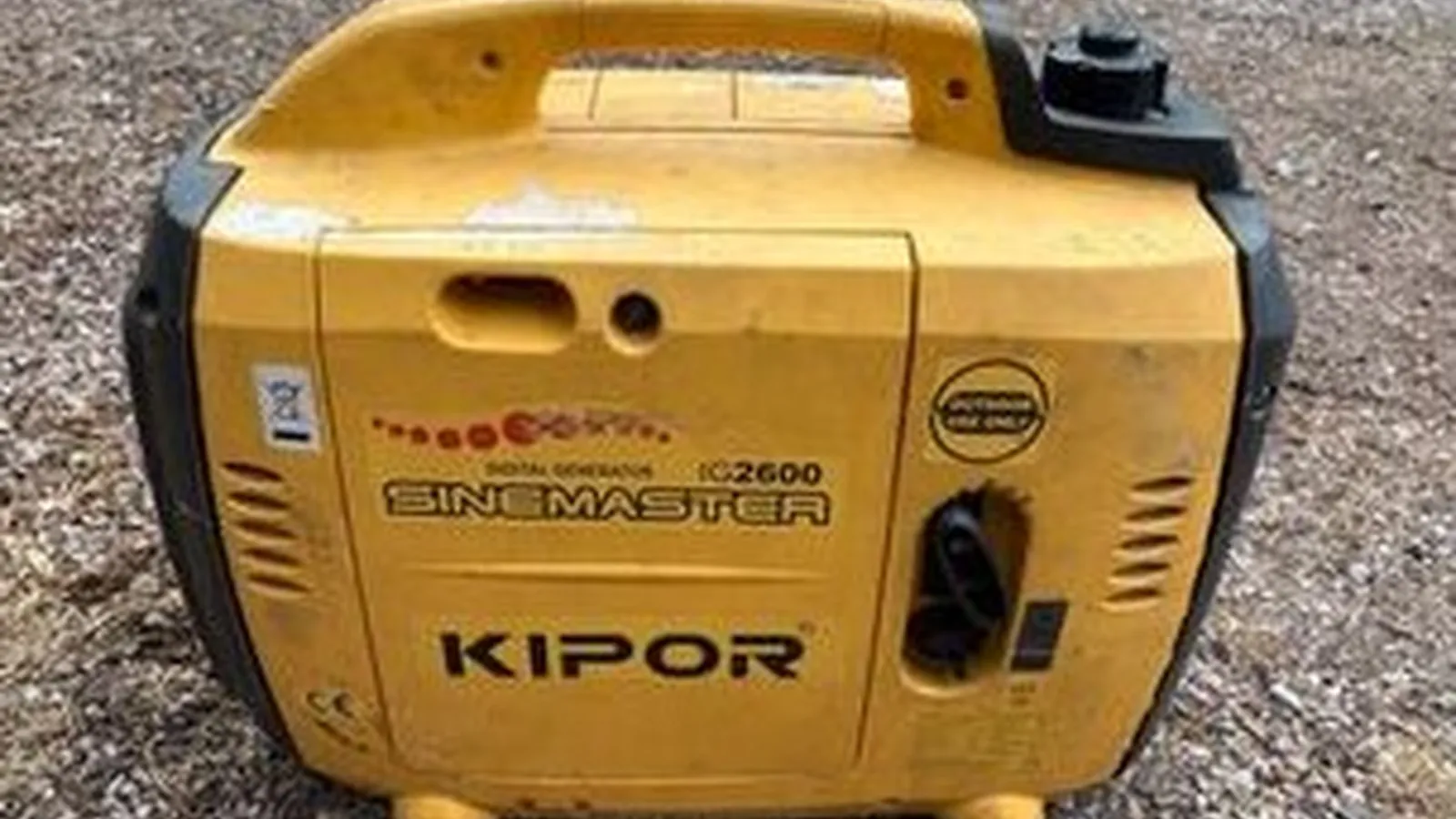
You Are Using a Portable Generator
Portable generator systems usually work best when backup capacity is focused on essential circuits only.
You Want to Avoid Generator Overload
Prioritizing backup circuits helps the system stay within its real output and operate more reliably during an outage.
Your Home Has Basement Flood Risk
A backup circuit for the sump pump can be one of the most important protections in the entire house.
You Need Heating Equipment to Stay Running
Keeping furnace controls and related essential loads energized can make a major difference during winter outages.
You Want Better Battery Backup Planning
Battery systems perform more effectively when the essential circuits are identified clearly instead of trying to support unnecessary loads.
You Want a Smarter Outage Strategy
Backup power circuits make the home’s emergency power design more focused, more useful, and easier to trust.
WHY CHOOSE US
Why Homeowners Trust Us
We focus on practical solutions rather than temporary fixes, ensuring your electrical system performs safely under real conditions. Every electrical panel upgrade is completed with proper planning, correct equipment selection, and attention to long-term performance.
Our approach eliminates unnecessary work and is based on accurate diagnostics, not assumptions, so you only pay for what your system actually needs. We prioritize safety, efficiency, and clean execution on every project.
As a result, you receive a reliable, code-compliant electrical system that supports your home today and is fully prepared for future electrical demands.
Licensed & Insured
All work is performed by qualified, fully insured electricians, ensuring safety, accountability, and compliance with all regulations.
ESA certified work
Every project includes permits and ESA inspection, guaranteeing that the installation meets Ontario Electrical Safety Code requirements.
Professional installations
We install panels with precise wiring, proper layout, and clear labeling, making the system safe, accessible, and easy to maintain.
Transparent pricing
Our customers receive clear pricing based on actual scope of work, with no hidden costs or unexpected changes during the project.
Fast scheduling
We schedule work efficiently and arrive on time, minimizing downtime and ensuring your electrical system is restored as quickly as possible.
Accurate calculations
We calculate electrical demand based on real usage, ensuring your panel is properly sized for both current and future electrical needs.
Code-compliant work
All installations strictly follow current electrical code requirements, ensuring safety, inspection approval, and long-term system reliability.
Reliable workmanship
Our experience allows us to deliver consistent, high-quality results that perform reliably under real operating conditions over time.
CODE & SAFETY REQUIREMENTS
Ontario Electrical Safety Code Compliance
The Ontario Electrical Safety Code (OESC) sets the minimum legal safety requirements for electrical installations in Ontario. For residential backup power circuits, compliance with the Code is essential to ensure that selected circuits, transfer equipment, panels, conductors, overcurrent protection, and associated backup power wiring are installed safely and are suitable for alternate power operation during outages.
Following the Code helps reduce the risk of electric shock, fire, overload conditions, unsafe source switching, equipment damage, failed ESA inspection, and dangerous backfeeding situations.
A backup power circuit installation must be designed so that selected essential loads can be supplied through approved equipment and proper transfer methods. This is especially important where manual or automatic transfer equipment is used, where essential-load subpanels are involved, and where circuit prioritization affects the way backup capacity is managed.
Rules commonly applicable to residential backup power circuits
-
Rule 2-004 — Notification of work / ESA inspection process
Where the electrical scope of work requires notification, the installation must be properly notified to ESA and handled through the required inspection process. -
Rule 2-022 — Approved electrical equipment
Transfer switches, panels, load management equipment, and associated backup power products used in Ontario must be approved for use. -
Rule 2-024 — Approval requirements for electrical equipment
Equipment must be approved to recognized standards and accepted for installation in Ontario. -
Rule 2-034 — Use of electrical equipment
Electrical equipment must be used only for the purpose and in the manner for which it is approved and intended. -
Rule 2-314 — Working space around electrical equipment
Working space around panels, transfer equipment, and backup power distribution equipment must be kept clear and suitable for safe operation and maintenance. -
Rule 6-206 — Consumer’s service entrance equipment
Service equipment and related arrangements must remain readily accessible and compliant where backup power circuit equipment is added. -
Rule 12-010 — Mechanical protection of conductors
Conductors must be installed and protected in a manner that reduces the risk of physical damage. -
Rule 12-3010 — Boxes, cabinets, and fittings installation requirements
Boxes, cabinets, panels, and fittings must be suitable for the installation and support the wiring method and equipment arrangement properly. -
Rule 14-100 — Protection of conductors by overcurrent devices
Conductors associated with the backup power circuit installation must remain properly protected by the correct overcurrent devices. -
Rule 14-104 — Rating and coordination of overcurrent protection
Overcurrent protection must be coordinated correctly with conductor ampacity and the characteristics of the installation. -
Rule 14-612 — Prevention of backfeeding and unsafe energization concerns
Backup power arrangements must not create unsafe backfeeding conditions or improper source energization. -
Section 84 — Interconnected electric power production sources
Where applicable to the alternate source arrangement, installations must follow the Code requirements governing alternate and interconnected power sources.
Note: Rule selection may vary depending on whether the installation uses a manual transfer switch, automatic transfer switch, essential-load subpanel, generator-based backup, or battery-based backup arrangement. Exact official wording should be taken from the current purchased edition of the Ontario Electrical Safety Code and applicable ESA bulletins.
COMMON QUESTIONS
FAQ — Backup Power Circuits
1. What are backup power circuits?
Backup power circuits are selected household circuits that are intentionally prepared to receive generator or battery backup power during an outage.
2. What circuits should be backed up in a house?
Common priorities include the furnace, sump pump, refrigerator, freezer, internet equipment, selected lighting, garage door opener, and key receptacles. The right list depends on how the household functions during an outage.
3. Is it better to back up the whole house or only essential circuits?
For many homes, essential circuits are the smarter and more cost-effective starting point because they protect the loads that matter most without requiring as much backup capacity.
4. Can backup power circuits work with a portable generator?
Yes. In many homes, portable generator systems are most practical when they are focused on selected essential circuits instead of the entire house.
5. Can backup power circuits work with a battery backup system?
Yes. Battery backup setups often perform much better when the essential loads are clearly selected and separated from non-essential loads.
6. What is an essential-load backup panel?
It is a panel or selected-circuit arrangement used to group or identify the circuits that will receive backup power during an outage.
7. Can the furnace and sump pump be on backup circuits?
Yes. Those are among the most common and most important loads homeowners choose to protect during outages.
8. Why is circuit prioritization important?
Because backup systems have real capacity limits. Prioritization helps make sure the available generator or battery power is used on the loads that matter most.
9. Do backup power circuits help avoid overload?
Yes. A properly planned selected-circuit design helps keep the backup source within realistic load limits and reduces the risk of overloading the system.
10. Do I need transfer equipment for backup power circuits?
Yes, in a proper hardwired backup setup the selected circuits must be connected through approved equipment and safe source-switching methods.
11. Do I need ESA notification for backup power circuit installation?
Where the work involves hardwired backup power equipment and associated electrical modifications, it should be handled properly through the Ontario process applicable to the installation.
12. Are backup power circuits worth it?
Yes. For many homeowners, they are one of the smartest backup power investments because they protect the most important loads without requiring full-house backup from the start.
SERVICE AREAS
Serving Toronto & the Greater Toronto Area
We provide residential, commercial, and industrial electrical services across Toronto and the GTA, supporting homes, businesses, and facilities with reliable and code-compliant electrical solutions.
Our service coverage includes major cities and surrounding areas, allowing us to respond quickly and deliver consistent service across the region.
Toronto
North York
Thornhill
Richmond Hill
Vaughan
Markham
Scarborough
Etobicoke
Mississauga
Brampton
ADDITIONAL SERVICE AREAS
Hamilton
Oakville
Burlington
Milton
Georgetown
Pickering
Ajax
Whitby
Oshawa
Clarington
Aurora
Newmarket
Bradford
King City
Barrie