
Toronto & GTA Electrical Contractor
Electrical Safety Inspections for Cranes in Toronto, Richmond Hill, New Market, Aurora, Brampton & GTA
Industrial electrical work — installations, upgrades, troubleshooting, maintenance, and code-compliant solutions.
Licensed & Insured
Fast Response
Code-Compliant Work
CRANE & HOIST ELECTRICAL SAFETY INSPECTIONS
What We Do
We provide Crane Electrical Safety Inspections for overhead cranes, hoists, monorails, jib cranes, gantry cranes, crane electrification systems, and related hoisting equipment across Toronto and the GTA.
This service is designed for one of the easiest places to underestimate risk in an industrial facility: crane electrical systems that “still work.” Many people focus on the structure, hook, hoist, or mechanical motion and treat the electrical side as a secondary detail unless the crane stops completely. That is exactly how expensive failures build up. A worn festoon cable, weak pendant station, damaged conductor bar, overheated disconnect, stressed contactor, failing brake control circuit, degraded limit circuit, loose terminal, or unreliable radio remote interface may look minor at first, but on a crane system those “small” electrical defects can quickly become downtime, control loss, nuisance trips, dangerous operating behavior, or major repair work.
Crane Electrical Safety Inspections are not a generic visual walkaround. They are a focused review of the electrical parts that allow the crane to receive power, respond to commands, stop safely, protect the operator, and operate reliably under load. In industrial environments, these systems are exposed to vibration, repeated motion, dust, heat, moisture, mechanical abuse, and years of daily use. Even when the crane still runs, the electrical condition may already be weakening.
Ontario’s Industrial Establishments Regulation includes travelling cranes, overhead cranes, monorail cranes, gantry cranes, jib cranes, and similar lifting devices supported by a structure. This makes it clear that crane equipment belongs inside a serious safety framework, not casual maintenance. Konecranes also describes crane inspections as a way to identify risks early and support safer, more efficient operation.
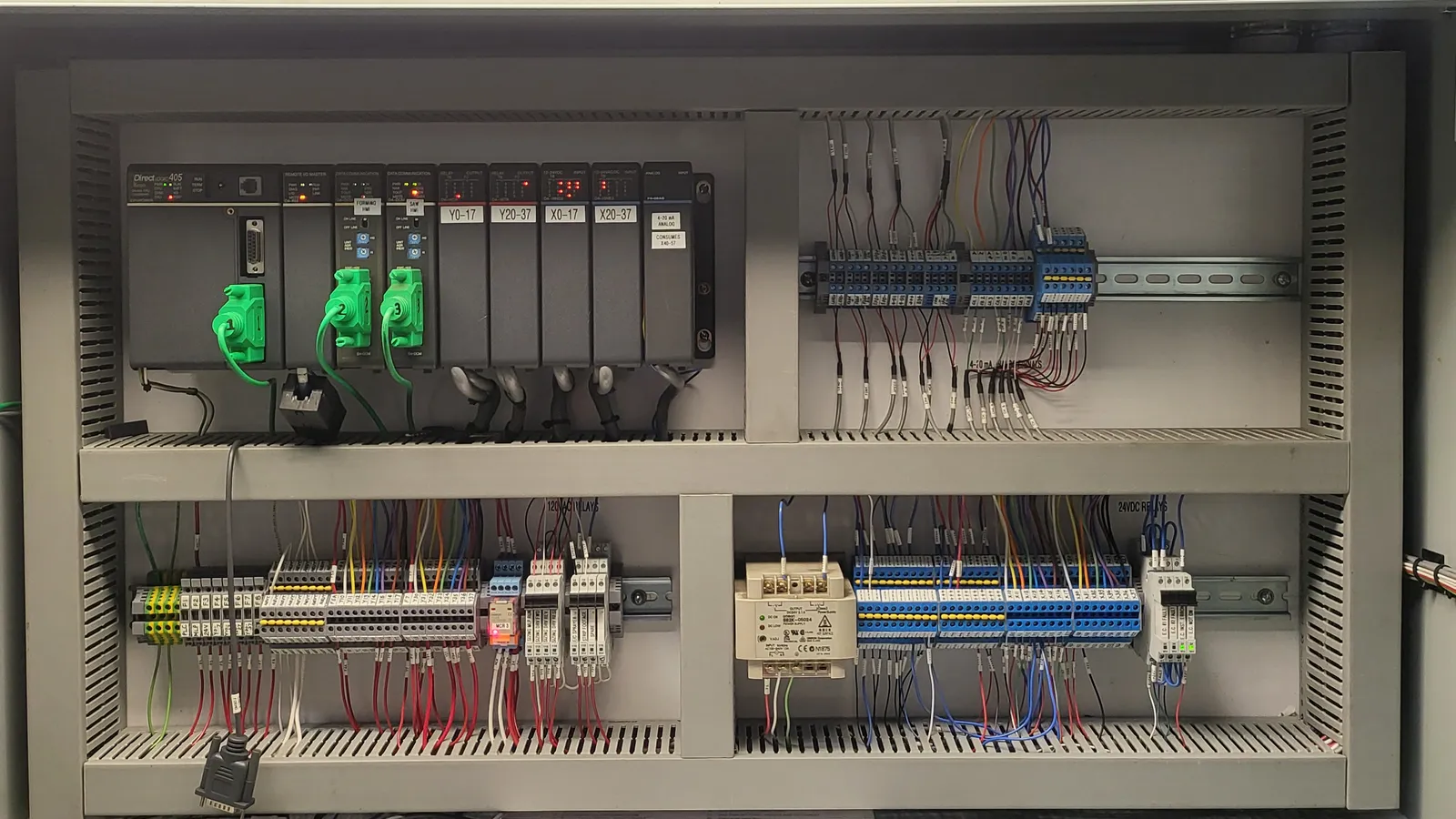
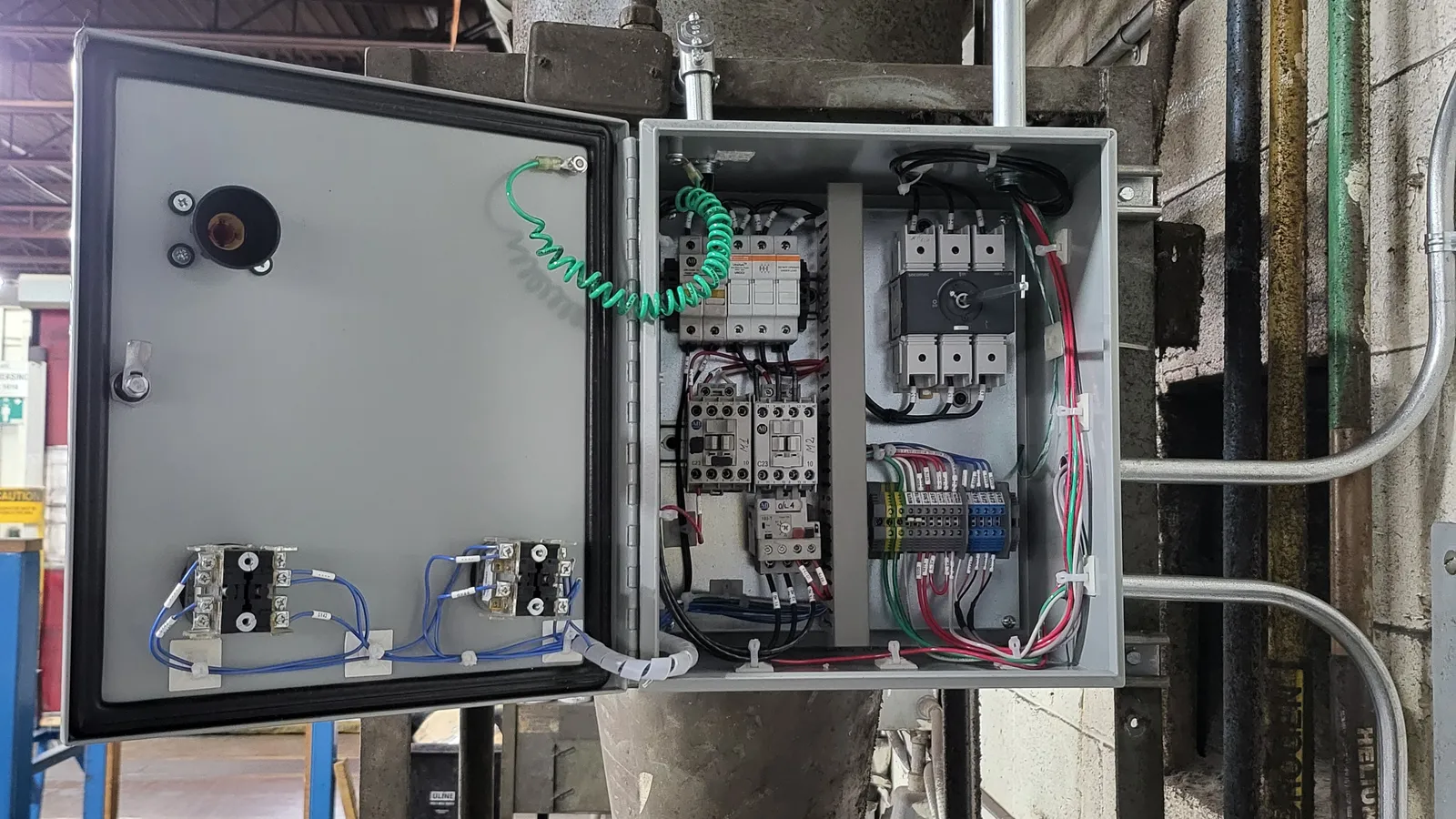
Our Crane Electrical Safety Inspections focus on the electrical components that commonly get ignored until the crane starts misbehaving. This includes crane power feeds, bridge and trolley electrification, festoon systems, conductor bars, disconnects, control panels, VFD sections where present, pendant controls, radio remote interfaces, travel circuits, hoist circuits, end-stop circuits, limit circuits, brake-related control components, and visible condition issues inside crane electrical enclosures.
The goal is not to create paperwork for the sake of paperwork. The goal is to identify where crane electrical safety and operating reliability are beginning to weaken before the next service call becomes an emergency. A crane may still lift and travel, but that does not mean the electrical system is in proper condition. Loose terminals, worn conductors, damaged cable jackets, poor enclosure condition, overheating, unreliable controls, and aged components can all remain hidden until the crane fails at the worst possible time.
According to CCOHS, overhead crane safety depends on proper inspection, maintenance, and safe operating practices. For industrial facilities, this matters because crane failures can affect people, production, equipment, material handling, and schedule. Crane Electrical Safety Inspections help maintenance teams understand which electrical problems are minor, which are becoming reliability concerns, and which require correction before the risk increases.
This service is especially valuable in facilities where cranes are heavily used, where production depends on lifting availability, where electrification systems have seen years of movement and environmental stress, or where no one has recently inspected the crane electrical side with a serious maintenance mindset. Cranes often operate above production areas, near workers, near equipment, and around valuable materials. Electrical defects on this type of equipment should not be treated as small background issues.
Crane Electrical Safety Inspections can help identify problems such as deteriorated festoon cables, damaged conductor systems, weak pendant controls, unreliable radio remote interfaces, worn contactors, overheating terminals, loose connections, degraded limit switches, brake circuit concerns, enclosure contamination, poor grounding or bonding, and signs of previous repairs that may not have been completed correctly. These findings can help the facility plan repairs before a breakdown interrupts production.
The service also supports better maintenance planning. Instead of waiting until the crane stops, the facility can use inspection findings to decide what should be repaired immediately, what should be monitored, and what can be planned during the next shutdown window. This is especially important for production plants, warehouses, fabrication shops, machine shops, manufacturing facilities, and industrial sites where crane downtime can delay multiple operations at once.
Where appropriate, Crane Electrical Safety Inspections can support related work such as crane electrical troubleshooting, control panel rebuilding, or festoon electrification systems. These services work together because crane electrical reliability depends on power delivery, controls, protective circuits, mechanical motion, and operator interface all functioning correctly.
The result is a practical industrial inspection service designed to reduce avoidable crane failures, improve electrical safety, support planned maintenance, and give facility teams better confidence in the condition of their lifting equipment.

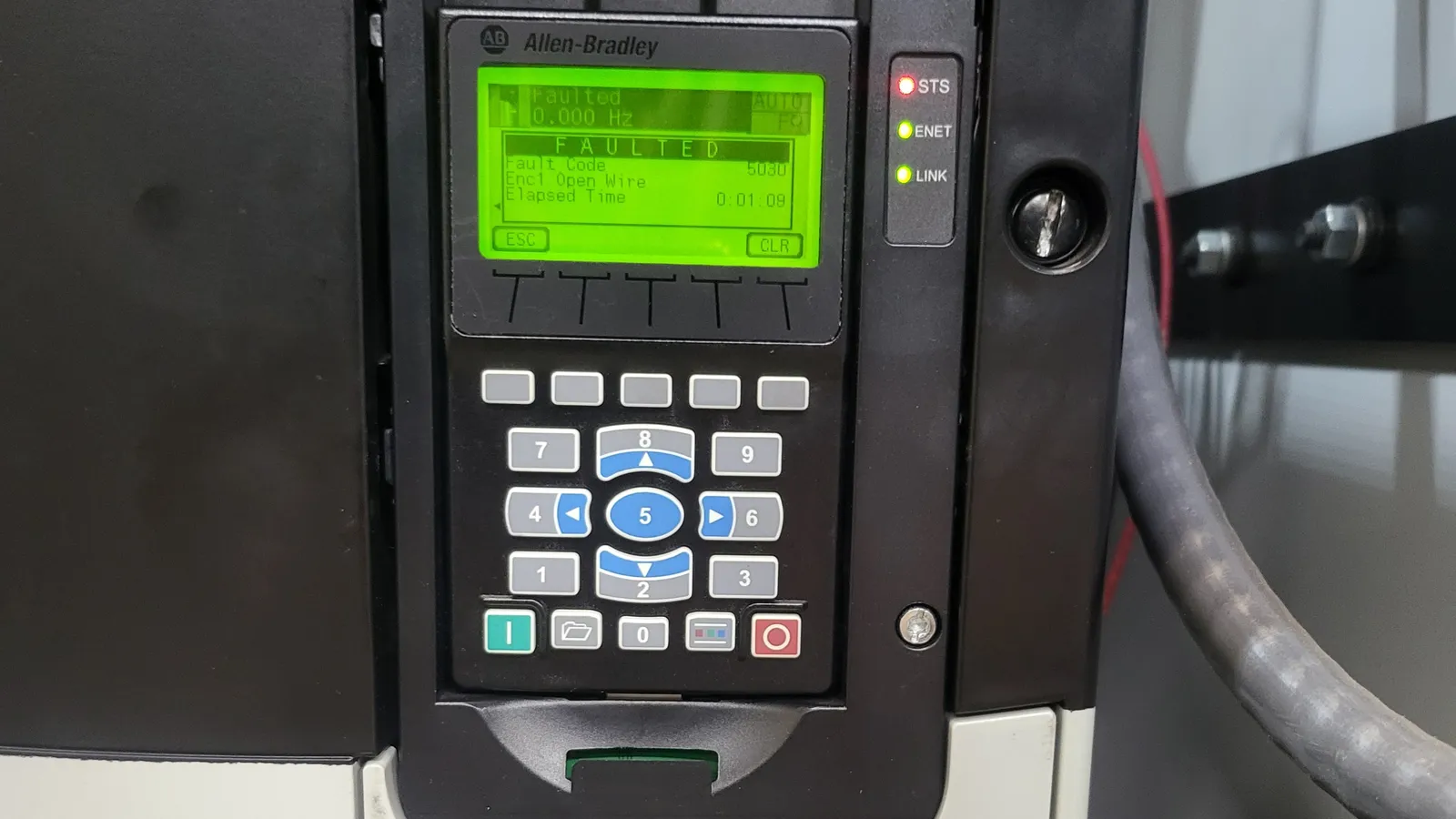
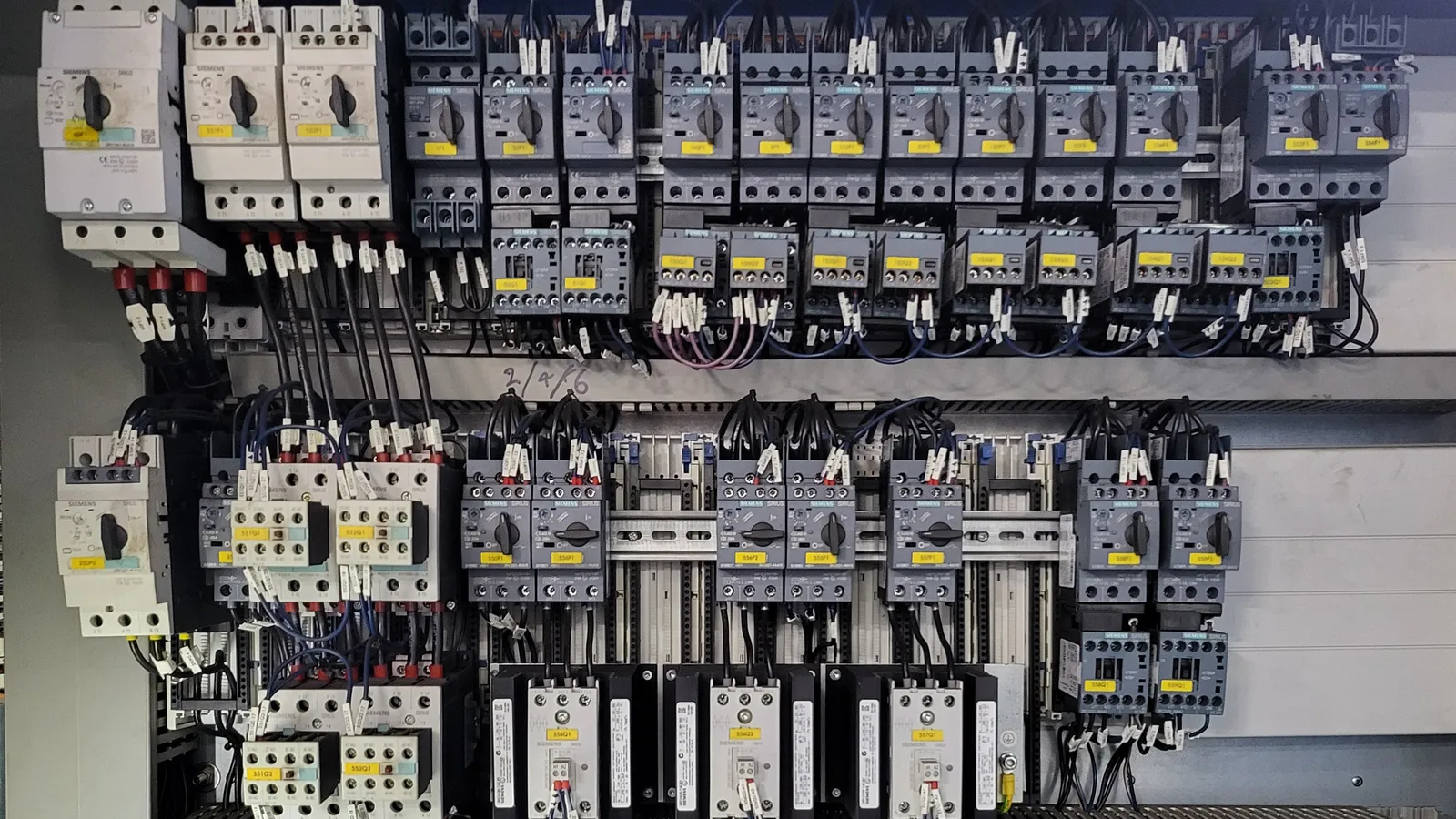
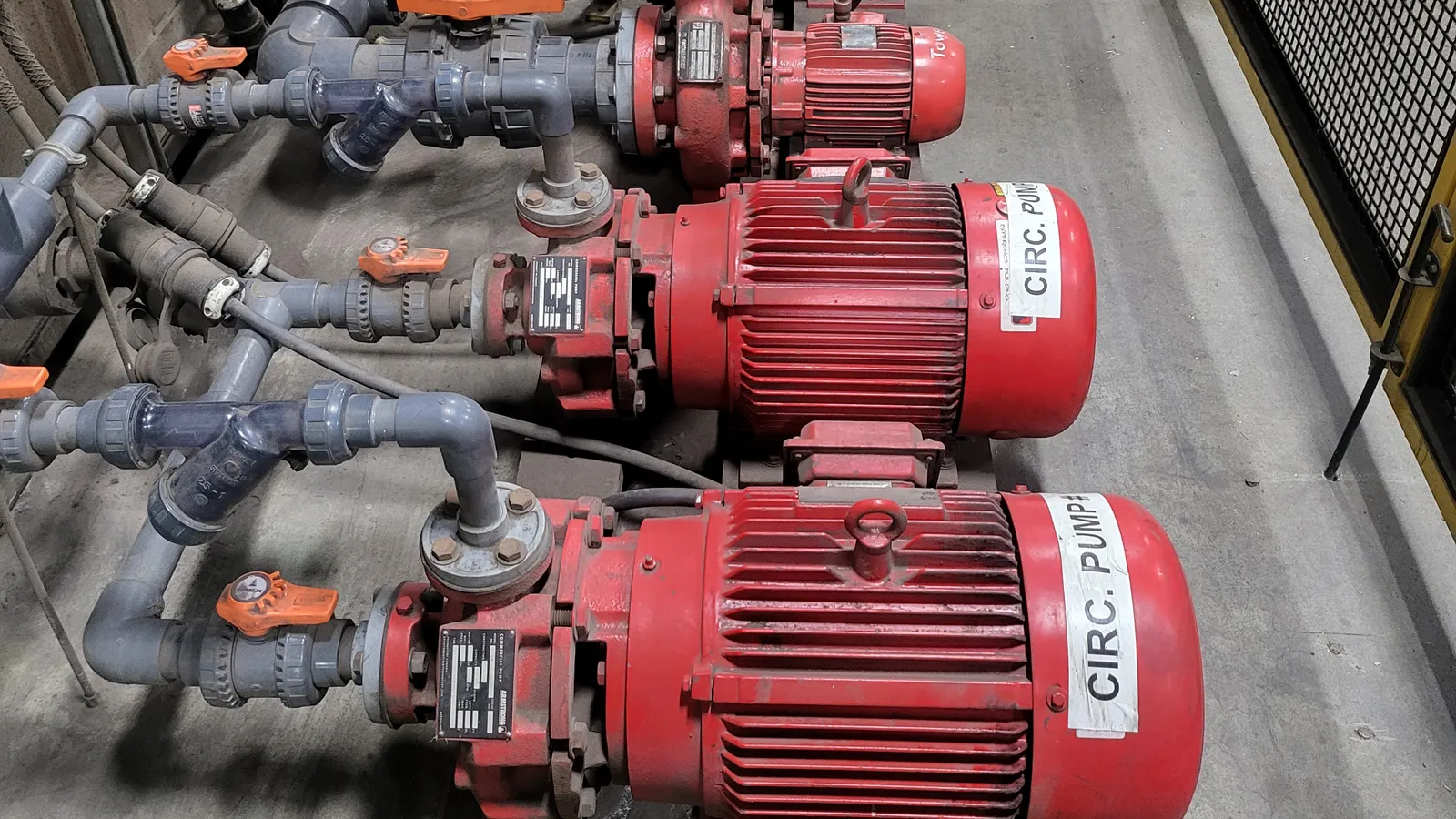
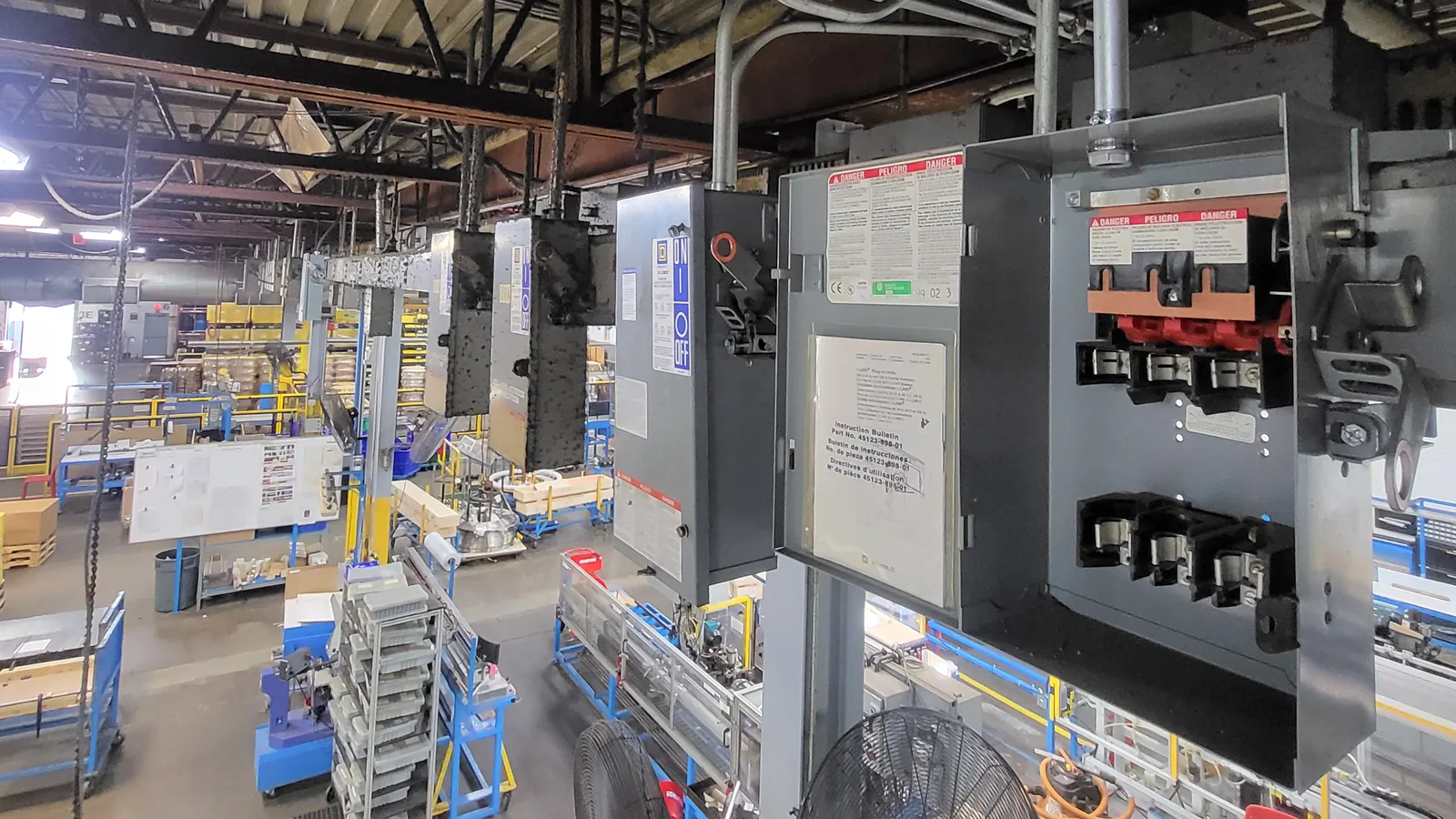

When “It Still Runs” Is Hiding the Kind of Crane Electrical Problem That Later Becomes Expensive
Inspect the small crane electrical issues early before they turn into lost control, downtime, and major repair costs
Crane electrical problems are often dismissed because the crane still moves.
That is exactly why they become expensive. A hoist can still lift, a trolley can still travel, and a bridge can still respond to commands while the electrical side is already developing faults that will not stay small for long.
In industrial facilities across Toronto and the GTA, many of the most costly crane electrical failures begin with details people do not treat seriously enough at first: worn festoon cable, damaged pendant buttons, weak contactors, unreliable travel limit circuits, overheated terminals, loose control wiring, dirty or aging control panels, conductor bar wear, or radio remote issues that seem “intermittent.” These are exactly the kinds of details that can go unnoticed until the crane stops in service or starts behaving unpredictably.
This matters because crane electrical systems do not fail in isolation. One weak control component can stop a crane in the middle of production. One overlooked electrification defect can create repeated shutdowns. One bad connection can overheat and damage surrounding equipment. One unsafe limit or brake-related electrical issue can turn a manageable maintenance item into a much more serious problem. Konecranes explicitly frames crane inspection work around finding risks early, which fits the real value of this service directly.
You may need a crane electrical safety inspection if the crane has intermittent faults, aging controls, repeated nuisance trips, unreliable pendant or remote response, visible cable wear, unexplained stops, or a maintenance history that is incomplete or uncertain. It is also highly relevant after modifications, because crane electrical systems are especially sensitive to control changes that are not reviewed carefully.
The expensive part is rarely the inspection. The expensive part is what happens when a “small” electrical defect grows into a hoist downtime event, a control-system repair, damaged electrification hardware, or an urgent service situation that stops work when the crane is needed most.
A serious inspection gives the client a clearer answer on what is safe, what is aging, what is becoming unreliable, and what should be corrected now instead of later. Ontario’s industrial regulation also makes clear that lifting devices are part of a real safety regime, which is one more reason not to leave crane electrical condition to assumption.
Crane electrical safety inspections in Toronto, Mississauga, Vaughan, Markham, and across the GTA help industrial clients catch the “minor” defects early, before those details grow into costly repairs, production disruption, or avoidable operating risk.
Festoon or Electrification Wear Looks Minor
What seems like small cable or collector wear can develop into power loss, erratic control, and expensive downtime.
Pendant or Remote Commands Are Intermittent
Inconsistent response is often treated as “annoying,” but on a crane it can point to growing control-system risk.
Control Panel Components Are Aging
Old relays, contactors, terminals, and control devices can quietly create crane faults before complete failure appears.
Travel or Hoist Limits Need Attention
Limit-related electrical issues may seem small until they affect control reliability and operating safety.
Loose or Heated Connections Are Suspected
One weak electrical connection can lead to nuisance trips, damaged parts, and much larger repair cost later.
Brake or Control Circuits Act Unreliably
Crane electrical systems depend on control integrity, and small circuit defects can become serious very quickly.
Maintenance History Is Incomplete
When no one knows the real condition of the crane electrical side, assumptions become expensive.
The Crane Still Operates but No One Fully Trusts It
That is often the exact moment when inspection provides the most value and prevents larger failure.
WHY CHOOSE US
Why Industrial Clients Choose Us
We focus on practical industrial electrical solutions rather than temporary fixes, ensuring your power systems, equipment, and production infrastructure operate safely and reliably under real operating conditions. Every project is completed with careful planning, proper equipment selection, and close attention to long-term performance, system stability, and operational continuity.
Our approach eliminates unnecessary work and is based on accurate diagnostics, field-tested methods, and a clear understanding of how industrial facilities actually run, so you only invest in the work your system truly requires. We prioritize safety, efficiency, code compliance, and clean execution on every job, whether it involves troubleshooting, upgrades, installations, or power distribution improvements.
As a result, you receive a dependable, code-compliant industrial electrical system that supports your facility today, reduces the risk of costly downtime, and is properly prepared for future production demands, equipment expansion, and higher power requirements.
Licensed & Insured
All work is performed by qualified, fully insured electricians, ensuring safety, accountability, and compliance with all regulations.
ESA certified work
Every project includes permits and ESA inspection, guaranteeing that the installation meets Ontario Electrical Safety Code requirements.
Professional installations
We install panels with precise wiring, proper layout, and clear labeling, making the system safe, accessible, and easy to maintain.
Transparent pricing
You receive clear pricing based on the actual scope of work, with no hidden costs or unexpected changes during the entire project.
Fast scheduling
We schedule work efficiently and arrive on time, minimizing downtime and ensuring your electrical system is restored as quickly as possible.
Accurate calculations
We calculate electrical demand based on real usage, ensuring your panel is properly sized for both current and future electrical needs.
Code-compliant work
All installations strictly follow current electrical code requirements, ensuring safety, inspection approval, and long-term system reliability.
Reliable workmanship
Our experience allows us to deliver consistent, high-quality results that perform reliably under real operating conditions over time.
CODE & SAFETY REQUIREMENTS
Ontario Electrical Safety Code Compliance
The Ontario Electrical Safety Code (OESC) sets the minimum legal safety requirements for electrical installations and electrical work in Ontario.
For crane electrical safety inspections, Code relevance is tied to approved electrical equipment, safe maintenance condition, disconnecting means, guarding of live parts, working clearances, and the corrective work performed when defects are identified. Ontario’s Industrial Establishments regulation also expressly includes travelling cranes, overhead cranes, monorail cranes, gantry cranes, jib cranes, and other lifting devices supported by a structure, which reinforces that crane systems sit inside a regulated industrial safety framework.
Electrical safety inspection does not replace Code compliance. It supports it by helping identify where crane electrical systems are no longer in the safe and reliable condition they are expected to be in. In crane applications, small electrical defects are especially deceptive because the crane may continue to operate while the problem is already developing into something more serious.
Every crane electrical safety inspection should be approached with safe access planning, proper consideration of energized equipment, and disciplined follow-up when unsafe or deteriorated electrical conditions are found. Where inspection findings lead to electrical repair, replacement, rewiring, control modification, or equipment correction, that work should comply with the current Ontario Electrical Safety Code and ESA requirements.
Rules commonly applicable to crane electrical safety inspections
-
Industrial Establishments Regulation — lifting devices
Ontario’s Industrial Establishments regulation includes travelling cranes, overhead cranes, monorail cranes, gantry cranes, jib cranes, and other lifting devices suspended from or supported by a structure. This makes crane and hoisting equipment clearly part of the industrial safety regime in Ontario. -
Rule 2-022 — Approved electrical equipment
Electrical equipment used in Ontario must be approved in accordance with Code requirements. This applies to crane control equipment, disconnects, panels, electrification components, and associated electrical hardware. -
Rule 2-024 — Approval requirements for electrical equipment
Equipment maintained or repaired in Ontario must be approved to recognized standards and accepted for use in Ontario. -
Rule 2-300 — General requirements for maintenance and operation
Electrical equipment must be maintained in safe working condition. This is directly relevant to crane electrification, controls, disconnects, and panel equipment that may still operate while deteriorating. -
Rule 2-304 — Disconnecting means shall be provided
Suitable disconnecting means must be available so crane electrical equipment can be isolated safely for inspection, service, and follow-up corrective work. -
Rule 2-308 — Live parts guarding
Live electrical parts must be guarded against accidental contact, which is important in crane control panels, electrification areas, and associated electrical enclosures. -
Rule 2-314 — Working space around electrical equipment
Clear access around panels, disconnects, control sections, and associated electrical equipment is essential for safe crane electrical inspection and maintenance. -
Rule 12-000 — Wiring methods
Conductors, cables, and raceways must be installed using approved methods suitable for the environment and application, which is especially relevant where crane movement creates stress on electrical supply and control wiring. -
Rule 14-100 — Protection of conductors by overcurrent devices
Conductors must be protected correctly, including those feeding crane electrical systems and related control equipment. -
Rule 14-104 — Rating / coordination of overcurrent protection
Protection must be coordinated with conductor ampacity and equipment characteristics, especially where crane operation depends on dependable electrical control and power supply. -
Rule 2-004 — Notification of work / ESA inspection process
If inspection findings lead to electrical repair or replacement work that requires notification, the required ESA process must be followed before the installation is returned to service. -
Inspection and maintenance expectation
Konecranes describes crane inspections as a way to identify risks early and maintain safety and efficiency, which aligns with the practical role of electrical safety inspection in crane systems.
Note: Rule selection may vary depending on whether the crane uses pendant control, radio remote control, festoon electrification, conductor bar systems, VFD motion control, or more complex crane control panels. Exact official wording should be taken from the current purchased edition of the Ontario Electrical Safety Code and applicable Ontario safety regulations.
COMMON QUESTIONS
FAQ — Electrical Safety Inspections (Cranes and Hoisting Equipment)
1. Why is a crane electrical safety inspection important?
Because many crane electrical problems start as “small” issues that do not seem urgent at first but can later turn into costly downtime, unsafe control behavior, or major repair work.
2. What parts of the crane electrical system are usually inspected?
Common areas include control panels, disconnects, pendant and radio remote interfaces, festoon systems, conductor bars, travel and hoist control circuits, limits, terminals, and other electrical control and power components.
3. Can the crane still work and still have serious electrical defects?
Yes. That is one of the biggest risks. A crane may still operate while an electrical issue is already developing into a much more expensive failure.
4. What kinds of “small” problems often become expensive later?
Examples include worn festoon cable, weak terminals, overheated connections, unreliable remote response, aging contactors, damaged control devices, and deteriorating electrification parts.
5. Why is intermittent crane behavior a warning sign?
Because intermittent faults often mean the system is already unstable, and waiting for a full breakdown usually makes the repair more disruptive and more expensive.
6. Are overhead cranes and similar lifting devices specifically covered in Ontario industrial regulation?
Yes. Ontario’s Industrial Establishments regulation expressly includes travelling cranes, overhead cranes, monorail cranes, gantry cranes, jib cranes, and similar lifting devices suspended from or supported by a structure.
7. Is this only for cranes that already have a fault?
No. It is often most valuable before a serious fault happens, when the goal is to find the weak electrical points early instead of after failure.
8. Can this service help with preventive maintenance planning?
Yes. It helps identify what should be corrected now, what should be monitored, and what should be included in planned maintenance rather than emergency repair.
9. Is this different from full electrical troubleshooting?
Yes. Inspection is broader and condition-focused, while troubleshooting is usually aimed at a specific active fault. The two services often support each other.
10. Why do crane electrical issues become expensive so quickly?
Because cranes are critical assets. One small electrical defect can stop lifting operations, delay production, damage components, and create urgent service conditions very quickly.
11. Does corrective work after inspection need to comply with Ontario code requirements?
Yes. Any electrical repair, replacement, rewiring, or control correction must use approved equipment and comply with applicable Ontario Electrical Safety Code and ESA requirements.
12. Why not just wait until the crane fails and fix it then?
Because by then the “small” issue has already had time to become the expensive one. Early inspection is usually far cheaper than reactive crane downtime and emergency repair.
SERVICE AREAS
Serving Toronto & the Greater Toronto Area
We provide residential, commercial, and industrial electrical services across Toronto and the GTA, supporting homes, businesses, and facilities with reliable and code-compliant electrical solutions.
Our service coverage includes major cities and surrounding areas, allowing us to respond quickly and deliver consistent service across the region.
Toronto
North York
Thornhill
Richmond Hill
Vaughan
Markham
Scarborough
Etobicoke
Mississauga
Brampton
ADDITIONAL SERVICE AREAS
Hamilton
Oakville
Burlington
Milton
Georgetown
Pickering
Ajax
Whitby
Oshawa
Clarington
Aurora
Newmarket
Bradford
King City
Barrie