
Toronto & GTA Electrical Contractor
Festoon Electrification Systems for Cranes and Hoisting Equipment in Toronto & GTA
Industrial electrical work — installations, upgrades, troubleshooting, maintenance, and code-compliant solutions.
Licensed & Insured
Fast Response
Code-Compliant Work
CRANE FESTOON ELECTRIFICATION SYSTEMS
What We Do
We provide Festoon Electrification Systems for overhead cranes, bridge cranes, hoists, monorails, gantry cranes, and related moving equipment across Toronto and the GTA.
This service is built around one of the most underestimated parts of crane reliability: the moving power and control cable system. Many facilities treat festoon electrification like background hardware because it is “just the cable system.” That is exactly why it becomes expensive. A worn cable trolley, damaged flat cable, misaligned track, bad support bracket, stretched loop, weak end anchor, or aging festoon assembly may look like a small detail, but on a crane it can quietly create intermittent faults, lost power, unreliable controls, damaged cable jackets, broken conductors, and unexpected production downtime.
Festoon Electrification Systems are not just a row of trolleys carrying cable. They are the moving electrical lifeline that allows the crane to receive power and control signals while the bridge or trolley travels. According to Columbus McKinnon, festoon systems are core crane components designed to carry power and control cables in overhead crane applications, including flat cable and round cable configurations.
This matters because the entire crane depends on continuous electrical supply through a system that is constantly in motion. Every start, stop, and travel cycle puts stress on cables, trolleys, supports, and connections. Over time, even a small alignment issue or worn component can create intermittent electrical problems that are difficult to diagnose and easy to ignore until they become serious failures.
Our Festoon Electrification Systems service includes installation, upgrade, and replacement of crane cable systems used for bridge travel, trolley travel, and hoisting control. This includes flat cable festoon systems, cable trolley assemblies, support tracks, brackets, end stops, anchor points, and connection interfaces to crane power and control circuits.
Proper installation and configuration are critical. CMCO crane installation guidance highlights that festoon systems must be installed correctly and that crane power cable connections should be completed by qualified personnel. This reflects the fact that festoon electrification is part of the crane’s electrical infrastructure, not an accessory component.
In real industrial environments, Festoon Electrification Systems are exposed to continuous movement, vibration, mechanical stress, dust, moisture, and temperature variation. These conditions affect cable insulation, conductor integrity, trolley movement, and mechanical alignment. Over time, this leads to wear patterns that can cause electrical faults only at certain travel positions, making troubleshooting more complex.
This service is especially valuable where festoon wear is already visible, where crane faults appear only in specific bridge or trolley positions, where cables show signs of aging or damage, or where the crane has experienced years of continuous operation without system upgrade. These are the situations where “small” festoon problems become expensive downtime events.
Festoon Electrification Systems also support better long-term crane reliability. A properly installed and maintained system reduces stress on cables, improves electrical continuity, and helps prevent intermittent faults that disrupt crane operation. It also creates a more stable platform for future maintenance, troubleshooting, and upgrades.
We provide Festoon Electrification Systems in Toronto, Mississauga, Vaughan, Markham, Brampton, and across the GTA. Our work supports overhead cranes, bridge cranes, hoists, and other moving equipment where reliable power and control delivery is critical to operation.
Where appropriate, this service can support related work such as crane electrical troubleshooting, electrical safety inspections, or control panel rebuilding. These services work together because crane performance depends on reliable electrification, control systems, and electrical infrastructure functioning as a complete system.
The result is a Festoon Electrification Systems service designed to eliminate cable-related faults, improve crane reliability, reduce downtime risk, and prevent small electrification issues from turning into larger and more expensive electrical failures.

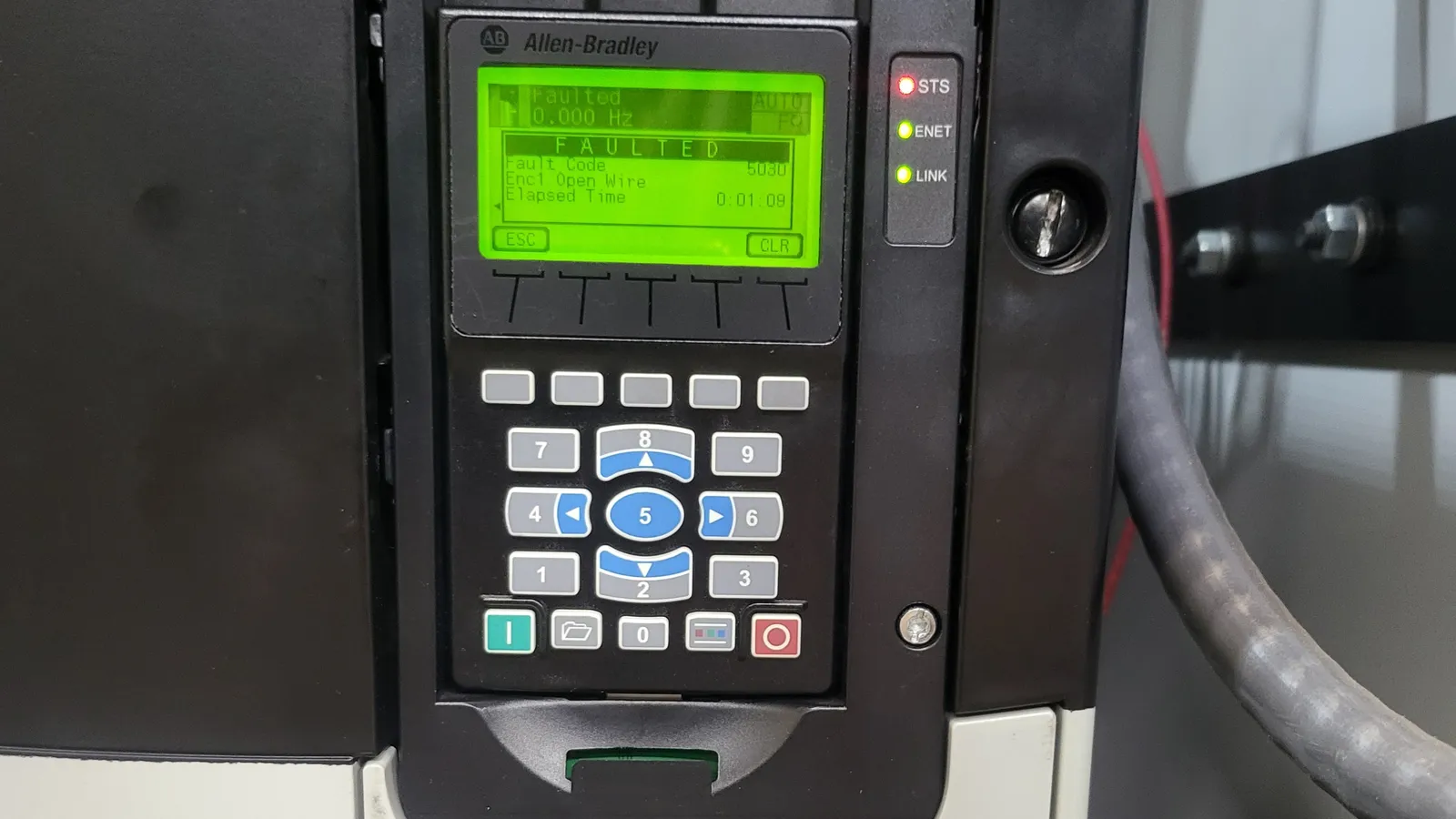
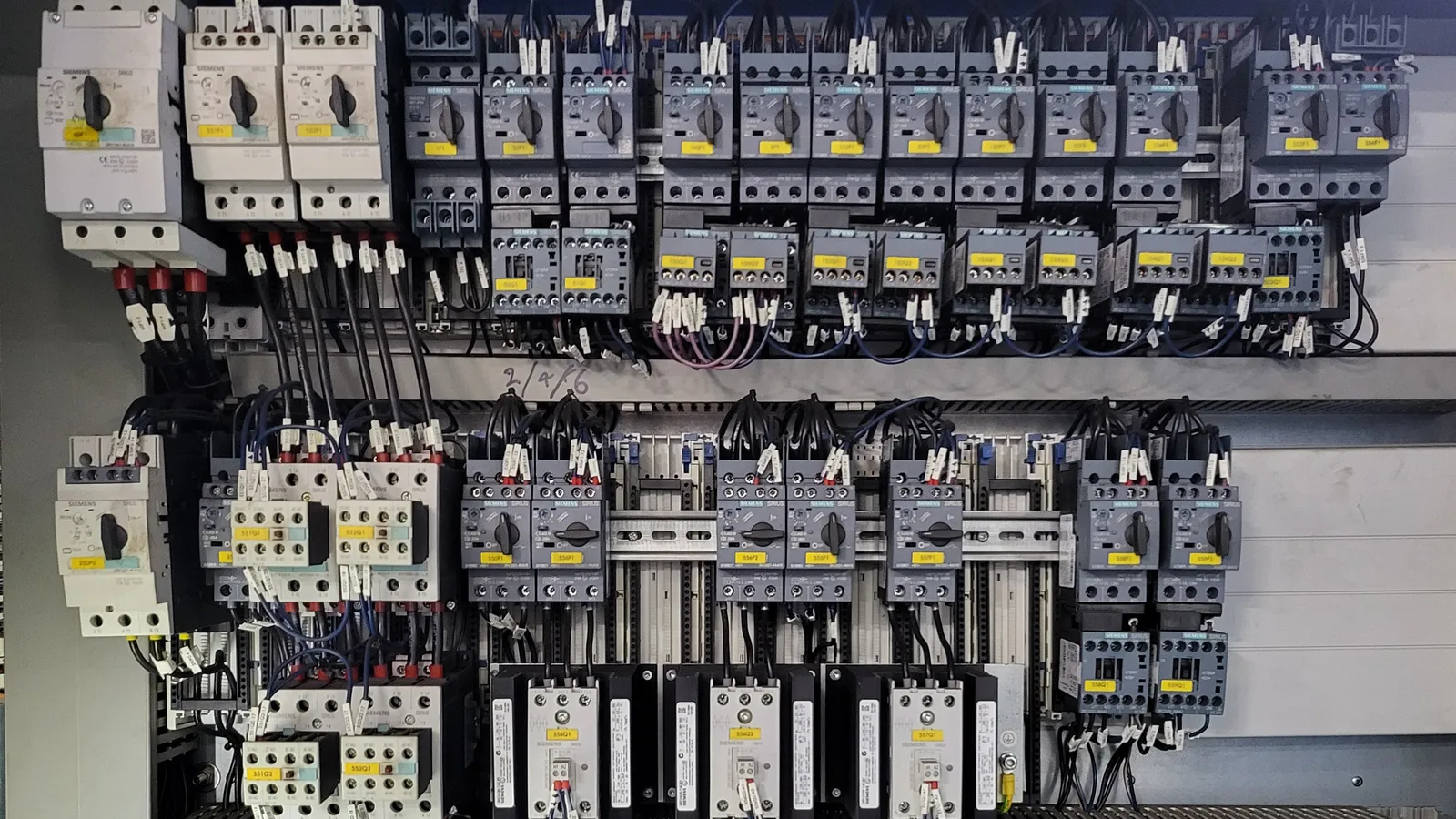
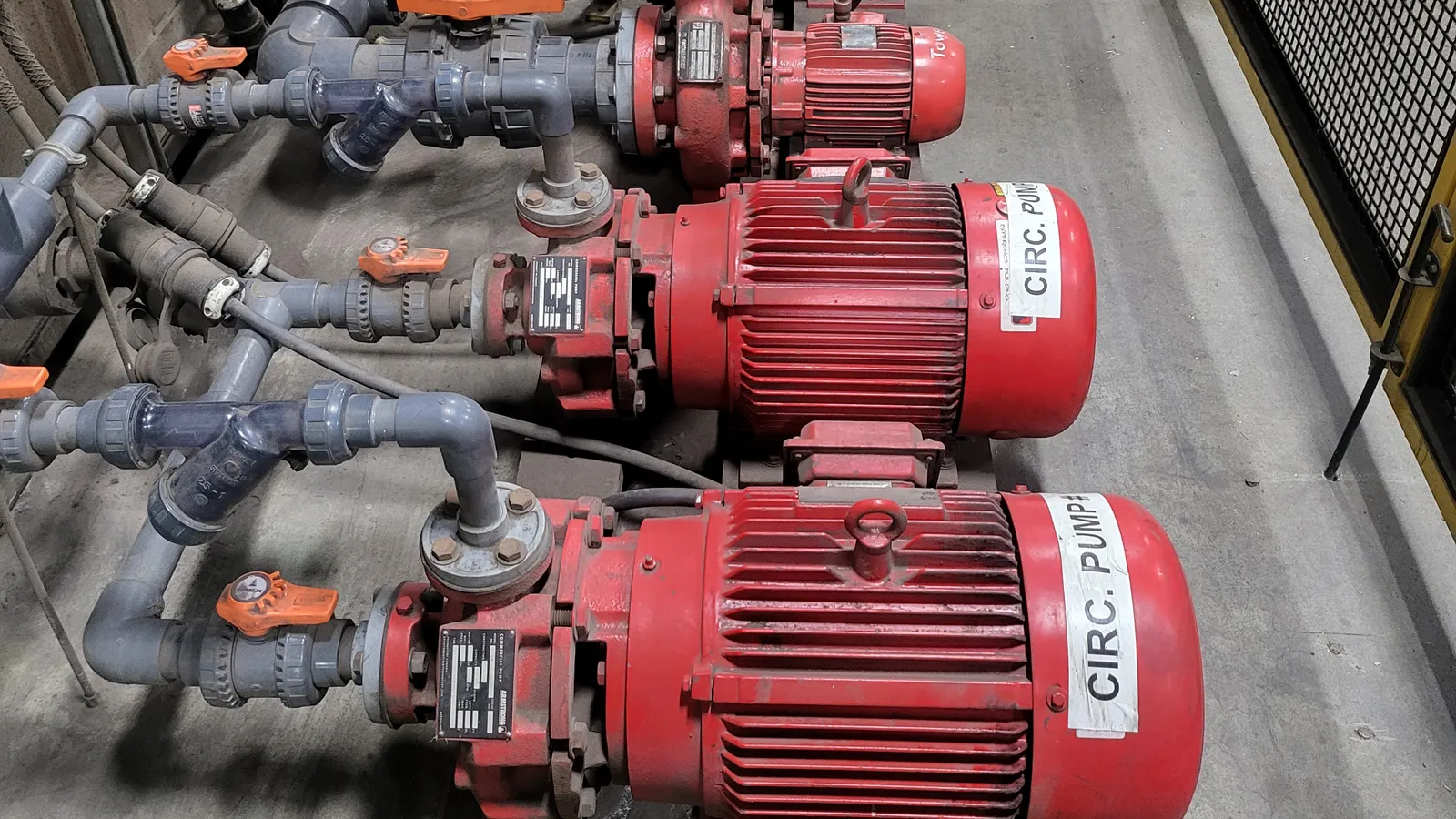
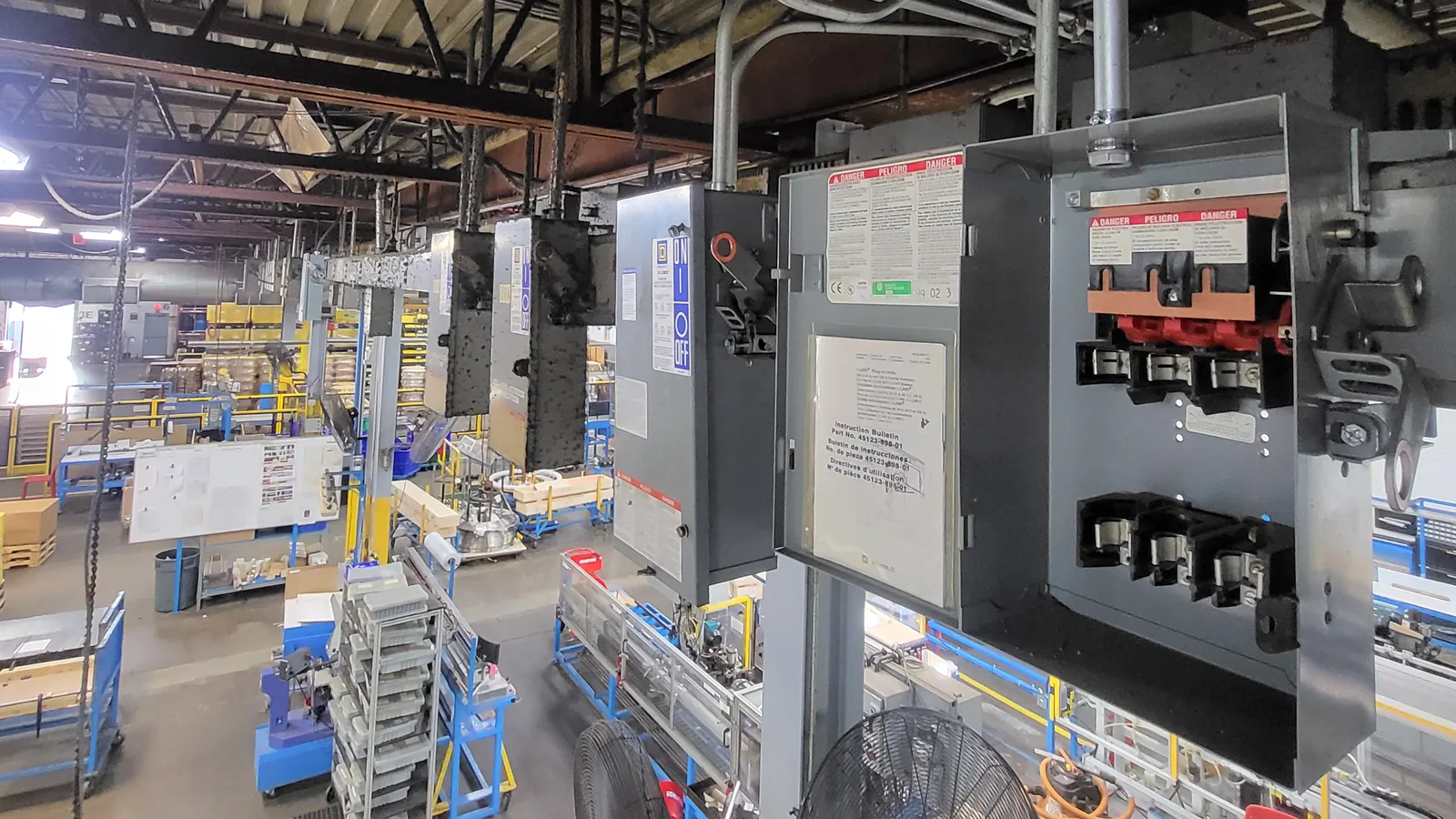

When “It’s Just the Cable Trolley System” Starts Causing Bigger Crane Problems
Fix the small festoon issues early before they become lost power, control faults, and expensive downtime
Festoon problems are often ignored because the crane still moves for a while.
That is the trap. The bridge still travels, the hoist still lifts, and the crane still responds often enough that people keep working around the issue. Meanwhile the real problem keeps getting worse in the moving cable system. The flat cable may be wearing, the loops may be pulling wrong, the trolleys may not be traveling cleanly, the track alignment may be off, or the end supports may be stressing the system more every shift.
In industrial facilities across Toronto and the GTA, these “small” festoon defects are exactly the kind of issues that later become expensive crane faults. One damaged section of cable can create intermittent control loss. One poor trolley movement pattern can increase cable wear until conductors fail. One weak support point can shift how the whole festoon behaves. CMCO’s festoon and crane installation manuals show that festoon systems include specific brackets, cable assemblies, trolley arrangements, and installation steps, which reinforces that this is a real electrification system with real failure points, not just hanging cable.
You may need festoon electrification service if the crane loses power or control only in certain travel positions, if the cable system shows visible wear, if trolley travel looks rough or uneven, if cable loops are not tracking properly, or if the crane has intermittent electrical issues that no one has traced back to the moving cable system yet. These are common signs that the crane’s electrification path is already becoming unreliable.
This matters because the expensive part is not the trolley or cable by itself. The expensive part is what happens when a neglected festoon issue causes lost lifting availability, repeated service calls, damaged control wiring, or a crane stoppage during production. Ontario’s Industrial Establishments regulation includes travelling cranes, overhead cranes, monorail cranes, gantry cranes, jib cranes, and other lifting devices supported by a structure, which is one more reason not to treat crane electrification as a casual maintenance detail.
A good festoon system should move cleanly, protect the cable properly, and deliver dependable power and control over the crane travel path. Once that starts slipping, the cost usually grows faster than people expect because the crane may stay “mostly working” right up until the moment it does not.
Festoon electrification systems in Toronto, Mississauga, Vaughan, Markham, and across the GTA help industrial clients solve the cable-system issues many people treat as minor, before those details turn into expensive crane downtime and much larger repair work.
Cable Wear Looks Minor at First
Small jacket damage or stressed loops can quietly grow into broken conductors, control faults, and crane downtime.
Festoon Trolleys Are Not Tracking Smoothly
Uneven trolley travel can create cable drag, bad loop behavior, and faster system wear over time.
Crane Faults Happen Only in Certain Positions
That is a classic sign that the moving electrification system may be failing along the travel path.
Control Signals Become Intermittent During Travel
What seems like a random control problem can actually be a festoon-related cable issue developing under movement.
Power Feed Problems Start Appearing Under Motion
Festoon defects often stay hidden until the crane moves through the section where the cable system is weakest.
Old Cable Systems Have Seen Years of Movement
Repeated travel and environmental exposure make festoon systems one of the crane components that age quietly but expensively.
People Keep Treating It Like “Just a Cable”
That is exactly how a small electrification issue turns into a much larger crane reliability problem.
The Crane Still Works, but No One Trusts the Electrification
This is usually the point where festoon service provides the most value and prevents a more expensive failure later.
WHY CHOOSE US
Why Industrial Clients Choose Us
We focus on practical industrial electrical solutions rather than temporary fixes, ensuring your power systems, equipment, and production infrastructure operate safely and reliably under real operating conditions. Every project is completed with careful planning, proper equipment selection, and close attention to long-term performance, system stability, and operational continuity.
Our approach eliminates unnecessary work and is based on accurate diagnostics, field-tested methods, and a clear understanding of how industrial facilities actually run, so you only invest in the work your system truly requires. We prioritize safety, efficiency, code compliance, and clean execution on every job, whether it involves troubleshooting, upgrades, installations, or power distribution improvements.
As a result, you receive a dependable, code-compliant industrial electrical system that supports your facility today, reduces the risk of costly downtime, and is properly prepared for future production demands, equipment expansion, and higher power requirements.
Licensed & Insured
All work is performed by qualified, fully insured electricians, ensuring safety, accountability, and compliance with all regulations.
ESA certified work
Every project includes permits and ESA inspection, guaranteeing that the installation meets Ontario Electrical Safety Code requirements.
Professional installations
We install panels with precise wiring, proper layout, and clear labeling, making the system safe, accessible, and easy to maintain.
Transparent pricing
You receive clear pricing based on the actual scope of work, with no hidden costs or unexpected changes during the entire project.
Fast scheduling
We schedule work efficiently and arrive on time, minimizing downtime and ensuring your electrical system is restored as quickly as possible.
Accurate calculations
We calculate electrical demand based on real usage, ensuring your panel is properly sized for both current and future electrical needs.
Code-compliant work
All installations strictly follow current electrical code requirements, ensuring safety, inspection approval, and long-term system reliability.
Reliable workmanship
Our experience allows us to deliver consistent, high-quality results that perform reliably under real operating conditions over time.
CODE & SAFETY REQUIREMENTS
Ontario Electrical Safety Code Compliance
The Ontario Electrical Safety Code (OESC) sets the minimum legal safety requirements for electrical installations and electrical work in Ontario.
ESA states that the 2024 Ontario Electrical Safety Code is the current edition and that it took effect on May 1, 2025. For festoon electrification systems, Code relevance is tied to approved electrical equipment, safe maintenance condition, disconnecting means, guarding of live parts, working clearances, wiring methods, and the corrective work performed when festoon defects are identified.
Festoon electrification work does not replace Code compliance. It has to operate inside it. This matters because festoon systems are moving electrical systems that carry power and control over repeated travel, so wiring support, cable condition, connection quality, and safe service methods all matter more than many people assume. CMCO installation materials explicitly state that crane bridge power cable connections must be completed only by a qualified electrician and that assembly and commissioning must be done by qualified persons.
Every festoon electrification system installation or corrective service job should be approached with safe access planning, approved components, correct wiring methods, proper support and travel arrangement, and disciplined follow-up when defects are found. Where work includes rewiring, cable replacement, panel reconnection, or associated electrical correction, that work should comply with the current Ontario Electrical Safety Code and ESA requirements. Ontario’s Industrial Establishments regulation also places overhead and travelling cranes within a formal industrial safety framework.
Rules commonly applicable to festoon electrification systems
-
Industrial Establishments Regulation — lifting devices
Ontario’s Industrial Establishments regulation includes travelling cranes, overhead cranes, monorail cranes, gantry cranes, jib cranes, and other lifting devices suspended from or supported by a structure. Festoon electrification on these cranes therefore sits within a broader industrial safety framework. -
Rule 2-022 — Approved electrical equipment
Electrical equipment used in Ontario must be approved in accordance with Code requirements. This applies to festoon cable systems, control cable assemblies, connectors, and associated electrical hardware. -
Rule 2-024 — Approval requirements for electrical equipment
Equipment maintained, repaired, or installed in Ontario must be approved to recognized standards and accepted for use in Ontario. -
Rule 2-300 — General requirements for maintenance and operation
Electrical equipment must be maintained in safe working condition. This is directly relevant where festoon systems are still moving but already showing wear, stress, or intermittent electrical behavior. -
Rule 2-304 — Disconnecting means shall be provided
Suitable disconnecting means must be available so crane electrical equipment can be isolated safely for inspection, cable replacement, service, and corrective work. -
Rule 2-308 — Live parts guarding
Live electrical parts must be guarded against accidental contact, which is relevant in crane panels, electrification interfaces, and associated electrical enclosures. -
Rule 2-314 — Working space around electrical equipment
Clear access around crane panels, disconnects, and associated electrical equipment is essential for safe electrification service and repair. -
Rule 12-000 — Wiring methods
Conductors, cables, and raceways must be installed using approved methods suitable for the environment and application, which is especially important where repeated crane movement stresses the cable system. Electrical Industry Canada’s code guide also describes Section 12 as the general section for low-voltage wiring installations. :contentReference[oaicite:18]{index=18} -
Rule 14-100 — Protection of conductors by overcurrent devices
Conductors feeding crane electrical systems and related controls must be protected correctly. -
Rule 14-104 — Rating / coordination of overcurrent protection
Protection must be coordinated with conductor ampacity and equipment characteristics, especially where crane operation depends on dependable electrical power and control. -
Section 42 crane power isolation requirements
Ontario’s collector shoe alert references Section 42 of Regulation 851 and states that when electrical maintenance work is carried out on a crane, the power supply must be disconnected, locked out, and tagged. That principle is directly relevant to festoon service and replacement work. -
Rule 2-004 — Notification of work / ESA inspection process
If festoon installation or corrective work requires notification, the required ESA process must be followed before the installation is returned to service.
Note: Rule selection may vary depending on whether the festoon system carries only control cable, combined power and control, or integrates with crane panels, runway power, and other electrification components. Exact official wording should be taken from the current purchased edition of the Ontario Electrical Safety Code and applicable Ontario safety regulations.
COMMON QUESTIONS
FAQ — Festoon Electrification Systems (Cranes and Hoisting Equipment)
1. What is a festoon electrification system?
It is the moving cable and trolley system that carries power and control along the crane’s travel path. CMCO’s crane documentation describes flat cable festoon systems with track runs and trolleys carrying power and control cables.
2. Why do festoon problems become expensive so quickly?
Because people often treat the system like “just a cable,” even though festoon defects can create intermittent power loss, control faults, and crane downtime at the worst possible time.
3. What kinds of defects are common on festoon systems?
Common problems include worn flat cable, damaged insulation, rough trolley travel, misalignment, poor loop behavior, weak supports, and faults that appear only in certain travel positions.
4. Can festoon issues cause intermittent crane faults?
Yes. That is one of the most common patterns. The crane may fail only when the bridge or trolley moves through the section where the electrification system is weakest.
5. Is this only about power cable?
No. Festoon systems can carry both power and control cables, which is why their condition can affect motion, commands, and overall crane reliability.
6. Why should a qualified electrician be involved?
Because CMCO crane installation manuals state that connection of the bridge panel power cable to the runway power supply must be completed only by a qualified electrician.
7. Can a crane still operate while the festoon system is already failing?
Yes. That is one of the biggest reasons the problem is underestimated. The crane may keep working until the defect becomes much more disruptive.
8. Is this service useful for older crane systems?
Yes. Aging moving cable systems are one of the most common reasons for festoon inspection, retrofit, or replacement work.
9. Are overhead cranes part of Ontario’s industrial safety framework?
Yes. Ontario’s Industrial Establishments regulation expressly includes travelling cranes, overhead cranes, monorail cranes, gantry cranes, jib cranes, and similar lifting devices supported by a structure.
10. Can festoon work support broader crane troubleshooting?
Yes. Festoon defects are a common hidden cause of crane electrical problems, especially intermittent travel-position faults and unexplained control loss.
11. Does festoon system work need to comply with Ontario electrical requirements?
Yes. Any installation, rewiring, cable replacement, reconnection, or associated electrical correction must use approved equipment and comply with applicable Ontario Electrical Safety Code and ESA requirements.
12. Why not just wait until the cable fails completely?
Because by then the “small” festoon problem has usually already become the expensive one through lost lifting availability, repeat faults, and urgent repair conditions.
SERVICE AREAS
Serving Toronto & the Greater Toronto Area
We provide residential, commercial, and industrial electrical services across Toronto and the GTA, supporting homes, businesses, and facilities with reliable and code-compliant electrical solutions.
Our service coverage includes major cities and surrounding areas, allowing us to respond quickly and deliver consistent service across the region.
Toronto
North York
Thornhill
Richmond Hill
Vaughan
Markham
Scarborough
Etobicoke
Mississauga
Brampton
ADDITIONAL SERVICE AREAS
Hamilton
Oakville
Burlington
Milton
Georgetown
Pickering
Ajax
Whitby
Oshawa
Clarington
Aurora
Newmarket
Bradford
King City
Barrie