
Toronto & GTA Electrical Contractor
Electrical Service Installation in Toronto, Richmond Hill, North York, Vaughan & GTA
Residential, commercial, and industrial electrical work — installations, upgrades, troubleshooting, maintenance, and code-compliant solutions.
Licensed & Insured
Fast Response
Code-Compliant Work
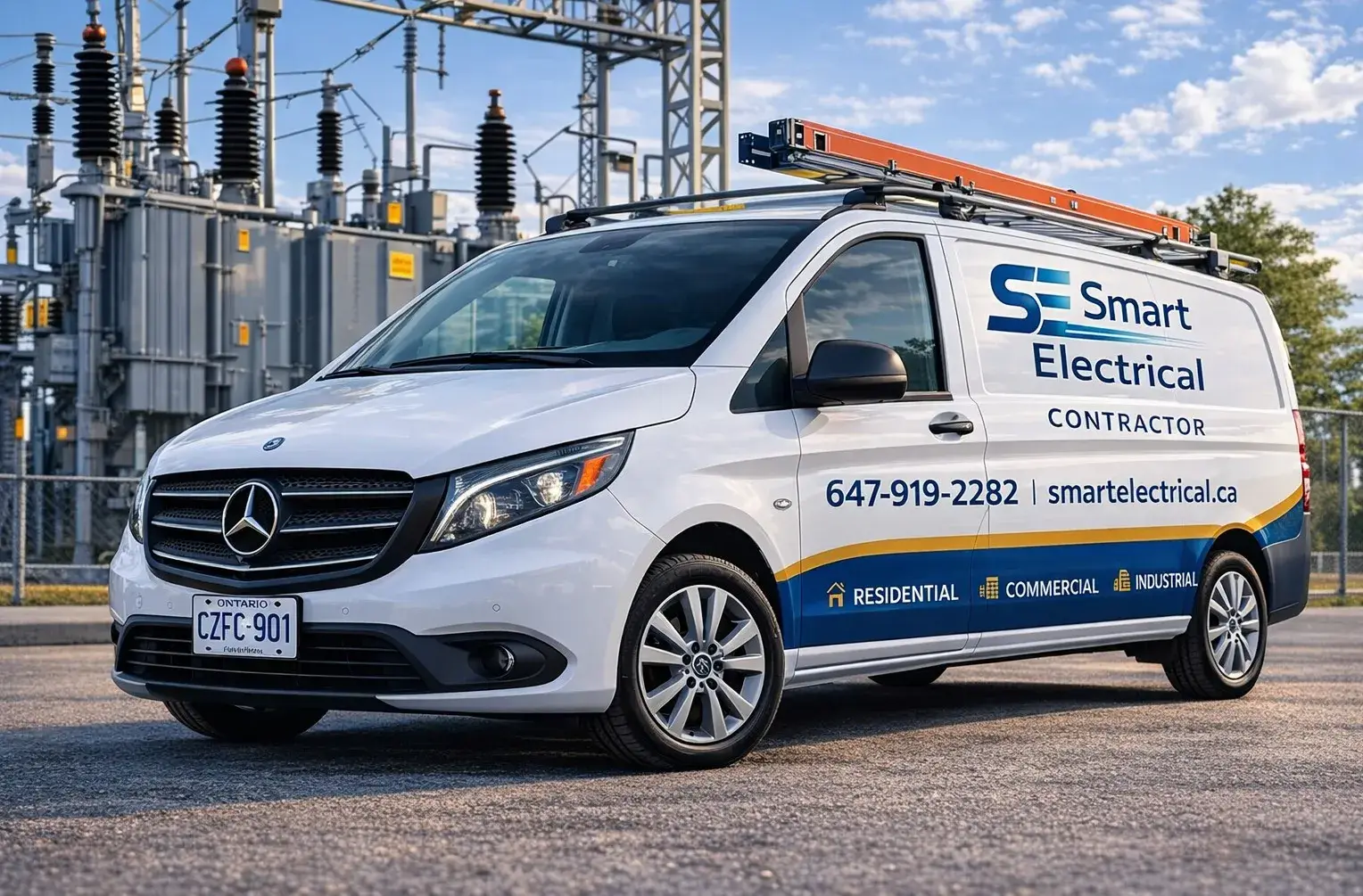
COMMERCIAL POWER SERVICE FOR NEW BUILDINGS
What We Do
We provide commercial electrical service installation for new buildings, shell construction projects, retail plazas, offices, warehouses, mixed-use properties, and other commercial developments across Toronto and the GTA. This service focuses on installing the main electrical service that brings utility power into the building and establishes the foundation for the entire electrical system. A properly installed electrical service is one of the most critical parts of any new construction project because every feeder, panel, transformer, lighting system, HVAC load, and tenant circuit depends on that service being correctly sized, coordinated, and installed from the start.
Commercial electrical service installation typically includes service entrance equipment, meter bases or metering sections where applicable, main disconnects, service conductors, service raceways, grounding and bonding, distribution connection points, and coordination with the utility and project design team. The exact configuration depends on building size, service voltage, occupancy type, utility requirements, distribution strategy, and whether the building will support one occupancy or multiple future tenants. In some cases, the service installation is relatively straightforward. In others, it becomes a much larger piece of the project involving service entrance sections, switchboards, distribution equipment, transformer coordination, and future expansion planning. The quality of this installation directly affects long-term reliability, serviceability, and the building’s ability to grow.
We install commercial service equipment and related components from recognized manufacturers such as Schneider Electric, Siemens, Eaton, ABB, Leviton, Hubbell, and other approved suppliers depending on the design and service requirements of the project. This may include service entrance sections, main breakers, disconnects, switchboards, CT metering arrangements, service raceways, grounding systems, and related infrastructure needed to bring permanent building power into operation. Commercial electrical service installation often connects directly with power distribution systems, distribution panel replacement where downstream distribution scope overlaps, and larger building infrastructure work. On some projects, service design decisions may also influence future capacity studies or long-term system performance considerations supported by commercial load monitoring.
Our process begins with reviewing the electrical design, service size, utility requirements, equipment ratings, building load profile, and site conditions before installation begins. We coordinate the service layout so it works with the electrical room, distribution path, access requirements, grounding system, and the broader construction schedule. Some projects require close coordination with temporary service, phased energization, or future tenant service planning. Others need a cleaner path from utility connection to permanent distribution equipment with as little disruption and redesign as possible. We focus on service installations that are practical in the field, accessible for maintenance, and aligned with the real operating needs of the commercial building.
A properly installed commercial electrical service provides the building with a strong and reliable starting point for the rest of the electrical system. It supports safer energization, better electrical performance, cleaner coordination with downstream equipment, and fewer future limitations as the property evolves. We focus on organized, professional, code-compliant service installations built for long-term commercial use, not just initial connection. For Ontario electrical safety and compliance information, refer to the Electrical Safety Authority (ESA).
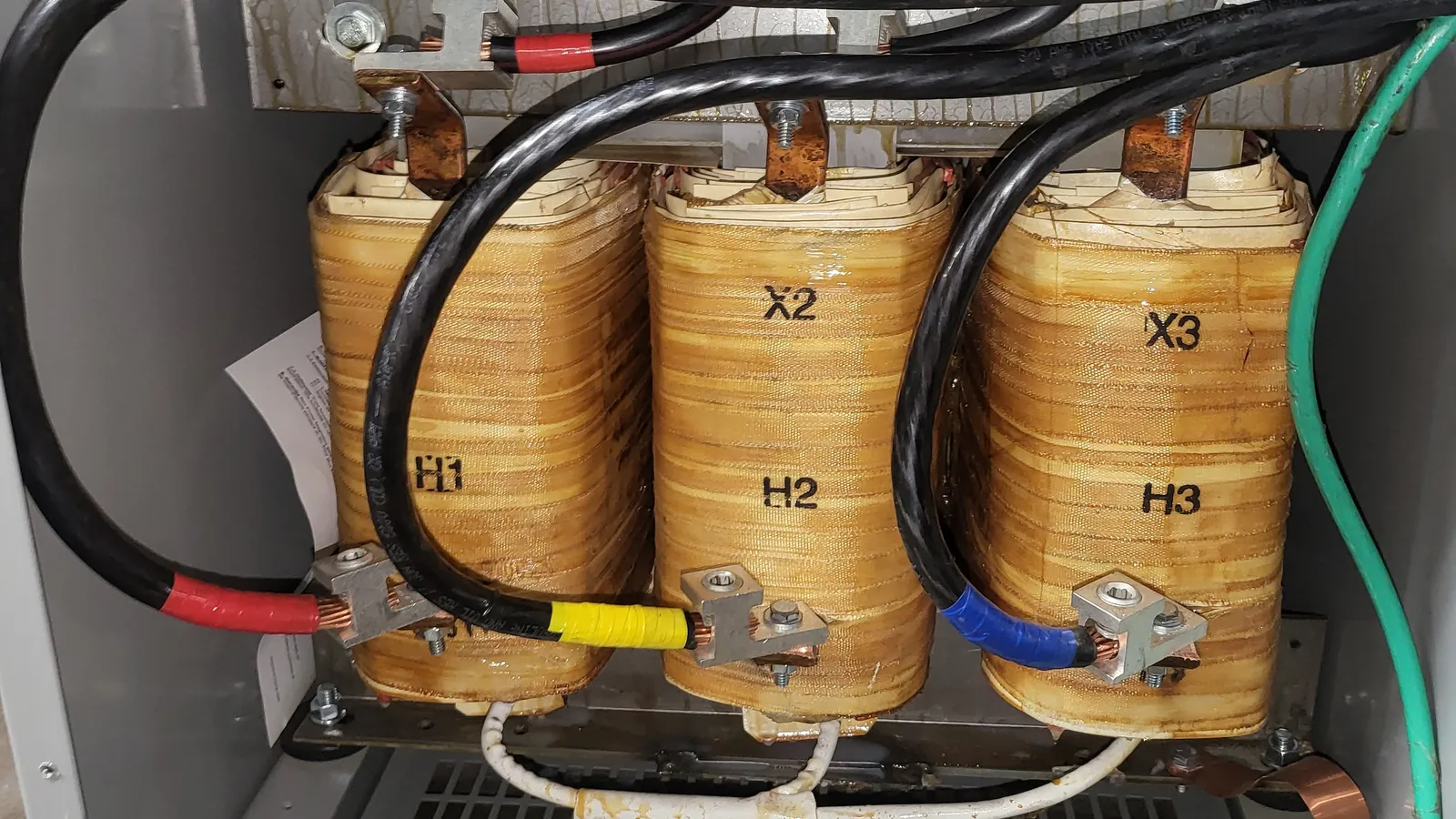
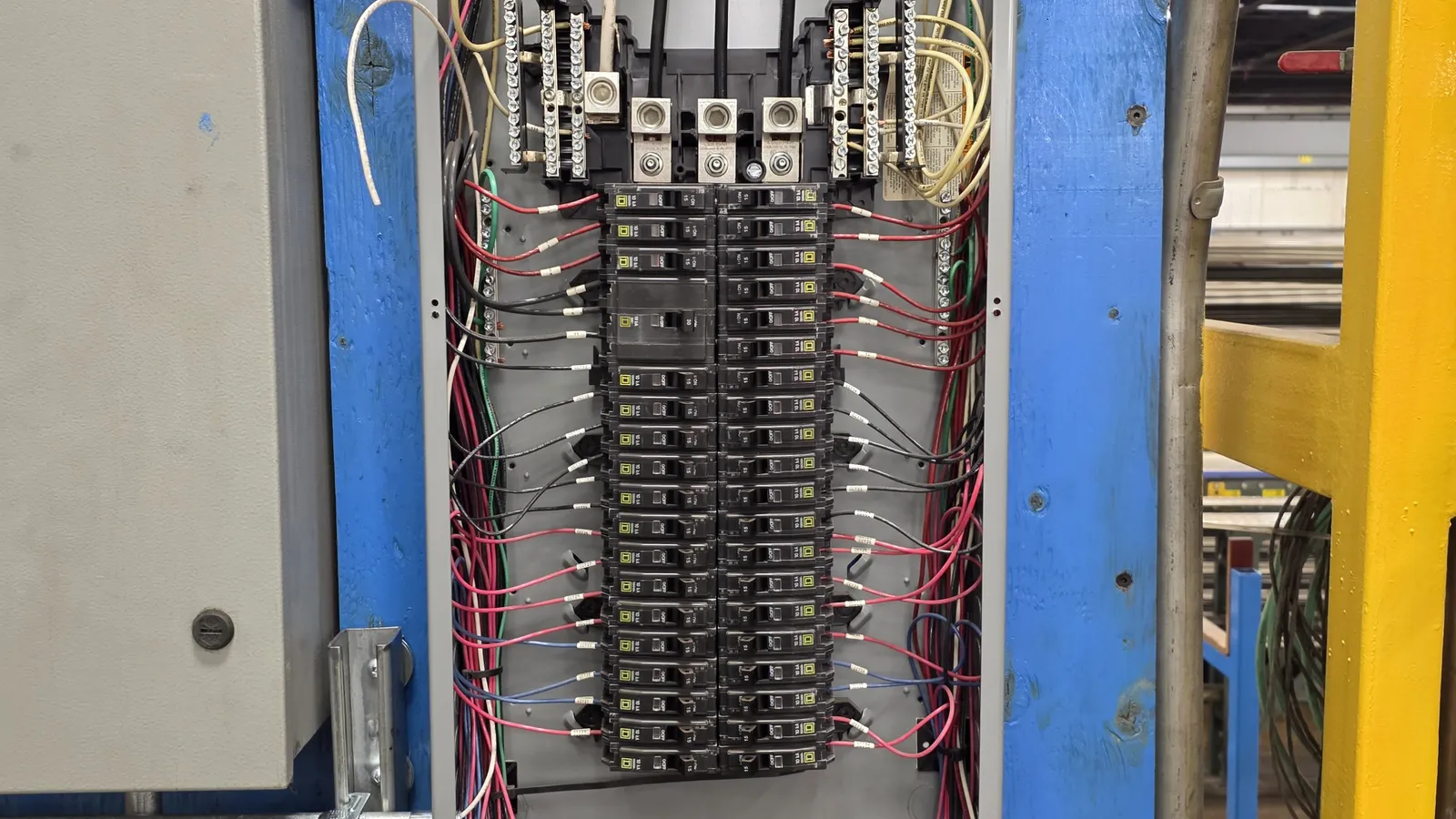
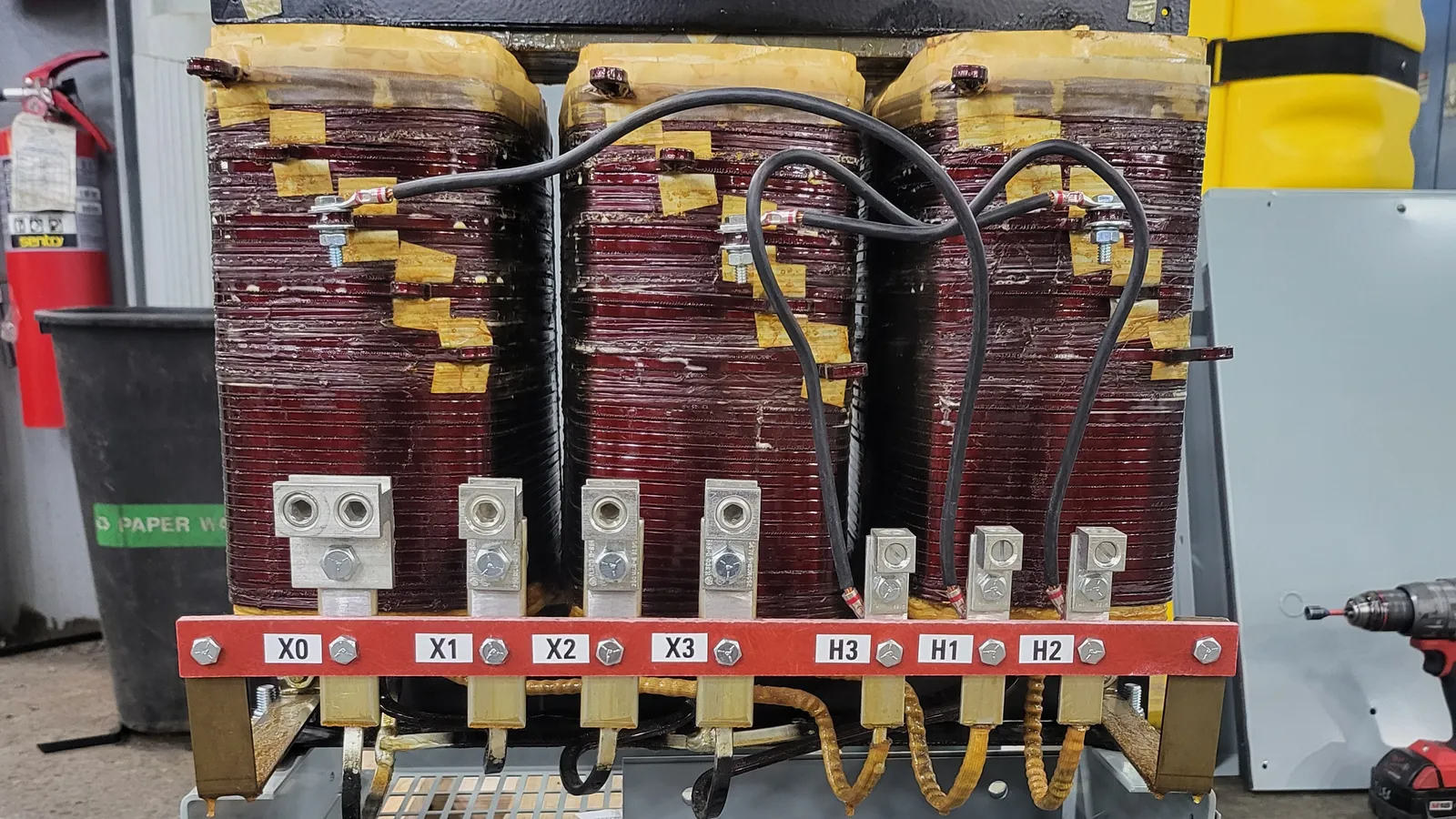
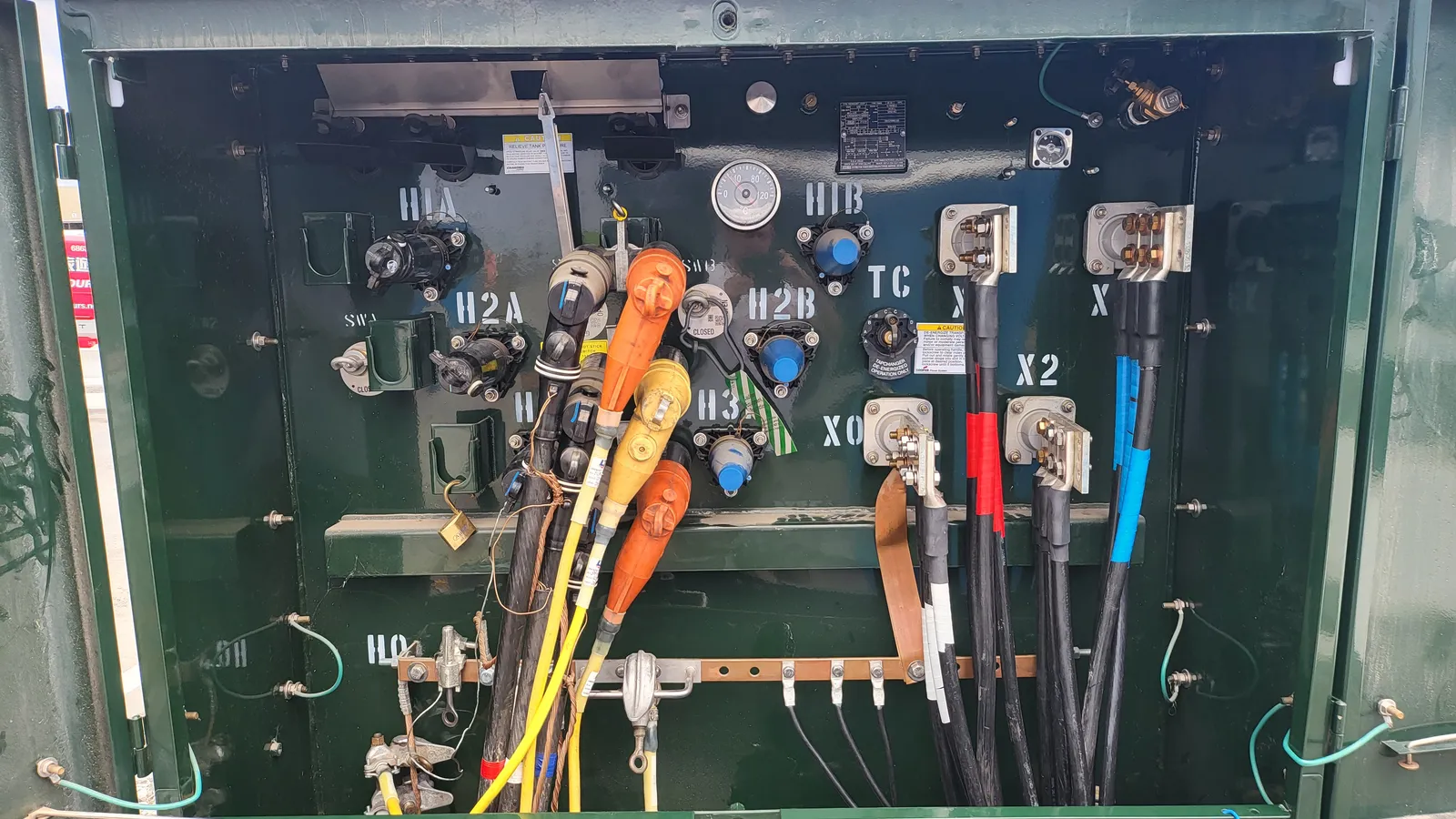
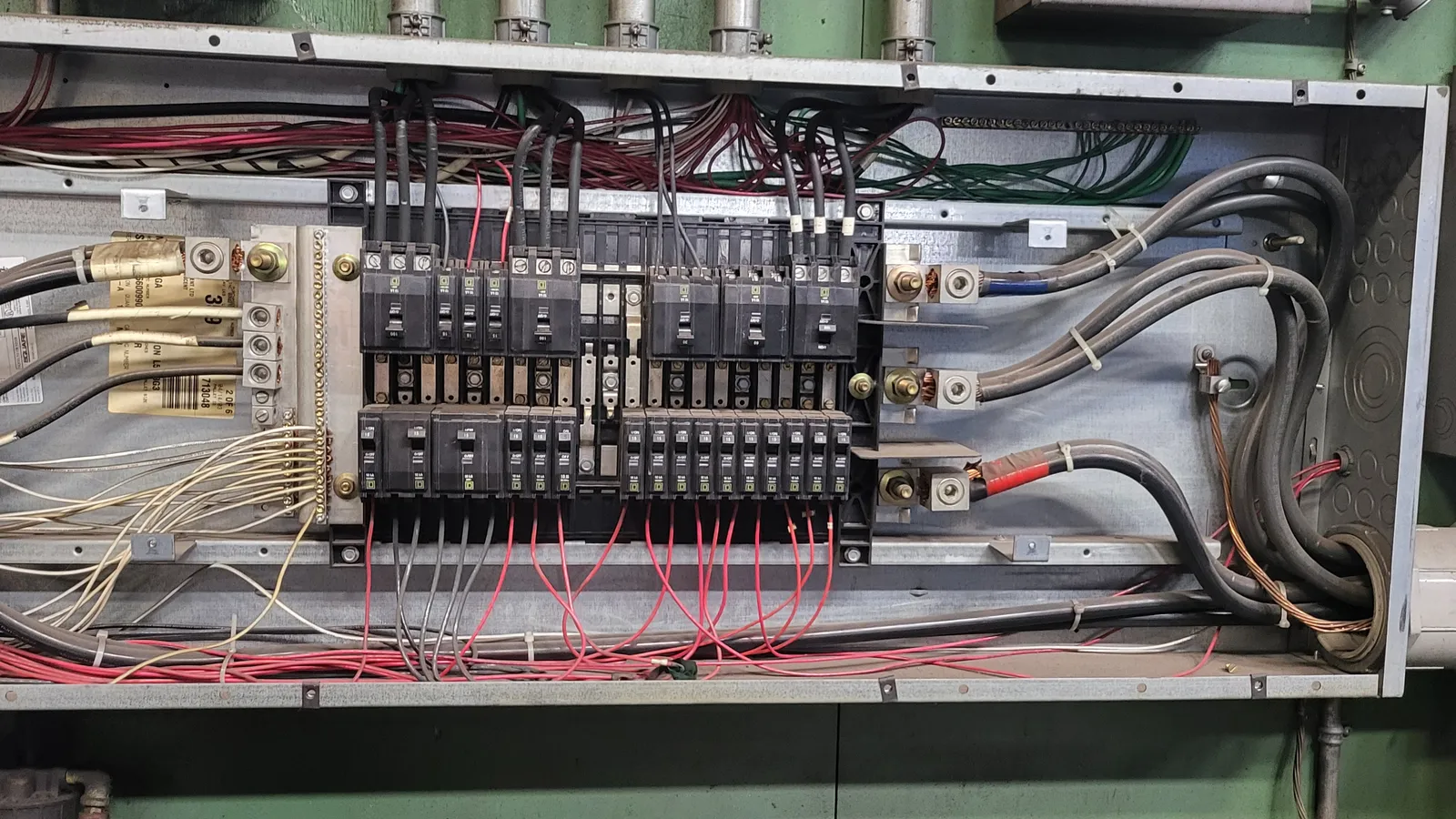
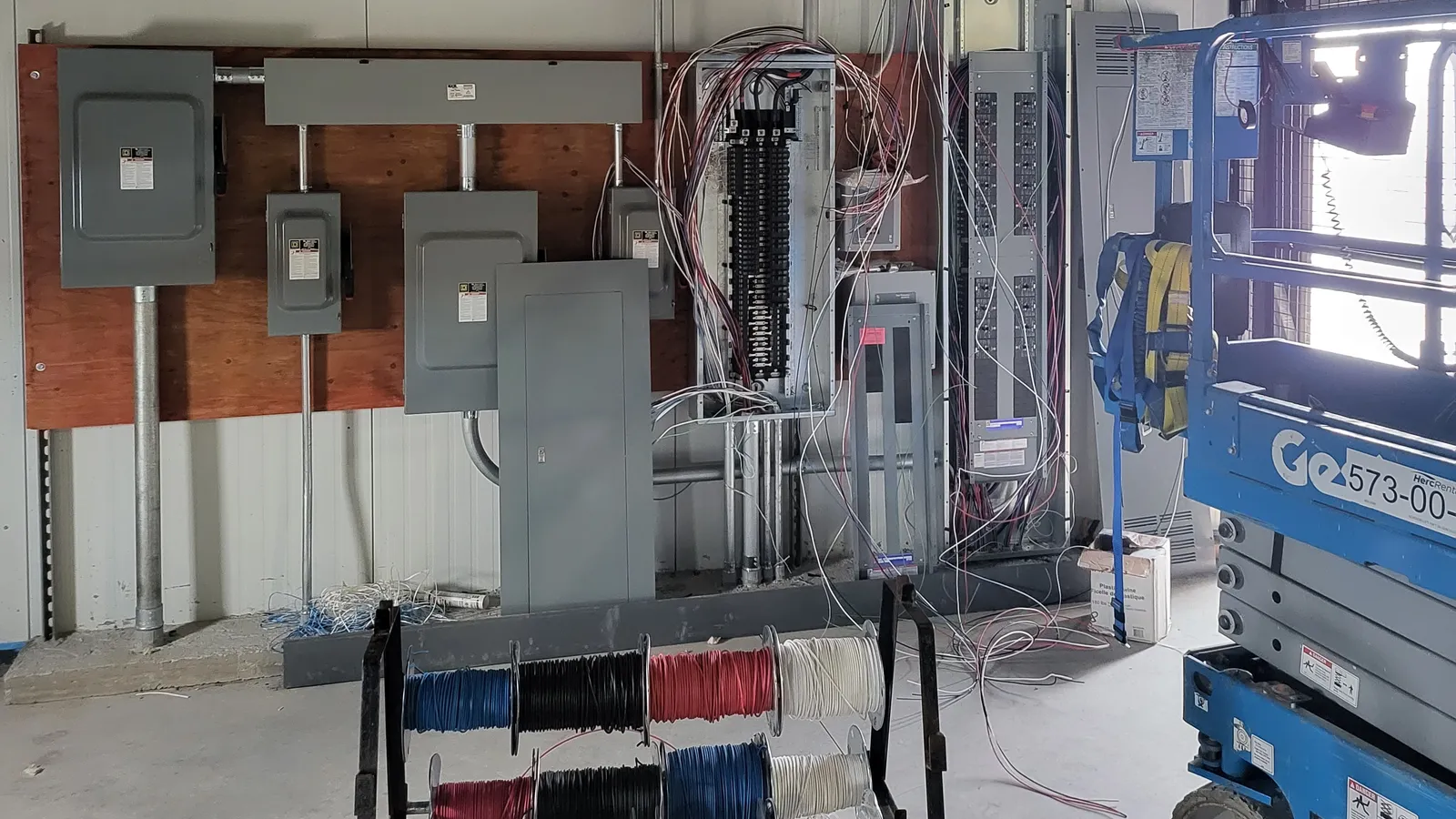
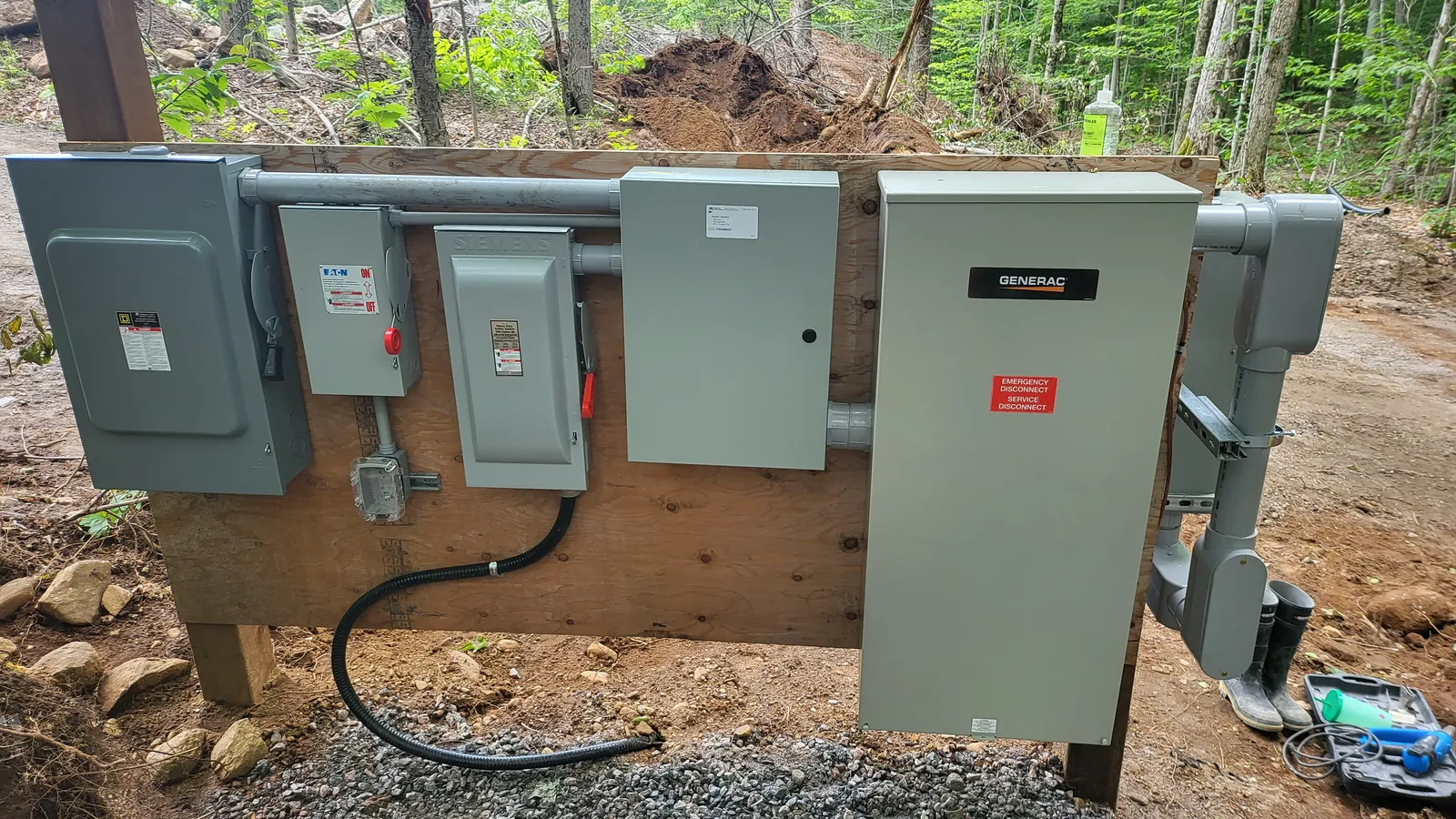
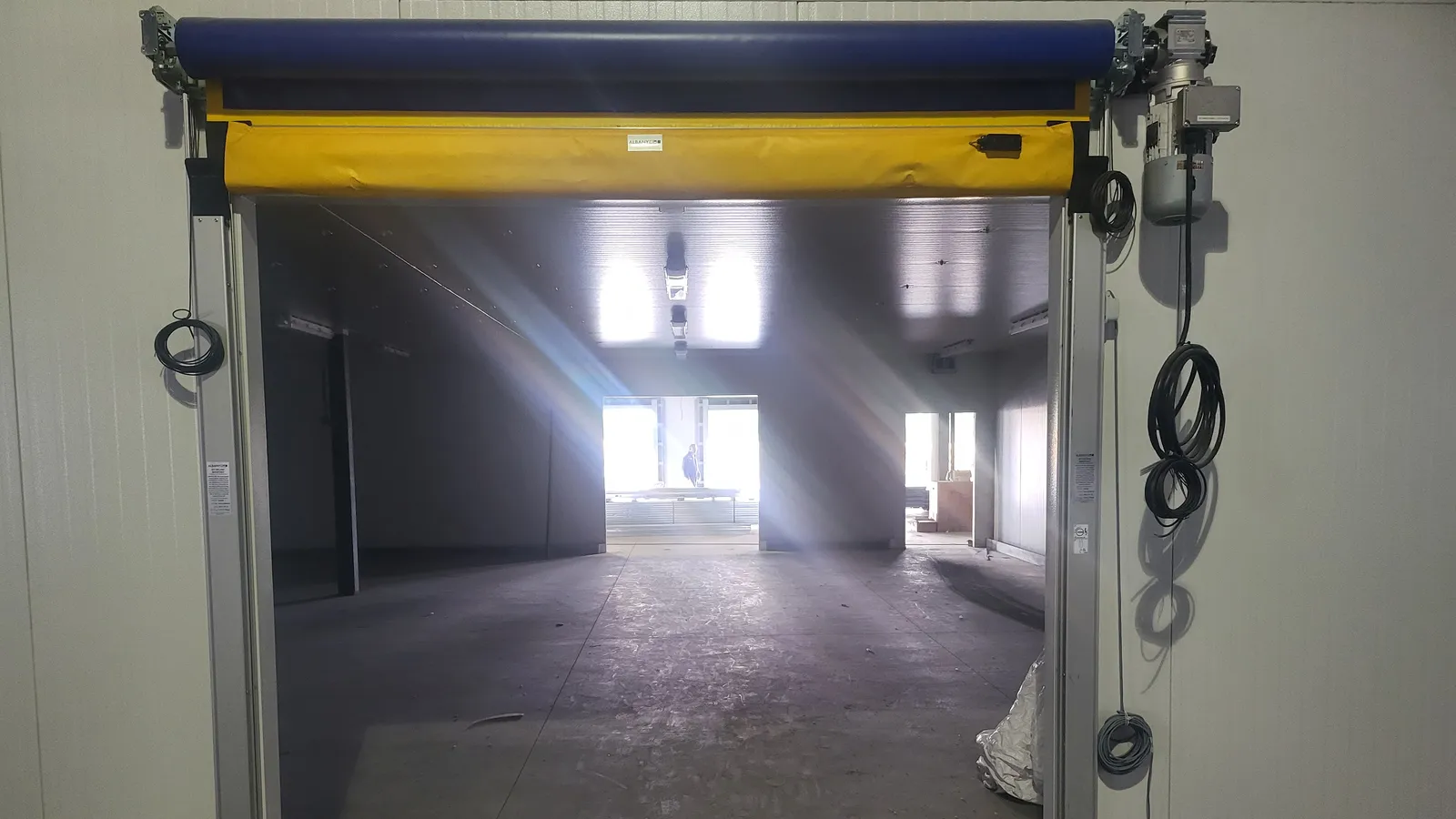
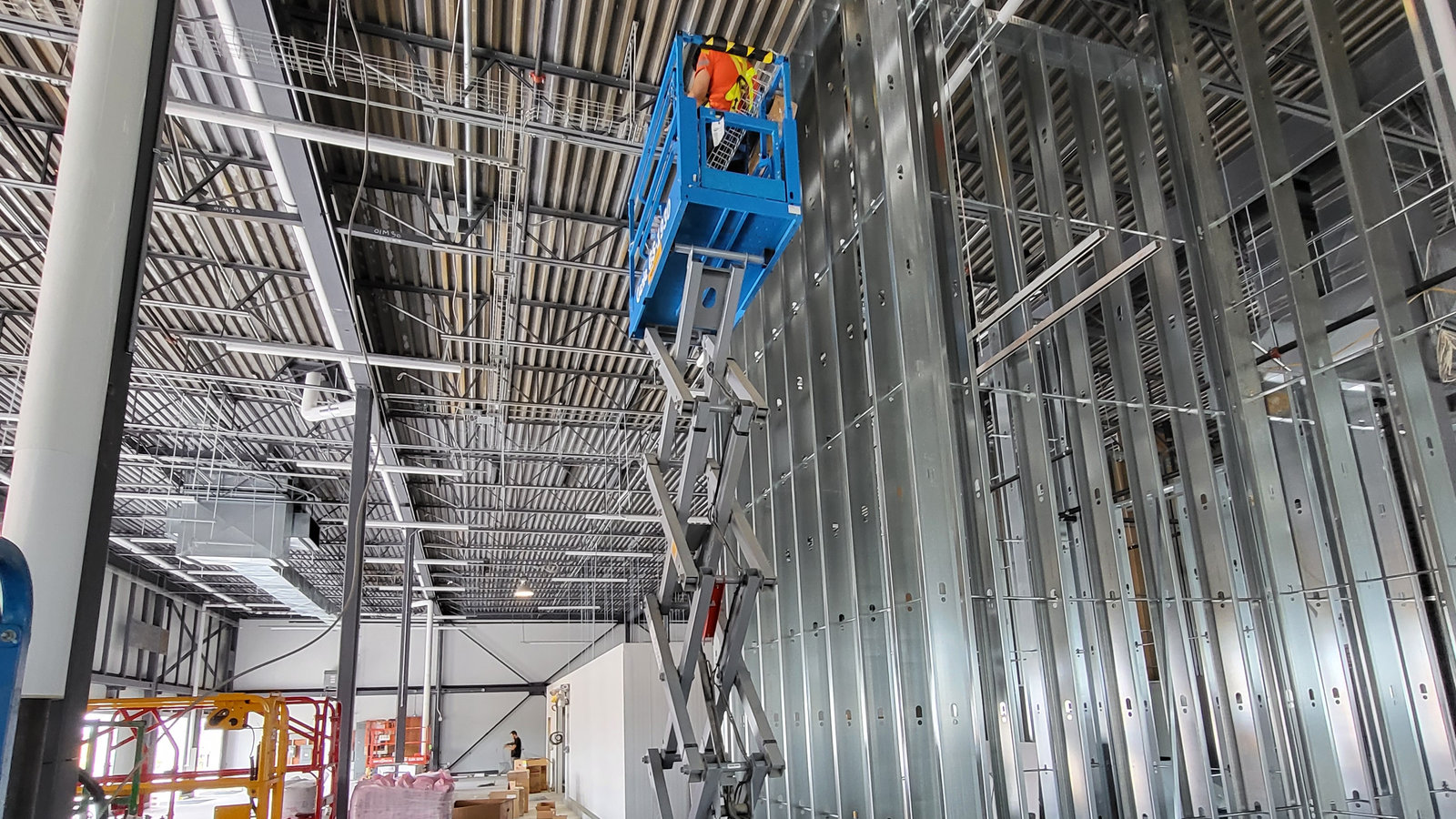
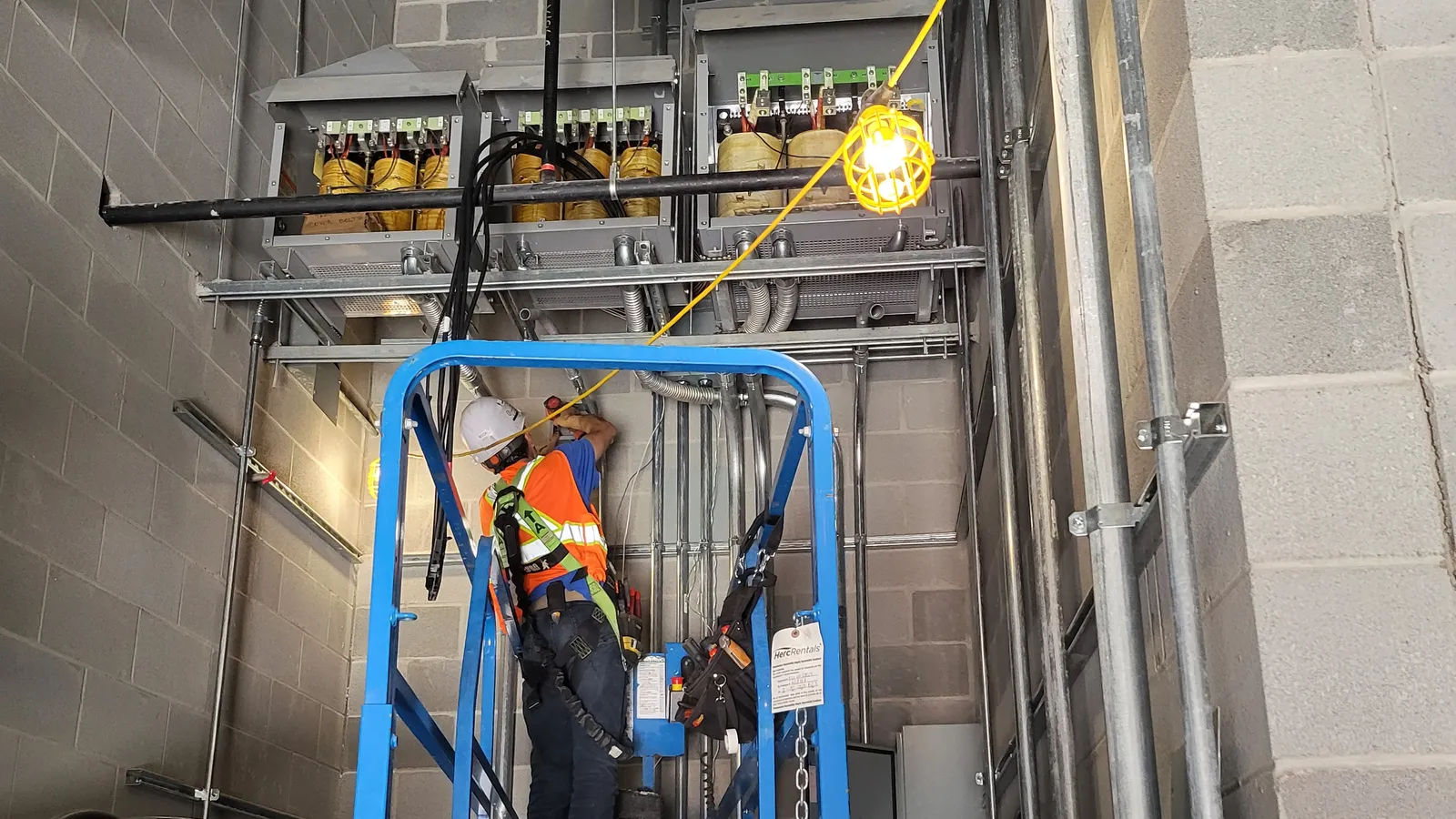
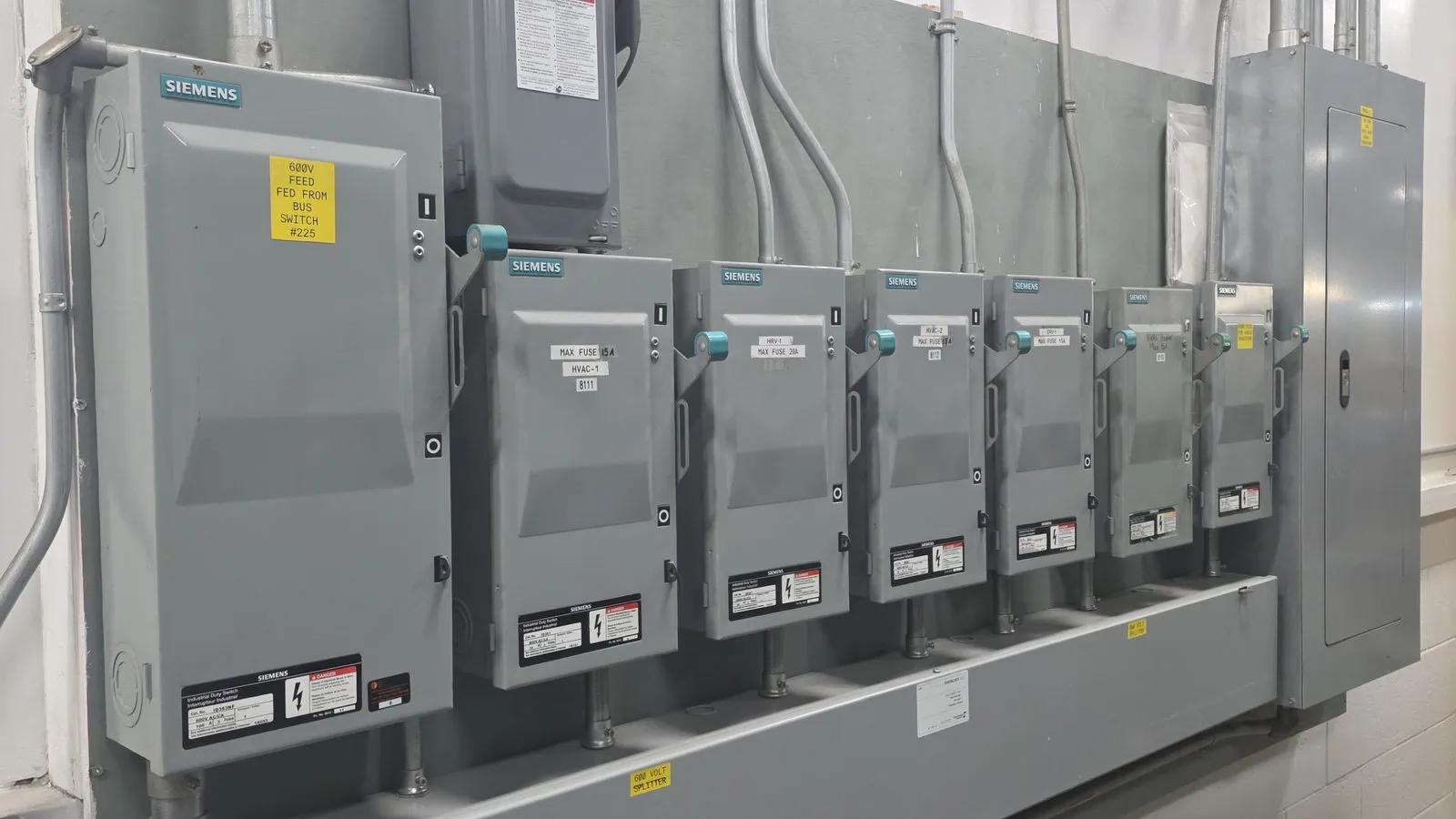
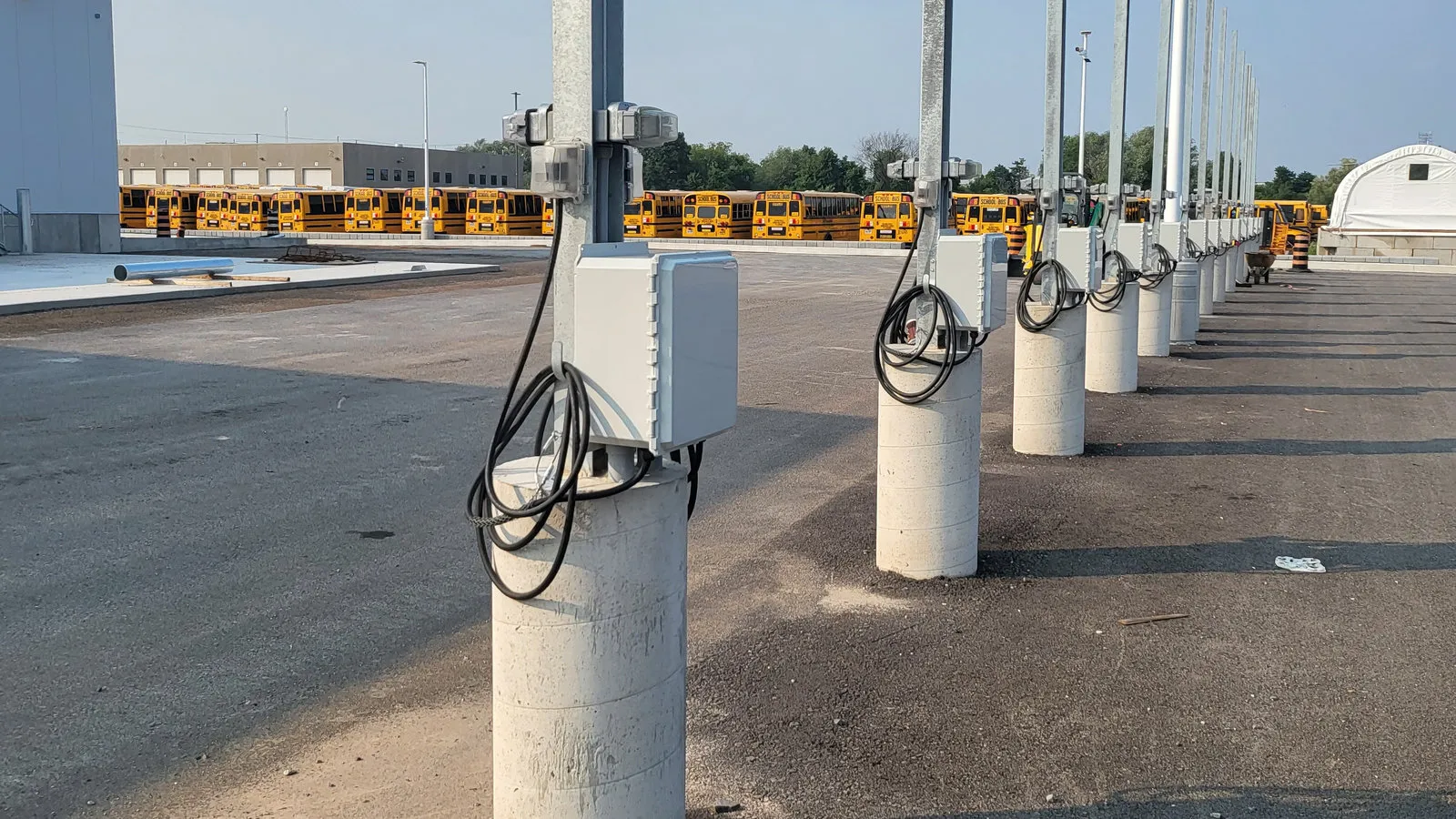
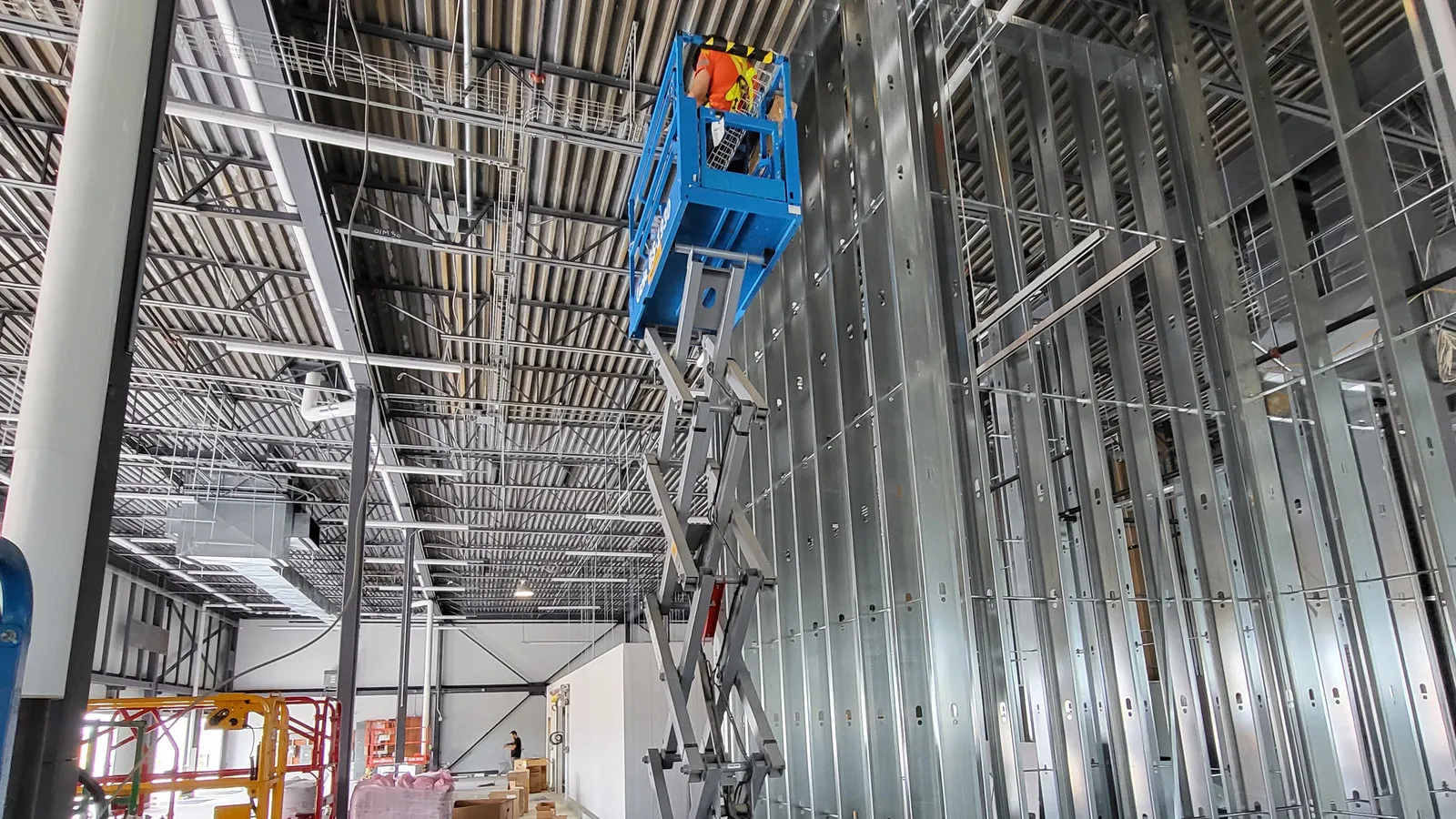
When a New Commercial Building Needs Permanent Utility Power Done Properly
Install the main electrical service correctly before the entire building depends on it
Commercial electrical service installation is the stage where the building receives its permanent electrical power foundation, and mistakes here affect the entire project downstream.
On many Toronto and GTA commercial construction projects, the permanent electrical service must be coordinated carefully with utility requirements, electrical room layout, distribution design, grounding, and future building demand. If the service size is not aligned with the real load, if equipment placement is poor, or if the installation is rushed without long-term planning, the result can be expensive delays, poor accessibility, limited expansion options, and difficult downstream coordination with feeders and panels. The main service is not just another piece of equipment. It is the core entry point of the building’s electrical system.
A professional electrical service installation helps ensure that the building’s power enters the property safely, is distributed correctly from the start, and supports future commercial operation without avoidable restrictions. This is especially important for new offices, warehouses, mixed-use buildings, and commercial sites where electrical demand may grow over time. Depending on project scope, service installation may also need to align with temporary construction power, new building electrical wiring, and downstream power distribution systems.
If the electrical service is treated as a basic hookup instead of a long-term building system, the project can inherit avoidable electrical limitations that become much harder to correct after occupancy. A properly planned service installation gives the entire building a better electrical starting point.
It also helps the project move more smoothly from construction power into permanent operation with less rework, less delay, and better long-term serviceability.
Permanent Building Power Must Be Established
The project needs its main electrical service installed before the building can operate fully.
Utility Coordination Is Required
Commercial service installation often depends on proper alignment with hydro and metering requirements.
Service Equipment Must Match Real Building Demand
The main service should be sized and laid out for actual present and future use.
Electrical Room Layout Matters
Service equipment placement must remain practical, accessible, and code-compliant.
Downstream Distribution Depends on It
Panels, feeders, transformers, and building circuits all rely on proper service installation.
Future Expansion Should Be Considered Early
A good service layout supports later growth better than a rushed minimum installation.
Phased Construction May Affect Energization
The project may need temporary and permanent power to transition cleanly through construction stages.
Poor Service Planning Can Be Costly Later
Fixing service entrance mistakes after the building progresses is usually far more expensive.
WHY CHOOSE US
Why Businesses Choose Us
We focus on practical solutions rather than temporary fixes, ensuring your electrical system performs safely under real conditions. Every electrical work is completed with proper planning, correct equipment selection, and attention to long-term performance.
Our approach eliminates unnecessary work and is based on accurate diagnostics, not assumptions, so you only pay for what your system actually needs. We prioritize safety, efficiency, and clean execution on every project.
As a result, you receive a reliable, code-compliant electrical system that supports your home today and is fully prepared for future electrical demands.
Licensed & Insured
All work is performed by qualified, fully insured electricians, ensuring safety, accountability, and compliance with all regulations.
ESA certified work
Every project includes permits and ESA inspection, guaranteeing that the installation meets Ontario Electrical Safety Code requirements.
Professional installations
We install panels with precise wiring, proper layout, and clear labeling, making the system safe, accessible, and easy to maintain.
Transparent pricing
You receive clear pricing based on the actual scope of work, with no hidden costs or unexpected changes during the entire project.
Fast scheduling
We schedule work efficiently and arrive on time, minimizing downtime and ensuring your electrical system is restored as quickly as possible.
Accurate calculations
We calculate electrical demand based on real usage, ensuring your panel is properly sized for both current and future electrical needs.
Code-compliant work
All installations strictly follow current electrical code requirements, ensuring safety, inspection approval, and long-term system reliability.
Reliable workmanship
Our experience allows us to deliver consistent, high-quality results that perform reliably under real operating conditions over time.
CODE & SAFETY REQUIREMENTS
Ontario Electrical Safety Code Compliance
The Ontario Electrical Safety Code (OESC) sets the minimum legal safety requirements for electrical installations in Ontario. For commercial electrical service installation, compliance with the Code is essential to ensure that service conductors, service entrance equipment, metering arrangements, disconnects, grounding systems, and overcurrent protection are properly sized, safely installed, and suitable for the actual use of the commercial building.
Following the Code helps reduce the risk of electric shock, fire, overloaded service equipment, unsafe grounding, failed inspections, poor accessibility, and expensive corrective work after construction. It also ensures that approved service equipment, conductor sizing, installation methods, and service connection arrangements meet current Ontario requirements.
Every commercial electrical service installation should be planned and installed in accordance with the current Ontario Electrical Safety Code and ESA inspection requirements.
Rules commonly applicable to commercial electrical service installation
-
Rule 2-004 — Notification of work / ESA inspection process
Electrical work must be properly notified to ESA, and the installation must go through the required inspection process before it is put into service. -
Rule 2-022 — Approved electrical equipment
Service equipment and materials used in Ontario must be approved for the intended application. -
Rule 2-024 — Approval requirements for electrical equipment
Equipment must be approved to recognized standards and accepted for installation in Ontario. -
Rule 2-100 — General requirements for electrical installations
Electrical equipment and wiring methods must be selected and installed so the completed installation is safe and suitable for actual service conditions. -
Rule 6-206 — Consumer’s service entrance equipment
Service entrance equipment must be installed so it is readily accessible and meets applicable service equipment requirements. -
Rule 8-104 — Maximum circuit loading
Services and associated distribution equipment must be calculated and installed within allowable loading limits. -
Rule 8-106 — Use of demand factors and load calculations
Load calculations must account for expected building demand and the applicable service calculation method. -
Rule 14-100 — Protection of conductors by overcurrent devices
Conductors must be protected by properly rated overcurrent devices. -
Rule 14-104 — Rating and application of overcurrent protection
Overcurrent protection must be coordinated with conductor ampacity and the electrical characteristics of the installation. -
Rule 10-204 — Grounding and bonding
Grounding and bonding must be installed correctly to ensure safe service operation. -
Rule 2-314 — Working space around electrical equipment
Required working space around service equipment must be maintained for safe access, operation, and maintenance. -
Rule 4-004 — Ampacity of wires and cables
Conductors must be selected so their ampacity is adequate for the intended service load and installation conditions.
Note: Rule selection may vary depending on service voltage, service size, metering arrangement, utility requirements, building type, and the exact service equipment configuration. Exact official wording should be taken from the current purchased edition of the Ontario Electrical Safety Code, 2024.
COMMON QUESTIONS
FAQ — Commercial Electrical Service Installation
1. What is commercial electrical service installation?
Commercial electrical service installation is the installation of the main electrical service that brings utility power into a commercial building and connects it to the building’s service entrance and distribution equipment.
2. What is usually included in electrical service installation?
The work often includes service entrance equipment, service conductors, metering arrangements, main disconnects, grounding and bonding, service raceways, and coordination with downstream distribution equipment.
3. Is this different from panel installation?
Yes. Panel installation usually refers to downstream distribution equipment, while service installation is the main point where utility power enters the building and feeds the electrical system.
4. What types of projects need this service?
New commercial buildings, warehouses, retail buildings, mixed-use projects, offices, and shell developments all commonly need commercial electrical service installation.
5. Does electrical service installation require utility coordination?
Yes. In many projects, the service installation must be coordinated with utility requirements, metering requirements, and energization procedures.
6. Are permits and ESA inspection required?
Yes, commercial electrical service installation in Ontario requires proper notification and inspection through ESA to ensure compliance with the Ontario Electrical Safety Code.
7. How do you determine the right service size for a building?
This depends on load calculations, occupancy type, service voltage, building equipment, future demand, and the electrical design of the project.
8. Can service installation be phased during construction?
Yes. Some projects require staged energization or coordination between temporary construction power and the final permanent service.
9. What equipment brands are commonly used for service installation?
Common manufacturers include Schneider Electric, Siemens, Eaton, ABB, Leviton, Hubbell, and other approved commercial-grade equipment suppliers depending on the service design.
10. Why is service installation so important in new construction?
Because the entire building electrical system depends on the main service being correctly sized, safely installed, accessible, and suitable for long-term operation.
11. Can poor service installation create long-term problems?
Yes. Poor service layout, undersized equipment, or bad coordination can create reliability issues, access problems, and costly future corrective work.
12. How much does commercial electrical service installation cost?
The cost depends on service size, voltage, metering arrangement, utility coordination, equipment type, installation conditions, and the broader construction scope of the project.
SERVICE AREAS
Serving Toronto & the Greater Toronto Area
We provide residential, commercial, and industrial electrical services across Toronto and the GTA, supporting homes, businesses, and facilities with reliable and code-compliant electrical solutions.
Our service coverage includes major cities and surrounding areas, allowing us to respond quickly and deliver consistent service across the region.
Toronto
North York
Thornhill
Richmond Hill
Vaughan
Markham
Scarborough
Etobicoke
Mississauga
Brampton
ADDITIONAL SERVICE AREAS
Hamilton
Oakville
Burlington
Milton
Georgetown
Pickering
Ajax
Whitby
Oshawa
Clarington
Aurora
Newmarket
Bradford
King City
Barrie