
Toronto & GTA Electrical Contractor
GFCI Outlet Installation in Toronto, Richmond Hill, Mississauga & GTA
Residential, commercial, and industrial electrical work — installations, upgrades, troubleshooting, maintenance, and code-compliant solutions.
Licensed & Insured
Fast Response
Code-Compliant Work

OUR GFCI OUTLET INSTALLATION PROCESS
What We Do
We provide professional GFCI outlet installation services for residential properties across Toronto and the GTA. Our goal is to improve shock protection in areas where electrical receptacles are exposed to moisture, water contact, damp conditions, outdoor use, or elevated ground fault risk. A properly installed GFCI outlet helps disconnect power quickly when an unsafe ground fault condition is detected, making it one of the most important electrical safety upgrades in a home.
GFCI outlet installation is commonly required in bathrooms, kitchens, laundry areas, unfinished utility spaces, garages, and outdoor locations depending on the receptacle type and location. In Ontario homes, these areas often need Class A GFCI protection because they present a higher risk of electric shock. ESA materials highlight common GFCI locations such as receptacles within 1.5 m of sinks, bathtubs, or shower stalls, and outdoor receptacles within 2.5 m of finished grade.
Many older homes in Toronto, Mississauga, Scarborough, North York, and other GTA areas still have non-GFCI receptacles in places where modern protection is expected. In some cases, homeowners only discover the problem after a home inspection, renovation, insurance review, or when an outlet near a bathroom vanity, kitchen sink, garage, basement, or exterior wall is found to be outdated. We install new GFCI receptacles, replace existing receptacles with GFCI protection where appropriate, and assess whether a GFCI receptacle or GFCI breaker is the better solution for the circuit.
Our service may include replacing worn or unsafe outlets, correcting improper wiring at the receptacle box, verifying line and load connections, testing trip and reset performance, and checking whether related devices on the same circuit are affected. Where the existing installation shows broader safety concerns, we may also recommend an electrical safety inspection or targeted electrical code corrections. If the issue is part of a larger branch circuit problem, a dedicated circuit or other related work may also be appropriate.
GFCI outlet installation is especially valuable when updating bathrooms, renovating kitchens, improving basement safety, replacing outdoor receptacles, or correcting deficiencies found during electrical inspection. ESA guidance also notes that replacing an existing duplex receptacle with a Class A GFCI receptacle may be exempt from filing a notification when performed by a Licensed Electrical Contractor in the qualifying dwelling-unit context, although broader work may still require notification depending on scope.
For official electrical safety information in Ontario, refer to the Electrical Safety Authority (ESA). Whether you need bathroom GFCI outlet installation in Toronto, outdoor GFCI outlet installation in Vaughan, or kitchen and laundry GFCI upgrades anywhere in the GTA, we provide clear, safe, code-aware installation designed to improve residential electrical safety and reliability.



When You Need GFCI Outlet Installation
Install proper shock protection before a wet-location outlet becomes a safety hazard
GFCI outlet installation is important anywhere a receptacle may be exposed to water, damp conditions, outdoor use, or elevated risk of electric shock.
Many homeowners first realize they need a GFCI outlet after a home inspection, bathroom renovation, kitchen upgrade, basement repair, or when replacing an old receptacle near a sink or outside the house. In Ontario homes, GFCI protection is commonly required for receptacles within 1.5 m of sinks, bathtubs, or shower stalls, and for many outdoor receptacles within 2.5 m of finished grade.
This service is especially relevant in bathrooms, powder rooms, kitchens, laundry areas, garages, unfinished basement spaces, and exterior locations. If an outlet is old, damaged, unprotected, or located where moisture exposure is likely, upgrading it to a Class A GFCI outlet can be an important safety improvement.
GFCI receptacle replacement is also common in older homes in Toronto, Brampton, Markham, and surrounding GTA areas where existing outlets were installed before modern safety expectations. In some cases, a receptacle may appear to work normally but still lack the shock protection expected for its location.
If you are planning a bathroom update, laundry improvement, garage receptacle upgrade, or outdoor & landscape lighting, GFCI protection should be reviewed as part of the work. The same applies when adding convenience outlets near kitchen counters, utility sinks, or exterior living areas.
A properly installed GFCI outlet can also help when replacing receptacles on older ungrounded circuits in certain situations, subject to Code conditions and the actual circuit layout. ESA has published guidance on receptacle replacement and GFCI use in dwelling units, including clarification that some receptacle replacements by a Licensed Electrical Contractor may be exempt from notification while other related work is not.
Where the problem is larger than one outlet, we can identify whether the circuit has wiring defects, reversed connections, missing protection, or other issues that should be corrected first. If needed, related services such as AFCI protection installation or electrical code corrections may also be recommended.
For homeowners in Toronto, Richmond Hill, Etobicoke, Mississauga, and across the GTA, GFCI outlet installation is one of the most practical ways to improve residential electrical safety in bathrooms, kitchens, garages, basements, laundry rooms, and outdoor spaces.
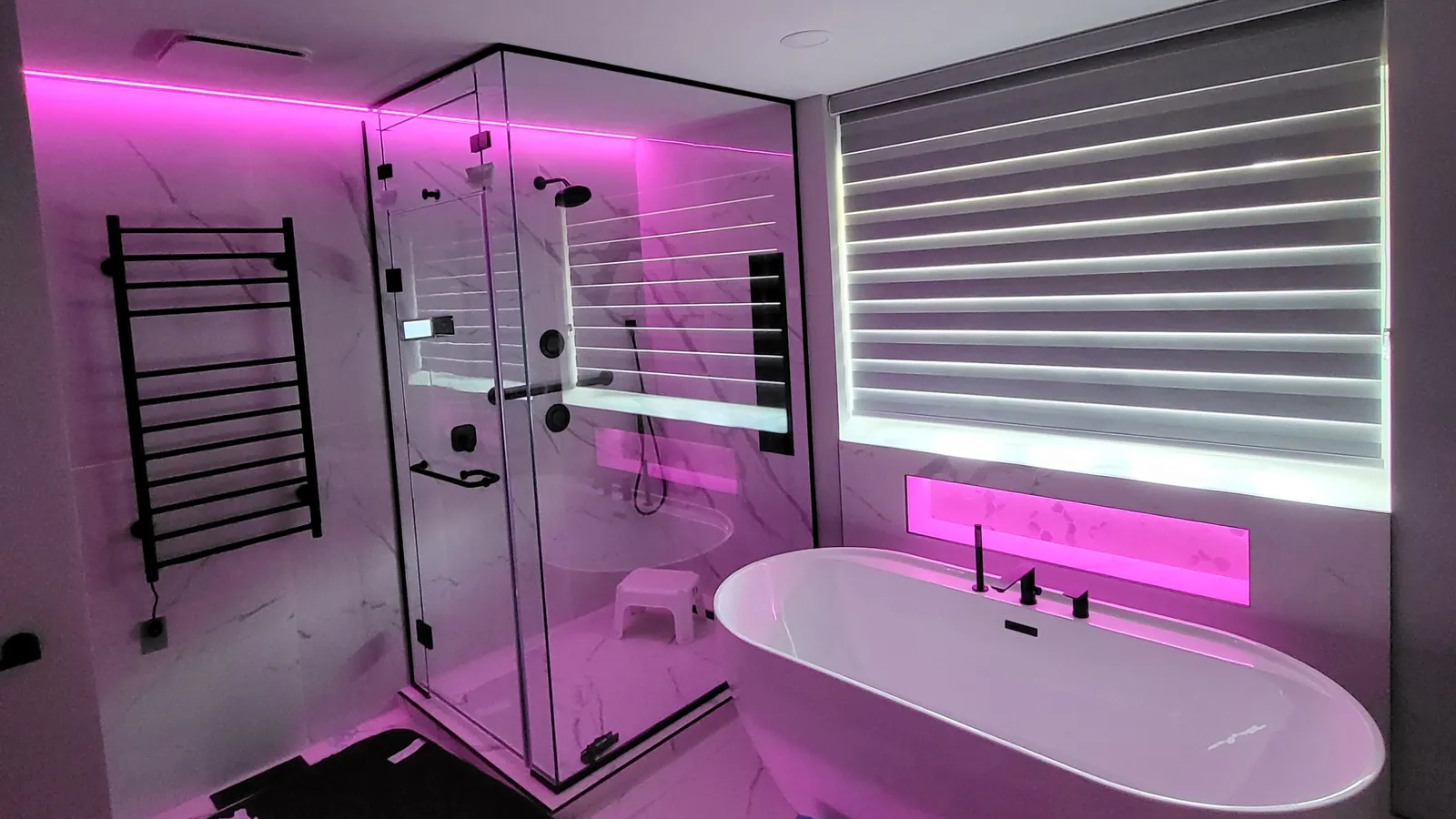
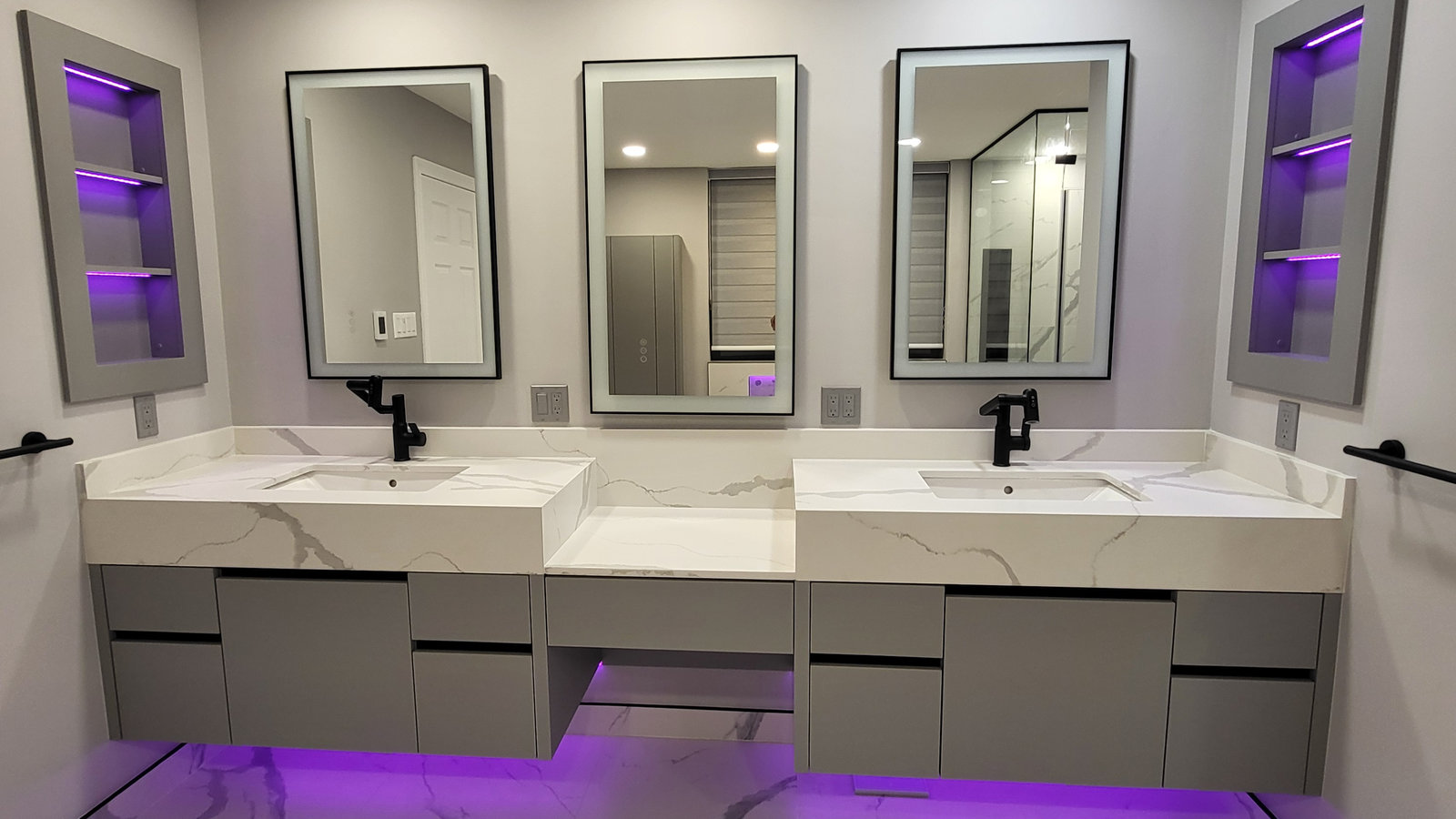
Bathroom Outlet Near Sink
Bathroom receptacles within the applicable distance from sinks, tubs, or showers often require GFCI protection.
Kitchen Receptacle Upgrade
Kitchen outlets near sinks or work areas should be reviewed for proper shock protection and safe replacement.
Outdoor Outlet Replacement
Exterior receptacles near grade commonly require Class A GFCI protection and proper weather-resistant covers.
Garage or Basement Outlet Safety
Damp or utility-related areas can require better receptacle protection to reduce shock hazards.
Laundry or Utility Sink Area
Receptacles near laundry or utility sinks should be checked for Ontario GFCI requirements.
Failed Home Inspection
Missing GFCI protection is a common issue noted during residential inspection and safety reviews.
Old Two-Prong or Outdated Receptacles
Some older outlet situations may benefit from GFCI-based upgrades, depending on the circuit and Code conditions.
Renovation or Device Replacement
When outlets are being replaced during renovations, current GFCI expectations often become part of the project.
WHY CHOOSE US
Why Homeowners Trust Us
We focus on practical solutions rather than temporary fixes, ensuring your electrical system performs safely under real conditions. Every electrical panel upgrade is completed with proper planning, correct equipment selection, and attention to long-term performance.
Our approach eliminates unnecessary work and is based on accurate diagnostics, not assumptions, so you only pay for what your system actually needs. We prioritize safety, efficiency, and clean execution on every project.
As a result, you receive a reliable, code-compliant electrical system that supports your home today and is fully prepared for future electrical demands.
Licensed & Insured
All work is performed by qualified, fully insured electricians, ensuring safety, accountability, and compliance with all regulations.
ESA certified work
Every project includes permits and ESA inspection, guaranteeing that the installation meets Ontario Electrical Safety Code requirements.
Professional installations
We install panels with precise wiring, proper layout, and clear labeling, making the system safe, accessible, and easy to maintain.
Transparent pricing
ou receive clear pricing based on actual scope of work, with no hidden costs or unexpected changes during the project.
Fast scheduling
We schedule work efficiently and arrive on time, minimizing downtime and ensuring your electrical system is restored as quickly as possible.
Accurate calculations
We calculate electrical demand based on real usage, ensuring your panel is properly sized for both current and future needs.
Code-compliant work
All installations strictly follow current electrical code requirements, ensuring safety, inspection approval, and long-term system reliability.
Reliable workmanship
Our experience allows us to deliver consistent, high-quality results that perform reliably under real operating conditions over time.
CODE & SAFETY REQUIREMENTS
Ontario Electrical Safety Code Compliance
Rules commonly applicable to residential GFCI outlet installation
-
Rule 2-005 — Work exempt from notification in specific dwelling-unit situations
ESA guidance explains that some receptacle replacements by a Licensed Electrical Contractor in a qualifying dwelling-unit context may be exempt from filing a notification, but that exemption does not apply to all electrical work and broader alterations may still require notification. -
Rule 2-022 — Approved electrical equipment
Electrical equipment used in Ontario must be approved for the intended application. -
Rule 2-024 — Approval requirements for electrical equipment
Equipment must be approved to recognized standards and accepted for use in Ontario. -
Rule 2-314 — Working space around electrical equipment
Electrical equipment must be accessible and installed with required working space where applicable. -
Rule 26-700 — Receptacles exposed to moisture and weather
Receptacles installed in damp or wet locations must be suitable for the environment and protected accordingly. ESA bulletins also clarify outdoor receptacle replacement requirements tied to this rule set. -
Rule 26-702 — Receptacles with ground fault circuit interrupter protection
GFCI protection is required in specific residential locations to reduce electric shock risk, including certain receptacles near sinks, bathtubs, and shower stalls. -
Rule 26-704 — Class A GFCI requirements for specific receptacles
ESA guidance states that outdoor 5-15R and 5-20R receptacles within 2.5 m of finished grade require Class A GFCI protection, and that bathroom or washroom receptacles within 1.5 m of sinks, bathtubs, or shower stalls also require Class A GFCI protection. -
Rule 26-706 — Tamper-resistant receptacles
ESA bulletin guidance indicates replacement receptacles in dwelling units are generally required to be tamper resistant. -
Rule 26-708 — Outdoor receptacle covers
ESA guidance states that when replacing an existing outdoor receptacle cover, the replacement cover must meet the applicable Code requirement. -
Rule 26-724 — Branch circuits for dwelling units and related receptacle requirements
ESA guidance on outdoor receptacles for dwellings references this rule together with the outdoor receptacle requirement and dedicated branch-circuit context. -
Rule 12-3034 — Outlet boxes and conductor enclosures
Outlet boxes and enclosures must be suitable and installed correctly so devices, splices, and terminations remain protected. -
Rule 14-100 — Protection of conductors by overcurrent devices
Conductors must be properly protected by breakers or fuses suitable for the circuit and installation.
Note: Rule selection may vary depending on whether the work involves simple receptacle replacement, a new receptacle location, outdoor equipment, older ungrounded wiring, bathroom and kitchen layout, or broader branch-circuit alterations. Exact official wording should be taken from the current purchased edition of the Ontario Electrical Safety Code and ESA bulletins.
COMMON QUESTIONS
FAQ — GFCI Outlet Installation
1. What is a GFCI outlet?
A GFCI outlet is a receptacle designed to disconnect power quickly when it detects a ground fault, helping reduce the risk of electric shock.
2. Where are GFCI outlets required in an Ontario home?
Common required locations include receptacles within 1.5 m of sinks, bathtubs, or shower stalls, as well as many outdoor receptacles within 2.5 m of finished grade. Other locations may also apply depending on the installation.
3. Do bathroom outlets need GFCI protection?
Yes, bathroom or washroom receptacles within the applicable distance from sinks, bathtubs, or shower stalls require Class A GFCI protection under ESA guidance.
4. Do outdoor outlets need GFCI protection?
Yes, ESA guidance states that outdoor 5-15R and 5-20R receptacles within 2.5 m of finished grade require Class A GFCI protection.
5. Do kitchen outlets need GFCI protection?
Kitchen receptacles near sinks or wet work areas often need to be assessed carefully for GFCI requirements. The exact application depends on the receptacle type, location, and circuit arrangement.
6. Can you replace a regular outlet with a GFCI outlet?
Yes. ESA guidance notes that replacing a duplex receptacle with a Class A GFCI receptacle may be exempt from notification when performed by a Licensed Electrical Contractor in the qualifying dwelling-unit context.
7. What is the difference between a GFCI outlet and a GFCI breaker?
A GFCI outlet protects at the receptacle location and, depending on wiring, can also protect downstream outlets. A GFCI breaker protects the circuit from the panel. The better choice depends on the layout of the circuit and the devices being served.
8. Can GFCI outlets be used in older homes?
Yes, they are often a valuable safety upgrade in older homes, especially where outlets near sinks, bathrooms, or outdoor areas do not have modern shock protection.
9. Do GFCI outlets need special outdoor covers?
Yes, outdoor receptacles also need suitable covers, and ESA guidance states that replacement outdoor covers must meet the applicable Code requirement.
10. Why does a GFCI outlet keep tripping?
Frequent tripping can be caused by moisture, wiring faults, damaged appliances, incorrect line/load connections, or a real ground fault on the circuit.
11. Are tamper-resistant GFCI outlets required in homes?
In many dwelling-unit situations, replacement receptacles are required to be tamper resistant according to ESA bulletin guidance tied to Rule 26-706.
12. Is GFCI outlet installation worth doing even if the current outlet still works?
Yes. A regular outlet may still function normally while lacking the shock protection expected for bathrooms, kitchens, basements, garages, laundry areas, and outdoor locations.
SERVICE AREAS
Serving Toronto & the Greater Toronto Area
We provide residential, commercial, and industrial electrical services across Toronto and the GTA, supporting homes, businesses, and facilities with reliable and code-compliant electrical solutions.
Our service coverage includes major cities and surrounding areas, allowing us to respond quickly and deliver consistent service across the region.
Toronto
North York
Thornhill
Richmond Hill
Vaughan
Markham
Scarborough
Etobicoke
Mississauga
Brampton
ADDITIONAL SERVICE AREAS
Hamilton
Oakville
Burlington
Milton
Georgetown
Pickering
Ajax
Whitby
Oshawa
Clarington
Aurora
Newmarket
Bradford
King City
Barrie