
Toronto & GTA Electrical Contractor
High Bay Lighting for Industrial and Commercial Facilities in Toronto, Richmond Hill, New Market, Aurora, Brampton & GTA
Industrial electrical work — installations, upgrades, troubleshooting, maintenance, and code-compliant solutions.
Licensed & Insured
Fast Response
Code-Compliant Work
INDUSTRIAL HIGH BAY LIGHTING SOLUTIONS
What We Do
We provide high bay lighting installation, replacement, upgrade, and repair services for industrial facilities, warehouses, production plants, workshops, commercial-industrial buildings, and high-ceiling workspaces across Toronto and the GTA.
High bay lighting is one of the most important lighting systems in an industrial facility because it affects far more than brightness. It affects visibility, safety, productivity, maintenance effort, and overall building performance.
Many sites continue using outdated fixtures because they still turn on, even though poor light distribution, glare, high energy use, and frequent failures are already increasing operating cost. That is why high bay lighting should not be treated as a simple bulb replacement issue.
According to Acuity Brands, LED high bay systems can significantly reduce energy and maintenance costs compared to traditional lighting. Lithonia Lighting also highlights improved visibility and reliability as key advantages in warehouse environments.
Our high bay lighting service focuses on solving real problems: dim work zones, uneven lighting, dark aisles, excessive glare, failing fixtures, and systems that no longer match how the building is used.
We evaluate mounting height, layout, beam distribution, and maintenance requirements to ensure the lighting system delivers useful illumination instead of wasted light. Eaton explains that proper optical design is critical in industrial lighting to achieve efficient light distribution.
This service is especially valuable in warehouses, manufacturing spaces, and high-ceiling environments where maintenance is difficult and lighting directly impacts productivity and safety.
We provide high bay lighting installation in Mississauga, LED upgrades in Vaughan, fixture replacement in Markham, and industrial lighting retrofits across the GTA.
Where appropriate, this service can connect to related work such as LED lighting retrofit, flickering lighting repair, lighting control systems, and harsh environment lighting.
The result is a high bay lighting system that improves visibility, reduces maintenance cost, increases efficiency, and makes the facility easier and safer to operate.


When “The Lights Still Work” Is Hiding a Much Bigger Warehouse and Maintenance Problem
Upgrade the high bay lighting before poor visibility and repeated fixture failures keep quietly costing more every month
High bay lighting problems usually become expensive long before the whole system goes dark.
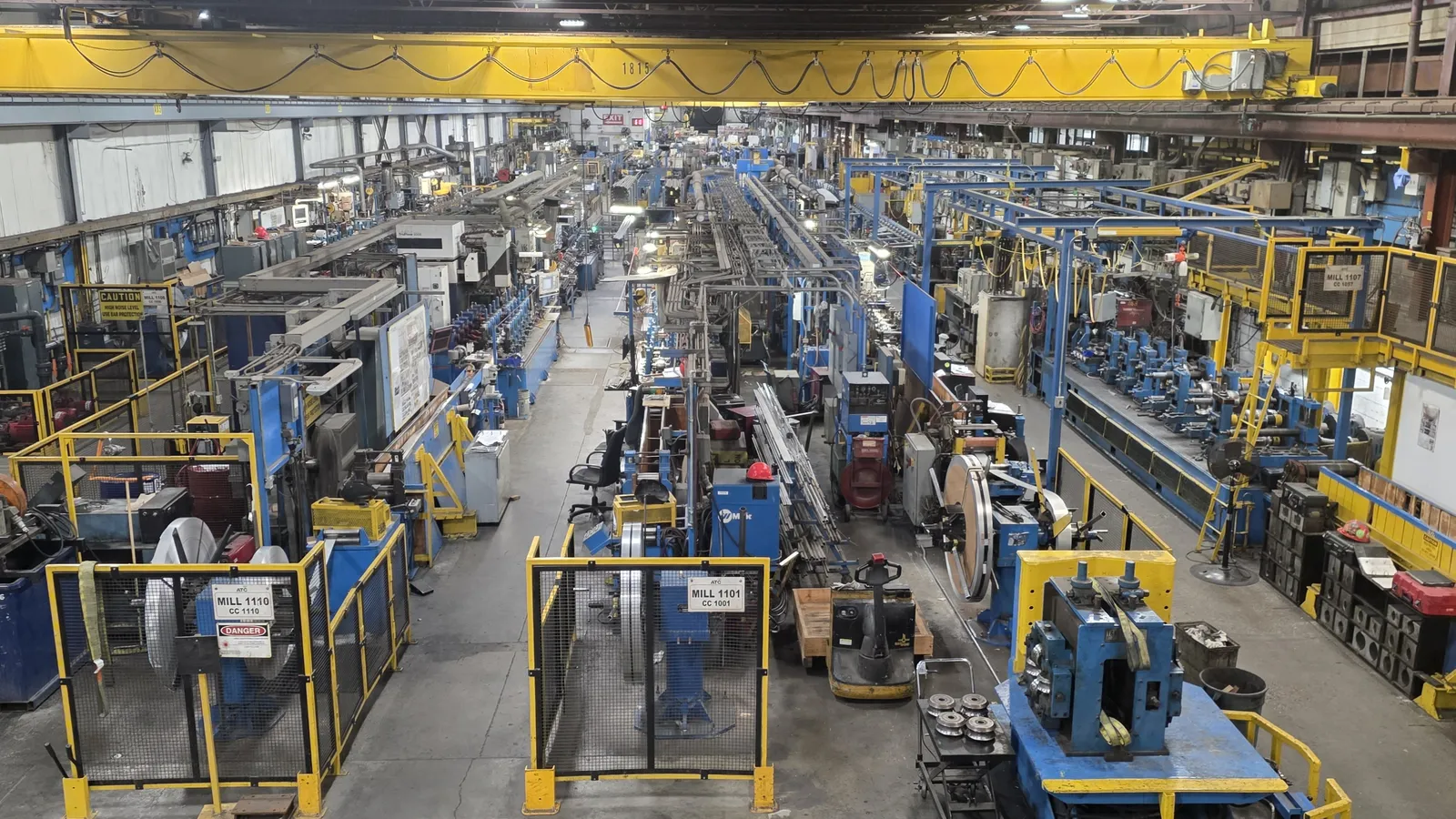
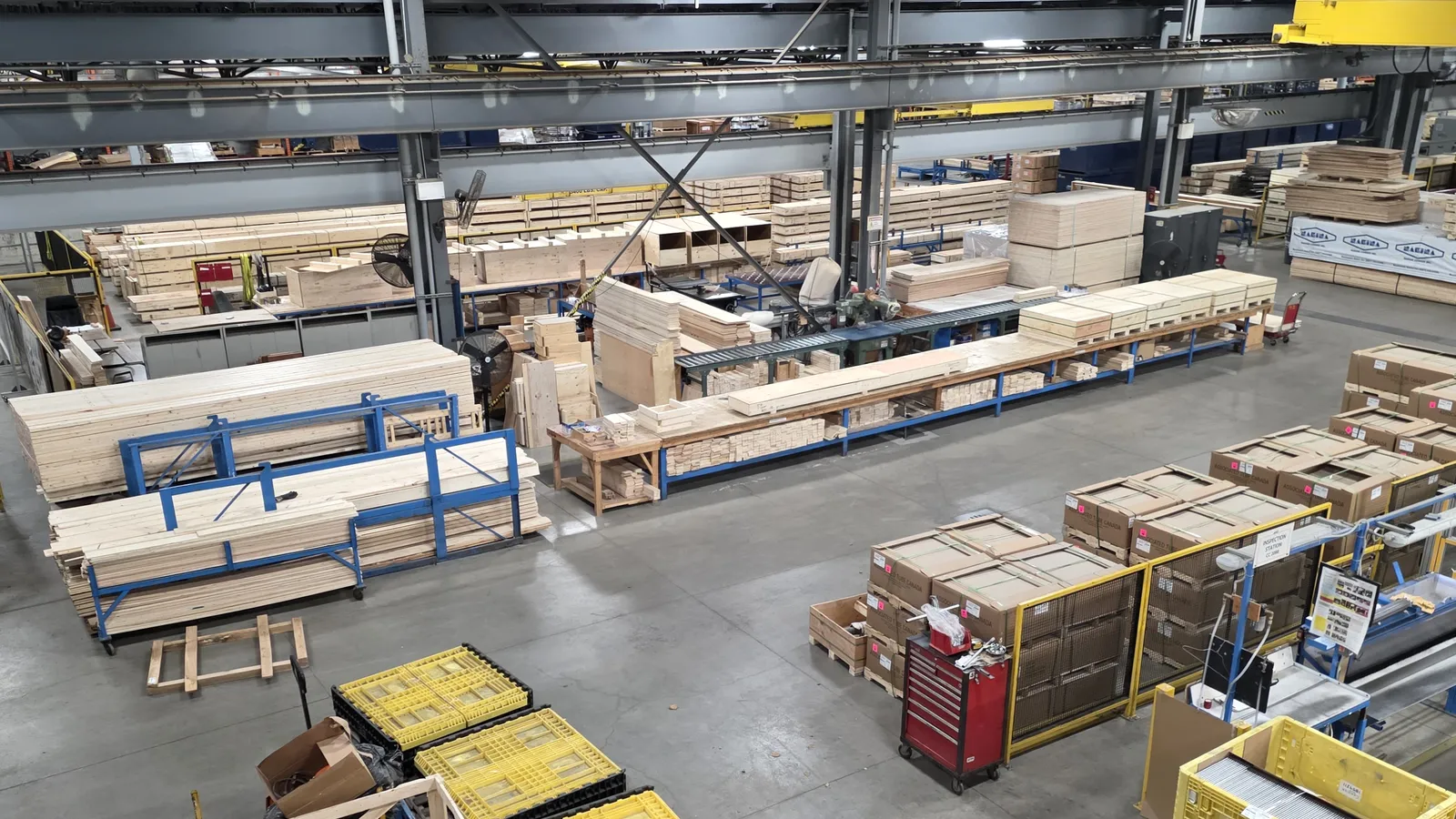
The fixtures may still turn on, but the space is already paying the price through weak light levels, poor aisle visibility, dark corners, uneven coverage, glare, and repeated service calls. That is exactly how warehouse lighting stays “good enough” for too long while the building keeps losing money in the background.
In industrial and warehouse facilities across Toronto and the GTA, one of the clearest warning signs is when the space feels harder to work in than it should. Forklift aisles may look darker than expected, product labeling is harder to read, maintenance staff keep replacing failed lamps or drivers, and the site ends up working around lighting problems instead of solving them.
Lithonia Lighting states that LED high bays are intended for warehouse spaces and help address poor visibility, high energy use, and difficult maintenance. That is exactly why older high bay systems become expensive even when they are not completely dead.
Another major warning sign is when maintenance access itself becomes part of the problem. A failed office fixture is easy. A failed high bay fixture usually means lifts, access planning, and interruption around racks or production equipment.
You may need high bay lighting service if the warehouse looks dim, if old HID or fluorescent fixtures are still in use, if light distribution is patchy, if maintenance has become frustrating, or if the facility layout changed and the original lighting no longer fits the real working space.
Acuity’s warehouse lighting materials also emphasize energy and maintenance savings from LED lighting and controls over traditional sources, which is one of the strongest reasons facilities stop tolerating old high bay systems.
High bay lighting in Toronto, Mississauga, Vaughan, Markham, and across the GTA helps customers solve the “small” lighting issues early, before poor visibility, wasted energy, and repeated fixture failures keep draining time and money out of the building.
The Warehouse Feels Dim Even Though Fixtures Still Turn On
That usually means the system is already underperforming even before total fixture failure becomes obvious.
Aisles and Work Zones Are Unevenly Lit
Patchy coverage and dark spots make industrial spaces harder to work in and harder to maintain safely.
Old HID or Fluorescent High Bays Are Still in Service
These systems often keep buildings stuck with higher energy use and more maintenance than necessary.
Fixture Failures Are Becoming Annoying and Expensive
Every failed high bay can require lift access, scheduling, and disruption that makes “small” failures expensive.
Glare or Poor Light Distribution Affects Work Quality
More light is not always better if it is delivered badly in a high-ceiling industrial space.
The Building Layout Changed but the Lighting Did Not
Storage changes, aisle changes, or production changes often leave the old lighting system badly matched to the space.
Energy Use from Lighting Still Feels Too High
Outdated high bay systems can quietly keep burning extra wattage year after year.
The Site Wants Better Visibility Without Constant Maintenance
That is exactly where modern LED high bay lighting creates some of the strongest practical value.
WHY CHOOSE US
Why Industrial Clients Choose Us
We focus on practical industrial electrical solutions rather than temporary fixes, ensuring your power systems, equipment, and production infrastructure operate safely and reliably under real operating conditions. Every project is completed with careful planning, proper equipment selection, and close attention to long-term performance, system stability, and operational continuity.
Our approach eliminates unnecessary work and is based on accurate diagnostics, field-tested methods, and a clear understanding of how industrial facilities actually run, so you only invest in the work your system truly requires. We prioritize safety, efficiency, code compliance, and clean execution on every job, whether it involves troubleshooting, upgrades, installations, or power distribution improvements.
As a result, you receive a dependable, code-compliant industrial electrical system that supports your facility today, reduces the risk of costly downtime, and is properly prepared for future production demands, equipment expansion, and higher power requirements.
Licensed & Insured
All work is performed by qualified, fully insured electricians, ensuring safety, accountability, and compliance with all regulations.
ESA certified work
Every project includes permits and ESA inspection, guaranteeing that the installation meets Ontario Electrical Safety Code requirements.
Professional installations
We install panels with precise wiring, proper layout, and clear labeling, making the system safe, accessible, and easy to maintain.
Transparent pricing
You receive clear pricing based on the actual scope of work, with no hidden costs or unexpected changes during the entire project.
Fast scheduling
We schedule work efficiently and arrive on time, minimizing downtime and ensuring your electrical system is restored as quickly as possible.
Accurate calculations
We calculate electrical demand based on real usage, ensuring your panel is properly sized for both current and future electrical needs.
Code-compliant work
All installations strictly follow current electrical code requirements, ensuring safety, inspection approval, and long-term system reliability.
Reliable workmanship
Our experience allows us to deliver consistent, high-quality results that perform reliably under real operating conditions over time.
CODE & SAFETY REQUIREMENTS
Ontario Electrical Safety Code Compliance
The Ontario Electrical Safety Code (OESC) sets the minimum legal safety requirements for electrical installations and electrical work in Ontario. ESA states that the 2024 Ontario Electrical Safety Code is the current edition and that it became effective on May 1, 2025.
For high bay lighting, Code relevance is tied to approved electrical equipment, safe condition of electrical equipment, branch circuit loading, wiring methods, working clearances, live-part guarding where applicable, and the corrective work that follows once lighting deficiencies are identified.
High bay lighting upgrades themselves do not replace Code compliance. They have to fit inside it. This matters because industrial lighting systems involve branch circuits, mounting heights, fixture replacement, controls, and often operation in demanding warehouse or production environments. Holophane’s warehouse lighting guidance also frames industrial lighting around code compliance, energy efficiency, and productivity, which reflects the real mix of concerns in this service.
Every high bay lighting project should be approached with approved equipment, correct wiring methods, safe access planning, and proper follow-up when fixtures, circuits, or controls are changed. Where the work includes rewiring, fixture replacement, branch-circuit changes, or control modification, that work should comply with the current Ontario Electrical Safety Code and ESA requirements.
Rules commonly applicable to high bay lighting follow-up work
-
Rule 2-004 — Notification of work / ESA inspection process
If lighting upgrade findings lead to electrical repair or replacement work that requires notification, the required ESA process must be followed before the installation is returned to service. -
Rule 2-022 — Approved electrical equipment
Electrical equipment used in Ontario must be approved in accordance with Code requirements. -
Rule 2-024 — Approval requirements for electrical equipment
Equipment installed, replaced, or corrected as part of follow-up work must be approved to recognized standards and accepted for use in Ontario. -
Rule 2-300 — General requirements for maintenance and operation
Electrical equipment must be maintained in safe working condition, which is relevant where fixture failure, overheating, or deteriorated lighting hardware exists. -
Rule 2-308 — Live parts guarding
Live electrical parts must be guarded against accidental contact where access to electrical components is involved. -
Rule 2-314 — Working space around electrical equipment
Working space around panels, disconnects, and related electrical equipment must be kept clear for safe access and maintenance. -
Rule 8-104 — Maximum circuit loading
Branch circuits must be loaded within allowable limits so the installation does not exceed safe operating capacity. -
Rule 12-000 — Wiring methods
Conductors, cables, and raceways must be installed using approved methods suitable for the environment and application. -
Rule 14-100 — Protection of conductors by overcurrent devices
Conductors must be protected by correctly selected breakers or fuses suitable for the circuit and connected equipment. -
Rule 14-104 — Rating / coordination of overcurrent protection
Overcurrent protection must be coordinated with conductor ampacity and the operating characteristics of the installation.
Note: Rule selection may vary depending on whether the project includes straight fixture replacement, LED retrofit, branch-circuit changes, control integration, or higher-temperature or harsher operating conditions. Exact official wording should be taken from the current purchased edition of the Ontario Electrical Safety Code.
COMMON QUESTIONS
FAQ — High Bay Lighting
1. What is high bay lighting?
High bay lighting is lighting used in spaces with high ceilings such as warehouses, industrial buildings, production areas, and similar large open environments.
2. Why is high bay lighting different from standard lighting?
Because high mounting heights need different fixture performance, optics, and distribution to light the space properly and avoid dark zones or wasted glare.
3. Why do old high bay systems become expensive even if they still work?
Because they often keep creating poor visibility, higher energy use, and repeated maintenance cost long before total system failure happens.
4. Are LED high bays really better for warehouses?
Yes. Lithonia states that LED high bays are ideal for warehouse spaces and help address poor visibility, high energy use, and difficult maintenance.
5. Why does optics matter in high bay lighting?
Because Eaton’s industrial LED guidance explains that optics play a key role in delivering efficient and optimized light distribution for the application.
6. Is this service only for new installations?
No. It is also highly useful for LED retrofits, replacing failing fixtures, correcting bad light distribution, and modernizing old warehouse lighting systems.
7. Can high bay lighting reduce maintenance?
Yes. That is one of the biggest reasons facilities upgrade, because high-ceiling maintenance is more disruptive and expensive than ordinary fixture service.
8. Can better high bay lighting improve the way the building works?
Yes. Better visibility, more even coverage, and fewer dark zones can improve safety, inspection quality, and overall practicality of the space.
9. Is warehouse lighting also tied to energy savings?
Yes. Acuity’s warehouse lighting guide specifically highlights energy and maintenance savings from LED lighting and controls over traditional sources.
10. Does high bay lighting work only in warehouses?
No. It is also widely used in production plants, workshops, storage buildings, and other commercial-industrial spaces with high ceilings.
11. Does high bay lighting work itself replace code compliance?
No. Any fixture replacement, rewiring, controls work, or circuit changes still have to use approved equipment and comply with applicable Ontario Electrical Safety Code and ESA requirements. ESA confirms the 2024 OESC is effective in Ontario from May 1, 2025.
12. Why do people often wait too long to fix high bay lighting?
Because the lights still “kind of work,” so the problem feels small. The real cost shows up over time through poor visibility, wasted energy, and expensive high-ceiling maintenance.
SERVICE AREAS
Serving Toronto & the Greater Toronto Area
We provide residential, commercial, and industrial electrical services across Toronto and the GTA, supporting homes, businesses, and facilities with reliable and code-compliant electrical solutions.
Our service coverage includes major cities and surrounding areas, allowing us to respond quickly and deliver consistent service across the region.
Toronto
North York
Thornhill
Richmond Hill
Vaughan
Markham
Scarborough
Etobicoke
Mississauga
Brampton
ADDITIONAL SERVICE AREAS
Hamilton
Oakville
Burlington
Milton
Georgetown
Pickering
Ajax
Whitby
Oshawa
Clarington
Aurora
Newmarket
Bradford
King City
Barrie