
Toronto & GTA Electrical Contractor
Lighting Control Systems for Industrial and Commercial Facilities in Toronto, Richmond Hill, North York, Vaughan & GTA
Industrial electrical work — installations, upgrades, troubleshooting, maintenance, and code-compliant solutions.
Licensed & Insured
Fast Response
Code-Compliant Work

SMART LIGHTING CONTROL & AUTOMATION SOLUTIONS
What We Do
We provide lighting control systems installation, upgrade, retrofit, and repair support for industrial facilities, warehouses, commercial buildings, workshops, production plants, storage spaces, and electrically intensive properties across Toronto and the GTA.
Lighting control systems are one of the most effective ways to reduce energy waste and improve lighting performance. In many facilities, lights stay on too long, operate at full output when not needed, or run in empty spaces because control strategies were never implemented properly.
A proper lighting control system uses occupancy sensing, time scheduling, daylight harvesting, zoning, and dimming to match lighting behavior to real building use. According to Acuity Brands, advanced lighting controls can include scheduling, daylight response, and building-wide strategies that improve efficiency and usability.
This service is especially important because lighting waste is often normalized. Lights remain on in unused areas, operate at full output near daylight sources, and depend on manual switching that does not reflect real usage patterns.
Our lighting control systems service includes occupancy-based control, daylight-responsive systems, time-based scheduling, dimming, zoning, and integrated control strategies. Eaton highlights that modern lighting control systems integrate switching, dimming, and energy management to improve building performance.
Lighting control systems are particularly valuable in warehouses and industrial environments where different zones have different usage patterns. Some areas are active constantly, while others are used occasionally. Without controls, all spaces are often treated the same, leading to unnecessary energy use.
According to the DesignLights Consortium, networked lighting control systems can significantly reduce energy consumption in commercial and industrial facilities. This demonstrates that lighting control systems are not optional upgrades but practical tools for reducing operating cost.
We solve common real-world issues such as lights left on unnecessarily, lack of occupancy response, no daylight harvesting, poorly configured dimming, and buildings that upgraded to LED but did not upgrade control strategy.
This service is also focused on usability. A poorly designed control system creates frustration and often gets bypassed. Our approach ensures controls match how the building actually operates, so staff can use them effectively.
We provide lighting control systems installation in Toronto, Mississauga, Vaughan, Markham, Brampton, and across the GTA for facilities that want better energy control and improved lighting performance.
This service connects naturally to related work such as LED lighting retrofit, high bay lighting, outdoor lighting, and emergency lighting systems.
Ontario requirements must also be considered. The Electrical Safety Authority confirms that electrical installations must comply with the Ontario Electrical Safety Code.
The result is a lighting control systems solution that reduces energy waste, improves lighting efficiency, and ensures the building operates with a smarter and more reliable lighting system.
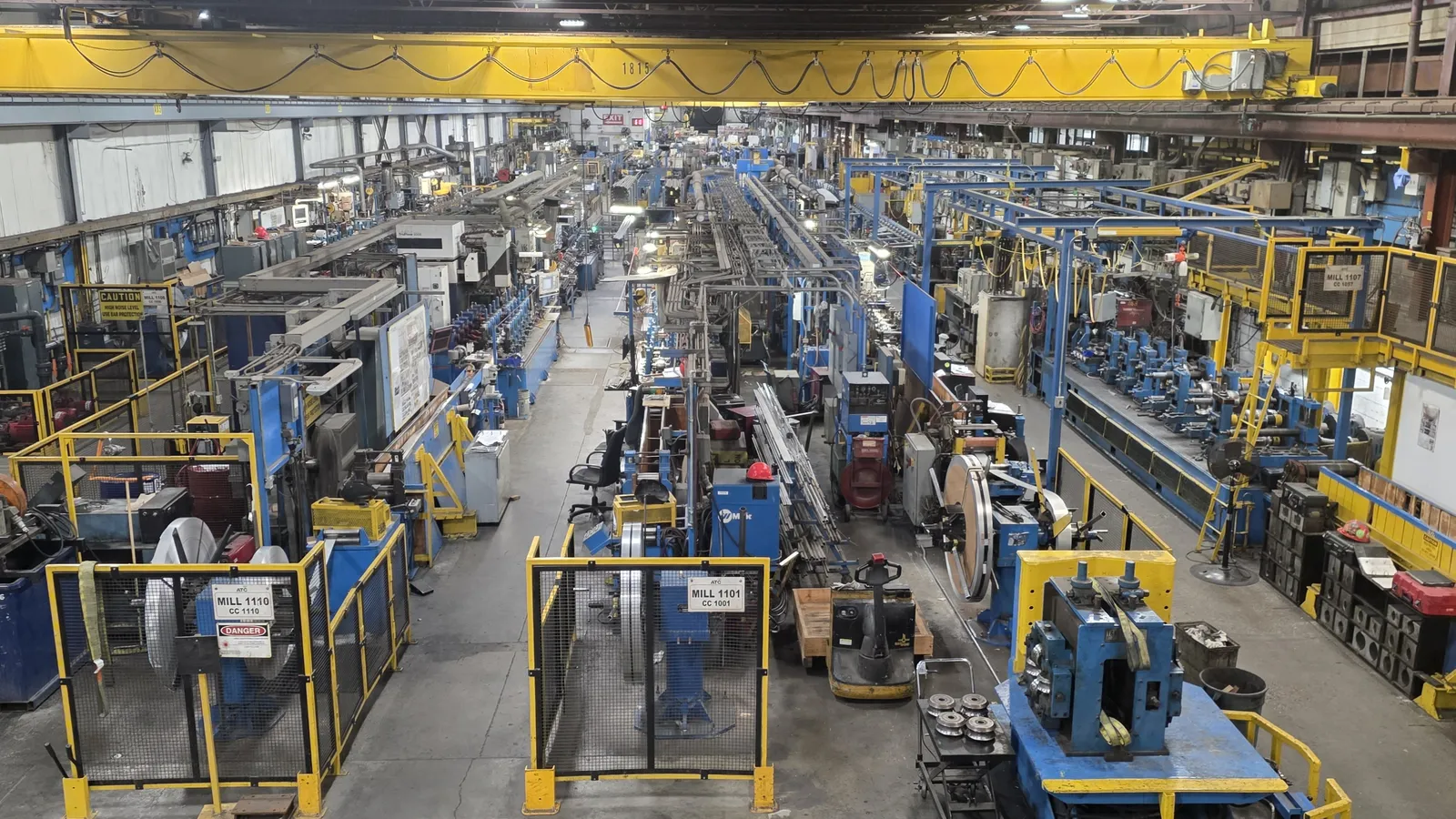
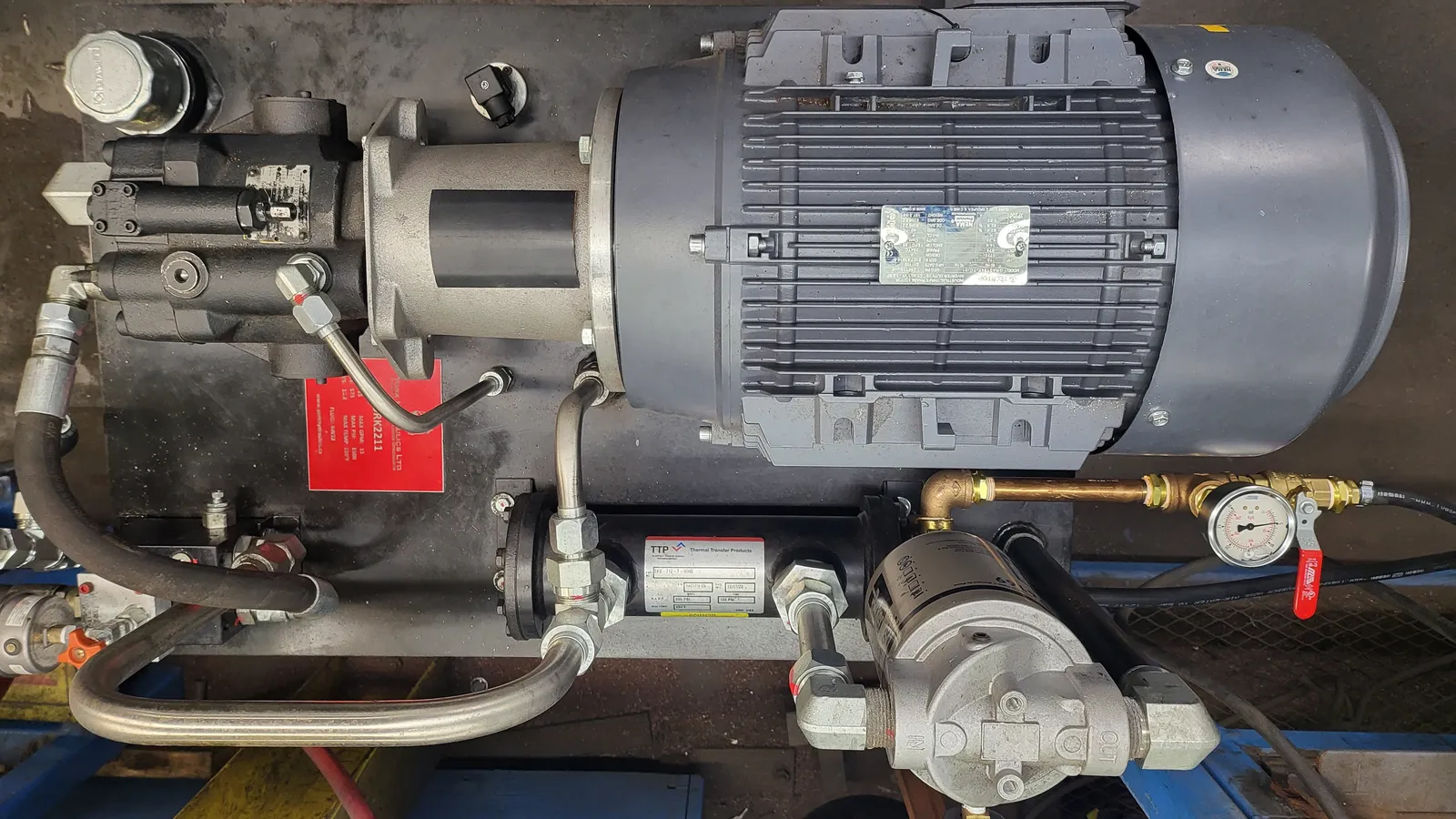


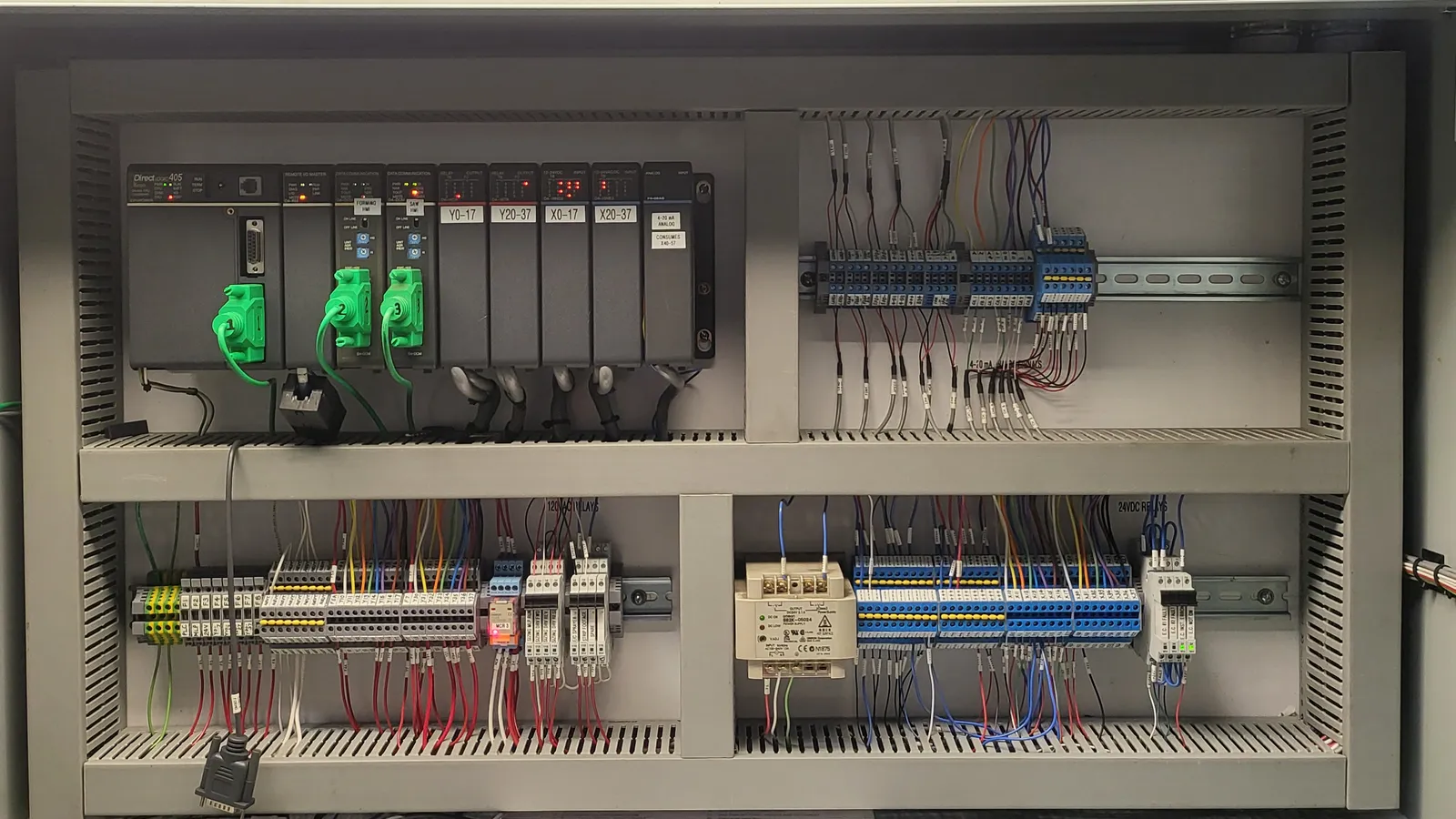
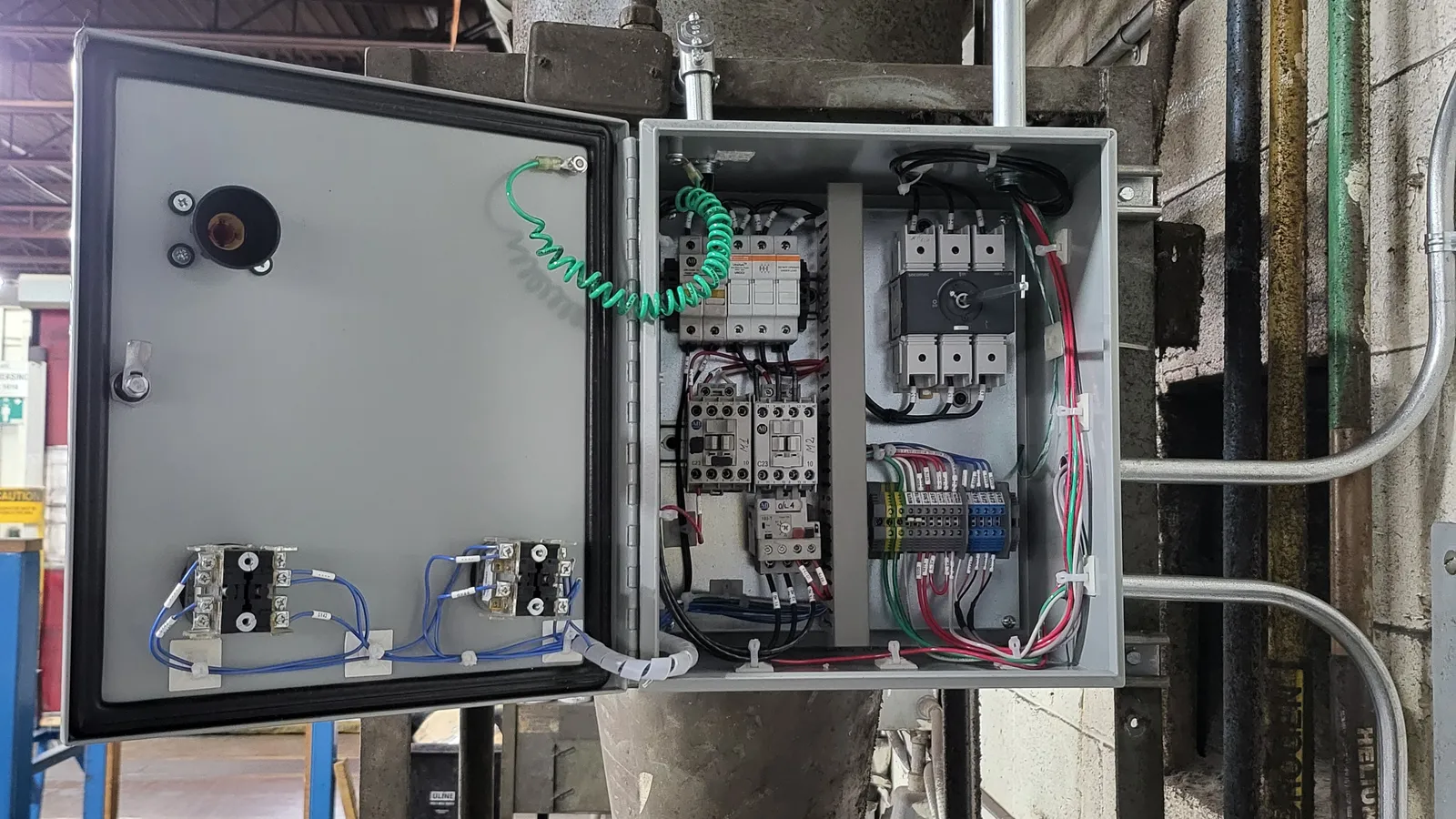

When the Building Still Uses Lighting Like Every Space Is Occupied All the Time
Upgrade the controls before unnecessary runtime keeps quietly wasting energy and making the lighting harder to manage
Lighting waste often comes from control behavior more than fixture quality.
The site may already have decent fixtures, but if lights stay on in empty zones, run at full output next to daylight, or depend entirely on people remembering switches, the building is still losing money every day.
In industrial and commercial properties across Toronto and the GTA, one of the clearest warning signs is when large areas stay lit longer than actual use justifies. Another is when there is no occupancy response in intermittently used spaces such as aisles, storage zones, support rooms, or back-of-house areas.
Acuity’s warehouse controls material highlights advanced capabilities such as scheduling, daylight harvesting, full circuit dimming, and building-wide strategies, which directly address these exact problems.
Another warning sign is when a building upgraded to LED but never updated the controls. That often leaves the site with more efficient fixtures but the same old wasteful operating habits.
This matters financially too. Acuity’s warehouse best-practices document cites average savings from networked lighting controls of 49%, with warehouses averaging 68% in a DLC report. That is why poor control strategy is not a small issue. It is often a large hidden cost.
You may need lighting control systems if the site wants occupancy-based lighting, better scheduling, daylight harvesting, more reliable dimming behavior, or less dependence on manual switching and staff memory.
Lighting control systems in Toronto, Mississauga, Vaughan, Markham, and across the GTA help customers stop wasting light in the background and start making the building’s lighting behave the way the facility actually operates.
Lights Stay On in Empty Areas
That usually means the building is paying for unnecessary lighting runtime every day.
Warehouse Aisles Run at Full Output All the Time
Large industrial spaces often create the biggest control savings when unoccupied zones stop burning full light needlessly.
Daylight Is Available but the Lights Ignore It
Without daylight-responsive controls, the site may be paying to create light that nature is already providing.
Staff Keep Relying on Manual Switching
Human memory is not a lighting strategy, and buildings often pay for that every month.
LED Retrofit Happened but Controls Stayed Old
That often leaves a lot of the possible savings and operational improvement still untouched.
Controls Were Installed but People Bypassed Them
A bad control strategy often creates workarounds, which is why the system must fit the real building use.
The Site Wants Better Lighting Management
Scheduling, zoning, and occupancy response can turn a lighting system from wasteful into manageable.
Management Wants Lower Lighting Cost Without Making Work Harder
That is exactly where properly chosen lighting controls create strong value.
WHY CHOOSE US
Why Industrial Clients Choose Us
We focus on practical industrial electrical solutions rather than temporary fixes, ensuring your power systems, equipment, and production infrastructure operate safely and reliably under real operating conditions. Every project is completed with careful planning, proper equipment selection, and close attention to long-term performance, system stability, and operational continuity.
Our approach eliminates unnecessary work and is based on accurate diagnostics, field-tested methods, and a clear understanding of how industrial facilities actually run, so you only invest in the work your system truly requires. We prioritize safety, efficiency, code compliance, and clean execution on every job, whether it involves troubleshooting, upgrades, installations, or power distribution improvements.
As a result, you receive a dependable, code-compliant industrial electrical system that supports your facility today, reduces the risk of costly downtime, and is properly prepared for future production demands, equipment expansion, and higher power requirements.
Licensed & Insured
All work is performed by qualified, fully insured electricians, ensuring safety, accountability, and compliance with all regulations.
ESA certified work
Every project includes permits and ESA inspection, guaranteeing that the installation meets Ontario Electrical Safety Code requirements.
Professional installations
We install panels with precise wiring, proper layout, and clear labeling, making the system safe, accessible, and easy to maintain.
Transparent pricing
You receive clear pricing based on the actual scope of work, with no hidden costs or unexpected changes during the entire project.
Fast scheduling
We schedule work efficiently and arrive on time, minimizing downtime and ensuring your electrical system is restored as quickly as possible.
Accurate calculations
We calculate electrical demand based on real usage, ensuring your panel is properly sized for both current and future electrical needs.
Code-compliant work
All installations strictly follow current electrical code requirements, ensuring safety, inspection approval, and long-term system reliability.
Reliable workmanship
Our experience allows us to deliver consistent, high-quality results that perform reliably under real operating conditions over time.
CODE & SAFETY REQUIREMENTS
Ontario Electrical Safety Code Compliance
The Ontario Electrical Safety Code (OESC) sets the minimum legal safety requirements for electrical installations and electrical work in Ontario. ESA states that the 2024 Ontario Electrical Safety Code is the current edition and that it became effective on May 1, 2025.
For lighting control systems, Code relevance is tied to approved electrical equipment, safe condition of electrical equipment, branch circuit loading, wiring methods, working clearances, live-part guarding where applicable, and the corrective work that follows when controls, sensors, switching devices, dimming equipment, or integrated control panels are installed or modified.
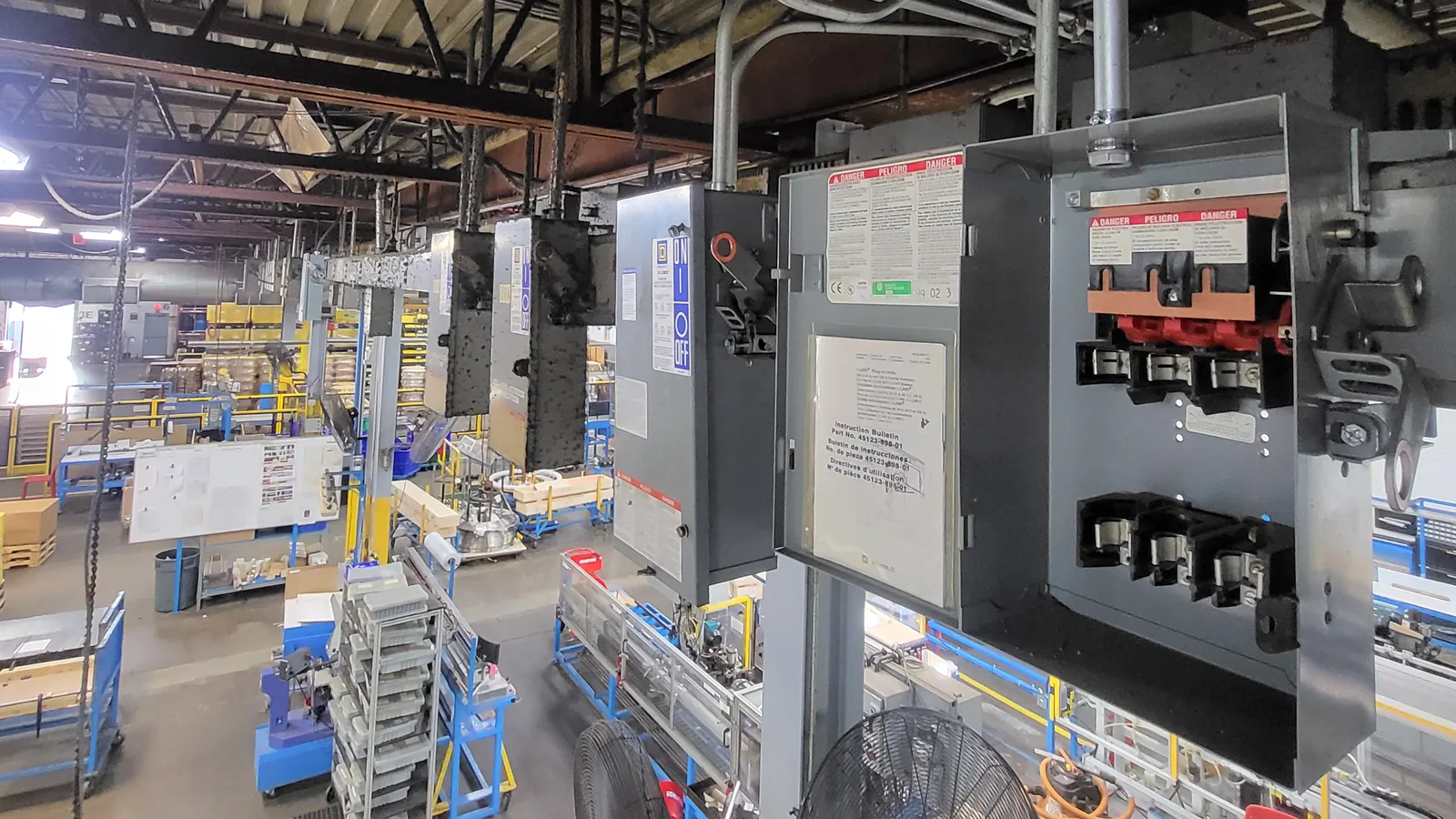
Lighting control upgrades do not replace Code compliance. They have to fit inside it. This matters because lighting controls affect switching, dimming, scheduling interfaces, occupancy devices, daylight-responsive devices, and sometimes panel-integrated control systems. Eaton’s Pow-R-Command design guide describes a lighting control and energy management system that integrates branch circuit protection, switching, dimming, and metering in a panelboard enclosure, which shows clearly that lighting controls are real electrical system components rather than superficial accessories.
Every lighting control project should be approached with approved equipment, correct wiring methods, safe access planning, and proper follow-up when fixtures, sensors, controls, or circuits are changed. Where the work includes rewiring, fixture control integration, sensor installation, or control modification, that work should comply with the current Ontario Electrical Safety Code and ESA requirements.
Rules commonly applicable to lighting control systems follow-up work
-
Rule 2-004 — Notification of work / ESA inspection process
If lighting control findings lead to electrical repair or replacement work that requires notification, the required ESA process must be followed before the installation is returned to service. -
Rule 2-022 — Approved electrical equipment
Electrical equipment used in Ontario must be approved in accordance with Code requirements. -
Rule 2-024 — Approval requirements for electrical equipment
Equipment installed, replaced, or corrected as part of follow-up work must be approved to recognized standards and accepted for use in Ontario. -
Rule 2-300 — General requirements for maintenance and operation
Electrical equipment must be maintained in safe working condition, which is relevant where sensors, switches, dimming devices, controllers, or associated hardware are deteriorated or unstable. -
Rule 2-308 — Live parts guarding
Live electrical parts must be guarded against accidental contact where access to electrical components is involved. -
Rule 2-314 — Working space around electrical equipment
Working space around panels, disconnects, and related electrical equipment must be kept clear for safe access and maintenance. -
Rule 8-104 — Maximum circuit loading
Branch circuits must be loaded within allowable limits so the installation does not exceed safe operating capacity. -
Rule 12-000 — Wiring methods
Conductors, cables, and raceways must be installed using approved methods suitable for the environment and application. -
Rule 14-100 — Protection of conductors by overcurrent devices
Conductors must be protected by correctly selected breakers or fuses suitable for the circuit and connected equipment. -
Rule 14-104 — Rating / coordination of overcurrent protection
Overcurrent protection must be coordinated with conductor ampacity and the operating characteristics of the installation.
Note: Rule selection may vary depending on whether the project includes occupancy sensors, daylight harvesting devices, dimming controls, centralized scheduling, wireless controls, or panel-integrated lighting control systems. Exact official wording should be taken from the current purchased edition of the Ontario Electrical Safety Code.
COMMON QUESTIONS
FAQ — Lighting Control Systems
1. What are lighting control systems?
They are systems that manage when, where, and how lighting operates using tools such as occupancy sensors, scheduling, daylight harvesting, dimming, and zoning.
2. Why do lighting controls matter if the fixtures are already LED?
Because efficient fixtures still waste money if they stay on too long, ignore daylight, or run at full output when the space is empty.
3. What kinds of control features are common in industrial and warehouse spaces?
Acuity’s warehouse controls guide highlights scheduling, daylight harvesting, full circuit dimming, building-wide control strategies, and third-party integration.
4. Can lighting controls really reduce energy cost significantly?
Yes. Acuity’s warehouse best-practices document cites average savings from networked lighting control systems of 49%, with warehouses averaging 68% in a DLC report.
5. Are controls only for offices and smart buildings?
No. Warehouses, industrial facilities, support spaces, storage areas, and many commercial spaces can benefit strongly from better lighting control.
6. What is daylight harvesting?
It is a control strategy that reduces electric lighting output when sufficient natural daylight is already available in the space.
7. What is occupancy-based lighting?
It is a strategy where sensors help turn lights on, off, or to lower levels based on whether people are actually using the space.
8. Can a bad control setup make people bypass the system?
Yes. That is why controls have to be matched to the real operation of the building instead of installed as a generic add-on.
9. Are there systems that integrate lighting control with electrical distribution hardware?
Yes. Eaton’s Pow-R-Command design guide describes a system that integrates branch circuit protection, switching, dimming, and metering in a panelboard enclosure.
10. Is this service only for new buildings?
No. Control retrofit is often especially valuable in existing buildings that already have decent fixtures but still operate with wasteful lighting habits.
11. Does lighting control work itself replace code compliance?
No. Any sensor installation, control wiring, fixture integration, or switching modification still has to use approved equipment and comply with applicable Ontario Electrical Safety Code and ESA requirements.
12. Why do people often wait too long to add lighting controls?
Because the lighting already works, so the waste stays invisible. The real cost shows up quietly in unnecessary runtime, weak management, and energy the building never needed to spend.
SERVICE AREAS
Serving Toronto & the Greater Toronto Area
We provide residential, commercial, and industrial electrical services across Toronto and the GTA, supporting homes, businesses, and facilities with reliable and code-compliant electrical solutions.
Our service coverage includes major cities and surrounding areas, allowing us to respond quickly and deliver consistent service across the region.
Toronto
North York
Thornhill
Richmond Hill
Vaughan
Markham
Scarborough
Etobicoke
Mississauga
Brampton
ADDITIONAL SERVICE AREAS
Hamilton
Oakville
Burlington
Milton
Georgetown
Pickering
Ajax
Whitby
Oshawa
Clarington
Aurora
Newmarket
Bradford
King City
Barrie