
Toronto & GTA Electrical Contractor
Lighting Repair Toronto, Mississauga, Brampton, Vaughan & GTA
Residential, commercial, and industrial electrical work — installations, upgrades, troubleshooting, maintenance, and code-compliant solutions.
Licensed & Insured
Fast Response
Code-Compliant Work

OUR LIGHTING REPAIR PROCESS
What We Do
We provide professional lighting repair services for residential properties across Toronto, Mississauga, Brampton, Vaughan, Markham, Richmond Hill, Scarborough, North York, and Etobicoke. Our goal is to identify the real cause of lighting problems and restore safe, reliable operation without guesswork or temporary fixes. Lighting repair is not just about replacing a bulb or swapping one fixture. In many homes, the visible symptom is only the surface of a deeper issue involving wiring connections, switches, dimmers, damaged fixtures, loose terminations, incompatible LED products, or circuit-related problems.
Many homeowners call for lighting repair when lights flicker, stop working, turn on intermittently, buzz, trip breakers, fail after bulb replacement, or behave unpredictably. These issues can affect ceiling lights, wall fixtures, pot lights, chandeliers, motion sensor lights, vanity lights, under cabinet lights, and exterior fixtures. Some problems are isolated to one fixture, while others point to a switch issue, wiring defect, overloaded connection, or hidden damage that needs proper electrical troubleshooting.
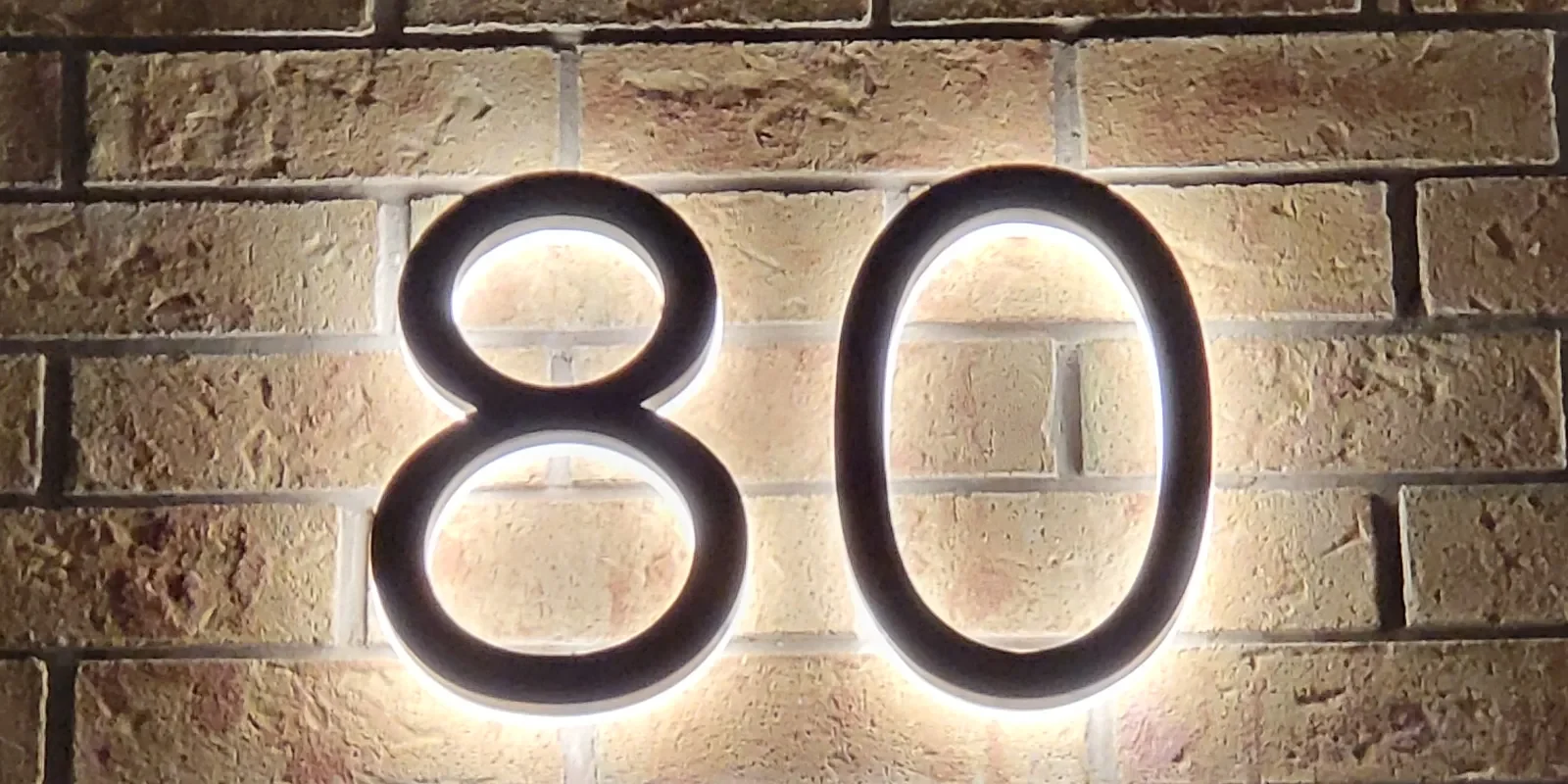
Our lighting electrician team handles indoor lighting repair, outdoor lighting repair, ceiling light repair, pot light repair, chandelier repair, under cabinet lighting repair, motion sensor light repair, and general light fixture repair for homes. We inspect the fixture, box, switch, controls, connections, and circuit behavior to determine what actually failed and what needs to be corrected. In some homes, the issue turns out to be a bad switch or dimmer rather than the light fixture itself. In other cases, the fixture is damaged, outdated, overheated, incorrectly installed, or simply no longer compatible with the current lamp or LED setup.
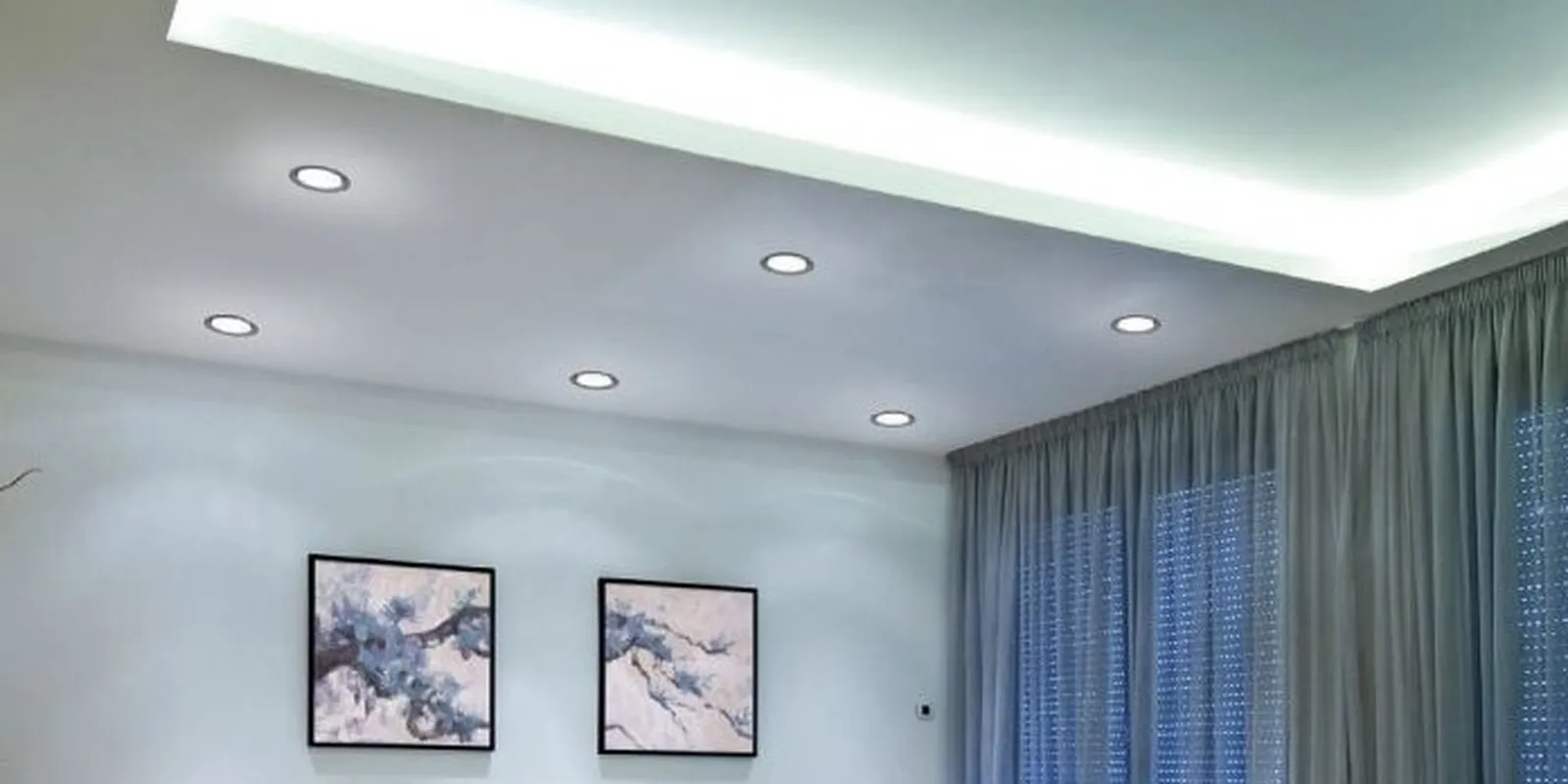
Lighting repair often overlaps with related services when a fault is found during inspection. For example, a failed recessed fixture may lead to targeted pot lights installation replacement in one area, while a room with multiple outdated problems may benefit from broader indoor lighting installation. Outdoor fixture failures may also connect to motion sensor lighting or outdoor & landscape lighting upgrades if the existing equipment is no longer reliable or suitable.
We begin each lighting repair call by checking the symptom, fixture type, switching arrangement, lamp compatibility, visible condition, and circuit behavior. That matters because two lights can show the same symptom for completely different reasons. A flickering light may be caused by a loose splice, failing LED driver, defective dimmer, poor neutral connection, or fixture deterioration. A light that does not turn on may have a failed lamp holder, broken internal component, switch defect, open connection, or loss of power from upstream wiring. A professional diagnosis is what prevents wasted time and repeated failures.
Lighting repair also needs to be approached from a safety standpoint. ESA states that almost all electrical work in Ontario requires filing a notification of work before the work starts, and electrical products used in Ontario must be approved. For homeowners, that matters because damaged fixtures, overheated wiring, and poor previous repairs can create real shock and fire risks if the problem is not handled correctly. For general safety information, see ESA notifications and inspections and ESA product safety tips.
Our residential lighting repair service focuses on accurate troubleshooting, safe corrective work, and practical decisions about whether repair or replacement makes more sense. For homeowners in Toronto, Mississauga, Brampton, Vaughan, Markham, Richmond Hill, Scarborough, North York, and Etobicoke, lighting repair is the right service when a fixture or lighting circuit has become unreliable, unsafe, or simply stopped working the way it should.
When You Need Lighting Repair
Fix lighting problems before they become bigger electrical or safety issues
Lighting repair is needed when a light fixture, switch, dimmer, or connected wiring stops working properly or starts showing warning signs that something is wrong.
Many homeowners wait too long because the problem seems minor at first. A light may flicker occasionally, work only sometimes, buzz faintly, or fail only with certain bulbs. But these small symptoms often point to loose connections, failing components, incompatible dimmers, or hidden fixture damage that usually gets worse over time.
Residential lighting repair is especially important when the same light keeps failing after bulb replacement. That usually means the real problem is not the bulb itself but the fixture, switch, control, or electrical connection feeding it.
This service is commonly needed for ceiling light repair, pot light repair, chandelier repair, kitchen lighting repair, under cabinet lighting repair, and outdoor lighting repair. It is also common when a motion sensor light behaves unpredictably or when a dimmer no longer controls the fixture correctly.
One of the main reasons lighting problems should be diagnosed properly is that the visible symptom is often misleading. Flickering may be caused by a bad LED driver, loose splice, dimmer mismatch, failing switch, or deteriorated fixture. A dead light may be caused by loss of power, internal fixture failure, or a hidden connection problem.
Good lighting repair starts with troubleshooting, not assumptions. Replacing random parts without testing often wastes time and money while leaving the real fault in place.
This kind of work is also different from a full upgrade. If the fixture is worth saving and the problem is isolated, repair can be the right choice. If the equipment is damaged, outdated, overheated, or repeatedly failing, replacement may be a better long-term solution.
In some homes, lighting repair leads to related improvements such as under cabinet lighting replacement in the kitchen, chandelier installation when an old decorative fixture cannot be repaired properly, or updated indoor lighting installation where several fixtures are failing for age-related reasons.
Lighting issues should also be taken seriously because they can involve heat damage, arcing, loose terminations, or unsafe previous work. A fixture that buzzes, smells hot, flickers heavily, or works only when touched should not be ignored.
ESA states that almost all electrical work in Ontario requires filing a notification of work before the work starts. ESA also states that electrical products used in Ontario must be approved by an accredited certification or evaluation agency. That is important when a repair involves replacing failed parts or installing a new fixture instead of reusing unsafe or unapproved equipment.
Lighting repair is often needed after renovations, DIY fixture changes, water exposure, repeated bulb burnout, or years of normal wear. It is also common in older homes where fixtures and switches have simply reached the end of their reliable service life.
Homeowners often notice the problem first in kitchens, bathrooms, hallways, basements, entryways, and exterior fixtures because these areas get used the most. Intermittent lighting in these spaces quickly becomes frustrating and can also reduce safety.
A proper repair restores more than just light. It restores confidence that the fixture, controls, and wiring are operating the way they should.
We handle lighting repair with a troubleshooting-first approach focused on finding the cause, correcting the fault, and helping homeowners decide when repair is worthwhile and when replacement makes more sense.
For homes in Toronto, Mississauga, Brampton, Vaughan, Markham, Richmond Hill, Scarborough, North York, and Etobicoke, lighting repair is the right service when a light no longer works reliably, safely, or consistently in everyday use.
Lights Flicker or Pulse
Intermittent flickering can point to loose connections, failing fixtures, dimmer incompatibility, or wiring problems.
Fixture Stopped Working Completely
A dead light may be caused by a failed fixture, bad switch, open connection, or circuit issue.
Bulbs Keep Burning Out
Repeated lamp failure often means the real problem is the fixture, voltage condition, or control device.
Buzzing, Humming, or Heat
Unusual sounds or overheating are warning signs that the light or its controls need professional attention.
Dimmer or Switch Works Poorly
The fixture may not be the problem if the controlling device is failing or incompatible.
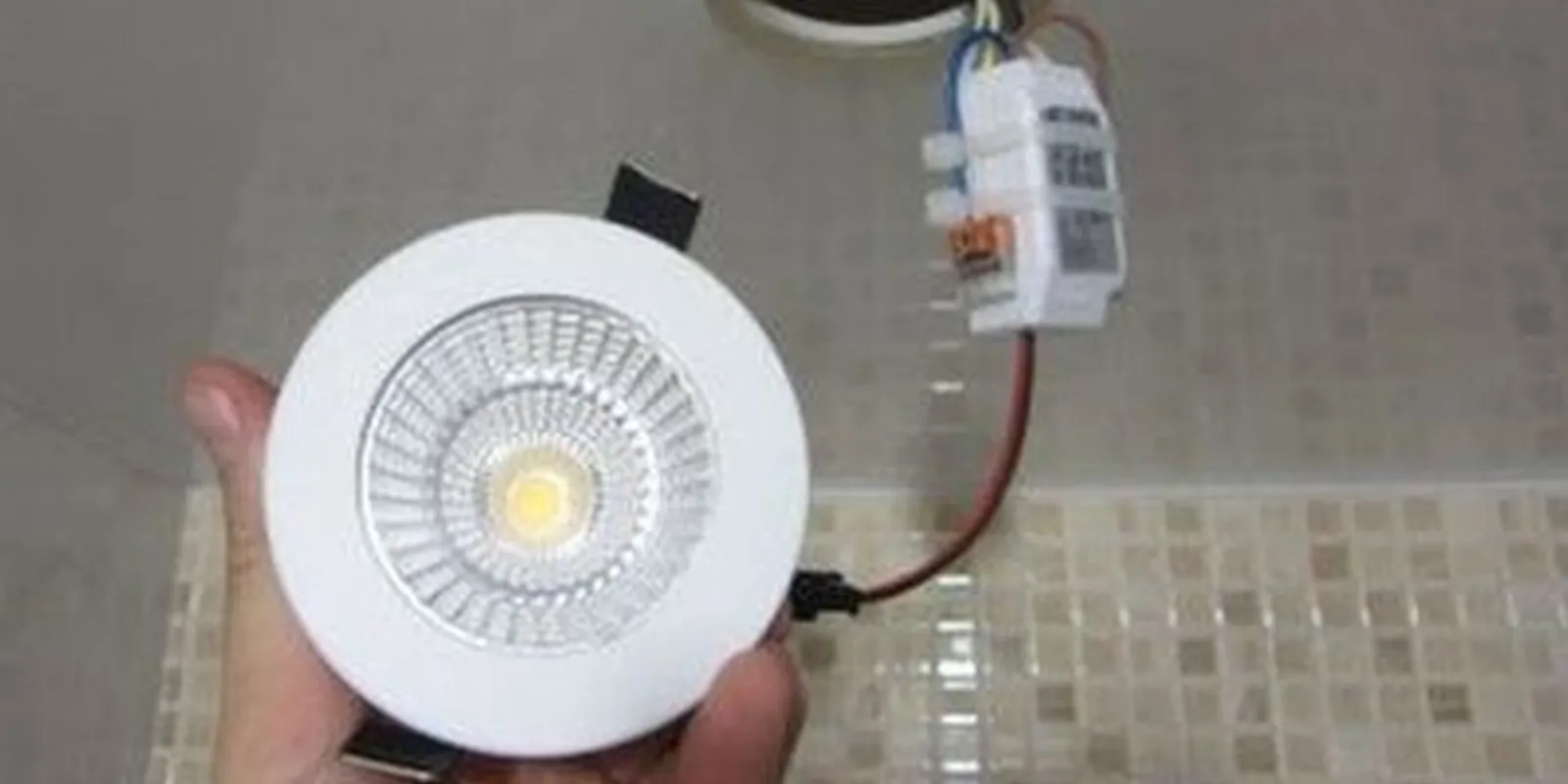
Pot Lights or LED Fixtures Fail Intermittently
Modern fixtures can develop driver, trim, wiring, or compatibility issues that need proper diagnosis.
Outdoor Lights Became Unreliable
Weather exposure can damage fixtures, sensors, connections, and outdoor-rated components over time.
Previous Repair Did Not Solve the Problem
If the issue keeps coming back, the original cause may never have been diagnosed correctly.
WHY CHOOSE US
Why Homeowners Trust Us
We focus on practical solutions rather than temporary fixes, ensuring your electrical system performs safely under real conditions. Every electrical panel upgrade is completed with proper planning, correct equipment selection, and attention to long-term performance.
Our approach eliminates unnecessary work and is based on accurate diagnostics, not assumptions, so you only pay for what your system actually needs. We prioritize safety, efficiency, and clean execution on every project.
As a result, you receive a reliable, code-compliant electrical system that supports your home today and is fully prepared for future electrical demands.
Licensed & Insured
All work is performed by qualified, fully insured electricians, ensuring safety, accountability, and compliance with all regulations.
ESA certified work
Every project includes permits and ESA inspection, guaranteeing that the installation meets Ontario Electrical Safety Code requirements.
Professional installations
We install panels with precise wiring, proper layout, and clear labeling, making the system safe, accessible, and easy to maintain.
Transparent pricing
ou receive clear pricing based on actual scope of work, with no hidden costs or unexpected changes during the project.
Fast scheduling
We schedule work efficiently and arrive on time, minimizing downtime and ensuring your electrical system is restored as quickly as possible.
Accurate calculations
We calculate electrical demand based on real usage, ensuring your panel is properly sized for both current and future needs.
Code-compliant work
All installations strictly follow current electrical code requirements, ensuring safety, inspection approval, and long-term system reliability.
Reliable workmanship
Our experience allows us to deliver consistent, high-quality results that perform reliably under real operating conditions over time.
CODE & SAFETY REQUIREMENTS
Ontario Electrical Safety Code Compliance
The Ontario Electrical Safety Code (OESC) sets the minimum legal safety requirements for electrical installations in Ontario. For residential lighting repair, compliance with the Code is important to ensure that repaired fixtures, switches, dimmers, wiring methods, boxes, fittings, and replacement equipment are safe, approved, and suitable for continued use.
Following the Code helps reduce the risk of electric shock, fire, overheating, repeated equipment failure, failed inspections, and insurance-related issues. It also helps ensure that any products used during repair or replacement are approved for use in Ontario and installed using accepted methods.
The 2024 Ontario Electrical Safety Code became effective on May 1, 2025. Electrical work conducted on notifications taken out after that date must meet the 2024 edition requirements.
Every lighting repair project should be assessed and completed in accordance with the current Ontario Electrical Safety Code and ESA notification / inspection requirements where applicable.
Rules commonly applicable to residential lighting repair
-
Rule 2-004 — Notification of work / ESA inspection process
Electrical work must be properly notified to ESA, and the installation must go through the required inspection / authorization process before it is put into use. -
Rule 2-022 — Approved electrical equipment
Electrical equipment used in Ontario must be approved in accordance with the Code requirements. -
Rule 2-024 — Approval requirements for electrical equipment
Equipment must be approved to recognized standards and accepted for use in Ontario. -
Rule 2-300 — General requirements for maintenance and operation
Electrical equipment must be installed and maintained in a safe working condition in accordance with Code requirements. -
Rule 12-010 — Wiring methods
Conductors and wiring methods must be installed using approved methods suitable for the installation environment and application. -
Rule 12-3010 — Boxes, cabinets and fittings
Outlet boxes, junction boxes, and fittings must be suitable for the purpose and installed properly to protect conductors and connections. -
Rule 14-100 — Protection of conductors by overcurrent devices
Conductors must be protected by properly rated overcurrent devices in accordance with the Code. -
Rule 14-104 — Rating / coordination of overcurrent protection
Overcurrent protection must be coordinated with conductor ampacity and the characteristics of the installation. -
Rule 30-002 — Installation of luminaires
Luminaires must be installed in accordance with the Code and manufacturer requirements for safe operation. -
Rule 4-022 — Identified conductor at lighting control locations
Where applicable, the identified conductor must be installed at lighting control locations in accordance with current Code requirements. -
Rule 26-500 — Installation of equipment
Electrical equipment must be installed in a proper and workmanlike manner and used only as approved for the specific application.
Note: Rule selection may vary depending on whether the repair involves indoor fixtures, outdoor lighting, switches, dimmers, pot lights, damaged boxes, partial replacement, or full fixture replacement. Exact official wording should be taken from the current purchased edition of the Ontario Electrical Safety Code.
COMMON QUESTIONS
FAQ — Lighting Repair
1. How much does lighting repair cost in Toronto and surrounding areas?
The cost depends on the type of fixture, difficulty of access, whether troubleshooting is simple or complex, and whether the issue can be repaired or requires replacement parts or a new fixture.
2. Why does my light flicker even after I changed the bulb?
Flickering after bulb replacement often points to a bad connection, failing fixture, incompatible dimmer, switch problem, or another electrical fault beyond the lamp itself.
3. Can a light fixture be repaired instead of replaced?
In many cases, yes. If the problem is isolated and the fixture is still in good condition, repair may be the right solution. If the fixture is damaged, overheated, outdated, or unreliable, replacement may be better.
4. Why does my light buzz or hum?
Buzzing can be caused by a dimmer mismatch, failing fixture parts, loose connections, or other internal electrical issues that should be checked professionally.
5. Can switches and dimmers cause lighting problems?
Yes. A faulty or incompatible switch or dimmer can cause flickering, poor control, intermittent operation, or complete fixture failure.
6. Do LED lights fail differently from older fixtures?
Yes. LED fixtures may have issues with internal drivers, controls, compatibility, or integrated components that do not behave like older lamp-based fixtures.
7. Can outdoor lighting be repaired too?
Yes. Outdoor lighting repair often involves weather-damaged fixtures, bad sensors, failed connections, deteriorated components, or unreliable switching.
8. When is a lighting problem a safety issue?
If a fixture gets hot, smells burned, sparks, buzzes loudly, trips a breaker, or works only intermittently, it should be treated as a potential safety concern and checked promptly.
9. Do I need an electrician for lighting repair?
Yes, especially when the issue may involve switches, wiring, fixture connections, overheating, or repeated failures that are not solved by simple lamp replacement.
10. Does lighting repair require approved products in Ontario?
Yes. ESA states that electrical products used in Ontario must be approved by an accredited certification or evaluation agency.
11. Does lighting repair require ESA notification in Ontario?
Electrical work in Ontario must follow ESA requirements, and almost all electrical work requires filing a notification of work before the work starts.
12. Is it better to repair or replace old lighting?
That depends on the condition of the fixture, the cause of failure, the cost of repair, and whether the equipment is still safe, approved, and worth keeping in service.
SERVICE AREAS
Serving Toronto & the Greater Toronto Area
We provide residential, commercial, and industrial electrical services across Toronto and the GTA, supporting homes, businesses, and facilities with reliable and code-compliant electrical solutions.
Our service coverage includes major cities and surrounding areas, allowing us to respond quickly and deliver consistent service across the region.
Toronto
North York
Thornhill
Richmond Hill
Vaughan
Markham
Scarborough
Etobicoke
Mississauga
Brampton
ADDITIONAL SERVICE AREAS
Hamilton
Oakville
Burlington
Milton
Georgetown
Pickering
Ajax
Whitby
Oshawa
Clarington
Aurora
Newmarket
Bradford
King City
Barrie