
Toronto & GTA Electrical Contractor
Crane Electrical Troubleshooting in Toronto, Richmond Hill, Mississauga, New Market, Aurora, Brampton & GTA
Industrial electrical work — installations, upgrades, troubleshooting, maintenance, and code-compliant solutions.
Licensed & Insured
Fast Response
Code-Compliant Work
OVERHEAD CRANE ELECTRICAL TROUBLESHOOTING
What We Do
We provide Crane Electrical Troubleshooting for overhead cranes, bridge cranes, hoists, monorails, jib cranes, gantry cranes, and related hoisting equipment across Toronto and the GTA.
This service is focused on finding the real electrical cause when a crane or hoist stops responding the way it should. In real industrial facilities, crane faults are rarely just “the crane is down.” The actual problem may be in the pendant, radio remote, control transformer, contactor, overload, brake control circuit, festoon cable, conductor bar, limit circuit, power feed, VFD section, terminal connection, panel component, or one failed control signal somewhere in the system. What makes Crane Electrical Troubleshooting expensive is that many of these faults begin as small intermittent problems that operators work around until the crane finally stops during production.
Crane systems are especially unforgiving because one small electrical defect can stop lifting, bridge travel, trolley travel, or hoist motion completely. A crane may have power available but no run command. The hoist may raise but not lower. Travel may work from one control source but not another. The brake may not release properly. A conductor bar collector may lose continuity only in one span. A festoon cable may fail only at certain bridge positions. A radio remote may communicate inconsistently. These “small” problems are exactly the ones that later become costly service calls, damaged components, lost lifting availability, and disrupted production.
Crane Electrical Troubleshooting is not guesswork. It is a structured diagnostic process that follows the control path step by step: power supply, protection, control circuits, interlocks, permissives, safety circuits, and final outputs. According to Konecranes, proper diagnostics and inspection are essential to identify risks early and maintain safe crane operation. In addition, Columbus McKinnon highlights that modern crane systems rely on diagnostics and monitoring to support maintenance and troubleshooting of hoists and lifting equipment.
Our Crane Electrical Troubleshooting service is built around real crane fault conditions. We diagnose no-start and no-motion issues, intermittent bridge and trolley faults, hoist control problems, pendant and radio remote failures, electrification issues, panel and contactor faults, overload and limit-circuit problems, brake control failures, and crane VFD-related motion issues where drives are part of the system.
This service is aimed at getting past assumptions quickly. On crane systems, it is easy to replace the wrong part because the visible symptom is not the true fault point. A no-motion complaint may actually be an open permissive, a failed contact, a worn electrification path, or a control signal problem upstream. Without proper troubleshooting, maintenance teams may spend time and money replacing components that were never the root cause.
In industrial environments, cranes operate in conditions that accelerate electrical wear: vibration, movement, mechanical stress, dust, temperature changes, and repeated duty cycles. These factors affect wiring, terminals, connectors, control devices, and electrification systems. Over time, even a minor defect can grow into a failure that stops production. Crane Electrical Troubleshooting helps identify those defects before they escalate further.
This service is especially valuable in facilities where cranes are critical to production, where downtime is expensive, and where repeated electrical issues have already started to appear. Instead of reacting to each failure separately, troubleshooting helps identify patterns and underlying causes that affect long-term reliability.
Crane Electrical Troubleshooting can also support better maintenance planning. Once the real fault is identified, the facility can decide whether the issue requires immediate repair, scheduled maintenance, system upgrade, or further monitoring. This prevents repeated breakdowns caused by unresolved root problems.
Where appropriate, this service can support related work such as electrical safety inspections, radio remote systems installation, or festoon electrification systems. These services complement troubleshooting because crane reliability depends on power delivery, controls, safety circuits, and operator interface all working correctly.
The result is a practical industrial troubleshooting service designed to find the real crane electrical fault quickly, reduce repeat downtime, improve system reliability, and prevent “small” electrical issues from turning into larger and more expensive repairs.

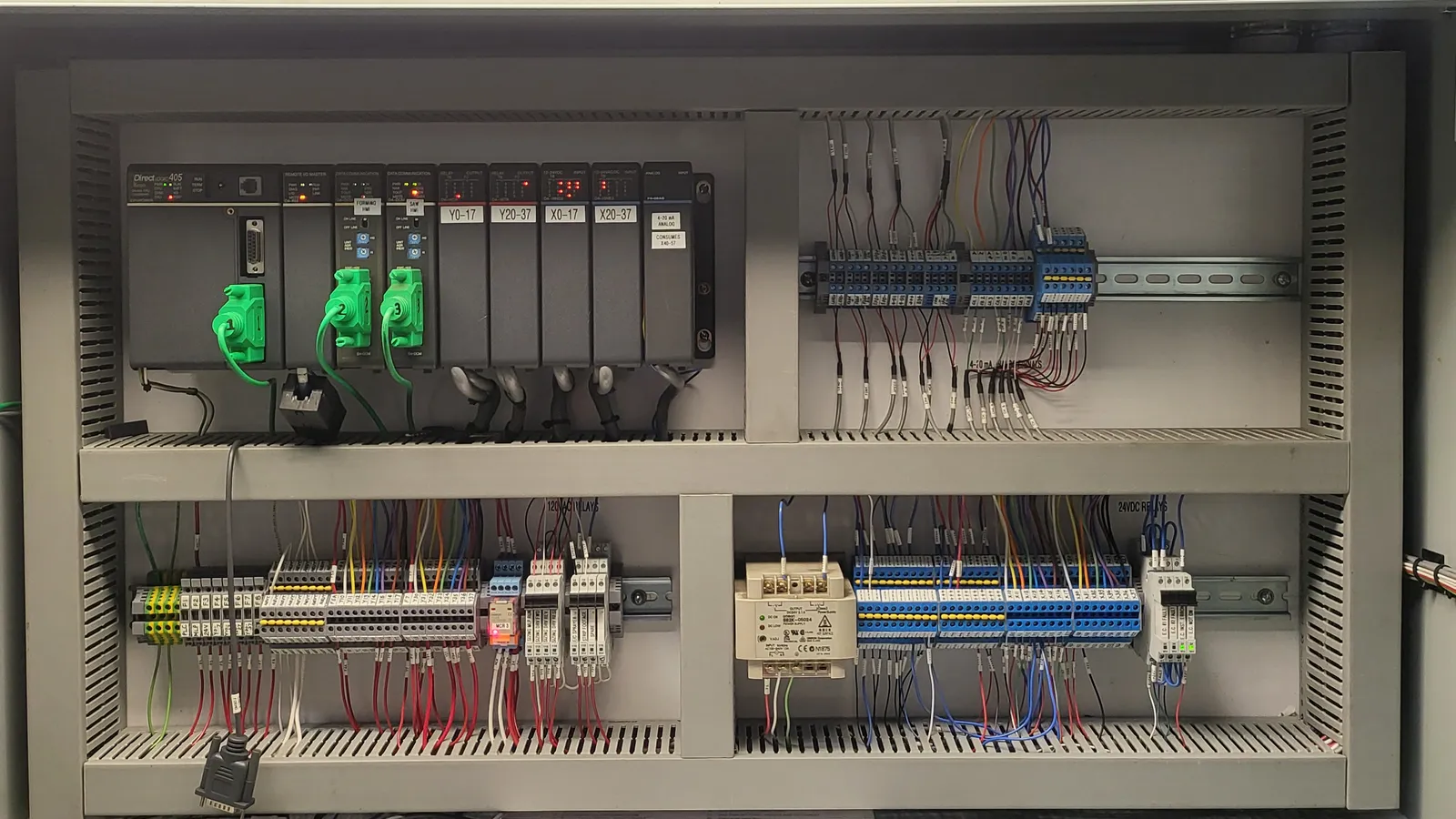
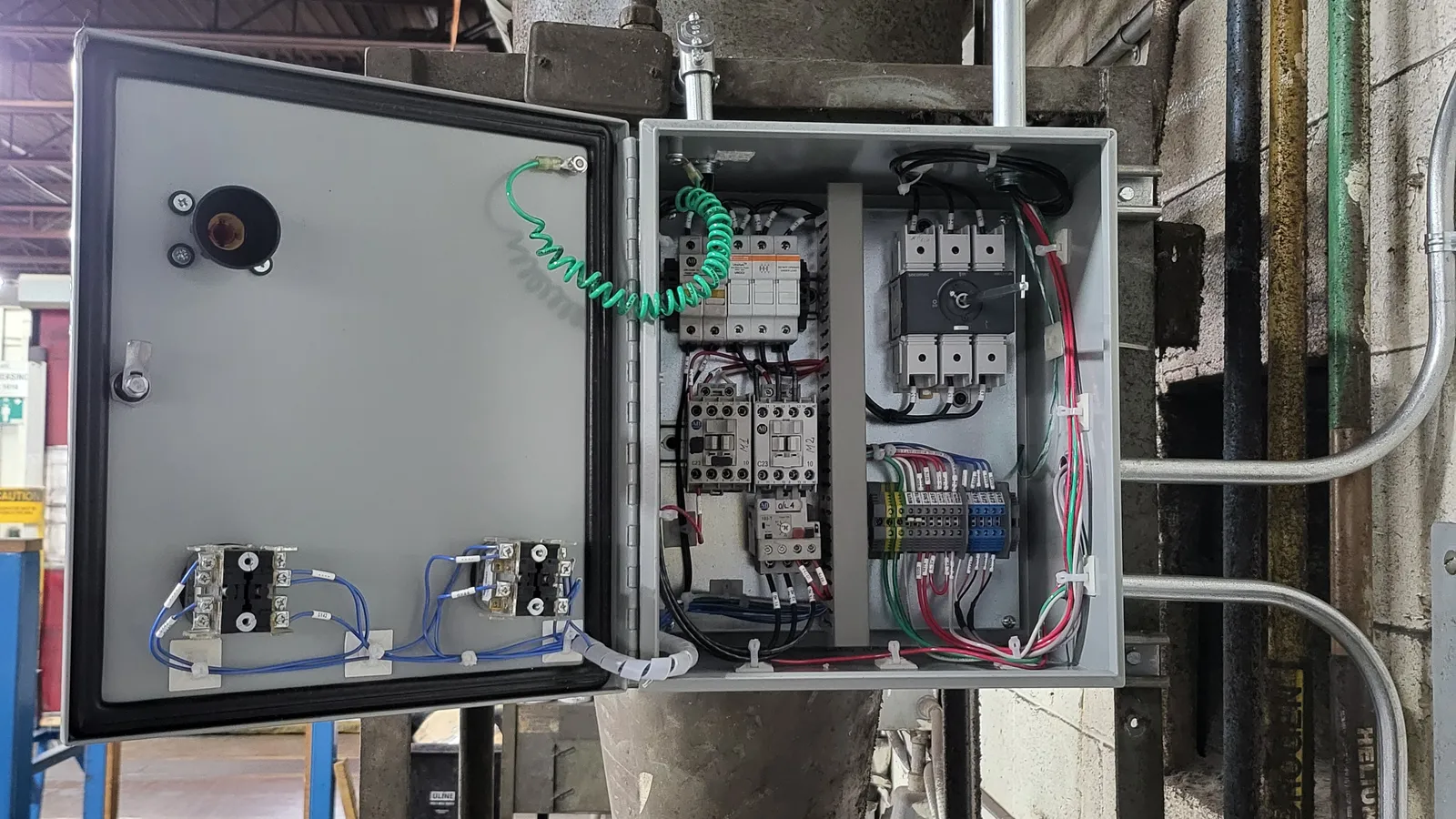
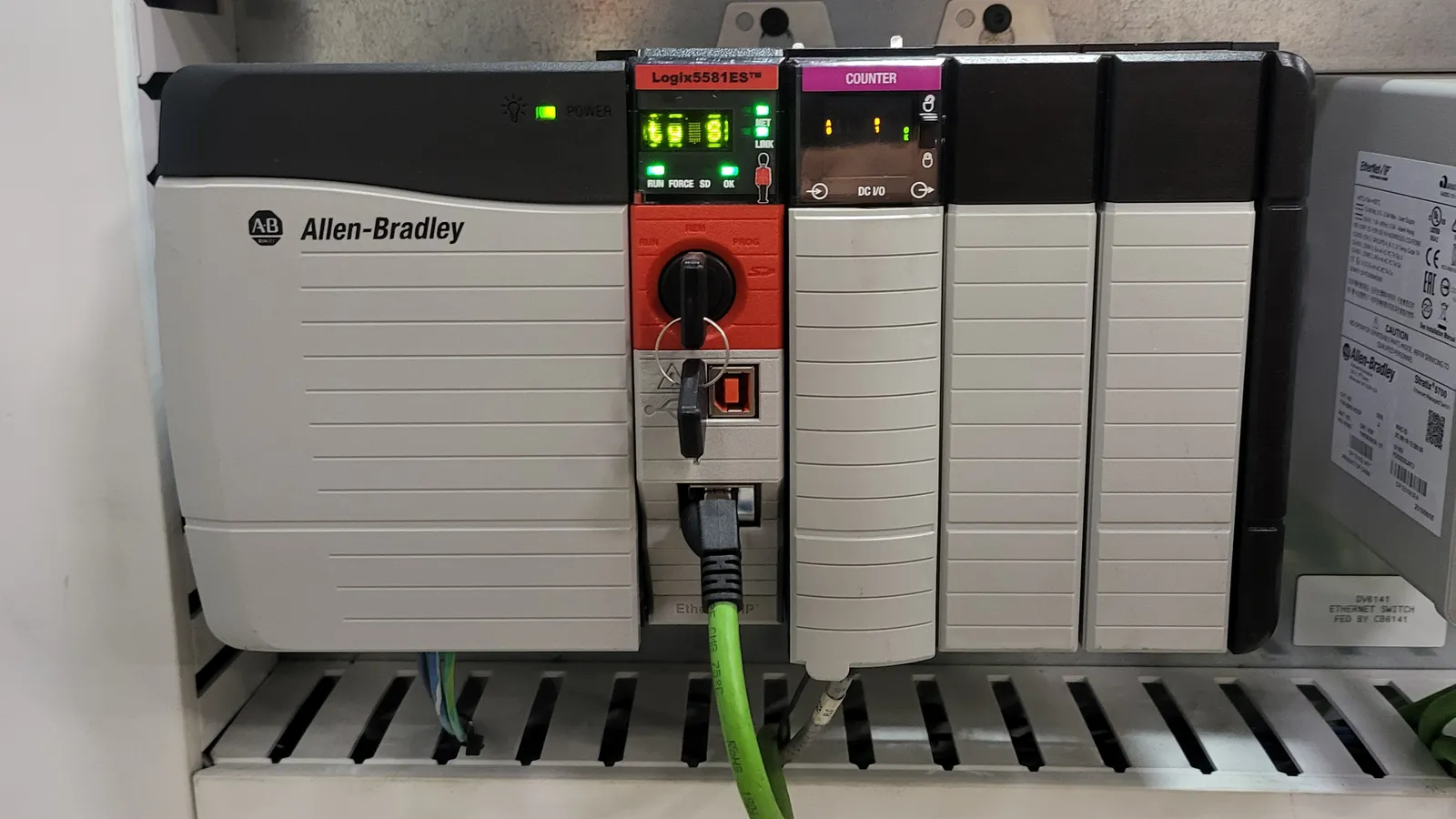
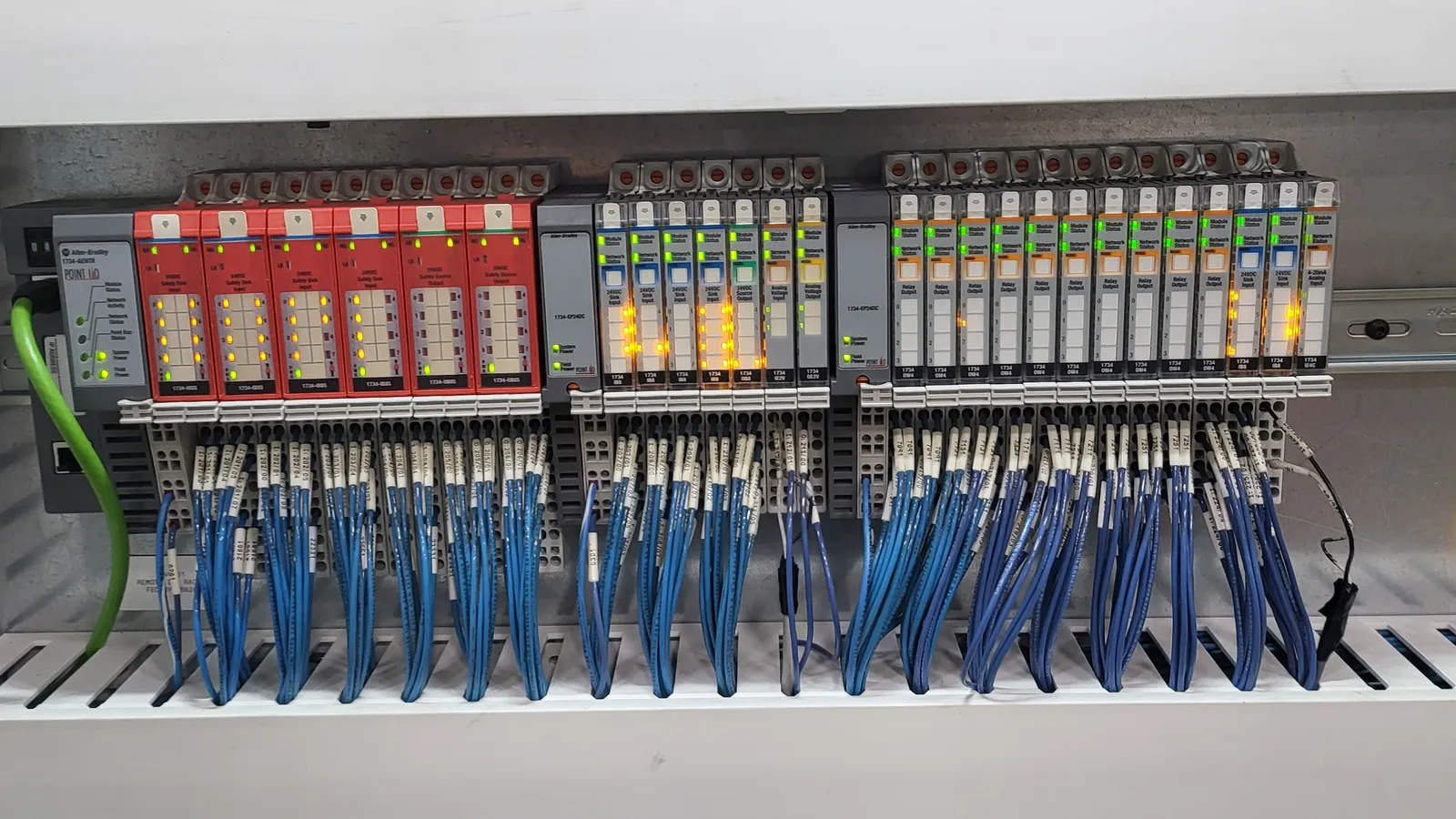
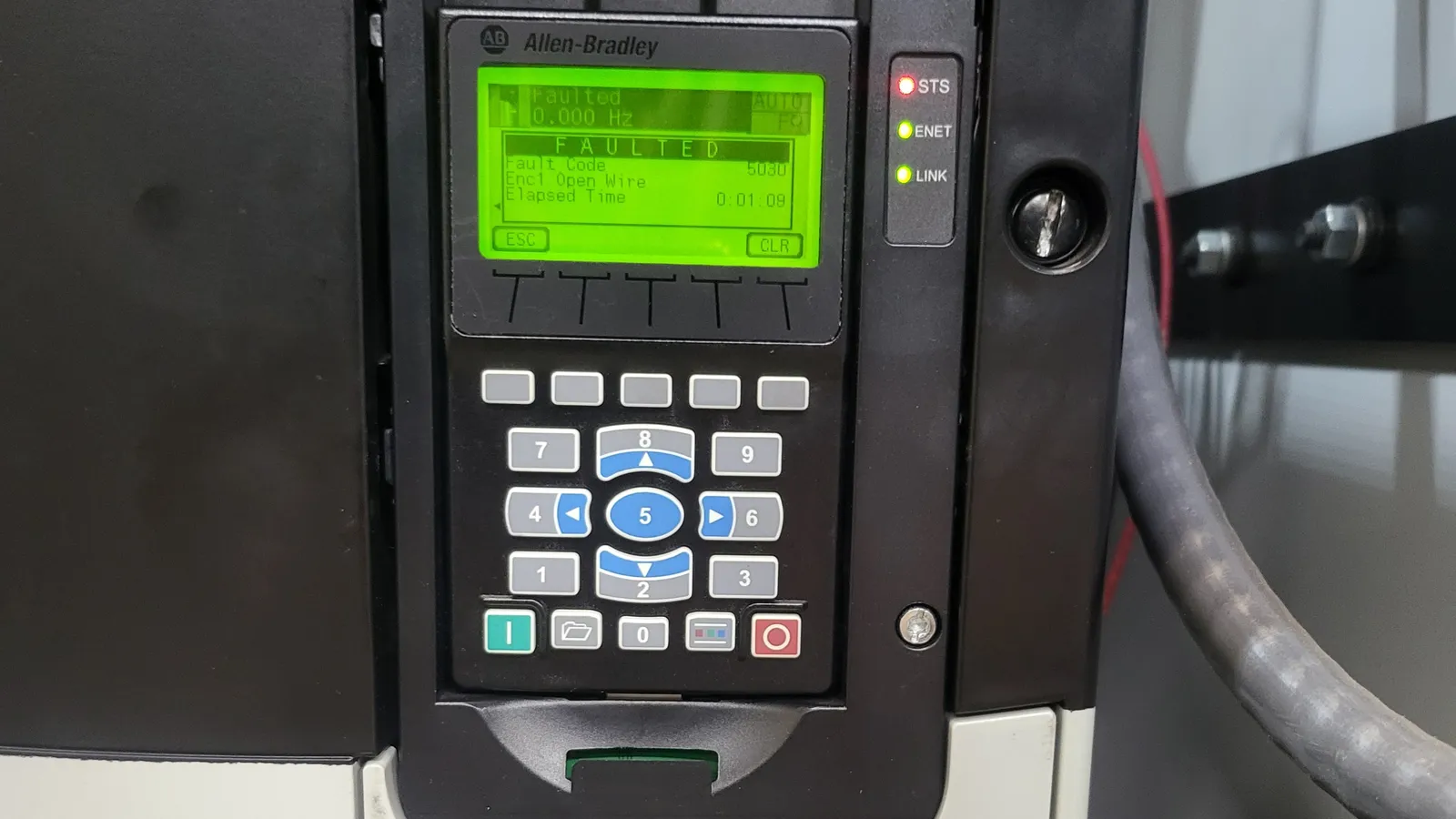
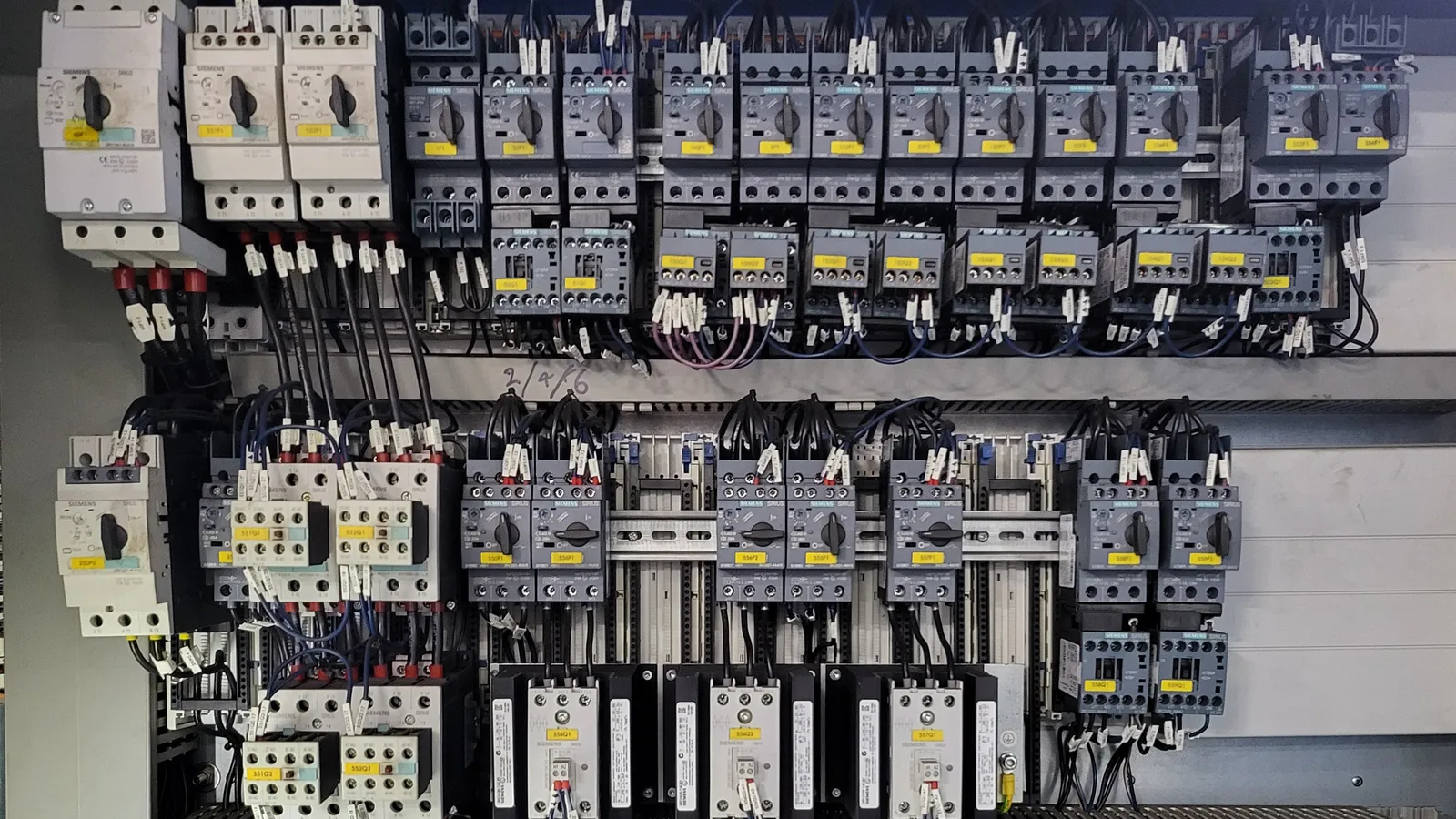
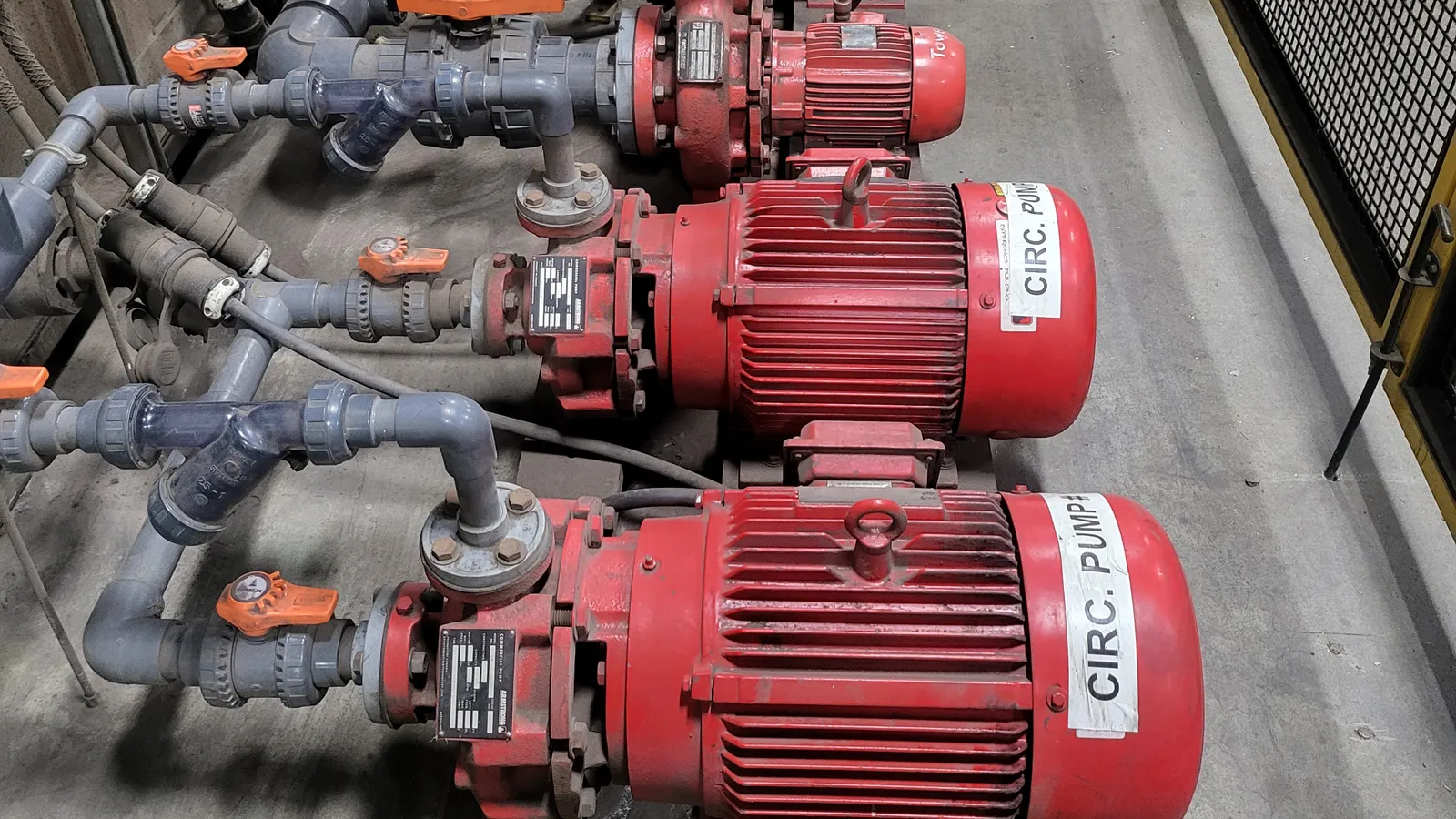
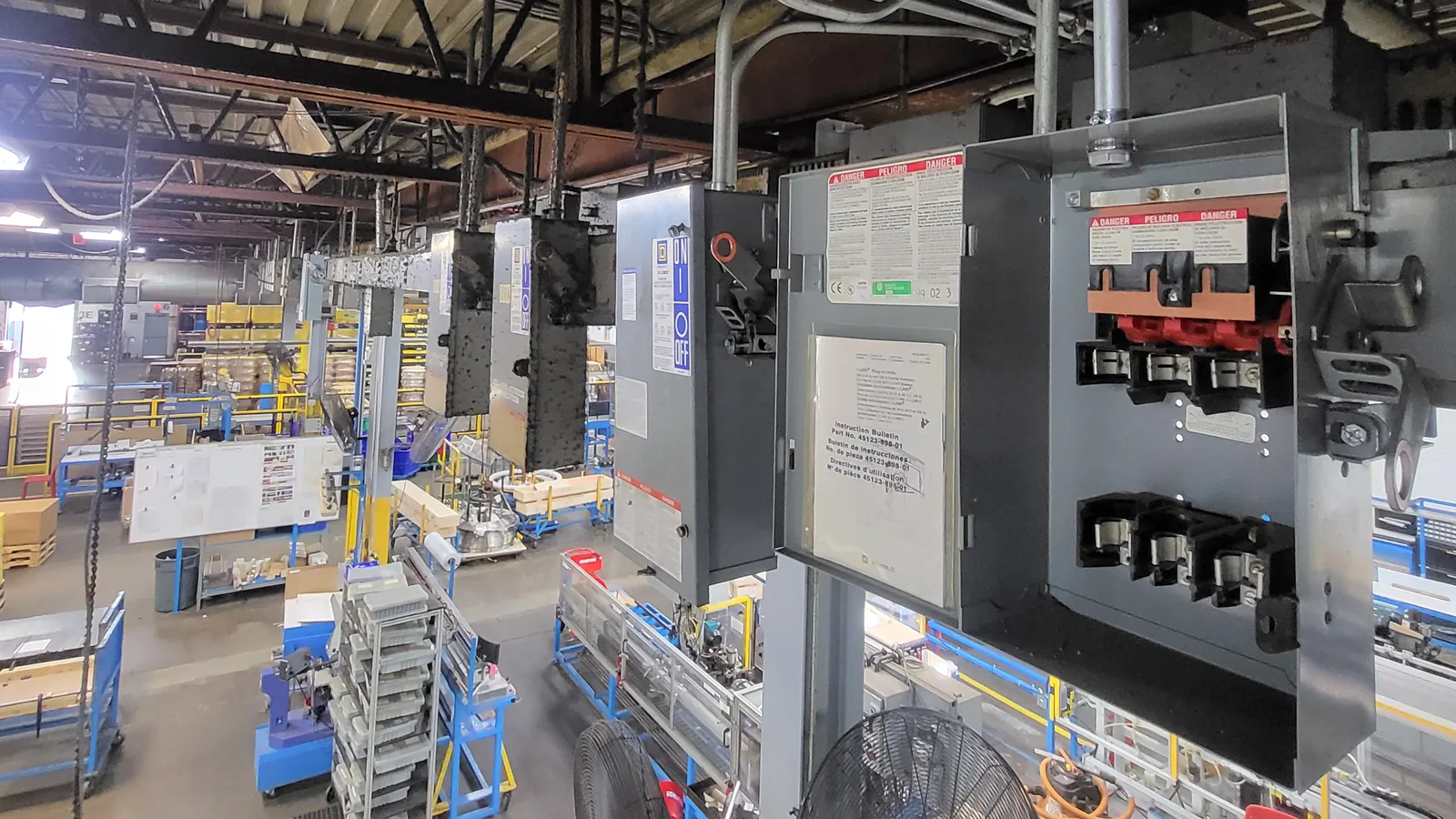

When a Small Crane Electrical Fault Starts Turning into Repeated Downtime
Catch the real cause early before intermittent crane problems become expensive shutdowns and major repairs
Crane electrical problems often start with behavior that people try to live with.
The crane may not respond on the first command. The hoist may stop only sometimes. Bridge travel may cut out in one area of the runway. The pendant may work inconsistently. The radio remote may need repeated commands. The crane may trip, reset, and then run again. Those issues are easy to dismiss as “small,” but on lifting equipment they are often the exact stage before a much more expensive failure.
In industrial facilities across Toronto and the GTA, many of the most disruptive crane breakdowns begin with those early intermittent signs. A worn festoon cable can become full power loss. A conductor bar issue can turn into repeated motion failure. A weak contactor or relay can become a dead hoist circuit. A limit or brake-related control problem can become unsafe or completely stop operation. Because cranes are critical assets, even a minor electrical fault can have outsized cost once it affects lifting availability.
You may need crane electrical troubleshooting if the crane has no power, if one motion does not work, if travel or hoist functions are intermittent, if the pendant or radio remote behaves inconsistently, if the crane faults only in certain positions, or if operators are relying on resets and workarounds to keep it going. Columbus McKinnon specifically presents diagnostics and analytics for overhead cranes and hoists as tools that help address issues more quickly, plan maintenance, and reduce downtime.
This matters even more because cranes are part of a serious industrial safety framework in Ontario. The Industrial Establishments regulation includes travelling cranes, overhead cranes, monorail cranes, gantry cranes, jib cranes, and other lifting devices supported by a structure. That means the system should never be treated like a casual utility circuit where intermittent faults are tolerated indefinitely.
The expensive part is rarely the first symptom. The expensive part comes later, when a neglected intermittent electrical defect causes production delay, stranded load conditions, emergency service, secondary component damage, or repeat failed repairs because the true fault was never isolated correctly.
A serious troubleshooting service helps determine whether the problem is in the control side, the electrification side, the power side, the motion-control side, or one failed component that is misleading everyone else. That saves time, avoids guessing, and helps stop “small” crane electrical issues from becoming larger reliability and repair problems.
Crane electrical troubleshooting in Toronto, Mississauga, Vaughan, Markham, and across the GTA helps industrial clients fix the real fault sooner, reduce repeat downtime, and restore confidence in equipment that is too important to leave operating on workarounds.
Crane Has Power but Will Not Move
The fault may be in the control circuit, contactor, limit chain, remote signal, or brake release logic rather than the main supply alone.
Hoist or Travel Works Only Intermittently
Intermittent crane faults are often the “small” problems that later turn into full downtime and bigger repairs.
Pendant or Radio Remote Response Is Unreliable
Command issues are easy to ignore at first, but they often point to real control faults that will not stay minor.
Festoon or Conductor Bar Problems Show Up in Certain Positions
Motion-related power faults often appear only at specific bridge or trolley locations, which is why they get missed until later.
Crane Needs Repeated Resets to Keep Working
Resetting may keep operations moving temporarily, but it usually means the actual electrical problem is still developing.
One Motion Fails but the Others Still Work
That often points to a specific control, limit, brake, drive, or electrification fault rather than a total crane outage.
Control Panel Components Are Aging
Weak relays, contactors, overloads, and terminals commonly create “small” faults that become expensive crane downtime later.
The Crane Still Runs but No One Fully Trusts It
That is usually the stage where troubleshooting gives the biggest value and prevents a much worse service event later.
WHY CHOOSE US
Why Industrial Clients Choose Us
We focus on practical industrial electrical solutions rather than temporary fixes, ensuring your power systems, equipment, and production infrastructure operate safely and reliably under real operating conditions. Every project is completed with careful planning, proper equipment selection, and close attention to long-term performance, system stability, and operational continuity.
Our approach eliminates unnecessary work and is based on accurate diagnostics, field-tested methods, and a clear understanding of how industrial facilities actually run, so you only invest in the work your system truly requires. We prioritize safety, efficiency, code compliance, and clean execution on every job, whether it involves troubleshooting, upgrades, installations, or power distribution improvements.
As a result, you receive a dependable, code-compliant industrial electrical system that supports your facility today, reduces the risk of costly downtime, and is properly prepared for future production demands, equipment expansion, and higher power requirements.
Licensed & Insured
All work is performed by qualified, fully insured electricians, ensuring safety, accountability, and compliance with all regulations.
ESA certified work
Every project includes permits and ESA inspection, guaranteeing that the installation meets Ontario Electrical Safety Code requirements.
Professional installations
We install panels with precise wiring, proper layout, and clear labeling, making the system safe, accessible, and easy to maintain.
Transparent pricing
You receive clear pricing based on the actual scope of work, with no hidden costs or unexpected changes during the entire project.
Fast scheduling
We schedule work efficiently and arrive on time, minimizing downtime and ensuring your electrical system is restored as quickly as possible.
Accurate calculations
We calculate electrical demand based on real usage, ensuring your panel is properly sized for both current and future electrical needs.
Code-compliant work
All installations strictly follow current electrical code requirements, ensuring safety, inspection approval, and long-term system reliability.
Reliable workmanship
Our experience allows us to deliver consistent, high-quality results that perform reliably under real operating conditions over time.
CODE & SAFETY REQUIREMENTS
Ontario Electrical Safety Code Compliance
The Ontario Electrical Safety Code (OESC) sets the minimum legal safety requirements for electrical installations and electrical work in Ontario.
ESA states that the 2024 Ontario Electrical Safety Code is the current edition and that it became effective on May 1, 2025. For crane electrical troubleshooting, Code relevance is tied to approved electrical equipment, safe maintenance condition, disconnecting means, live-part guarding, working clearances, wiring methods, and the corrective work that follows when defects are found.
Crane electrical troubleshooting does not replace Code compliance. It supports it by identifying where the crane’s electrical system is no longer in the safe and reliable condition expected for industrial lifting equipment. In crane applications, this matters even more because intermittent electrical faults are often underestimated until they become an expensive or unsafe operating problem.
Every crane electrical troubleshooting job should be approached with safe access planning, proper isolation where required, and disciplined follow-up when defective controls, electrification components, power connections, or motion-control sections are identified. Where troubleshooting findings lead to repair, replacement, rewiring, or control modification, that work should comply with the current Ontario Electrical Safety Code and ESA requirements.
Rules commonly applicable to crane electrical troubleshooting
-
Industrial Establishments Regulation — lifting devices
Ontario’s Industrial Establishments regulation includes travelling cranes, overhead cranes, monorail cranes, gantry cranes, jib cranes, and other lifting devices suspended from or supported by a structure. Crane electrical faults therefore sit within a broader industrial safety regime, not just ordinary equipment maintenance. -
Rule 2-022 — Approved electrical equipment
Electrical equipment used in Ontario must be approved in accordance with Code requirements. This applies to crane control panels, disconnects, electrification components, remotes, and associated electrical hardware. -
Rule 2-024 — Approval requirements for electrical equipment
Equipment maintained or repaired in Ontario must be approved to recognized standards and accepted for use in Ontario. -
Rule 2-300 — General requirements for maintenance and operation
Electrical equipment must be maintained in safe working condition. This is directly relevant where crane control and power systems are still operating but already deteriorating. -
Rule 2-304 — Disconnecting means shall be provided
Suitable disconnecting means must be available so crane electrical equipment can be isolated safely for troubleshooting, service, and corrective work. -
Rule 2-308 — Live parts guarding
Live electrical parts must be guarded against accidental contact, especially in crane control panels, electrification hardware, and related enclosures. -
Rule 2-314 — Working space around electrical equipment
Clear access around panels, disconnects, and associated crane electrical equipment is essential for safe troubleshooting and repair. -
Rule 12-000 — Wiring methods
Conductors, cables, and raceways must be installed using approved methods suitable for the environment and application, which is particularly relevant where crane movement stresses wiring and electrification components. -
Rule 14-100 — Protection of conductors by overcurrent devices
Conductors feeding crane electrical systems and related controls must be protected correctly. -
Rule 14-104 — Rating / coordination of overcurrent protection
Protection must be coordinated with conductor ampacity and equipment characteristics, especially where crane motion and control depend on reliable electrical operation. -
Rule 2-004 — Notification of work / ESA inspection process
If troubleshooting findings lead to electrical repair or replacement work that requires notification, the required ESA process must be followed before the installation is returned to service. -
Diagnostics and maintenance expectation
Columbus McKinnon presents diagnostics and analytics for overhead cranes and hoists as tools for troubleshooting issues more quickly and reducing downtime, which aligns with the practical role of crane electrical troubleshooting in industrial service.
Note: Rule selection may vary depending on whether the crane uses pendant control, radio remote control, festoon electrification, conductor bar systems, VFD motion control, or more complex crane control panels. Exact official wording should be taken from the current purchased edition of the Ontario Electrical Safety Code and applicable Ontario safety regulations.
COMMON QUESTIONS
FAQ — Crane Electrical Troubleshooting
1. What does crane electrical troubleshooting include?
It includes diagnosing why an overhead crane or hoist will not start, will not move in one direction, behaves intermittently, loses control response, trips unexpectedly, or develops electrical faults in its power, control, or electrification system.
2. Why do small crane electrical problems become expensive so quickly?
Because cranes are critical assets. A minor-looking intermittent fault can quickly become lost lifting availability, production delay, damaged components, and emergency repair conditions.
3. What kinds of faults are most common?
Common faults include no-start conditions, intermittent hoist or travel operation, pendant and radio remote issues, contactor failures, brake control problems, festoon damage, conductor bar interruptions, and limit-circuit faults.
4. Can the crane still work and still have a serious electrical problem?
Yes. That is one of the biggest reasons troubleshooting is needed early. The crane may still move while the electrical fault is already developing into something much more disruptive.
5. Are intermittent faults worth taking seriously?
Yes. Intermittent crane electrical faults are often exactly the “small” issues that later become the expensive ones.
6. Can diagnostics help reduce downtime on overhead cranes and hoists?
Yes. Columbus McKinnon says diagnostics and analytics help address issues more quickly, plan maintenance, and reduce downtime on overhead cranes and hoists.
7. Does this service only apply when the crane is completely dead?
No. It is also highly useful when one motion is unreliable, one control source behaves inconsistently, or the crane only faults under certain positions or operating conditions.
8. Can festoon and conductor bar issues cause intermittent crane faults?
Yes. Electrification problems are a common source of position-dependent and intermittent crane electrical failures.
9. Is this different from a general crane safety inspection?
Yes. Troubleshooting is focused on isolating a specific active electrical fault, while inspection is broader and more condition-based.
10. Are overhead cranes and similar lifting devices part of Ontario’s industrial safety framework?
Yes. Ontario’s Industrial Establishments regulation expressly includes travelling cranes, overhead cranes, monorail cranes, gantry cranes, jib cranes, and other lifting devices supported by a structure.
11. Does corrective work after troubleshooting need to comply with Ontario code requirements?
Yes. Any electrical repair, replacement, rewiring, or control correction must use approved equipment and comply with applicable Ontario Electrical Safety Code and ESA requirements.
12. Why not just wait until the crane stops completely?
Because by then the “small” issue has already had time to become the expensive one. Early troubleshooting usually saves both downtime and repair cost.
SERVICE AREAS
Serving Toronto & the Greater Toronto Area
We provide residential, commercial, and industrial electrical services across Toronto and the GTA, supporting homes, businesses, and facilities with reliable and code-compliant electrical solutions.
Our service coverage includes major cities and surrounding areas, allowing us to respond quickly and deliver consistent service across the region.
Toronto
North York
Thornhill
Richmond Hill
Vaughan
Markham
Scarborough
Etobicoke
Mississauga
Brampton
ADDITIONAL SERVICE AREAS
Hamilton
Oakville
Burlington
Milton
Georgetown
Pickering
Ajax
Whitby
Oshawa
Clarington
Aurora
Newmarket
Bradford
King City
Barrie