
Toronto & GTA Electrical Contractor
Emergency Lighting Systems for Industrial and Commercial Facilities in Toronto, Richmond Hill, Mississauga, Hamilton & GTA
Industrial electrical work — installations, upgrades, troubleshooting, maintenance, and code-compliant solutions.
Licensed & Insured
Fast Response
Code-Compliant Work
LIFE SAFETY EMERGENCY LIGHTING SOLUTIONS
What We Do
We provide emergency lighting systems installation, upgrade, repair, and maintenance support for industrial facilities, warehouses, commercial buildings, workshops, production plants, storage spaces, and electrically intensive properties across Toronto and the GTA.
Emergency lighting is one of the most important lighting systems in any building because it only becomes fully visible when something else has already gone wrong. When normal power fails, the building depends on equipment that may not have been reviewed for years. That is why emergency lighting systems are part of the life-safety layer of the building.
Many facilities underestimate emergency lighting because it is rarely used during normal operation. Units may look present but still be unreliable. Batteries age, heads fail, charging systems weaken, and older equipment may remain installed long after its performance is questionable.
Our emergency lighting systems service includes installation and upgrades of unit equipment, exit signs, emergency luminaires, and related systems. According to CSA Group, emergency lighting equipment in Canada is governed by CSA C22.2 No. 141, covering exit signs, unit equipment, and emergency luminaires designed to operate when normal power fails.
This service is especially valuable because emergency lighting failures often remain hidden until testing or outage conditions expose them. Acuity Brands specifies that emergency lighting systems are designed to provide a minimum of 90 minutes of illumination after power loss, reflecting clear performance expectations.
We solve common real-world issues such as aging battery units, damaged emergency heads, poor coverage, unreliable fixtures, outdated equipment, and layouts that no longer match the building’s current use.
Emergency lighting is not just about replacing components. It is about ensuring proper coverage along egress paths, correct placement, and reliable operation during real conditions. Lithonia Lighting also identifies emergency lighting as a dedicated category of life-safety equipment, including units, exit signs, and centralized systems.
This service also includes evaluation of system reliability. Modern solutions include self-testing systems that automatically verify operation. Acuity notes that advanced emergency lighting can perform monthly and annual testing and log results internally, improving system reliability and compliance.
We provide emergency lighting systems installation in Toronto, Mississauga, Vaughan, Markham, Brampton, and across the GTA for industrial and commercial facilities that require dependable life-safety lighting.
This service connects naturally to related work such as LED lighting retrofit, high bay lighting, outdoor lighting, and lighting control systems.
Ontario requirements must also be considered. The Electrical Safety Authority confirms that electrical installations must comply with the Ontario Electrical Safety Code, including emergency lighting systems.
The goal is to ensure that emergency lighting systems are reliable, compliant, and capable of supporting safe evacuation when needed. Properly maintained systems provide confidence that the building is prepared for real emergency conditions.


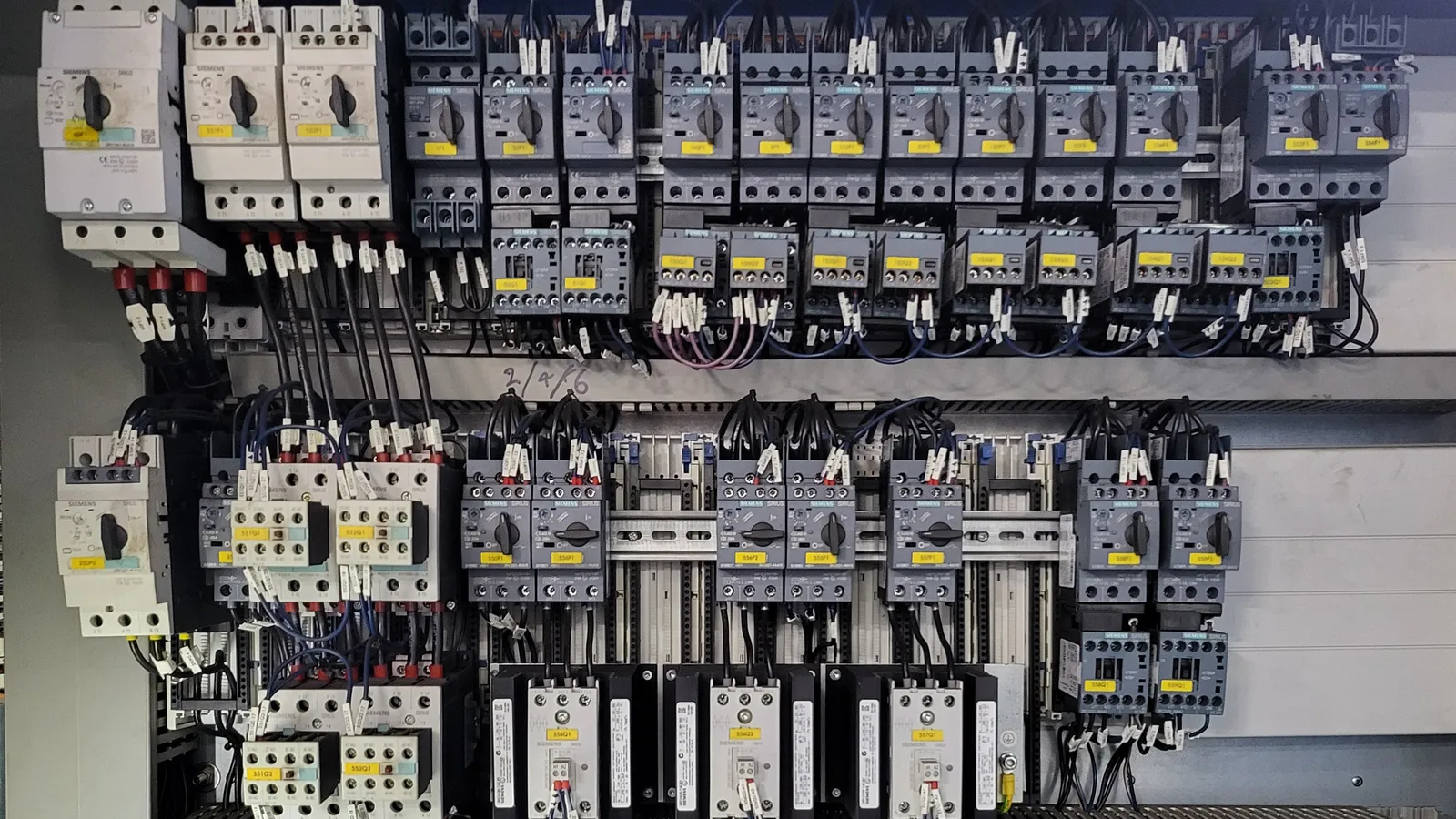
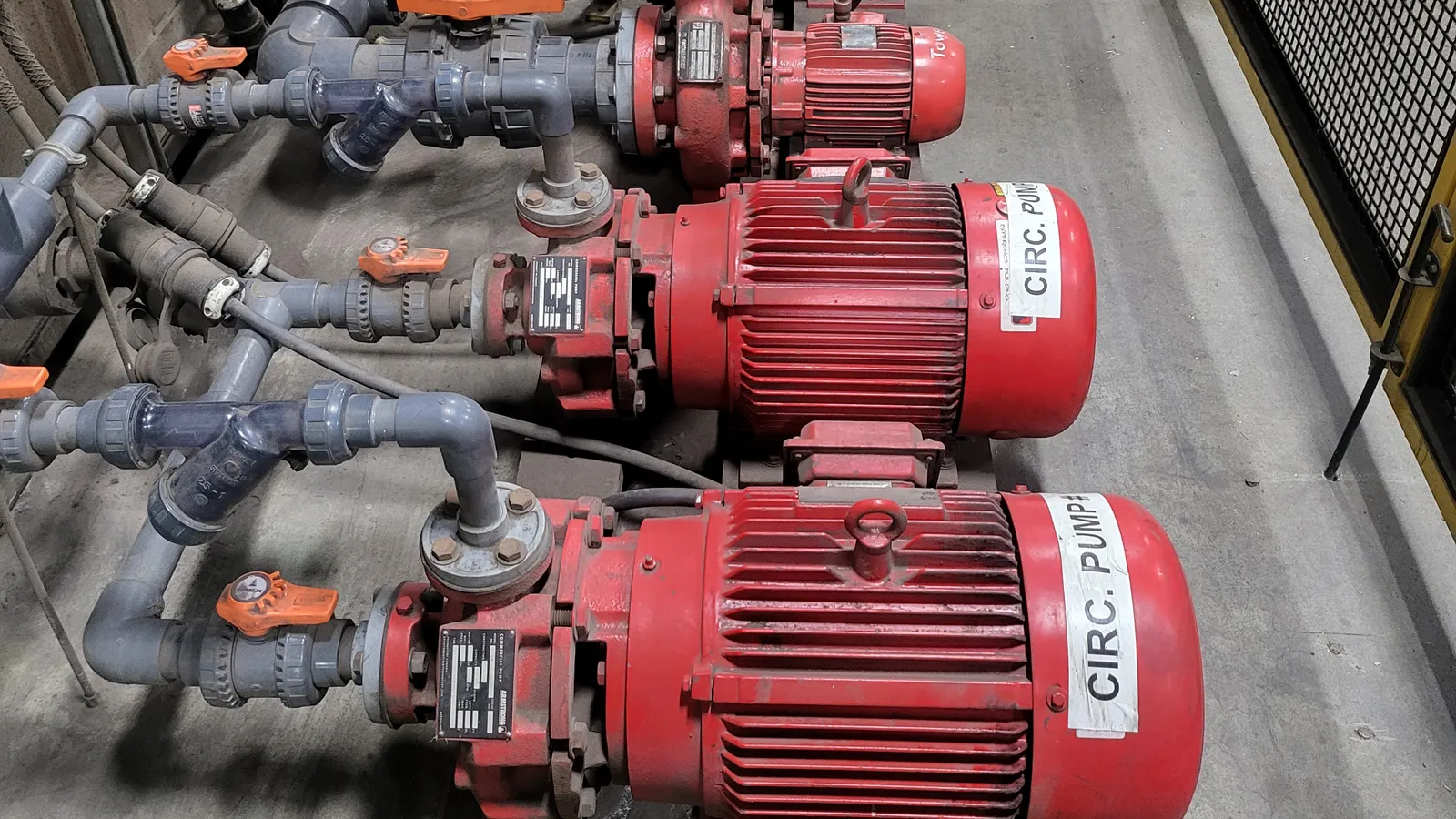
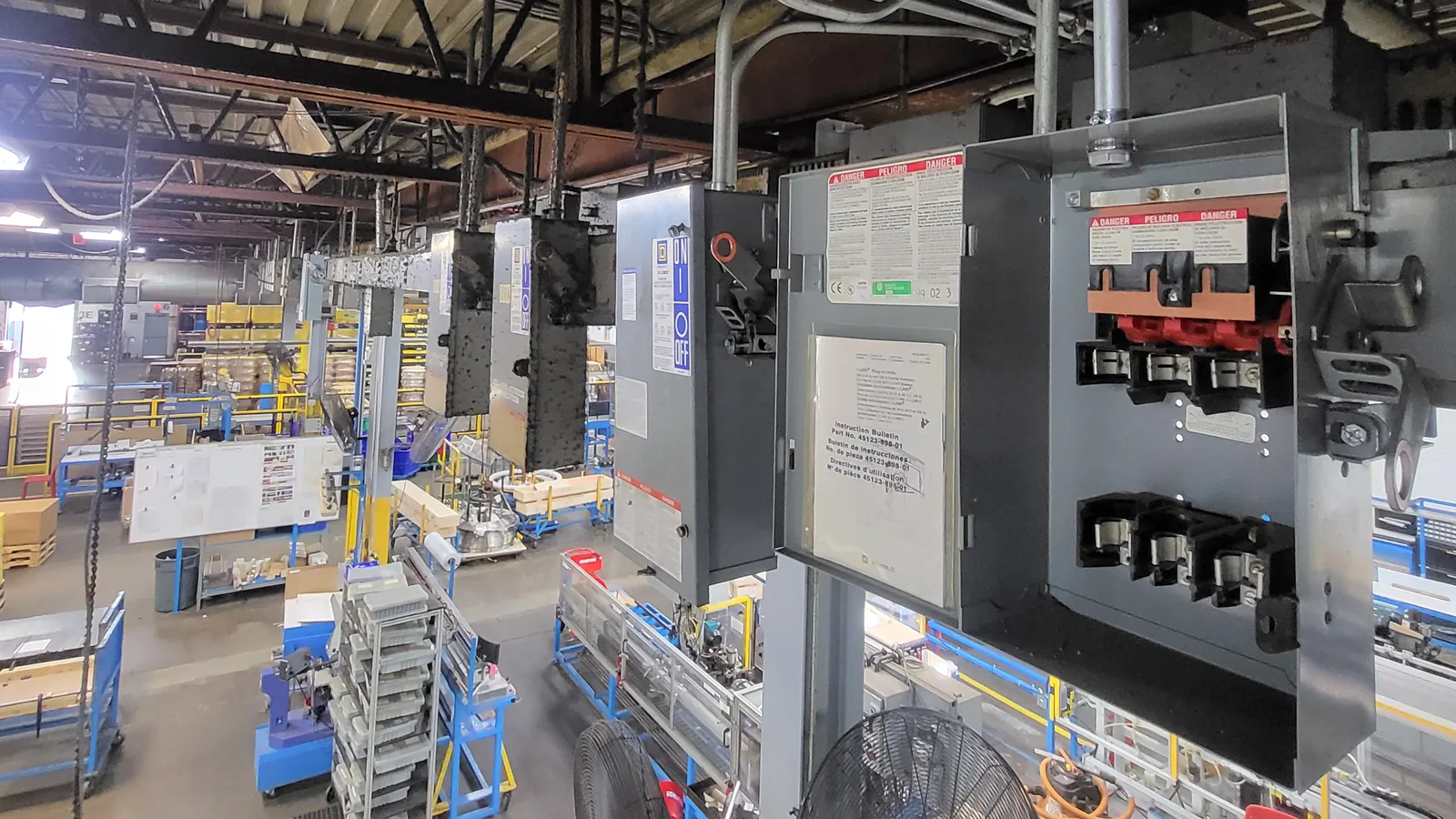
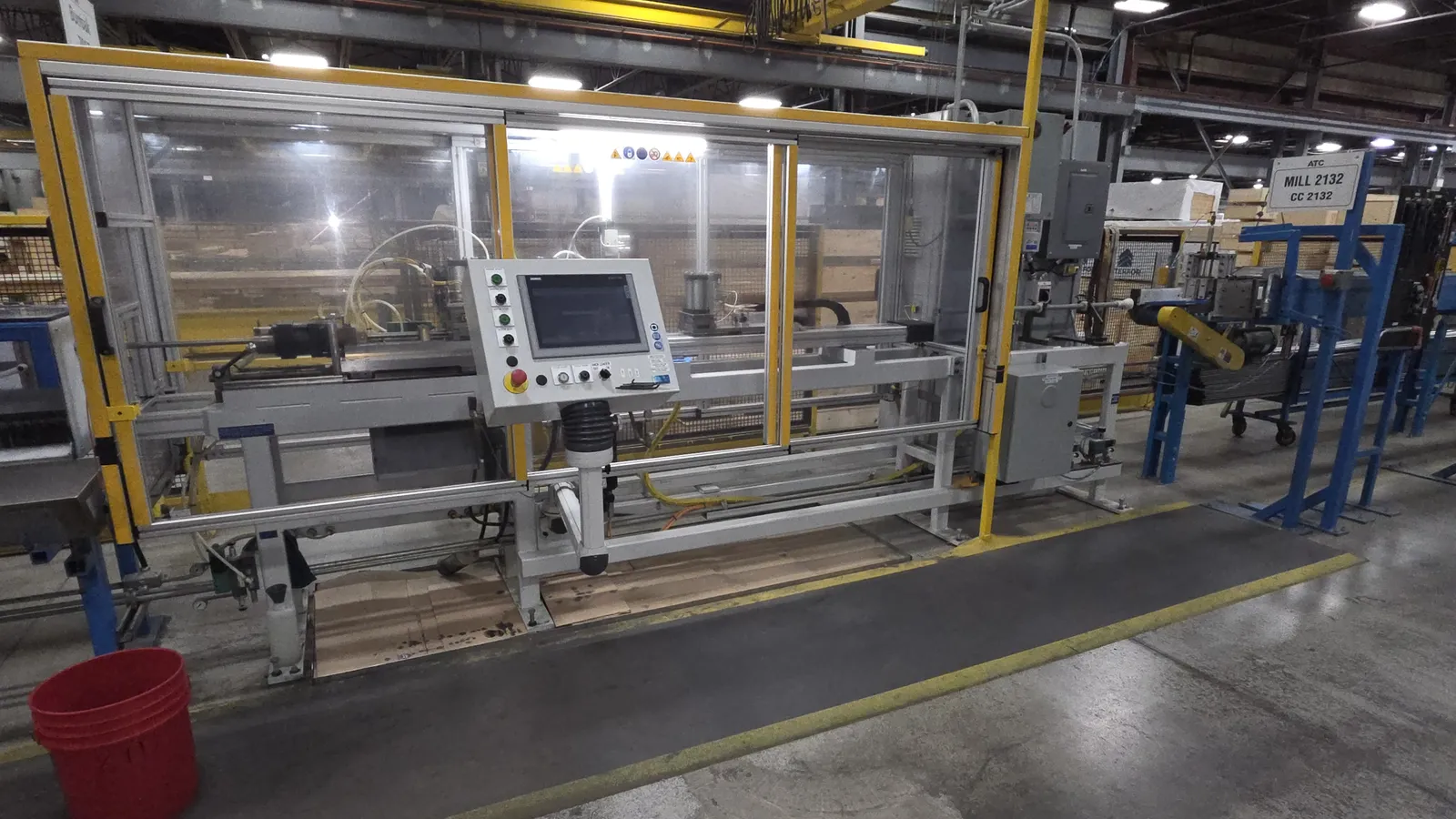

When Everyone Assumes the Emergency Lights Are Fine Because No Emergency Happened Yet
Fix the life-safety lighting before a failed test or real outage exposes a problem the building should have addressed earlier
Emergency lighting problems are easy to underestimate because the system is not supposed to be “visible” during normal operation.
That is exactly why facilities often wait too long. The units are mounted, the space is occupied, and everyone assumes the emergency coverage is probably fine. Then a test fails, a battery does not hold, a unit does not illuminate properly, or a layout change reveals that the old placement no longer gives the building the confidence it should.
In industrial and commercial properties across Toronto and the GTA, one of the biggest warning signs is simply age. Another is visible damage, weak output, broken heads, outdated equipment, or emergency units that nobody has real confidence in anymore. Another strong warning sign is when the building has changed but the emergency lighting strategy has not.
CSA Group’s scope for CSA C22.2 No. 141 makes clear that exit signs, unit equipment, emergency luminaires, and central power systems are part of a defined product category intended to provide illumination when normal power fails. That is one reason not to treat emergency lighting like optional background hardware.
Acuity’s industrial emergency literature also states that emergency lighting units are intended to provide a minimum of 90 minutes of illumination upon loss of AC power to meet code-required emergency lighting duration. If the site has no confidence that existing units can still do that, the issue is no longer minor.
You may need emergency lighting service if the system is old, test confidence is low, units are visibly deteriorated, the building was reconfigured, or management wants real confidence in egress lighting rather than assumption.
Emergency lighting systems in Toronto, Mississauga, Vaughan, Markham, and across the GTA help customers solve the “it’s probably fine” problem before the building discovers otherwise during the worst possible moment.
Emergency Units Are Old but Still Hanging on the Wall
Physical presence does not prove dependable emergency performance when the normal power actually fails.
Battery Confidence Is Low
A weak battery pack can leave the building with much less emergency illumination than everyone assumed was available.
Heads, Lamps, or Covers Are Damaged
Small visible damage on life-safety lighting often points to a system that no longer deserves blind trust.
The Layout Changed but the Emergency Lighting Did Not
What used to be acceptable coverage may no longer fit the way the building is actually used now.
No One Has Real Confidence in Testing Results
That is a strong sign the emergency lighting system should be reviewed before a real outage makes the answer obvious.
General Lighting Was Upgraded but Life-Safety Lighting Was Left Behind
Emergency lighting is its own category and should not be assumed healthy just because normal lighting improved.
The Building Wants More Dependable Egress Illumination
That is exactly where emergency lighting upgrades and proper unit selection create real value.
The Site Is Tired of Assuming the Emergency System Is Fine
That is usually the point where proper review becomes much more valuable than another year of guesswork.
WHY CHOOSE US
Why Industrial Clients Choose Us
We focus on practical industrial electrical solutions rather than temporary fixes, ensuring your power systems, equipment, and production infrastructure operate safely and reliably under real operating conditions. Every project is completed with careful planning, proper equipment selection, and close attention to long-term performance, system stability, and operational continuity.
Our approach eliminates unnecessary work and is based on accurate diagnostics, field-tested methods, and a clear understanding of how industrial facilities actually run, so you only invest in the work your system truly requires. We prioritize safety, efficiency, code compliance, and clean execution on every job, whether it involves troubleshooting, upgrades, installations, or power distribution improvements.
As a result, you receive a dependable, code-compliant industrial electrical system that supports your facility today, reduces the risk of costly downtime, and is properly prepared for future production demands, equipment expansion, and higher power requirements.
Licensed & Insured
All work is performed by qualified, fully insured electricians, ensuring safety, accountability, and compliance with all regulations.
ESA certified work
Every project includes permits and ESA inspection, guaranteeing that the installation meets Ontario Electrical Safety Code requirements.
Professional installations
We install panels with precise wiring, proper layout, and clear labeling, making the system safe, accessible, and easy to maintain.
Transparent pricing
You receive clear pricing based on the actual scope of work, with no hidden costs or unexpected changes during the entire project.
Fast scheduling
We schedule work efficiently and arrive on time, minimizing downtime and ensuring your electrical system is restored as quickly as possible.
Accurate calculations
We calculate electrical demand based on real usage, ensuring your panel is properly sized for both current and future electrical needs.
Code-compliant work
All installations strictly follow current electrical code requirements, ensuring safety, inspection approval, and long-term system reliability.
Reliable workmanship
Our experience allows us to deliver consistent, high-quality results that perform reliably under real operating conditions over time.
CODE & SAFETY REQUIREMENTS
Ontario Electrical Safety Code Compliance
The Ontario Electrical Safety Code (OESC) sets the minimum legal safety requirements for electrical installations and electrical work in Ontario. ESA states that the OESC describes in detail the standards for electrical installations, products, and equipment in Ontario.
For emergency lighting systems, Code relevance is tied to approved life-safety equipment, safe condition of electrical equipment, branch-circuit integrity, wiring methods, working clearances, live-part guarding where applicable, and the corrective work that follows when emergency units, luminaires, or associated hardware are found to be unreliable or outdated.
Emergency lighting work does not replace Code compliance. It has to operate inside it. This matters because emergency lighting is part of the building’s life-safety infrastructure. CSA Group’s scope for CSA C22.2 No. 141 states that the standard applies to exit signs, unit equipment, emergency luminaires, and central power systems intended to provide illumination upon failure of the normal power supply. That directly reinforces that emergency lighting equipment belongs to a defined safety equipment category in Canada.
Every emergency lighting project should be approached with approved equipment, correct wiring methods, safe access planning, and proper follow-up when units, circuits, or controls are changed. Where the work includes rewiring, fixture replacement, battery-unit replacement, or system modification, that work should comply with the current Ontario Electrical Safety Code and ESA requirements.
Rules commonly applicable to emergency lighting systems follow-up work
-
Rule 2-004 — Notification of work / ESA inspection process
If emergency lighting findings lead to electrical repair or replacement work that requires notification, the required ESA process must be followed before the installation is returned to service. -
Rule 2-022 — Approved electrical equipment
Electrical equipment used in Ontario must be approved in accordance with Code requirements. -
Rule 2-024 — Approval requirements for electrical equipment
Equipment installed, replaced, or corrected as part of follow-up work must be approved to recognized standards and accepted for use in Ontario. -
Rule 2-300 — General requirements for maintenance and operation
Electrical equipment must be maintained in safe working condition, which is directly relevant where emergency units, batteries, or charging components are aging or deteriorated. -
Rule 2-308 — Live parts guarding
Live electrical parts must be guarded against accidental contact where access to electrical components is involved. -
Rule 2-314 — Working space around electrical equipment
Working space around panels, disconnects, and related electrical equipment must be kept clear for safe access and maintenance. -
Rule 8-104 — Maximum circuit loading
Branch circuits must be loaded within allowable limits so the installation does not exceed safe operating capacity. -
Rule 12-000 — Wiring methods
Conductors, cables, and raceways must be installed using approved methods suitable for the environment and application. -
Rule 14-100 — Protection of conductors by overcurrent devices
Conductors must be protected by correctly selected breakers or fuses suitable for the circuit and connected equipment. -
CSA C22.2 No. 141 equipment category relevance
Exit signs, unit equipment, emergency luminaires, and central power systems used for emergency illumination belong to a formally defined equipment category intended for failure of the normal power supply.
Note: Rule selection may vary depending on whether the project involves battery unit replacement, emergency luminaires, exit-and-emergency combinations, remotes, inverters, or central power systems. Exact official wording should be taken from the current purchased edition of the Ontario Electrical Safety Code and applicable building and life-safety requirements.
COMMON QUESTIONS
FAQ — Emergency Lighting Systems
1. Why are emergency lighting systems so important?
Because they are part of the building’s life-safety layer and are intended to provide illumination when normal power fails.
2. What equipment is included in emergency lighting systems?
CSA Group states that the applicable standard scope includes exit signs, unit equipment, emergency luminaires, and central power systems intended to provide illumination when normal power fails.
3. Can an emergency unit look fine and still be unreliable?
Yes. Physical presence does not guarantee battery performance, charging integrity, or dependable emergency duration under real outage conditions.
4. Why is emergency lighting often ignored too long?
Because it is not normally used during everyday operation, so weaknesses can stay hidden until testing or a real outage exposes them.
5. Is there a typical emergency lighting duration expectation?
Yes. Current emergency lighting product literature commonly references 90 minutes of illumination for code-required emergency lighting duration. Acuity’s industrial emergency lighting literature states this directly.
6. Can automated testing matter for emergency lighting?
Yes. Acuity’s STAR-enabled literature states that automated products can conduct brief monthly tests and full 90-minute annual tests and log results, which shows how seriously life-safety verification is treated.
7. Is this only for office buildings?
No. Industrial buildings, warehouses, workshops, and commercial spaces all rely on dependable emergency egress illumination.
8. Can a building reconfiguration affect emergency lighting needs?
Yes. If aisles, storage, production areas, or occupancy patterns change, the old emergency lighting arrangement may no longer provide the confidence it once did.
9. Is emergency lighting the same as normal LED retrofit work?
No. They may relate to the same building, but emergency lighting is a life-safety system with its own equipment category and expectations.
10. Does Ontario recognize the OESC as the governing electrical code?
Yes. ESA states that the OESC describes the standards for electrical installations, products, and equipment in Ontario.
11. Does emergency lighting work itself replace code compliance?
No. Any replacement, rewiring, or modification still has to use approved equipment and comply with applicable Ontario Electrical Safety Code and related requirements.
12. Why do people usually wait too long to deal with emergency lighting?
Because the system stays quiet when everything is normal. The real danger is waiting until a failed test or outage reveals that the confidence was never justified.
SERVICE AREAS
Serving Toronto & the Greater Toronto Area
We provide residential, commercial, and industrial electrical services across Toronto and the GTA, supporting homes, businesses, and facilities with reliable and code-compliant electrical solutions.
Our service coverage includes major cities and surrounding areas, allowing us to respond quickly and deliver consistent service across the region.
Toronto
North York
Thornhill
Richmond Hill
Vaughan
Markham
Scarborough
Etobicoke
Mississauga
Brampton
ADDITIONAL SERVICE AREAS
Hamilton
Oakville
Burlington
Milton
Georgetown
Pickering
Ajax
Whitby
Oshawa
Clarington
Aurora
Newmarket
Bradford
King City
Barrie