
Toronto & GTA Electrical Contractor
Lighting Automation Systems Installation in Toronto, Richmond Hill, Vaughan, Hamilton & GTA
Residential, commercial, and industrial electrical work — installations, upgrades, troubleshooting, maintenance, and code-compliant solutions.
Licensed & Insured
Fast Response
Code-Compliant Work
OUR LIGHTING AUTOMATION INSTALLATION PROCESS
What We Do
We provide professional lighting automation systems installation services for residential properties across Toronto and the GTA. Our goal is to help homeowners move beyond basic switching and create a lighting setup that responds more intelligently to how the home is actually used.
A properly designed lighting automation systems can turn lights on or off automatically, activate scenes at different times of day, adjust brightness based on routine, and improve comfort, convenience, and energy control throughout the house. This type of upgrade is especially useful for busy households, homes with children, multi-level homes, entry areas, hallways, stairways, kitchens, basements, and homes with layered lighting. Lighting automation is not the same as simply adding a smart bulb or replacing a single switch. It is about building control logic into the home’s lighting so that the system behaves more predictably and more helpfully in everyday life.
Many homeowners choose home lighting automation systems when they want motion-based hallway lighting, automatic evening scenes, vacancy shutoff in bathrooms or laundry rooms, timed exterior lighting, or room-by-room schedules that support the way the family lives. Every installation starts with reviewing the existing lighting layout, control locations, wiring conditions, fixture types, and automation goals. This step matters because not every room should be automated in the same way. Some spaces benefit from occupancy-based auto-on, others work better with vacancy logic, while some areas are best controlled through schedules, scenes, app control, or presence detection.
Strong examples of quality products in this category include Lutron Caséta occupancy and vacancy sensors, Philips Hue motion sensor accessories, and Aqara Presence Sensor FP2 for more advanced zone- and presence-based automation. Philips Hue motion sensors are wireless and battery powered, while Lutron offers occupancy and vacancy sensor options for hands-free lighting control, and Aqara FP2 can detect presence and configure zones within a room. These types of devices can be used to support more intelligent automated lighting behaviour when matched to the right home layout and lighting goals. In some homes, lighting automation works best when combined with related services such as smart switch installation, smart dimmer installation, or motion sensor lighting. Where older wiring or installation conditions raise concerns, we may also recommend electrical safety inspection before expanding automation across multiple areas of the home. A well-planned lighting automation system should feel natural and reliable. It should reduce small daily annoyances, improve circulation through the house at night, and make lighting control more efficient without becoming complicated. We focus on safe installation, correct device selection, clean setup, and automation logic that matches the homeowner’s real priorities. Where ESA notification is required for the electrical scope of work, the installation must be handled properly and completed in accordance with Ontario Electrical Safety Code requirements. For homeowners who want more information on electrical safety in Ontario, the Electrical Safety Authority (ESA) is the main provincial authority. A properly installed lighting automation system is a practical upgrade that improves comfort, usability, and the overall intelligence of the home’s lighting environment.
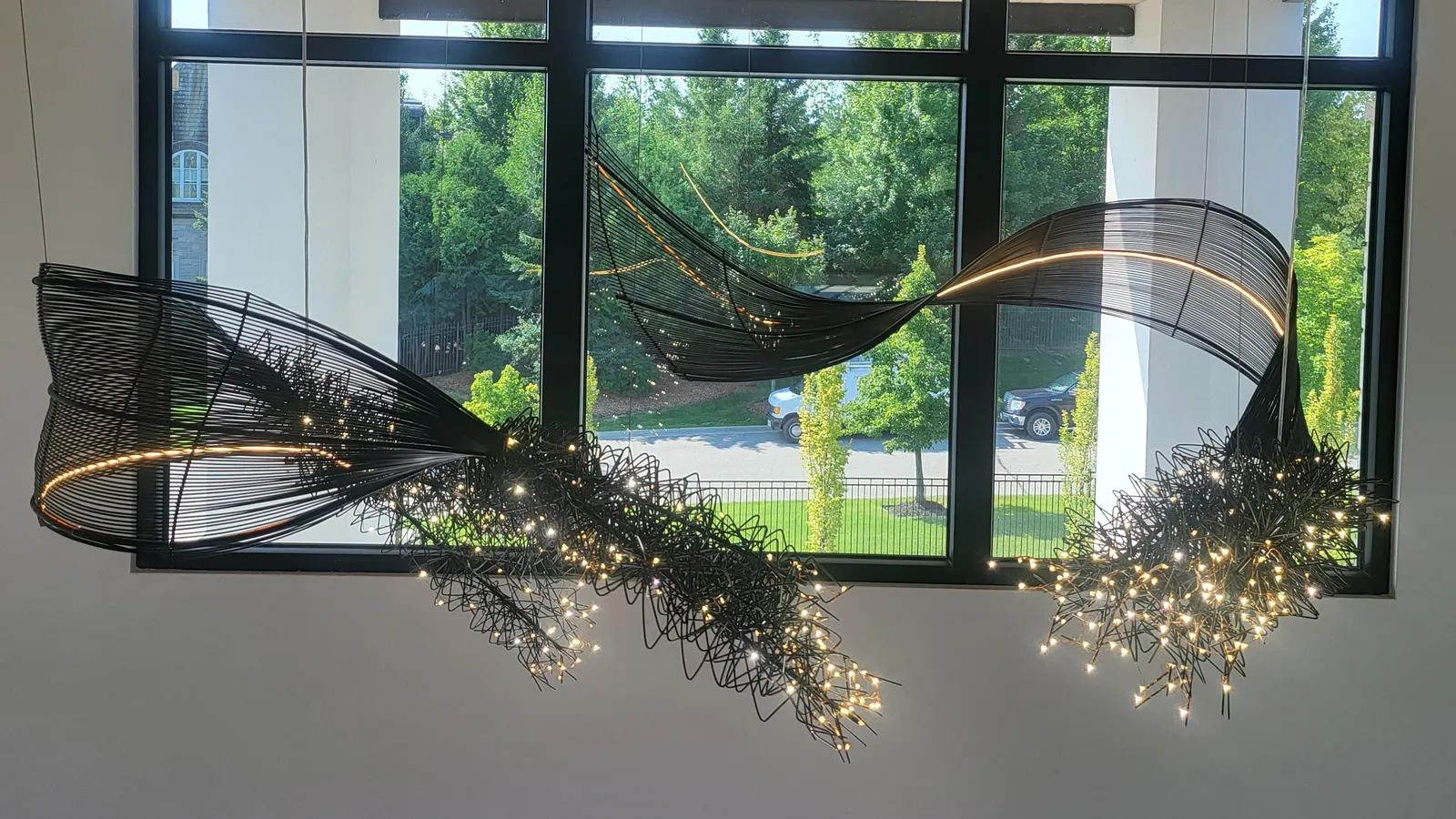
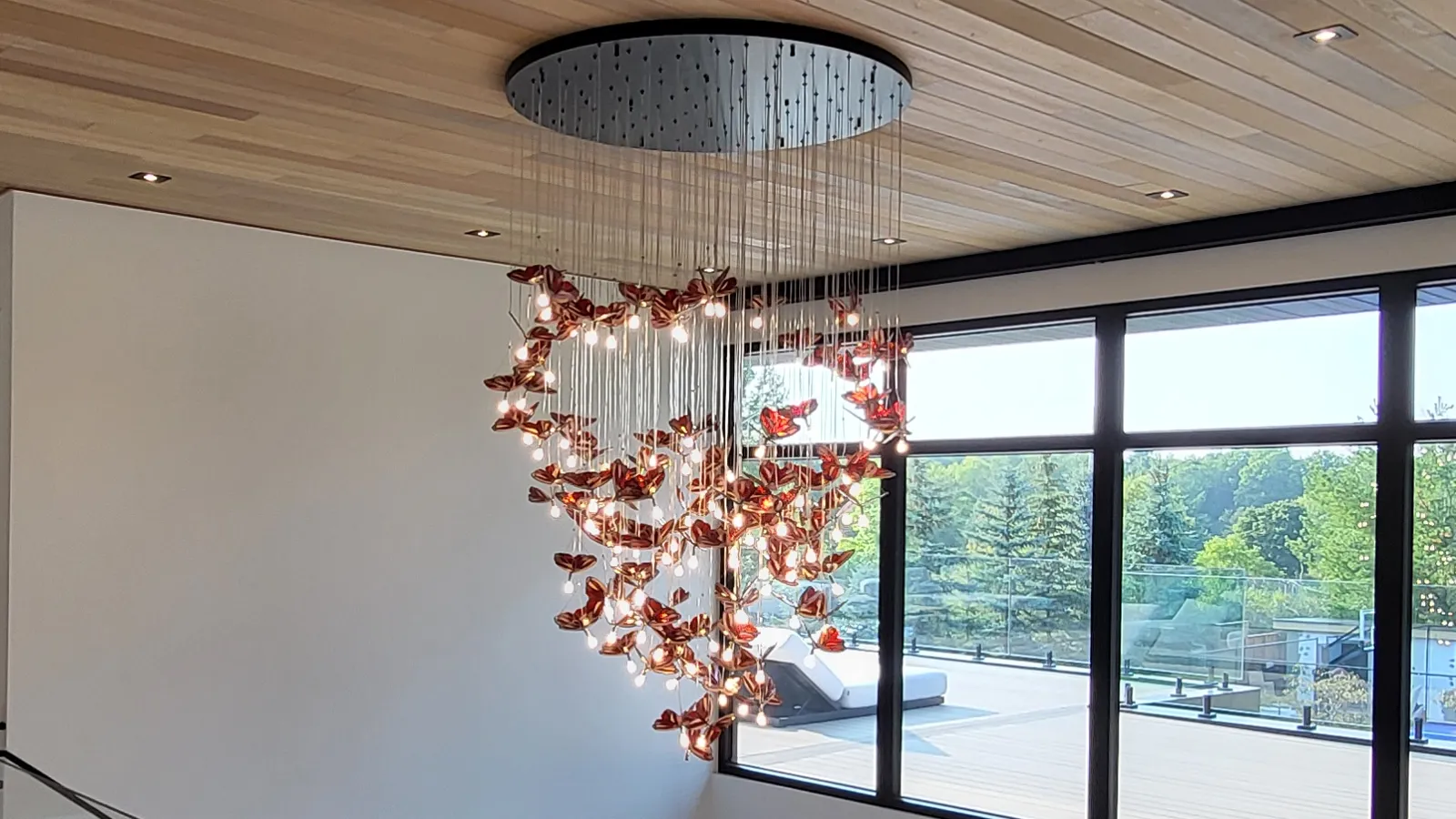
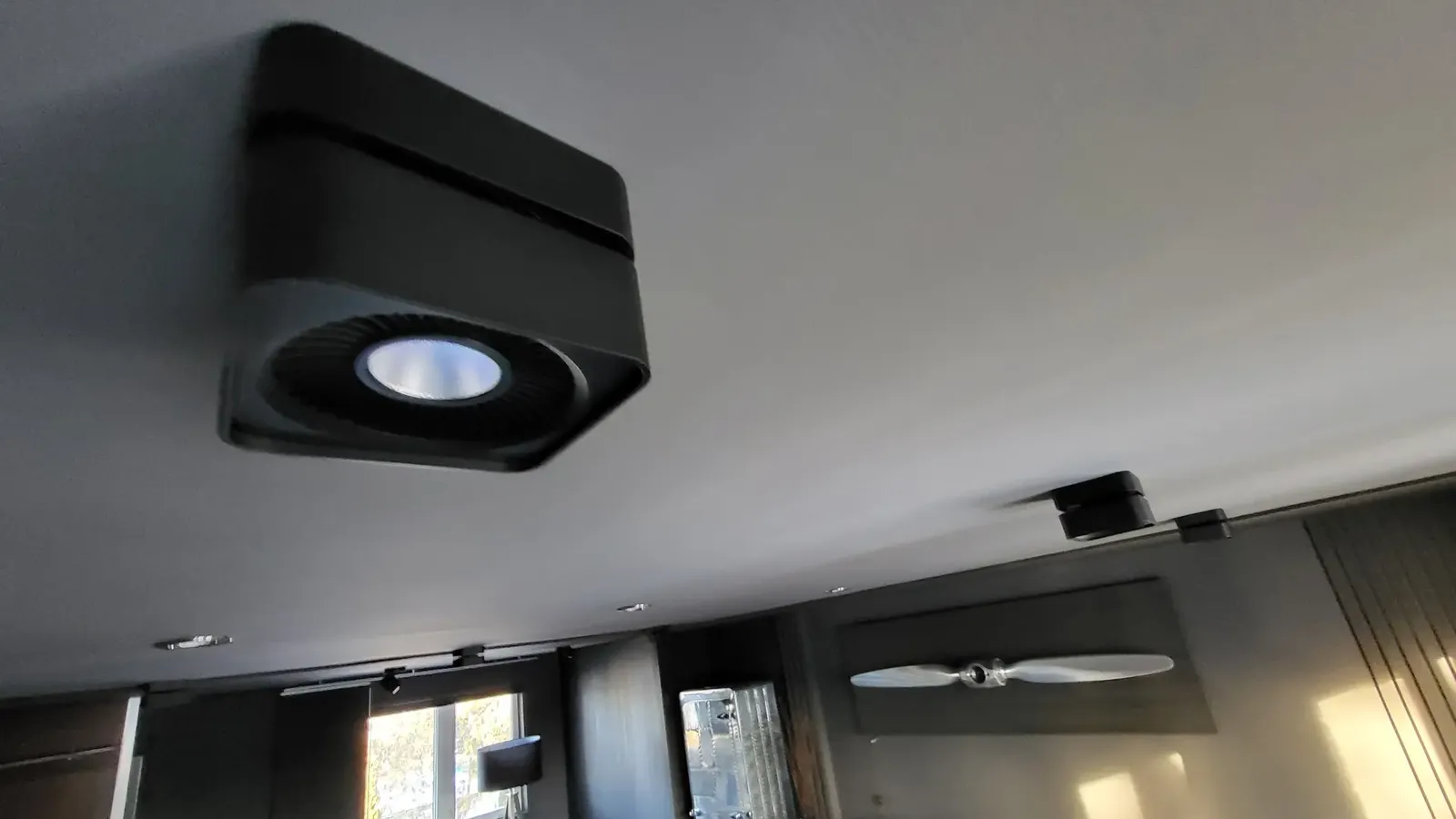
When Lighting Automation Systems Make Sense
Automate the right lights before inconvenience, wasted energy, and inconsistent control become part of daily life
Lighting automation systems are ideal when homeowners want the house to respond more intelligently without having to manage every light manually.
Many homes in Toronto, Mississauga, Vaughan, Markham, and across the GTA still rely on basic switching even though the lighting layout would benefit from automation.
Hallways may stay dark when they should guide movement at night, bathrooms may be left on accidentally, and exterior lights may depend on inconsistent manual control.
A well-planned lighting automation system solves these problems by making specific lights respond to motion, vacancy, presence, schedules, or room scenes.
This is especially useful in stairways, entry areas, powder rooms, mudrooms, laundry rooms, basements, garages, kitchens, and paths used late at night.
Homeowners often request lighting automation installation after realizing they do not want to think about certain lights anymore.
Instead of manually turning everything on and off, they want the right lights to activate at the right time and turn off when no longer needed.
Occupancy sensor lighting installation is often useful in functional spaces, while vacancy sensor lighting installation can be better in bedrooms or other areas where auto-on may be undesirable.
For more advanced rooms, presence sensor lighting automation can help keep lights active while someone is still present without relying only on simple motion triggers.
Quality examples include Lutron Caséta occupancy and vacancy sensing options, Philips Hue motion sensor accessories for automated smart lighting scenes, and Aqara Presence Sensor FP2 for more detailed zone-based automation.
Philips Hue also allows time-based customization of motion-triggered light intensity, which is useful for softer nighttime pathways and brighter daytime responses.
If the house has older switches, crowded boxes, or unresolved electrical issues, it may make sense to combine the project with electrical code corrections or electrical safety inspection.
Lighting automation also works especially well alongside pot lights installation and under cabinet lighting when the lighting layout itself is being improved.
A good automation system should feel invisible in the best way.
It should reduce friction, save time, improve comfort, and help the lighting fit the household’s routine naturally.
It should not be random, unreliable, or annoying to override.
For homeowners who want a smarter and more functional home environment, lighting automation systems are one of the strongest residential lighting upgrades available.
You Want Hands-Free Lighting in Key Areas
Hallways, stairways, bathrooms, and entry areas are strong candidates for occupancy- or motion-based lighting automation.
Lights Are Often Left On
Vacancy and schedule-based automation can reduce wasted energy and unnecessary lamp runtime.
You Want Better Nighttime Navigation
Automation can create low-level evening pathways that improve comfort and safety without using full brightness.
You Want Room Scenes Instead of Manual Adjustments
Scene-based lighting control can simplify dining, evening, entertaining, and away-mode lighting behaviour.
You Need Smarter Control Than a Simple Motion Sensor
Presence-based solutions can perform better in spaces where people remain still for longer periods.
You Are Upgrading Multiple Lighting Areas
Whole-home lighting automation is especially valuable when several rooms need coordinated schedules or response logic.
You Want Better Control of Pot Lights and Accent Lighting
Automation works well with recessed lights, under-cabinet lighting, and other frequently used lighting layers.
You Want a More Modern Home Experience
Lighting automation makes the home feel more refined, more efficient, and easier to use every day.
WHY CHOOSE US
Why Homeowners Trust Us
We focus on practical solutions rather than temporary fixes, ensuring your electrical system performs safely under real conditions. Every electrical panel upgrade is completed with proper planning, correct equipment selection, and attention to long-term performance.
Our approach eliminates unnecessary work and is based on accurate diagnostics, not assumptions, so you only pay for what your system actually needs. We prioritize safety, efficiency, and clean execution on every project.
As a result, you receive a reliable, code-compliant electrical system that supports your home today and is fully prepared for future electrical demands.
Licensed & Insured
All work is performed by qualified, fully insured electricians, ensuring safety, accountability, and compliance with all regulations.
ESA certified work
Every project includes permits and ESA inspection, guaranteeing that the installation meets Ontario Electrical Safety Code requirements.
Professional installations
We install panels with precise wiring, proper layout, and clear labeling, making the system safe, accessible, and easy to maintain.
Transparent pricing
Our customers receive clear pricing based on actual scope of work, with no hidden costs or unexpected changes during the project.
Fast scheduling
We schedule work efficiently and arrive on time, minimizing downtime and ensuring your electrical system is restored as quickly as possible.
Accurate calculations
We calculate electrical demand based on real usage, ensuring your panel is properly sized for both current and future electrical needs.
Code-compliant work
All installations strictly follow current electrical code requirements, ensuring safety, inspection approval, and long-term system reliability.
Reliable workmanship
Our experience allows us to deliver consistent, high-quality results that perform reliably under real operating conditions over time.
CODE & SAFETY REQUIREMENTS
Ontario Electrical Safety Code Compliance
The Ontario Electrical Safety Code (OESC) sets the minimum legal safety requirements for electrical installations in Ontario. For residential lighting automation systems, compliance with the Code is important to ensure that switches, dimmers, sensors, control devices, approved equipment, conductors, boxes, and related electrical components are installed safely and are suitable for the intended wiring method and connected loads.
Following the Code helps reduce the risk of electric shock, overheating, unreliable device operation, equipment damage, unsafe conductor terminations, box overcrowding, and failed ESA inspection where notification is required for the scope of work.
Lighting automation systems may include hardwired controls, wireless accessories, motion or occupancy sensors, vacancy sensors, control hubs, dimmers, and scene-based lighting devices. Any electrical portions of the installation must be integrated safely with the existing residential wiring and equipment.
Rules commonly applicable to residential lighting automation systems
-
Rule 2-022 — Approved electrical equipment
Lighting automation devices, switches, dimmers, sensors, and associated electrical products used in Ontario must be approved for use. -
Rule 2-024 — Approval requirements for electrical equipment
Equipment must be approved to recognized standards and accepted for installation in Ontario. -
Rule 2-034 — Use of electrical equipment
Electrical equipment must be used only for the purpose and in the manner for which it is approved and intended. -
Rule 2-004 — Notification of work / ESA inspection process
Where the electrical scope of work requires notification, the work must be properly notified to ESA and handled through the required process. -
Rule 4-022 — Identified conductor at control locations
Where applicable, lighting control locations for permanently installed luminaires must meet identified conductor requirements so compatible smart controls and automation devices can be installed correctly. -
Rule 12-3010 — Boxes, cabinets, and fittings installation requirements
Device boxes, cabinets, and fittings must be suitable for the installation and support the wiring method and control arrangement properly. -
Rule 12-3024 — Unused openings in boxes and fittings
Unused openings must be properly closed to maintain enclosure integrity and reduce safety risks. -
Rule 12-3034 — Conductors in outlet boxes, device boxes, and fittings
Conductors and devices must be installed with proper box capacity and arrangement to avoid overcrowding, damage, or overheating. -
Rule 14-100 — Protection of conductors by overcurrent devices
Branch-circuit conductors supplying lighting and automation-related control equipment must be protected correctly by the appropriate overcurrent devices. -
Rule 14-104 — Rating and coordination of overcurrent protection
Overcurrent protection must be properly matched to conductor ampacity and circuit characteristics. -
Rule 26-500 — General requirements for switches and control devices
Lighting control and automation-related devices must be selected and installed in accordance with their rating, intended use, and application. -
Rule 10-612 — Equipment bonding conductor connections
Bonding conductors and related terminations must be made properly within boxes and enclosures where required.
Note: Rule selection may vary depending on whether the project includes motion sensors, vacancy sensors, smart dimmers, automation hubs, new control locations, added lighting circuits, or broader rewiring. Exact official wording should be taken from the current purchased edition of the Ontario Electrical Safety Code.
COMMON QUESTIONS
FAQ — Lighting Automation Systems
1. What is a lighting automation system?
A lighting automation system controls lights automatically based on motion, presence, schedules, scenes, timers, or app commands instead of relying only on manual wall switching.
2. What is the difference between smart lighting and lighting automation?
Smart lighting may include individual connected bulbs or switches, while lighting automation focuses more on automatic behaviour such as motion response, vacancy shutoff, time-based scenes, and whole-home control logic.
3. Are Lutron Caséta sensors a good option for lighting automation?
Yes. Lutron Caséta occupancy and vacancy sensor options are strong choices for residential automation, especially when the homeowner wants reliable hands-free lighting control in key areas.
4. Is Philips Hue good for lighting automation?
Yes. Philips Hue is a strong option for residential lighting automation, especially when the homeowner wants flexible scenes, app control, and motion-triggered lighting behaviour.
5. What is Aqara Presence Sensor FP2 used for?
It is used for more advanced presence-based automation. It can detect presence within room zones and is useful where simple motion sensing is not enough.
6. What is the difference between occupancy and vacancy sensors?
Occupancy sensors can turn lights on automatically when someone enters and off when they leave. Vacancy sensors typically require manual on, but turn lights off automatically after the space is vacant.
7. Where is lighting automation most useful in a home?
It is especially useful in hallways, stairways, bathrooms, entry areas, kitchens, basements, laundry rooms, garages, and other spaces where convenience and automatic shutoff matter.
8. Can lighting automation help save energy?
Yes. It can reduce unnecessary lighting use through schedules, auto-off logic, occupancy sensing, and better control of frequently used spaces.
9. Do lighting automation systems always require rewiring?
Not always. Some automation accessories are wireless, but other projects may require hardwired controls, box evaluation, or electrical updates depending on the home and the chosen system.
10. Can I automate existing pot lights and room lighting?
In many cases yes. Existing recessed lights, kitchen lighting, hallway lighting, and accent lighting can often be integrated into an automation system with the right controls and compatible devices.
11. Do I need ESA notification for lighting automation installation?
That depends on the electrical scope of work. Simple accessory additions may differ from hardwired control changes, added switching points, rewiring, or broader electrical modifications.
12. Is lighting automation worth it in a house?
Yes. For many homeowners, it is one of the most practical upgrades because it improves convenience, nighttime usability, daily comfort, and the overall intelligence of the home’s lighting control.
SERVICE AREAS
Serving Toronto & the Greater Toronto Area
We provide residential, commercial, and industrial electrical services across Toronto and the GTA, supporting homes, businesses, and facilities with reliable and code-compliant electrical solutions.
Our service coverage includes major cities and surrounding areas, allowing us to respond quickly and deliver consistent service across the region.
Toronto
North York
Thornhill
Richmond Hill
Vaughan
Markham
Scarborough
Etobicoke
Mississauga
Brampton
ADDITIONAL SERVICE AREAS
Hamilton
Oakville
Burlington
Milton
Georgetown
Pickering
Ajax
Whitby
Oshawa
Clarington
Aurora
Newmarket
Bradford
King City
Barrie