
Toronto & GTA Electrical Contractor
Smart Home Integration in Toronto, Richmond Hill, Vaughan & GTA
Residential, commercial, and industrial electrical work — installations, upgrades, troubleshooting, maintenance, and code-compliant solutions.
Licensed & Insured
Fast Response
Code-Compliant Work
OUR SMART HOME INTEGRATION PROCESS
What We Do
We provide professional smart home integration services for residential properties across Toronto and the GTA. Our goal is to help homeowners bring compatible smart devices, lighting controls, and home comfort controls together into one practical and reliable system.
Smart home integration is not just about installing one new device. It is about making sure that switches, dimmers, thermostats, lighting controls, and selected smart home accessories work together properly, safely, and in a way that actually improves daily life. Many homeowners want a smart home upgrade, but they do not want a house full of disconnected apps, inconsistent controls, or devices that do not communicate well with each other. That is where proper smart home electrical integration becomes important. We help homeowners upgrade and integrate common residential smart home devices such as smart switches, smart dimmers, smart thermostats, lighting controls, and compatible automation accessories. This can include setup around major platforms such as Apple Home, Alexa, Google Home, and modern Matter-compatible ecosystems where appropriate for the home. Every project starts with reviewing the existing electrical setup, the homeowner’s goals, the control points in the home, and the type of devices being added or replaced. This step matters because not every smart home product fits every house in the same way. Some homes are better suited for hardwired controls, some benefit from simpler platform-based integration, and some need electrical corrections before additional smart devices are added.
In older homes, switch box size, neutral availability, existing wiring conditions, and device compatibility can all affect what should be installed. That is why smart home integration Toronto homeowners can rely on should begin with the electrical side first, not just the app setup. A well-planned residential smart home installation can make lighting easier to control, improve thermostat convenience, simplify daily routines, and reduce the frustration that comes from using separate systems that do not work well together. For many homeowners, the most practical approach is to start with key controls such as smart switch installation, smart dimmer installation, and smart thermostat wiring, then build outward as the home evolves. In some properties, it also makes sense to combine this work with electrical safety inspection where the existing installation condition should be reviewed before broader smart device integration. We focus on safe installation, compatibility awareness, clean workmanship, logical setup, and practical solutions that fit the way the household actually lives. Where ESA notification is required for the electrical scope of work, the installation must be handled properly and completed in accordance with Ontario Electrical Safety Code requirements.
For homeowners who want more information on electrical safety in Ontario, the Electrical Safety Authority (ESA) is the main provincial authority. A properly executed smart home integration project is not about adding technology for its own sake — it is about creating a home that is easier to control, more comfortable to live in, and better prepared for future upgrades.

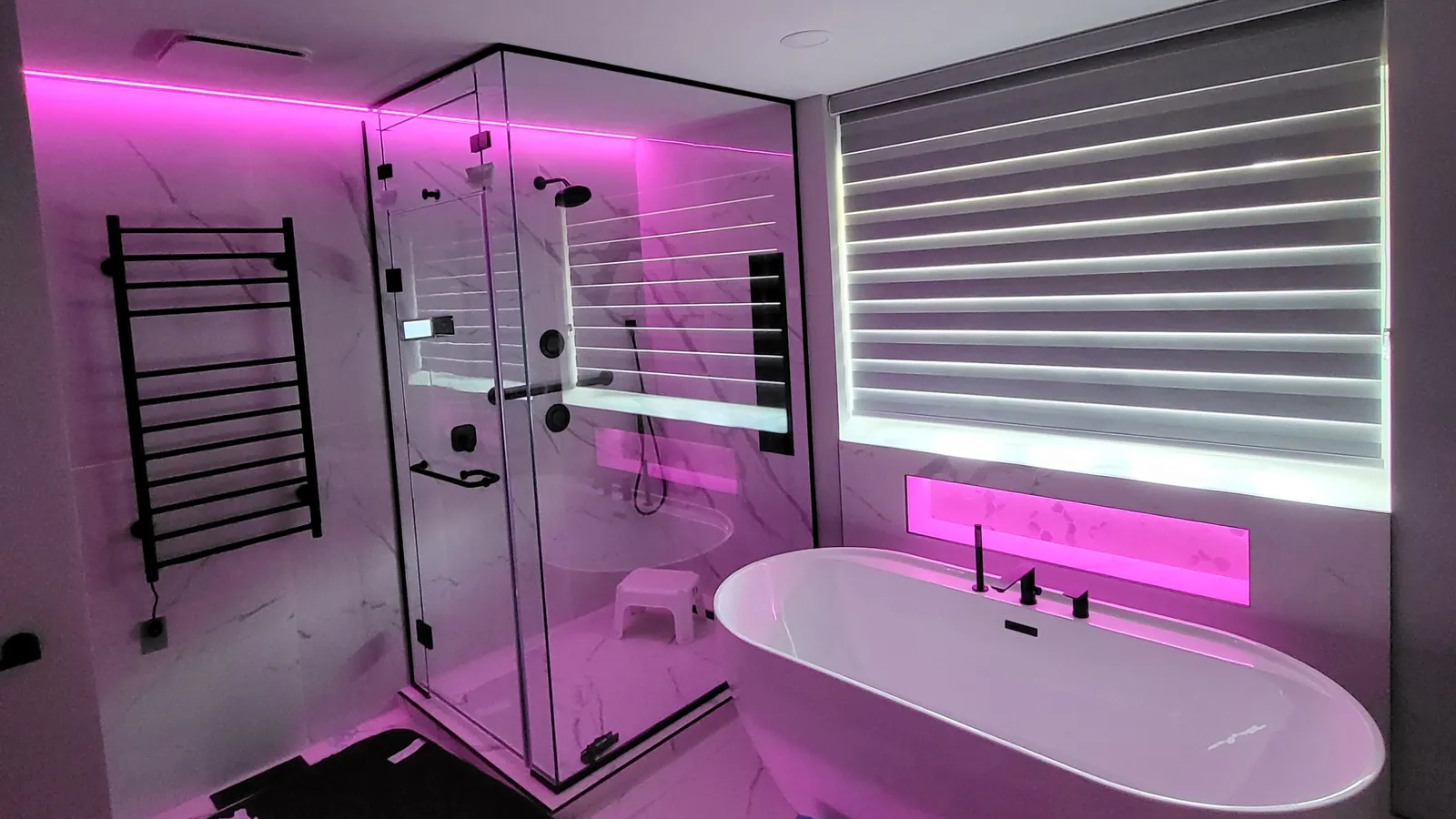
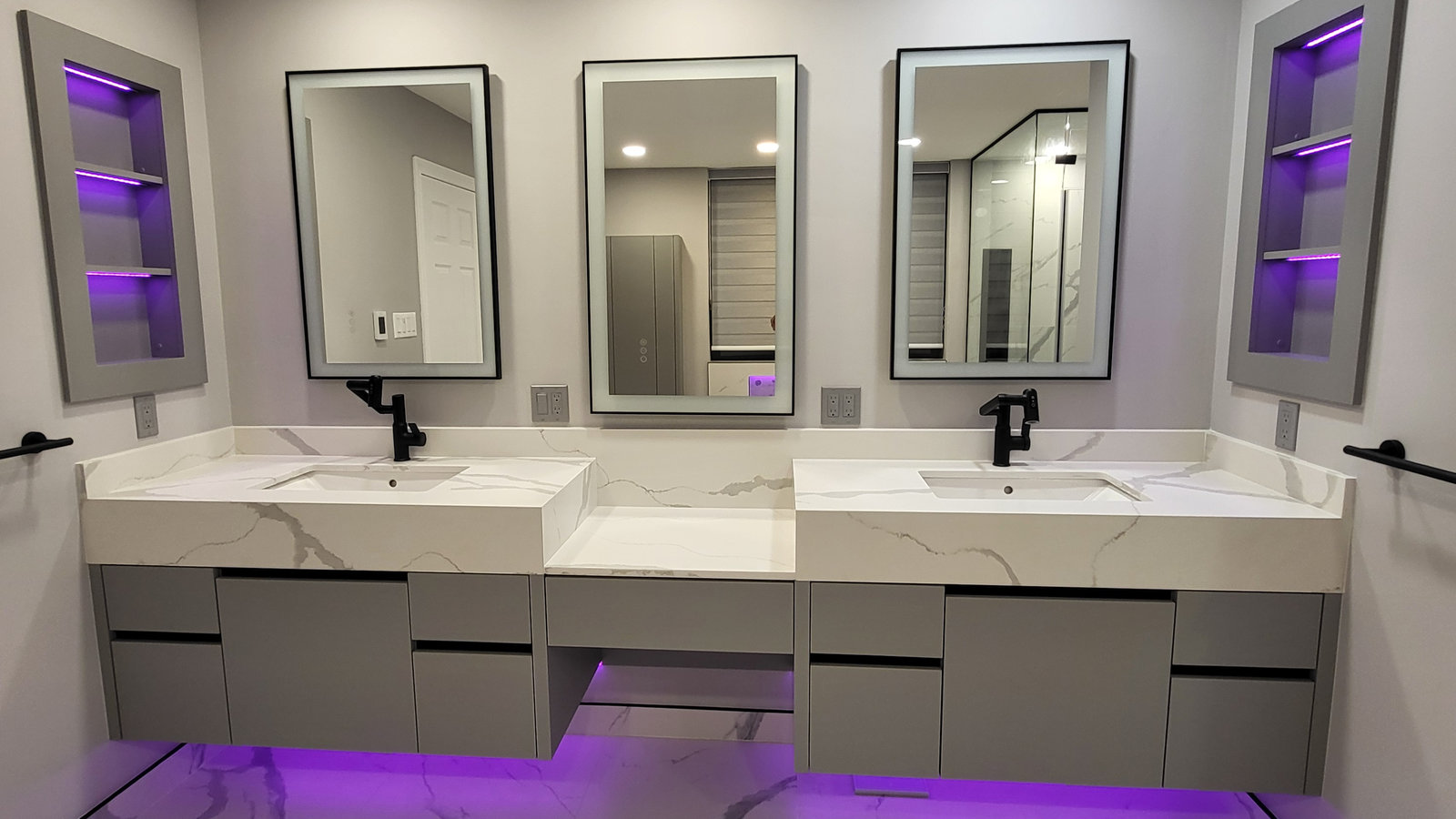
When Smart Home Integration Makes Sense
Connect the right systems before smart devices become a confusing collection instead of a useful home upgrade
Smart home integration makes sense when a homeowner wants connected devices to work together as one practical system instead of acting like separate gadgets.
Many homes in Toronto, Mississauga, Vaughan, Markham, and across the GTA already have a few smart devices, but they were added one at a time without a real plan.
That often leads to too many apps, inconsistent controls, devices that respond differently, and a setup that feels more annoying than helpful.
A properly planned smart home integration service helps simplify the home by bringing the right controls and compatible devices together in a more organized way.
This is especially useful when combining smart switches, smart dimmers, thermostats, lighting automation, and other common residential smart home features.
Homeowners often request smart home integration after realizing that adding more devices does not automatically create a better smart home.
What matters is whether the devices are compatible, electrically suitable, and set up around the same control logic.
Modern smart home projects are often built around platforms such as Apple Home, Alexa, Google Home, and Matter-compatible products, but the electrical side still has to be correct.
If switch boxes are too small, neutrals are missing, or the existing wiring has unresolved issues, the integration should not be treated as app setup only.
In many homes, the right first step is upgrading the controls that people use every day, such as smart switches, smart dimmers, and lighting automation systems.
If the house also has older wiring conditions or existing safety concerns, the project may benefit from electrical code corrections before broader smart device installation continues.
A good smart home setup should feel simpler after integration, not more complicated.
The homeowner should be able to control important functions more easily, not spend time troubleshooting what app controls which room.
A well-integrated smart home can improve convenience, routine control, comfort, and future flexibility.
It can also make later upgrades easier because the home is being built around a clearer system instead of a random collection of products.
That is why smart home electrical integration is often one of the most useful modern upgrades for residential properties.
For homeowners who want the house to feel more coordinated, more modern, and easier to manage, smart home integration is a strong and practical service.
You Already Have Smart Devices but They Feel Disconnected
Multiple apps, inconsistent responses, and scattered controls are common signs that the home needs proper integration.
You Want One Clearer Control Experience
Smart home integration helps bring everyday functions into a more organized and usable system.
You Are Adding Smart Switches, Dimmers, or Thermostats
These core devices are often the best foundation for a smarter and more practical home setup.
You Want Better Platform Compatibility
Many homeowners want devices that fit better with Apple Home, Alexa, Google Home, or Matter-based ecosystems.
Your Home Has Older Wiring Conditions
Older homes may need wiring review, neutral checks, or electrical corrections before smart integration expands.
You Want Simpler Daily Routines
Integrated controls can make lighting, comfort settings, and other everyday functions easier to manage.
You Are Modernizing the Home Room by Room
Smart home integration works well when upgrades are being added gradually instead of all at once.
You Want a Better Base for Future Upgrades
A more structured smart home setup makes later additions easier and more reliable.
WHY CHOOSE US
Why Homeowners Trust Us
We focus on practical solutions rather than temporary fixes, ensuring your electrical system performs safely under real conditions. Every electrical panel upgrade is completed with proper planning, correct equipment selection, and attention to long-term performance.
Our approach eliminates unnecessary work and is based on accurate diagnostics, not assumptions, so you only pay for what your system actually needs. We prioritize safety, efficiency, and clean execution on every project.
As a result, you receive a reliable, code-compliant electrical system that supports your home today and is fully prepared for future electrical demands.
Licensed & Insured
All work is performed by qualified, fully insured electricians, ensuring safety, accountability, and compliance with all regulations.
ESA certified work
Every project includes permits and ESA inspection, guaranteeing that the installation meets Ontario Electrical Safety Code requirements.
Professional installations
We install panels with precise wiring, proper layout, and clear labeling, making the system safe, accessible, and easy to maintain.
Transparent pricing
Our customers receive clear pricing based on actual scope of work, with no hidden costs or unexpected changes during the project.
Fast scheduling
We schedule work efficiently and arrive on time, minimizing downtime and ensuring your electrical system is restored as quickly as possible.
Accurate calculations
We calculate electrical demand based on real usage, ensuring your panel is properly sized for both current and future electrical needs.
Code-compliant work
All installations strictly follow current electrical code requirements, ensuring safety, inspection approval, and long-term system reliability.
Reliable workmanship
Our experience allows us to deliver consistent, high-quality results that perform reliably under real operating conditions over time.
CODE & SAFETY REQUIREMENTS
Ontario Electrical Safety Code Compliance
The Ontario Electrical Safety Code (OESC) sets the minimum legal safety requirements for electrical installations in Ontario. For residential smart home integration, compliance with the Code is important to ensure that switches, dimmers, controls, approved devices, conductors, boxes, and related electrical equipment are installed safely and are suitable for the intended application.
Following the Code helps reduce the risk of electric shock, overheating, equipment damage, unsafe conductor terminations, box overcrowding, unreliable device operation, and failed ESA inspection where notification is required for the electrical scope of work.
Smart home integration may involve a combination of hardwired controls, smart switches, smart dimmers, thermostat-related controls, automation devices, and other compatible residential equipment. The electrical portion of these upgrades must be integrated safely with the existing wiring and installed in accordance with Ontario requirements.
Rules commonly applicable to residential smart home integration
-
Rule 2-022 — Approved electrical equipment
Smart home devices, controls, switches, dimmers, and associated electrical products used in Ontario must be approved for use. -
Rule 2-024 — Approval requirements for electrical equipment
Equipment must be approved to recognized standards and accepted for installation in Ontario. -
Rule 2-034 — Use of electrical equipment
Electrical equipment must be used only for the purpose and in the manner for which it is approved and intended. -
Rule 2-004 — Notification of work / ESA inspection process
Where the electrical scope of work requires notification, the work must be properly notified to ESA and handled through the required process. -
Rule 4-022 — Identified conductor at control locations
Where applicable, control locations for permanently installed luminaires and related devices must meet identified conductor requirements so compatible smart controls can be installed correctly. -
Rule 12-3010 — Boxes, cabinets, and fittings installation requirements
Device boxes, cabinets, and fittings must be suitable for the installation and support the wiring method and device arrangement properly. -
Rule 12-3024 — Unused openings in boxes and fittings
Unused openings must be properly closed to maintain enclosure integrity and reduce safety risks. -
Rule 12-3034 — Conductors in outlet boxes, device boxes, and fittings
Conductors and devices must be installed with proper box capacity and arrangement to avoid overcrowding, damage, or overheating. -
Rule 14-100 — Protection of conductors by overcurrent devices
Branch-circuit conductors supplying smart home control equipment must be protected correctly by the appropriate overcurrent devices. -
Rule 14-104 — Rating and coordination of overcurrent protection
Overcurrent protection must be properly matched to conductor ampacity and circuit characteristics. -
Rule 16-200 — Separation from other circuits
Where Class 2 or similar control wiring is part of the installation, separation requirements must be respected unless installed in accordance with permitted methods. -
Rule 26-500 — General requirements for switches and control devices
Control devices must be selected and installed in accordance with their rating, intended use, and application.
Note: Rule selection may vary depending on whether the project includes smart switches, smart dimmers, thermostat wiring, automation devices, new control points, or broader rewiring. Exact official wording should be taken from the current purchased edition of the Ontario Electrical Safety Code.
COMMON QUESTIONS
FAQ — Smart Home Integration
1. What is smart home integration?
Smart home integration means bringing compatible smart devices and controls together into one practical system so they work more smoothly and are easier to use in daily life.
2. Is smart home integration the same as home automation?
Not exactly. Integration is about making devices work well together, while automation usually refers more specifically to schedules, triggers, scenes, and automatic behaviour.
3. What devices are commonly included in a smart home integration project?
Common examples include smart switches, smart dimmers, thermostats, lighting controls, selected sensors, and other compatible residential control devices.
4. Can you integrate devices with Apple Home, Alexa, or Google Home?
Yes, when the selected devices are compatible with the homeowner’s preferred platform and the electrical setup supports the installation properly.
5. What is Matter in a smart home?
Matter is a smart home connectivity standard designed to improve compatibility between supported devices and major smart home ecosystems.
6. What is Thread in a smart home?
Thread is a low-power mesh networking technology used by some smart home devices to improve communication reliability and support modern connected home systems.
7. Can older homes be upgraded for smart home integration?
Yes, but older homes often need wiring review first. Neutral availability, box size, conductor condition, and existing electrical safety issues can affect what should be installed.
8. Do I need to automate the whole house at once?
No. Many homeowners start with the controls they use every day, such as lighting and thermostat-related upgrades, then expand the smart home gradually.
9. Is smart home integration worth it?
Yes. When done properly, it can make the home easier to control, reduce confusion between different devices, and create a better foundation for future upgrades.
10. Will smart home integration require rewiring?
Not always. Some projects are simple, while others may require wiring corrections, new controls, box evaluation, or electrical updates depending on the house and the selected devices.
11. Do I need ESA notification for smart home integration work?
That depends on the electrical scope of work. Simple device changes may be different from new hardwired controls, new wiring, or broader electrical modifications.
12. What is the best way to start a smart home upgrade?
For most homeowners, the best start is with practical everyday controls such as smart switches, smart dimmers, thermostat wiring, and lighting automation in the main living areas.
SERVICE AREAS
Serving Toronto & the Greater Toronto Area
We provide residential, commercial, and industrial electrical services across Toronto and the GTA, supporting homes, businesses, and facilities with reliable and code-compliant electrical solutions.
Our service coverage includes major cities and surrounding areas, allowing us to respond quickly and deliver consistent service across the region.
Toronto
North York
Thornhill
Richmond Hill
Vaughan
Markham
Scarborough
Etobicoke
Mississauga
Brampton
ADDITIONAL SERVICE AREAS
Hamilton
Oakville
Burlington
Milton
Georgetown
Pickering
Ajax
Whitby
Oshawa
Clarington
Aurora
Newmarket
Bradford
King City
Barrie